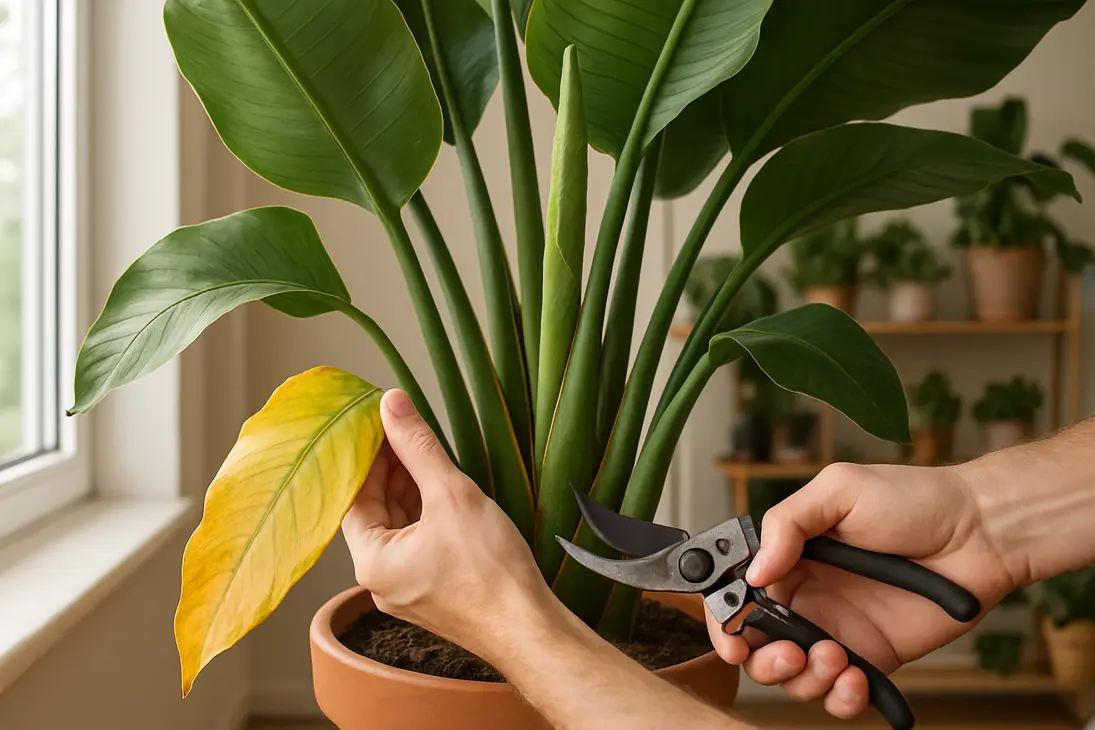
Should You Remove an Old Bird of Paradise Leaf That Is Blocking a New Leaf?
Do not remove a healthy bird of paradise leaf unless it is truly pinching new growth. Learn when and how to prune it safely.
· 10 min read
Do not remove a healthy bird of paradise leaf unless it is truly pinching new growth. Learn when and how to prune it safely.
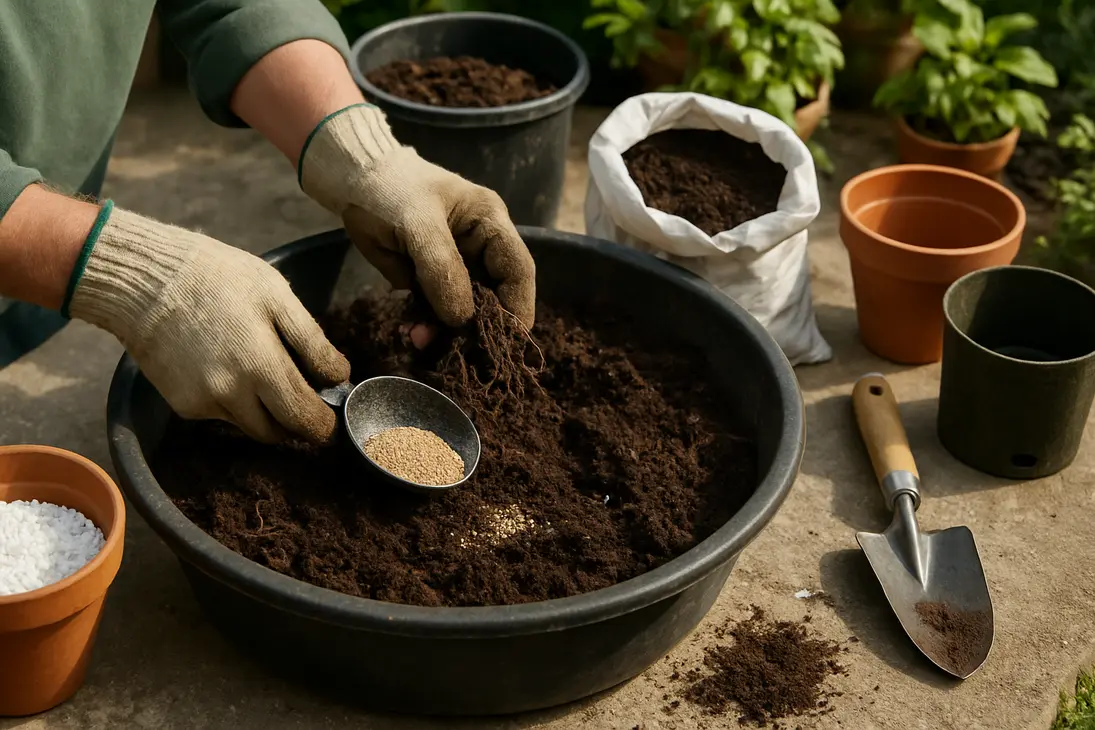
Compost activator can help break down old roots, but it will not restore nutrients or structure. Learn how to safely refresh used potting soil.
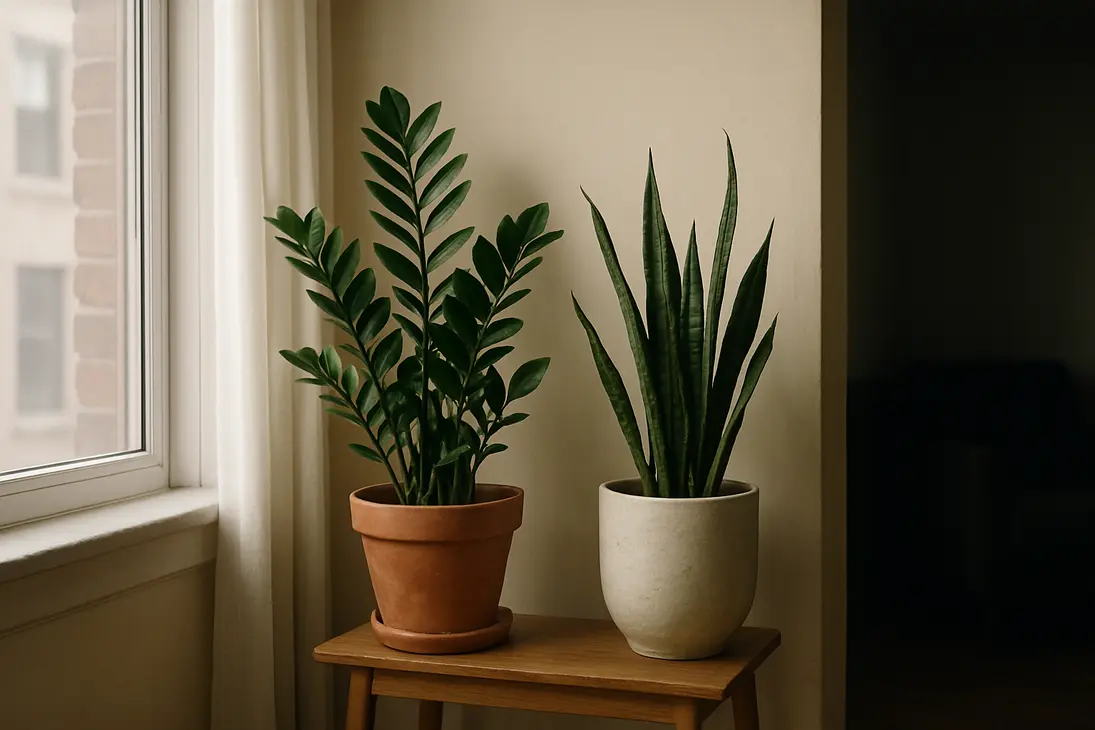
Learn what low light really means for houseplants, how window distance affects growth, and when plants need brighter light or a grow light.
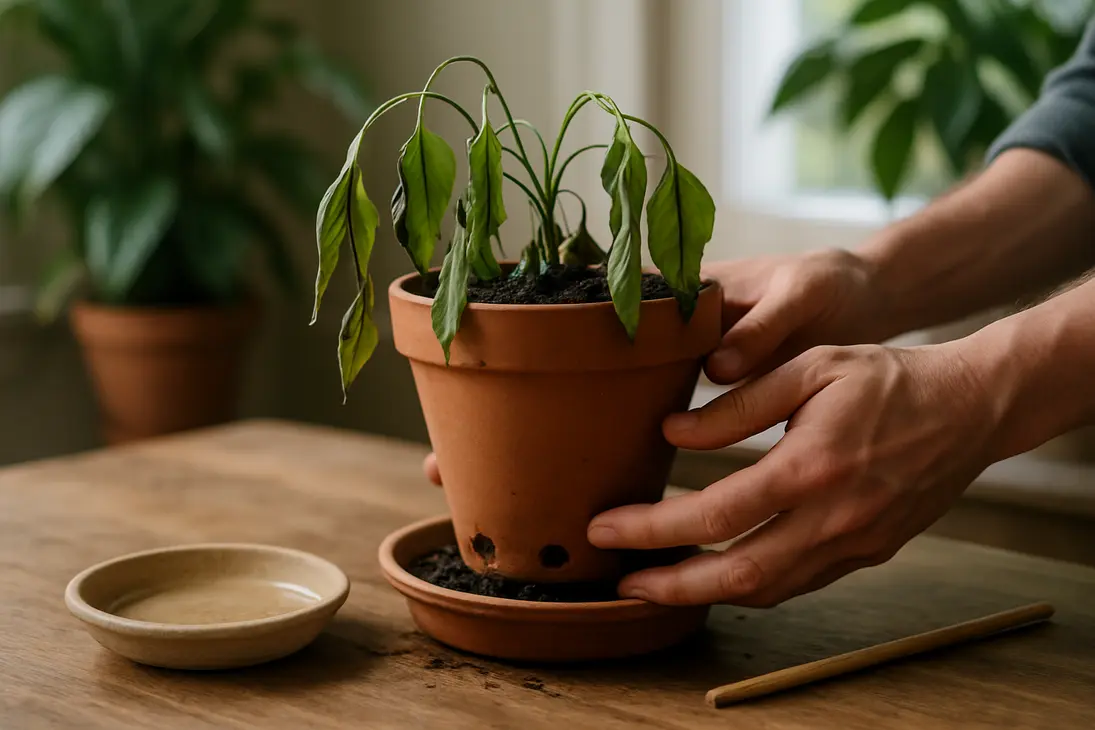
After heavily watering a wilted plant, drain excess water, check soil moisture and roots, and wait before watering again.
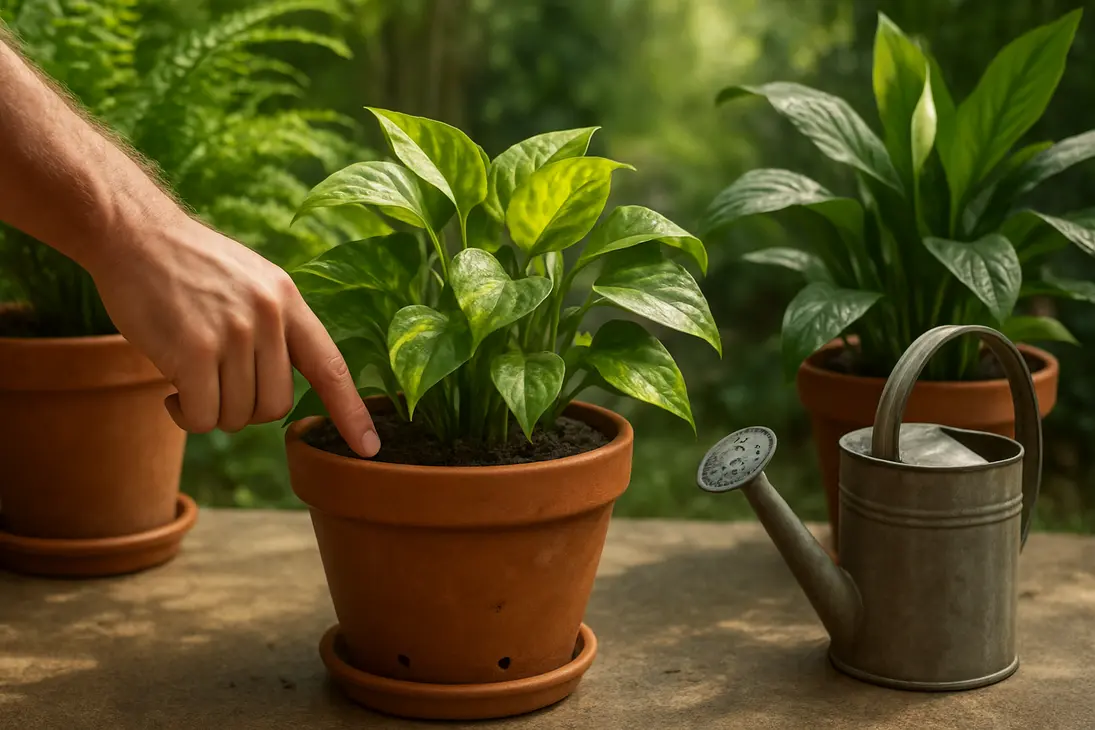
Learn why outdoor houseplants may need less manual water in summer and how rain, shade, pot size, heat, and wind affect watering needs.
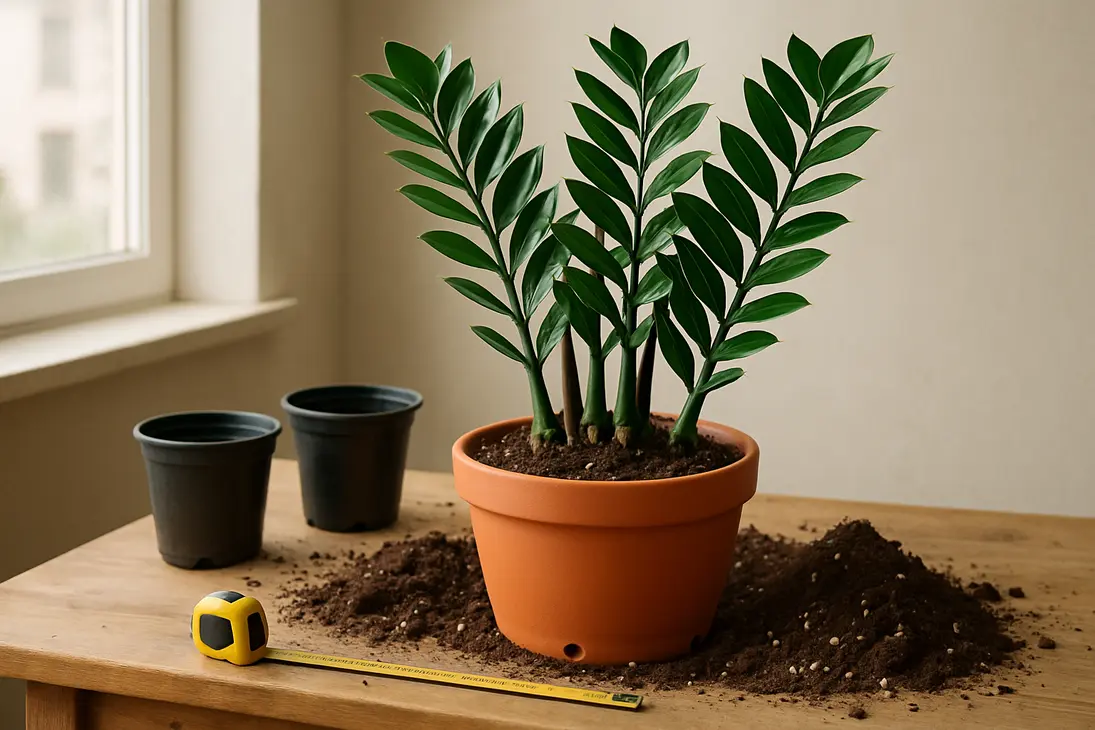
Choose a pot 2–4 inches wider than the combined root balls. Three ZZ plants in 4-inch pots usually fit a 10–12 inch planter.
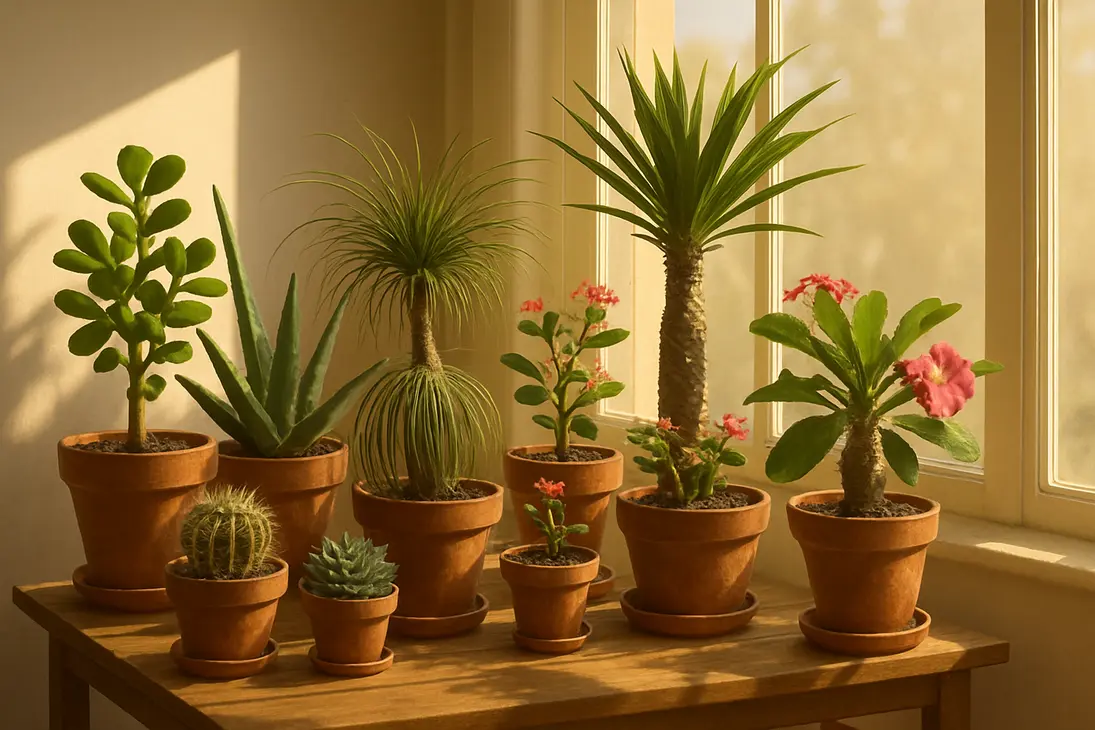
Discover houseplants that handle hot direct sun, including cacti, jade, yucca, aloe, crown of thorns, and desert rose.
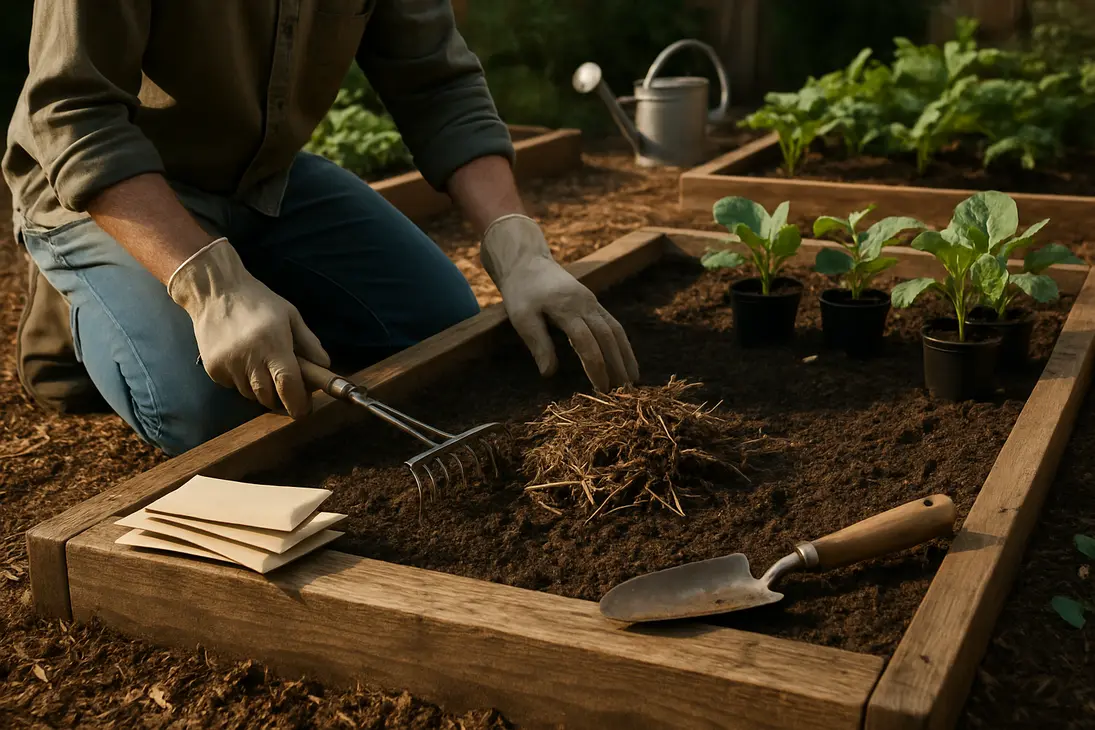
Learn when it is safe to plant after Roundup, why glyphosate-only and residual products differ, and how to prepare a treated bed.
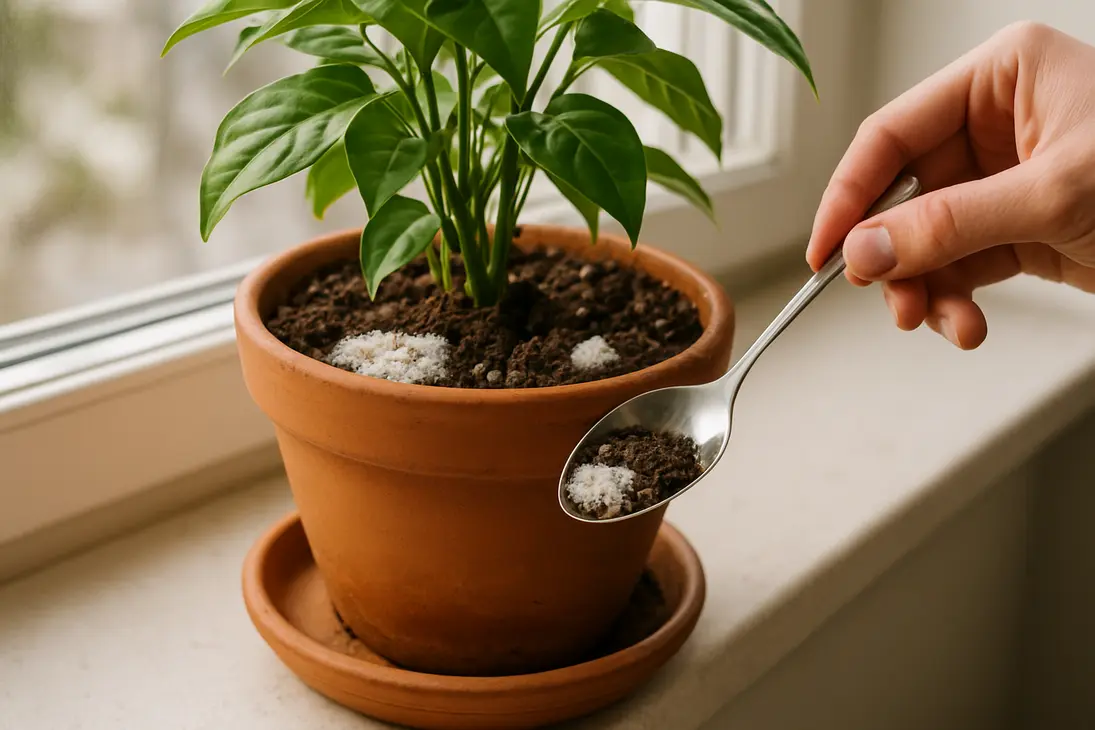
Learn whether white soil in potted plants is mold or mineral buildup, plus how to fix crusty residue, improve drainage, and prevent it returning.
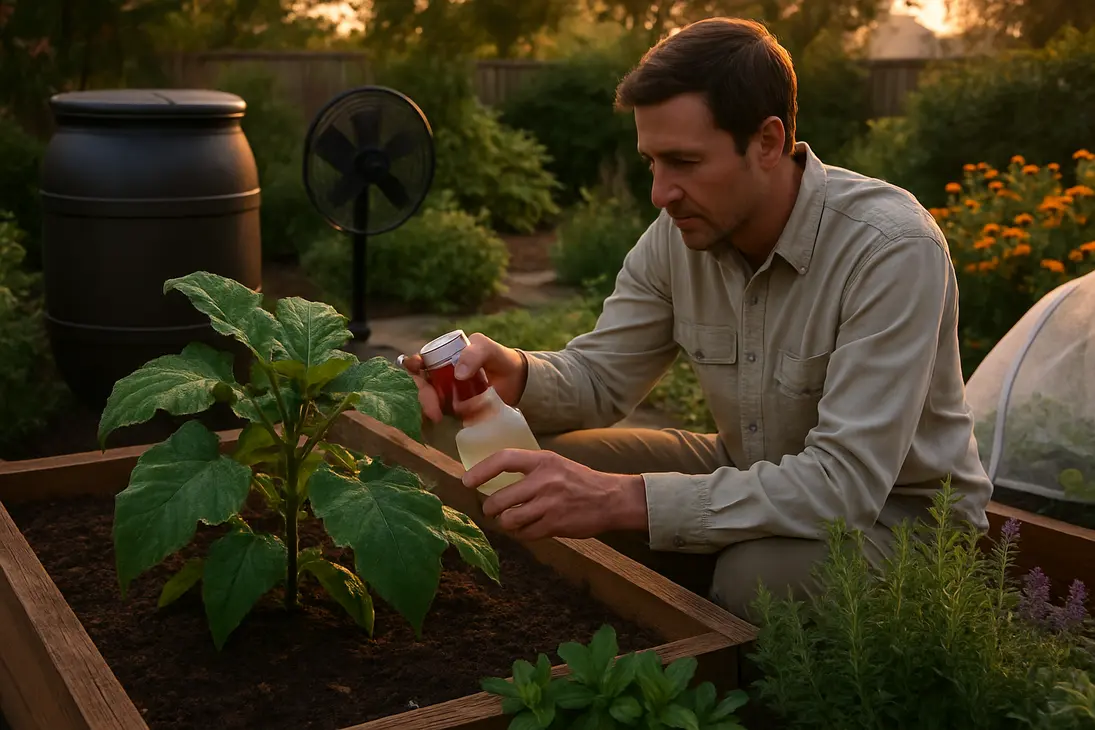
Learn when a pleasant DIY bug spray may help, when to use a registered repellent, and how to protect plants, pets, and pollinators.
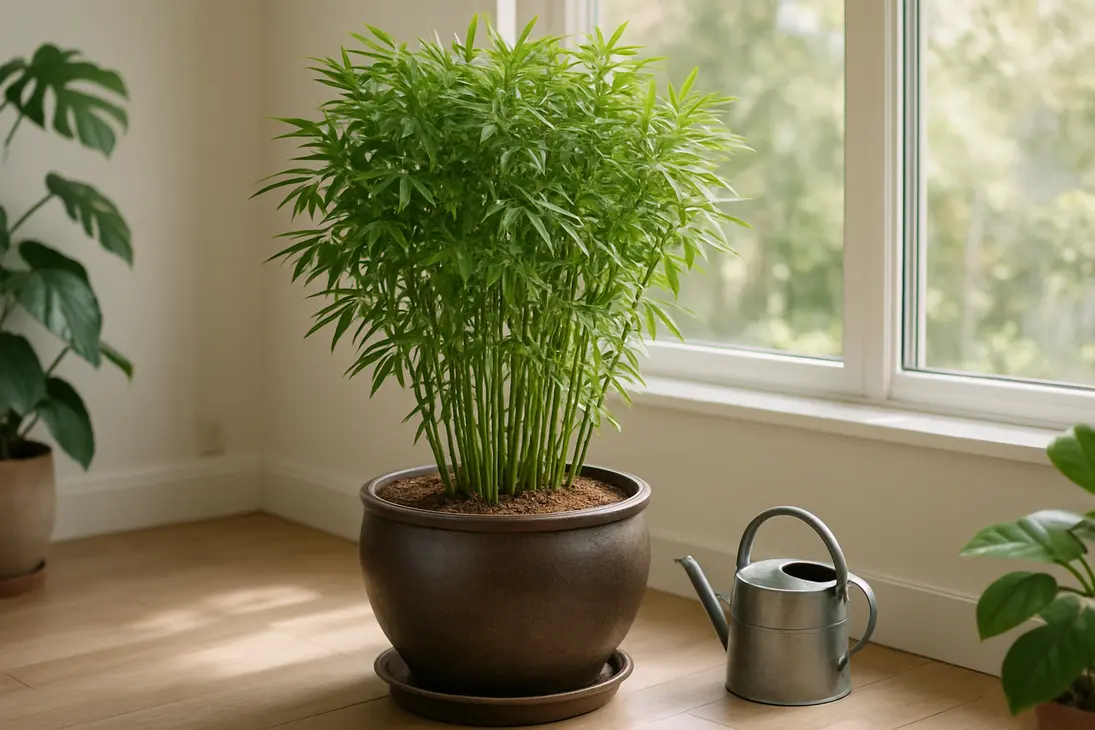
Clumping bamboo can grow indoors in pots with bright light, a large draining container, regular watering, and periodic root management.
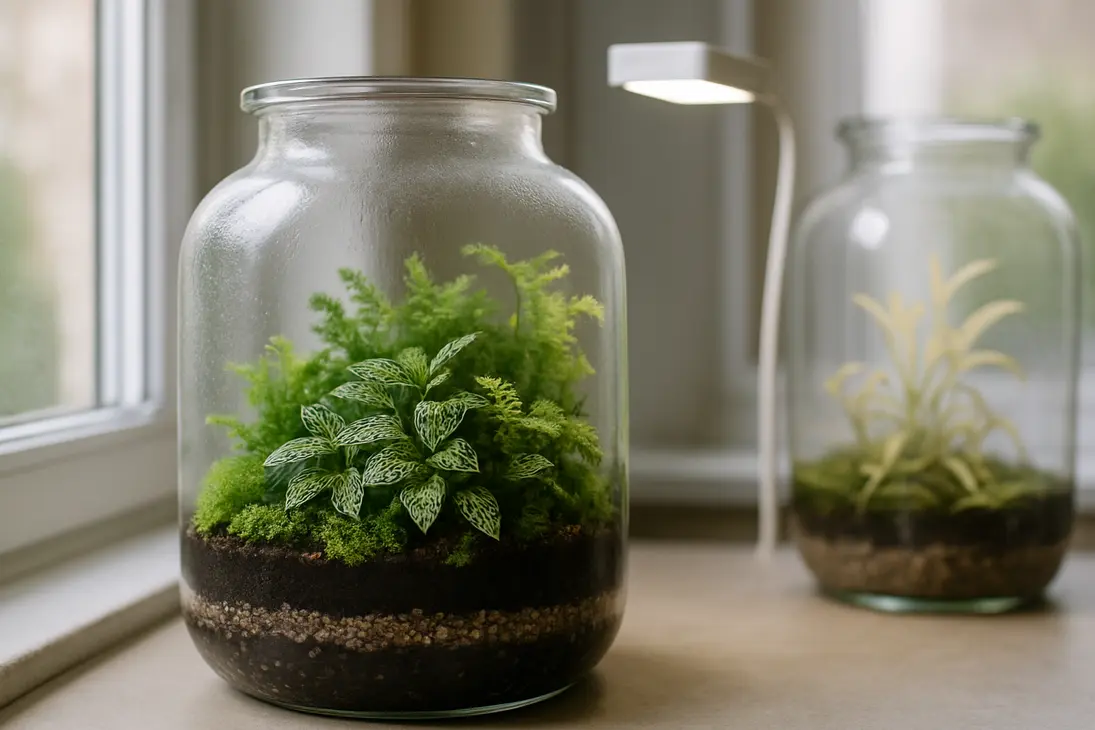
Plants cannot grow indefinitely without light. Learn how closed terrariums use light, water and gases, and when LED grow lights are needed.
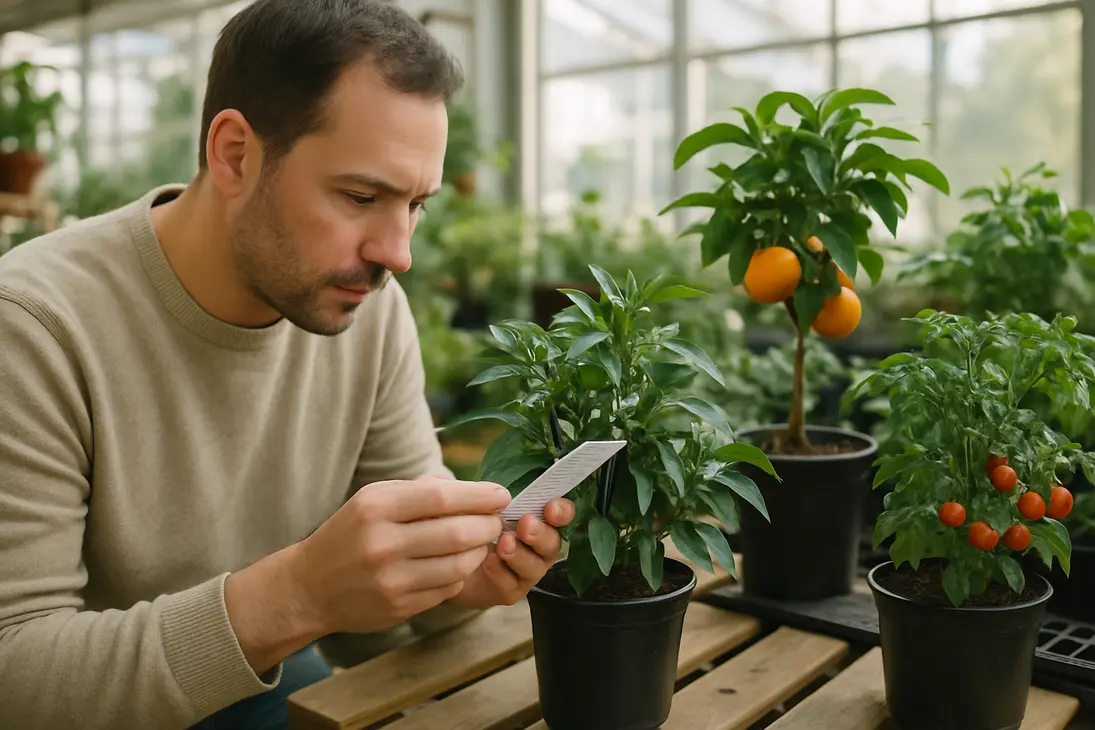
Learn how to verify self-pollinating houseplants, check cultivar labels, and determine whether one indoor plant can produce fruit.
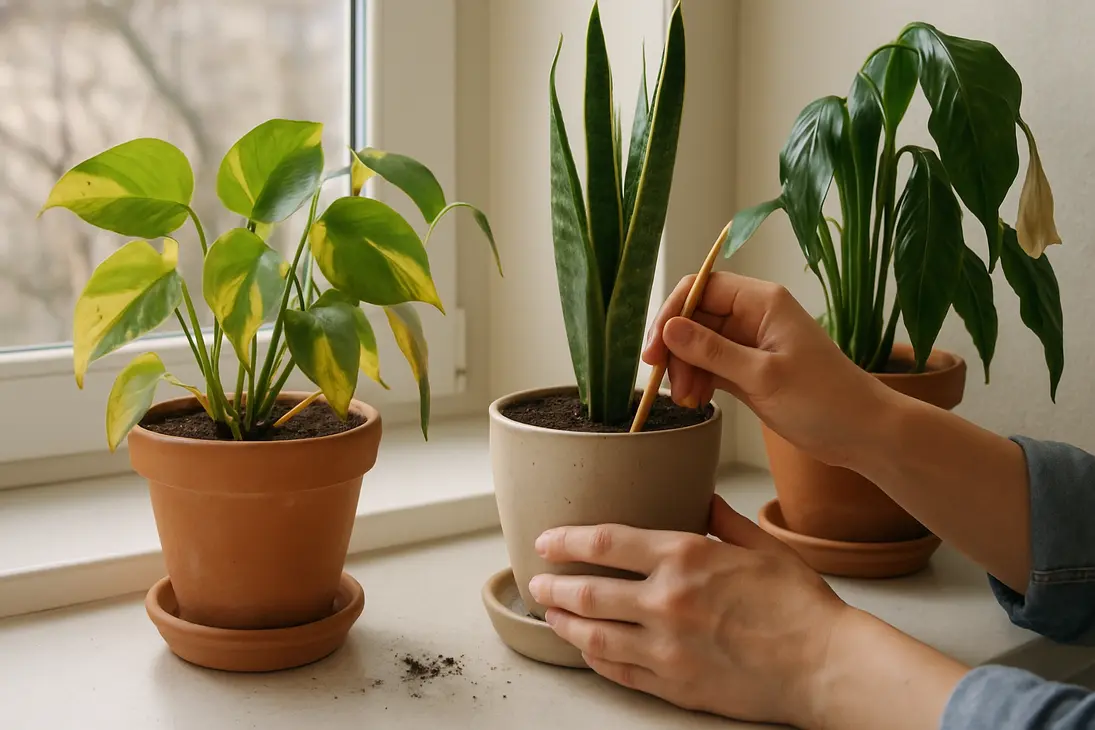
Learn the early signs a plant is struggling, from yellow leaves and wilting to pests, root rot, wet soil, and stalled growth.
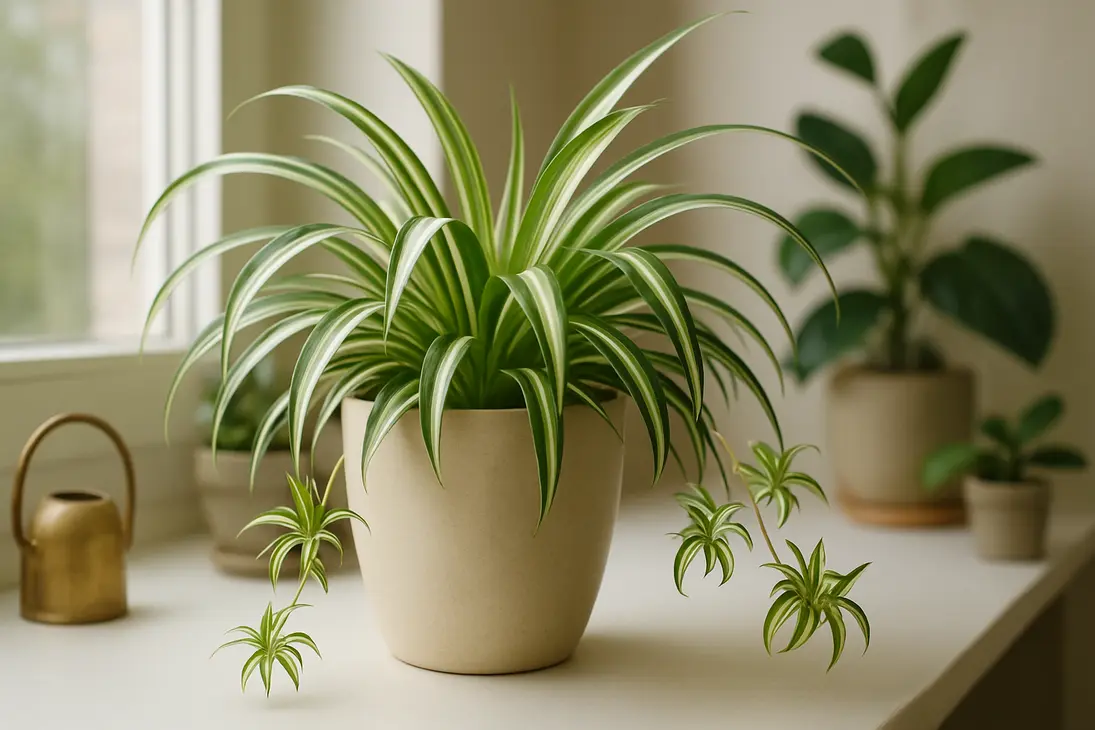
Spider plants are forgiving, pet-friendlier houseplants with arching leaves and easy plantlets, but they still need light, drainage, and steady watering.
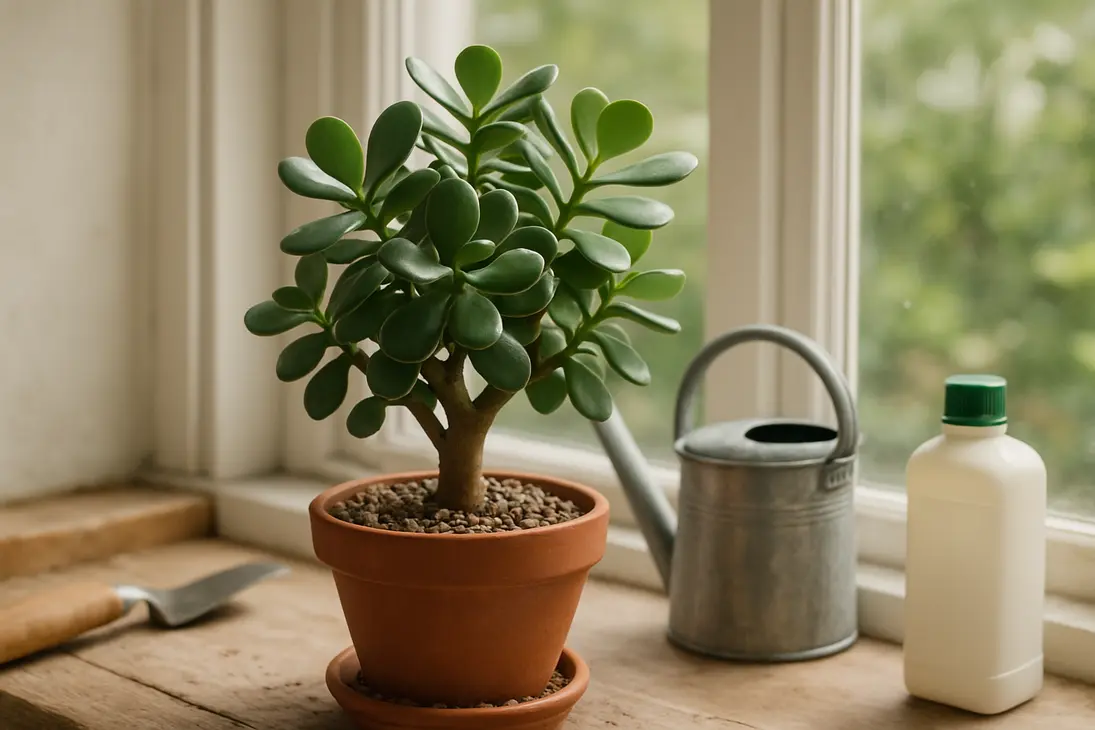
Use a diluted balanced houseplant or succulent fertilizer for jade trees in spring and summer, and avoid overfeeding these light-feeding plants.
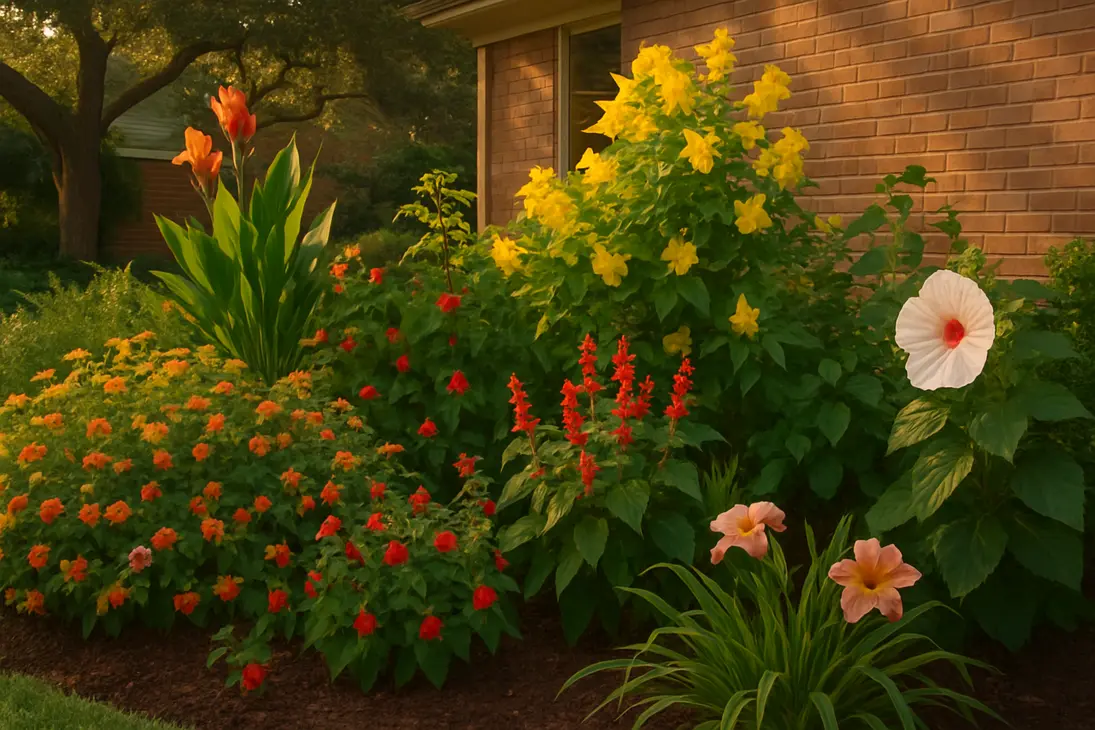
See heat-tolerant perennials, natives, shrubs, and bulbs that survive Houston winters and return with summer blooms after freezes.
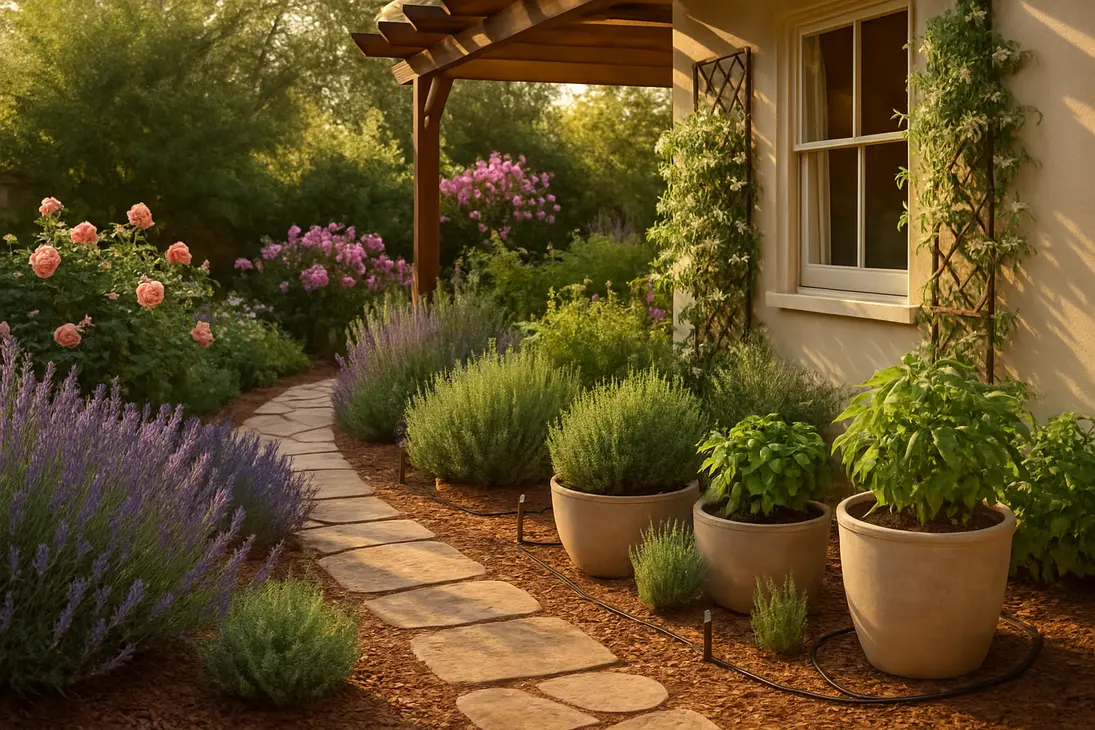
Plan a fragrant summer garden with heat-tolerant flowers, herbs, shrubs, vines, smart placement, deep watering, mulch, and shade.
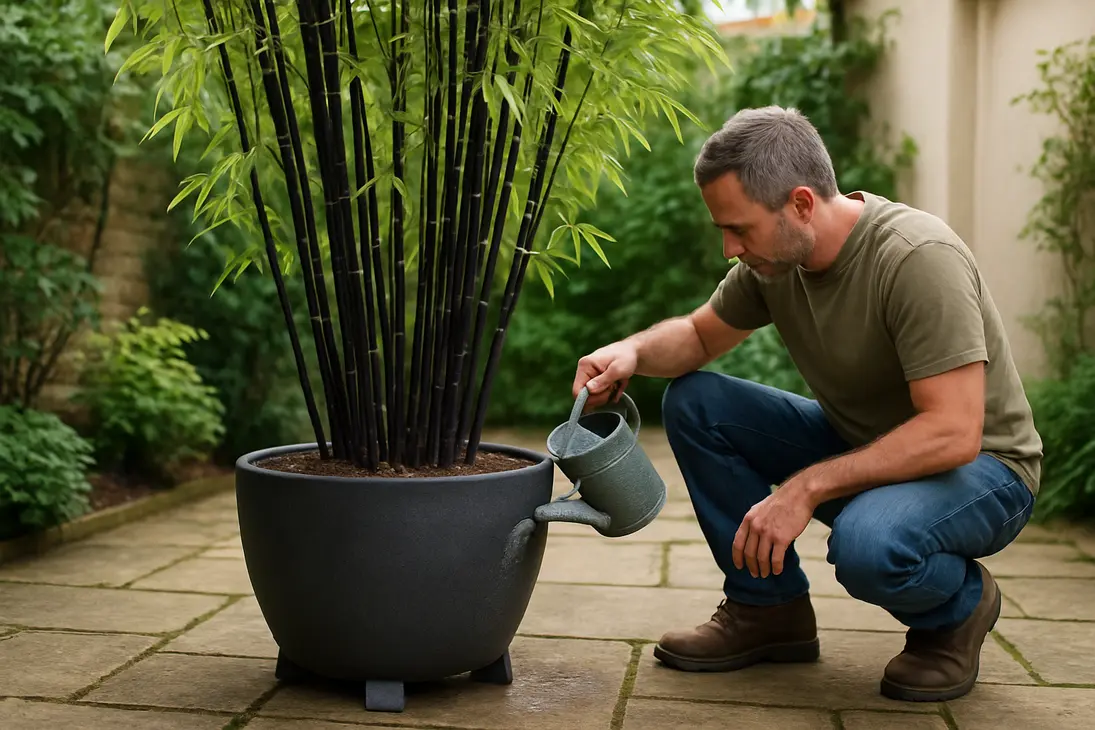
Yes, black bamboo can grow in a pot. Learn the right container size, soil, watering, repotting, and rhizome checks to keep it controlled.
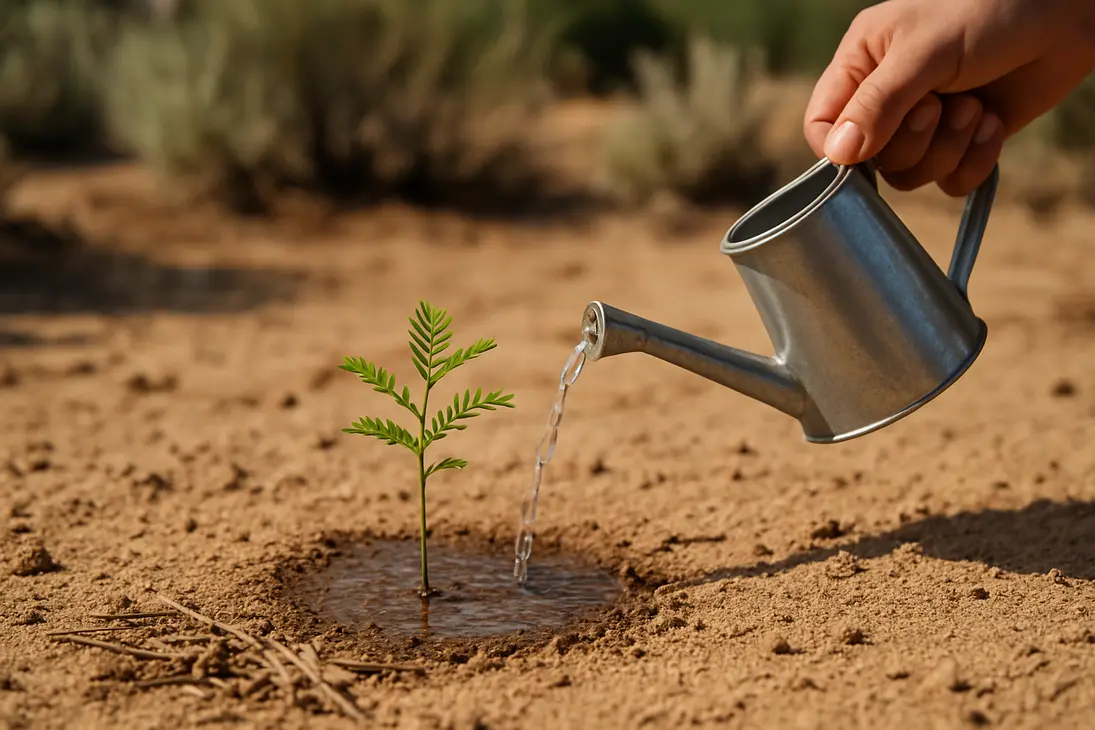
Learn how much to water a 3-inch honey mesquite seedling, when 30 ml is too little, and how to check soil moisture without overwatering.
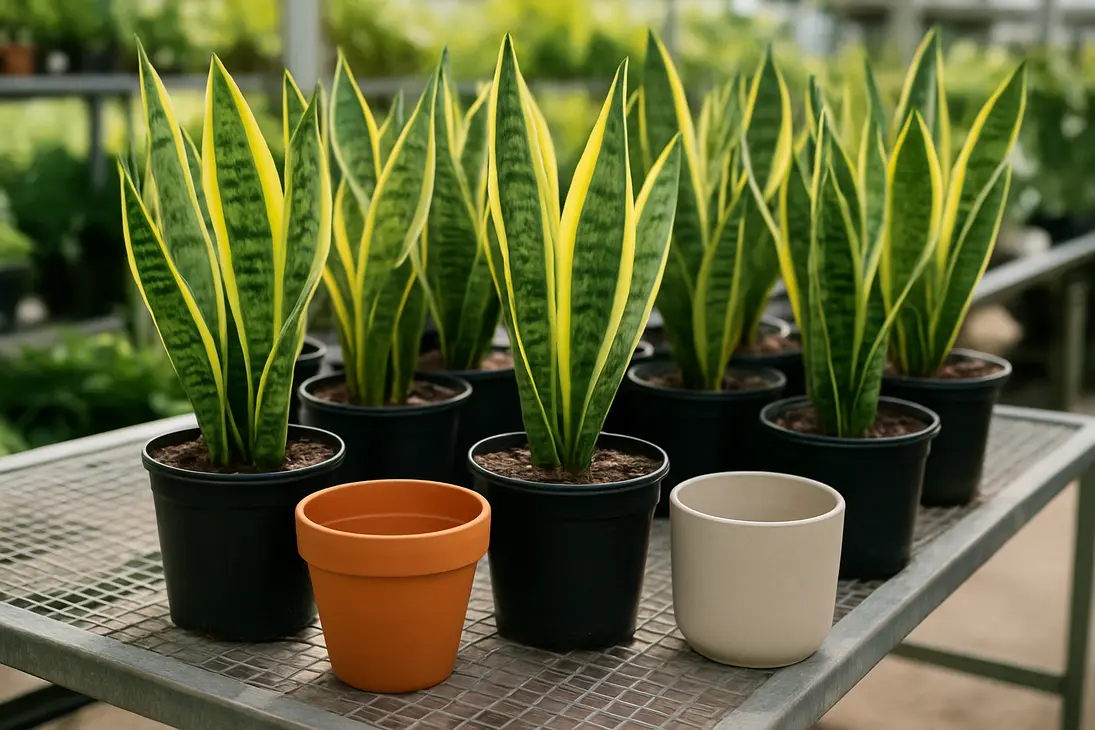
Learn why low cost snake plants are affordable, where to find healthy bargains, and how to avoid cheap plants with rot or drainage issues.
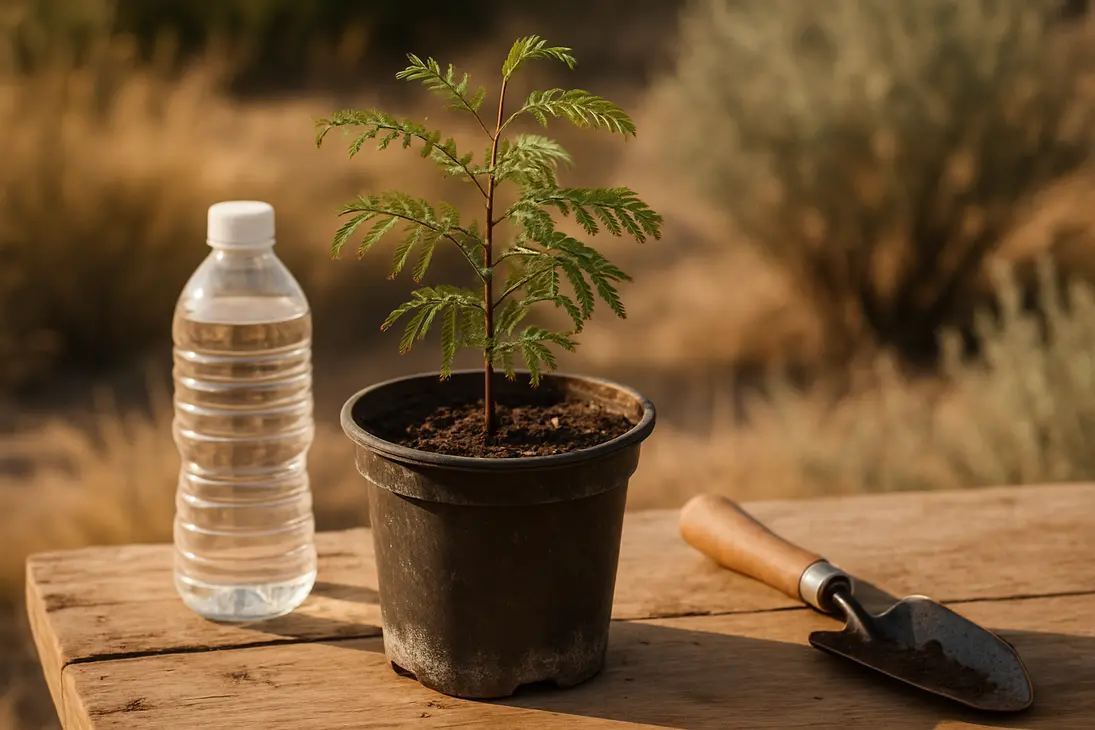
Learn the key signs of fertilizer burn in honey mesquite seedlings, from wilting in moist soil to browned leaf tips and salt crust.
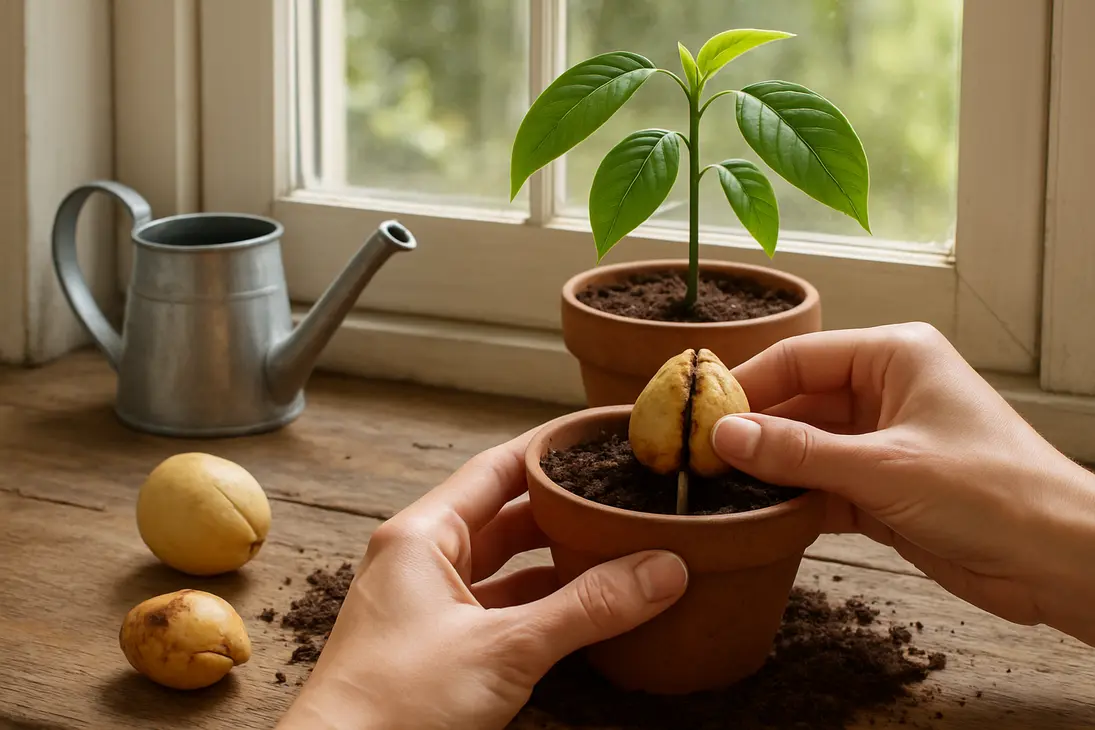
Learn when an avocado pit can be replanted, why one seed usually grows only one seedling, and when to start fresh after rot or damage.
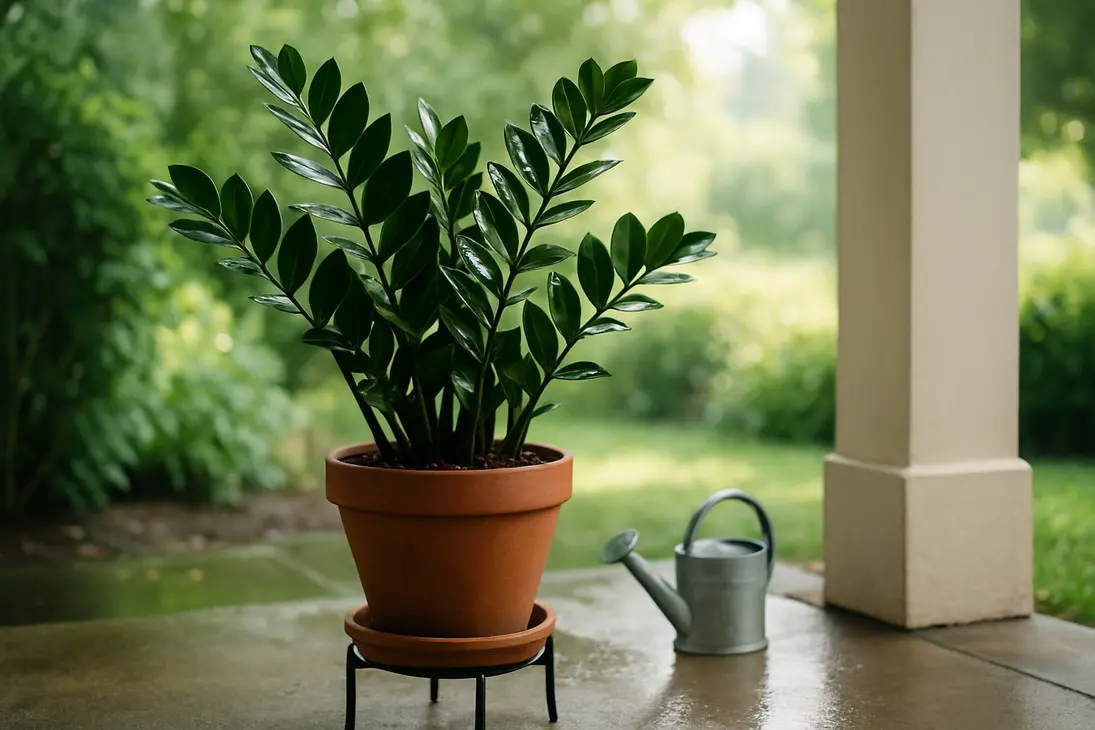
A ZZ plant can stay outside all summer in warm, shaded conditions. Learn safe temperatures, light, watering, rain protection, and when to bring it in.
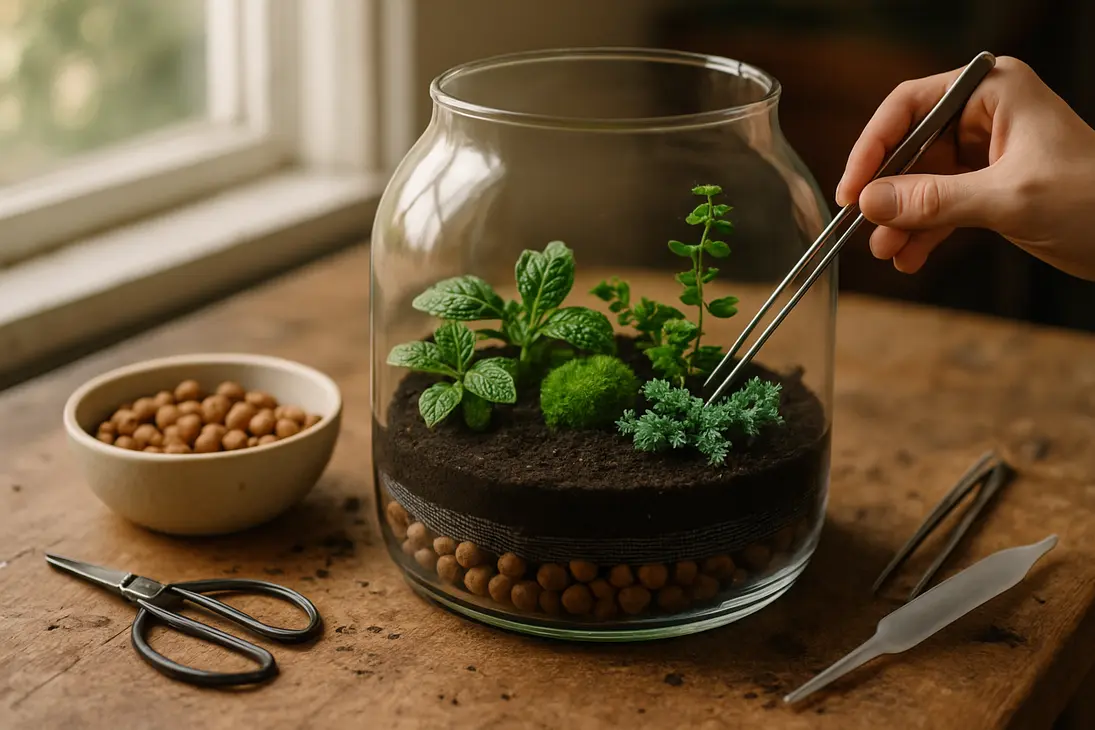
Learn how to build a false bottom terrarium with the right drainage layer, mesh barrier, substrate depth, and watering habits.
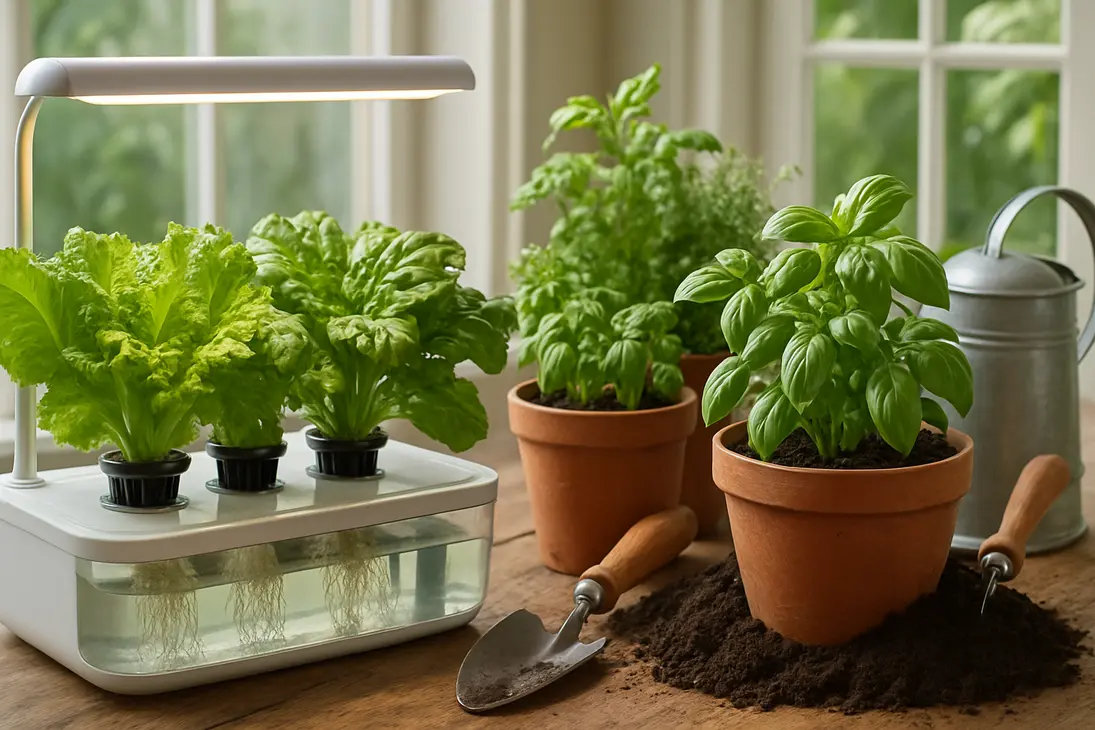
Compare hydroponics and soil gardening by growth speed, cost, maintenance, plant choices, and beginner-friendliness to choose the better method.
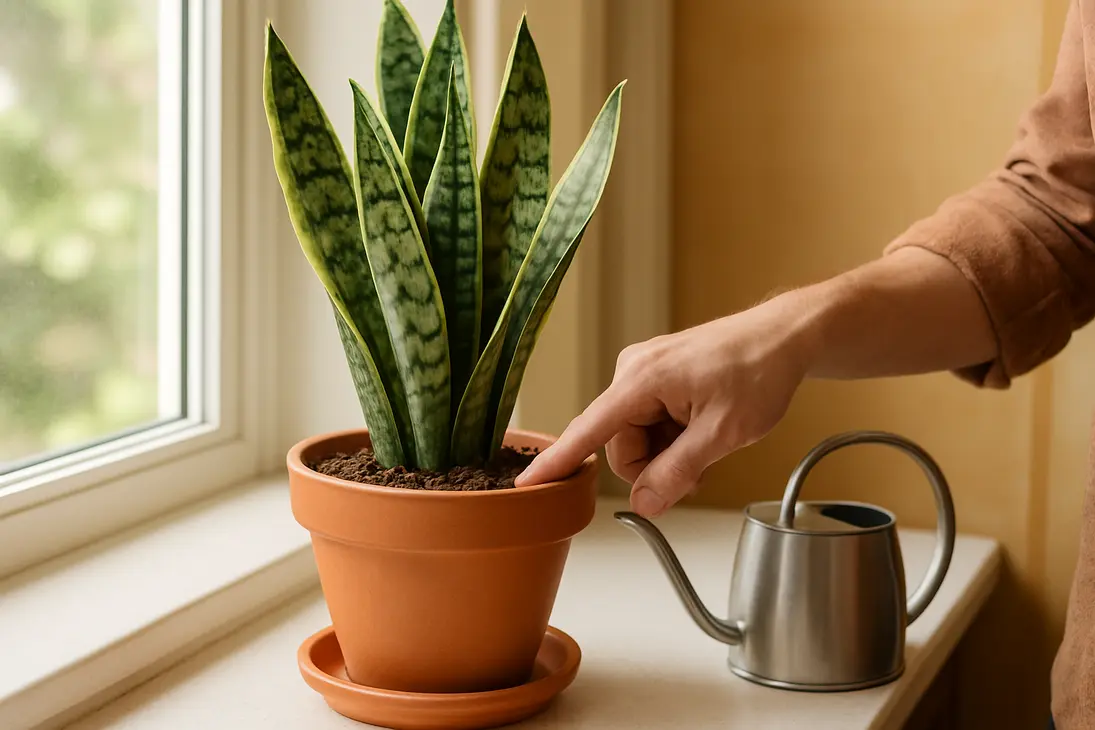
Learn how often to water a snake plant, how to check dry soil, and why light, season, pot size, and drainage change its watering needs.
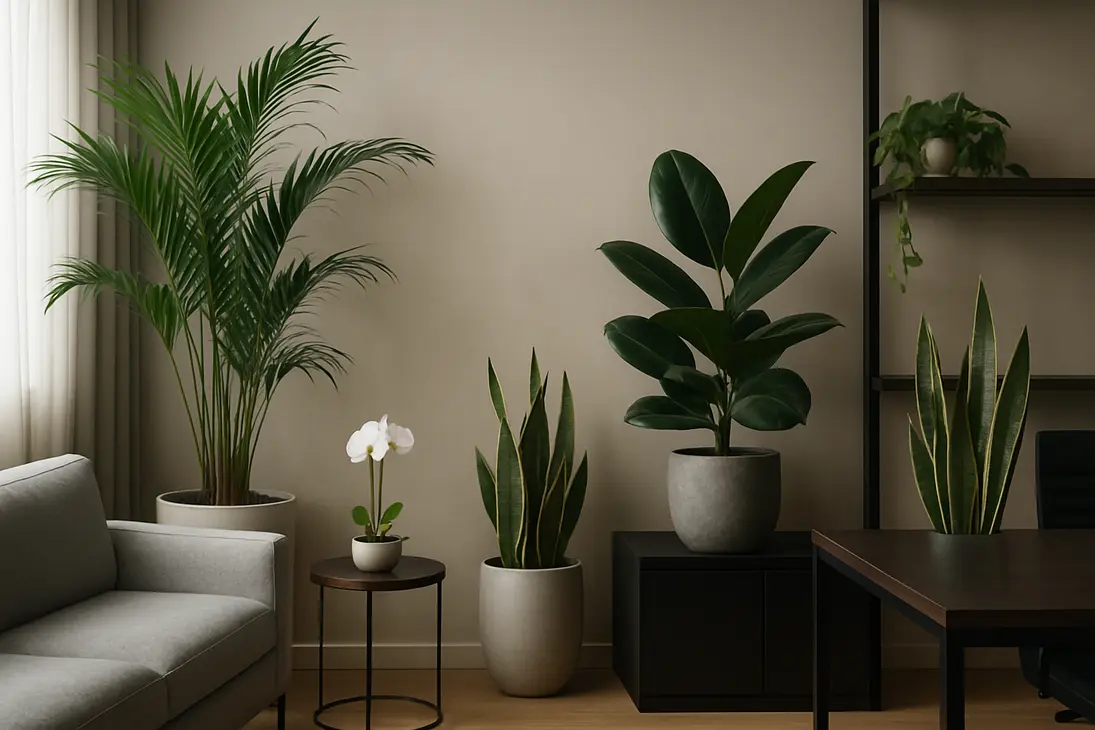
Polished, low-maintenance office plants for celebrity workspaces, with options for camera backgrounds, lighting, styling, pets, and care.
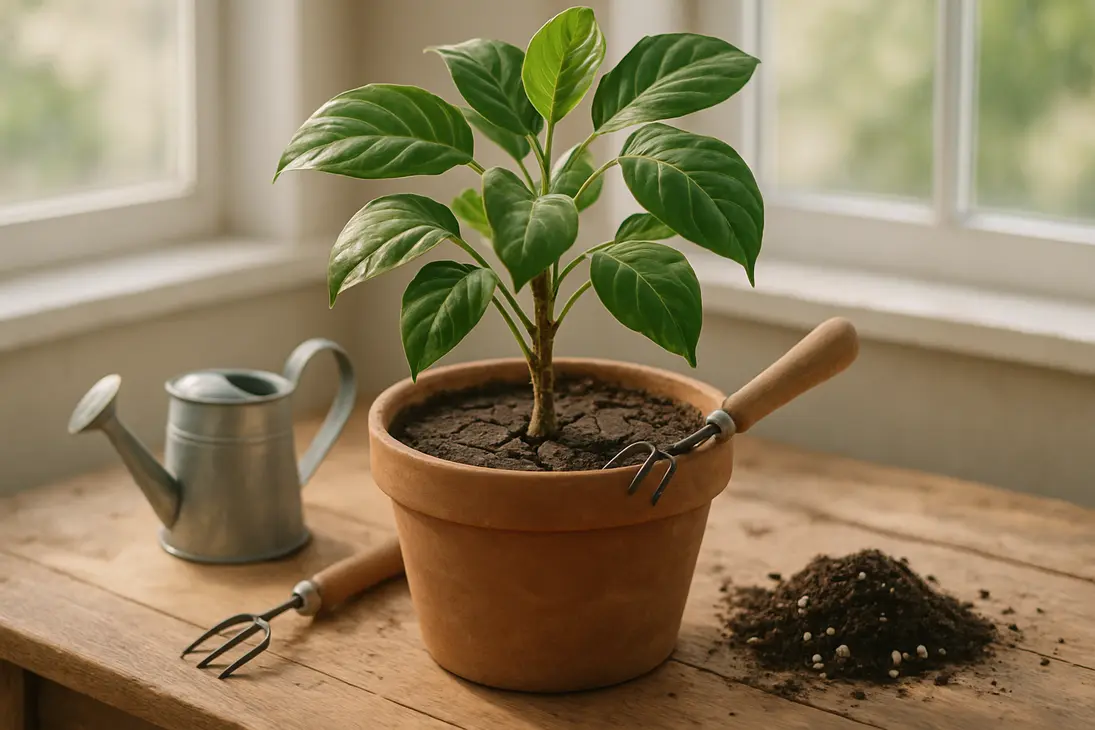
Potting soil cracking after watering usually means dry, compacted, or hydrophobic mix. Learn how to rehydrate, repot, and prevent it.
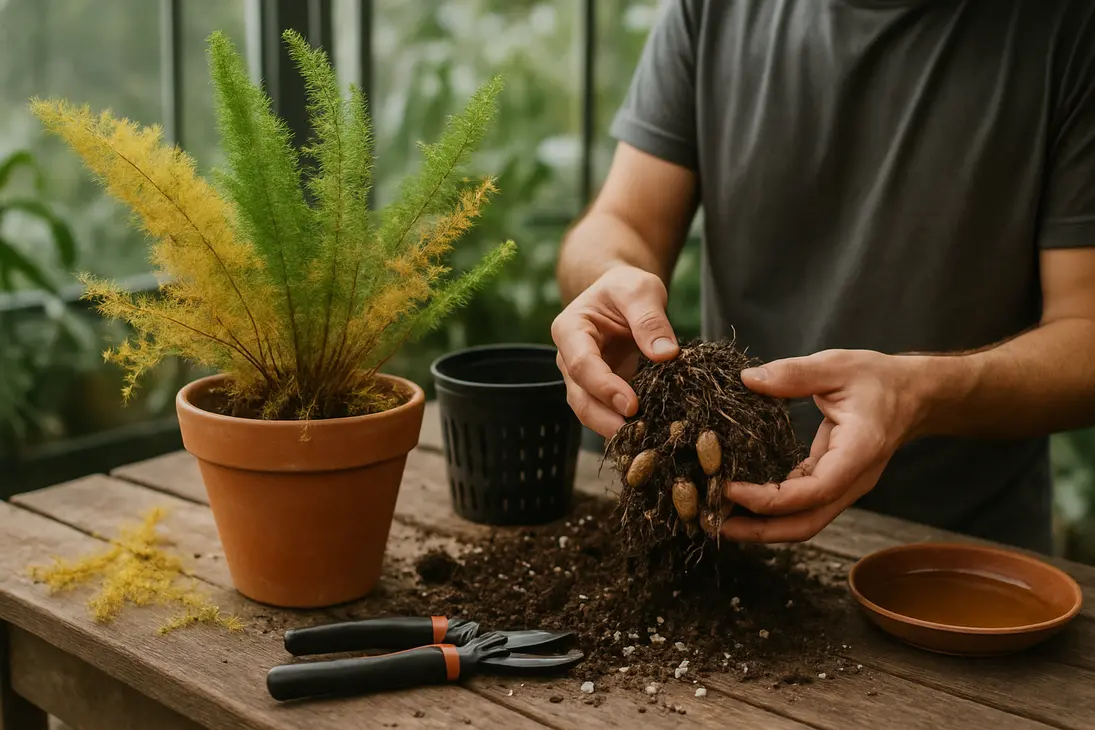
Learn how to save an overwatered foxtail fern by drying the soil, checking drainage, pruning rotten roots, and repotting in airy mix.
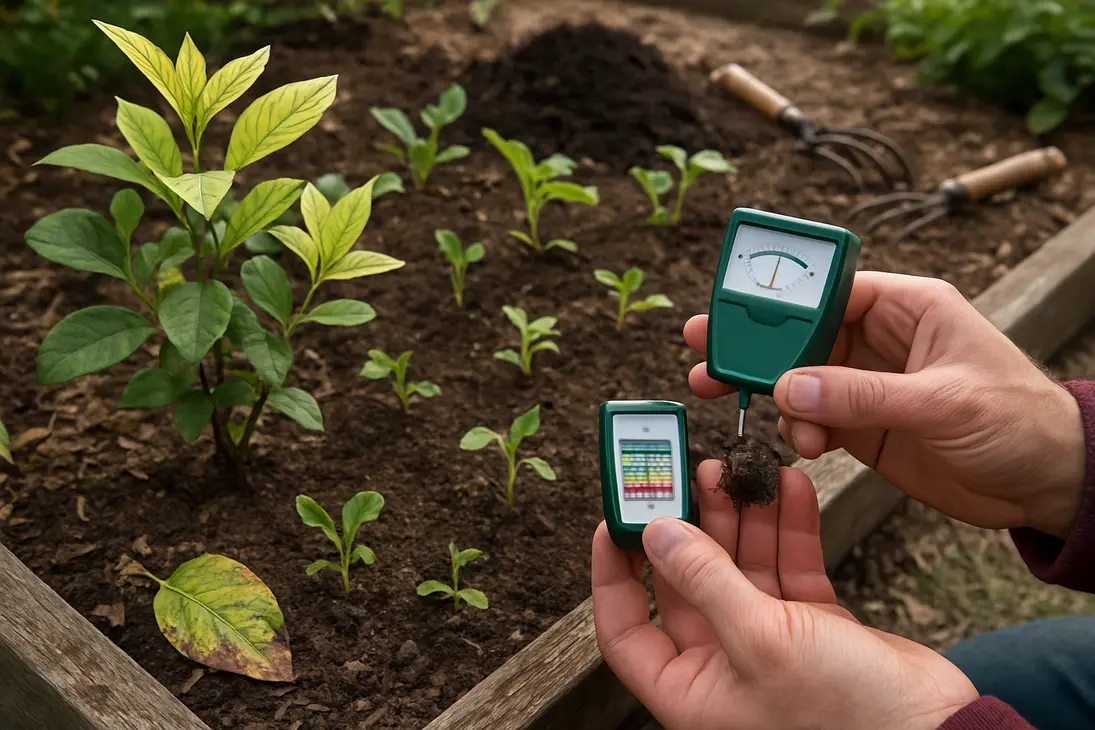
Learn common soil pH signs in plants, from yellow leaves and weak growth to iron chlorosis, and why testing matters before adjusting pH.
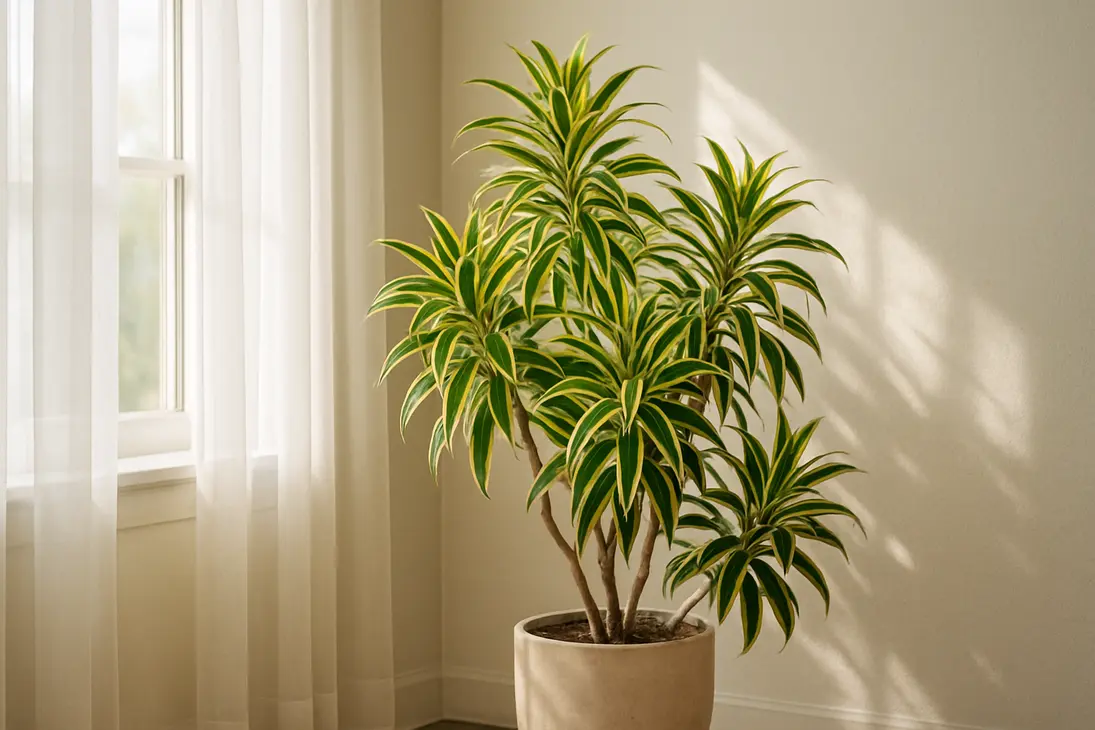
Song of India grows best in bright, indirect light. Learn where to place it indoors, how much sun is safe, and signs of light stress.
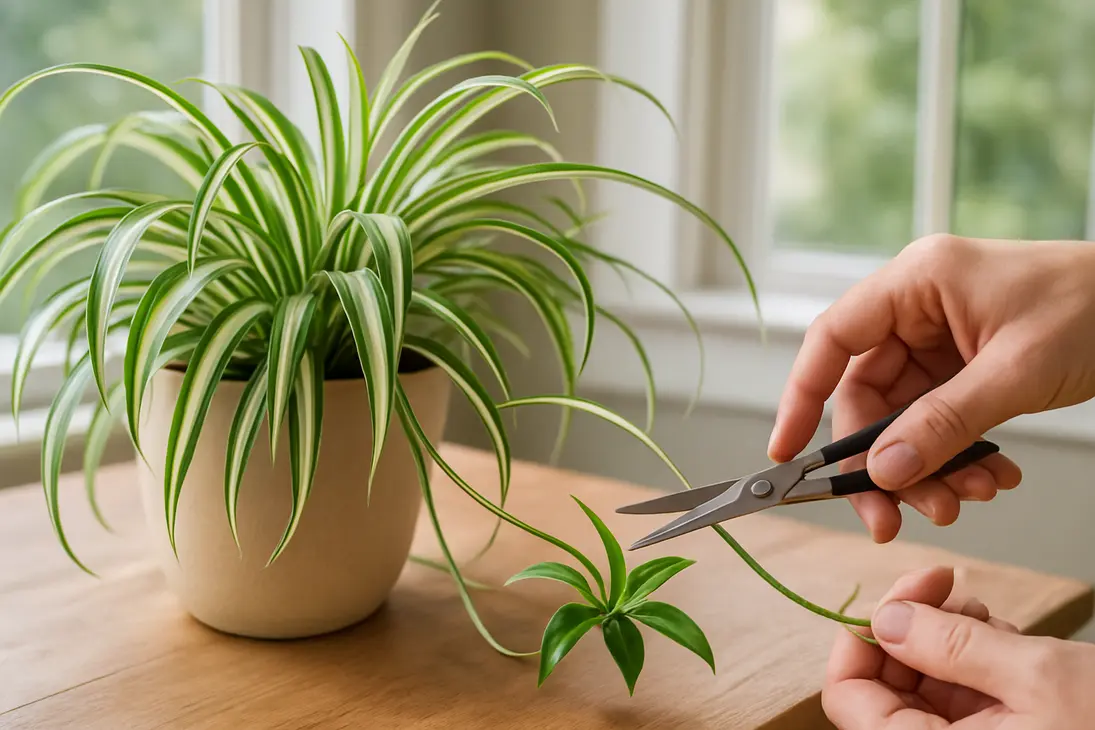
Spider plant color variation can produce all-green pups or crowns. Learn how to tell reversion from fading, scorch, yellowing, and brown tips.
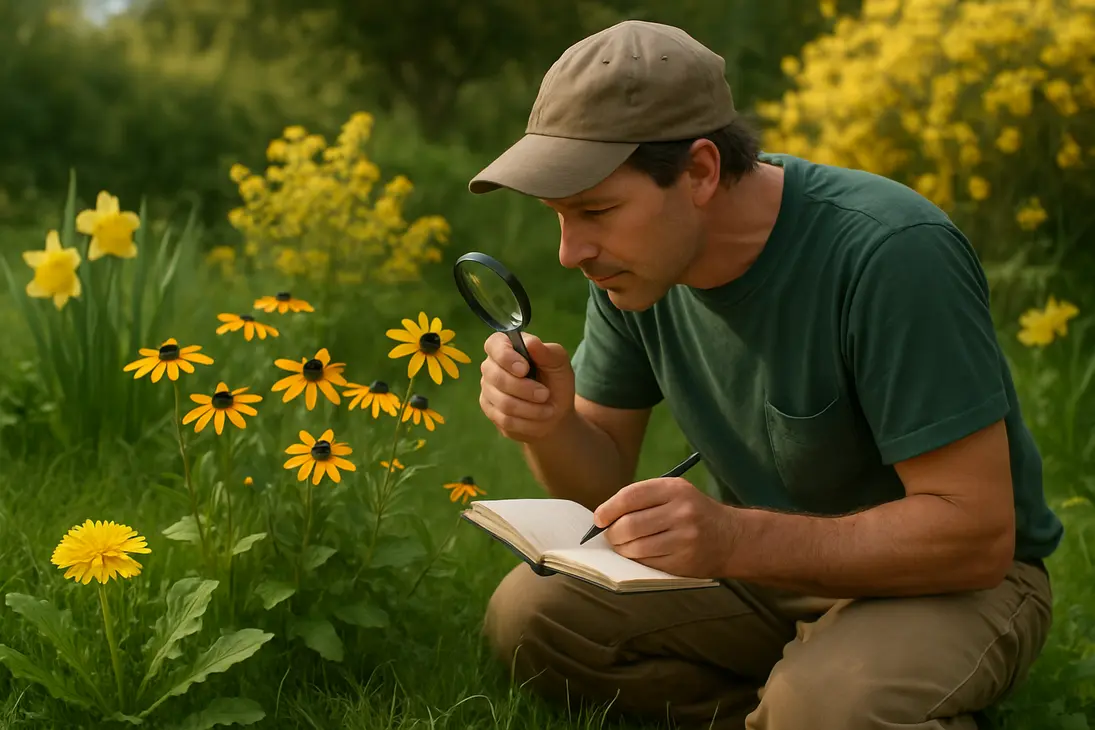
Learn how to identify yellow flowers by shape, leaves, stems, season, habitat, and photos while checking for toxic or invasive lookalikes.
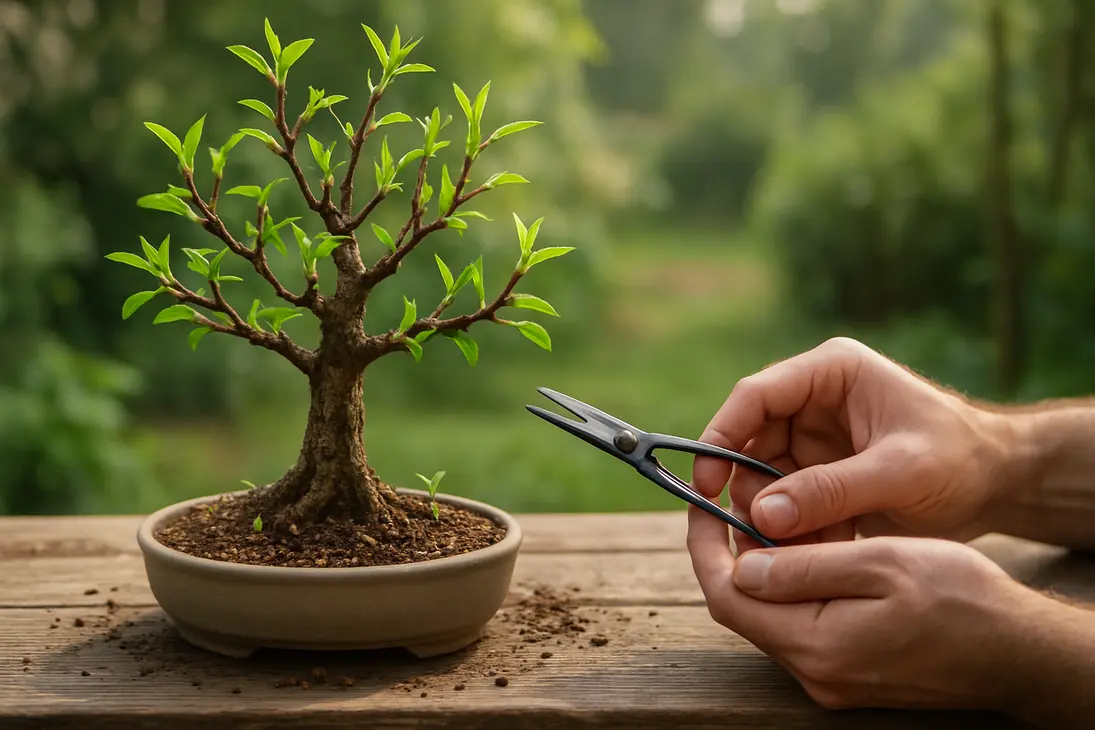
Learn how to identify new bonsai shoots, suckers, and seedlings, then decide what to keep, remove, separate, prune, or wire.
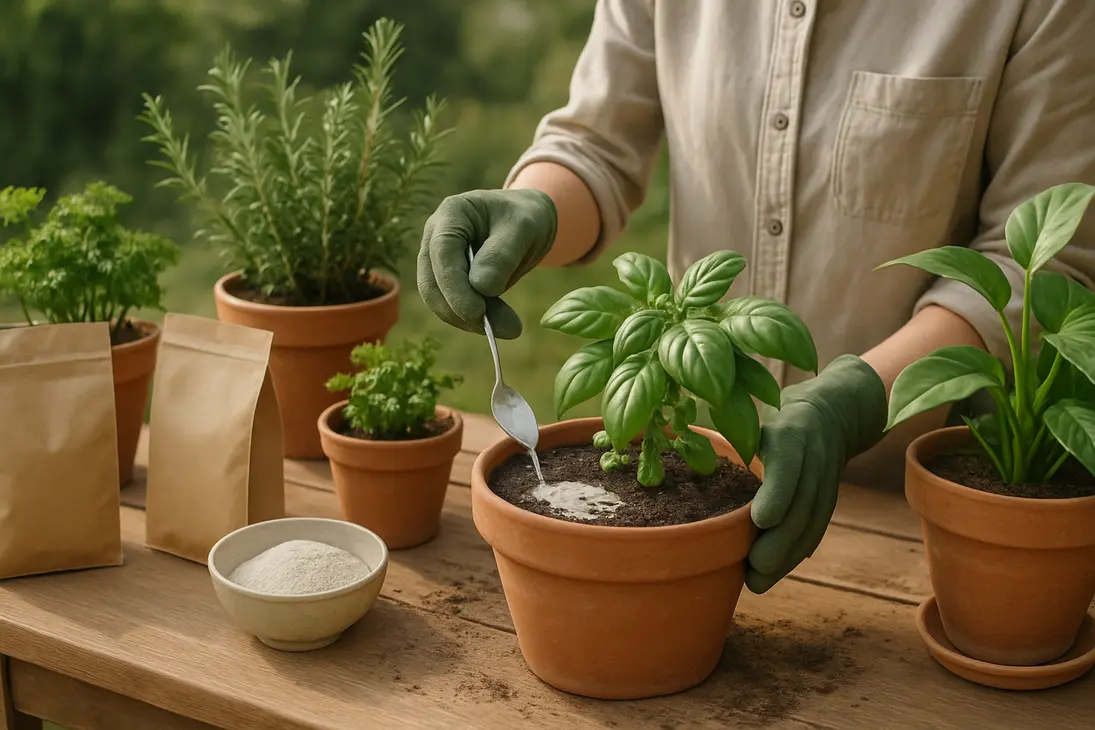
Celatom is usually a diatomaceous earth product name, while “datom” is often a typo. Learn which labels are safe for plant use.
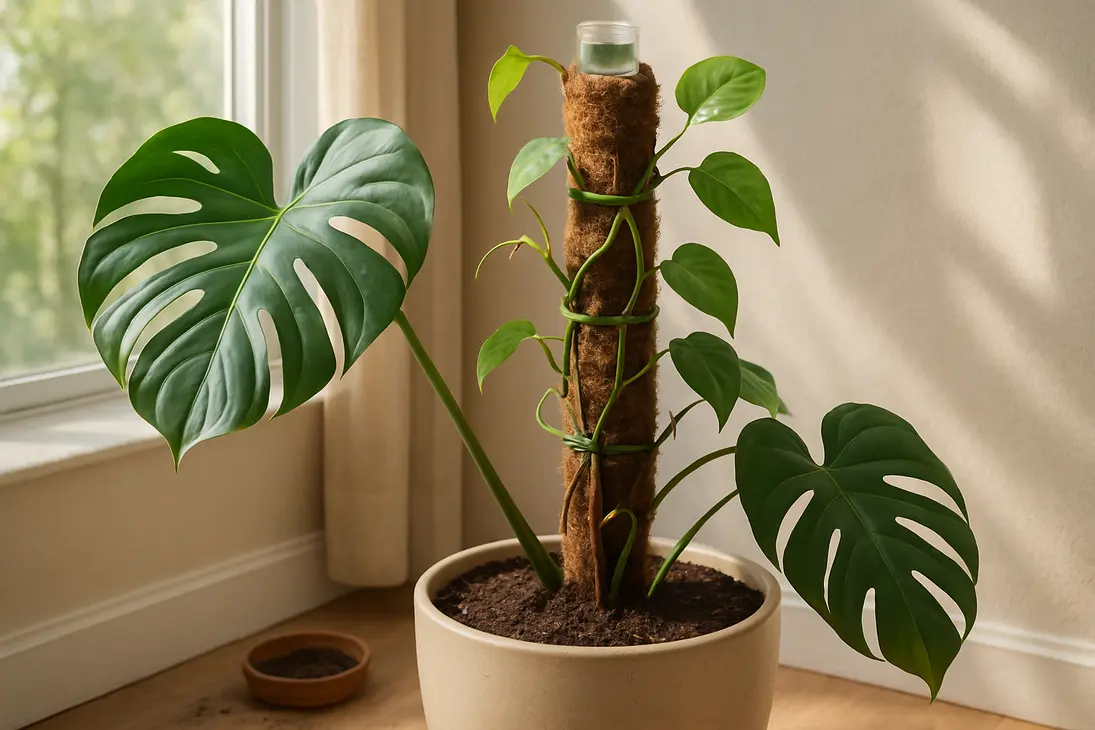
Learn how a self-watering moss pole helps monstera, pothos, philodendron, and other climbers attach aerial roots and grow upward.
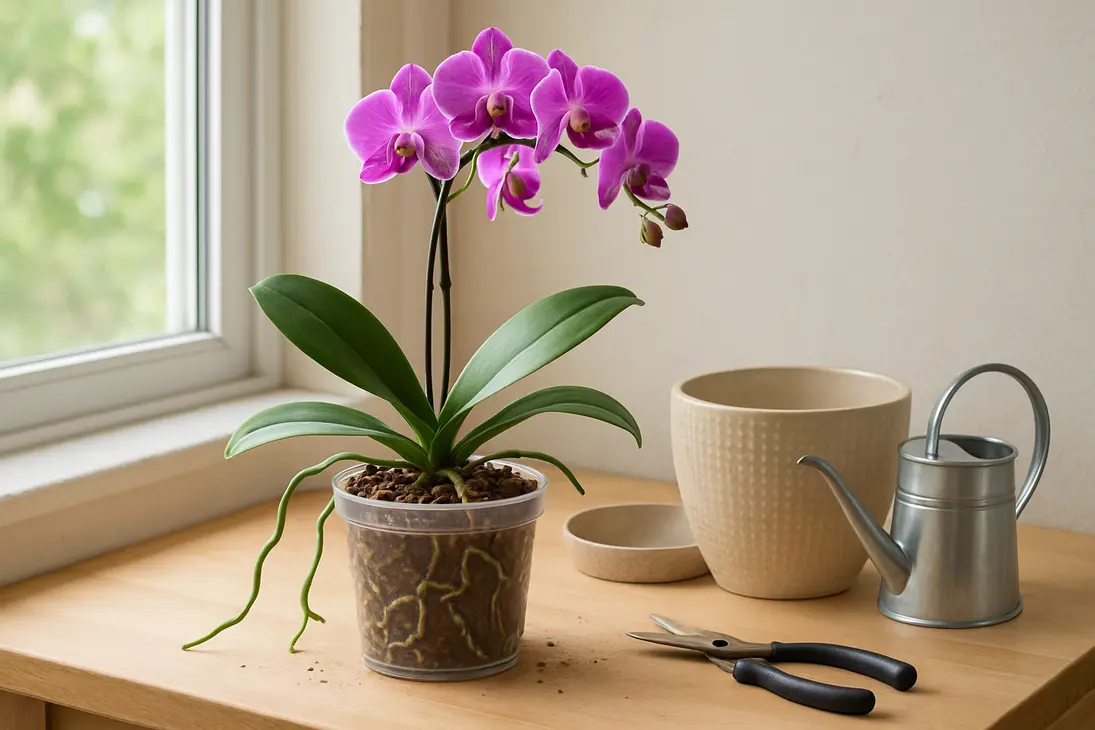
Avoid overwatering, poor drainage, bad potting mix, low light, and overfeeding with practical orchid care fixes for healthier roots and blooms.
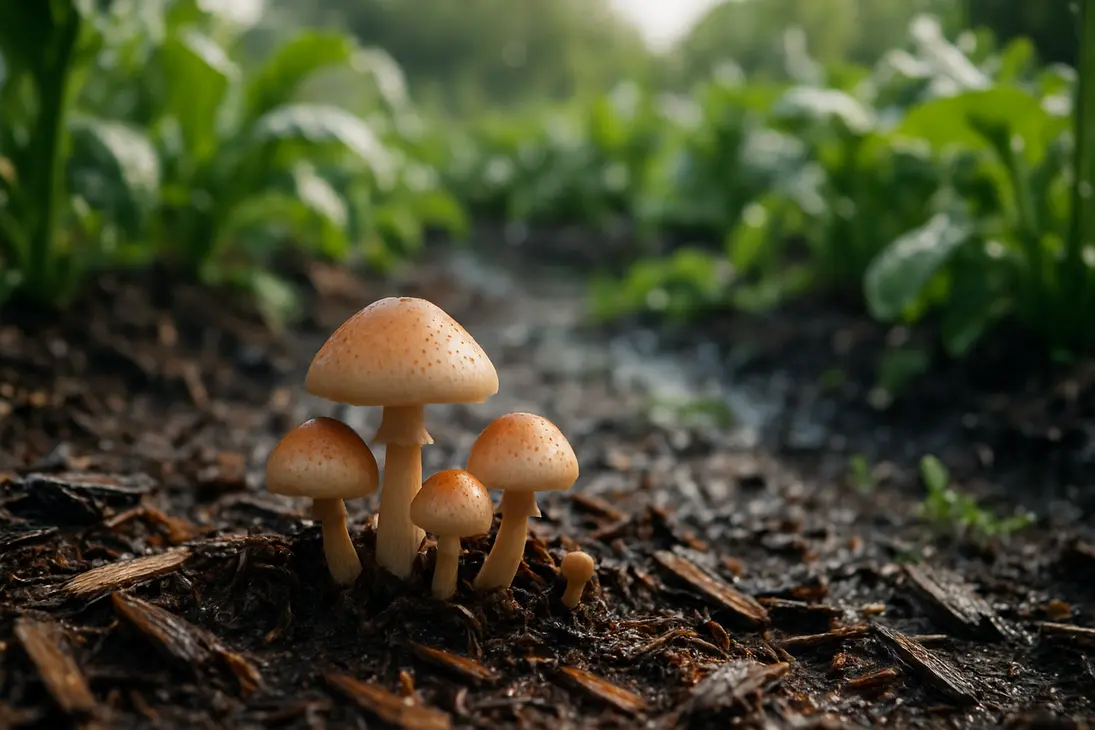
Mushrooms don’t have lungs, but they use oxygen and release carbon dioxide. Learn how fungal respiration differs from plants and why fresh air matters.
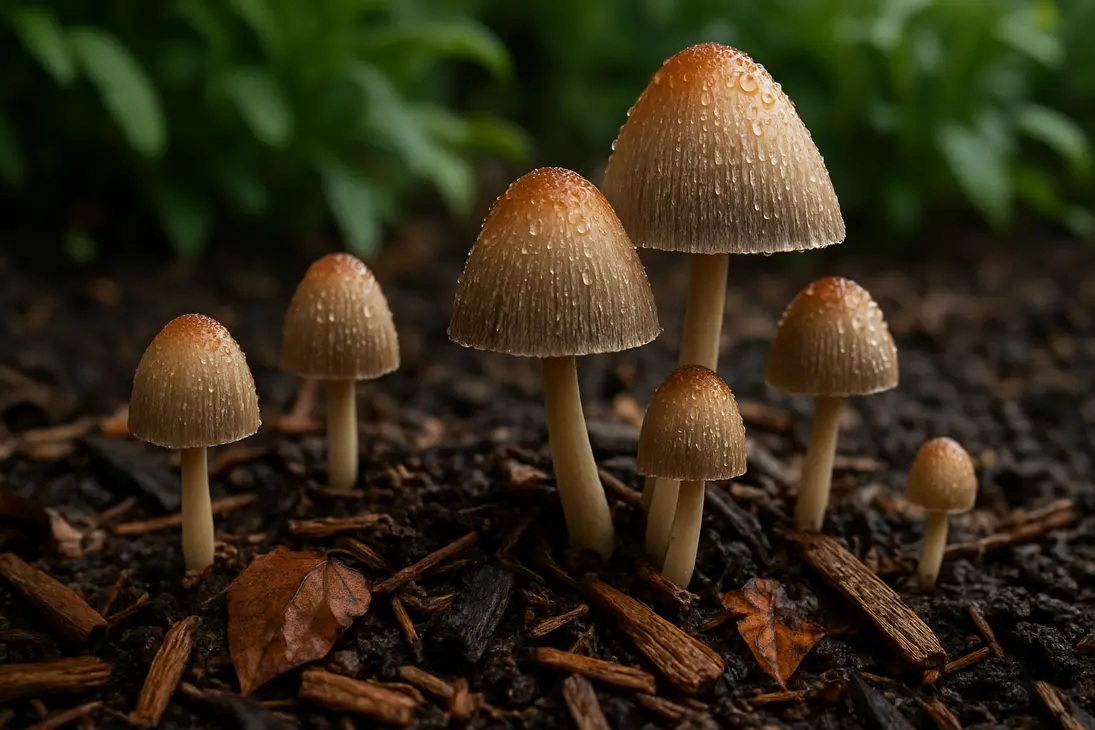
Mushrooms need oxygen and moisture in balance. Learn how air, water, humidity, substrate, and drainage affect fungal growth.
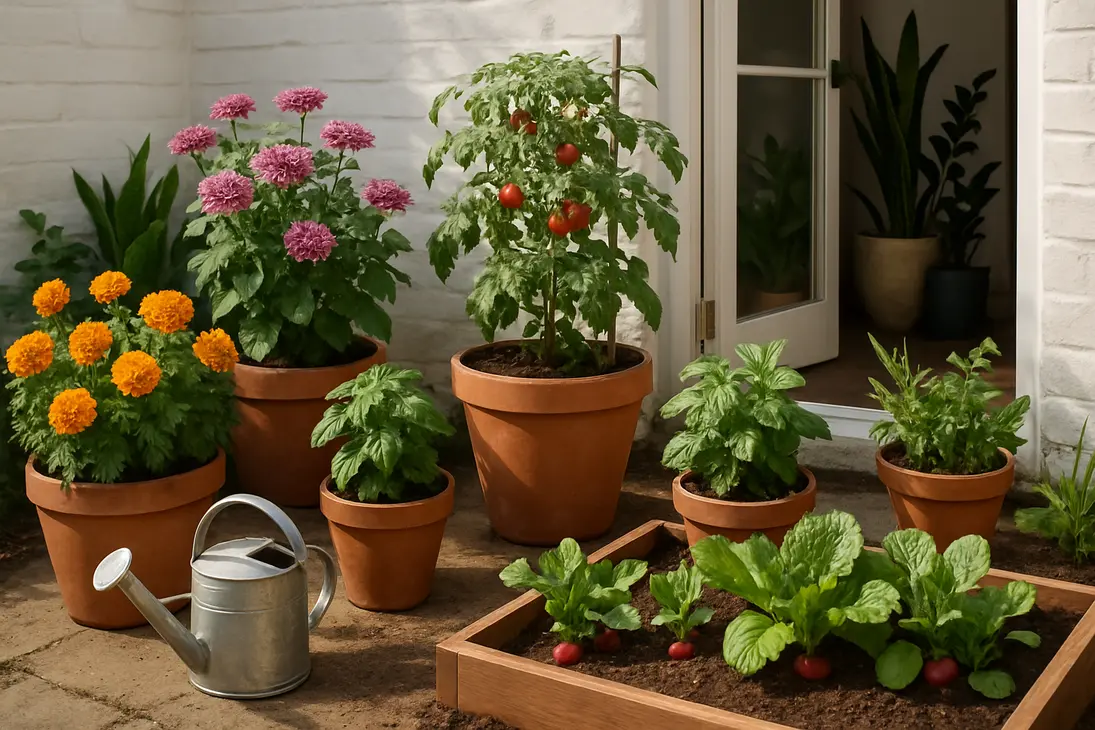
Discover easy beginner plants for indoors and outdoors, from marigolds and radishes to basil, pothos, snake plant, and ZZ plant.
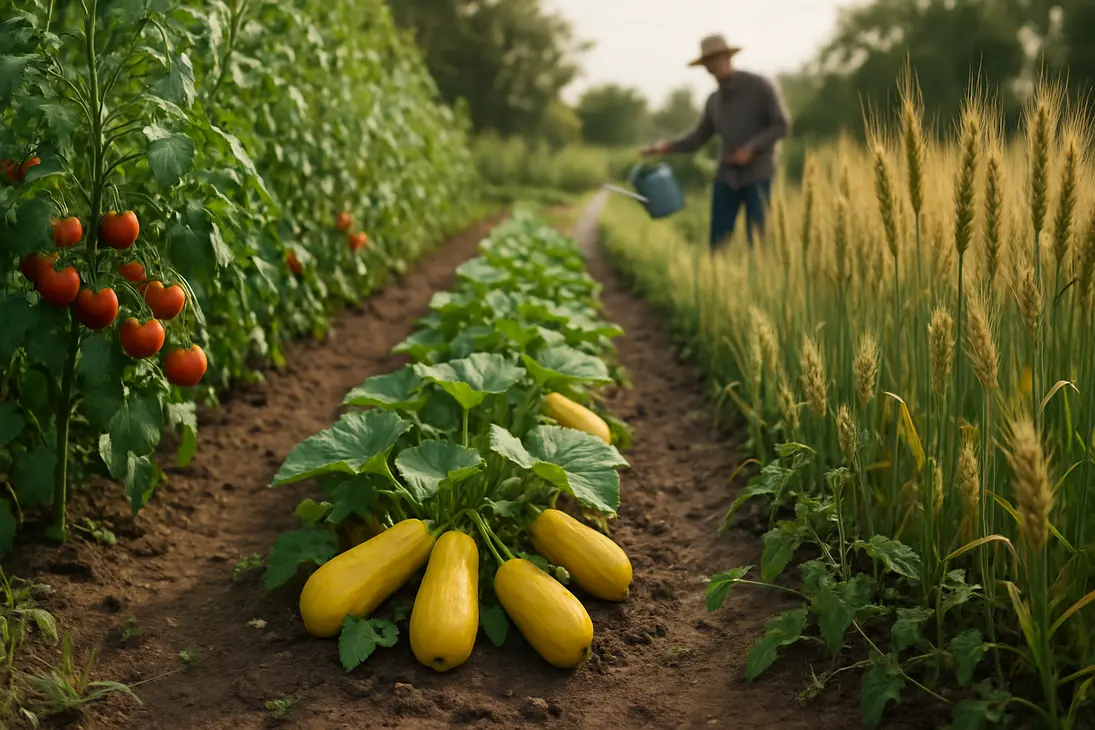
Domesticated species often reproduce more because humans selected reliable breeders and created safer, better-fed growing and breeding conditions.
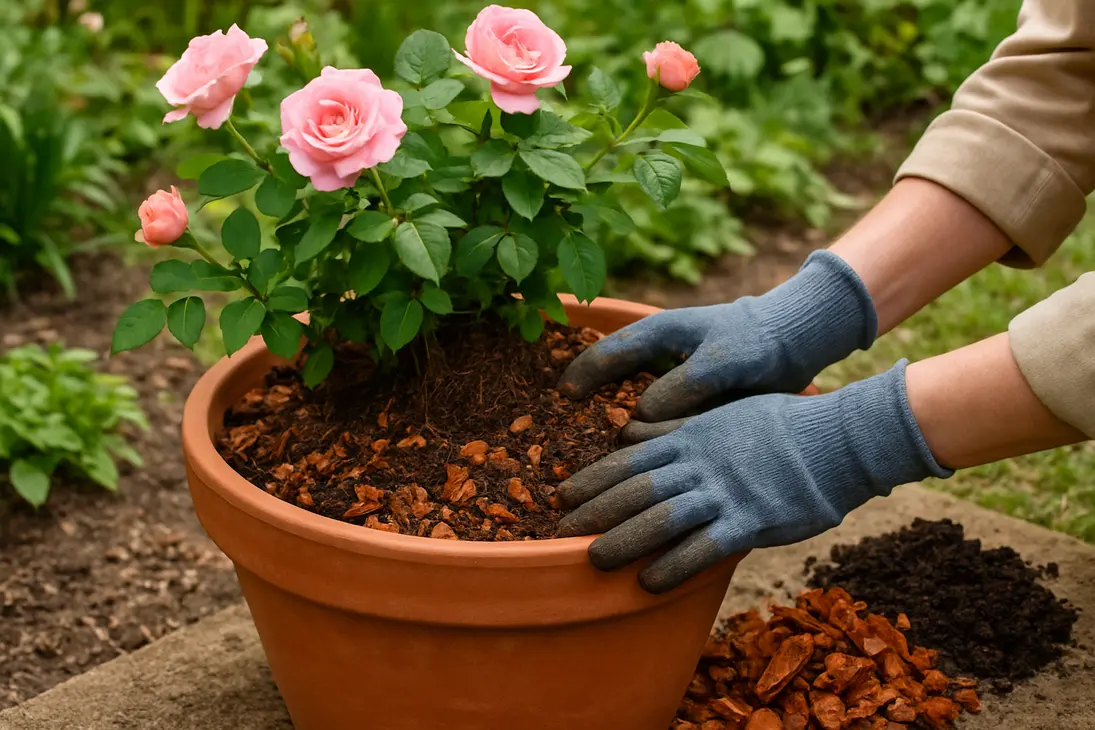
Yes, but only as part of a balanced mix. Learn how coconut husk and composted cow manure affect rose soil, drainage, and feeding.
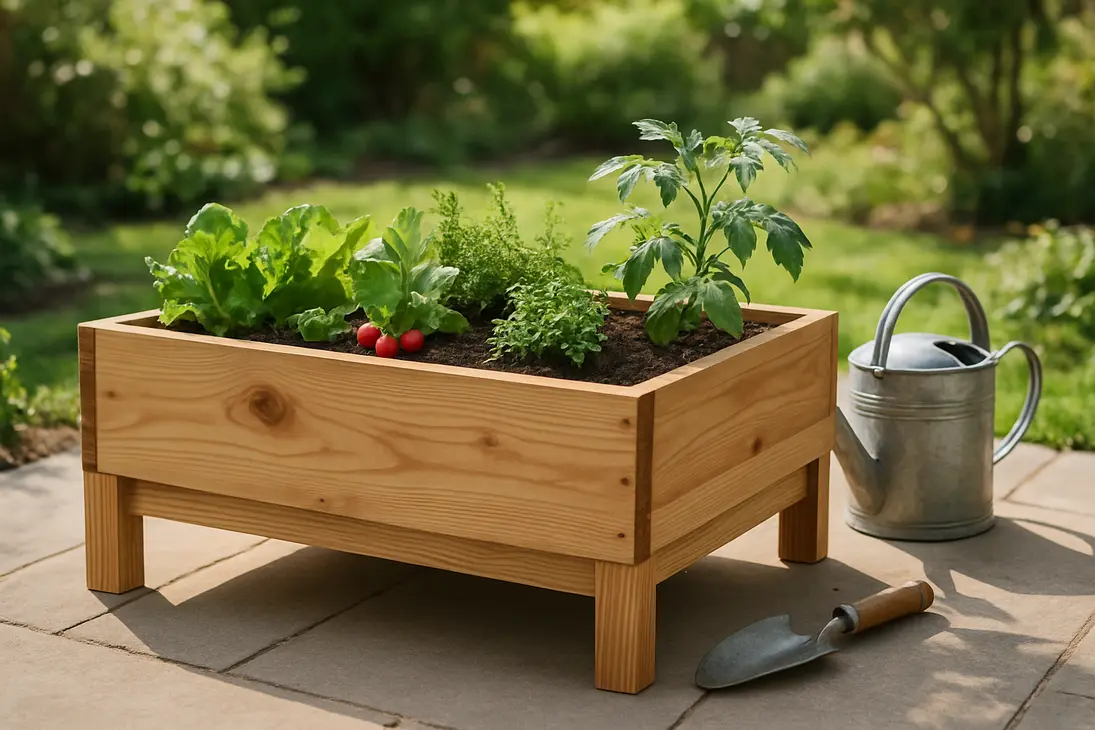
Untreated cedar boxes are generally safe for vegetables. Learn what wood to avoid, when to line a planter, and how drainage affects plant health.
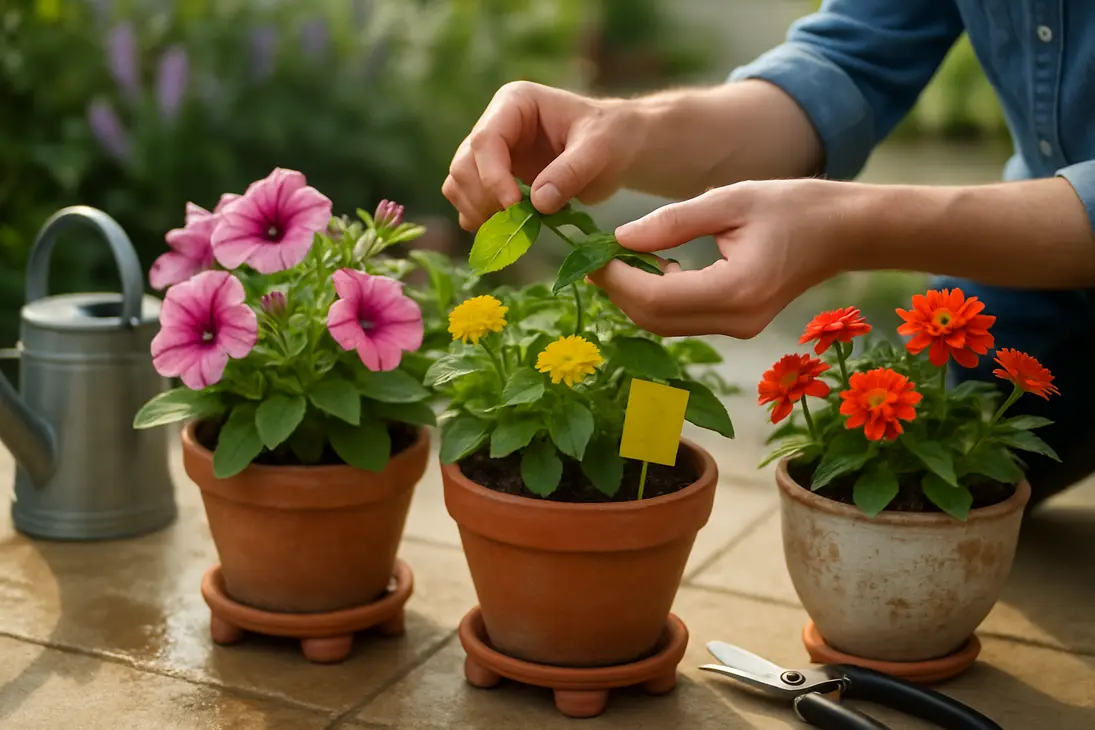
Learn how to identify potted flower pests, treat fungus gnats, aphids, mites, and slugs safely, and prevent repeat infestations.
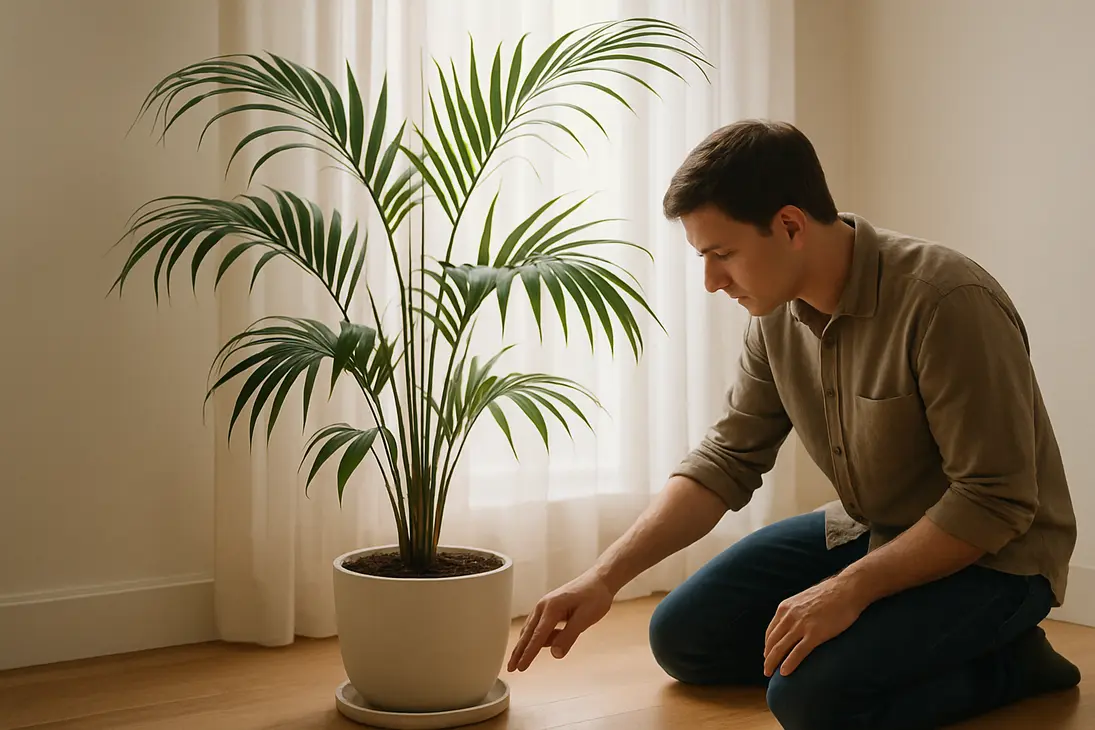
Kentia palm leaves curl from water stress, dry air, harsh light, drafts, root shock, or pests. Learn how to diagnose and fix it.
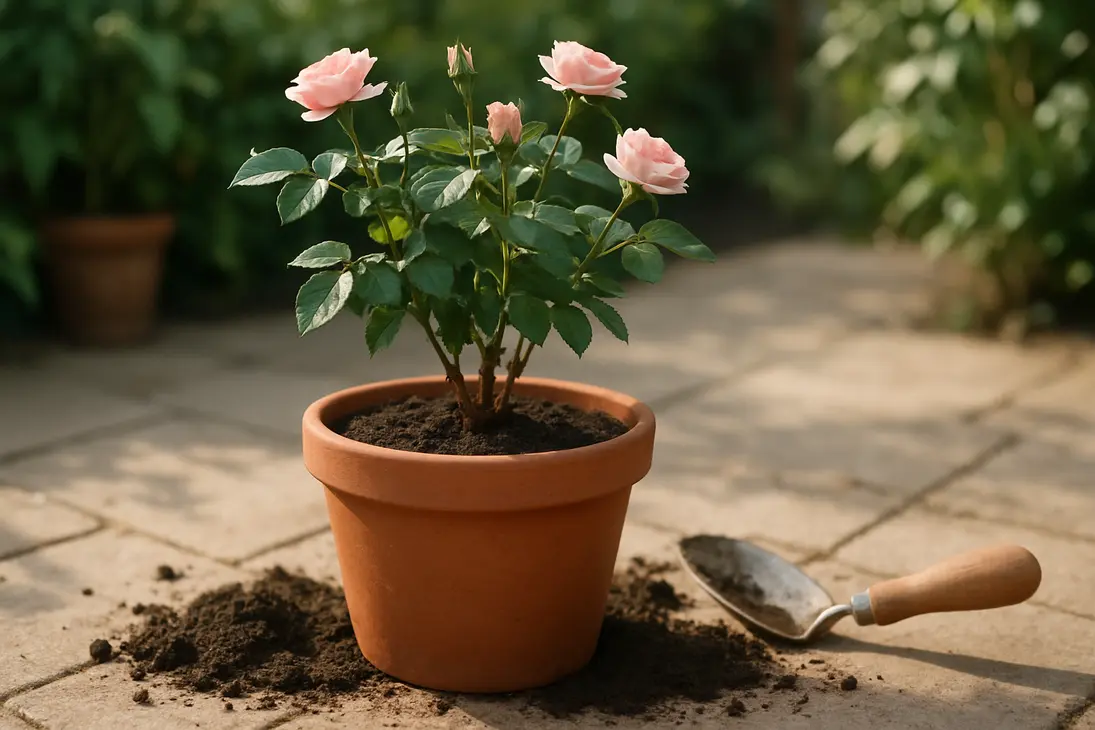
A visible patio rose stem is usually normal after repotting. Learn the right soil level, when to cover roots, and how to fix planting depth.
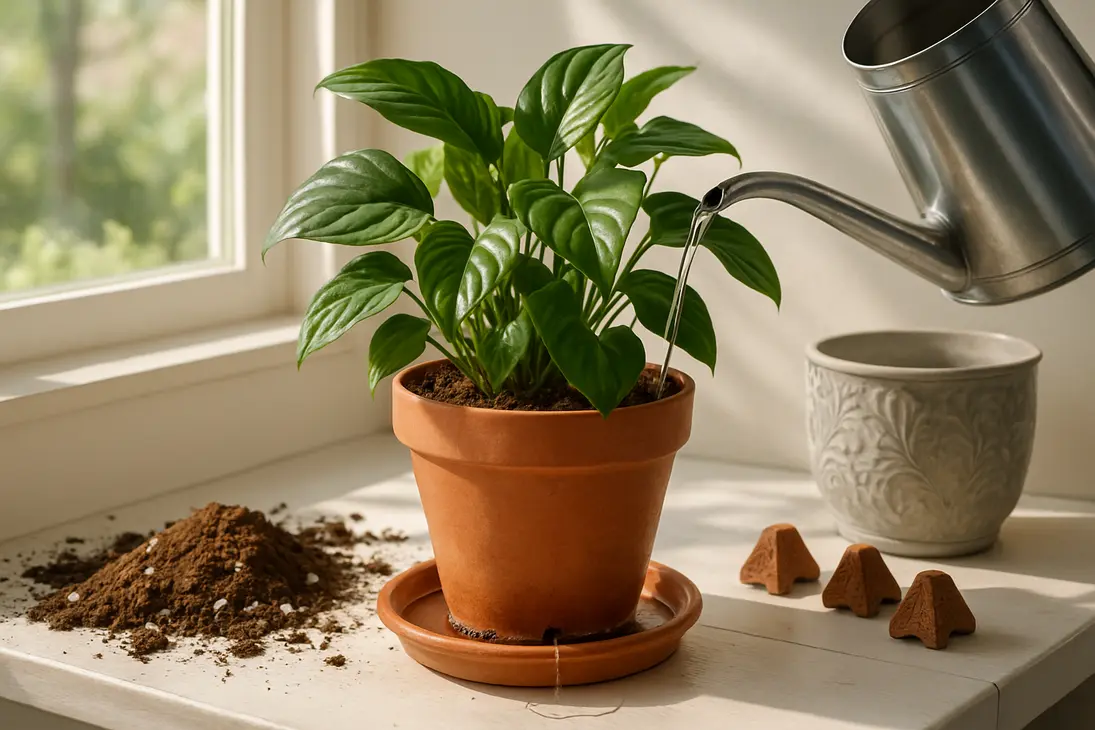
Drainage lets excess water escape plant pots, keeping roots oxygenated and helping prevent soggy soil, fungus gnats, salt buildup, and root rot.
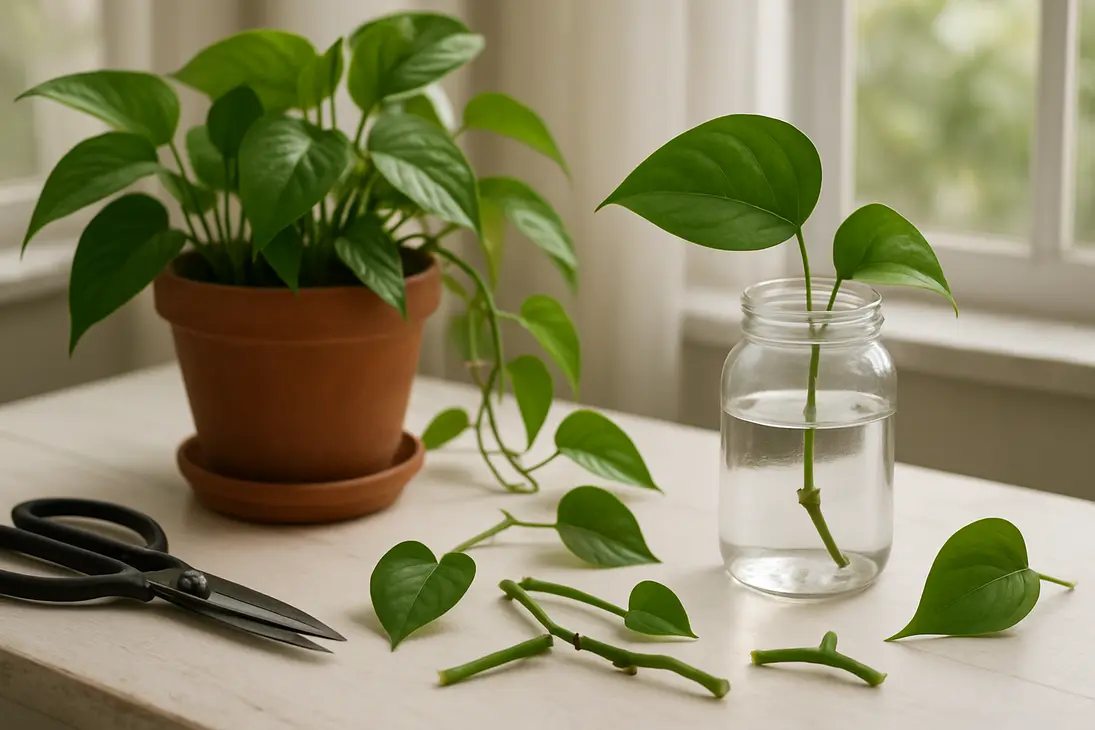
Learn why pothos cuttings fail to root or grow, how to spot a true node, and when to wait, recut, or start with a fresh stem cutting.
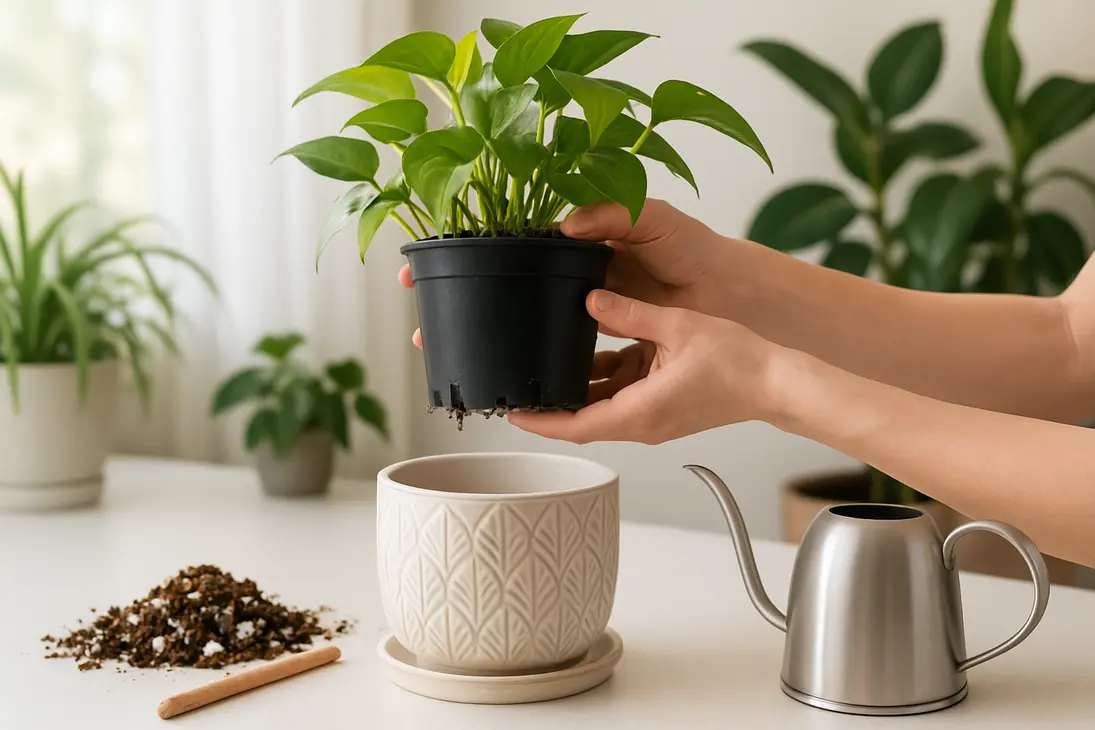
Learn safe ways to reduce soggy soil in pots without holes, from cachepots and airy mix to careful watering and drainage myths to avoid.
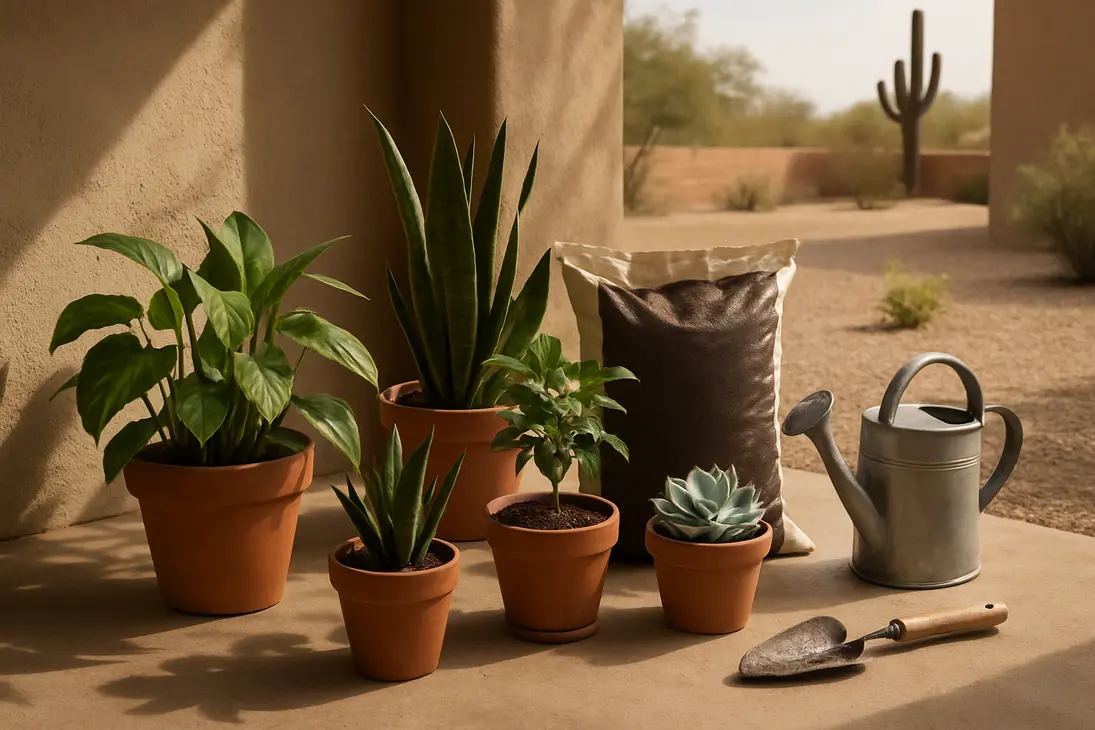
Most plants should acclimate before repotting after an Arizona move. Learn when to wait, when to repot, and how heat affects pots and soil.
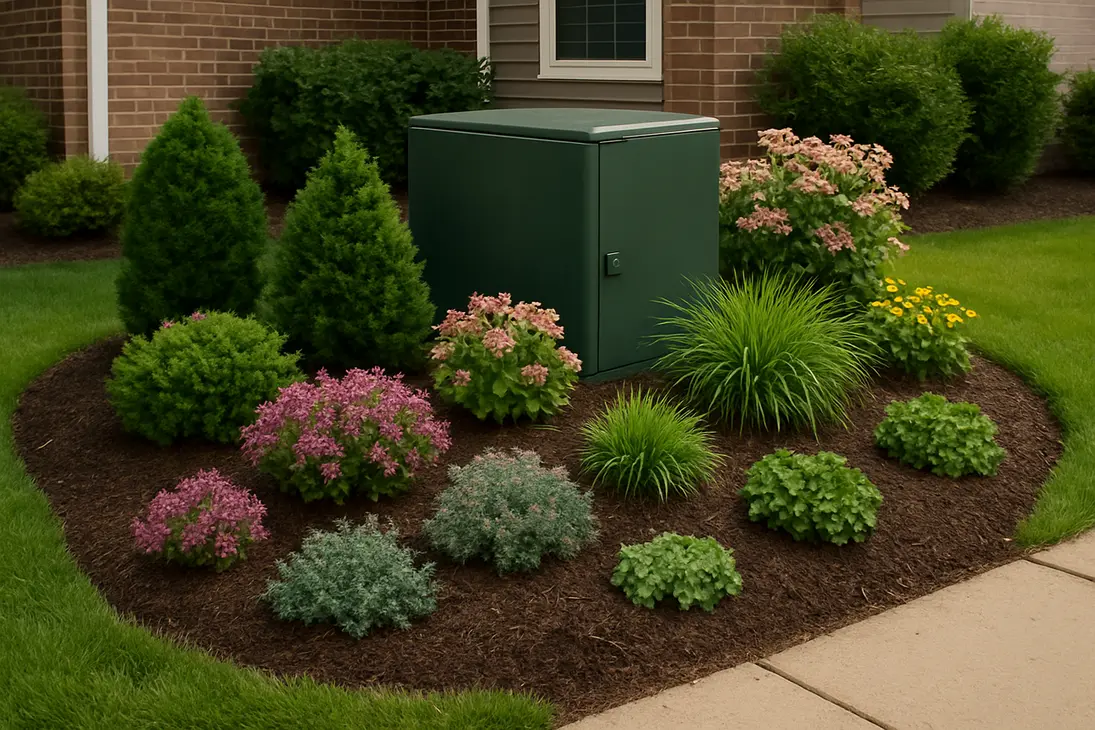
Use compact shrubs, grasses, and smart spacing to screen a utility box while keeping panels, vents, meters, and service access clear.
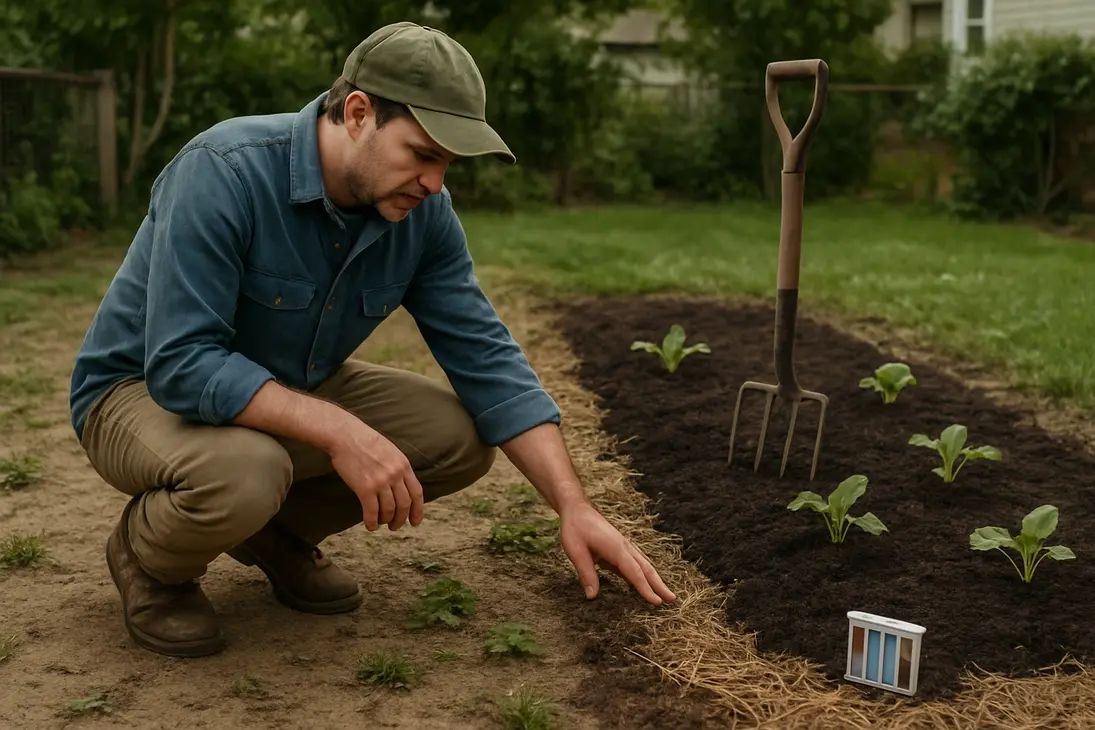
Many poor soils can grow crops after testing, compost, drainage, pH correction, and water management, but some land is too costly or unsafe to convert.
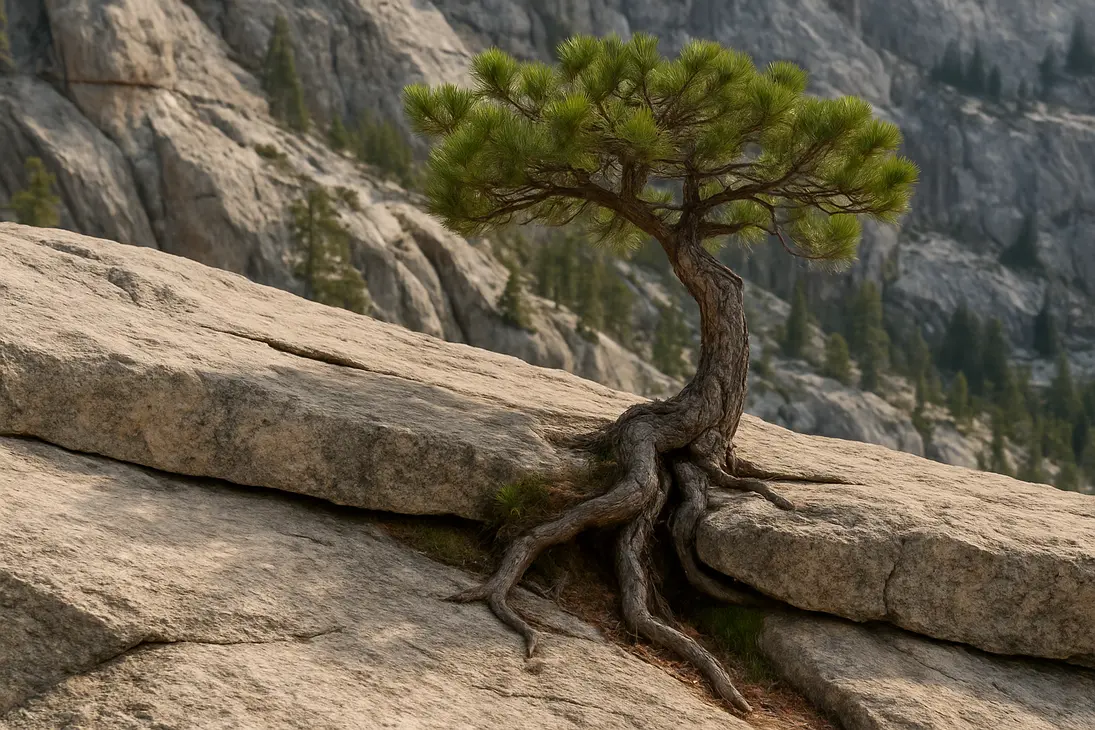
Trees that seem to grow from rock survive in cracks, ledges, and hidden soil pockets where roots find moisture, nutrients, and support.
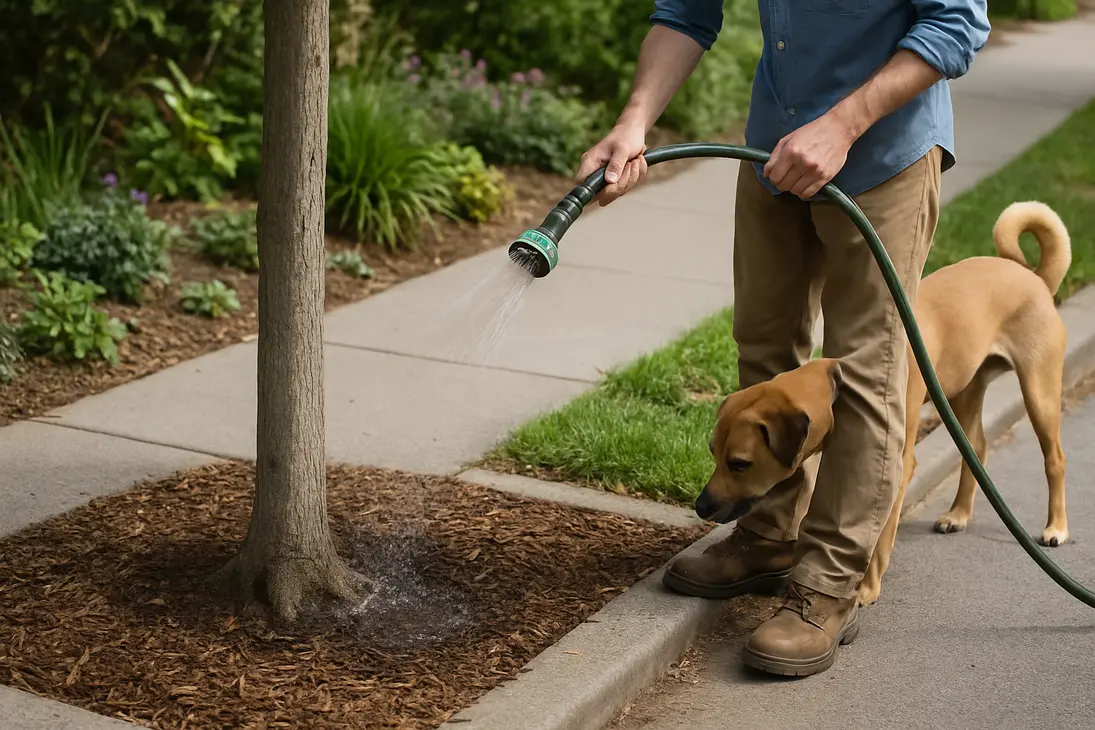
Dog urine rarely harms mature trees once, but repeated marking can stress young roots. Learn when to worry and how to dilute and protect soil.
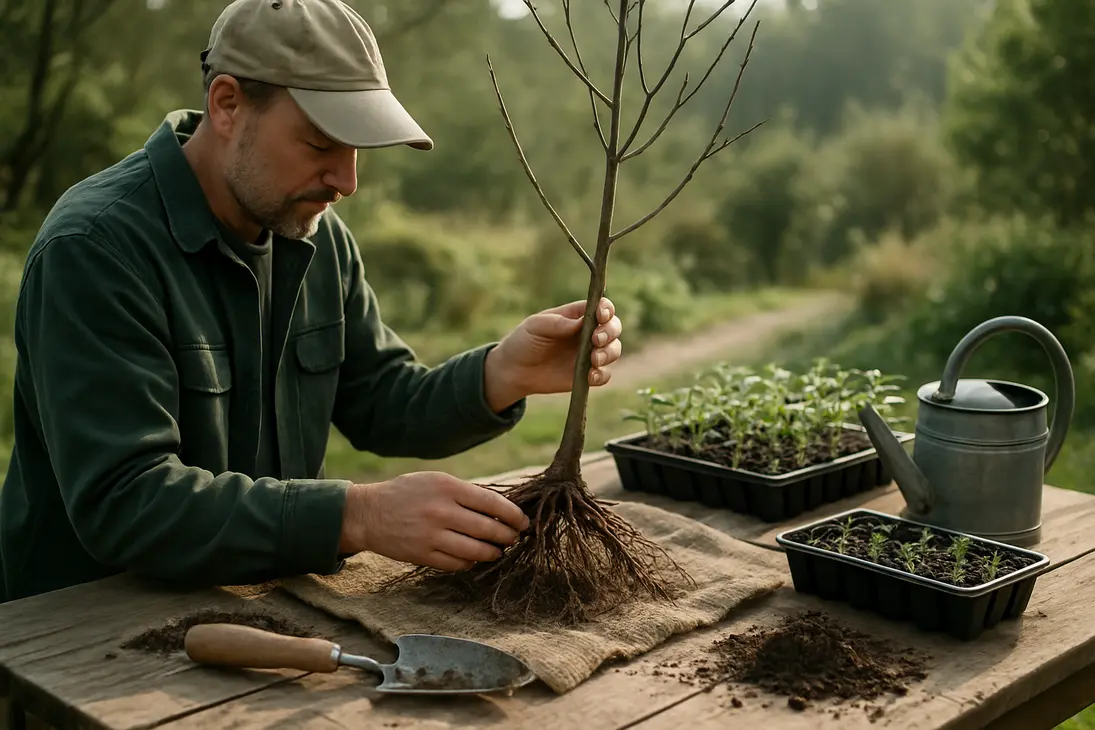
True trees need roots to survive. Learn why roots may be hidden, how seedlings start, and what to check on bare-root trees.
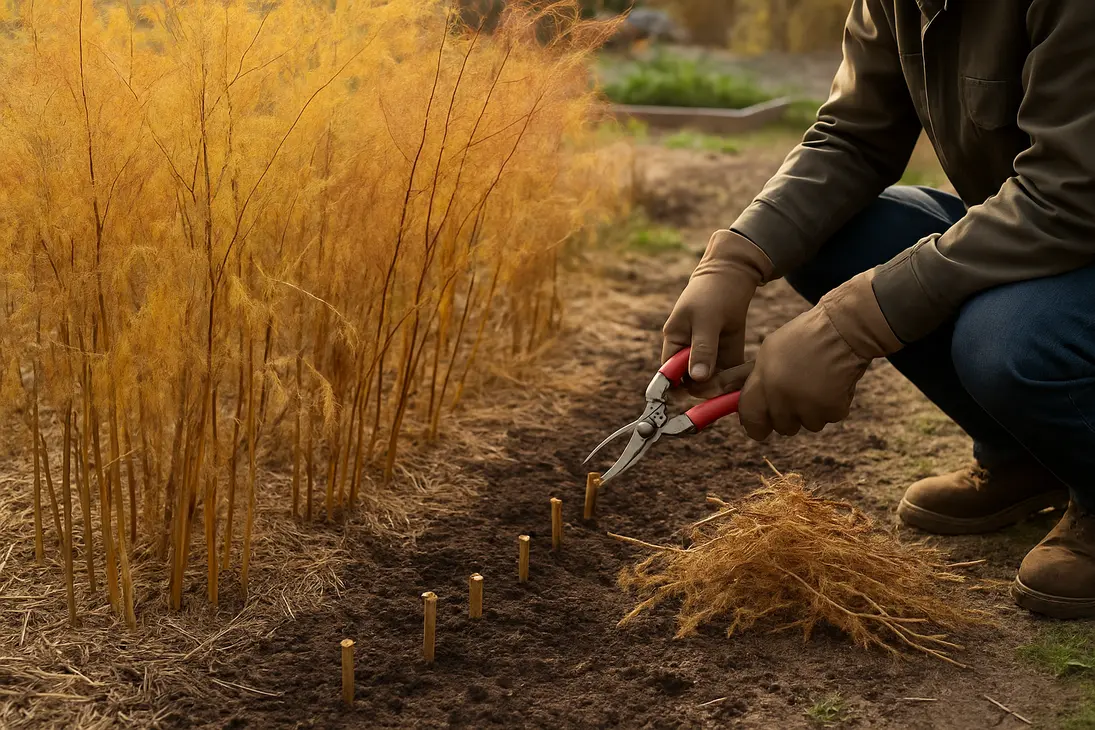
Cut asparagus ferns after they turn yellow or brown, usually after frost or before spring spears emerge, to protect next year’s harvest.
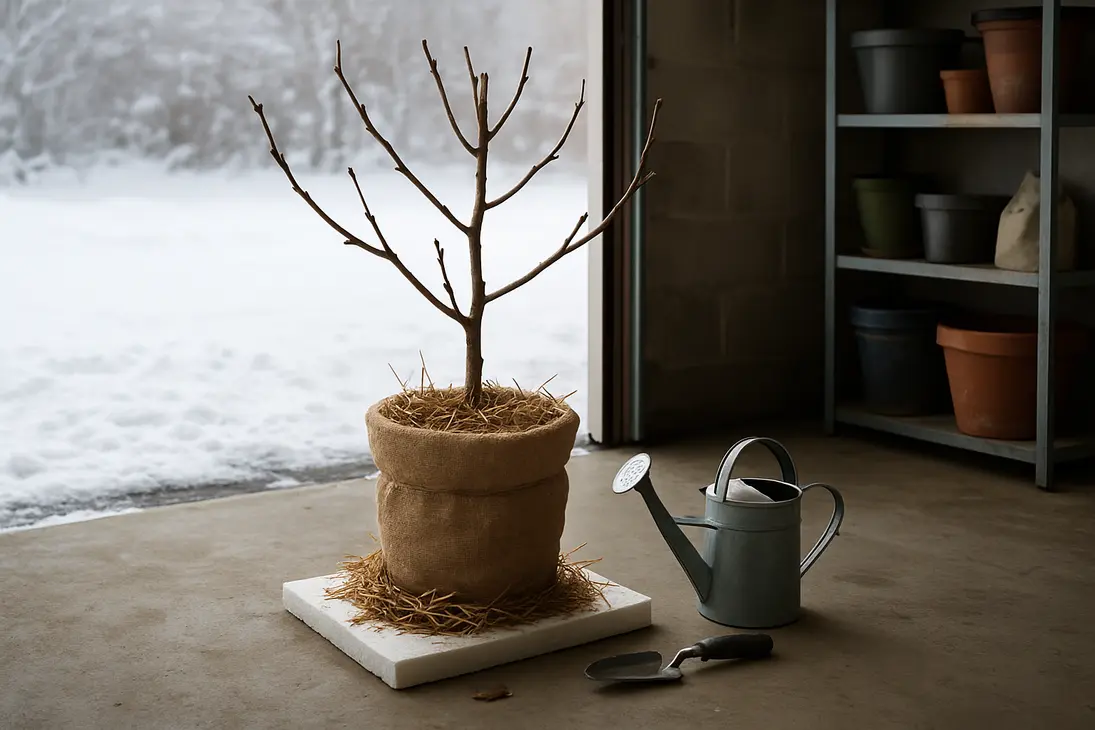
Learn when a garage works for winter care for potted trees, how to protect roots, when to water, and which trees need light.
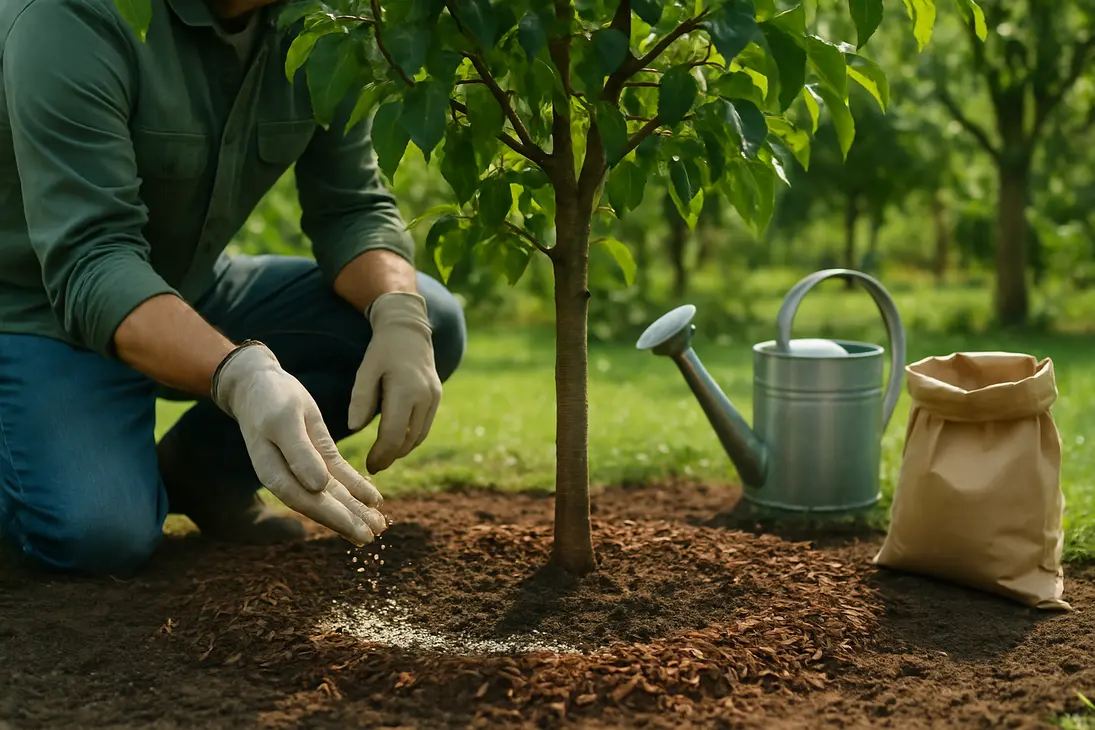
Compare balanced NPK 18-18-18 and 20-20-20 fertilizers for trees, including concentration, safe rates, soil testing, and burn risks.
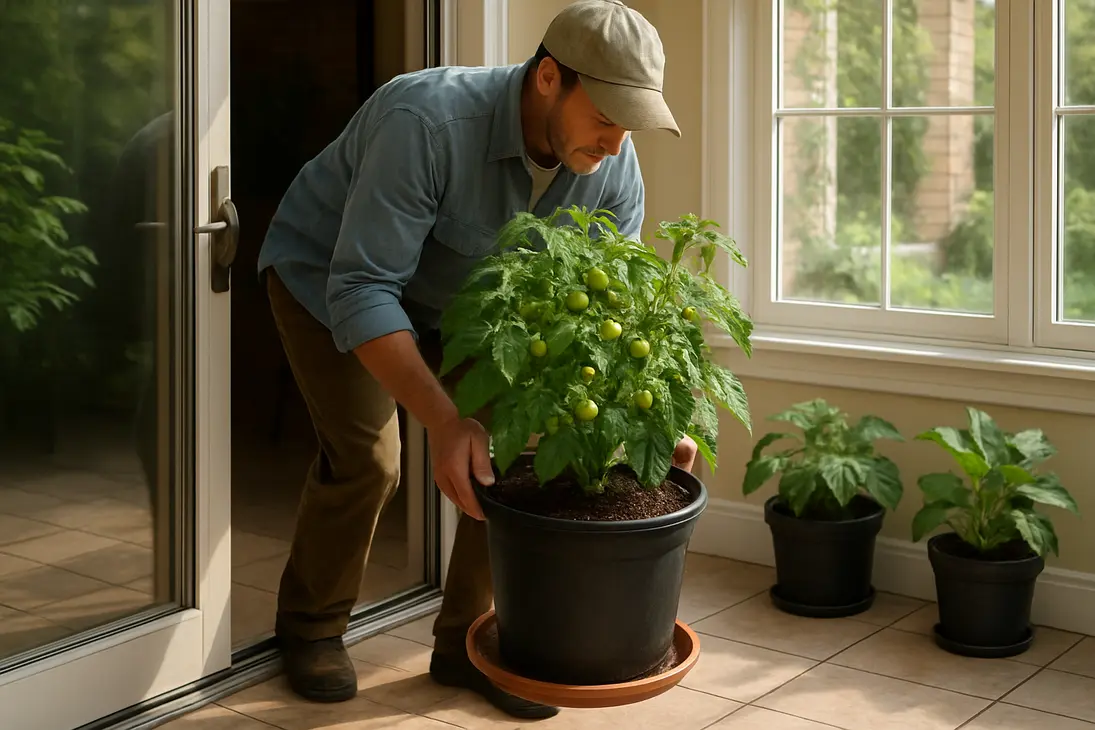
Yes, but returning potted plants indoors works best when fruit has set and plants get bright light, careful watering, pest checks, and warmth.
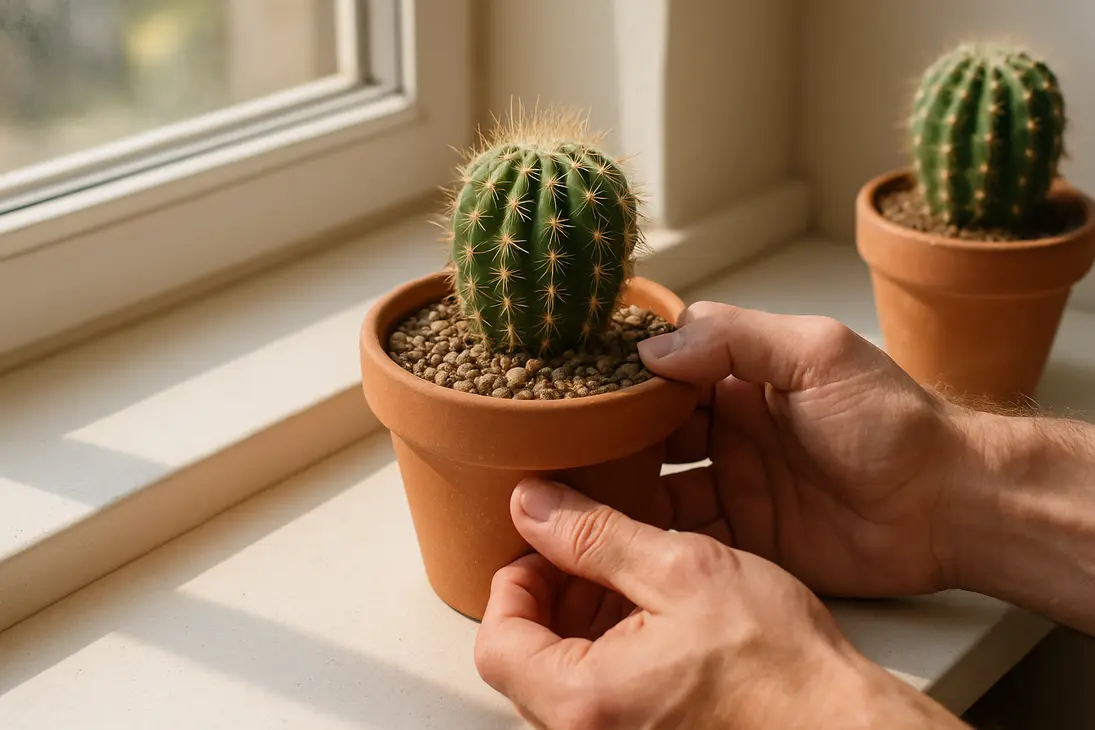
Cacti growth after purchase can pause for weeks or months. Learn when it is normal and how to check light, watering, soil, roots, and rot.
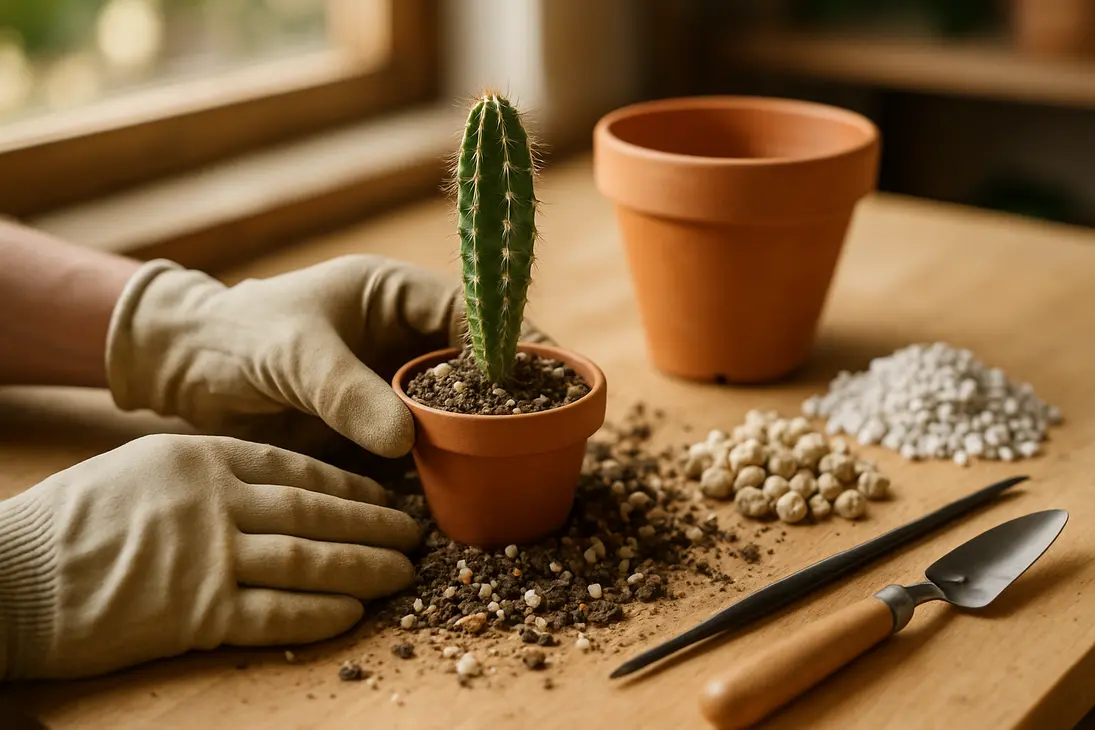
Learn the subtle signs of cactus root growth, from firmness and gentle resistance to plumping, new growth, and healthy root color.
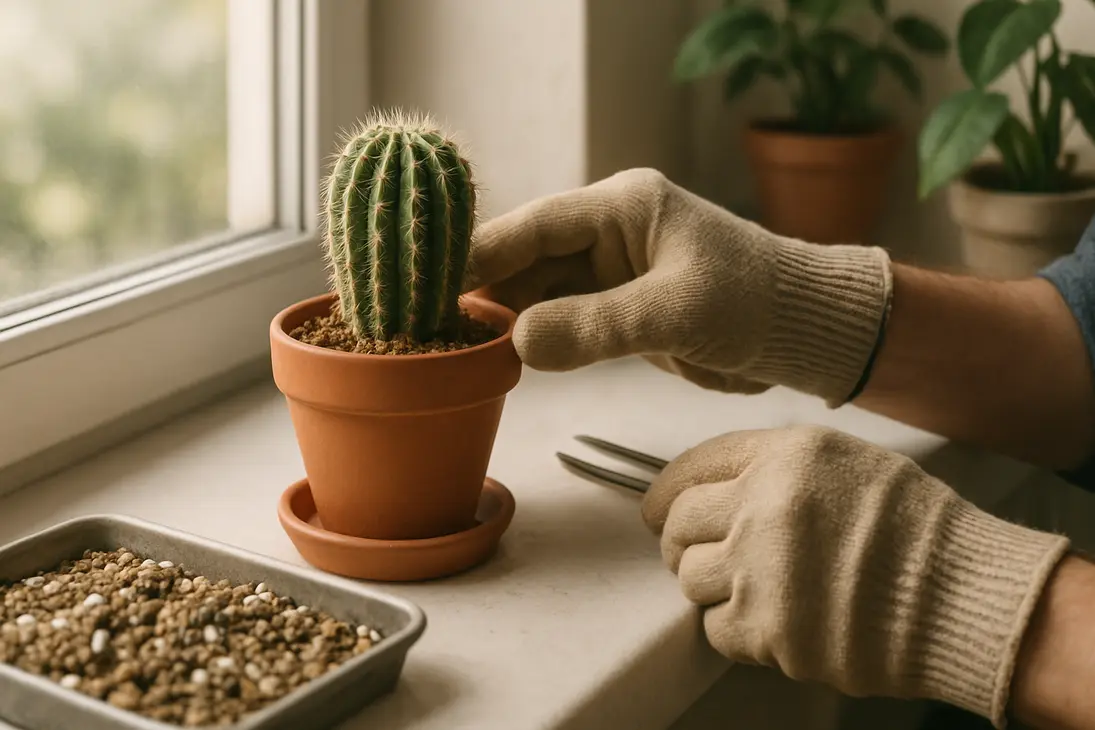
Help a new cactus adjust with steady light, dry roots, fast-draining soil, careful watering, and checks for pests, rot, or sunburn.
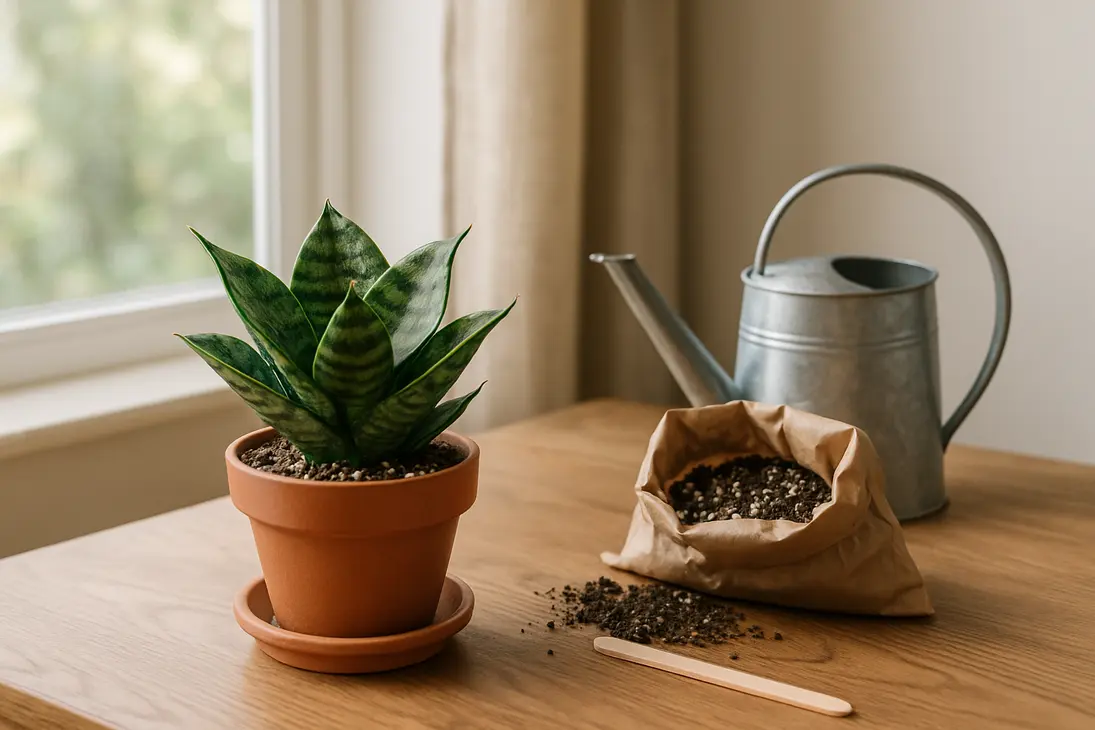
Learn how to care for a dwarf snake plant with the right light, watering routine, soil, pot size, repotting, and rot prevention.
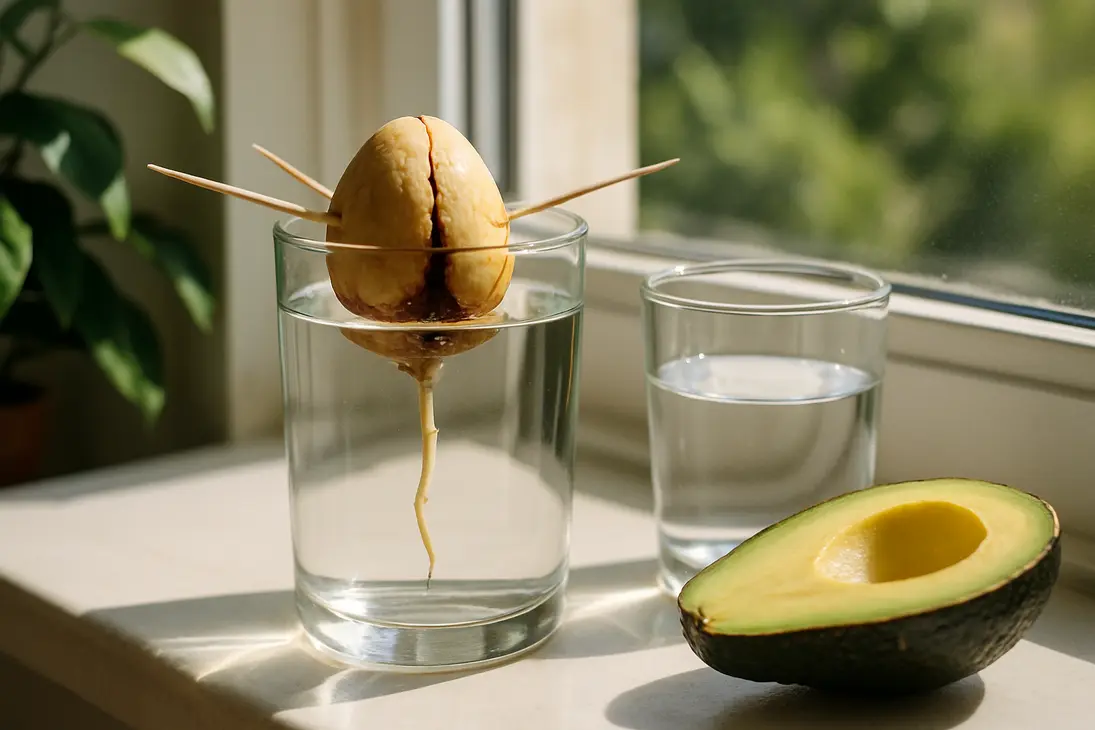
Learn why fresh water helps avocado pits sprout, how often to change it, the right water level, and signs of rot or stagnant water.

Learn how to choose arid-climate plants by matching heat, cold, soil, sun, wind, drainage, and water needs to your garden site.
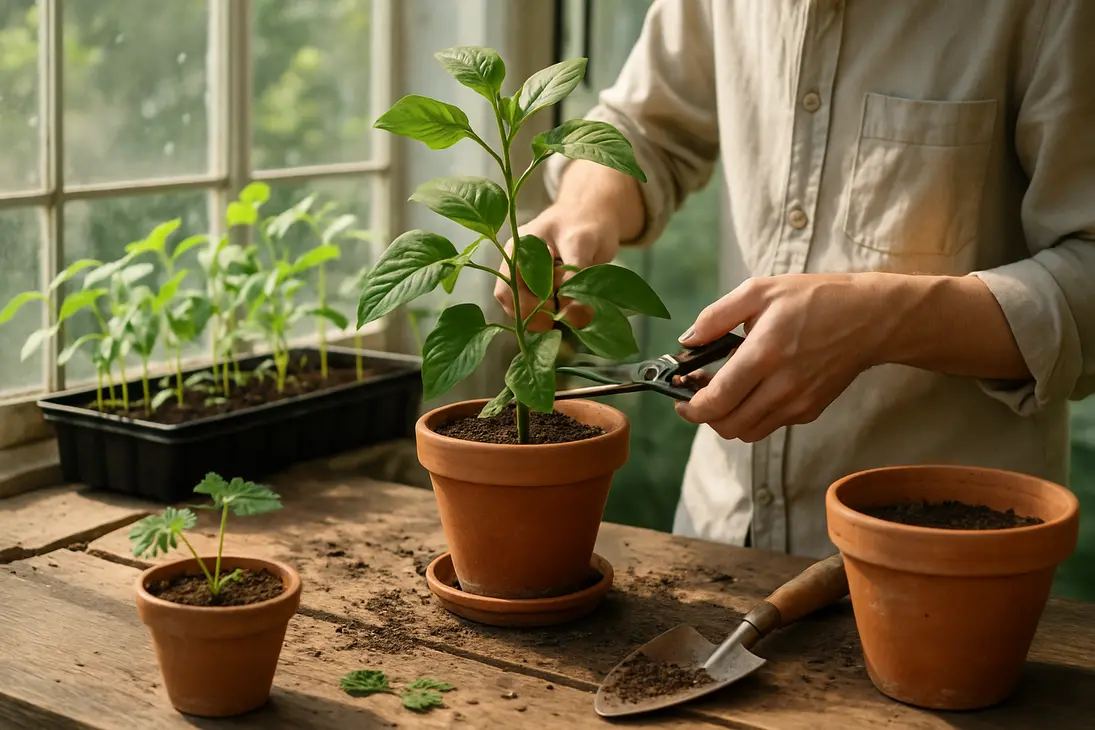
Plants react to light, touch, drought, and damage, but current evidence does not show they feel pain or emotions like animals.
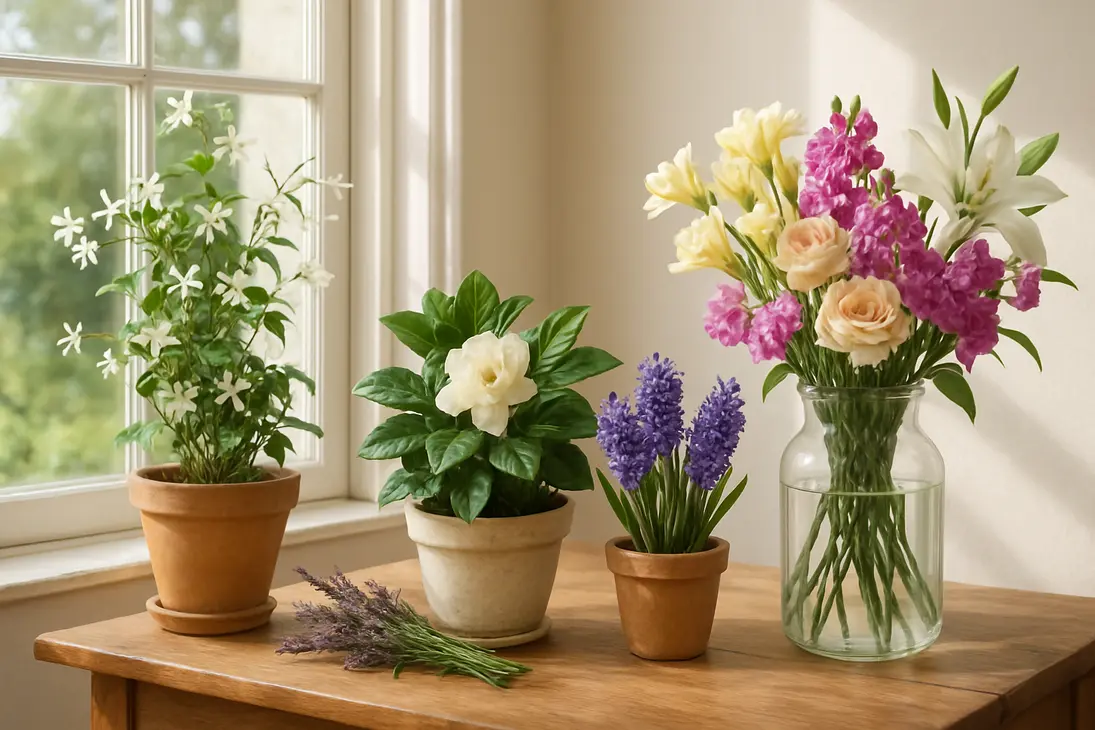
Compare jasmine, gardenia, lilies, hyacinth, freesia, roses, lavender, tuberose and more for fresh indoor fragrance.
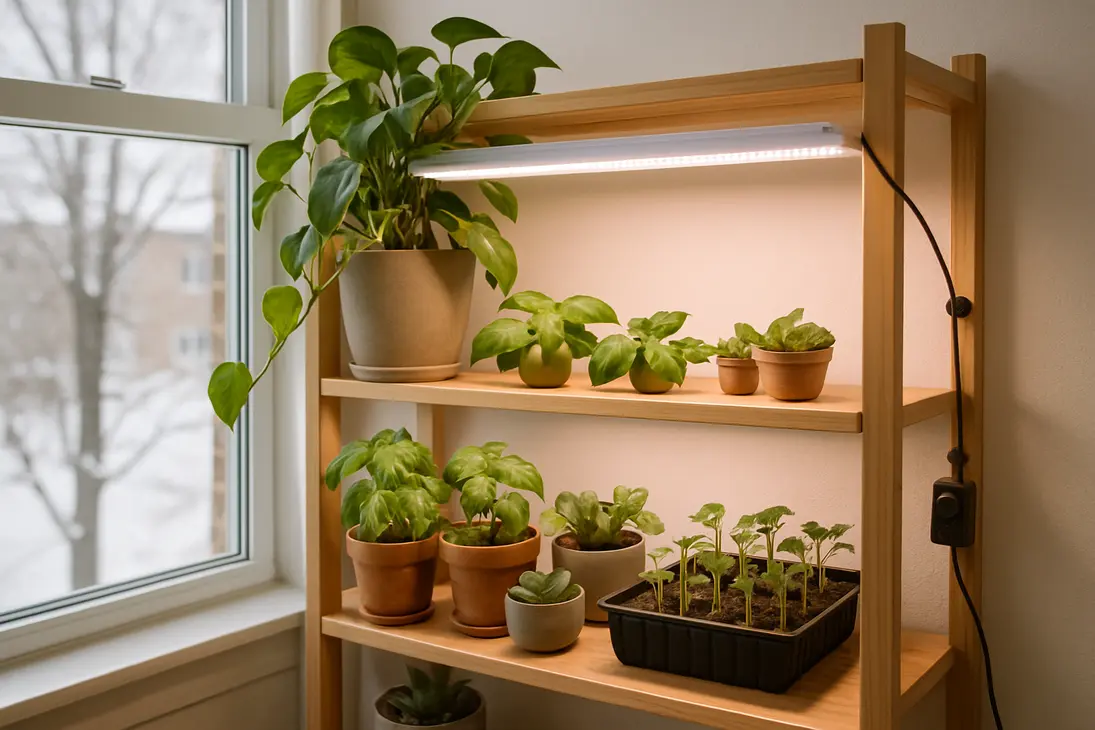
Learn how grow lights help indoor plants get steady light, reduce legginess, support stronger growth, and make herbs and seedlings easier to grow.
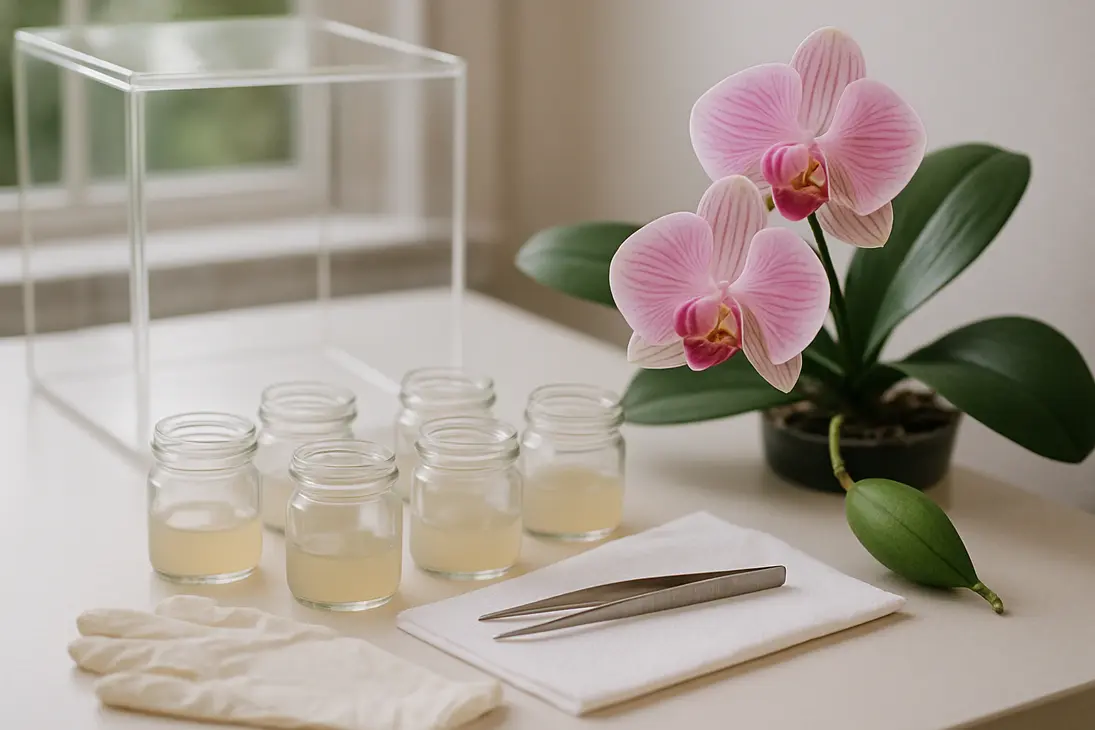
Learn why orchid seeds need sterile flasking or fungi, what home growers need, and why germination, deflasking, and flowering take patience.
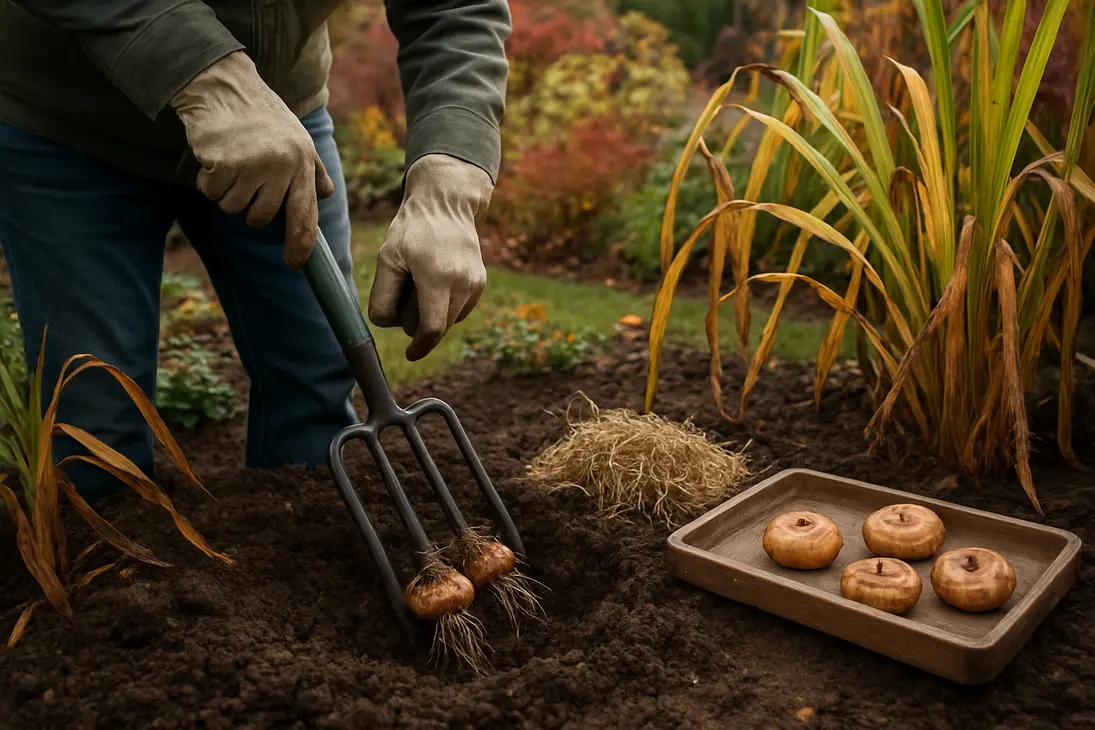
Learn when hardy gladiolus can overwinter in zone 5, when to lift corms, and how drainage, mulch, and variety affect survival.
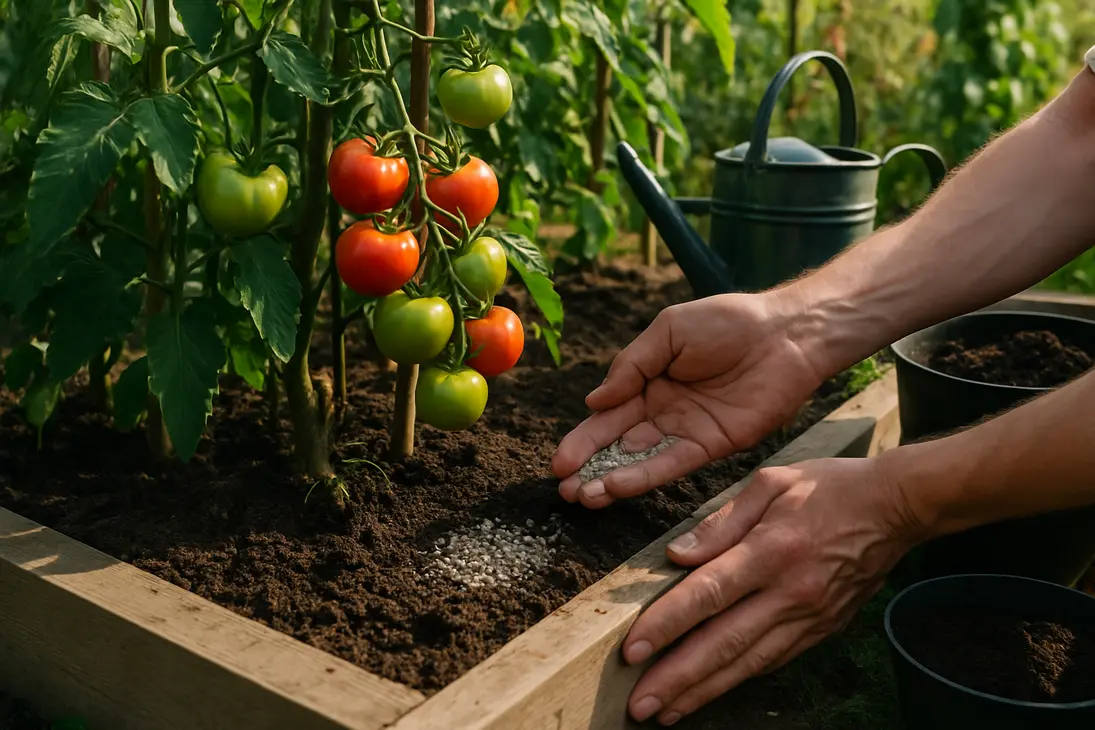
Learn when to fertilize tomatoes in the ground or containers, how often to feed during fruiting, and signs you may be overdoing it.
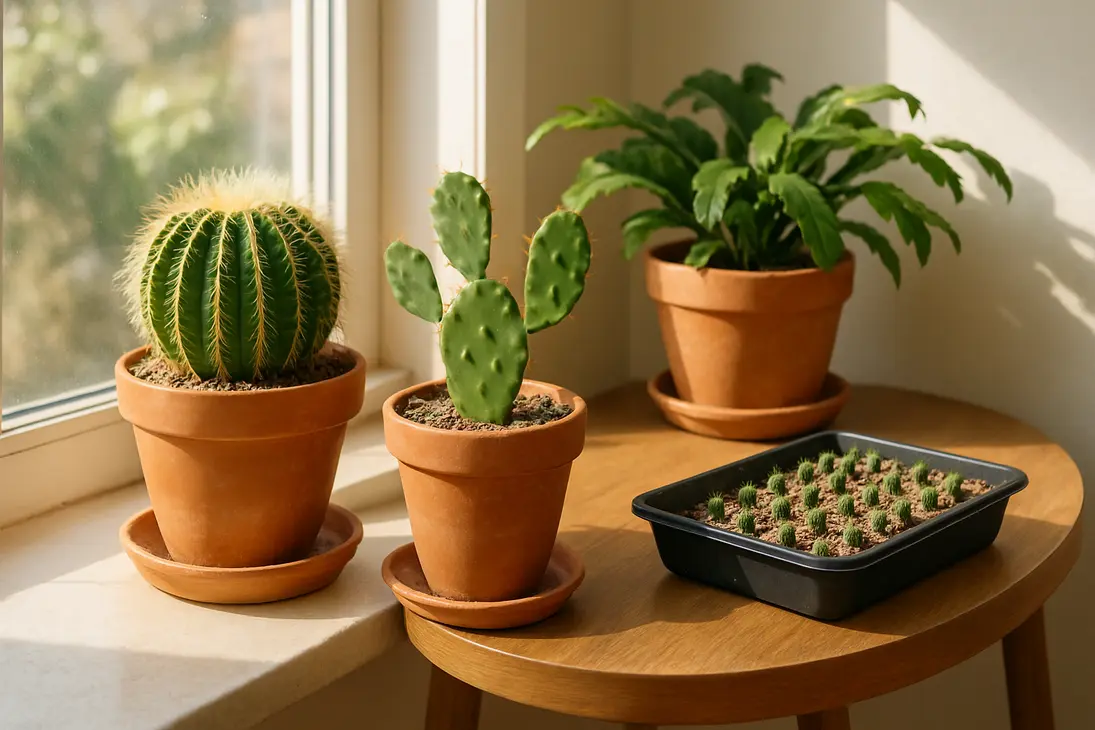
Learn how much light and moisture for cacti varies by type, from desert cacti to forest cacti, seedlings, seasons, pots, and soil.
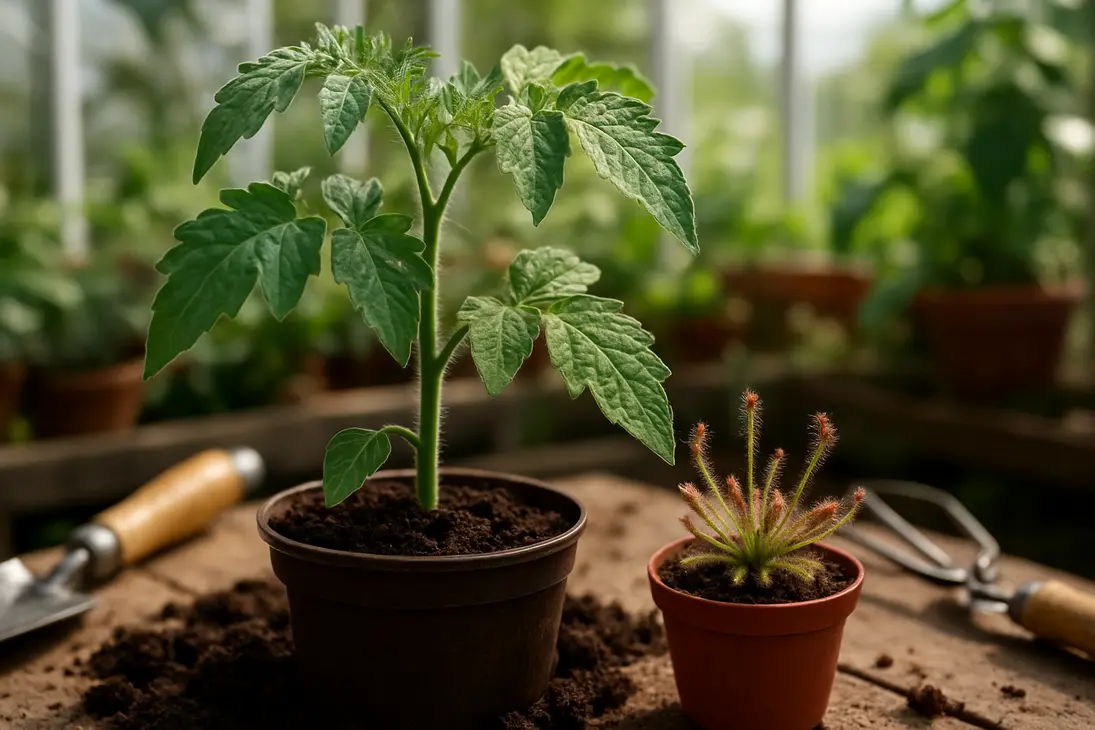
Learn how non-carnivorous plant adaptation can include sticky or cupped traits, and why true carnivory evolves only in specific habitats.
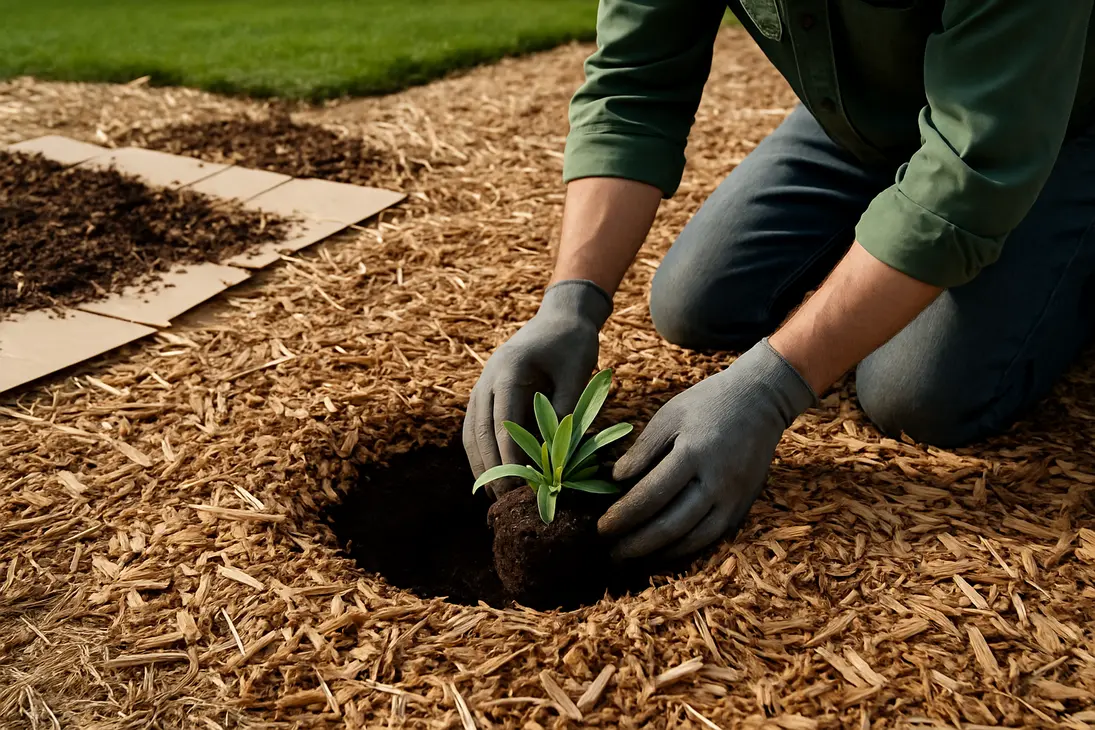
Learn when planting through mulch-covered grass works, how to prepare the bed, plant into soil, and stop lawn regrowth around new plants.
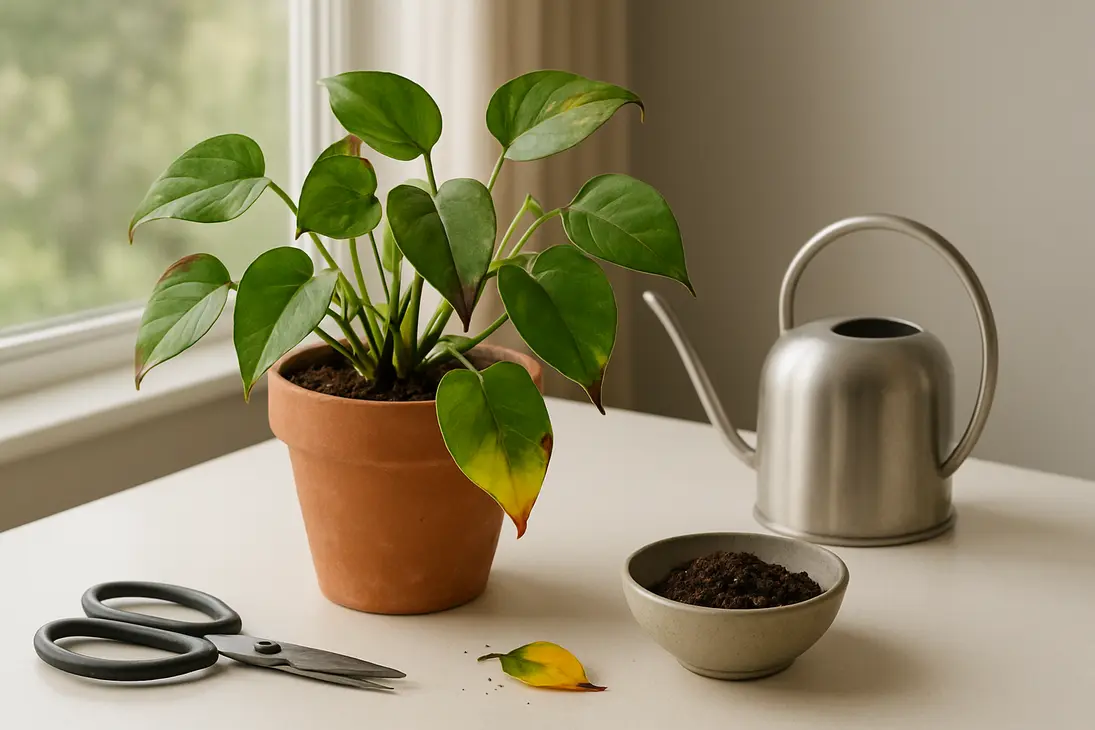
Brown leaves on pothos can come from watering stress, poor drainage, light, pests, or salt buildup. Learn the patterns and fixes.
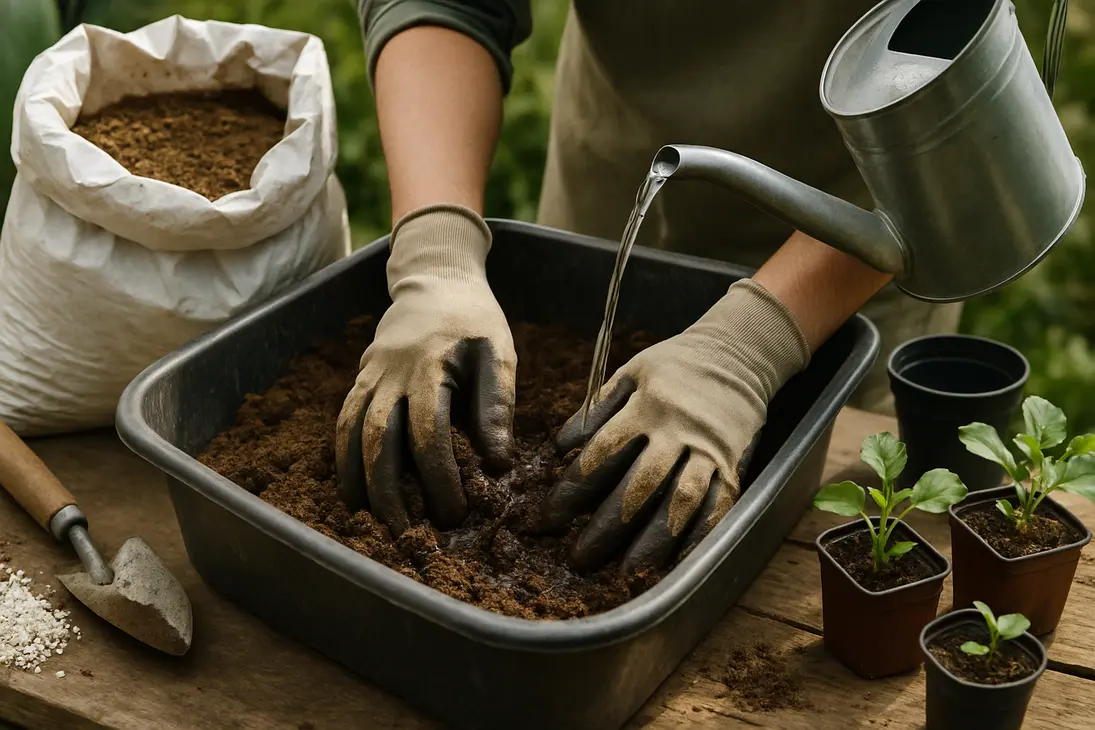
Learn how to rehydrate dried potting soil by breaking up clumps, watering in stages, soaking dry mix, and refreshing old soil before planting.
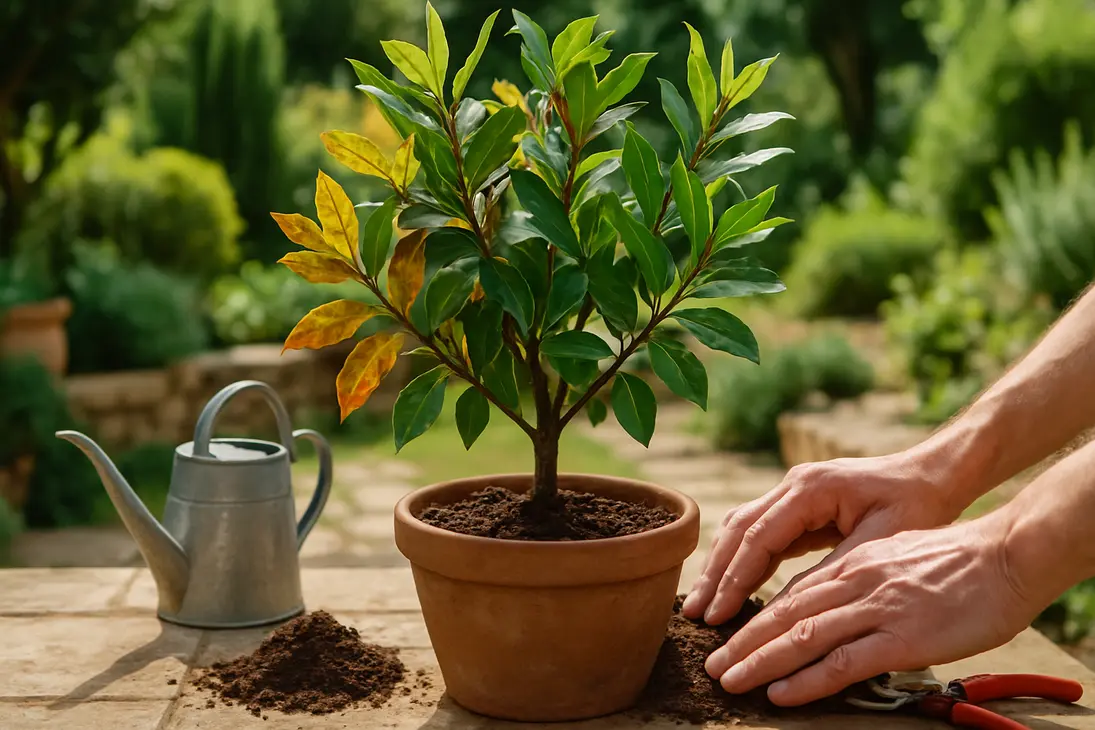
Learn why bay tree leaves turn yellow, brown, pale, or black, and how to fix watering, drainage, light, feeding, and pest problems.
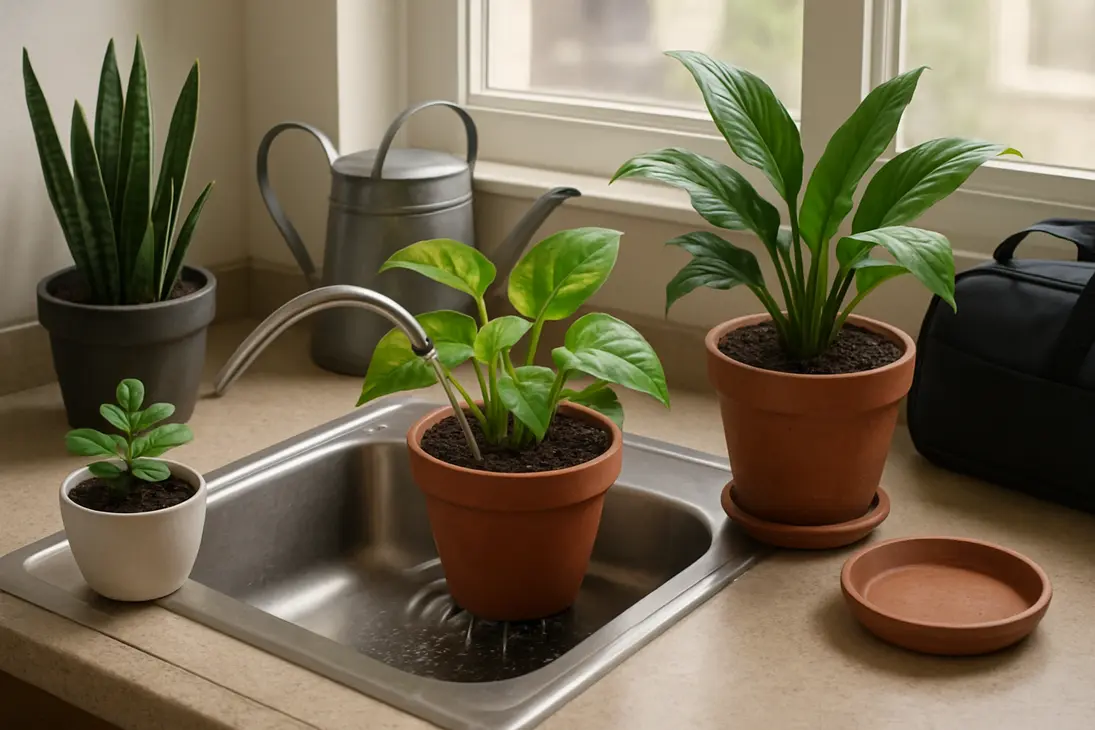
Soaking plant soil can help for short trips if pots drain well, but it can cause root problems if soil stays waterlogged.
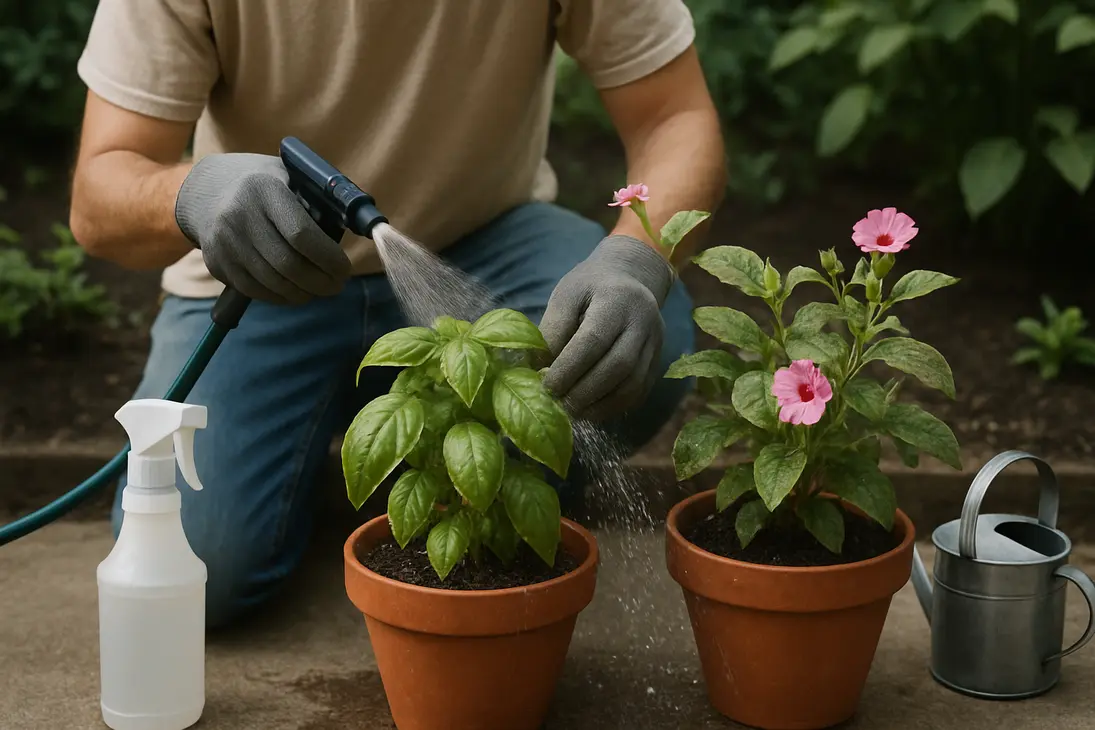
Soap water can burn leaves, stress roots, and build up in soil. Learn when it is risky, which plants are sensitive, and how to rinse or flush.
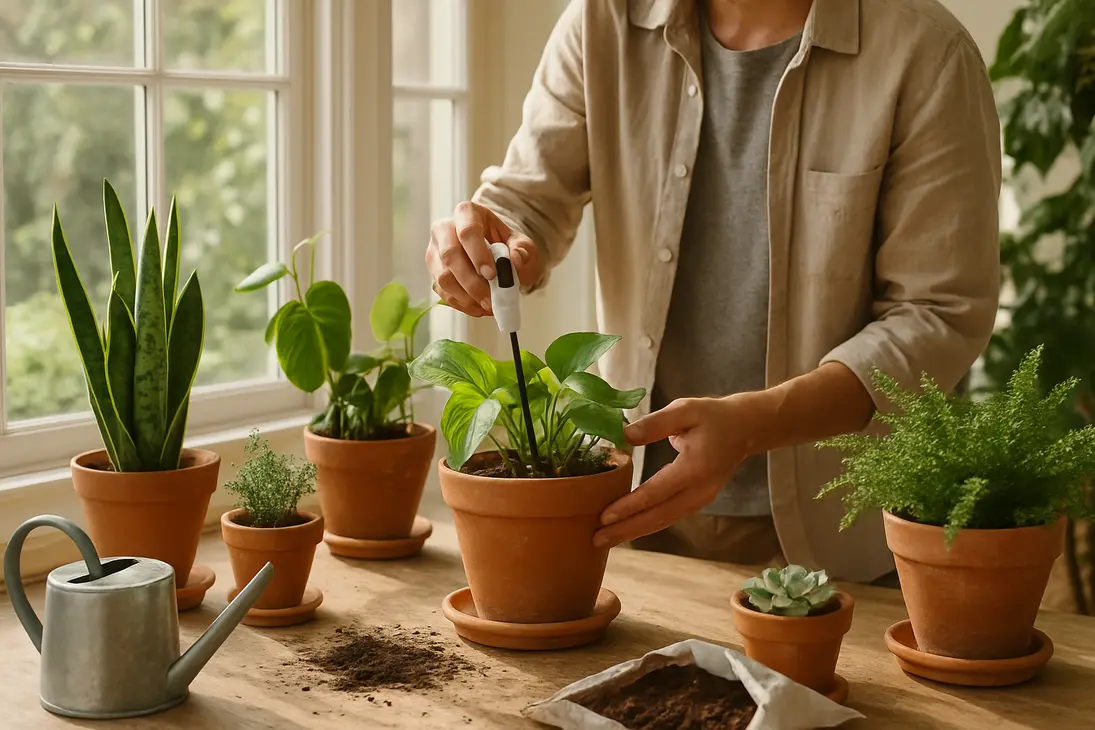
Learn practical tips for plant care, including how to match light, water correctly, choose soil and drainage, fertilize, and spot problems early.
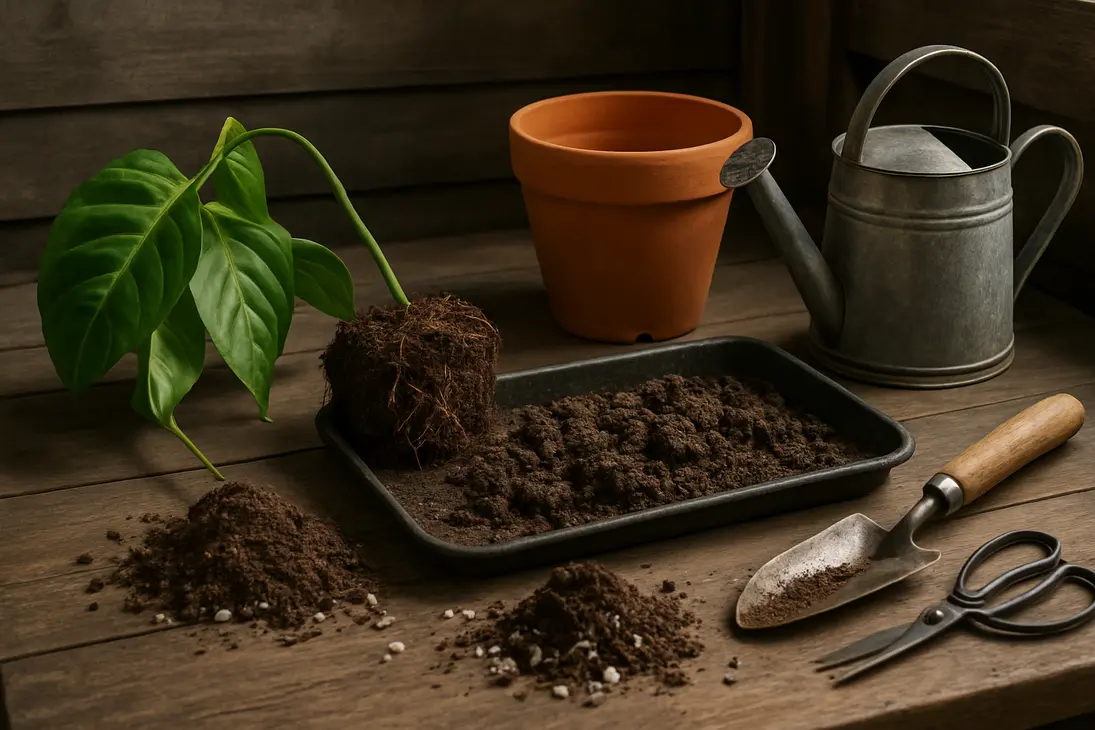
Learn when using old potting soil is safe for a broken plant, how to inspect and refresh it, and when to discard risky soil.
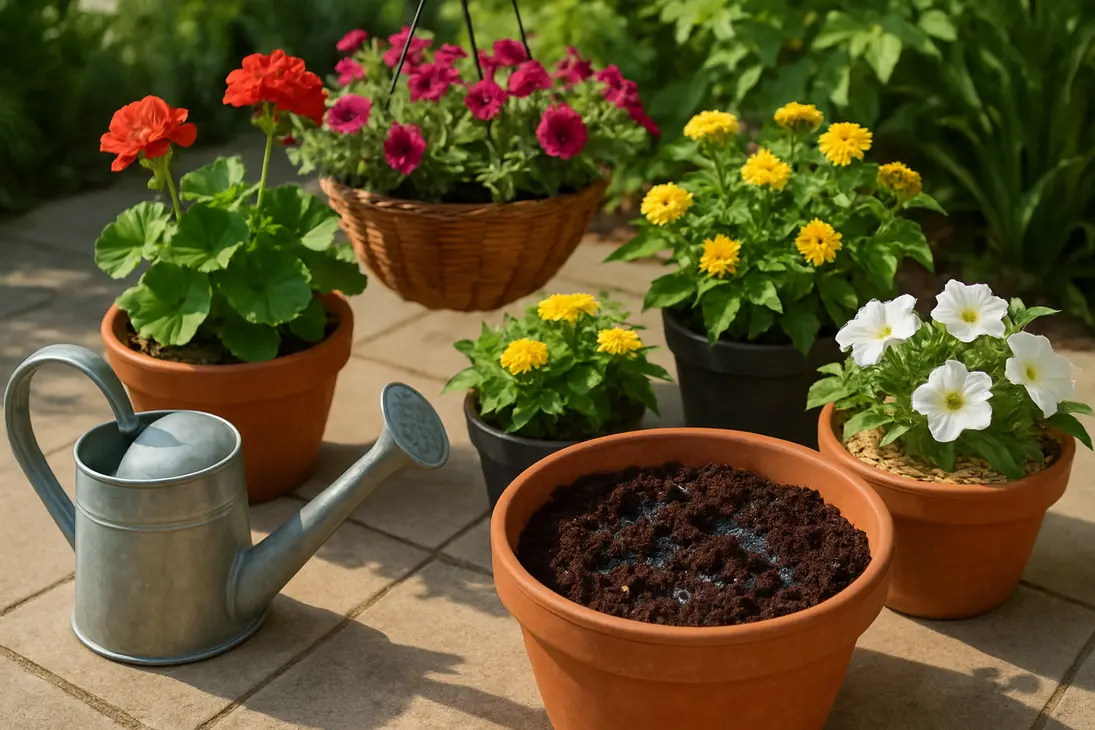
Soil Moist can extend watering for containers and baskets, but it works best with deep watering, drainage, mulch, and a tested vacation plan.
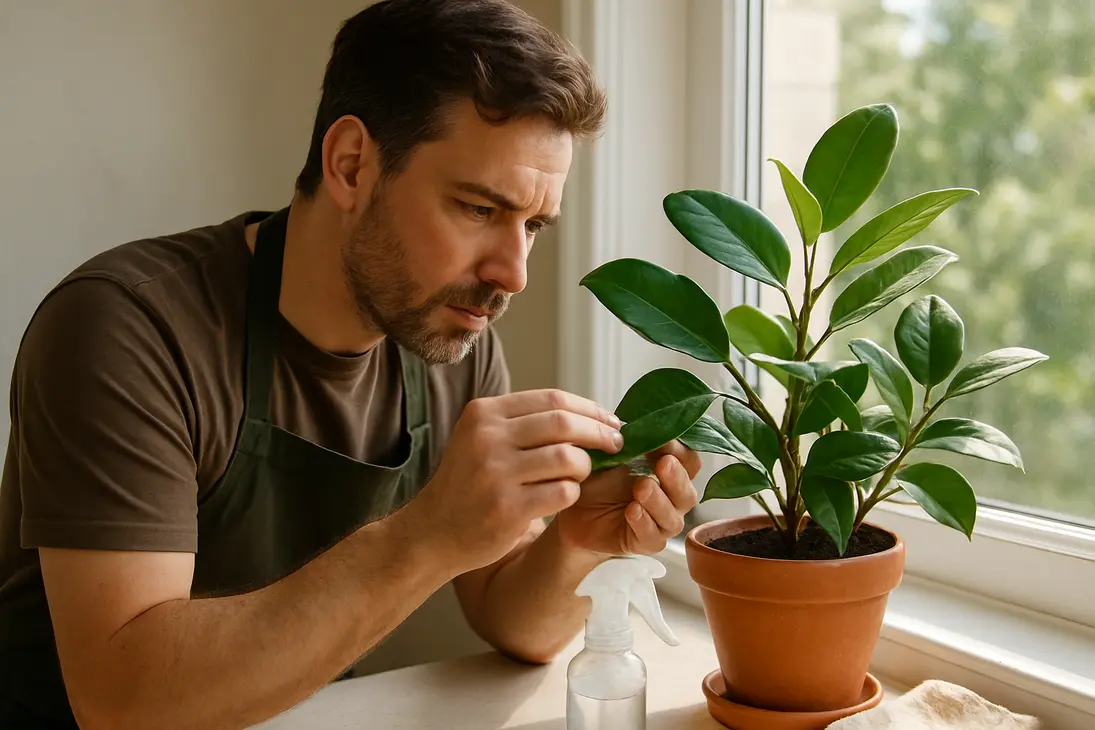
Use soap water only when indoor plants show pest signs like insects, sticky leaves, webbing, mealybugs, or speckled growth—not for general decline.
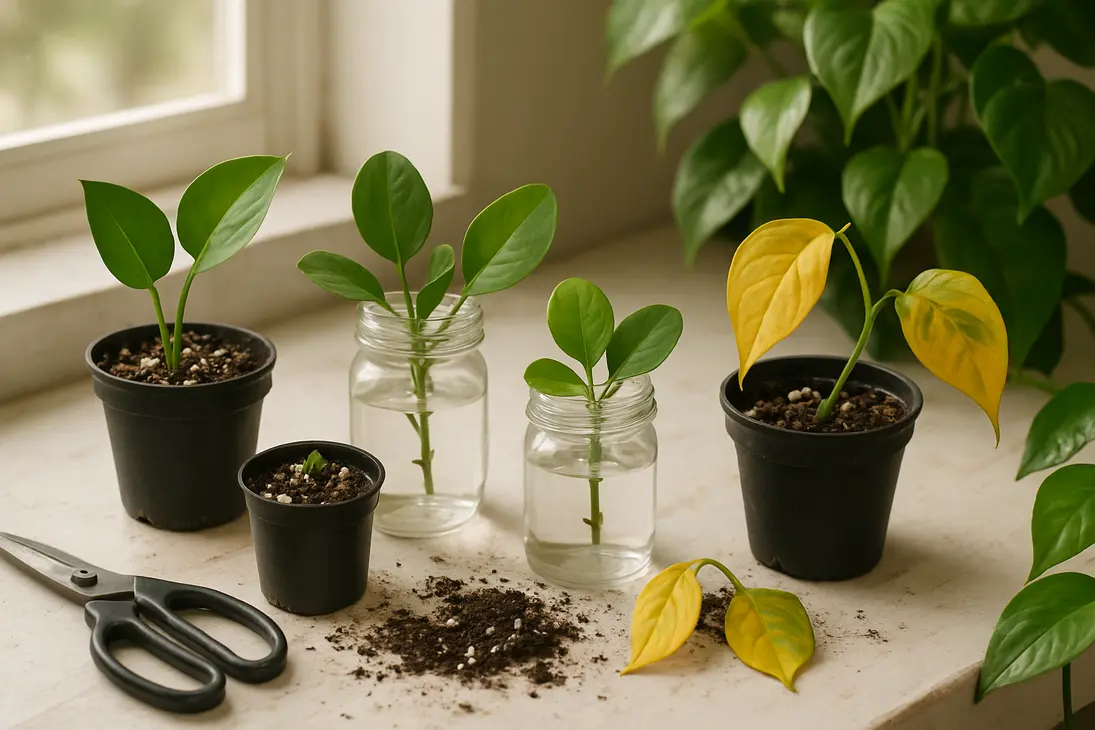
Learn the common mistakes in plant propagation that cause cuttings to rot, wilt, or stall, from missing nodes to soggy soil and poor light.
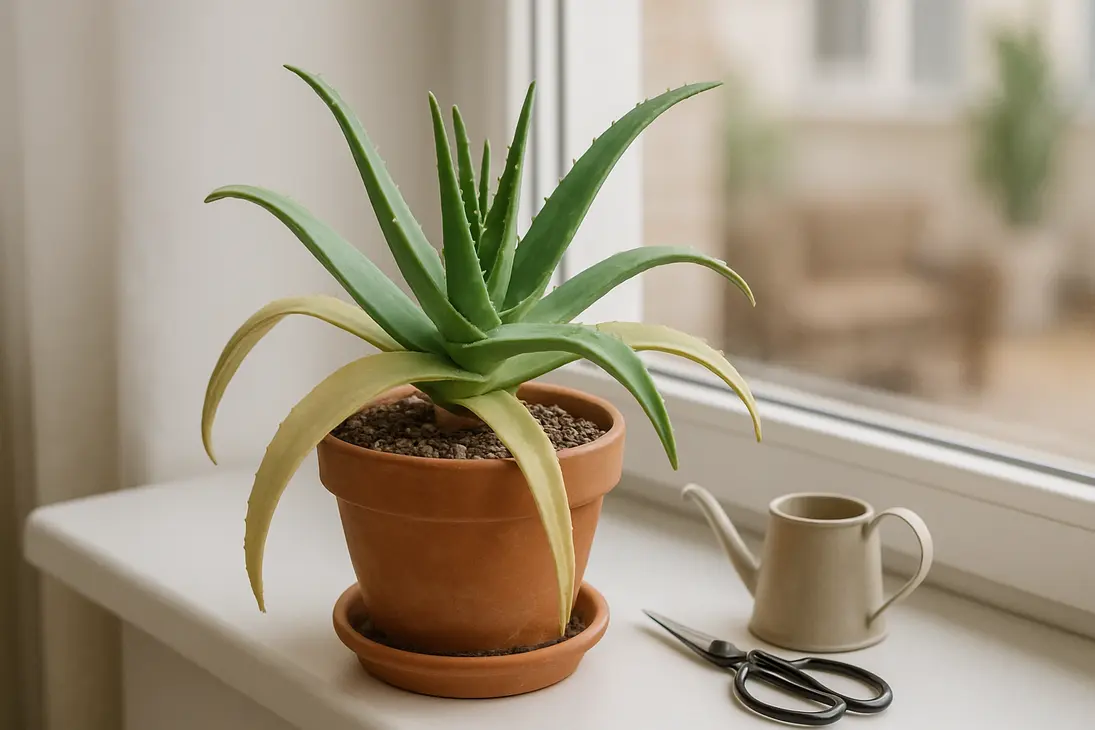
Learn why aloe vera leaves turn pale, floppy, thin, or mushy, and how to fix light, watering, drainage, pot, and root problems.
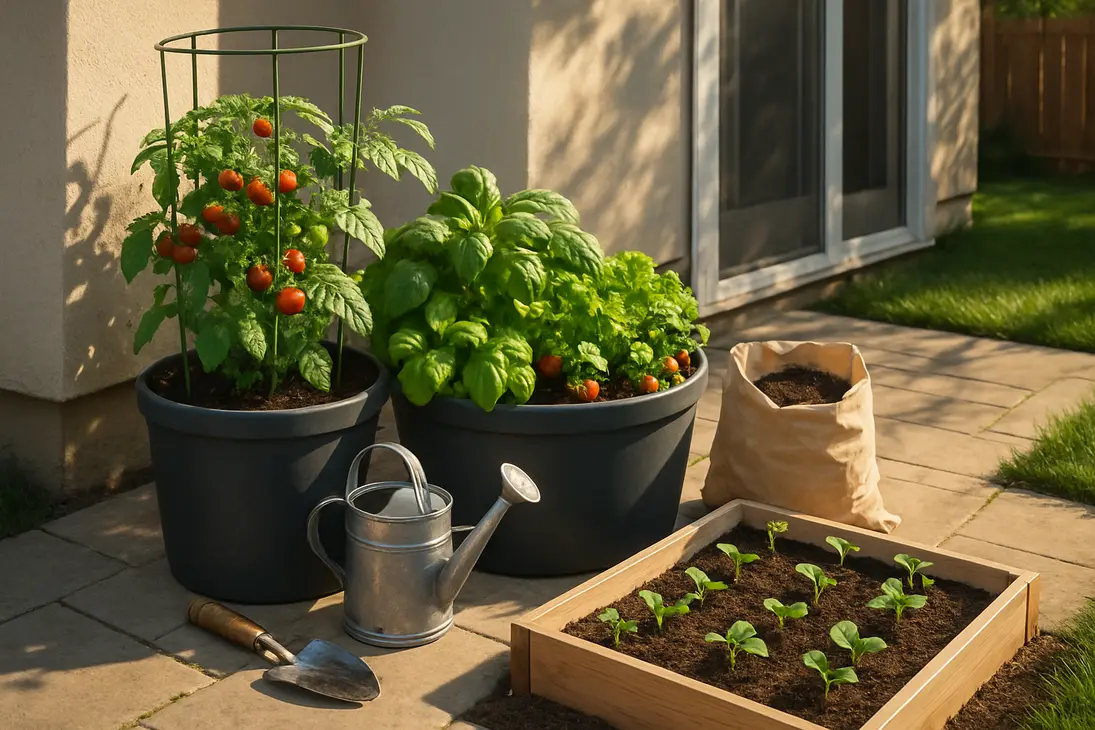
Beginners can grow fruits and vegetables at home with a small setup, easy crops, good soil, steady watering, and realistic first-season goals.
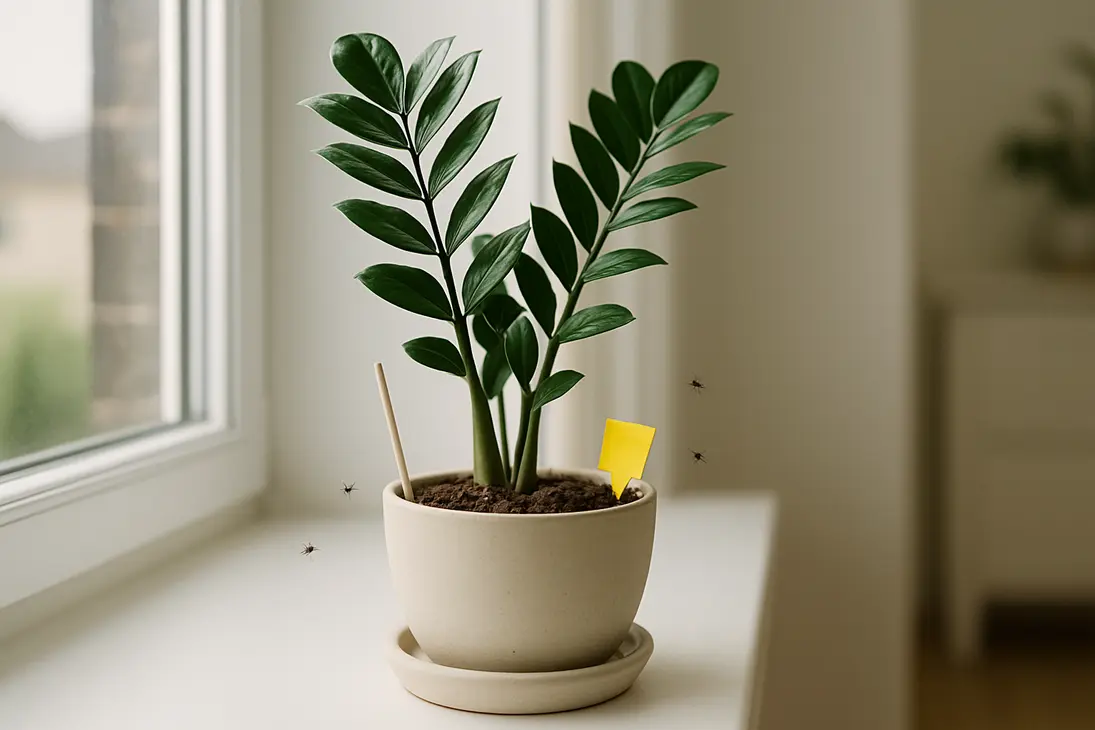
Gnats in ZZ plants usually mean wet soil. Learn how to confirm fungus gnats, dry the mix, treat larvae, and prevent them from coming back.
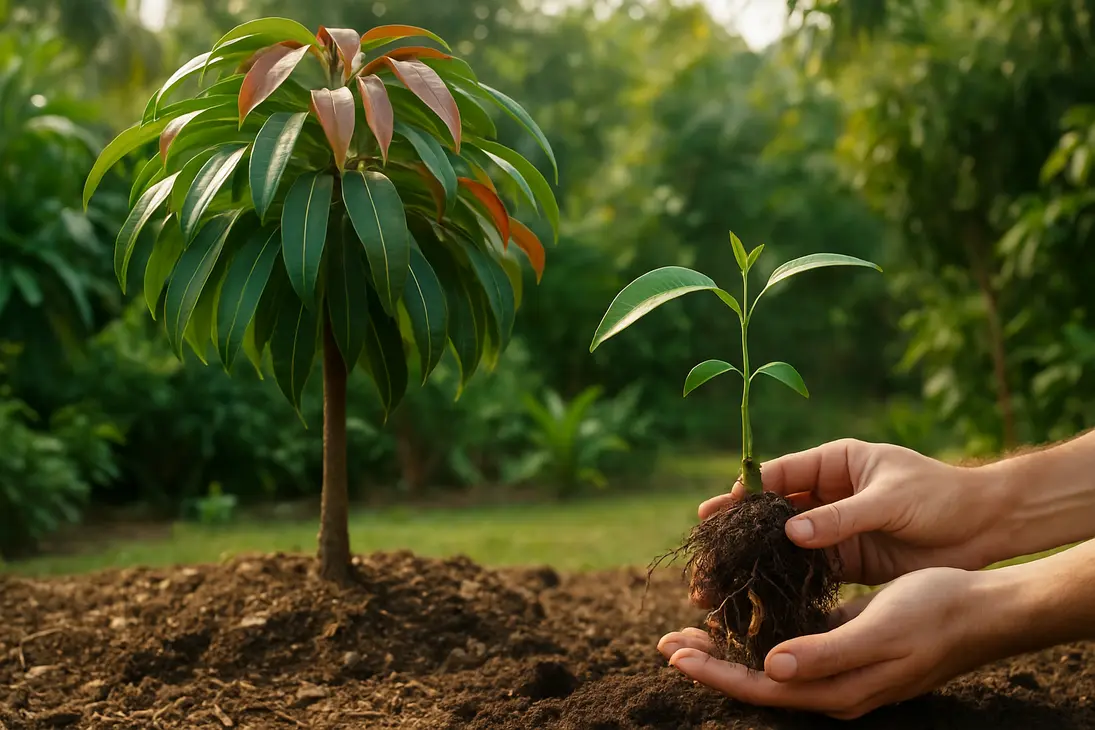
Learn mango plant characteristics, including taproot and feeder roots, simple evergreen leaves, coppery new growth, and what these traits mean for care.
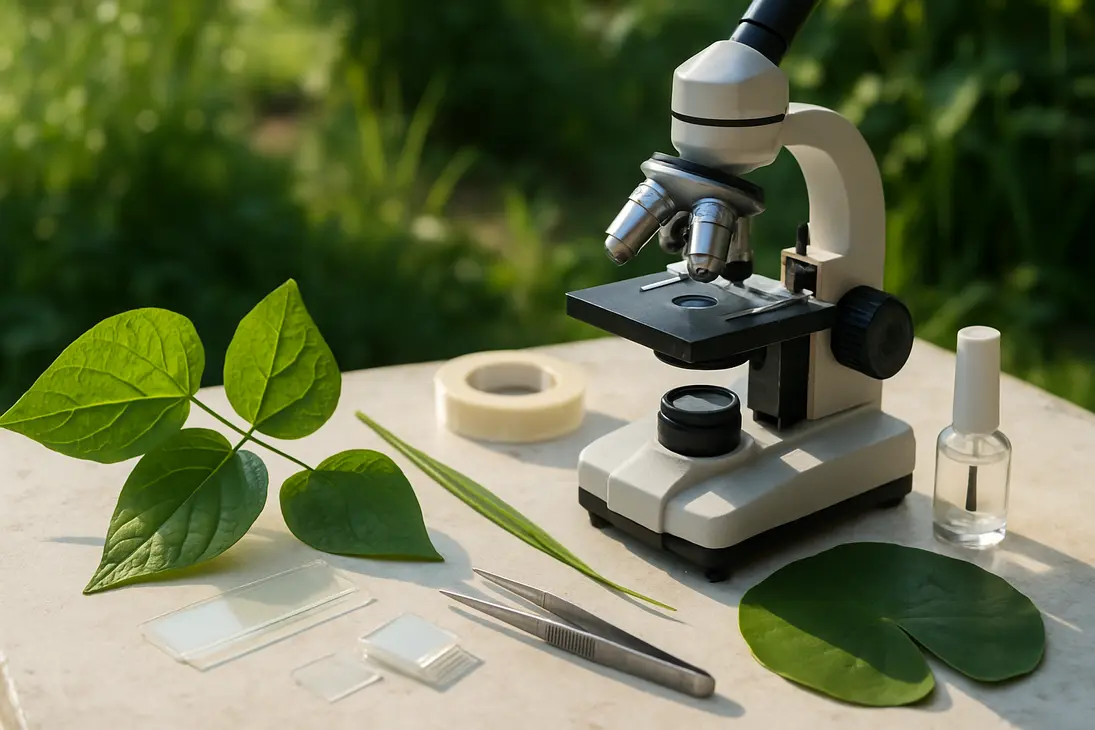
Learn where stomata are found on leaves, how to view them with a leaf peel or nail-polish impression, and what guard cells look like.
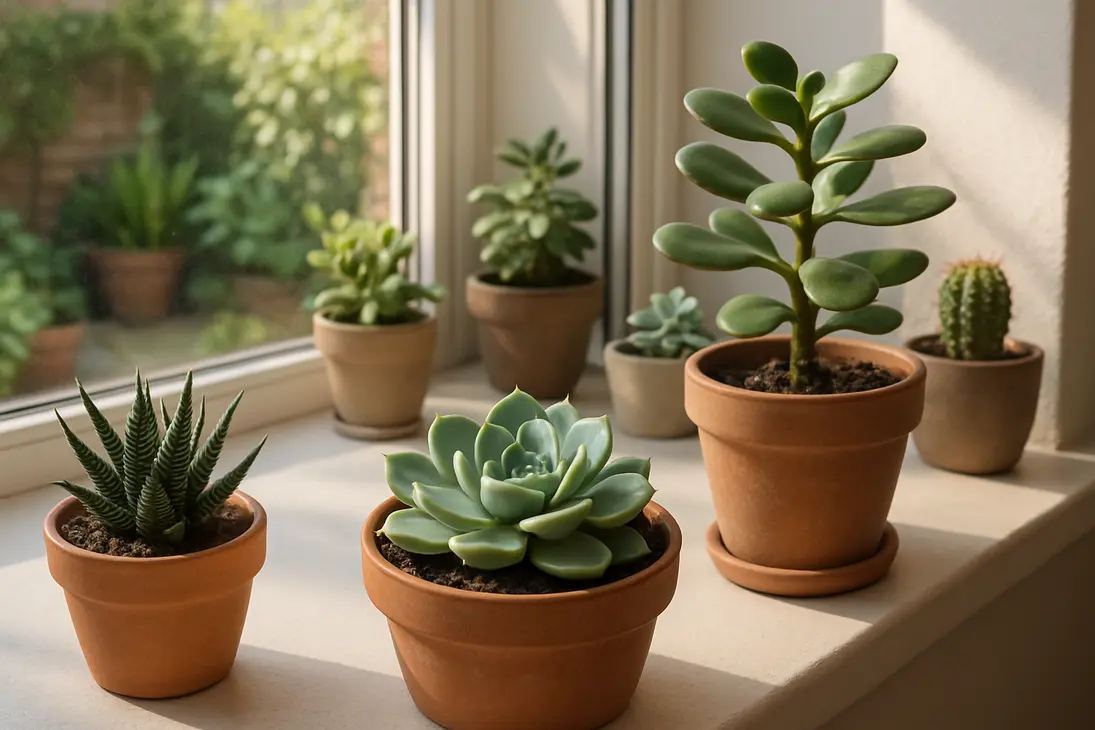
Learn how much light succulents need indoors and outdoors, when to use grow lights, and signs of too little or too much sun.
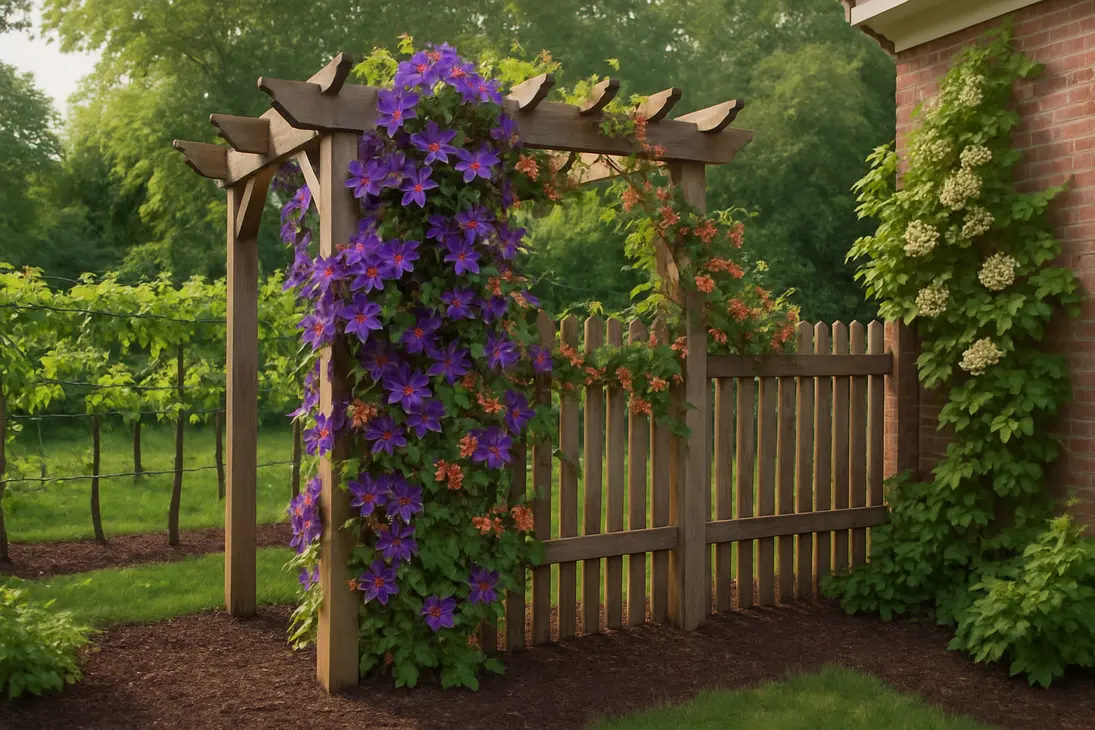
Compare cold-hardy perennial vines for Zone 5, including clematis, honeysuckle, climbing hydrangea, grapes, kiwi, hops, and wisteria.
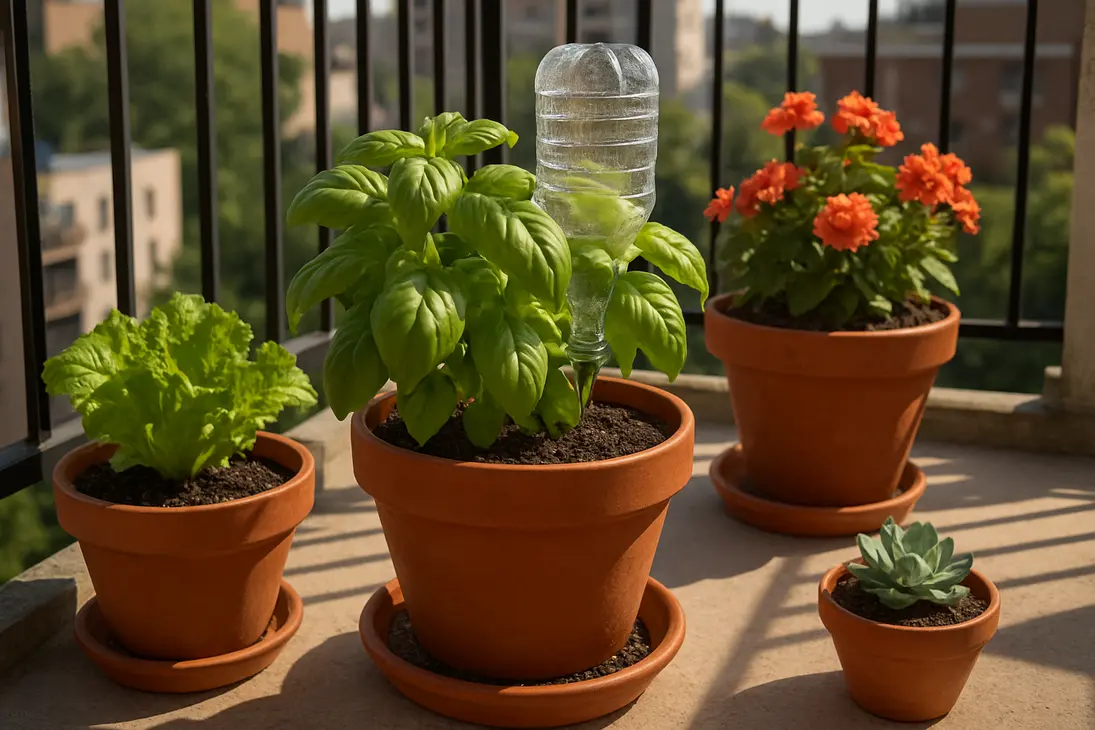
Learn when a plastic bottle dripper system helps potted plants, which plants to avoid, and how to test flow safely before relying on it.
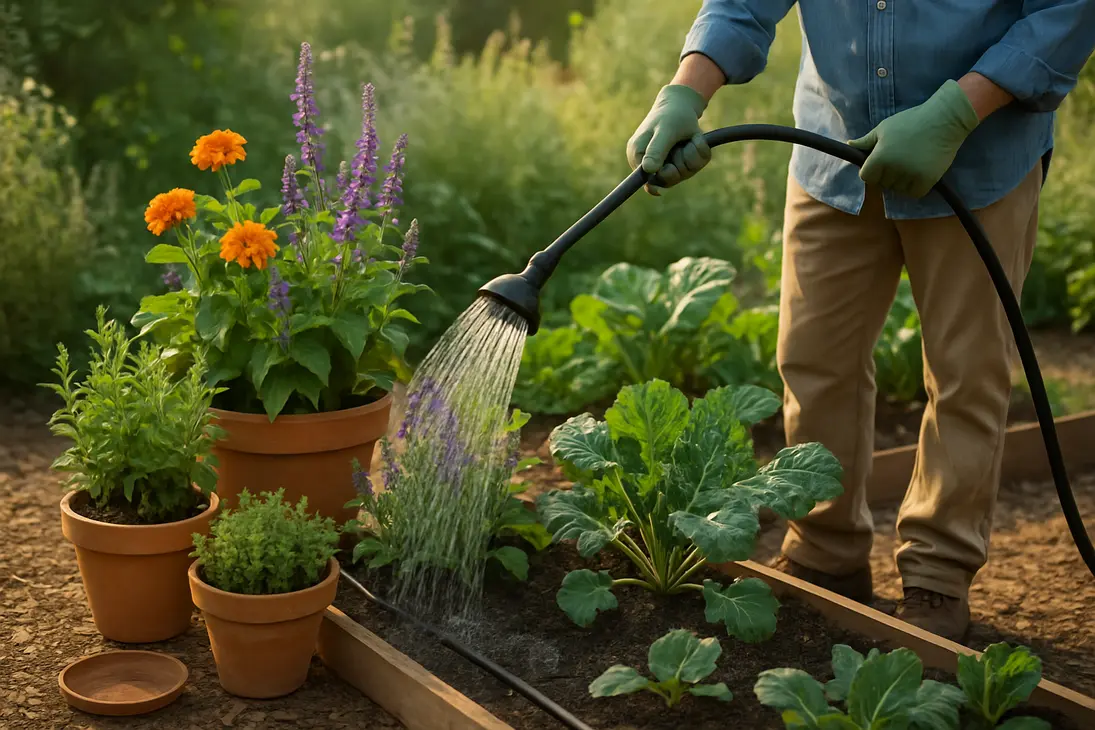
Learn how to water plants safely with soil-line watering, bottom watering, drip irrigation, moisture checks, and timing tips to avoid root rot.
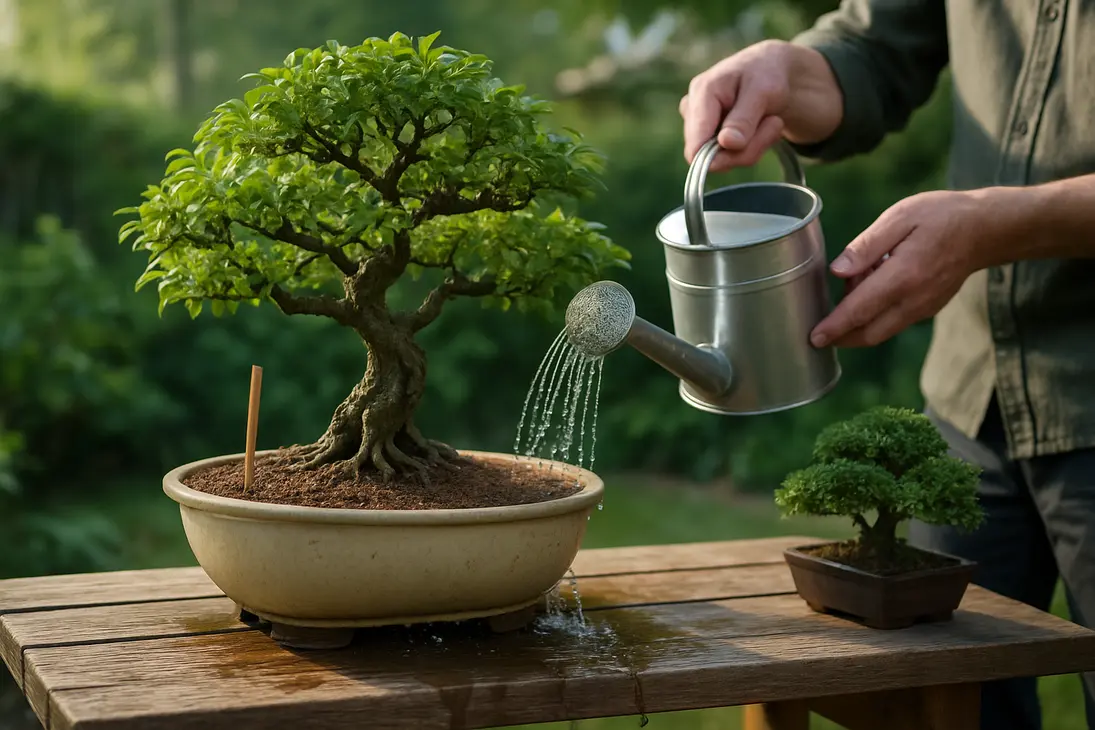
Learn how to check bonsai soil, judge pot weight, water thoroughly, and avoid overwatering or underwatering without relying on a fixed schedule.
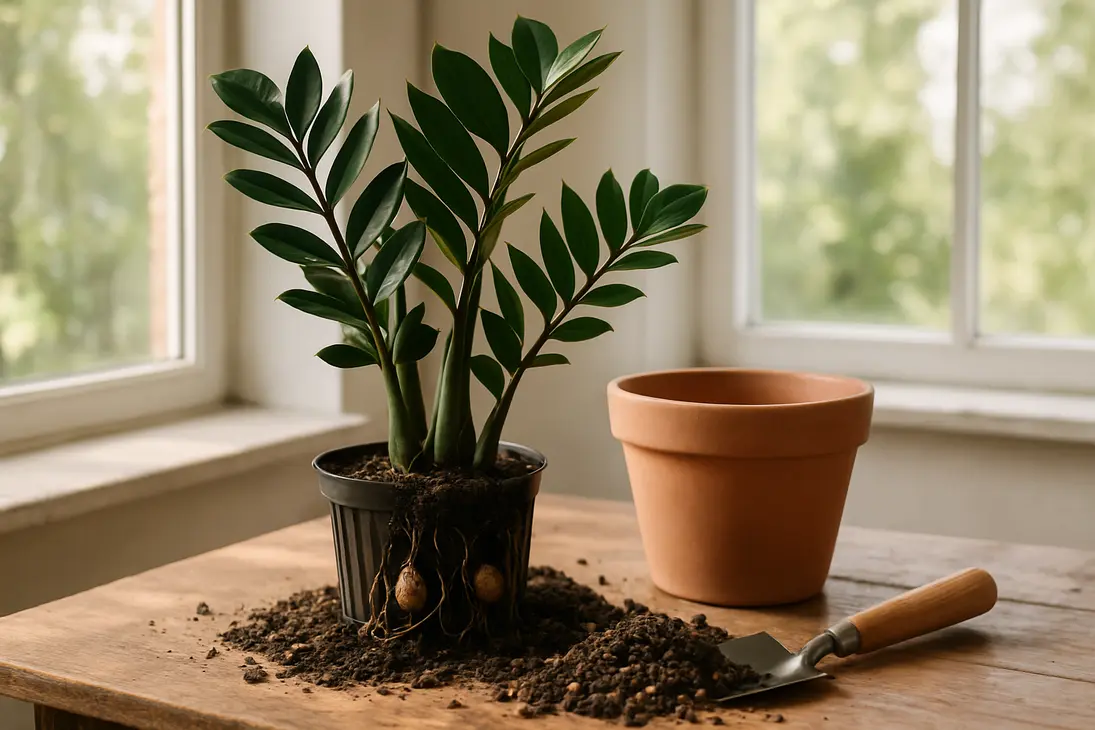
A ZZ plant can often thrive in a 7-inch pot for 2–4 years. Learn signs it is rootbound, when to repot, and why not to size up too fast.
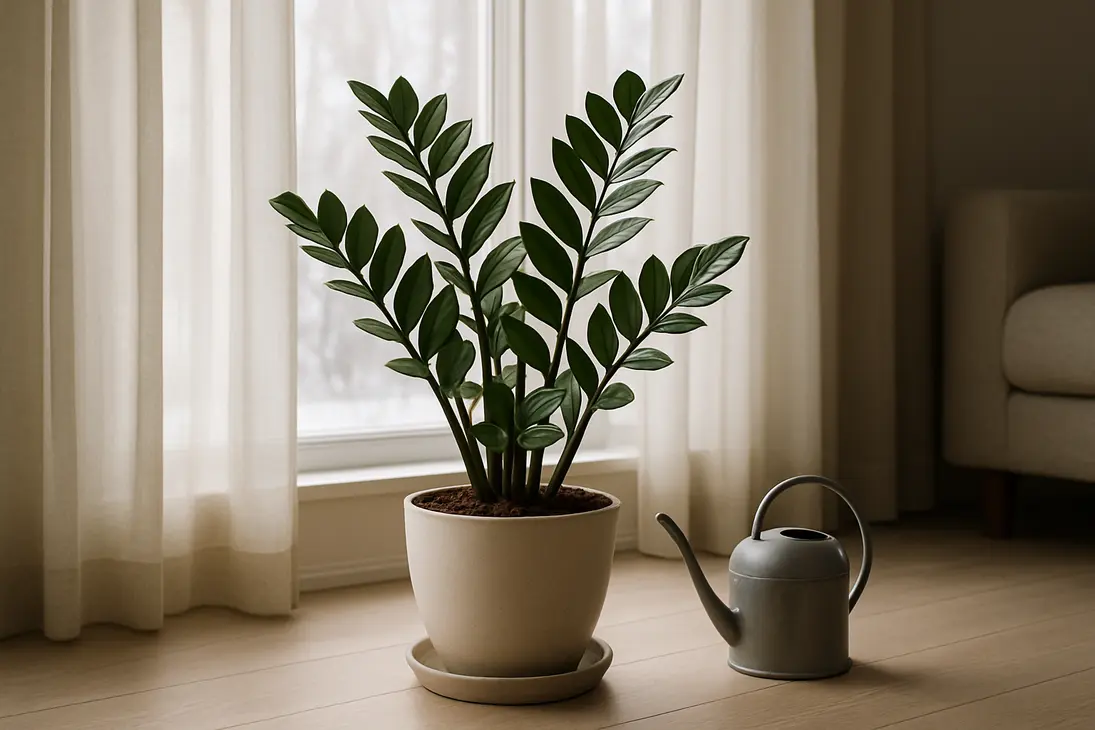
ZZ plants winter growth is often slow or paused. Learn how light, warmth, watering, and fertilizer affect healthy winter care.
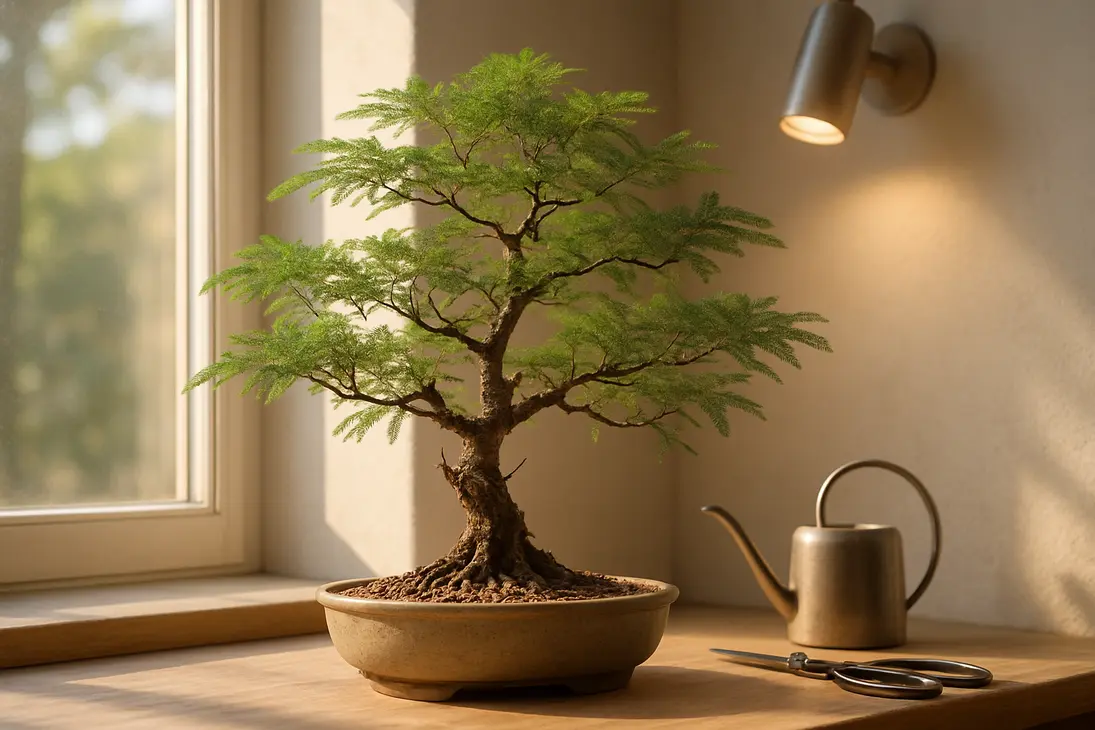
Acacia burkei bonsai care indoors: light, warmth, watering, soil, pruning, wiring, repotting, and fixes for yellow or closed leaves.
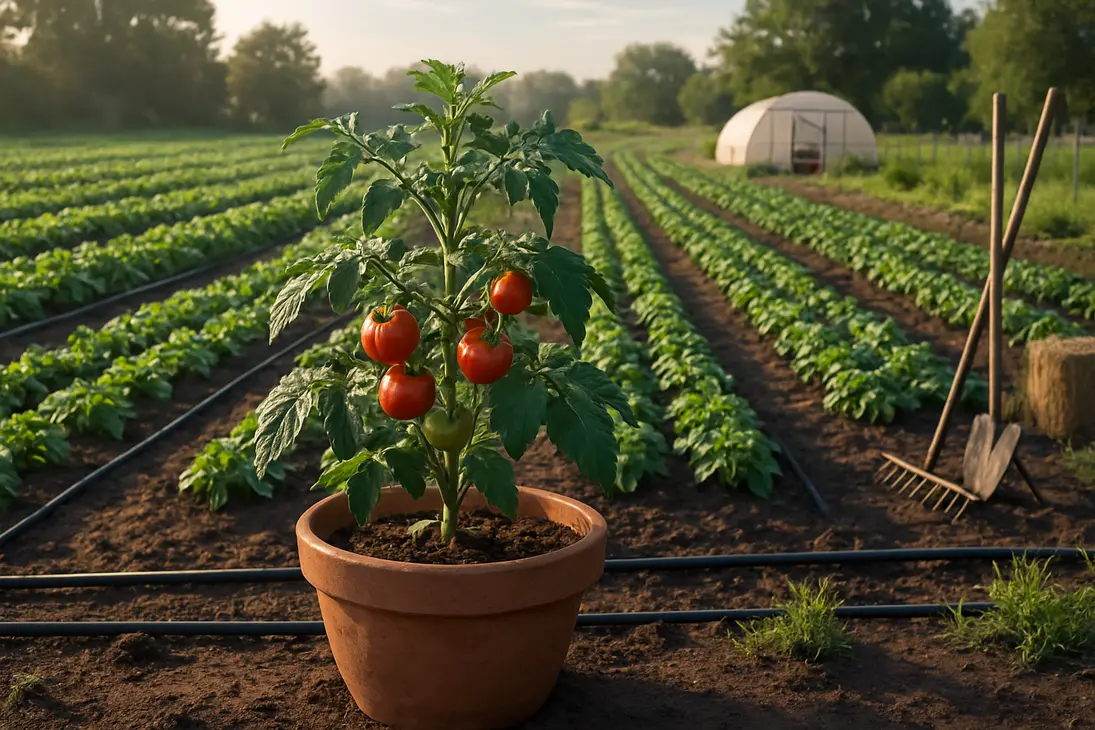
Plants are living organisms; agriculture is the managed system of producing crops, animals, and farm goods for human use.
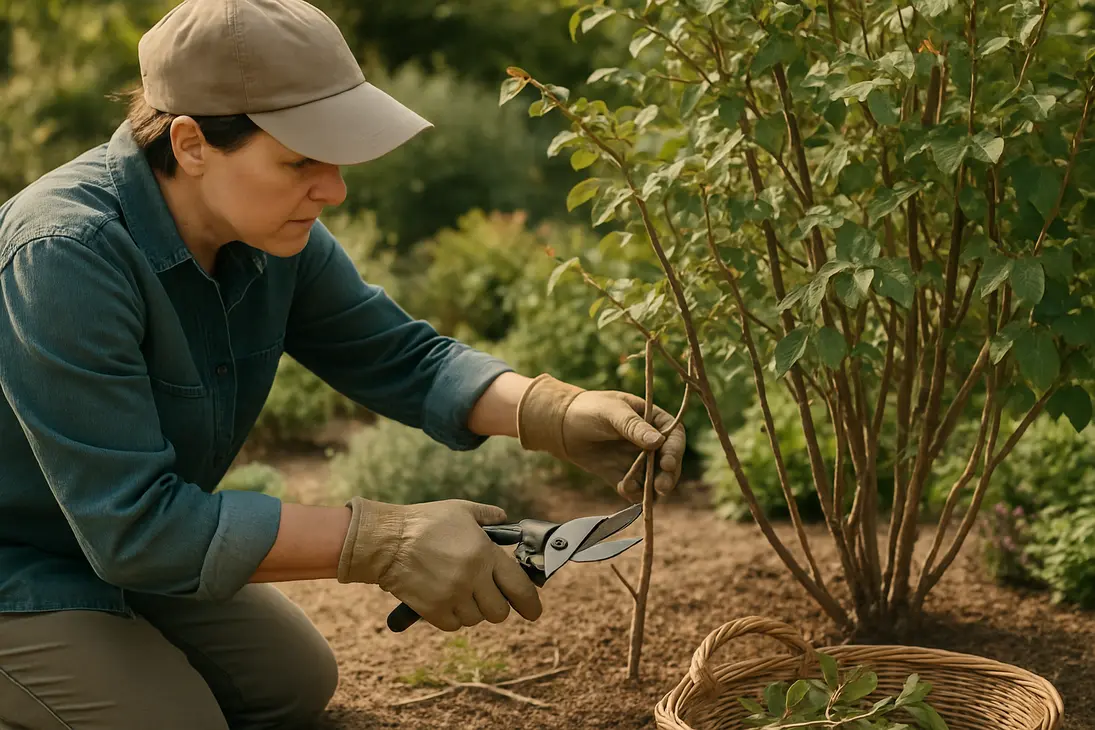
Mid-morning is often best for pruning, but dry weather, mild temperatures, and plant stress matter more than the clock.
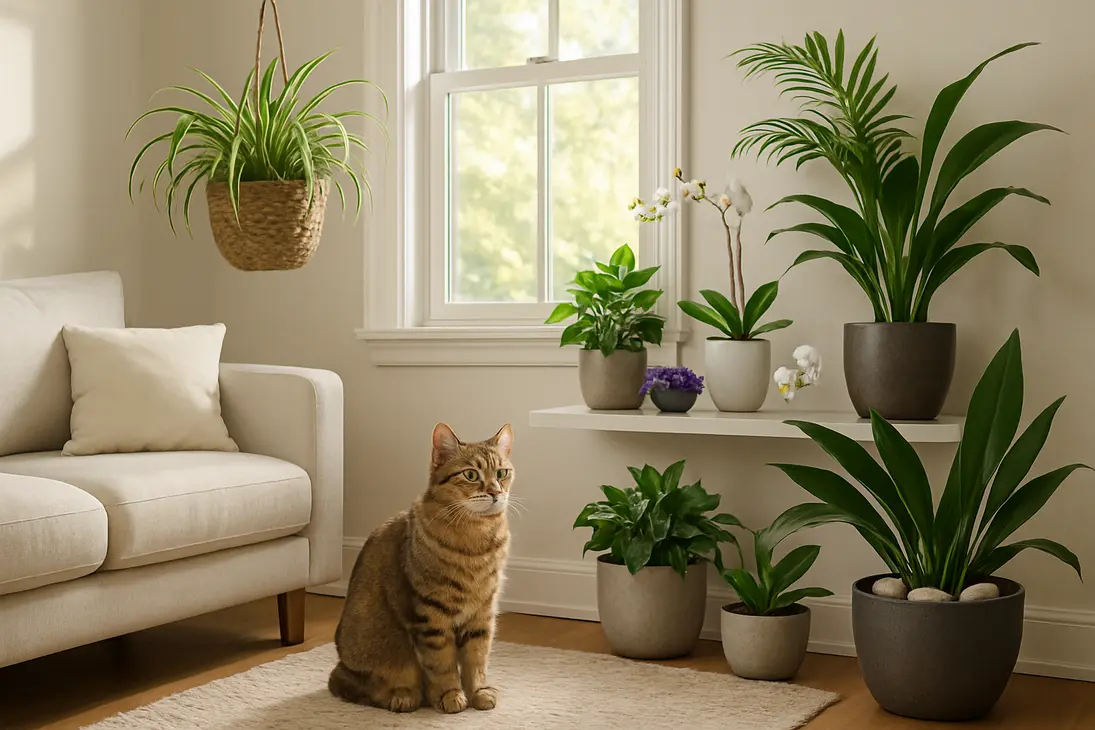
Choose non-toxic houseplants for cats, learn which popular plants to avoid, and use placement tips to prevent chewing, digging, and tipping.
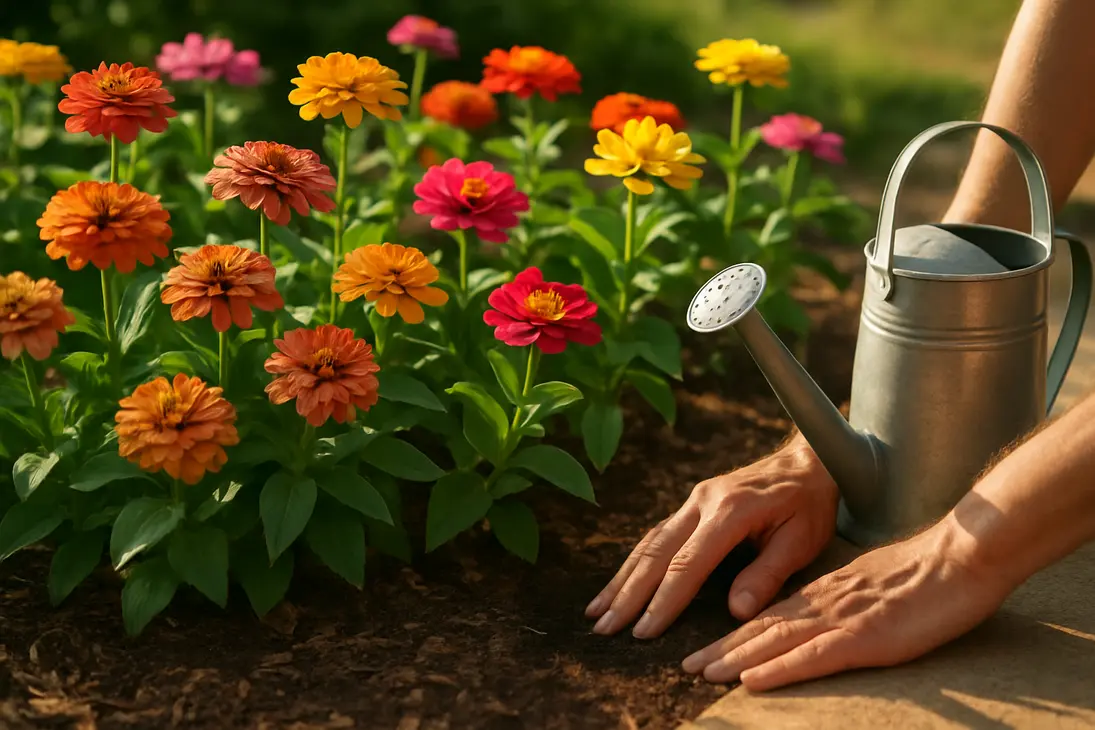
Curling zinnia petals usually point to heat, dry air, uneven watering, aging blooms, or pests. Learn how to spot the cause and help new flowers.
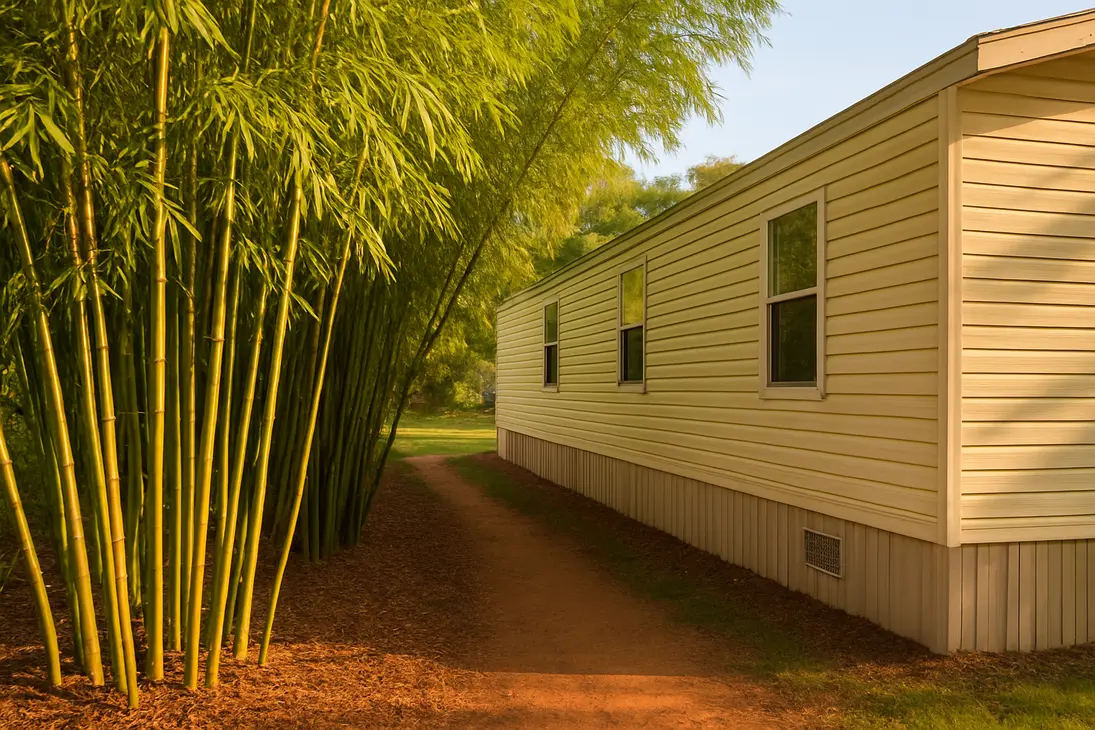
Learn which fast-growing bamboo works best for trailer-home shade, where to plant it safely, and how to manage roots in red clay soil.
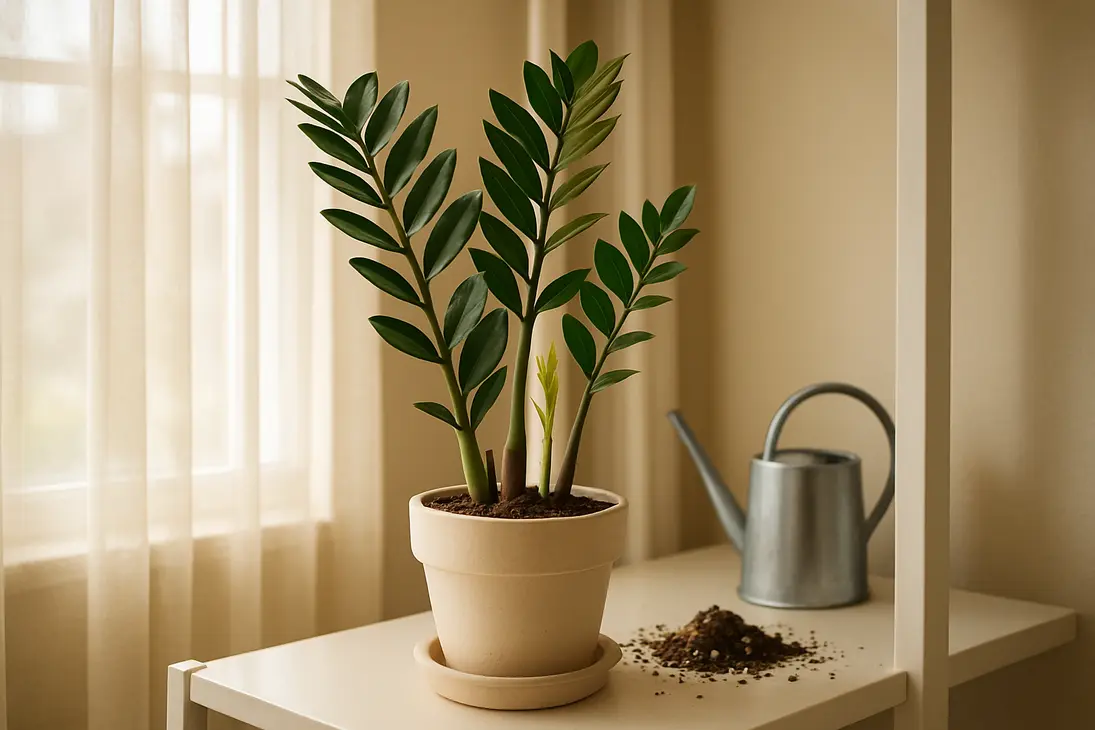
Help your ZZ plant grow taller with brighter indirect light, careful watering, well-draining soil, light feeding, and troubleshooting tips.
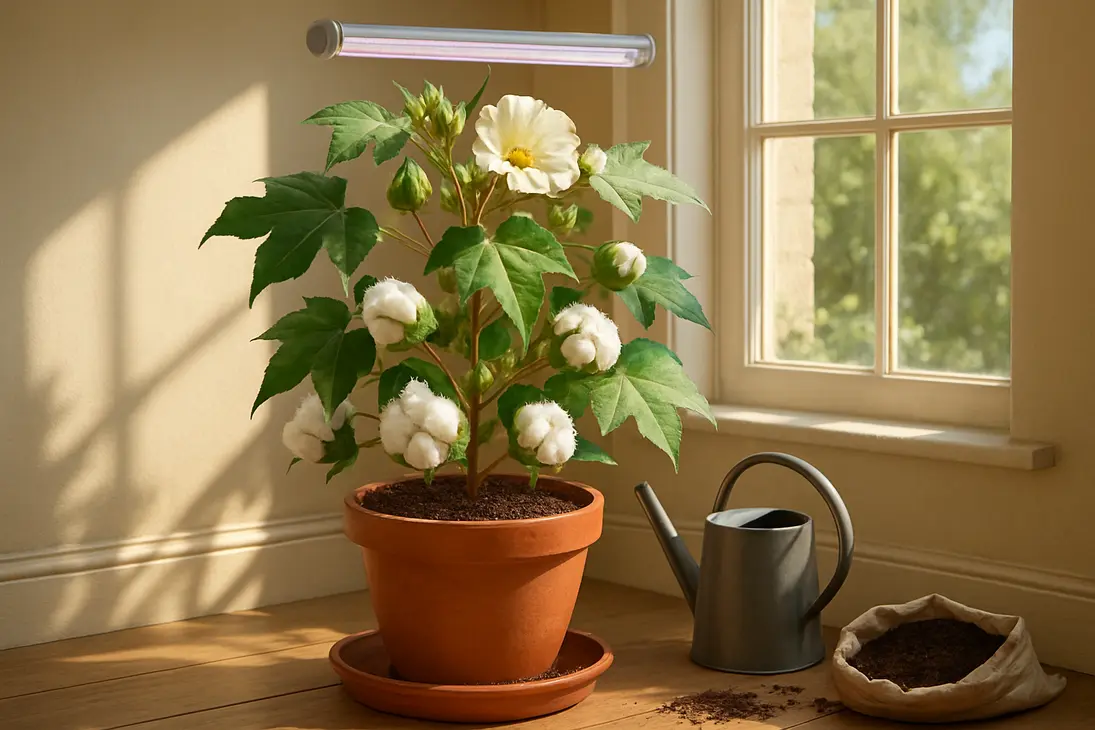
Learn how to grow cotton indoors with strong light, warm temperatures, deep pots, proper watering, hand pollination, and realistic boll harvest expectations.
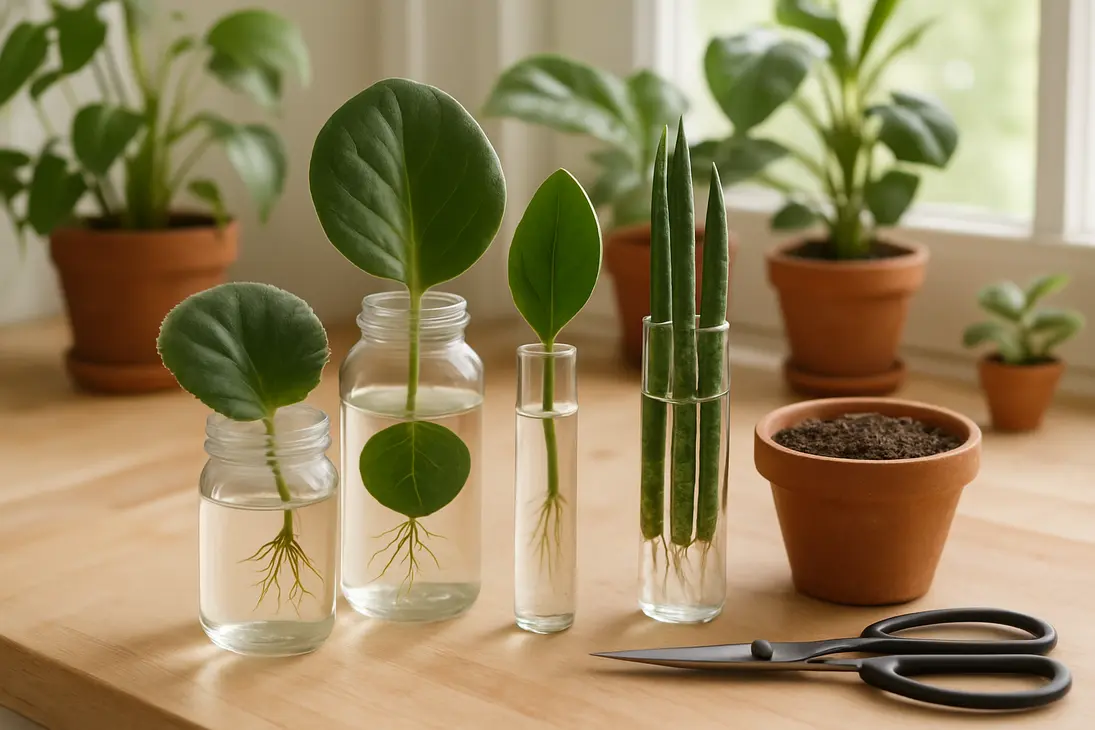
Some leaf cuttings root in water, but not all become plants. Learn which houseplants work, which need nodes, and when soil is safer.
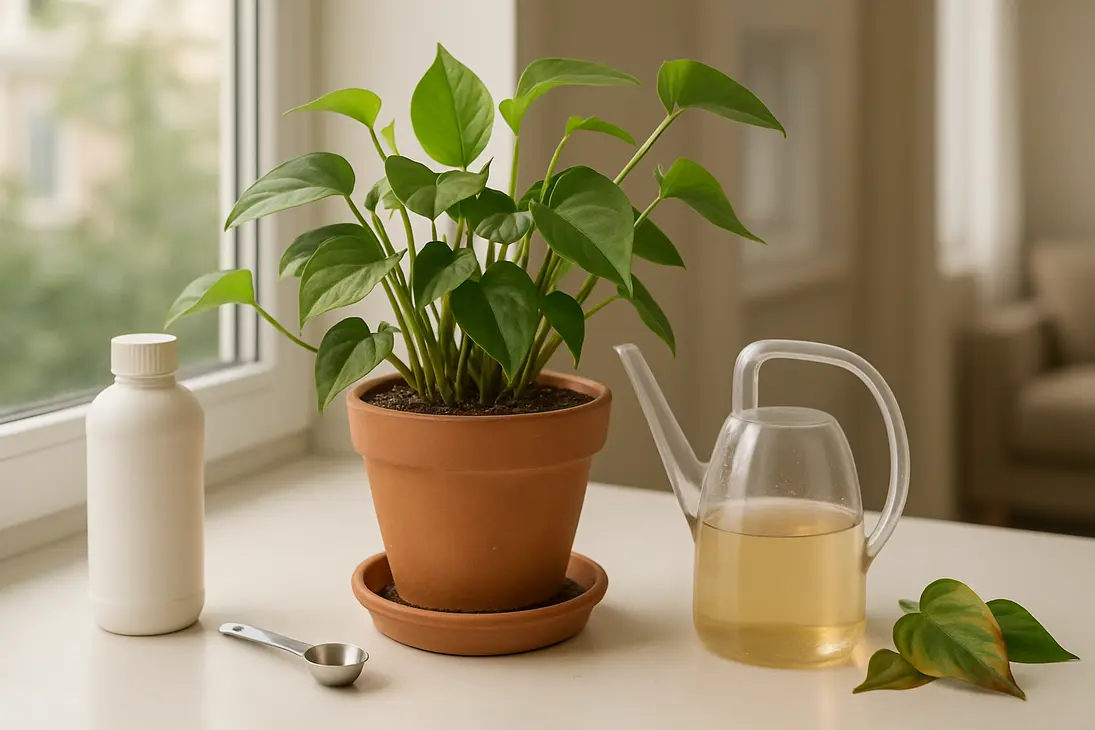
Yes, but lightly: learn which Miracle-Gro products suit indoor money plants, how often to feed, and how to avoid fertilizer burn.
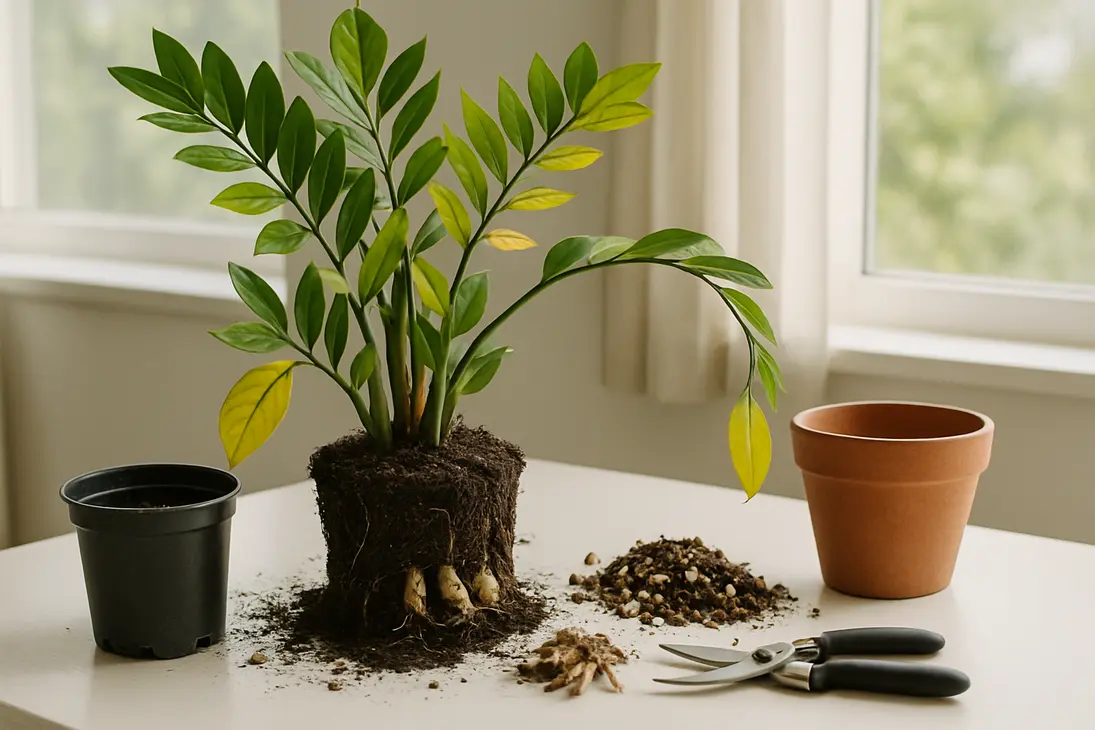
Learn the signs of an overwatered ZZ plant, how to check roots and soil, and what to do to stop rot and prevent future watering issues.

Learn how to choose pet friendly houseplants, prevent chewing and digging, use safer plant care products, and respond if a pet eats a plant.
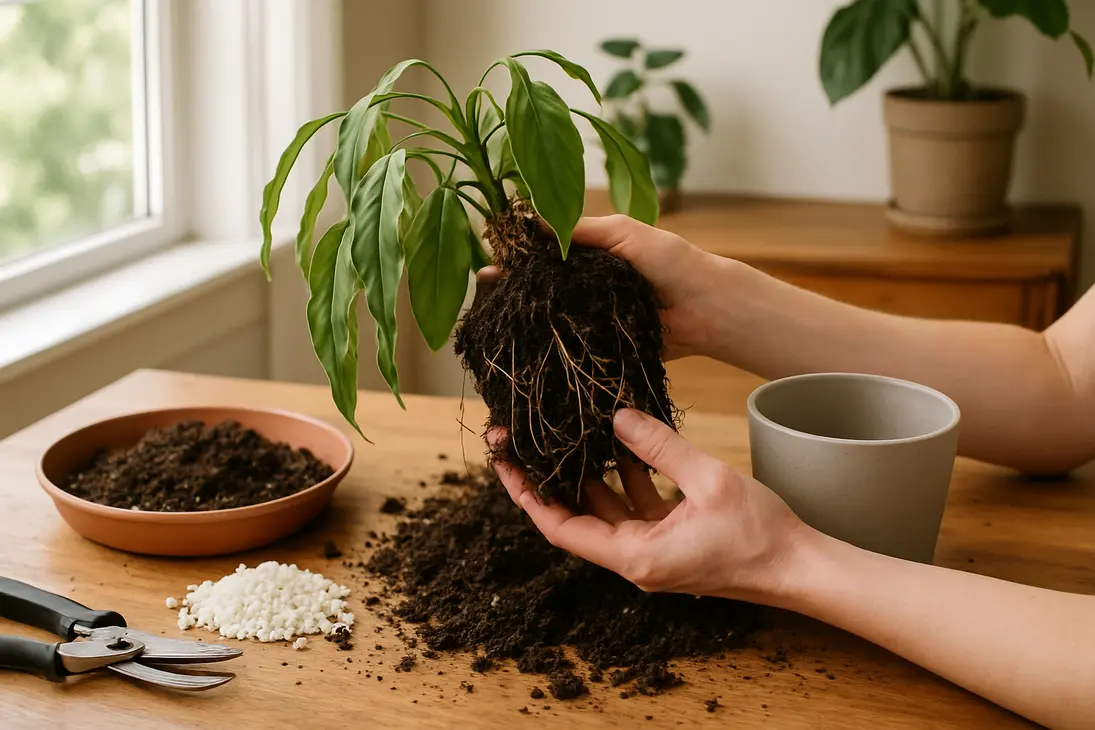
Learn how to spot overwatering, dry the soil safely, check roots for rot, repot in fresh mix, and adjust watering so houseplants recover.
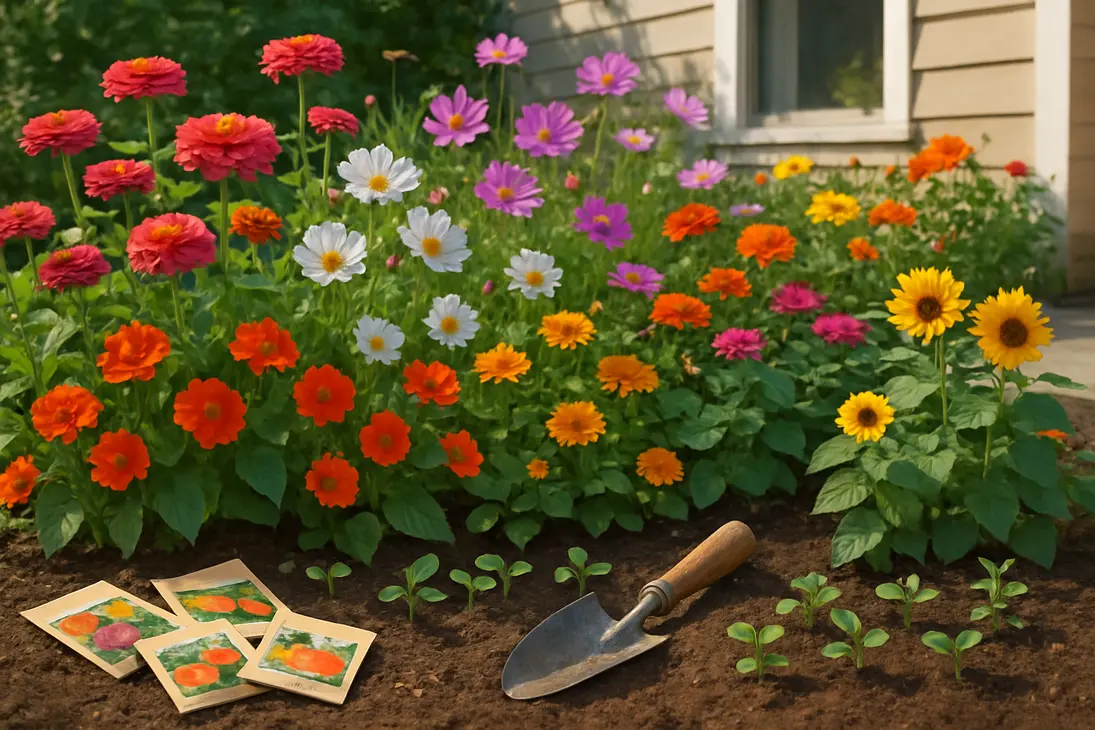
Choose easy flower seeds for home gardens, from zinnias and cosmos to sunflowers, cutting flowers, wildflowers, and container blooms.
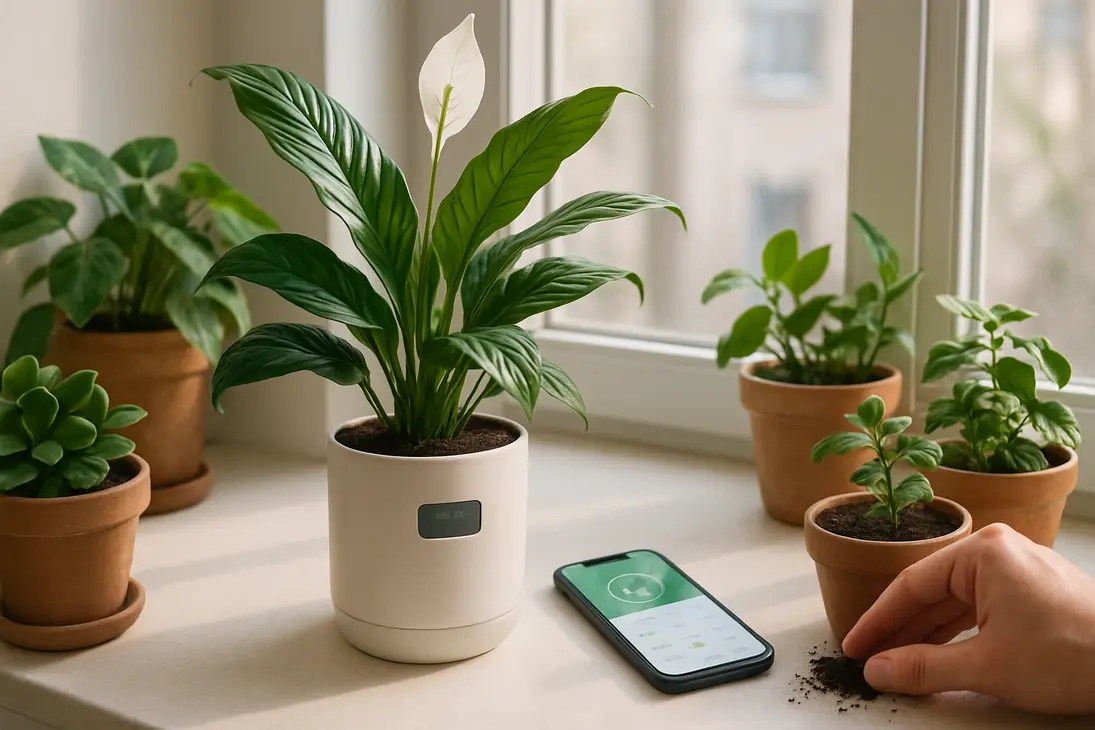
Compare smart pots and plant care apps for watering, reminders, logs, and sensors so you can choose the better tool for your plants.
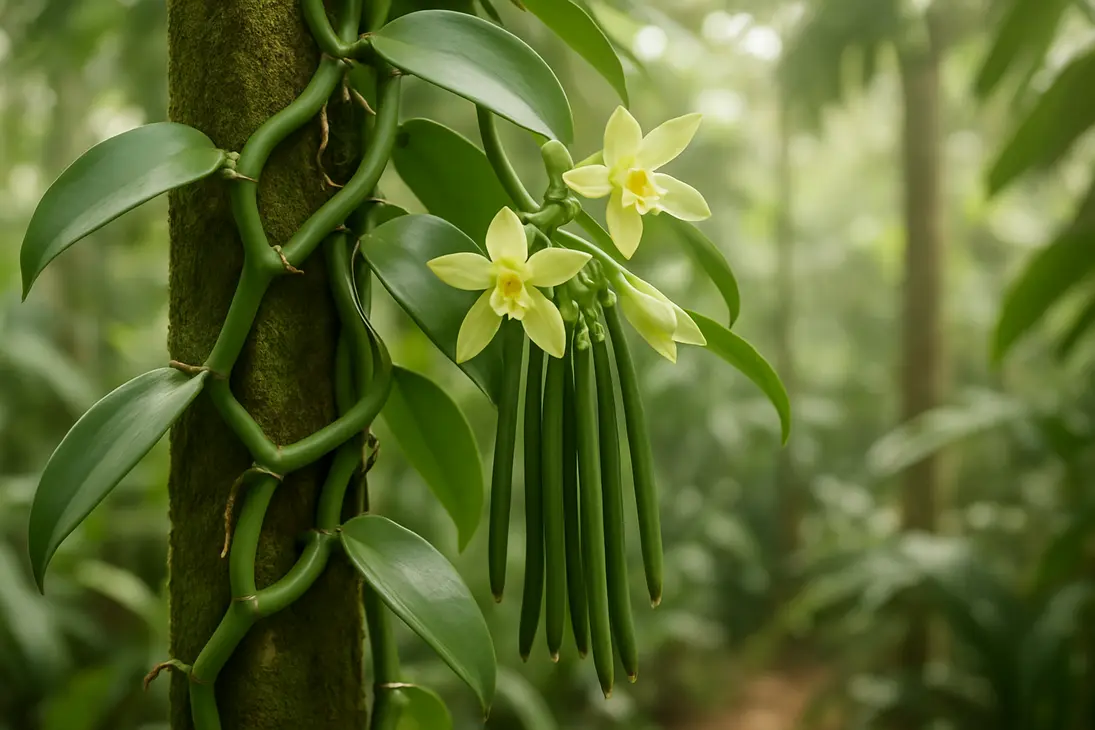
Vanilla orchids are tropical climbing vines with brief flowers, hand-pollinated pods, and careful curing behind real vanilla beans.
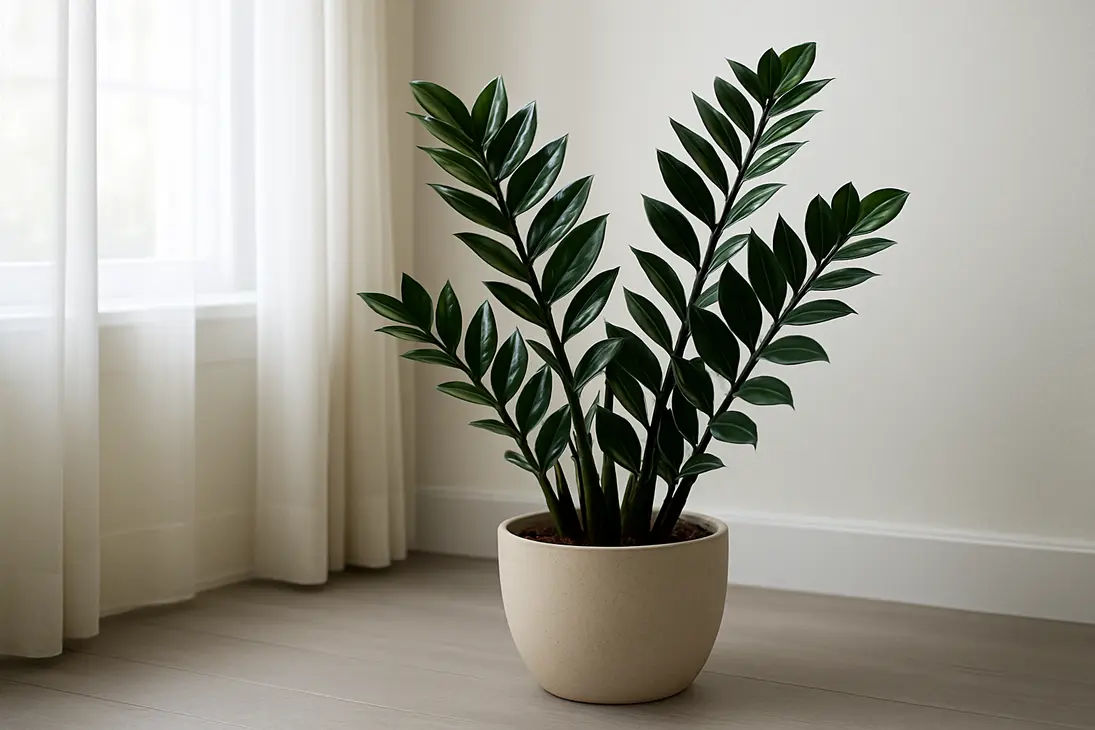
ZZ plants grow best in bright, indirect light. Learn where to place them indoors, when to use grow lights, and how to avoid sun scorch.
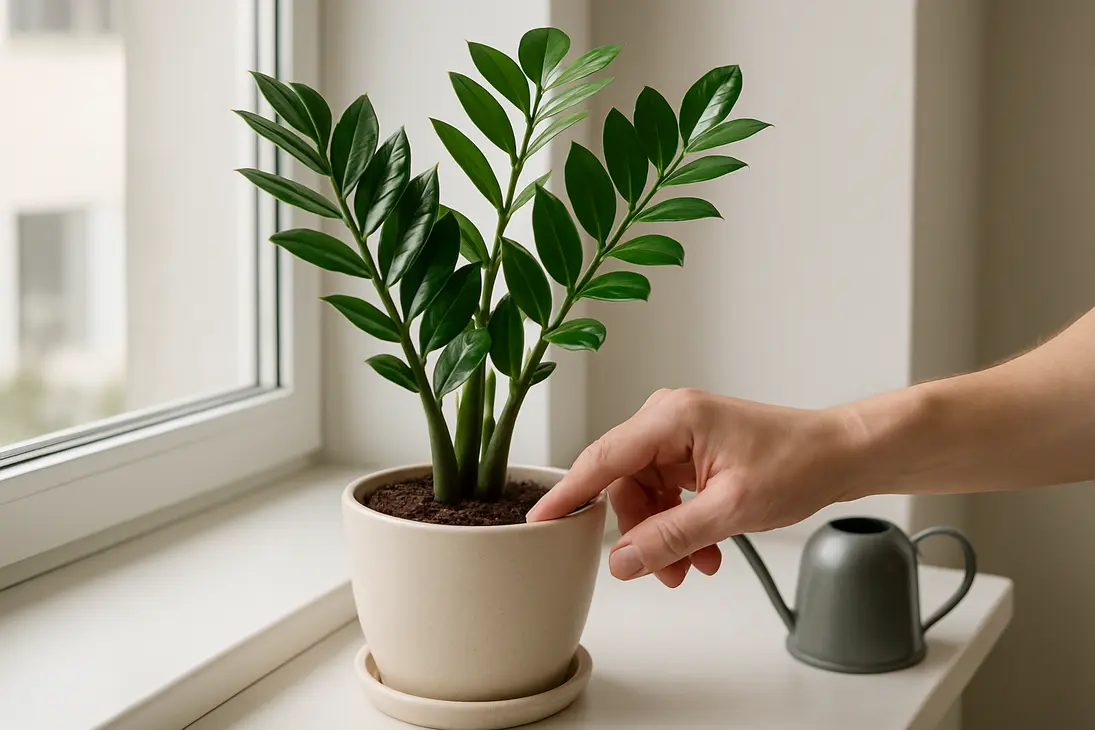
Water a ZZ plant only when the soil is almost dry. Learn typical indoor timing, seasonal changes, soil checks, and overwatering signs.
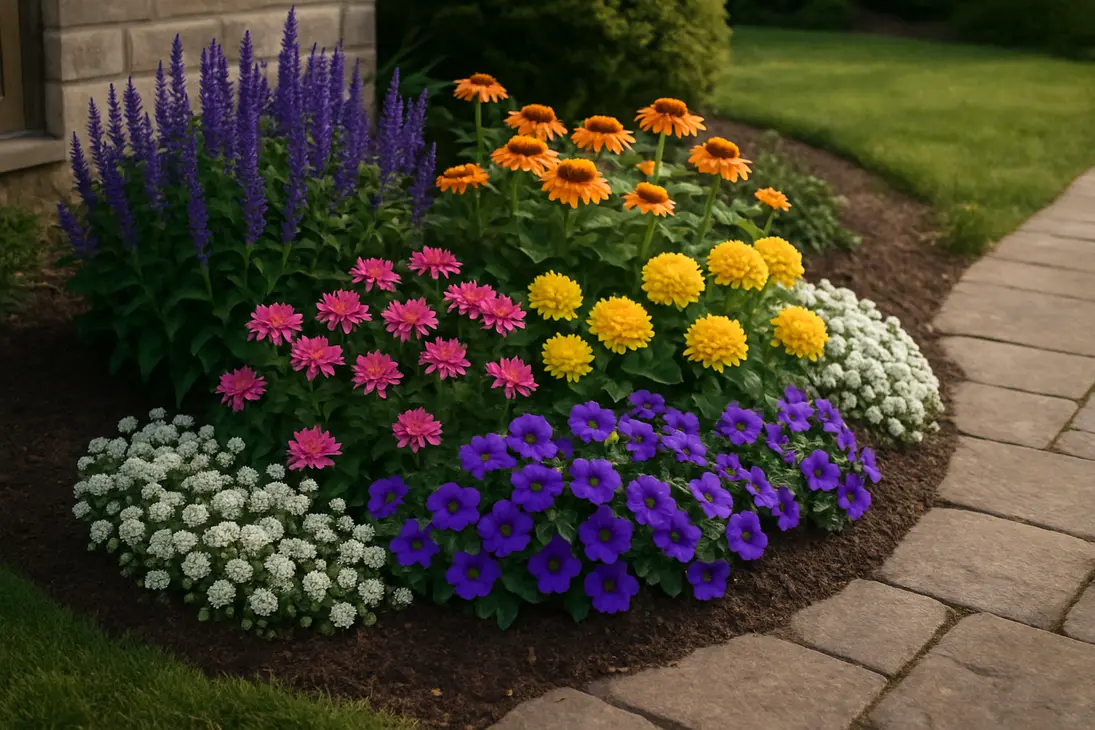
Find compact annuals, perennials, bulbs, and edging plants for small flower beds, with tips for sun, shade, spacing, and bloom time.
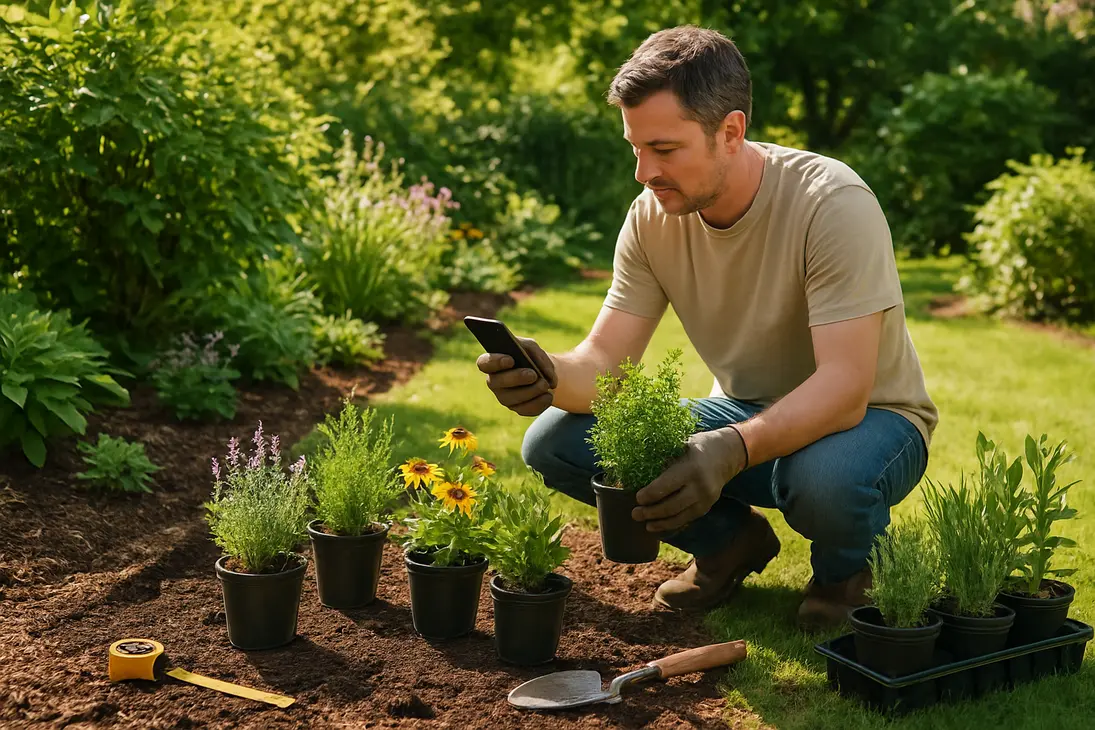
Learn what to look for in a plant selection app, from zone and sunlight filters to mature size, care reminders, and local suitability checks.
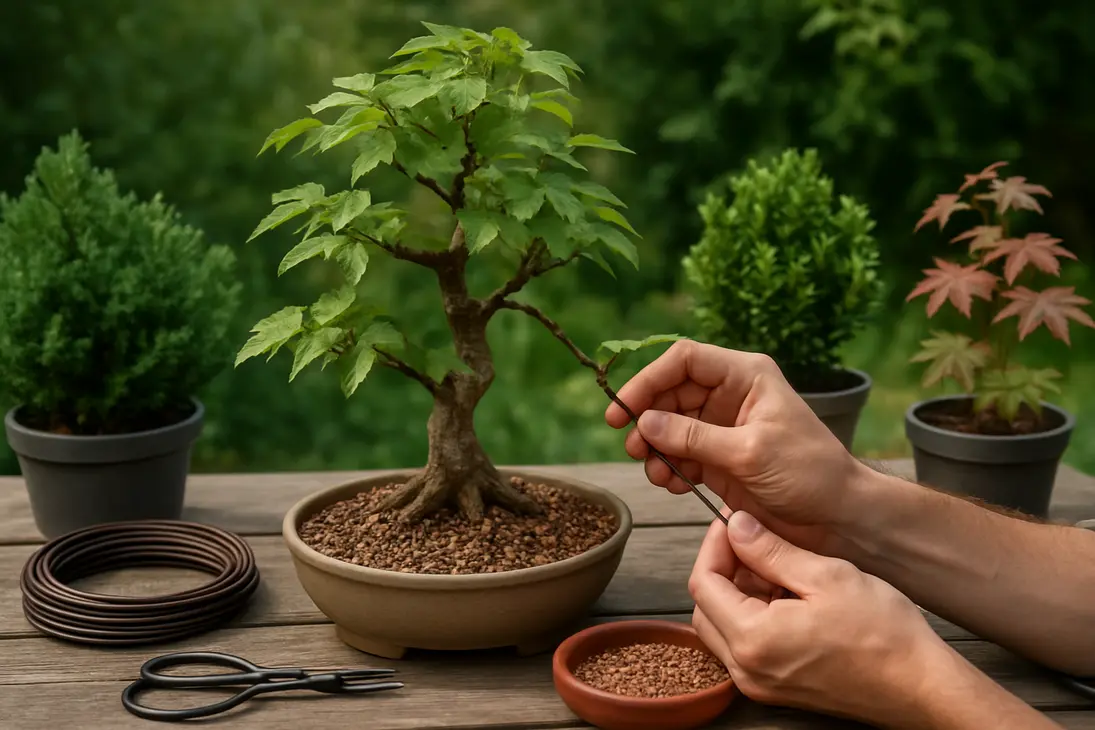
Learn which shrubs and trees respond to bonsai techniques, plus pruning, wiring, root work, potting, and aftercare tips for healthy training.
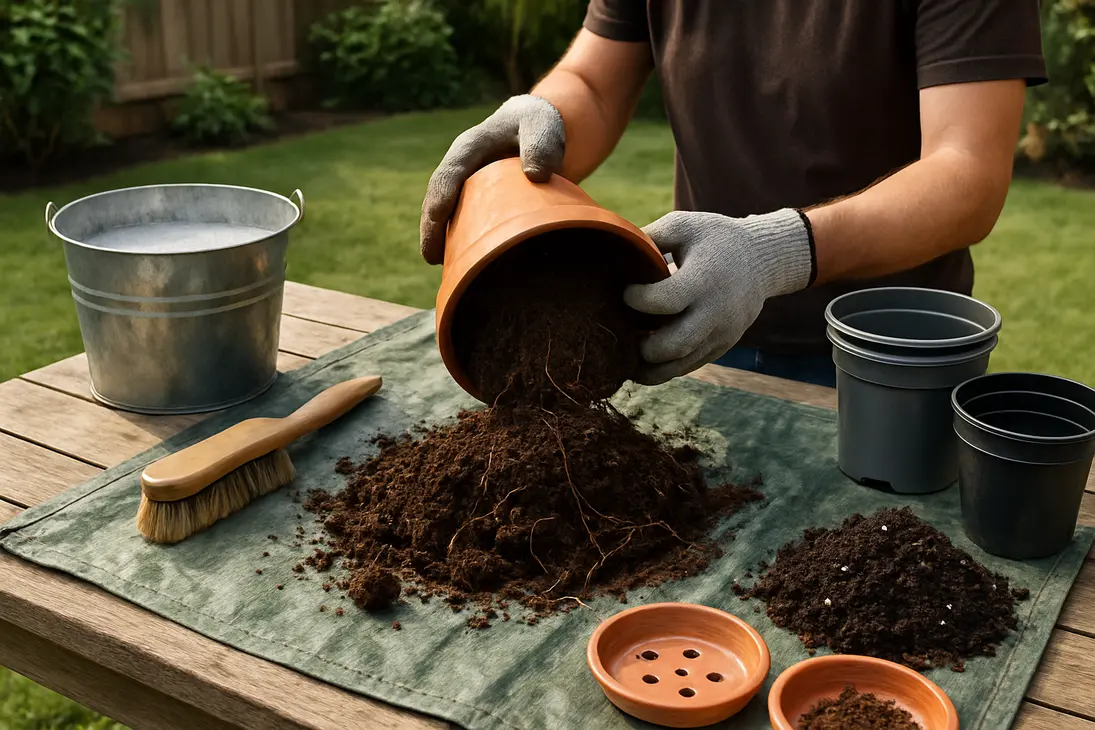
Learn when to wash, disinfect, reuse, refresh, or discard old potting soil so containers are clean and safe for new plants.
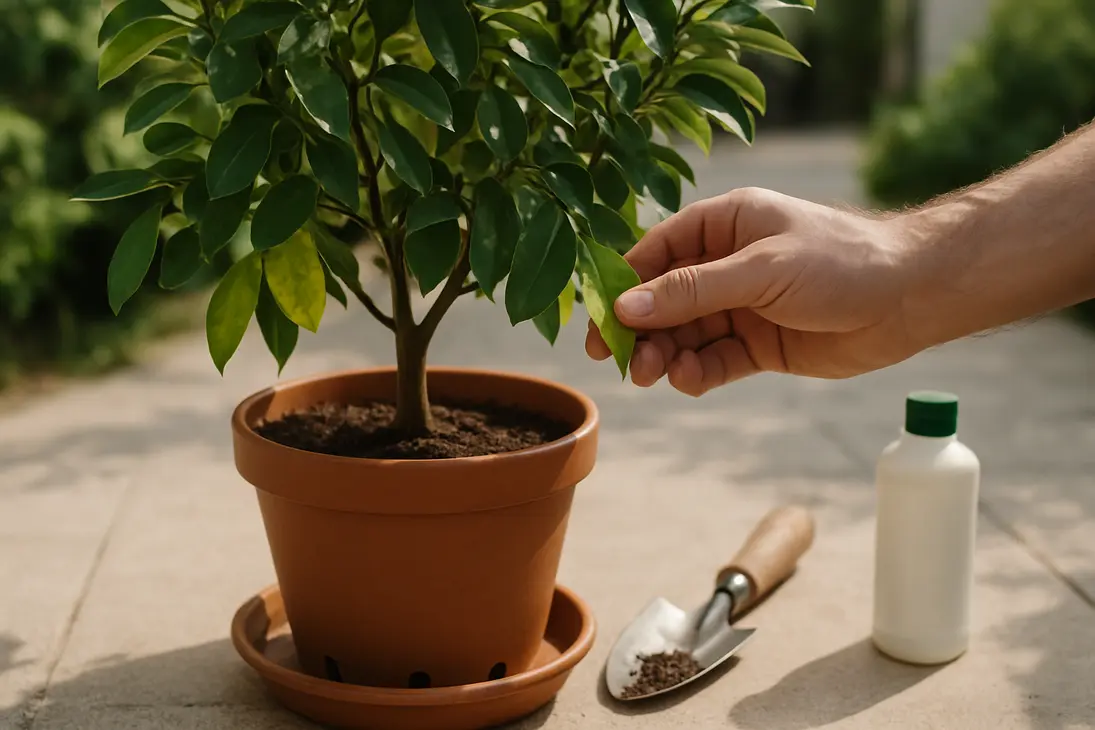
Diagnose yellow kaffir lime leaves by checking watering, drainage, nutrients, pests, light, cold stress, and root health before treating.
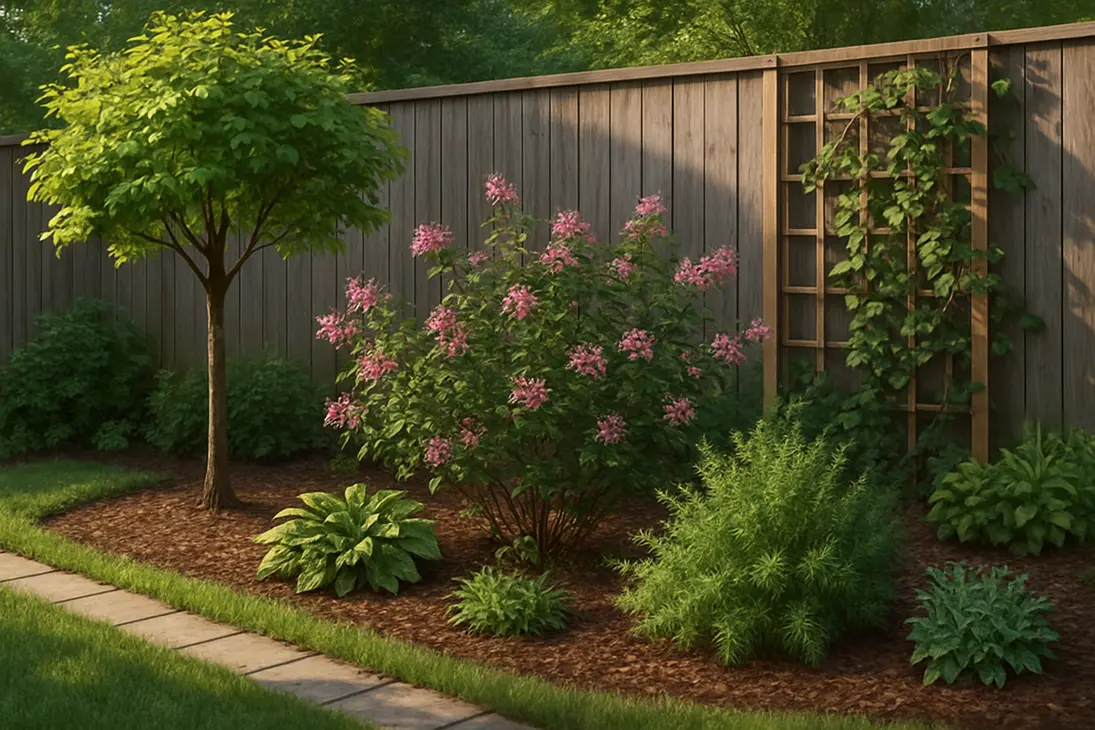
Learn how to tell shrubs, trees, bushes, herbs, and vines apart by checking trunks, stems, branching height, and growth habit.
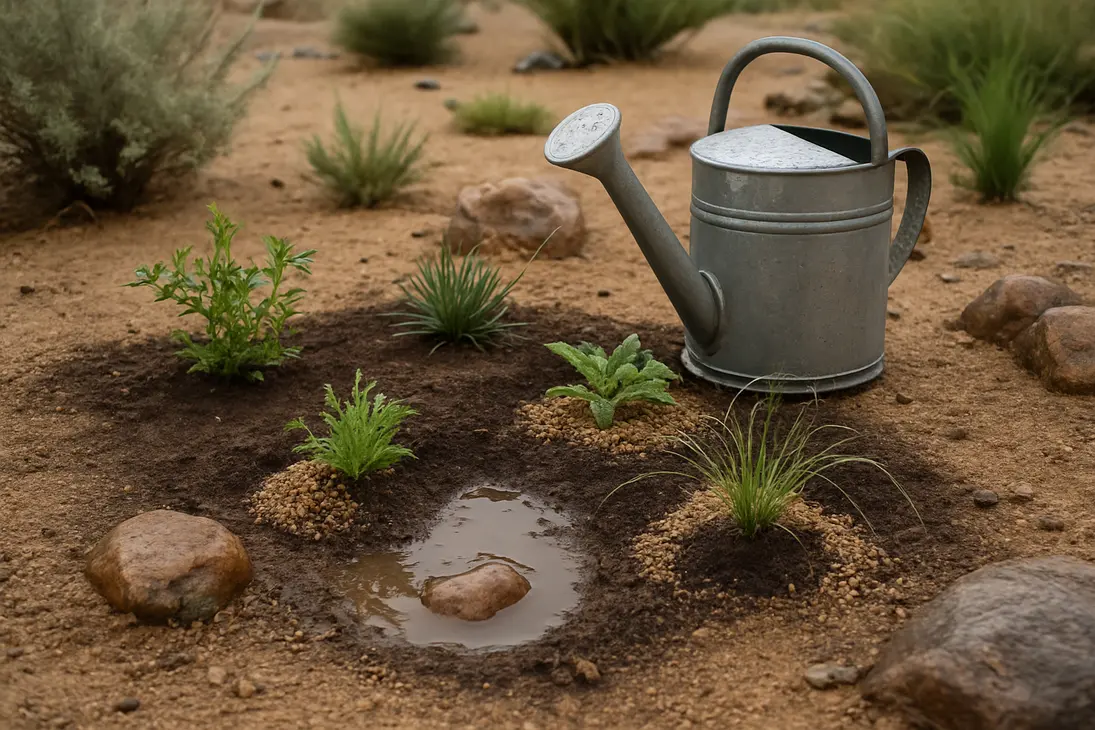
Rain wets soil more deeply, dilutes salts, cools roots, and raises humidity, helping drought-tolerant seedlings recover and establish.
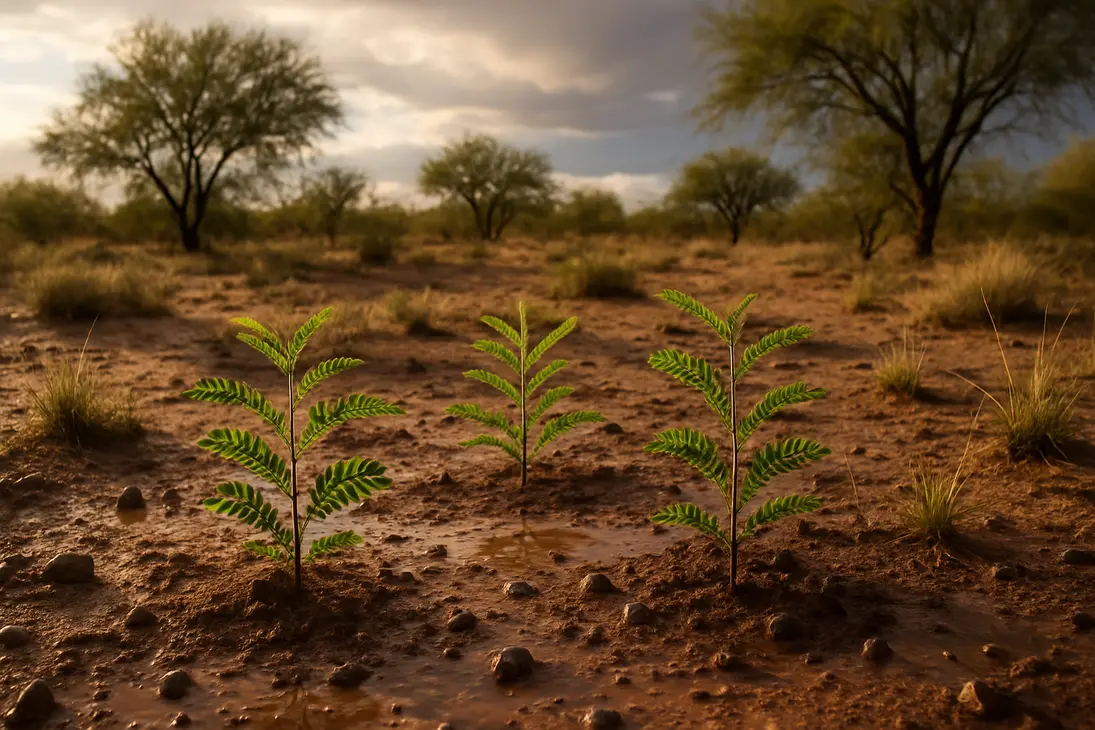
Honey mesquite seedling growth is strongest when desert heat and moisture overlap, often July or August in monsoon regions.
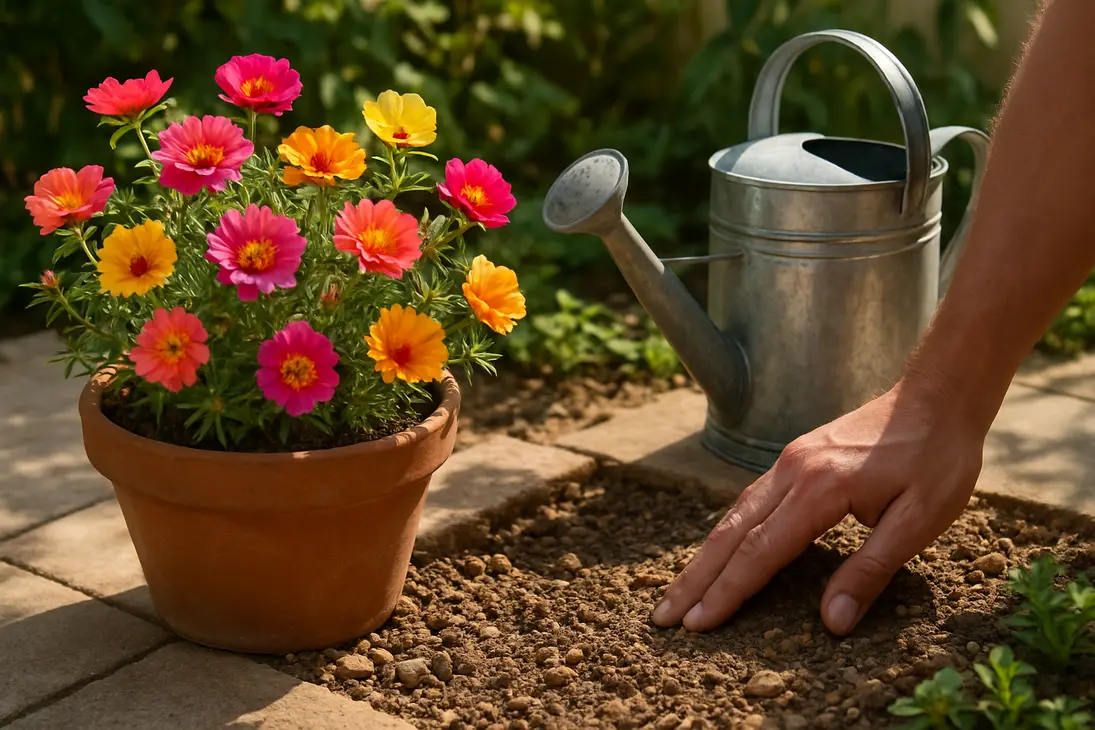
Learn the right watering frequency for Portulaca in beds, pots, baskets, and indoors, plus signs of overwatering and underwatering.
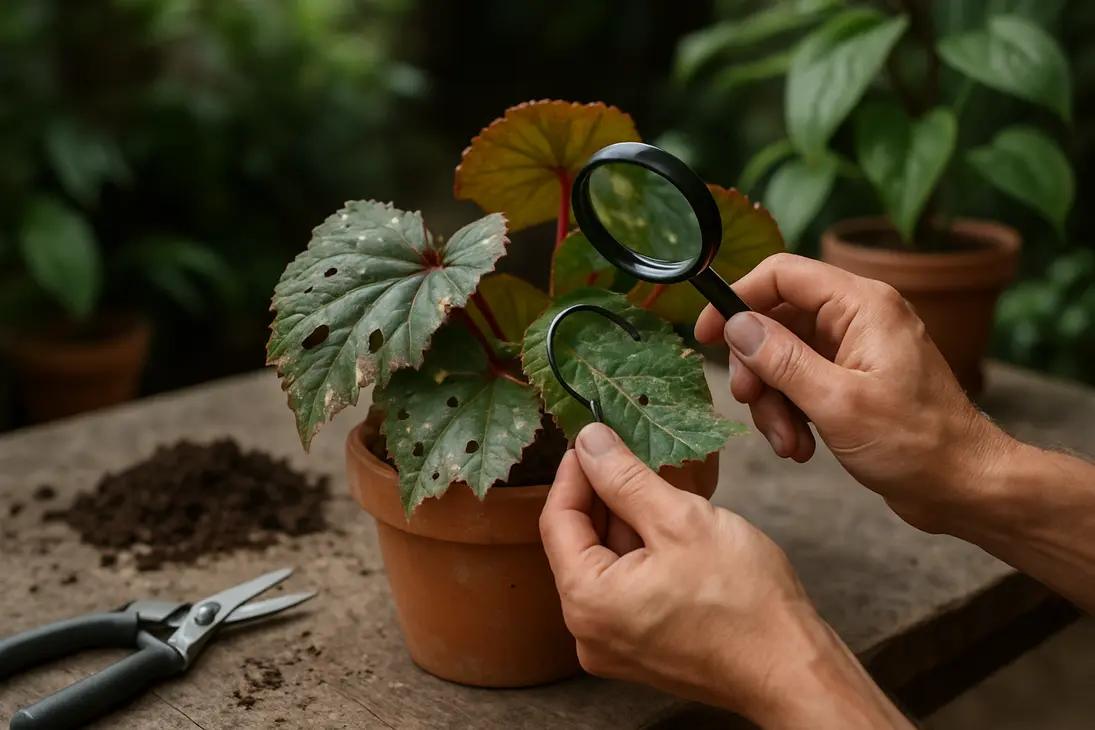
Learn how to identify pests eating begonias by leaf damage, from holes and silver streaks to webbing, sticky leaves, and root problems.
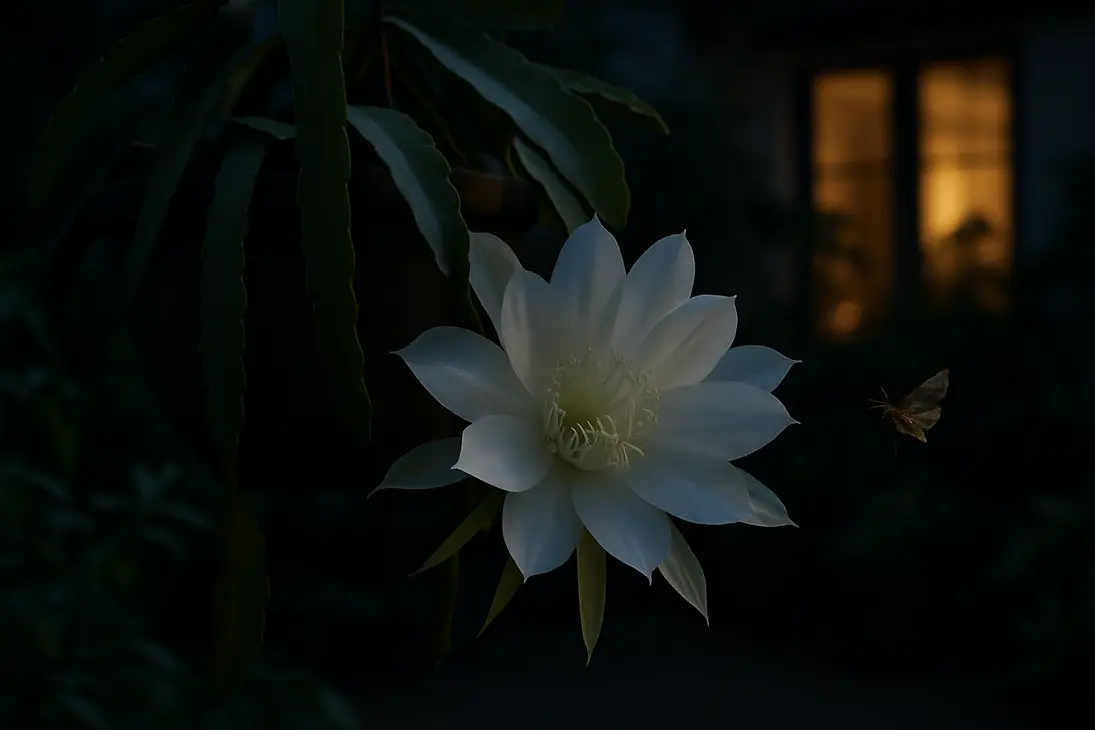
The Queen of the Night flower’s main function is reproduction, using white petals, night fragrance, and brief blooms to attract pollinators.
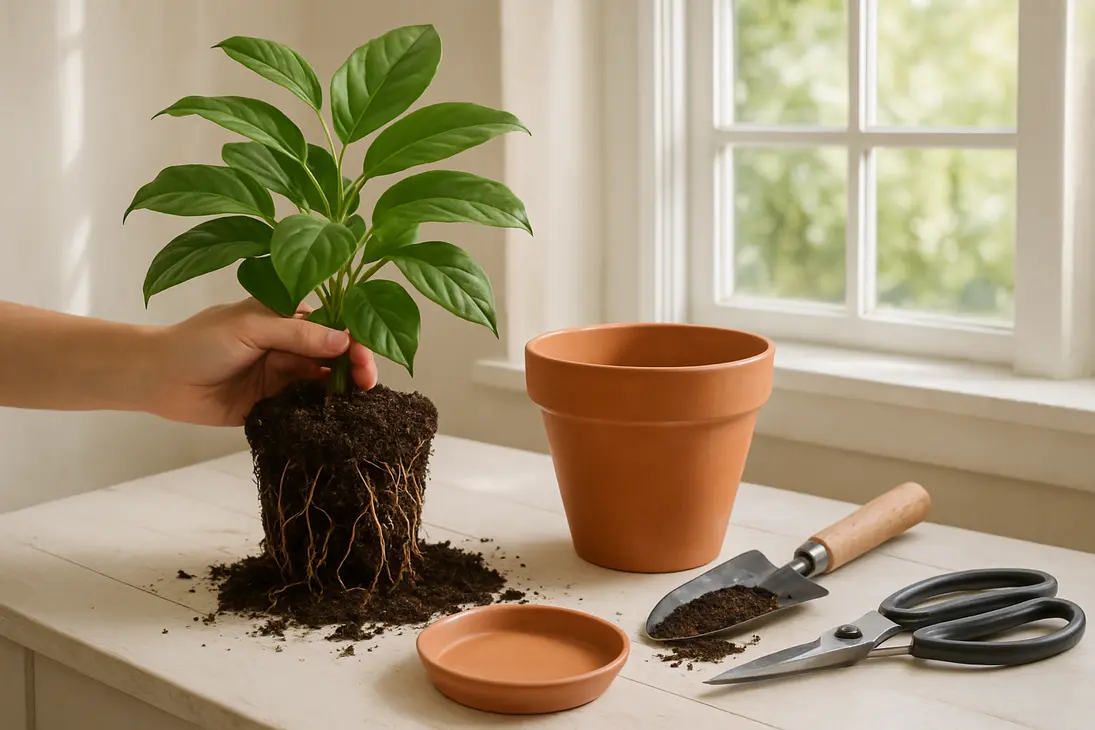
Learn when to repot houseplants in clay pots, how to choose the right size and drainage, and how to handle roots without causing damage.
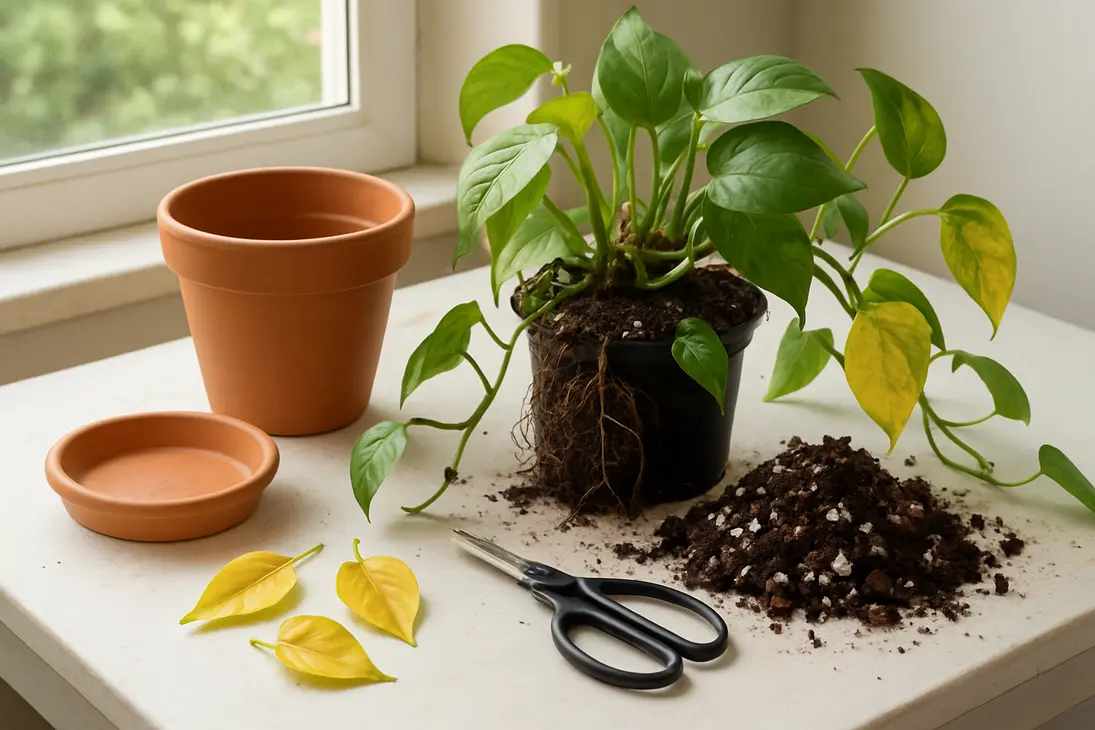
Learn how to spot overwatering in pothos, dry the soil, check for root rot, repot if needed, and water correctly after recovery.
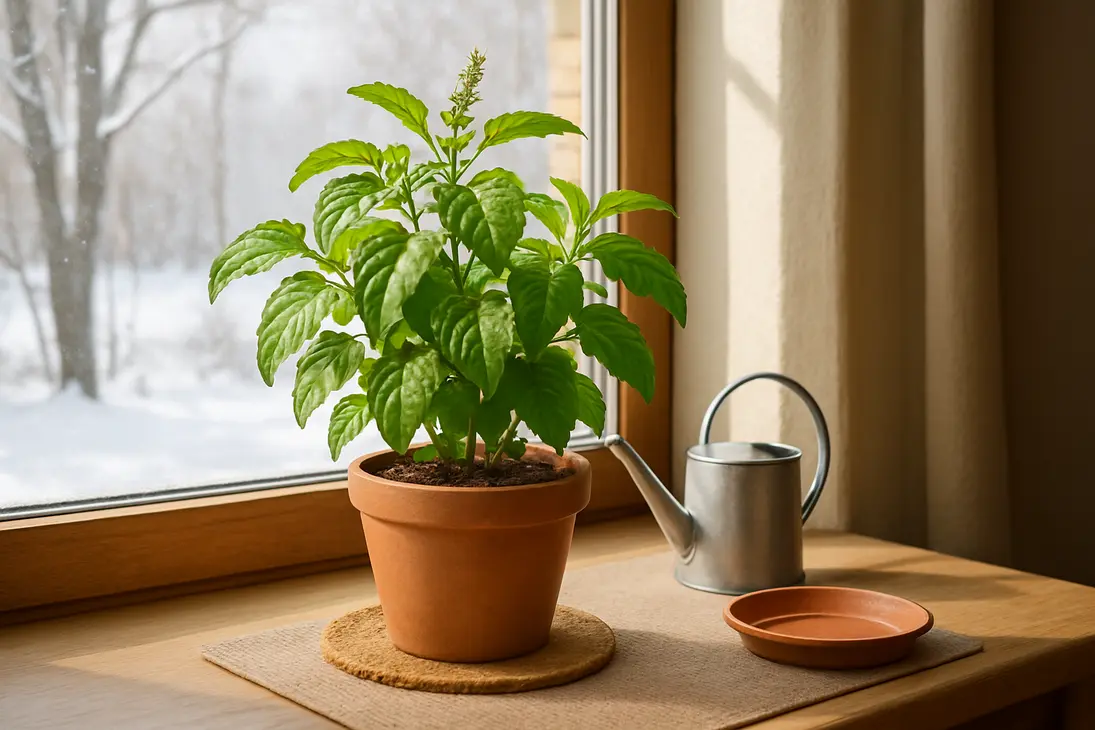
Tulsi can survive indoors in winter with bright light, warmth, careful watering, good drainage, and protection from frost, drafts, and heaters.
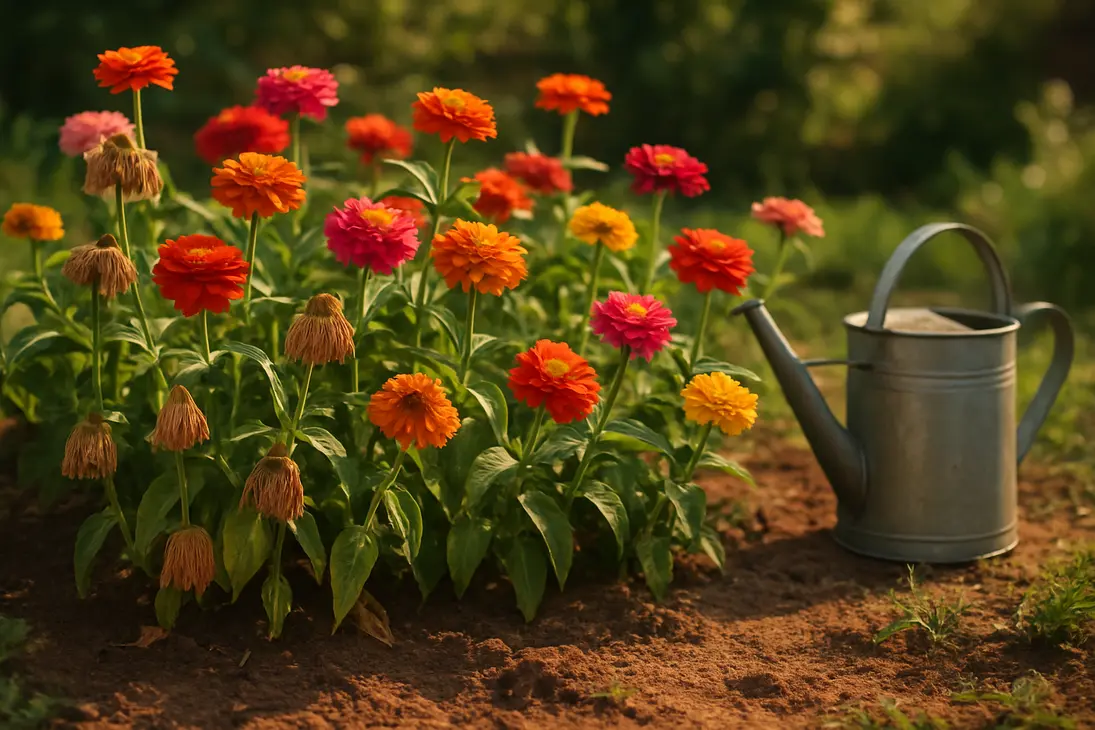
Zinnias droop or fade from heat, water stress, soggy soil, low sun, pests, disease, or aging blooms. Learn how to diagnose the cause.
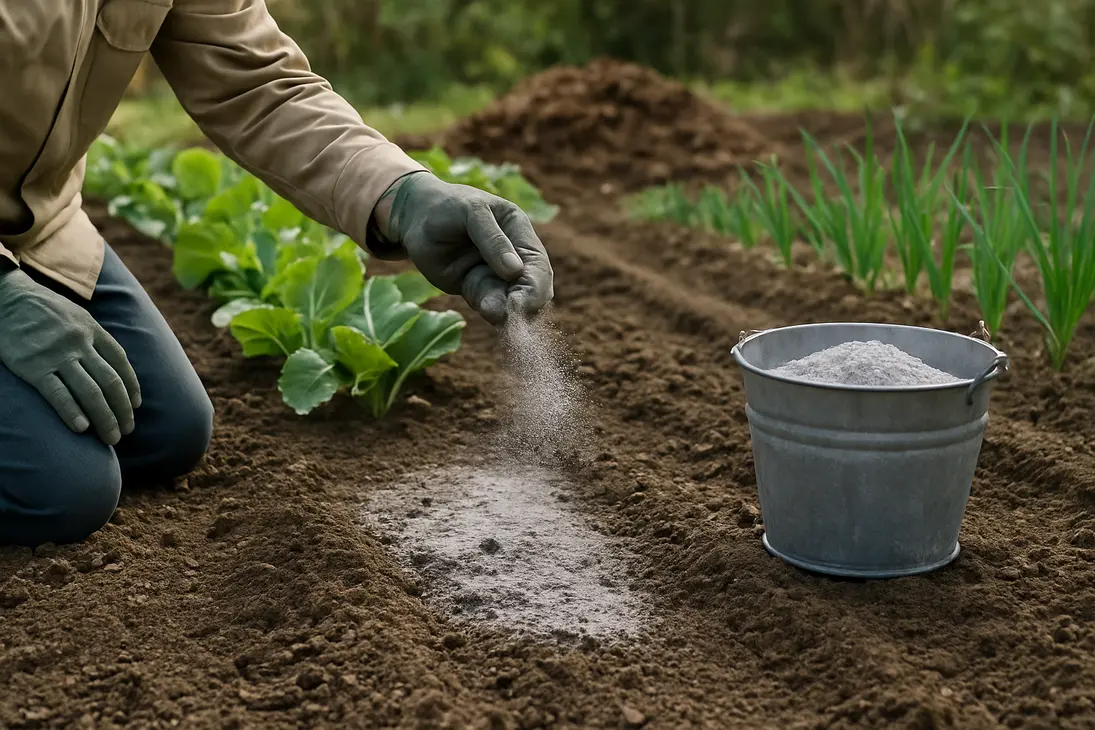
Clean wood ash can add potassium and raise soil pH, but it must be used sparingly. Learn which ashes are safe and which plants to avoid.
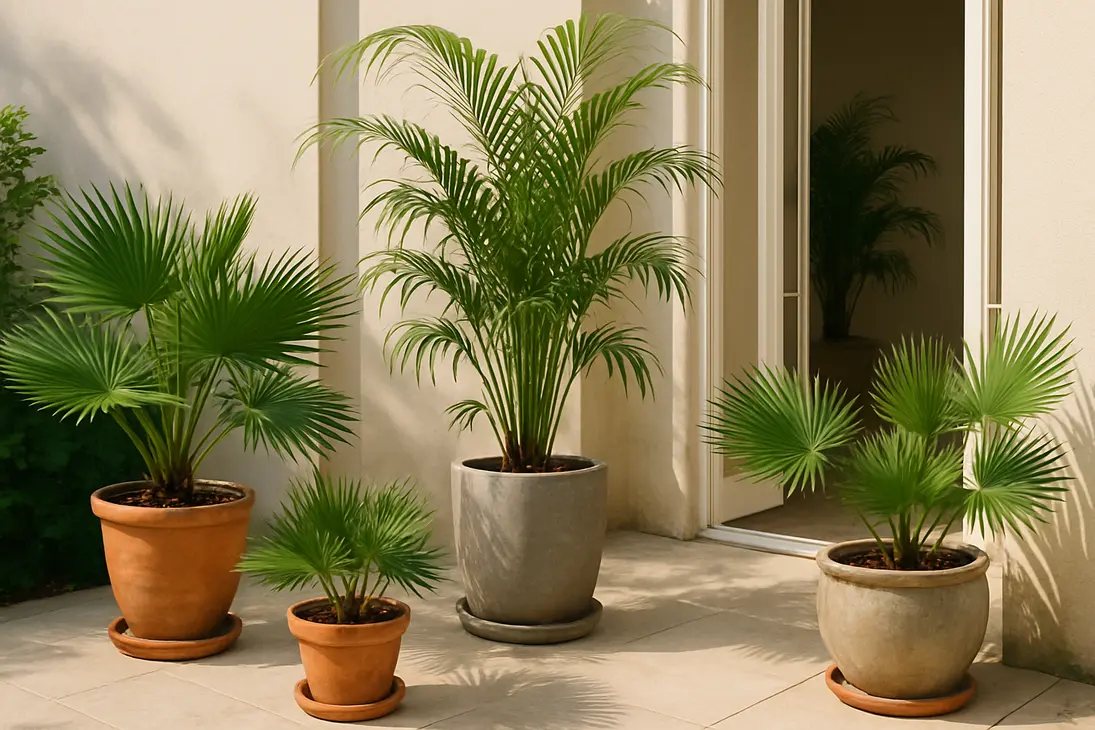
Compare the best palms for pots, from parlor and kentia palms indoors to European fan, windmill, and pygmy date palms for patios.
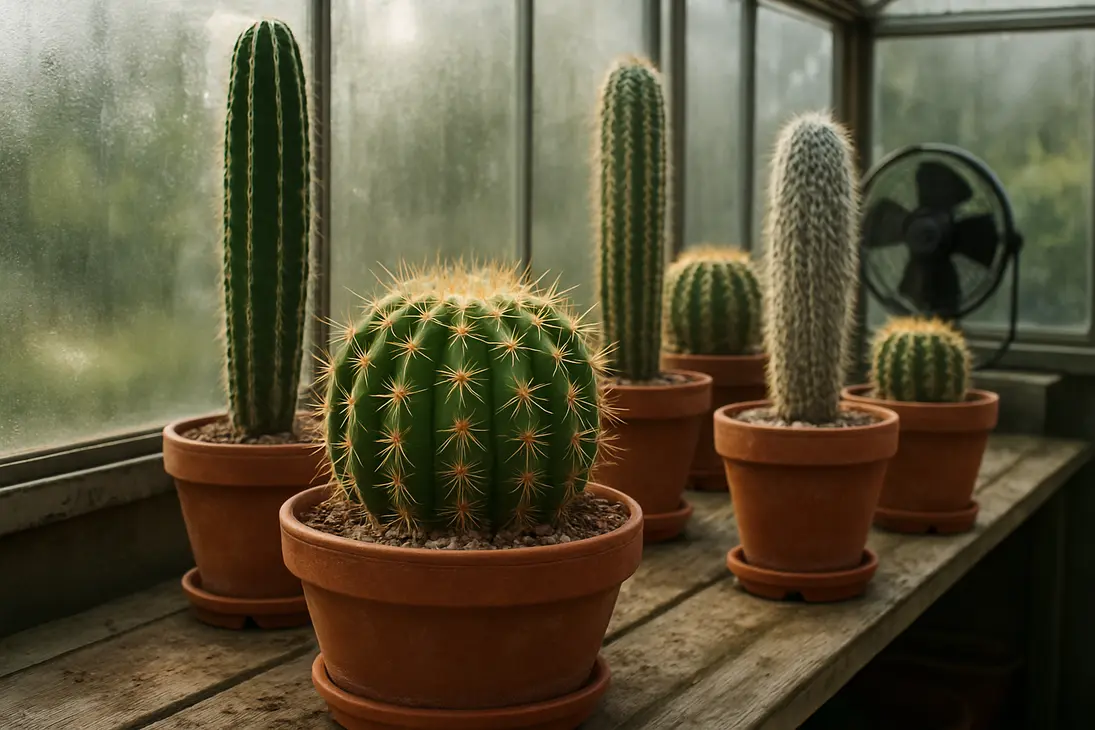
Cacti can survive brief 100% humidity, but prolonged damp air with wet soil and poor airflow raises the risk of rot, mold, pests, and weak growth.
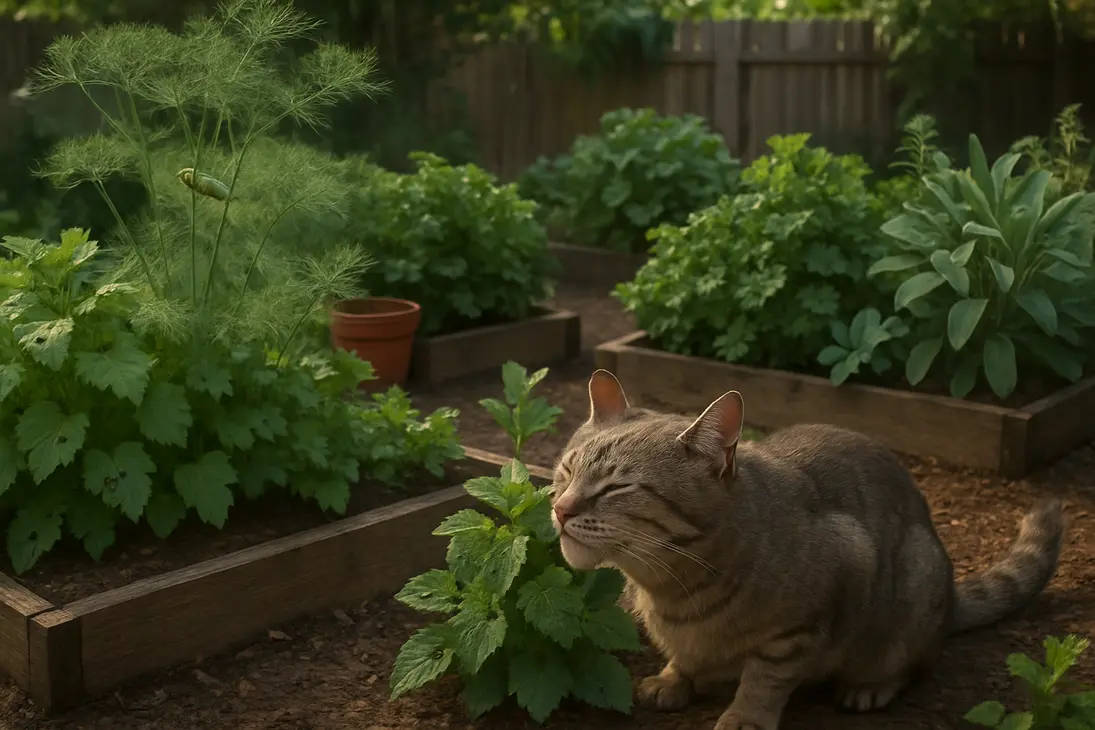
Animals may react to catnip, fermented fruit, or fungi, but chewed garden herbs usually mean insects, rabbits, deer, slugs, or pets.
Garden plants need fertilizer only when soil or potting mix lacks nutrients. Learn when to feed, when compost is enough, and how to avoid overdoing it.
Trees don’t get tired like animals, but drought, root damage, pests, disease, and decay can make them look weak or unsafe.
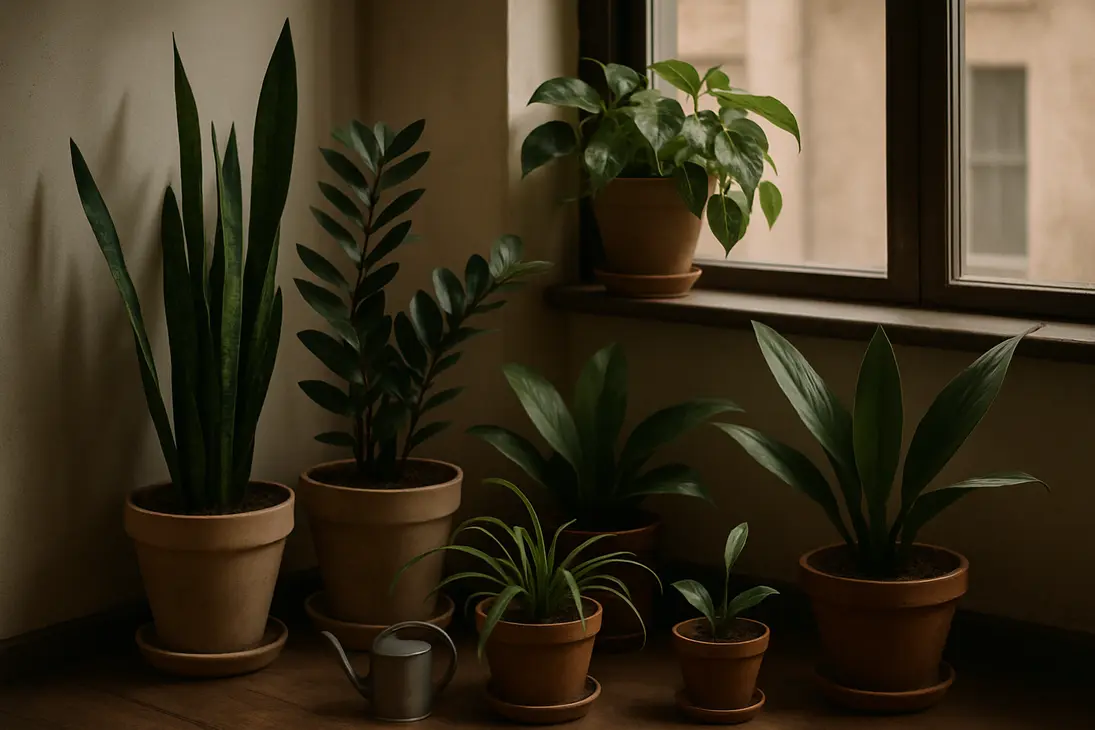
Snake plant, ZZ plant, pothos, cast iron plant and more easy houseplants that tolerate lower light, dry spells and beginner watering mistakes.
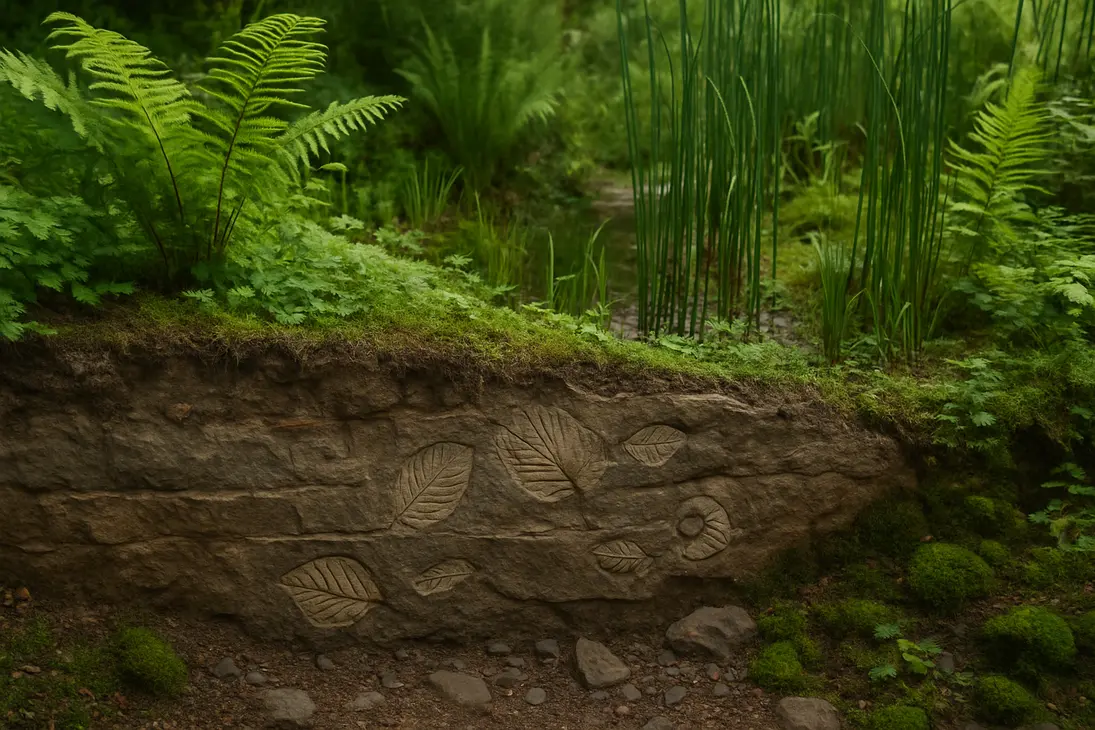
Learn how fossil layers preserve ancient ecosystems and how evolution, extinction, climate shifts, and dating methods explain their ordered patterns.

Learn when to hire a home garden expert, which type you need, what questions to ask, and how to get useful advice within budget.

Flowering plants appear in higher fossil layers because angiosperms evolved later and preserved unevenly, especially from the Cretaceous onward.
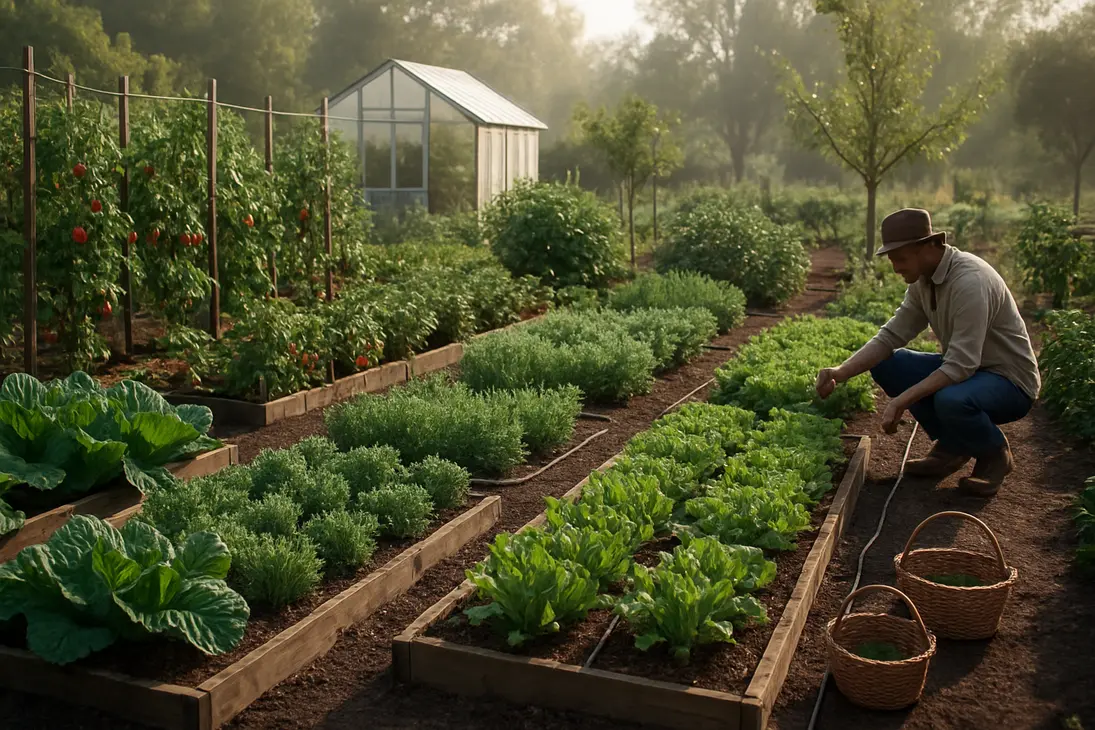
Food horticulture covers fruits, vegetables, herbs, nuts, and specialty crops, linking plant science with nutrition, local food, and sustainability.
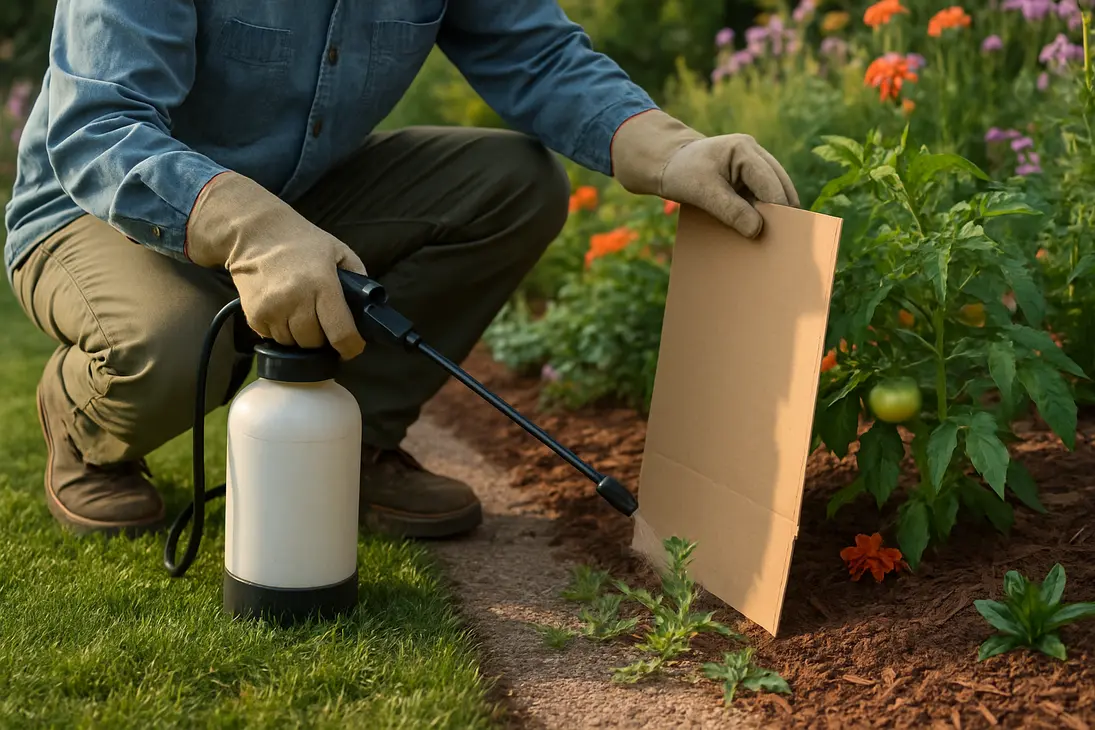
Learn common herbicide application mistakes, from wrong products and rates to bad weather, drift, unsafe handling, and weak weed prevention.
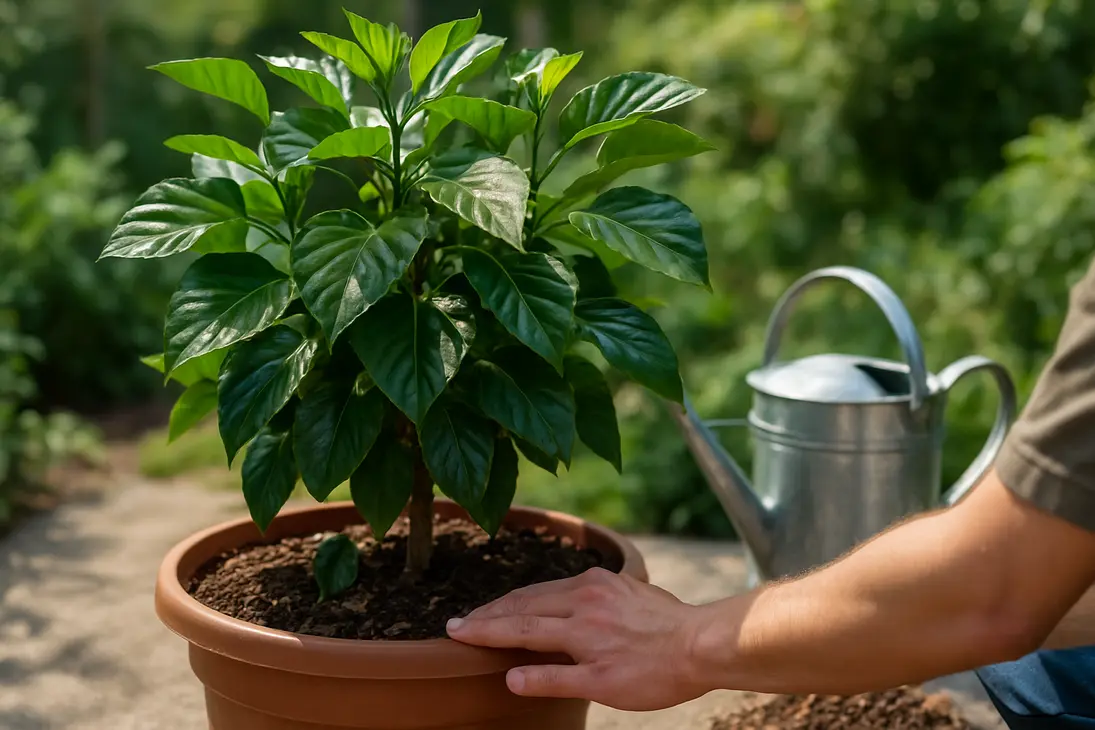
Learn why a hibiscus won’t bloom, from low sun and watering stress to fertilizer, roots, temperature, pests, and normal seasonal timing.
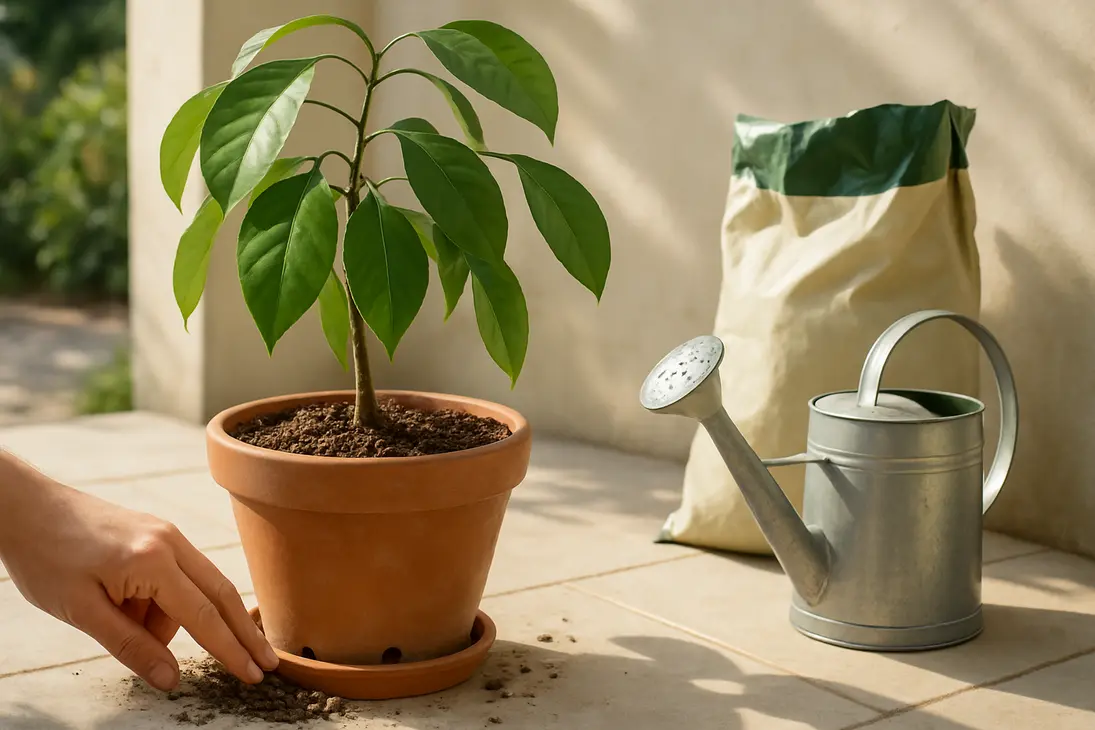
Learn why a lemon plant droops after repotting, how to check watering, drainage, roots, light, and pests, and when to wait or act.
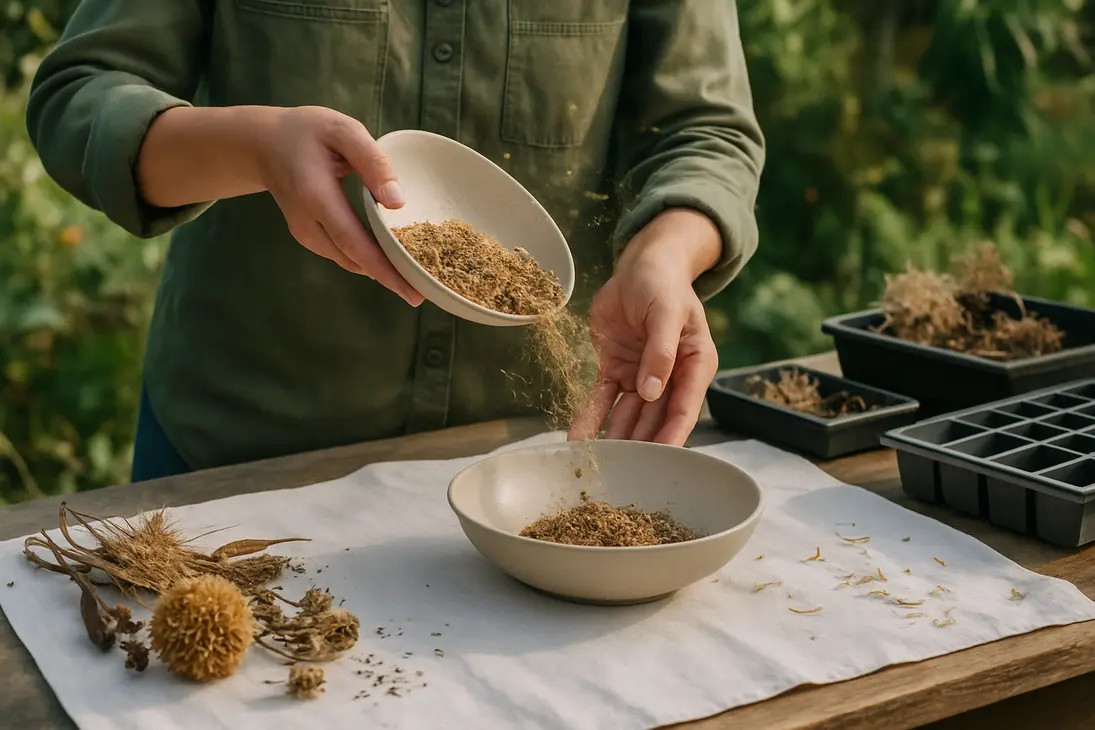
Light seeds usually drift away with chaff during winnowing, but some may still be viable. Learn how airflow, seed shape, and testing affect sorting.
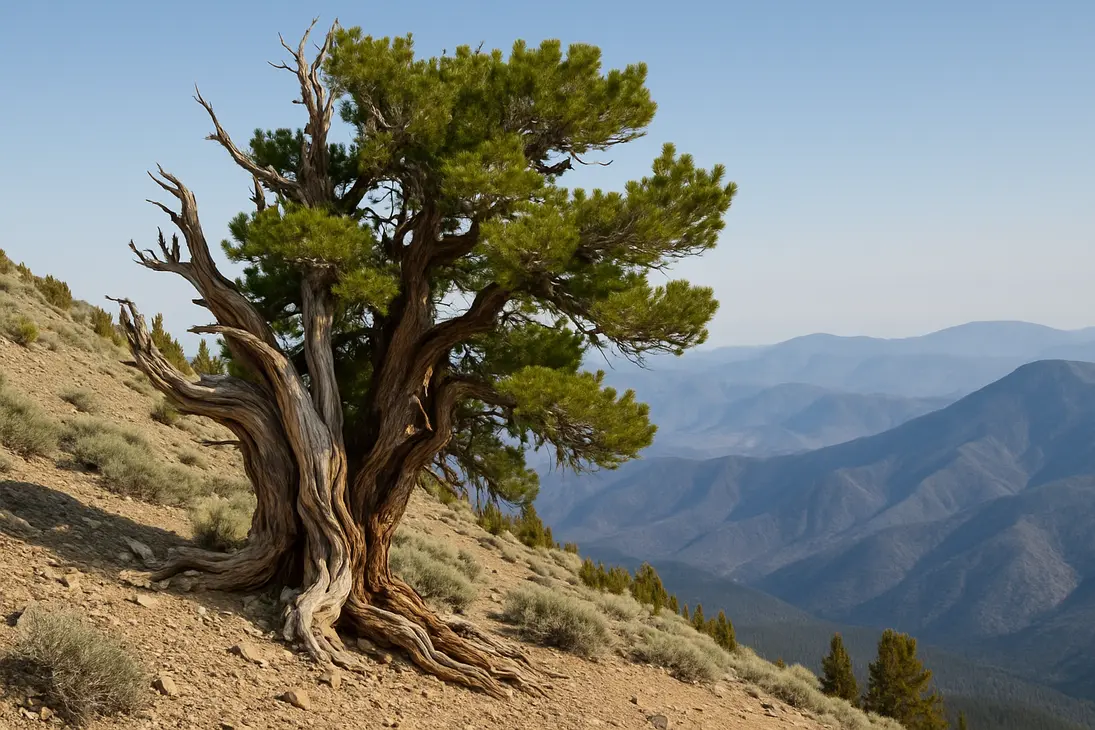
The Great Basin bristlecone pine is the longest-living verified non-clonal tree species, with individuals over 4,800 years old.
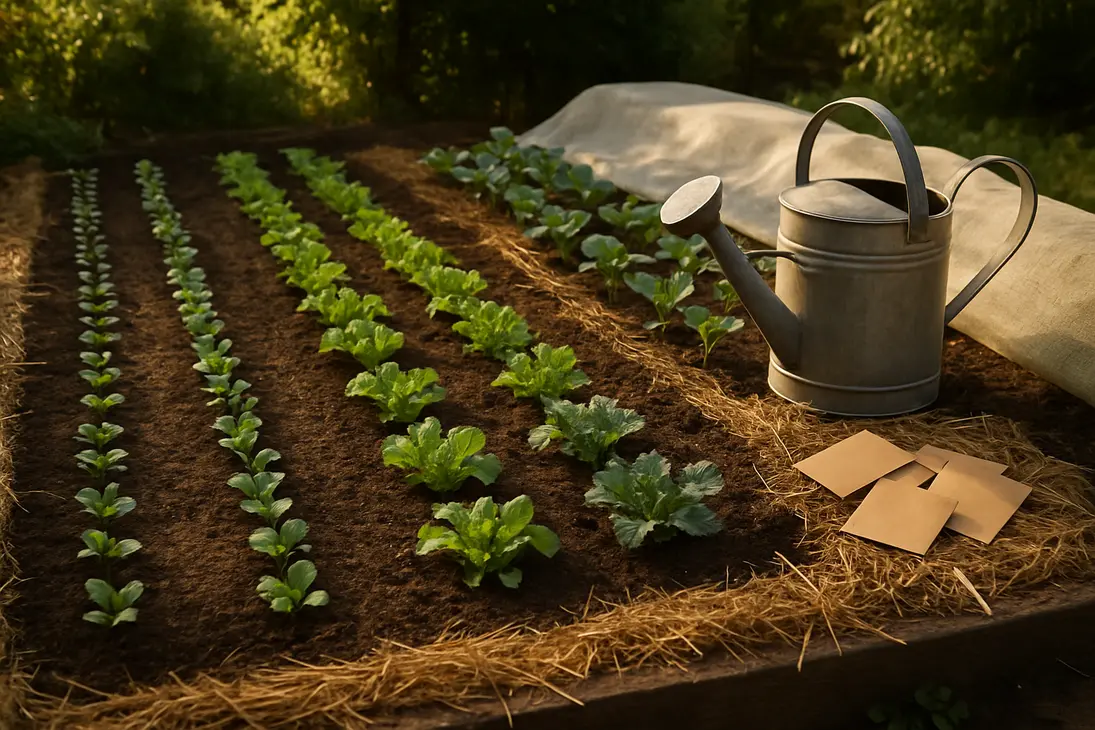
Mid-August planting ideas for fall vegetables, herbs, flowers, and transplants, with tips for frost timing, heat, shade, and watering.
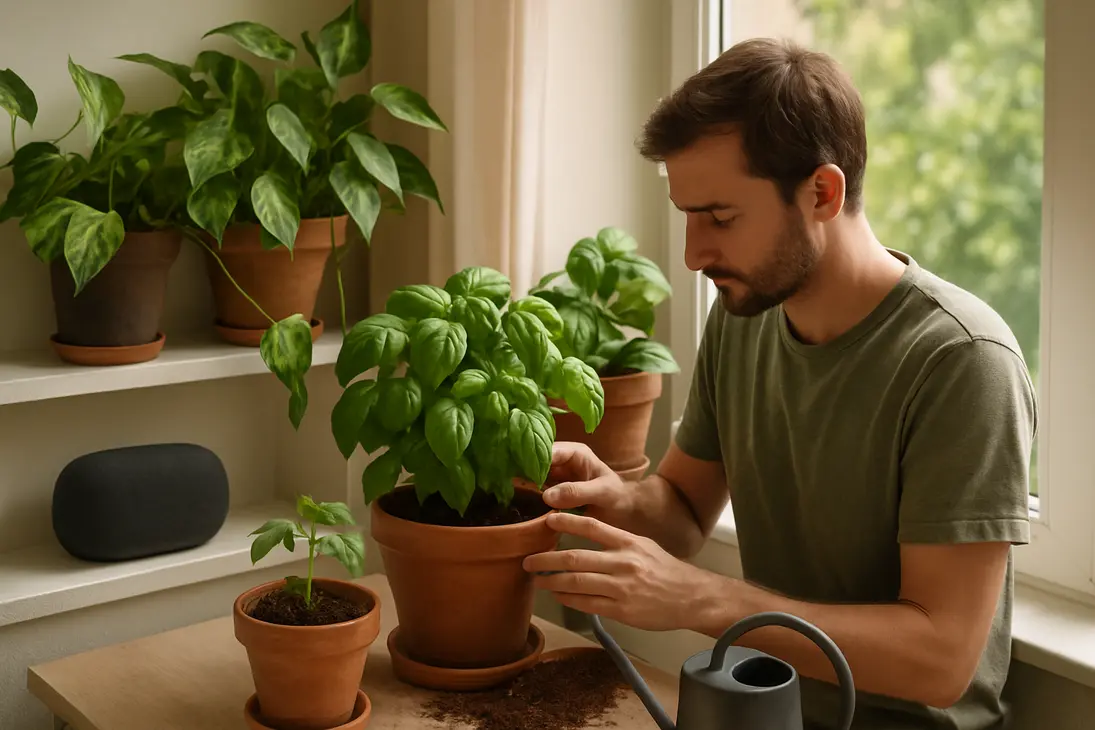
Music and talking may make you a more attentive plant owner, but they cannot replace light, water, soil, nutrients, and pest care.
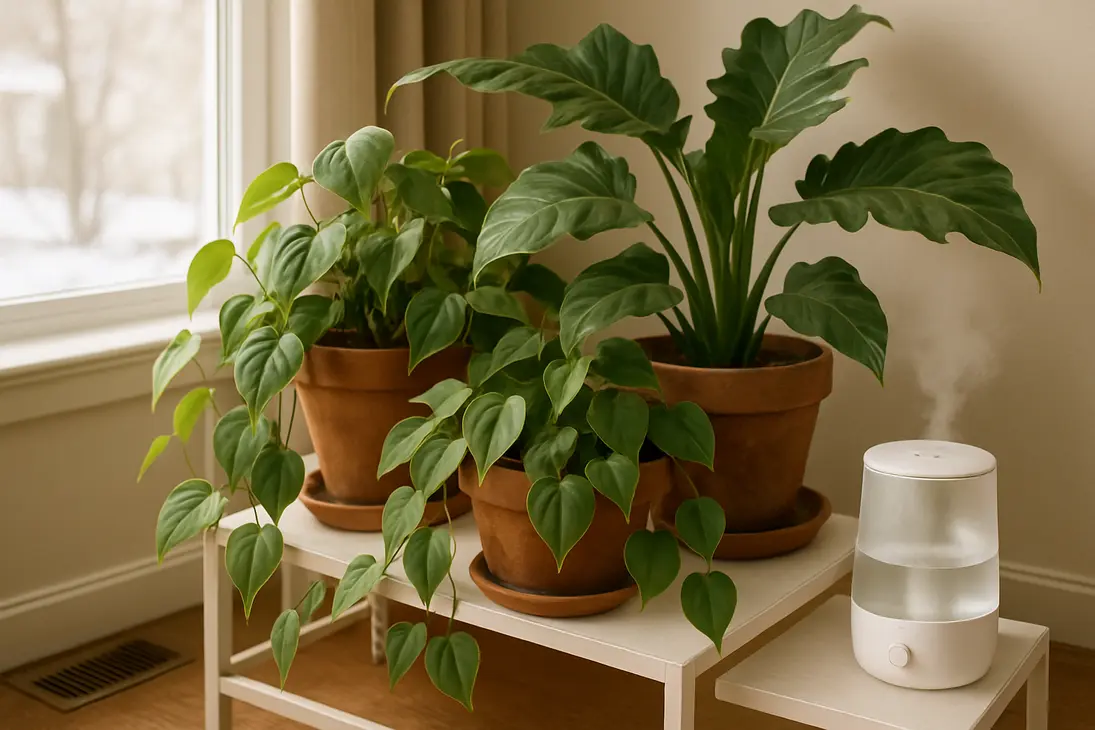
Philodendrons can tolerate dry indoor air, but low humidity may cause brown tips, curling leaves, and slow growth. Learn what helps.
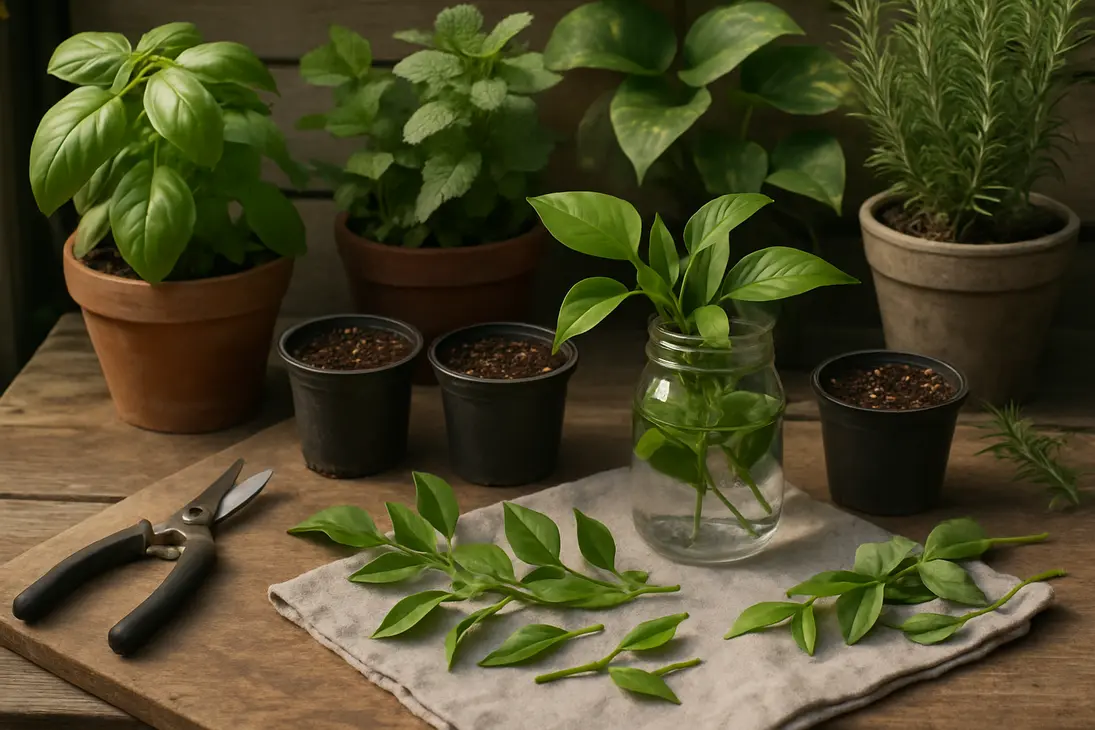
Learn which pruned cuttings can root, how to prepare stems with nodes, and when to use water or soil for successful plant propagation.
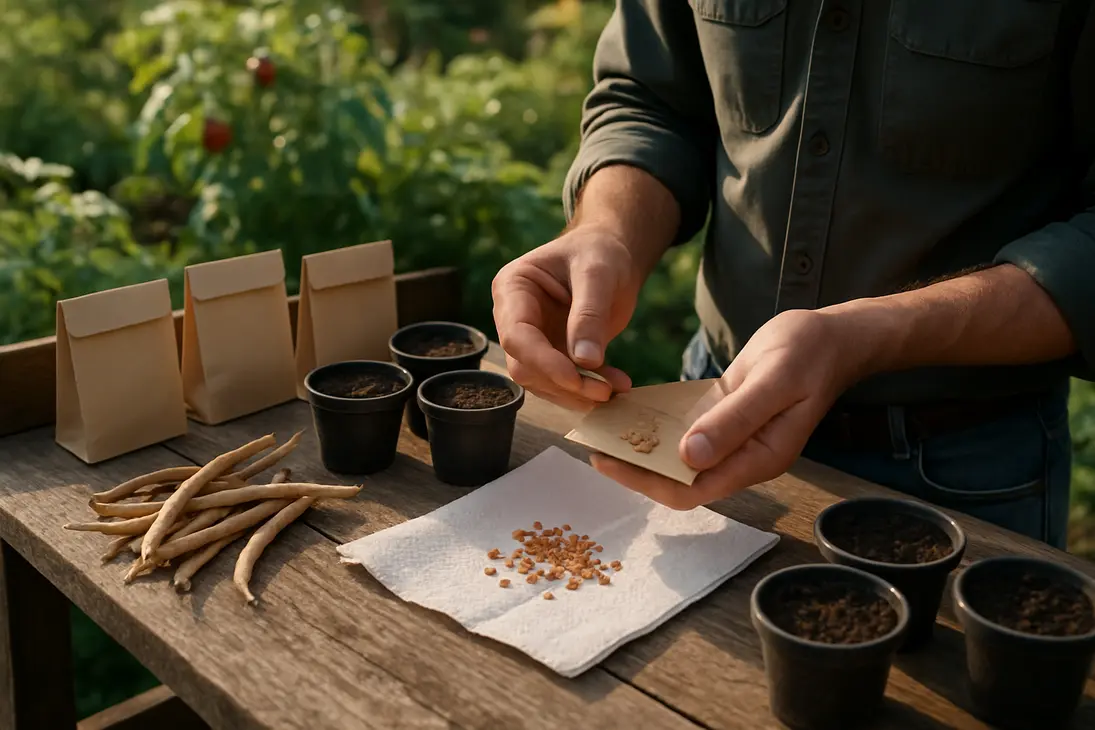
Learn when saved, leftover, or produce seeds can be planted again, how long seeds last, and how to test viability before sowing.
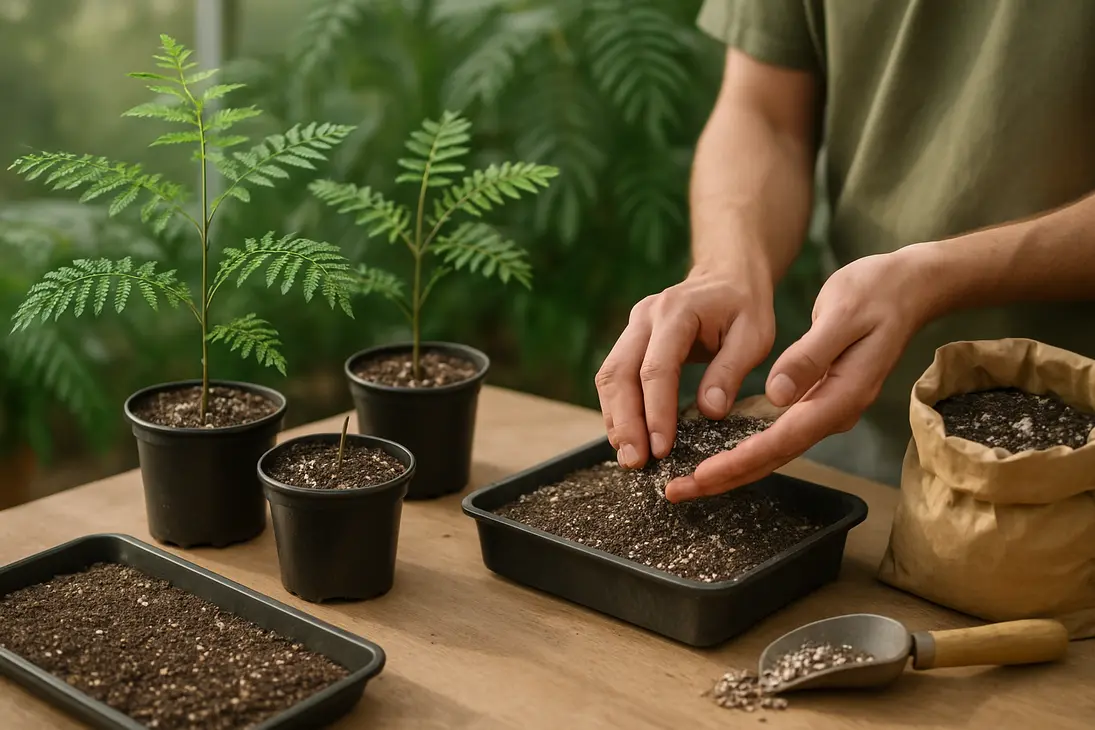
Start Jacaranda mimosifolia seeds in a sterile, free-draining mix, then move seedlings to airy potting mix or well-drained loam.
“Time flies” is not a recognized fly species. Learn what people may be seeing instead, from mayflies to fruit flies, gnats, and drain flies.
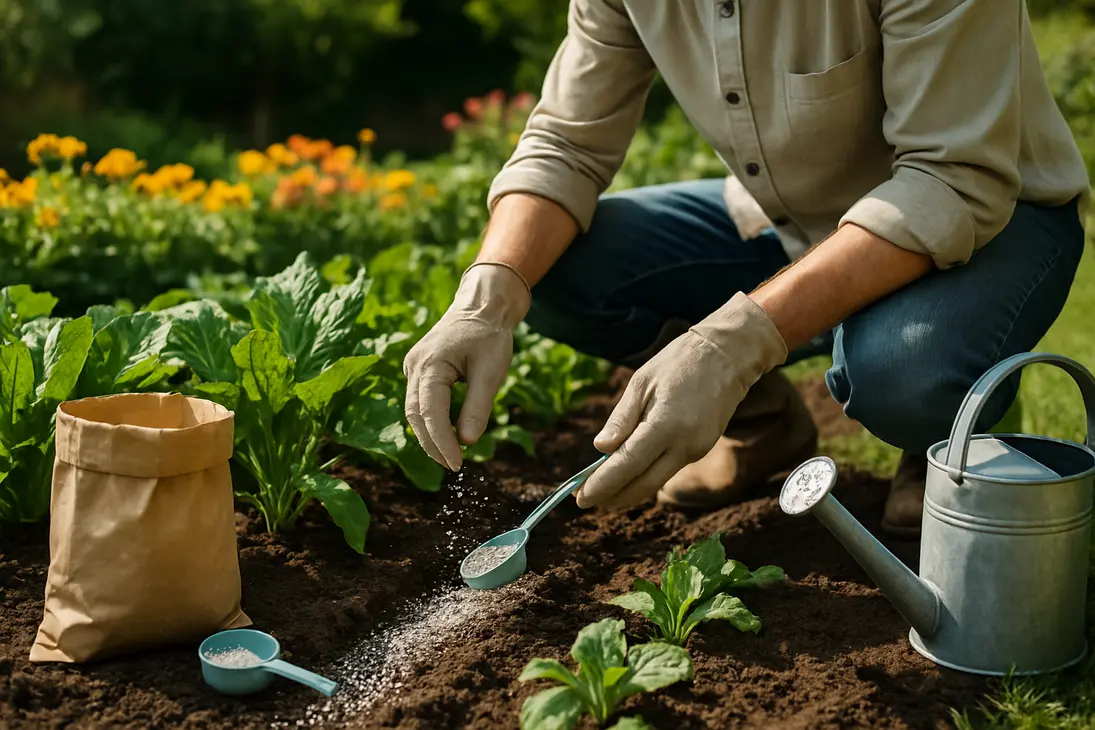
Learn how to measure, spread, and water in granular fertilizer safely for lawns, vegetables, flowers, shrubs, and containers.
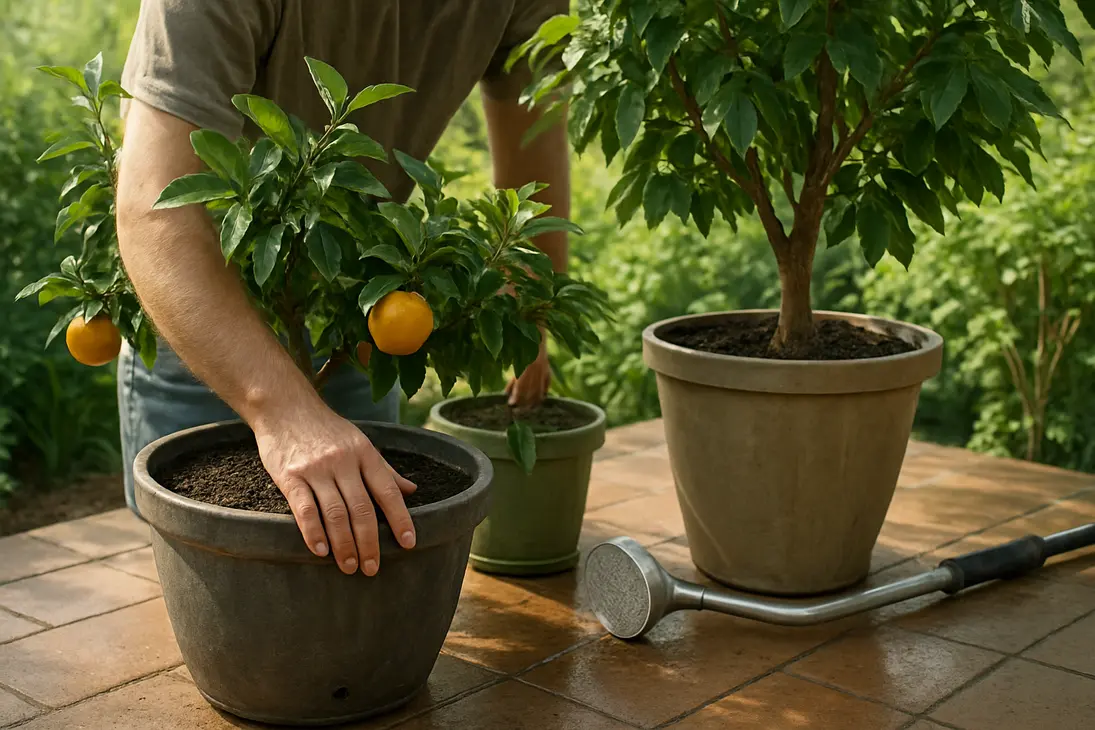
Check potted trees daily in hot, humid weather, then water deeply when the top 2–3 inches of potting mix feel dry.
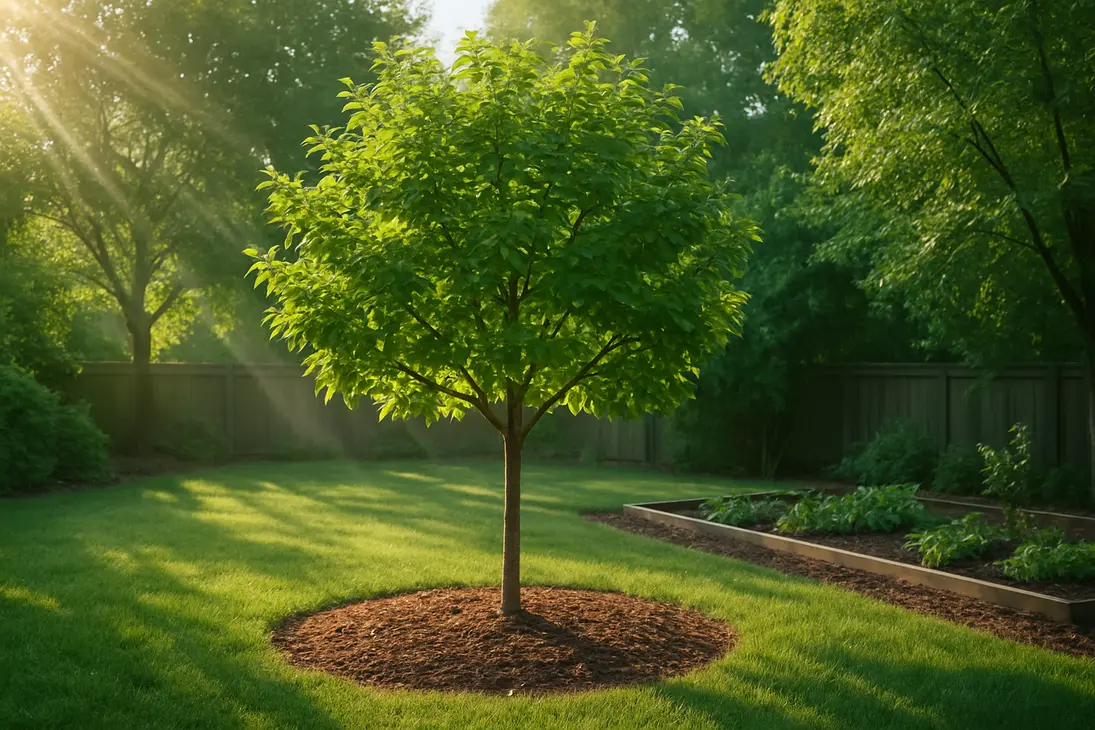
Trees need sunlight to photosynthesize, make sugars, grow roots and leaves, store energy, and flower or fruit well. Learn how much light they need.
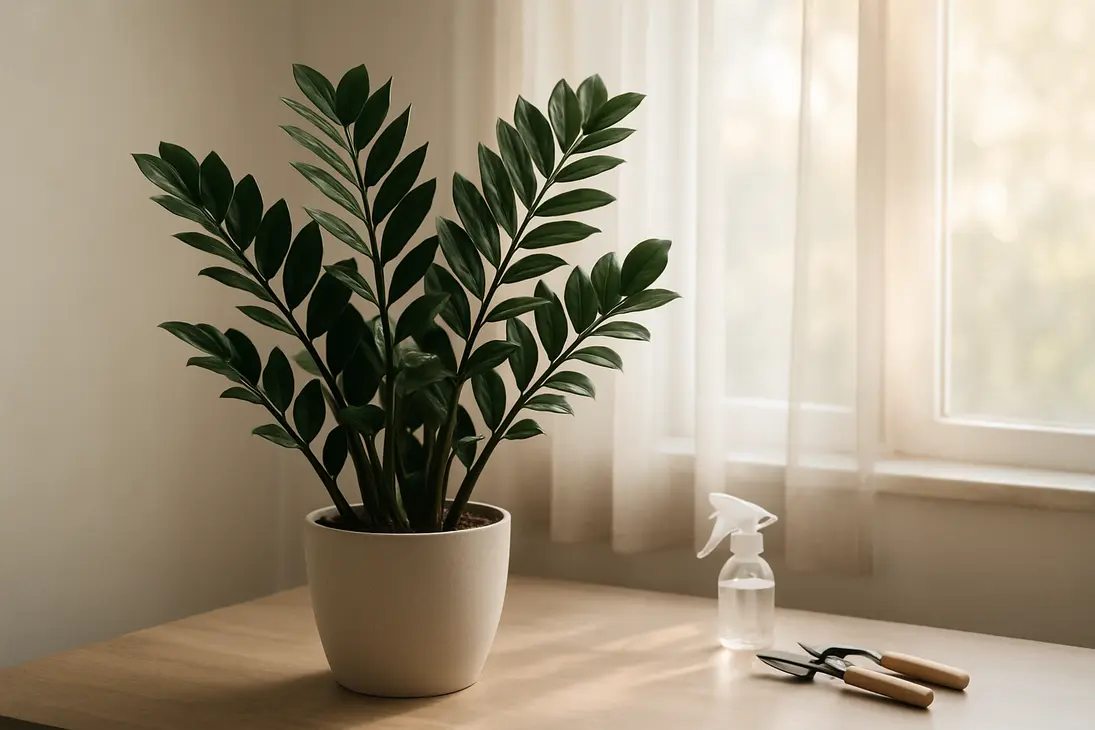
ZZ plants grow best in bright, indirect light but tolerate low light. Learn where to place them, what sun is too much, and when to use a grow light.
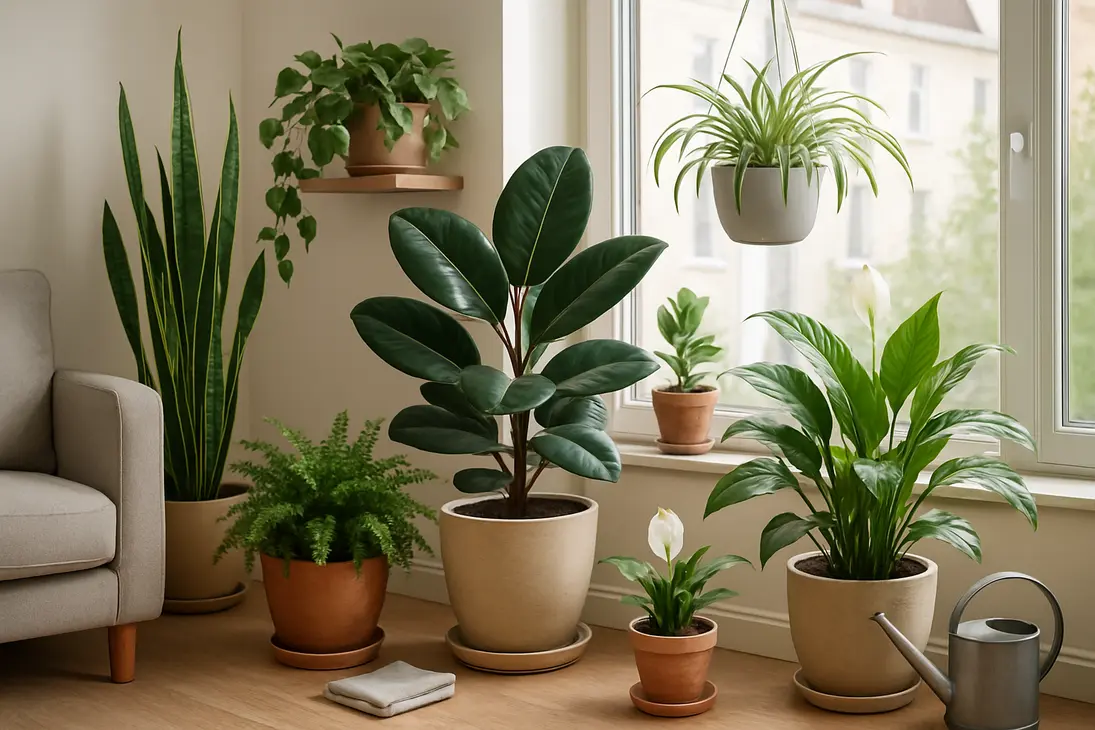
Compare the best indoor air-purifying plants for light, care, and pet safety, plus what plants can and can’t do for indoor air quality.
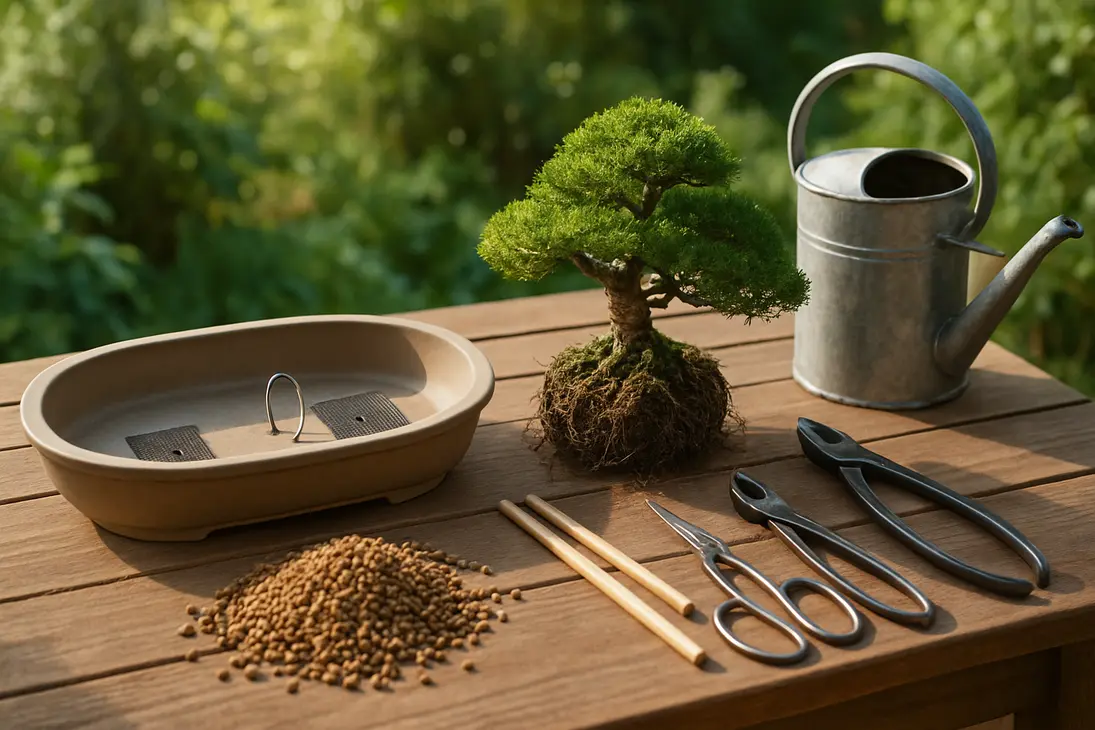
Learn how to prepare a bonsai pot with mesh, wire, and fast-draining soil, then move, secure, water, and shelter the plant safely.
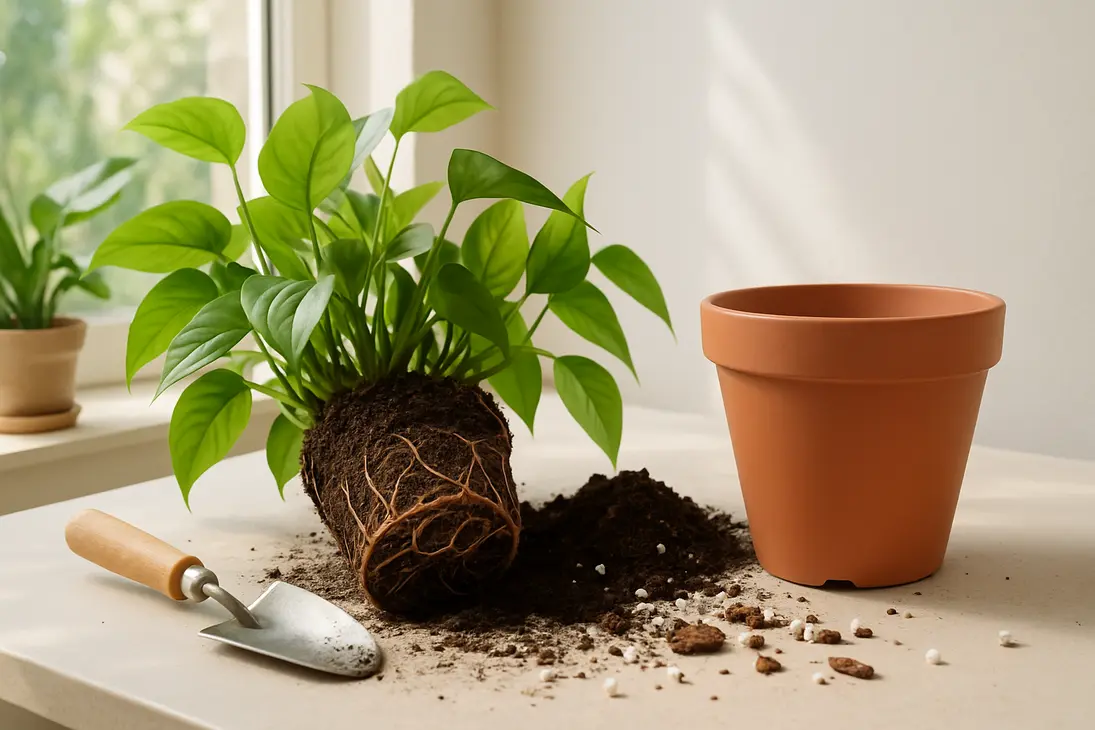
Learn when repotting houseplants is necessary, how to spot root-bound plants, choose the right pot and soil, and avoid aftercare mistakes.
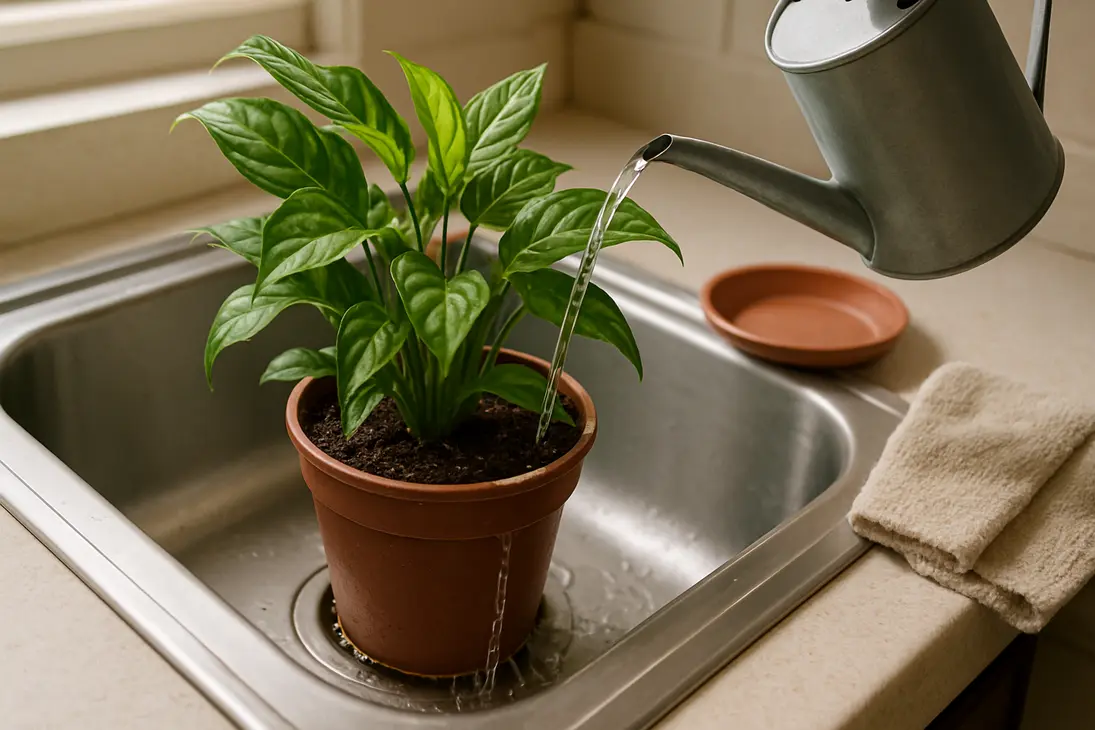
Learn when flushing potted plants helps, how much water to use, how to drain pots safely, and why yellow leaves can follow a flush.
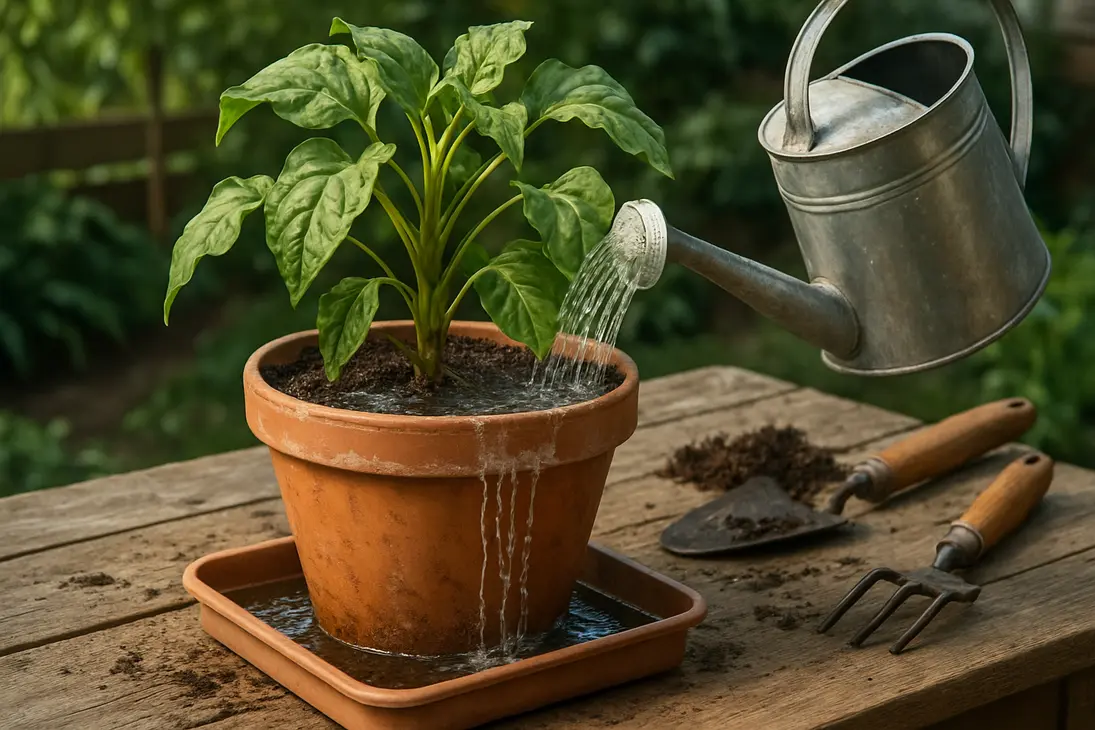
Flushing soil can rinse excess fertilizer salts from the root zone, helping stressed container plants recover when drainage is good.
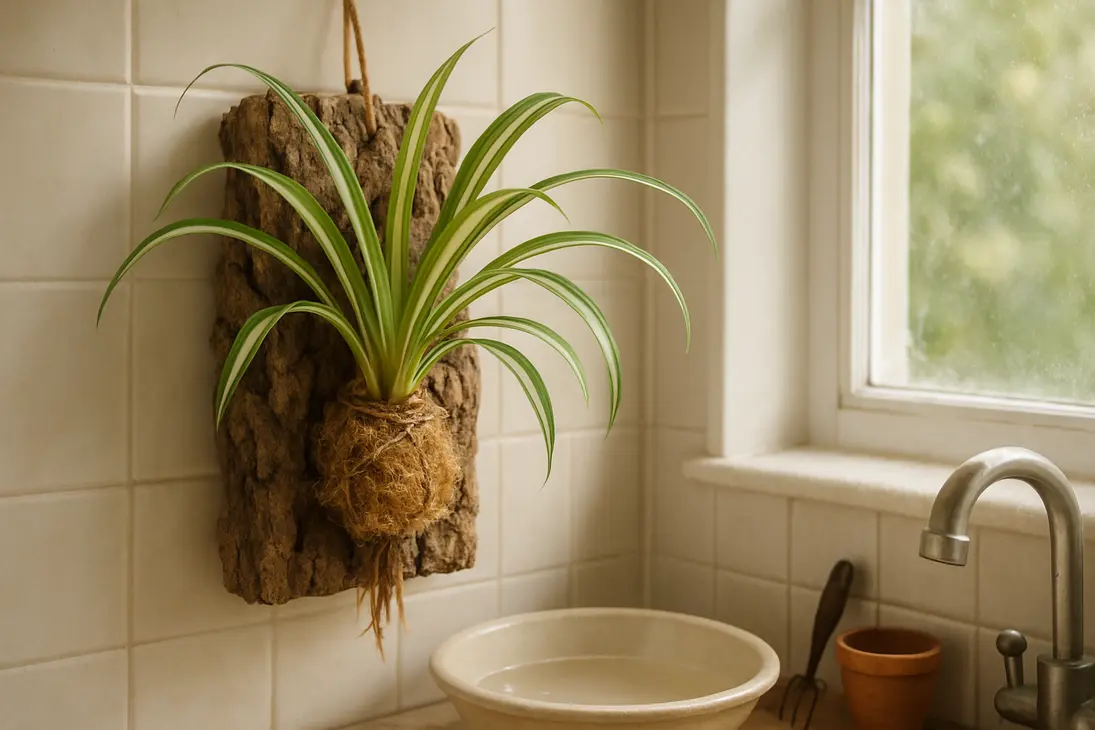
Spider plants can grow mounted on wood if their roots are wrapped in moss or mix. Learn what wood to use, how to mount them, and care tips.
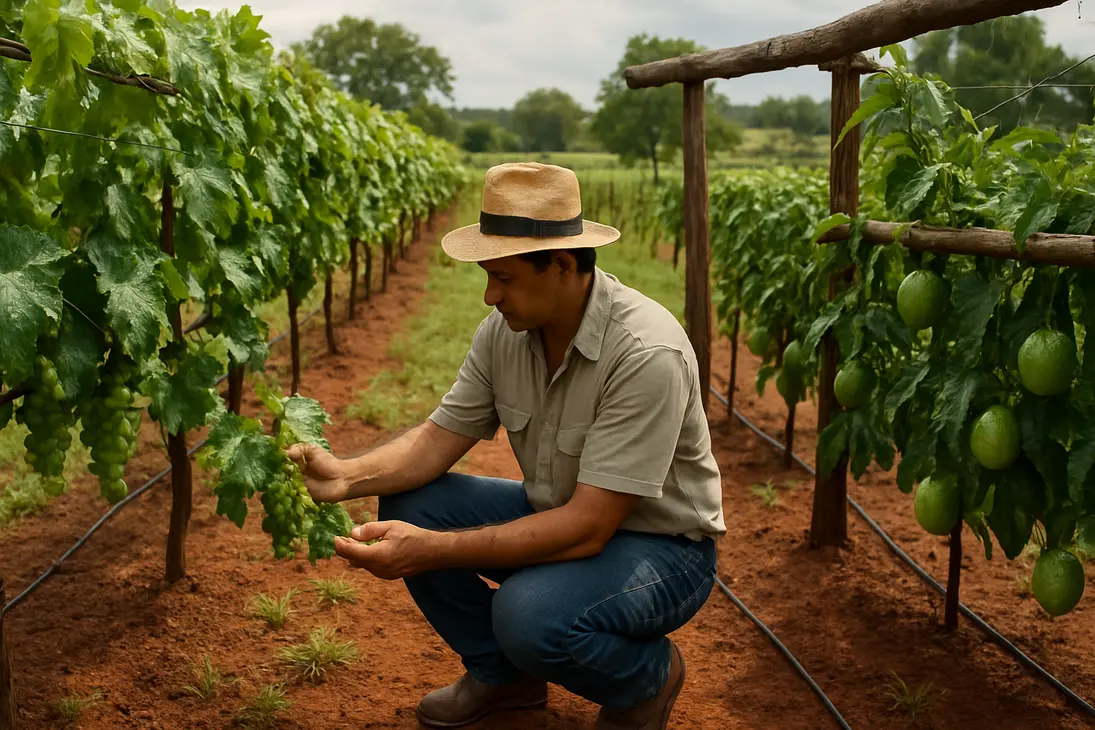
Farmers can grow vines in Paraguay by choosing heat-tolerant crops, managing dormancy, trellising for airflow, and preventing humid-climate disease.
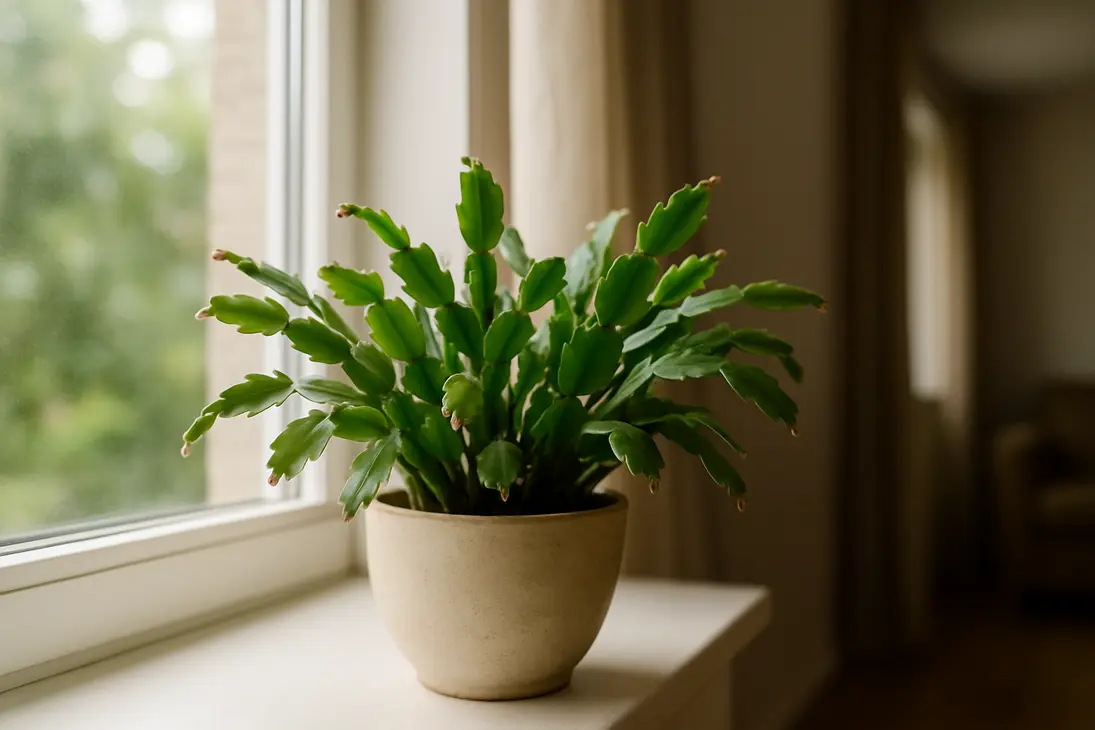
Holiday cacti need bright daytime light and 12–14 hours of uninterrupted darkness at night for several weeks to set buds.
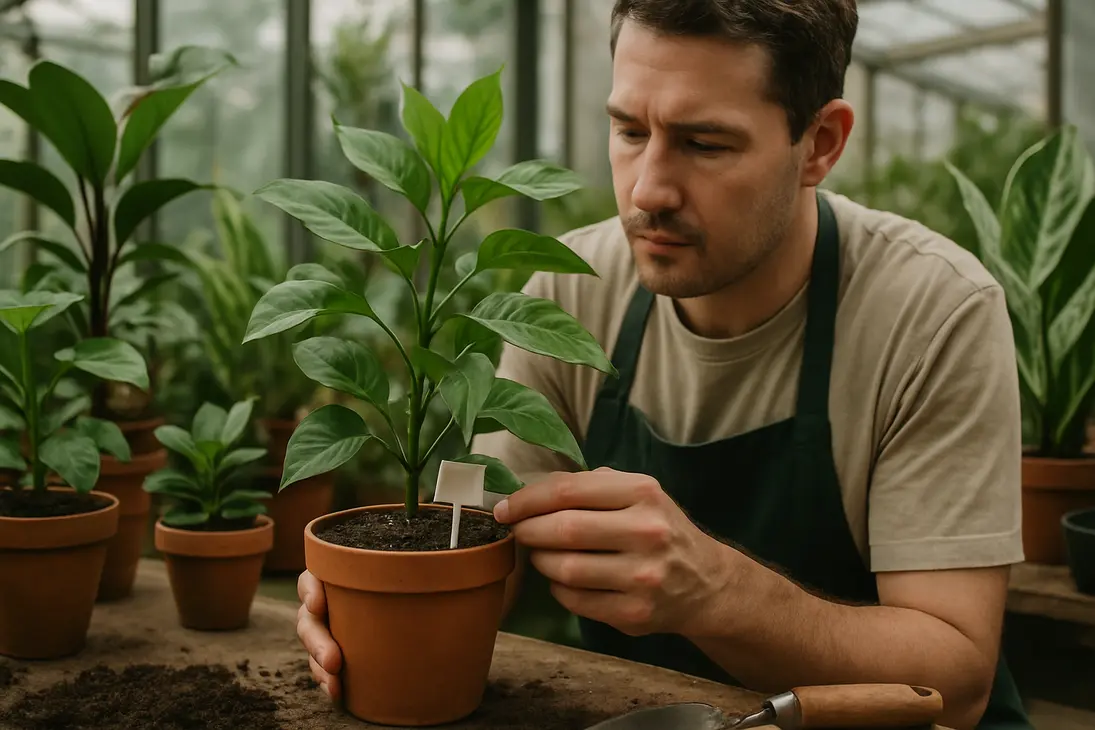
Learn what “hoopla plant” likely means, why it is not a recognized botanical name, and how to identify the real plant behind the label.
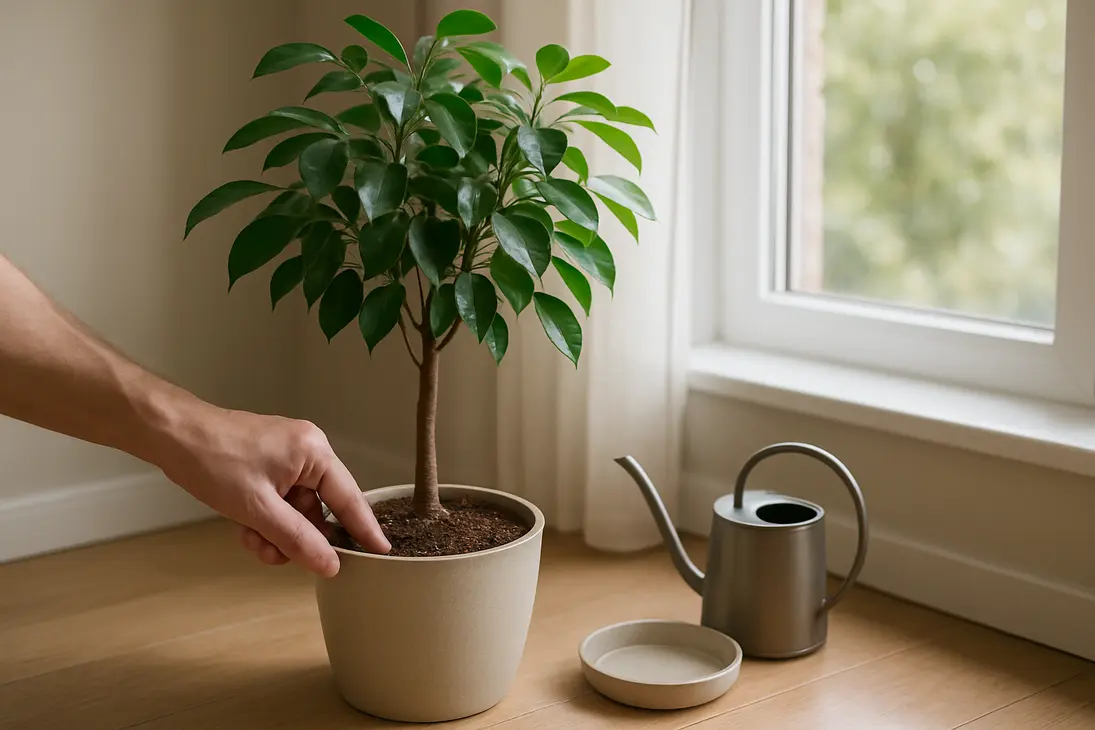
Water indoor ficus trees when the top few inches are dry and the root zone is lightly damp. Learn timing, signs, and proper drainage.
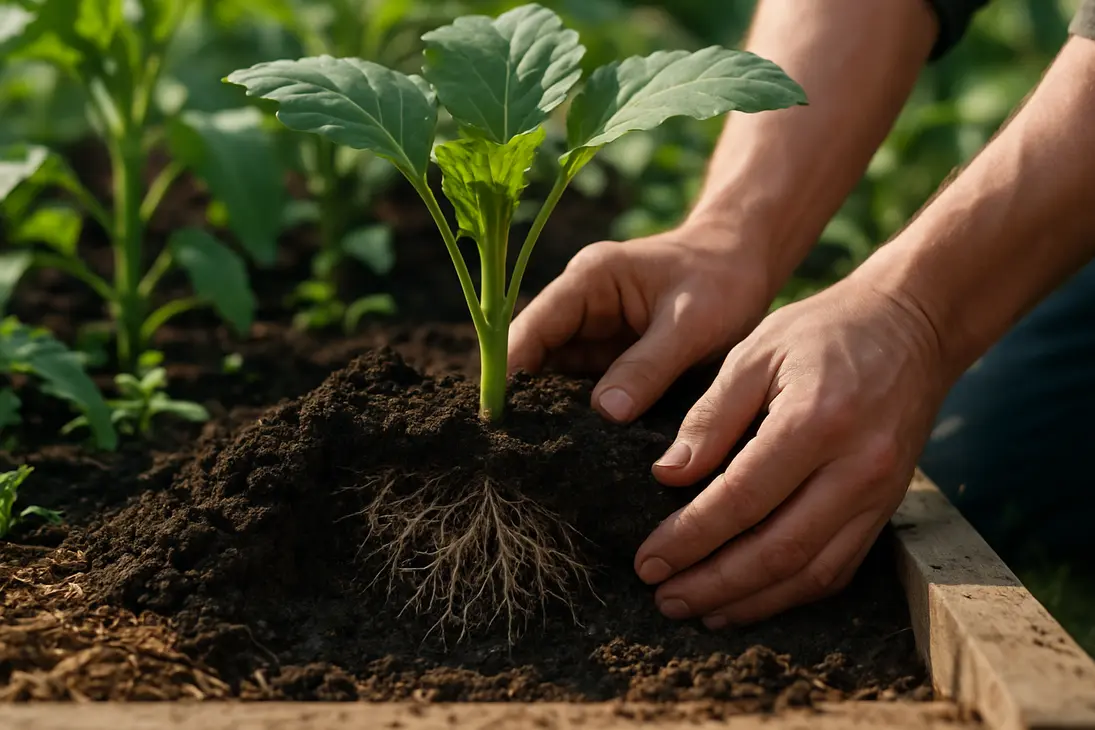
Learn how roots anchor plants, absorb water and nutrients, store energy, support soil life, and what conditions keep root systems healthy.
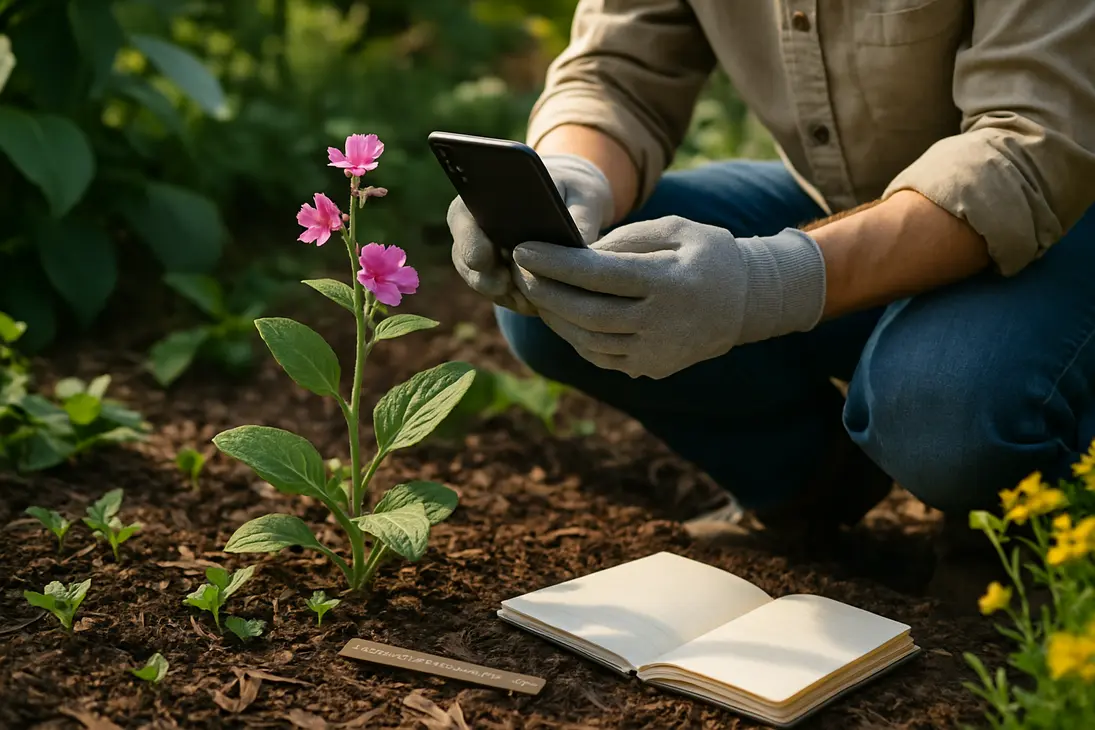
Learn how to identify a plant from a picture with clear photo tips, app and image-search advice, and checks for lookalikes, region, and safety.
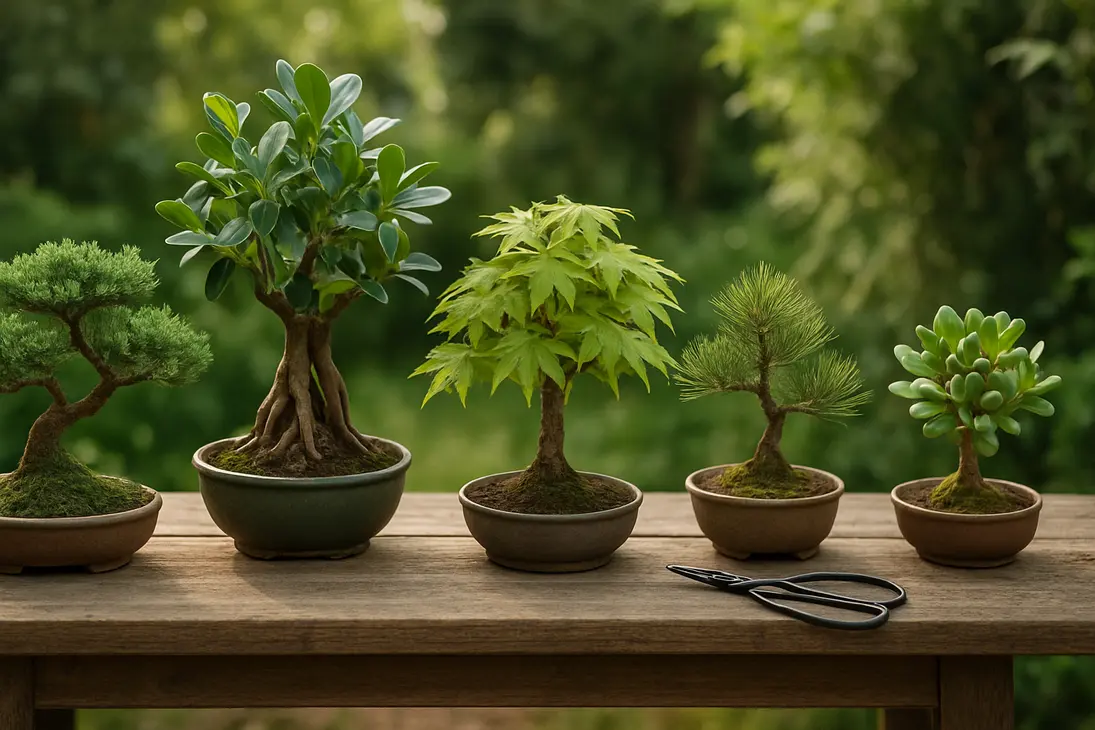
Learn how to identify bonsai types by foliage, bark, flowers, seasonal behavior, and style so you can match the tree to the right care.
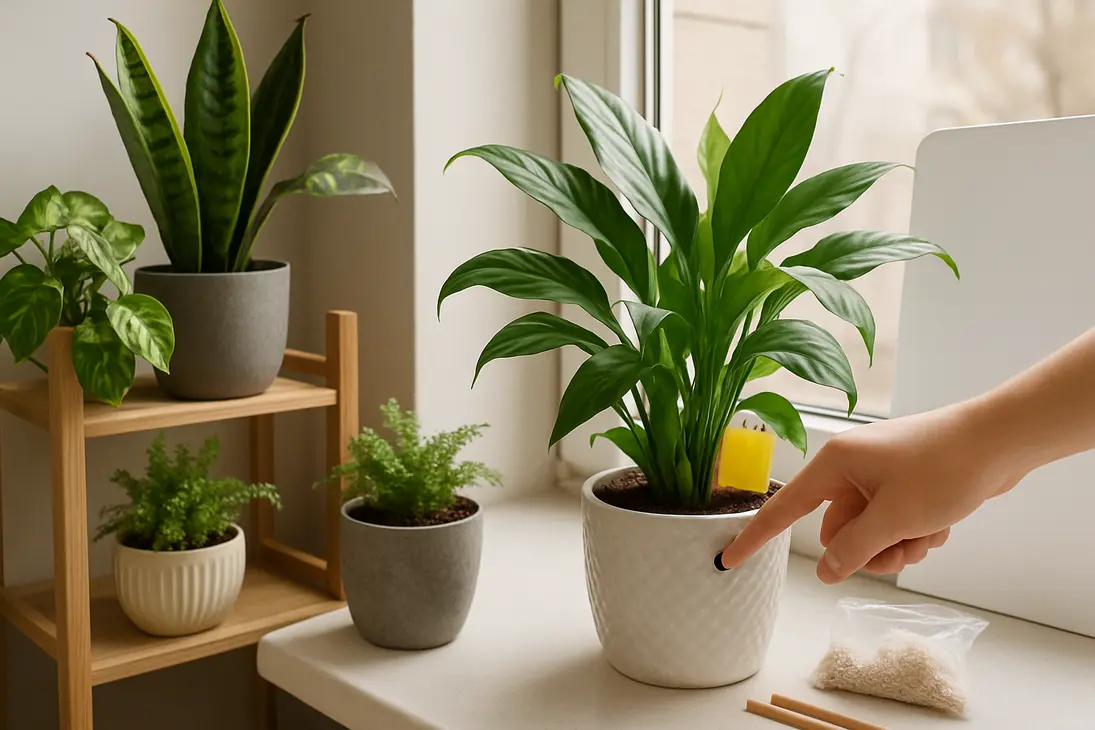
Cheap houseplant care fixes for better light, watering, soil, pest prevention, and travel routines without buying expensive gadgets.
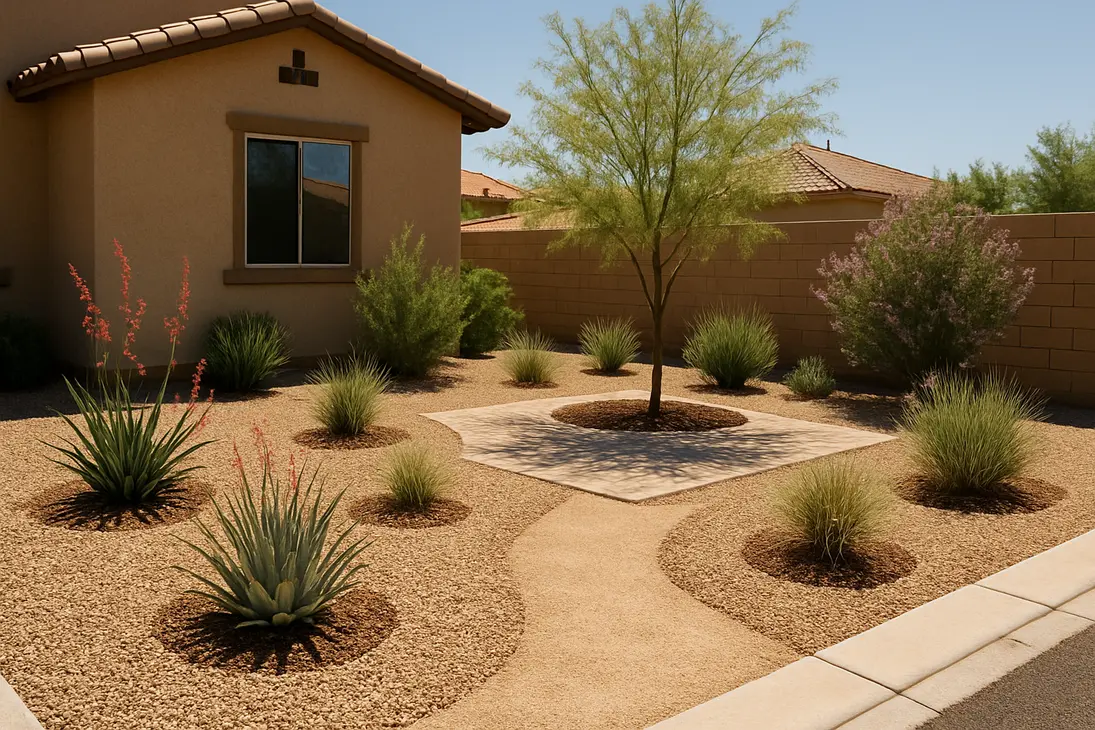
See the best low-maintenance Las Vegas landscaping options, from desert rock and DG paths to drip irrigation, mulch, pavers, and heat-tolerant plants.
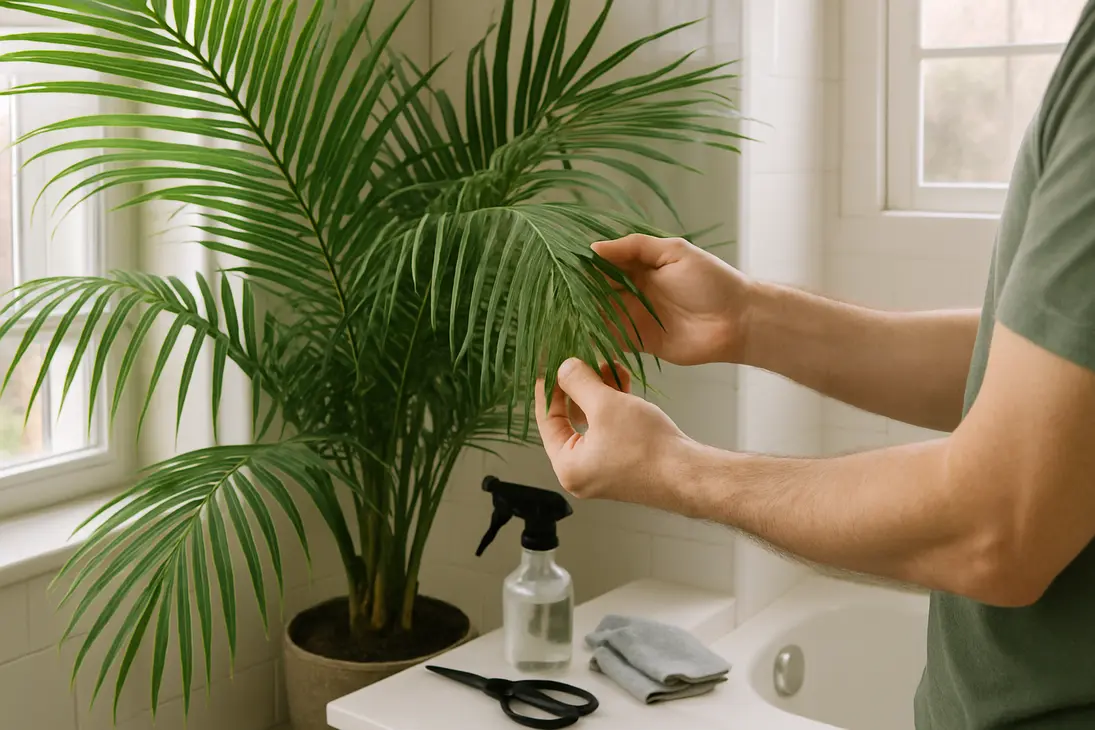
Learn the signs of mites on a majesty palm, how to inspect leaf undersides, and how to treat spider mites with rinsing, pruning, soap, or oil.
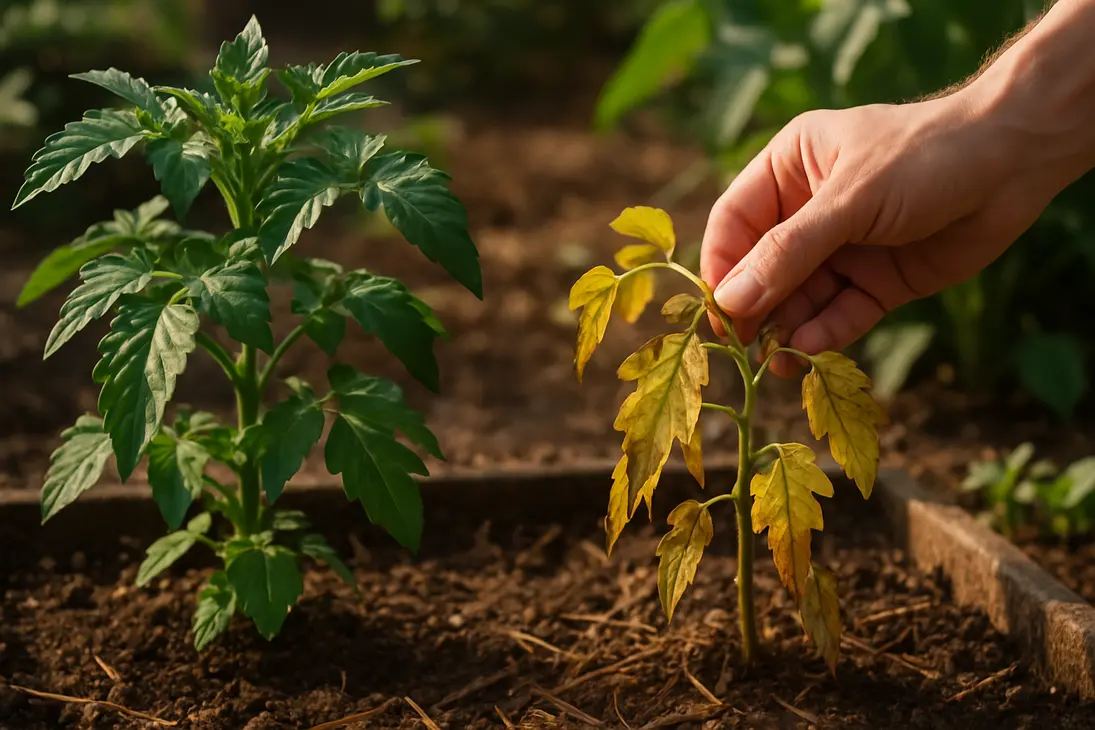
Learn how failing mitochondria reduce ATP, how chloroplast failure limits photosynthesis, and why both organelles matter for plant growth and food webs.
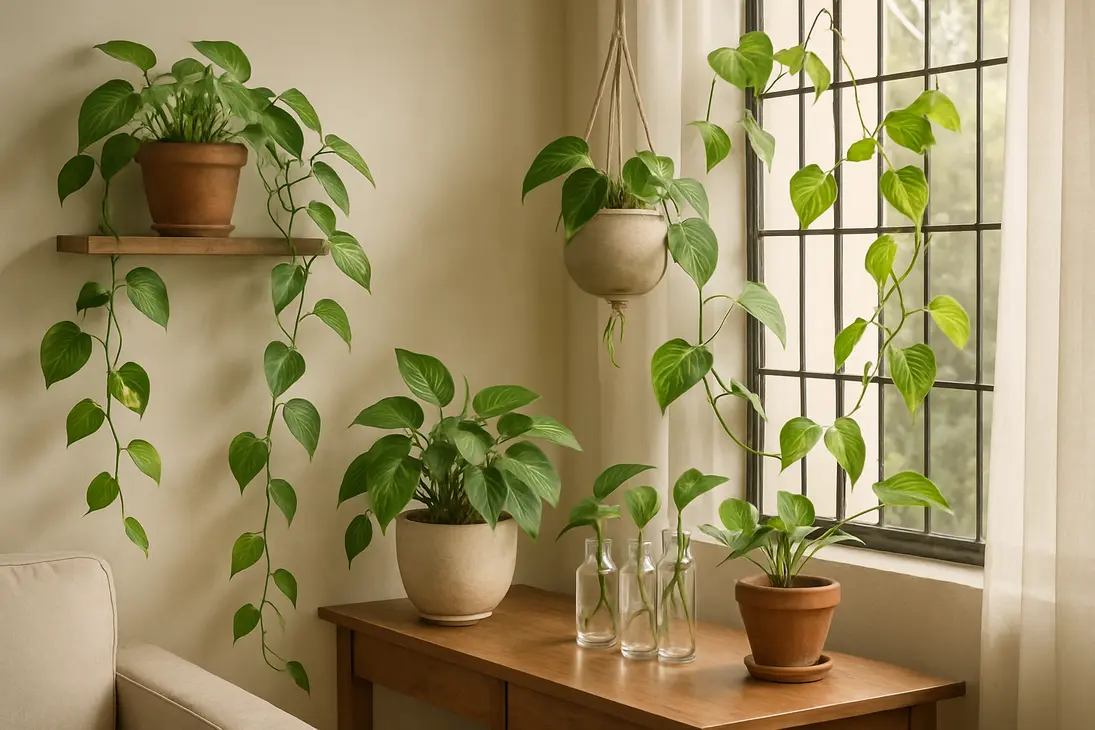
Style money plant vines with shelves, curtains, hooks, trellises, hanging planters, and water jars while keeping growth healthy and tidy.
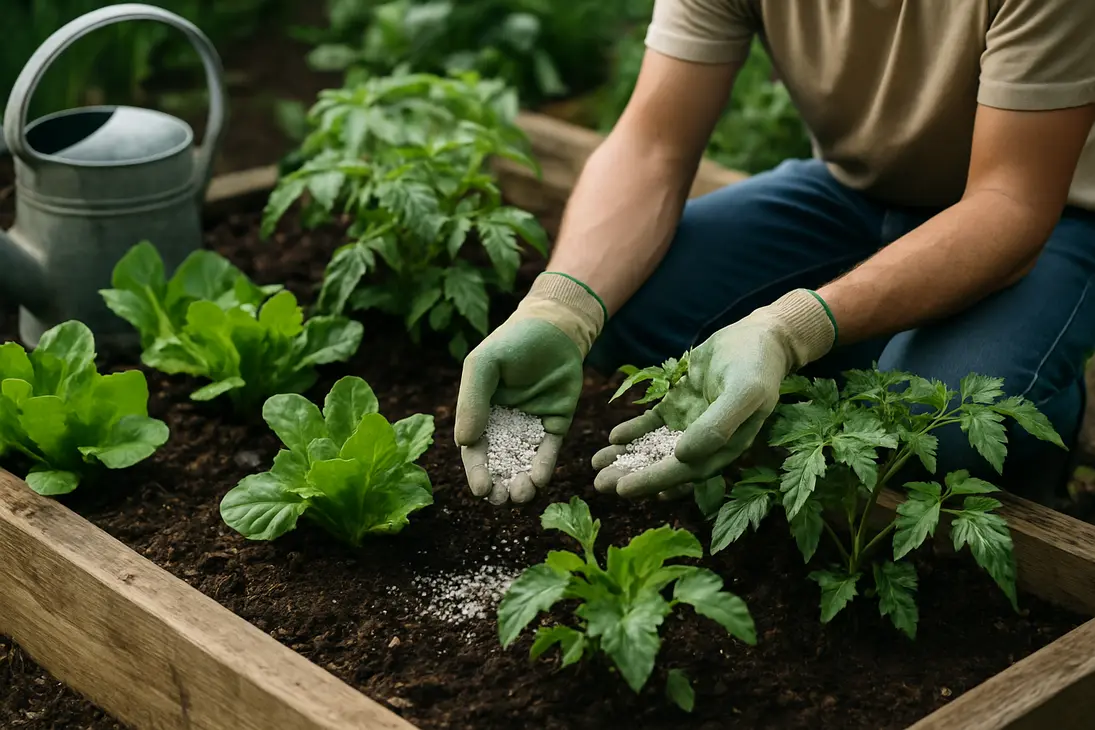
Learn what NPK fertilizer numbers mean, how nitrogen, phosphorus, and potassium affect plants and soil, and how to use them safely.
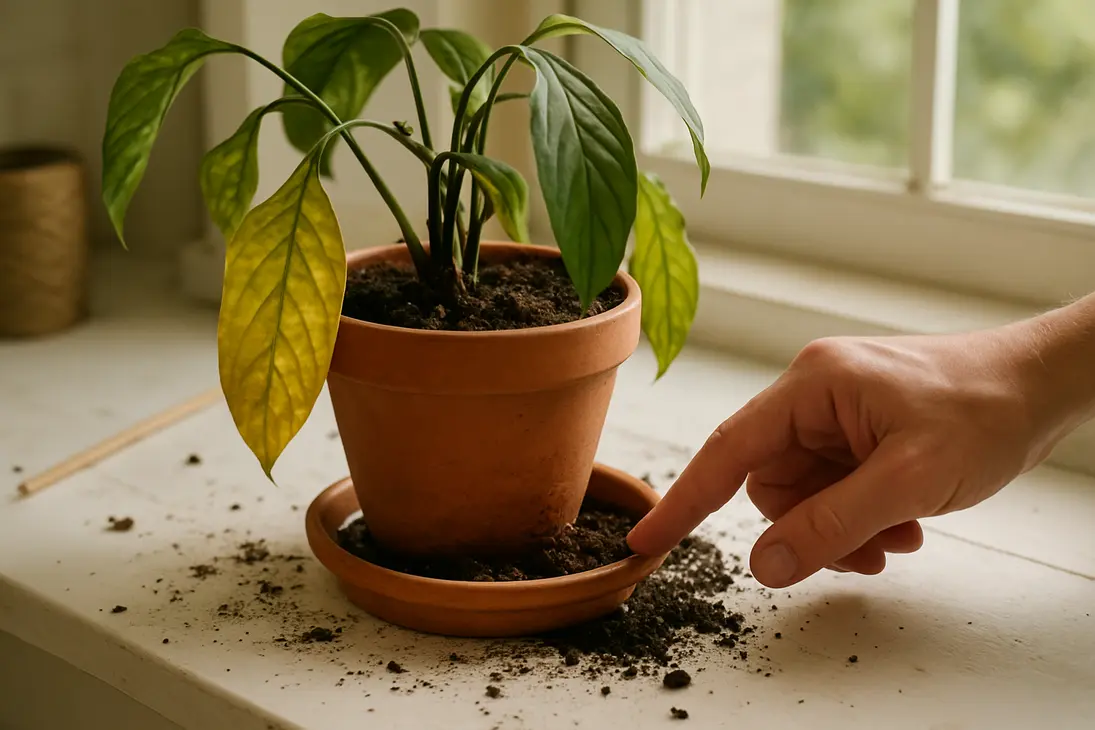
Learn the key overwatering signs in potted plants, how to check wet soil and drainage, and what to do before root rot sets in.
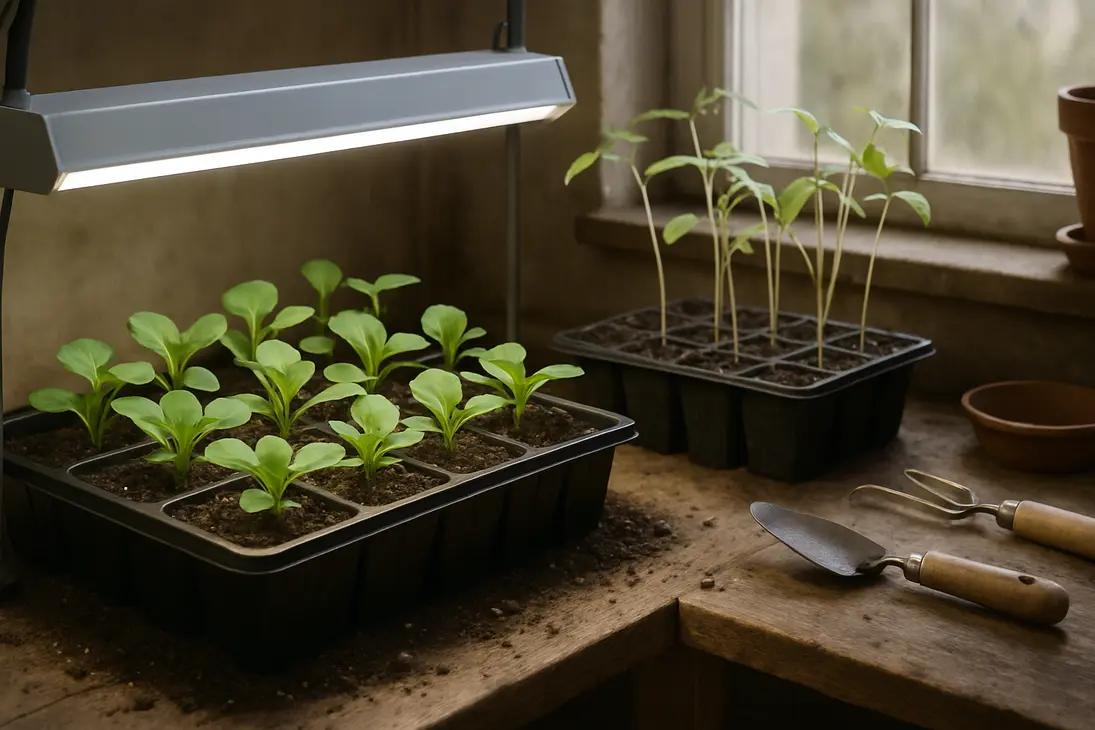
Plants may stretch faster in darkness, but healthy growth needs light for photosynthesis plus a regular dark period. Learn what each stage needs.
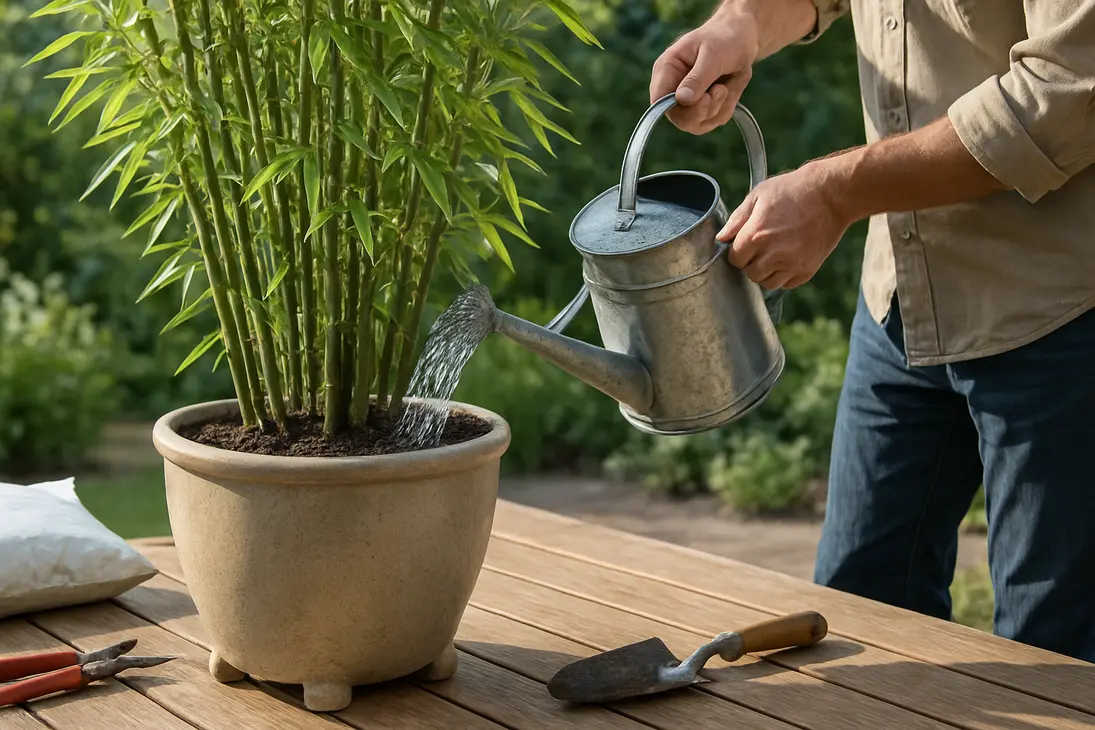
Learn how to care for potted bamboo with the right pot, soil, watering, light, fertilizer, pruning, and fixes for yellow leaves.
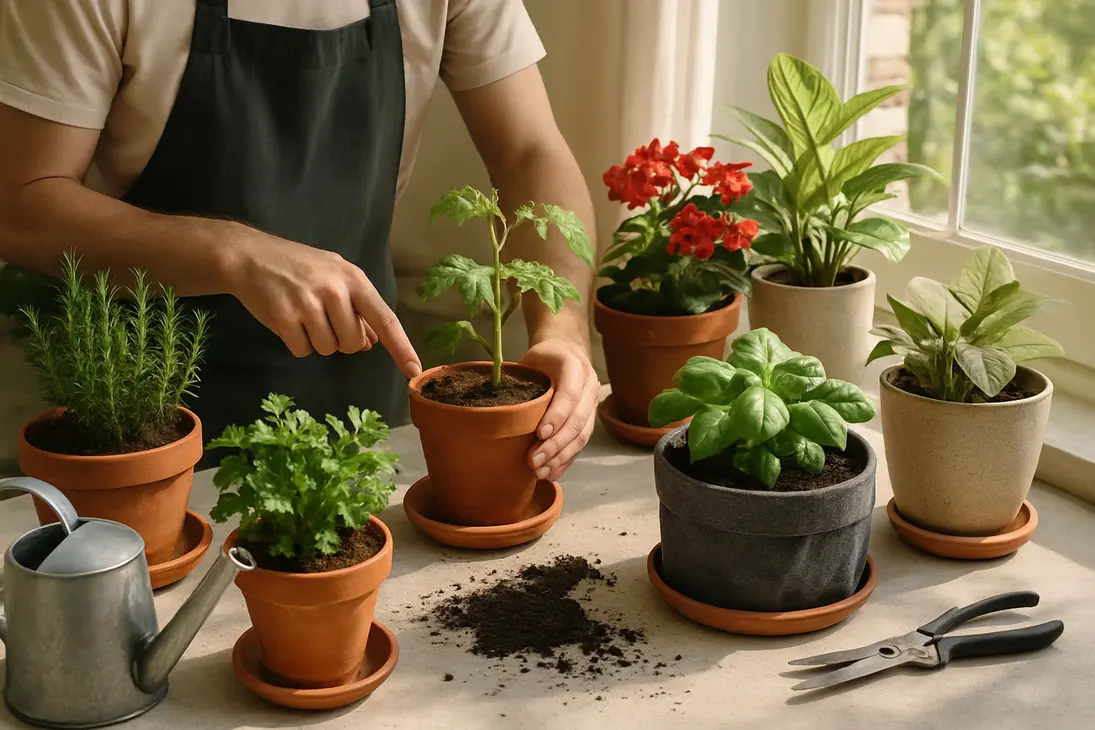
Learn how to care for potted plants with the right potting mix, drainage, light, watering, feeding, pruning, and repotting habits.
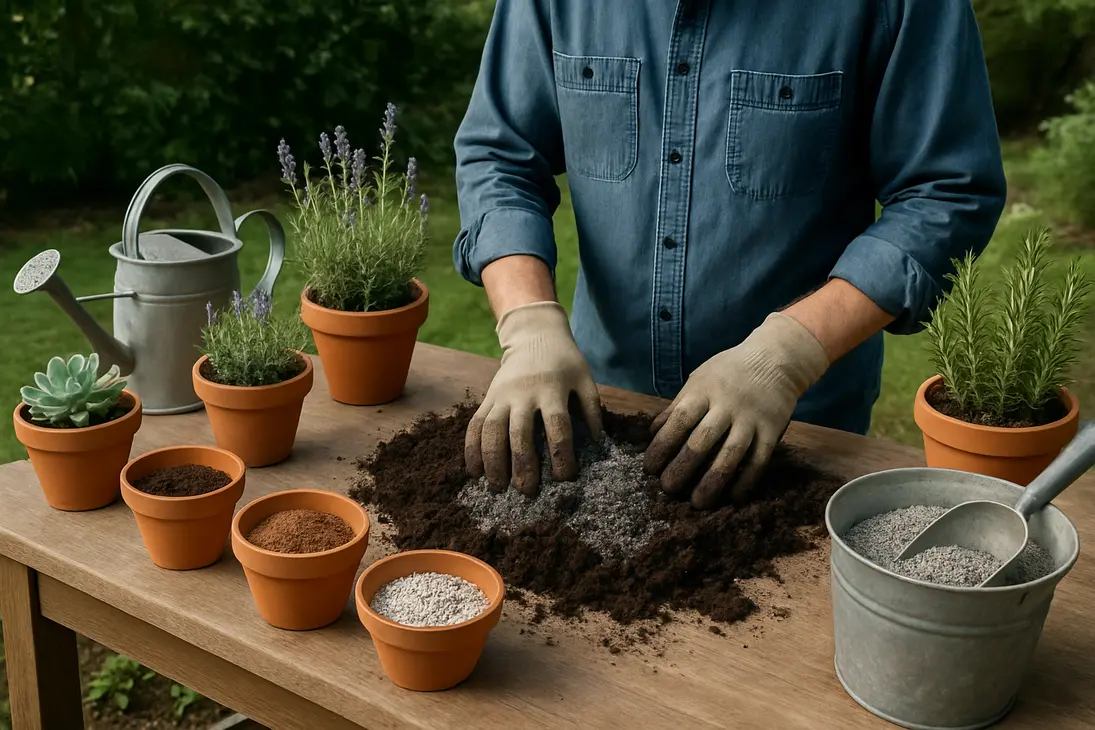
Learn how to use regolith in potting soil, safe starter ratios, what to mix it with, and when to avoid mineral fines for plant growth.
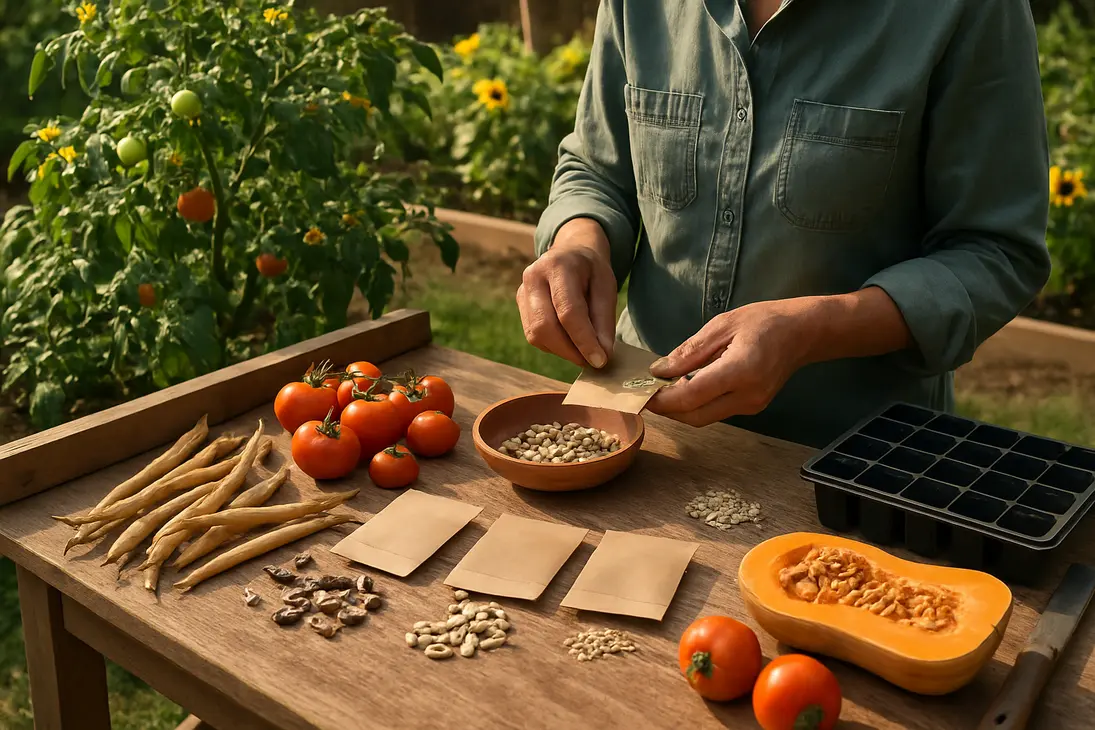
Learn why plant seed replanting has no fixed DNA limit, and how hybrids, cross-pollination, mutations, and seed saving affect traits.
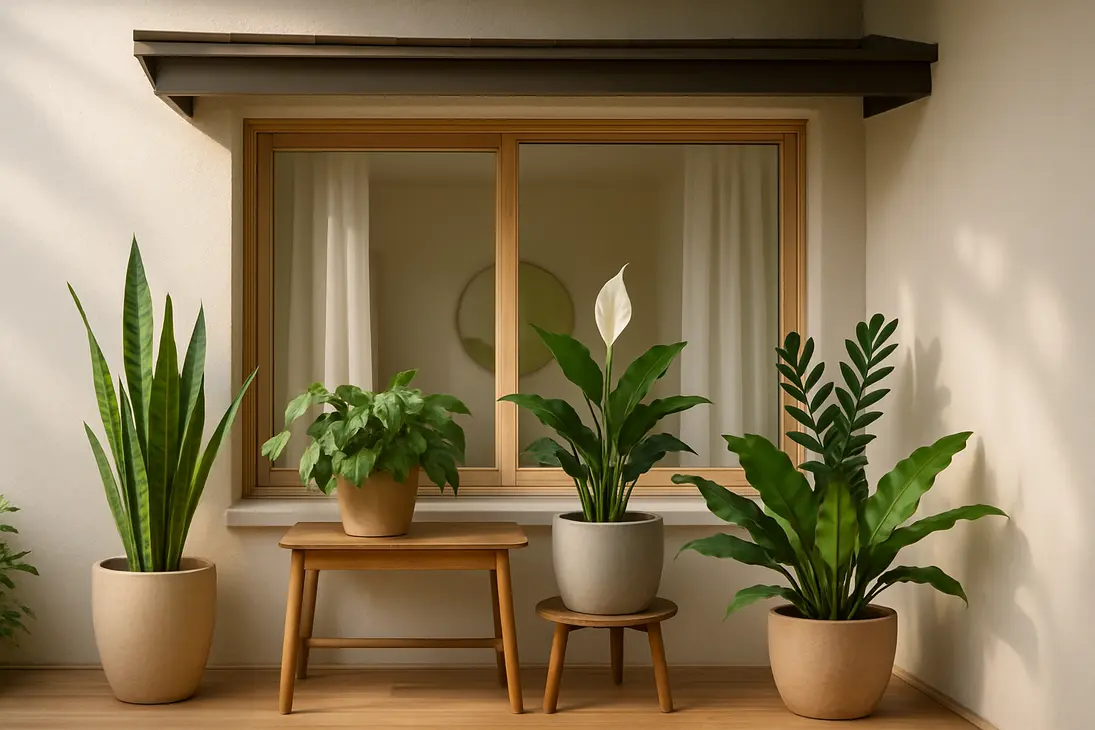
Learn how roof overhangs affect indoor plants, which houseplants tolerate shaded windows, and when to adjust watering or add grow lights.
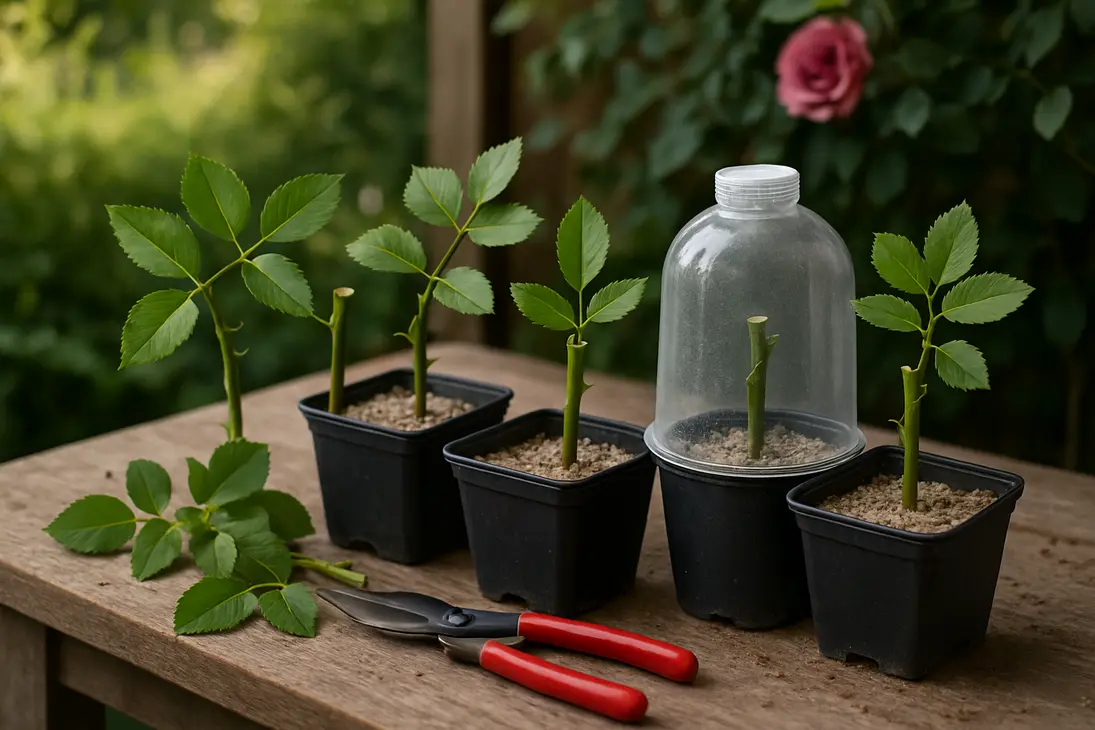
Learn how to root rose cuttings without hormone using healthy stems, clean cuts, airy potting mix, humidity, and patient aftercare.
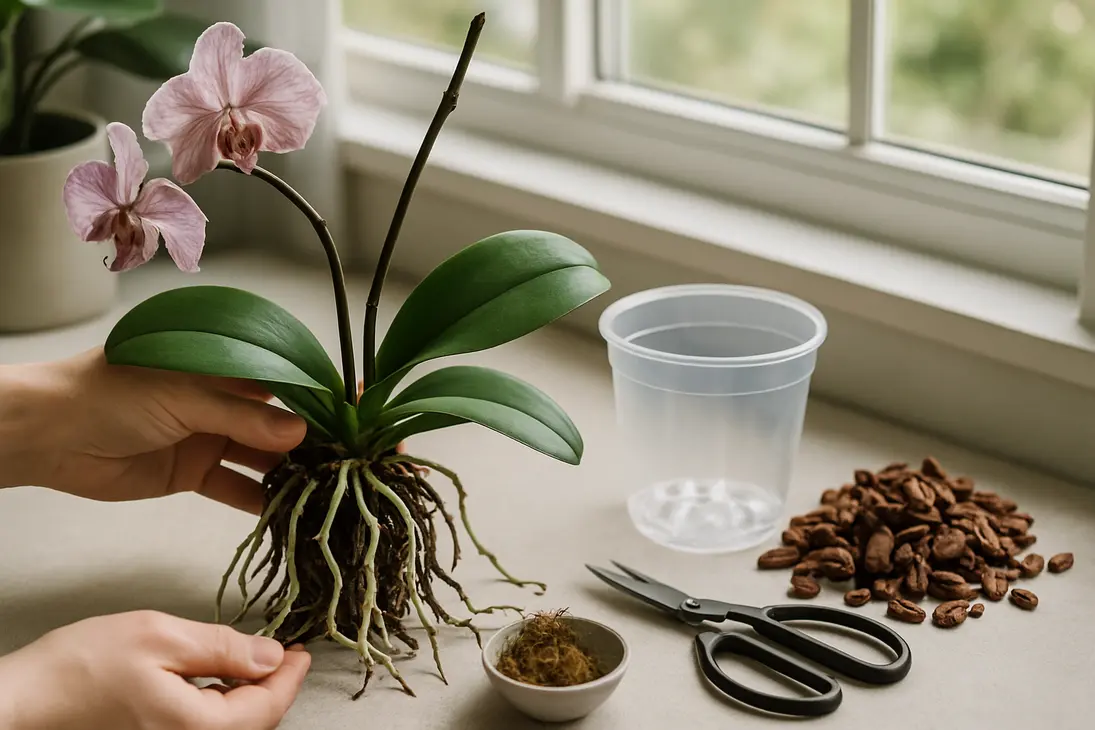
Learn whether your orchid is dying or resting, how to check roots and leaves, trim rot, repot in orchid mix, and water during recovery.
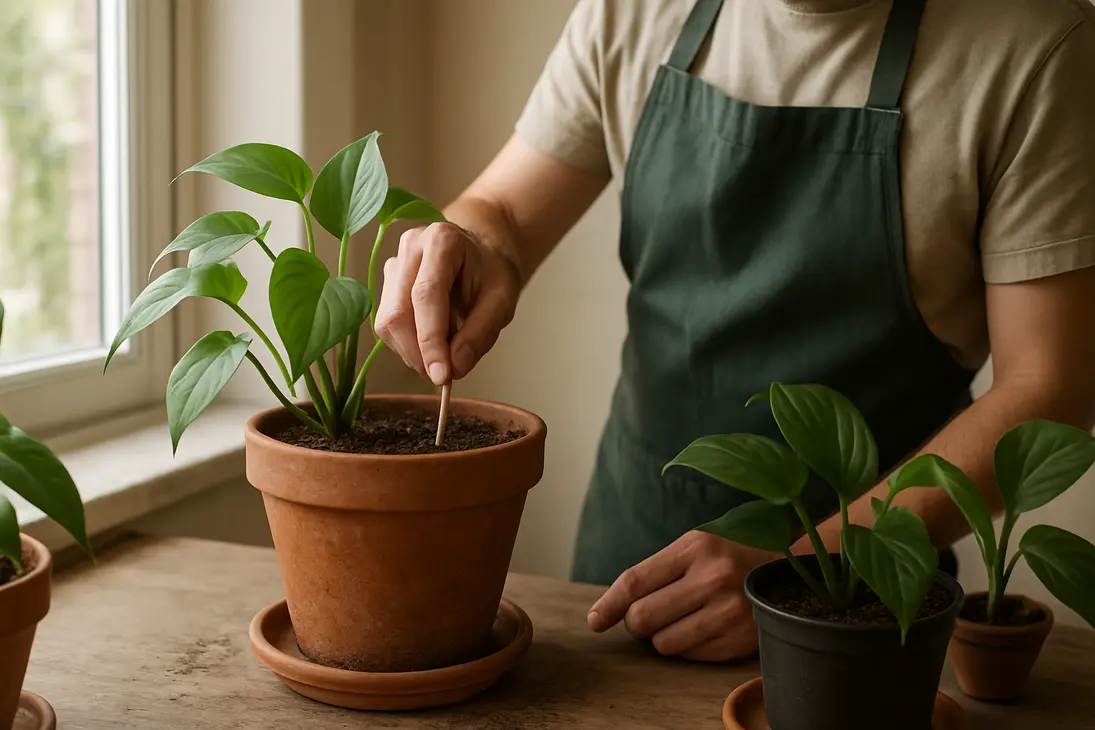
Letting soil dry between waterings helps roots get oxygen, prevents rot and fungus gnats, and keeps moisture matched to each plant.

Compare slab, strip, raft, pier, and pile foundations for clay, sand, gravel, peat, fill, and wet soils, with drainage and soil test tips.
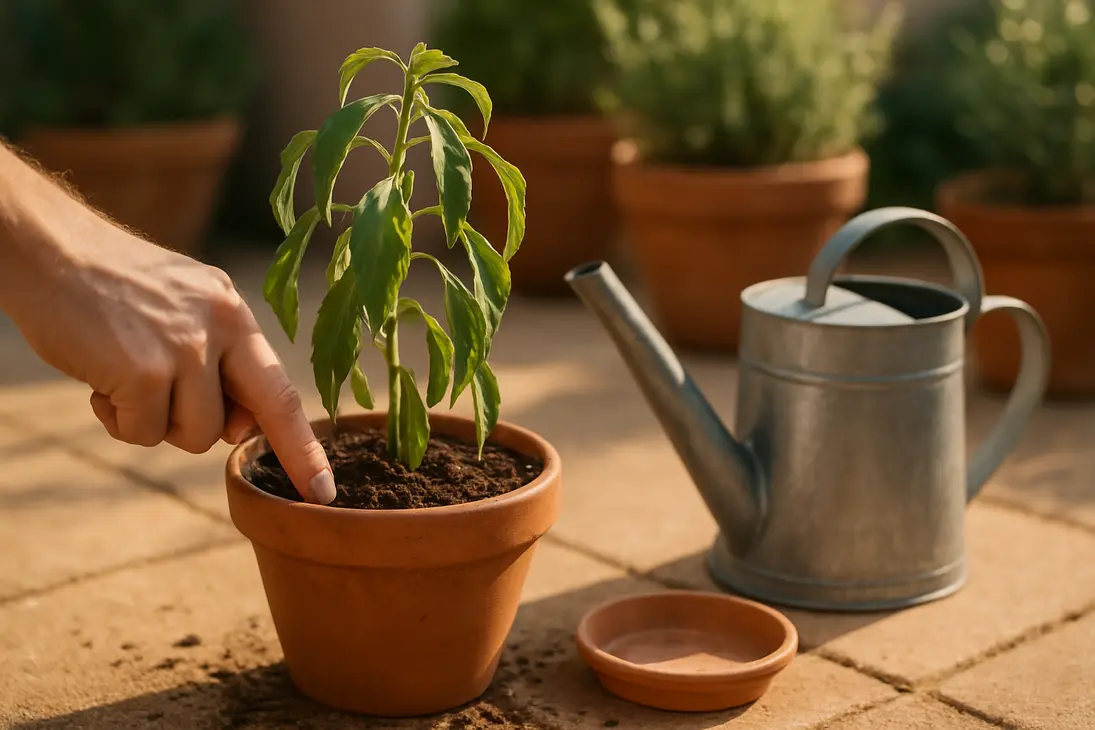
A watered stevia can wilt from soggy soil, dry root balls, heat stress, transplant shock, pests, or root rot. Learn how to diagnose it.
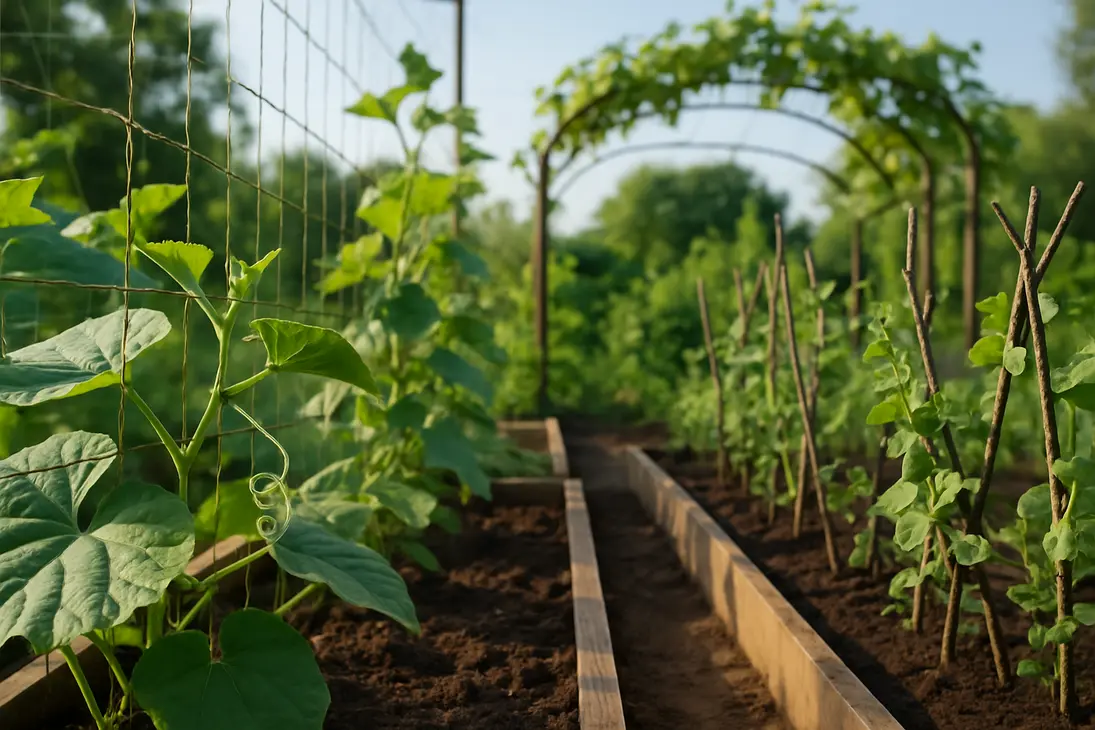
Learn what tendril plants are, how tendrils coil and attach, and which supports work best for peas, cucumbers, grapes, melons, and more.
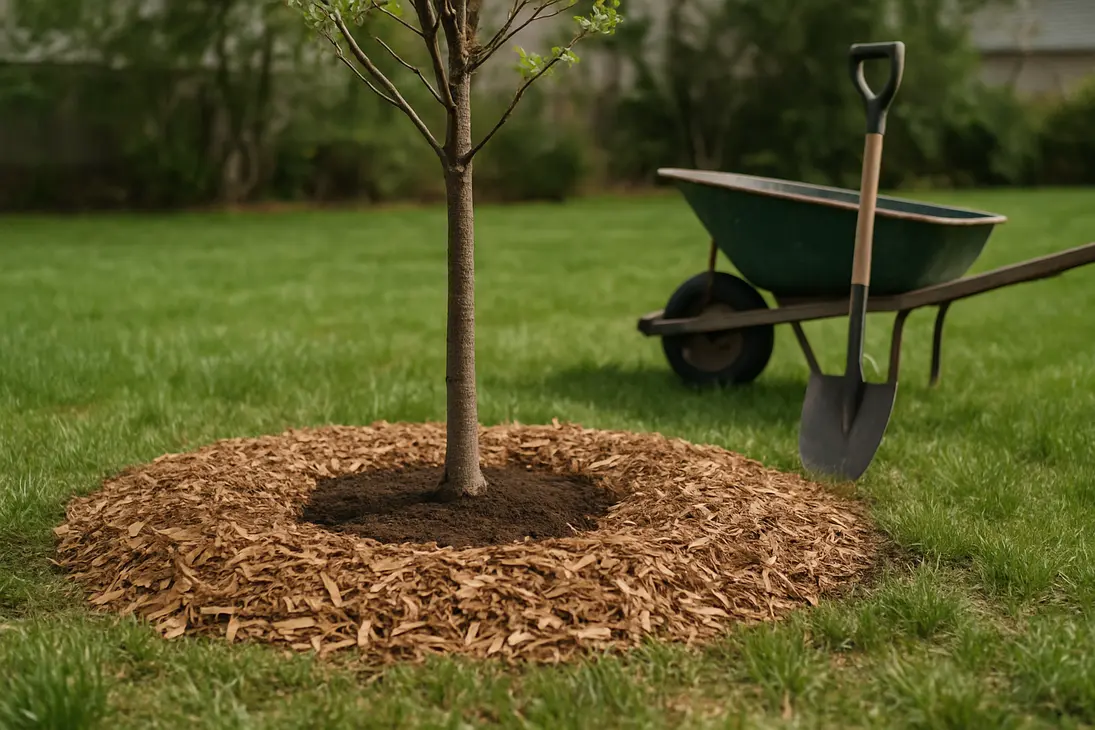
Use 2 to 4 inches of organic mulch in a wide donut-shaped ring, keeping it 3 to 6 inches from the trunk to protect new trees.
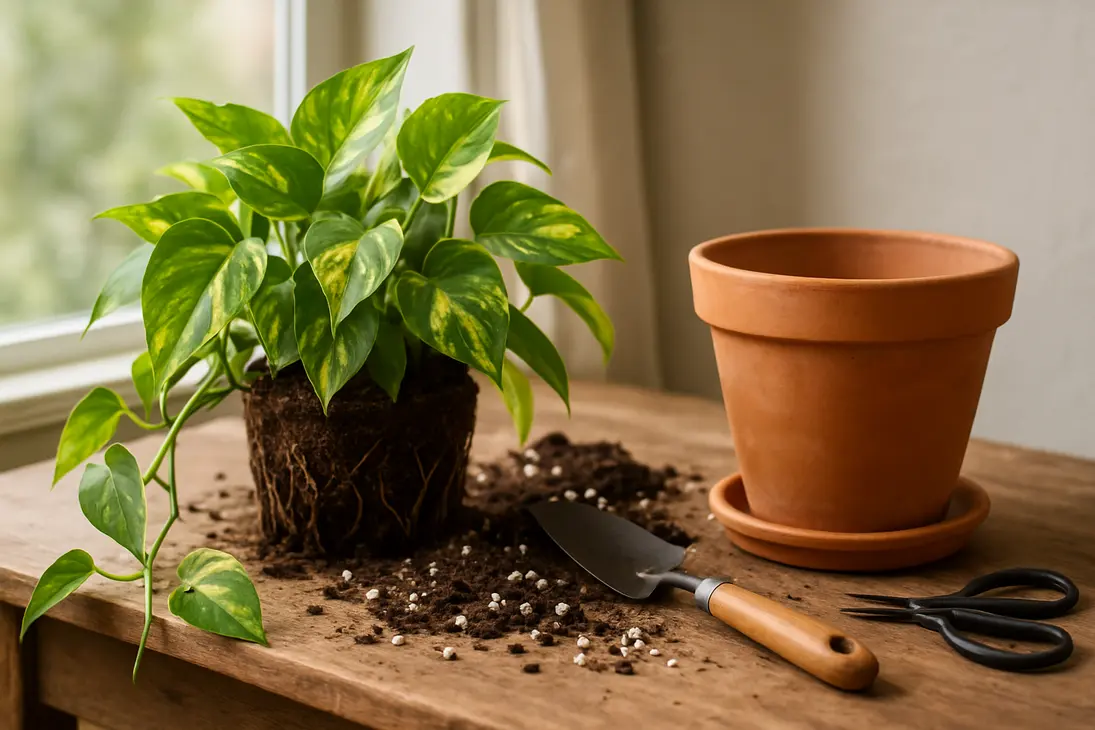
Learn when golden pothos needs repotting, how to spot root-bound plants, what pot size to use, and how to care for it afterward.
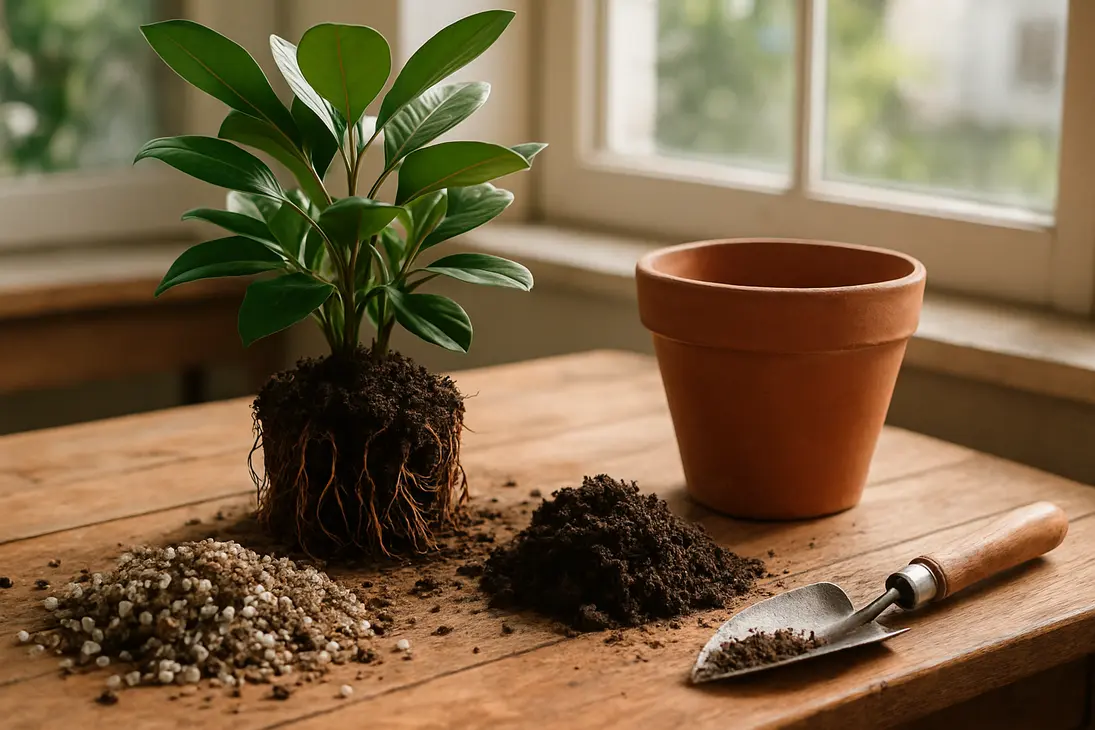
Learn why aeration for potted plants prevents soggy, oxygen-poor roots, plus signs of compacted soil and how to improve drainage.
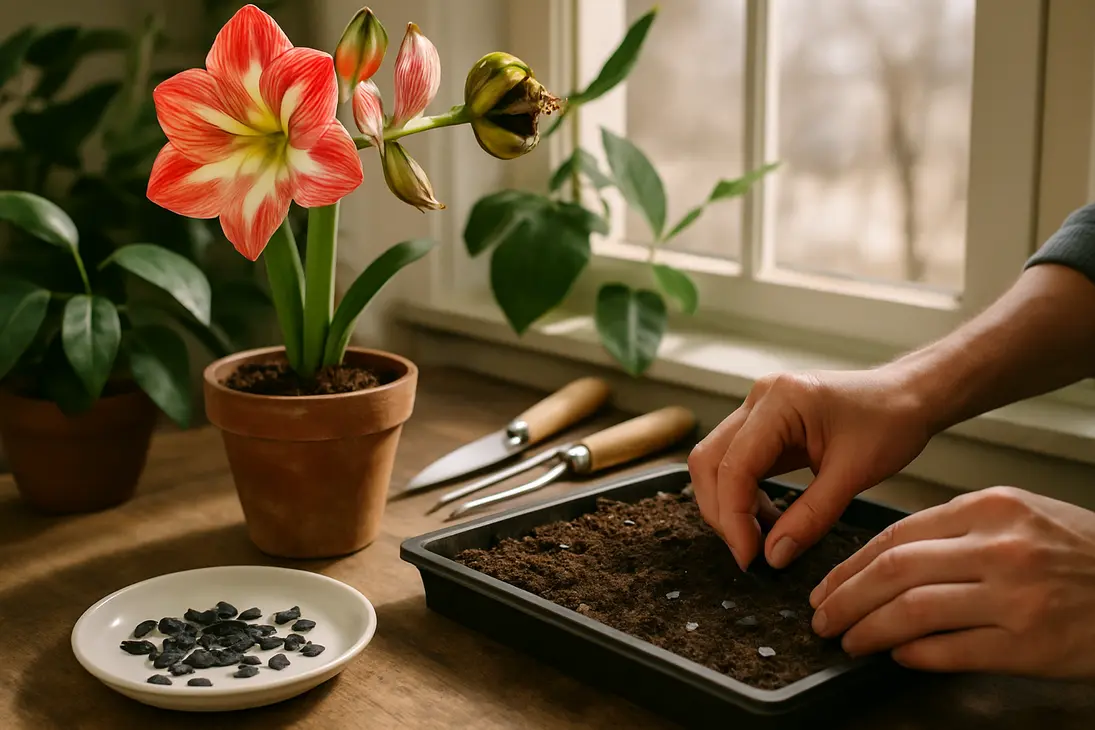
Learn when store-bought amaryllis seeds are viable, how to harvest mature pods, sow fresh seeds, and care for seedlings until they bloom.
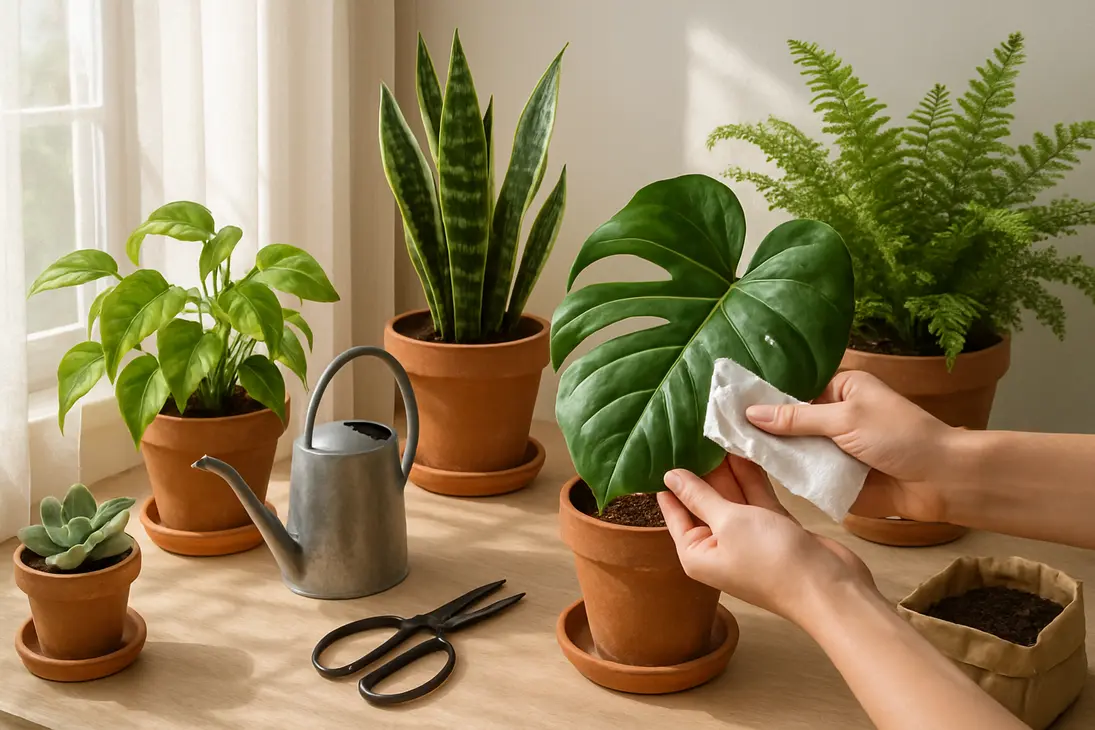
Show appreciation to houseplants with better light, careful watering, clean leaves, proper soil, light feeding, and regular pest checks.
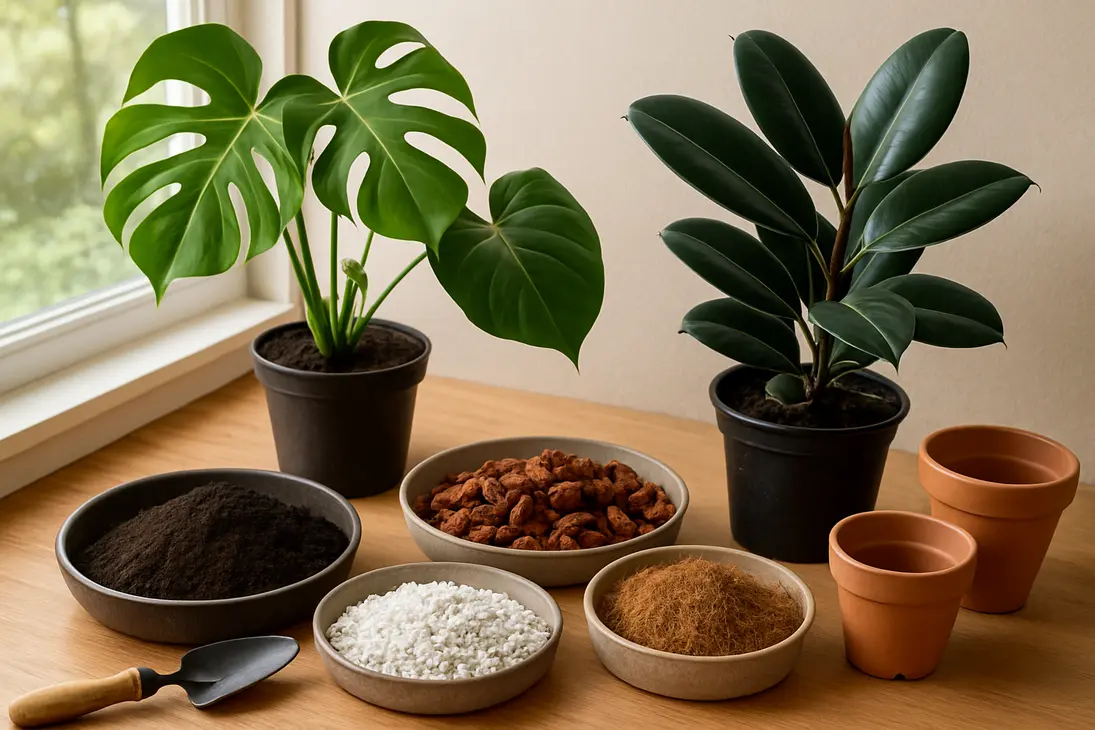
Monstera needs a chunkier aroid mix, while Ficus elastica prefers airy indoor soil that holds steadier moisture. See simple DIY ratios.
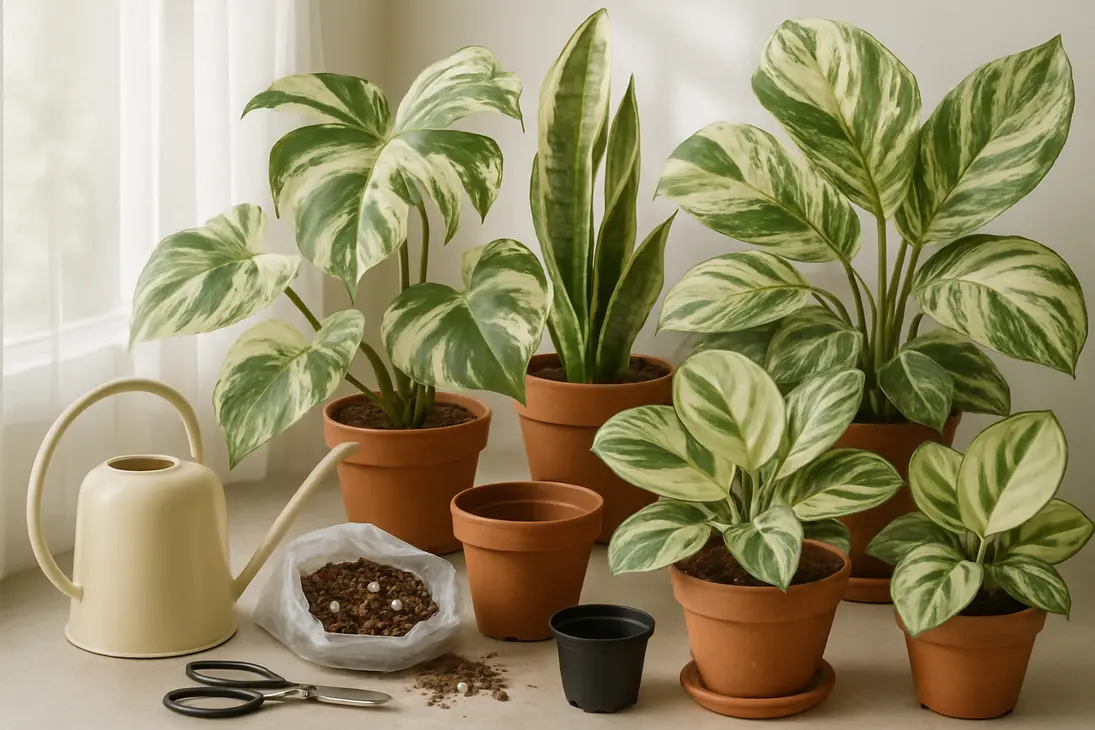
Care tips for variegated plants, including bright indirect light, careful watering, airy soil, light feeding, and pruning green shoots.
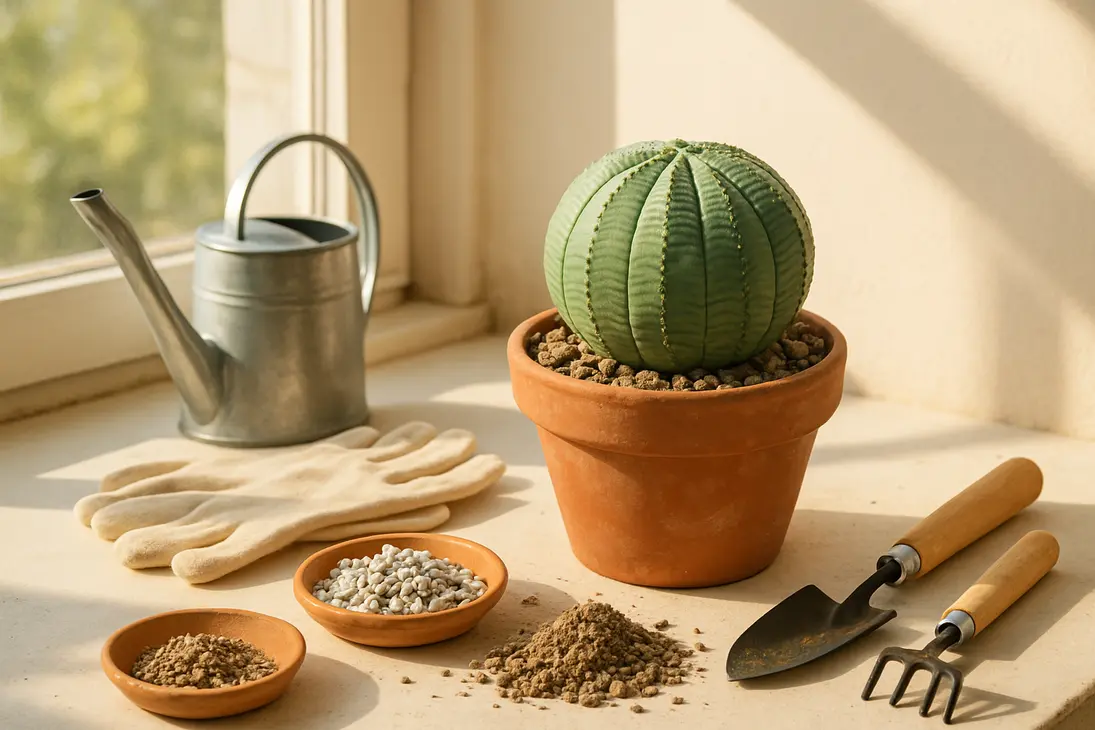
Learn Euphorbia obesa care with safe tips for light, watering, gritty soil, repotting, sap handling, pests, rot, and indoor growing.
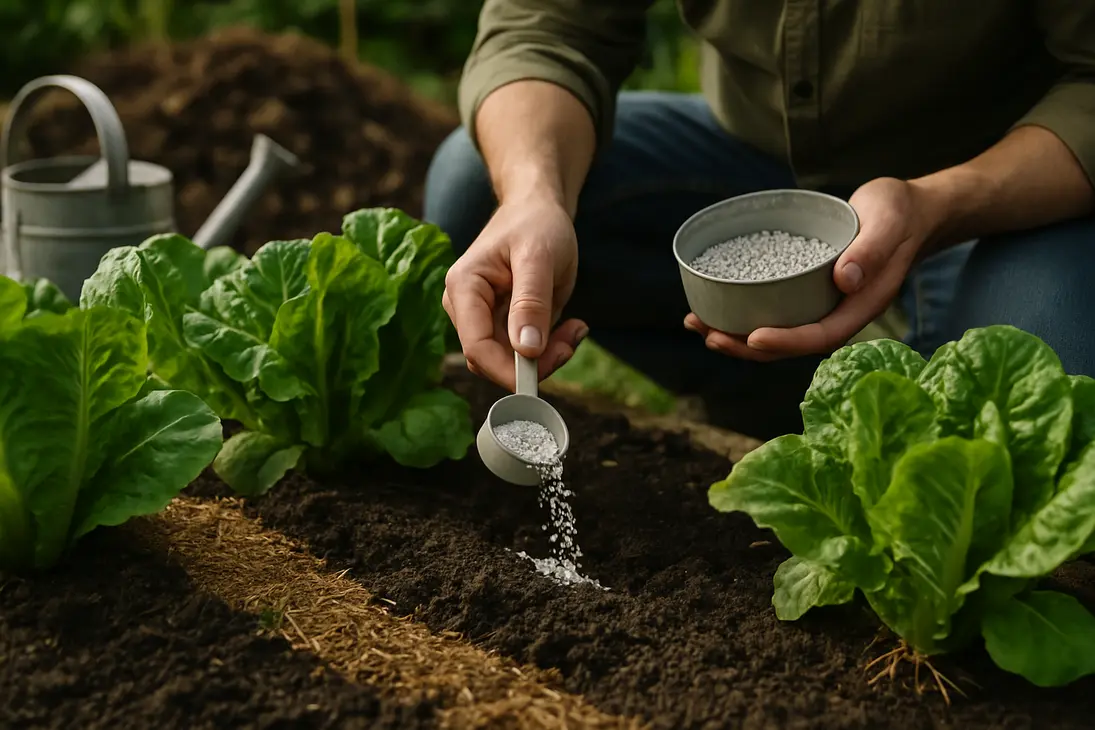
Fertilizers can boost nutrients, but overuse may harm soil biology, pH, roots, and waterways. Learn how to feed plants without damaging soil.
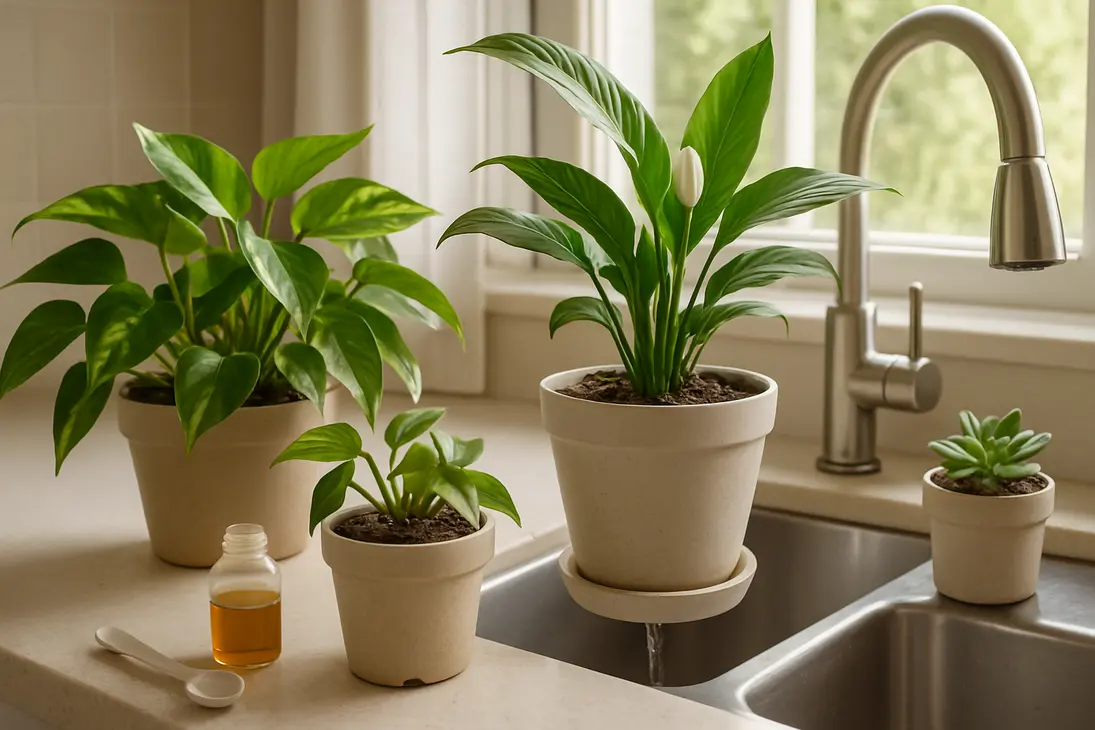
Learn common houseplant fertilizer mistakes, from overfeeding to winter feeding, plus how to flush salts and feed stressed plants safely.
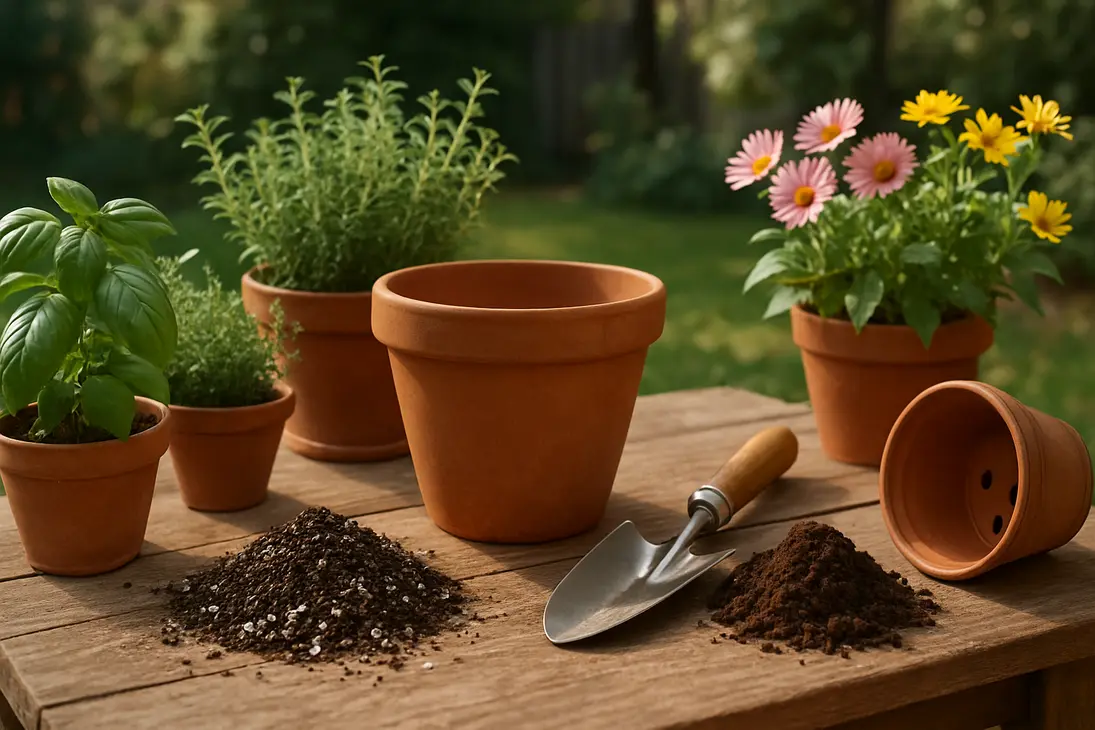
Garden soil can go in pots, but it often compacts and drains poorly. Learn when it may work, when to repot, and what to use instead.
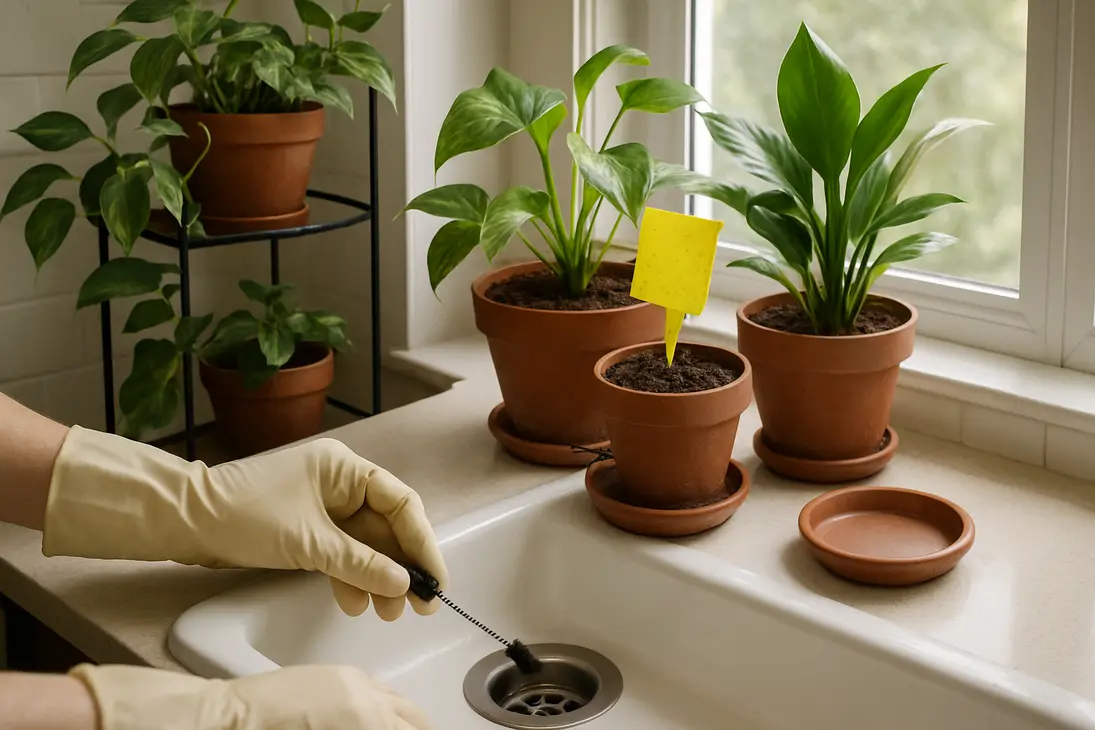
Identify whether small flies are drain flies or fungus gnats, then fix wet soil, clean drains, use sticky traps, and treat larvae safely.
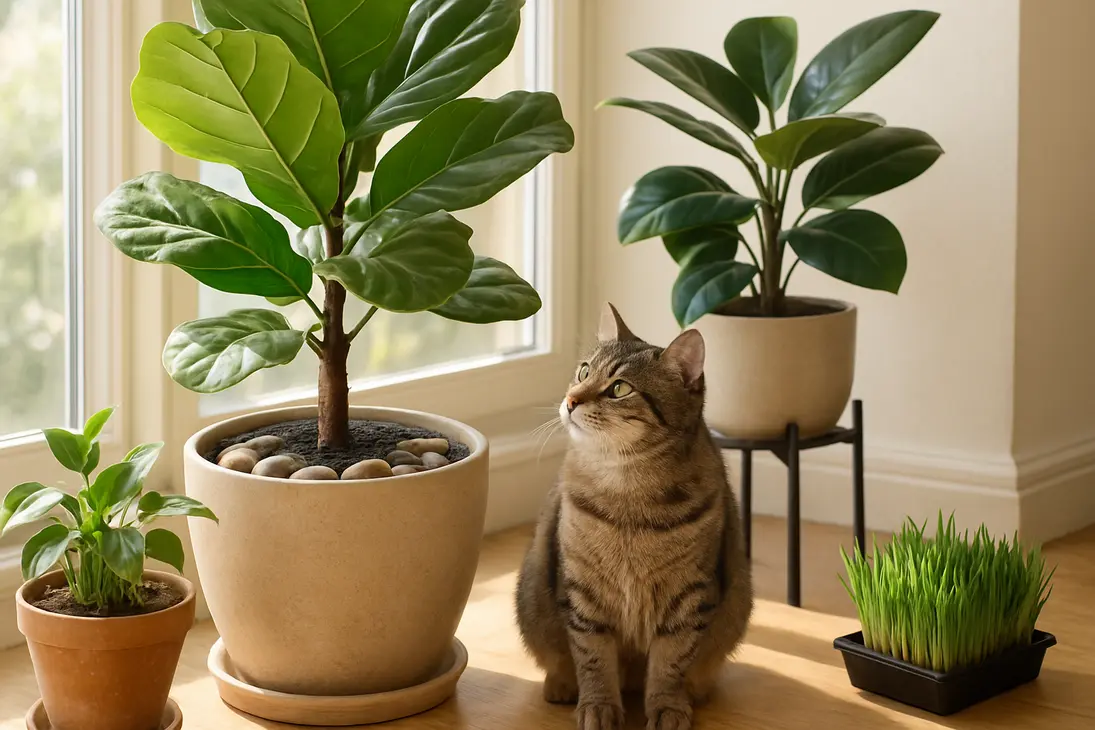
Stop cats digging, chewing, or sleeping in potted plants with soil covers, safer placement, cat grass, dig boxes, and humane barriers.
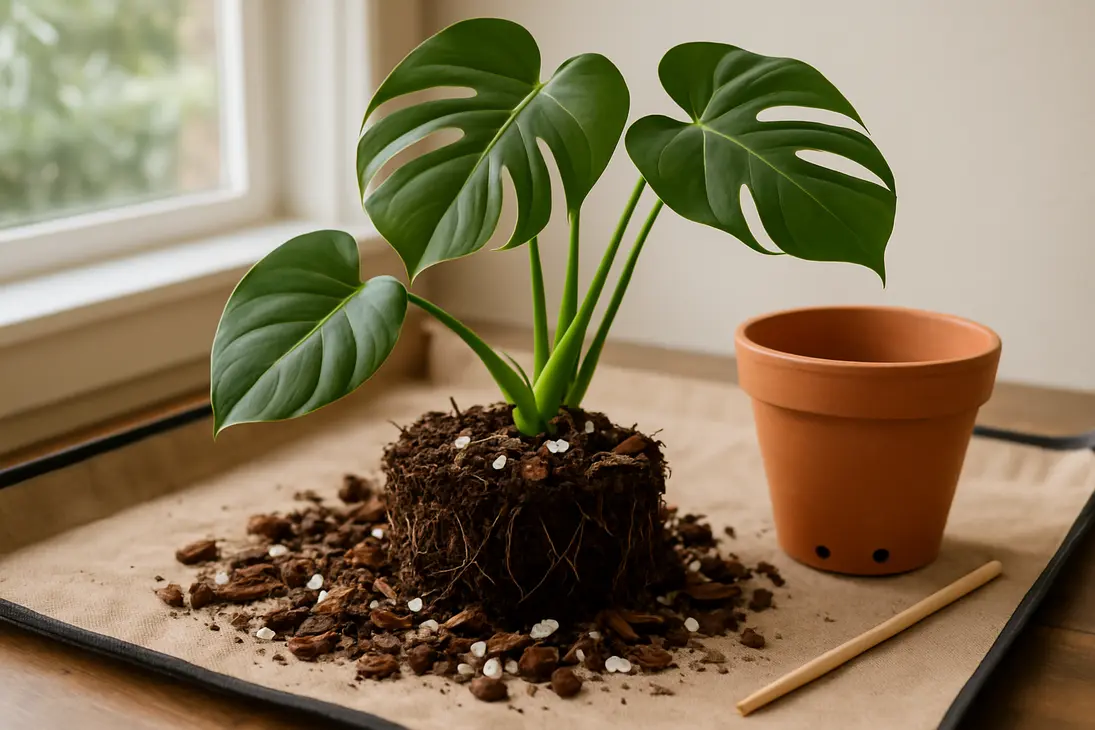
Learn why Monstera soil stays soggy after repotting, when to let it dry, and when wet mix, yellow leaves, or root rot mean repot again.
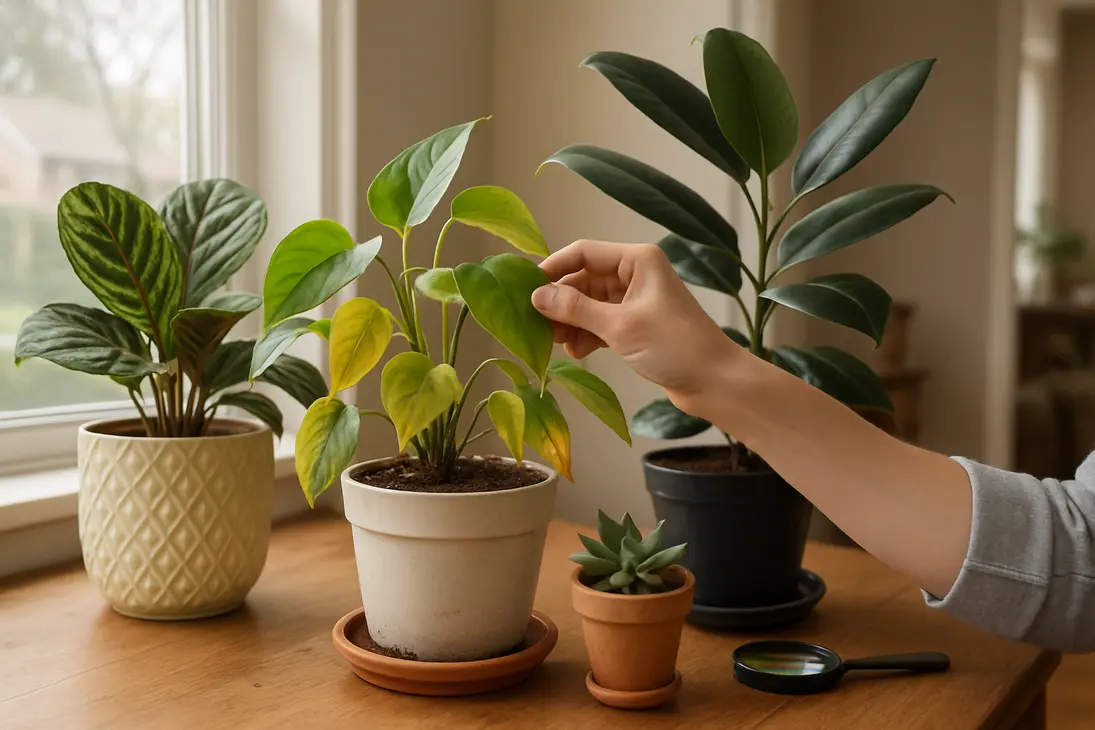
Learn how to spot overlooked houseplant problems that mimic watering issues, from low light and root stress to pests, drafts, and mineral buildup.
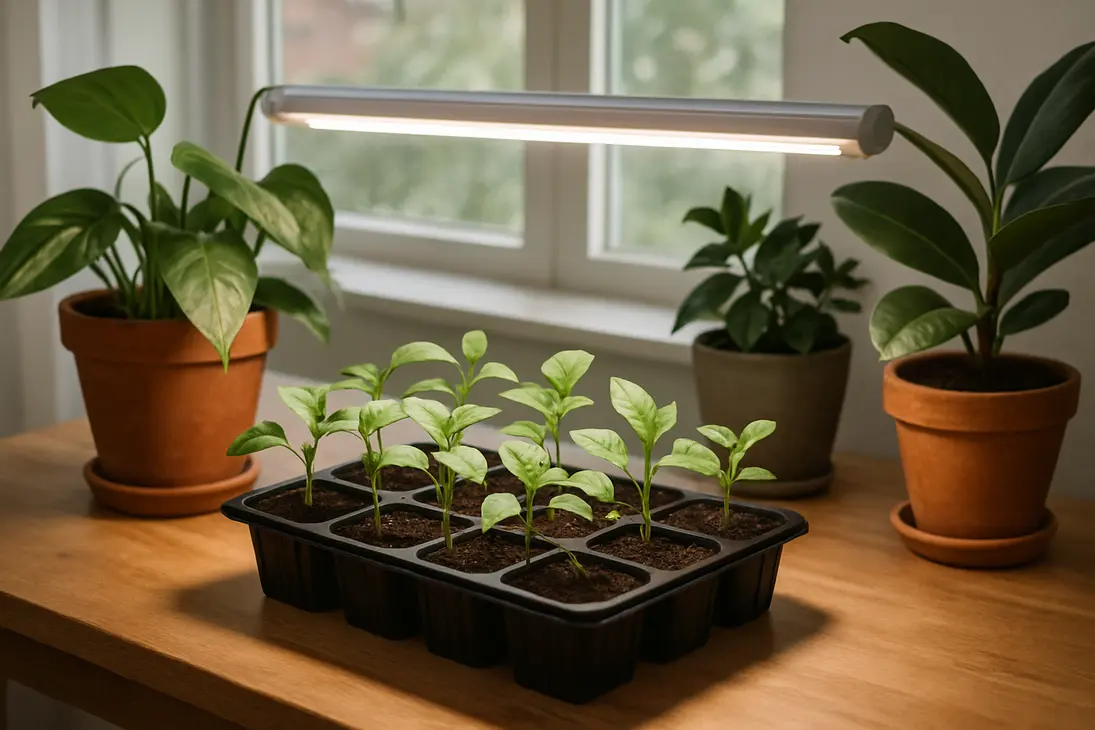
Plants can photosynthesize without direct sun if they get usable wavelengths, enough intensity, and sufficient hours from daylight or grow lights.
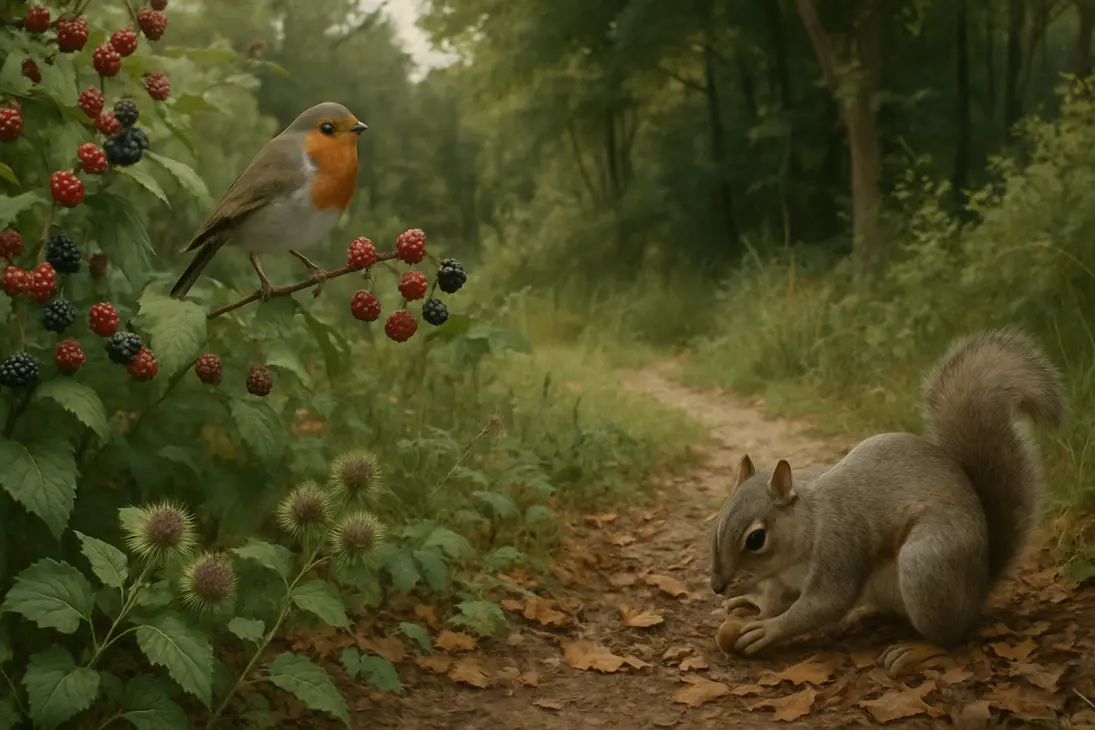
Plants use fruits, scents, hooks, and food rewards to get birds, mammals, ants, and other animals to eat, carry, or bury seeds.
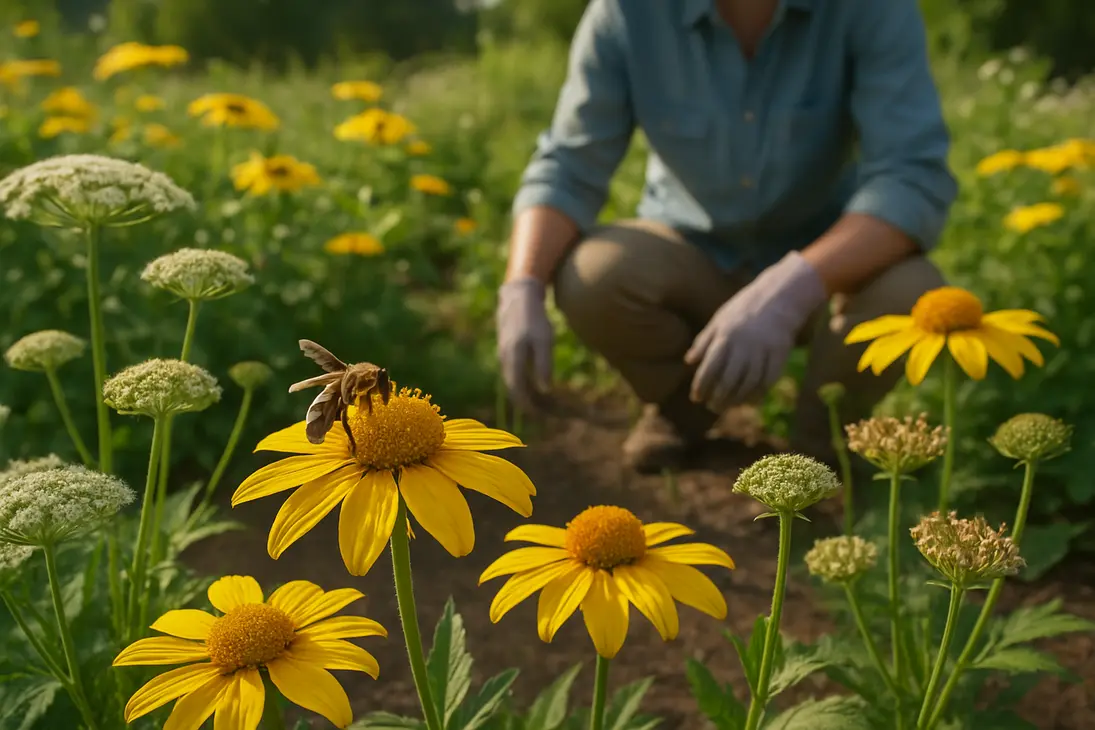
Protandrous plants release pollen before stigmas become receptive. Learn how this male-first timing affects pollination, seed saving, and fruit set.
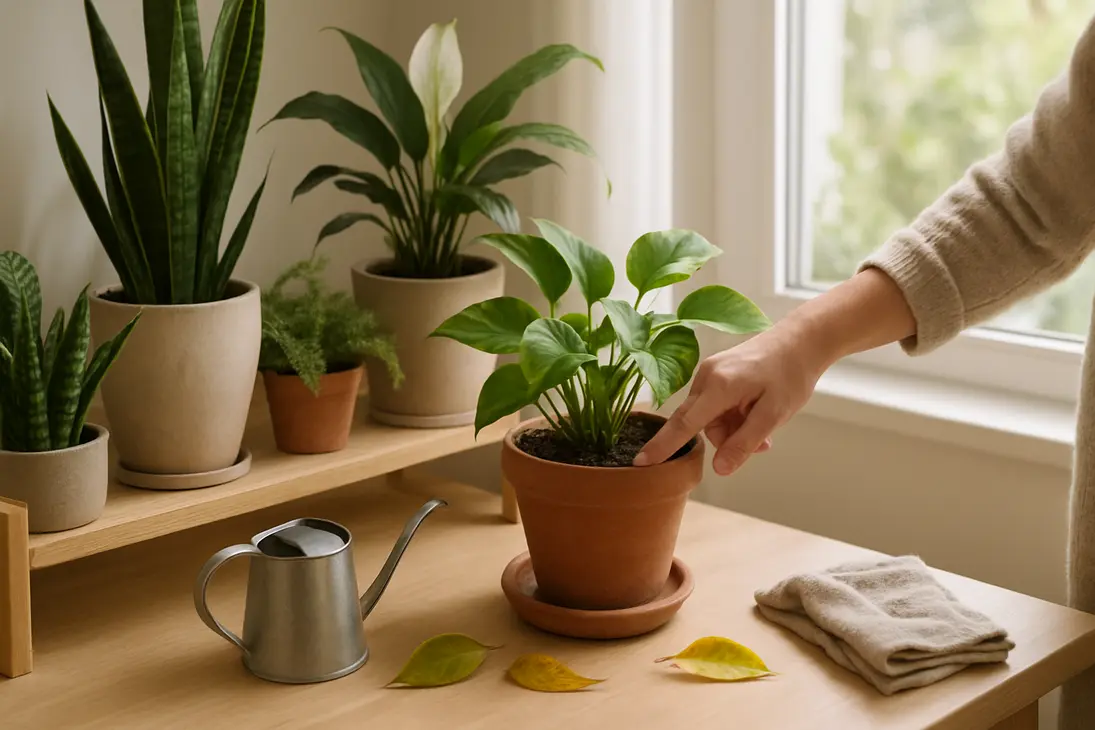
If you only have five minutes, check soil moisture before watering. Learn when to water, empty saucers, remove dead leaves, and spot pests.
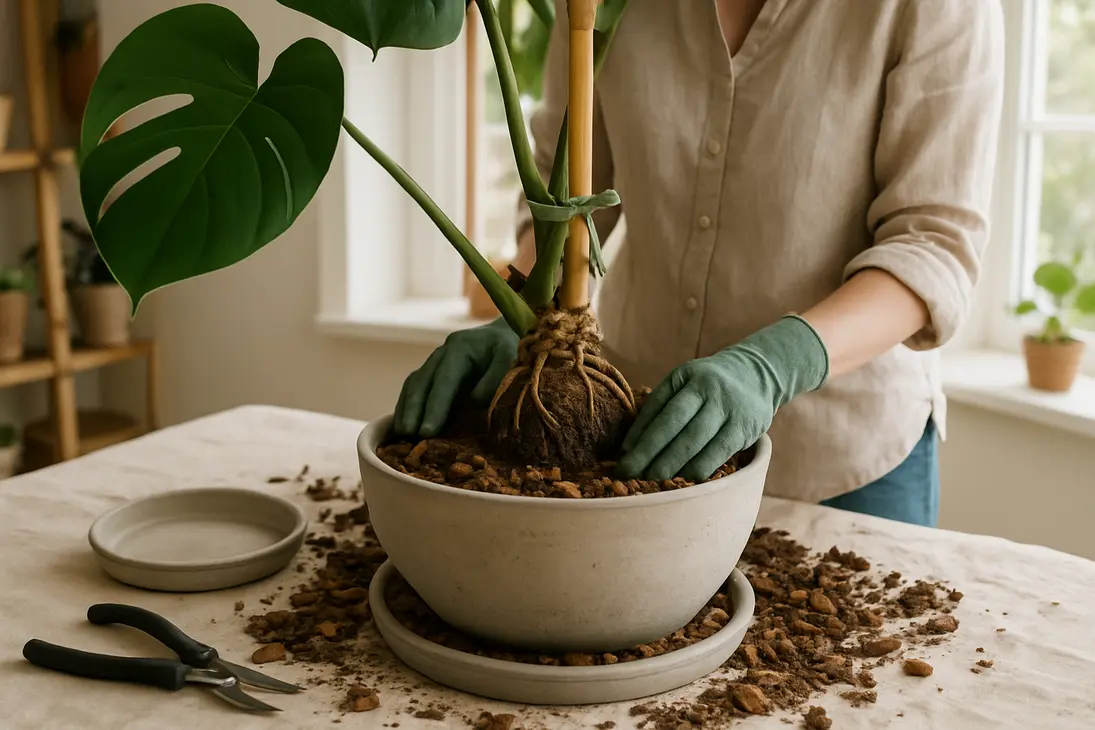
Learn how to choose a stable pot, keep the root ball centered, firm the mix, stake if needed, and help large houseplants settle after repotting.
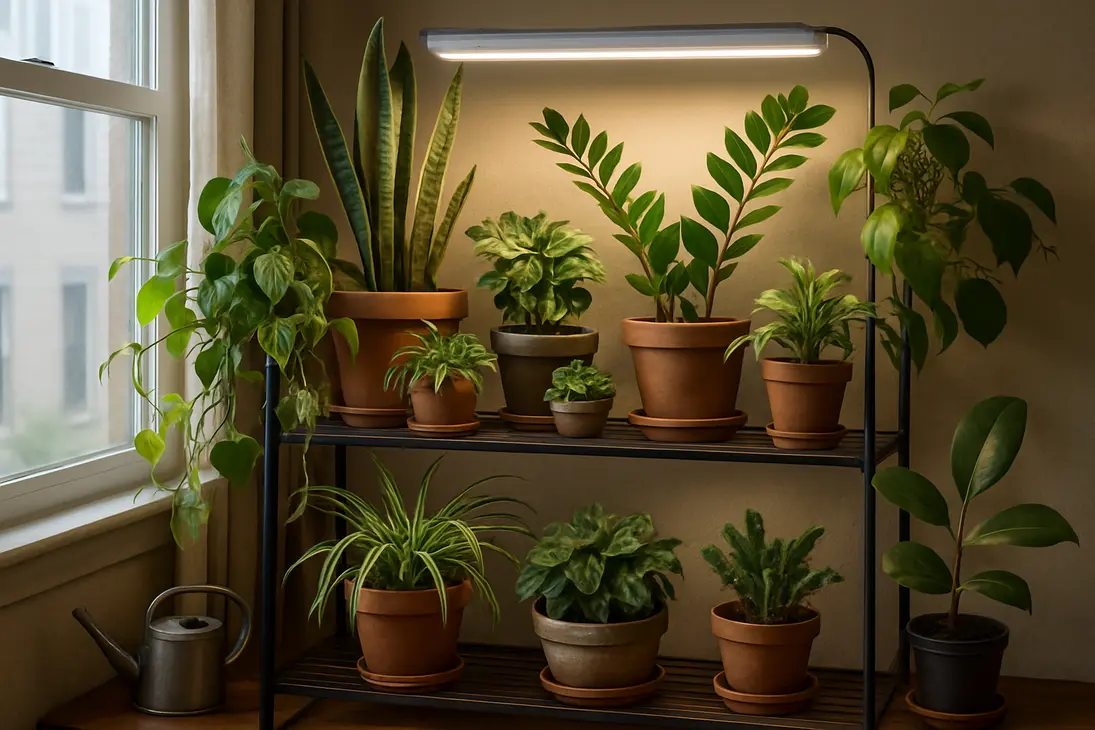
See which resilient houseplants grow well under basic LED grow lights, plus simple tips for light distance, watering, drainage, and pet safety.
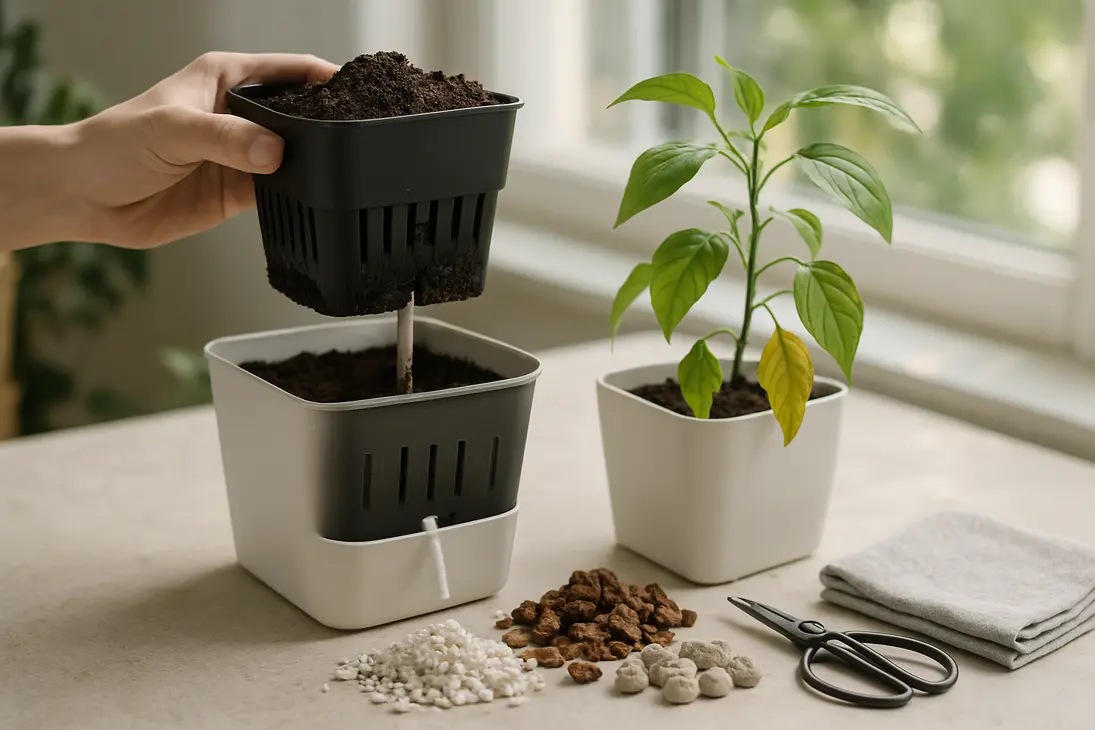
Self-watering pots can leave soil soggy when mix, light, wicks, or reservoirs are mismatched. Learn the common causes and fixes.
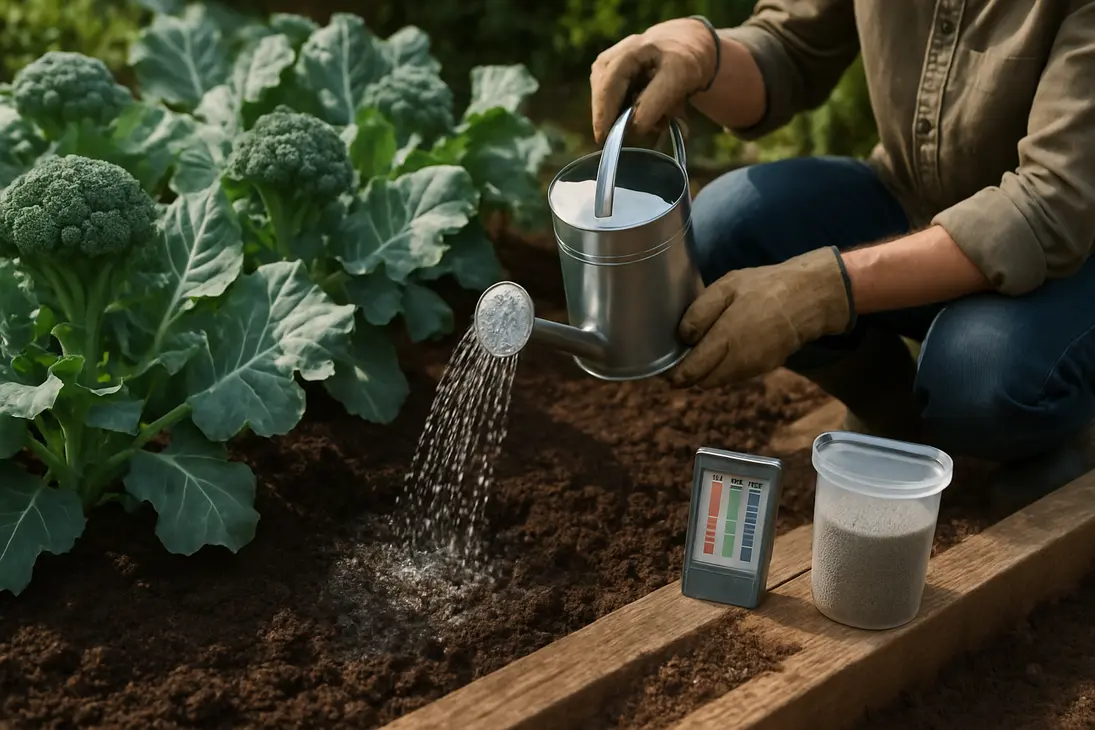
Learn when broccoli soil needs boron, why testing matters, how to apply it evenly, and how to avoid deficiency and toxicity.
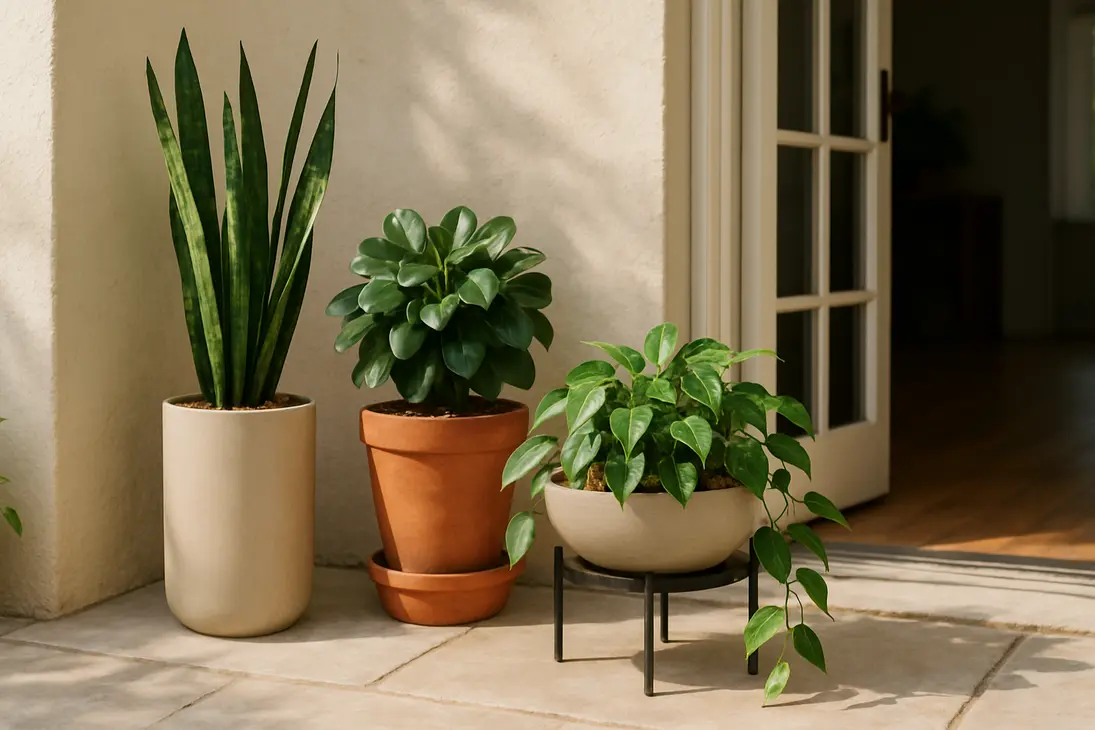
Learn how proportion, pot choice, top dressing, placement, and simple care make a potted plant look balanced, polished, and healthy.
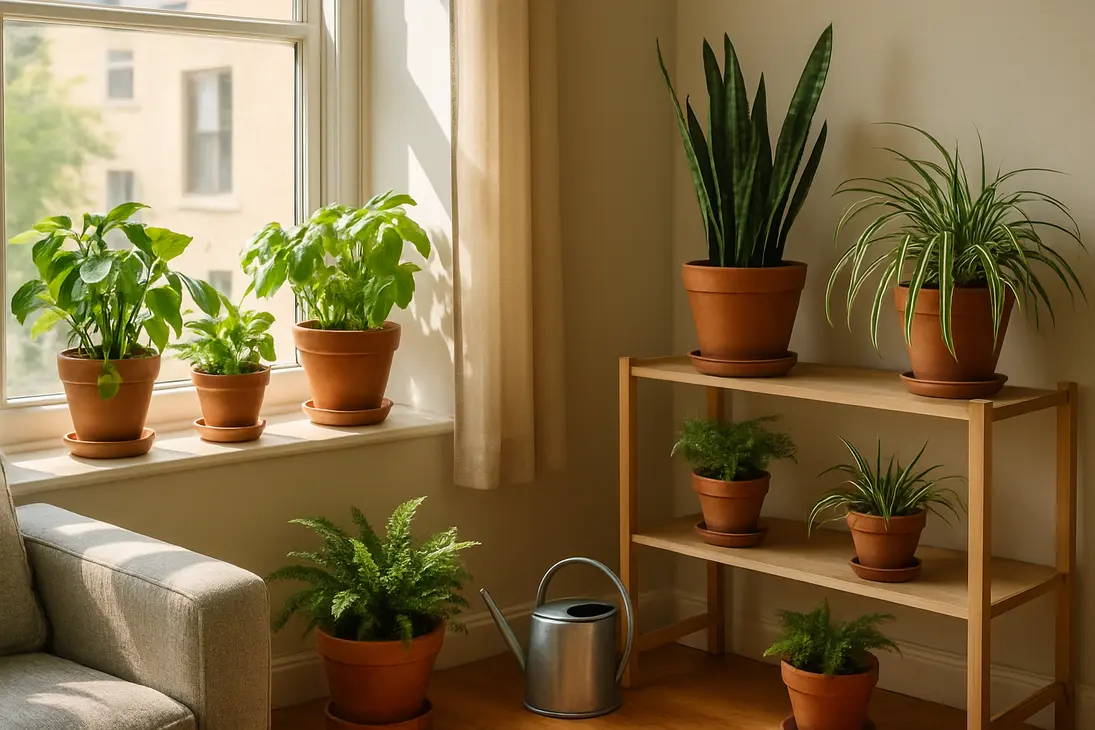
See why pot plants suit renters, small spaces, busy schedules, and travelers, with lower costs, quiet companionship, and simple care.
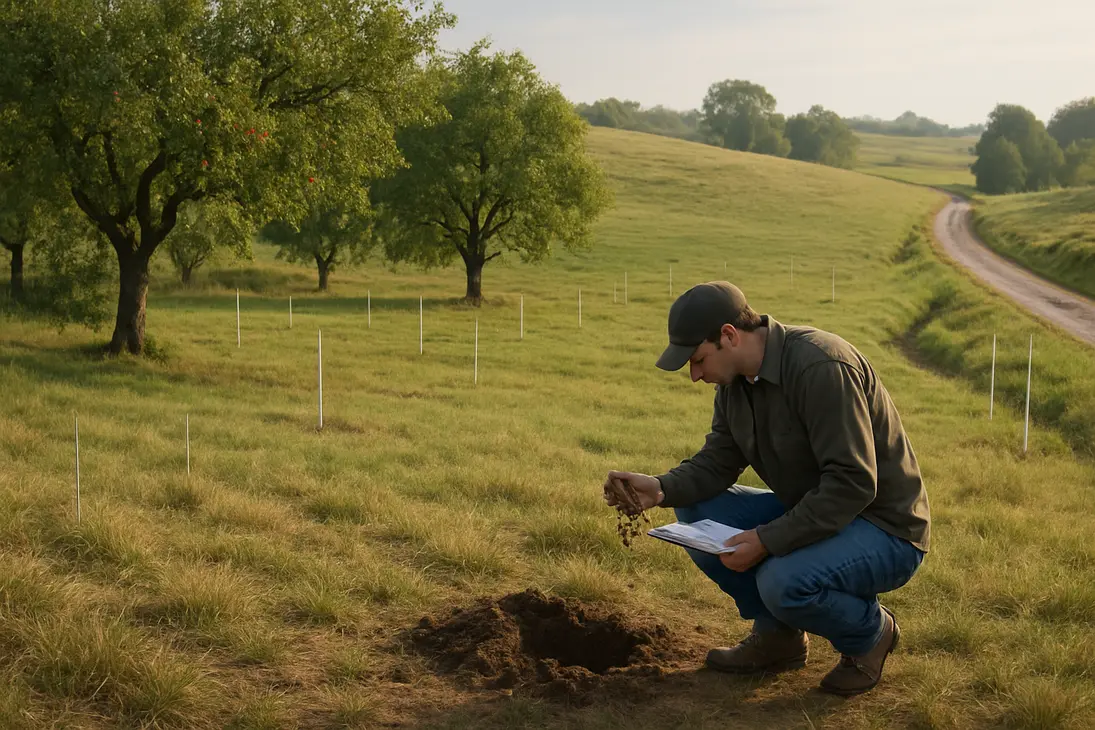
Learn what to check before buying orchard land, including climate, soil, drainage, water rights, access, zoning, costs, and crop fit.
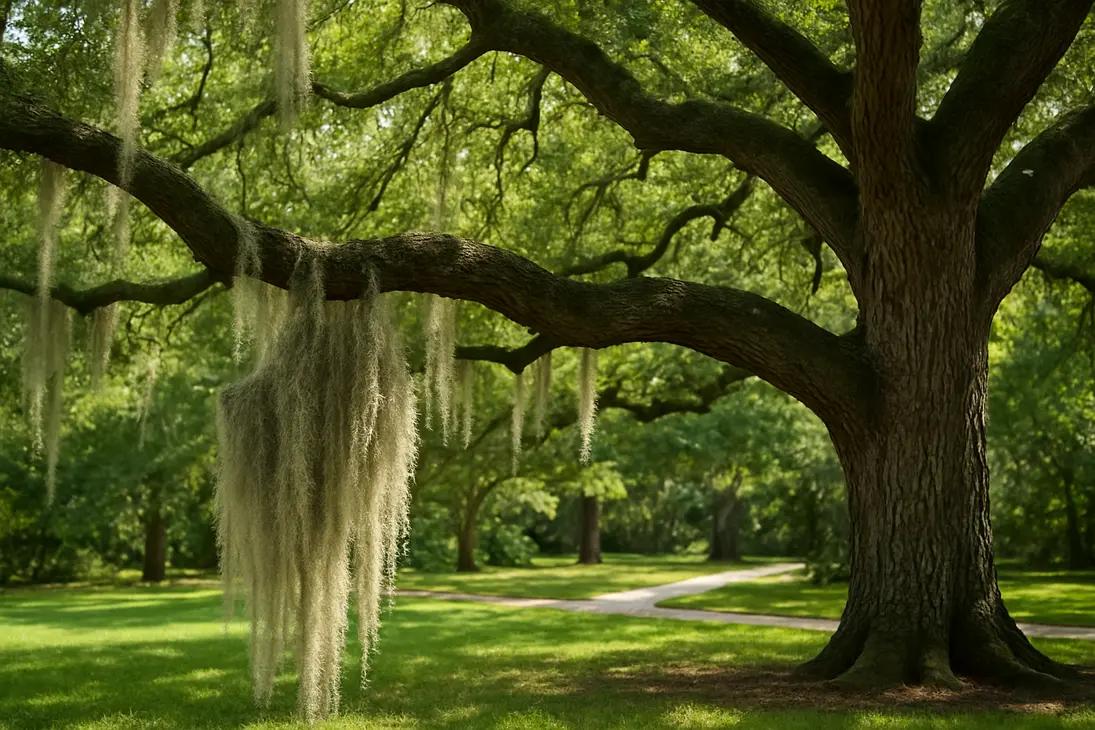
Spanish moss usually does not harm healthy oak trees, but heavy growth can add weight, shade leaves, or hide signs of decline.
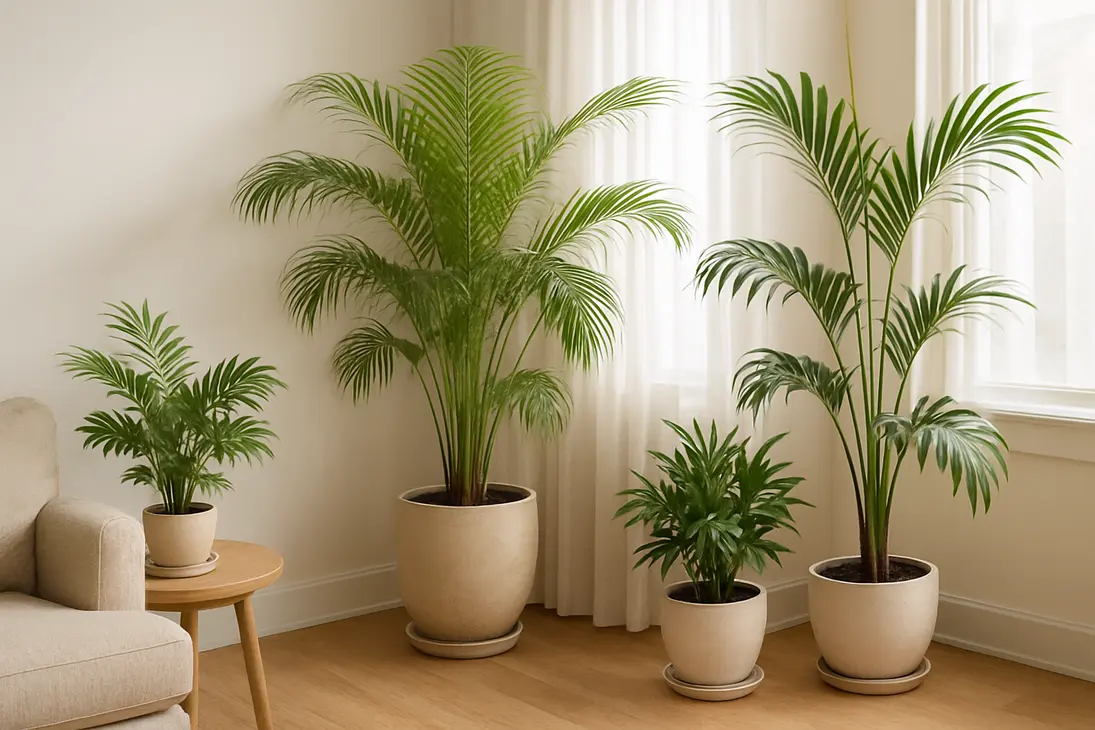
Compare areca, parlor, lady, bamboo, kentia, and majesty palms for indoor air benefits, light needs, watering, and easy care.
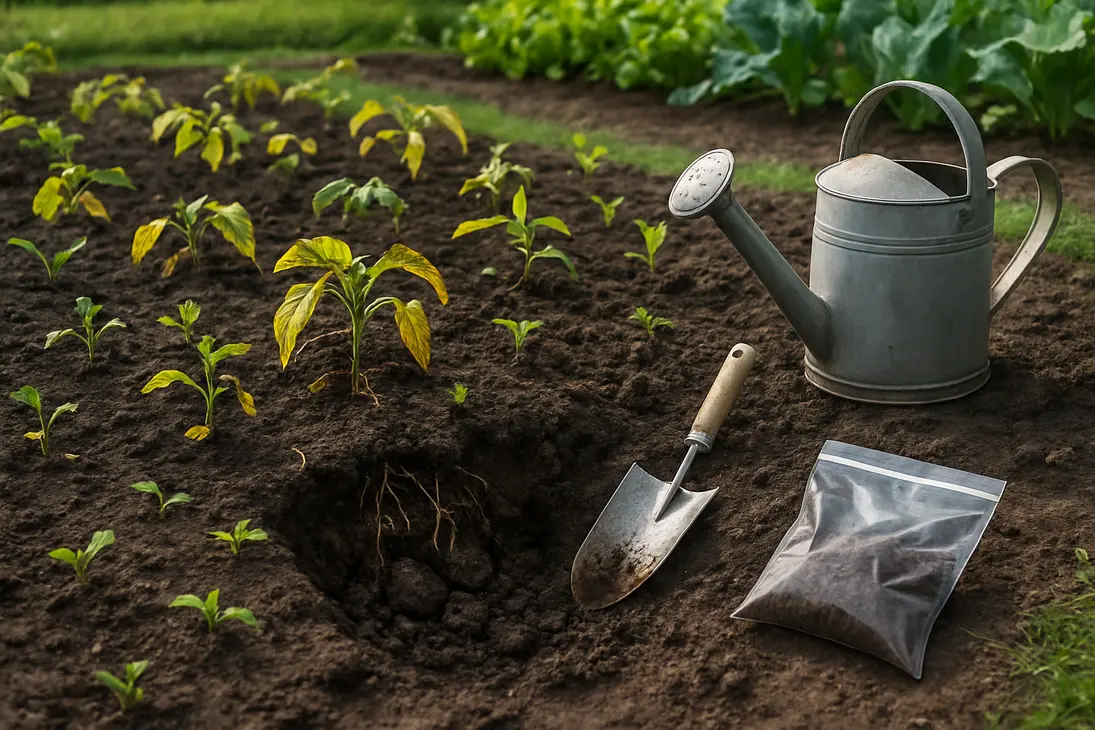
Fertile soil can underperform when compaction, poor drainage, pH, salts, drought, or crop mismatch limits roots. Learn how to diagnose it.
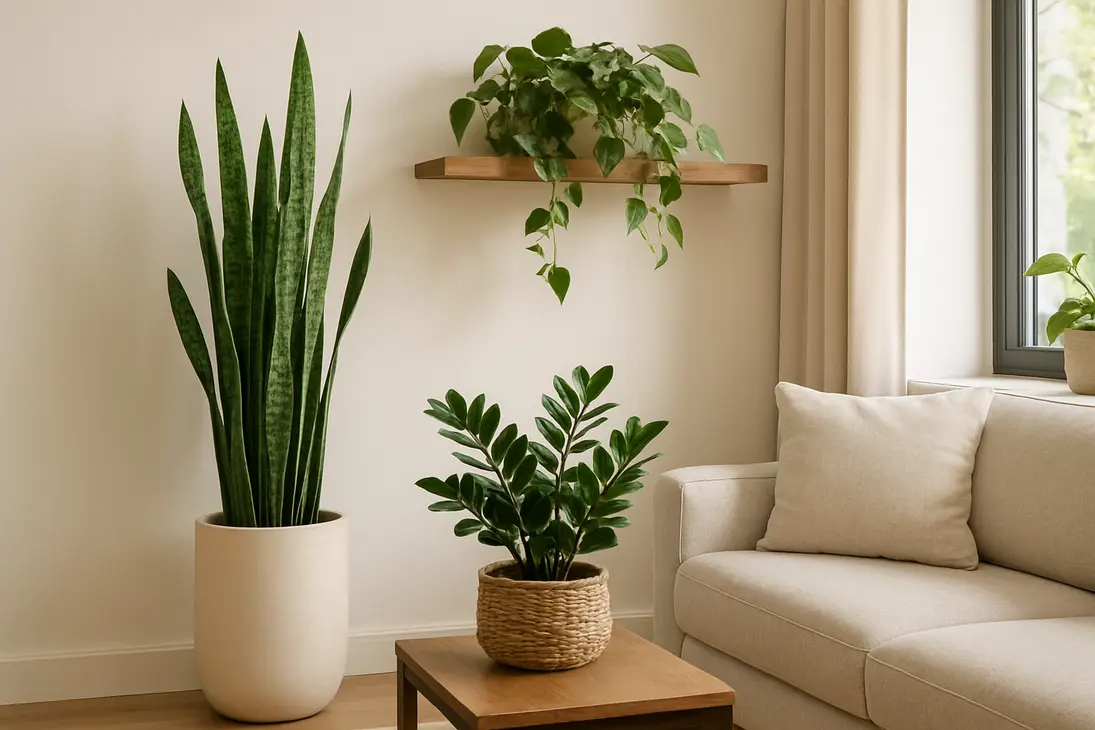
Indoor plants add color, texture, height, and calm to rooms. Learn how to choose, style, and care for plants that fit your space.
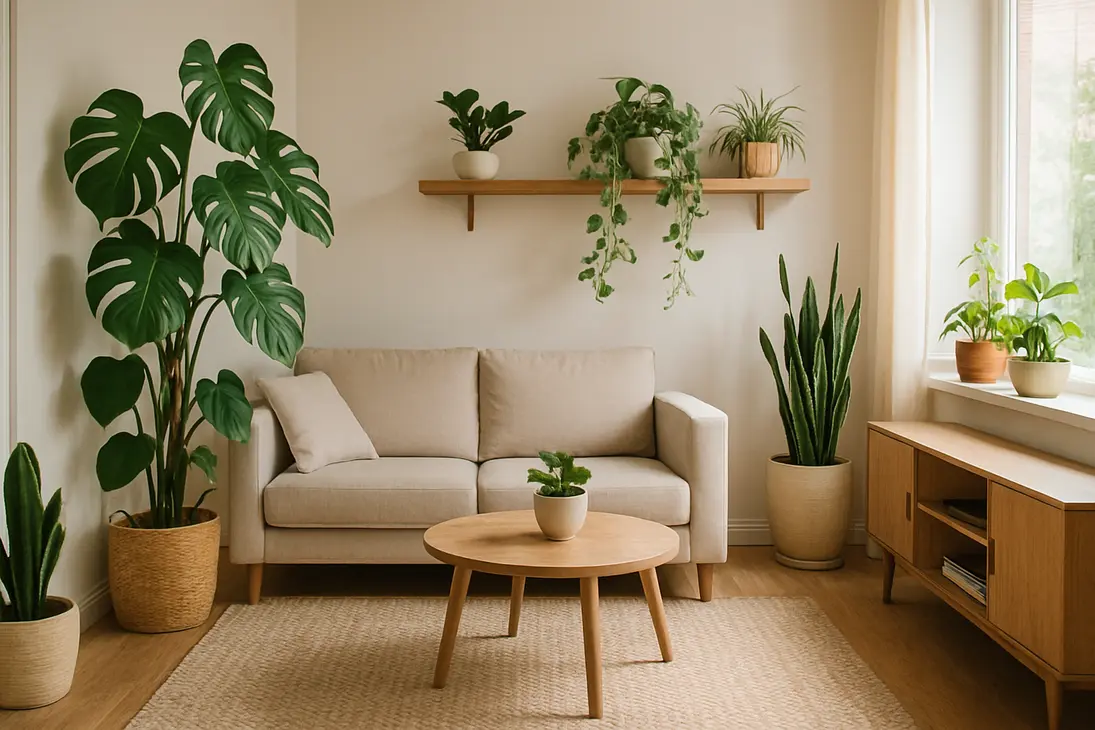
Indoor plants add color, texture, softness, and height to rooms. Learn how to choose, place, and care for houseplants as part of your decor.
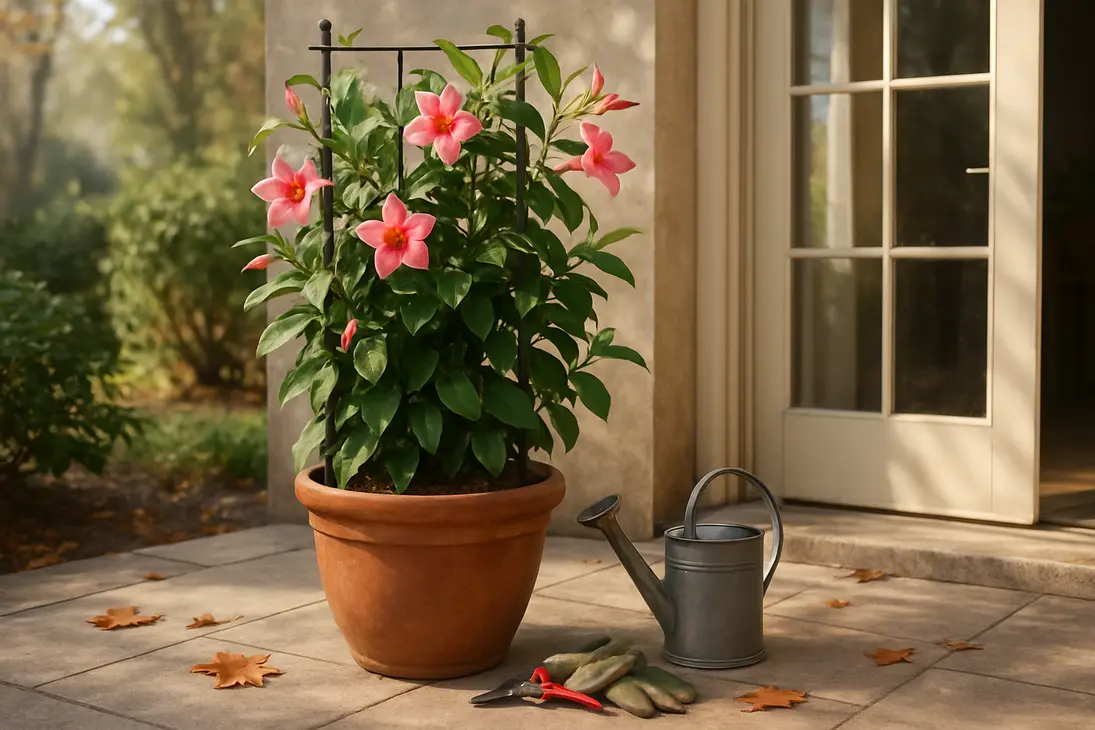
Learn when to bring mandevilla indoors in fall, how to cut back watering and fertilizer, and how to overwinter it before frost.
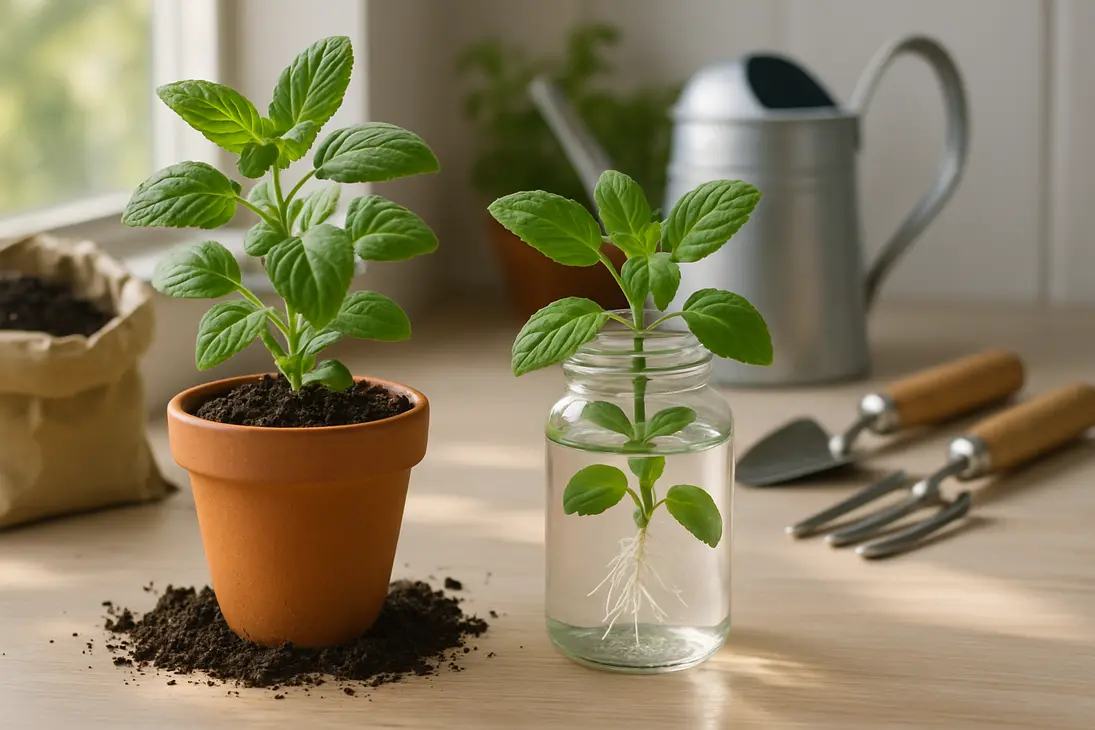
Plants usually grow better in soil or potting mix, while water works long-term only with nutrients, oxygen, support, and clean conditions.

Learn why trees bloom too early in warm winter spells, what can and cannot stop it, and how to protect buds and flowers from frost.
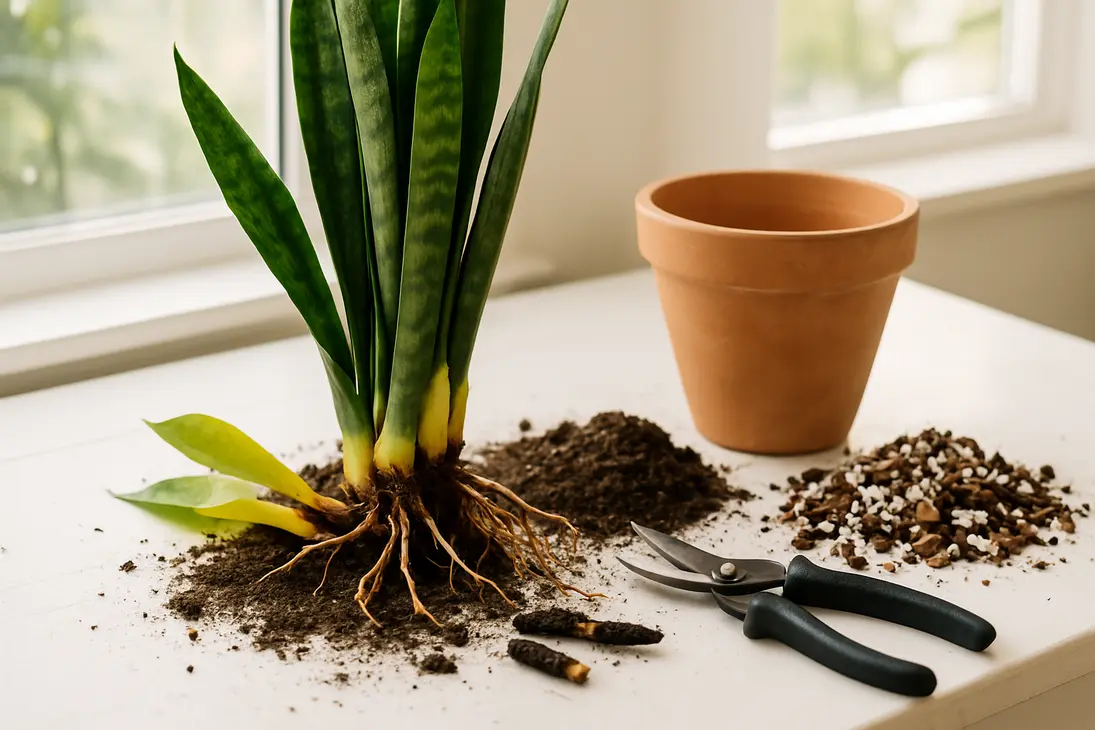
Learn the signs of root rot in snake plants, how to trim damaged roots, repot in fast-draining soil, and prevent soggy conditions.
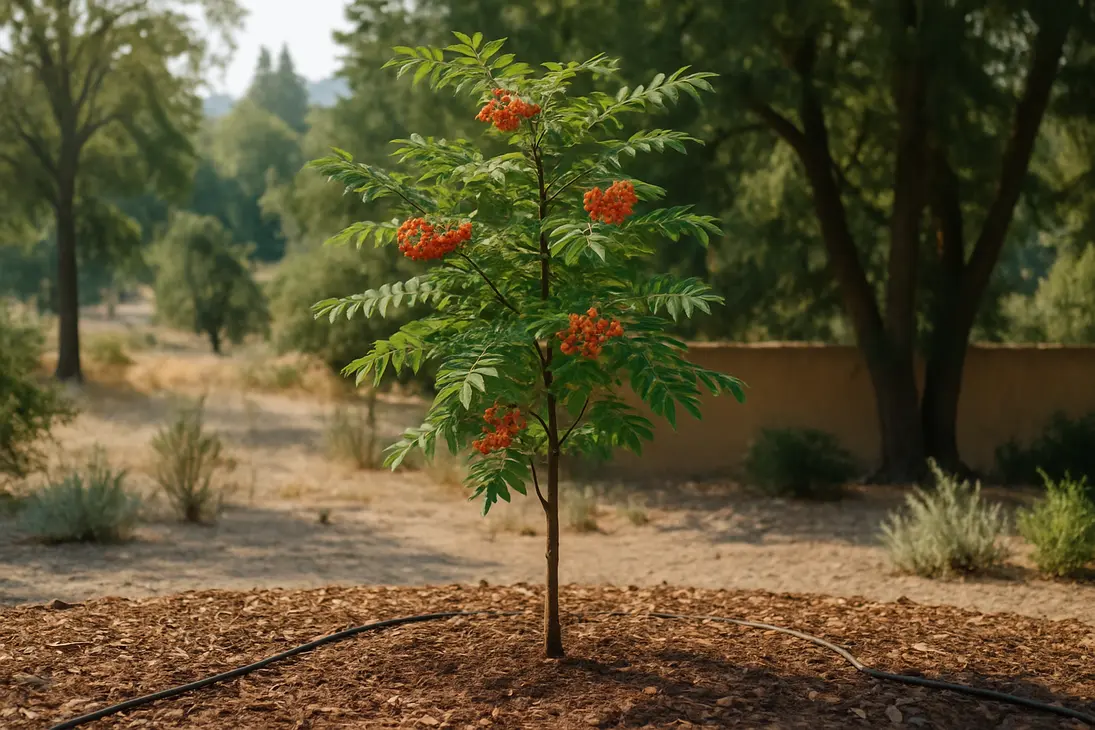
Rowan trees can survive in cooler California zone 9 microclimates, but hot inland gardens often cause scorch, weak growth, and poor berries.
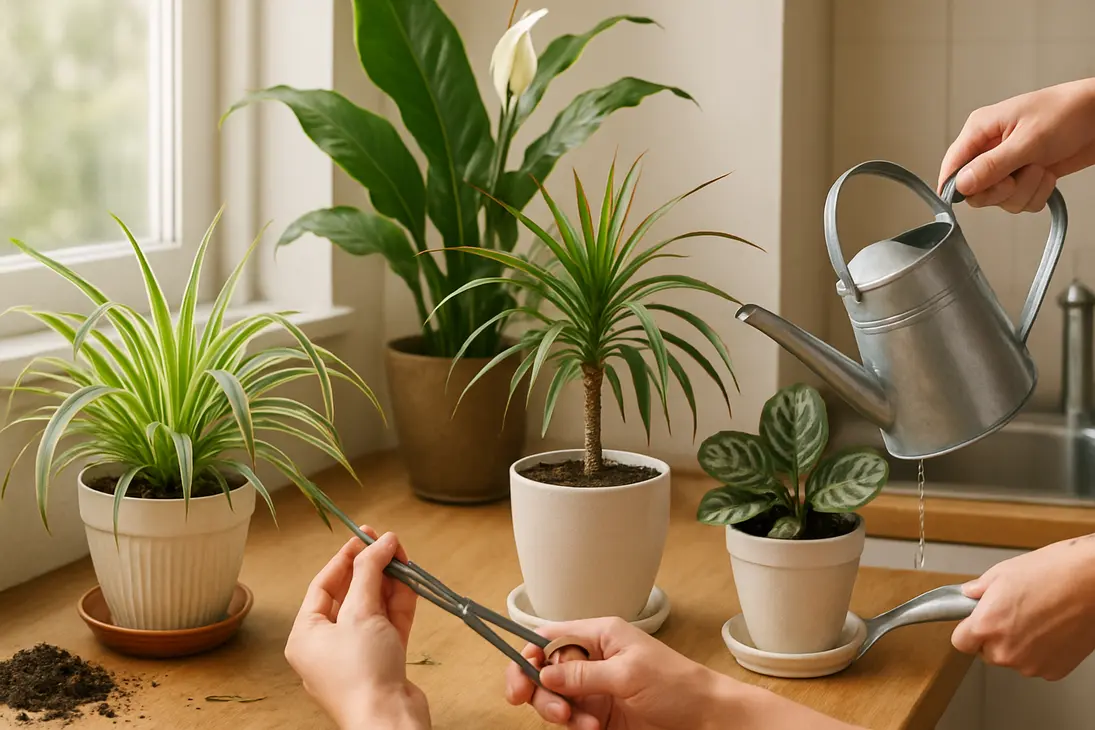
Brown tips on houseplants often point to fertilizer salts, dry soil, low humidity, hard water, or heat. Learn how to fix the stress and trim damage.
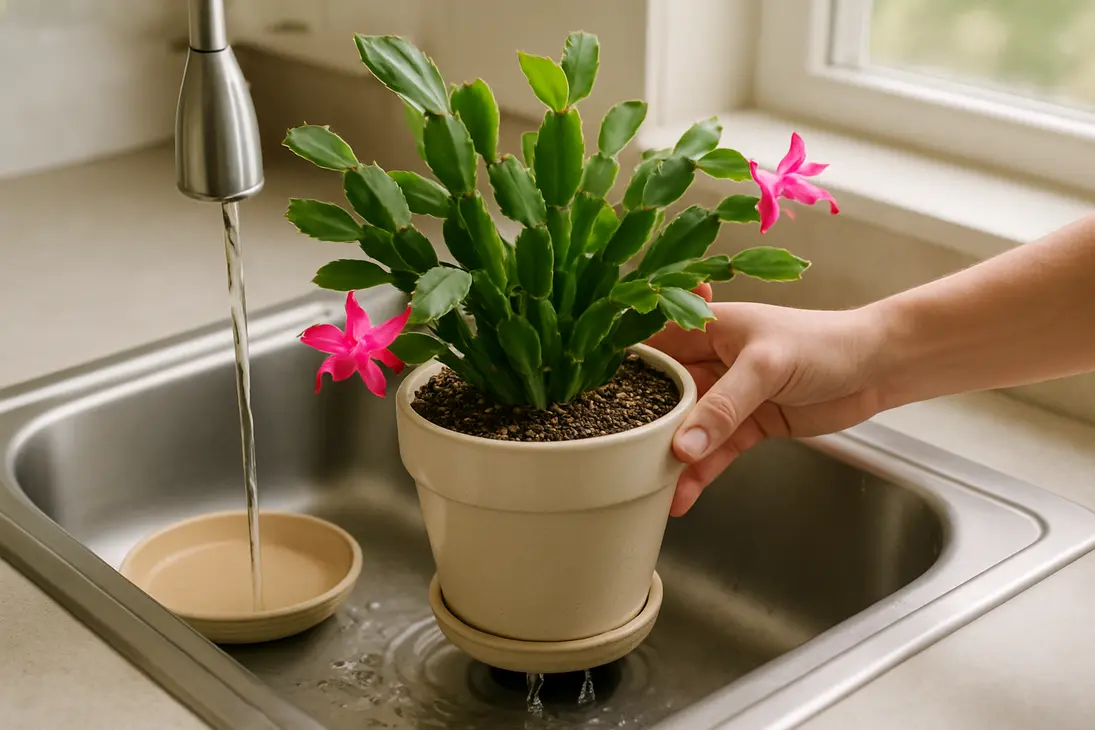
Yes—water a holiday cactus deeply, then let it drain fully. Learn when to water again, how to avoid soggy soil, and what mix works best.
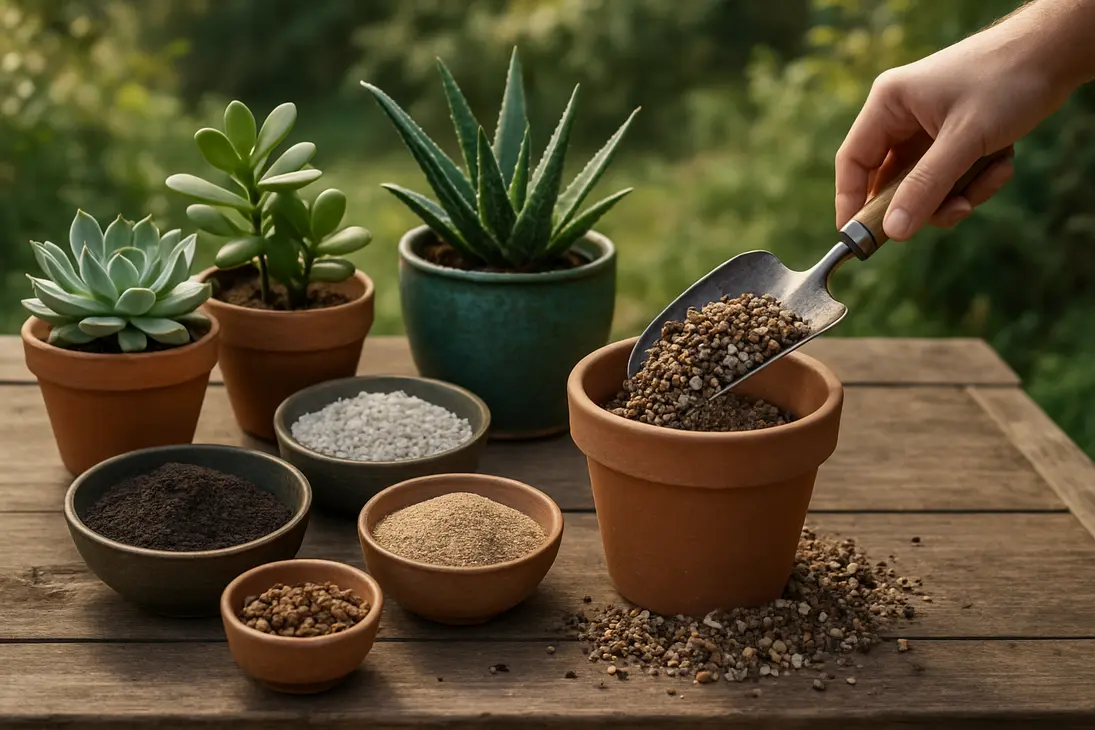
Use a 1:1 potting mix-to-grit ratio for most succulents, or 1:2 for humid, indoor, or rot-prone plants. Learn what to mix and avoid.
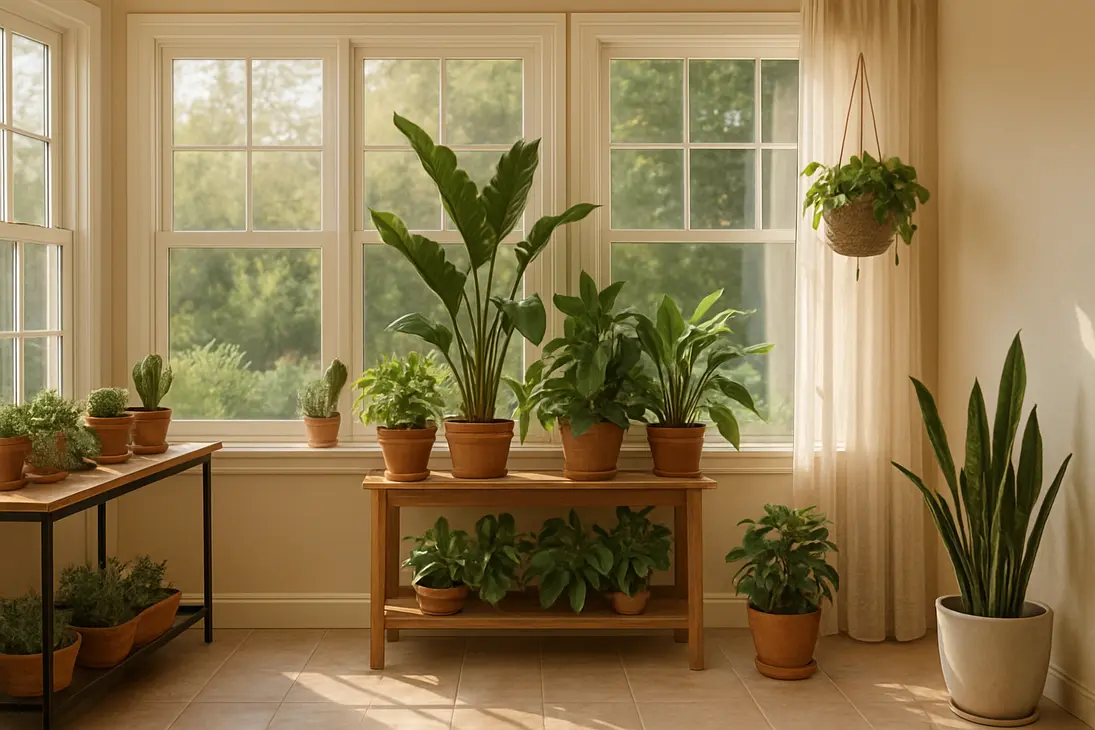
Learn where to place sunroom plants by light, heat, drafts, and season, from sunny windows for citrus to shaded corners for ZZ plants.
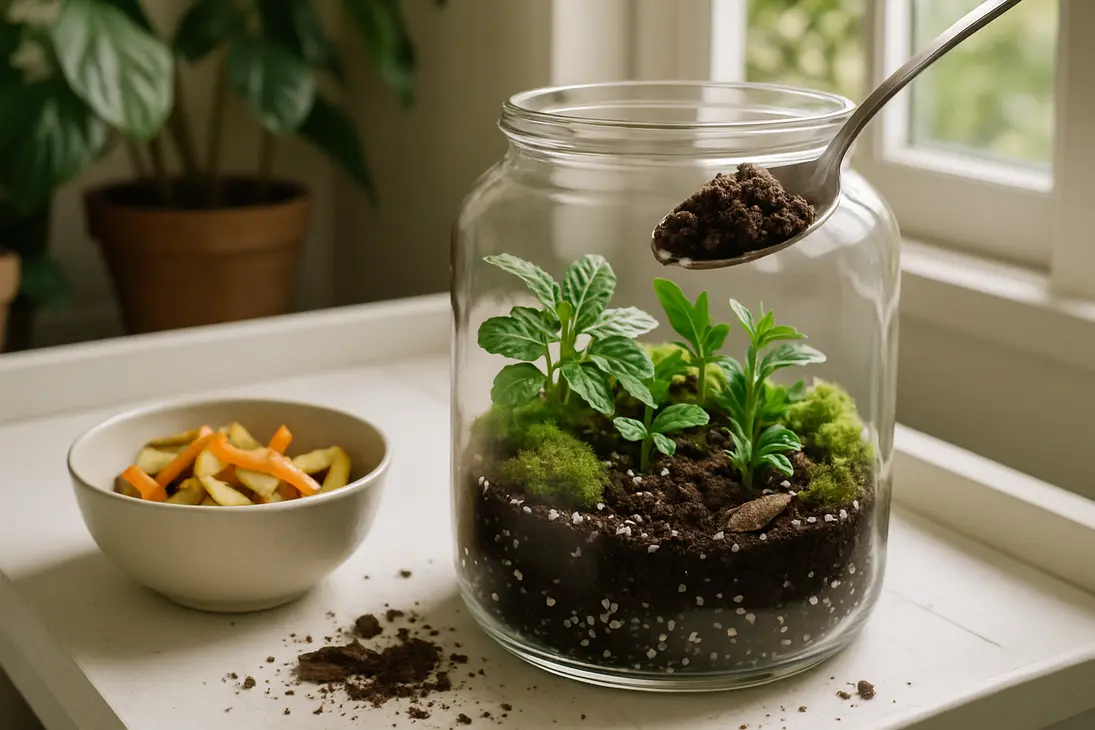
Raw veggie scraps can rot in terrariums. Learn when finished compost or worm castings can safely improve terrarium soil.
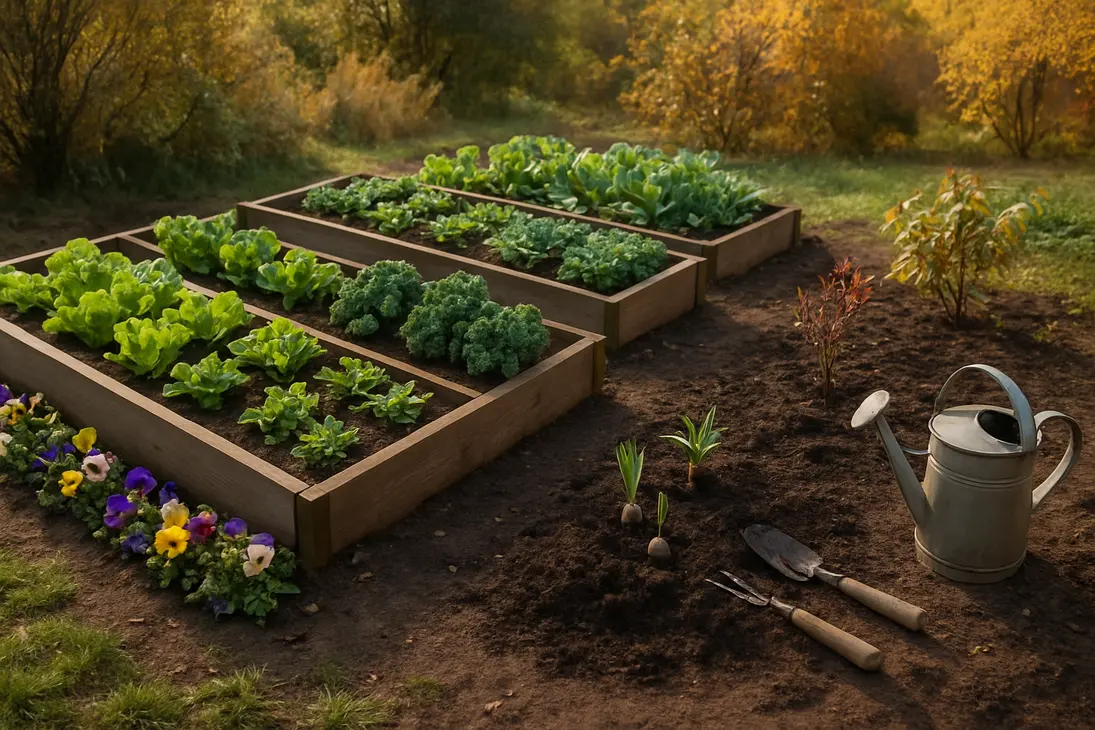
See which vegetables, herbs, flowers, bulbs, grasses, shrubs, and trees start growing or rooting in September by climate and frost timing.
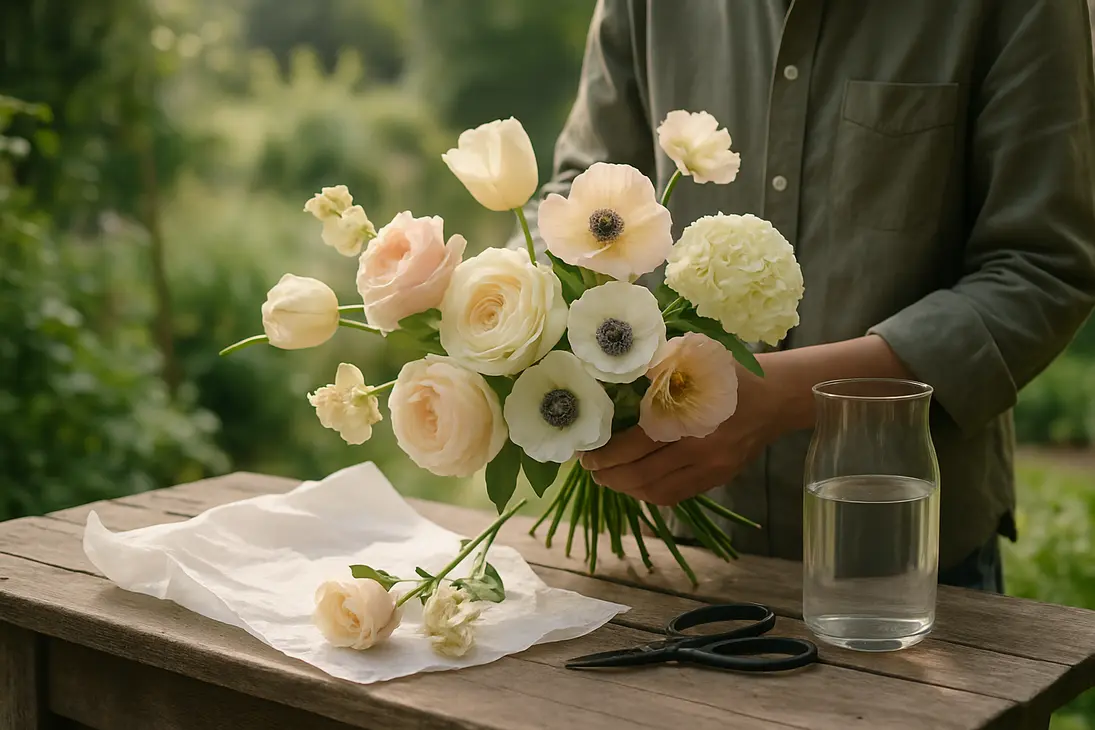
Delicate flowers bruise because thin, water-filled petals and soft stems collapse under pressure, heat, dehydration, or rough transport.
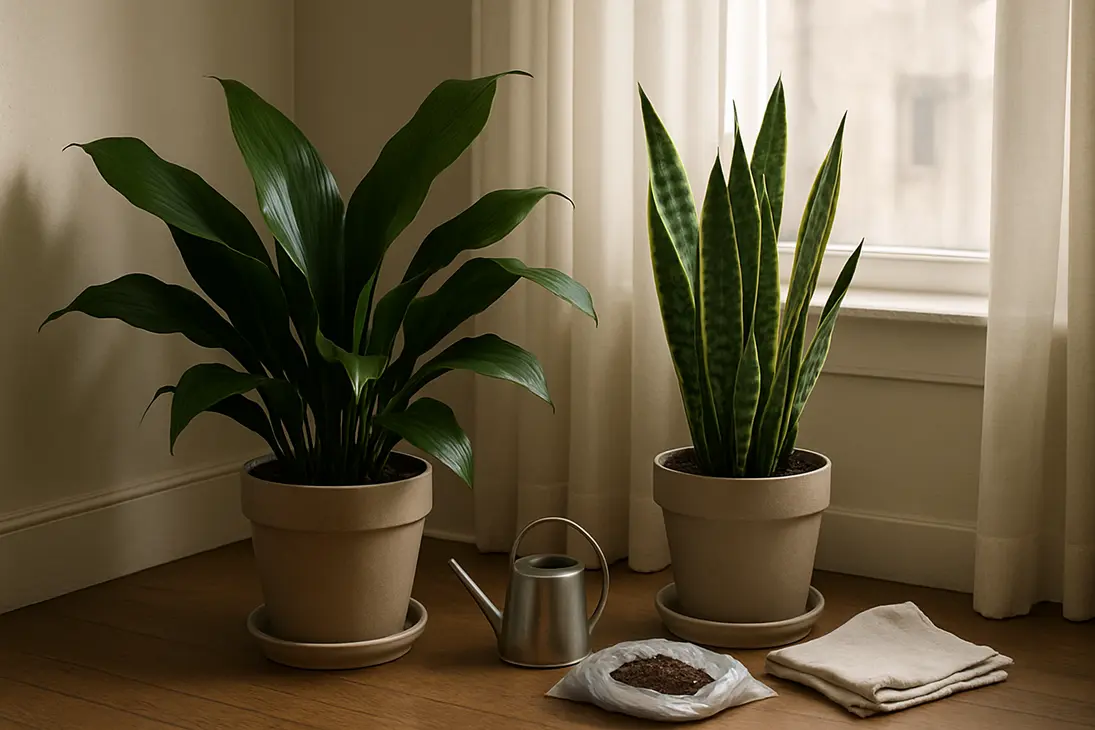
Learn how to care for cast iron and snake plants in low light, including watering, placement, soil, feeding, and signs of stress.
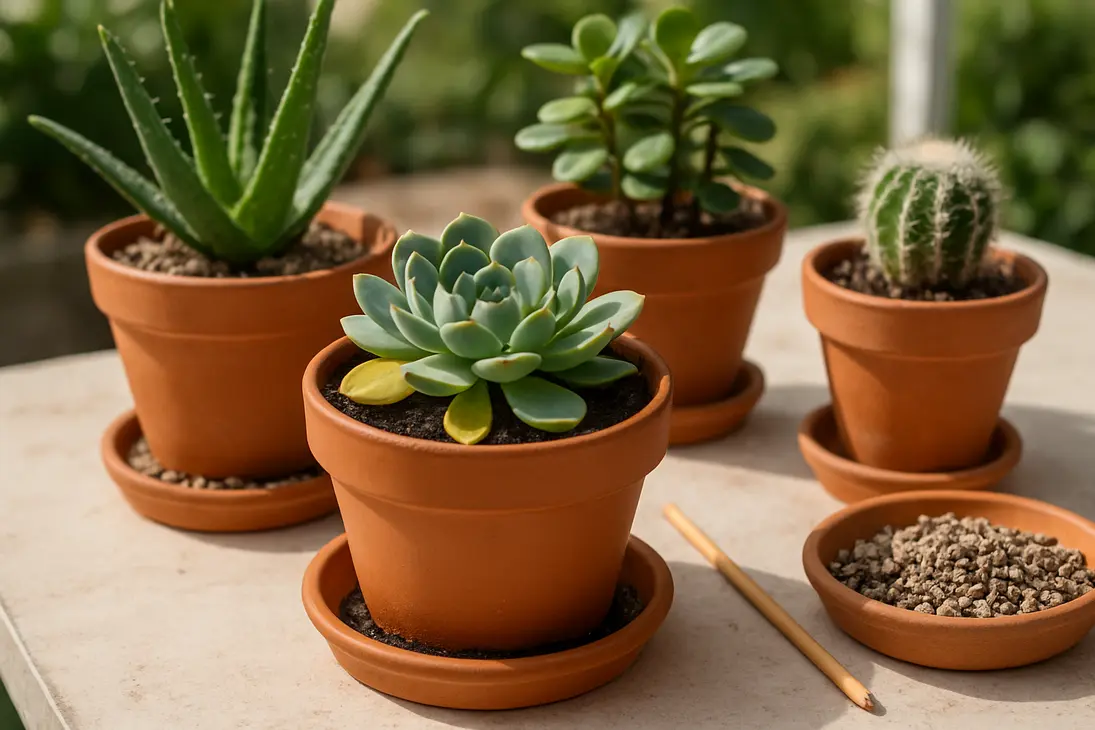
Overwatered desert succulents can develop soft leaves, yellowing, root rot, and collapse. Learn why it happens and how to prevent it.
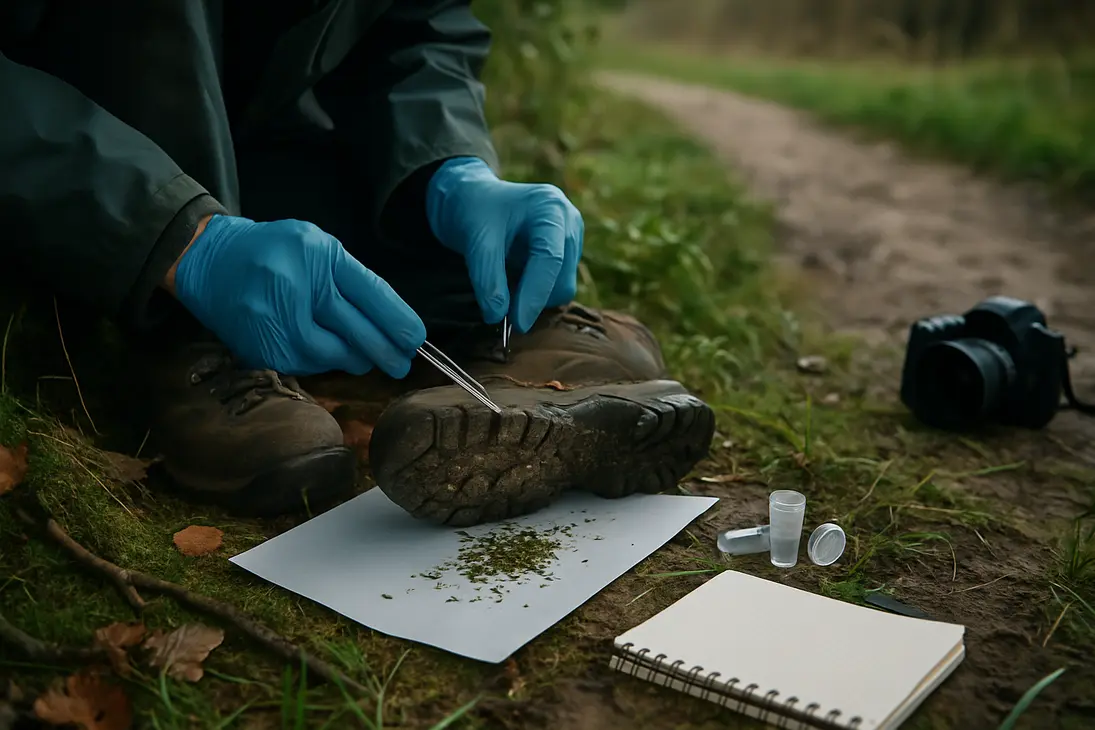
Forensic botany uses pollen, seeds, roots, wood, algae, and plant DNA to link people or objects to places, timelines, and crimes.
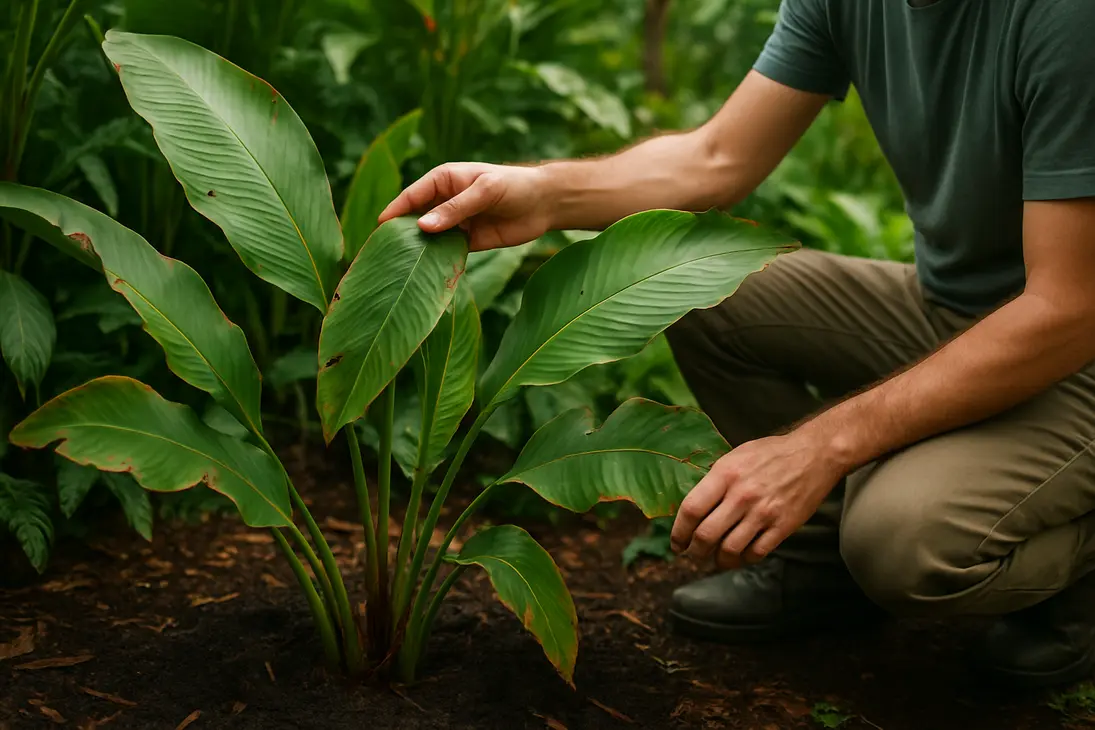
Diagnose brown tips, curled leaves, yellow patches, holes, and wilting on heliconias, from watering and sun stress to pests and disease.
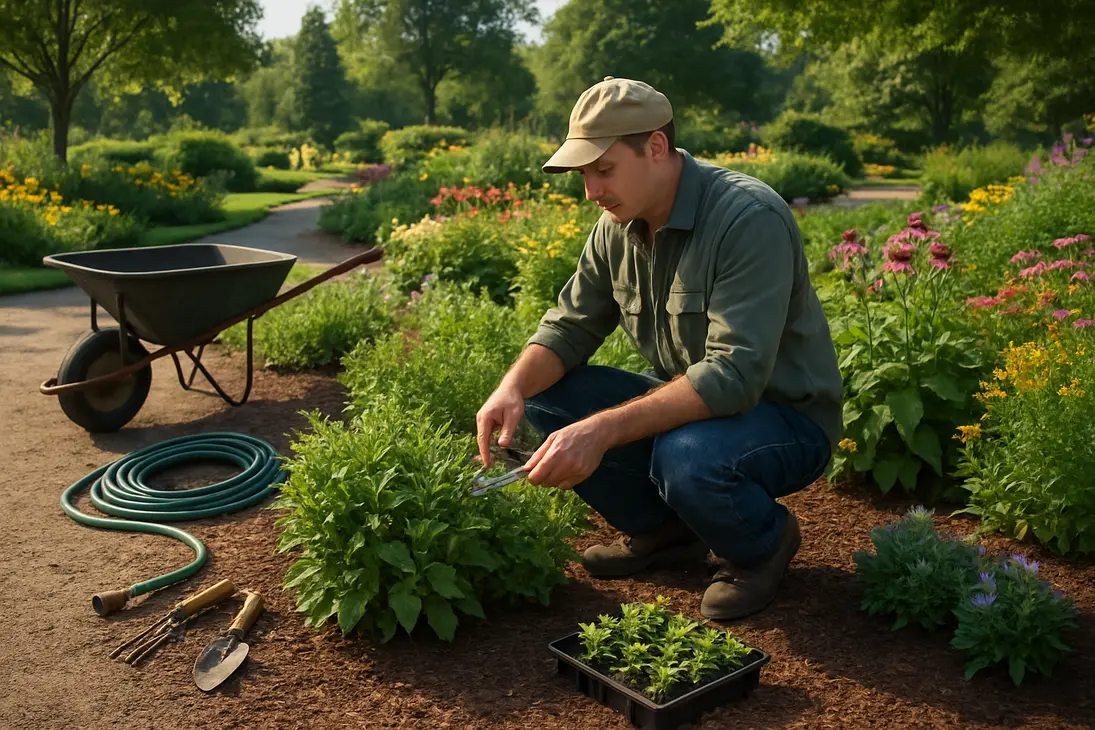
Learn how physically demanding horticulturalist work can be, from lifting and pruning to planning, plant diagnosis, and seasonal outdoor tasks.
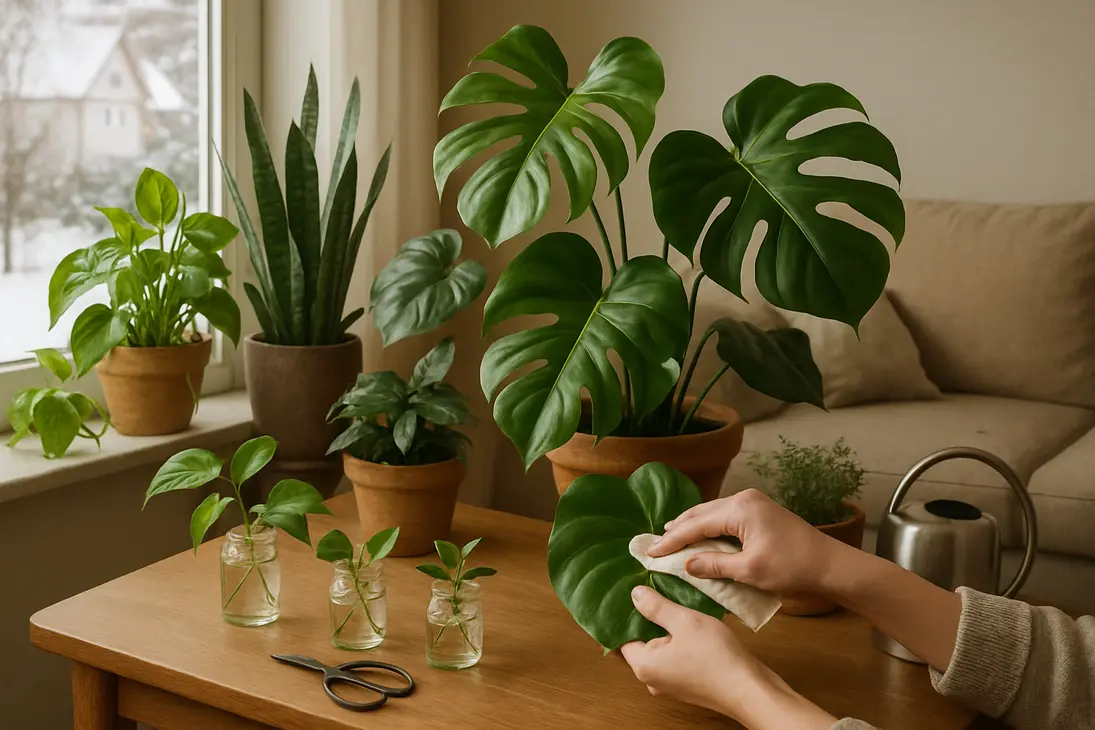
Celebrate Houseplant Appreciation Day on January 10 with simple winter care: clean leaves, check watering, inspect for pests, and share cuttings.
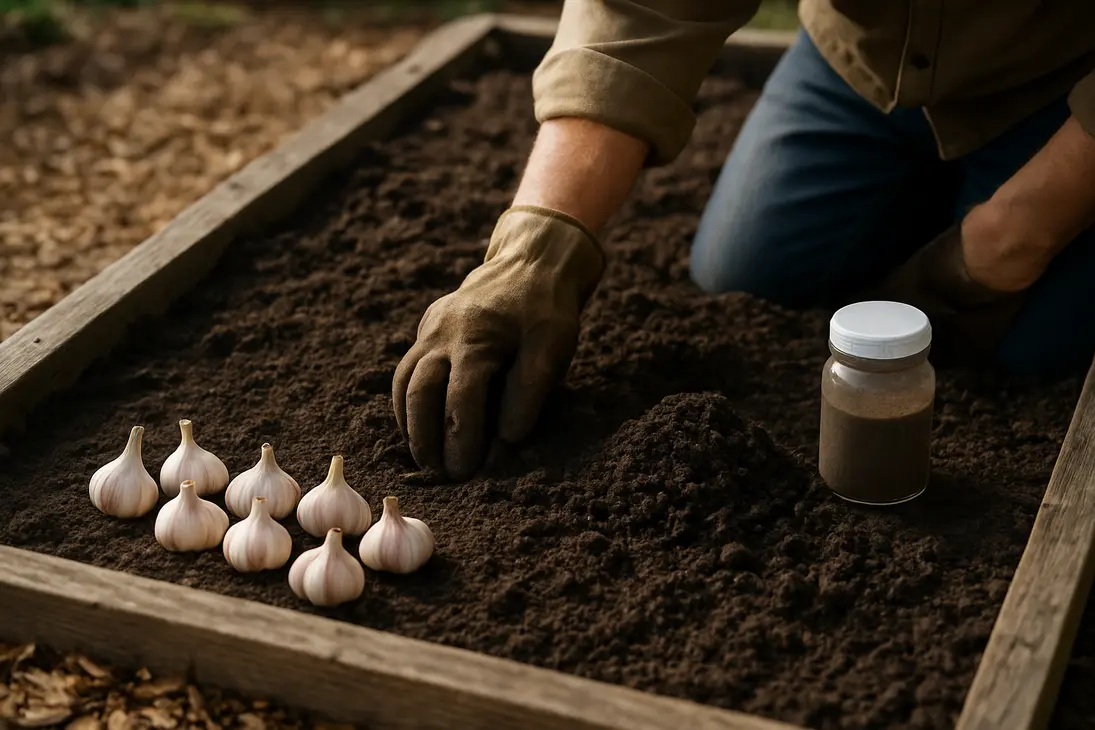
Learn the right pH for garlic, when to lower alkaline soil, and how to use sulfur, compost, drainage, and testing without over-acidifying.
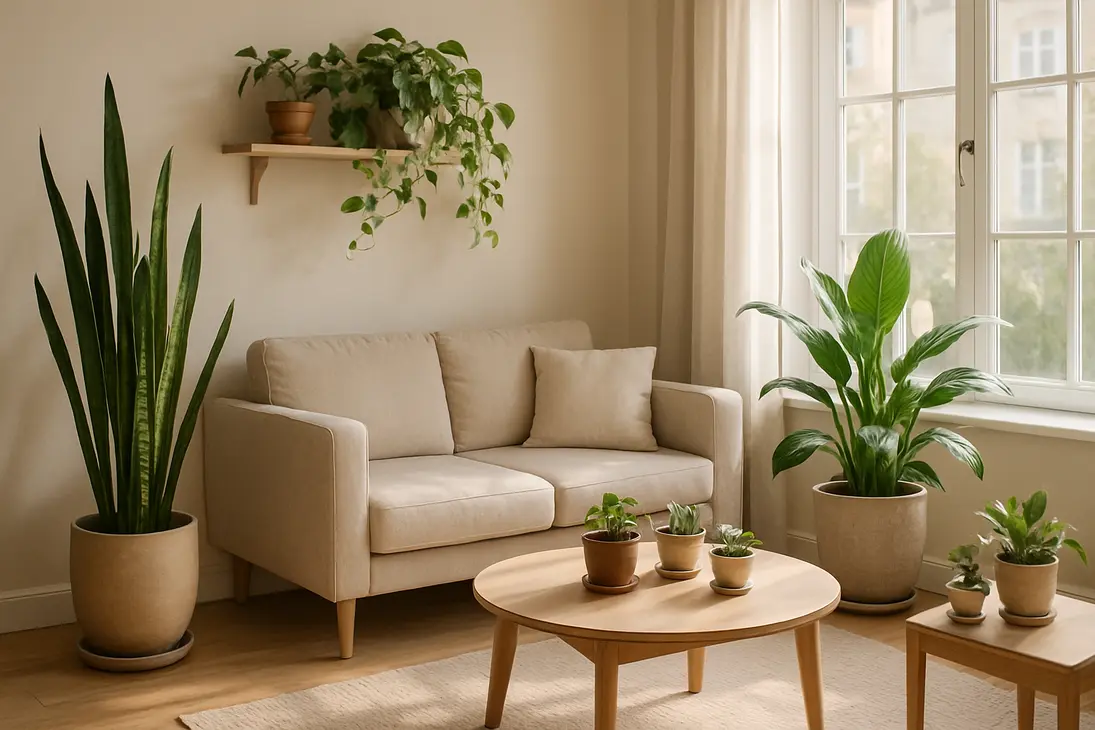
Indoor plants can add calm, natural beauty, and easy gardening routines at home—if you match them to light, water, and realistic air-quality expectations.
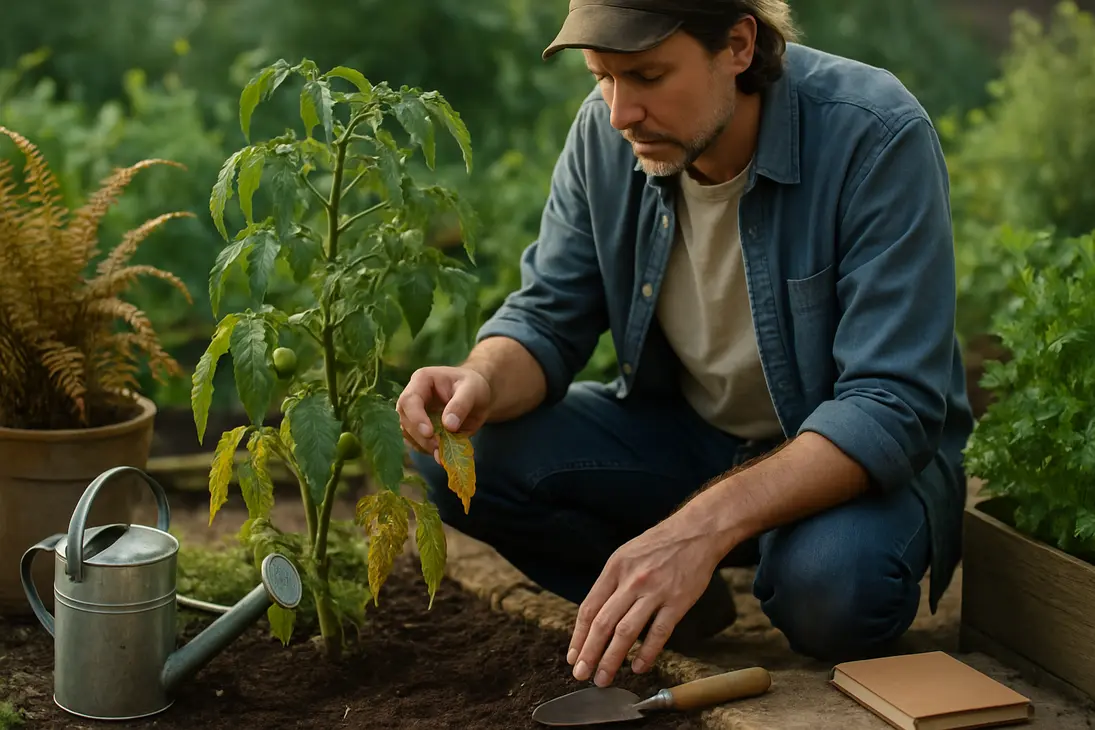
Struggling plants reveal lessons about light, water, soil, pests, patience, and when to adjust care, wait, move a plant, or start over.
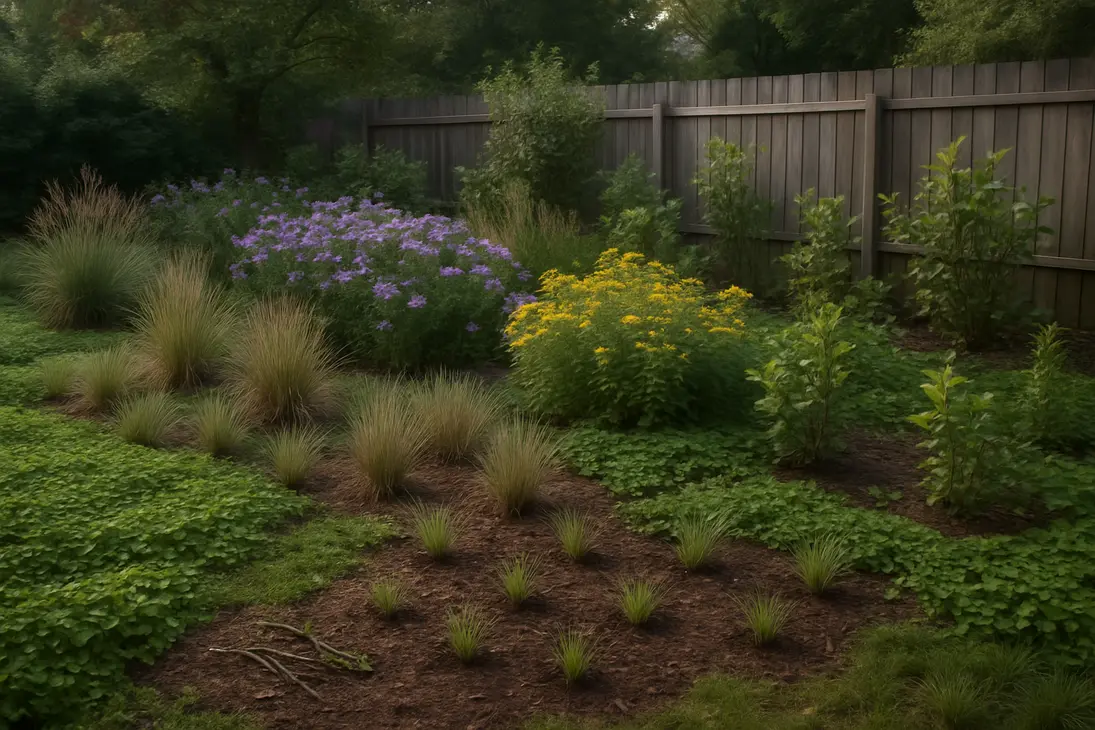
Learn how native groundcovers, grasses, sedges, shrubs, and wet-site plants can help suppress invasives after removal and reduce reinvasion.
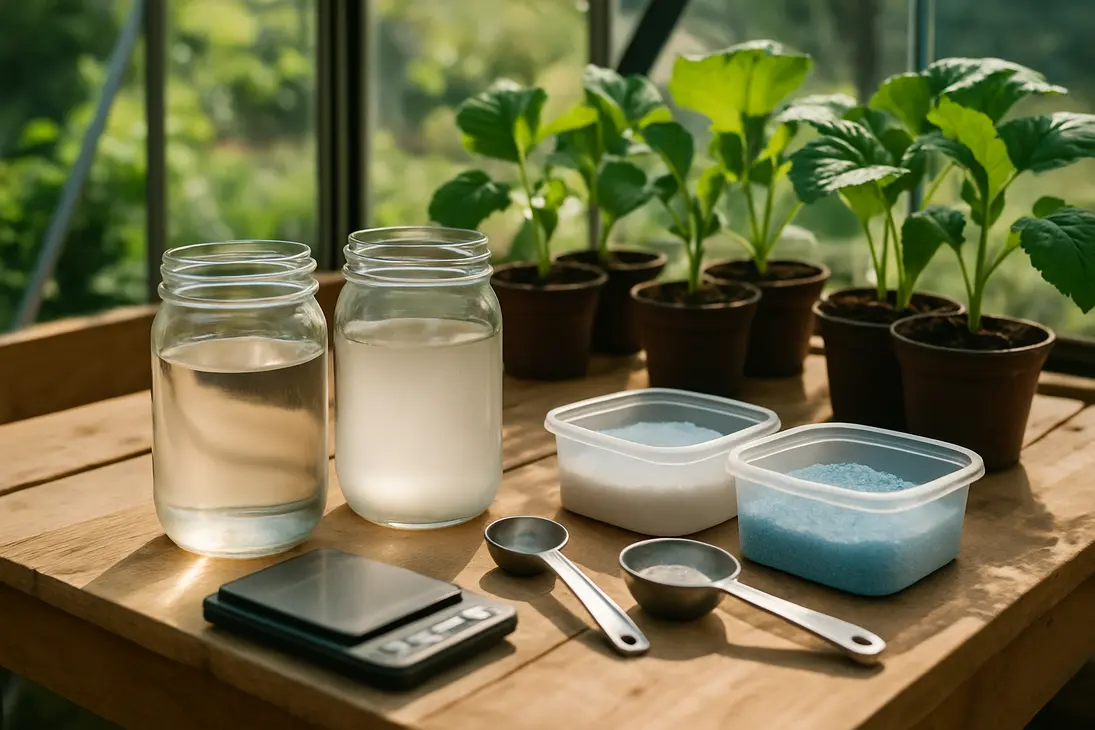
Learn how to mix clear NPK fertilizer by choosing compatible salts, separating calcium stocks, managing pH, and avoiding crystals or sediment.
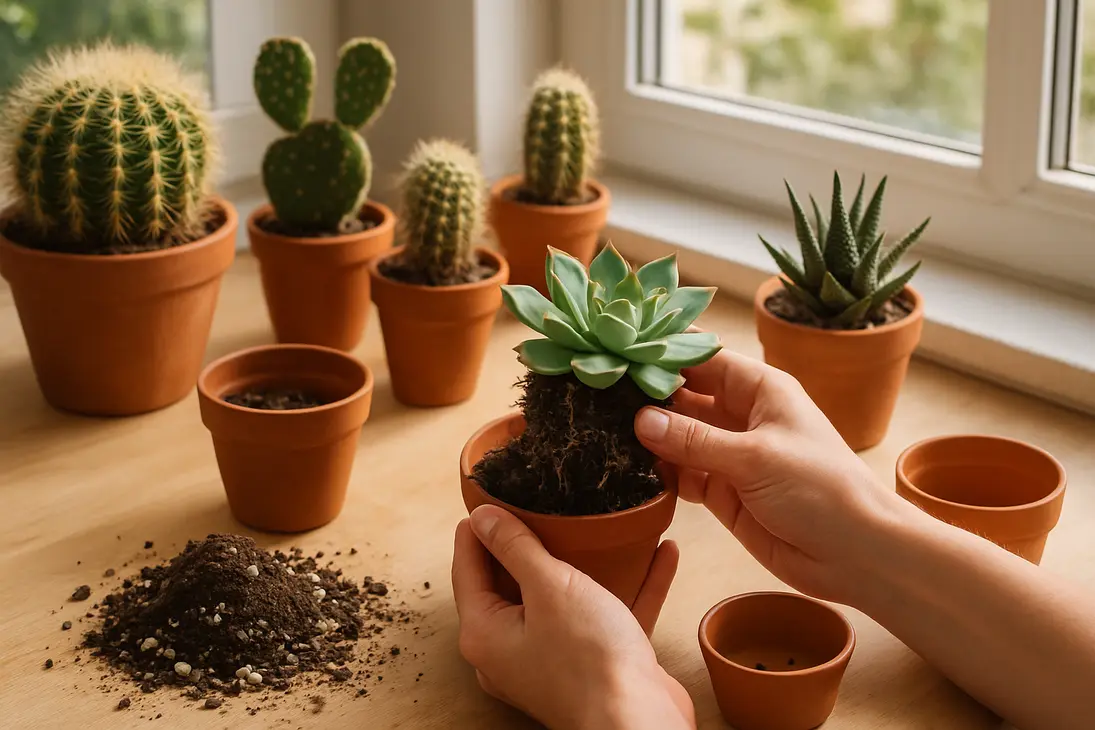
Learn why cacti and succulents get overwatered, how to spot rot and mushy leaves, and how to water, drain, and repot them safely.
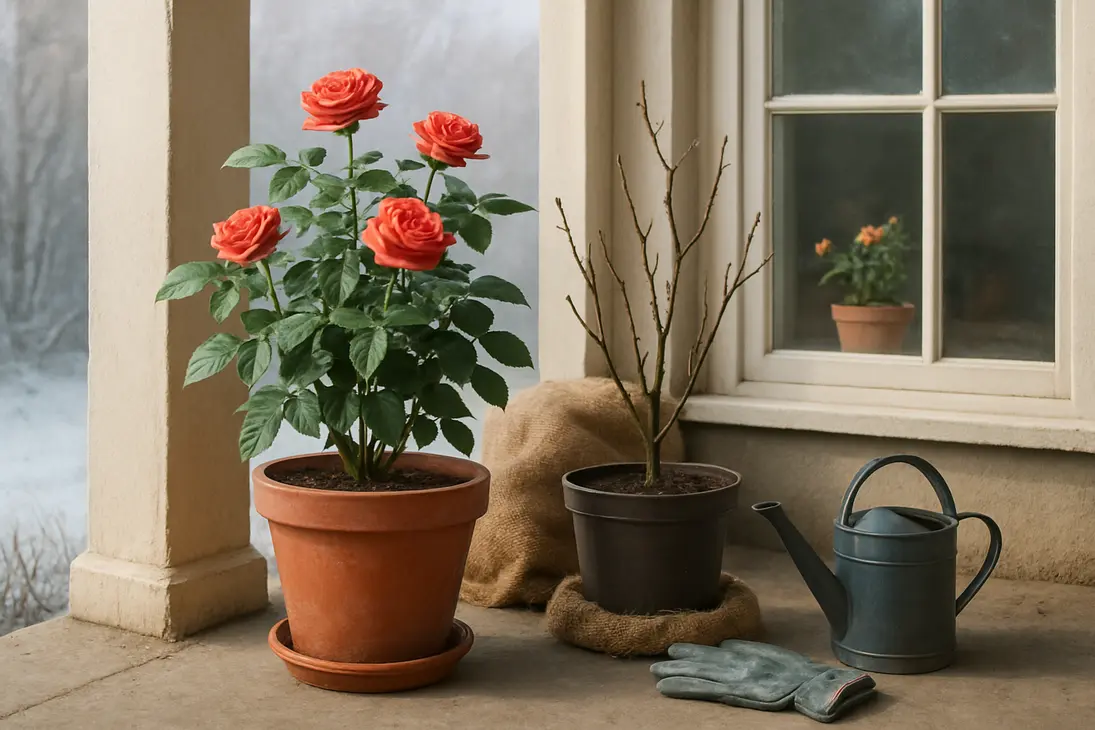
Learn whether to keep a dormant or flowering potted rose indoors or outside in February, with tips on light, watering, frost protection, and gifting.
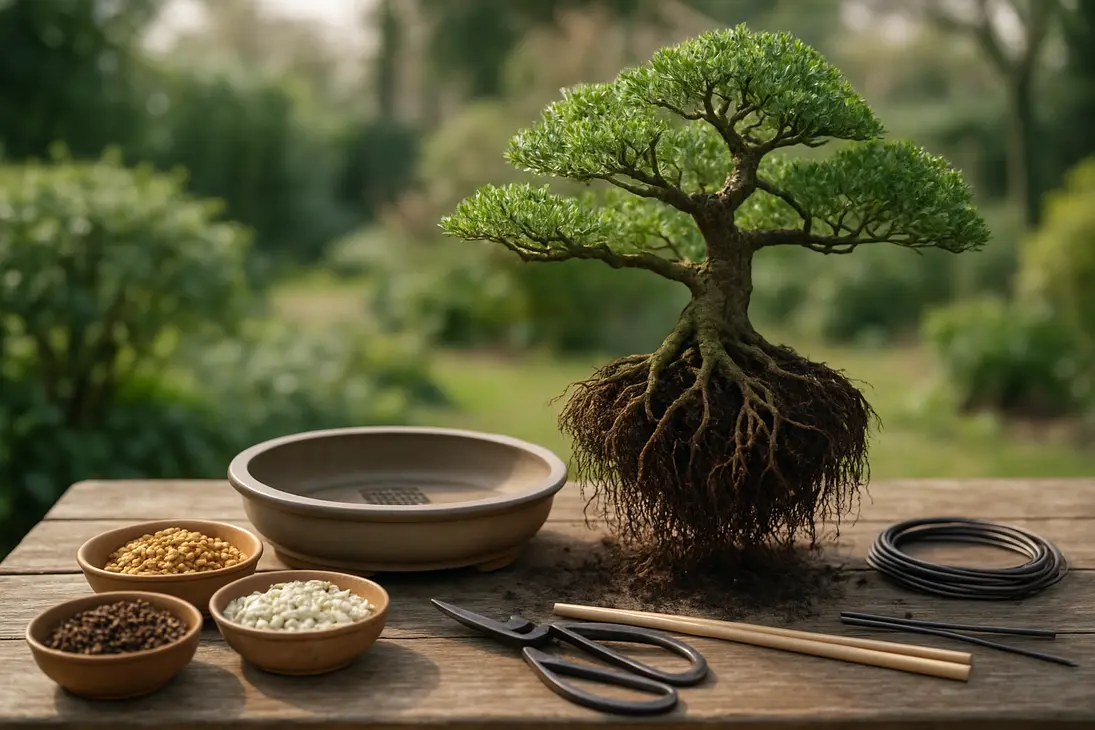
Learn when to repot a bonsai tree, how often to do it, which soil mix drains best, and how to care for roots afterward.
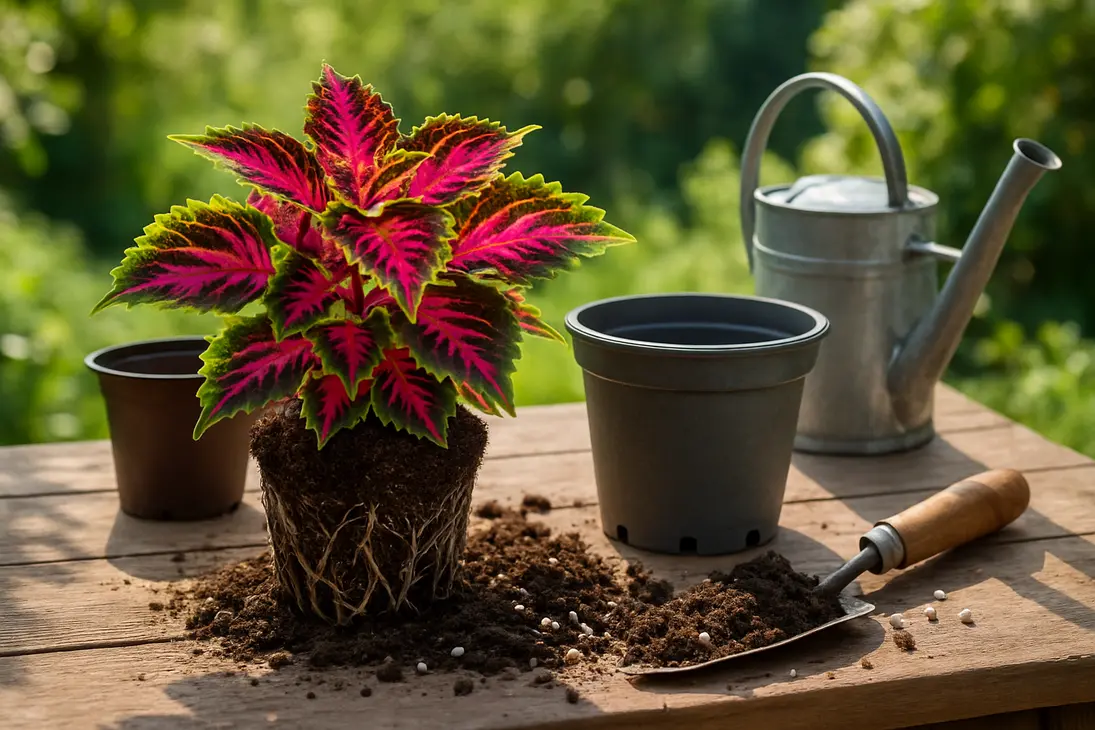
Learn when to repot Coleus plants, what pot and soil to use, and how to reduce transplant shock with simple aftercare.
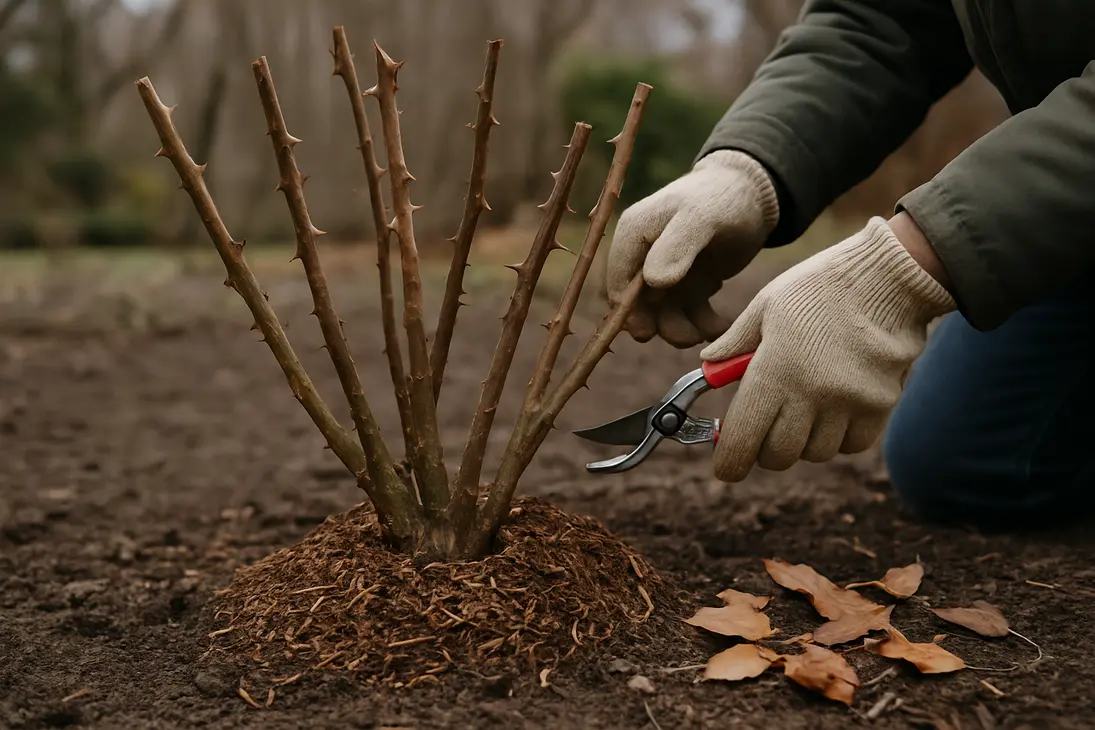
Rose bush thorns usually stay on canes through winter. Learn what survives dormancy, how to protect roses, and when to prune damage.
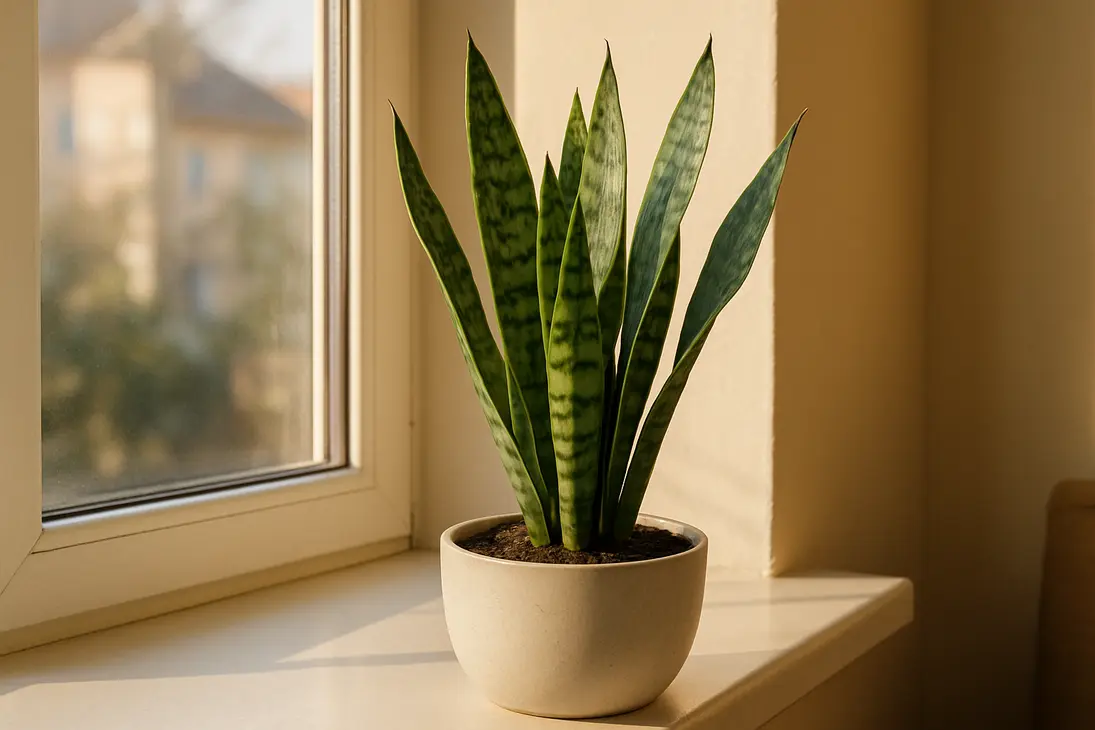
Snake plants often take weeks to months to grow new leaves. Learn what affects growth speed, from light and watering to season and root health.
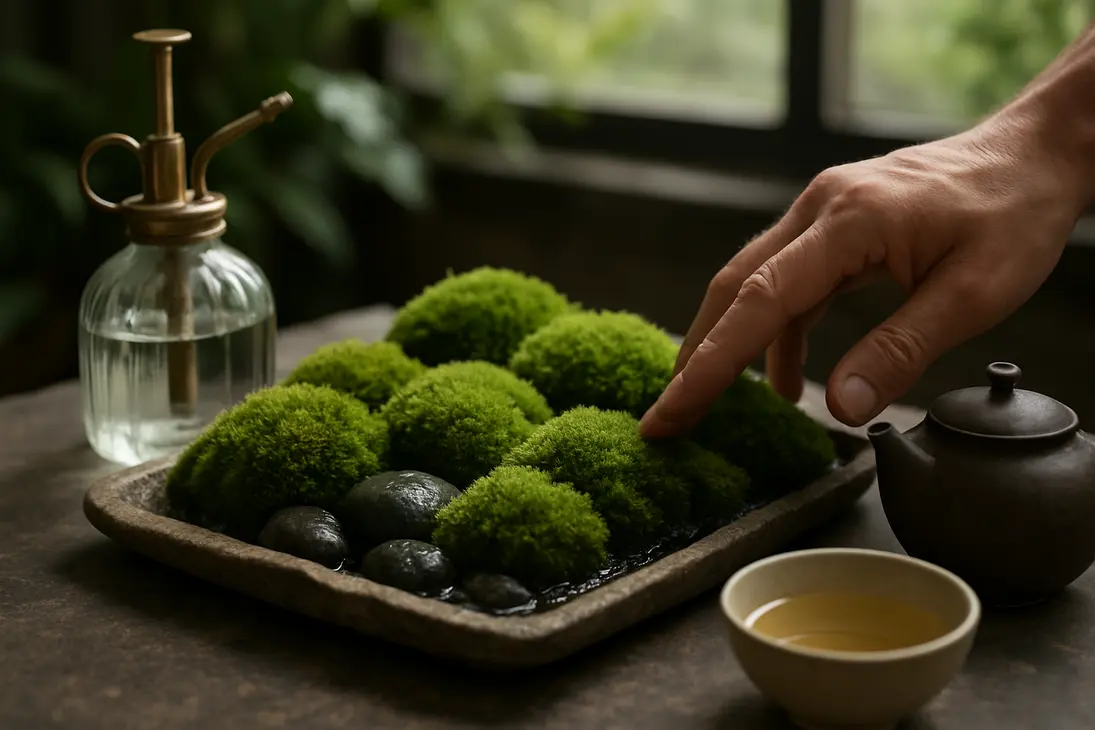
Plain weak tea may not kill moss, but it should only be an occasional test. Clean low-mineral water is safer for routine care.
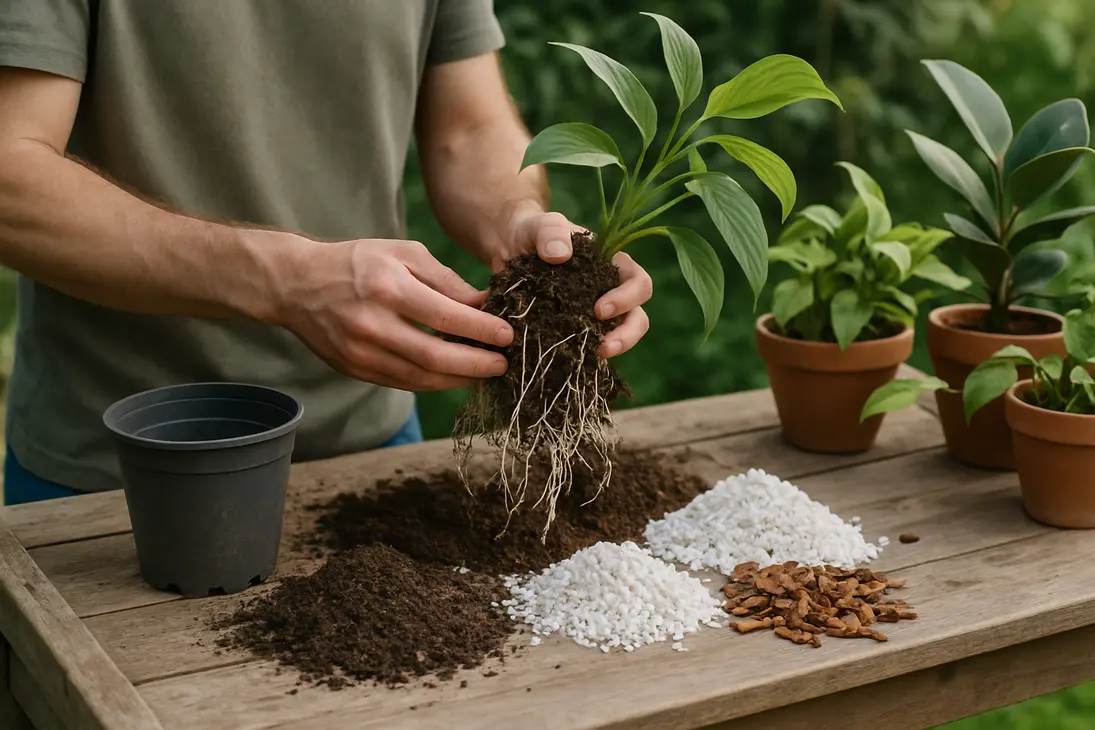
Use airy, well-draining soil with perlite, pumice, or bark to keep roots oxygenated and reduce rot in overwatered plants.
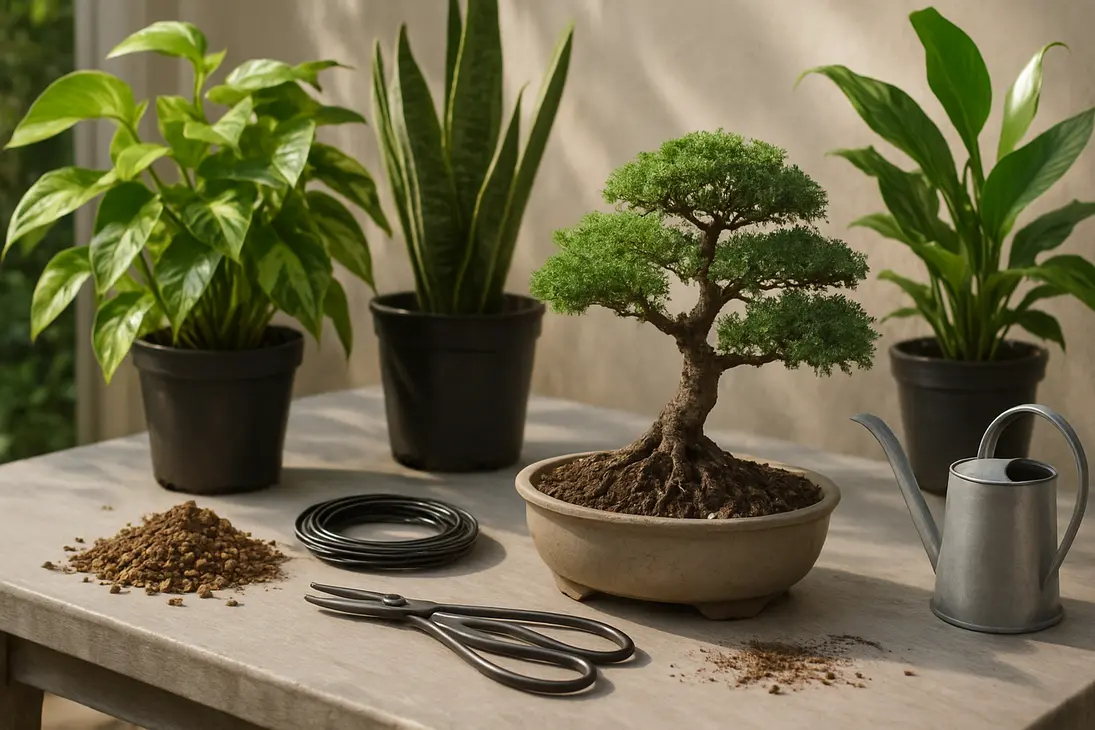
Compare bonsai and houseplant care, including watering, light, pruning, repotting, indoor limits, and beginner-friendly species.
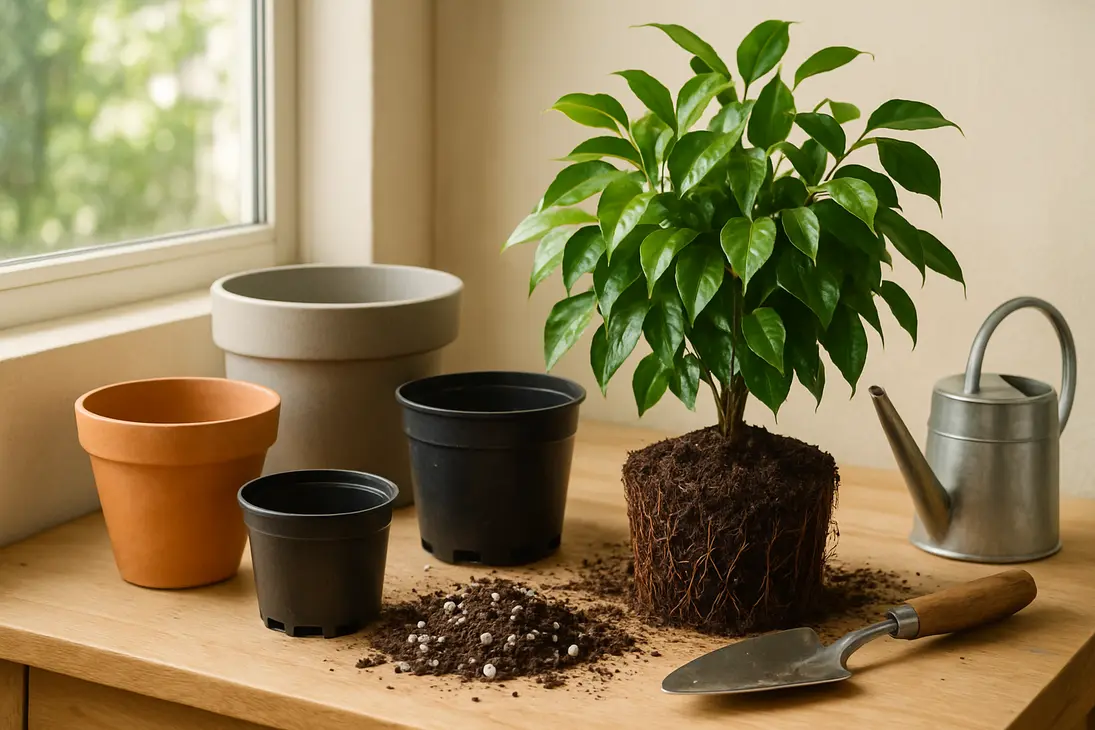
Learn how to choose a plant pot size based on the root ball, drainage, soil mix, and watering habits so you avoid soggy soil and root rot.
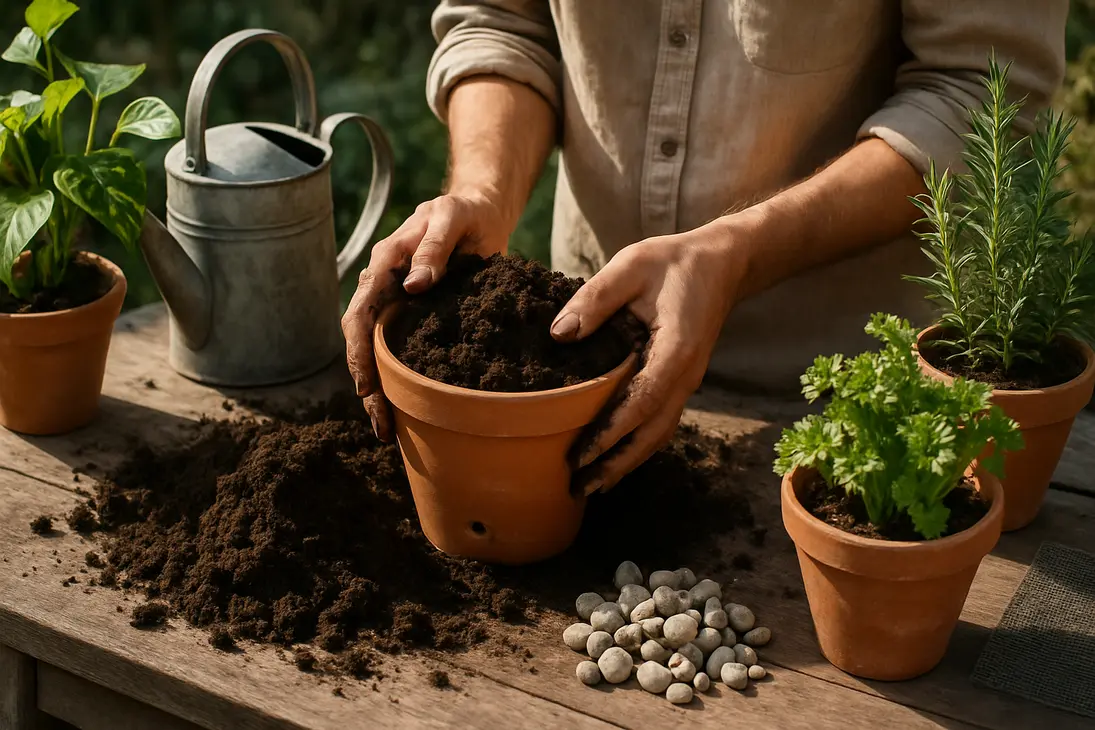
Skip the gravel layer in pots. Learn why it can keep roots wetter, what to use for drainage instead, and when pebbles are still useful.
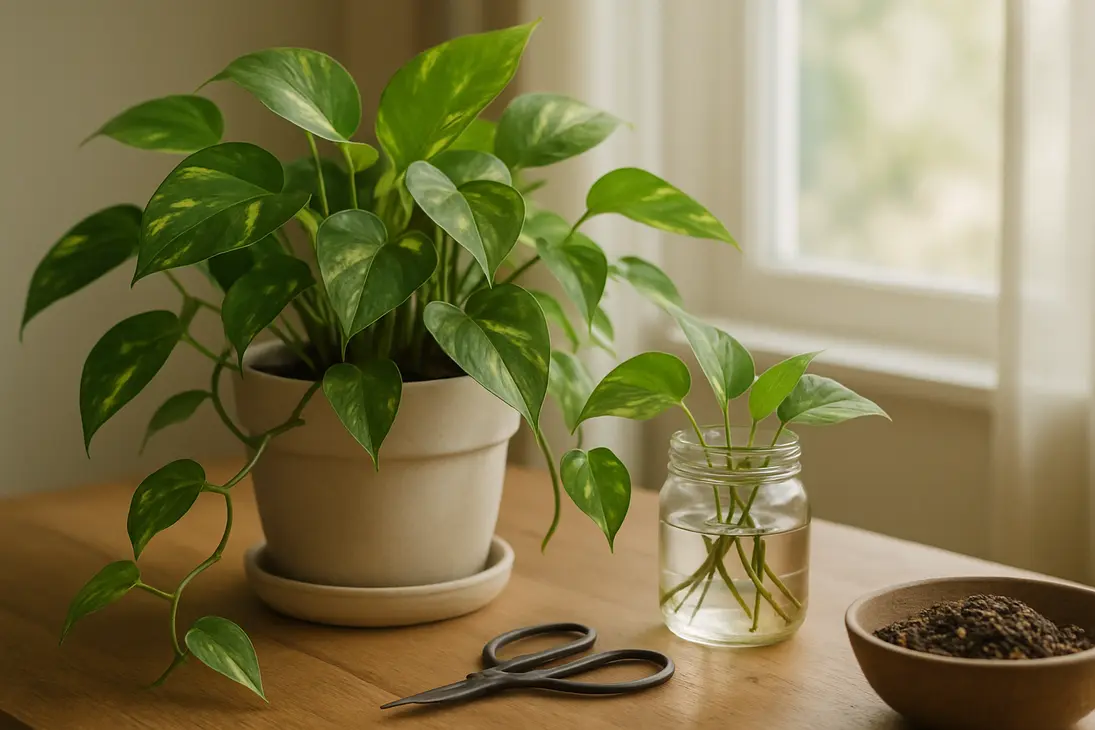
Learn how to grow a money plant indoors in soil or water, with the right light, watering, drainage, propagation, and common problem fixes.
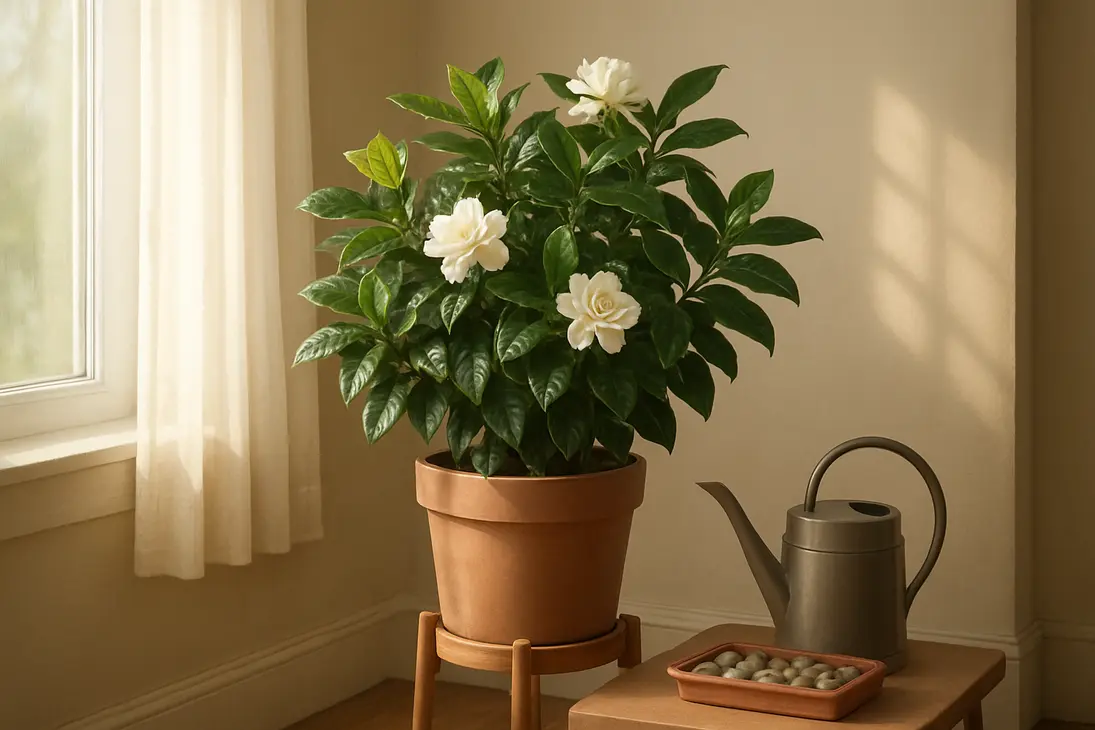
Move an indoor gardenia into brighter light gradually with morning sun, filtered windows, grow lights, and care adjustments that prevent leaf scorch.
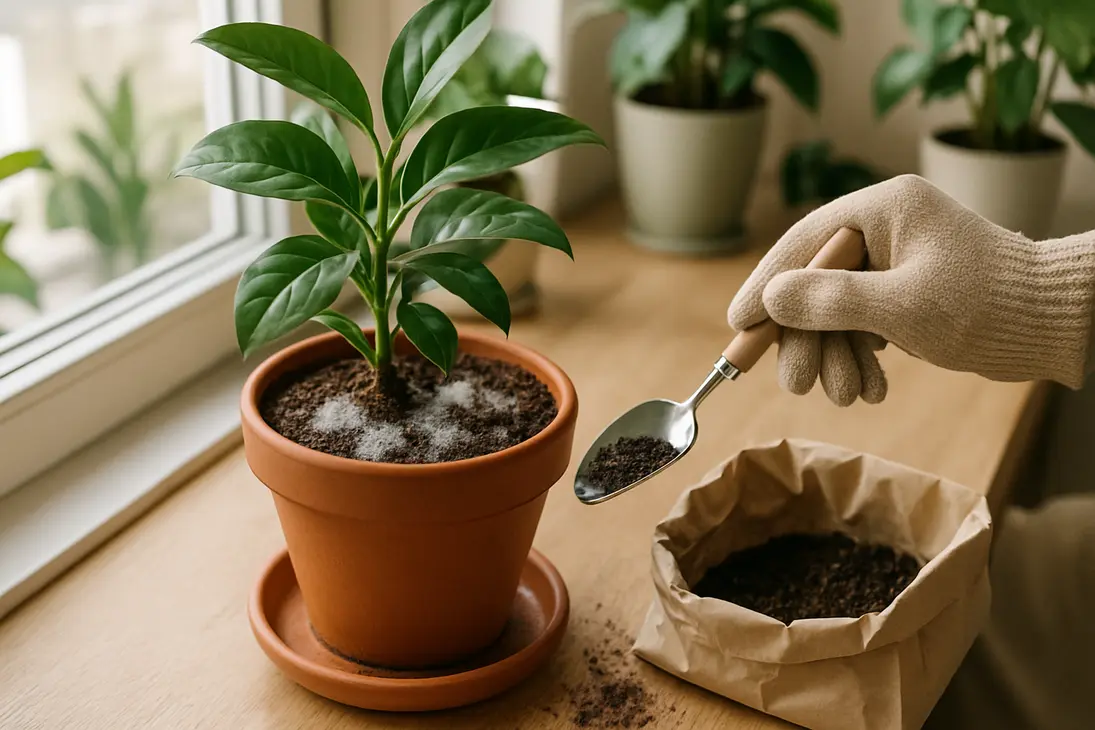
Mold on indoor plant soil usually means the mix is staying too wet. Learn how to remove it, improve drainage, and keep it from coming back.
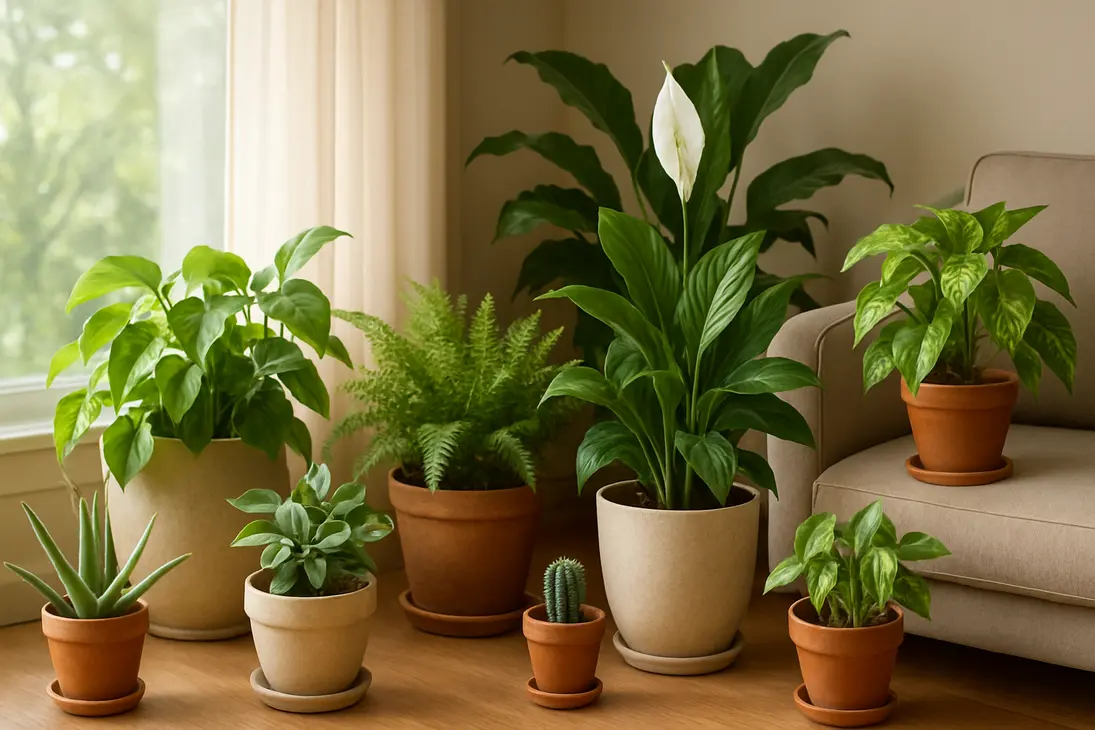
Learn when to move houseplants back from hot windows before traveling, which plants need bright light, and how to avoid deep shade.
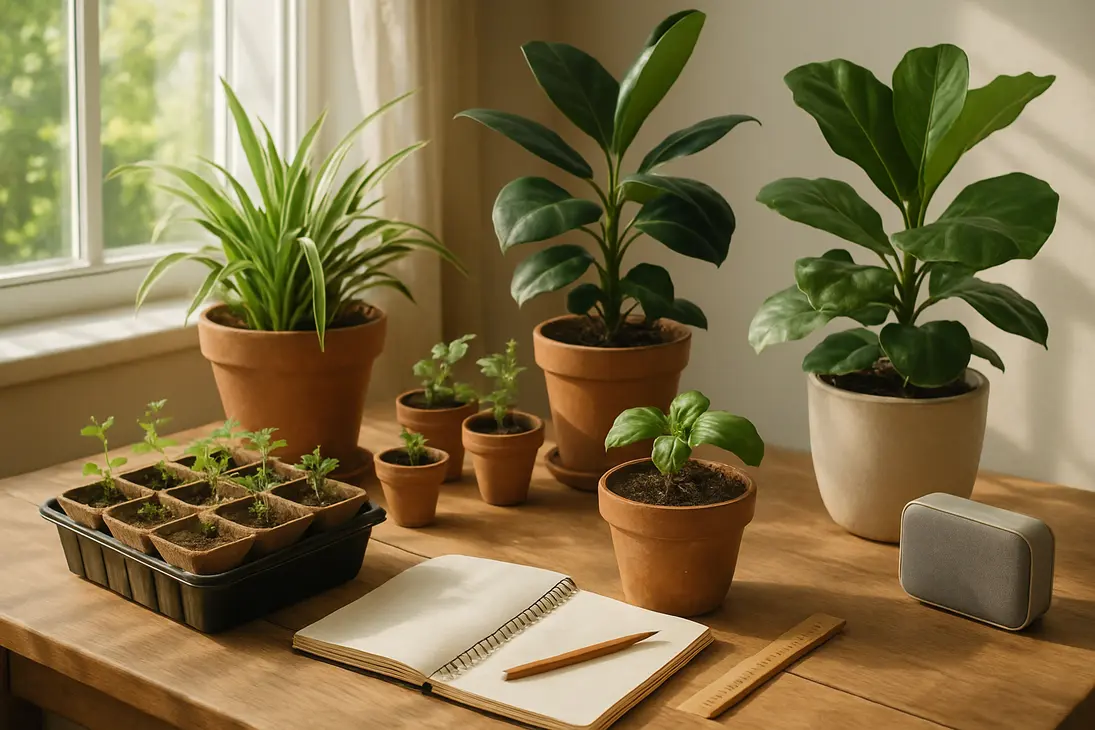
Plants don’t hear music like people, but sound vibrations may have subtle effects. Learn what research suggests and how to try a simple test.
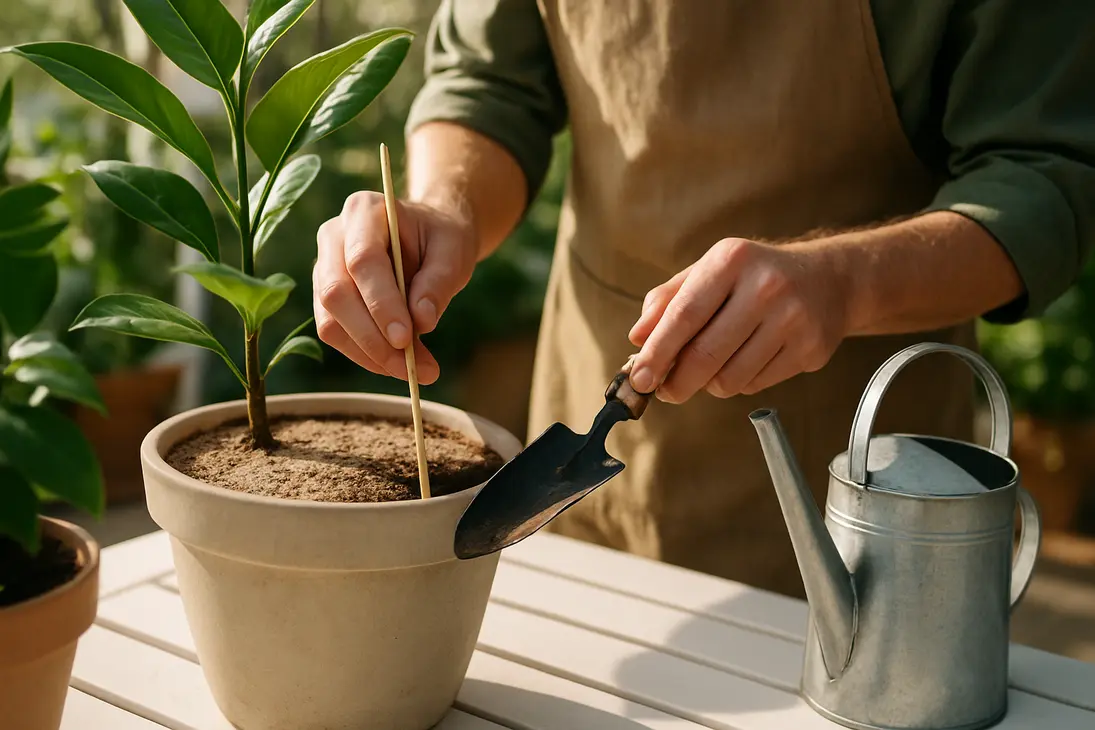
Learn how to check plant root moisture with a finger test, skewer, pot weight, and signs that roots are too wet before watering.
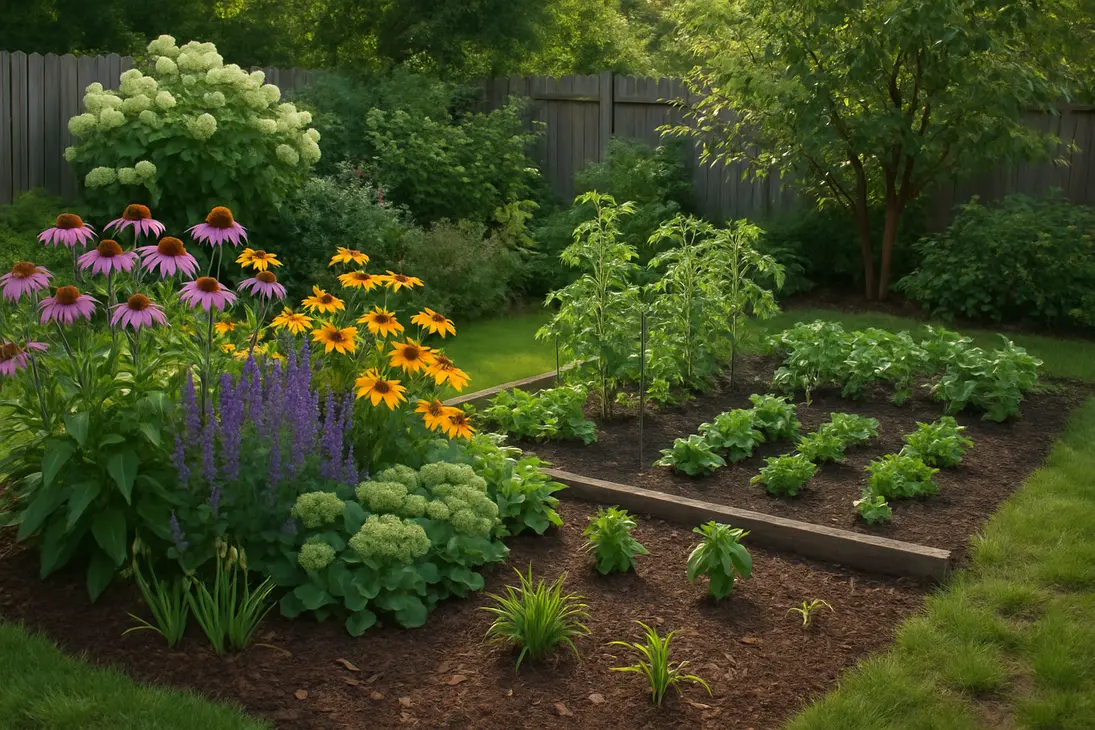
See the best plants for zone 6b, including hardy perennials, shrubs, bulbs, herbs, and vegetables, plus when to plant them.
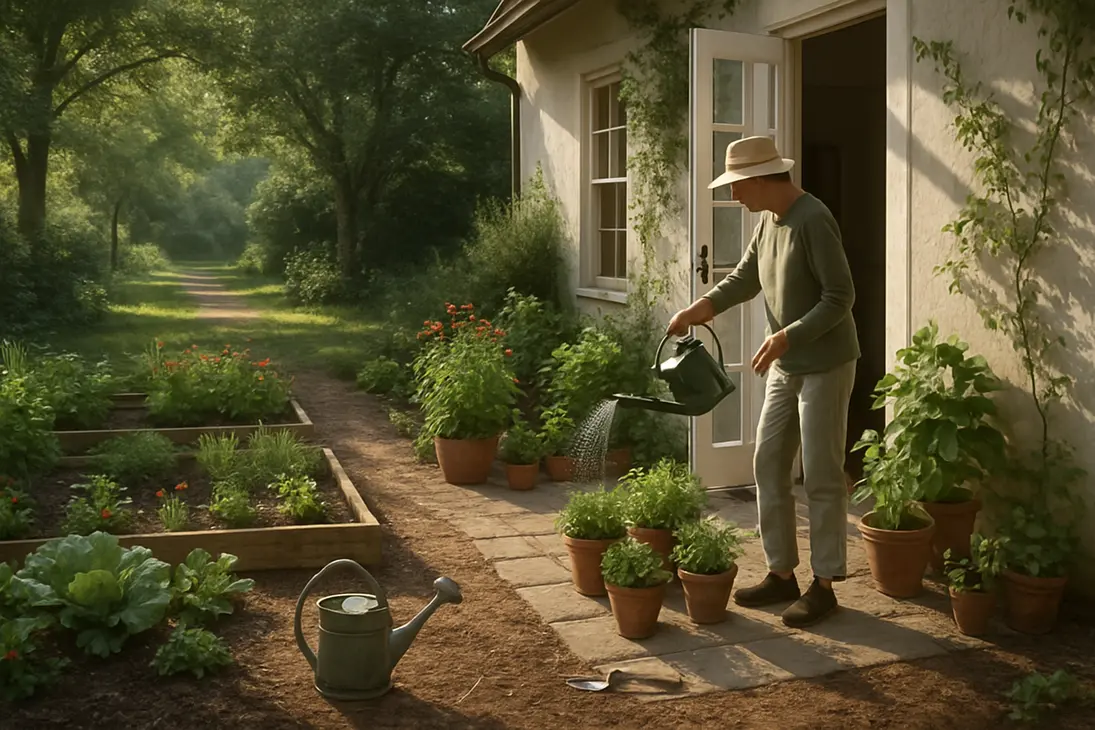
Plants shape mood, focus, stress, routines, and social connection through sensory cues, care habits, food, and greener spaces.
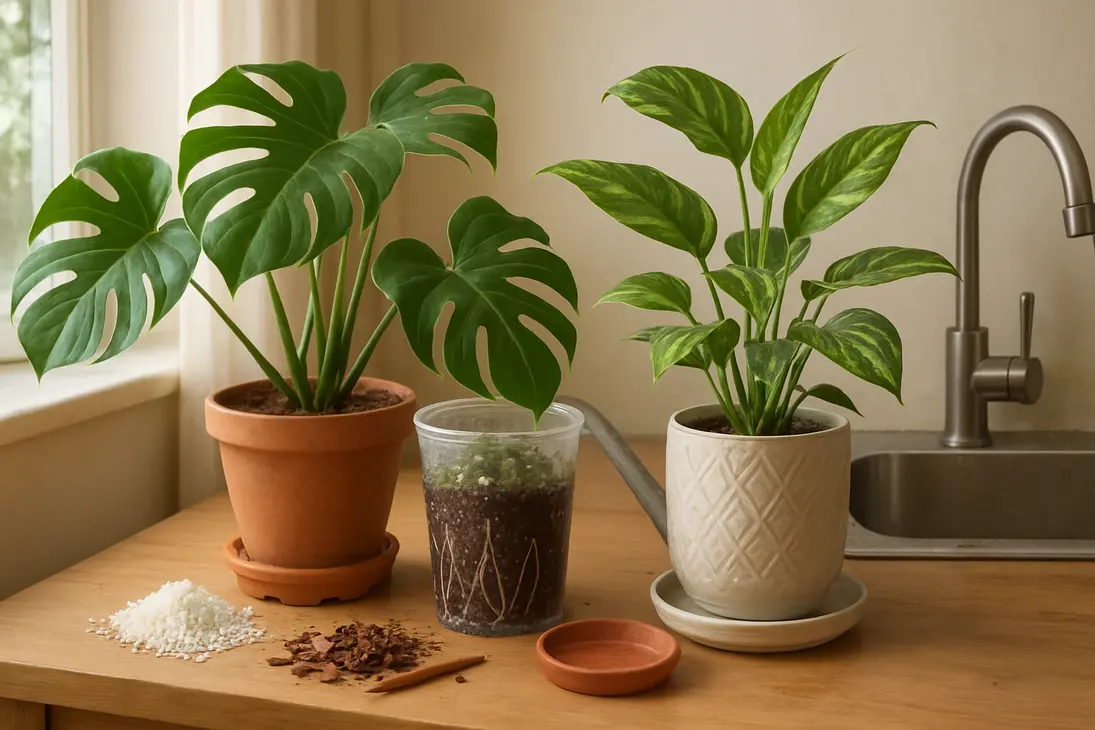
Learn how drainage holes, pot size, materials, saucers, and self-watering reservoirs affect root rot risk when watering potted plants.
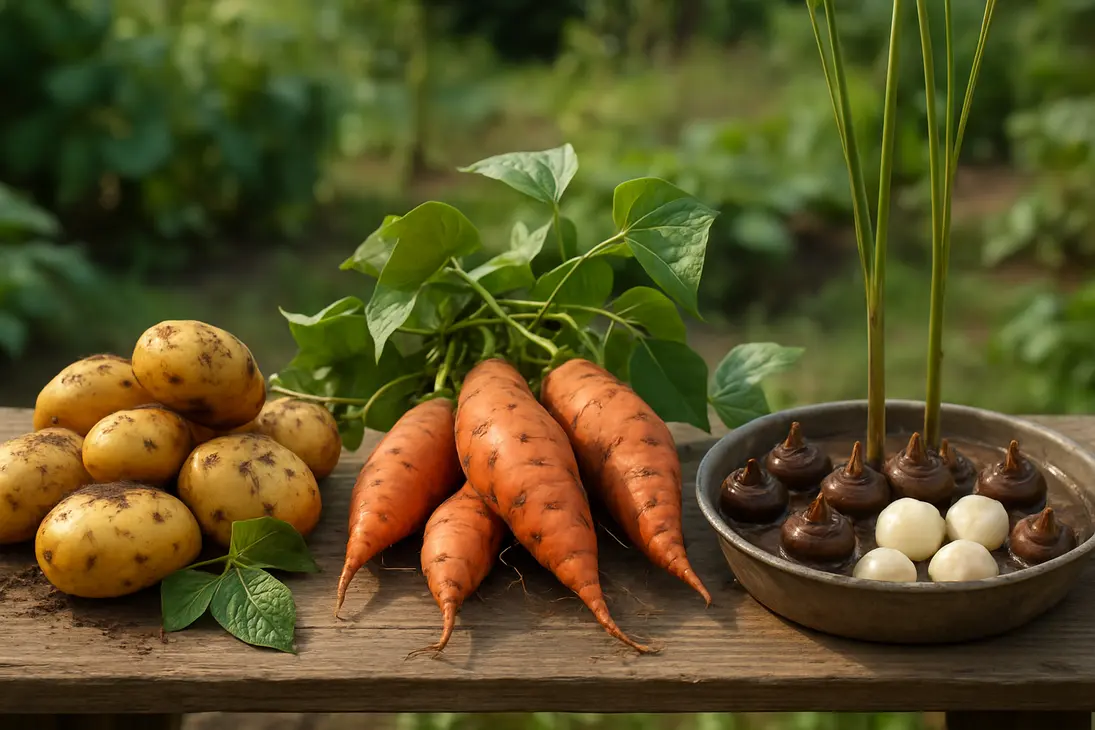
Potatoes are nightshades, sweet potatoes are morning-glory relatives, and water chestnuts are sedges. See how these crops differ botanically.
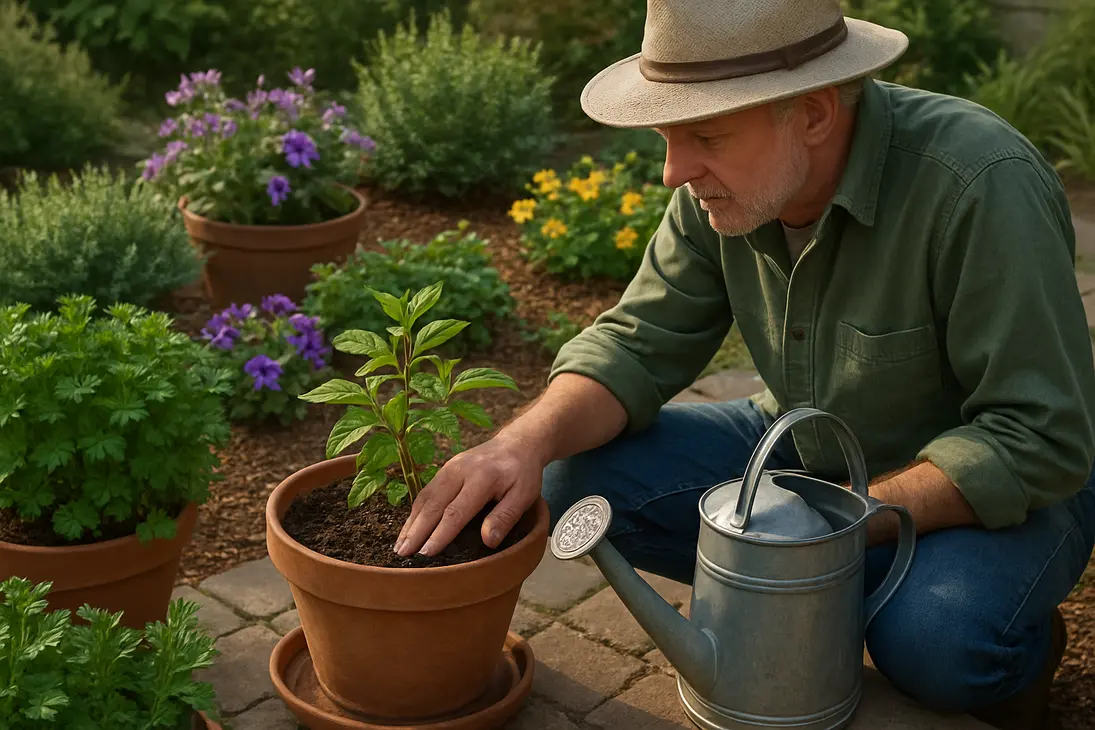
Learn how pros water deeply, check root-zone moisture, adjust for soil and pots, and avoid overwatering while keeping plants healthy.
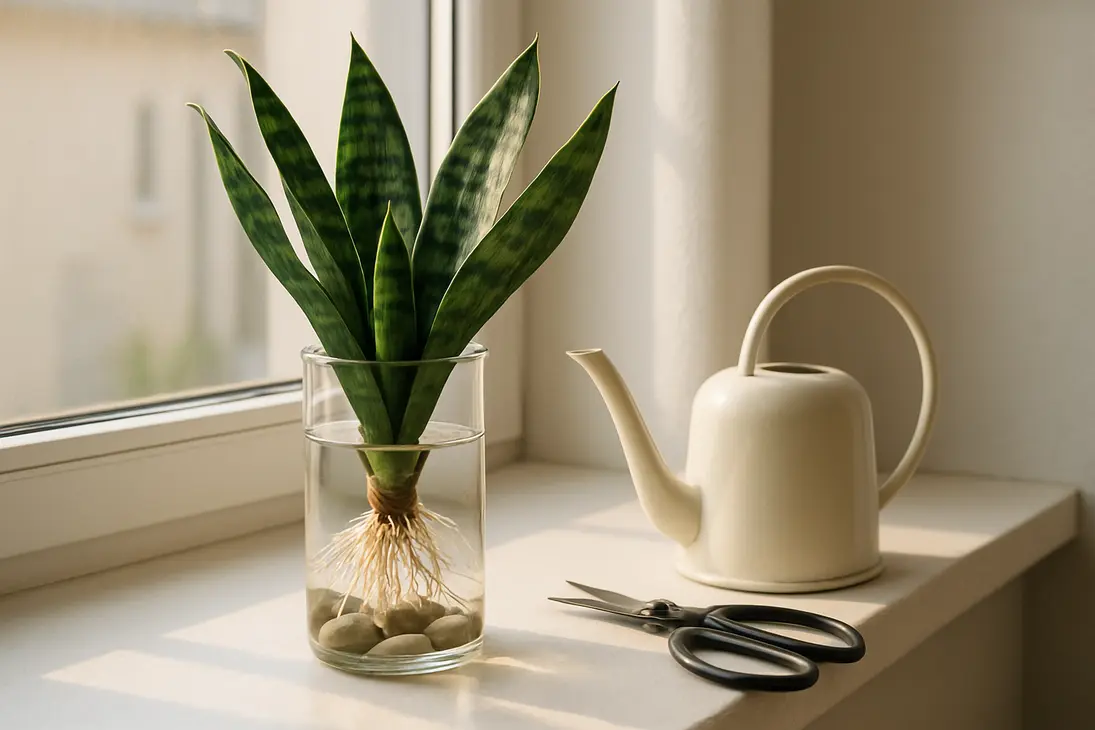
Learn how to grow Sansevieria in water with the right waterline, clean roots, bright indirect light, regular changes, and diluted feeding.
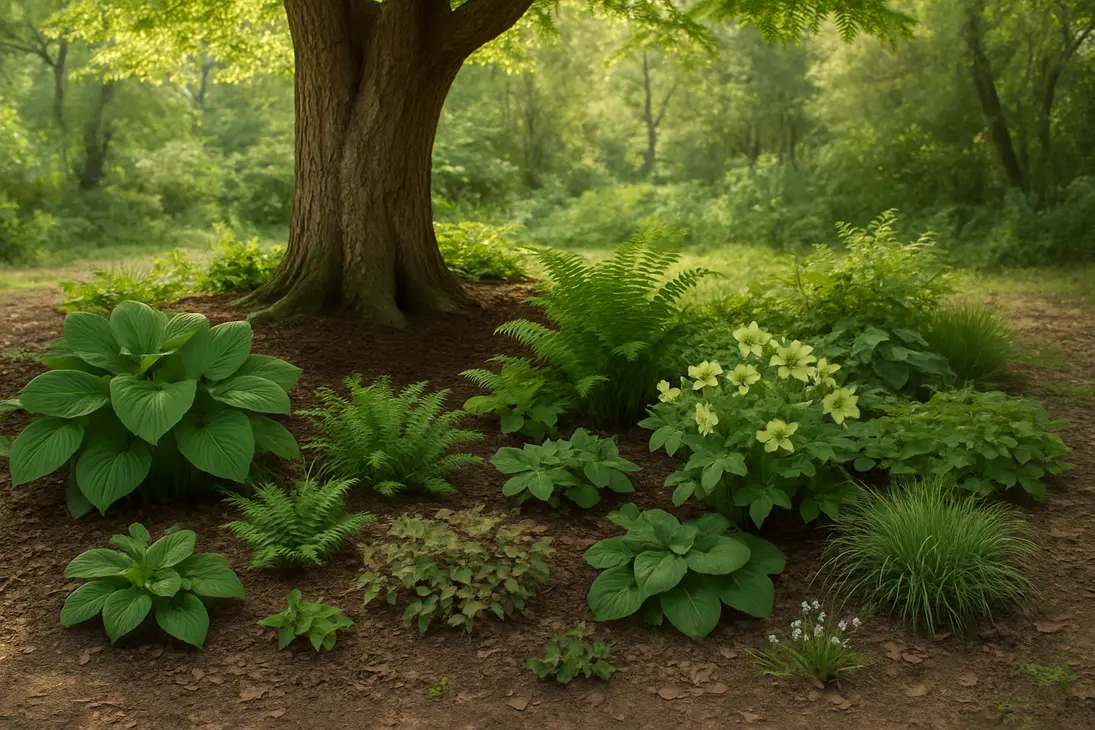
Find tough shade-tolerant plants for under large trees, including groundcovers, perennials, shrubs, bulbs, and planting tips for dry shade.
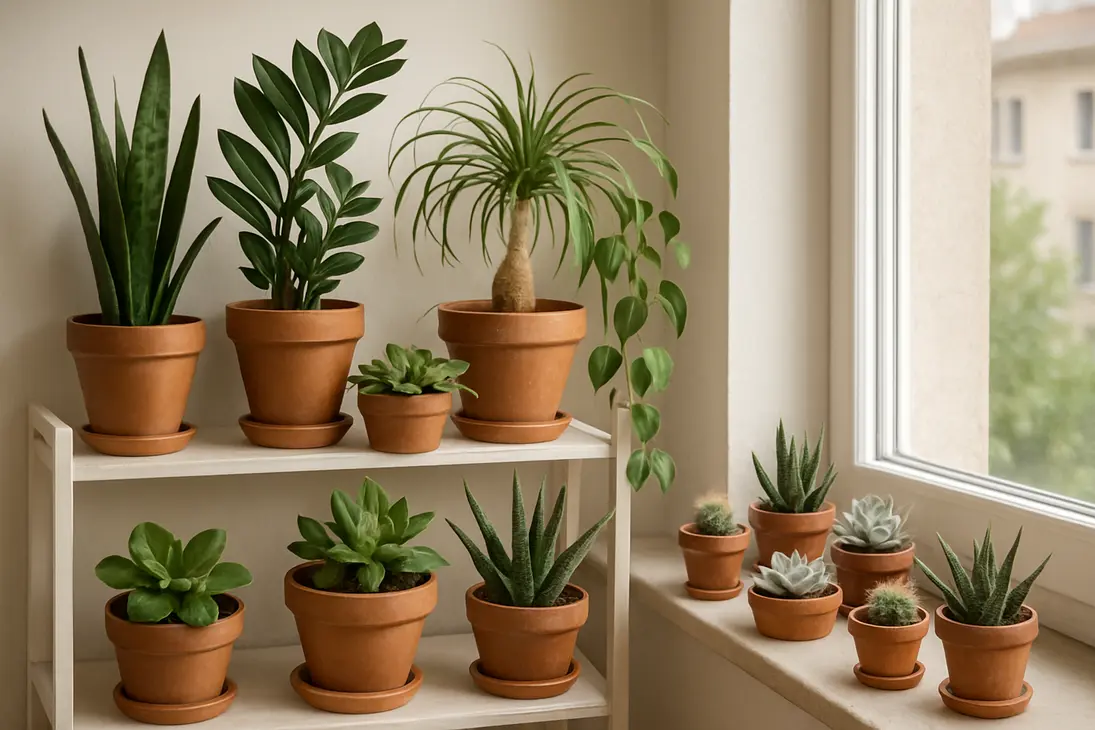
Find low-water indoor plants with succulent-like shapes, from snake plant and ZZ plant to jade, aloe, haworthia, hoya, and small cacti.
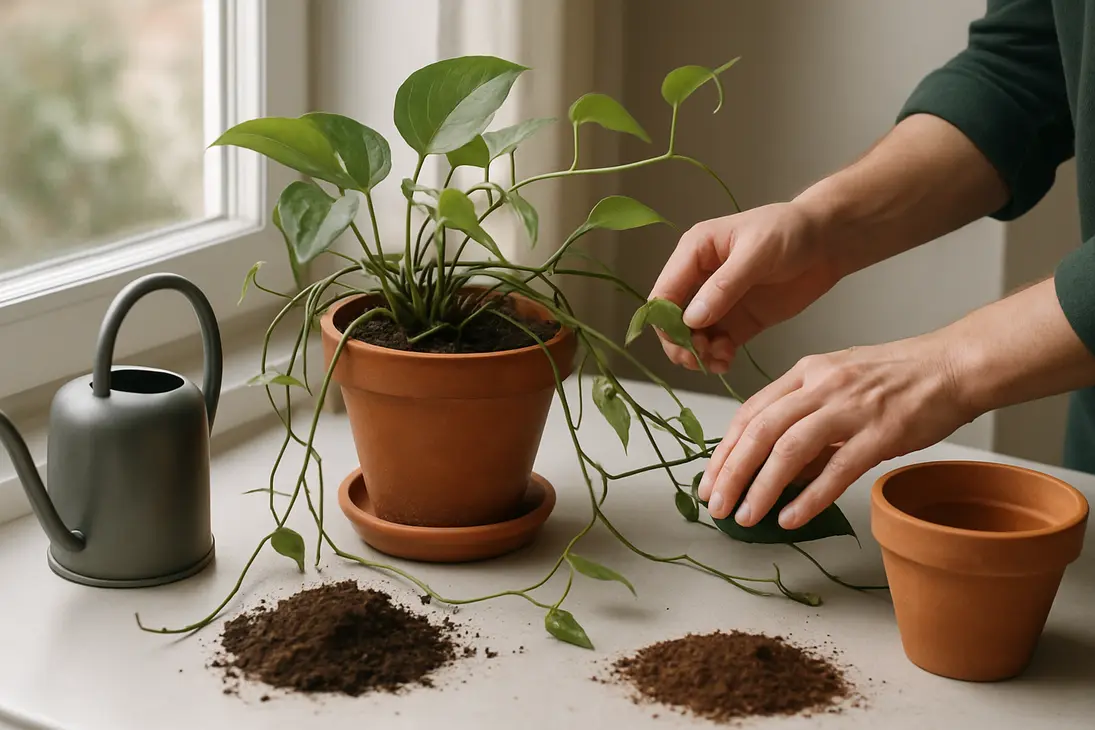
Thin, flimsy pothos leaves often point to low light, watering stress, root problems, or depleted soil. Learn how to diagnose and fix weak growth.
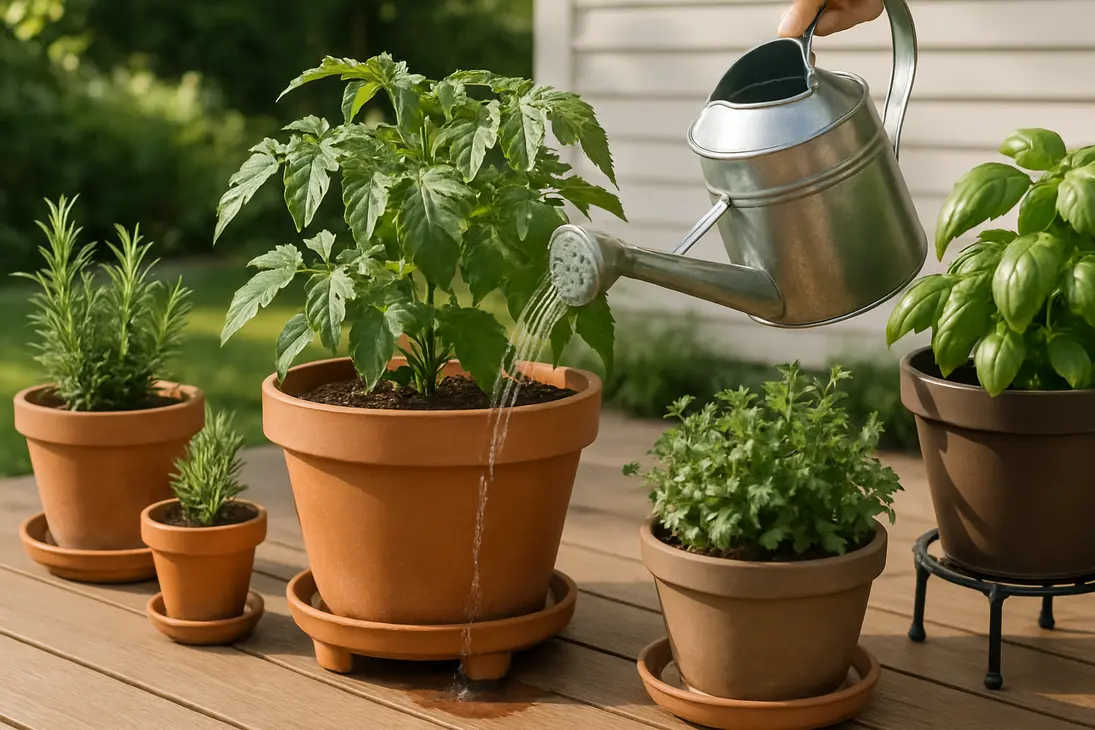
Yes, you can water plants on a deck if pots drain well. Learn how to prevent stains, standing water, root rot, and deck damage.
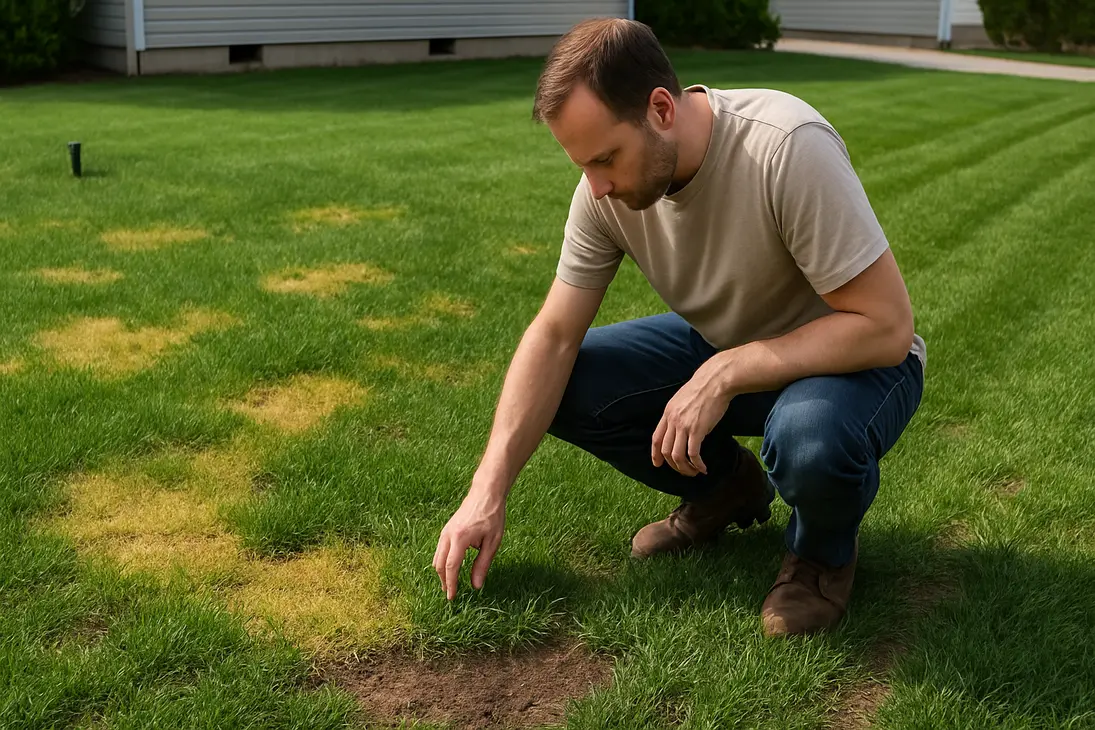
Yellow grass can come from drought, overwatering, fertilizer burn, mowing damage, pests, disease, or dormancy. Learn how to read the pattern.
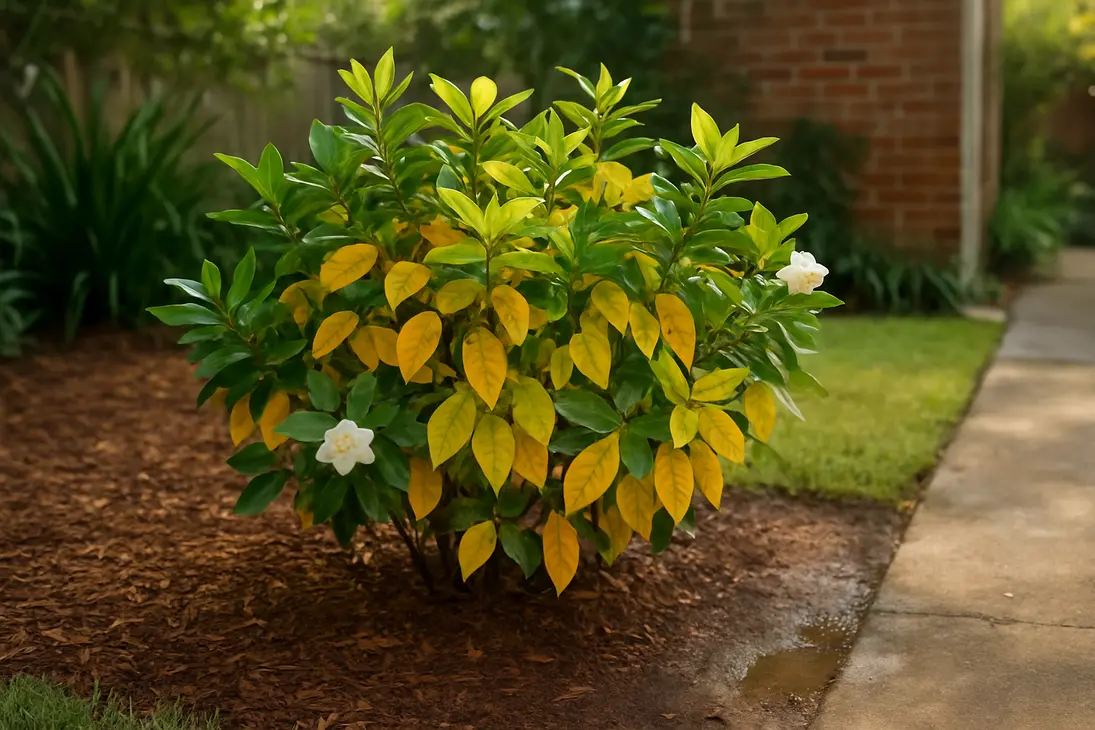
Learn why gardenia leaves turn yellow in Houston, from soggy clay soil and high pH to heat stress, pests, and watering issues.
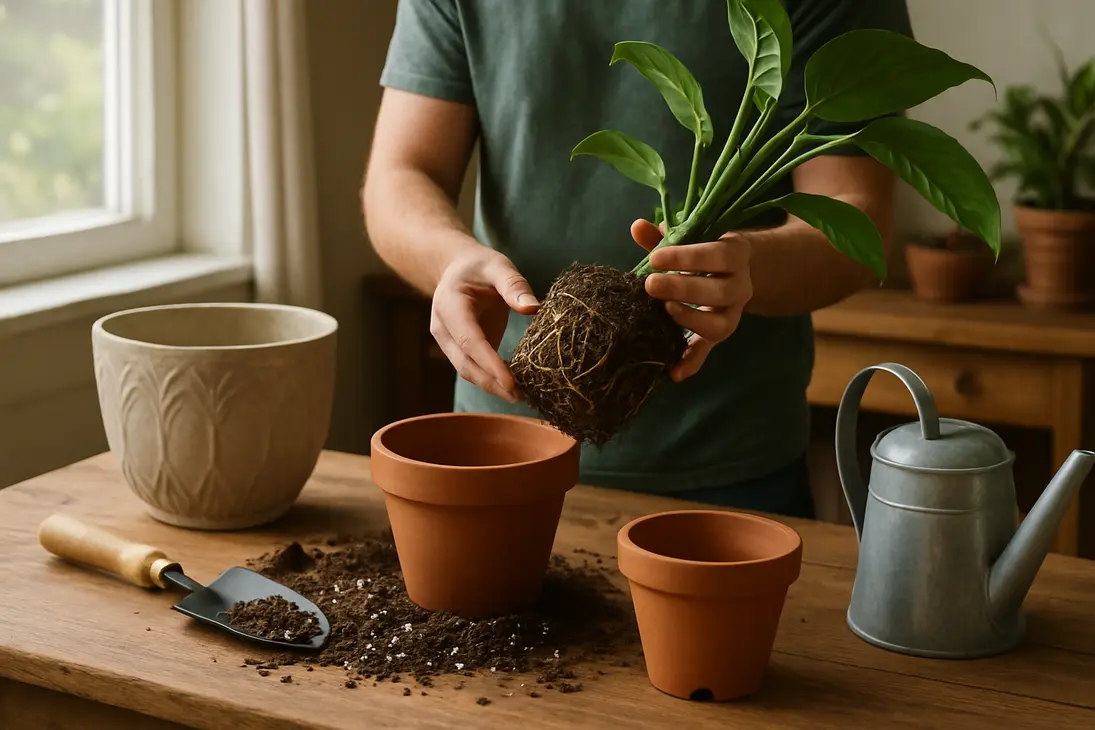
Learn which repotting plant mistakes can kill plants, from oversized pots and poor drainage to root damage, wrong soil, and overwatering.
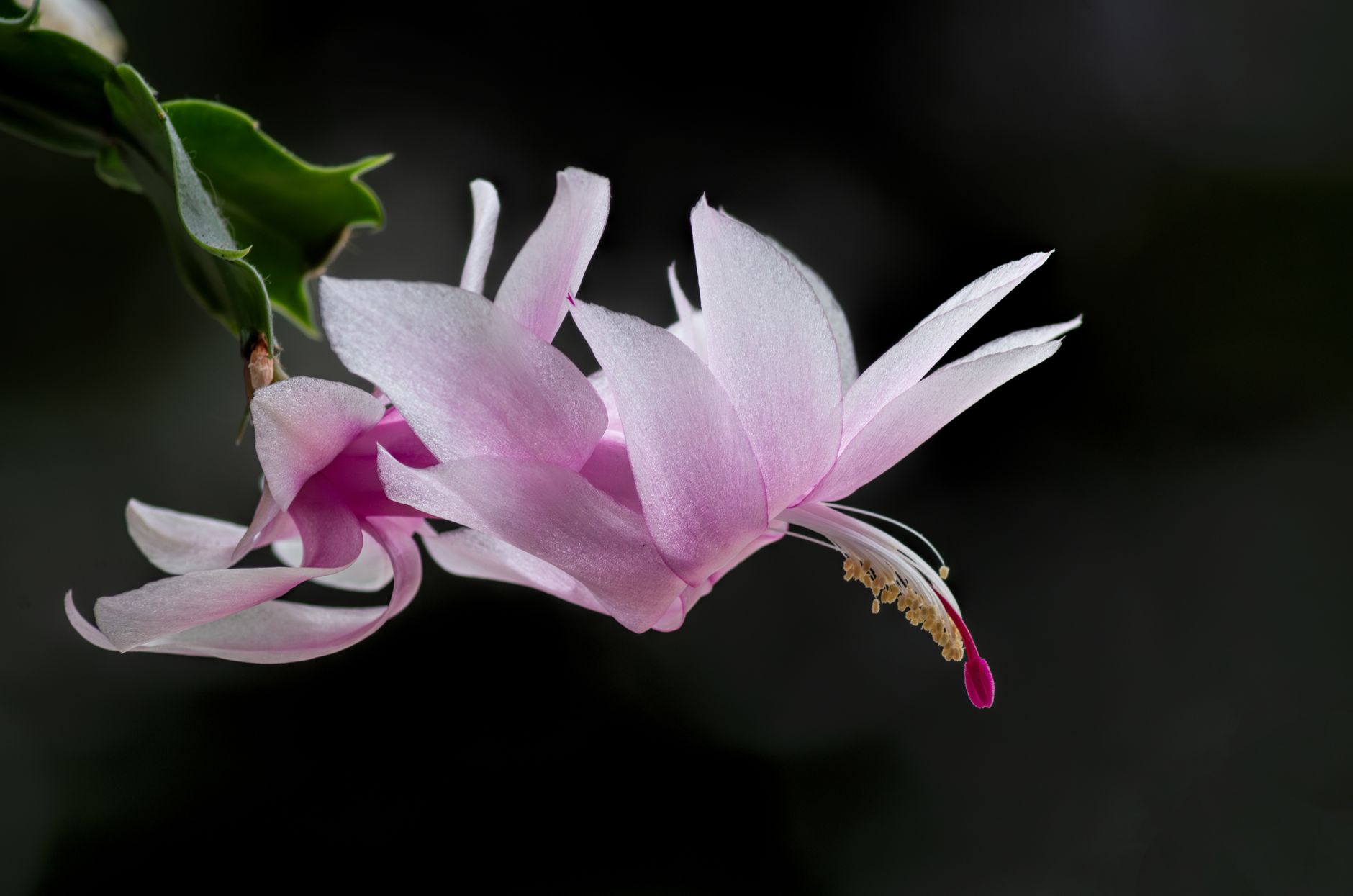
Find the right Christmas cactus fertilizer, learn when to feed at half strength, and see why fertilizer alone won't trigger blooms. Get a seasonal feeding plan.
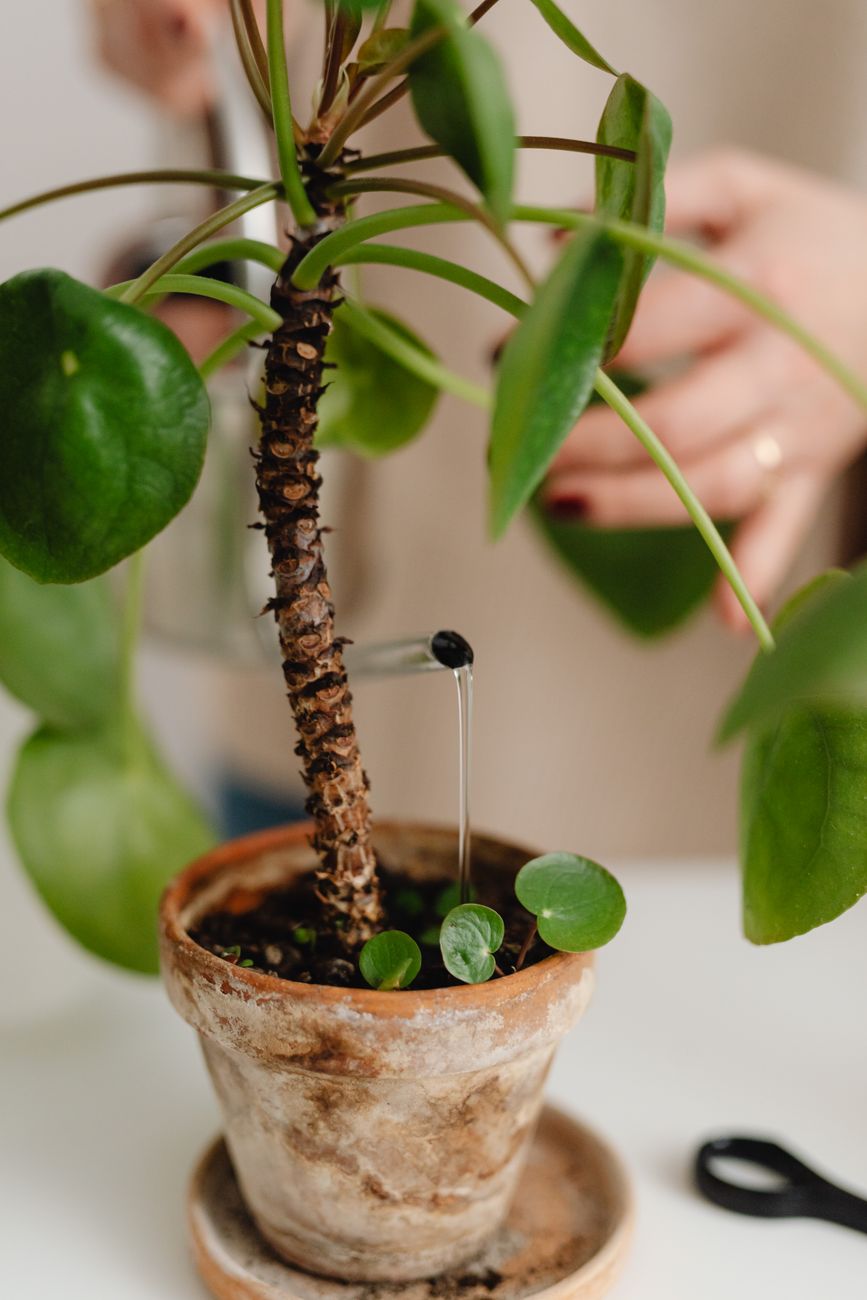
How long to let a plant sit in water when bottom watering? Most pots finish in 15–30 minutes. Learn the simple cues that tell you the root zone is hydrated.
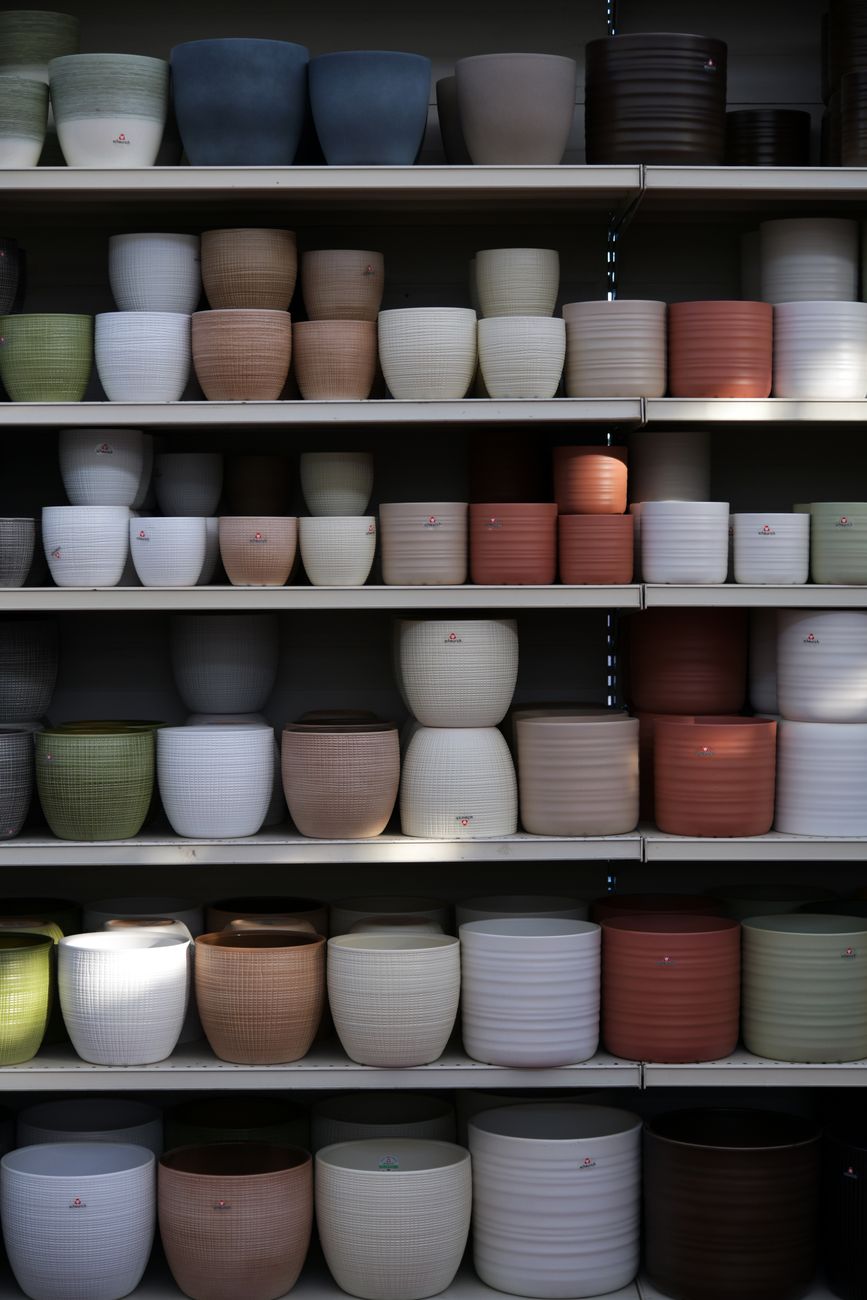
Plant pot sizes can be confusing. Compare diameter, volume, and nursery # labels, then measure to pick the right size for your plant and know when to repot.
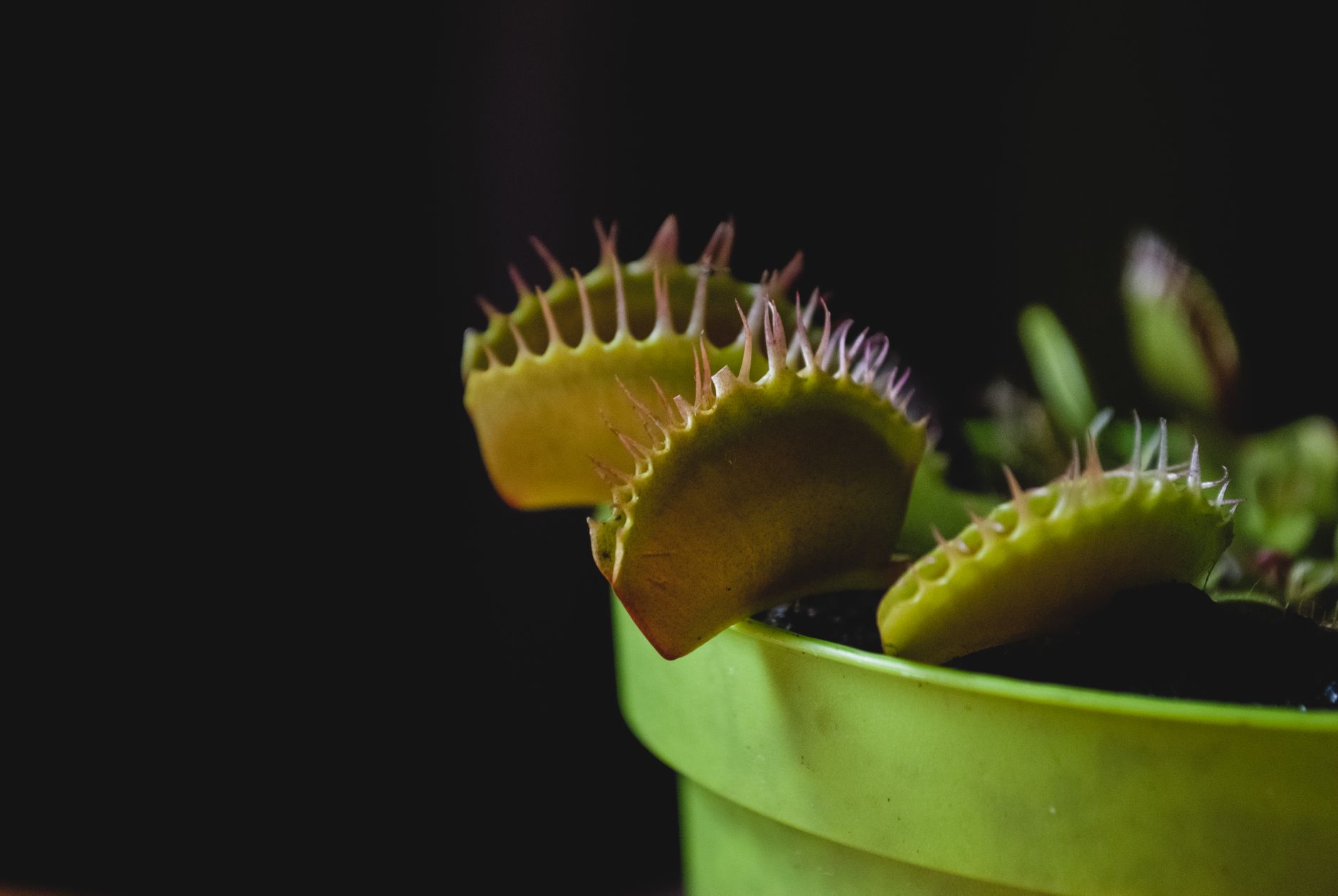
Will neem oil kill fungus gnats? It depends on the product and life stage. Find out which neem products target larvae and why soil drenches can backfire.
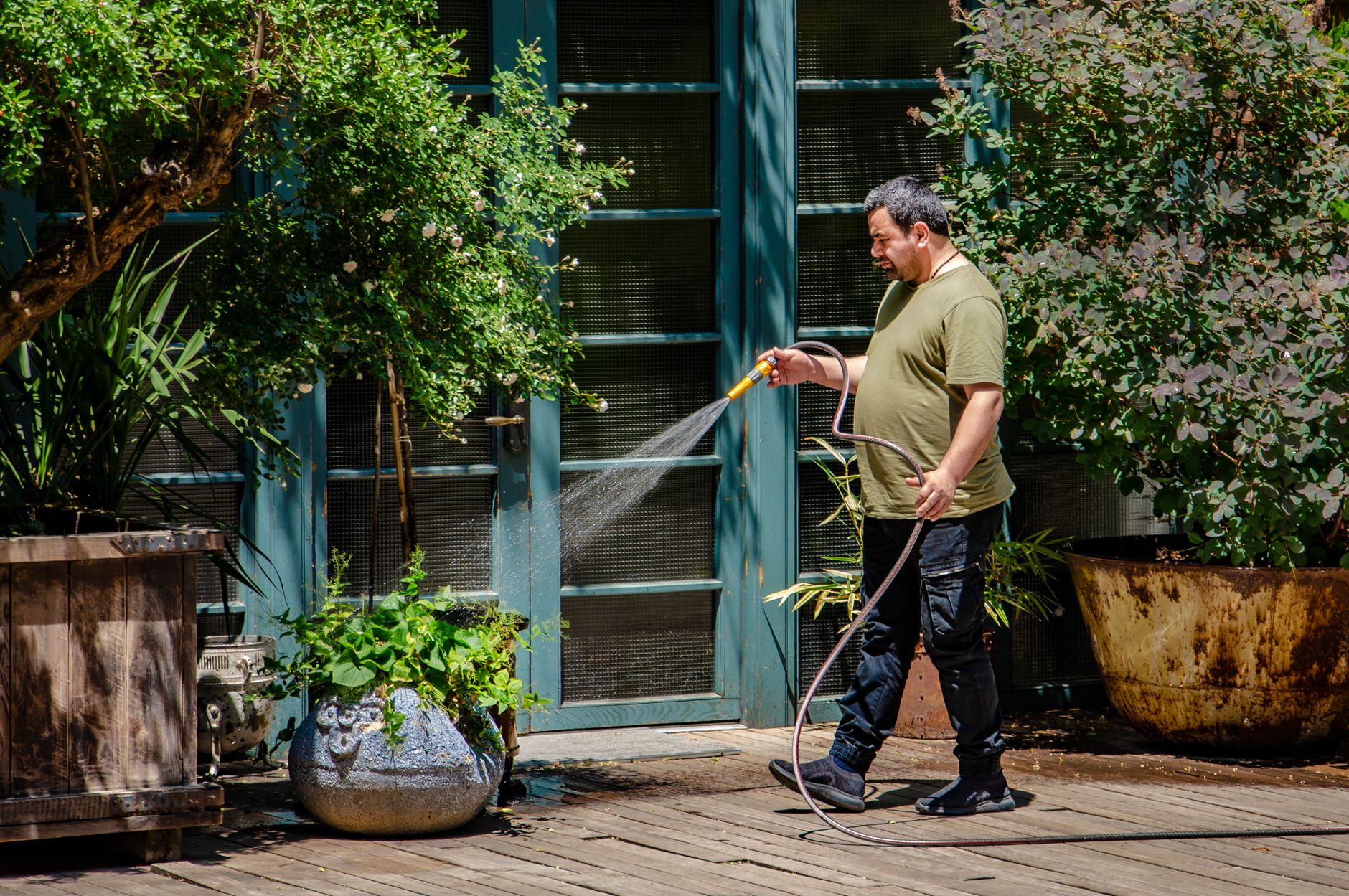
How to water plants on an upper deck without overwatering or dripping below. Find out which method fits, how to control runoff, and how to protect the deck.
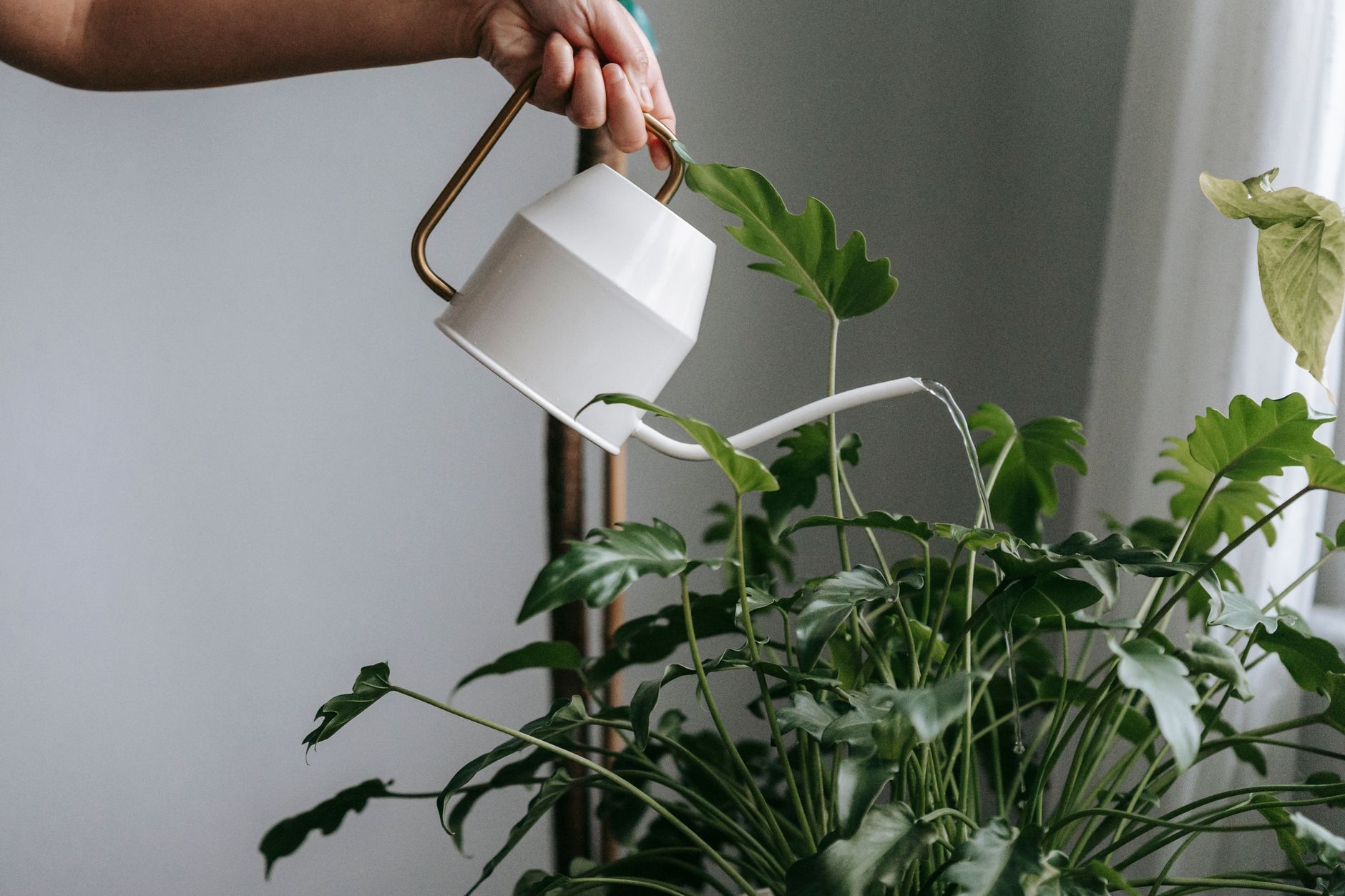
Can you water plants with hydrogen peroxide? Learn what the evidence says about root rot, fungus gnats, and dilution ratios — plus what to do instead.
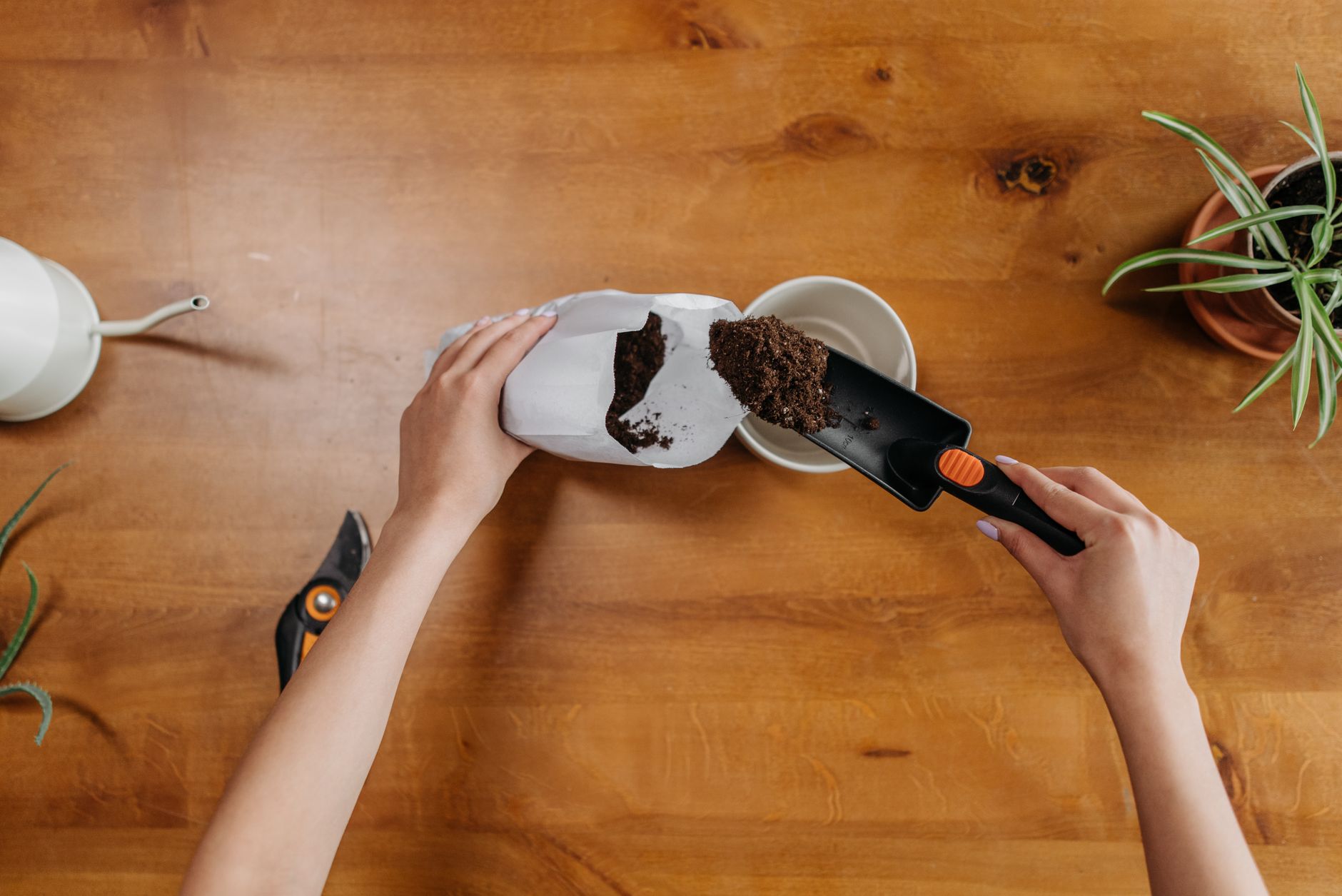
What are fungus gnats and why do they keep coming back? Learn to identify them, find the breeding source, and break the life cycle with practical steps.
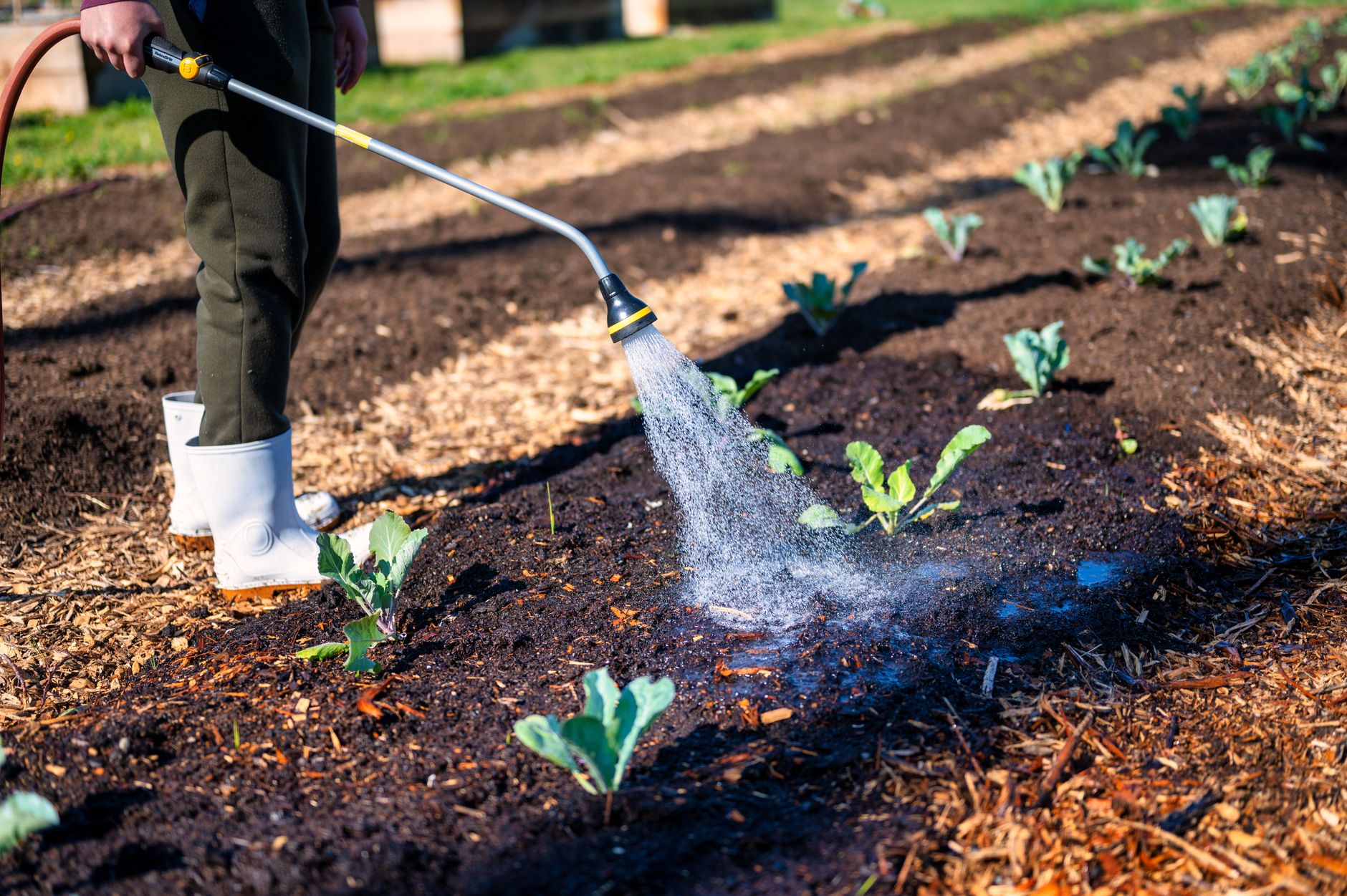
What to plant in wet soil: match plants to flooding, sun, and season. Compare plants for saturated shade and pond margins — and learn when raised beds help.
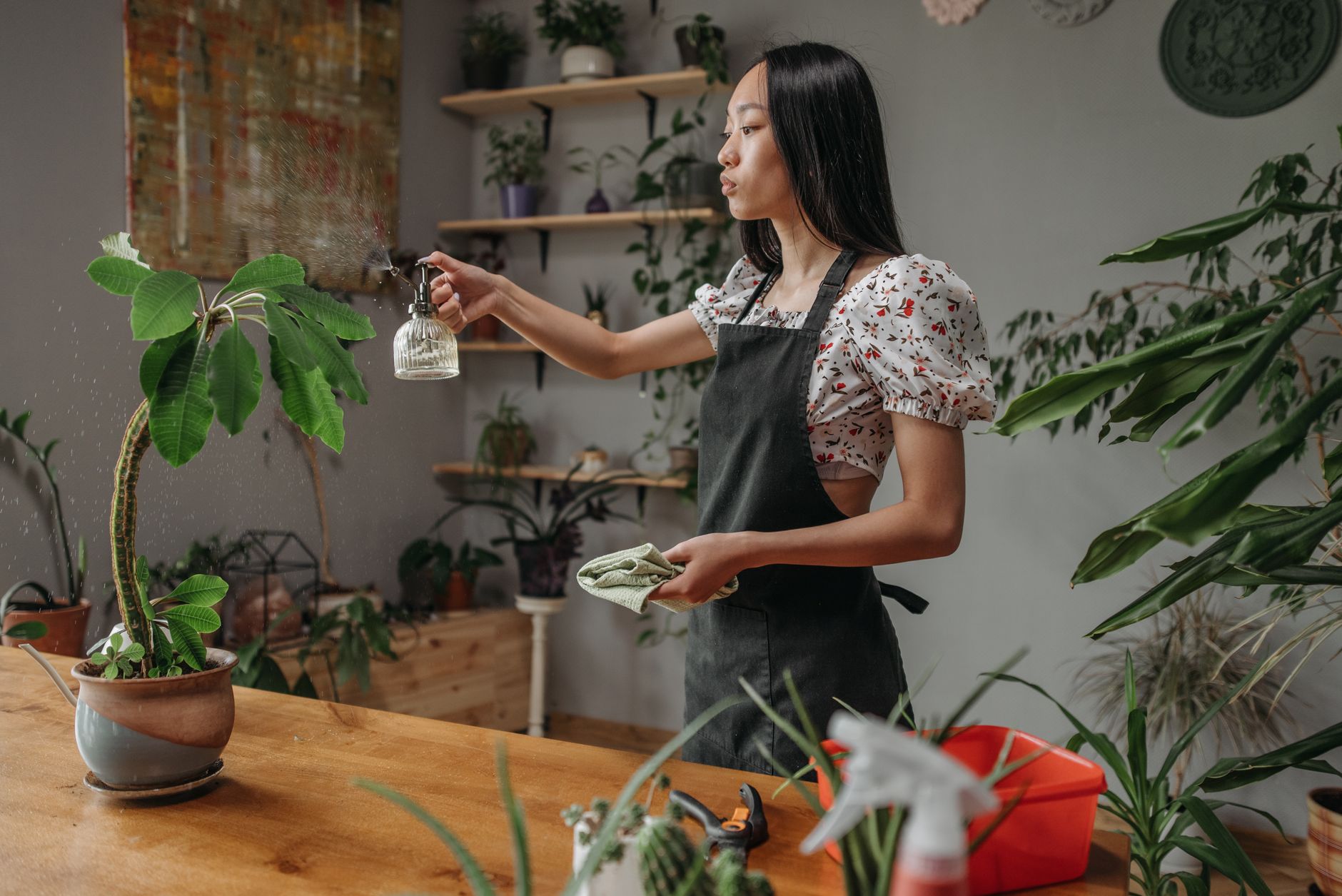
Learn how to keep house plants alive by matching them to your light and watering by need, not schedule. Diagnose problems and build a routine for your home.
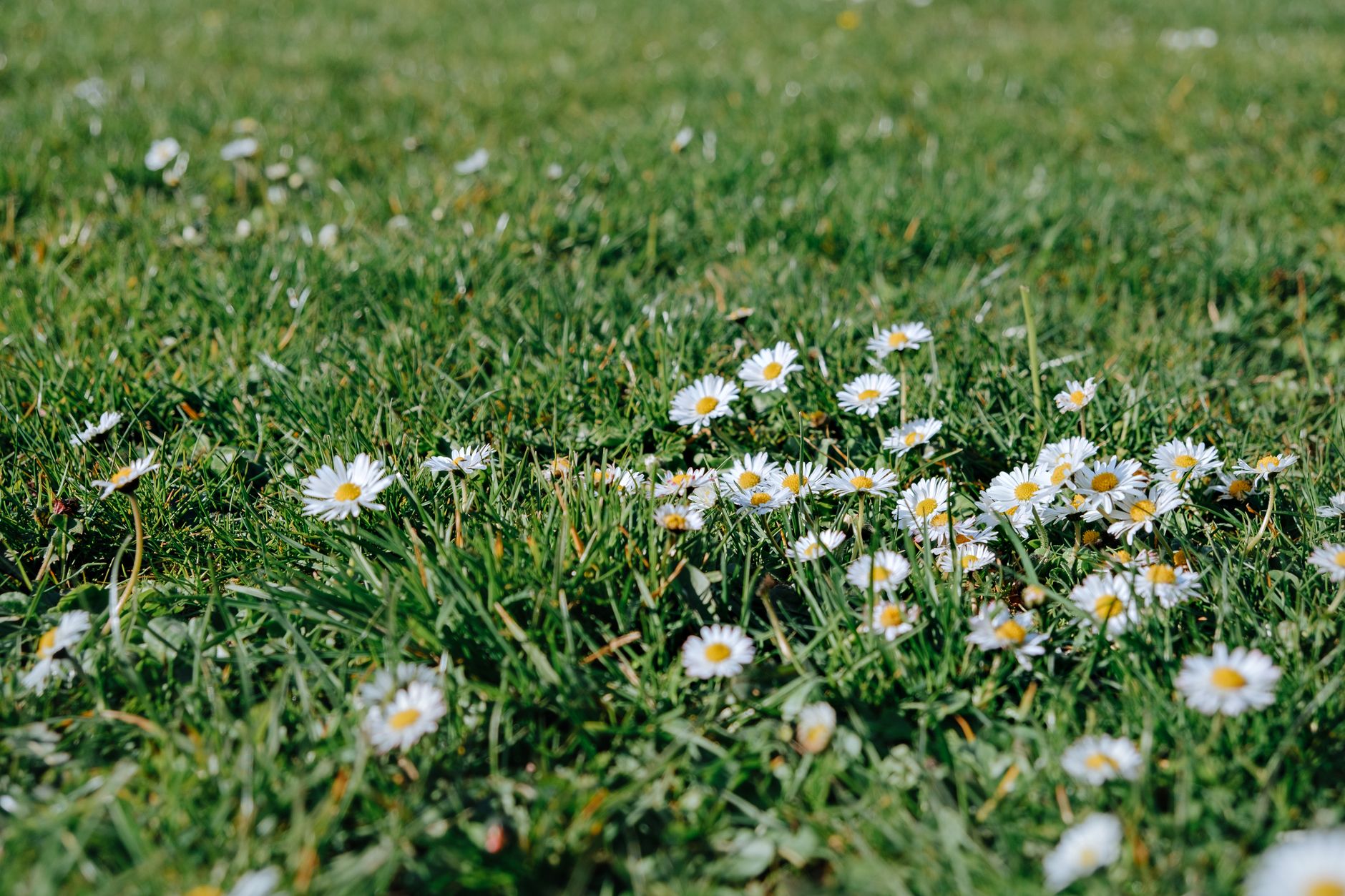
Learn to grow a chamomile lawn without weeds or bare patches. Discover the right cultivar, site prep, traffic planning, and maintenance needed for success.
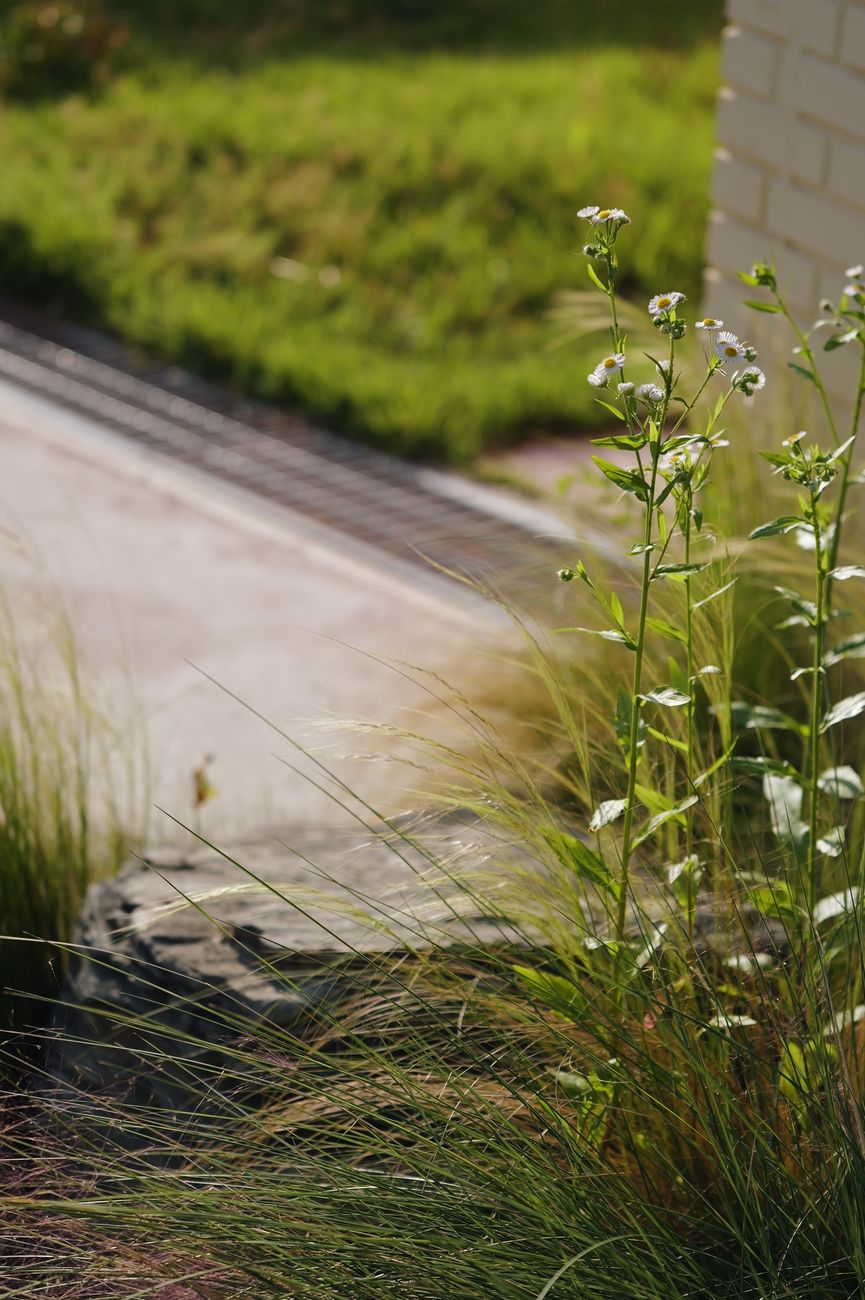
Match native rain garden plants to each moisture zone. Select species for bottom, slope, rim, inlet, and overflow by hydrologic zone, not hardiness. Start here.
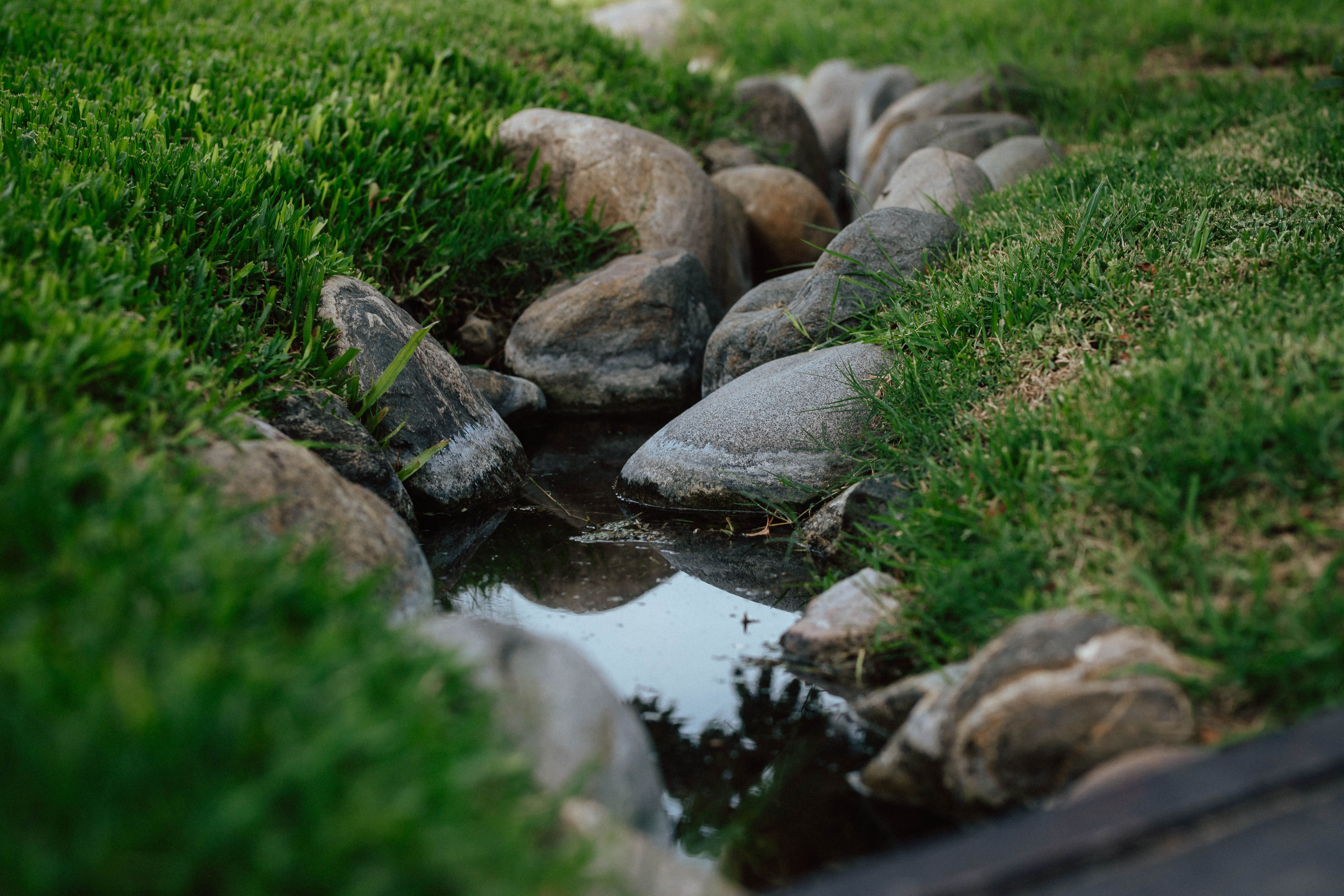
Compare bioswale vs rain garden based on your yard's actual water path. See how basin storage differs from channel conveyance. Pick the right system.
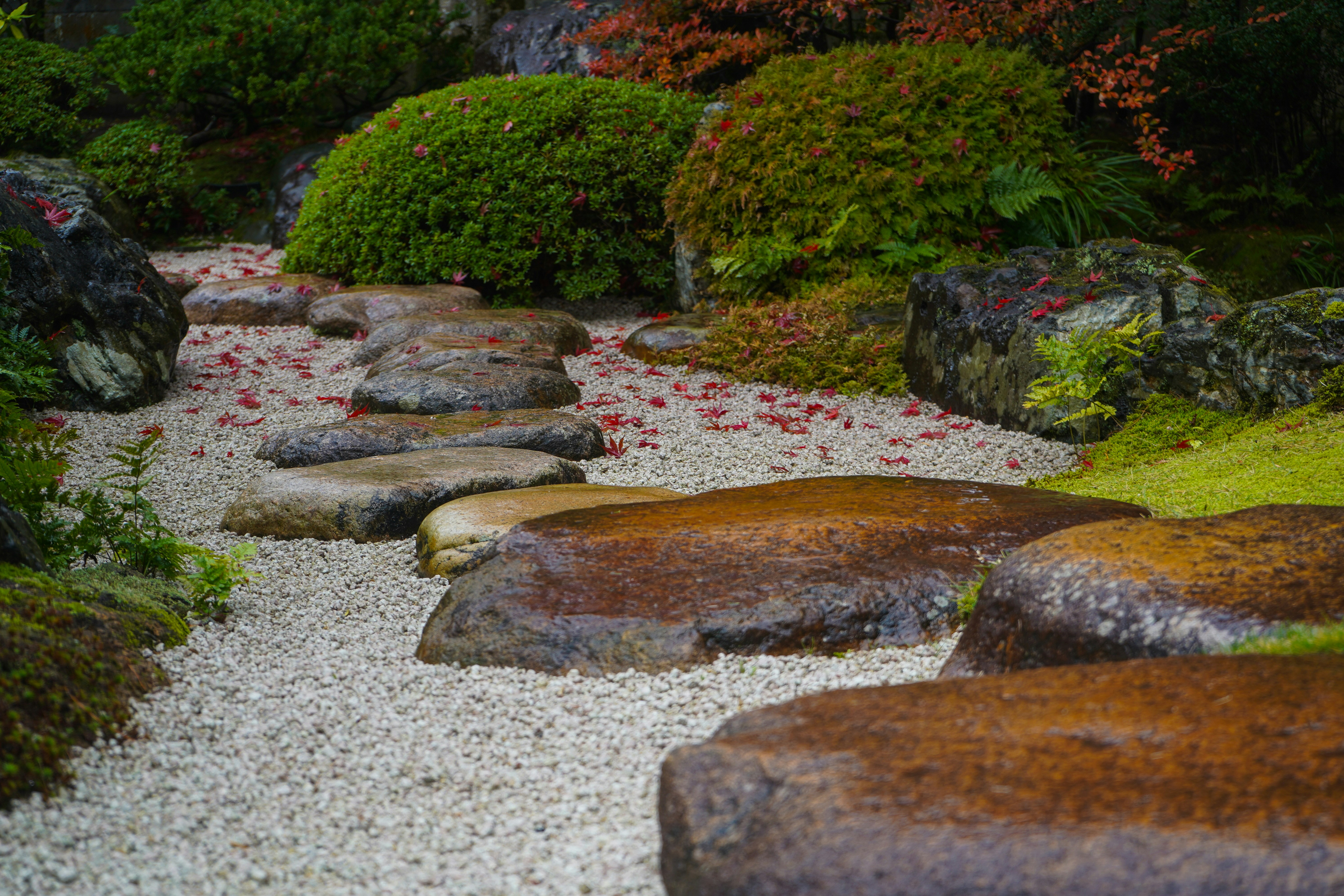
Learn how to make a rain garden: site selection, soil testing, basin sizing, overflow planning, and zone planting. Use these steps to build a working system.

See how a garden rain drum works in actual rainfall, where to place it for sound, and how to choose the right one. Use placement and care tips to test yours.

Learn what a rain garden is and how it handles roof and driveway runoff. Use this guide to test drainage, size the basin, pick plants, and build safe overflow.
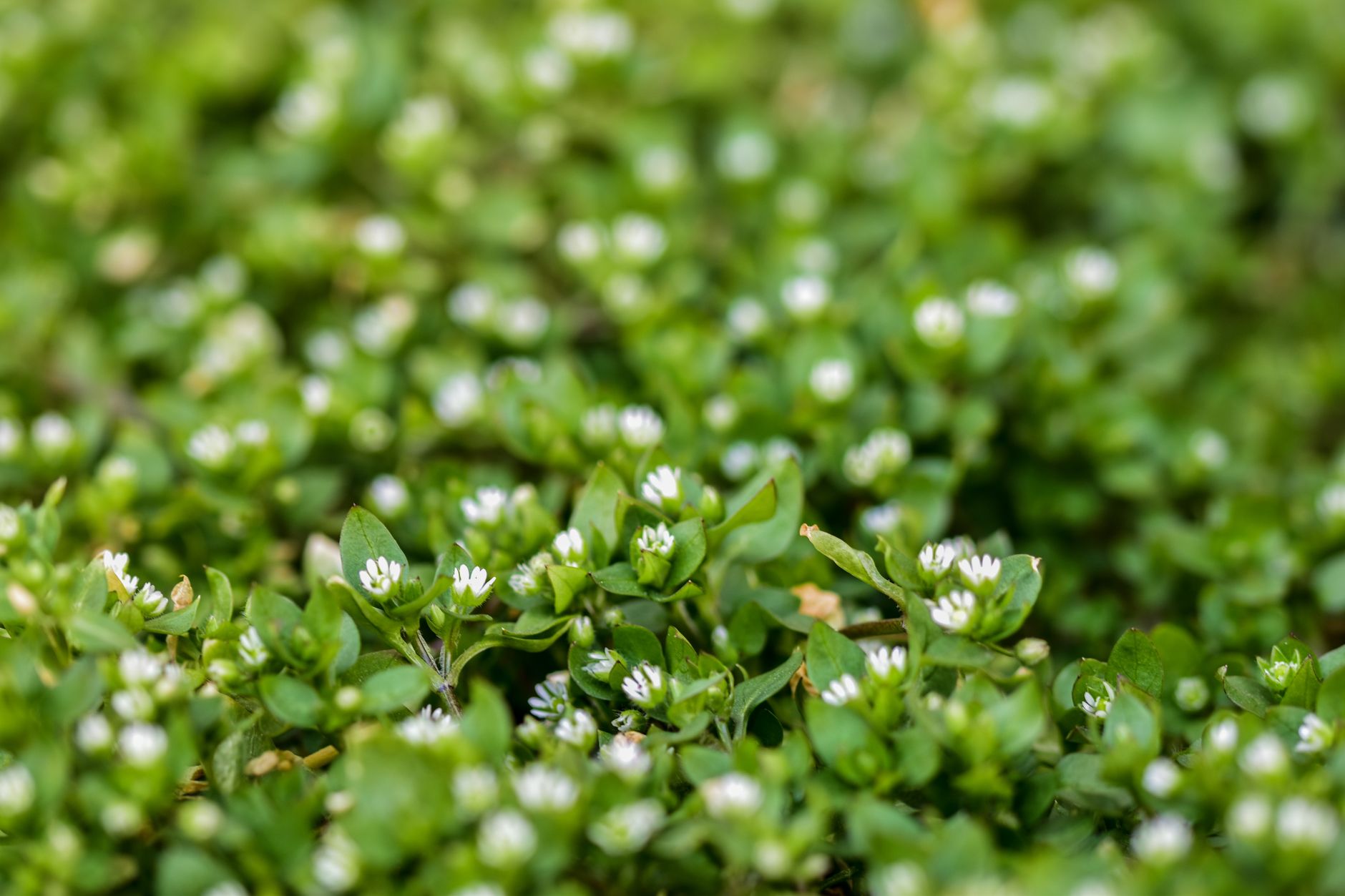
See how a frogfruit lawn works as a turf alternative — planting, weed control, and pollinator value. Compare native frogfruit vs Kurapia to see if it fits.
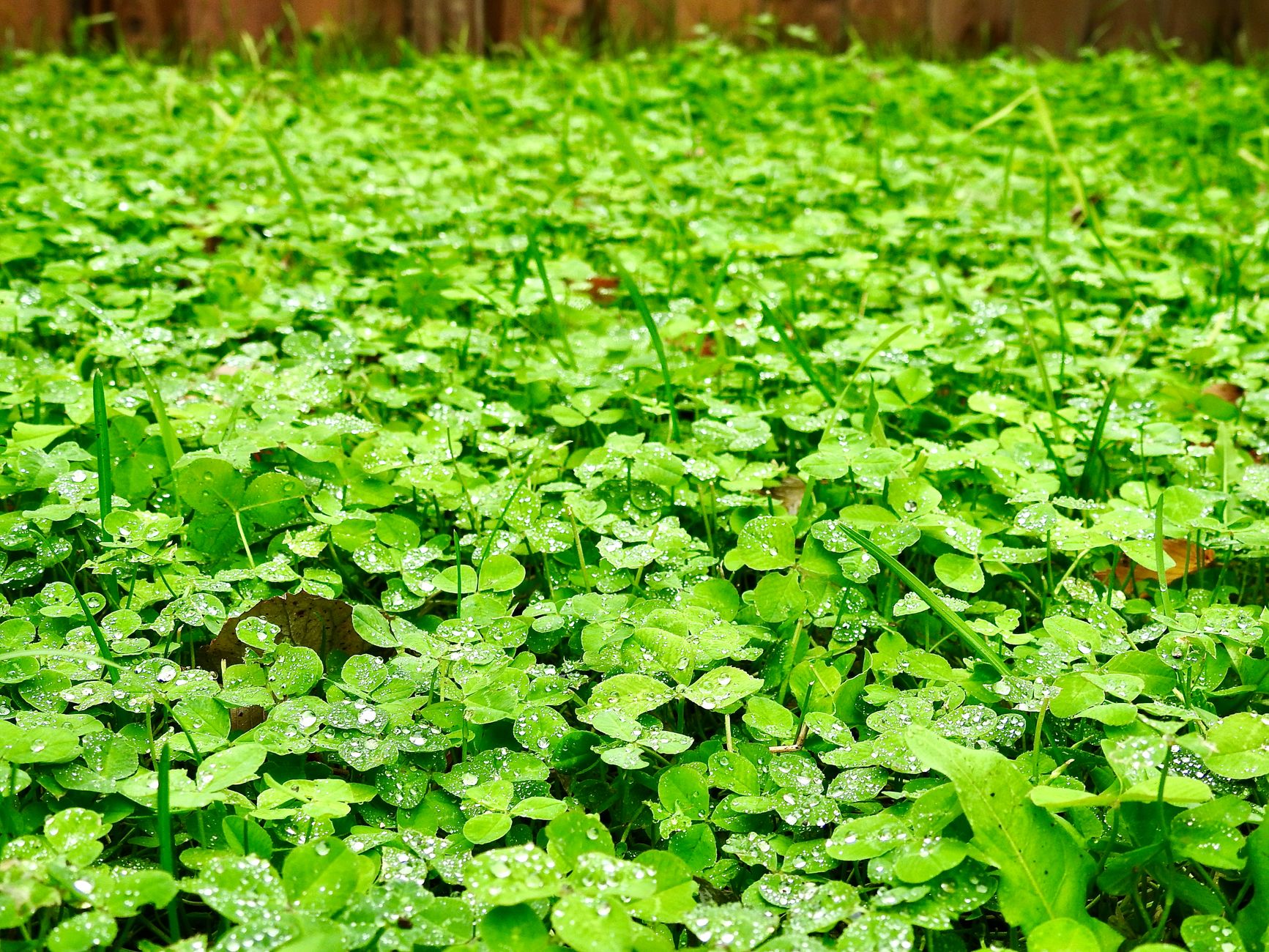
Considering a microclover lawn? Learn planting, compare pure vs. mixed, avoid patchy results, and maintain the right grass-clover balance with practical tips.
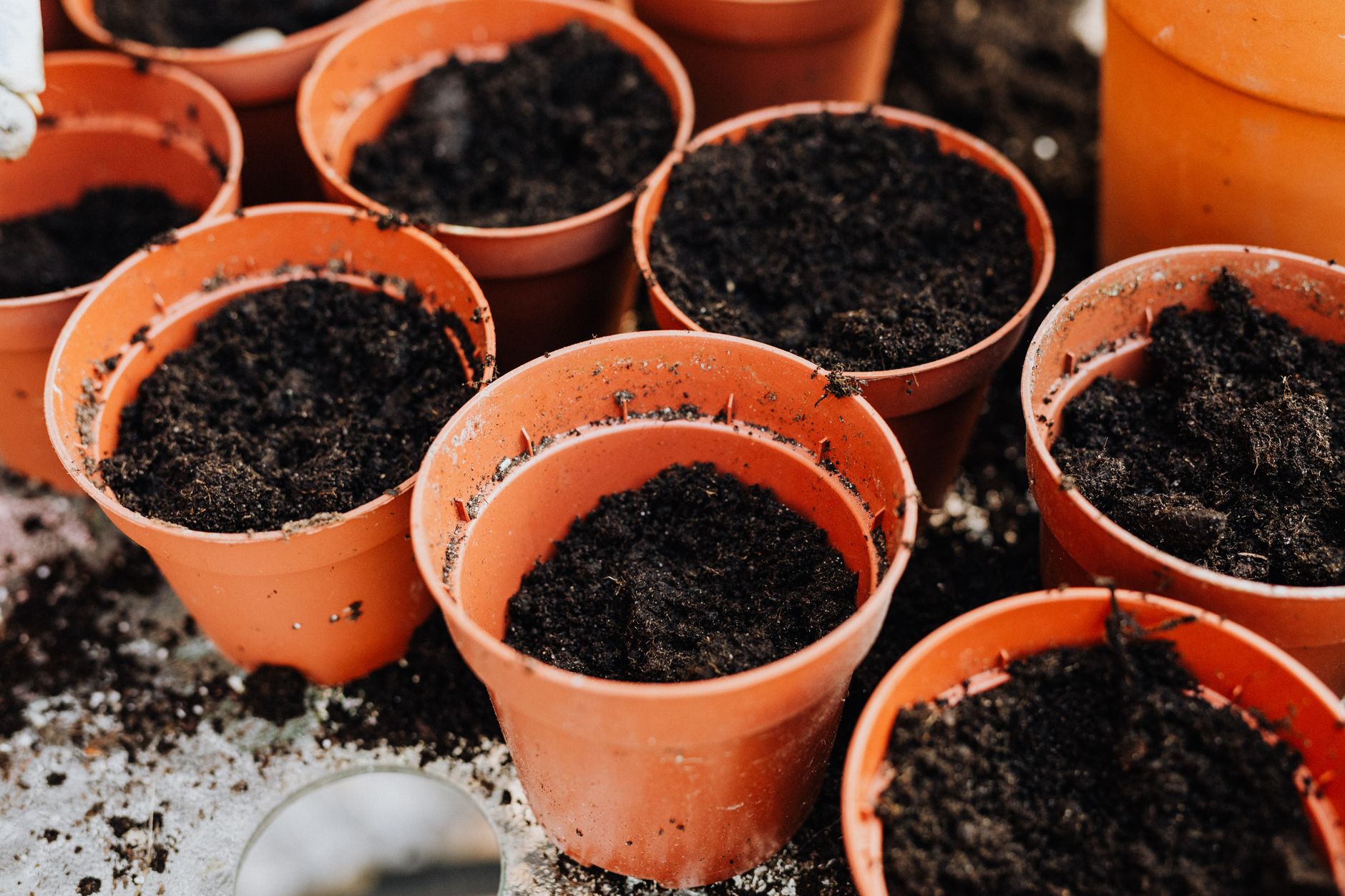
Reuse potting soil safely after each season. Check drainage, disease, and salt, then refresh old mix for vegetables. See when to repurpose or discard.
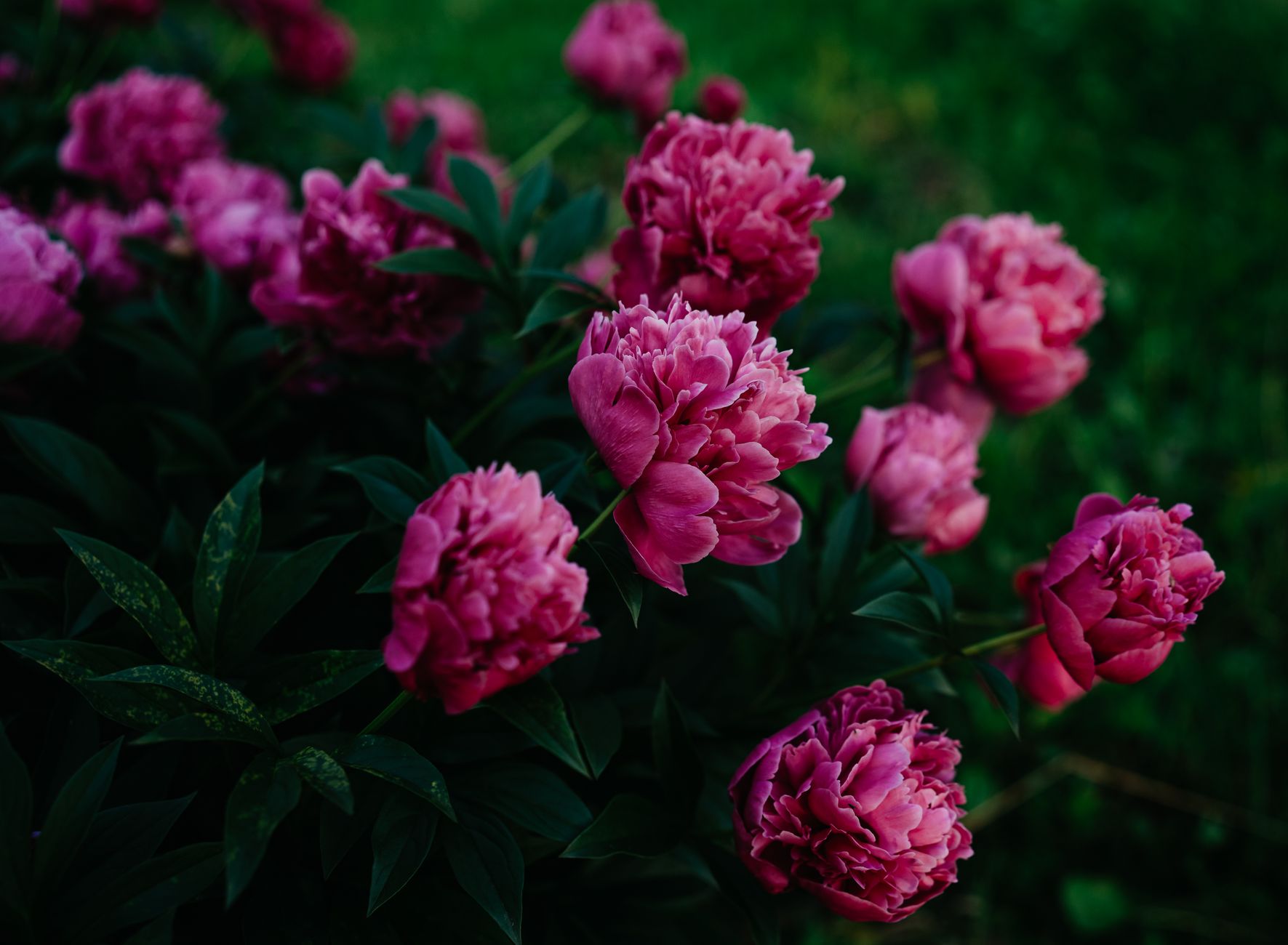
Summer Care for Peonies: learn what to do after blooming. Deadhead correctly, keep foliage intact, water wisely, and diagnose diseases before cutting back.
Find the best drought tolerant grass seed for your region, from tall fescue to buffalograss. Learn to read labels and establish a low-water lawn. Check options.
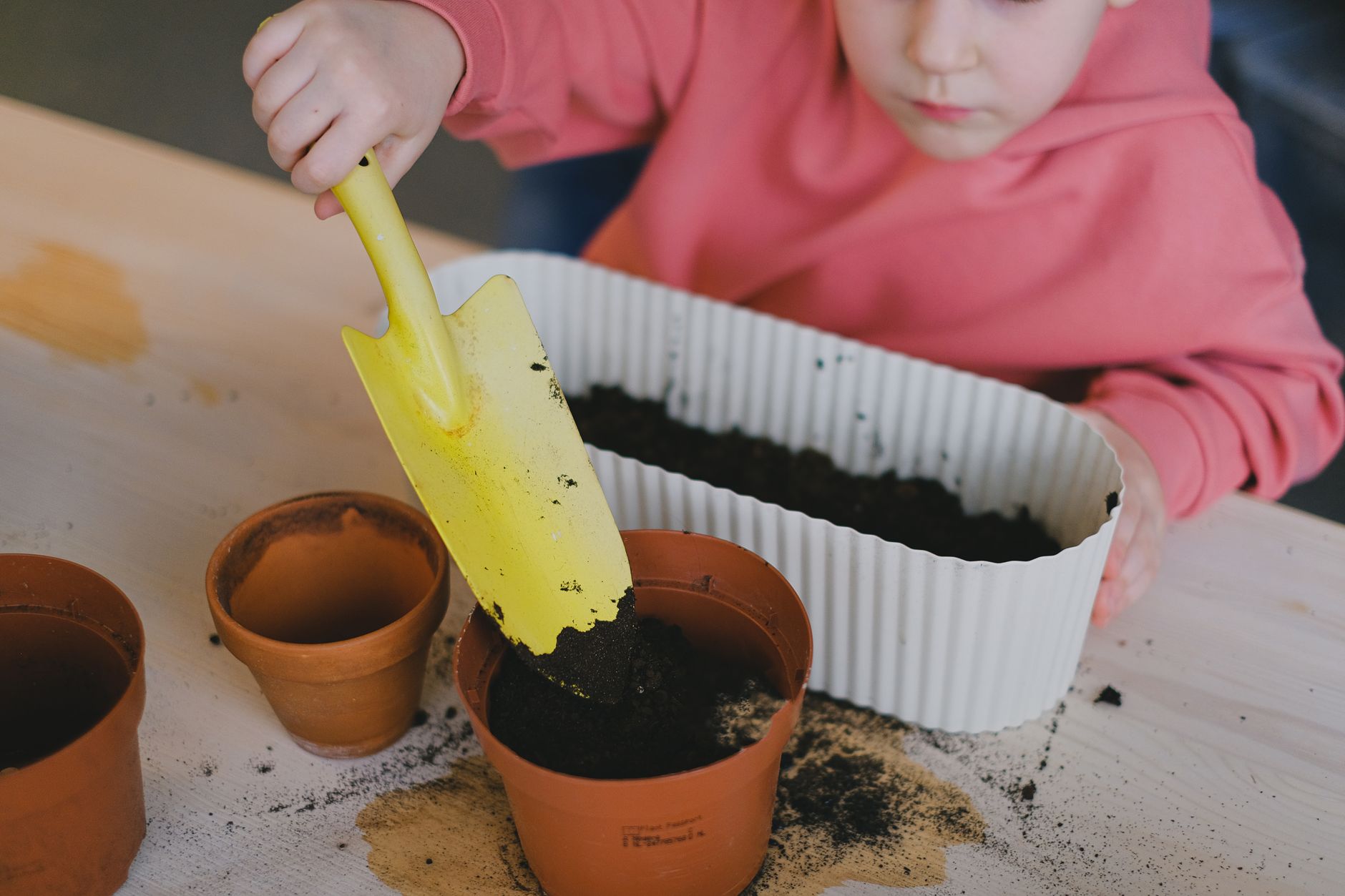
Discover gardening activities for kids by age, space, and season. Includes toddler-safe tasks, quick projects, and budget-friendly ideas. Start planting today.
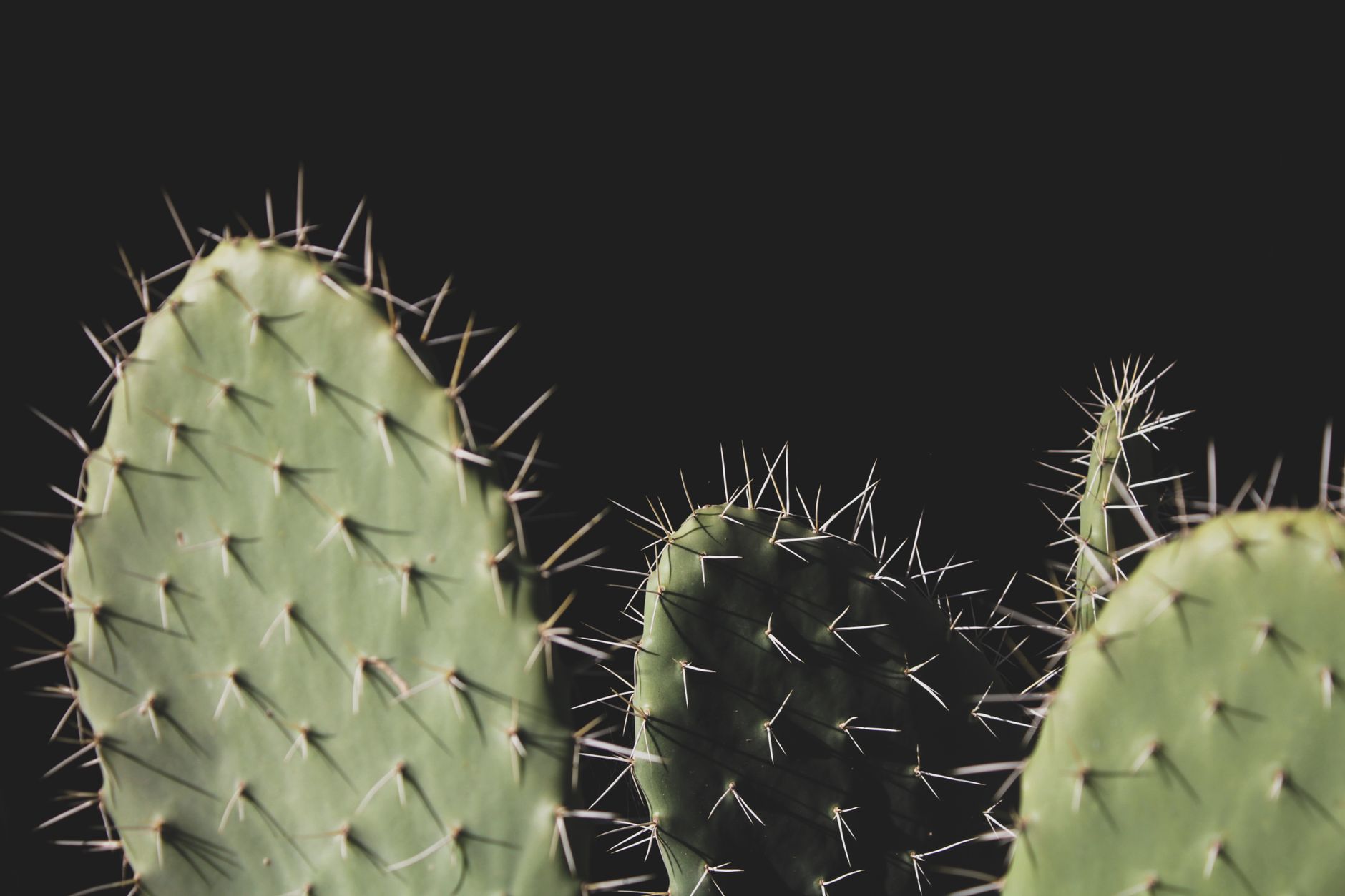
Wondering which edible cactus is safe to eat? Learn to identify true cacti, remove glochids, prepare nopales and prickly pear, and avoid toxic lookalike plants
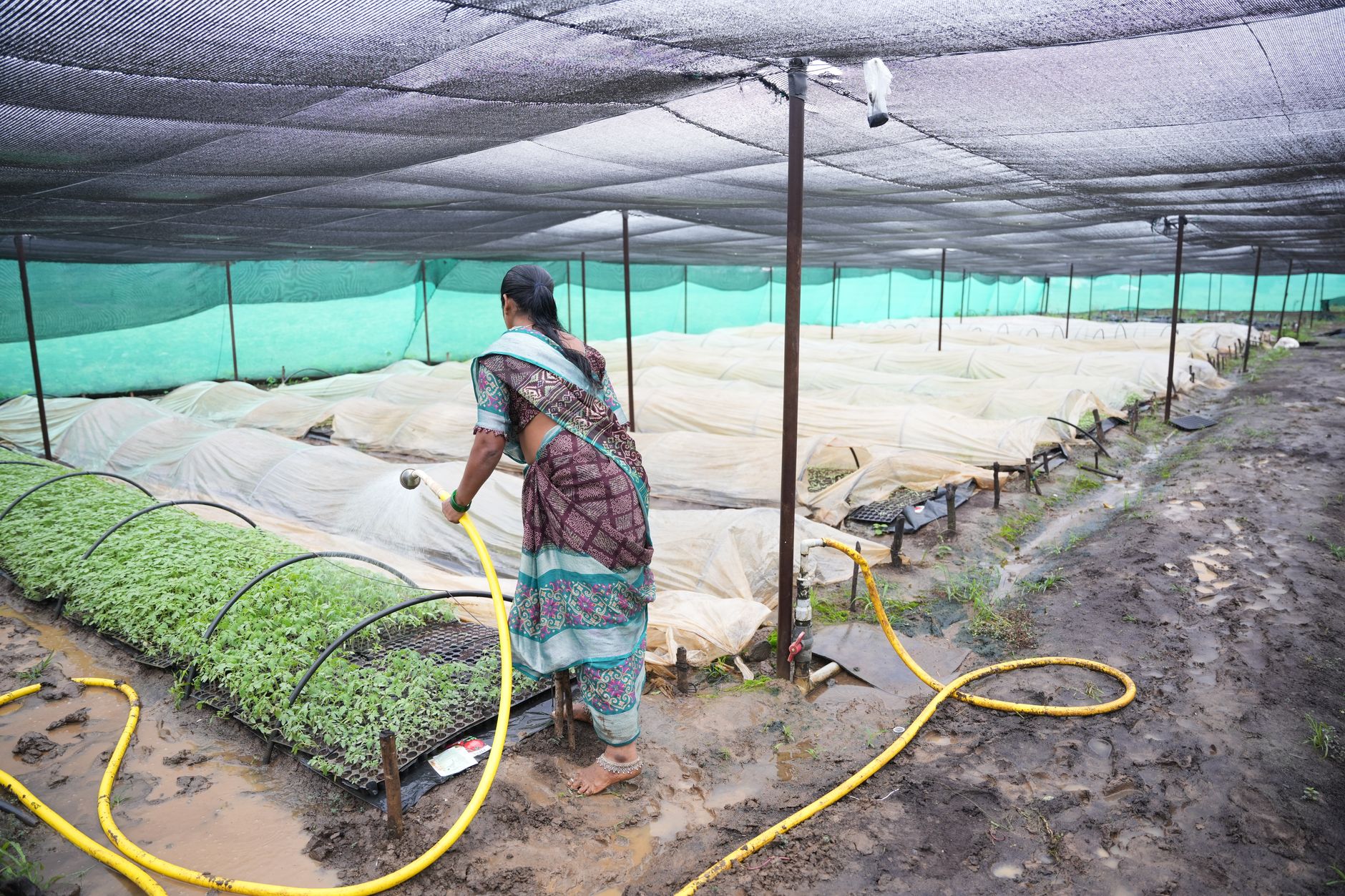
What percentage shade cloth for garden should you use? Find the right level for tomatoes, lettuce, and seedlings. Compare 30%, 50%, 70%, and 90% to pick yours.
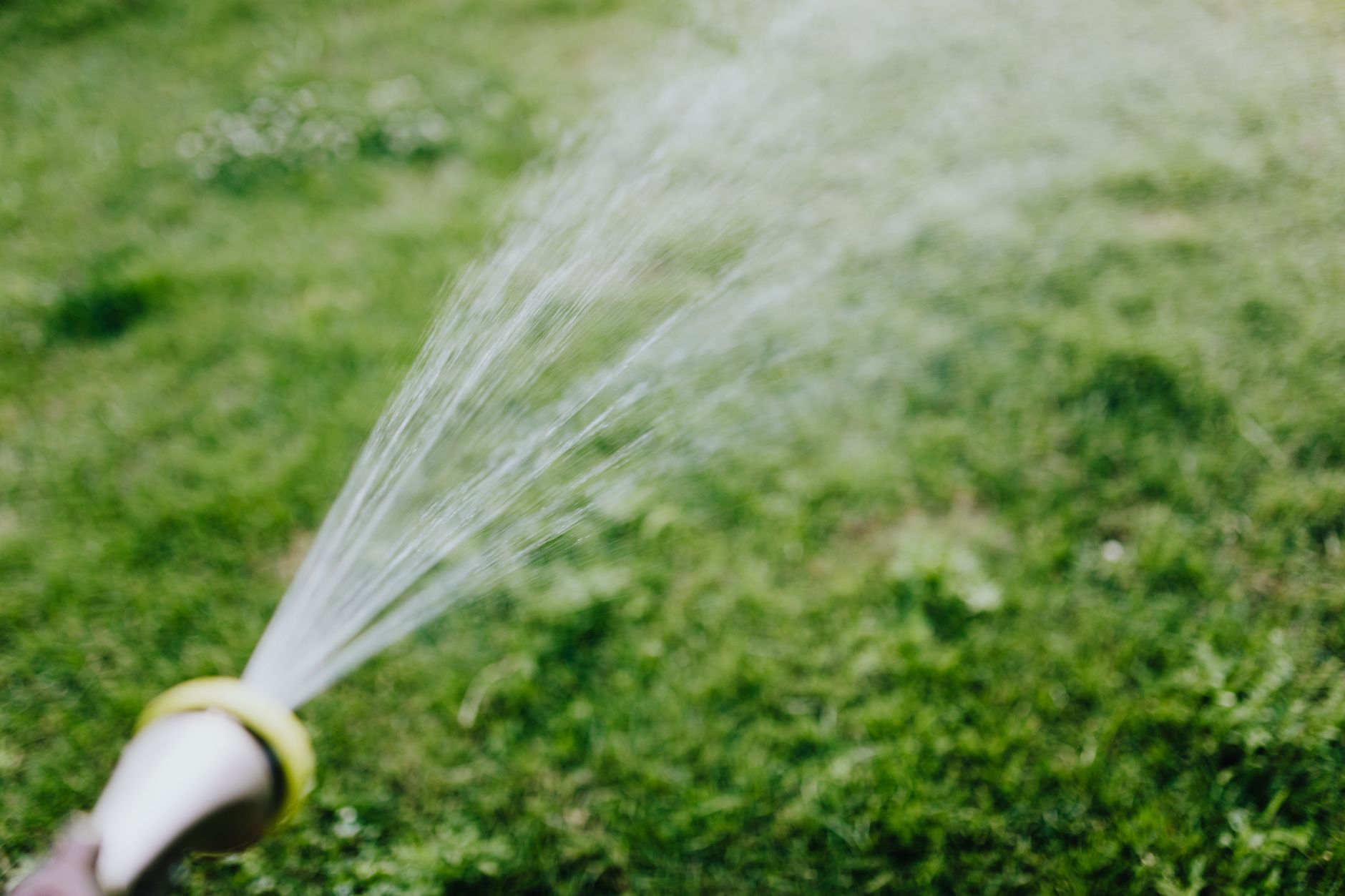
Learn how to keep your lawn green in the summer by watering correctly and mowing at the right height. Diagnose brown spots before treating them the right way.
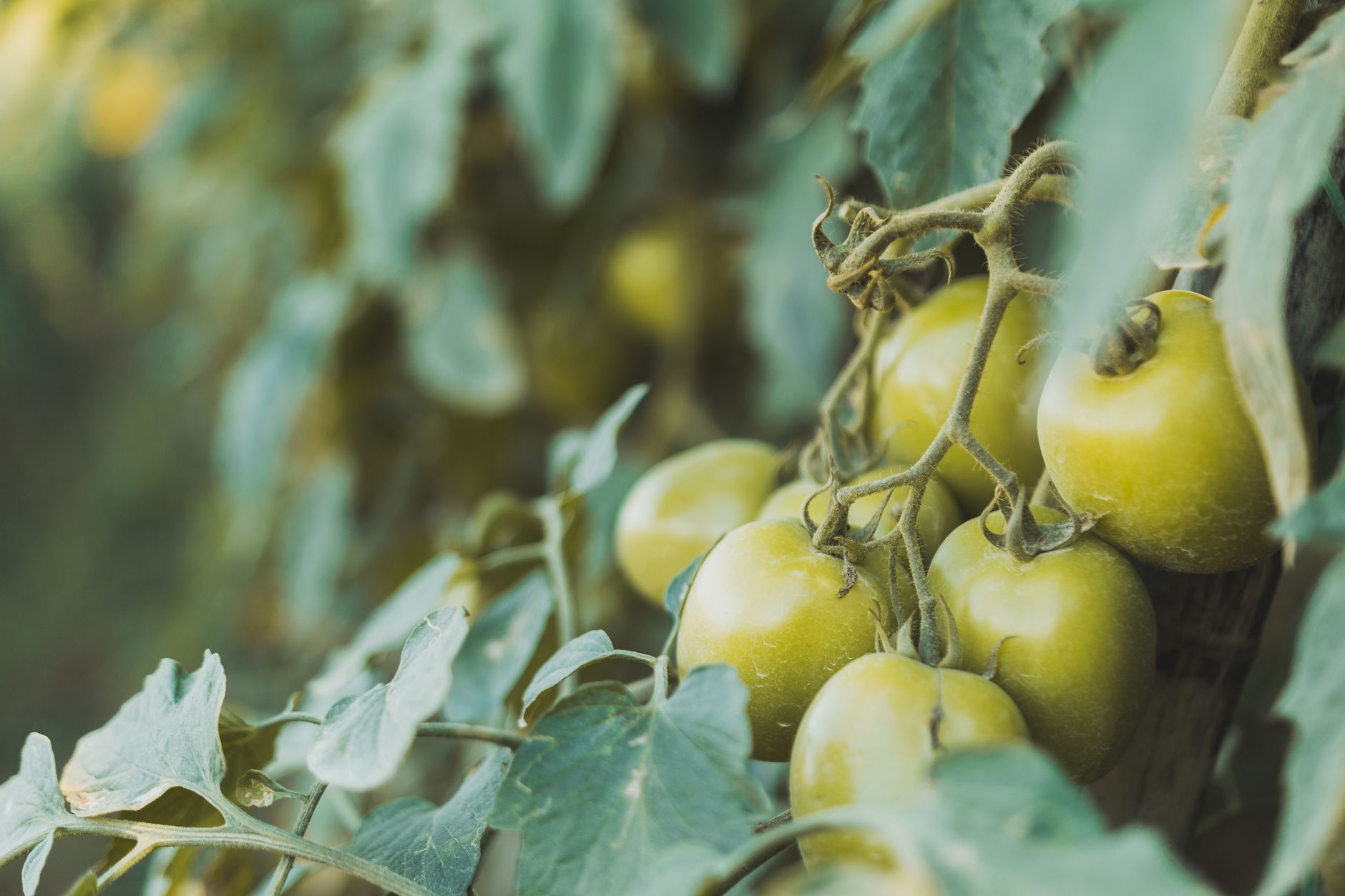
Your tomato plant has all leaves, no fruit? Find out why—excess nitrogen, heat, or poor pollination—and use simple fixes to start getting tomatoes growing.
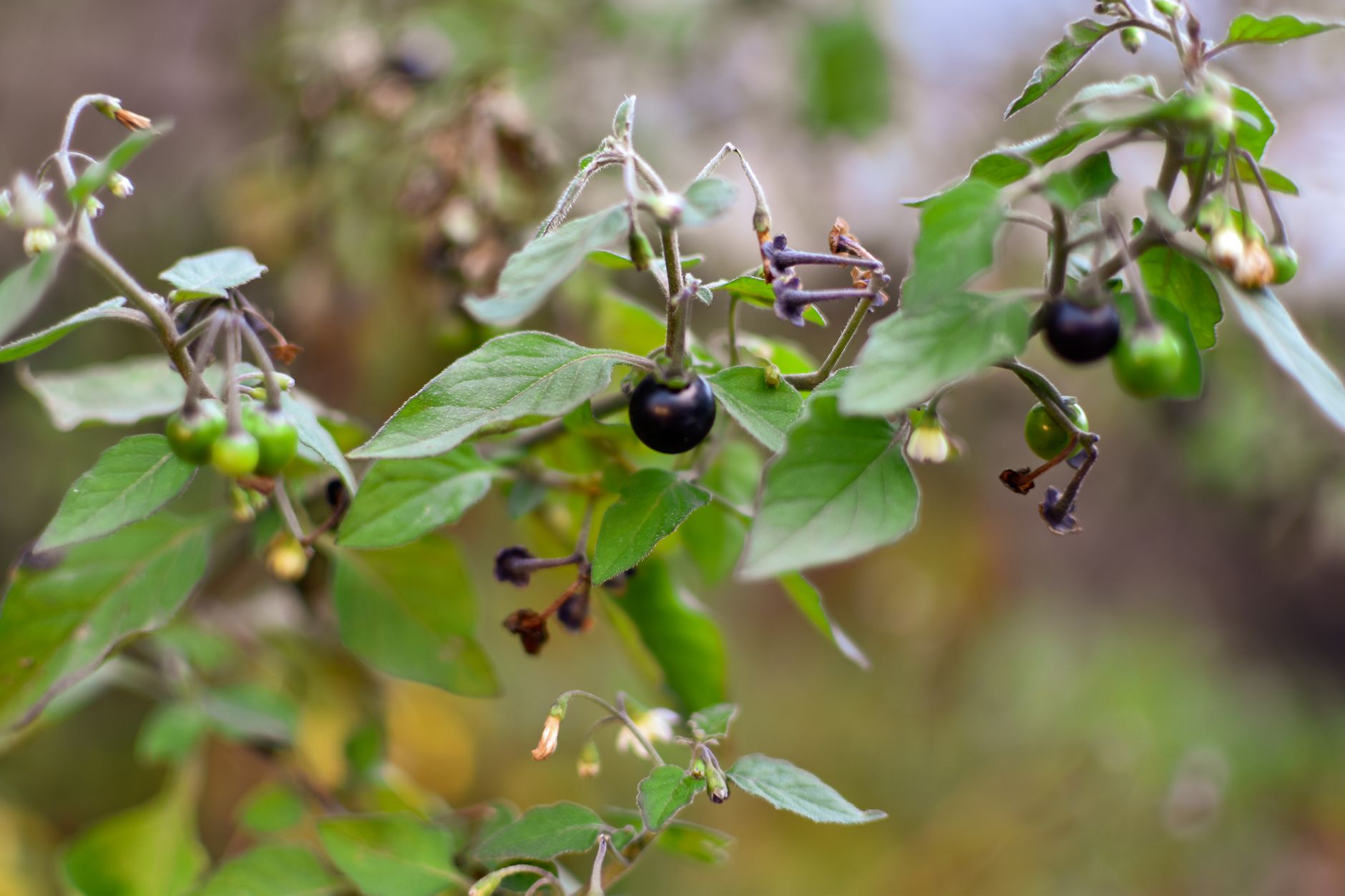
Is it legal to grow belladonna (deadly nightshade)? Learn U.S. laws, why toxicity isn't a crime, and what to check before planting this dangerous plant.
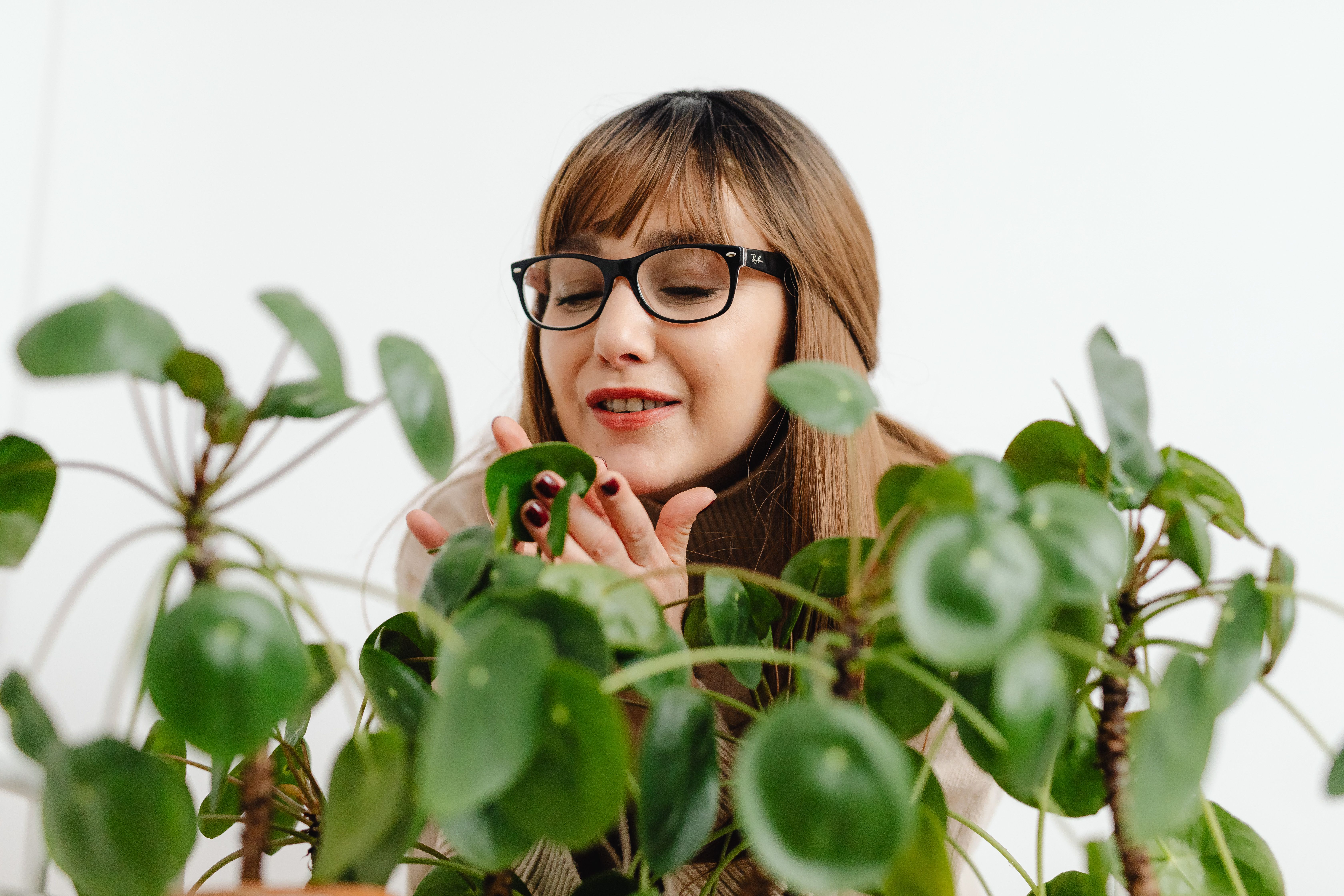
Does talking to plants help them grow? Get the evidence on sound vibration, CO₂ myths, and attentive care. Use our DIY experiment to test it yourself.
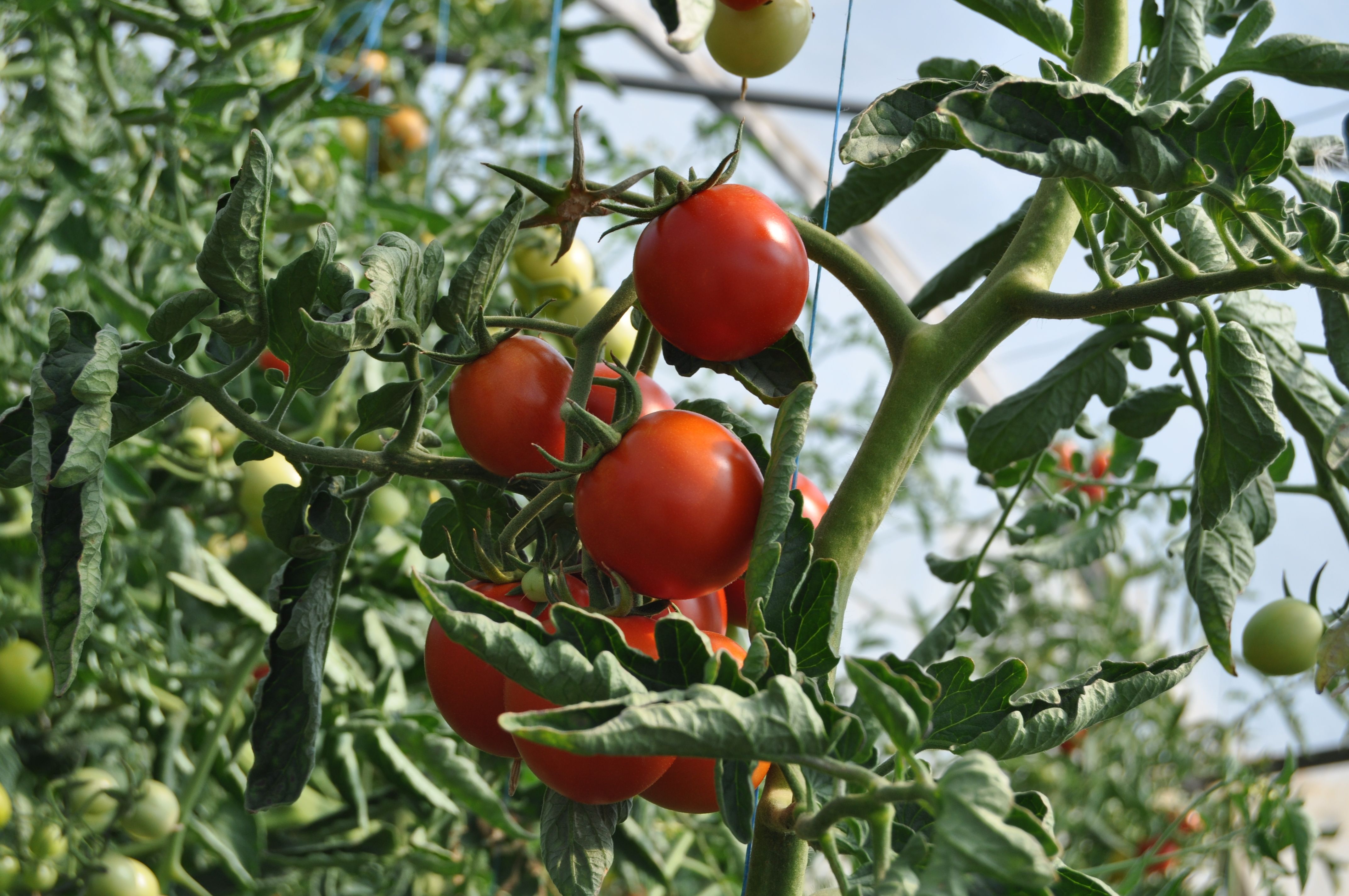
Learn how to get more tomatoes per plant by diagnosing your garden's biggest bottleneck. Find out which fixes work for watering, pruning, and heat stress.
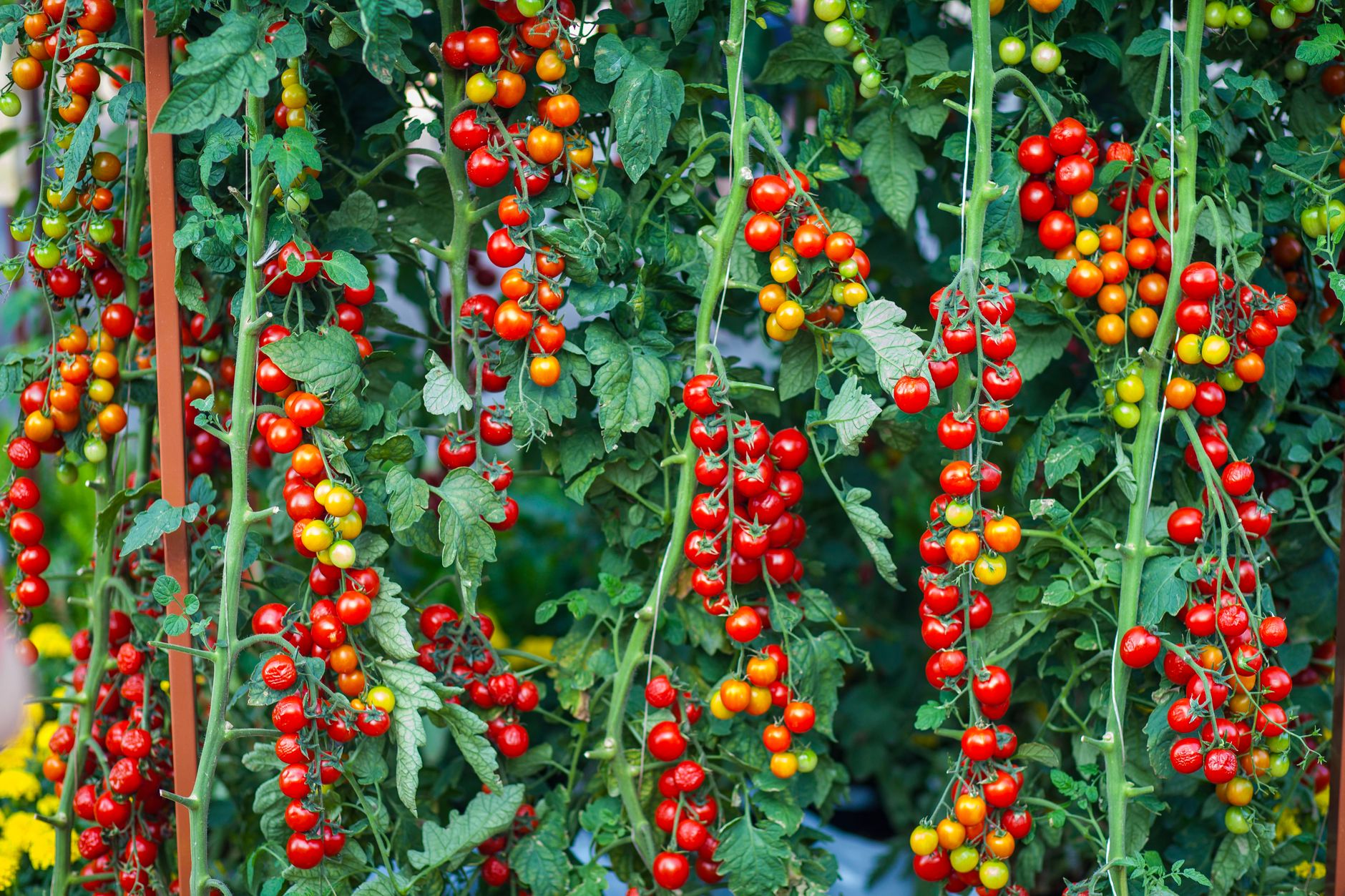
Grow Early Girl tomatoes for early harvests with this care guide. Compare Bush vs standard, get pruning tips, watering advice, and troubleshooting help.
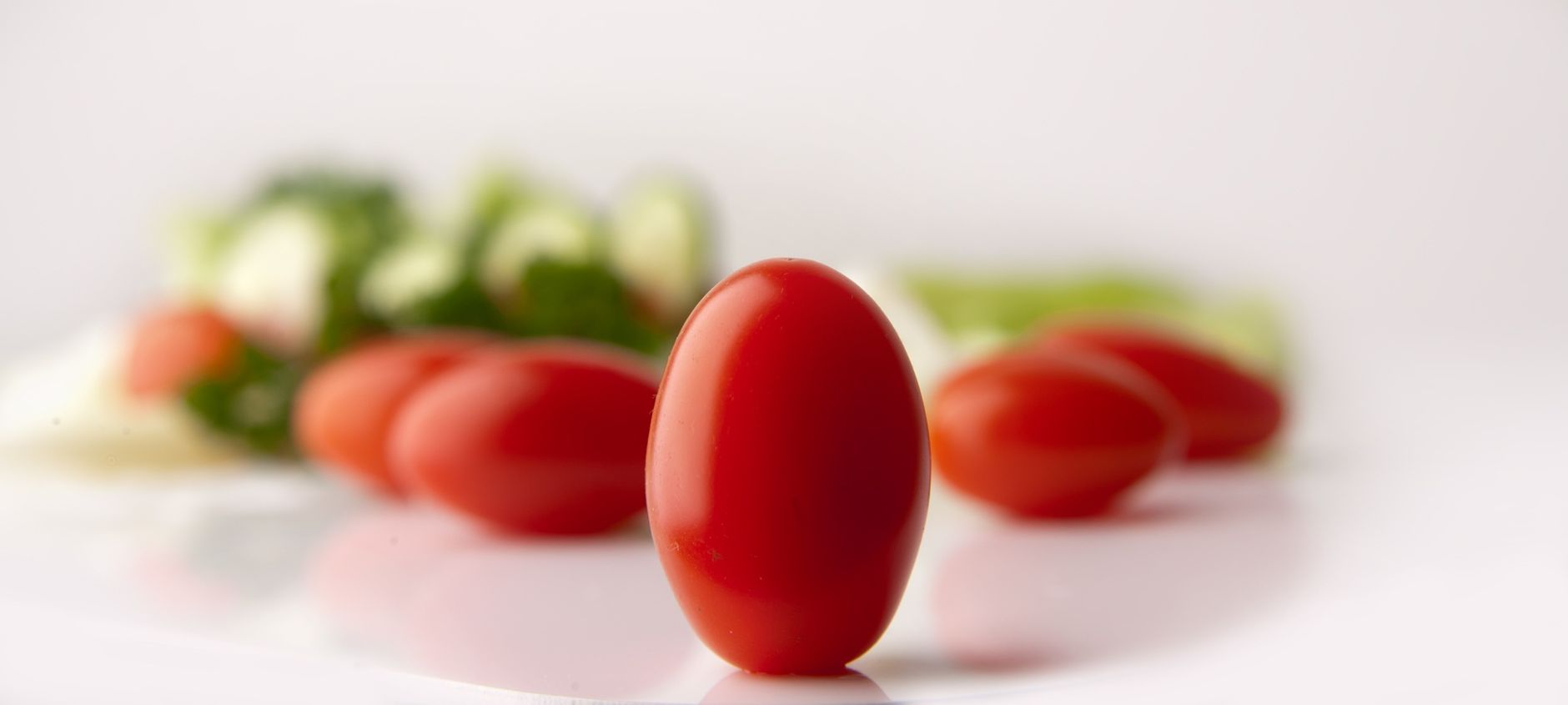
Learn how to grow jelly bean tomatoes, a sweet indeterminate grape variety. Get tips on planting, support, harvesting, and troubleshooting for heavy clusters.
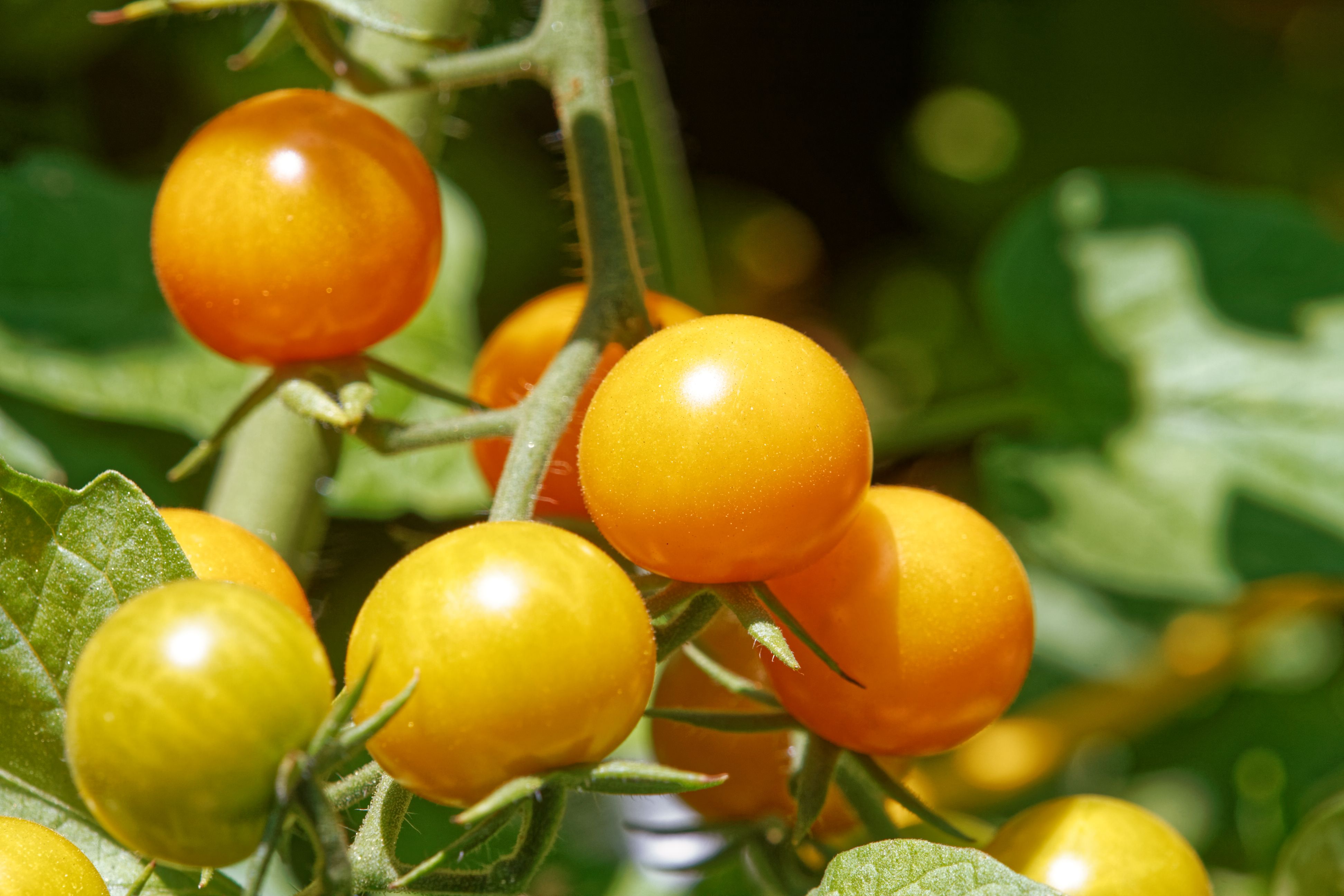
Find out how to grow SunSugar tomatoes, compare their sweet flavor and crack resistance to Sun Gold, and get harvest tips. Check what matters for your garden.
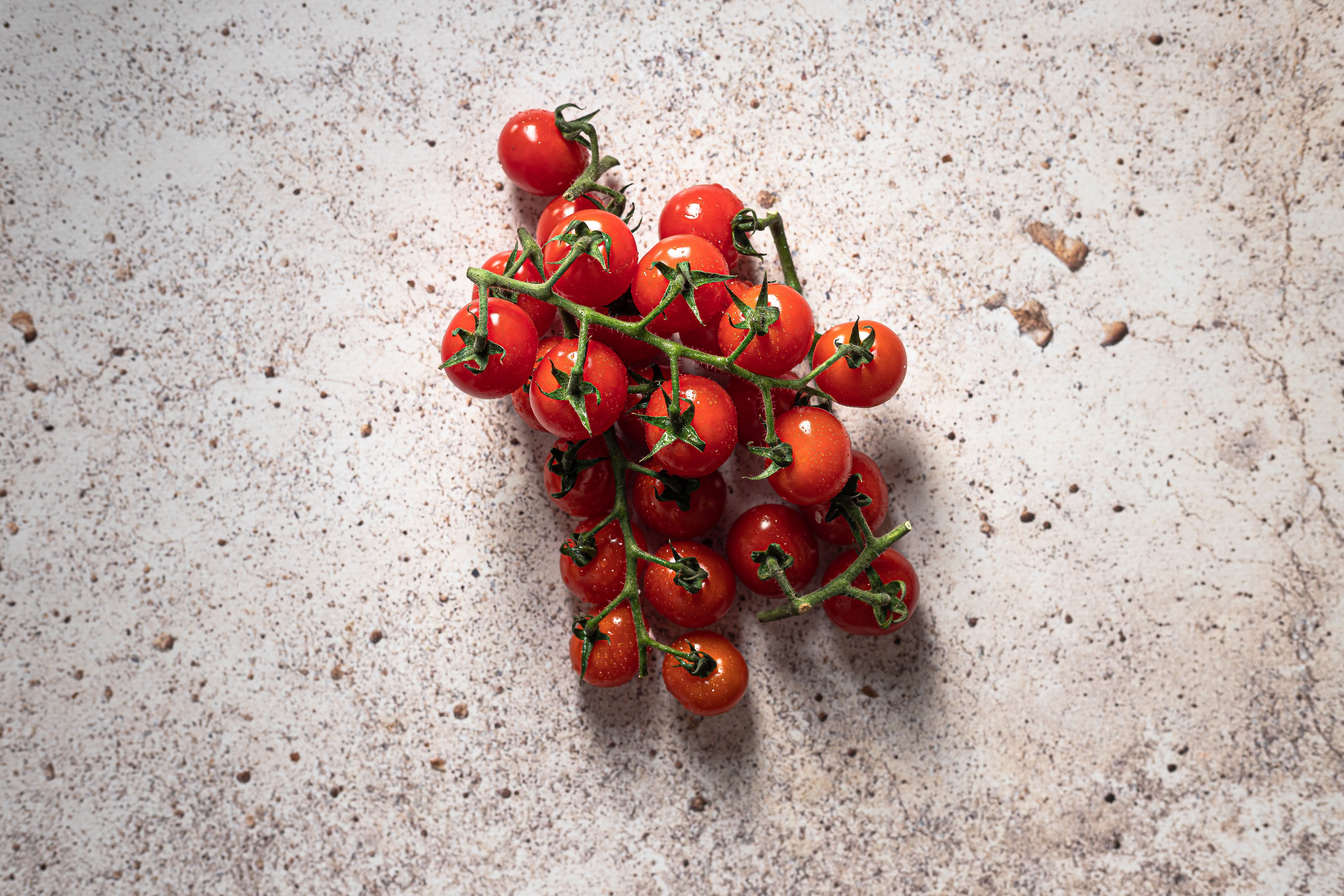
Learn what Campari tomatoes are, how they compare to cherry and Roma, their best uses, and whether store seeds will grow. Find out how to pick and store them.
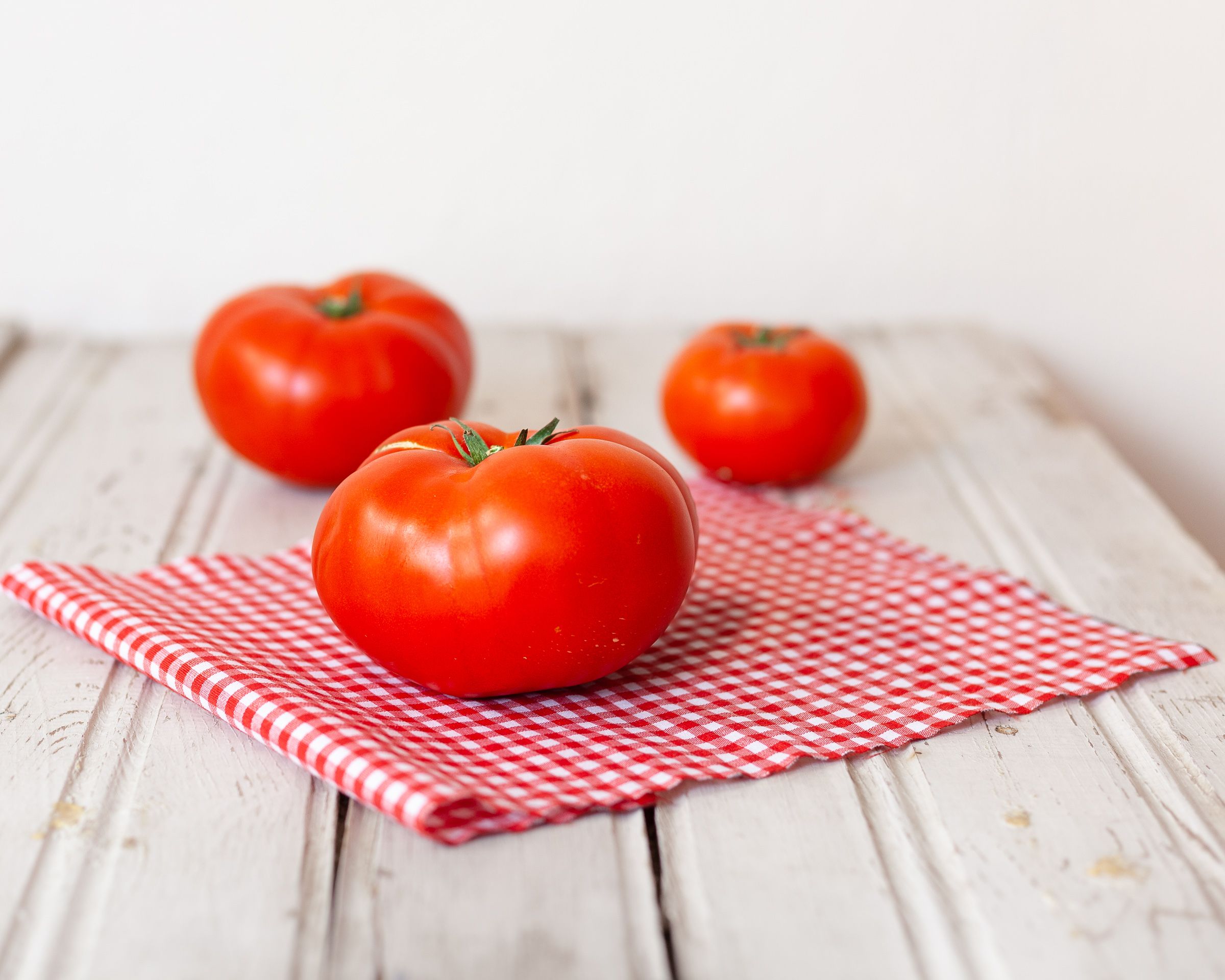
Learn to grow celebrity tomatoes with tips on planting, support, and disease resistance. See how this reliable hybrid compares to other popular varieties.
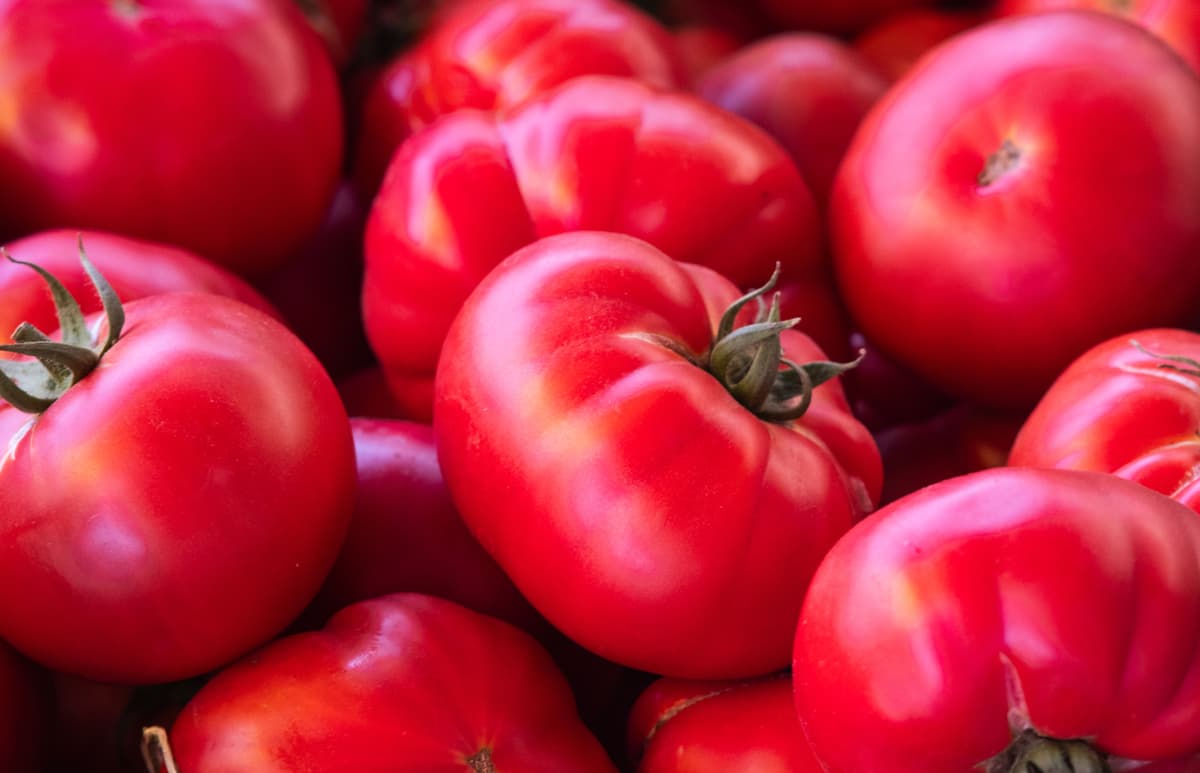
Learn what beefsteak tomatoes are and how to grow big slicing fruit. Covers support, pruning, and climate challenges. Use these tips for better harvest results.
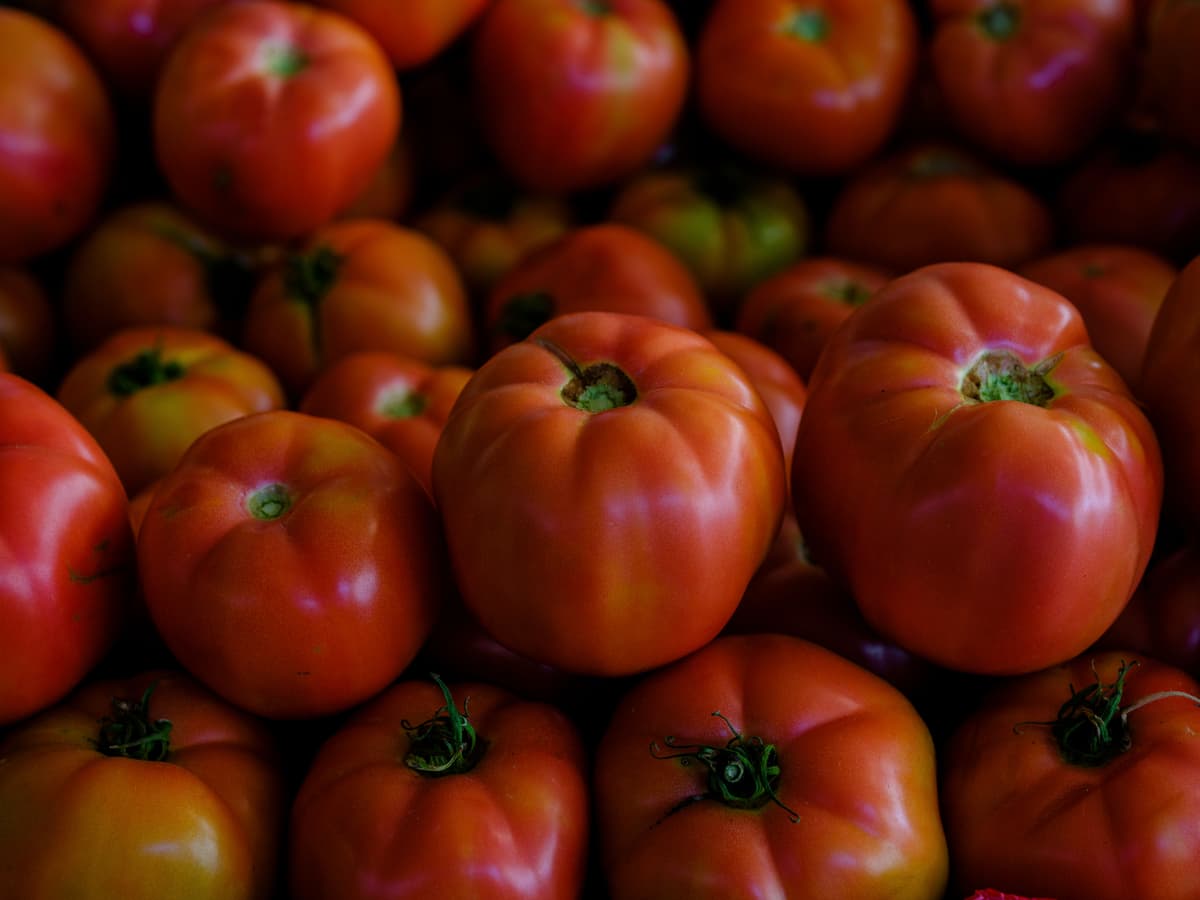
Learn how to grow Mortgage Lifter tomatoes with tips on staking, watering, and pruning. Get realistic fruit size expectations and solutions for common problems.
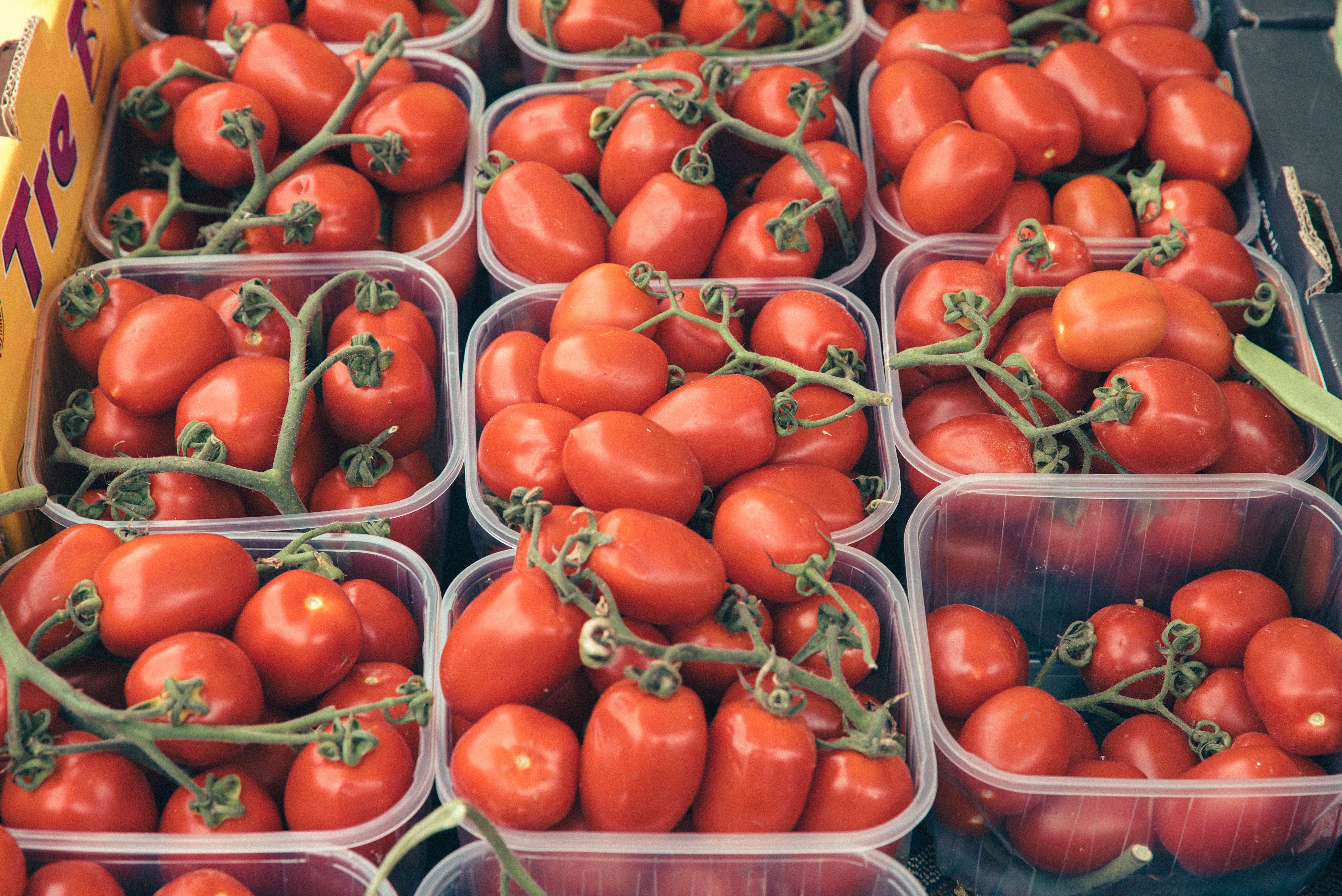
Grow Roma tomatoes for sauce, canning, and containers. Covers paste varieties, determinate vs indeterminate, and problems. See what works for a better harvest.
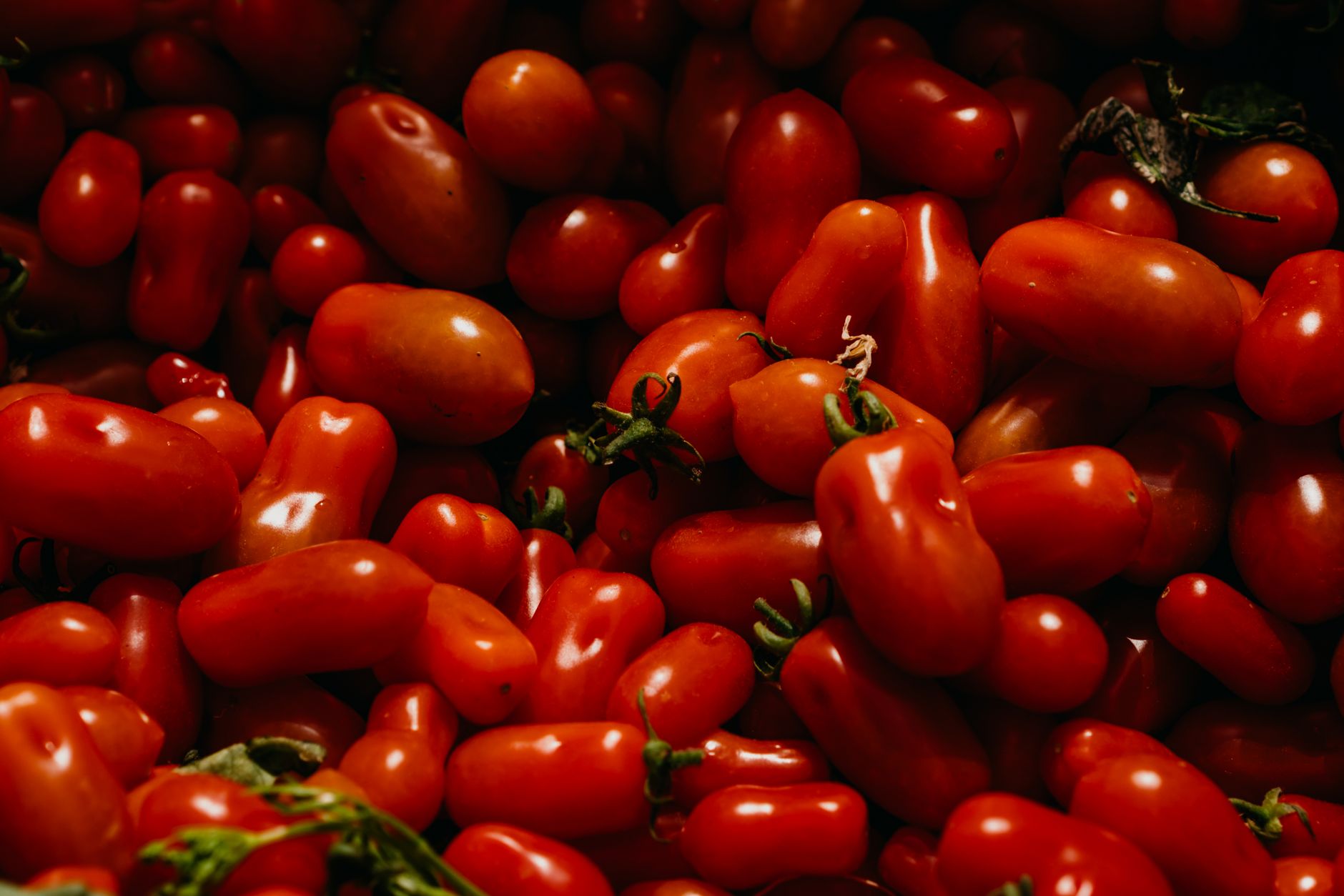
Learn growing San Marzano tomatoes with tips on seed selection, container size, pruning, and watering. Prevent blossom end rot and harvest for homemade sauce.
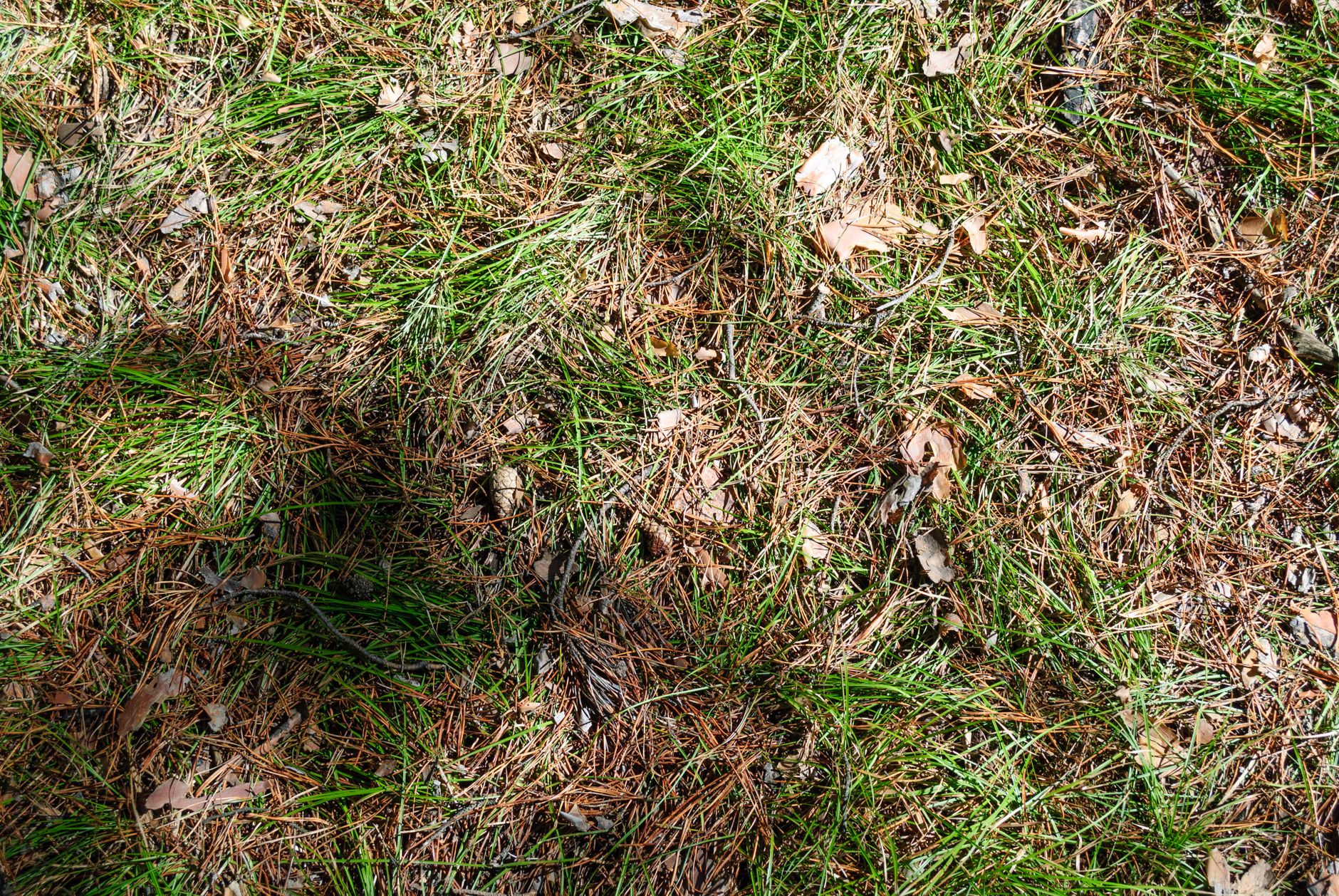
Burnt lawn from fertilizer? Learn to spot the signs, tell if your grass will recover, and use simple steps to fix burn damage. Find out what to do next.
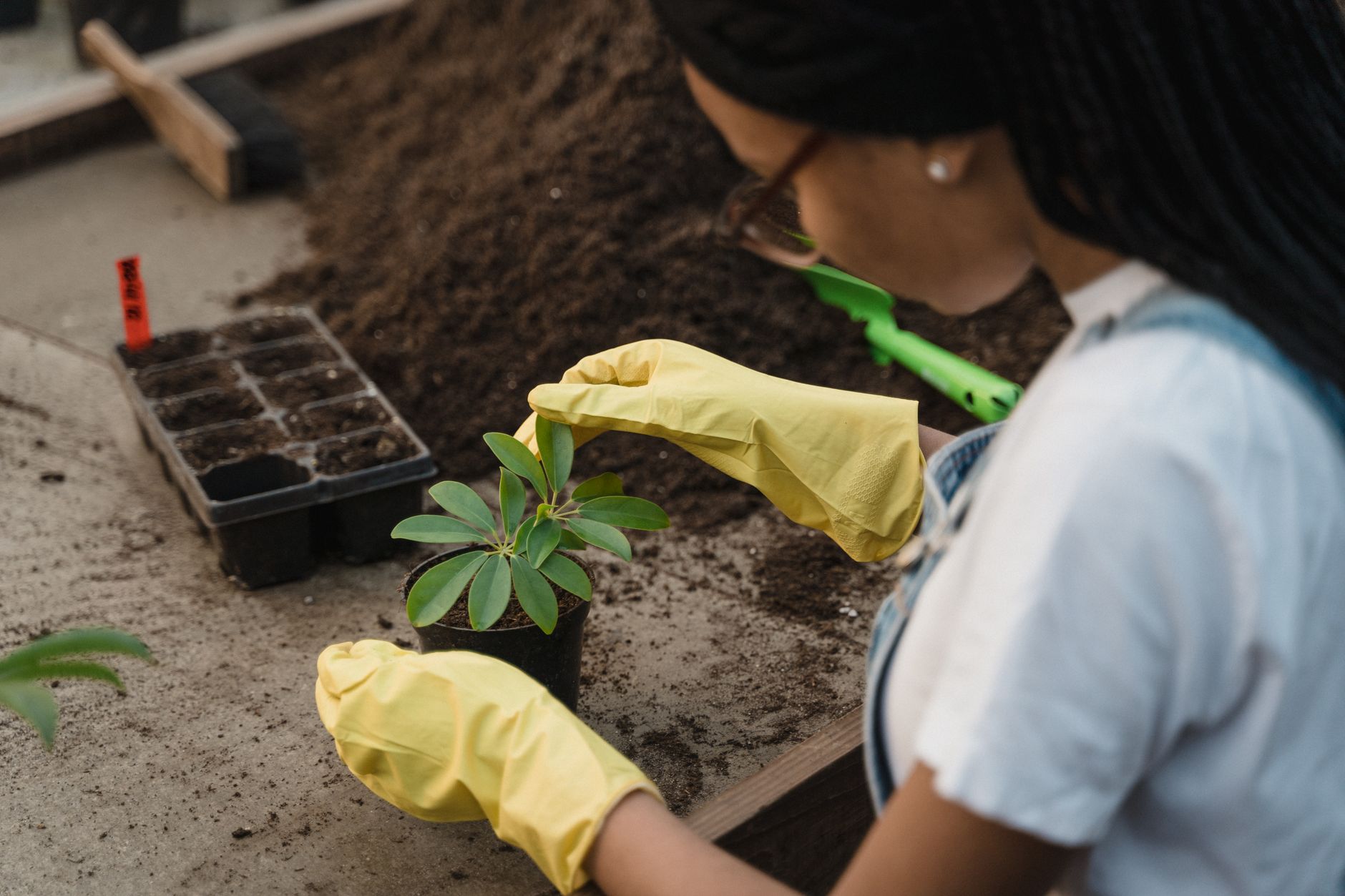
Learn how to perform a moisture test for soil using your finger, skewer, pot weight, or moisture meter. See how to cross-check signals and water with confidence.
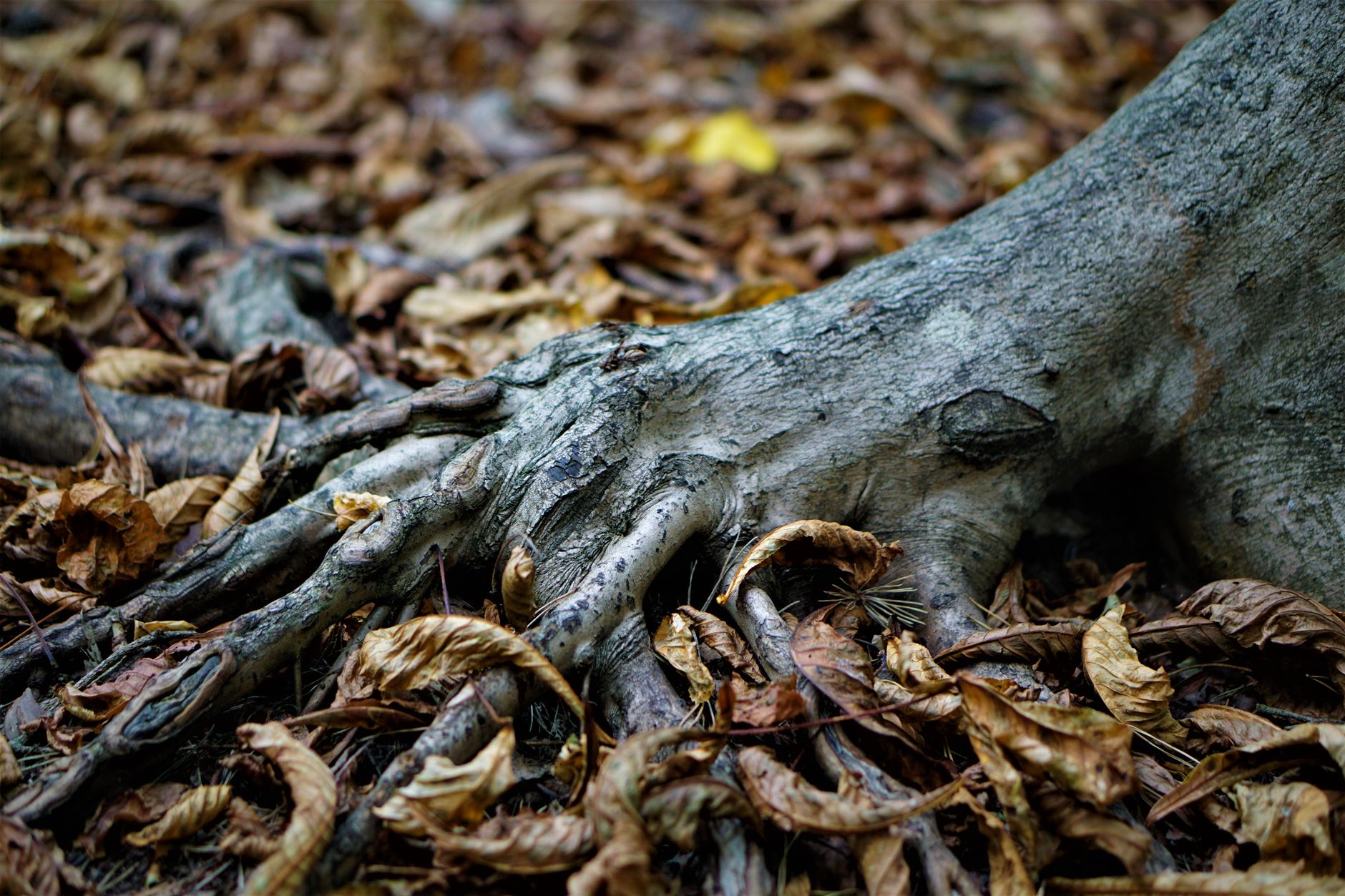
Discover how to avoid root rot in potted plants: spot early signs, fix watering mistakes, and follow rescue steps that give your plant a real chance to recover.
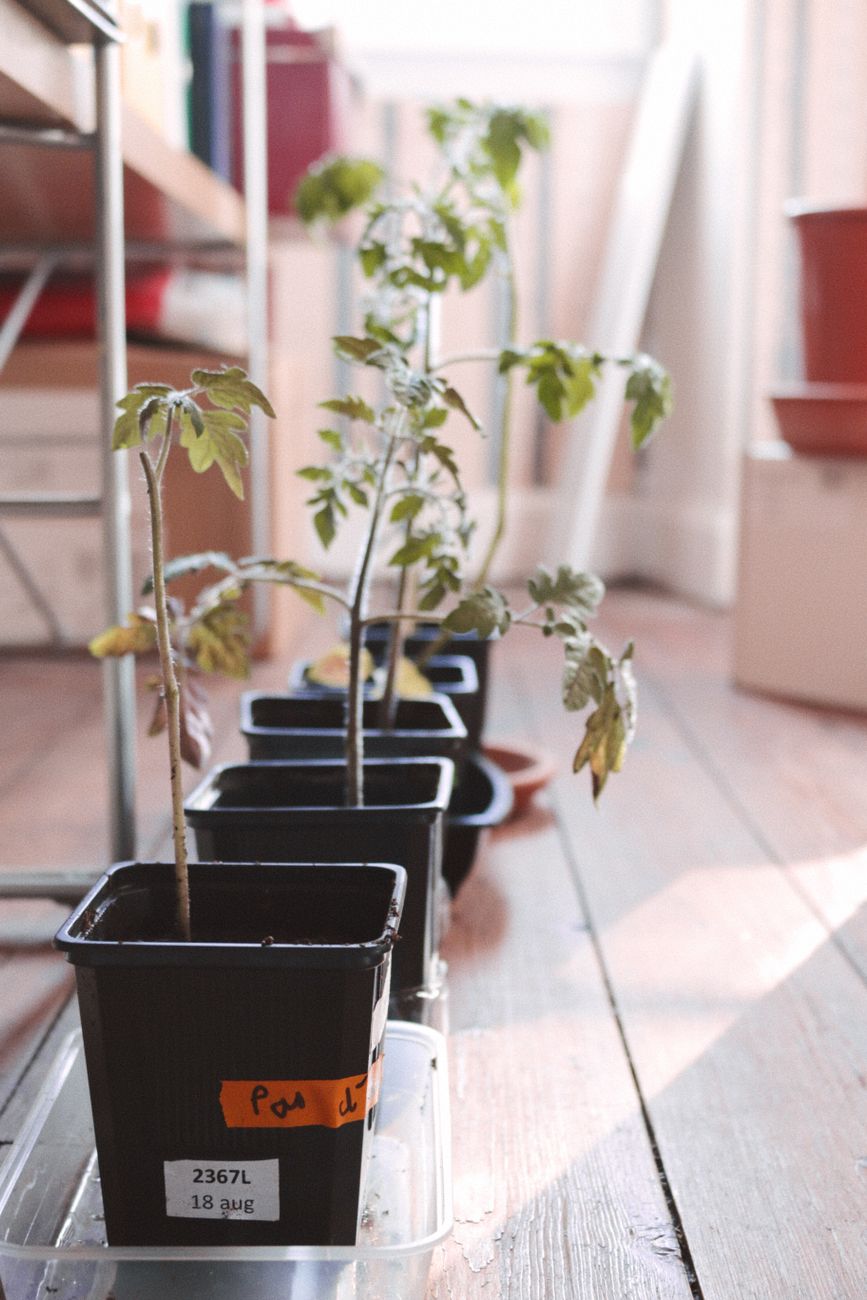
Find the right pot size for tomatoes by type. Compare minimum, better, and best sizes for cherry, determinate, and beefsteak. Use the chart to choose your pot.
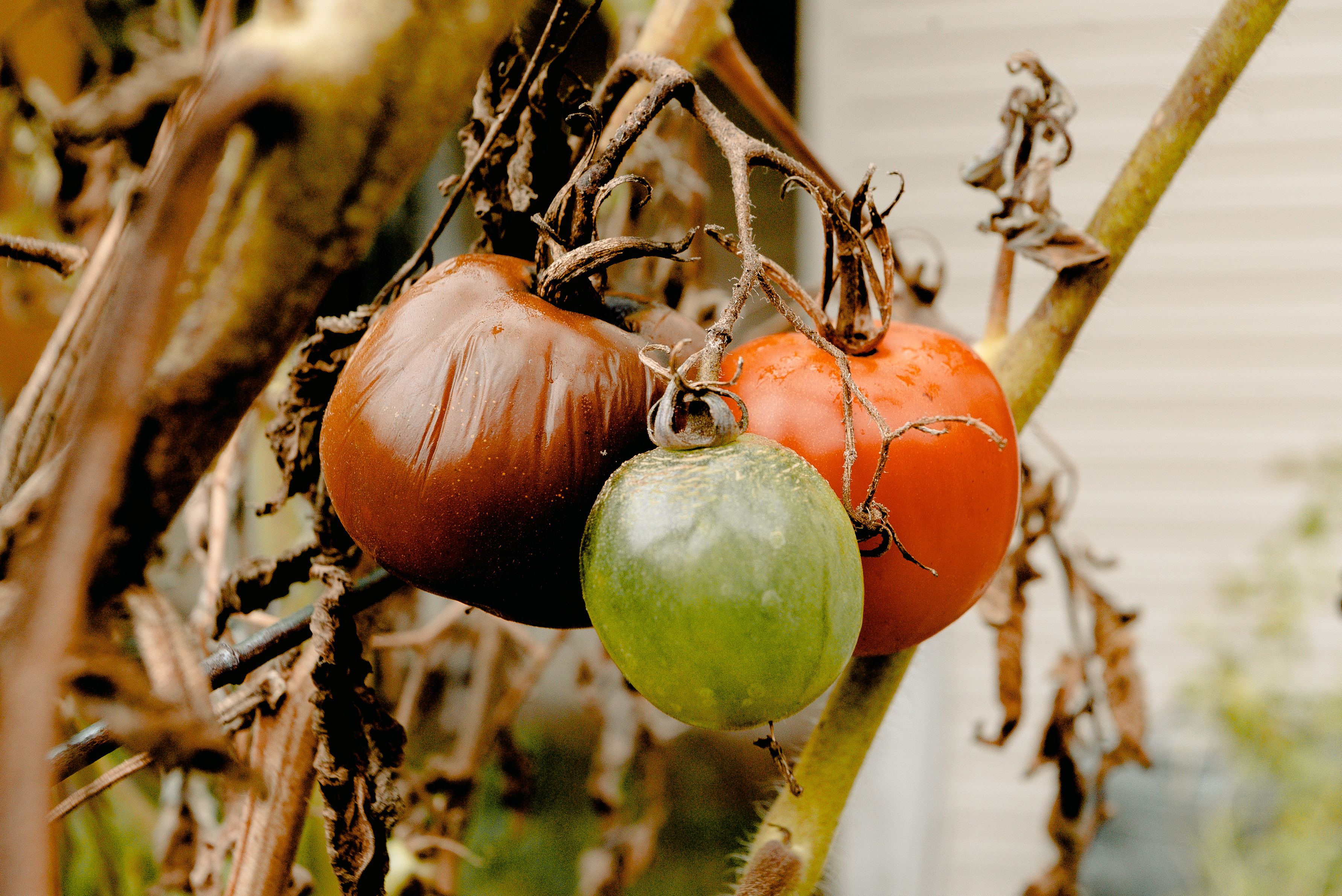
Spot disease in tomato plants early with this symptom guide. Learn to identify leaf spots, wilting, and blight, and when to pull. Find prevention steps.
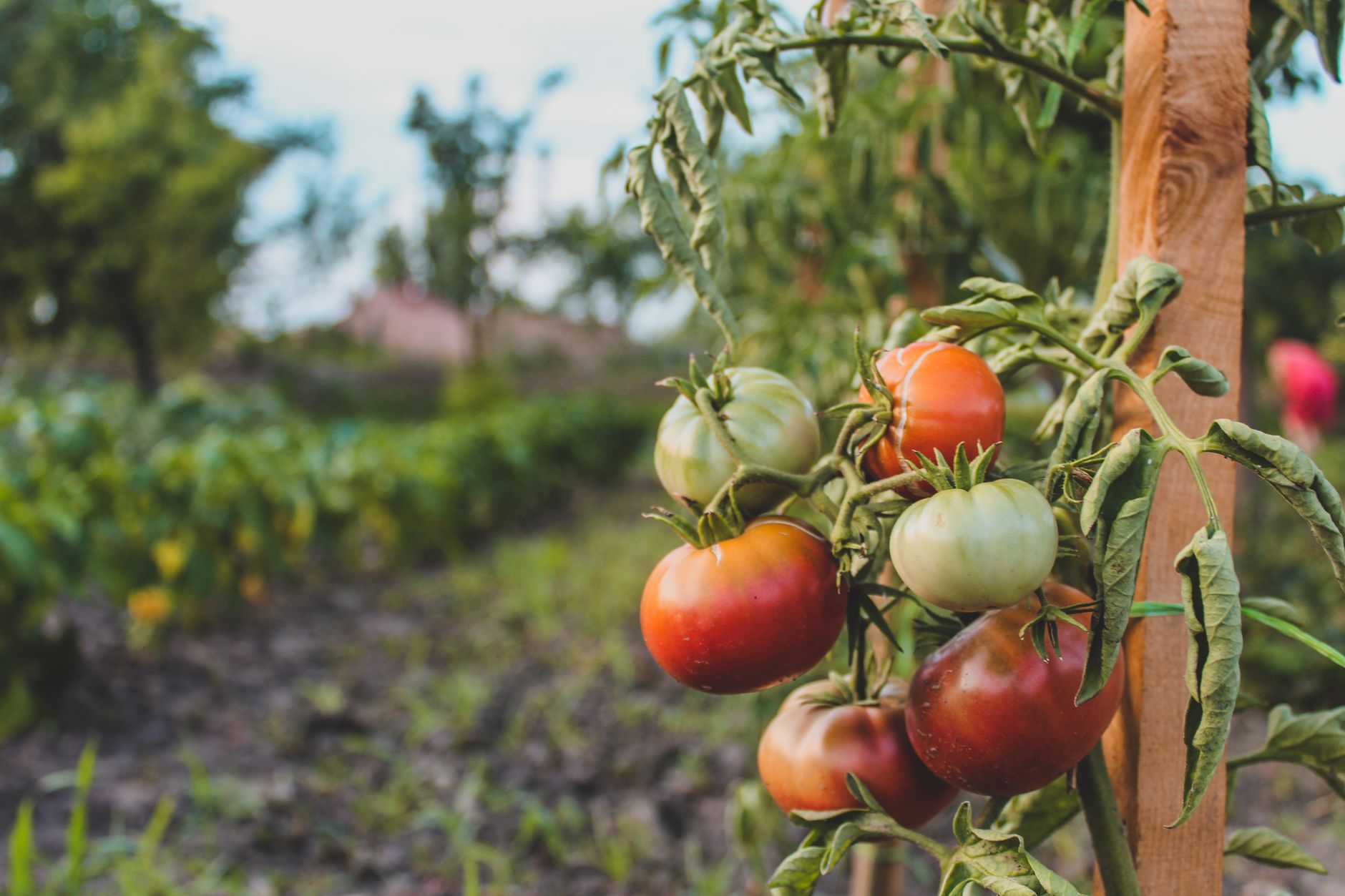
Compare the best and worst companion plant for tomatoes side by side. Basil and marigolds support tomatoes well—potatoes and fennel don't. See what works.
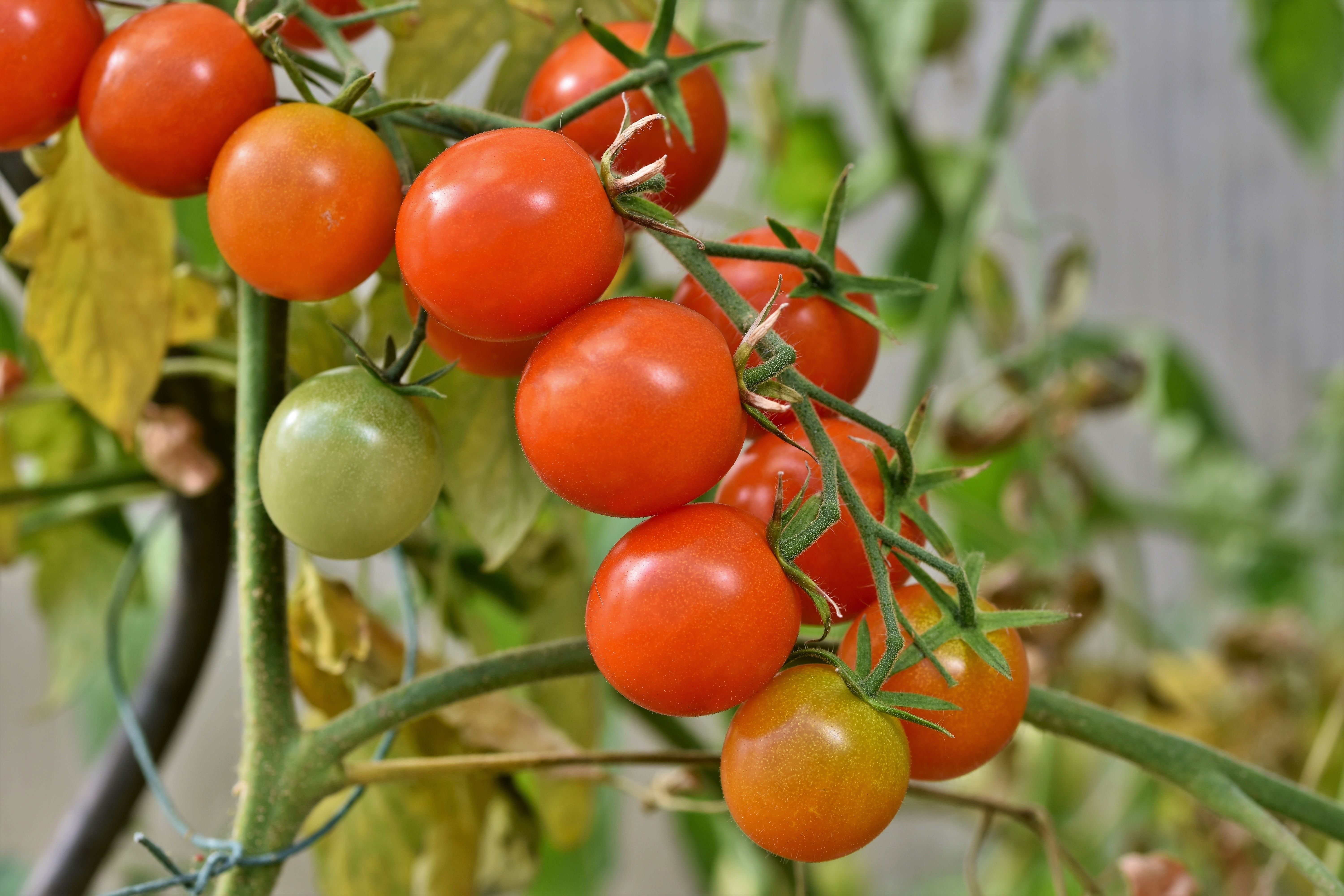
Grow cherry tomatoes indoors with light, pots, and care. Learn which varieties work, how to pollinate, and fix common problems for a successful harvest.
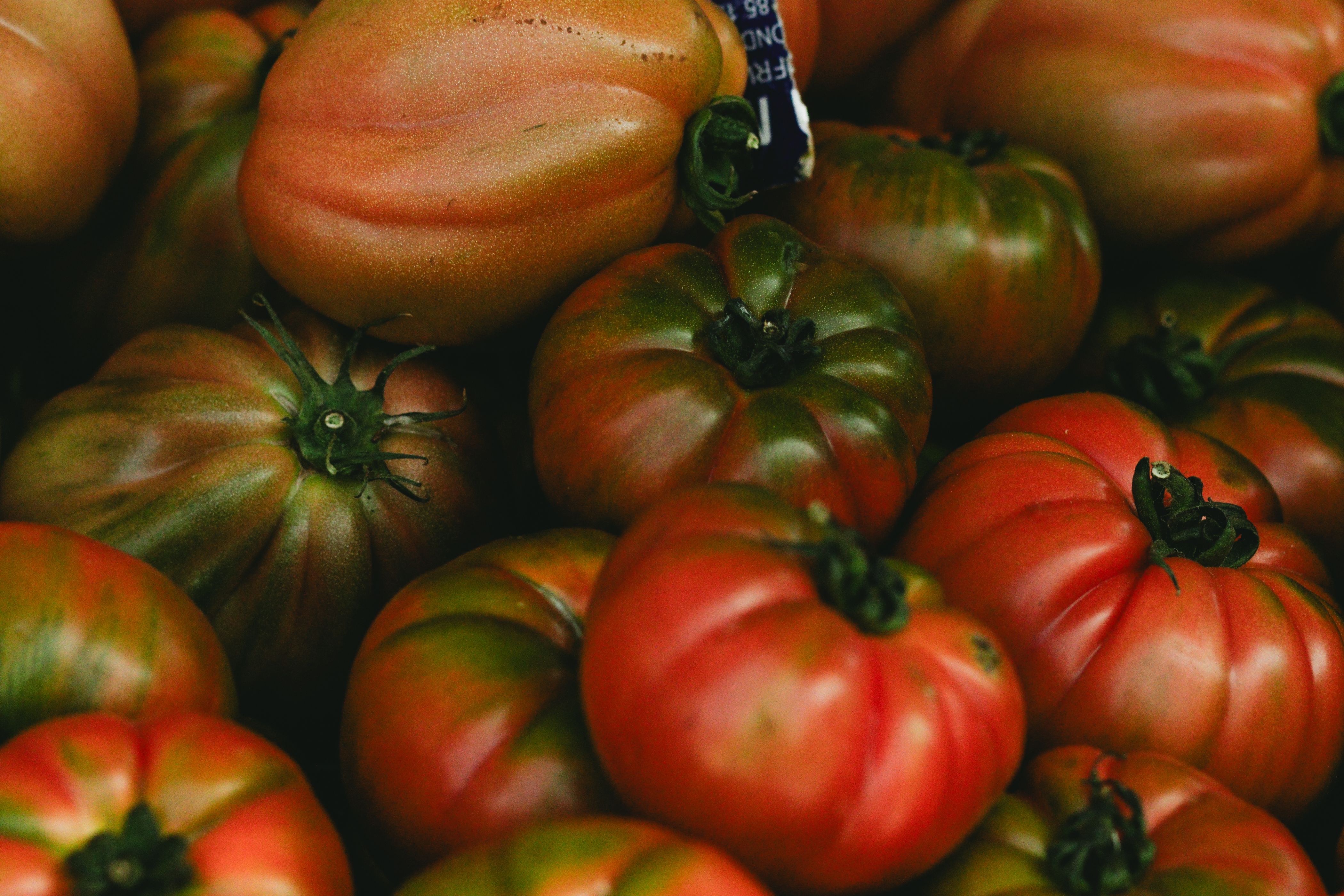
Grow German Johnson tomatoes, a Southern heirloom beefsteak with mild sweet flavor. Includes planting tips and troubleshooting for yellow leaves and cracking.
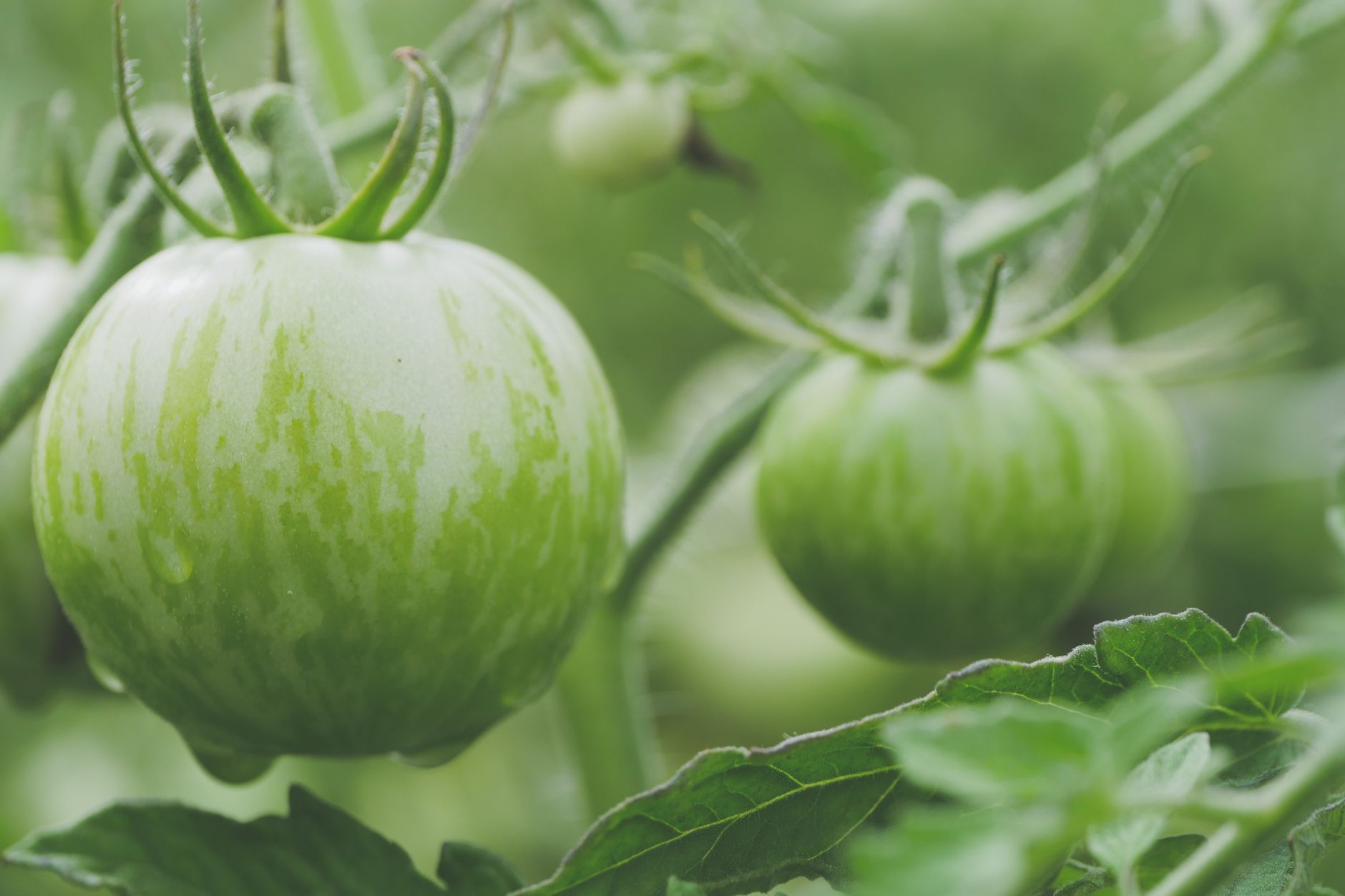
Green zebra tomato plants need consistent care. Learn when fruit is ripe, how to prevent blossom end rot and splitting, and manage heat stress for better yields.
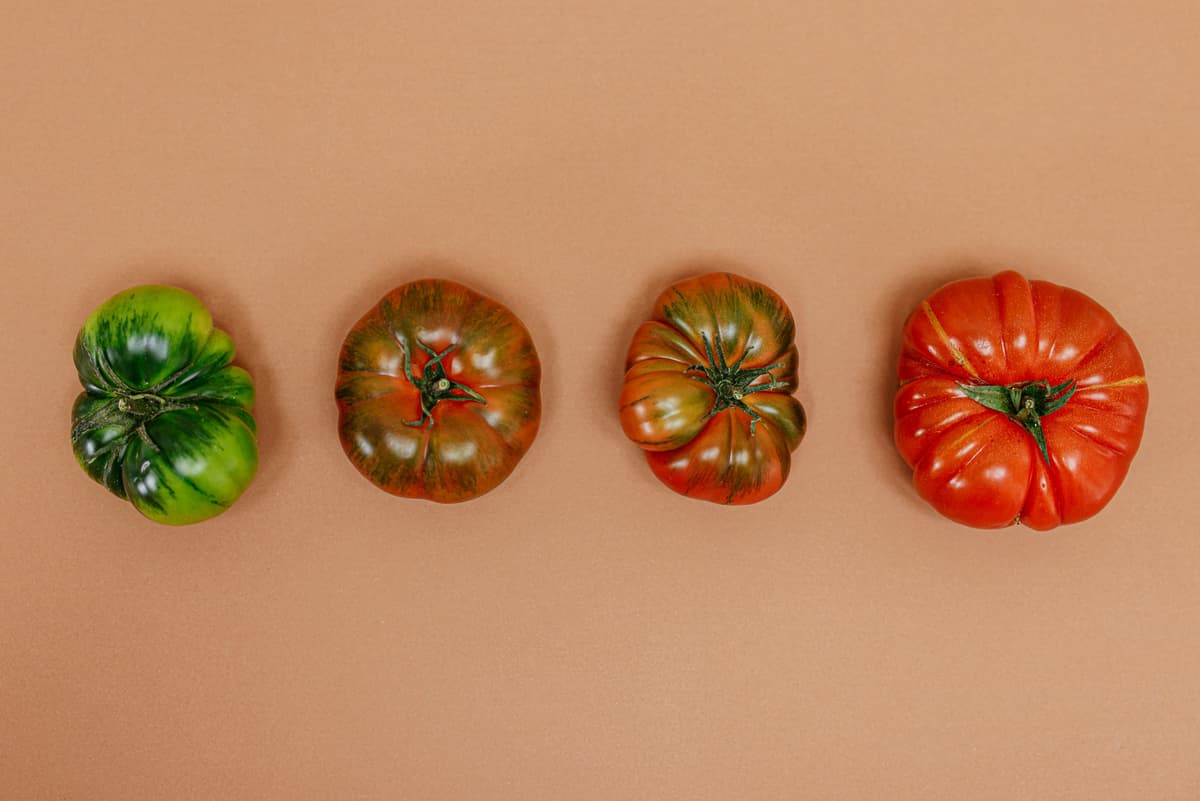
Grow black krim tomatoes with confidence. Learn to handle green shoulders, prevent splitting, and harvest at peak ripeness. Check what matters for success.
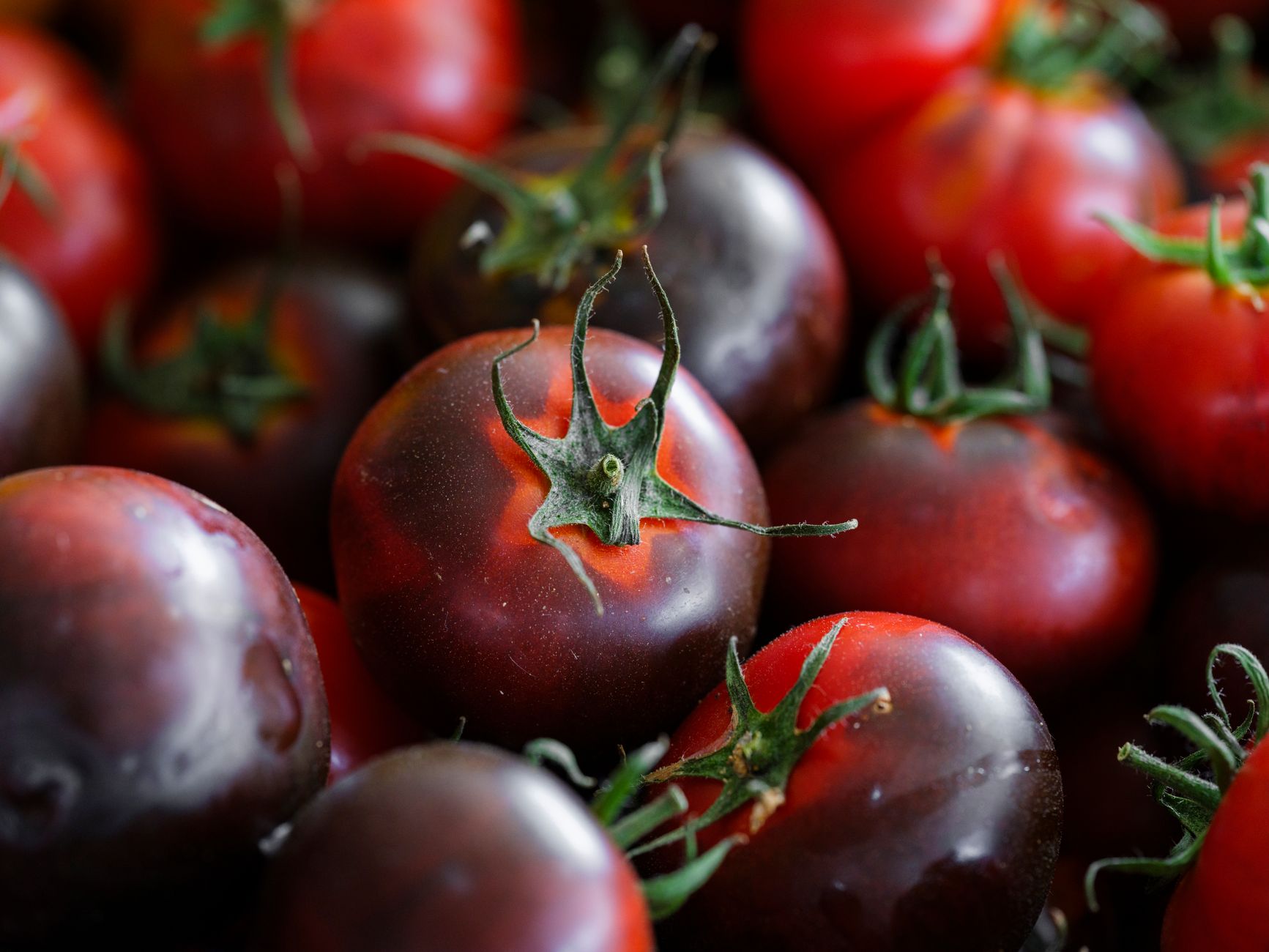
How to grow Cherokee Purple tomatoes: care tips, ripening advice, and fixes for common problems like blossom end rot. See if this heirloom fits your garden.
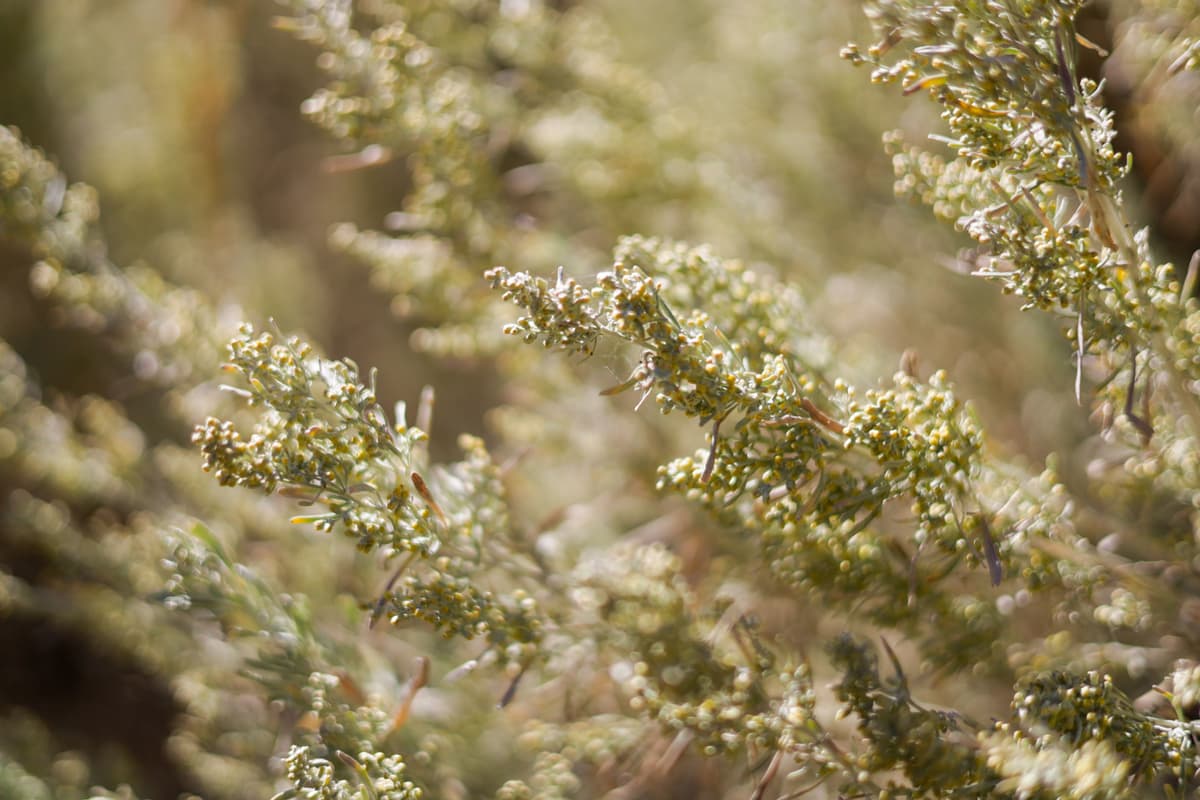
Find San Diego native plants for your microclimate. Learn what to plant, where to buy locally, and how to care for them. Use these tips for a low-water garden.
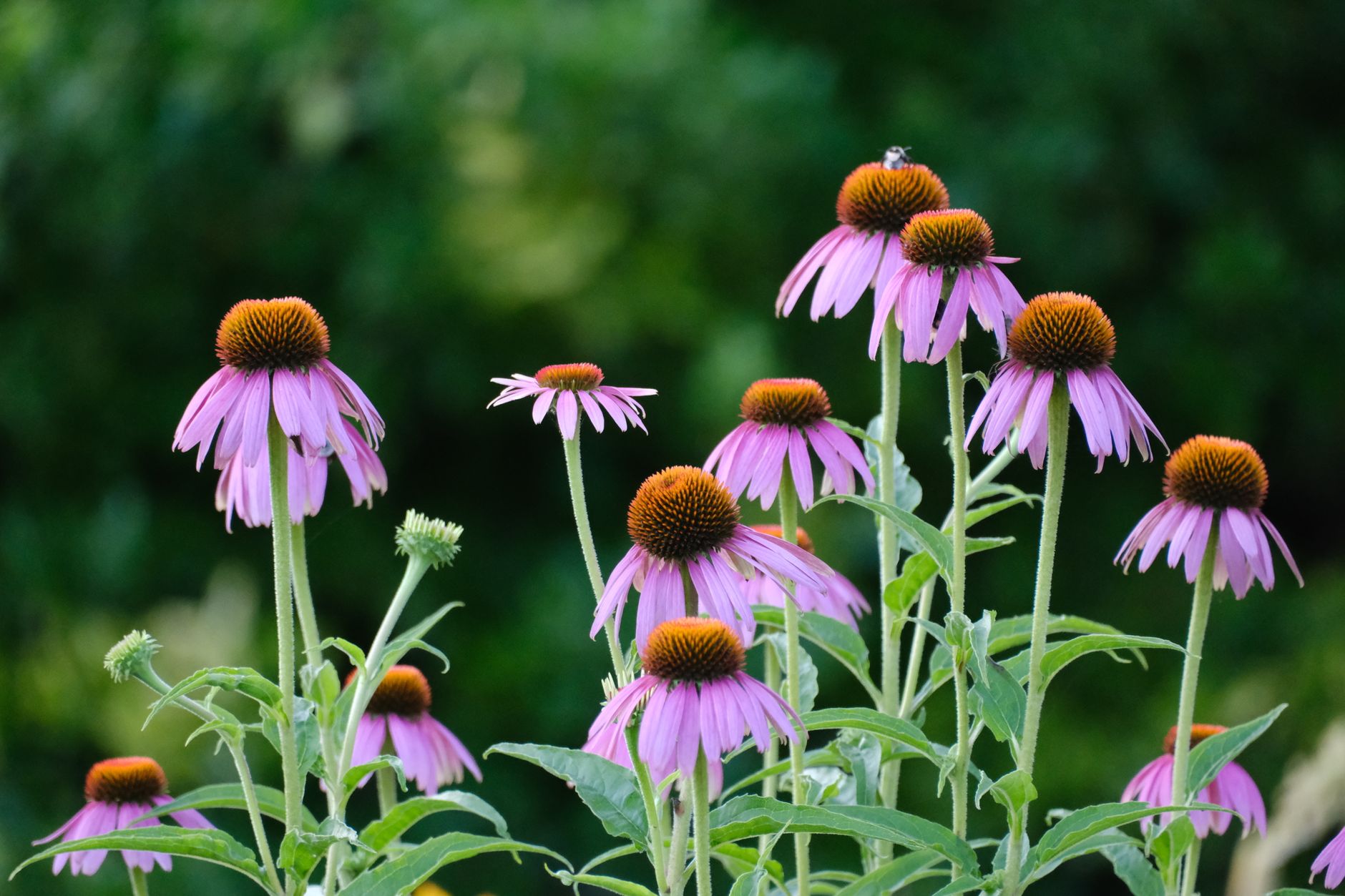
Match tennessee native plants to your site with this guide to flowers, shrubs, and trees. Start small, replace invasives, and find good plant sources.
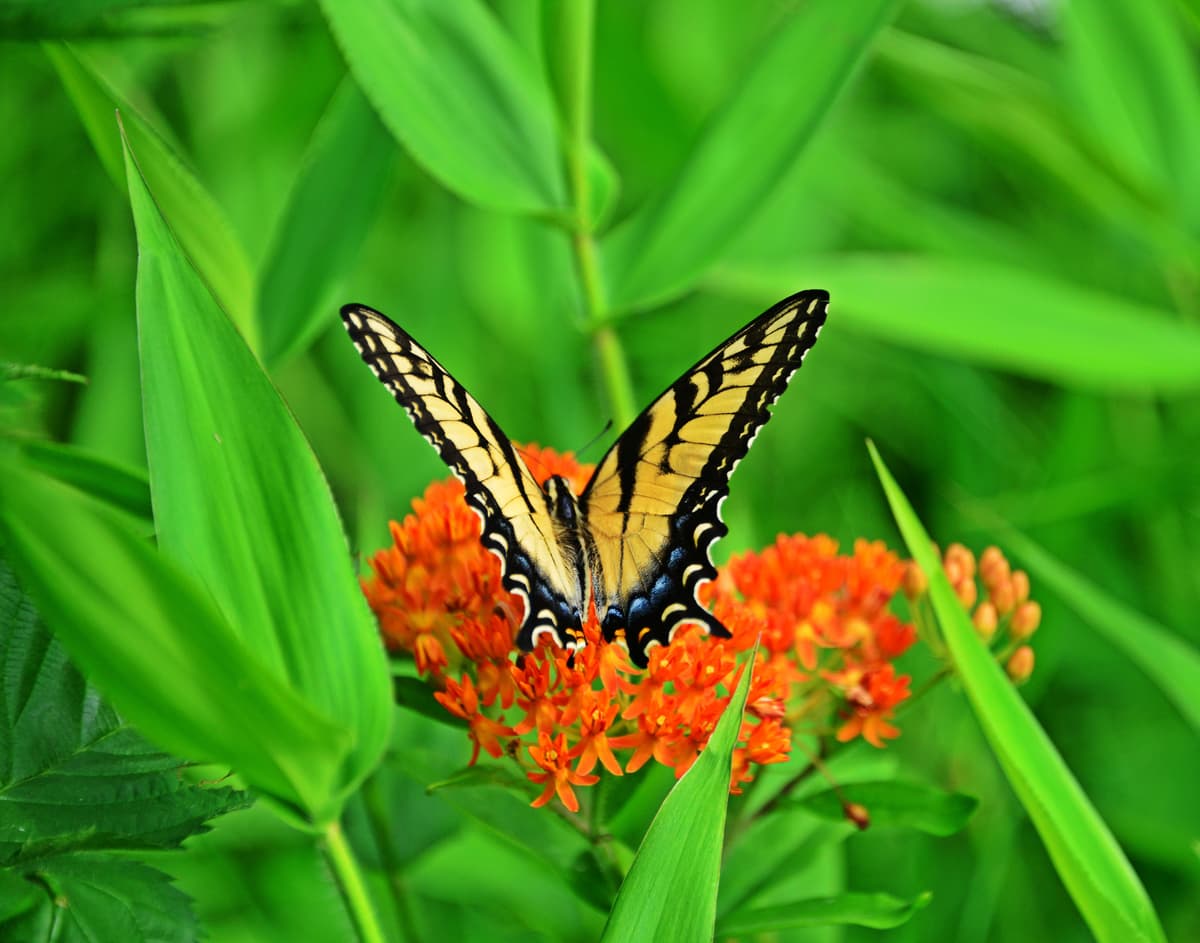
Find the best Georgia native plants for sun, shade, clay soil, and pollinators. Learn planting tips, where to buy, and how to avoid first-year mistakes.
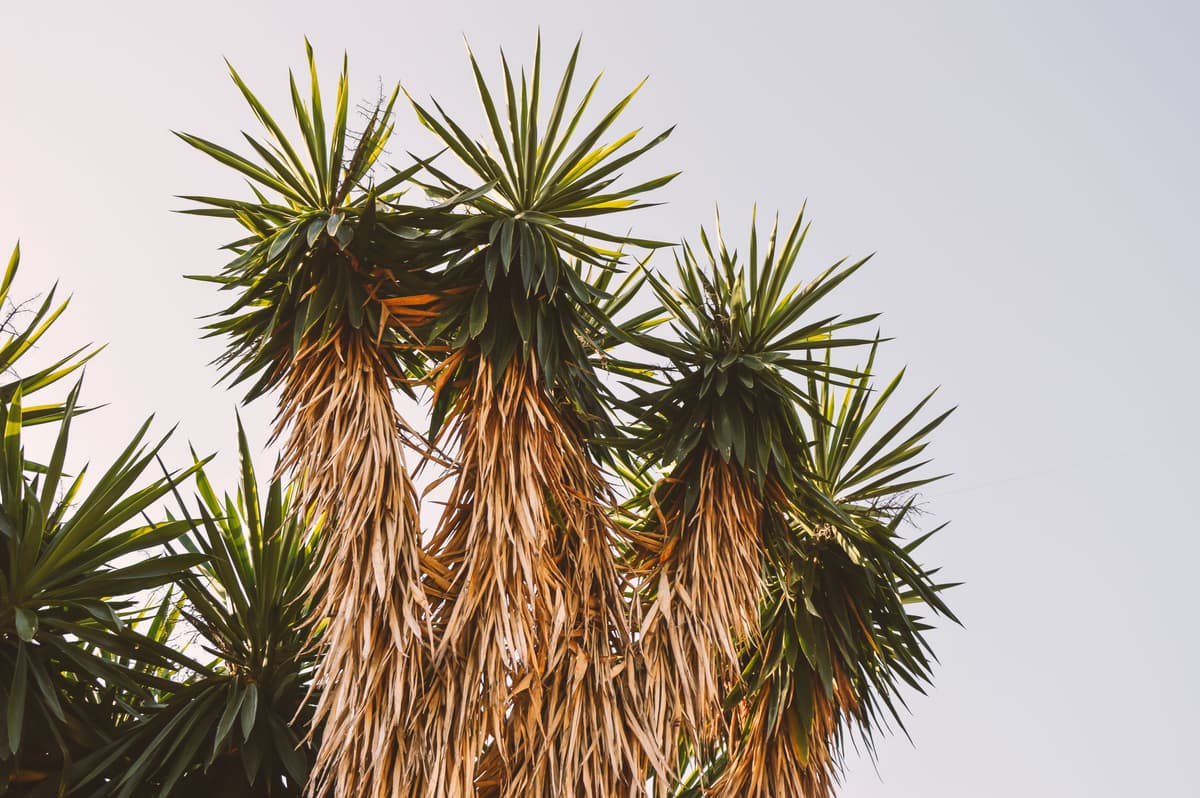
Looking for New Mexico native plants for heat and drought? See top trees, shrubs, flowers, and grasses for alkaline soil and low water. Start your xeric garden.
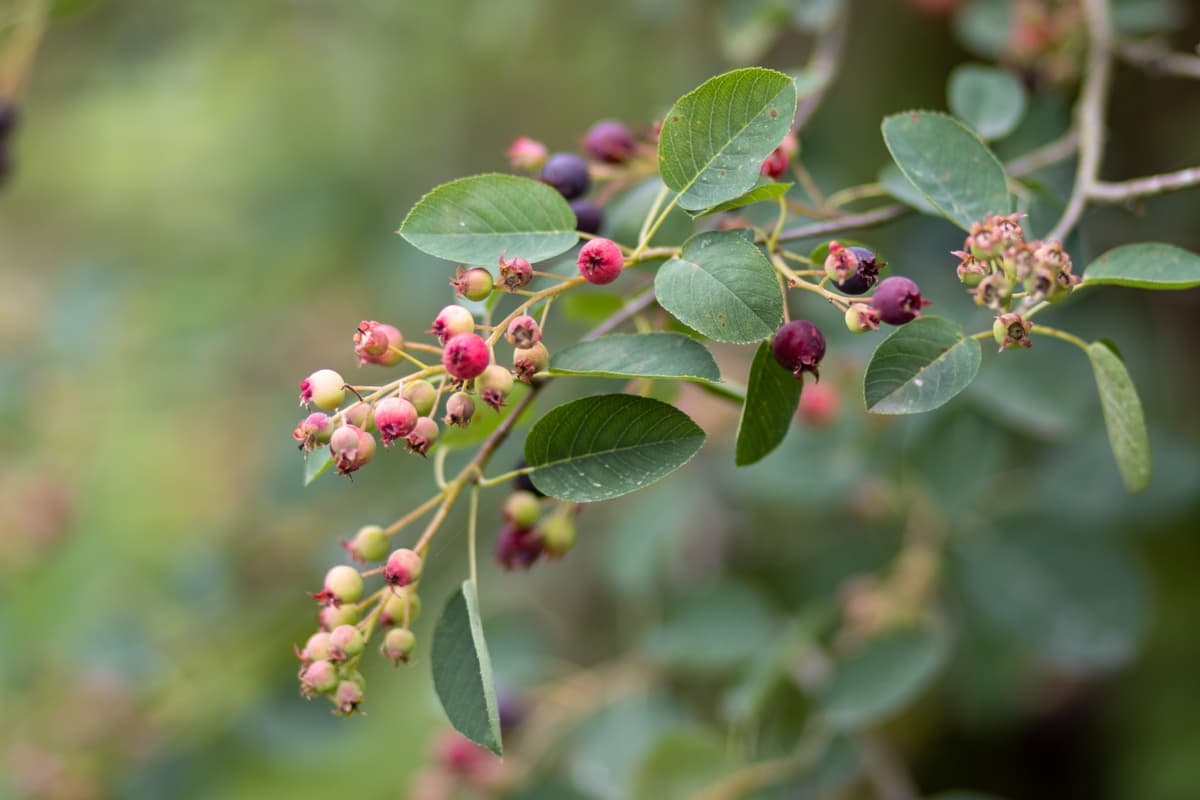
Plant Maine native plants for pollinators and birds with less water. Find the best species, where to buy, and simple design tips for an easy native garden.
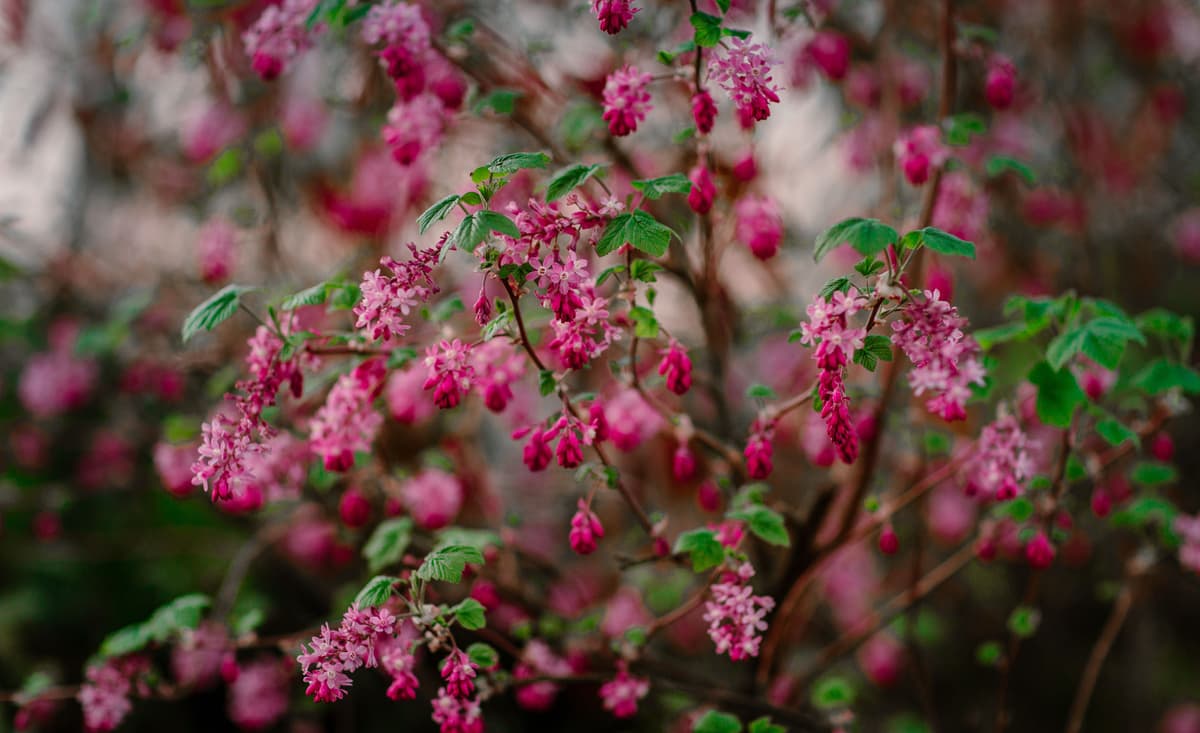
Which Washington native plants suit West and East WA? This beginner guide covers easy species for shade, sun, slopes, and wet areas. Start your garden today.
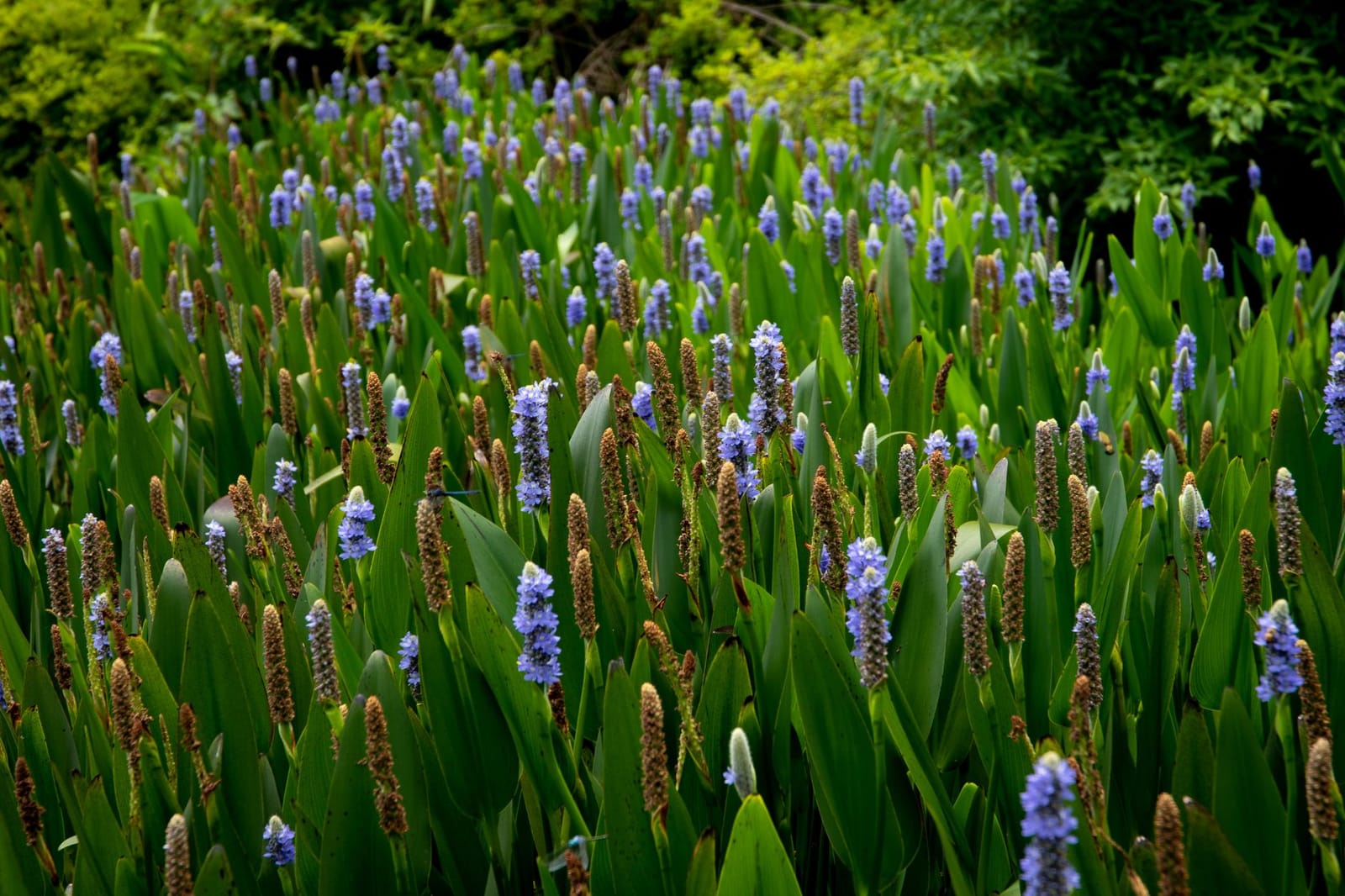
Discover easy Louisiana native plants for your landscape. Find top picks for your region that attract pollinators. Use these tips to choose the right plants.
Looking for Hawaii native plants that need less water and maintenance? Explore top species for landscaping, wildlife habitat, and home gardens.
Find Kentucky native plants for your yard by region and sunlight. Discover top picks for Bluegrass, Appalachian, and Western KY with simple growing tips.
Which Wisconsin native plants are easiest to grow and best for pollinators? Discover top choices for wildlife-friendly gardens and natural landscapes.
Looking for Minnesota native plants that support pollinators and require less maintenance? Learn how to choose species, prepare your site, and build a thriving native garden.
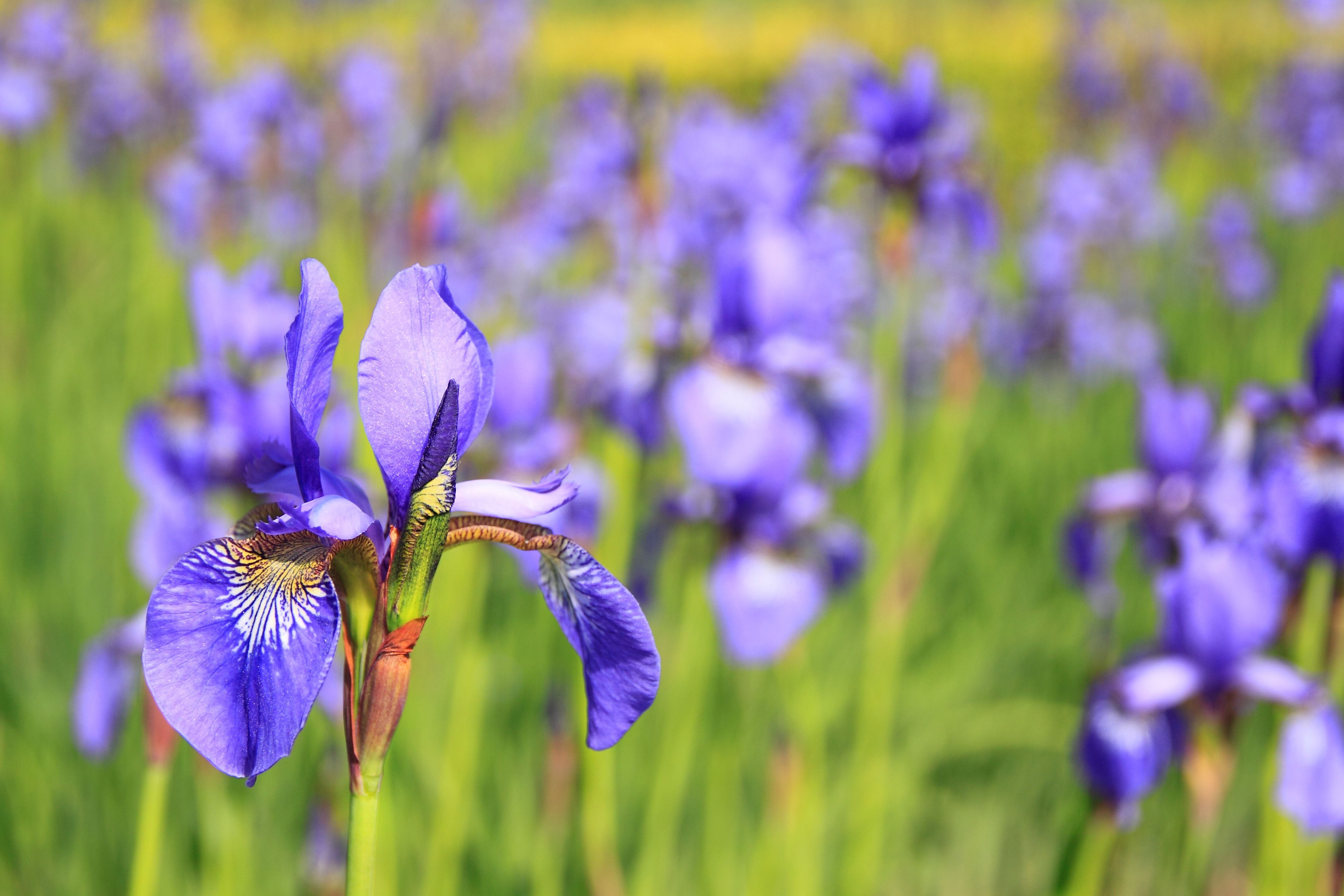
Not sure which Oregon native plants fit your area? Explore top choices for coastal, valley, mountain, and high-desert gardens based on your ecoregion.
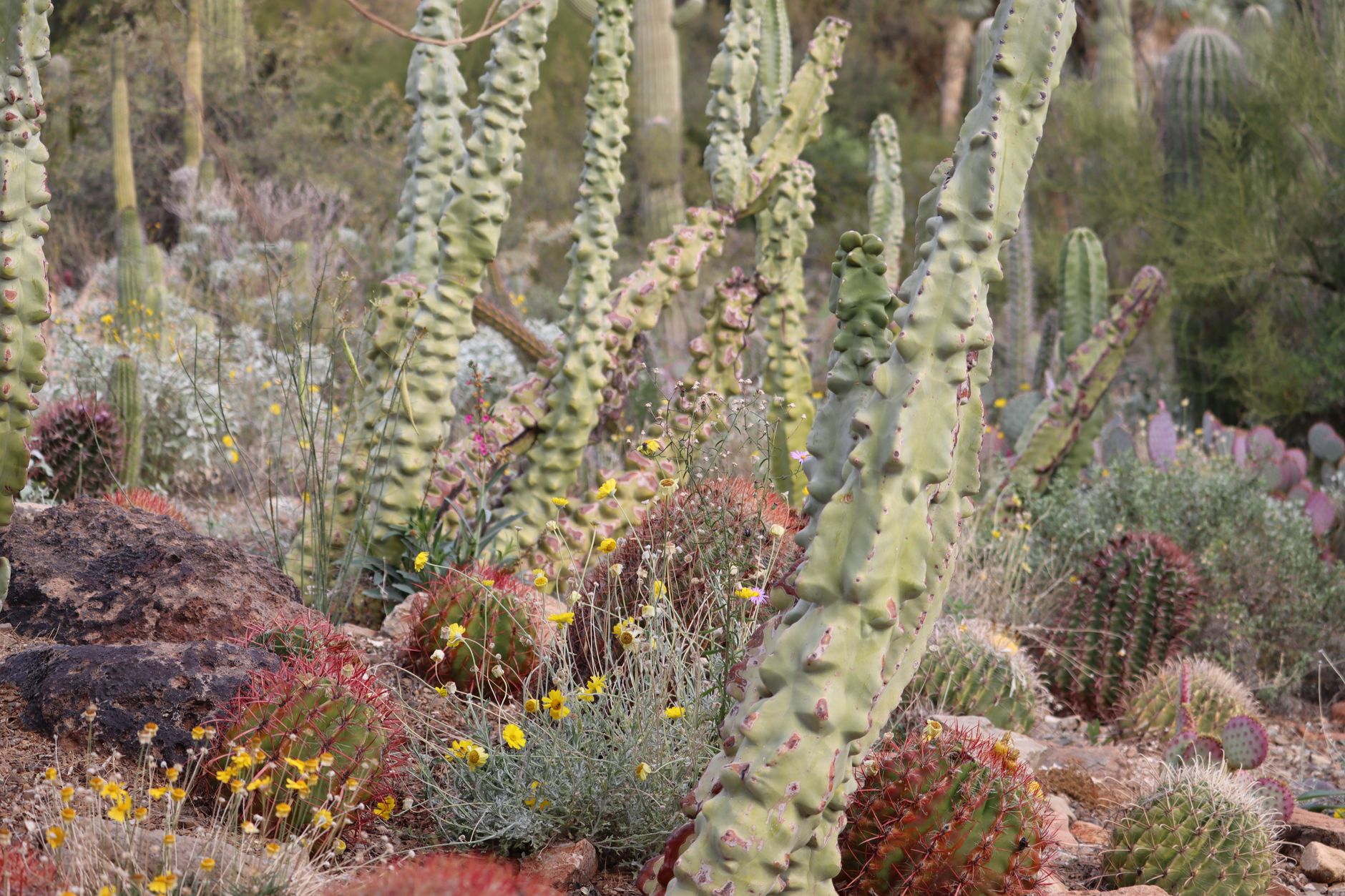
Want a beautiful yard that uses less water? Explore Arizona native plants for desert landscapes, regional growing conditions, and low-maintenance design ideas.
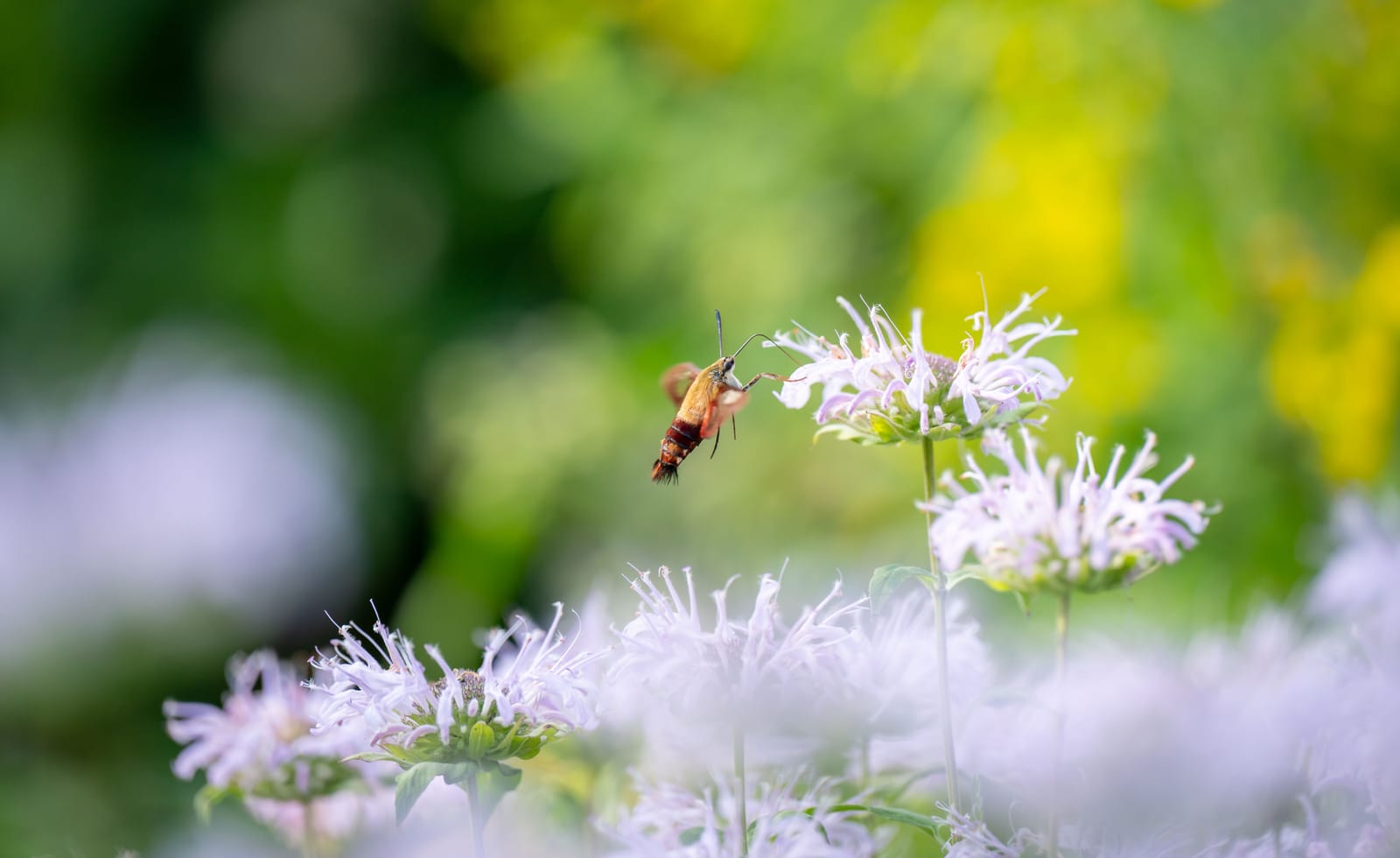
New to Indiana native plants? Learn which species suit your site, how to start a native garden, and where to buy plants for landscaping and pollinator habitat.
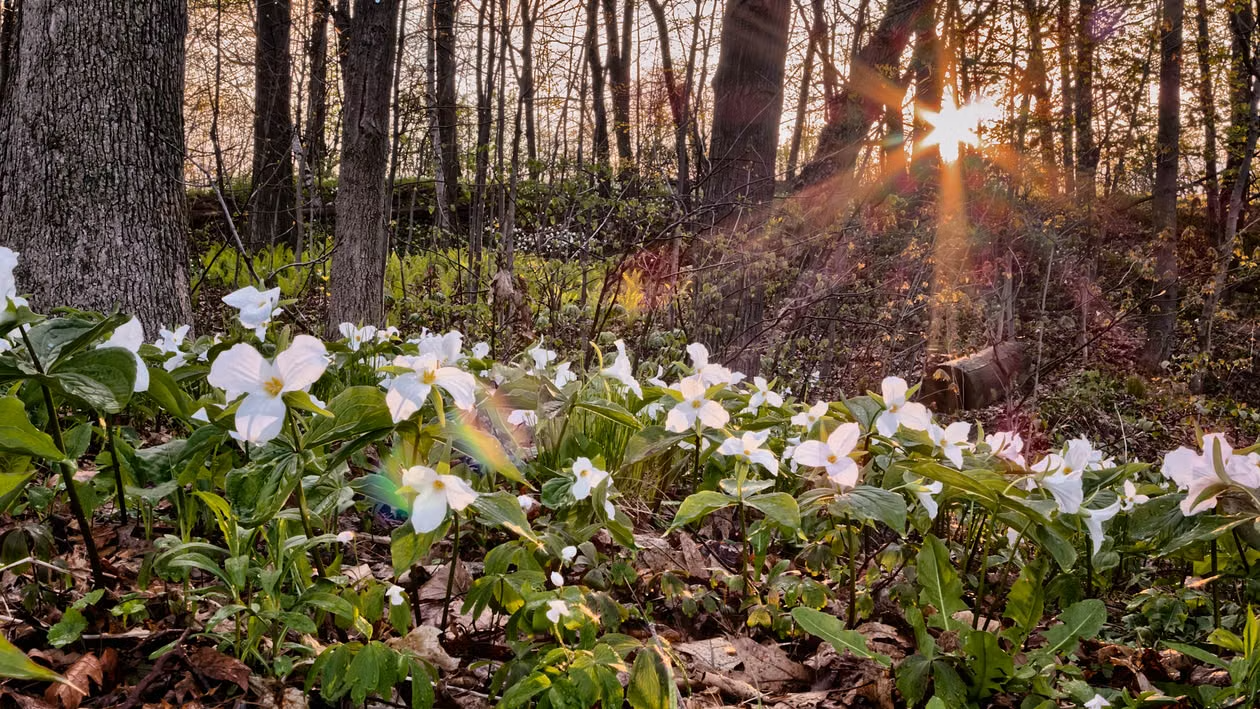
Want to replace invasive plants or build a more wildlife-friendly yard? Discover Michigan native plants for landscapes, pollinators, and local ecosystems.
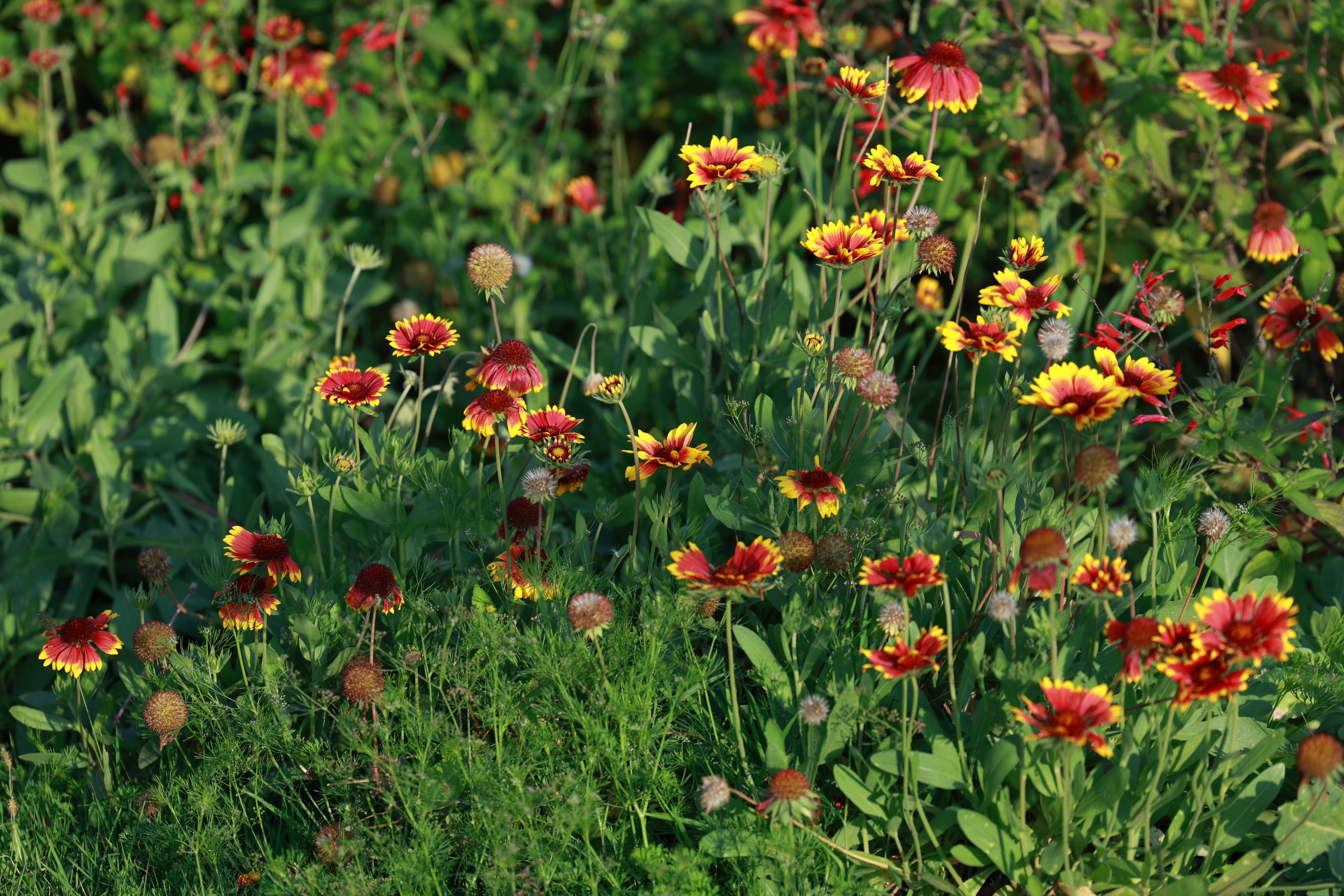
Looking for Texas native plants that thrive where you live? Discover regional favorites, landscaping ideas, planting tips, and trusted native plant sources.
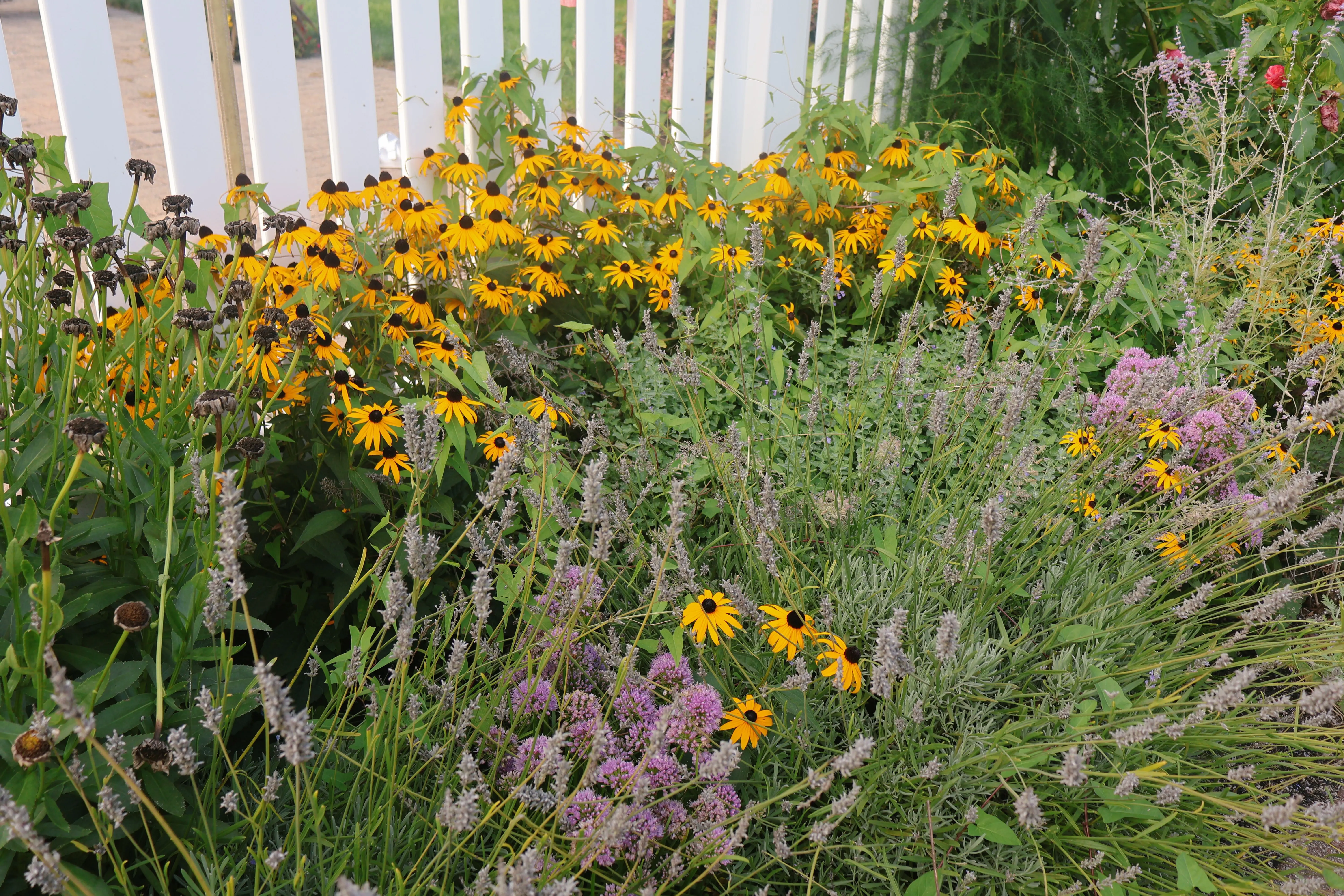
Find Colorado native plants for small, non-spreading borders. See how to replace builder-grade plants with a low-maintenance, pollinator-friendly yard.
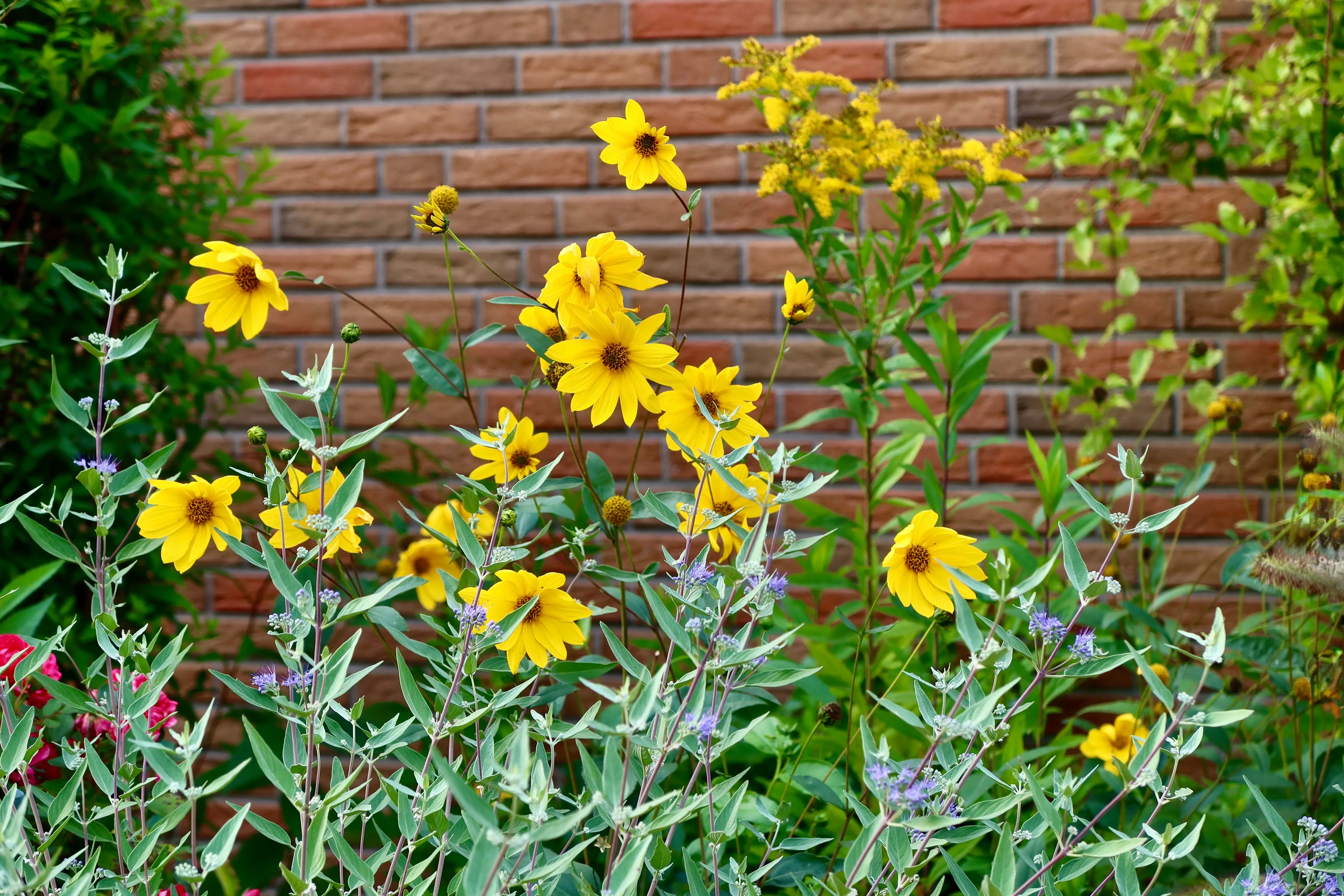
Looking for Illinois native plants that support pollinators and thrive in local conditions? Explore top choices for landscaping, lawn replacement, and home gardens.
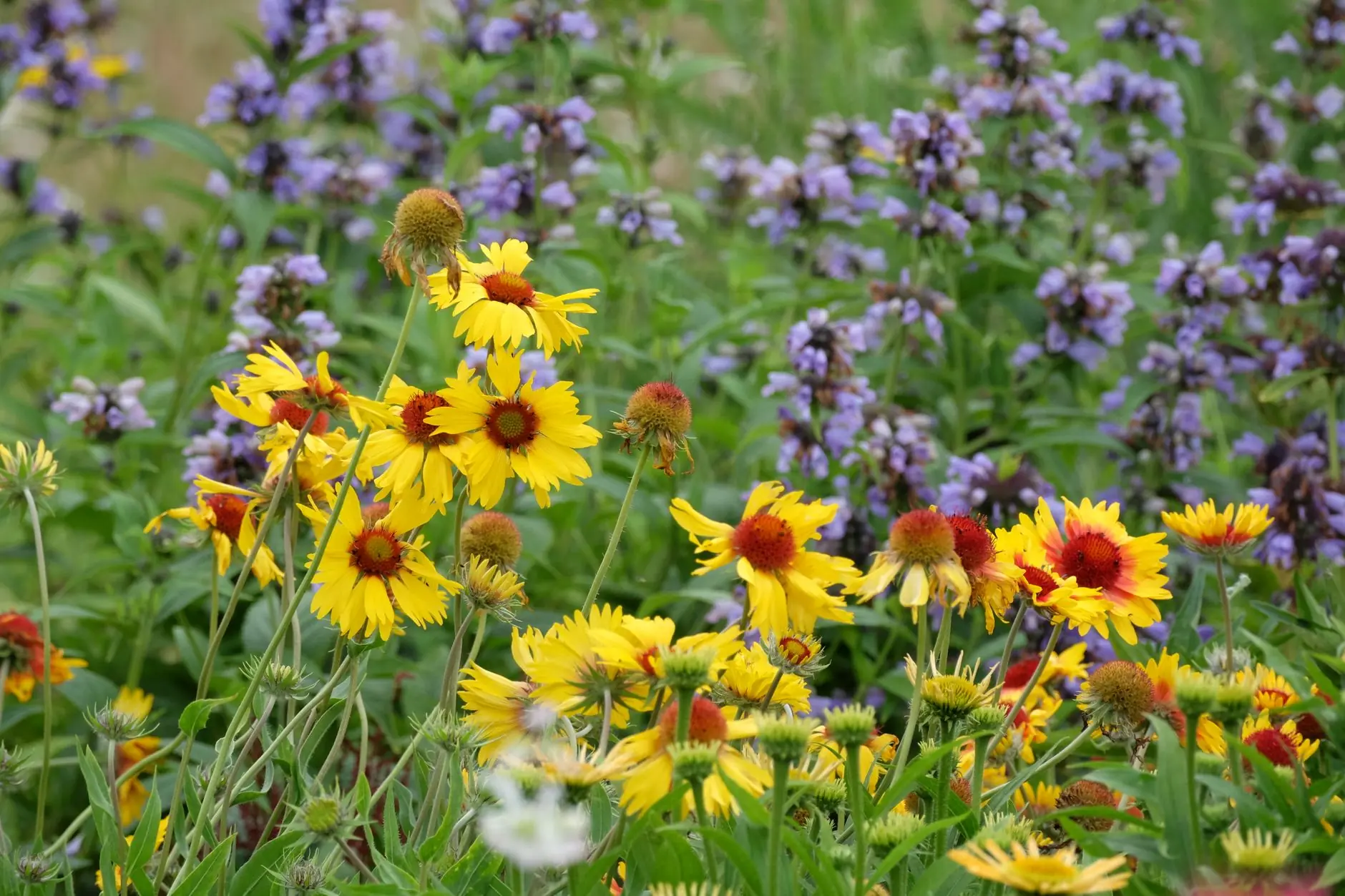
Explore Maryland native plants for pollinators, wildlife, and home landscapes. Learn what to plant, where to buy native species, and how to get started.
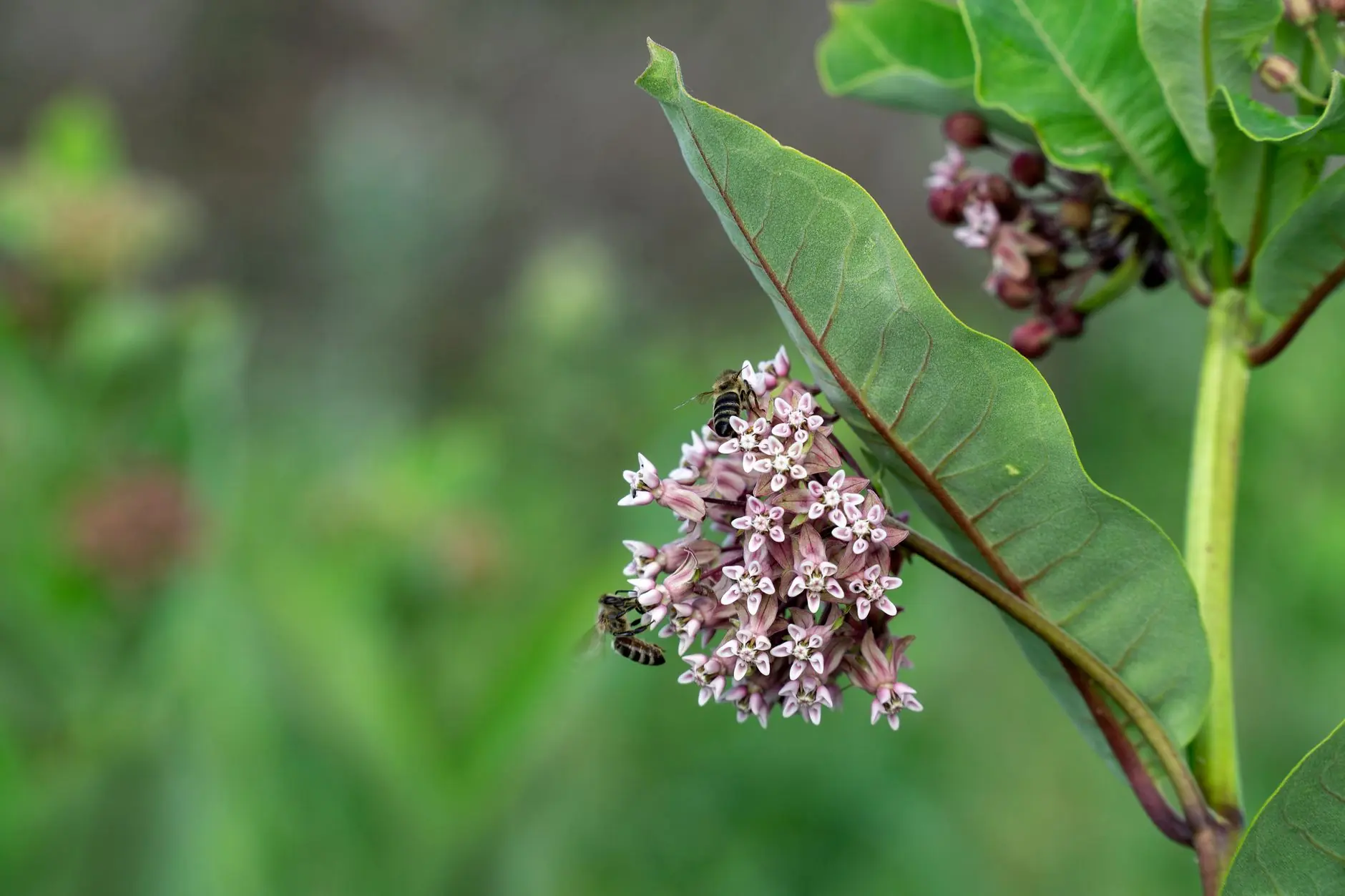
Looking for Ohio native plants that support pollinators and thrive in local conditions? Explore top species for landscaping, lawn replacement, and home gardens.
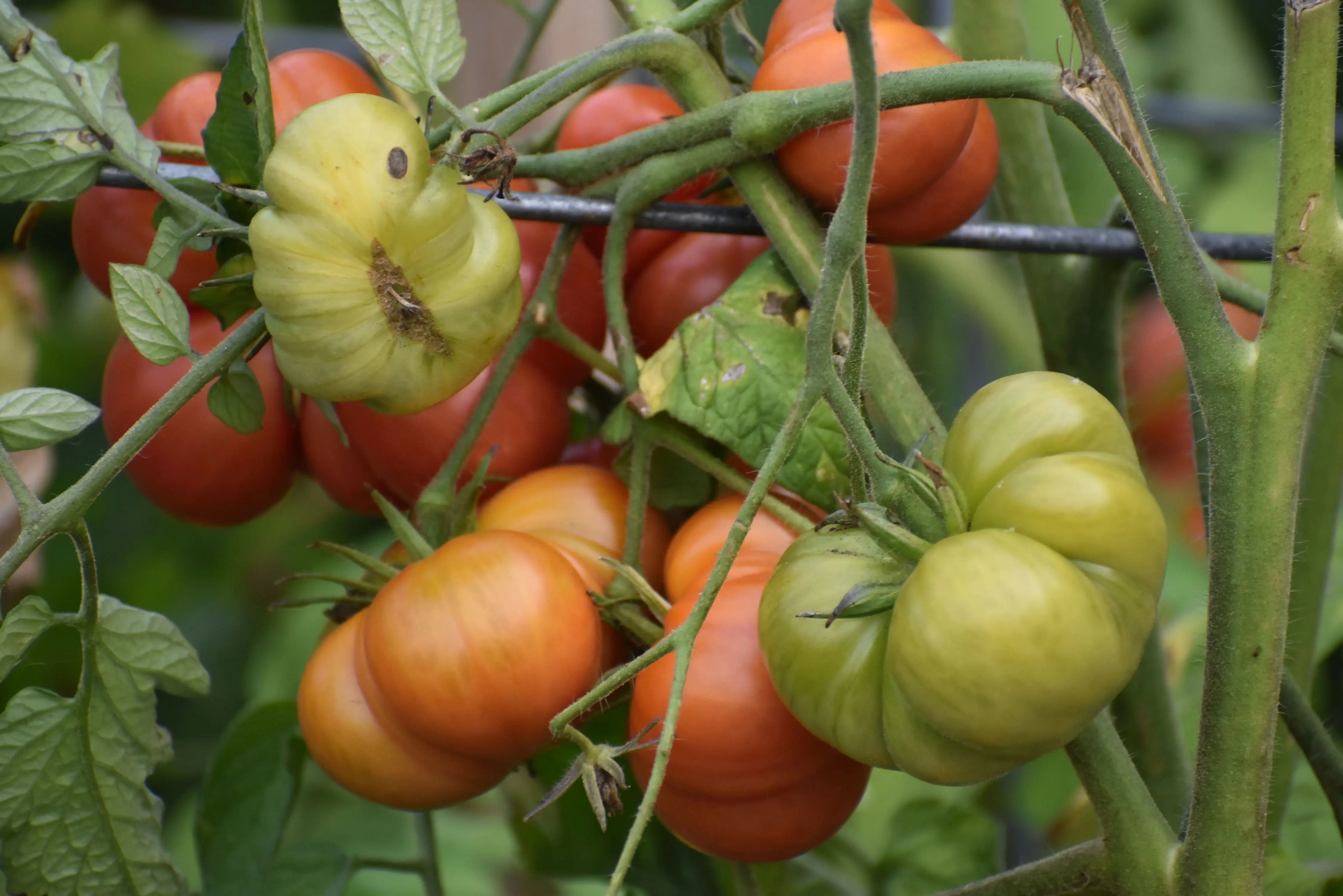
Brandywine tomatoes can be challenging in hot weather. Learn how to improve fruit set, prevent blossom drop, and grow healthier plants with confidence.
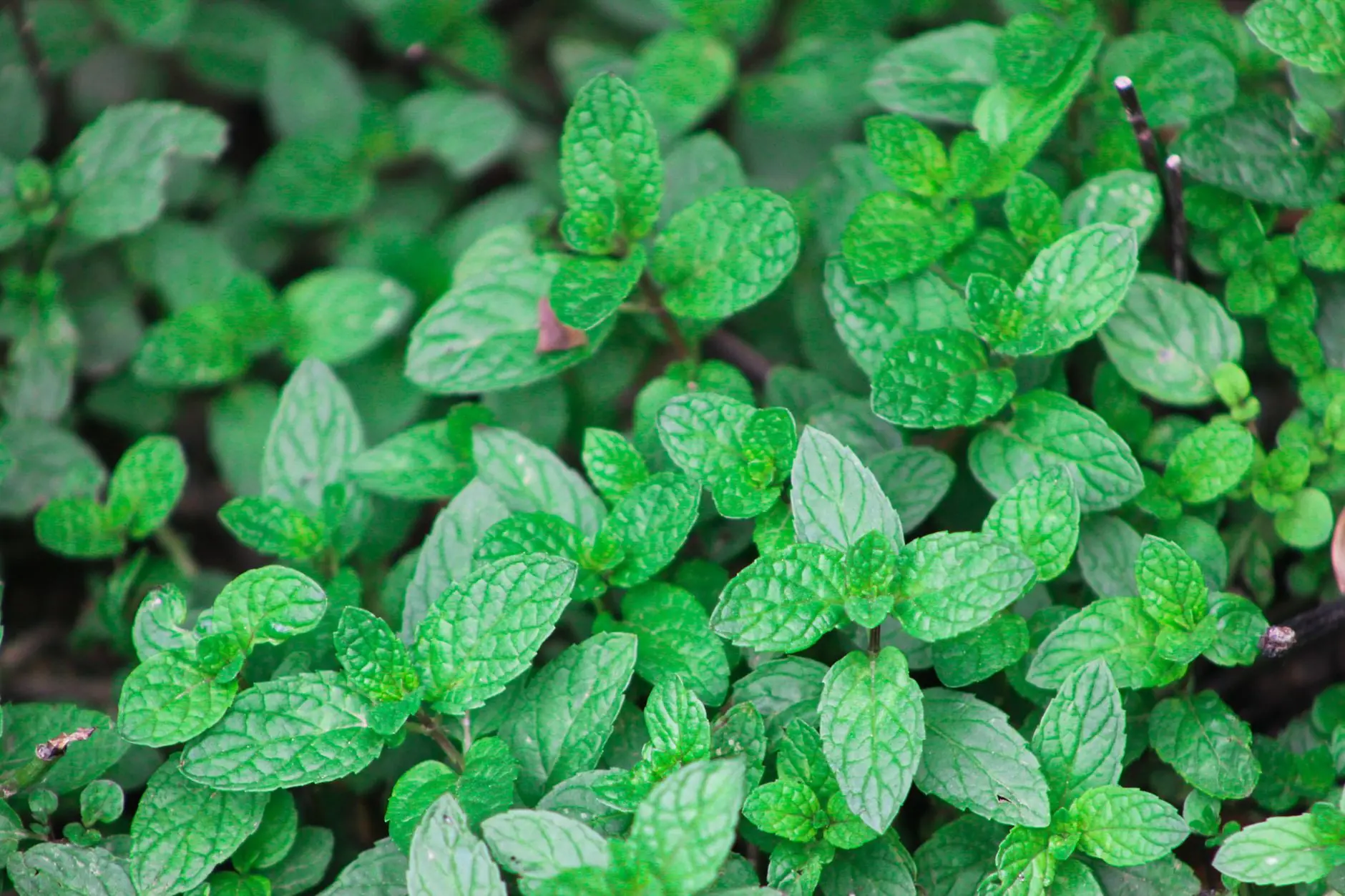
How to grow chocolate mint at home: learn soil, watering, and container tips. Find out when to harvest and how to use fresh leaves in teas and desserts.
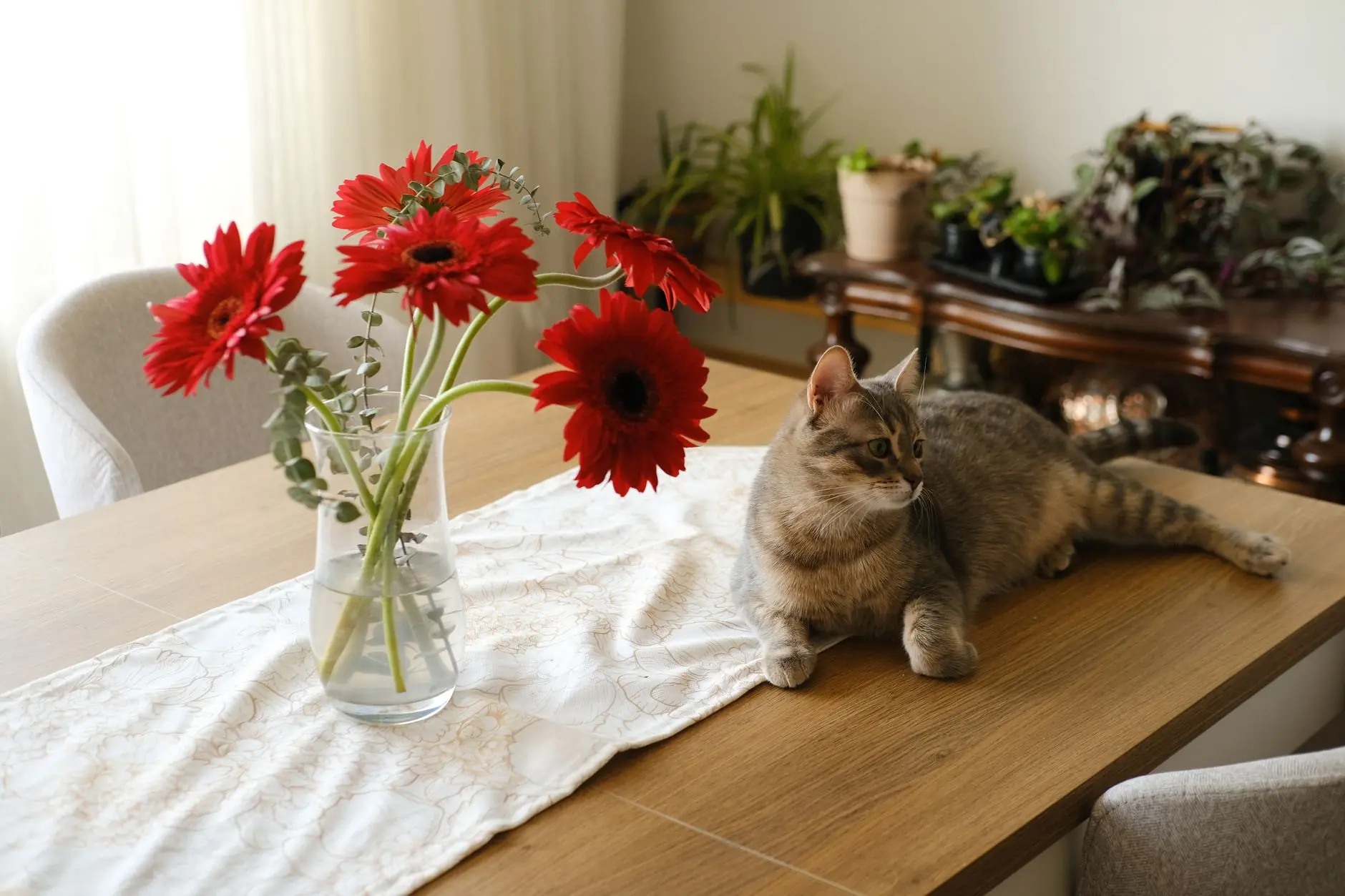
Are gerbera daisies toxic to cats? Learn why they are considered cat-safe, how to tell them from toxic daisies, and what to do if your cat chews on one.
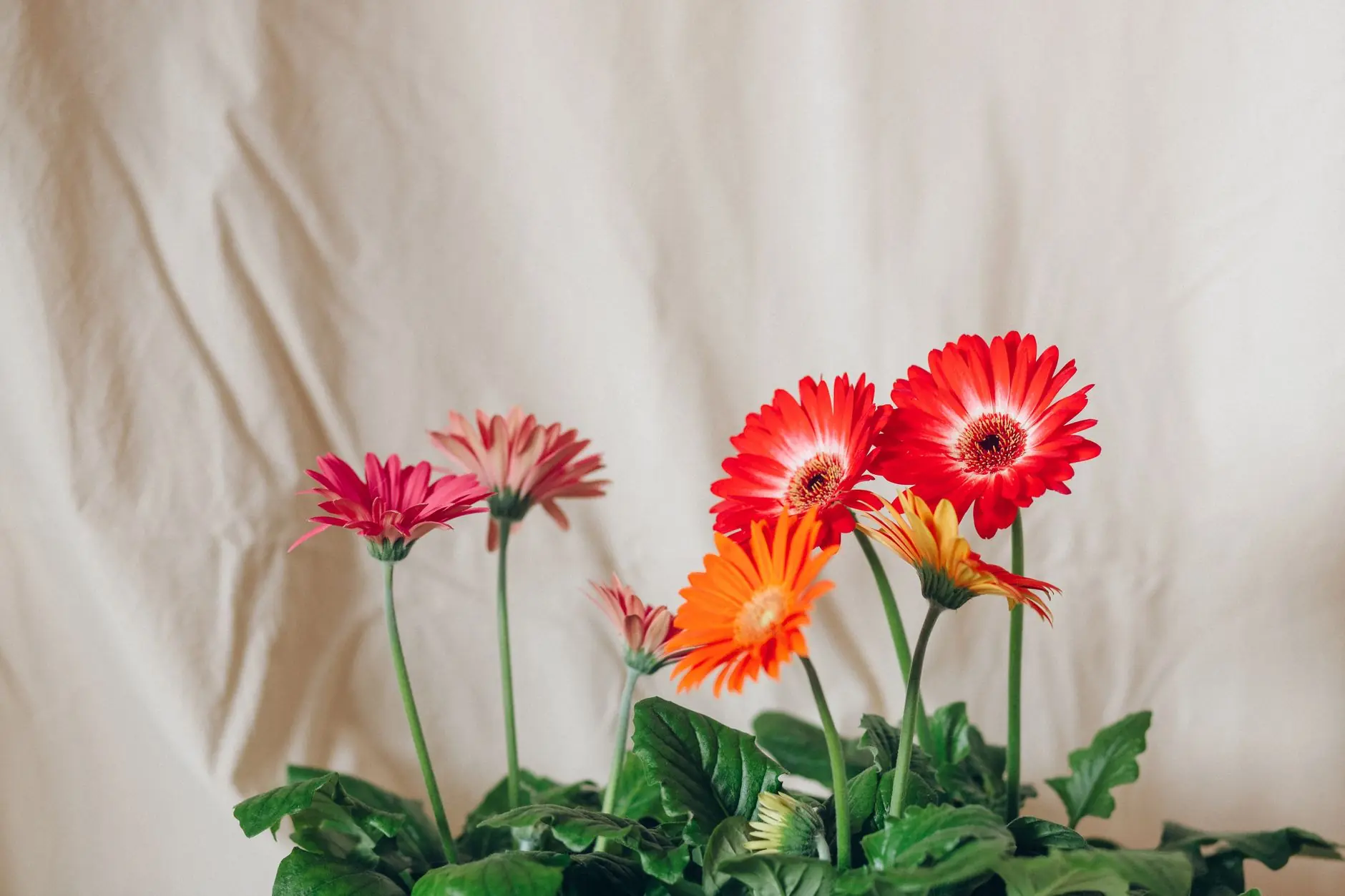
Yellow leaves, crown rot, or fewer blooms than expected? Learn proper gerbera daisy care, including watering, light, feeding, and seasonal maintenance tips.
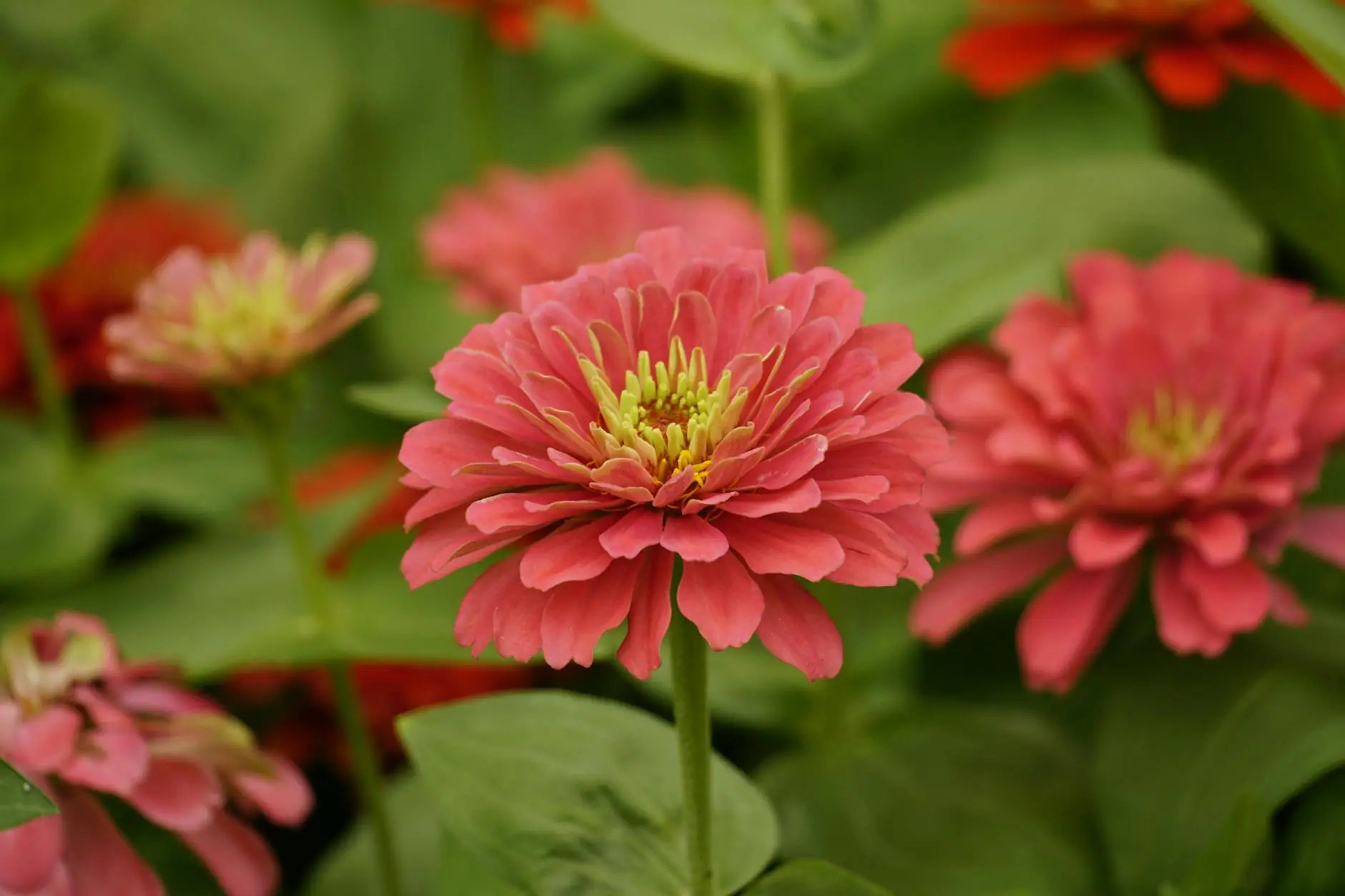
Mexican zinnia thrives in heat, full sun, and containers. Learn planting, spacing, watering, and powdery mildew prevention for reliable summer blooms.
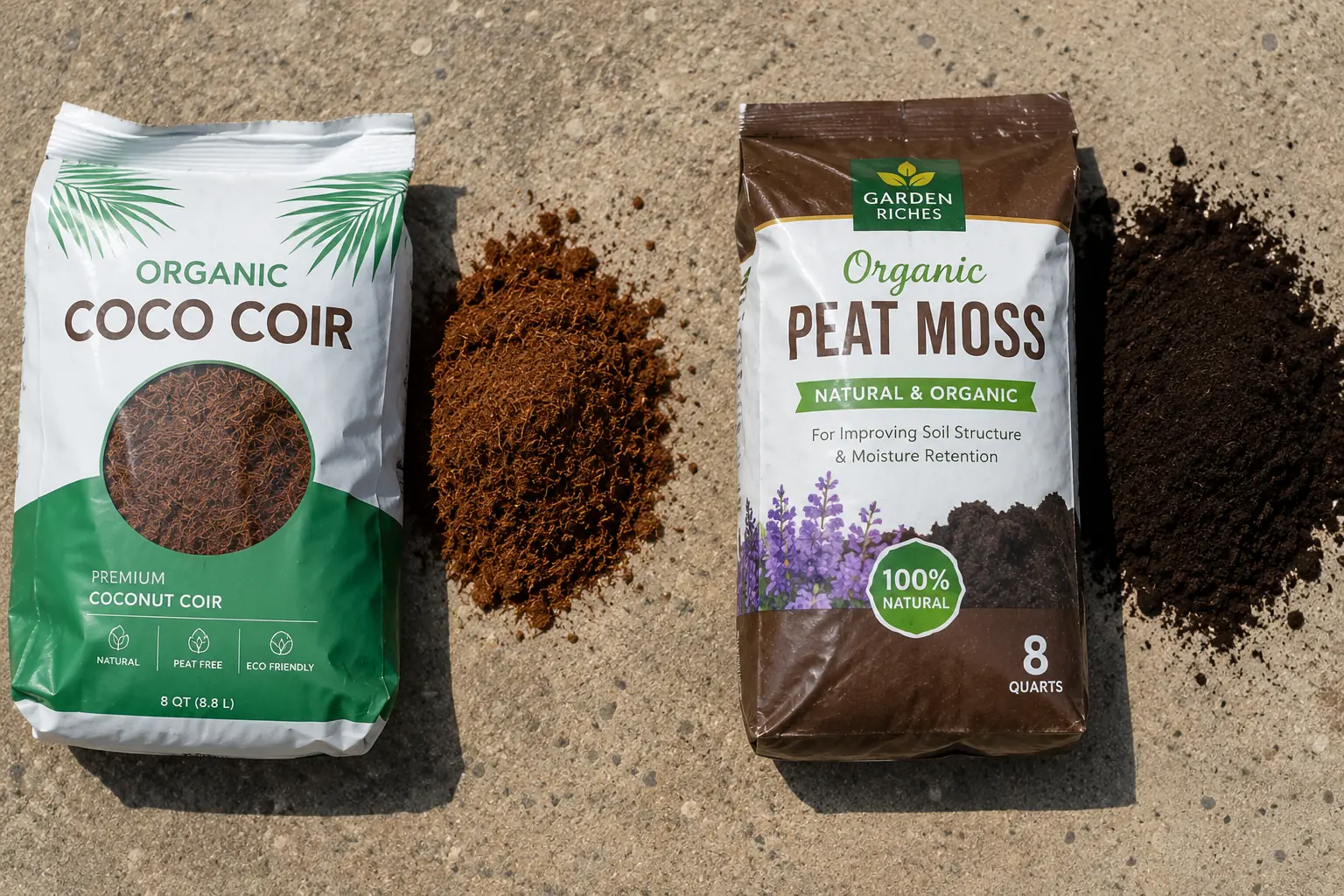
Compare peat moss and coco coir for pH, water retention, drainage, and sustainability. Learn which works best for seed starting, containers, and soil mixes.
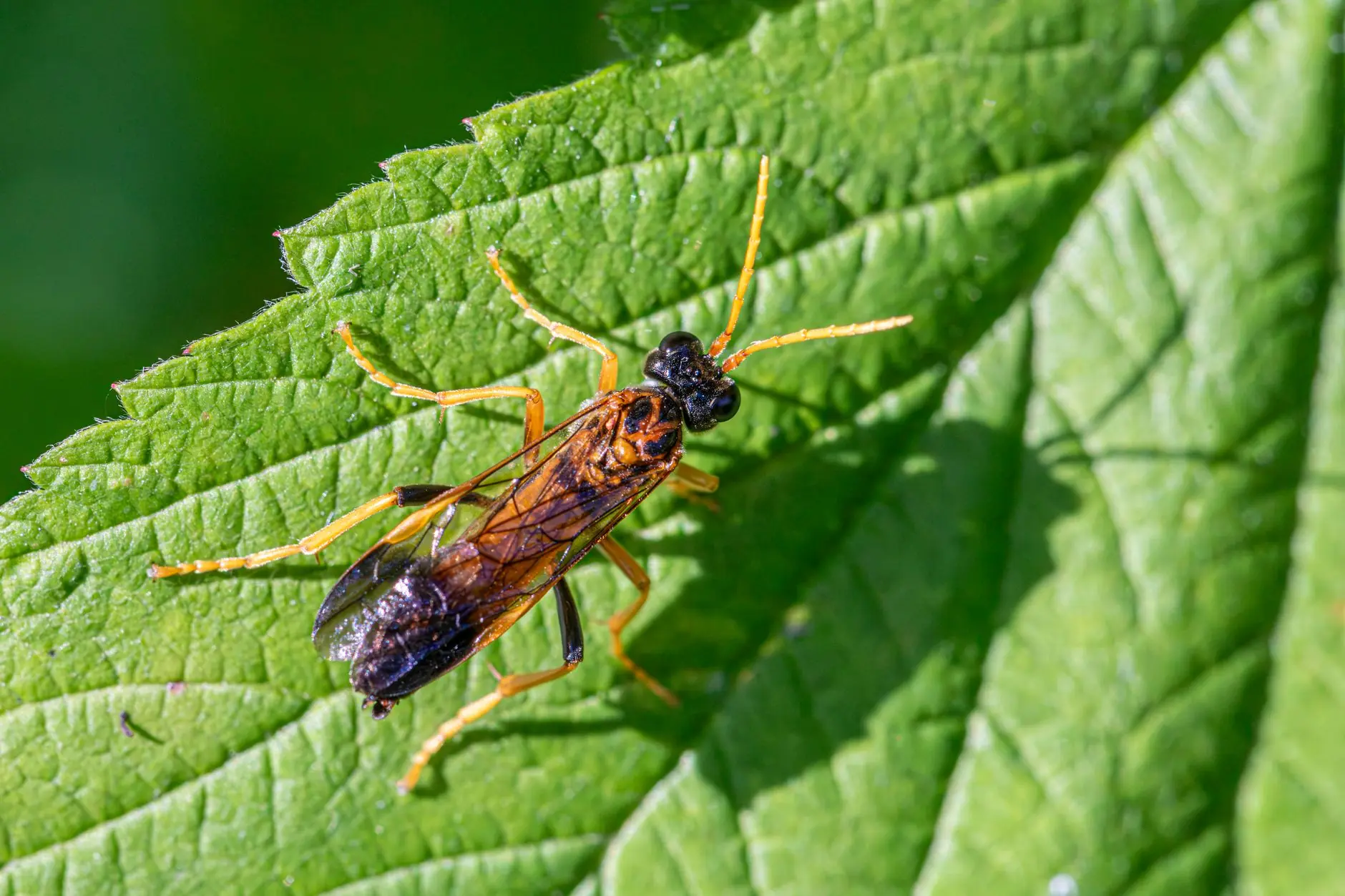
Sawfly larvae can strip leaves in days. Learn how to identify them, tell them from caterpillars, and use effective control methods when BT won't work.

Trying to identify a palm tree? Compare 20 palm species by climate, mature size, cold tolerance, and indoor suitability to find the best fit.
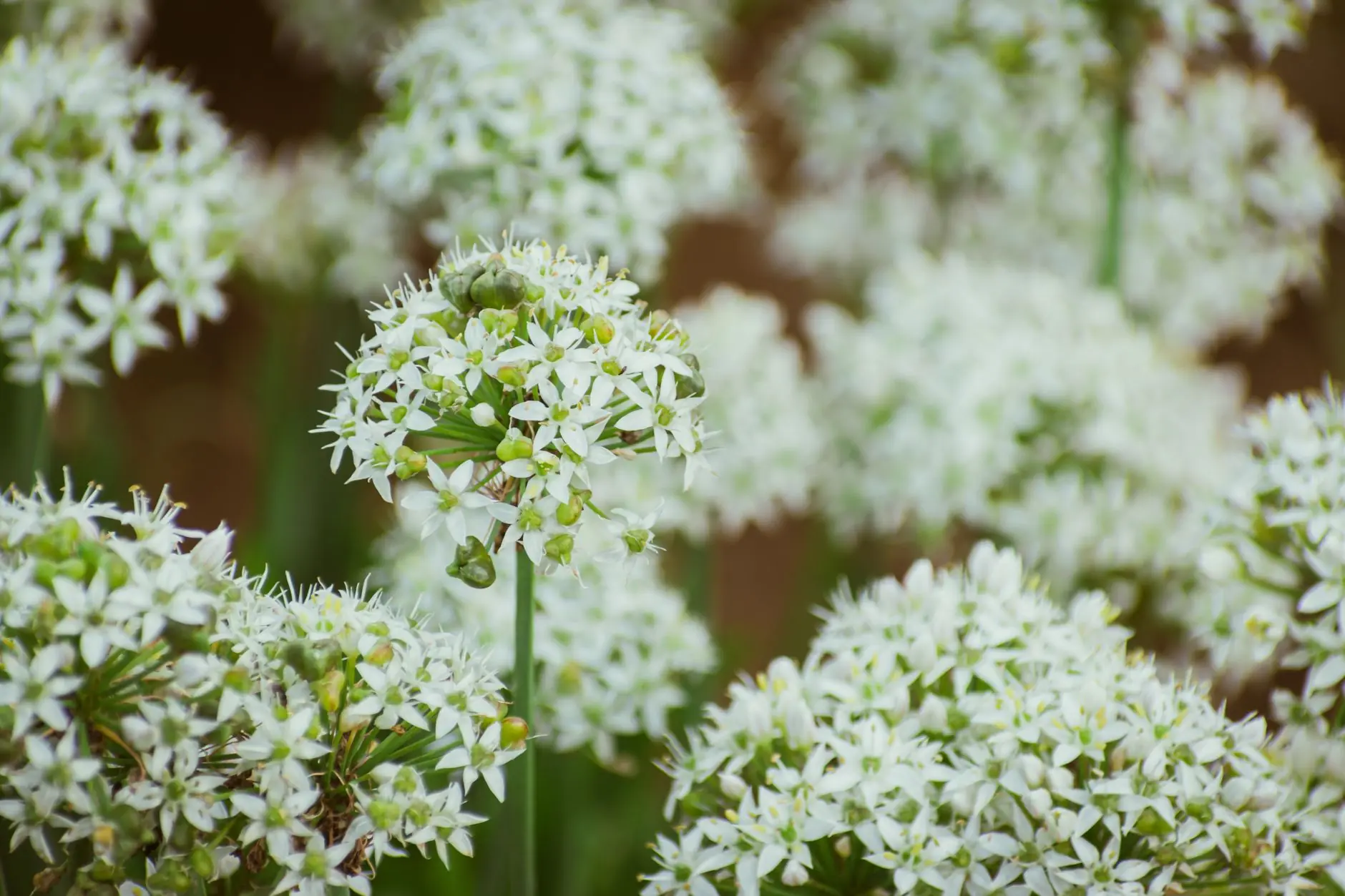
Not sure whether to cut garlic scapes or let them flower? Learn the difference, when to remove scapes for larger bulbs, and whether the flowers are edible.
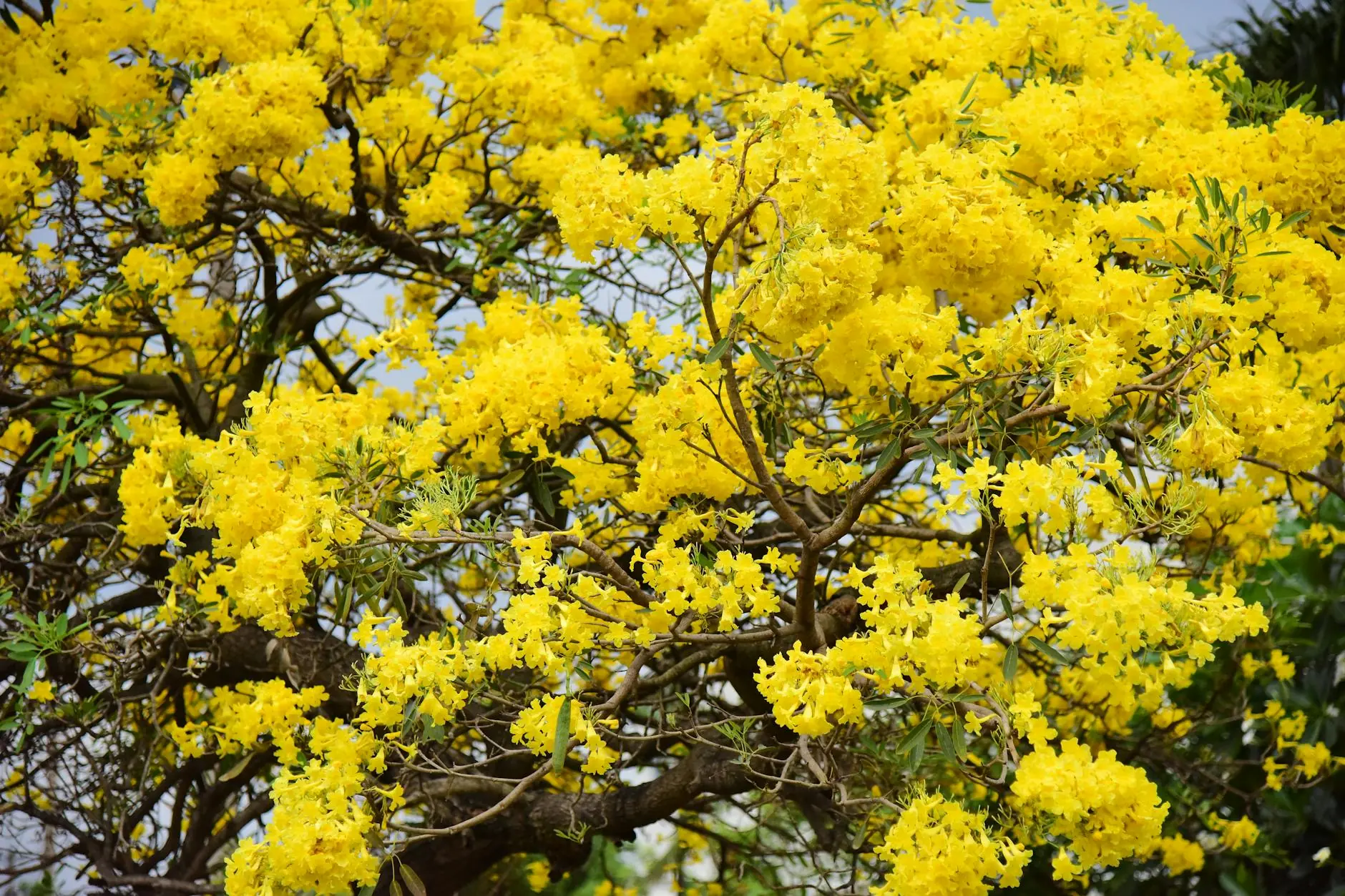
Trying to identify a tree with yellow flowers? Compare 15 species by bloom time, flower type, climate, and growing conditions to find the best match.
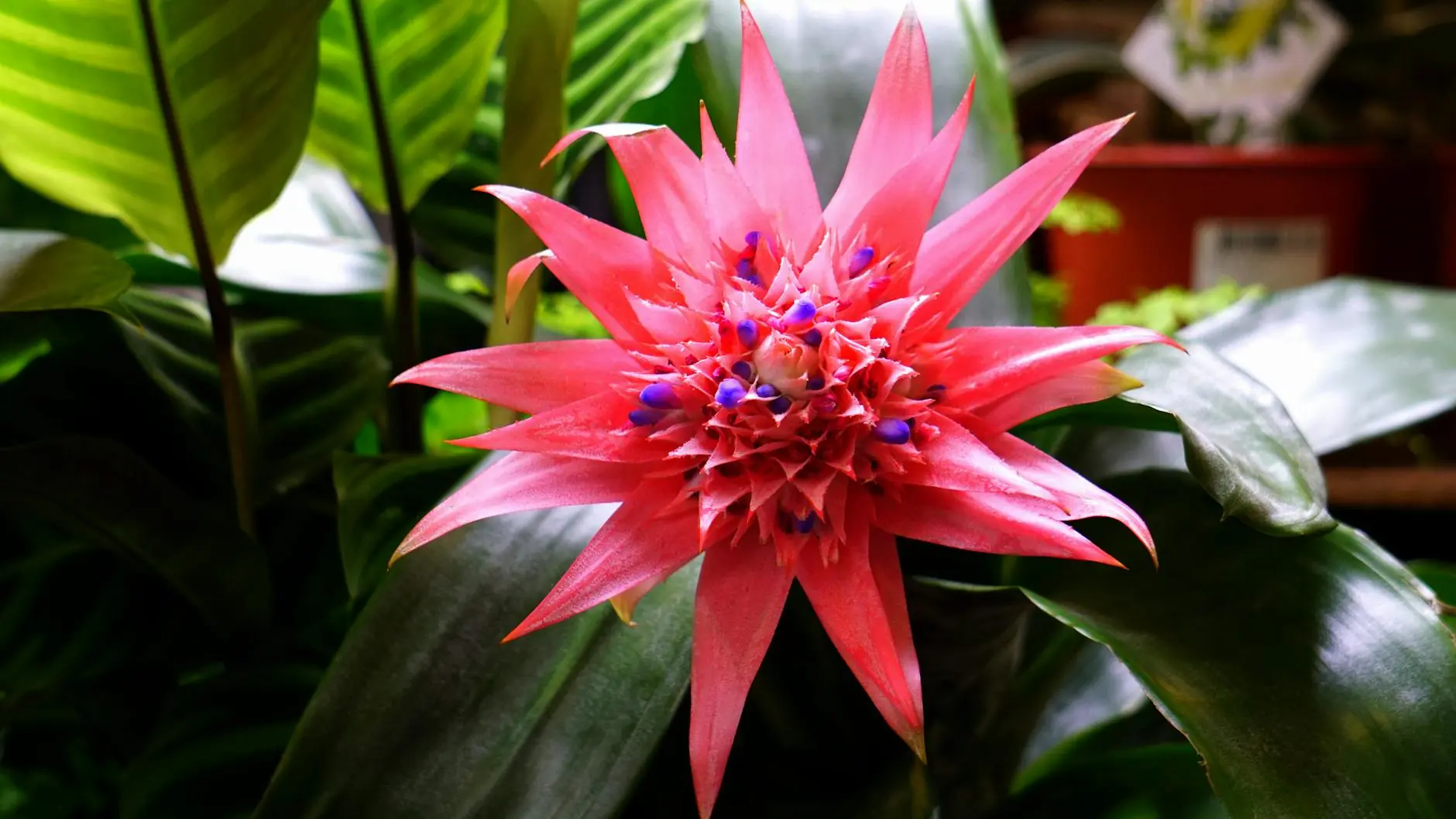
Brown leaf tips, fading blooms, or no pups yet? Learn proper bromeliad care indoors, including watering, light, and what to do after flowering.
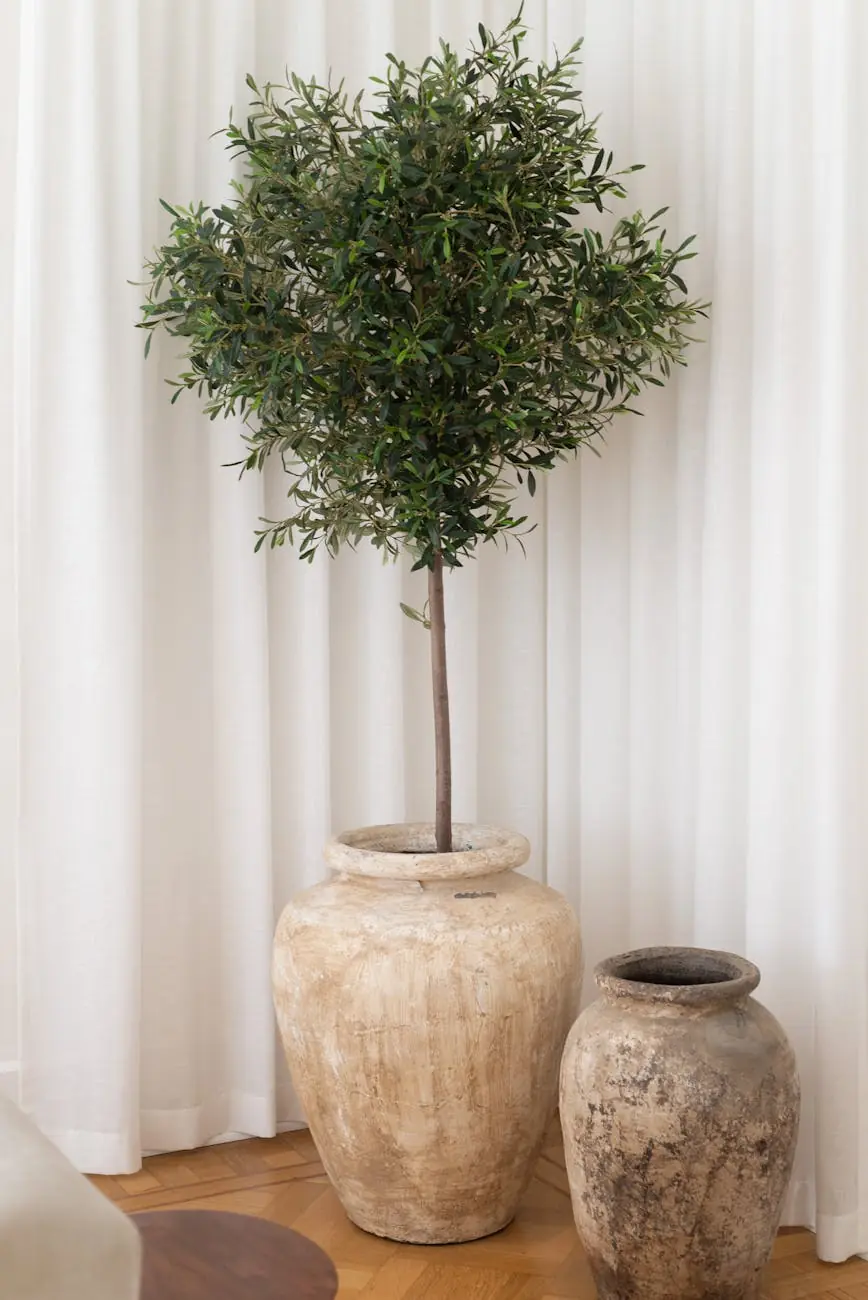
Olive tree care indoors starts with the right light, soil, and watering routine. Learn how to prevent leaf drop, yellow leaves, and common growing problems.
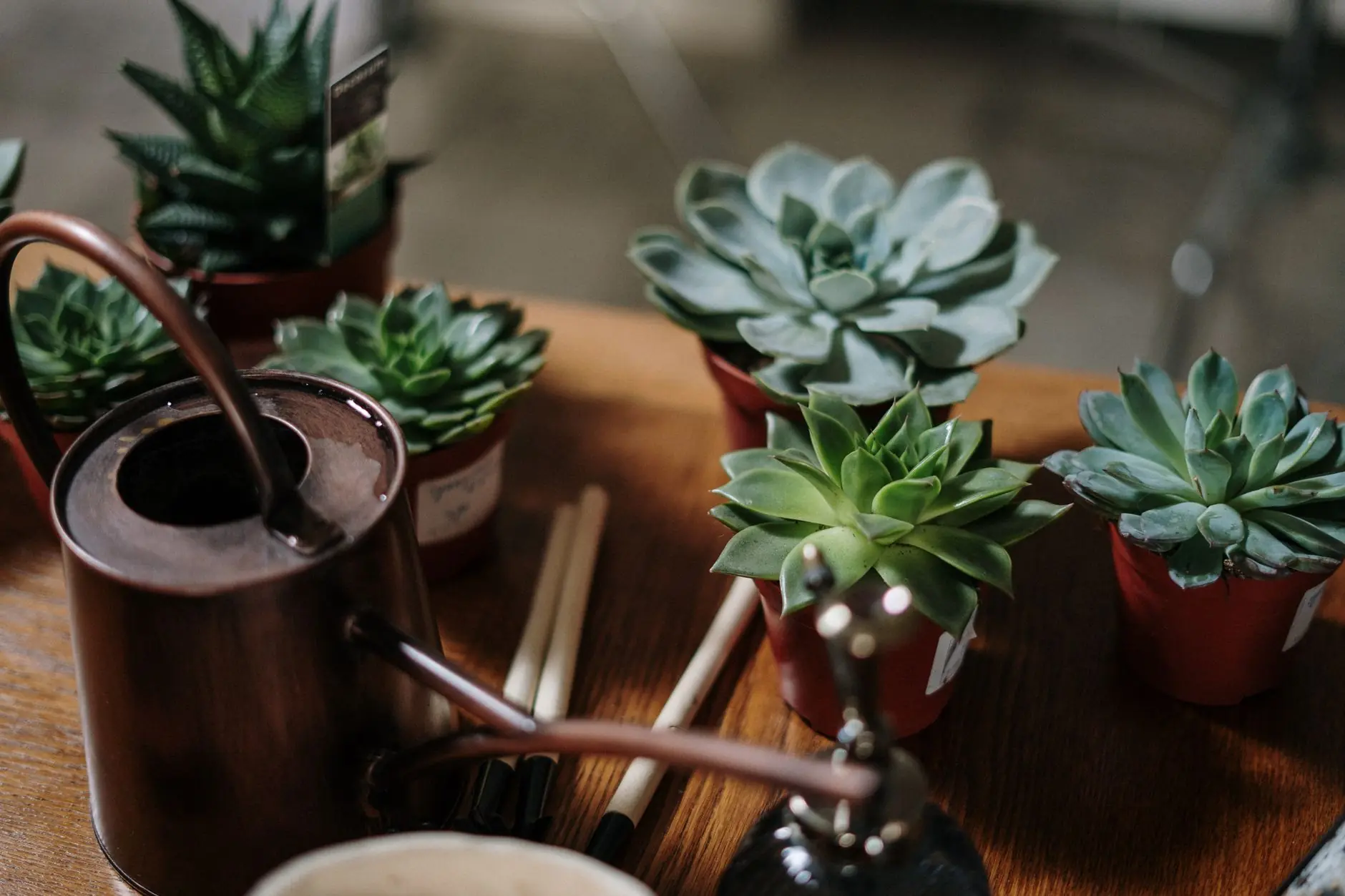
How often should you water succulents? Learn why fixed schedules fail, how to check soil dryness, and when indoor and outdoor plants need water.
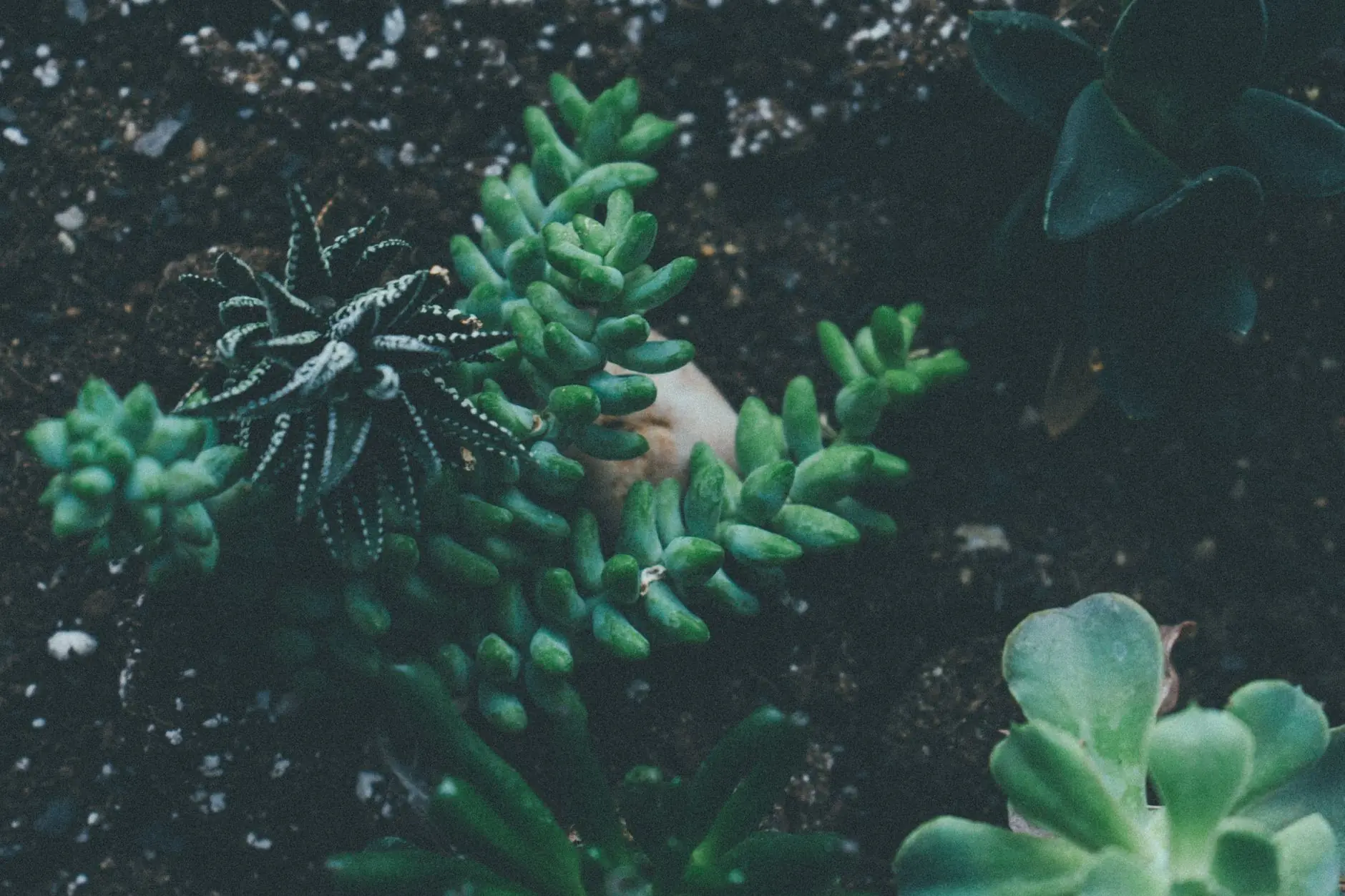
Learn how to make succulent potting mix with the right balance of drainage and aeration. Compare ingredients, climate adjustments, and DIY recipes that help prevent root rot.
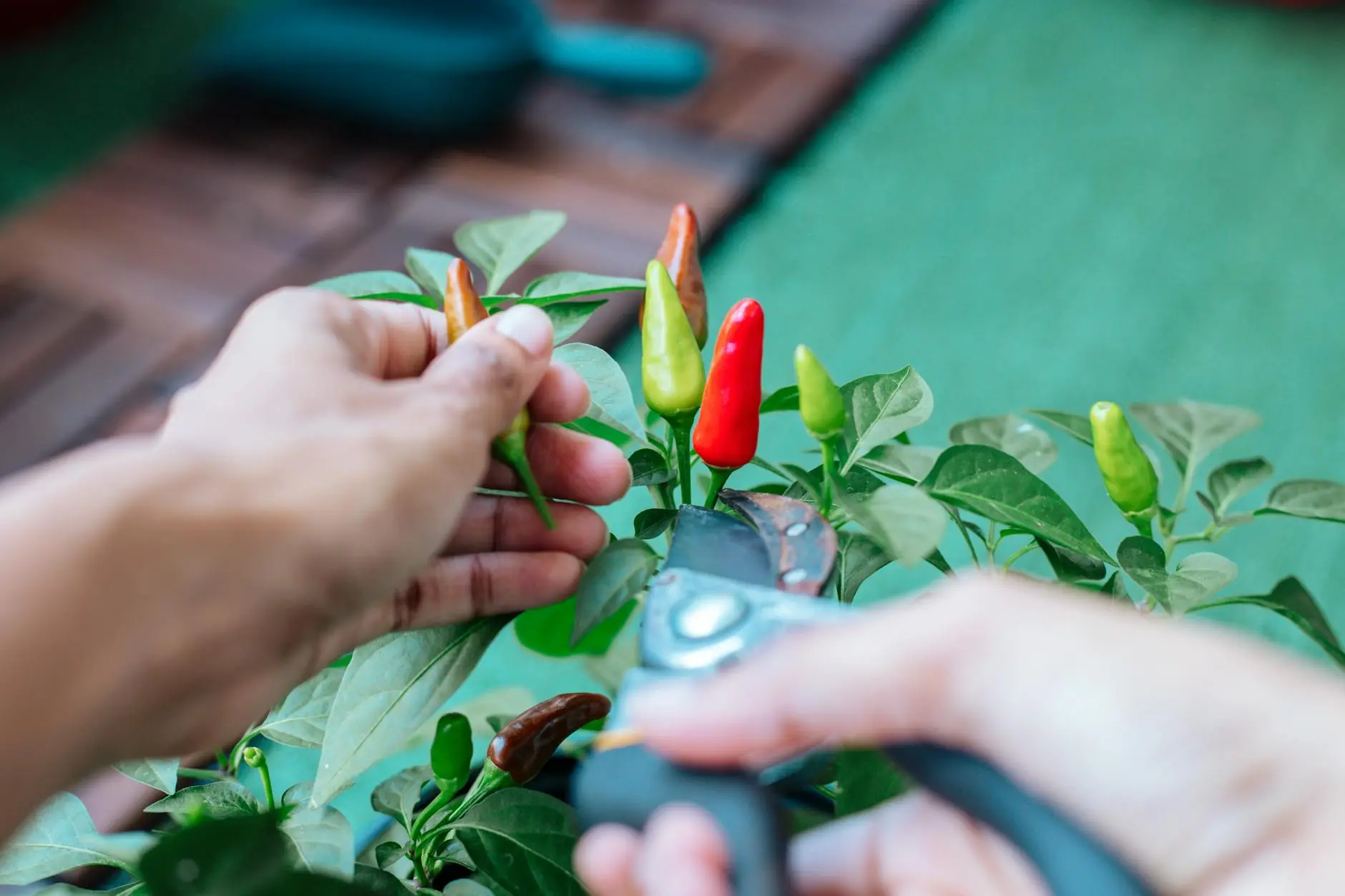
Learn how to grow jalapeño chillies from seed to harvest. Get tips on planting, watering, fertilizing, and troubleshooting common problems. Start growing today.
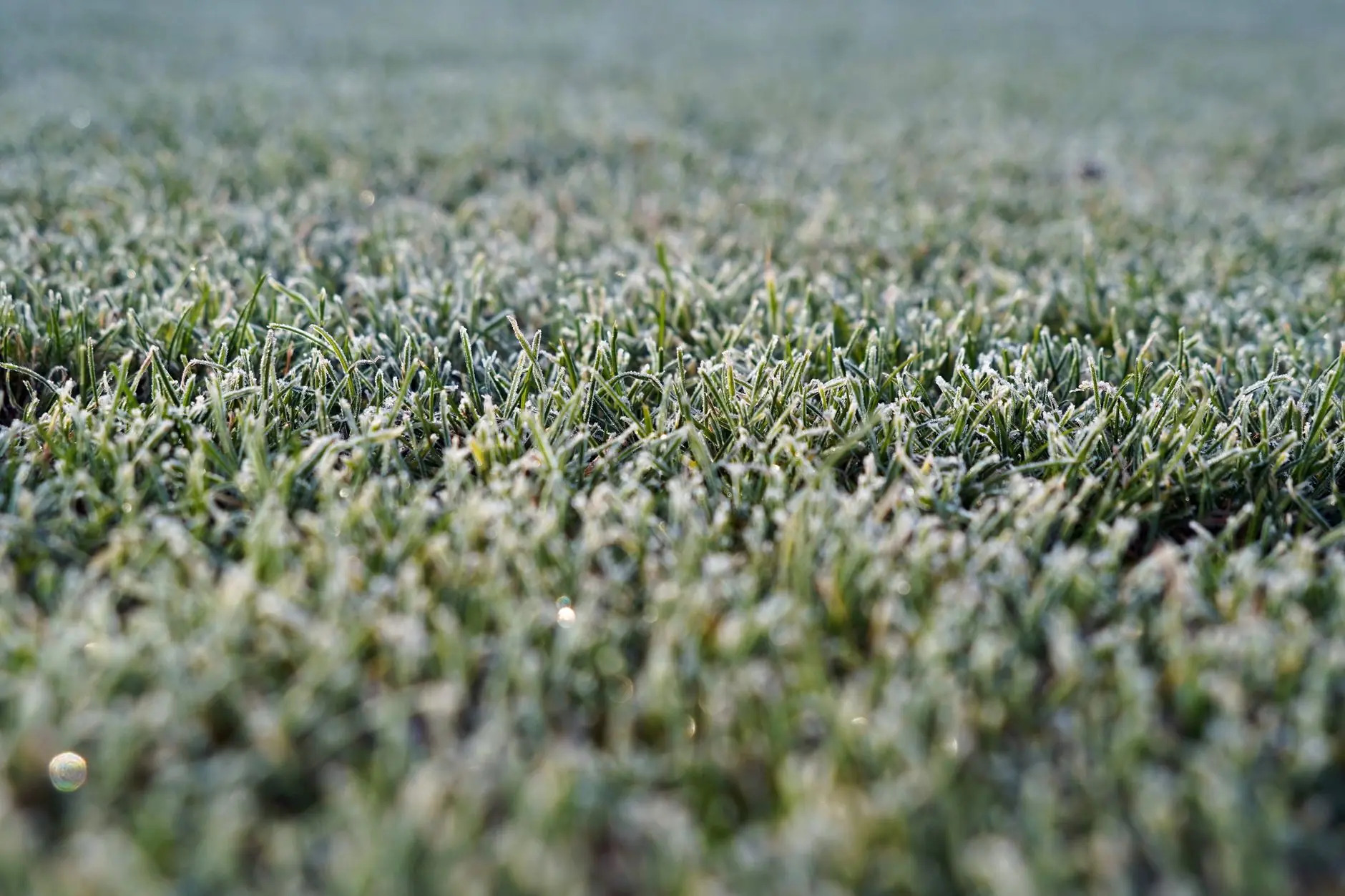
Compare winter rye, annual ryegrass, and perennial ryegrass for lawns and cover crops. Learn when each is planted, how it grows, and when it dies back.
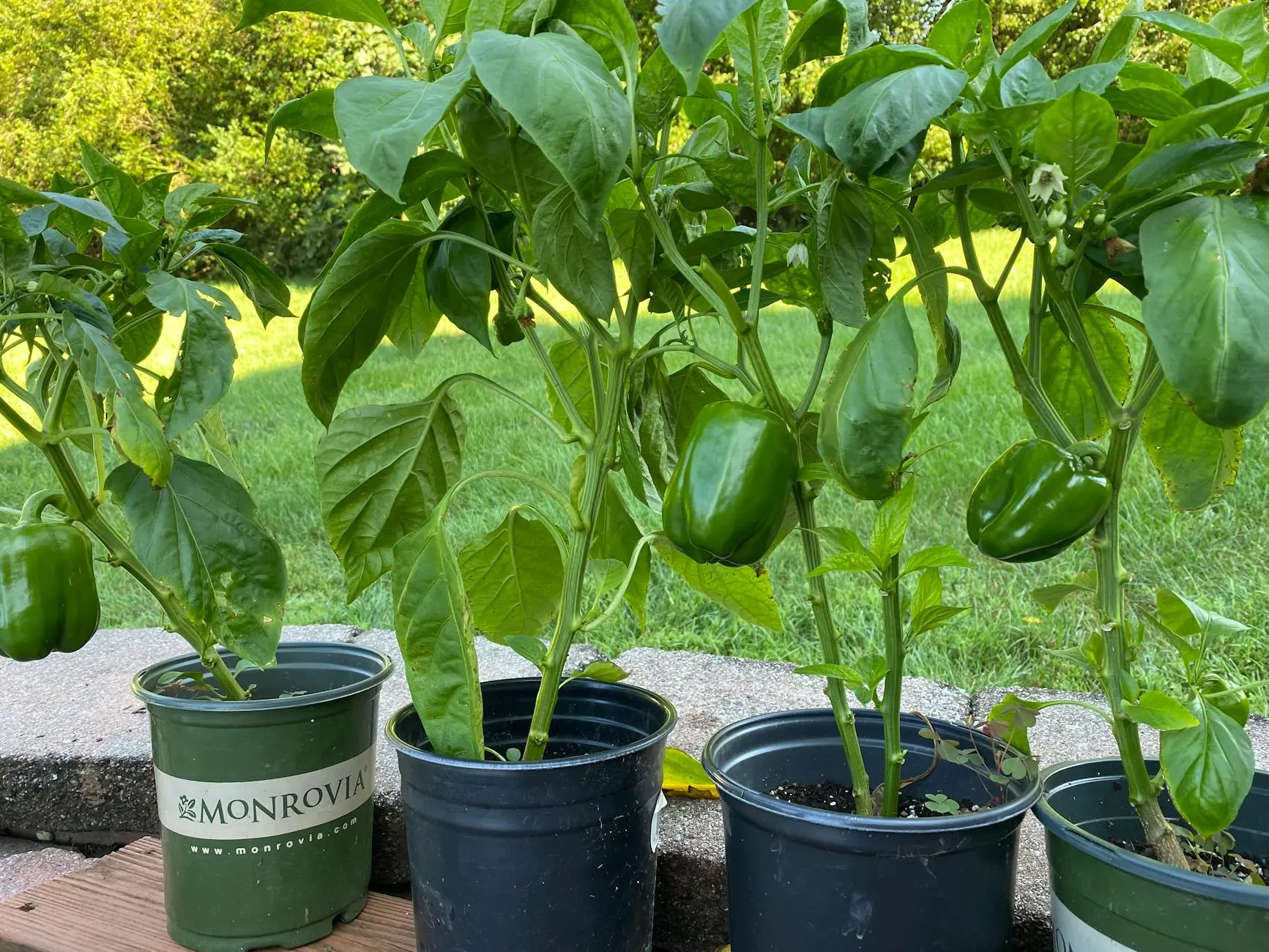
Want to grow vegetables in pots but not sure where to start? Discover 12 beginner-friendly crops, pot sizes, soil tips, and care advice for small spaces.
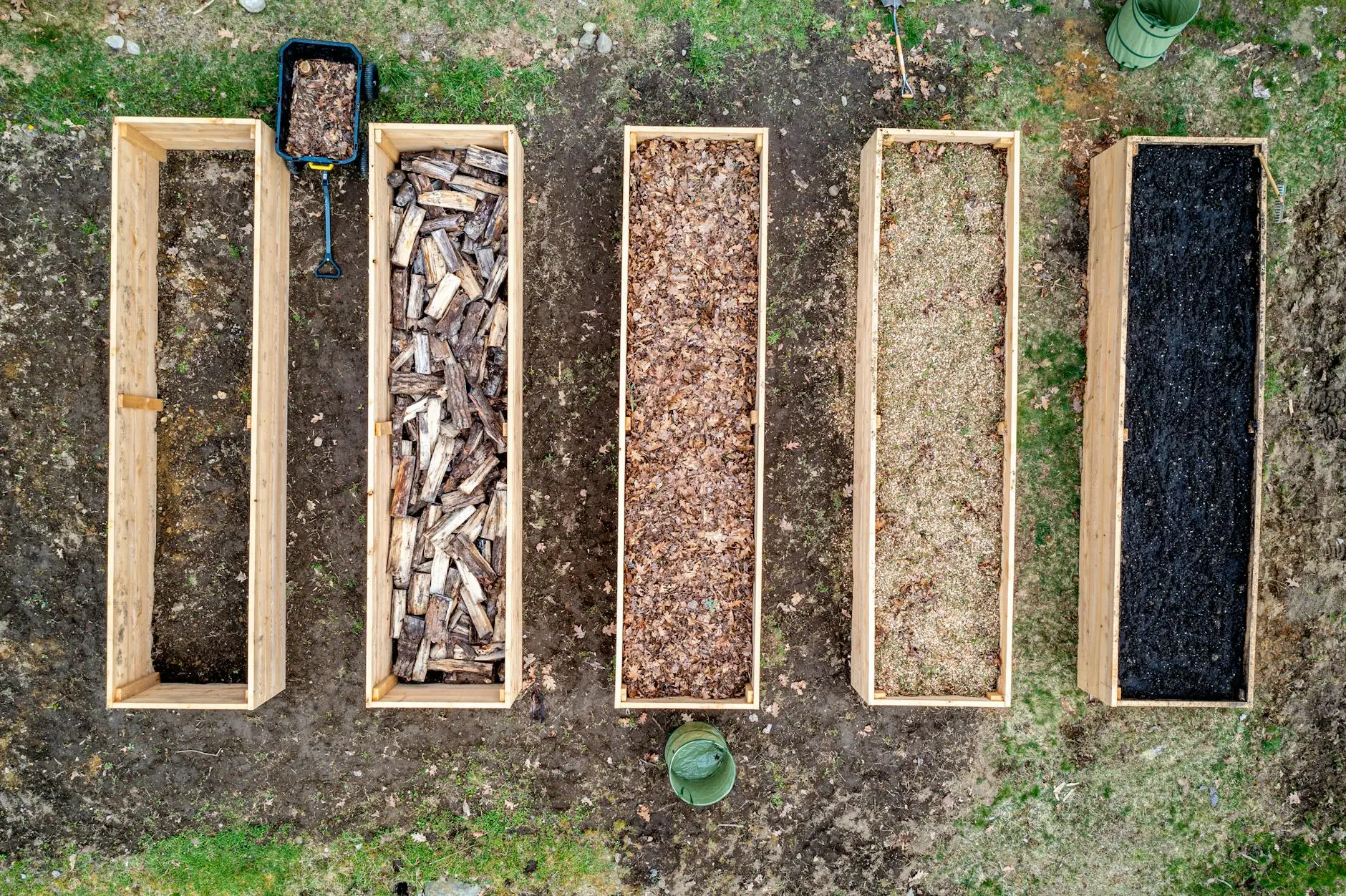
Building a raised garden bed for the first time? Learn how to choose materials, prepare the site, fill the bed, and avoid common beginner mistakes.
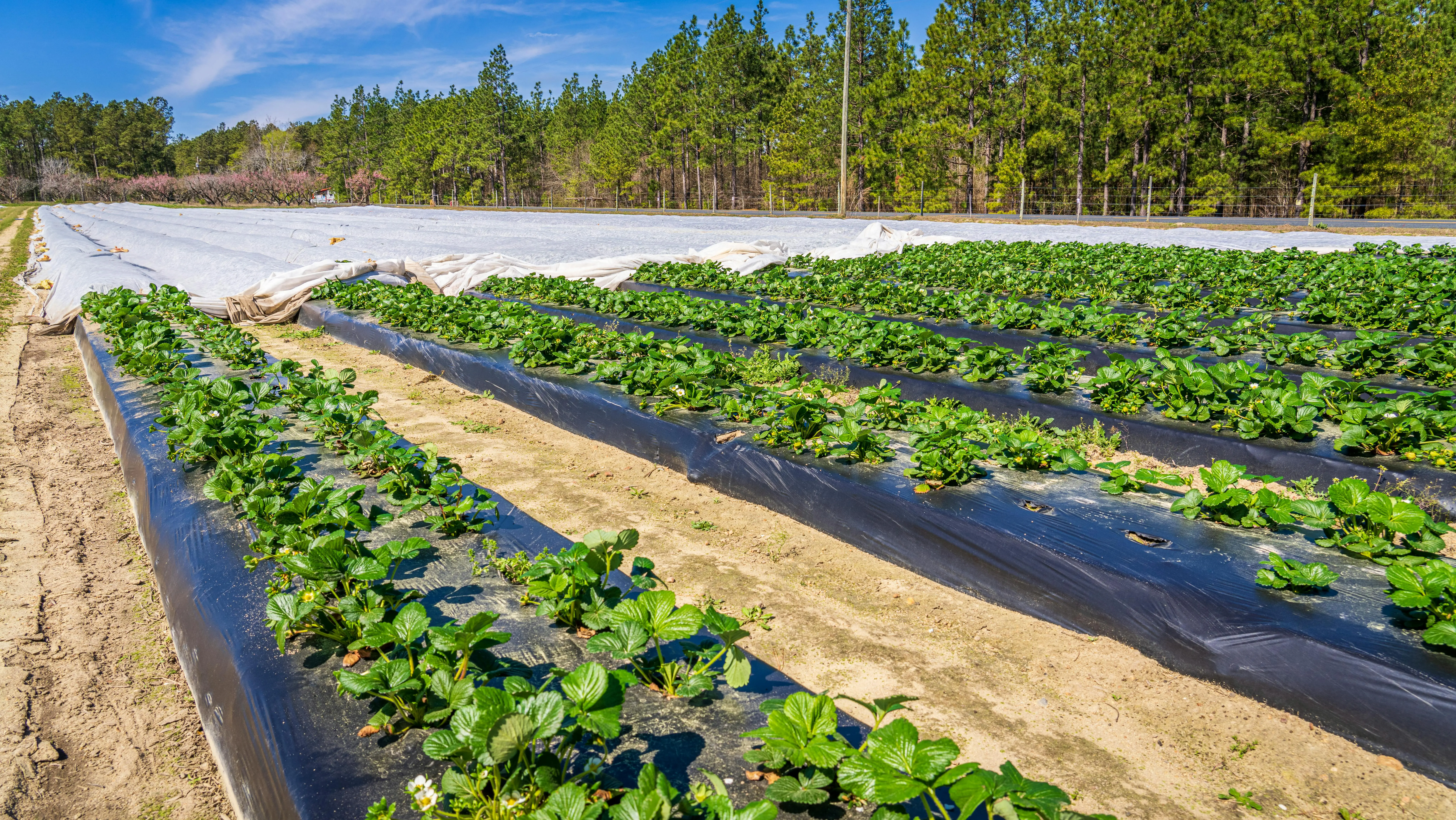
Installing landscape fabric around plants, gravel, or slopes? Learn proper soil preparation, fabric selection, and common mistakes to avoid.
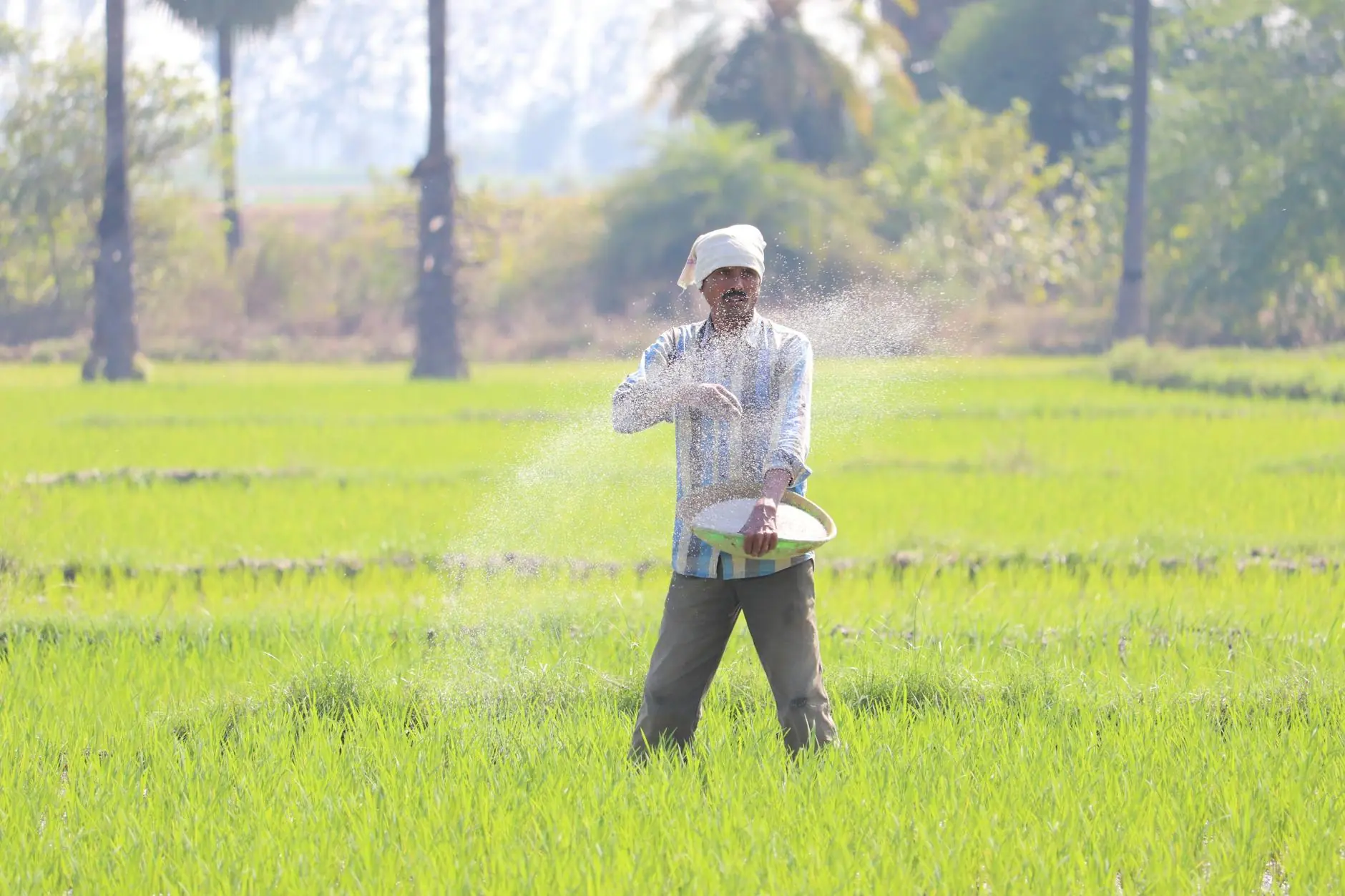
Compare water soluble fertilizers with granular options, learn how NPK ratios affect plant growth, and choose the right formula for different plants.