What Are the Easiest Houseplants for Low Light and Irregular Watering?
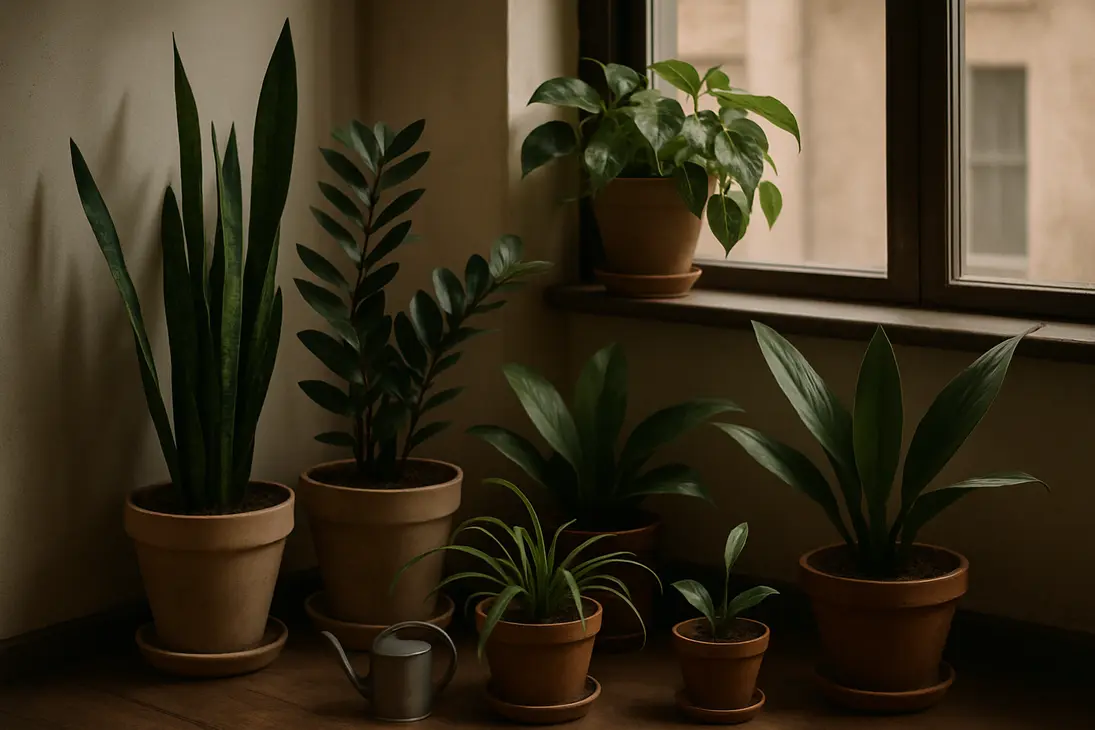
The easiest houseplants for low light and irregular watering are plants that grow slowly, store water, and tolerate normal indoor conditions. For most beginners, the best choices are Snake Plant, ZZ Plant, Pothos, Heartleaf Philodendron, Cast Iron Plant, Spider Plant, Chinese Evergreen, and Peace Lily.
“Easy” does not mean indestructible. These plants still need some light, drainage, and watering based on soil moisture rather than a fixed schedule. Avoid soggy soil, give them at least modest light, and they can stay healthy for years.
What Makes a Houseplant “Easy”?
An easy houseplant tolerates common indoor problems: lower light, dry air, missed waterings, and beginner mistakes. The best choices often have:
- Thick leaves, stems, rhizomes, or roots that store water
- Tolerance of average household humidity
- Ability to handle bright indirect to lower indoor light
- Slow to moderate growth
- Clear stress signals
Low-light tolerant, not no-light
“Low light” does not mean a plant can live forever in darkness. It means the plant handles shadier indoor positions better than many others.
A low-light spot might be a north-facing room or a place several feet from an east or west window. If you cannot comfortably read there during the day without a lamp, it is probably too dark. In windowless rooms, use a grow light or rotate plants to brighter areas.
Forgiving about watering
For irregular watering, choose plants that prefer to dry partly or mostly between waterings. Snake Plant and ZZ Plant are excellent because they store water and usually suffer more from overwatering than neglect.
Peace Lily and Spider Plant are also beginner-friendly, but they prefer more consistent moisture.
Slow-growing and low maintenance
Slow-growing plants need less pruning, repotting, and fertilizer. Snake Plant, ZZ Plant, and Cast Iron Plant are especially low maintenance because they do not quickly outgrow their pots.
Pothos and Heartleaf Philodendron grow faster, but they remain easy because you can trim vines and root cuttings.
Easy to find and replace if needed
Common houseplants are cheaper, easier to identify, and easier to get care advice for. Rare plants can be expensive and discouraging for beginners. A struggling Pothos, for example, can often be trimmed, propagated, or replaced easily.
Best Easy Houseplants for Low Light and Inconsistent Watering
Here is a quick comparison of reliable beginner houseplants.
| Plant | Low-light tolerance | Watering style | Watch out for |
|---|---|---|---|
| Snake Plant | High | Let dry well | Overwatering |
| ZZ Plant | High | Let dry well | Soggy soil |
| Pothos | Medium-high | Dry top layer | Leggy growth in very low light |
| Heartleaf Philodendron | Medium-high | Dry top layer | Too much direct sun |
| Cast Iron Plant | High | Let top half dry | Very slow growth |
| Spider Plant | Medium | Lightly dry | Brown tips |
| Chinese Evergreen | Medium-high | Slightly dry | Cold drafts |
| Peace Lily | Medium | Lightly moist | Wilting, pet toxicity |
Snake Plant
Snake Plant, also sold as Dracaena trifasciata or formerly Sansevieria, is one of the best plants for forgetful waterers. Its upright leaves store moisture, so it handles dry spells well.
It tolerates low light but grows stronger in bright indirect light. The main danger is overwatering, especially in dim rooms where soil dries slowly. Let the soil dry well before watering again. Soft, mushy leaves or a bad smell from the pot usually indicate rot.
ZZ Plant
ZZ Plant (Zamioculcas zamiifolia) has glossy leaflets and thick underground rhizomes that store water. It is excellent for offices, apartments, and people who travel.
It survives in lower light but looks best in bright indirect light. Water only when the soil has dried significantly, then water thoroughly and let excess drain. Avoid frequent small sips, which keep roots damp.
Pothos
Pothos trails attractively, tolerates imperfect light, and recovers from occasional neglect. Limp leaves often mean thirst; yellowing leaves can point to overwatering, poor drainage, or very low light.
Pothos can grow in low light, though variegated types may lose color if kept too dark. Golden Pothos and Jade Pothos are especially forgiving. Water when the top inch or two of soil feels dry.
Heartleaf Philodendron
Heartleaf Philodendron has soft, heart-shaped leaves and trailing or climbing stems. It works well on shelves, bookcases, and hanging planters.
It tolerates lower light but grows fuller in bright indirect light. Long bare stems with wide gaps between leaves usually mean it needs more light. Let the top part of the soil dry before watering.
Cast Iron Plant
Cast Iron Plant (Aspidistra elatior) tolerates shade, dry indoor air, and inconsistent care. It has broad upright leaves and a simple, classic look.
This is one of the best plants for shadier rooms where you want something sturdy and undemanding. It grows slowly, so do not expect fast new leaves. Let the top half of the soil dry before watering.
Spider Plant
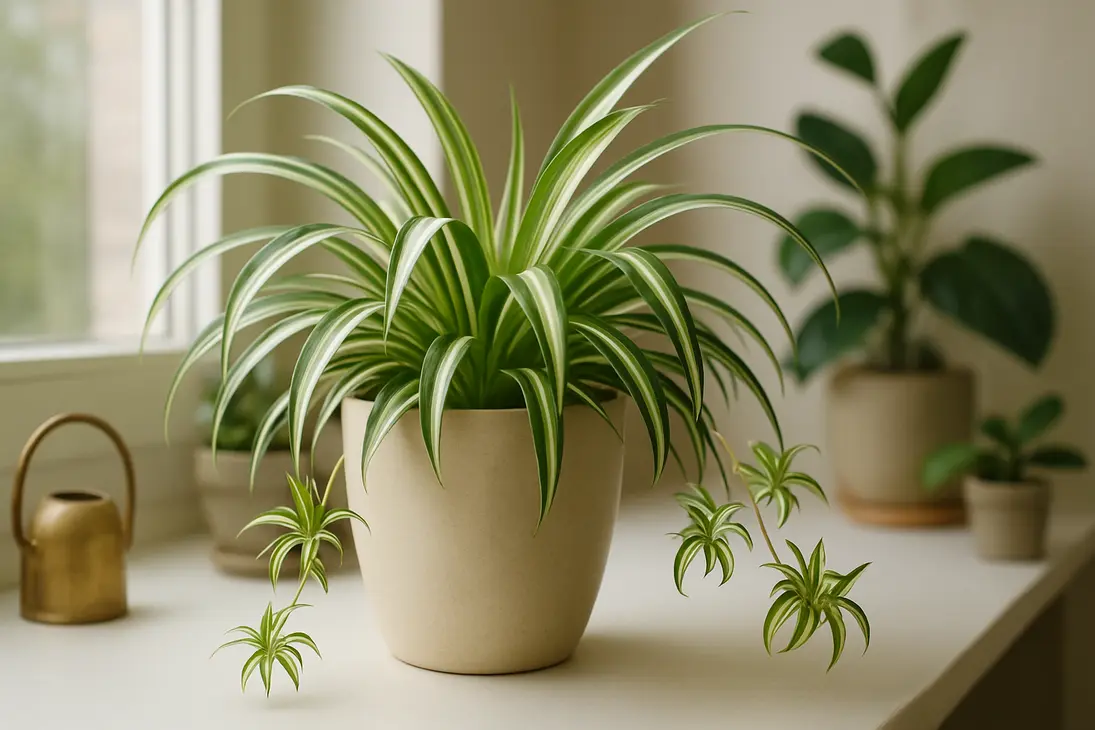
Spider Plant is a classic beginner plant with arching leaves and small plantlets that hang from long stems. It is often chosen by people who want a pet-safer option.
It prefers bright indirect light but can handle moderate indoor light. In very low light, it may survive but grow slowly. Water when the top layer of soil dries. Brown tips are common and may come from inconsistent watering, dry air, fertilizer buildup, or minerals in tap water.
Chinese Evergreen
Chinese Evergreen (Aglaonema) is a good choice if you want easy care plus patterned foliage. Many varieties have silver, green, cream, or pink-toned leaves.
It tolerates lower light, though colorful varieties usually need brighter indirect light to keep their color. Avoid cold drafts, harsh direct sun, and soggy soil. Water when the upper soil has dried slightly.
Peace Lily
Peace Lily is easy because it gives obvious thirst signals. When dry, it wilts dramatically and often perks back up after watering.
However, it is not the best plant for very irregular watering. It prefers lightly moist soil and may develop brown tips or damaged leaves if it repeatedly collapses from dryness. It tolerates low to medium light and may bloom in brighter indirect light.
Easy Houseplants for Offices, Apartments, and Shadier Rooms
Different situations call for different plants. A desk plant, hanging plant, shaded apartment plant, and travel-proof plant do not all need the same care.
Best for offices: ZZ Plant, Snake Plant, Pothos
ZZ Plant and Snake Plant are the safest office choices because they tolerate lower light and missed weekends. Pothos works well on shelves or cabinets if there is enough light for steady growth.
If the office has no window, use a grow light or rotate the plant to a brighter location.
Best for hanging or shelves: Pothos, Heartleaf Philodendron, Spider Plant
Pothos and Heartleaf Philodendron are ideal for trailing from shelves and hanging baskets. Spider Plants also suit hanging pots because their leaves and plantlets spill over the edge.
Use a lightweight pot with drainage, and make sure the plant is easy to reach.
Best for very forgetful waterers: Snake Plant, ZZ Plant, Cast Iron Plant
If you often forget to water, choose plants that prefer drying out. Snake Plant, ZZ Plant, and Cast Iron Plant are the most forgiving options.
Before traveling, water only if the soil is dry, let the pot drain, and place the plant in bright indirect light. Do not soak it “extra” or leave it standing in water.
Best for people who want visible “thirst” signals: Peace Lily
Peace Lily is useful if you respond better to visible cues than soil checks. Its leaves droop when it needs water.
The trade-off is that repeated wilting stresses the plant. Use the droop as a learning signal, not the normal care routine.
Pet-Safer Easy Houseplants to Consider
Pet safety matters. Many common easy houseplants, including Pothos, Heartleaf Philodendron, Snake Plant, ZZ Plant, Chinese Evergreen, and Peace Lily, can irritate or harm pets if chewed.
No houseplant is risk-free for every animal. Even plants often considered non-toxic can cause stomach upset if eaten. Always verify pet safety with a reliable pet-safety resource or your veterinarian before buying.
Spider Plant for pet-safer homes
Spider Plant is one of the easiest houseplants often chosen for pet-safer homes. It is resilient, attractive, and easy to propagate.
Cats may be drawn to the dangling plantlets, so hang it out of reach if your pet chews plants.
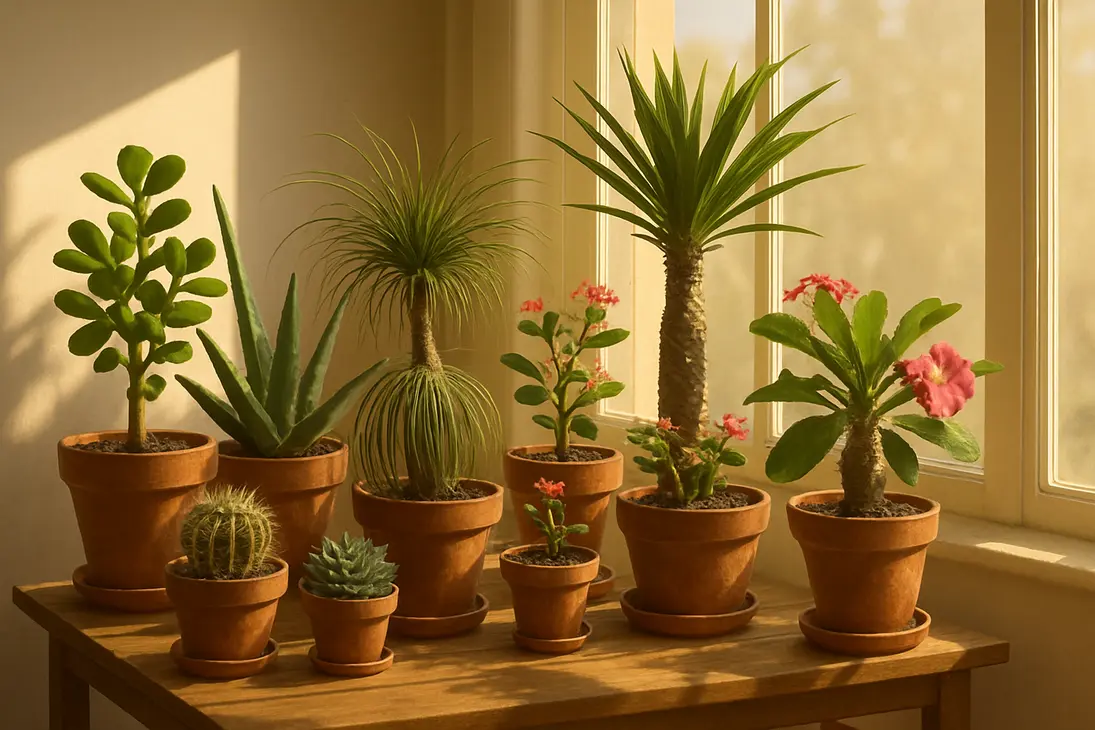
Ponytail Palm
Ponytail Palm is not a true palm. It has a swollen base that stores water, making it good for people who underwater.
It likes brighter light than many low-light plants, so place it near a window. Let the soil dry well before watering.
Peperomia
Peperomias are compact plants for desks and small shelves. Many have thick leaves and prefer to dry slightly between waterings.
They do best in bright indirect light but can tolerate moderate light. Avoid heavy, soggy soil.
African Violet
African Violet is a pet-safer classic that can flower indoors with bright indirect light and careful watering.
It is not as neglect-proof as Snake Plant or ZZ Plant. Water the soil rather than the fuzzy leaves, and do not let the pot sit in water.
Holiday Cactus
Holiday Cactus, including Thanksgiving and Christmas cactus types, is a good option for brighter indoor spots. It is more forgiving than many flowering houseplants.
Let the mix dry somewhat between waterings, but do not treat it like a desert cactus. It prefers bright indirect light and well-draining mix.
Simple Care Rules for Keeping Easy Houseplants Alive
Most easy houseplants fail because of too much water, too little light, poor drainage, or treating every plant the same. A simple routine is enough.
Check soil before watering
Do not water just because it is a certain day. Check the soil first.
For most easy houseplants:
- Push your finger into the soil about an inch or two.
- If it feels damp, wait.
- If it feels dry, water according to that plant’s preference.
- For Snake Plant and ZZ Plant, let more of the pot dry before watering.
You can also learn the pot’s weight. A dry pot feels much lighter than a freshly watered one.
Use pots with drainage holes
Drainage holes help prevent root rot. When you water, excess water should leave the pot.
If you like a decorative pot with no hole, use it as a cover pot. Keep the plant in a plastic nursery pot with drainage, remove it for watering, let it drain, and then put it back.
Start with bright indirect light when possible
Even low-light plants usually grow better in bright indirect light. A spot near a window, but out of harsh midday sun, is a good starting point.
If a plant looks stretched, pale, or stops growing for months during the growing season, it may need more light. If leaves scorch or develop crispy patches, move it away from direct sun.
Avoid fertilizing too much
Easy houseplants do not need constant feeding. In low light, plants use water and nutrients slowly, so excess fertilizer can build up and damage roots.
Use a balanced houseplant fertilizer only during active growth, and follow the label conservatively.
Research each plant before bringing it home
Before buying, check:
- Light needs
- Watering preference
- Pet safety
- Mature indoor size
- Temperature tolerance
A plant can be “easy” in the right place and frustrating in the wrong one.
Common Beginner Mistakes That Kill Easy Houseplants
Easy plants are forgiving, but these mistakes still cause problems.
Watering on a fixed schedule instead of checking soil
A fixed schedule ignores light, temperature, pot size, season, and soil type. Check soil moisture first, especially in winter.
Placing “low-light” plants in total darkness
Low-light plants still need light. In a windowless room with no grow light, a plant slowly uses stored energy until it declines.
Buying plants without checking pet safety
Many beginner plants are not safe for chewing pets. Check before buying, especially if the plant will sit where a cat or dog can reach it.
Moving plants too often
Plants adapt slowly. Choose a suitable spot and move the plant only if you see scorch, stretching, repeated wilting, cold-draft damage, or soil that stays wet too long.
Using decorative pots with no drainage
A pot without drainage makes watering risky. If you use a sealed decorative container, keep the plant in a removable inner pot and empty collected water after watering.
Conclusion
The best easy houseplants for low light and irregular watering are the ones that match your habits. If you forget to water, start with Snake Plant, ZZ Plant, or Cast Iron Plant. If you want trailing growth, choose Pothos or Heartleaf Philodendron. If you want a plant often chosen for pet-safer homes, try Spider Plant. If you need obvious thirst signals, Peace Lily can work, as long as you do not let it wilt constantly.
For most beginners, the strongest first choices are Snake Plant, ZZ Plant, Pothos, Spider Plant, and Cast Iron Plant. Give them some light, use drainage, check the soil before watering, and learn each plant’s basic preference.
FAQ
What is the easiest houseplant to keep alive?
For most people, the easiest houseplant is either Snake Plant or ZZ Plant. Both tolerate low indoor light, missed waterings, average humidity, and slow growth. They are more likely to suffer from too much water than too little.
What houseplant is best for low light?
ZZ Plant, Snake Plant, and Cast Iron Plant are among the best houseplants for low light. They grow slowly in shade but tolerate it better than many indoor plants. Low light is not no light; windowless rooms usually need a grow light.
Which easy houseplants can go longest without water?
Snake Plant, ZZ Plant, Cast Iron Plant, and Ponytail Palm can usually go longest without water because they store moisture or tolerate drier soil. Timing depends on pot size, light, temperature, and season, so check the soil instead of following a fixed calendar.
What easy houseplants are safest for cats and dogs?
Easy houseplants often chosen for pet-safer homes include Spider Plant, Ponytail Palm, Peperomia, African Violet, and Holiday Cactus. Always verify pet safety before buying, because names can be confusing and pets may still chew or react badly to plant material.
You Might Also Like