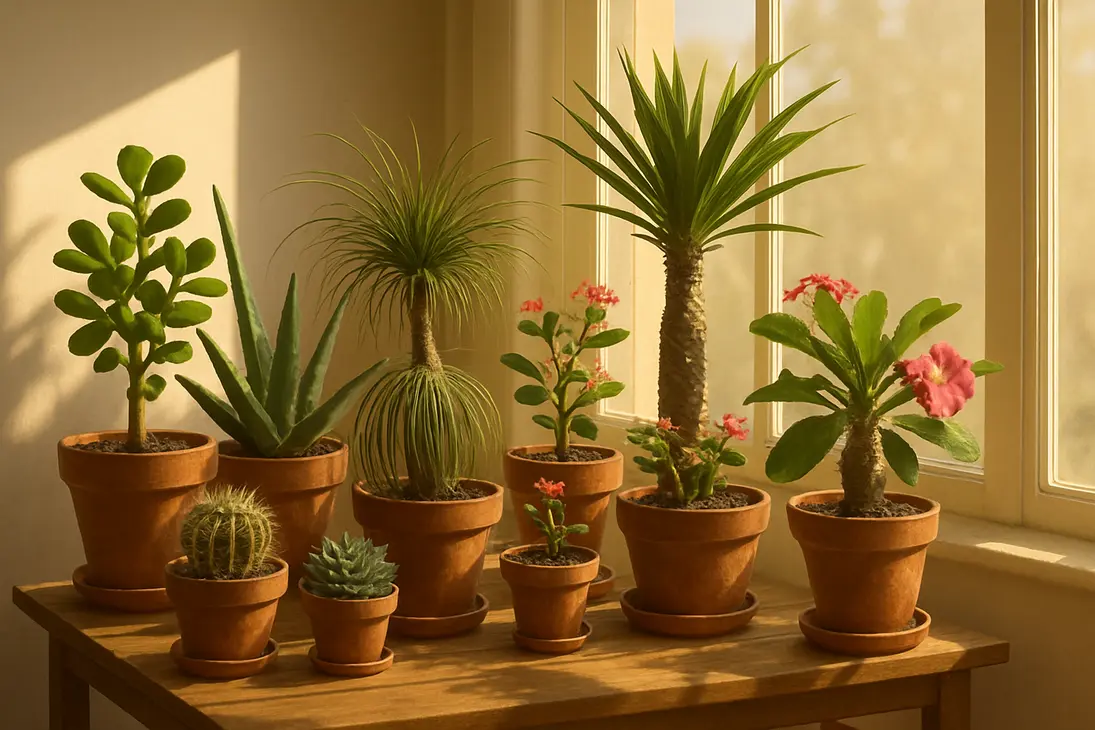
Which Houseplants Tolerate Direct Sun and Hot Climates?
Discover houseplants that handle hot direct sun, including cacti, jade, yucca, aloe, crown of thorns, and desert rose.
· 12 min read
Discover houseplants that handle hot direct sun, including cacti, jade, yucca, aloe, crown of thorns, and desert rose.
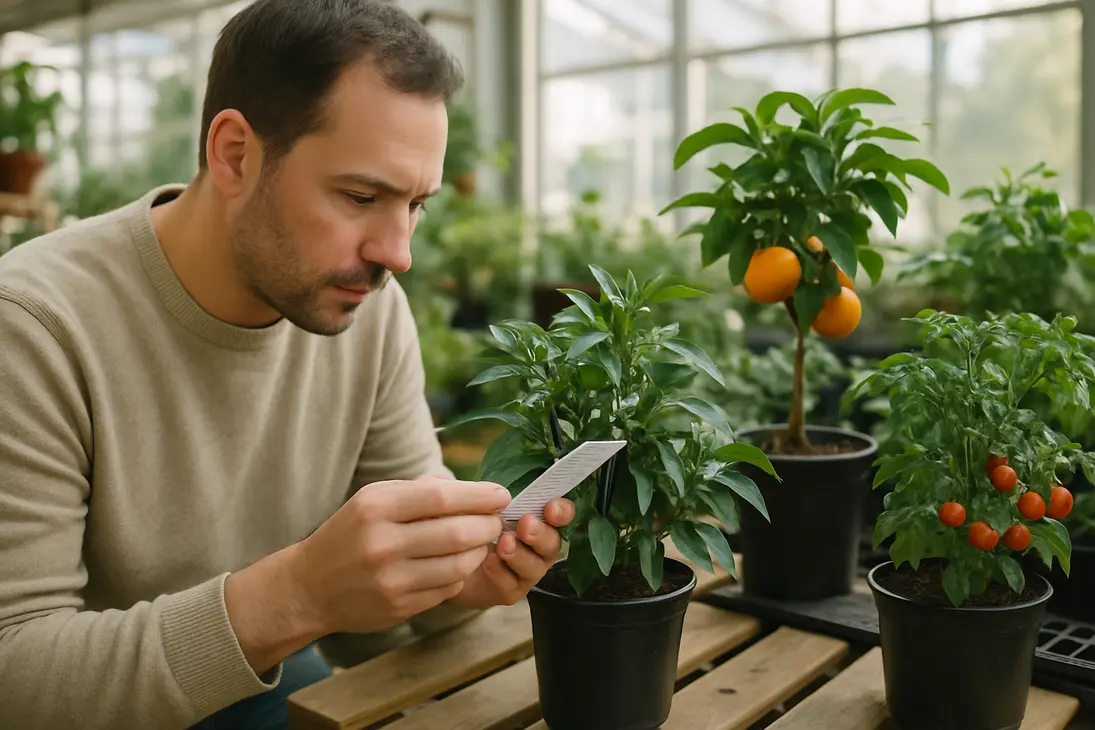
Learn how to verify self-pollinating houseplants, check cultivar labels, and determine whether one indoor plant can produce fruit.
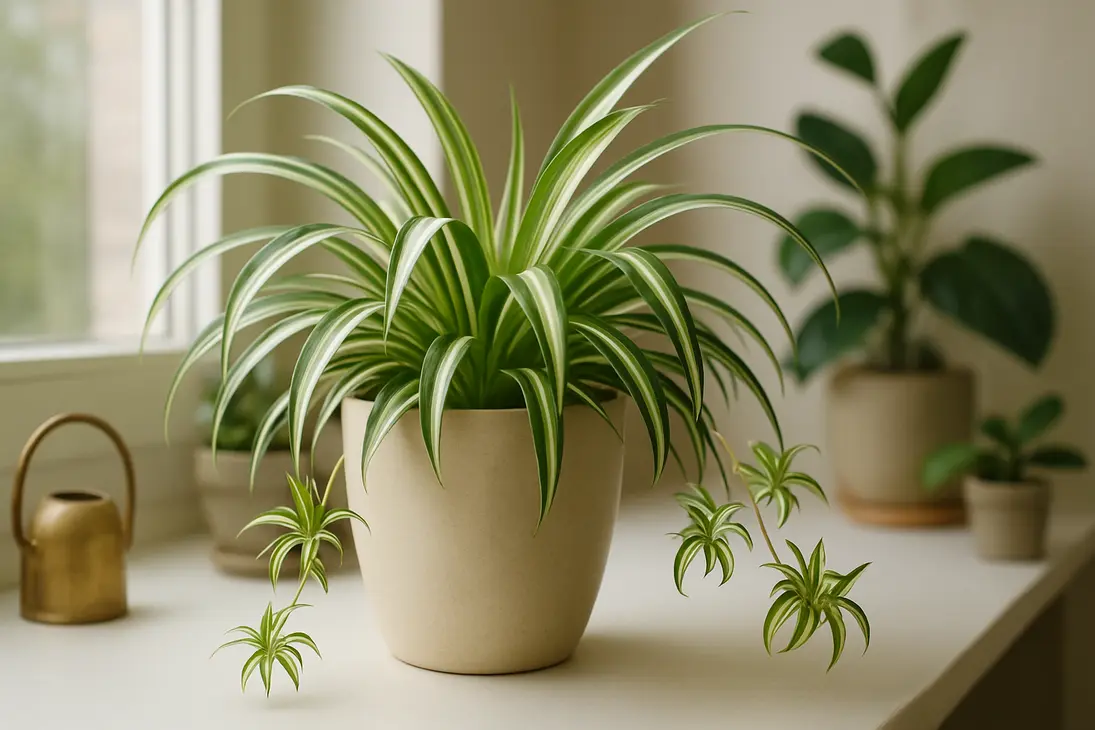
Spider plants are forgiving, pet-friendlier houseplants with arching leaves and easy plantlets, but they still need light, drainage, and steady watering.
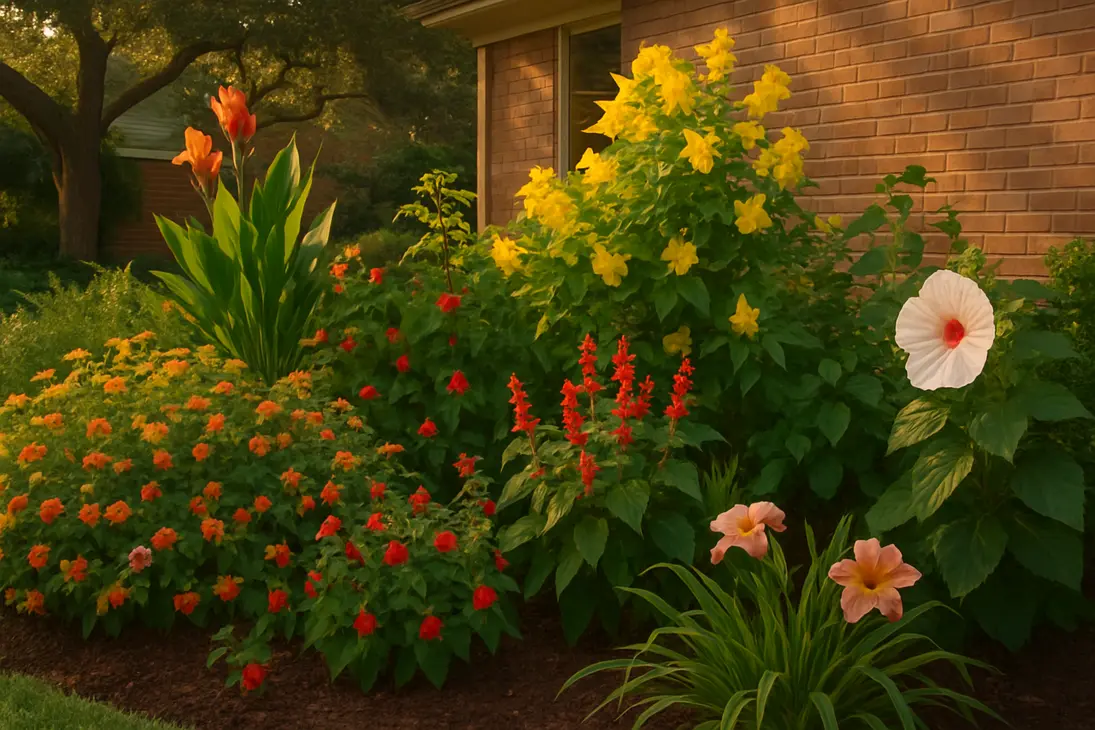
See heat-tolerant perennials, natives, shrubs, and bulbs that survive Houston winters and return with summer blooms after freezes.
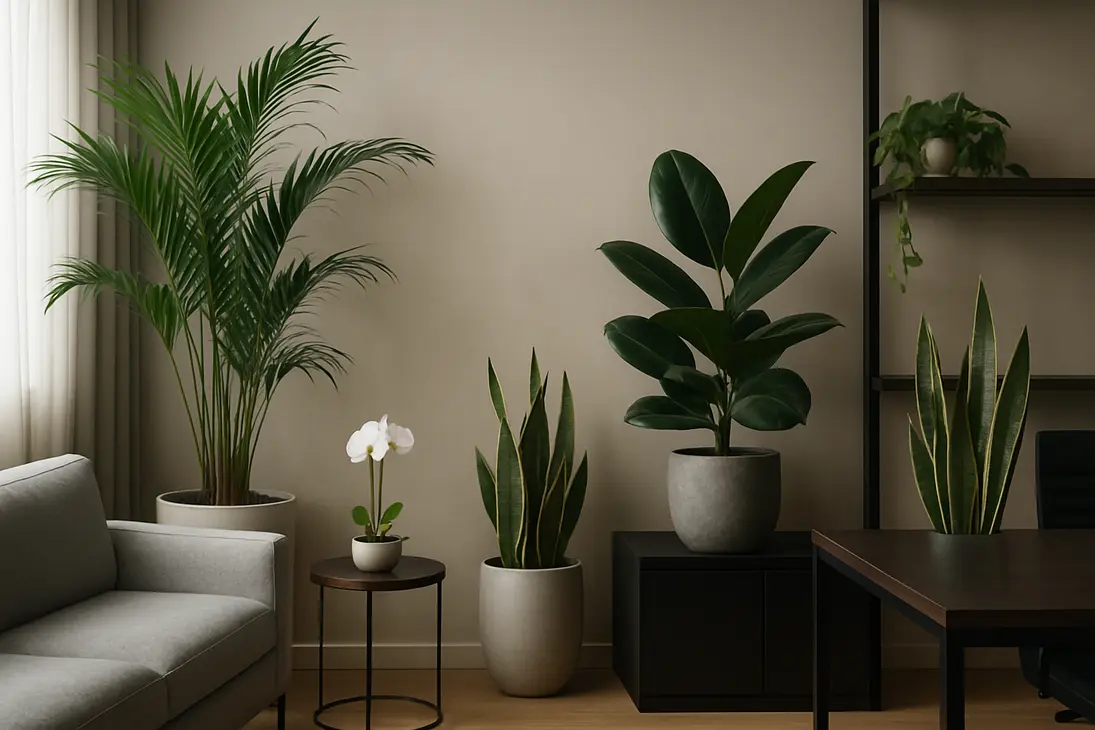
Polished, low-maintenance office plants for celebrity workspaces, with options for camera backgrounds, lighting, styling, pets, and care.
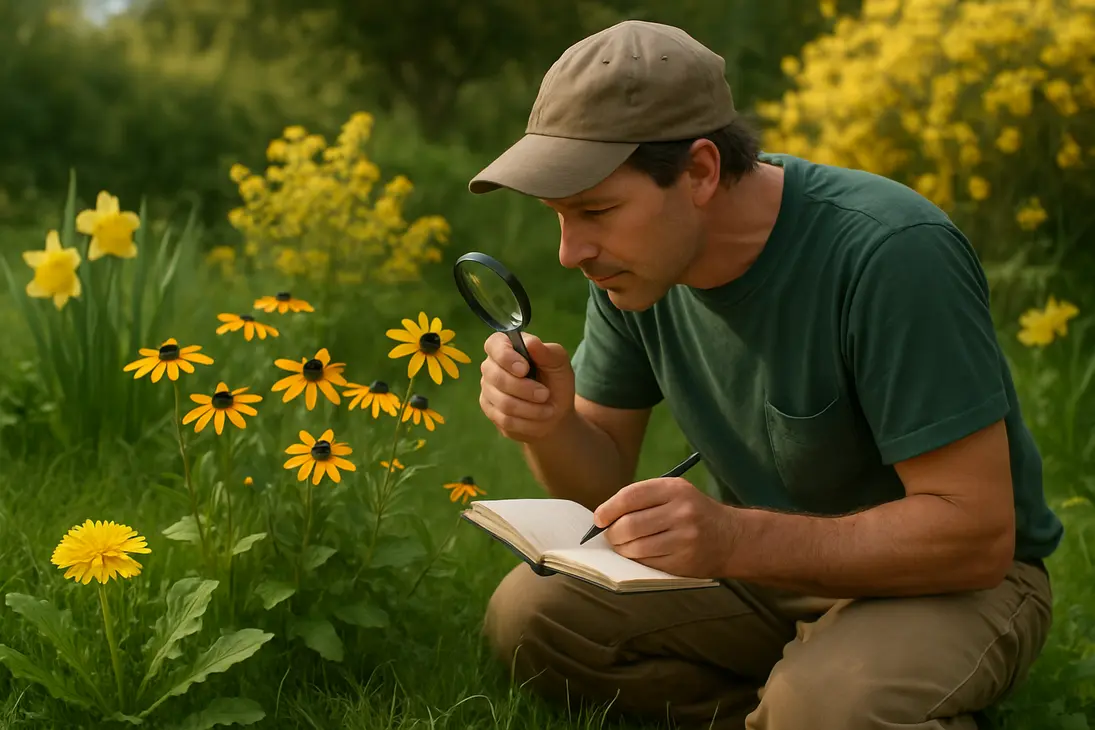
Learn how to identify yellow flowers by shape, leaves, stems, season, habitat, and photos while checking for toxic or invasive lookalikes.

Learn how to choose arid-climate plants by matching heat, cold, soil, sun, wind, drainage, and water needs to your garden site.
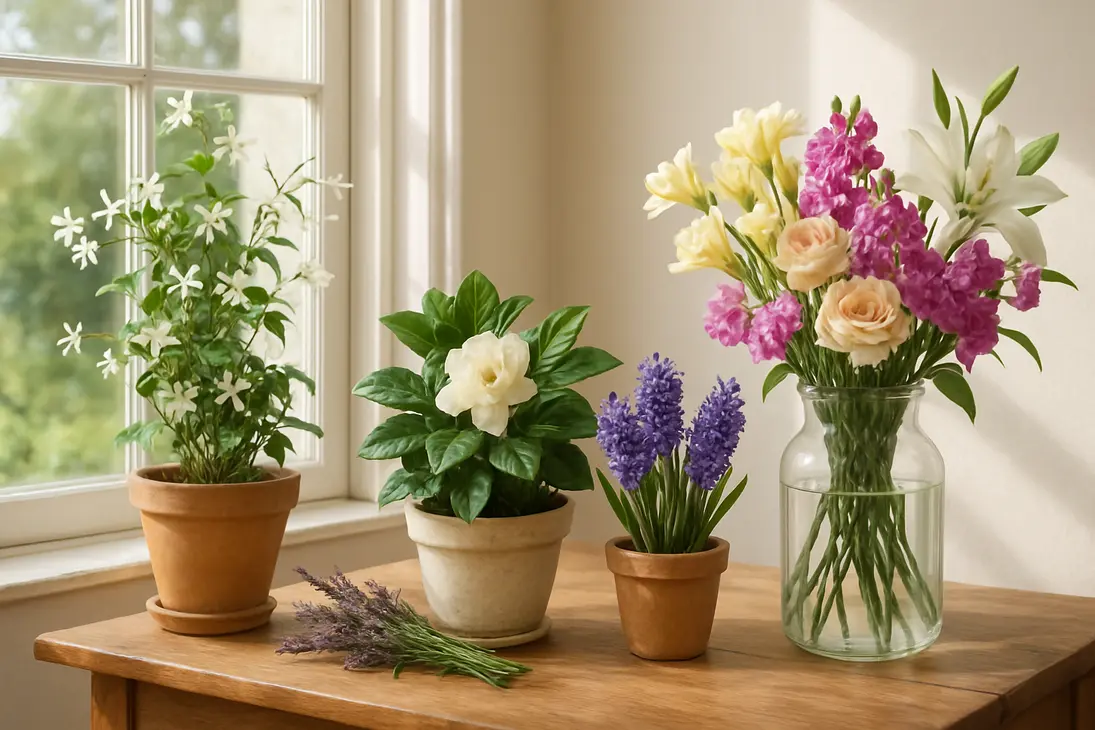
Compare jasmine, gardenia, lilies, hyacinth, freesia, roses, lavender, tuberose and more for fresh indoor fragrance.
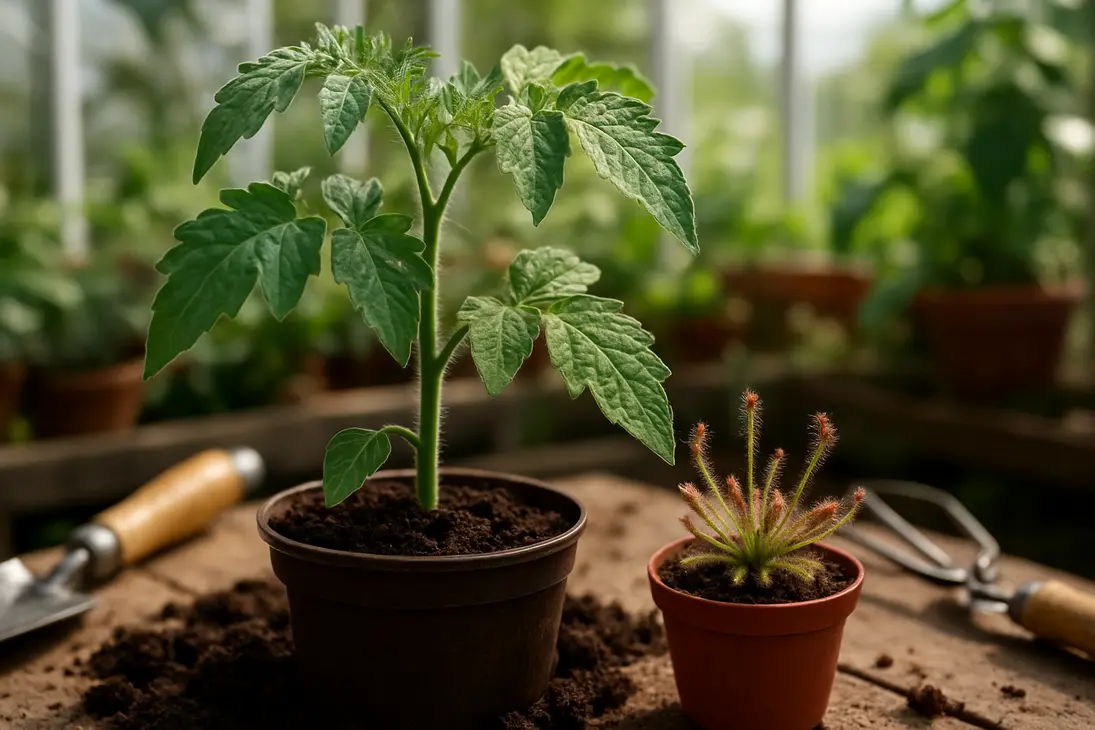
Learn how non-carnivorous plant adaptation can include sticky or cupped traits, and why true carnivory evolves only in specific habitats.
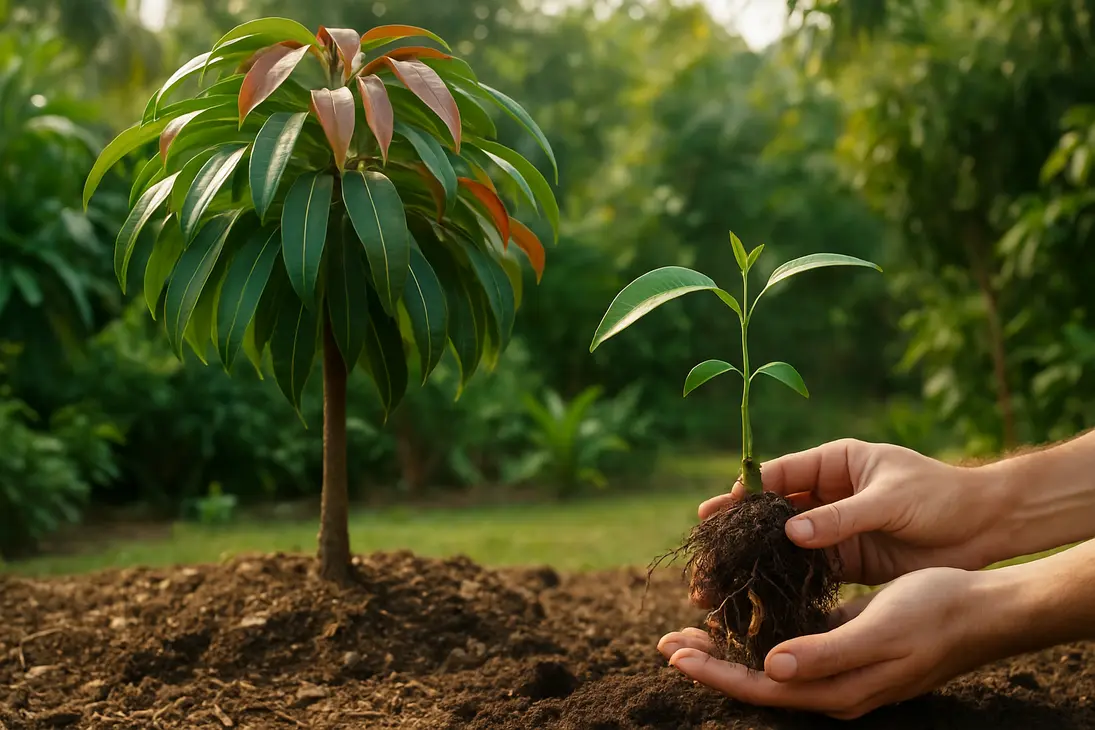
Learn mango plant characteristics, including taproot and feeder roots, simple evergreen leaves, coppery new growth, and what these traits mean for care.
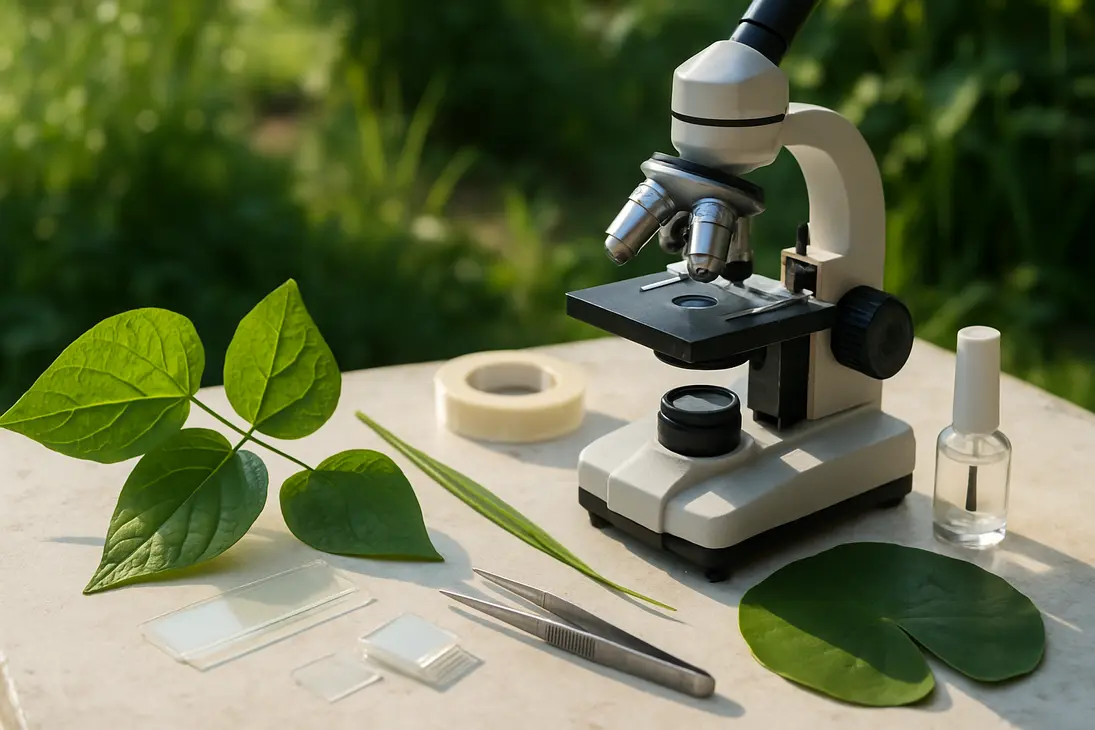
Learn where stomata are found on leaves, how to view them with a leaf peel or nail-polish impression, and what guard cells look like.
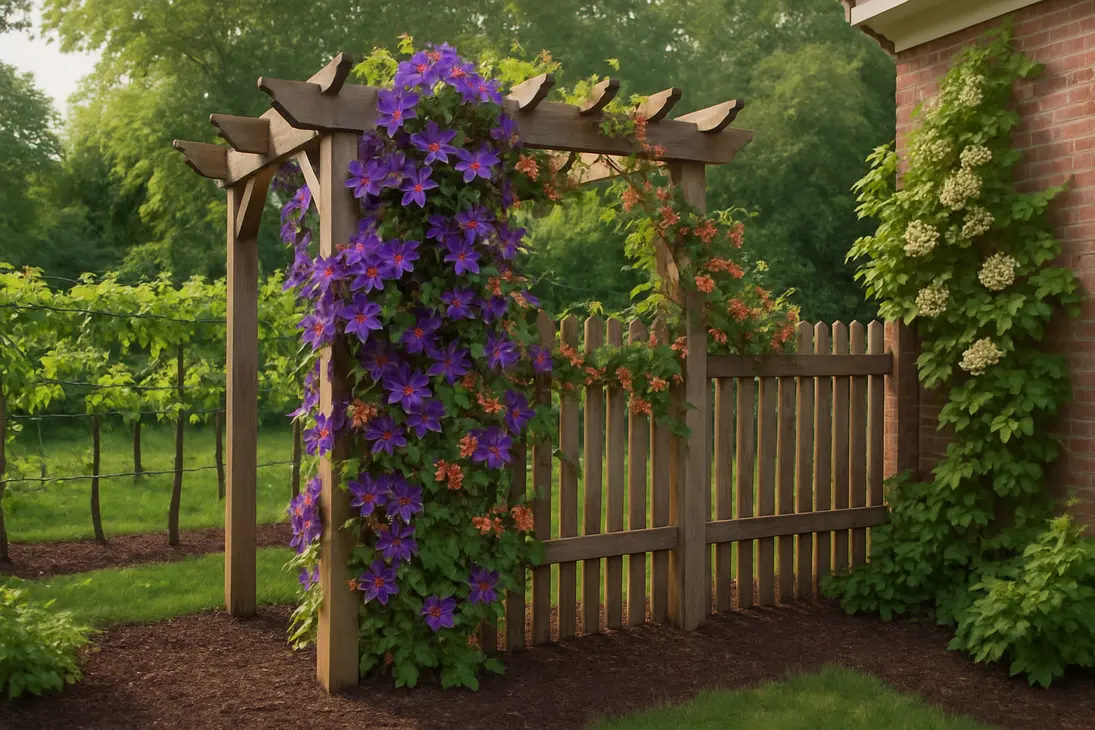
Compare cold-hardy perennial vines for Zone 5, including clematis, honeysuckle, climbing hydrangea, grapes, kiwi, hops, and wisteria.
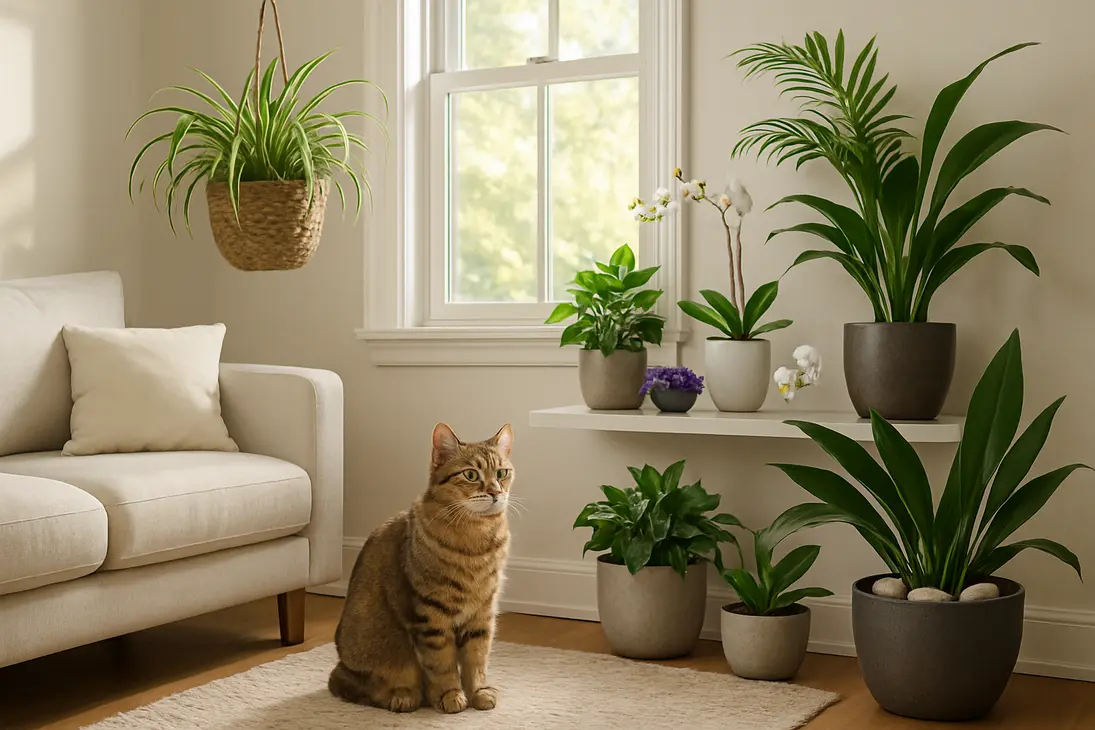
Choose non-toxic houseplants for cats, learn which popular plants to avoid, and use placement tips to prevent chewing, digging, and tipping.
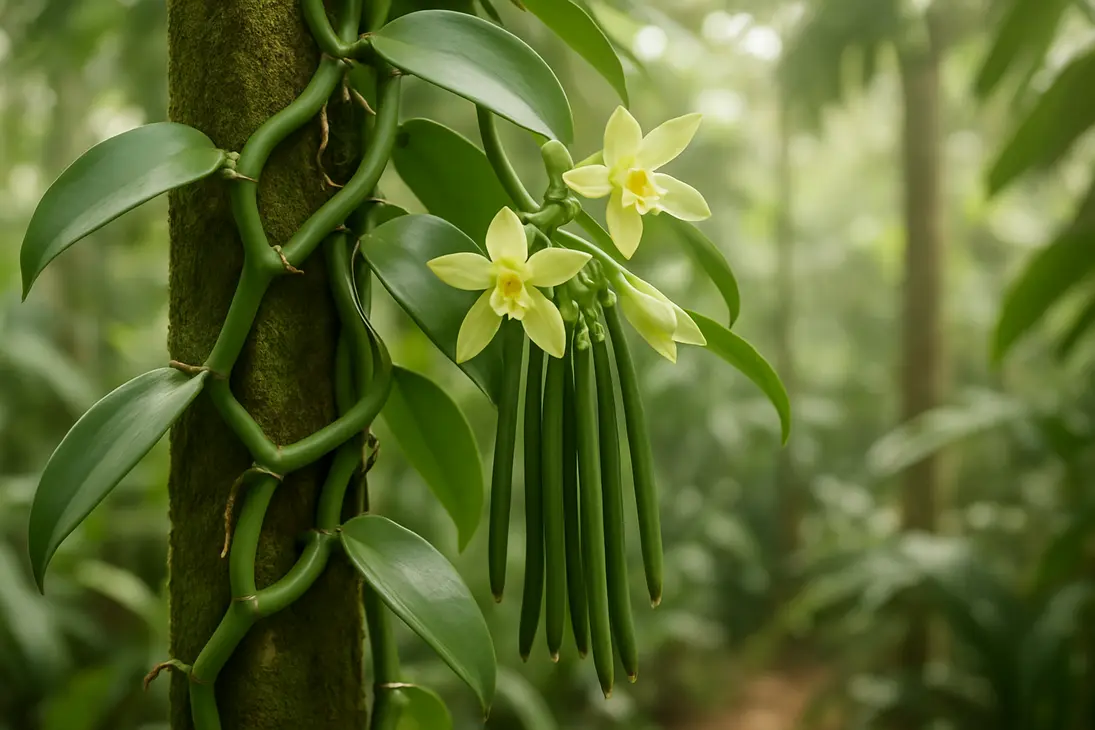
Vanilla orchids are tropical climbing vines with brief flowers, hand-pollinated pods, and careful curing behind real vanilla beans.
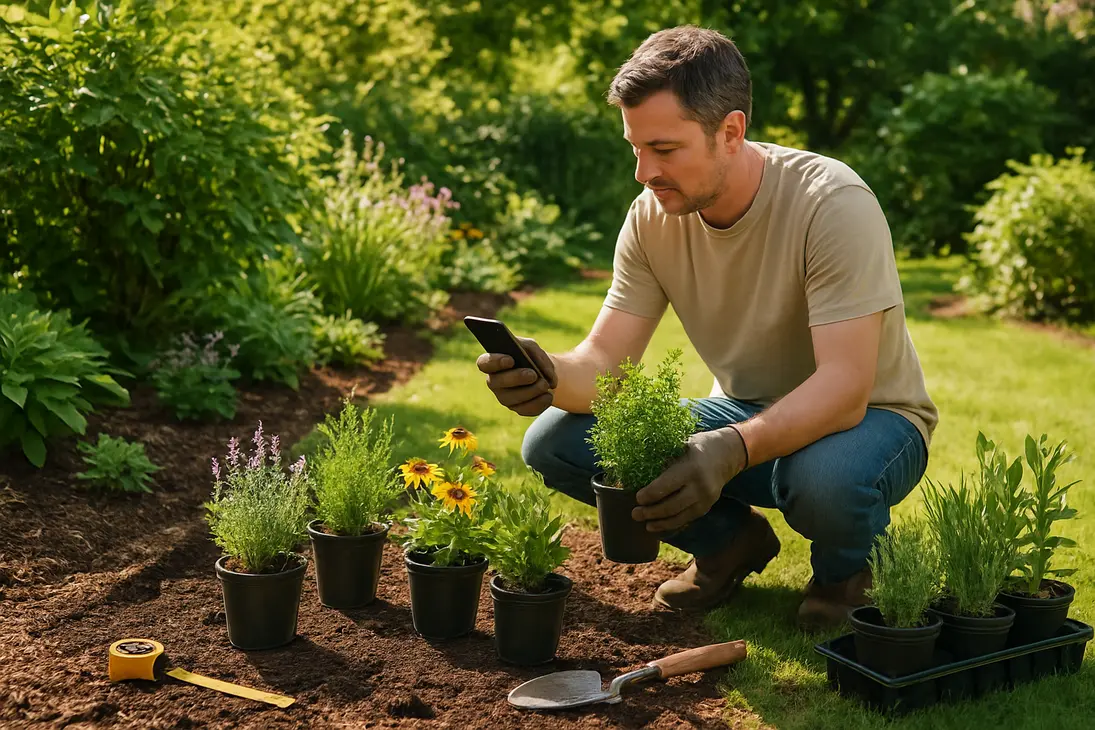
Learn what to look for in a plant selection app, from zone and sunlight filters to mature size, care reminders, and local suitability checks.
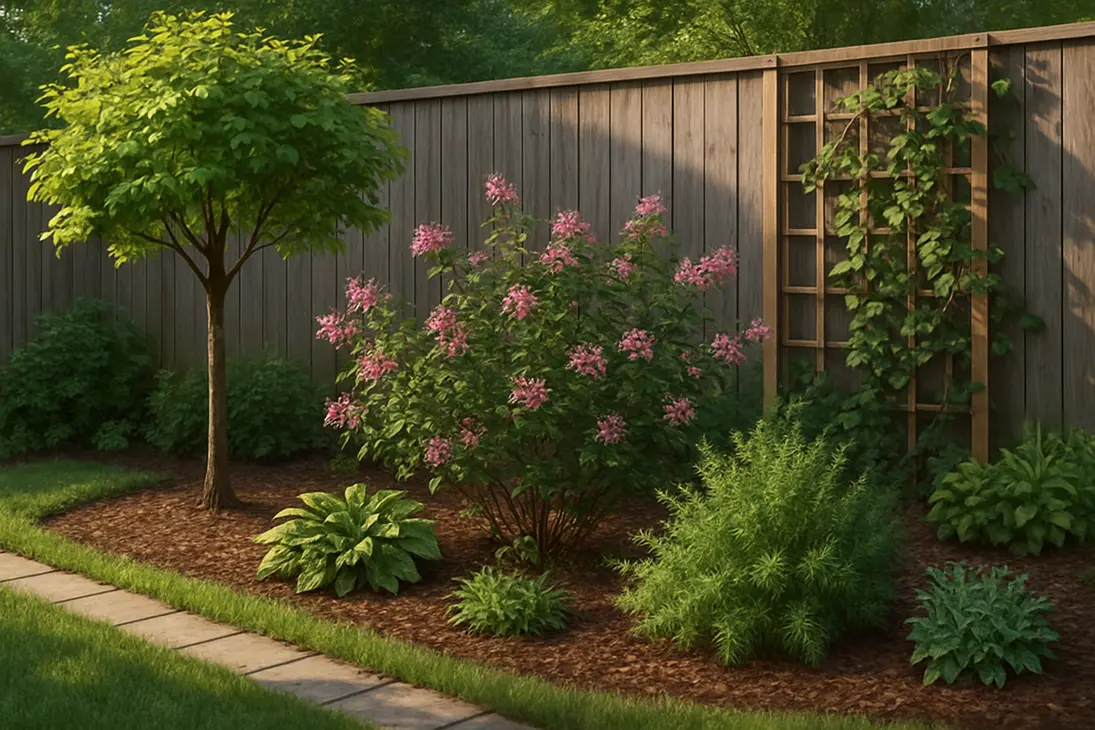
Learn how to tell shrubs, trees, bushes, herbs, and vines apart by checking trunks, stems, branching height, and growth habit.
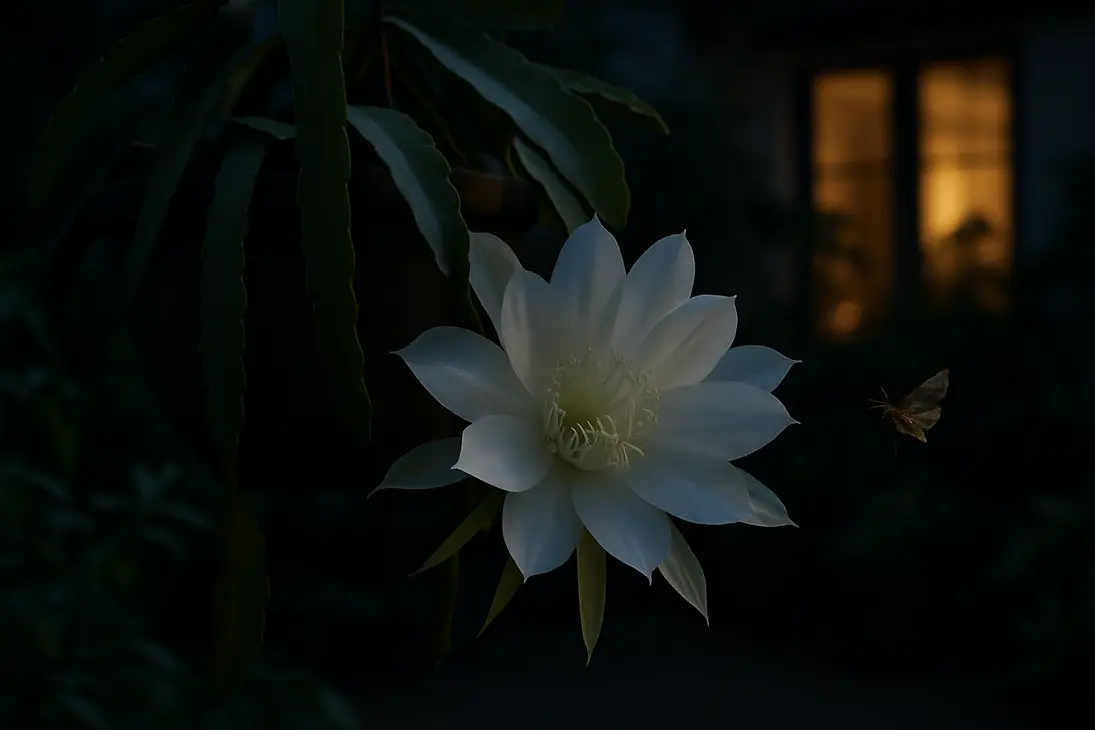
The Queen of the Night flower’s main function is reproduction, using white petals, night fragrance, and brief blooms to attract pollinators.
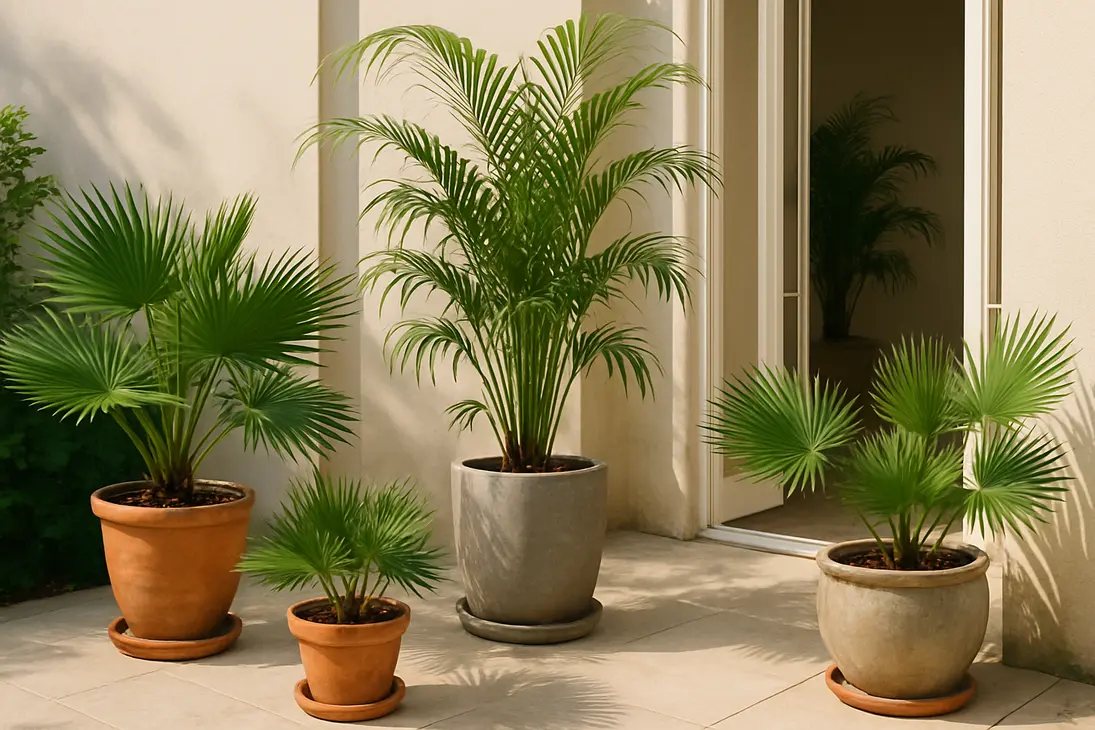
Compare the best palms for pots, from parlor and kentia palms indoors to European fan, windmill, and pygmy date palms for patios.
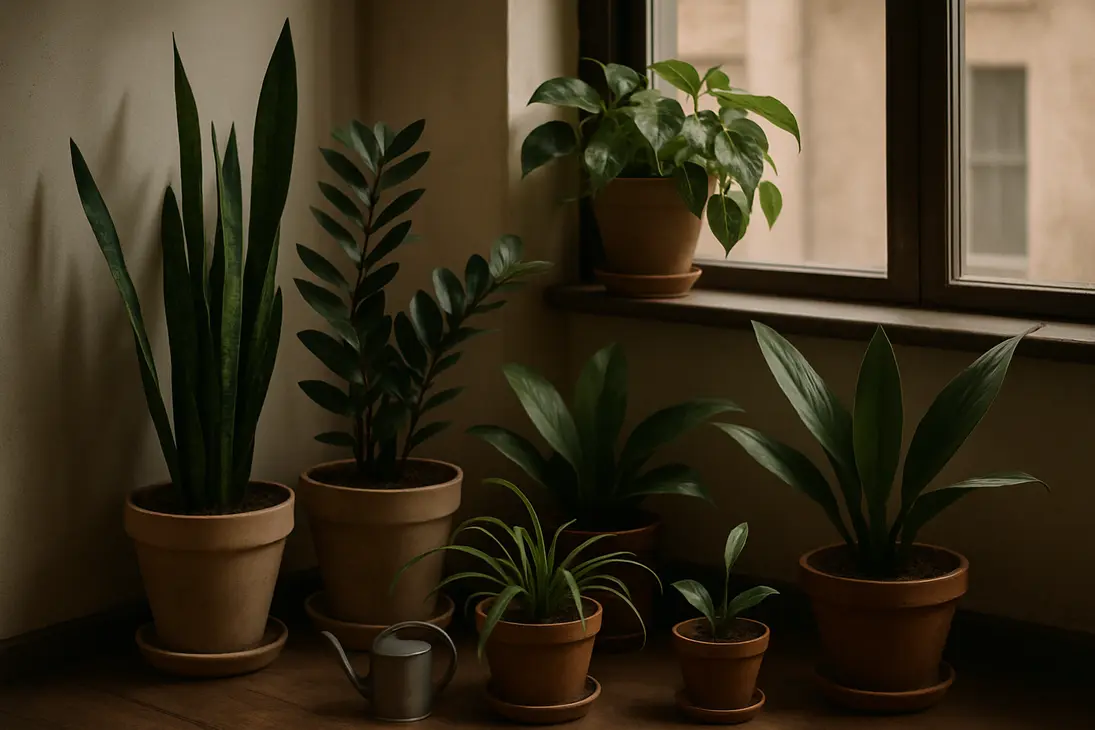
Snake plant, ZZ plant, pothos, cast iron plant and more easy houseplants that tolerate lower light, dry spells and beginner watering mistakes.
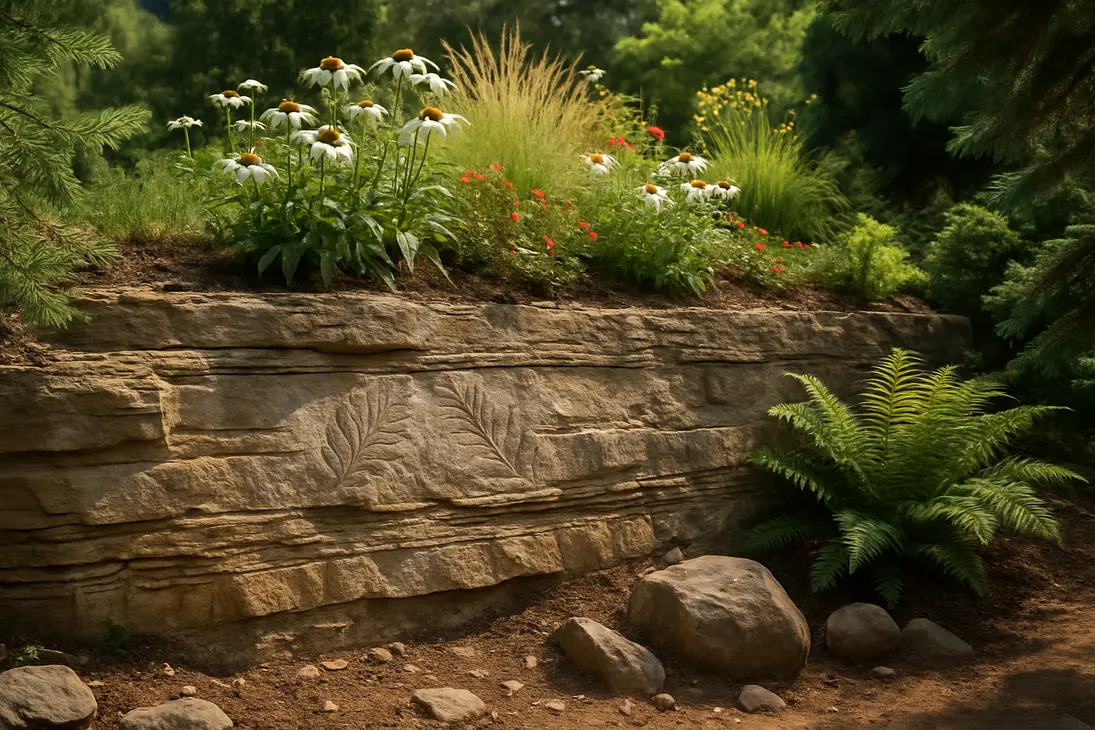
Flowering plants appear in higher fossil layers because angiosperms evolved later and preserved unevenly, especially from the Cretaceous onward.
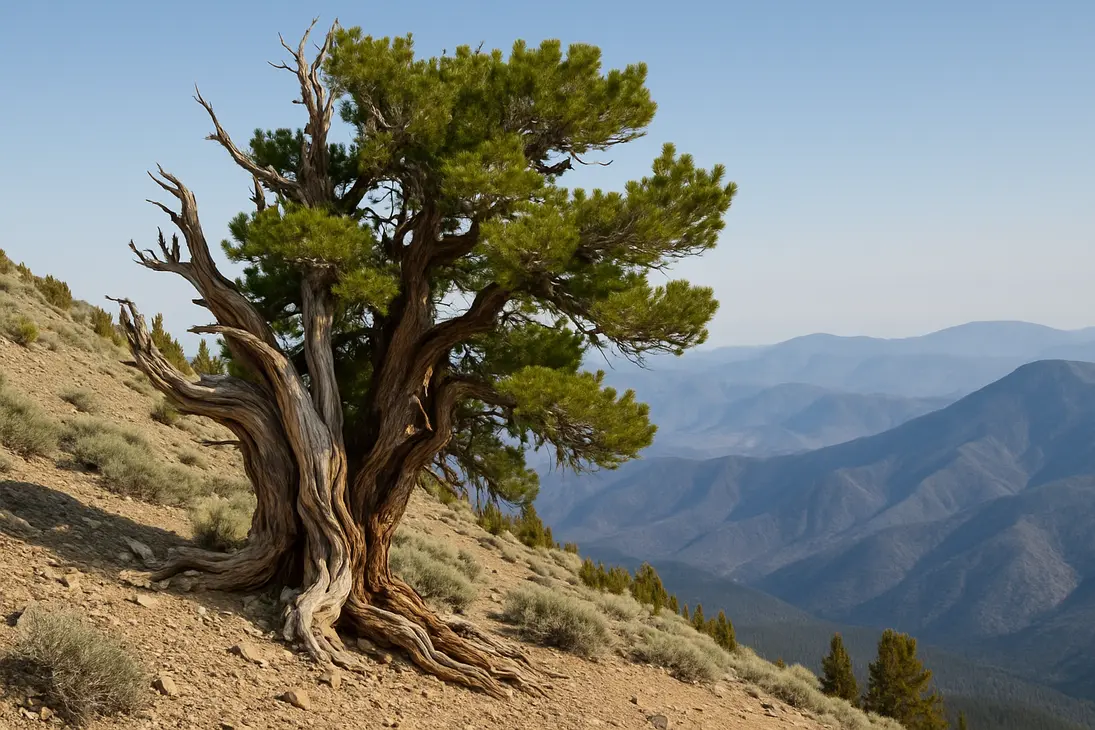
The Great Basin bristlecone pine is the longest-living verified non-clonal tree species, with individuals over 4,800 years old.
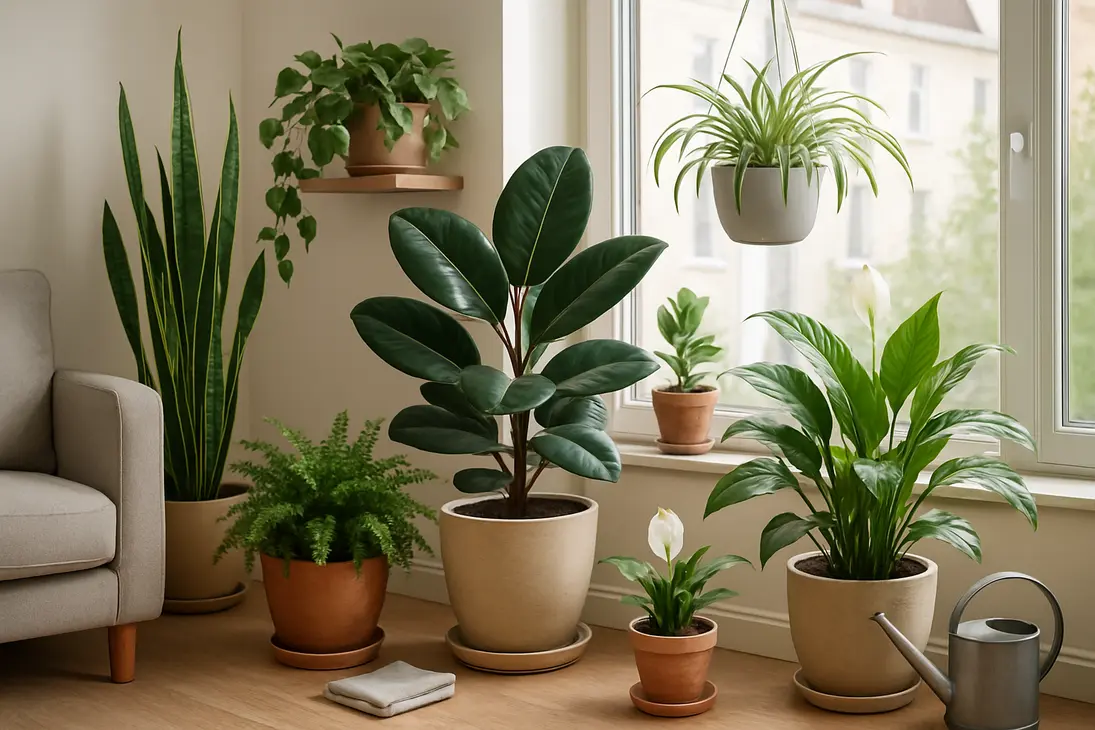
Compare the best indoor air-purifying plants for light, care, and pet safety, plus what plants can and can’t do for indoor air quality.
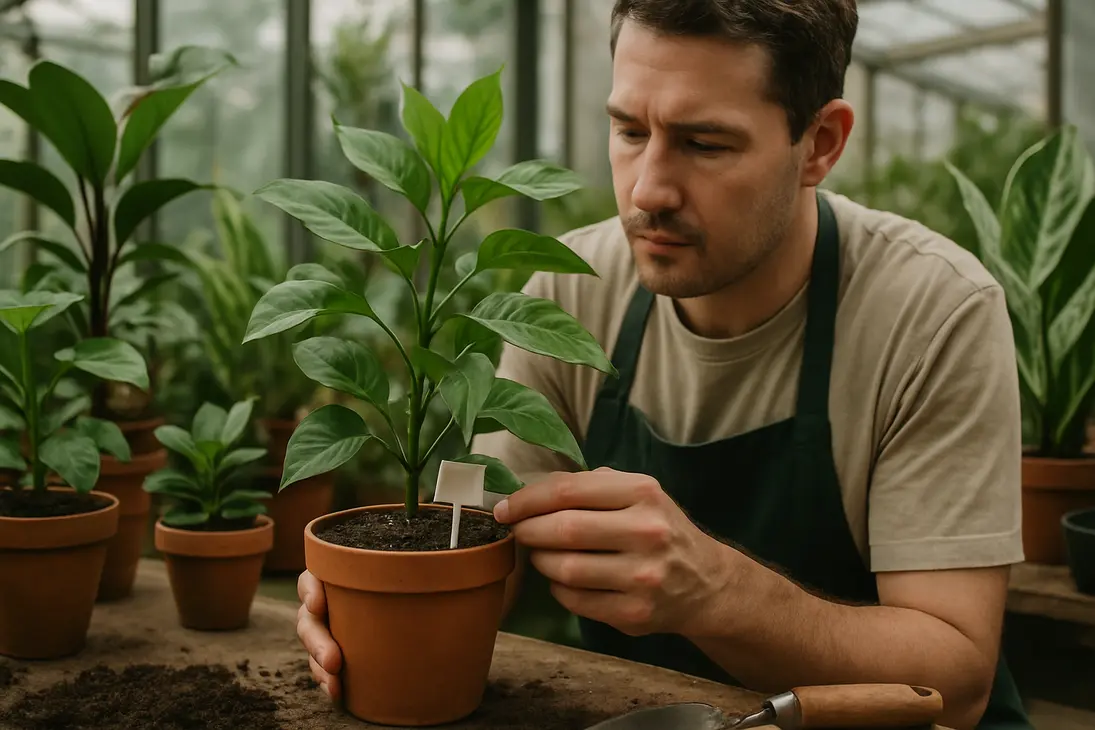
Learn what “hoopla plant” likely means, why it is not a recognized botanical name, and how to identify the real plant behind the label.
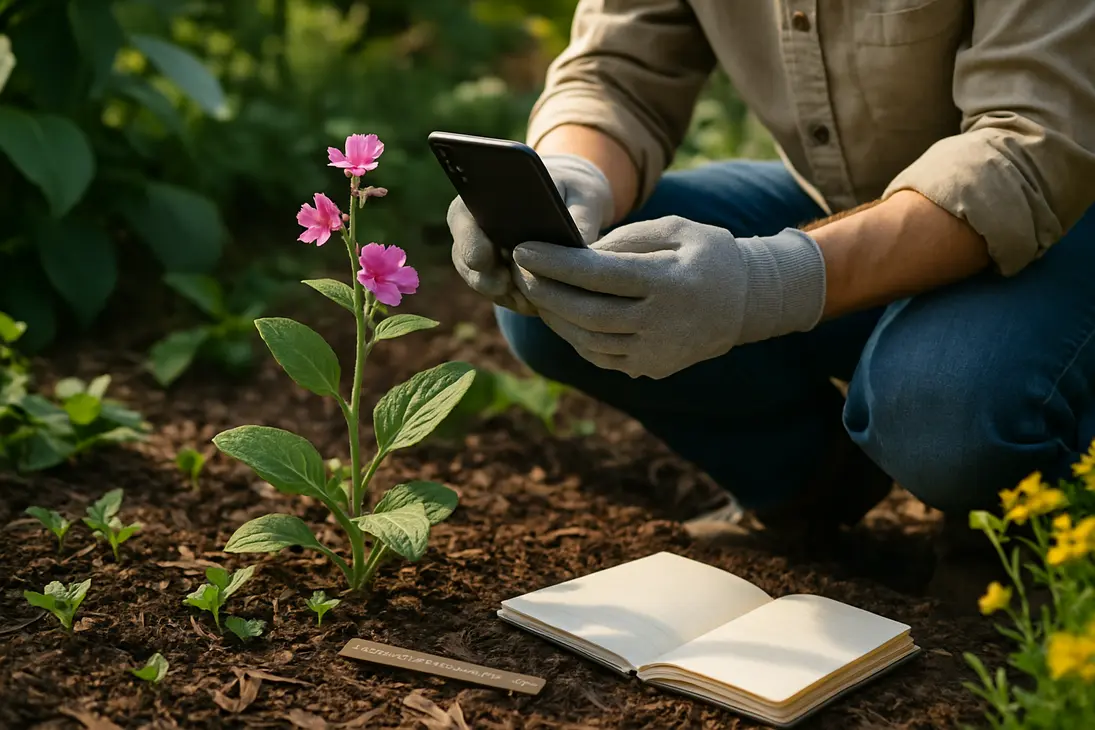
Learn how to identify a plant from a picture with clear photo tips, app and image-search advice, and checks for lookalikes, region, and safety.
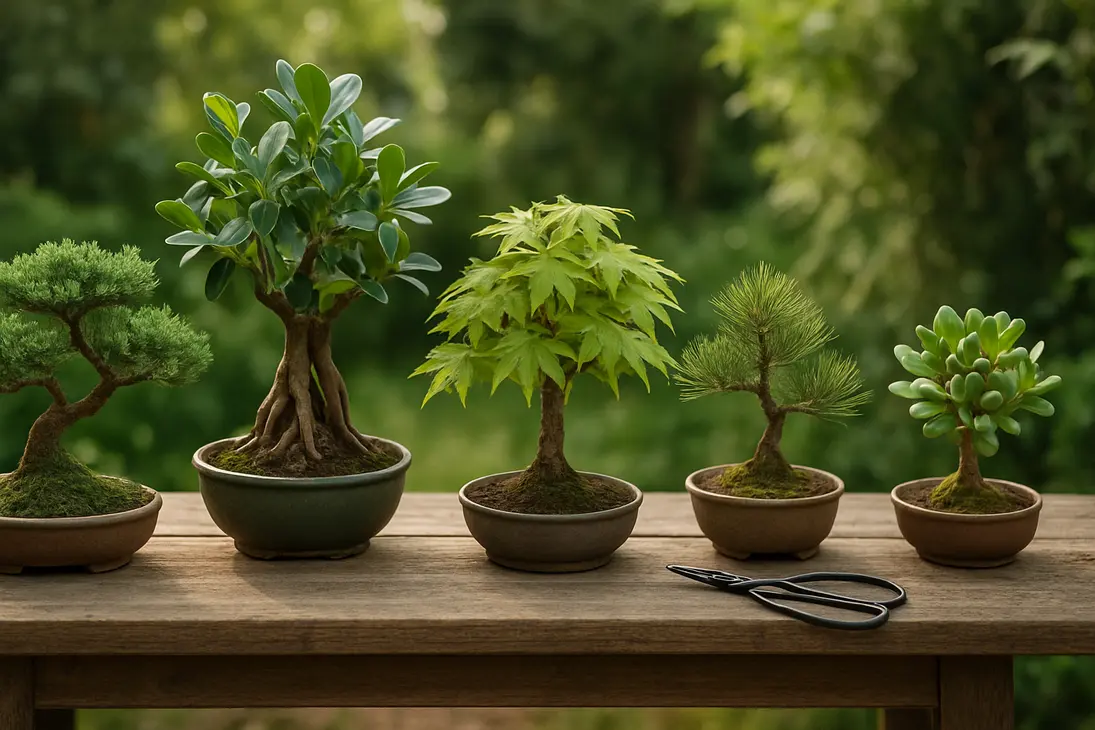
Learn how to identify bonsai types by foliage, bark, flowers, seasonal behavior, and style so you can match the tree to the right care.
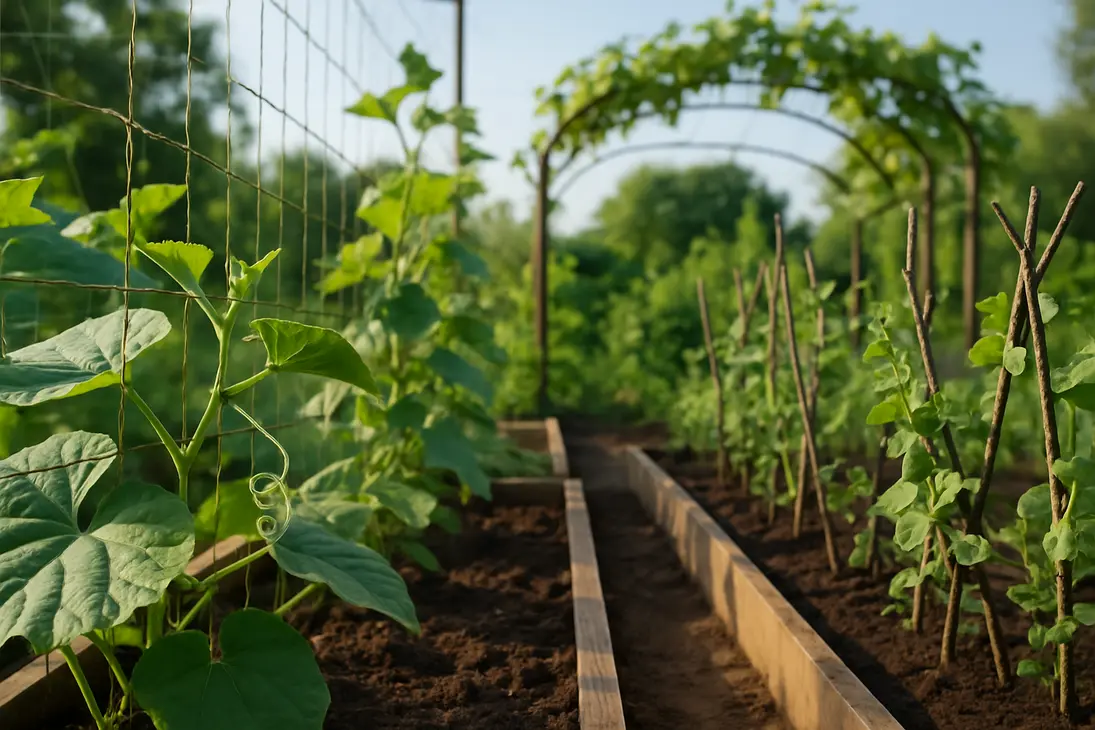
Learn what tendril plants are, how tendrils coil and attach, and which supports work best for peas, cucumbers, grapes, melons, and more.
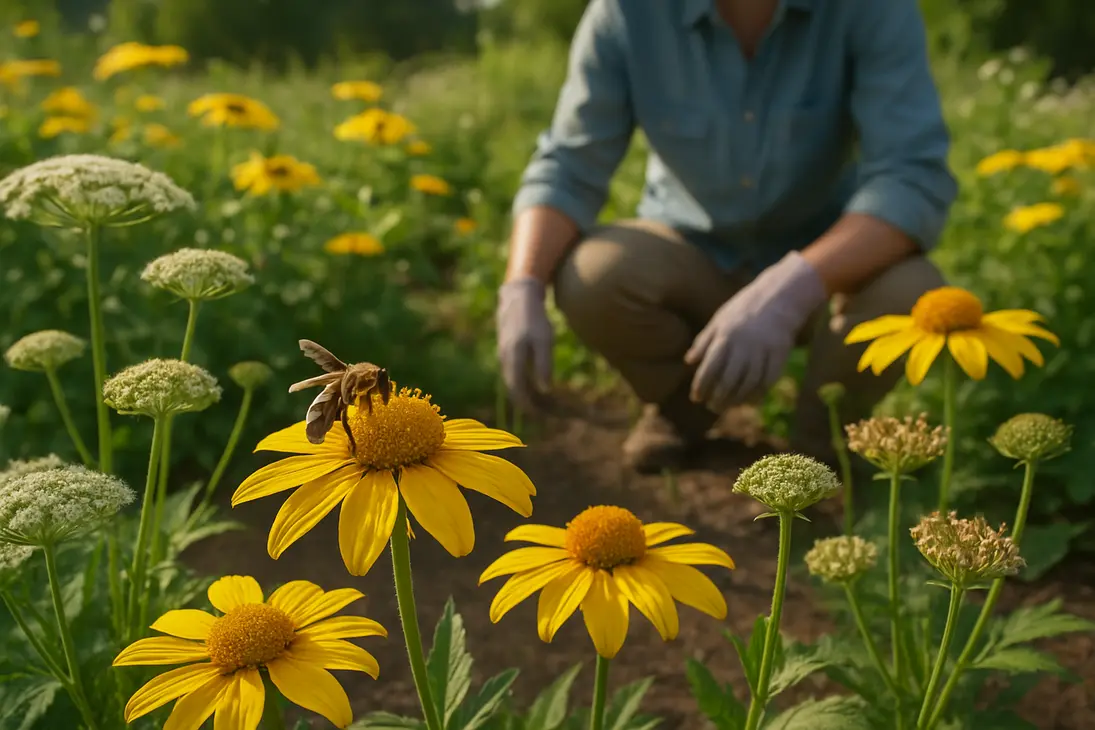
Protandrous plants release pollen before stigmas become receptive. Learn how this male-first timing affects pollination, seed saving, and fruit set.
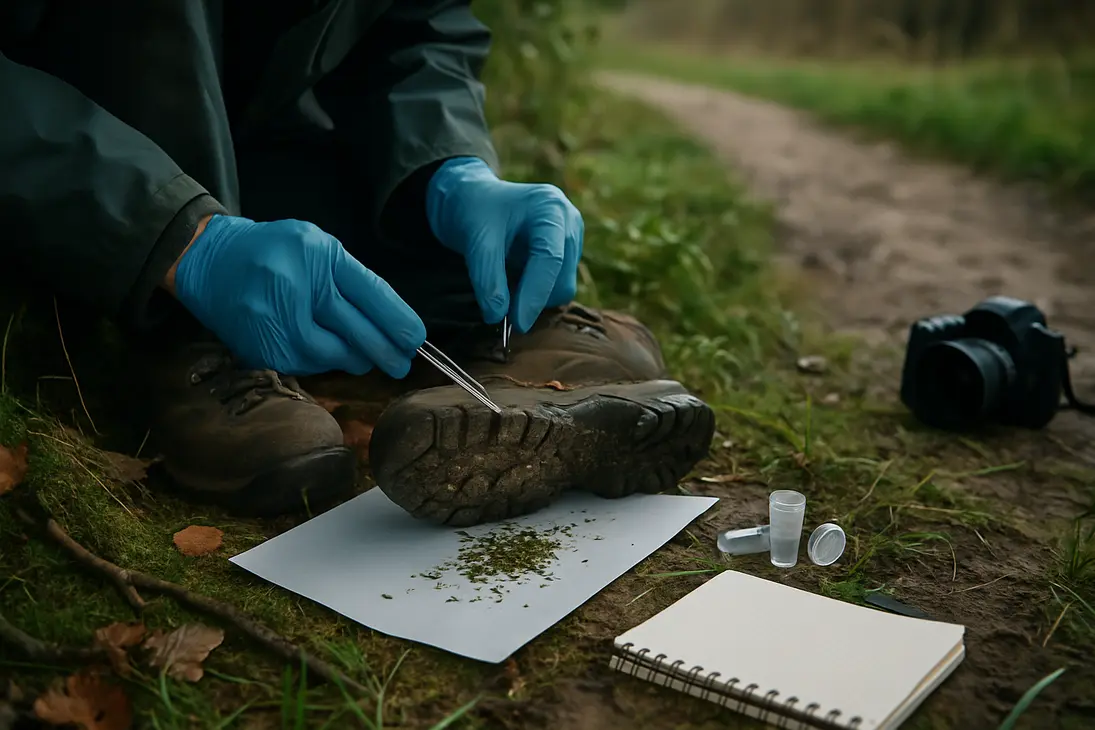
Forensic botany uses pollen, seeds, roots, wood, algae, and plant DNA to link people or objects to places, timelines, and crimes.
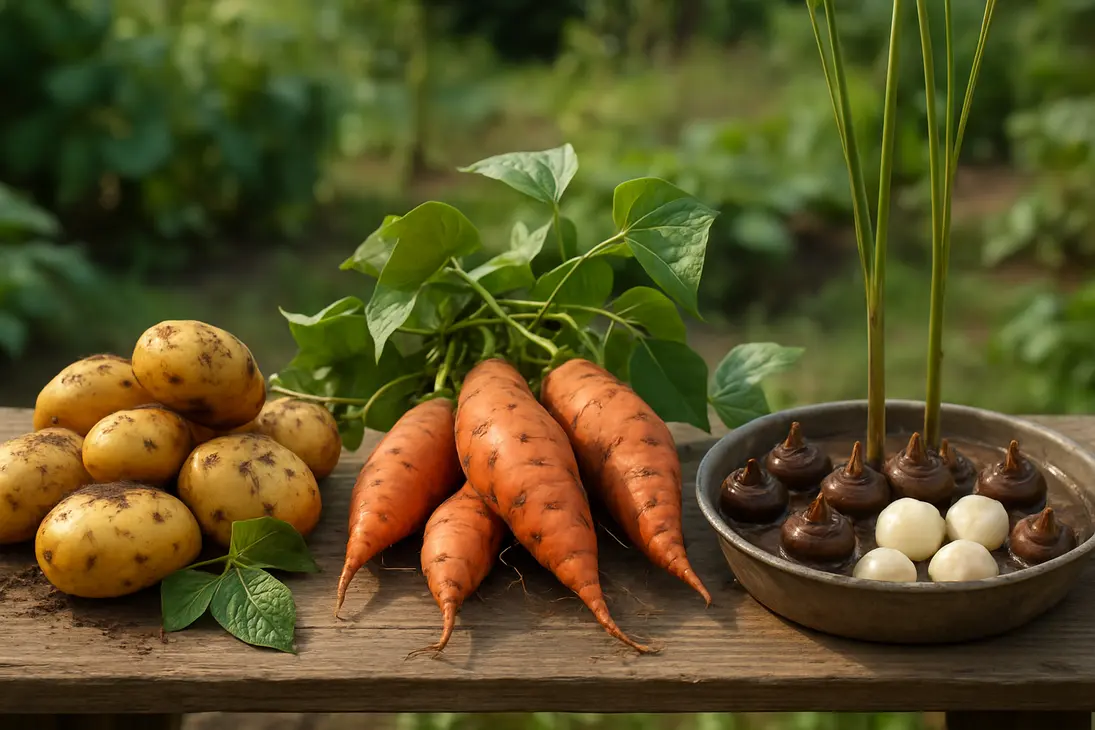
Potatoes are nightshades, sweet potatoes are morning-glory relatives, and water chestnuts are sedges. See how these crops differ botanically.
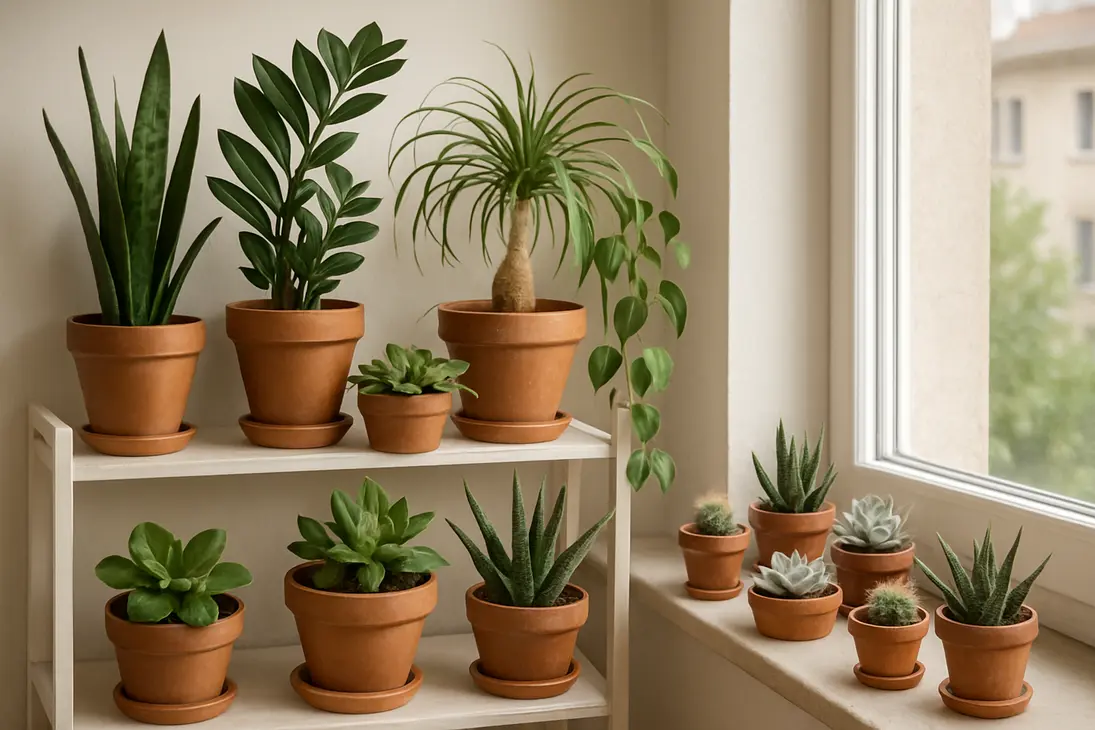
Find low-water indoor plants with succulent-like shapes, from snake plant and ZZ plant to jade, aloe, haworthia, hoya, and small cacti.
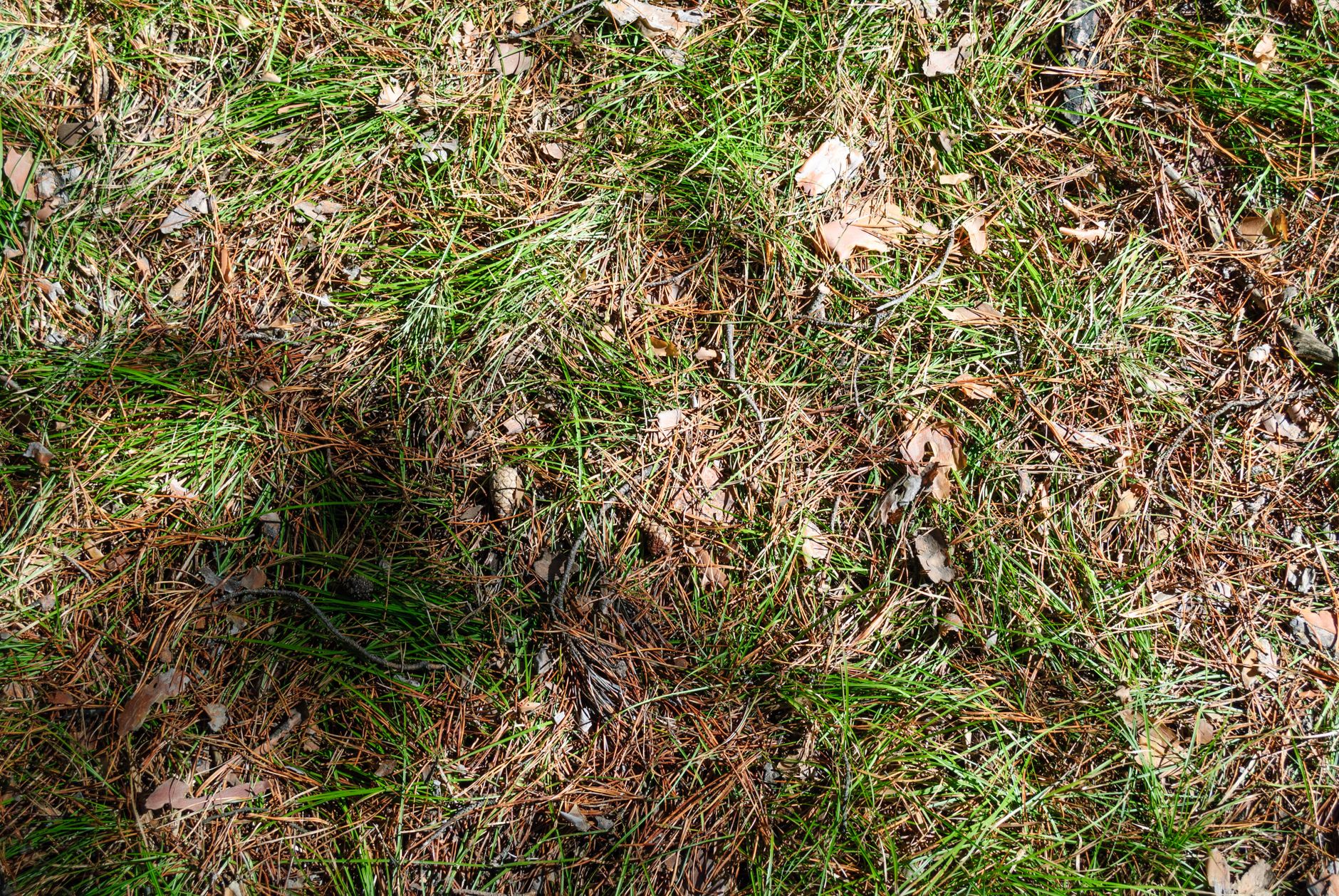
Find the best drought tolerant grass seed for your region, from tall fescue to buffalograss. Learn to read labels and establish a low-water lawn. Check options.
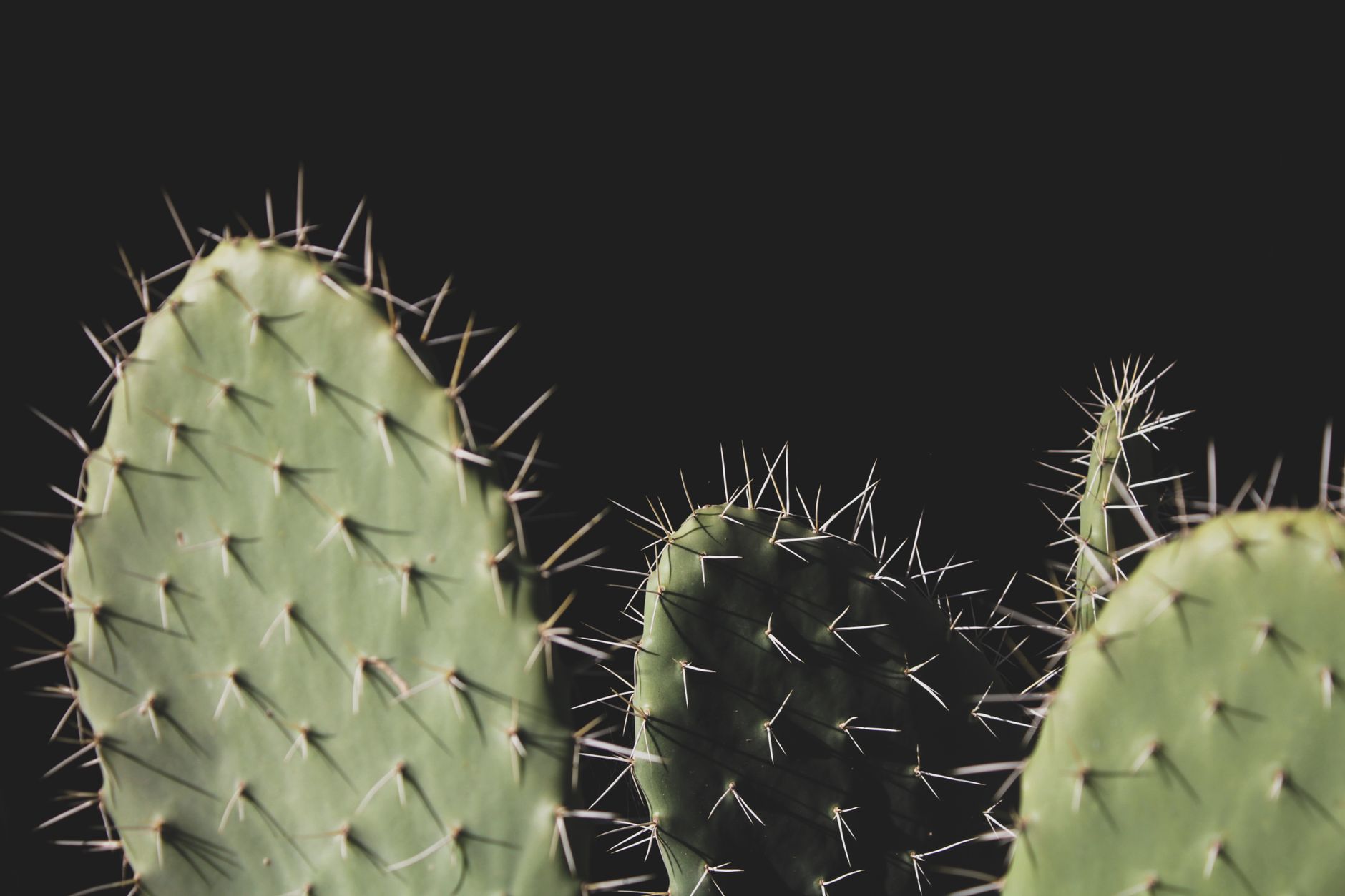
Wondering which edible cactus is safe to eat? Learn to identify true cacti, remove glochids, prepare nopales and prickly pear, and avoid toxic lookalike plants
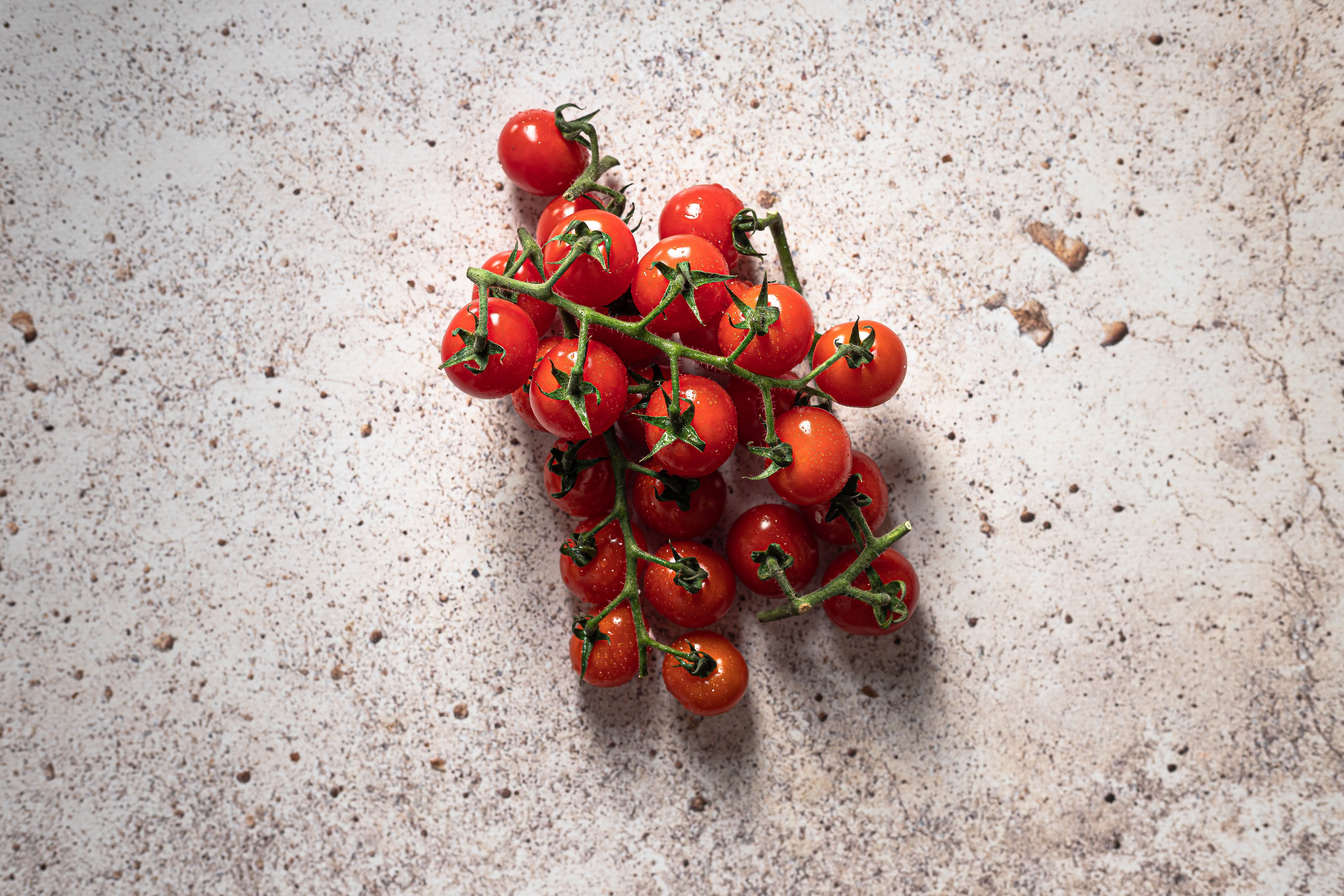
Learn what Campari tomatoes are, how they compare to cherry and Roma, their best uses, and whether store seeds will grow. Find out how to pick and store them.

Trying to identify a palm tree? Compare 20 palm species by climate, mature size, cold tolerance, and indoor suitability to find the best fit.
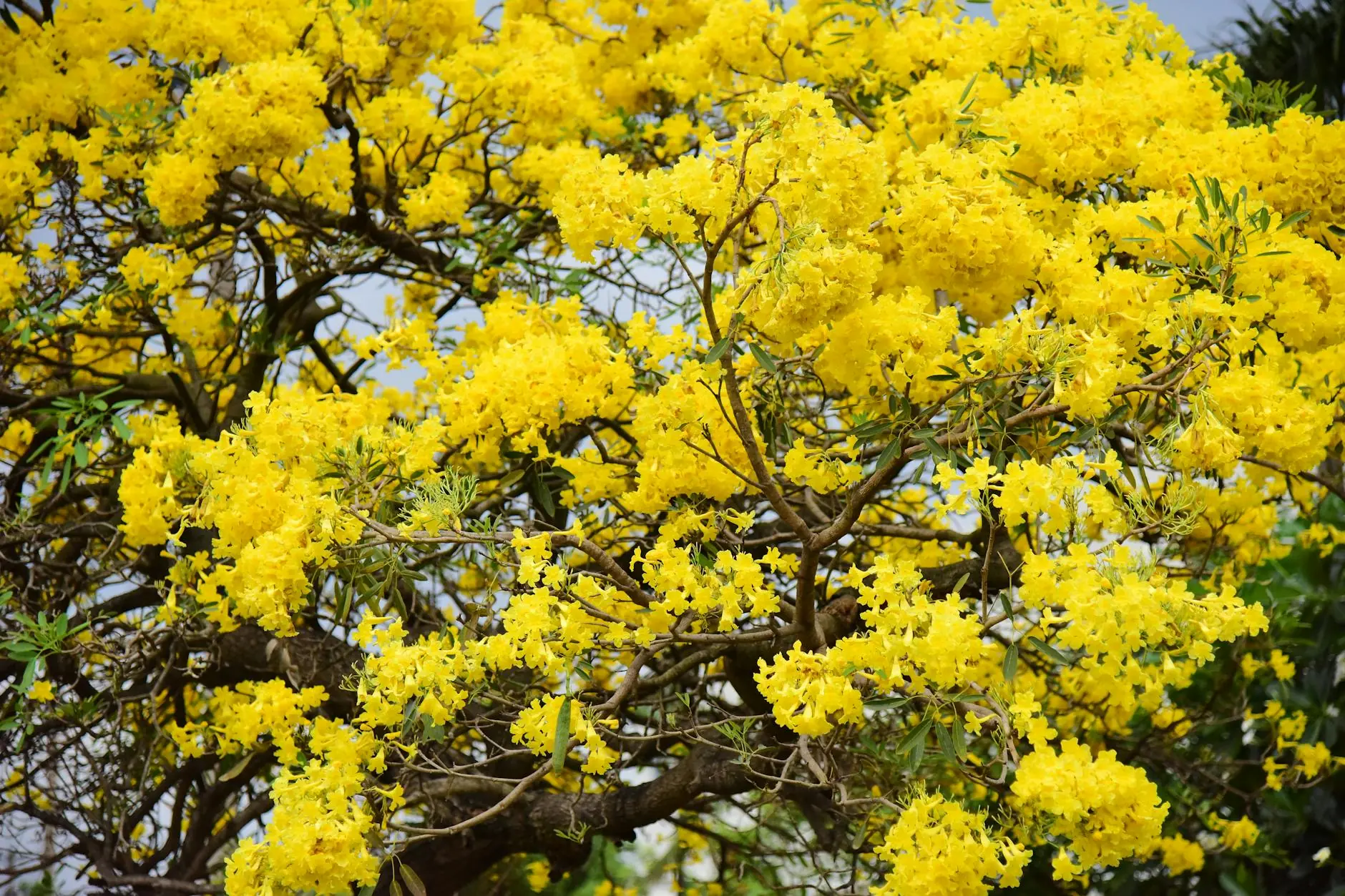
Trying to identify a tree with yellow flowers? Compare 15 species by bloom time, flower type, climate, and growing conditions to find the best match.
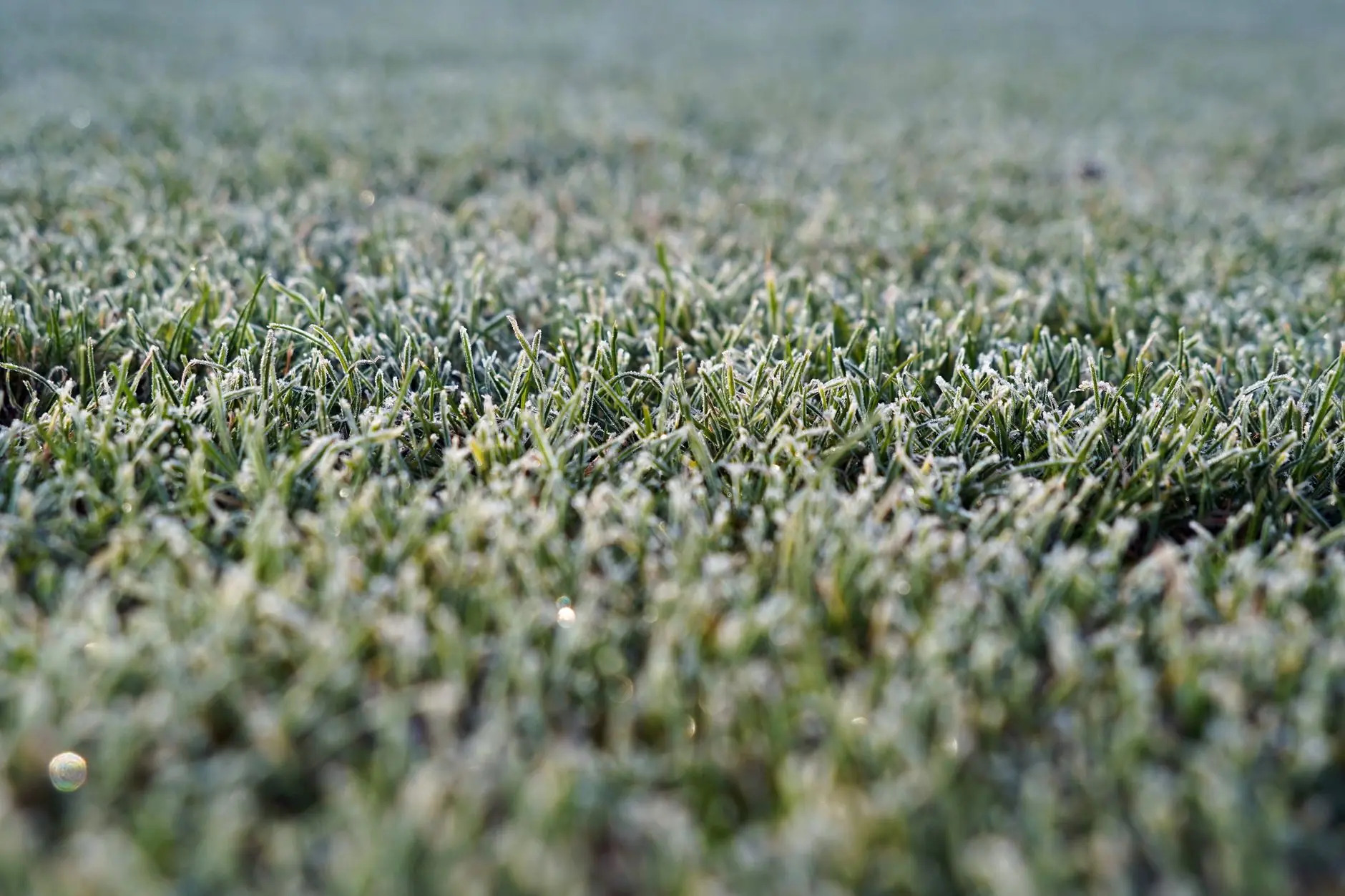
Compare winter rye, annual ryegrass, and perennial ryegrass for lawns and cover crops. Learn when each is planted, how it grows, and when it dies back.
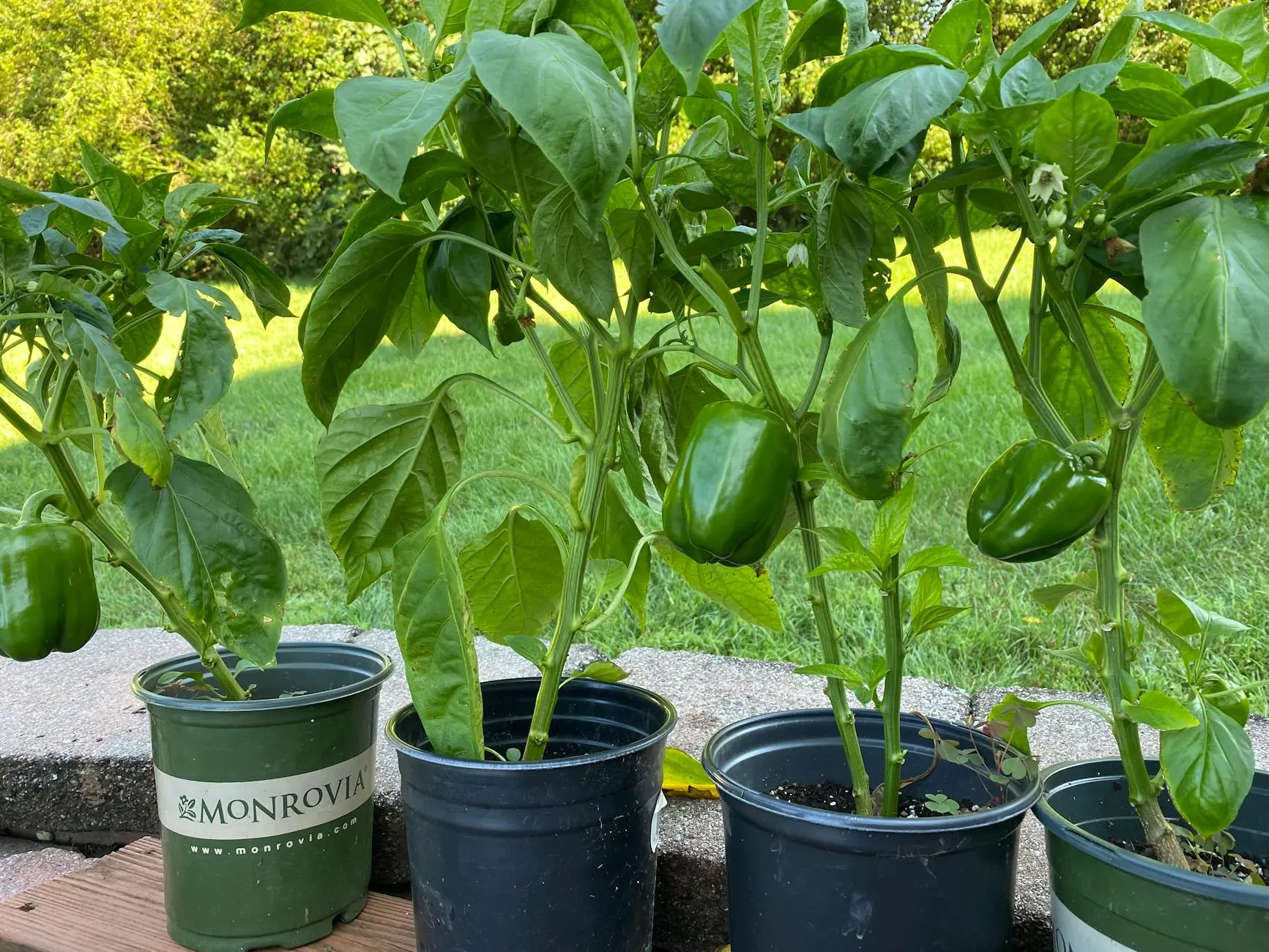
Want to grow vegetables in pots but not sure where to start? Discover 12 beginner-friendly crops, pot sizes, soil tips, and care advice for small spaces.