Should You Repot Plants When Moving to Arizona?
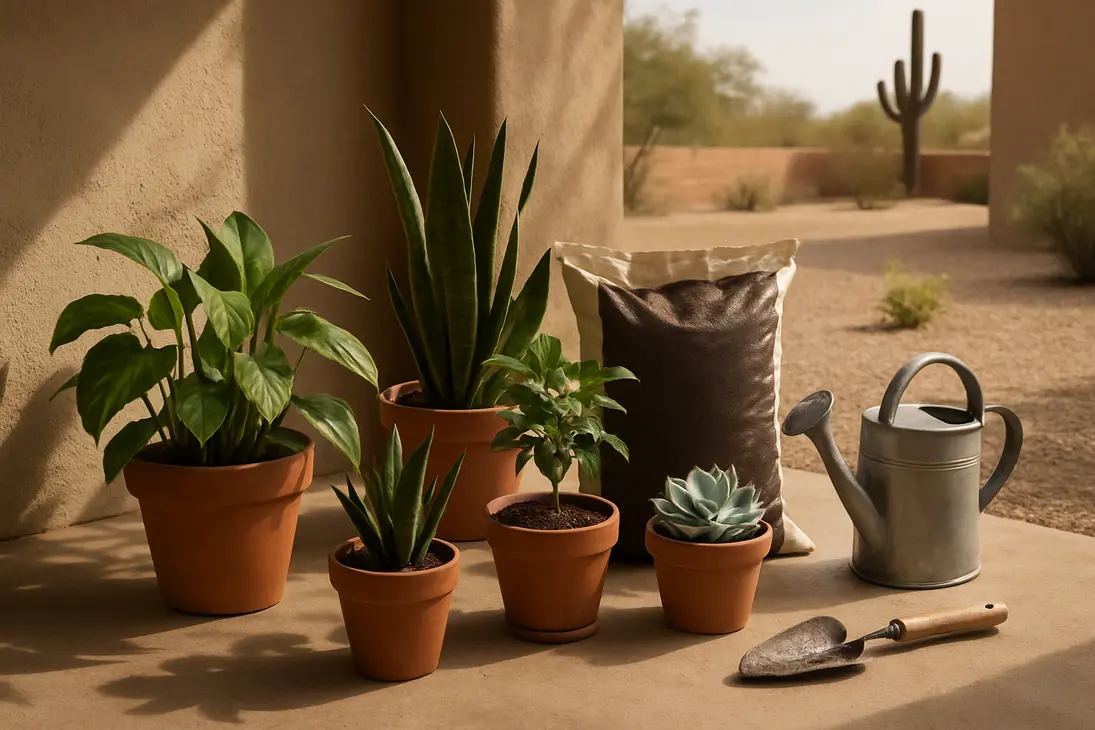
In most cases, no—you should not automatically repot plants just because you are moving to Arizona. Moving is already stressful for plants. They may sit in a warm vehicle, experience lower humidity, get jostled, and then arrive in a home or patio with very different light and watering conditions.
Repotting adds another stress because it disturbs the roots. For many plants, especially houseplants, the better approach is to move them carefully, place them in a suitable spot, let them acclimate, and repot only if there is a clear reason.
That said, repotting plants in Arizona may become necessary soon after arrival. Dry air, intense sun, hot containers, and fast-drying soil can reveal problems that were less obvious in a milder climate. The goal is not to avoid repotting forever. It is to repot for the right reason, at the right time, with the right soil and pot.
Should You Repot Plants Before, During, or After the Move?
If your plant is healthy and stable in its current pot, it is usually best to avoid repotting immediately before or during the move. A freshly repotted plant has disturbed roots and loose soil, making it more vulnerable to wilting, tipping, and damage in transit.
Think of moving and repotting as two separate stress events. If possible, space them apart:
- Before the move: Water appropriately, remove only dead or damaged growth, and secure the plant for transport.
- During the move: Keep plants shaded, upright, and away from extreme heat or cold.
- After the move: Let them adjust before deciding whether repotting is needed.
There are exceptions, especially if the existing pot or soil is already causing problems. But if you are repotting only because “Arizona is different,” wait and observe first.
When It’s Better to Wait
Waiting is usually best when the plant is basically healthy. This includes plants that:
- Are not severely root-bound
- Hold water normally without staying soggy for days
- Are not tipping over
- Have no obvious pests or root rot
- Are not in broken or unsuitable containers
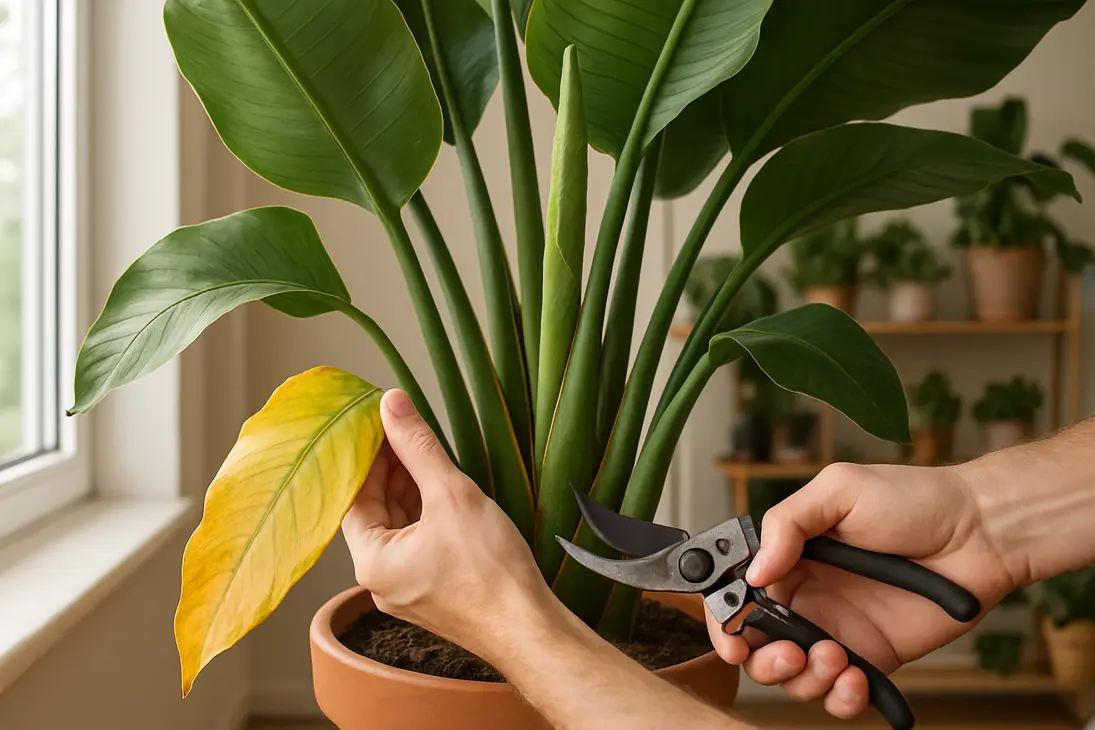
- Show only mild moving stress, such as temporary drooping or a few yellow leaves
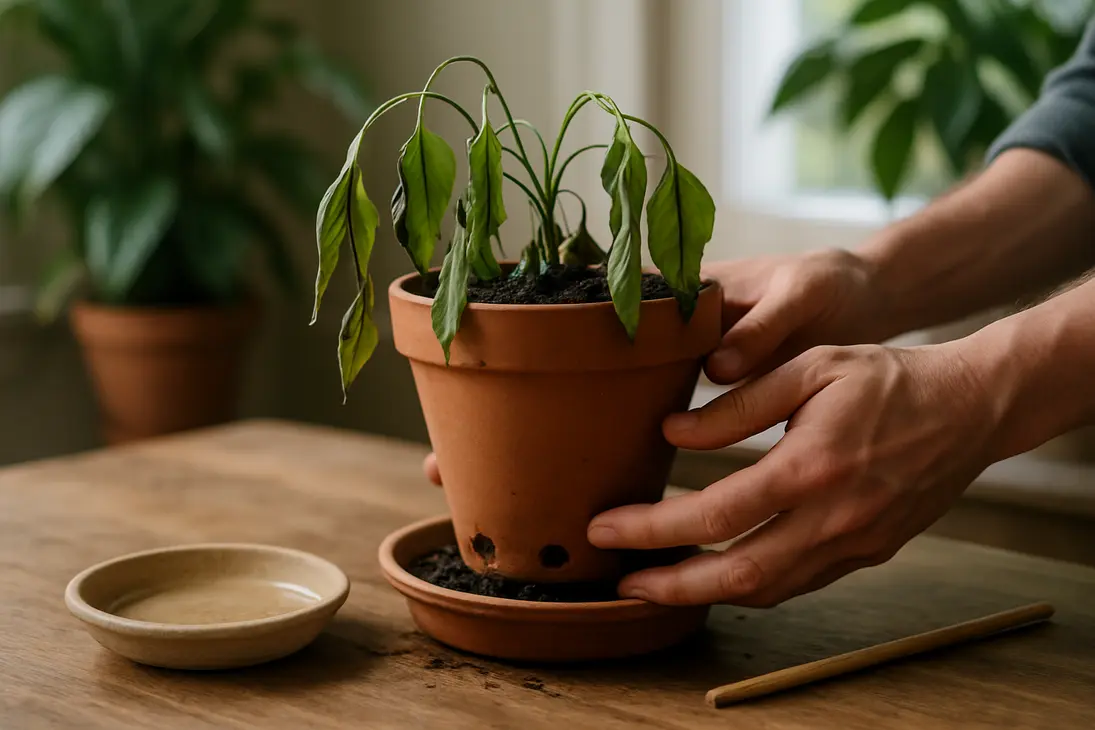
Many plants look rough after relocation. Leaves may curl, droop, yellow, or drop because of changes in light, humidity, temperature, and watering. These symptoms do not automatically mean the plant needs a bigger pot.
For most healthy houseplants, waiting two to four weeks after arriving in Arizona is a reasonable minimum. Sensitive plants, large specimens, or plants moved during hot weather may need longer. Ideally, wait until the plant shows stability, such as normal water use, no worsening decline, or new growth.
When Immediate Repotting Makes Sense
Sometimes repotting should not wait. Immediate or near-immediate repotting may be the right call if:
- The pot cracked during the move
- The plant is dangerously top-heavy
- Roots are packed tightly and circling heavily
- Water runs straight through without moistening the soil
- The soil is compacted, sour-smelling, or hydrophobic
- The pot has no drainage holes
- You find root rot, fungus gnats, mealybugs, or other serious pests
- The plant arrived in dense garden soil unsuitable for containers
In these cases, leaving the plant as-is may be riskier than repotting. Even then, keep the change conservative. Do not jump from a small pot to a huge decorative container, and do not bare-root the plant unless rot or pests make it necessary.
How Arizona’s Climate Affects Repotting Decisions
Arizona changes how containers behave. The biggest factors are intense sun, low humidity, hot summers, indoor air conditioning, and rapid water loss from exposed pots.
In Phoenix, Tucson, Yuma, and other low-desert areas, outdoor containers can heat up dramatically. Roots are vulnerable because they cannot cool themselves easily. A black nursery pot on a sunny patio can become much hotter than the surrounding air.
In higher-elevation areas such as Flagstaff or Prescott, temperatures may be cooler, but sun intensity, dry air, and colder nights still matter. Arizona does not mean every plant needs cactus soil. It means you need to match the soil and pot to the plant, location, and drying rate.
Avoid Repotting During Extreme Heat
Summer is usually the hardest time to repot plants in Arizona, especially outdoor plants. Repotting during extreme heat can cause rapid wilting because disturbed roots may not keep up with water loss.
If you can choose the timing, repot during milder conditions:
- Early spring
- Fall
- A cooler cloudy day
- Early morning rather than afternoon
- Indoors for houseplants
If a plant must be repotted in summer because of root rot, a broken pot, or no drainage, work in shade, keep roots exposed briefly, and protect the plant from direct sun afterward. Do not repot an outdoor plant and place it straight into full Arizona sun.
Give Plants Time to Acclimate First
A plant moved to Arizona may be adjusting to:
- Brighter light through windows
- Lower humidity
- Air conditioning drafts
- Hot patios or balconies
- Different tap water
- Faster evaporation
- A new watering routine
Acclimation is especially important for tropical houseplants, orchids, ferns, calatheas, pothos, philodendrons, ficus, and palms. These plants may react to dry air and new light with browning, drooping, or leaf drop. Repotting during that adjustment can make symptoms worse.
Start plants in bright, indirect light unless you are certain they need direct sun. Increase outdoor sun exposure gradually. A plant that tolerated morning sun elsewhere may scorch quickly in Arizona.
Indoor vs. Outdoor Plants in Arizona
Indoor and outdoor plants face different challenges.
Indoor plants often deal with low humidity and air conditioning. Soil may not dry as quickly as expected in a cool, lower-light room, so overwatering remains a risk, especially in dense soil.
Outdoor container plants usually dry faster, especially in clay pots, small pots, hanging baskets, or windy locations. They may need a mix that drains well but still holds enough moisture to prevent constant wilting.
| Plant location in Arizona | Main risk | Repotting implication |
|---|---|---|
| Indoors near bright windows | Sun scorch, dry air | Use plant-specific soil; avoid oversized pots |
| Indoors in low light/AC | Slow drying, root rot | Prioritize drainage and careful watering |
| Covered patio | Fast drying, reflected heat | Balance drainage with moisture retention |
| Full outdoor sun | Root heat, severe water loss | Avoid summer repotting; protect roots |
| Balcony or exposed deck | Wind, heat, evaporation | Consider stable pots and wind protection |
Signs a Plant Actually Needs Repotting After the Move
The better question is not “Did I move to Arizona?” but “Is the current pot or soil limiting the plant?”
Some stress after moving is normal. Repotting is more likely needed when symptoms involve roots, water movement, soil structure, drainage, pests, or physical stability.
Root-Bound Plants
A root-bound plant has outgrown its container. Some plants tolerate this for a long time, but others decline when roots become too crowded.
Signs include:
- Roots circling densely inside the pot
- Roots growing out of drainage holes
- Water running down the sides and out quickly
- Soil drying extremely fast despite thorough watering
- Stunted growth during the growing season
- A plant that lifts out as one solid root mass
To check, slide the plant gently out when the soil is slightly moist. A few roots around the edge are normal. A tight mat of roots with little visible soil usually means repotting is needed.
Move up only one pot size in most cases—often 1 to 2 inches wider for small and medium houseplants. A much larger pot holds more wet soil than the roots can use, increasing the risk of rot.
Soil or Drainage Problems
A mix that worked in one climate may behave differently in Arizona. Repot if the soil:
- Stays wet too long and smells sour
- Has become hard, compacted, or crusted
- Pulls away from the pot and refuses to absorb water
- Drains poorly even when the pot has holes
- Contains outdoor garden soil that turns dense in containers
- Is seriously infested with pests
Drainage holes matter. A decorative pot without drainage should usually be used as a cachepot, with the plant kept in a nursery pot inside it so excess water can be removed. Planting directly into a sealed container is risky in any climate.
If the plant has root rot, repotting is often part of the rescue. Remove the plant, trim mushy or dead roots with clean tools, discard the bad soil, and repot into fresh, well-draining mix. Choose a pot that fits the reduced root system.
Stress Symptoms That Do Not Always Mean “Repot”
Not every unhappy-looking plant needs a new pot. Repotting can make some stress symptoms worse.
Symptoms that may come from acclimation rather than pot problems include:
- A few yellowing leaves after the move
- Drooping after a hot car ride
- Brown leaf tips from dry air
- Leaf curl from too much sun or low humidity
- Minor leaf drop from a location change
- Slower growth during seasonal transition
Before repotting, check the basics: soil moisture, light exposure, AC drafts, drainage, and how long the plant has had to adjust. Often the better fix is improved light, adjusted watering, higher humidity, or patience.
Best Soil Mixes and Pots for Arizona Conditions
There is no single best soil for all plants in Arizona. A cactus, pothos, fern, and container citrus tree do not want the same root environment.
The right mix should:
- Hold enough moisture for the plant’s needs
- Drain excess water freely
- Allow air to reach the roots
Too dense, and roots may rot indoors or during cooler months. Too gritty or fast-draining, and outdoor pots may dry so quickly that the plant struggles.
For Succulents, Cacti, and Drought-Tolerant Plants
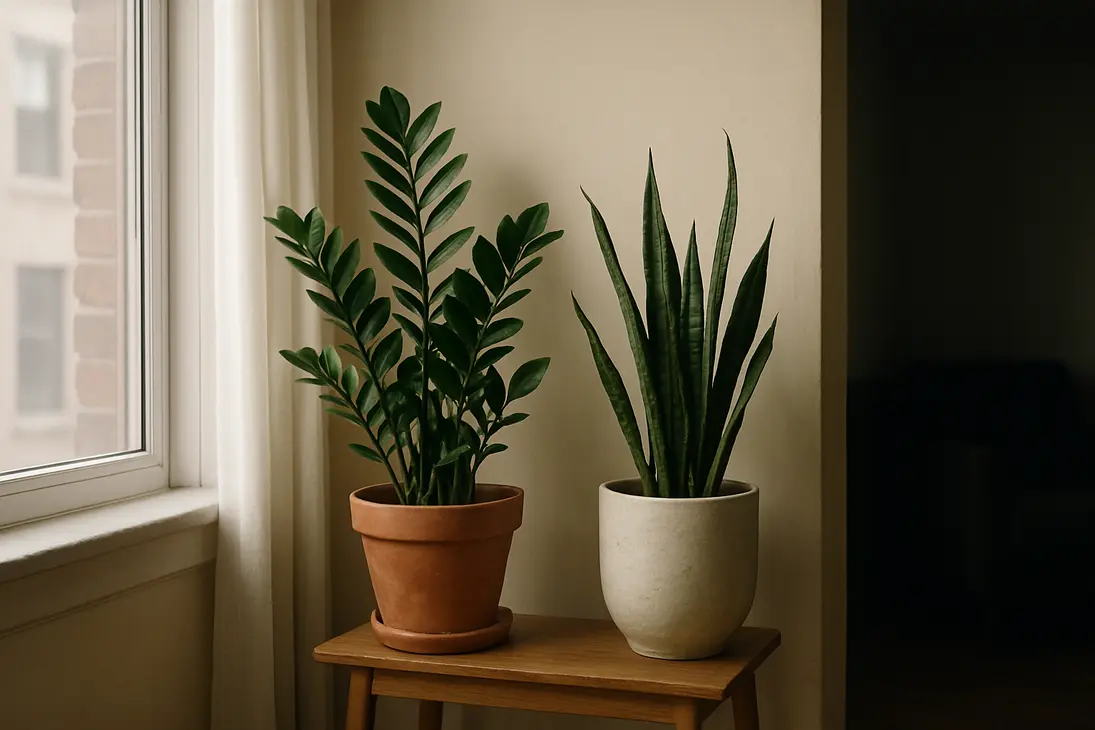
Succulents, cacti, agaves, aloes, euphorbias, jade plants, snake plants, and ZZ plants generally need a fast-draining mix. That does not mean pure sand; fine sand can compact and reduce air space.
A better approach is a cactus/succulent mix amended with mineral materials such as:
- Pumice
- Perlite
- Coarse sand
- Crushed lava rock
- Small horticultural gravel
Indoor succulents usually need an especially airy mix because they dry more slowly than outdoor pots. Outdoor succulents may need both drainage and protection from harsh afternoon sun, especially after a move.
Avoid placing succulents into large, moisture-retentive pots “so they do not dry out.” That often creates wet soil around roots that prefer oxygen.
For Tropical Houseplants
Tropical houseplants usually need more moisture retention than cacti, but they still need oxygen around their roots. A standard indoor potting mix may work, but many plants benefit from added structure.
For pothos, philodendron, monstera, peace lily, dracaena, and ficus, consider a mix with:
- Quality potting mix as the base
- Perlite or pumice for drainage
- Fine orchid bark or coco chips for air space
- Some moisture-retentive material if the plant dries too quickly
Ferns, calatheas, and prayer plants may want a mix that holds moisture more evenly, but they should not sit in stagnant water. In Arizona homes, these plants may need humidity support more than repotting, such as grouping plants, using a humidifier, or keeping them away from AC vents.
Orchids are separate. Many common orchids, such as phalaenopsis, usually need a bark-based orchid mix rather than regular houseplant soil.
Pot Size, Drainage Holes, and Container Material
The pot matters as much as the soil.
Drainage holes are strongly recommended for almost all potted plants. Without them, water can collect at the bottom where roots cannot breathe.
Choose pot size carefully:
- Small houseplants: usually go up 1 inch in diameter
- Medium houseplants: usually go up 1–2 inches
- Large plants: increase gradually unless the root ball clearly needs more space
- Succulents: often prefer a snug pot
Container material affects drying:
| Pot material | How it behaves in Arizona | Best use |
|---|---|---|
| Terracotta/clay | Breathes and dries quickly | Succulents, plants prone to overwatering |
| Plastic nursery pot | Holds moisture longer; lightweight | Indoor plants and cachepots |
| Glazed ceramic | Holds moisture more than unglazed clay; heavier | Houseplants and patio plants with drainage |
| Metal | Can heat quickly in sun | Best avoided in direct sun unless used as an outer cachepot |
| Fabric grow bags | Airy but very fast drying | Vegetables and outdoor crops with attentive watering |
For outdoor containers, also consider color and placement. Dark pots absorb more heat. Light-colored containers, shade, or an outer pot can help protect roots.
How to Repot Plants Safely After Relocating to Arizona
Once repotting is actually needed, make the process as gentle as possible. The plant has already been through a move, so avoid unnecessary root surgery, dramatic pot upgrades, or heavy fertilizer.
Step-by-Step Repotting Process
-
Choose a mild time.
Repot in the morning, indoors, or on a cooler day. Avoid intense afternoon heat. -
Prepare the new pot and mix first.
Make sure the pot has drainage holes. Slightly pre-moisten very dry potting mix so it accepts water evenly. -
Water lightly beforehand if appropriate.
A slightly moist root ball is easier to handle than a bone-dry one. If you suspect root rot, skip extra watering. -
Remove the plant gently.
Tip the pot sideways and support the base. Avoid pulling by the stems. -
Inspect the roots.
Healthy roots are usually firm and light-colored to tan. Rotten roots are often mushy, dark, and may smell bad. -
Loosen only what is necessary.
Tease apart outer roots if mildly root-bound. Trim circling or rotten roots only as needed. -
Add fresh mix to the new pot.
Set the plant at about the same soil level as before. Burying stems too deeply can cause rot. -
Backfill gently.
Fill around the root ball and firm lightly. Do not pack the soil hard. -
Water appropriately.
Water thoroughly if the plant is healthy and the mix needs it. For succulents with damaged roots, some gardeners wait briefly before watering. -
Let it drain.
Empty saucers and cachepots so the plant is not sitting in water.
Aftercare: Watering, Shade, and Fertilizer Timing
After repotting, protect the plant while roots recover.
For the first one to two weeks:
- Keep it out of direct afternoon sun
- Avoid hot patios and reflected heat
- Water based on soil moisture, not a fixed schedule
- Do not fertilize immediately
- Watch for wilting, yellowing, or leaf drop
- Keep indoor plants away from strong AC drafts
Fresh potting mix can hold more water than old root-filled soil, so do not assume the plant needs more water just because Arizona is dry. Check the soil with your finger, a wooden skewer, or by lifting the pot.
Fertilizer should usually wait until the plant has settled and is actively growing. For many houseplants, waiting several weeks is sensible.
Conclusion
You usually should not repot plants automatically when moving to Arizona. The move itself, combined with Arizona’s intense sun, dry air, heat, and indoor cooling, is already a major adjustment.
Let healthy plants acclimate first. Watch how quickly the soil dries, how the leaves respond to the new light, and whether the roots or pot show real problems. Repot only when there is a clear reason: root crowding, poor drainage, compacted soil, root rot, pests, a broken pot, or an unstable container.
When repotting is necessary, choose a mild time, use a plant-specific well-draining mix, avoid oversized pots, and protect the plant afterward. In Arizona, successful repotting is less about doing it immediately and more about timing it thoughtfully.
FAQ
How long should I wait to repot plants after moving to Arizona?
For healthy plants, wait at least two to four weeks before repotting. This gives them time to adjust to the new light, humidity, temperature, and watering routine. Sensitive plants may need longer.
Repot sooner only if there is a serious issue, such as root rot, a broken pot, no drainage, severe root binding, pests, or soil that will not absorb or drain water properly.
Is summer a bad time to repot plants in Arizona?
Yes. Summer is generally a difficult time to repot plants in Arizona, especially outdoor container plants. Extreme heat increases water stress, and disturbed roots may struggle to keep up.
If repotting cannot wait, do it in shade, early in the morning, or indoors. Keep the plant protected from direct sun and heat afterward.
What soil mix is best for repotting plants in Arizona?
The best soil mix depends on the plant. Succulents and cacti need a fast-draining, gritty mix with materials like pumice or perlite. Tropical houseplants usually need a well-aerated mix that holds some moisture but still drains freely. Orchids often need bark-based orchid mix rather than regular soil.
Avoid using one generic mix for every plant. Arizona’s dry climate makes soil choice important, but plant type still comes first.
Should I water more after repotting in Arizona’s dry climate?
Not automatically. Arizona’s air is dry, but a freshly repotted plant may be in new soil that holds more moisture than its old mix. Water according to the plant’s needs and the actual soil moisture.
Check the soil before watering, make sure excess water drains out, and do not let the pot sit in a saucer of water. Outdoor plants may need more frequent checks, while indoor plants in air conditioning may dry more slowly than expected.
You Might Also Like