Can Beginners Grow Fruits and Vegetables at Home? A Practical DIY Gardening Outline
Yes—beginners can grow fruits and vegetables at home, even with no prior gardening experience. You do not need a large yard, expensive tools, or expert knowledge before you begin. A successful first garden is mostly about starting small, choosing suitable crops, observing closely, and adjusting as you learn.
Gardening can feel unpredictable because plants respond to weather, soil, insects, sunlight, and timing. But it also rewards practical problem-solving: if a plant wilts, check soil moisture; if it grows leaves but no fruit, check sunlight and nutrients; if seeds fail, adjust planting depth or timing. Treat the first season as an experiment, not a pass-fail test.
Start Small: What a Beginner Garden Really Needs
A beginner garden should be manageable. Smaller gardens are easier to water, weed, harvest, and troubleshoot.
At minimum, you need:
- A sunny enough location
- Reliable water access
- Containers, a raised bed, or a small in-ground bed
- Good soil or potting mix
- A few basic tools
- Crops you want to eat
- Realistic expectations
Some plants may die. That is normal. Your first goal is not perfection; it is learning what your space can support.
Choose one simple gardening setup
There are three practical ways to start.
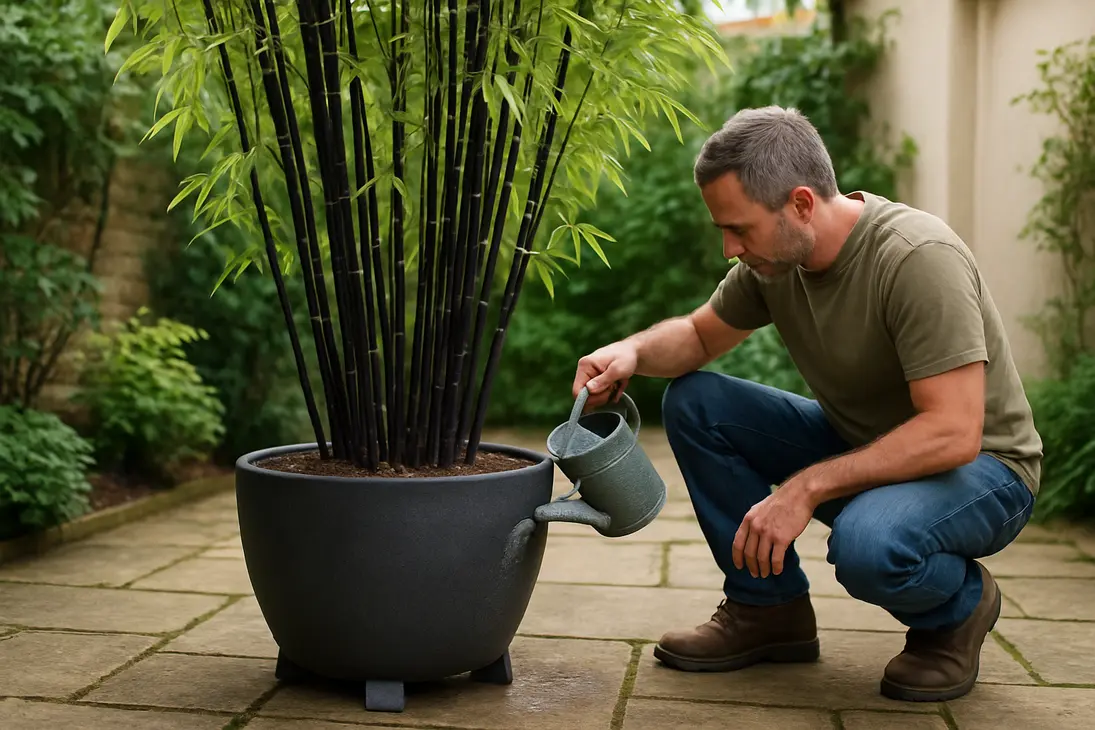
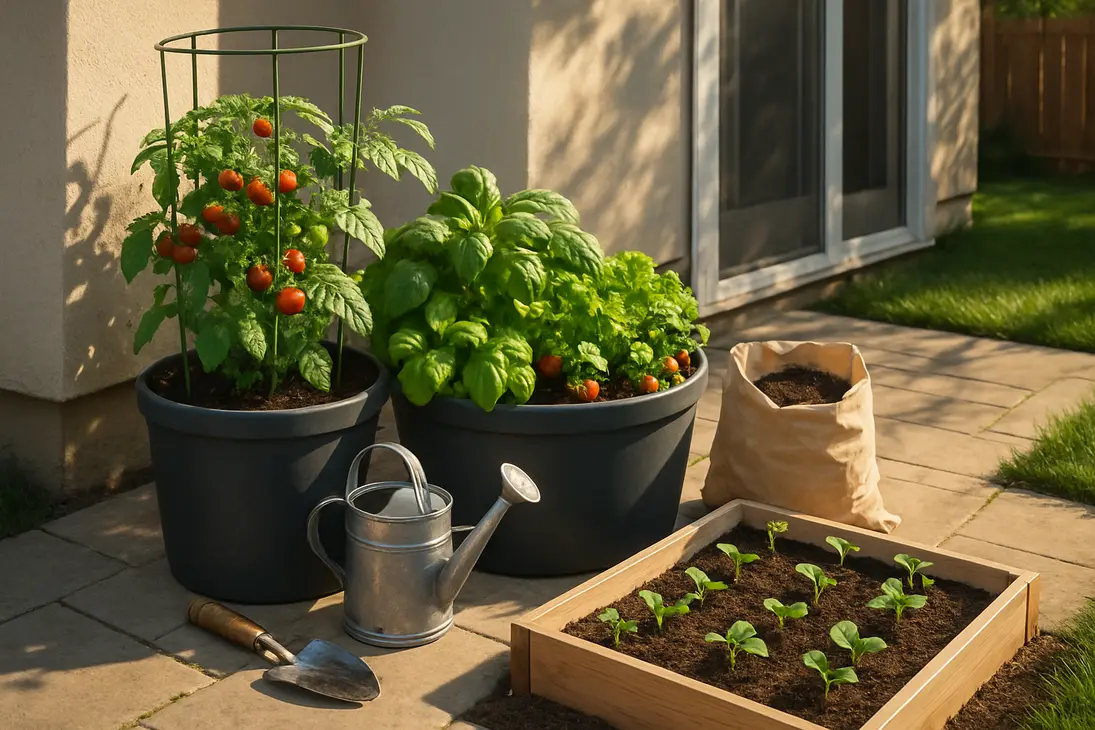
Containers work well for balconies, patios, renters, and small yards. Large pots can grow herbs, lettuce, peppers, strawberries, bush beans, or compact tomatoes. They let you control soil easily, but they dry out faster than beds.
Raised beds are useful if your yard has poor soil, heavy clay, weeds, or drainage problems. They make spacing and soil improvement easier, but lumber, soil, and compost can cost more upfront.
In-ground beds are usually cheapest if you already have decent soil and space. However, compacted, rocky, or poorly draining soil can frustrate beginners unless improved with compost and mulch.
Choose one setup, not all three. Two large containers can teach you more than six neglected beds.
Pick a manageable first goal
A good first goal is not “grow all my food.” Better goals include:
- Grow basil, parsley, and lettuce near the kitchen
- Grow one tomato, one pepper, and one pot of herbs
- Grow radishes and lettuce in spring, then beans in summer
- Grow strawberries in two containers
Start with herbs, salad greens, or two to three vegetables. Too many crops create too many variables: spacing, timing, pests, and harvest needs. Think of the first season as a prototype for testing sunlight, water, soil, and your available time.
Choose Easy Crops That Match Your Space and Climate
The easiest crops depend on your conditions. A plant that thrives in a cool coastal area may struggle in hot inland weather. A tomato may succeed in full sun but fail on a shaded balcony. Choose crops for your actual space, not just the seed packet photo.
Best beginner vegetables and herbs
Reliable beginner choices include:
| Crop | Why it suits beginners | Best use |
|---|---|---|
| Lettuce | Fast, shallow-rooted, tolerates some shade | Pots, beds, spring/fall |
| Spinach | Productive in cool weather | Spring/fall |
| Radishes | Very quick from seed | Confidence-building crop |
| Green beans | Easy to direct sow | Beds, large pots |
| Zucchini | High yield from one plant | Gardens with space |
| Tomatoes | Rewarding, best from seedlings | Sunny beds or large pots |
| Peppers | Compact warm-season crop | Pots or beds |
| Basil | Fast, useful herb | Pots near kitchen |
| Parsley | Hardy and useful | Containers or borders |
Quick crops build confidence. Radishes can be ready in about a month under good conditions. Lettuce can be harvested leaf by leaf. Bush beans sprout well in warm soil and produce without much fuss.
For small spaces, choose high-value crops. A cherry tomato in a large pot can produce for weeks, and herbs let you harvest small amounts instead of buying bunches that spoil.
Beginner-friendly fruits
Fruit is possible for beginners, but it usually requires more patience than vegetables.
Strawberries are one of the easiest fruits to start with. They grow in containers, hanging baskets, raised beds, or garden edges. They need sun, steady moisture, and sometimes protection from birds or slugs.
Dwarf blueberries can work in pots, especially where garden soil is not naturally acidic. They need acidic soil, consistent moisture, and varieties suited to your climate. A large container with acidic potting mix is often easier than changing an entire bed.
Raspberries and blackberries are productive but need more space and management. They may spread, need pruning, and often require support, so they are better for gardeners with a permanent growing area.
For the first year, treat fruit as a side project. Pair strawberries or one potted blueberry with easier vegetables so you still get harvests while fruit plants establish.
Match plants to your local conditions
Before buying seeds or seedlings, check three things.
First, know your frost dates. Warm-season crops like tomatoes, peppers, beans, basil, cucumbers, and zucchini can be damaged by frost. Cool-season crops like lettuce, spinach, peas, and radishes prefer milder weather.
Second, measure sunlight honestly. Most fruiting vegetables need at least 6 hours of direct sun; 8 hours is often better. Tomatoes, peppers, squash, cucumbers, beans, strawberries, and berries need strong light to produce well. Leafy greens and many herbs tolerate more shade.
Third, consider your growing season. In short-season climates, buy tomato and pepper seedlings instead of starting late from seed. In very hot regions, grow lettuce and spinach in cooler months rather than midsummer.
Build Healthy Soil and Water Correctly
Many beginner problems come from poor soil, compacted roots, inconsistent watering, or containers that dry too quickly. If soil and water are mostly right, plants become much more forgiving.
Start with good soil, not just dirt
For containers, use potting mix, not garden soil. Potting mix is lighter, drains better, and gives roots both air and moisture. Garden soil in pots often compacts and can suffocate roots.
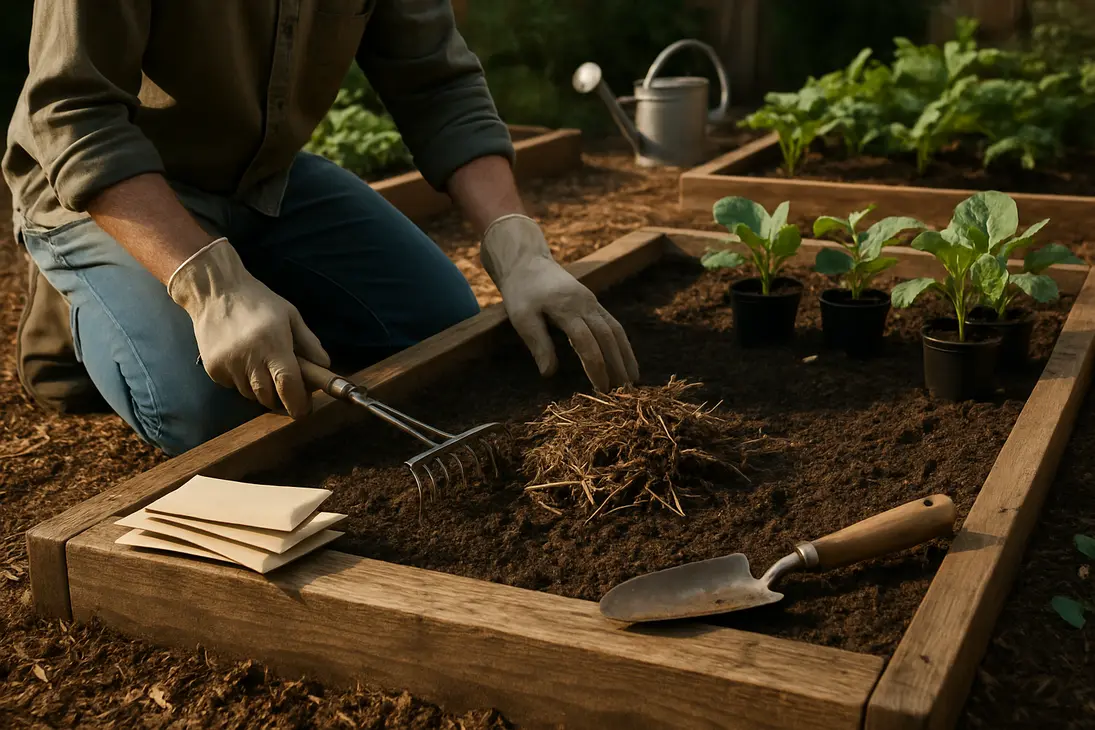
For raised or in-ground beds, add compost. Compost improves soil structure, supports soil life, and helps sandy or clay soils behave better. You do not need to replace all your soil; mix compost into the top several inches and keep adding it each season.
Avoid planting directly into compacted or poorly draining soil. If water sits for hours after rain, or the ground is hard like concrete, containers or raised beds may be easier.
Water deeply but not constantly
Watering mistakes are common. A wilted plant may be dry, but it may also be reacting to heat or root damage. Check the soil before watering.
Use this simple test:
- Push your finger 1–2 inches into the soil.
- If it feels dry, water.
- If it feels moist, wait.
- For containers, lift the pot if possible; dry pots feel lighter.
Water deeply enough to reach the root zone. Shallow daily sprinkling keeps roots near the surface, where they dry out faster. In containers, water until excess drains from the bottom. In beds, water slowly so it soaks in instead of running off.
Water at the base of plants when possible. Frequent leaf wetness can encourage disease where airflow is poor.
Use mulch to reduce beginner problems
Mulch helps retain moisture, reduce weeds, and protect soil from heat, crusting, and erosion.
Good beginner mulches include:
- Straw
- Shredded leaves
- Thin layers of untreated grass clippings
- Compost as a surface layer
- Wood chips around paths and perennial fruit plants
Keep mulch slightly away from stems to reduce rot and pest hiding spots. In containers, use only a thin layer around small plants.
Use a Simple Step-by-Step Planting Plan
A first garden is easier when you break it into layout, planting method, and weekly maintenance.
Plan the layout
Make a simple sketch. Mark where sunlight comes from, where water is available, and how you will reach each plant.
Place tall plants where they will not shade shorter ones. In the Northern Hemisphere, tall crops often go on the north side of a bed. In containers, put fruiting crops in the brightest spots and greens where they get morning sun or partial shade.
Do not overcrowd. Crowding can reduce airflow, make harvesting harder, and encourage disease. Follow seed packet or plant tag spacing, especially in your first season.
Keep frequently harvested crops easy to reach. Herbs, lettuce, cherry tomatoes, and strawberries should not be hidden behind sprawling squash vines.
Plant seeds or seedlings
Use seedlings for slower or long-season crops, such as:
- Tomatoes
- Peppers
- Eggplants
- Many herbs
- Some brassicas, such as broccoli or cabbage
Seedlings give beginners a head start and reduce timing problems.
Direct sow easy seeds such as:
- Beans
- Lettuce
- Radishes
- Carrots
- Peas
- Spinach
- Cucumbers and squash in warm soil
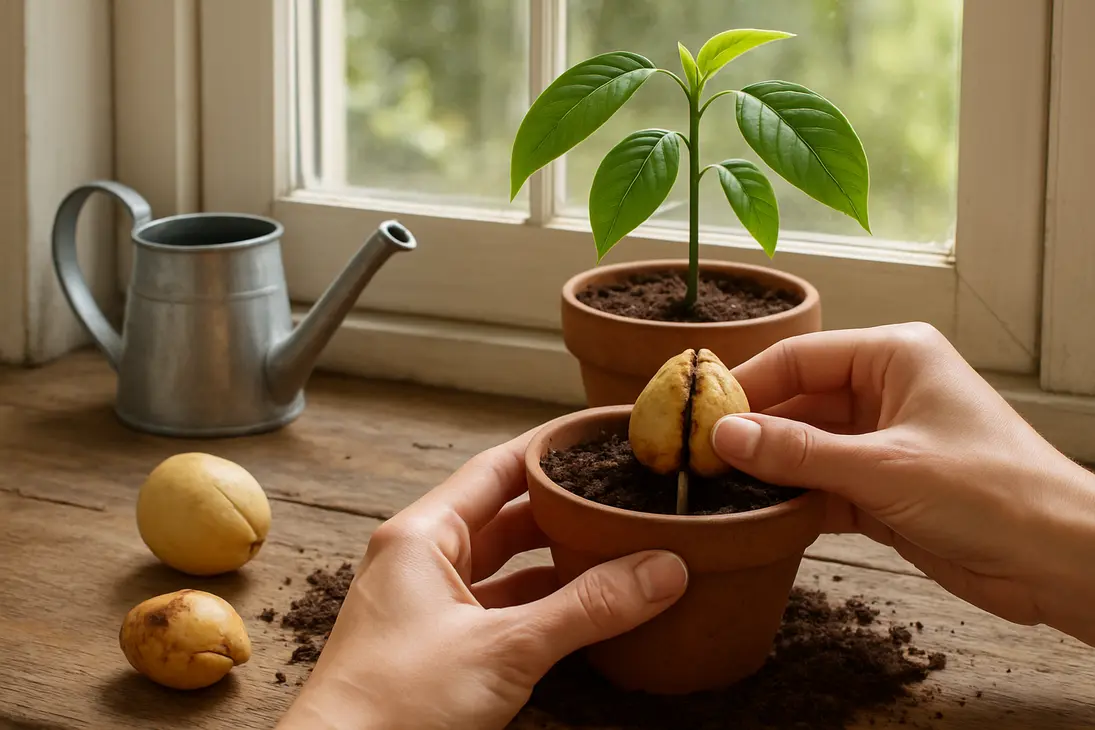
Follow the seed packet for depth and spacing. Planting too deep is a common reason seeds fail. Keep newly planted seeds evenly moist until they germinate, then shift gradually to deeper, less frequent watering.
Label what you plant. It seems unnecessary until seedlings and weeds look similar.
Maintain the garden weekly
A small weekly routine prevents many problems. Once or twice a week, check:
- Soil moisture
- Weeds
- Chewed leaves or insect clusters
- Yellowing, wilting, or stunted growth
- Plants that need tying or support
- Fruit ready to harvest
Harvest regularly. Picking beans, zucchini, basil, lettuce, and ripe tomatoes encourages continued production and prevents oversized fruit or mature seed from slowing the plant down.
Take notes on planting dates, varieties, weather extremes, pests, and flavor. “Lettuce failed” is vague. “Lettuce planted too late in hot weather bolted quickly” gives you a useful fix.
Avoid Common Beginner Gardening Mistakes
Beginner gardeners often struggle with the same issues: starting too big, buying too much, choosing plants for the wrong conditions, and feeling discouraged after failures. These are normal problems, not proof that you cannot garden.
Starting too big
The fastest way to dislike gardening is to create more garden than you can maintain. A large garden means more watering, weeding, pests, harvesting, and decisions.
Start with a few crops, such as:
- Two tomato plants
- One pot of basil
- One container of lettuce
- One row of beans
- One strawberry planter
If that goes well, expand next season. Add a raised bed, try another fruit, or start more crops from seed. Let confidence guide growth.
Buying too many tools and supplies
You do not need a shed full of equipment. Start with:
- Gloves
- Hand trowel
- Watering can or hose
- Pruners or scissors
- Compost
- Containers or one simple bed
- Plant labels
Container gardeners may need little beyond a trowel and watering can. In-ground gardeners may also need a shovel or garden fork.
Save money by reusing containers with drainage holes, borrowing tools, swapping seeds, and starting with a few plants. Do not buy every fertilizer, pest spray, trellis, gadget, or decorative pot before you know what your garden needs.
Spend where it matters: potting mix, compost, healthy seedlings, and containers large enough for roots.
Ignoring sunlight requirements
Sunlight is not optional for most vegetables. Tomatoes, peppers, beans, cucumbers, squash, strawberries, and berries need strong direct sun to produce well. With only two or three hours, they may survive but yield poorly.
Most fruiting vegetables need at least 6 hours of direct sun. Leafy greens and herbs can tolerate more shade, and in hot climates afternoon shade may help them last longer.
Observe your space before planting. Check it in the morning, midday, and afternoon. A spot that looks bright at breakfast may be shaded most of the day.
Giving up after early failures
Some seeds will not germinate. Seedlings may be eaten overnight. Tomatoes may split after heavy rain. Lettuce may bolt in heat. These things happen to experienced gardeners too.
When something fails, ask:
- Was it planted at the right time?
- Did it get enough sun?
- Was the soil too wet or too dry?
- Was the container large enough?
- Was there pest damage?
- Did it need support or pruning?
- Was the variety suited to the climate?
Change one or two variables next time. If you change everything at once, you will not know what helped.
Conclusion
Beginners can absolutely grow fruits and vegetables at home. The best first gardens are modest, practical, and easy to observe. Start with a few forgiving crops, choose a setup that fits your space, use good soil, water consistently, and pay attention to sunlight.
DIY gardening for beginners is not about mastering every technique before planting. It is about building a small system you can improve. Begin small, learn from each plant, and expand only after you understand what works in your own space.
FAQ
What is the easiest vegetable to grow for a beginner?
Radishes are one of the easiest because they grow quickly from seed and need little space. Lettuce, bush beans, and spinach are also good beginner choices. For a warm-season crop with a bigger harvest, try bush beans or a cherry tomato seedling in a sunny spot.
Can I start a vegetable garden on a small budget?
Yes. Start with containers or one small bed, grow from seed where practical, and buy only a few seedlings for slower crops like tomatoes and peppers. Focus on good soil or potting mix, water access, seeds or plants, and basic tools. Avoid buying too many supplies before you know what your garden needs.
How much sunlight do beginner vegetables need?
Most fruiting vegetables need at least 6 hours of direct sun per day, and many do better with 8 hours. Tomatoes, peppers, beans, cucumbers, squash, and strawberries need strong sun. Leafy greens and herbs tolerate more shade, especially in hot weather.
Is it better to start with seeds or seedlings?
Use both. Seeds are inexpensive and work well for lettuce, radishes, beans, peas, carrots, and spinach. Seedlings are better for slower crops like tomatoes, peppers, eggplants, and many herbs because they give beginners a head start.
You Might Also Like