Which Hydrangea Variety Handles Temperature Fluctuations Best?
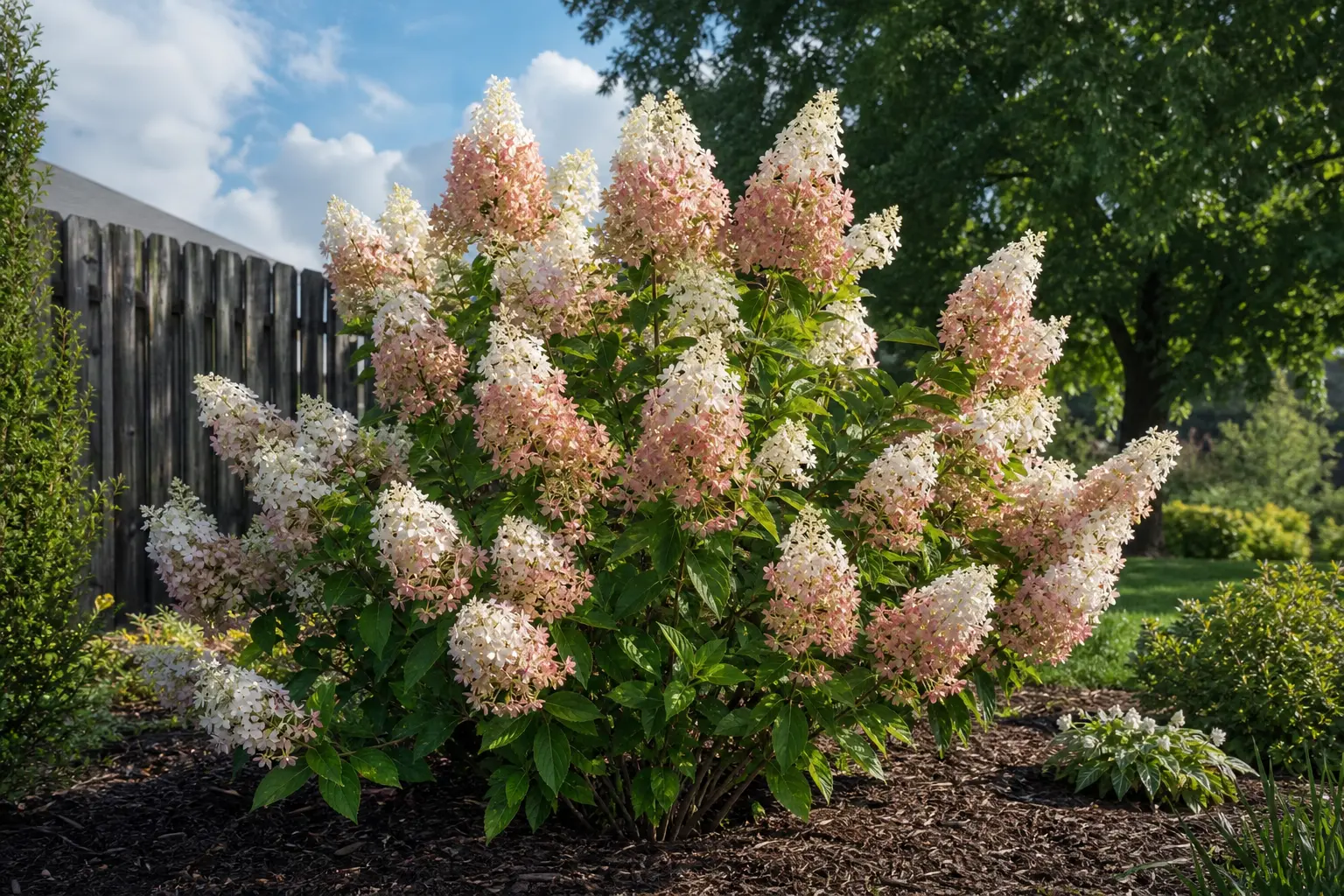
For gardeners dealing with hard winter freezes, hot summers, surprise spring frosts, or rapidly changing weather, the best temperature-resilient hydrangea variety is usually a panicle hydrangea (Hydrangea paniculata).
Panicle hydrangeas are more adaptable than most other commonly grown hydrangeas because they combine strong cold hardiness with comparatively good heat tolerance. Just as importantly, they flower on new wood—the current season’s growth. If winter cold or a late spring frost damages old stems, the shrub can still produce new shoots and flowers later that summer.
That does not mean panicle hydrangeas are indestructible. They still need adequate water, reasonably well-drained soil, and a planting site that is not relentlessly hot and dry. But when temperature swings are a regular part of gardening, they are generally the most dependable choice.
Best Choice: Panicle Hydrangeas for Heat, Cold, and Weather Swings
Panicle hydrangeas are native to parts of eastern Asia and have become dependable landscape shrubs across a broad range of climates. Their large, cone-shaped flower clusters usually begin white, cream, or pale green, then often develop pink or rose tones as the season progresses.
Their main advantage is not simply that they tolerate cold or heat individually. It is that they recover well when weather is inconsistent.
A panicle hydrangea can usually handle:
- Cold winters in many areas as cold as USDA Zone 3
- Late winter and early spring temperature swings
- Summer heat better than bigleaf hydrangeas, especially once established
- Full morning sun and, in cooler climates, substantially more direct sun
- Winter damage without losing its entire flowering season
Because flower buds form on new stems each year, panicle hydrangeas are less likely to leave you with a healthy-looking green shrub but no blooms after a difficult winter. This is a common frustration with old-wood hydrangeas, especially bigleaf types.
Recommended Panicle Hydrangea Cultivars
All panicle hydrangeas share the same basic resilience, but mature size matters. A compact cultivar is not automatically tougher than a large one; it simply suits a different garden space.
| Cultivar | Typical Mature Size | Hardiness Range | Sun Tolerance | Best Use |
|---|---|---|---|---|
| ‘Limelight’ | 6–8 feet tall and wide | Zones 3–8 | Full sun to part shade; afternoon shade helps in hot climates | Large borders, hedges, focal-point shrubs |
| Little Lime® | 3–5 feet tall and wide | Zones 3–8 | Full sun to part shade | Smaller gardens, foundation beds, mixed borders |
| ‘Bobo’ | About 2½–3 feet tall, 3–4 feet wide | Zones 3–8 | Full sun to part shade | Low borders, containers, compact planting areas |
| ‘Pinky Winky’ | 6–8 feet tall and wide | Zones 3–8 | Full sun to part shade | Large spaces and gardeners wanting strong pink aging color |
| Quick Fire® | 6–8 feet tall and wide | Zones 3–8 | Full sun to part shade | Earlier flowers and a longer display season |
‘Limelight’ is often the practical choice for gardeners who have space for a large shrub. It is vigorous, widely adaptable, and its pale green-to-pink flowers hold up well in the landscape.
Little Lime® offers a similar look in a more manageable size. It is useful where a standard ‘Limelight’ would eventually crowd a walkway, window, or neighboring shrub.
‘Bobo’ is one of the better options for a compact sunny border, though small plants can dry out faster than larger, established shrubs during heat waves. Give it enough root-room and do not assume its size means it needs less attention in the first two years.
Quick Fire® is valued for flowering earlier than many panicle hydrangeas. In regions with a shorter growing season or an early autumn frost, earlier bloom can be especially welcome.
Match the Hydrangea to Your Climate and Planting Site
Even the most temperature-resilient hydrangea variety will struggle if its location creates multiple stresses at once. A shrub planted against a heat-reflecting south or west wall, in compacted soil, and exposed to winter wind faces a much harder situation than the same cultivar planted in a protected bed with mulch and decent drainage.
Before choosing a hydrangea, consider:
- USDA hardiness zone: This reflects average winter minimum temperatures, not summer heat, wind, rainfall, or late frost patterns.
- Summer conditions: Long periods above 90°F, dry wind, and intense afternoon sun increase moisture stress.
- Winter exposure: Open, windy locations can dry and damage stems, especially when temperatures repeatedly freeze and thaw.
- Spring frost pattern: Low spots often collect cold air and may frost later than surrounding ground.
- Soil drainage: Hydrangeas need moisture, but their roots should not sit in saturated soil.
- Sun timing: Morning sun is gentler than late-day sun. In warm climates, filtered light or afternoon shade can make a major difference.
A panicle hydrangea in Zone 5 may thrive in full sun all day, while the same plant in a hot Zone 8 site may perform better with morning sun and relief from the strongest afternoon heat. “Full sun” on a plant label is not a promise that every climate and exposure will produce the same result.
How Other Hydrangea Types Compare
Other hydrangeas can be excellent garden plants, but they usually involve more trade-offs where weather fluctuates sharply.
| Hydrangea Type | General Temperature Strengths | Main Weather Vulnerabilities | Blooming Wood |
|---|---|---|---|
| Panicle (H. paniculata) | Strong cold tolerance, good heat tolerance, reliable recovery | Can wilt in severe dry heat; needs water while establishing | New wood |
| Smooth (H. arborescens) | Cold hardy, adaptable, flowers reliably after winter | Can scorch or wilt in hot, dry, exposed sites | New wood |
| Oakleaf (H. quercifolia) | Good heat tolerance and attractive fall color | Less cold hardy than panicle types; flower buds may be winter damaged | Mostly old wood |
| Bigleaf (H. macrophylla) | Excellent in mild, moist climates and shade | Heat stress, drought, winter bud loss, late frost damage | Usually old wood; some rebloom |
| Mountain (H. serrata) | Often somewhat more cold-tolerant than bigleaf types | Still vulnerable to drying heat and frost damage to buds | Usually old wood; some rebloom |
Smooth hydrangeas are the closest alternative if dependable flowering after winter is your priority. Cultivars such as ‘Annabelle’ and its relatives bloom on new wood and tolerate cold well. However, in hot climates they often appreciate more afternoon shade than panicle hydrangeas.
Oakleaf hydrangeas are more heat-tolerant than bigleaf hydrangeas and are excellent for woodland edges or sites with bright morning sun. Their weakness is that they generally bloom on old wood. Severe winter cold or a late frost can reduce flowering.
Bigleaf hydrangeas—the familiar blue, pink, or purple mopheads and lacecaps—are often the least forgiving choice for major temperature fluctuation. Their leaves can wilt quickly in heat, and their flower buds may be damaged by winter cold or a spring freeze. Reblooming varieties can sometimes produce later flowers on new growth, but they are still less predictable than panicle hydrangeas in challenging climates.
Mountain hydrangeas are similar to bigleaf types but are often somewhat hardier and more compact. They remain best suited to gardens with moderated summer heat, reliable moisture, and protection from harsh winter exposure.
Avoiding Late-Frost Bloom Loss
A late frost does not usually kill a well-established hydrangea shrub outright. The more common problem is that it kills tender new growth or flower buds.
This matters most with hydrangeas that bloom on old wood. Bigleaf, mountain, and many oakleaf hydrangeas set their flower buds during the previous growing season. If those buds are exposed to winter injury or a hard frost after they begin growing in spring, that year’s flowers may be lost.
Panicle and smooth hydrangeas avoid much of this problem because they form flowers on new growth. A late frost may burn the first emerging leaves, but the plant can normally send out replacement shoots and still bloom.
For a garden that regularly sees warm March weather followed by an April freeze, choosing a new-wood bloomer is more effective than trying to cover a large shrub every spring.
Help Hydrangeas Cope With Heat and Rapid Temperature Changes
A hydrangea’s temperature tolerance depends partly on how steadily it can access water through its roots. Hot sun, warm wind, and low humidity pull moisture from leaves faster than roots can replace it. That is why a shrub may look fine in the morning and dramatically wilted by late afternoon.
To reduce stress:
- Give panicle hydrangeas morning sun and, in hot areas, filtered light or shade after the hottest part of the day.
- Keep a 2–3 inch mulch layer over the root zone, leaving a small gap around the stems.
- Protect plants from drying wind with a fence, hedge, neighboring shrubs, or a less exposed placement.
- Avoid planting beside pavement, brick walls, or reflective surfaces that intensify heat.
- Water deeply enough to moisten the root zone rather than applying frequent light sprinkles.
- Do not fertilize a drought-stressed hydrangea. Fertilizer can push tender growth when the plant needs to focus on recovery.
Gardeners often describe hydrangeas as “dramatic” because their leaves show moisture stress quickly. That visible response can be useful: it tells you to check the soil and site conditions rather than blindly increasing the watering schedule.
Water According to Weather, Not a Fixed Schedule
A schedule such as “water every three days” is only a starting point. A cool, cloudy week may require little supplemental water, while a few hot, windy days can dry the same bed quickly.
Check soil moisture before watering. Insert a finger or trowel a few inches into the soil near the outer edge of the root zone. If it feels dry below the surface, water slowly and deeply. If it is still moist, wait.
Newly planted hydrangeas need especially close monitoring because their roots have not yet reached surrounding soil. During their first growing season, they may need watering several times a week in hot or dry weather. Established shrubs usually need less frequent irrigation, though they still benefit from deep watering during drought.
Factors that increase watering needs include:
- High temperatures
- Bright afternoon sun
- Windy weather
- Sandy or fast-draining soil
- Dense root competition from trees
- Recent planting
- Container growing
Factors that reduce watering needs include cool weather, rain, shade, and heavier moisture-retentive soil. However, heavy soil can create a different problem: it may remain wet too long around the roots.
Prevent Wilting Without Waterlogging the Roots
Afternoon wilting does not automatically mean a hydrangea needs more water. If the shrub perks up by evening or the next morning and the soil is moist, it may be responding temporarily to heat. Repeatedly soaking already wet soil can damage roots and make the plant less able to cope with heat.
Look for the difference between temporary heat wilt and a true water problem:
- Temporary heat wilt: Leaves droop during the hottest hours but recover as temperatures fall; soil is still moderately moist.
- Underwatering: Leaves stay limp into evening or morning; soil is dry several inches down; leaf edges may become brown or crisp.
- Overwatering or poor drainage: Leaves may remain limp despite wet soil; foliage can yellow; growth may be weak; the root area stays soggy after rain.
Hydrangeas prefer soil that holds moisture while allowing excess water to drain away. If your soil is dense clay or a bed remains wet after storms, plant the shrub slightly high so the crown and upper roots sit above the surrounding grade. Blend compost into the planting area to improve soil structure, but avoid creating a rich, loose “bathtub” surrounded by solid clay, where water can collect around the roots.
Planting and Seasonal Care for a More Resilient Shrub
Good planting practices give a hydrangea a better chance of handling weather extremes.
Dig a hole no deeper than the root ball and roughly two to three times as wide. Set the plant so the top of its root ball is level with, or slightly above, the surrounding soil—particularly in heavy ground. Planting too deeply can leave the crown wet and reduce oxygen around the roots.
Backfill with the native soil loosened from the hole, adding modest compost if the soil is poor or lacks organic matter. The goal is improved structure, not an overly rich pocket that dries or drains differently from the rest of the bed.
After planting:
- Water thoroughly to settle soil around the roots.
- Add mulch over the root zone, without piling it against stems.
- Monitor soil moisture closely through the first summer.
- Avoid heavy pruning during the first season unless removing damaged stems.
- Delay aggressive fertilizing until the shrub is established.
For pruning, panicle hydrangeas are straightforward. Because they bloom on new wood, prune in late winter or early spring before vigorous growth begins. Remove dead, crossing, weak, or crowded branches first. You can shorten the remaining stems to control size, but avoid cutting a mature shrub to the ground unless you are prepared for very large, sometimes floppy new growth.
Newly planted hydrangeas in cold, windy regions benefit from winter protection during their first year or two. A mulch layer over the root zone helps moderate soil temperature. If rabbits, deer, or drying wind are issues, a loose protective cage or wind barrier can help. Do not wrap plants tightly in plastic, which can trap moisture and create damaging temperature swings.
Conclusion
For most gardens with pronounced temperature changes, a panicle hydrangea is the safest and most reliable choice. Hydrangea paniculata combines cold hardiness, better heat tolerance than many popular hydrangea types, and dependable flowering on new wood.
Choose the cultivar based on your available space, then give it soil that drains well, steady moisture during hot spells, mulch, and some afternoon protection if summers are intense. With those conditions in place, panicle hydrangeas are far less likely than bigleaf or other old-wood types to lose their blooms after a difficult winter, late frost, or unpredictable spring.
FAQ
What is the most heat-tolerant hydrangea variety?
Panicle hydrangeas are among the best choices for heat, especially when they receive adequate moisture and some afternoon shade in hotter climates. Oakleaf hydrangeas also handle warmth well, particularly in lightly shaded woodland-style settings.
No hydrangea is a good candidate for a dry, blazing, reflected-heat location without irrigation. Even heat-tolerant types can scorch, wilt, or decline if the soil repeatedly dries out.
Can panicle hydrangeas grow in full sun?
Yes. In cool to moderate summer climates, panicle hydrangeas can grow and flower well in full sun. In areas with very hot summers, they usually perform best with morning sun and afternoon shade, or with all-day sun only if soil moisture is consistently maintained.
A plant that receives six hours of sun in a mild northern climate experiences a very different level of stress than one receiving six hours of intense sun beside a west-facing wall in a hot climate.
Why does my hydrangea wilt on hot afternoons?
Hydrangea leaves wilt when they lose water faster than roots can replace it. This can happen temporarily during intense heat even when the soil is still moist. If the plant recovers by evening or morning, it may not need immediate watering.
If it remains wilted after temperatures cool, check the soil several inches below the surface. Dry soil points to underwatering; wet, heavy soil may indicate poor drainage or root stress. Improve the site rather than simply watering more often.
Will a late frost kill my hydrangea blooms?
It can, particularly on hydrangeas that bloom on old wood, such as many bigleaf, mountain, and oakleaf varieties. A late frost may kill developing flower buds, leaving the shrub alive but bloomless for the season.
Panicle and smooth hydrangeas are less likely to lose the entire display because they bloom on new growth produced after winter. A frost may damage early leaves, but new shoots and flowers can still develop later in the season.
You Might Also Like