Can Bonsai Techniques Be Used on Shrubs and Trees?
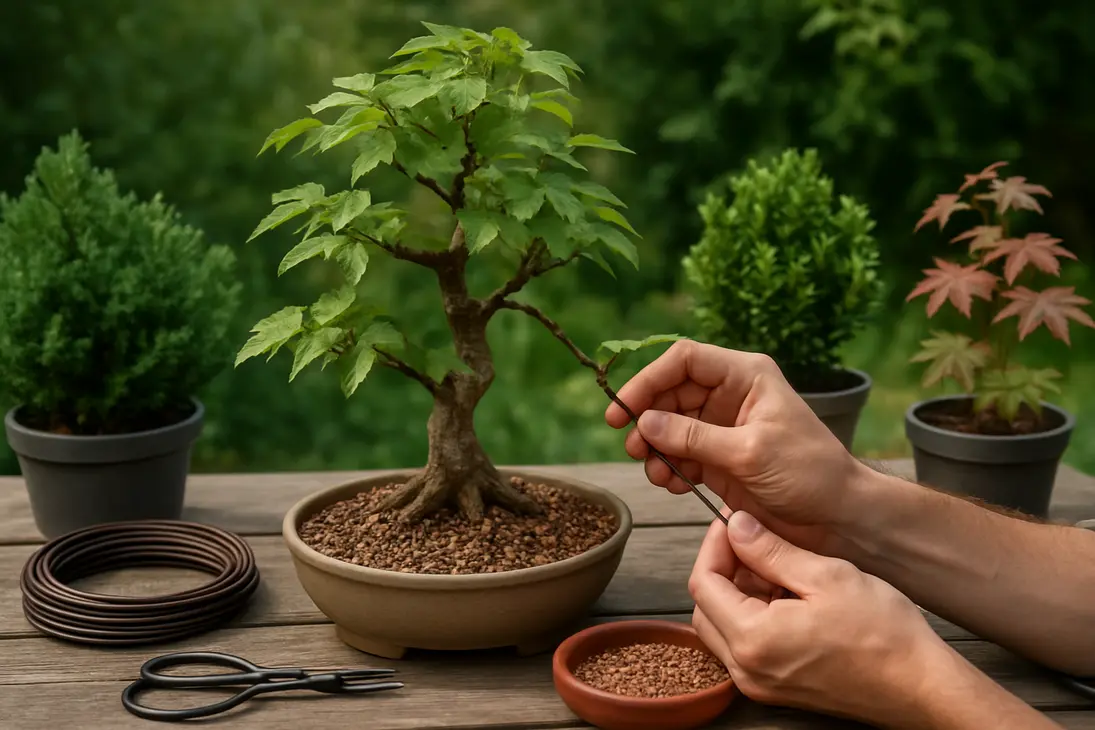
Yes. Bonsai techniques can be used on many shrubs and trees if the plant is woody, healthy, and able to tolerate repeated pruning, root work, and container culture. Bonsai is not a plant species; it is a training method that uses pruning, wiring, root management, pot choice, and aftercare to create the appearance of an old tree in miniature.
Not every plant responds well. Some dislike root disturbance, some will not bud from old wood, and some have leaves or internodes that remain too large for convincing scale. Success comes from matching the technique to the plant rather than treating every shrub or tree the same way.
Choosing Shrubs and Trees That Respond Well to Bonsai Techniques
Good bonsai candidates survive long-term container life and recover from regular shaping. An attractive trunk or cheap nursery price helps, but growth habit matters more. The goal is not to genetically dwarf the plant; it is to manage size, shape, and vigor over time.
Good Candidate Traits
Strong candidates usually have several of these traits:
- Small leaves or needles: Smaller foliage looks more proportional.
- Flexible young branches: Easier to wire and bend without breakage.
- Strong back-budding: The plant can produce new shoots from older wood after pruning.
- Pruning tolerance: It recovers well from repeated trimming.
- Interesting trunk, bark, or branching: Mature-looking features improve the design sooner.
Health matters more than age. A vigorous young plant is usually better than an old, weak shrub that has been neglected or recently transplanted.
Shrubs Commonly Used for Bonsai-Style Training
Useful shrub choices include:
- Boxwood: Small leaves, dense growth, and good pruning tolerance. Avoid shading the interior too heavily.
- Juniper: Classic evergreen bonsai material with flexible branches. It needs outdoor light, not dim indoor conditions.
- Cotoneaster: Small leaves, flowers, and berries; good for informal, slanting, or cascading forms.
- Azalea: Valued for flowers and fine branching; needs acidic conditions and pruning after bloom.
- Rosemary: Can develop rugged trunks, but dislikes wet roots and may not resprout from old bare wood.
- Privet: Fast-growing and forgiving, useful for learning branch development.
- Hibiscus in warm climates: Trainable in containers, though leaves and flowers may stay large.
Let the plant’s natural habit guide the design. A sprawling shrub may suit a cascade better than a formal upright tree.
Trees Commonly Used for Bonsai
Many landscape trees also work as bonsai. Common choices include:
- Maple: Excellent for seasonal color and fine branching, especially Japanese and trident maple.
- Elm: Forgiving, vigorous, and good at producing new shoots after pruning.
- Pine: Classic but species-specific; pines do not respond like deciduous trees.
- Spruce: Possible, though often brittle and slower to back-bud.
- Ficus: One of the best indoor bonsai choices in bright conditions.
- Olive: Drought-tolerant, rugged, and characterful.
- Oak and slow-growing hardwoods: Possible but require patience.
Climate matters. Temperate trees need winter dormancy and usually cannot live indoors year-round. Tropical species need protection from cold.
Core Bonsai Techniques for Shrubs and Trees
Bonsai training combines pruning, wiring, root management, and container culture, but not all at once and not identically for every species.
Pruning for Shape and Scale
Pruning creates the structure and scale of a miniature tree.
Structural pruning sets the design: choosing the front, identifying the trunk line, removing competing trunks, shortening awkward branches, and selecting primary branches.
Maintenance pruning keeps the plant compact after the structure is established. New shoots are shortened to encourage branching and maintain proportion.
Leaf pruning or partial defoliation may be used on healthy deciduous trees to encourage smaller leaves and finer branching. It is not suitable for weak plants, newly repotted plants, or many evergreens. Partial defoliation is usually safer than removing every leaf.
Every cut should have a purpose: improving structure, light penetration, taper, or branch placement.
Wiring and Branch Positioning
Wiring bends branches into natural or artistic positions. It works best on young, flexible growth before branches harden.
Apply wire firmly enough to hold the branch, but not so tightly that it cuts into the bark. Check often, especially during active growth, because wire can scar quickly.
Juniper, pine, and many young deciduous branches wire well. Boxwood, rosemary, azalea, and older spruce branches may be brittle, so clip-and-grow methods, guy wires, or gradual bending may be safer. If a branch strongly resists, do not force it.
Root Pruning and Repotting
Root pruning keeps a bonsai healthy in limited space. It removes circling roots, shortens long roots, encourages finer feeder roots, and replaces compacted soil with a more suitable mix.
Timing depends on plant type. Many deciduous trees are repotted as buds swell in late winter or early spring. Tropicals are often repotted during warm active growth. Conifers usually need more conservative root work.
Do not usually take a large nursery shrub, heavily root-prune it, severely top-prune it, wire it, and place it into a shallow bonsai pot on the same day. Stage the work over seasons: establish health and structure first, reduce roots gradually, then move to a bonsai container when the plant can handle it.
Pot Selection and Soil Mix
A shallow pot creates scale, but it is not always the best first container. Training pots, pond baskets, wooden boxes, or deeper nursery containers may be better while the trunk thickens and roots develop.
Bonsai soil should drain quickly while holding enough moisture for the species. Dense garden soil usually compacts in shallow pots, limiting oxygen and keeping roots too wet.
| Plant type | Container approach | Soil priority |
|---|---|---|
| Juniper, pine, olive, rosemary | Avoid constantly wet pots | Fast drainage and aeration |
| Azalea, cotoneaster | Do not let dry completely | Moisture with drainage |
| Maple, elm | Moderate depth during training | Balanced water and air |
| Ficus, tropical hibiscus | Warm, stable roots | Even moisture, not sogginess |
Drainage holes are essential. Decorative containers without drainage are not suitable for long-term bonsai.
Applying Bonsai Methods to Different Plant Types
The same technique affects different plants differently. A maple may produce many new shoots after pruning, while a pine may weaken if too much foliage is removed.
Conifers: Juniper, Pine, Spruce
Conifers need gradual work because they rely heavily on existing green foliage. Many do not replace growth removed from old bare wood.
With juniper, avoid cutting back to branches with no green growth unless creating deadwood. Junipers can be wired dramatically, but they still need enough foliage to recover.
Pines require species-specific timing. Some are managed through candle pruning, while others respond differently. Removing too many needles or cutting into old wood can weaken them.
Spruce can make beautiful bonsai, but branches may be brittle and back-budding less predictable. Wire carefully, bend gradually, and avoid severe foliage reduction.
For most conifers, style in stages and avoid combining major root pruning with major top pruning unless you know the species tolerates it.
Deciduous Trees: Maple, Elm, Oak
Deciduous trees are often more forgiving because many produce new shoots after pruning. Maple and elm respond well to clip-and-grow training: allow a shoot to extend, then cut it back to a bud facing the direction you want the next branch section to grow.
Oaks and other slow-growing hardwoods can be trained, but they develop more slowly and often need conservative root work.
Repotting is commonly done during dormancy or just as growth begins. The safest window is usually when the tree is ready to grow strongly but before leaves are fully expanded.
Leaf size is managed through light, balanced feeding, pruning, and controlled vigor—not by starving the tree. A weak tree may have smaller leaves, but it will not build strong structure.
Flowering Shrubs: Azalea, Cotoneaster, Hibiscus
Flowering shrubs require a balance between shape and bloom. Prune at the wrong time and you may remove flower buds.
Azaleas are often pruned after flowering, allowing you to enjoy the bloom and then shape the plant. Cotoneaster can flower and fruit on compact growth, so prune without removing all flowering wood if berries matter. Hibiscus can be trained in warm climates or protected containers, but its flowers and leaves may remain large.
For flowering shrubs, decide the season’s priority: flowers, branch development, or recovery. You may not get all three at once.
Woody Herbs and Small Shrubs: Rosemary, Lavender, Thyme
Woody herbs such as rosemary and thyme can make attractive bonsai-style plants because of their small leaves and aged-looking stems. They are not always forgiving.
Rosemary and lavender often do not resprout from old bare wood. Shape them with light, frequent trimming rather than severe cuts below active foliage.
Drainage is critical. Use a gritty, fast-draining mix and avoid oversized containers that stay wet. Do not pack dense mulch or fresh grass clippings around the trunk; they can hold moisture and reduce air flow.
Care After Training: Water, Feeding, Light, and Recovery
Many failures happen after styling. A plant may survive pruning or wiring but decline later from poor watering, low light, premature fertilizing, or harsh exposure.
Watering After Bonsai Work
Water according to soil dryness, not a fixed schedule. A shallow pot may dry quickly in warm wind but stay damp for days in cool weather.
After repotting, monitor closely. Fresh bonsai mix may drain faster than old nursery soil, while reduced roots may absorb water less efficiently. Water thoroughly when needed, then let excess drain freely. The goal is appropriate even moisture, not constant saturation.
Fertilizing Shrubs and Trees in Bonsai Containers
Bonsai are not kept small by starvation. Healthy growth is needed for healing cuts, producing roots, and building branches.
Feed during active growth according to species and season. Fast deciduous trees may need more regular feeding than slow conifers. Flowering shrubs may need feeding timed around bloom and recovery.
After severe root pruning, reduce or pause fertilizer until the plant shows signs of recovery. Fertilizer cannot fix problems caused by root damage, poor watering, heat, cold, or low light.
Light and Placement
Match placement to the plant. Juniper, pine, olive, rosemary, and many deciduous trees need outdoor light and seasonal conditions. Indoors on a dim windowsill, they usually decline.
Ficus and some tropical hibiscus can grow indoors with very bright light and stable warmth. Even then, growth may be stronger outdoors in warm weather.
Recently worked plants need protection from extreme heat, drying wind, and hard frost. Bright shade or morning sun may help during recovery, but protection should not mean darkness.
Common Beginner Mistakes When Using Bonsai Techniques
Beginners often lose plants by applying too much stress too quickly. Bonsai is a long-term process.
Doing Too Much at Once
Avoid heavy pruning, root work, wiring, and repotting in one session, especially with nursery shrubs. A safer sequence is:
- Choose the trunk line and remove only unnecessary branches.
- Let the plant regain strength.
- Do moderate root work at the right season.
- Move to a training pot before a shallow display pot.
- Refine branches over several growing seasons.
Some vigorous species tolerate more, but staged work is safer.
Treating Every Plant the Same
A conifer is not a maple, and rosemary is not ficus. Plants store energy, bud, flower, and recover differently.
Before major cuts, learn whether the plant can bud from old wood, when it sets flowers, and when repotting is safest. Species-specific timing is especially important for pines, azaleas, and woody herbs.
Poor Drainage or Overwatering
Poor drainage quickly kills bonsai in shallow containers. Roots need oxygen as well as moisture.
Overwatering means the root zone stays wet too long. Causes include dense soil, blocked drainage, cool weather, excessive shade, or an oversized pot. Use a free-draining mix, keep drainage holes open, and water only when needed.
Pruning at the Wrong Time
Wrong-time pruning can remove flower buds, weaken recovery, or expose tender growth to damage.
Many deciduous trees tolerate major shaping in late winter or early spring. Flowering shrubs are often pruned after bloom. Conifers need more cautious, species-specific timing and should not be stripped of too much foliage. If unsure, make fewer cuts and observe the response.
Conclusion
Bonsai techniques can be used on many shrubs and trees, but success depends on plant choice and timing. Small foliage, flexible branches, pruning tolerance, and strong back-budding make a plant easier to train.
Pruning, wiring, root reduction, and shallow containers are powerful tools, but they are also stresses. Used gradually, they can turn nursery shrubs, garden trees, and woody herbs into long-lived bonsai-style plants. Used aggressively, they can weaken or kill even tough species.
Start with a healthy plant, learn its growth habits, work in stages, and give recovery care as much attention as styling.
FAQ
Can any shrub or tree be turned into a bonsai?
No. Many woody plants can be trained with bonsai methods, but the best candidates tolerate pruning, produce new growth after cutting, have reasonably small foliage, and can live in containers long term.
Is bonsai bad for shrubs and trees?
No, not when done correctly. Problems usually come from over-pruning, poor timing, poor drainage, weak plants, or inadequate aftercare. A well-maintained bonsai can live for many years.
When is the best time to prune a shrub or tree for bonsai?
It depends on the species. Many deciduous trees are shaped in late winter or early spring. Flowering shrubs are often pruned after bloom. Conifers need more cautious, species-specific timing.
Can I use a garden shrub from a nursery for bonsai?
Yes. Nursery shrubs can be excellent starting material. Transition them gradually: improve branch structure, reduce roots in stages, move to a training container, and only later use a shallow bonsai pot.
You Might Also Like