What Are Fungus Gnats? How to Identify Them, Find the Source, and Break the Life Cycle
Fungus gnats are small flies whose eggs, larvae, and pupae develop in moist, organic growing media, usually potting mix. The adults are mostly an indoor nuisance: they do not bite people or pets and do not directly damage plants. The larvae are the stage that matters — in large numbers they can feed on the tender roots of seedlings, cuttings, plugs, and stressed plants.
Lasting control means identifying the correct insect, locating the breeding medium, reducing unnecessary moisture, monitoring adults, and treating larvae when needed. Gnats can arrive with new plants, potting mix, or open doors, but populations expand only while moist media remains available. Sticky traps alone do not treat the growing medium, and repotting every plant is rarely necessary.
Key Takeaways
- Identify the insect before treating: Adult fungus gnats are small, dark, mosquito-like flies with long legs and antennae that rise from pots when disturbed. Confirm them by body shape, weak flight, and larvae in the soil, since lookalikes like fruit flies, drain flies, and springtails breed elsewhere and need different control.
- Larvae in moist media are the real problem: Adults do not bite and rarely harm mature plants, while larvae living in moist organic potting mix can damage the tender roots of seedlings, cuttings, plugs, and stressed plants.
- Persistent moisture enables reproduction: Gnats can arrive with new plants, potting mix, or open doors, but populations grow only while moist media remains available, so correct watering, drainage, light, pot size, and standing water.
- Break the cycle with layered control: Yellow sticky cards monitor adults and potato discs confirm larvae, while a labelled Bti, azadirachtin, or nematode product targets larvae when justified; traps alone never kill larvae and repotting is only needed when the medium or roots justify it.
- Judge progress by trends, not instant zero: Existing adults can linger and pupae may still emerge, so success looks like fewer adults per interval over several weeks; prevent reinfestation by checking new plants and storing potting mix sealed and dry.
What Are Fungus Gnats, and How Can You Confirm the Identification?
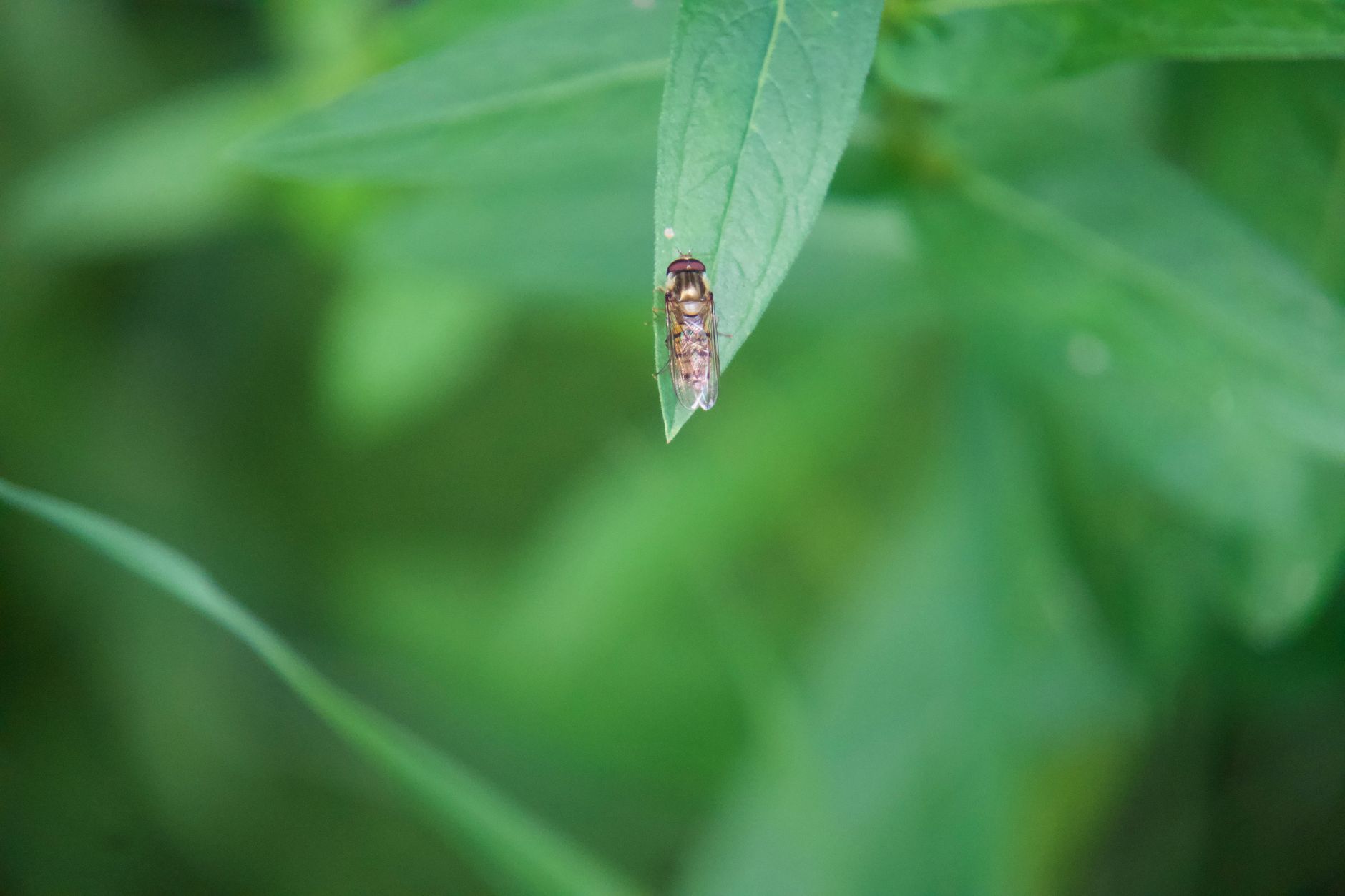
Most houseplant fungus gnats belong to the dark-winged fungus gnat family Sciaridae, commonly the genus Bradysia and related groups. The visible adult is only one stage — most of the population stays hidden in the growing medium, which is why infestations seem to refill themselves.
What Adult Fungus Gnats Look Like
Adults are about 1/16 to 1/8 inch long, dark grey, brown, or black, with slender bodies, long legs, and long antennae. They are weak fliers, so you will see them running over potting mix and rising when a pot is watered or disturbed. A magnified Y-shaped wing vein confirms the identification; colour alone is not reliable.
What Fungus Gnat Larvae, Eggs, and Pupae Look Like
Larvae are translucent to whitish, legless, and worm-like, with a distinct shiny black head capsule, reaching about 1/4 inch when mature. They live in the moist upper layers of the medium, around decaying roots, algae, fungi, and organic debris. Eggs are tiny and usually invisible during a normal pot inspection, while pupae sit in or near the medium and are easily overlooked — so pupae can still produce adults after a treatment has begun.
Fungus Gnats vs. Fruit Flies, Drain Flies, Shore Flies, and Springtails
Trace the insects back to where they rest and breed before treating houseplant soil. The breeding site — food, plumbing, algae, or pots — identifies the pest.
- Fruit or vinegar fly: compact, tan to brown, faster flight, often visible around food; activity stays concentrated around food rather than pots.
- Drain fly: fuzzy, moth-like wings, often rests on walls near plumbing; clusters around sinks and drains.
- Shore fly: more robust than a fungus gnat, short antennae, smoky wings with pale spots; often associated with obvious algae.
- Springtail: tiny, wingless, often white, grey, or dark; jumps rather than flies; usually a moisture indicator rather than a fly infestation.
- Winged aphid or whitefly: associated with foliage rather than soil; leaf colonies, honeydew, or insects flying when foliage is disturbed.
Each needs a different response, so do not diagnose from a sticky trap alone.
Signs That Confirm a Fungus Gnat Population
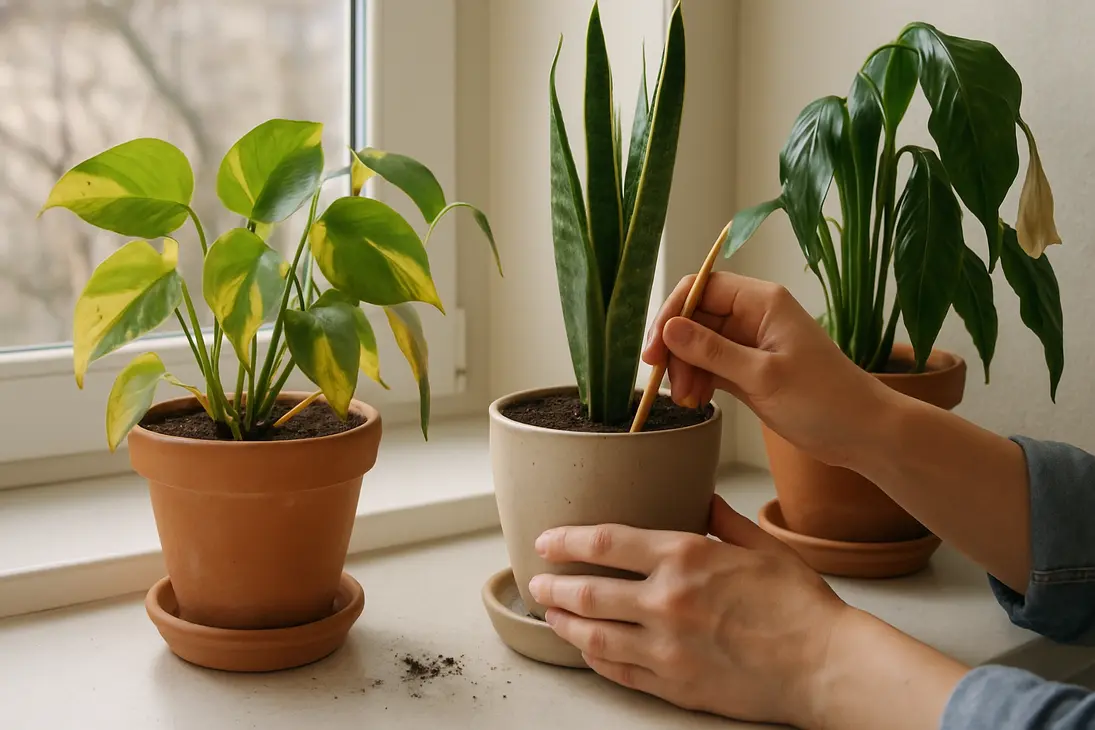
Strong evidence includes adults walking or flying over potting mix, adults rising after watering, repeated captures on traps at pot level, and translucent black-headed larvae beneath potato slices or in very wet media. Symptoms like wilting, yellowing, or seedling collapse are nonspecific — they can also come from overwatering, low light, or root rot.
Are Fungus Gnats Harmful to Mature Houseplants?
Adults do not bite or chew plant tissue; they are primarily a nuisance. Larvae mainly feed on fungi and decomposing organic matter but may damage root hairs and tender roots when numerous. Seedlings, fresh cuttings, plugs, weak plants, and pots kept persistently saturated are highest risk, while a healthy mature plant with a few adults is lower risk. Severe damage usually involves both larvae and the wet conditions that allowed them to multiply.
Why Fungus Gnats Appear and Keep Reproducing
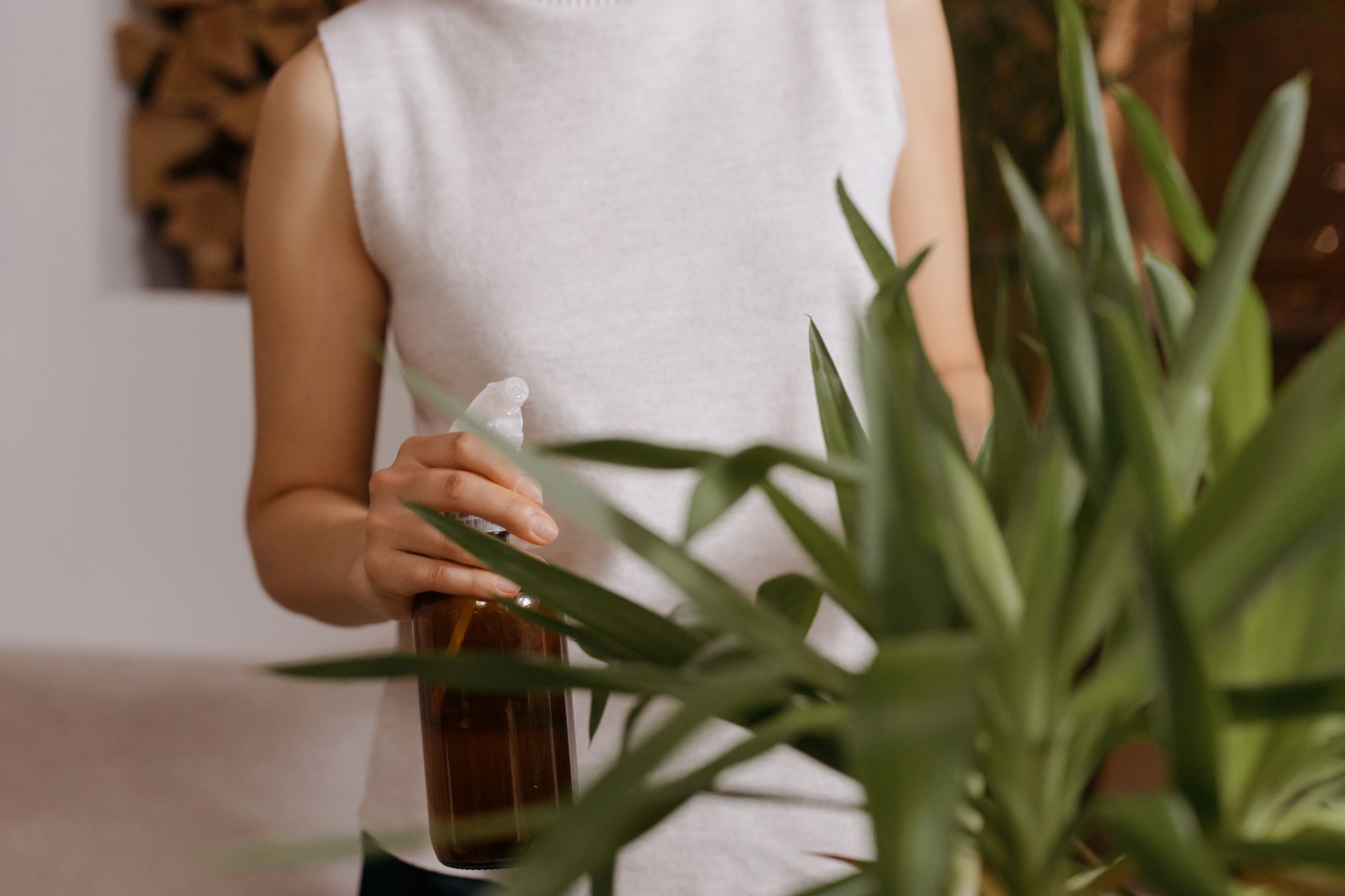
A pot can stay wet too long for many reasons — watering frequency, low light, cooler seasonal temperatures, an oversized container, poor drainage, dense or broken-down mix, standing water, or a self-watering reservoir. Persistent moisture, not the original introduction, drives the population.
The Fungus Gnat Life Cycle
Fungus gnats pass through egg, larva, pupa, and adult stages. Eggs are laid in moist organic media, larvae are the main feeding stage, pupae remain protected in or near the medium, and adults are short-lived and primarily reproduce. At warm indoor temperatures a generation may be completed in roughly a few weeks, while cooler conditions slow development and generations overlap indoors.
How Fungus Gnats Enter the Home
Entry routes include nursery plants, rooted plugs, seedlings, plants brought indoors after summer, commercial potting media, open potting-mix bags, outdoor compost or garden soil, and adults flying in through openings. Research shows fungus gnats can emerge from some tested commercial soilless media and rooted plugs, so these materials can be introduction sources.
Moisture Is the Enabling Condition, Not Always the Original Source
Moist media attracts egg-laying females, supports the fungi and algae that larvae eat, and helps eggs and larvae survive. “Overwatering” can mean watering too frequently, media drying too slowly, water sitting in a cachepot, low light, or a pot larger than the root system. Persistent moist growing media is what allows an introduced population to reproduce and establish.
Why Fungus Gnats Often Seem Worse in Fall and Winter
Shorter days reduce plant growth and water use, cooler conditions slow evaporation, and people often continue a summer watering schedule. Plants brought indoors may carry eggs or larvae, and indoor warmth allows reproduction to continue. Reassess watering after seasonal light changes and after moving plants indoors.
Which Pots Become the Main Breeding Sites
Check the pots that stay damp longest: oversized pots, pots without drainage, cachepots with standing water, old or compacted mix, seed trays and propagation boxes, moss poles, pots with dead roots or bulbs, self-watering containers, and recently purchased plants. Open potting-mix bags can breed gnats too. The pot with the most visible adults may not be the only source.
How to Break the Fungus Gnat Life Cycle
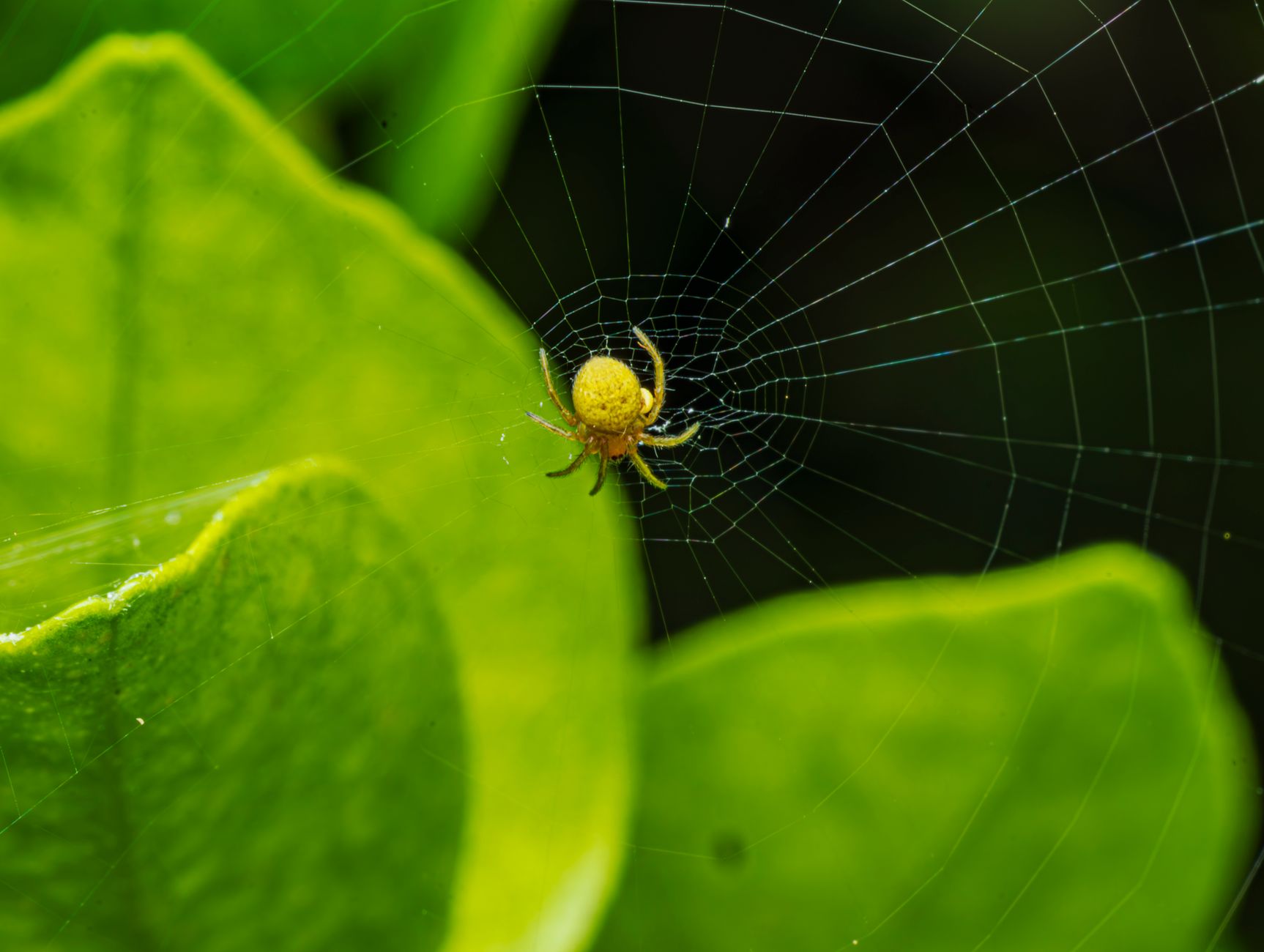
A layered plan works better than any single product: confirm the insect, audit the whole collection, correct standing water and slow drying, install monitoring traps, check for larvae, and use one appropriate labelled larval treatment when justified. Each method targets a different life stage.
Audit the Whole Plant Collection
Place labelled sticky cards near the soil surface, close to individual pots or small plant groups, in consistent positions. Record location, date, count, and nearby plant. Inspect saucers, cachepots, reservoirs, open soil bags, propagation equipment, and plants recently brought indoors.
Reduce Persistent Moisture Without Forcing Every Plant to Wilt
Adjust watering frequency, drainage, light, pot size, growing-medium structure, and standing water to each plant’s needs. Let the surface dry as far as the species safely tolerates, and empty saucers, cachepots, and overflow reservoirs. Remove dead foliage, decaying flowers, rotten roots, and organic debris that feed larvae. Severe wilting is never the goal.
Monitor Adults With Sticky Cards
Position cards near the growing medium where adults emerge, keep the placement consistent, and check on a regular interval. Rising counts suggest an active source or incomplete management; stable high counts mean larvae are still developing; falling counts indicate the plan may be working. A few adults after treatment usually come from existing pupae.
Check the Growing Medium for Larvae
Place a fresh potato slice cut-side down on the potting mix, mark the pot, and check after a few days for translucent black-headed larvae. Remove the disc before it decays so it does not become new organic food. Absence of larvae under one slice does not clear the whole collection.
Use a Labelled Larval Treatment When Cultural Control Is Not Enough
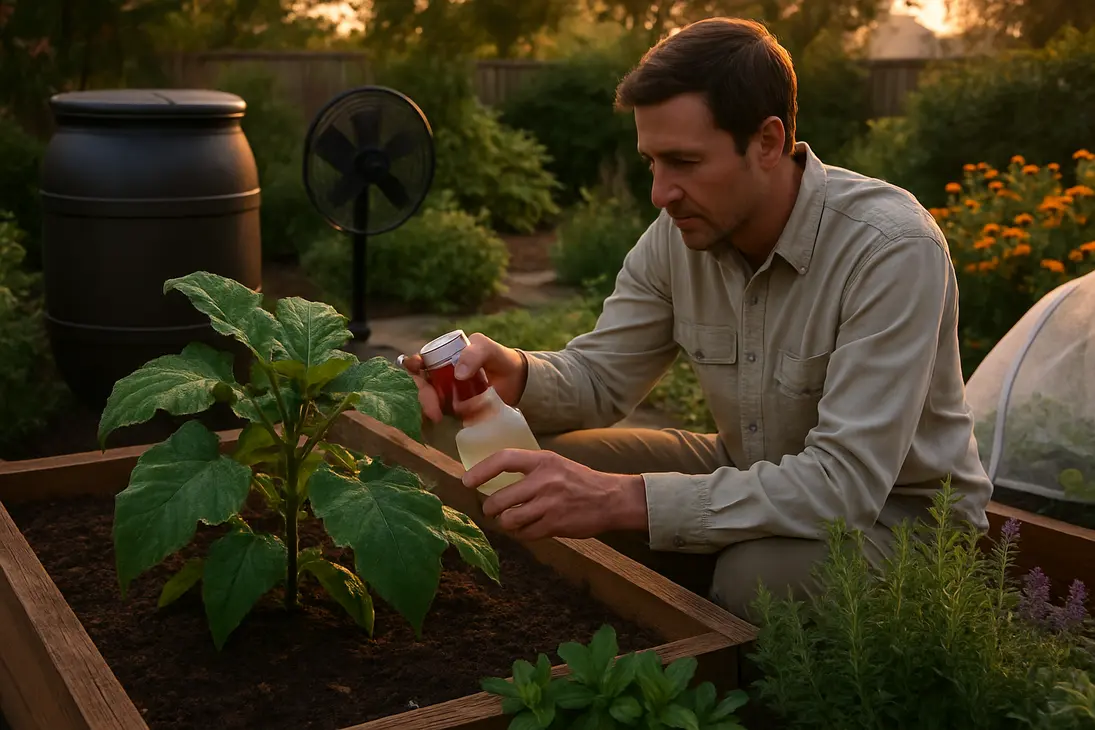
Bti products (Bacillus thuringiensis israelensis) target susceptible larvae: confirm the label lists fungus gnat larvae, apply to the growing medium as directed, and repeat only per label. Larvae must encounter or ingest the active material, and Bti does not control adults. Azadirachtin requires a product labelled for growing-media use — pouring a foliar neem spray into a pot is not equivalent. Steinernema feltiae nematodes depend on suitable storage, moisture, temperature, and timing. Always follow the current product label.
Use Horticultural Sand Only as a Supporting Measure
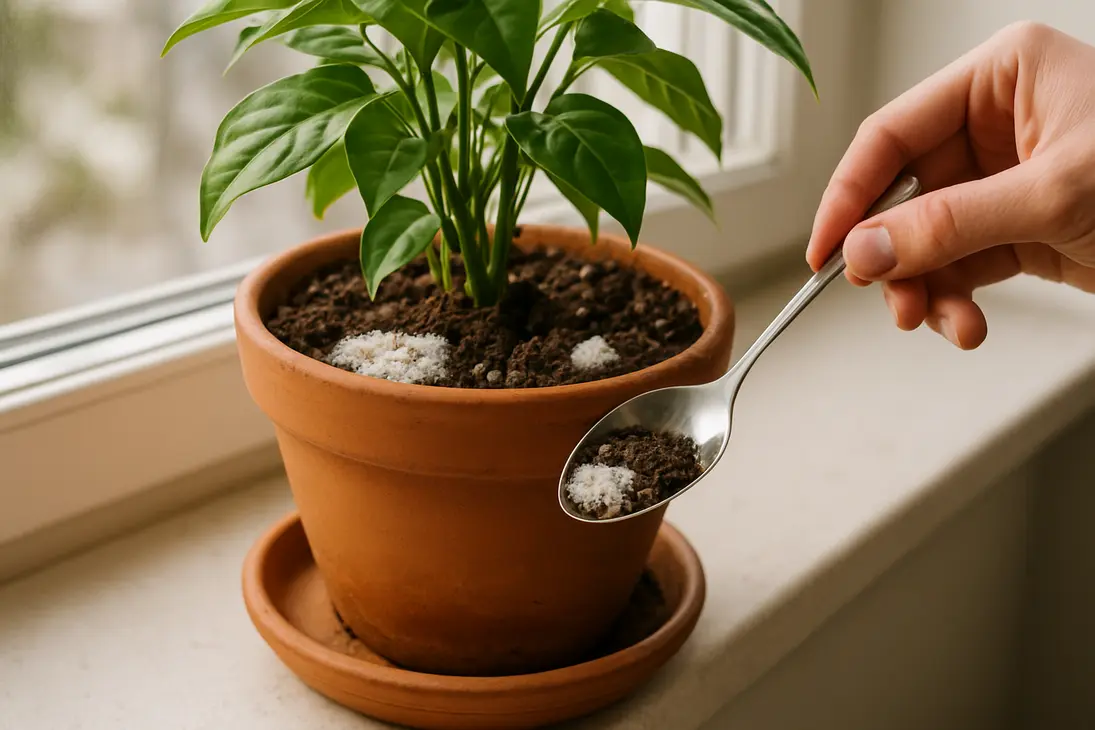
A surface layer of clean horticultural sand dries faster than many organic mixes and can make the medium less attractive for egg laying. Sand does not kill larvae deeper in the pot and does not replace moisture correction or larval treatment.
Repot Only When the Growing Medium or Roots Justify It
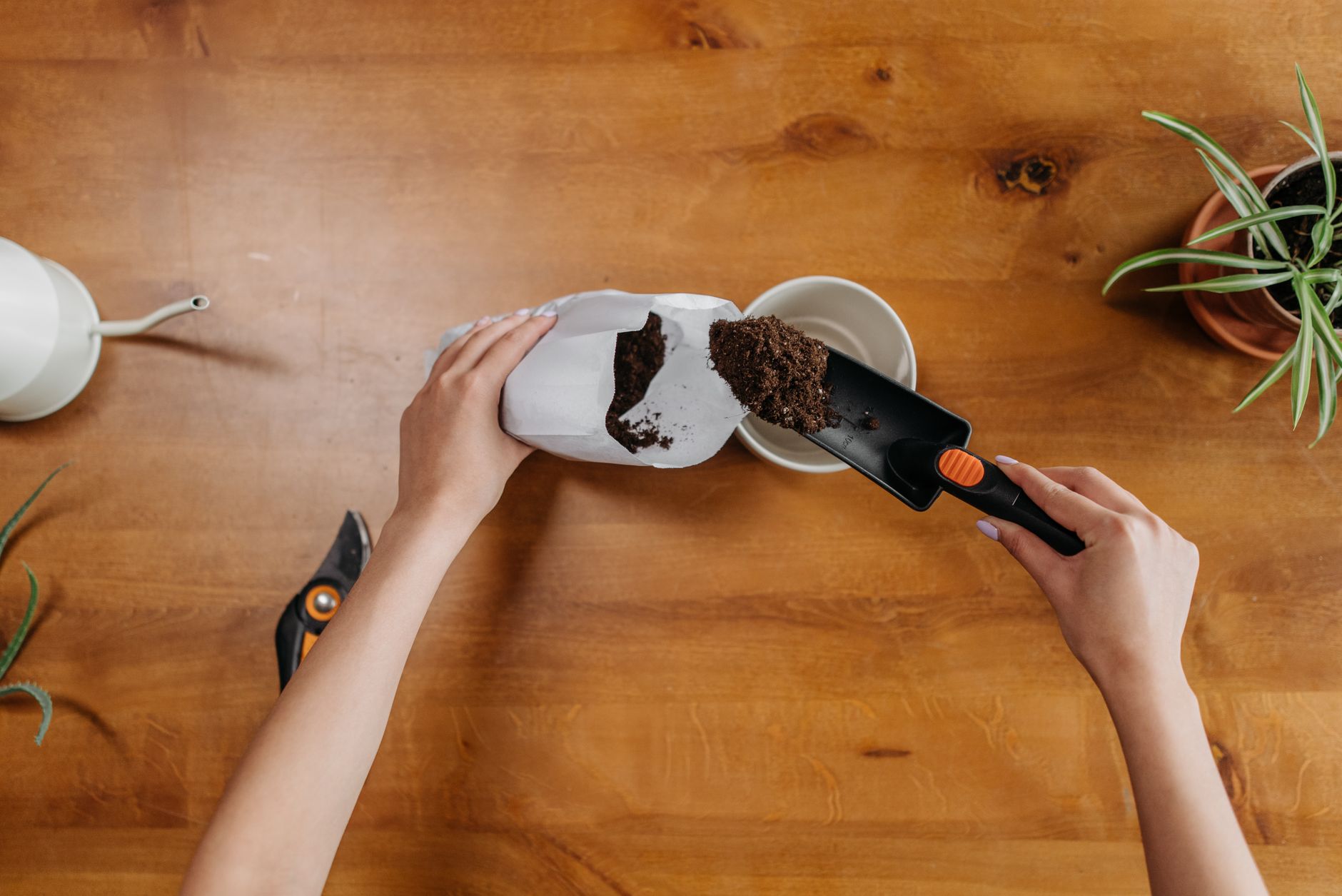
Repot when the medium is broken down and stays wet abnormally long, the pot lacks functional drainage, dead roots are abundant, a severe infestation is concentrated in one pot, or root disease requires replacement. Use a clean container with drainage and fresh suitable mix, and remove clearly decayed roots. Do not repot for a few adults — adults can lay eggs in the new mix, so keep monitoring afterward.
Judge Progress by Population Trends, Not an Instant Zero
Existing adults can live for days, pupae may still emerge, and eggs, larvae, and pupae overlap indoors, so instant zero is unrealistic. Success looks like fewer adults per interval, fewer affected pots, and media that no longer stays unnecessarily wet. Do not increase treatment strength because one adult remains; follow the product’s repeat interval.
Why Fungus Gnats Keep Coming Back—and How to Prevent Reinfestation
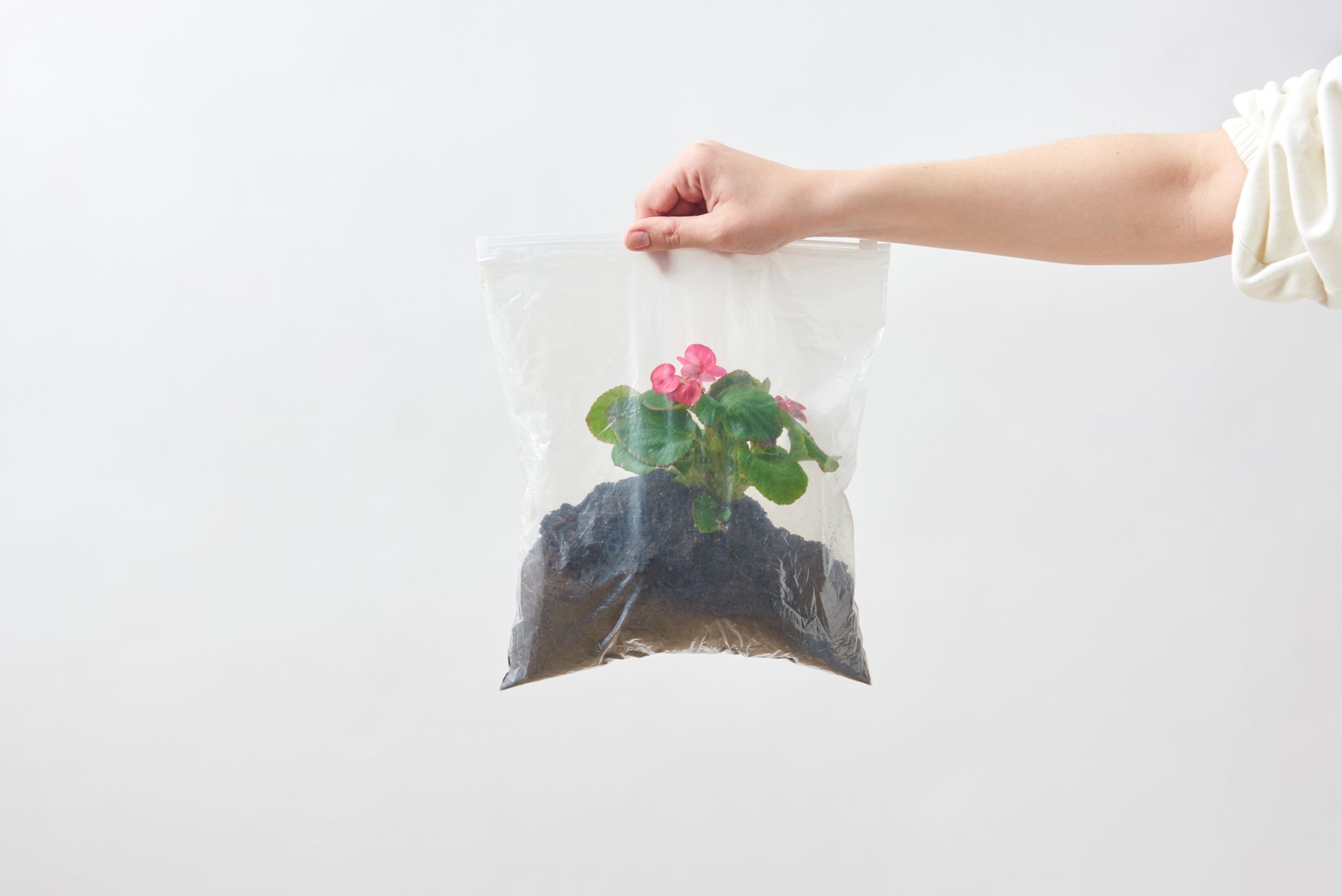
Recurring infestations usually trace back to misidentification, adult-only treatment, pupae that kept emerging, an untreated plant group, media that stayed wet, new material that reintroduced gnats, or treatment stopped too early. Source control matters more than stacking extra remedies.
Sticky Traps Were Used as the Only Treatment
Sticky cards catch adults but do not affect eggs, larvae, or pupae, and adults can lay eggs before being trapped — which is why counts drop briefly, then rebound. Keep traps for monitoring, not as the sole control.
The Wrong Pots Were Treated
Adults gather near windows and lights, so the most visible pot may not be the source. Compare labelled traps across rooms and check propagation trays, moss poles, and open soil bags.
The Medium Still Stayed Wet for Too Long
Persistent saturation usually has a root-zone cause: low light, oversized pot, poor drainage, cachepot water, dense mix, or cool temperature. Correct the root-zone design rather than repeatedly treating insects.
Household Remedies Did Not Cover the Full Life Cycle
Hydrogen peroxide is not a standard Extension program, and fizzing does not prove larvae died. Generic foliar neem may not be labelled for soil larvae. Cinnamon and chamomile do not remove all life stages, and household dish soap is not insecticidal soap. Diatomaceous earth works only while dry and its dust can irritate airways.
Too Many Methods Were Started at the Same Time
Starting every remedy at once hides what works and may cause product conflicts. Begin with identification, moisture correction, adult monitoring, and one appropriate larval method; wait the labelled period before escalating.
New Plants or Potting Media Reintroduced the Population
Inspect new plants at the soil surface, drainage holes, and saucer, and isolate them for a couple of weeks with a sticky card. Store potting mix sealed and dry, and avoid garden soil indoors.
Know When to Seek Help, Discard Media, or Let a Plant Go
Seek help when the insect cannot be identified, flies persist after corrections, or a pesticide label is unclear. Discard a plant or medium when root decay is severe, little recoverable tissue remains, or treatment costs exceed replacement.
Conclusion
Fungus gnats are a manageable nuisance once you focus on the hidden life stages in the growing medium. Confirm the insect, find the wettest pots, reduce unnecessary moisture, monitor adults with sticky cards, and treat larvae when justified. Judge success by trends rather than instant zero, and check new plants and potting mix before they reach your collection.
FAQ
Direct answers to the questions houseplant owners ask most often.
Are Fungus Gnats Harmful to Humans or Pets?
Fungus gnat adults do not bite people or pets and are not blood-feeding insects; they stay near moist organic media and are mainly a nuisance. Pesticide safety is separate: always follow product labels.
Can Fungus Gnats Kill Houseplants?
Light infestations rarely kill healthy mature houseplants. Large larval populations can damage seedling and cutting roots. Decline also often involves waterlogging, root rot, low light, or poor drainage, so check roots and growing conditions first.
What Kills Fungus Gnats Instantly?
No single home treatment instantly removes the whole infestation. Sticky traps catch adults, but neither traps nor sprays affect eggs, larvae, or pupae. Larval treatments need time, and pupae can still emerge. The goal is breaking adult replacement, not instant zero.
Why Do Fungus Gnats Keep Coming Back After Treatment?
Common causes are untreated larvae or pupae, another infested pot, persistent moisture, a new plant or medium, or stopping too early. Use fixed-location traps, check for larvae, and adjust moisture per plant.
Sources
- UC IPM, “Fungus Gnats”
- Colorado State University Extension, “Fungus Gnats as Houseplant and Indoor Pests”
- University of Minnesota Extension, indoor-plant pest guidance
- Royal Horticultural Society, “Fungus Gnats”
- National Pesticide Information Center, diatomaceous earth guidance
You Might Also Like