What Are Standard Commercial Plant Maintenance Practices?
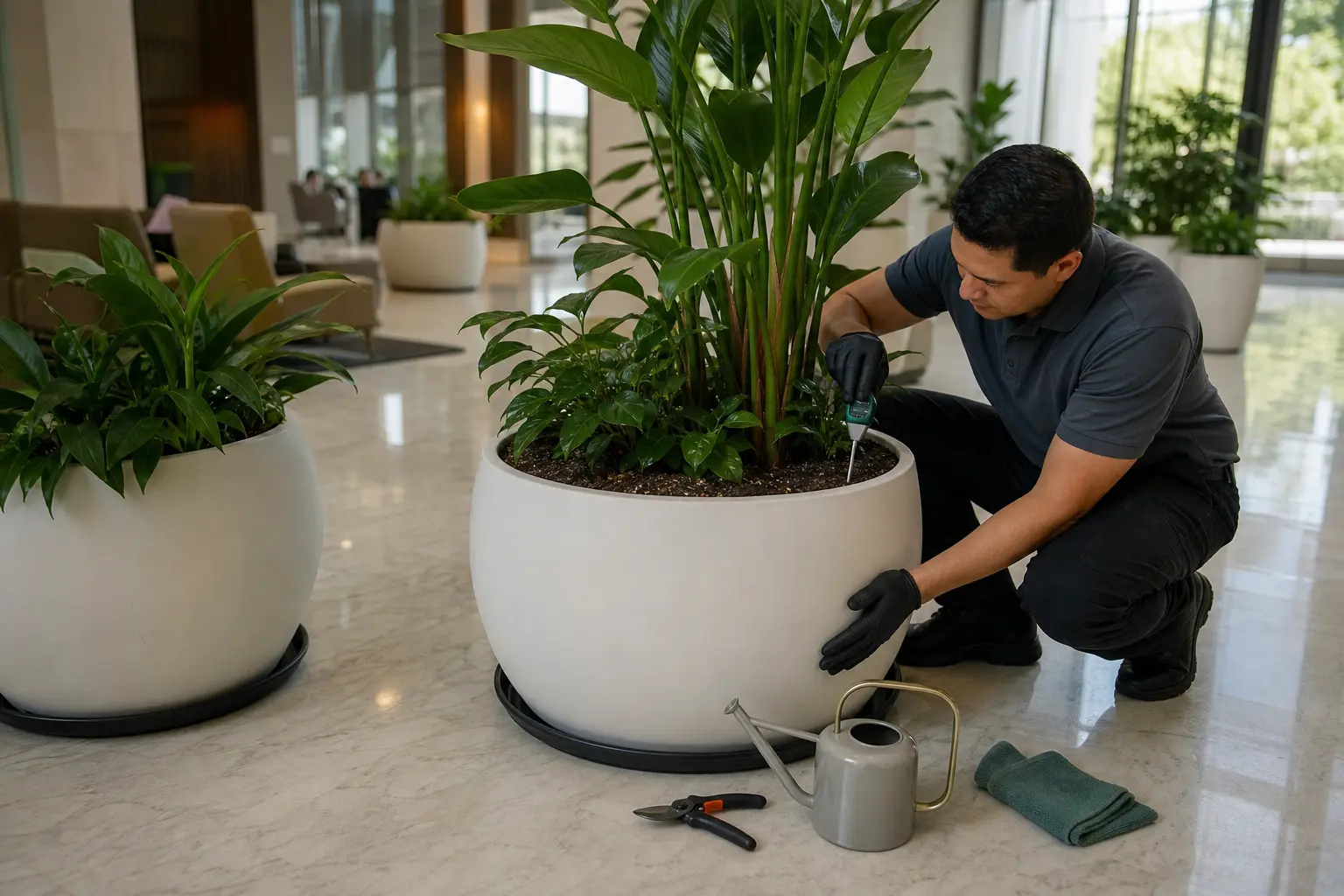
Commercial plant maintenance practices are planned, recurring tasks that keep plants healthy, safe, and visually appropriate in offices, hotels, retail stores, healthcare facilities, restaurants, apartment lobbies, and exterior landscapes.
The work involves more than watering. A reliable program matches plants to their location, monitors health, manages pests and stress early, keeps containers and surrounding areas clean, and records completed work. It should also define responsibility for replacements, irrigation repairs, and plant losses.
Standards vary by site. A low-light office lobby needs a different routine from a sunny courtyard or exposed rooftop. The basic approach is consistent: choose suitable plants, set clear care standards, inspect regularly, and communicate problems before they lead to costly replacements.
Build a Plant Care Plan for Each Commercial Space
A commercial planting plan should begin with actual site conditions, not simply the desired appearance. Plants can decline quickly when light, temperature, watering access, or container setup is unsuitable.
A site-specific plan should identify:
- Plant species and quantities
- Locations and light conditions
- Container size, drainage, and growing medium
- Watering method and expected frequency
- Grooming, cleaning, and fertilizing needs
- Access limitations, such as public hours or roof access
- Who reports problems and approves replacements
This planning helps prevent disputes when plant decline is caused by unsuitable placement, failed irrigation, or changed building conditions rather than routine maintenance.
Match Plants to Light, Temperature, and Traffic Conditions
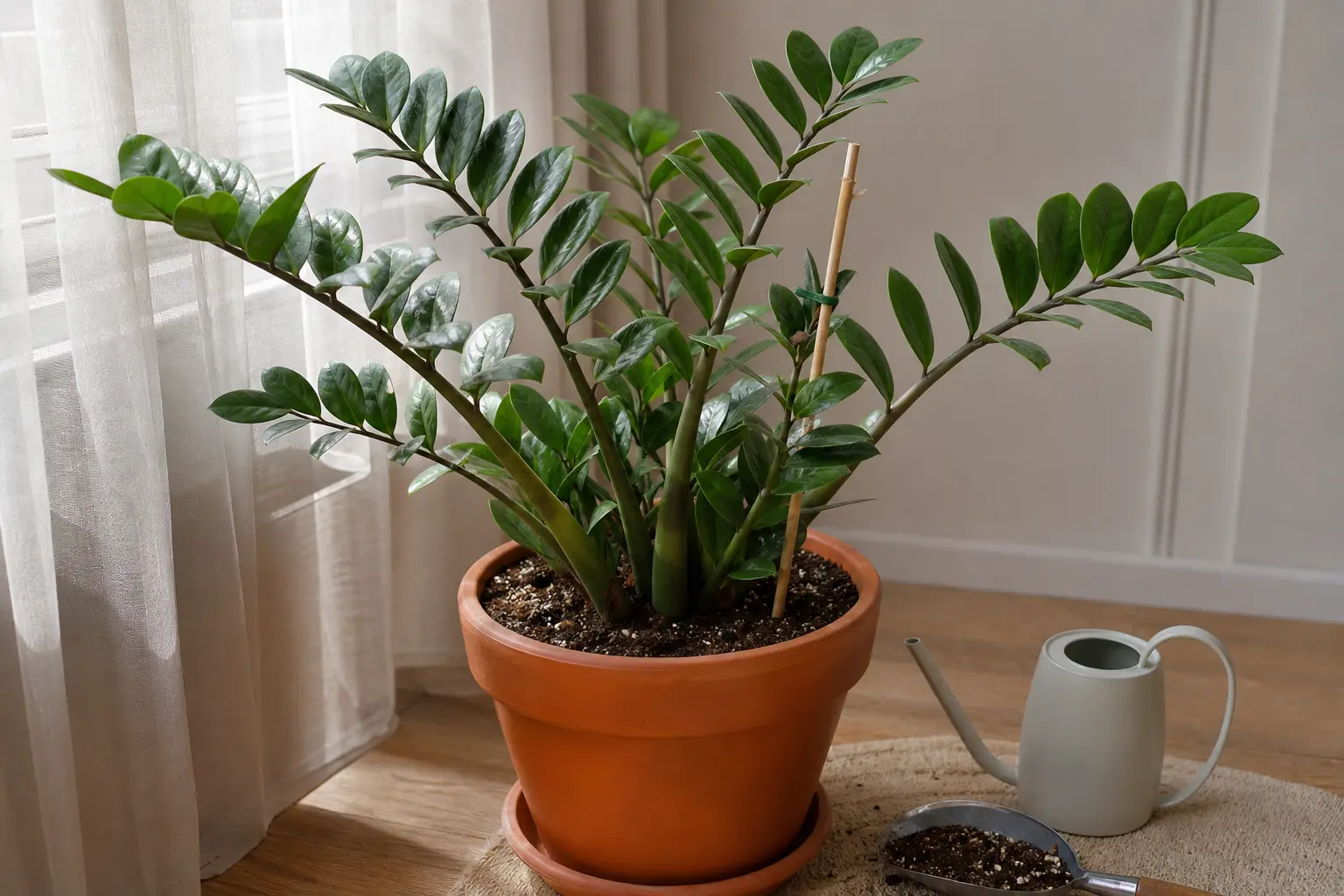
Light is often the limiting factor for indoor plants. A bright-looking lobby may still provide too little usable light for plants placed far from windows or behind tinted glass. Select plants for their tolerance of the actual location, not how they looked in a nursery.
Temperature and airflow also matter. Plants may struggle near exterior doors, heating vents, air-conditioning outlets, loading docks, kitchen exhausts, or cold glass. Drafts and temperature swings can cause browning, leaf drop, and uneven growth.
In busy areas, use stable, heavy containers and avoid plants that obstruct sightlines or create tripping hazards. Delicate foliage should be kept away from carts, doors, cleaning equipment, and constant customer contact.
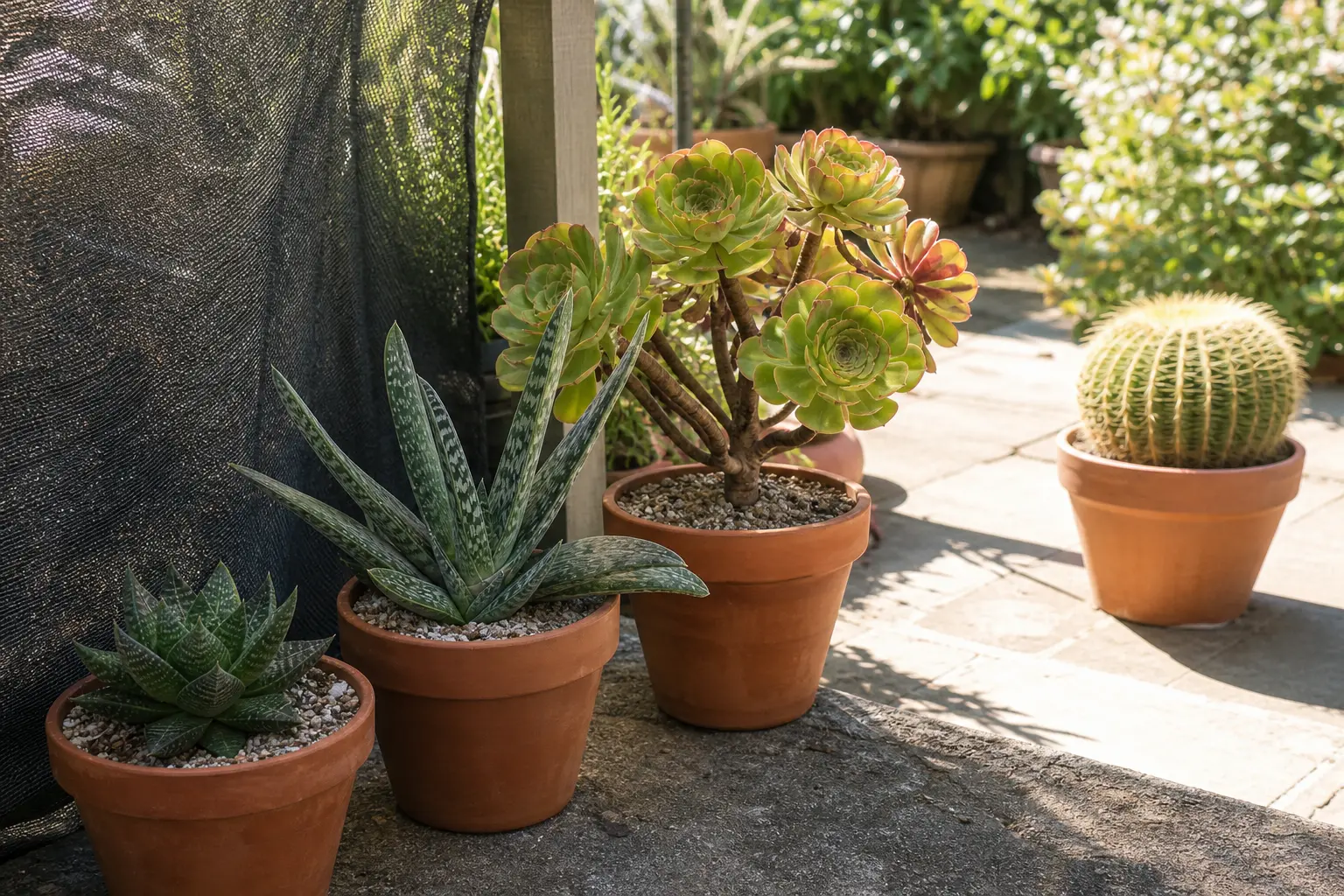
For exterior areas, account for sun exposure, reflected heat, wind, rainfall, and irrigation access. A plant suited to a sheltered courtyard may not survive on an exposed rooftop.
Set Care Standards by Plant Type and Location
Plants should not receive identical watering, fertilizer, or pruning. Grouping plants by similar needs improves service quality and efficiency.
| Plant situation | Typical care emphasis |
|---|---|
| Low-light interior plants | Careful watering, dust removal, slow-decline monitoring |
| Bright-window plants | Frequent moisture checks and sun-scorch monitoring |
| Large floor specimens | Deep controlled watering, stability checks, pruning |
| Desk plants and small containers | Frequent soil checks because they dry quickly |
| Outdoor entry containers | Seasonal irrigation adjustment and weather monitoring |
| Landscaped beds | Mulch, weed control, irrigation inspection, seasonal pruning |
Care standards should be practical. Rather than “water weekly,” use a standard such as: “Check soil moisture at root depth during each visit and water when the plant and growing medium require it.” Visit schedules can be fixed, but watering should respond to conditions.
Use Containers, Drainage, and Growing Media That Support Long-Term Health
Containers should support the mature root system and remain stable in public spaces. A top-heavy plant in a lightweight pot can become a safety issue.
Drainage is essential. Decorative cachepots without drainage can work only if the inner grow pot is managed carefully and excess water is removed. Standing water encourages root decline, odors, leaks, and stained flooring.
Use growing media suited to container plants rather than dense outdoor soil. Over time, media can compact, break down, or accumulate mineral salts. Long-term installations may need top-dressing, soil refreshment, or repotting.
Perform Routine Plant Maintenance
Routine maintenance protects plant health and the appearance of the property. Dusty leaves, dead foliage, spilled soil, algae-stained pots, and standing water can make a commercial space look neglected.
Frequency depends on the site. Many interior displays are serviced weekly or every two weeks, while outdoor containers may require checks several times a week during hot weather. Each visit should combine routine care with visual inspection.
Water Consistently Without Overwatering
Overwatering is a frequent cause of commercial plant decline, especially indoors. Staff may water by calendar, add small amounts too often, or assume yellow leaves always indicate thirst.
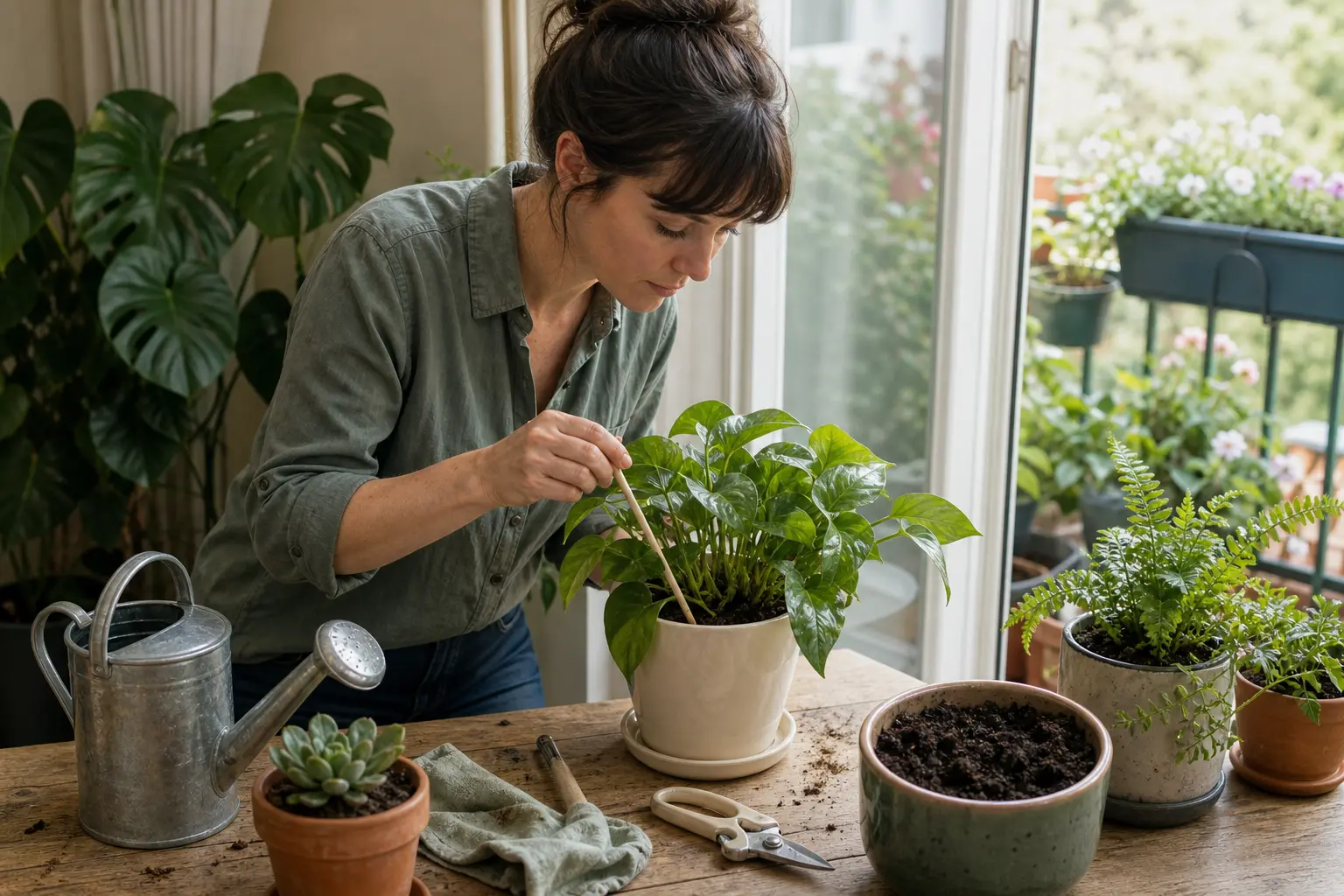
Before watering, check moisture below the surface. The top layer may feel dry while the root zone remains wet. Consider species, container size, drainage, season, temperature, and light level. Plants in dim spaces generally use water more slowly.
When water is needed, moisten the root ball thoroughly and allow excess water to drain. Empty saucers or cachepots when necessary, and do not leave plants standing in water.
For outdoor automatic irrigation, inspect emitters, lines, valves, and programming regularly. Broken or clogged equipment can create widespread stress before it is noticed.
Prune, Groom, and Remove Damaged Foliage
Grooming keeps displays tidy and reduces places for pests to hide. Standard tasks include removing yellow or brown leaves, dead flowers, fallen debris, and damaged stems.
Prune selectively by removing dead, diseased, crossing, or poorly placed growth. Do not heavily cut back a plant simply because it has outgrown its location; replacing it with a better-suited species may be the better long-term choice.
Use clean, sharp tools. Disinfect them between plants when disease is suspected, particularly when leaf spots, stem rot, or pest infestations are present.
Clean Leaves, Containers, and Surrounding Areas
Dust reduces visual appeal and can limit light reaching leaf surfaces. Wipe broad leaves with a soft damp cloth or use a species-appropriate cleaning method. Avoid routine use of leaf-shine products, which can leave residue.
Commercial maintenance should also include:
- Wiping container exteriors
- Removing fallen leaves and spilled potting mix
- Checking for leaks, water rings, or mineral deposits
- Cleaning saucers and decorative pots
- Keeping walkways and exits clear
A healthy plant display should not create slip hazards, odors, pests, or cleaning complaints.
Fertilize and Refresh Soil as Needed
Fertilizer is not a cure for poor light, root rot, compacted soil, or pest damage. Apply it only when plants are actively growing and site conditions support growth.
A moderate, species-appropriate program is safer than frequent heavy feeding. Excess fertilizer can damage roots, brown leaf edges, and leave salts in the growing medium. Diagnose stressed plants before adding nutrients.
Soil refreshment may include replacing the upper layer of medium, leaching salts where appropriate, dividing overcrowded plants, or repotting root-bound specimens.
Rotate, Reposition, or Replace Plants When Conditions Change
Commercial spaces change. Furniture moves, blinds are installed, HVAC settings change, and seasonal sunlight shifts. A plant that once performed well may become shaded or exposed to drafts.
Rotate plants near windows for even growth when practical. Reposition plants receiving excessive sun, cold air, or repeated physical contact. If a location cannot support a plant, replace it with a better-adapted species rather than repeatedly trying to restore it.
Monitor Plant Health and Address Problems Early
Commercial plants are easier and less expensive to manage when problems are found early. A few yellow leaves may be normal aging, but widespread yellowing, sticky residue, leaf drop, or soft stems need attention.
During every maintenance visit, inspect foliage, stems, soil moisture, drainage, containers, and nearby environmental changes.
Inspect for Pests, Disease, and Environmental Stress
Common indoor pests include spider mites, scale insects, mealybugs, fungus gnats, aphids, and thrips. Signs include webbing, sticky honeydew, tiny insects, stippling, distorted growth, or black sooty mold.
Outdoor plantings may also face chewing insects, fungal leaf spots, drought stress, storm damage, and wildlife.
Not every damaged leaf indicates pests or disease. Brown tips can result from inconsistent moisture, salt buildup, dry air, or root problems. Pale or stretched growth often points to insufficient light.
Identify Watering, Light, and Drainage Problems
Diagnosis should begin with the root zone and site conditions before applying treatment.
| Symptom | Possible causes to check first |
|---|---|
| Yellow lower leaves | Overwatering, poor drainage, normal aging, low light |
| Wilting in wet soil | Root damage, root rot, temperature stress |
| Wilting in dry soil | Underwatering, root-bound container, heat or sun |
| Brown leaf tips | Inconsistent watering, salt buildup, dry air, root stress |
| Scorched patches | Direct sunlight, reflected heat, chemical exposure |
| Sparse growth | Insufficient light |
| Fungus gnats | Persistently wet growing media |
Inspect irrigation equipment, drainage holes, and decorative containers. Ask whether cleaners, construction dust, window treatments, HVAC changes, or pest-control products have affected the area.
Isolate and Treat Affected Plants
When pests or disease are suspected, separate affected plants from healthy stock when possible. This is especially important in closely grouped interior displays.
Remove heavily infested or diseased foliage. Choose treatment based on correct identification, plant species, location, and building policies. Treatment options may be restricted in healthcare facilities, food-service areas, and schools.
Do not apply pesticides simply because a plant looks unhealthy. Rule out water, light, drainage, and root problems first. If a product is needed, use it according to its label and through authorized personnel.
Document Plant Losses and Replacement Needs
A plant-loss record helps distinguish isolated failures from recurring site problems. Note plant type, location, symptoms, likely cause, treatment attempted, and replacement recommendation.
If multiple plants fail in the same area, investigate the environment before installing the same species again. Repeated losses near an entrance, window, or irrigation line usually indicate a location-specific issue.
Manage Commercial Plant Maintenance Operations
Good horticultural work can still appear inconsistent if visits, responsibilities, and completion standards are unclear. Commercial maintenance needs an operational system to support hands-on care.
This is especially important when property managers, facilities teams, landscape contractors, and plant-maintenance vendors share responsibility.
Use Visit Schedules and Recurring Task Checklists
Set visit frequency according to plant type and risk level. High-visibility indoor displays may need weekly attention, while established landscape areas may need less frequent but longer visits.
A recurring checklist can include:
- Inspect soil moisture and water as needed
- Check irrigation and drainage
- Remove dead foliage and debris
- Clean leaves and containers
- Inspect for pests and disease
- Prune or stake as needed
- Check plant stability and safety concerns
- Photograph and report significant issues
Checklists should support judgment, not replace it. A technician should not water every plant simply because watering appears on the list.
Keep Inspection, Watering, Treatment, and Replacement Records
Records make care easier to manage across multiple locations and help resolve questions about missed work, recurring problems, and responsibility for plant failures.
Useful records include visit dates, technician notes, watering observations, irrigation repairs, fertilizer applications, pest treatments, photographs, replacement dates, and client approvals. Digital logs are useful for multi-site operations, though a simple site log can work for smaller properties.
Define Service Scope, Weather Contingencies, and Completion Standards
A service agreement should identify routine work and tasks requiring separate approval. Standard service may cover watering, grooming, and monitoring, while major pruning, storm cleanup, irrigation repairs, plant replacement, or pesticide treatment may be additional work.
Outdoor contracts should address weather contingencies. Heavy rain, high winds, lightning, extreme heat, snow, or unsafe site conditions can delay service.
Completion standards should be observable: clean containers, no visible dead foliage, no standing water, clear walkways, and documented reporting of plants that cannot be restored through routine care.
Communicate Plant Issues, Site Constraints, and Recommended Changes
Maintenance teams should report problems promptly in plain language. A useful report states what was found, the likely cause, action taken, and the decision needed.
For example: “Three plants beside west-facing glass show leaf scorch. They were moved away from direct afternoon sun where possible. We recommend replacing the remaining sensitive species with more heat-tolerant plants.”
Clients and facility staff should also report renovations, changed cleaning procedures, closed blinds, new furniture, HVAC adjustments, pest-control treatments, and access restrictions.
Reduce Labor Through Appropriate Plant Selection and Efficient Scheduling
The lowest-maintenance program is one designed around existing conditions. Choose plants that tolerate the available light and temperature range, group plants with similar water needs, and use durable containers with reliable drainage.
Standardize varieties and container systems where practical. Schedule work by zone rather than moving repeatedly across a large property, and combine inspections, grooming, and cleaning during the same visit. Adjust outdoor service intensity seasonally instead of applying the same routine year-round.
Conclusion
Standard commercial plant maintenance combines horticultural care with disciplined site management. Core work includes suitable plant selection, moisture and drainage management, grooming, cleaning, fertilizing when needed, pest monitoring, and timely replacement of plants that no longer suit the location.
Dependable programs also use schedules, checklists, records, clear service boundaries, and regular communication. When plants fail, review plant choice, installation quality, environmental conditions, irrigation, and maintenance history before assigning blame or replacing the same plant again.
FAQ
How often should plants be maintained in a commercial building?
Most interior commercial plant displays should be inspected weekly or every two weeks, depending on plant type, light levels, container size, and building conditions. High-traffic lobbies, small containers, and plants near bright windows may need more frequent attention.
Outdoor containers often need more frequent checks during hot, dry, or windy weather. Established landscape beds may follow weekly, biweekly, or seasonal schedules depending on the site and irrigation system.
What tasks should a commercial plant maintenance visit include?
A typical visit should include inspecting plant health, checking moisture, watering as needed, removing dead foliage, cleaning leaves and containers, checking for pests, inspecting drainage, and removing nearby debris.
The visit should also identify larger needs such as pruning, soil refreshment, irrigation repairs, pest treatment, or plant replacement. Significant concerns should be documented and reported.
Who is responsible when newly installed commercial plants fail?
Responsibility depends on the cause and service agreement. Failures may result from poor plant selection, installation problems, improper watering, drainage issues, extreme weather, insufficient light, irrigation failure, or changes made after installation.
A fair assessment uses installation records, care logs, photographs, and site findings. If several plants fail in one area, correcting the site condition or changing plant selection is usually more productive than treating each loss as an isolated maintenance failure.
How can businesses reduce the cost and workload of plant maintenance?
Businesses can reduce maintenance demands by selecting plants that match site conditions, using reliable drainage, grouping plants with similar needs, and avoiding delicate species in harsh or high-traffic locations.
Costs are also reduced through planned routes, recurring checklists, irrigation monitoring, early pest detection, and clear replacement approvals. Replacing a repeatedly failing plant with a suitable alternative is usually less expensive than repeated intensive care and short-term replacements.
You Might Also Like