Why Overwatering Cacti and Succulents Happens and How to Prevent It
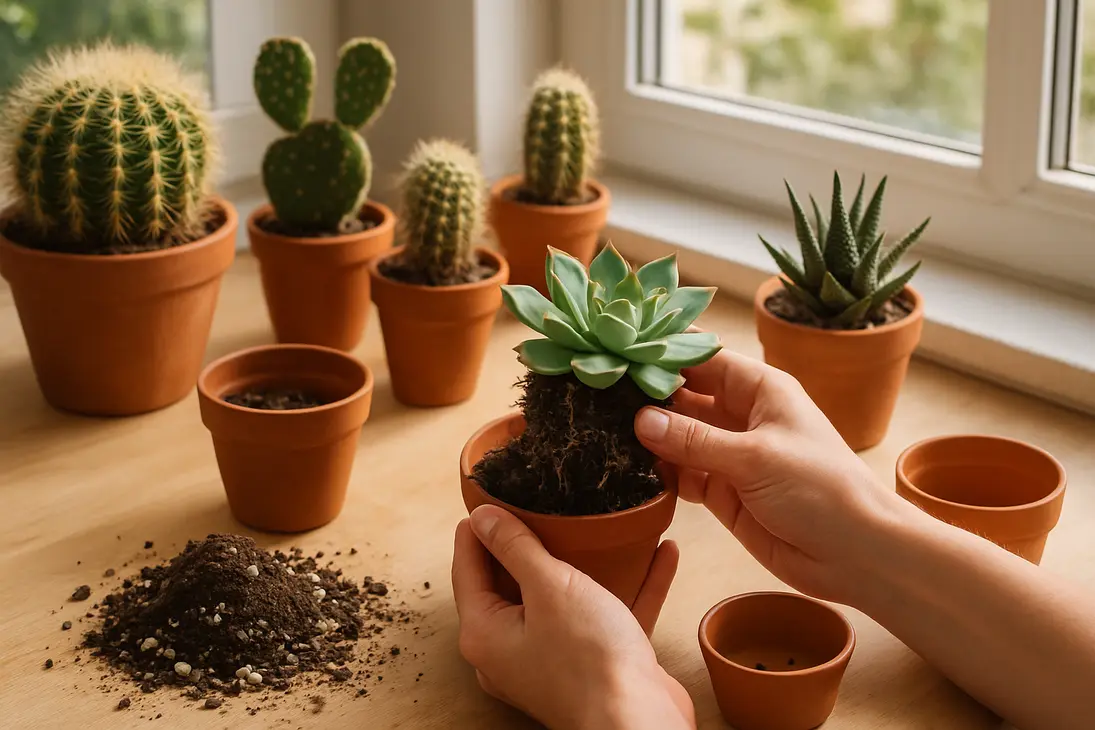
Overwatering cacti and succulents is rarely about one large drink. It happens when roots stay wet too long. These plants can handle thorough watering if the pot drains well and the soil dries again. They struggle in dense soil, oversized pots, low light, cool rooms, or containers without drainage.
Frequent tiny sips can also cause problems because they keep soil damp without creating a healthy wet-dry cycle. A better approach is to water deeply only when the plant is ready, then wait until the mix dries appropriately.
Why Overwatering Is So Harmful to Cacti and Succulents
Cacti and succulents store water in leaves, stems, or roots. That makes them drought-tolerant, not tolerant of constantly wet soil. In pots, excess moisture is often more dangerous than a short dry spell.
Roots Need Oxygen, Not Constant Moisture
Roots need oxygen as well as water. When soil pores stay filled with water, oxygen levels drop and roots begin to die. The Missouri Botanical Garden notes that waterlogged roots may die because they cannot get enough oxygen to function.
Once roots decay, the plant cannot absorb water or nutrients properly. This is why an overwatered succulent may look wilted or shriveled even when the soil is wet.
Wet Soil Encourages Root Rot, Bacteria, and Fungi
Constant moisture favors root rot organisms, bacteria, and fungal growth. Rot can move from roots into the stem or crown, causing a soft base, blackened tissue, translucent leaves, or sudden collapse.
Mold on the soil surface usually signals damp conditions and poor airflow. A sour or rotten smell is more serious and often means roots are decomposing.
Why Desert-Adapted Plants Are Especially Vulnerable
Many cacti and succulents come from places where rain is infrequent and water drains quickly through mineral-rich soil. Indoors, they may sit in peat-heavy mix, decorative pots, low light, or cool rooms. Under those conditions, plants use water slowly and soil dries slowly.
A watering habit that works in bright summer light can cause damage in winter or low light. The environment matters as much as the amount of water.
Common Causes of Overwatering Cacti and Succulents
Overwatering usually comes from a combination of habits and conditions. Frequency matters, but pot size, drainage, soil, light, and temperature determine how long roots stay wet.
Watering on a Fixed Schedule
“Water every Saturday” is a common mistake. Soil dries at different speeds depending on season, pot material, plant size, light, humidity, and mix.
A small succulent in terracotta near a sunny window may dry quickly. A cactus in glazed ceramic across the room may stay damp much longer. Use the calendar as a reminder to check, not as an order to water.
Poor Drainage or No Drainage Holes
A pot without drainage holes traps excess water at the bottom, even if the surface feels dry. Cachepots can cause the same problem when runoff collects inside the decorative outer pot.
For most indoor growers, drainage holes are the simplest protection against rot. If water cannot leave the container, moisture is much harder to manage.
Soil That Holds Too Much Moisture
Standard houseplant potting mixes often hold too much water for cacti and succulents. A suitable mix should drain quickly and include coarse mineral material such as pumice, perlite, coarse sand, lava rock, or fine gravel.
Bagged “cactus mix” varies. Some blends are still peat-heavy and need amendment. If the mix stays soggy for many days, compacts, smells stale, or dries into a hard block, it is not ideal.
Pots That Are Too Large
Oversized pots contain extra soil the roots cannot use. That soil stays wet, especially in the center and bottom. This often happens when a small succulent is planted in a deep decorative container.
Choose a pot only slightly larger than the root ball. For many succulents, one pot size up is enough. Wide, shallow pots often dry more evenly than deep ones.
Low Light, Cool Temperatures, or Dormant Growth
Plants use less water when light is low, temperatures are cool, or growth slows. That is why overwatering is common in winter. A plant that needed water every 10 days in summer may need it only every few weeks in winter.
Some cacti and succulents also have seasonal dormancy periods and should be watered sparingly. If a plant is stretching toward light and staying wet, improve light before adding water.
Treating All Succulents Like They Need the Same Water
“Succulent” describes water storage, not one care routine. Aloe, haworthia, jade plant, lithops, sedum, echeveria, holiday cactus, and desert cacti can need different treatment.
Lithops are highly sensitive to mistimed watering, especially during leaf replacement. Holiday cacti prefer more even moisture than desert cacti but still dislike sitting in water. Identify your plant and adjust care to its growth pattern.
Signs Your Cactus or Succulent Is Overwatered
Overwatering can resemble underwatering, pests, nutrient stress, or normal leaf aging. Look at the whole plant: leaf texture, soil moisture, stem firmness, smell, and roots.
Soft, Mushy, or Translucent Leaves and Stems
Soft, mushy tissue is one of the clearest warnings. Leaves may look swollen, glassy, translucent, or water-soaked before collapsing. Cactus stems may soften near the base.
Underwatered leaves usually feel thin, wrinkled, or leathery. Overwatered leaves are more likely to feel squishy or overly plump.
| Symptom | More likely overwatering | More likely underwatering |
|---|---|---|
| Leaf feel | Soft, mushy, translucent | Wrinkled, thin, leathery |
| Soil | Damp below surface | Dry throughout |
| Stem/base | Soft, dark, unstable | Firm but shriveled |
| Smell | Sour or rotten | Usually none |
Yellowing, Browning, or Dropping Leaves
Yellow leaves have many causes, but overwatered succulent leaves often turn yellow while staying soft. Newer and older leaves may both drop. Normal lower-leaf aging in rosette succulents produces dry, papery leaves, not mushy ones.
If leaves are yellowing while soil is wet, do not water again. Check moisture deeper in the pot and consider inspecting the roots.
Black Spots, Mold, or Foul-Smelling Soil
Spreading black or dark brown spots can indicate rot. Mold on the soil suggests the mix is staying damp, especially indoors with poor airflow.
A foul smell is more serious. Healthy soil smells earthy; rotten roots smell sour, swampy, or decayed. If you notice that odor, inspect the root system.
Wilting Despite Wet Soil
Wilting often tricks people into watering again. But if the soil is wet and the plant is wilting, damaged roots may no longer move water into the plant.
Before watering a wilted cactus or succulent, check the soil several inches down. If needed, slide the plant out of the pot and inspect the root ball.
Root Rot Below the Surface
Root rot can develop before top growth clearly declines. Healthy roots are firm and pale to tan. Rotten roots are brown or black, mushy, hollow, stringy, or easy to pull away.
Sometimes most roots are gone and compacted soil is holding the plant upright. Recovery depends on whether firm, healthy stem tissue remains.
How to Save an Overwatered Cactus or Succulent
Act quickly. Mild overwatering may improve with drying and better conditions. Active rot requires trimming, callusing, and repotting. If rot has spread too far, propagation may be the best option.
Stop Watering and Check the Soil
Do not water “just in case.” Move the plant to bright, indirect light with good airflow. Avoid harsh direct sun while it is stressed, especially if it has been in low light.
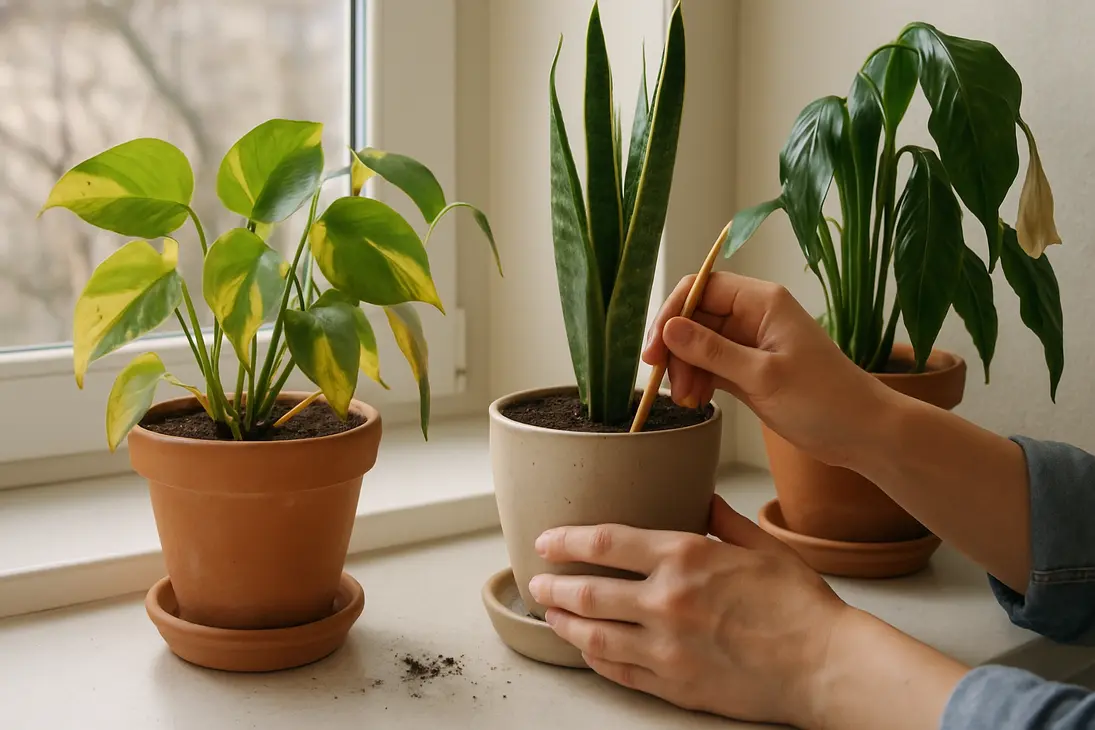
Check moisture below the surface with a finger, skewer, chopstick, moisture meter, or by lifting the pot. If the mix is damp and the plant has soft tissue or yellowing, inspect the roots.
Remove the Plant and Inspect the Roots
Slide the plant out gently. If soil is wet and clinging, loosen it carefully. For spiny cacti, use folded newspaper, cardboard, tongs, or thick gloves.
Look for mushy dark roots, a soft crown, rotten smell, wet circling roots, or a compacted peat-heavy root ball. If roots are healthy and stress is mild, let the root ball dry for a day or two before repotting.
Trim Rotten Roots or Soft Plant Tissue
Use clean, sharp scissors or pruners to remove rotten roots and cut back to firm, healthy tissue. If rot has reached the stem, remove every soft or discolored area. Leaving active rot behind can allow it to spread.
If the interior remains brown or soft after repeated cuts, that section may not be salvageable. Clean tools afterward.
Let Cut Areas Callus Before Repotting
Do not put freshly cut cactus or succulent tissue into moist soil. Cut areas need time to dry and callus so pathogens are less likely to enter.
Small root trims may need a day or two. Thick cactus cuttings or large stems may need several days or longer. Keep them dry, shaded, and airy.
Repot in Dry, Fast-Draining Mix
Repot into a container with drainage holes and a dry, gritty mix. Do not reuse sour, wet, or contaminated soil. Wash the old pot before reusing it if rot was present.
After repotting, wait before watering, especially if roots or stems were cut. When you do water again, water thoroughly, let excess drain, and then wait until the mix dries appropriately.
When Propagation Is the Best Option
If roots and the lower stem are rotten but the top remains firm, propagation may save part of the plant. Depending on the species, you may root a healthy stem cutting, rosette top, leaf, offset, or pup.
Do not propagate mushy, translucent, or blackened material. Use only healthy tissue and let cuttings callus before placing them in a suitable dry or barely moist propagation mix.
How to Water Cacti and Succulents Without Overwatering
The goal is not to avoid water. It is to water in a way that matches the plant, pot, soil, light, temperature, and season.
Check the Soil Before Watering
For many cacti and common succulents, the mix should dry completely or nearly completely between waterings. Check with a finger, skewer, or the weight of the pot.
A dry surface is not enough, especially in deep pots. If the pot still feels heavy or the lower mix is damp, wait.
Water Deeply, Then Let the Soil Dry
When the plant is ready, water thoroughly until water runs from the drainage holes. This wets the root zone evenly and helps flush salts.
Then let the soil dry. Avoid frequent small sips, which keep part of the mix damp without giving the plant a proper cycle. “Soak and dry” works well for many cacti and succulents, though timing varies.
Use Pots With Drainage Holes
Drainage holes allow excess water to leave instead of pooling at the bottom. Terracotta can also help because it dries faster than glazed ceramic or plastic.
If using a decorative pot without holes, treat it as a cachepot. Keep the plant in a nursery pot, remove it to water, let it drain fully, and return it only after checking that no water remains inside.
Choose a Gritty, Fast-Draining Soil Mix
A good mix holds enough moisture for roots to absorb but not enough to stay saturated. Many growers amend commercial cactus mix with pumice, perlite, coarse sand, or mineral grit.
In humid or low-light spaces, use a grittier mix. In very hot, bright conditions, a slightly more moisture-retentive mix may be acceptable. Avoid dense garden soil in containers because it compacts and suffocates roots.
Adjust Watering by Season, Light, and Temperature
Before watering, consider whether the plant is actively growing, receiving strong light, sitting in warmth, or planted in a small porous pot. Also consider whether it is dormant, stressed, recently repotted, or in a cool room.
Some succulents may need water every week or two in bright summer conditions. In winter, the same plants may go several weeks. Cool, dormant desert cacti may need very little until growth resumes.
Avoid Letting Pots Sit in Standing Water
Empty saucers and cachepots after watering. Even fast-draining soil can become waterlogged if the pot sits in runoff.
If you bottom-water, remove the pot once the mix has absorbed moisture and let it drain well. Bottom-watering should not become a long soak that keeps roots saturated.
Conclusion
Preventing overwatering cacti and succulents comes down to drainage, fast-drying soil, and checking before watering. These plants usually forgive a missed watering more easily than constant moisture around the roots.
If a plant struggles, do not assume it needs more water. Check the soil, pot, light, season, and roots. Once you understand that overwatering means wet roots for too long, care becomes much easier.
FAQ
How often should I water cacti and succulents?
There is no universal schedule. Water when the soil has dried enough for that plant and situation. Many indoor cacti and succulents prefer to dry completely or nearly completely between waterings.
In warm, bright months, that may be every 1–3 weeks for some plants. In cool or low-light winter conditions, it may be much less often.
Can an overwatered succulent recover?
Yes, if damage is caught early and healthy roots or stem tissue remain. Stop watering, inspect the roots, remove rot, let cuts callus, and repot in dry, fast-draining mix.
If rot has spread through the crown or stem, the original plant may not recover. Healthy leaves, offsets, or cuttings may still be saved.
Is overwatering the same as giving too much water at once?
Not exactly. A large amount of water at one time is usually fine if the pot drains and the soil dries afterward. Overwatering means roots stay wet too long.
Deep watering followed by drying is usually safer than frequent small sips.
Should I mist cacti and succulents instead of watering them?
Usually, no. Misting does not water roots effectively and can leave moisture on leaves, stems, or rosettes, increasing the risk of spotting or rot indoors.
Most mature cacti and succulents do better with occasional thorough watering at soil level, followed by a drying period.
Sources
- Missouri Botanical Garden: Overwatering
You Might Also Like