Does Soaking Plant Soil Before Leaving Actually Keep Plants Healthy?
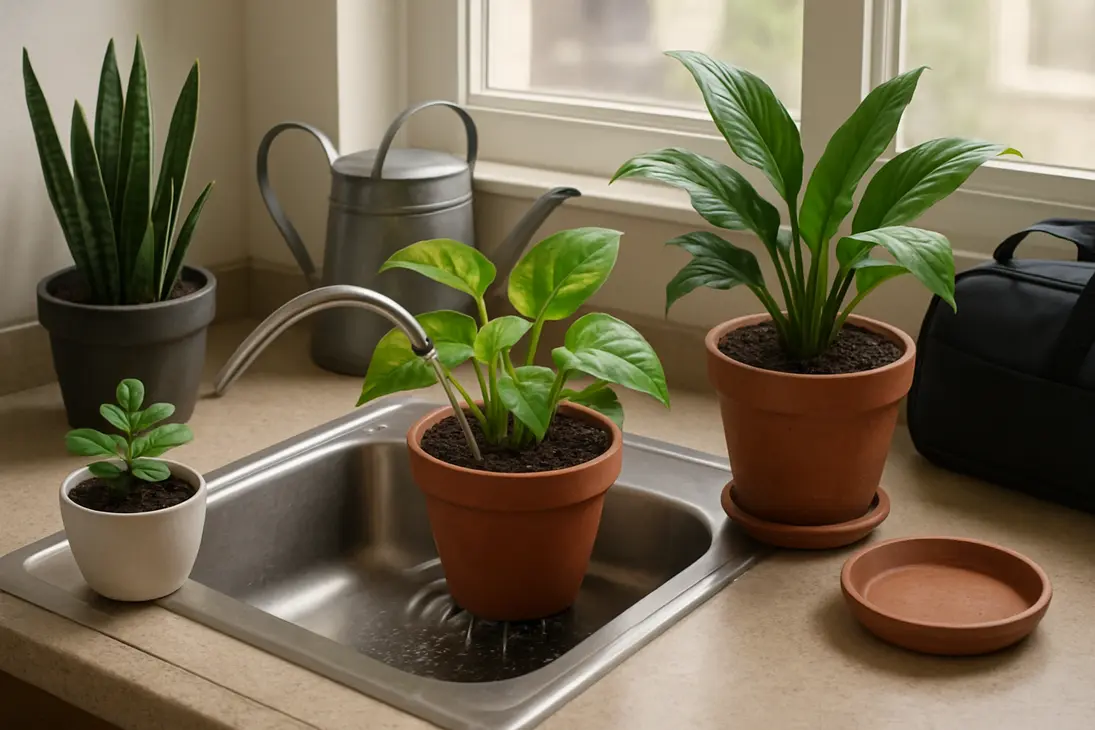
Soaking plant soil before you leave can help, but only in the right situation. A thorough watering before a short trip gives roots access to moisture deeper in the pot or bed, which is much better than a quick splash on the surface. But “soaking” should mean deep watering with good drainage, not turning the pot into a swamp.
For a weekend away, proper soaking may be enough for many established houseplants, outdoor beds, and larger containers. For a week or longer, it becomes less reliable. Some plants dry out quickly; others may sit wet too long and develop root problems. The result depends on the plant, pot size, soil mix, drainage, light, heat, humidity, and season.
The goal is not to leave soil as wet as possible. The goal is to leave it evenly moist, oxygenated, and able to drain.
Is Soaking Soil Before a Trip Effective?
Soaking soil before a trip is effective when it matches the plant’s normal watering needs and the absence is short. It gives the plant a temporary moisture reserve, especially if the root ball was dry below the surface. Many quick waterings only wet the top inch or two.
However, one deep watering is not a long-term watering system. Water is used by the plant, lost through evaporation, and drained from the pot. Small pots can dry out quickly, while dense or poorly drained soil can stay saturated and exclude oxygen from the root zone.
When soaking can help
Soaking plant soil can be helpful when:
- You are leaving for one to three days, sometimes up to a week for low-water plants in cool indoor conditions.
- The plant is in a larger pot with enough soil volume to hold moisture.
- The container has drainage holes and a free-draining potting mix.
- The plant is healthy and not already stressed.
- Temperatures are mild or indoor conditions are stable.
- The plant naturally prefers evenly moist soil, such as many tropical foliage plants.
- Outdoor beds have been mulched and watered deeply.
A deep pre-trip watering is especially useful for plants that dislike drying completely, such as ferns, peace lilies, calatheas, container hydrangeas, basil, and young vegetable plants.
When soaking is not enough
Soaking is often not enough when:
- You will be gone for more than a week, especially in warm weather.
- Plants are in small pots, hanging baskets, terracotta pots, or fabric grow bags.
- The plant is in strong sun, wind, or a hot windowsill.
- The potting mix is very light, sandy, barky, or quick-drying.
- The plant is actively flowering, fruiting, or producing lush new growth.
- The soil is hydrophobic and water runs down the sides instead of soaking in.
- The container has poor drainage or no drainage hole.
Succulents and cacti are a special case. They usually do not need extra water before a trip unless the soil is already dry and they are due for watering. Soaking them heavily right before leaving can be riskier than letting them stay dry.
How to Water Plants Before You Leave
The safest pre-trip method is to water thoroughly, slowly, and early enough that you can confirm the pot drains well. Do not wait until you are leaving to discover that a saucer is overflowing or the soil will not absorb water.
A good rule is: check first, water deeply if needed, then let excess water drain away.
For houseplants in pots
Use this method one or two days before you leave, or the morning of departure if the plant is clearly ready for water.
-
Check the soil moisture.
Push your finger into the soil, use a wooden chopstick, or lift the pot to feel its weight. If the soil is still moist several inches down, do not soak it just because you are leaving. -
Water slowly from the top.
Pour evenly around the surface and pause between pours so the mix can absorb moisture. -
Continue until water exits the drainage holes.
A steady trickle shows water has moved through the root ball. -
Let the pot drain completely.
Leave it in a sink, tub, shower, or shaded outdoor spot for 15–30 minutes, longer for large pots. -
Empty the saucer or cachepot.
Most houseplants should not stand in water for days. -
Move plants out of harsh conditions.
Pull them back from hot windows, vents, radiators, and direct afternoon sun. Bright indirect light is often a good temporary compromise.
If you use decorative pots without drainage holes, remove the inner nursery pot to water it, let it drain, and then place it back. If the plant is planted directly into a sealed container, be cautious because excess water has nowhere to go.
For outdoor containers and garden beds
Outdoor plants lose water faster because of sun, wind, and heat. Watering before a trip should wet the root zone, not just darken the surface.
For containers:
- Water early in the morning or evening.
- Water until it runs from the bottom.
- Repeat after a few minutes if the mix was very dry.
- Move pots to morning sun and afternoon shade if possible.
- Group pots together to reduce wind exposure.
- Add a thin layer of mulch, keeping it away from stems.
For garden beds:
- Water deeply the day before you leave.
- Aim to wet the soil several inches down.
- Mulch exposed soil to reduce evaporation.
- Check irrigation emitters or soaker hoses for clogs.
- Prioritize thirsty crops such as tomatoes, cucumbers, squash, leafy greens, and seedlings.
Established shrubs and perennials in the ground usually tolerate short absences better than potted plants. New plantings, annuals, raised beds, and containers need more planning.
For very dry or hydrophobic soil
Very dry potting mix can become hydrophobic, meaning it repels water. You may pour water on top and see it run down the sides and out the drainage holes while the center of the root ball stays dry.
For dry houseplant soil:
- Set the pot in a basin, sink, or bucket with a few inches of water.
- Let it absorb water from the bottom for 20–60 minutes.
- Remove the pot when the top feels evenly moist.
- Let it drain thoroughly before returning it to its saucer.
For very dry outdoor containers, water slowly in several rounds with a gentle hose setting or narrow-spout watering can. Pause if water runs off, then water again. If needed, poke a few small holes in the soil surface with a chopstick, avoiding major roots.
Bottom soaking can rescue dry soil, but it should still end with drainage. The pot should not remain submerged while you are away unless the plant and setup are specifically suited to that.
Risks of Over-Soaking Plant Soil
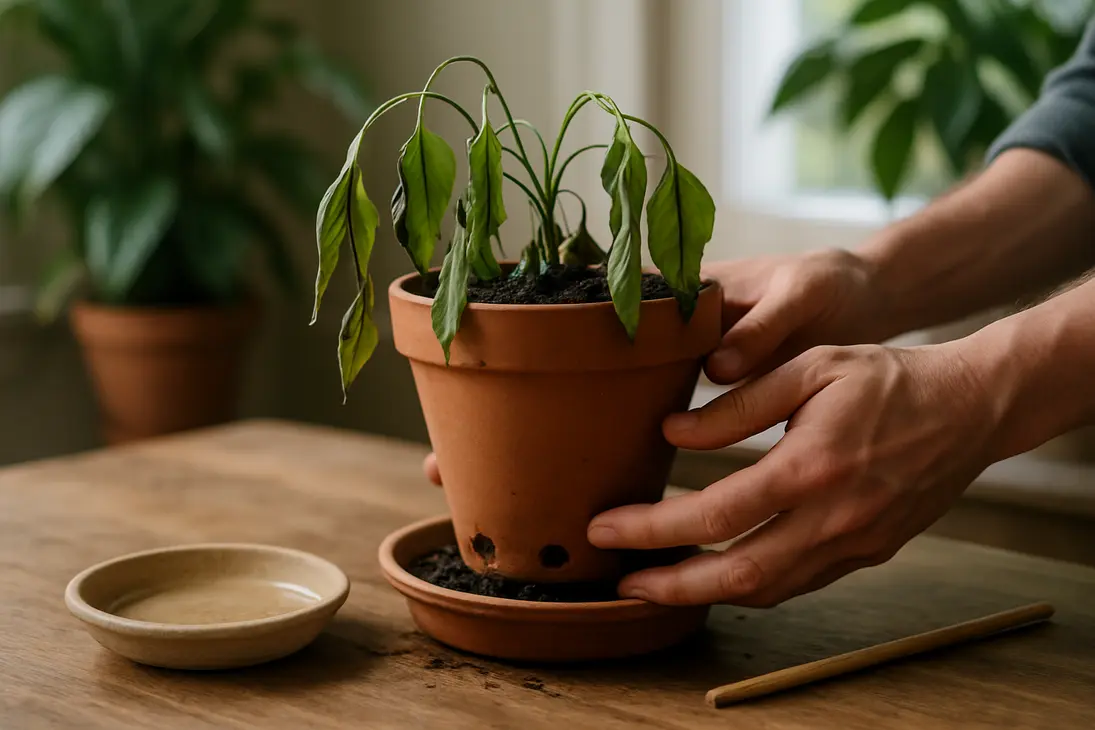
The biggest mistake is assuming more water always means more safety. Roots need water, but they also need oxygen. In saturated soil, air spaces fill with water. If that lasts too long, roots cannot function properly, and root rot organisms are more likely to become a problem.
Over-soaking can cause:
- Root rot: roots turn brown, black, mushy, or foul-smelling.
- Fungus gnats: consistently wet potting mix encourages larvae.
- Oxygen-starved roots: plants wilt even though the soil is wet.
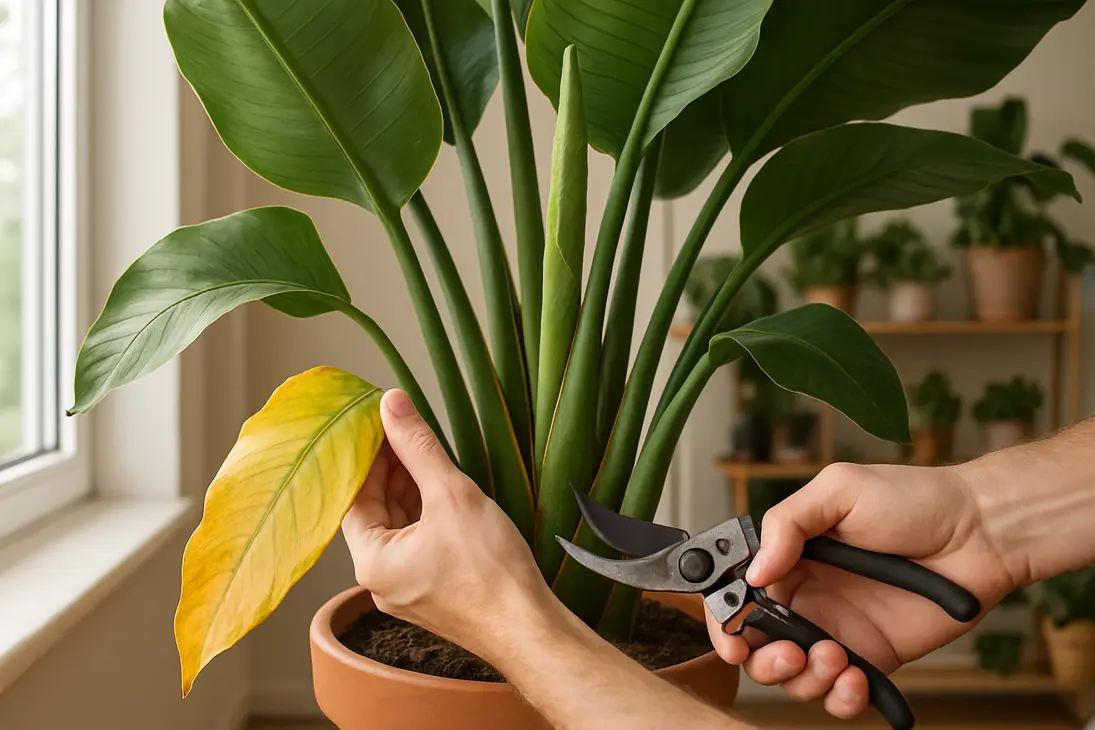
- Yellowing leaves: especially lower leaves on houseplants.
- Leaf drop: common when roots are stressed.
- Mold or algae on the soil surface: often linked to excess moisture and low airflow.
Temporary dryness is not ideal for many plants, but soil that remains wet for a week or more can be worse, especially for plants adapted to drying between waterings. Snake plants, jade plants, aloes, cacti, rosemary, lavender, and many Mediterranean herbs usually prefer being dry to being waterlogged.
Signs the soil is staying too wet
Watch for these signs before you leave and when you return:
| Sign | What it may mean |
|---|---|
| Soil still wet many days after watering | Pot too large, mix too dense, poor drainage, low light, or overwatering |
| Sour or swampy smell | Anaerobic conditions or decaying roots |
| Yellow leaves with soft stems | Root stress from excess moisture |
| Wilting despite wet soil | Roots may not be able to take up water |
| Fungus gnats around the pot | Potting mix is staying damp at the surface |
| Water sitting in saucer for days | Drainage problem or excessive watering |
If a plant’s soil is still wet a week after watering, do not automatically add more water. That is a warning sign that the root zone may be staying too wet.
What to do if you overwater before leaving
If you realize you have overwatered and still have time before your trip:
- Empty all saucers and outer pots.
- Move the plant to bright indirect light.
- Improve air movement around the pot.
- Remove decorative moss or stones that trap moisture.
- Tip the pot slightly in a sink or tub to help excess water drain.
- If the pot has no drainage hole and the plant is already struggling, consider repotting into a draining container.
Do not fertilize a waterlogged plant before leaving. Fertilizer will not fix root stress. Let the soil dry toward the plant’s normal range first.
How Soil Type, Pot Size, and Drainage Change the Result
The same watering method can work for one plant and fail for another because soil, pot size, and drainage control how long water remains available.
Sandy or gritty mixes drain quickly and hold less water. They are good for succulents, cacti, lavender, rosemary, and other plants that dislike wet roots, but they will not keep thirsty plants watered for long.
Peat-heavy or coco-based mixes can hold plenty of water when evenly moist, but they may become hard to rewet once bone dry. If water runs straight through, the center may still be dry.
Dense garden soil in containers can compact, drain poorly, and stay wet in the wrong way. Containers need potting mix, not ordinary garden soil.
Small pots dry faster because there is less soil volume. A 4-inch pot on a warm windowsill may dry in a day or two, while a 12-inch pot of the same plant may last much longer.
Terracotta pots dry faster than plastic or glazed ceramic because moisture evaporates through the porous clay. This helps plants that dislike wet roots but can be a problem before vacations.
Drainage holes are essential for most potted plants. Without them, soaking becomes guesswork. Water collects at the bottom where you cannot see it, even if the surface looks fine.
A practical way to judge your setup is to water normally a week or two before your trip and track how long the soil takes to approach dry.
Better Ways to Keep Plants Watered While You’re Away
Soaking soil is a starting point, not always the full plan. For dependable results, match the method to the length of your trip and the needs of your plants.
| Method | Best for | Limitations |
|---|---|---|
| Deep watering before leaving | Weekend trips, larger pots, garden beds | Not reliable for long trips or small pots |
| Moving plants out of direct sun | Most houseplants and containers | Too little light for too long may weaken sun-loving plants |
| Grouping pots | Houseplants and patio containers | Can spread pests if one plant has a problem |
| Mulch | Outdoor containers and beds | Too much mulch against stems can encourage rot |
| Watering globes/spikes | Medium houseplants, short trips | Can empty too quickly or clog |
| Wick systems | Houseplants, herbs, smaller pots | Needs testing before travel |
| Self-watering pots | Thirsty plants, frequent travelers | Not ideal for plants that need to dry out |
| Drip irrigation/soaker hoses | Outdoor beds and many containers | Must be checked for leaks, clogs, and timing |
| Plant sitter | Mixed collections, valuable plants | Requires clear instructions |
Always test any watering device before relying on it. A wick that works for one pot may fail in another. A watering globe may empty in one day in dry soil or barely release water in compacted mix.
For a weekend away
For most plants, a weekend is manageable.
Before leaving:
- Water plants that are due for water.
- Let pots drain fully.
- Move sensitive houseplants away from hot windows.
- Group small pots together.
- Mulch outdoor containers if weather is warm.
- Harvest ripe vegetables and remove dead flowers to reduce stress.
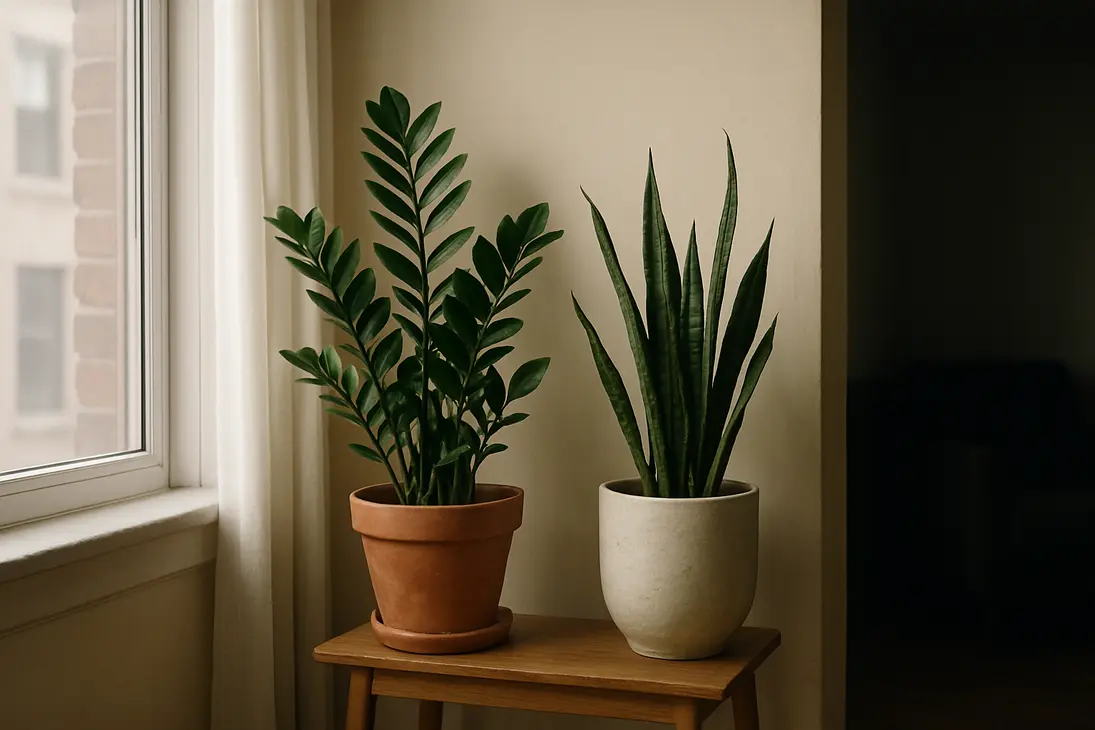
Do not soak drought-tolerant plants if their soil is still damp. Succulents, cacti, ZZ plants, snake plants, and many herbs can usually handle a weekend without special treatment.
For one to two weeks away
For one to two weeks, soaking alone becomes unreliable. Use a support system.
Good options include:
- Self-watering pots for thirsty houseplants, herbs, and patio annuals.
- Wick watering from a container of water to the potting mix.
- Watering globes or ceramic spikes for plants with moderate needs.
- Drip irrigation on a timer for outdoor containers and garden beds.
- Soaker hoses under mulch for vegetable beds and borders.
- A trusted person to check high-value or fussy plants.
If someone is helping, give written instructions by plant group. For example: “Water these if the top inch is dry,” “Do not water these succulents unless the soil is completely dry,” and “Empty saucers after watering.” This prevents well-meaning overwatering.
For longer trips
For longer trips, plan as if plants need ongoing care, not a one-time soak.
Consider:
- Installing drip irrigation with a timer for outdoor plants.
- Moving container plants into temporary shade.
- Using larger reservoirs for self-watering containers.
- Asking a plant sitter to visit on a schedule.
- Taking cuttings of sentimental plants as a backup.
- Moving very small pots into larger nursery pots with fresh potting mix, if there is enough time for them to settle.
- Pausing fertilizer and removing dead growth before you leave.
Avoid major repotting, heavy pruning, or fertilizing right before a long absence unless necessary. Those actions can trigger new growth or stress, which may increase water demand.
Conclusion
Soaking plant soil before leaving can keep plants healthy for a short absence, but only when it is done as proper deep watering with drainage. The soil should be evenly moist, not waterlogged, and pots should not sit in stagnant water unless you are using a tested short-term bottom-watering setup.
For a weekend, deep watering plus shade, grouping, and mulch may be enough. For one to two weeks, use a more dependable method such as a wick system, self-watering pot, watering globe, drip irrigation, or plant sitter. For longer trips, soaking plant soil is not a plan on its own.
The safest approach is to know how fast your plants normally dry, water only those that need it, and leave roots with both moisture and air.
FAQ
How long will soaked soil keep a plant watered?
It depends on the plant, pot size, soil mix, temperature, light, and drainage. A large houseplant in a plastic pot in bright indirect light may stay moist for a week or more. A small terracotta pot, hanging basket, or outdoor container in hot sun may dry out in a day or two.
For many houseplants, a proper deep watering can cover a weekend trip. For one to two weeks, do not rely on soaking alone unless you already know the plant dries very slowly and tolerates consistently moist soil.
Should I leave my plant sitting in a tray of water while I’m gone?
Usually, no. Most houseplants should not sit in a tray of water for days because the lower roots can become oxygen-starved and rot. It is safer to water thoroughly, let the pot drain, and empty the saucer.
A short-term bottom-watering setup can work for some thirsty plants, but it should be tested before your trip. It is not suitable for succulents, cacti, many herbs, or plants already in heavy, wet soil.
Is bottom watering better than soaking from the top before a trip?
Bottom watering is useful when soil is very dry or hydrophobic because it helps the root ball absorb moisture evenly. Top watering is useful because it flushes through the pot and helps remove excess salts.
Before a trip, either method can work if the final result is evenly moist soil and good drainage. For very dry pots, bottom water first, then let the pot drain completely. For normal pots, slow top watering until water exits the drainage holes is usually enough.
What should I do if I come home and the soil is still wet?
Do not water again. Move the plant to bright indirect light, improve air circulation, and empty any saucers or outer pots. Remove surface coverings that trap moisture, such as decorative moss or dense pebbles.
Check for yellowing leaves, soft stems, sour smells, fungus gnats, or wilting despite wet soil. If the plant looks healthy, let it dry to its normal range before watering again. If it is declining and the soil smells bad or roots appear mushy, inspect the roots and repot into fresh, well-draining potting mix.
You Might Also Like