What Are the Benefits of Indoor Plants at Home?
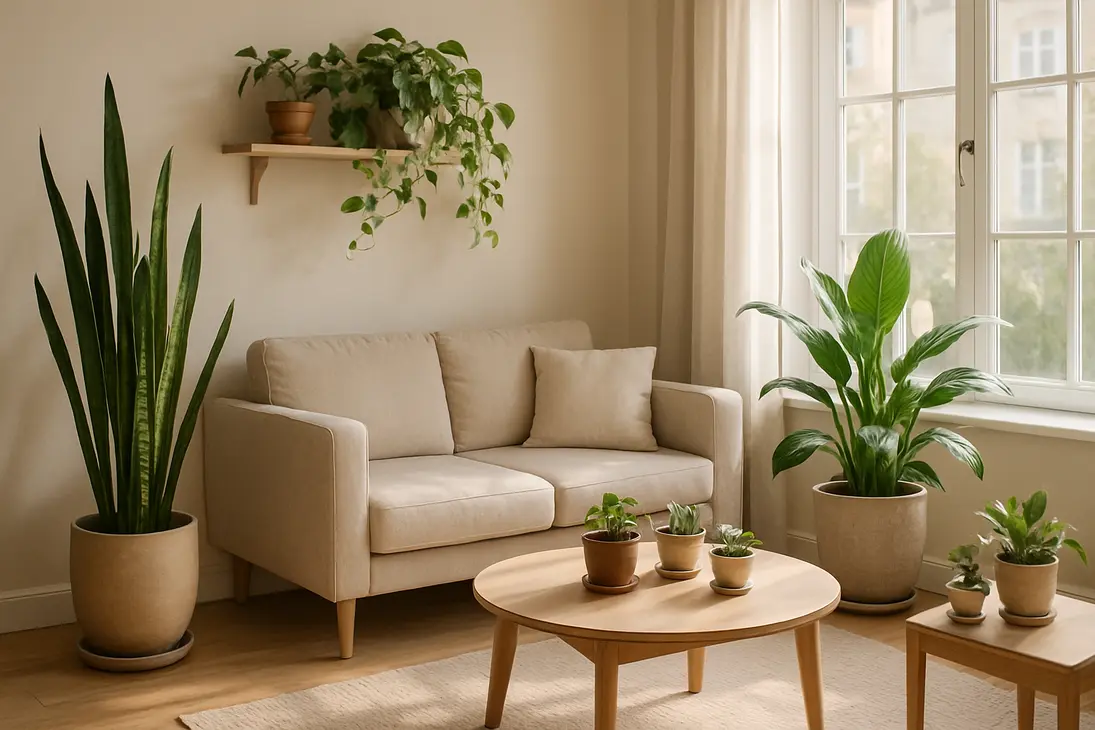
Indoor plants benefits go beyond decoration. The right plants can soften a room, support calmer routines, bring nature into small homes, and give beginners an easy way to try gardening without outdoor space.
They are not magic, though. Houseplants still need suitable light, proper watering, and realistic expectations—especially around air-purifying claims. Used well, indoor plants can make a home feel fresher, warmer, and more alive.
Why Indoor Plants Are Worth Adding to Your Home
Indoor plants can change how a home feels without repainting, remodeling, or buying new furniture. One healthy plant can make a room feel more settled; several can create the feeling of a small indoor garden.
For many people, the value is emotional as well as decorative. Watering, checking for new leaves, and trimming tired growth can become a quiet routine with visible rewards.
They make rooms feel calmer and more inviting
Plants add organic shapes, soft texture, and natural color to rooms that may otherwise feel hard, plain, or busy. A tall plant can fill an empty corner, trailing vines can warm shelves, and a small desk plant can make a workspace feel more personal.
You do not need dozens of plants. One healthy, well-placed plant often looks better than a crowded group of struggling ones.
They can support better mood and reduced stress
Plant care can feel calming because it is slow and repeatable. You water, wait, observe, and eventually see growth. That cycle can feel grounding in a screen-heavy home.
Plants also bring nature indoors, which is especially valuable in apartments, urban homes, cold climates, or homes without gardens. To keep the hobby relaxing, start with forgiving plants and add more only after you understand your home’s light and watering conditions.
They add natural beauty without major renovation
Plants are flexible décor. You can move them, change pots, group them differently, or use them to fill awkward spaces. A large floor plant can soften an empty corner, while small plants can brighten a windowsill or shelf.
They are also renter-friendly. If a plant does not suit a room, move it. If a pot no longer fits your style, replace the container.
They give beginners an easy way to start gardening indoors
Indoor plants are a friendly entry point into gardening because you can begin with one hardy plant. You do not need outdoor tools, raised beds, or a growing season.
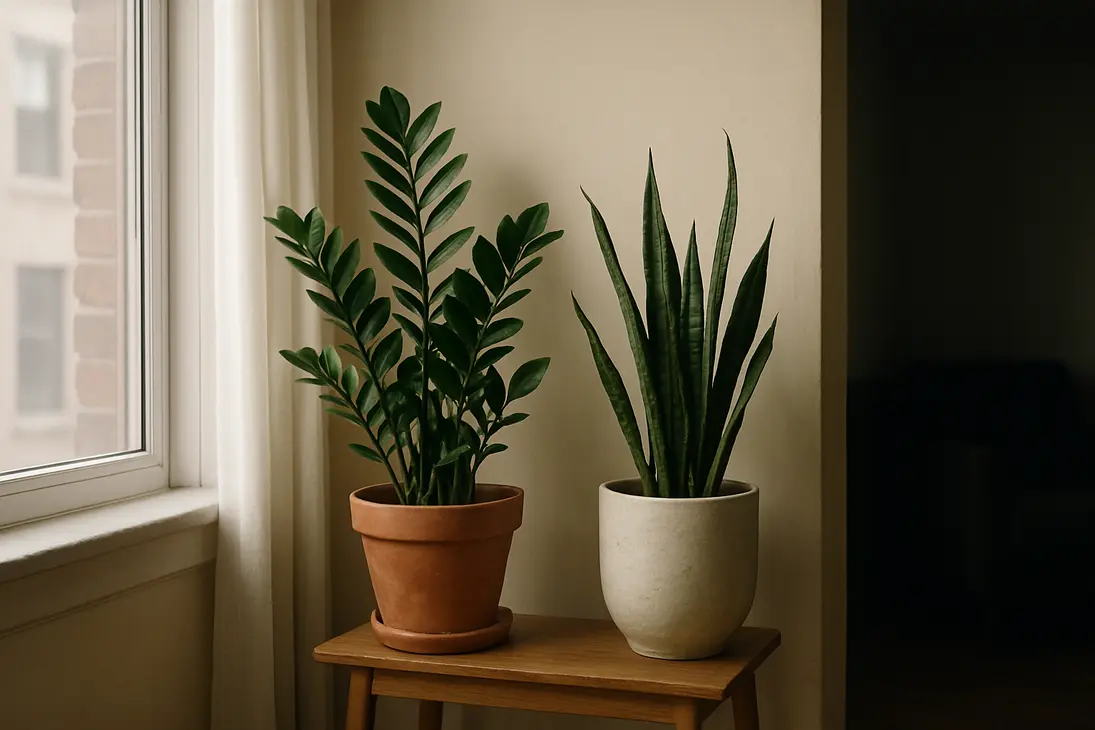
The key is matching plants to your home. Choose ZZ plant or snake plant for dimmer rooms, herbs or succulents for bright windows, drought-tolerant plants if you forget to water, and moisture-loving plants only if you can care for them consistently.
Indoor Plants and Air Quality: What They Can and Can’t Do
Air quality is one of the most discussed indoor plants benefits, but it is often exaggerated. Plants can help a room feel fresher by adding greenery, collecting some dust on leaves, and releasing small amounts of moisture through transpiration.
However, plants should not be treated as a fix for serious air problems. They do not replace ventilation, cleaning, moisture control, source reduction, or proper filtration.
How indoor plants may help freshen the air
Plants interact with indoor spaces in modest ways. Their leaves can collect dust, which is why wiping foliage helps both the plant and the room. They also release some moisture, which may make dry rooms feel slightly more comfortable.
For most people, the biggest effect is sensory: a room with healthy plants looks and feels fresher. But a plant in the corner cannot solve smoke, mold, strong chemical odors, or poor ventilation. If air smells musty or causes symptoms, address the source directly.
Best indoor plants commonly chosen for air-purifying appeal
These plants are often chosen for their air-purifying reputation, but their main advantage is that they are attractive and relatively easy to grow.
| Plant | Why people choose it | Basic care note |
|---|---|---|
| Snake plant | Upright and tolerant | Let soil dry well |
| Pothos | Fast-growing and forgiving | Likes bright indirect light |
| Peace lily | Glossy leaves, white blooms | Likes consistent moisture |
| Spider plant | Easy and cheerful | Likes bright indirect light |
| ZZ plant | Handles neglect well | Avoid frequent watering |
| Dracaena | Architectural foliage | Avoid soggy soil |
If you have pets or small children, check plant safety before buying. Pothos, peace lily, snake plant, ZZ plant, and some dracaenas can be irritating or toxic if chewed.
Why plants alone won’t solve serious indoor air problems
“Air-purifying plants” are not enough to handle smoke, mold, chemical fumes, or heavy pollution. Real homes have cooking odors, dust, fabrics, damp areas, open doors, and changing airflow.
For better indoor air, prioritize ventilation, exhaust fans, reduced smoke and strong fumes, regular cleaning, moisture control, leak repairs, and proper filtration when needed.
Think of plants as a pleasant support, not a treatment. For asthma, allergies, coughing, or respiratory concerns, rely on medical advice and proven air-quality improvements.
How to Incorporate Indoor Plants in Every Room
The best plant location is where the plant’s needs match the room’s conditions. Before buying, notice light, humidity, drafts, temperature swings, and whether you will remember to care for the plant there.
Living room: statement plants and grouped greenery
Living rooms often have space for larger plants. In bright indirect light, consider rubber plant, monstera, dracaena, parlor palm, or fiddle-leaf fig if you are ready for a fussier option. For lower light, choose snake plant, ZZ plant, or pothos.
Use one statement plant beside a sofa, media console, or reading chair, or group plants in different heights for a fuller look.
Bedroom: calming, low-maintenance plants
Bedrooms work best with tidy, low-maintenance plants such as snake plant, ZZ plant, pothos, peace lily, or small philodendrons, depending on light and pet safety.
Keep the room restful by choosing one or two plants that do not shed heavily or need constant care. If the room is very dark, rotate plants to brighter light or use a grow light.
Kitchen: herbs and compact plants near natural light
Kitchens are convenient because water is nearby and plants are easy to notice. Herbs such as basil, parsley, mint, chives, and thyme can grow indoors near a bright window, though most need more light than beginners expect.
For lower-light kitchens, try pothos, peperomia, spider plant, or small snake plants. Keep pots away from heat, grease, and cold drafts.
Bathroom: humidity-loving plants
Bathrooms can be good for plants if they have natural light. Humidity suits ferns, pothos, peace lilies, calatheas, and some orchids.
A windowless bathroom is not a good long-term plant spot unless you use a grow light. Humidity helps, but plants still need light.
Home office: desk-friendly plants for focus and atmosphere
Plants can make a home office feel less sterile. Good desk options include small pothos, peperomia, haworthia, jade plant, lucky bamboo, or compact snake plant.
Choose plants that will not shed, smell strongly, or attract fungus gnats from overly wet soil. A small plant in your line of sight can create a useful visual break from screens.
Entryway and hallway: hardy plants for lower-light areas
Entryways and hallways often have low light, drafts, and less frequent care. Hardy choices include snake plant, ZZ plant, cast iron plant, and pothos.
If the area is very dark, use it as a temporary display spot and rotate the plant back to brighter light. Choose stable pots in high-traffic areas.
Best Indoor Plants for Beginners and Low-Maintenance Homes
The best beginner plants tolerate normal home conditions, recover from small mistakes, and show their needs clearly. Start with one or two before building a larger collection.
Snake plant
Snake plant is one of the most forgiving indoor plants. It tolerates low to bright indirect light and needs little water. Its upright leaves work well in bedrooms, offices, corners, and narrow spaces.
The main risk is overwatering. Let the soil dry thoroughly and use a pot with drainage.
Pothos
Pothos grows quickly, trails beautifully, and adapts to many homes. It works well on shelves, bookcases, hanging planters, and kitchen ledges.
It prefers bright indirect light but tolerates lower light. Water when the top part of the soil feels dry. Trim long, sparse stems to encourage fuller growth.
ZZ plant
ZZ plant is ideal for people who forget to water. It has glossy leaves, tolerates lower light, and stores water in thick rhizomes.
Because it is drought-tolerant, frequent watering is the biggest problem. It is a strong choice for offices, hallways, and low-care homes.
Peace lily
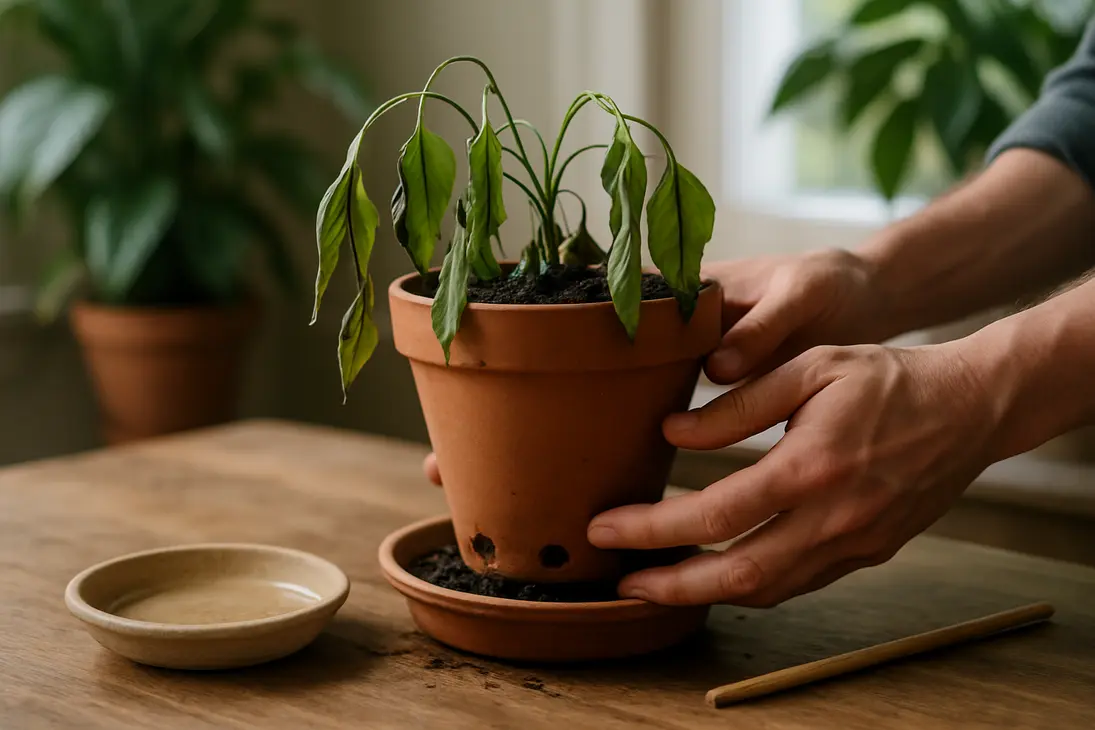
Peace lily has lush leaves and occasional white blooms. It tolerates lower light but blooms better in bright indirect light. It also droops when thirsty, then usually recovers after watering.
It prefers more consistent moisture than snake plant or ZZ plant but should not sit in soggy soil. Avoid it where pets may chew leaves.
Spider plant
Spider plant is adaptable, cheerful, and often produces small plantlets that can be propagated. It works well in hanging baskets, shelves, and bright rooms.
It prefers bright indirect light and moderate watering. Brown tips can happen from dry air, inconsistent watering, or minerals, but the plant often remains healthy.
Lucky bamboo
Lucky bamboo is popular for desks and small spaces. It can grow in water or soil and prefers bright indirect light.
If grown in water, change the water regularly. Avoid strong direct sun. Yellow leaves may signal too much light, poor water quality, or stale water.
Succulents and small cacti for sunny spots
Succulents and small cacti are low-maintenance only when they get enough light. They need bright windows, often with several hours of strong light.
Use gritty, well-draining soil and water deeply but infrequently. They are great for sunny sills, not dark shelves.
Simple Indoor Plant Care Tips
Good indoor plant care comes down to light, watering, drainage, cleanliness, and observation. You do not need a complicated schedule; you need to notice how each plant responds.
Match the plant to your light conditions
A “low-light plant” does not mean a plant that thrives in darkness. Most houseplants still grow best in bright indirect light.
Before buying, observe the room. Does direct sun hit the window? Is the space bright enough to read without a lamp? How far will the plant sit from the window?
As a simple guide:
- Bright direct light: succulents, cacti, many herbs
- Bright indirect light: pothos, spider plant, peace lily, many tropical plants
- Lower light: snake plant, ZZ plant, cast iron plant, some pothos
Avoid overwatering and check drainage
Overwatering kills many houseplants. Do not water only by calendar; plants dry at different speeds depending on light, season, temperature, pot size, and soil.
Check soil first. Many common houseplants can be watered when the top inch or two feels dry. Snake plant, ZZ plant, succulents, and cacti should dry longer. Use drainage holes when possible, and empty extra water from decorative pots.
Wipe dust from leaves occasionally
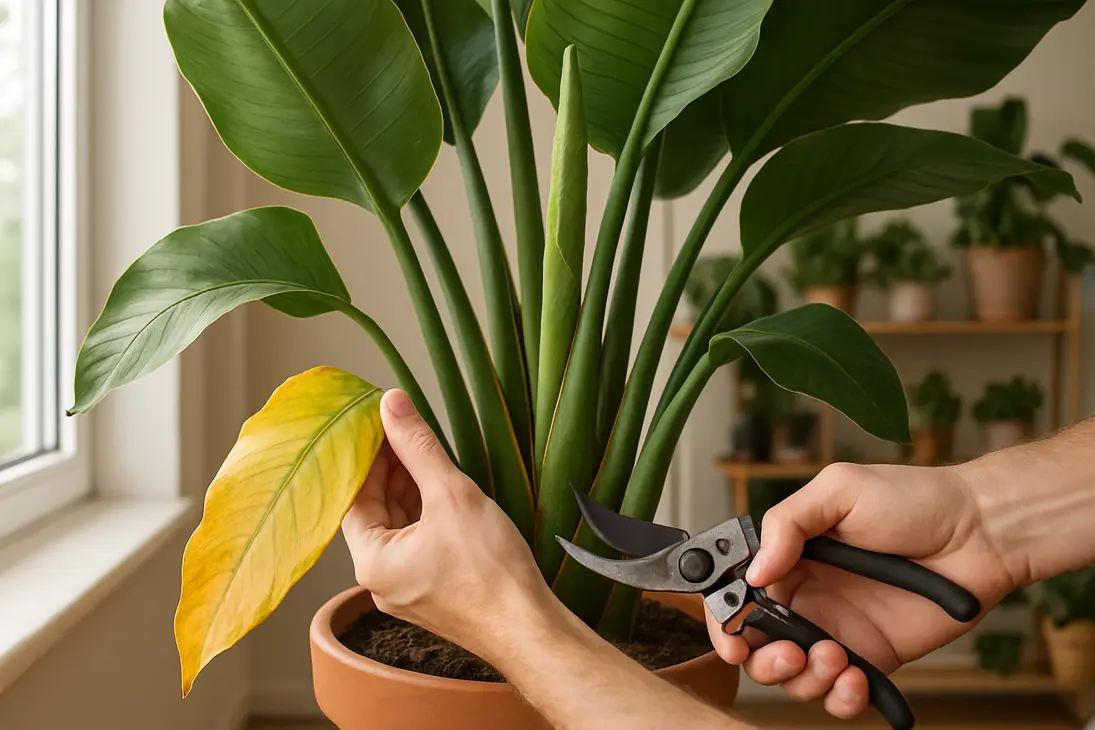
Dust blocks light and makes plants look dull. Wipe broad leaves with a damp cloth every few weeks or whenever they look dusty.
Cleaning leaves also helps you spot pests early. Watch for sticky residue, webbing, speckles, or small insects.
Rotate plants for even growth
Plants lean toward light. Rotate pots every week or two so growth stays balanced, especially on windowsills, desks, and shelves.
If a plant stretches dramatically, rotation is not enough. It likely needs brighter light.
Know when to repot or refresh soil
Most indoor plants do not need constant repotting. Repot when roots circle tightly, water runs straight through, growth stalls during the growing season, or the plant dries out much faster than before.
Choose a pot only slightly larger than the old one. Oversized pots can hold too much moisture and increase root rot risk.
Consider cost before starting a large indoor garden
Indoor gardening can be affordable, but costs add up: plants, pots, saucers, soil, fertilizer, stands, pest treatments, and grow lights.
Start small before investing heavily. If your goal is food production, indoor growing may be enjoyable but not always cheaper than buying produce. If your goal is beauty, relaxation, and learning, a few hardy plants can offer plenty of value.
Conclusion
Indoor plants can make a home feel calmer, warmer, and more connected to nature. They add beauty without major renovation and give beginners an approachable way to try gardening indoors.
Their benefits are strongest when expectations are realistic. Plants can make rooms feel fresher, but they do not replace ventilation, cleaning, or filtration when air quality is a serious issue. Start with one forgiving plant, learn how it responds to your home, then add more gradually.
FAQ
What are the biggest benefits of indoor plants?
The biggest indoor plants benefits include a calmer atmosphere, natural beauty, a stronger connection to nature, and a simple care routine that many people find grounding. Healthy, well-placed plants can also make rooms feel fresher and more inviting.
Are indoor plants good for beginners?
Yes. Indoor plants are good for beginners if you start with forgiving varieties and avoid buying too many at once. Snake plant, pothos, ZZ plant, spider plant, and lucky bamboo are strong starting points. The most important beginner skill is learning when not to water.
Which indoor plants need the least care?
Snake plant and ZZ plant are among the lowest-care indoor plants because they tolerate lower light and missed watering. Pothos is also easy. Succulents and cacti need little water but require bright light, so they are low-maintenance only in sunny spots.
Do indoor plants really clean the air?
Indoor plants can help a room feel fresher, but they will not solve serious air problems on their own. For healthier air, focus first on ventilation, reducing pollution sources, cleaning dust, controlling moisture, and using proper filtration when needed.
You Might Also Like