How Often Should You Use Tomato Fertilizer?
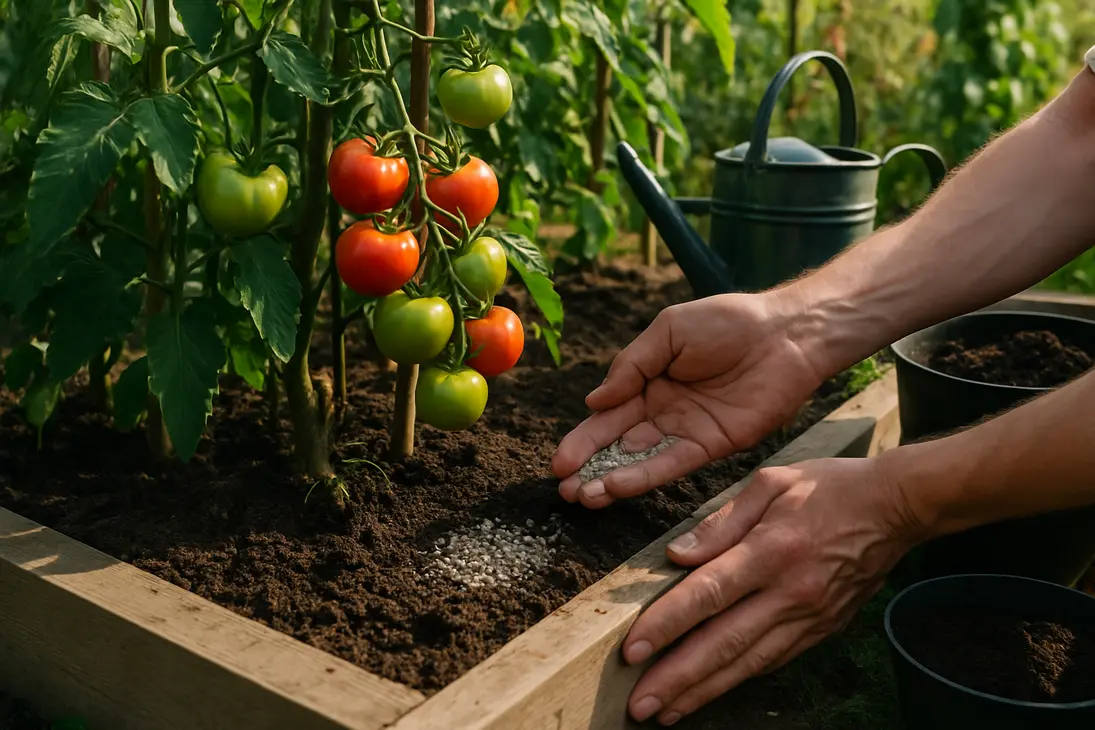
For most garden tomatoes, fertilize at planting if needed, then begin regular feeding once flowers and small fruits appear. In average in-ground soil, that usually means feeding every 3 to 4 weeks during production. In containers, where nutrients wash out faster, tomatoes often need a diluted liquid feed every 1 to 2 weeks once they are actively growing and fruiting.
The best schedule depends on your soil, fertilizer type, growing method, and the plant’s stage. Tomatoes are heavy feeders compared with many vegetables, but they are also easy to overfeed, especially with nitrogen. Too much fertilizer can produce a large leafy plant with fewer tomatoes, or stress roots through salt buildup.
The goal is steady support—not constant pushing. Good tomato fertilizing keeps nutrients available for roots, flowers, and fruit without forcing excessive soft growth.
Start With Soil and the Tomato’s Growth Stage
Tomato fertilizer frequency depends mainly on:
- Existing soil fertility — Rich soil with compost needs less fertilizer than sandy, tired, or heavily cropped soil.
- Growing method — In-ground beds hold nutrients longer than pots and grow bags.
- Plant stage — Seedlings, new transplants, flowering plants, and fruit-loaded plants need different feeding levels.
Young tomato plants need enough nutrients for roots and leaves, but too much early nitrogen can make them lanky. Once flowering and fruiting begin, demand increases for potassium, phosphorus, calcium, magnesium, and steady nitrogen. That is when regular feeding becomes more useful.
Why a Soil Test Helps
A soil test is the most reliable way to know what your tomatoes need. Without one, you are guessing from symptoms that can overlap. Yellow leaves, for example, may come from low nitrogen, cold soil, overwatering, disease, root damage, or natural aging.
A basic soil test can show soil pH, phosphorus and potassium levels, organic matter, and major nutrient imbalances. Tomatoes generally prefer slightly acidic to near-neutral soil. If pH is far outside the suitable range, nutrients may be present but unavailable, so adding more fertilizer may not help.
A soil test is especially useful if you grow tomatoes in the same bed every year, add many amendments, use manure or lime regularly, or suspect your soil is already high in phosphorus. Many gardeners overapply phosphorus because tomato fertilizers are marketed for blooms and roots, but extra phosphorus is unnecessary if the soil already has plenty.
Seedlings vs. Established Tomato Plants
Seedlings need gentle feeding. Many seed-starting mixes contain little or no fertilizer, so once seedlings have true leaves, they can often receive a diluted liquid fertilizer at half strength or weaker, depending on the label. Strong tomato fertilizer can burn tender roots or cause fast, weak growth.
New transplants also need time to adjust. If you mixed fertilizer into the planting area or watered in with a starter solution, wait before feeding again. Heavy fertilizing right after transplanting can stress plants already adapting to sun, wind, and outdoor soil.
Established plants are different. Once a tomato is growing actively, flowering, and forming fruit, it can use more nutrients. A regular schedule helps prevent shortages during heavy production.
A Simple Tomato Fertilizer Schedule
Use this as a starting point, then adjust for soil quality, container size, weather, and plant response.
| Tomato stage | General feeding approach | Notes |
|---|---|---|
| Seedlings with true leaves | Diluted liquid feed as needed | Use a weak solution |
| At planting or transplanting | Add compost or fertilizer if needed | Follow label directions |
| 1–2 weeks after transplanting | Usually wait | Let roots establish |
| When flowers appear | Begin regular feeding | Key time for fruit set |
| First small fruits | Feed consistently | Avoid excess nitrogen |
| Ongoing harvest | In-ground: every 3–4 weeks; containers: every 1–2 weeks with diluted liquid feed | Adjust to plant growth and label |
A tomato in compost-rich loam may need little supplemental fertilizer. A large indeterminate tomato in a hot, frequently watered container may need much more regular feeding.
At Planting or Transplanting
At planting, provide nutrients in the root zone without overwhelming the plant.
Good options include:
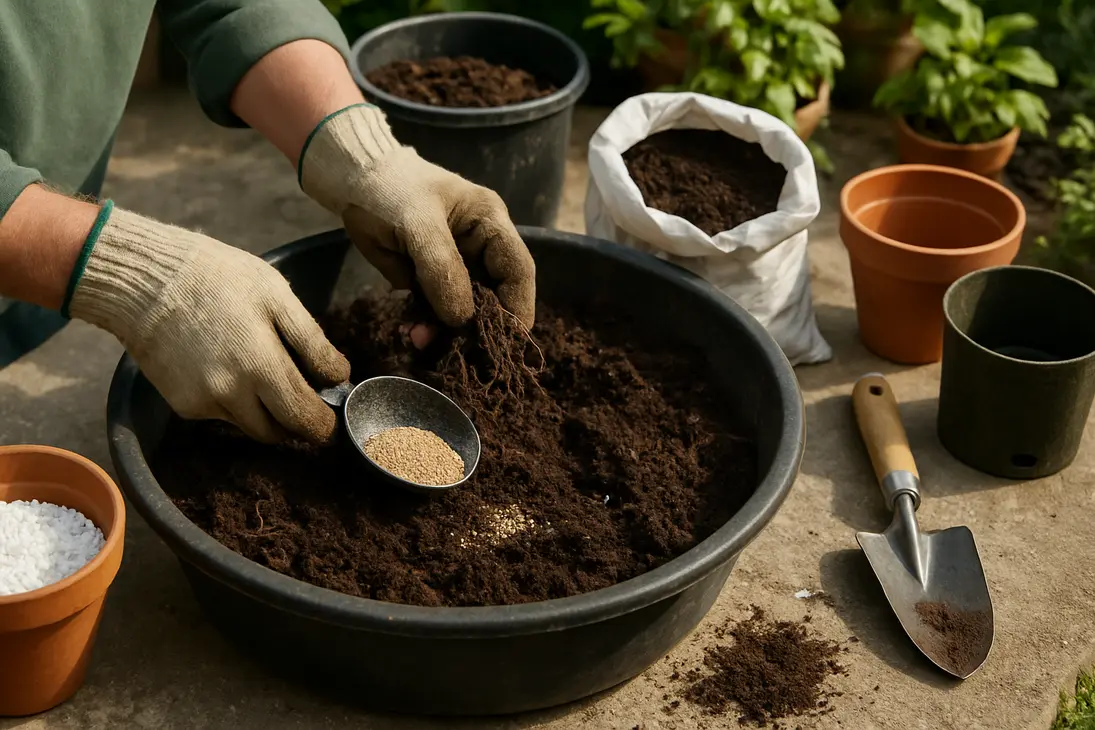
- Mixing finished compost into the planting area
- Adding slow-release tomato fertilizer according to the label
- Working balanced granular fertilizer into surrounding soil
- Watering in with a diluted starter fertilizer made for transplants
Avoid dumping concentrated fertilizer directly into the planting hole where roots will touch it. If using granular fertilizer, mix it into the surrounding soil as directed.
Be cautious with “a handful of everything” planting-hole recipes. Bone meal, Epsom salt, eggshells, manure, compost, and fertilizer can add up quickly. Some may be unnecessary, slow to break down, or harmful in excess. More ingredients do not automatically mean better tomatoes.
When Flowers and First Fruits Appear
Flowering is when many tomatoes benefit from a regular fertilizer routine. The plant is now supporting blossoms, fruit set, and developing tomatoes, not just stems and leaves.
For in-ground plants, a common approach is to feed when flowers appear, then again when the first fruits begin sizing up. After that, continue modestly through harvest.
For containers, start regular feeding once the plant is established and flowering. Potting mix has limited nutrient reserves, and frequent watering leaches nutrients, so lighter but more frequent feeding works well.
Avoid too much nitrogen at this stage. Nitrogen is important, but excess nitrogen encourages leafy growth at the expense of flowers and fruit. A tomato fertilizer with moderate nitrogen and adequate potassium is often a good fit.
During Ongoing Fruiting
Once tomatoes are producing, feed lightly and consistently rather than heavily all at once.
For in-ground tomatoes, feeding every 3 to 4 weeks during fruiting is a reasonable starting point in average soil. Feed less often in rich soil. If plants are pale, weak, and heavily loaded with fruit, they may need a modest boost sooner.
For container tomatoes, feeding every 1 to 2 weeks with diluted liquid fertilizer is common during active fruiting. Some gardeners use half-strength liquid feed weekly instead of full-strength feed less often. This keeps nutrients steadier and reduces the risk of overapplication.
Always follow the fertilizer label. Products vary widely in concentration.
How Much Fertilizer to Use Without Overfeeding
Use the label rate, and use less if your soil is already fertile.
Fertilizer labels reflect the nutrient concentration of that product. A 4-6-3 organic granular fertilizer, a 10-10-10 synthetic granular fertilizer, and a concentrated liquid tomato feed are not interchangeable by volume. The N-P-K numbers show the percentages of nitrogen, phosphorus, and potassium by weight.
When applying fertilizer:
- Keep granular fertilizer several inches from the main stem.
- Spread it around the root zone, not piled at the base.
- Scratch it lightly into the soil if the label recommends it.
- Water after applying.
- Do not heavily fertilize dry, stressed plants.
- Avoid strong feeding during extreme heat.
For in-ground tomatoes, side-dress around the plant rather than placing fertilizer against the crown. For pots, water first if the mix is very dry, then apply diluted liquid feed. Dry potting mix can absorb unevenly, concentrating salts in part of the root ball.
Signs Tomatoes Need More Fertilizer
Tomatoes may need more fertilizer if several of these signs appear together:
- Older leaves turn pale green or yellow while newer growth stays small.
- Growth is slow despite warm weather and adequate water.
- Leaves are small and stems are thin.
- Fruit development is poor even though plants flower.
- Container plants lose color quickly after repeated watering.
- Heavy-producing plants look depleted midway through the season.
Do not diagnose from one leaf. Lower leaves naturally age and yellow, especially on older plants. Disease, drought, compacted soil, root damage, and waterlogged soil can also mimic nutrient deficiency.
Nutrient shortage is more likely in containers because potting mixes run out faster. In well-amended garden soil, check watering, sunlight, disease, and pH before adding more fertilizer.
Signs You’re Fertilizing Too Often
Overfertilized tomatoes may show:
- Very lush, dark green foliage but few flowers or fruits
- Thick stems and delayed production
- Brown leaf edges or scorched tips
- Wilting even when soil is moist
- White crust on soil or container rims
- Blossom end rot worsened by salt or water stress
- Sudden decline after strong feeding
Blossom end rot is often blamed on low calcium, but it is commonly tied to inconsistent water movement through the plant. Excess fertilizer salts, drought followed by heavy watering, and root stress can all interfere with calcium movement into fruit. More fertilizer is rarely the first fix.
If you overfeed a container tomato, water thoroughly to flush excess salts, making sure the pot drains freely. Then pause fertilizer until growth normalizes. For in-ground plants, stop feeding and water consistently.
Choosing the Right Tomato Fertilizer
The best tomato fertilizer is the one that matches your soil, growing method, and schedule.
Tomatoes need nitrogen for leaves and stems, phosphorus for roots and flowers, and potassium for vigor, fruit quality, and stress tolerance. They also need calcium, magnesium, sulfur, and micronutrients in smaller amounts.
A good fertilizer plan combines healthy soil, appropriate fertilizer, consistent watering, moderate nitrogen, and close observation.
Balanced Fertilizer vs. Tomato Fertilizer
A balanced fertilizer has similar N-P-K numbers, such as 5-5-5 or 10-10-10. Tomato fertilizers often have moderate nitrogen and higher phosphorus and/or potassium, such as 4-6-8 or 3-4-6, though formulas vary.
| Fertilizer type | When it works well | Possible downside |
|---|---|---|
| Balanced fertilizer | General garden soil with no known deficiency | May add more nitrogen or phosphorus than needed |
| Tomato-specific fertilizer | Flowering and fruiting stages | Not automatically better if soil is already fertile |
| Low-nitrogen fertilizer | Plants are too leafy and not fruiting | May not help pale, hungry plants |
| High-nitrogen fertilizer | Nitrogen is clearly low | Can delay flowering if overused |
Balanced fertilizer can be good for tomatoes in moderate amounts. During fruiting, many gardeners prefer a tomato fertilizer with less nitrogen emphasis and more potassium support.
Liquid, Granular, and Slow-Release Options
Liquid fertilizer works quickly and is easy for containers. It is useful for light, frequent feeding or fast correction, but it does not last long.
Granular fertilizer is applied to soil and watered in. It is convenient for in-ground beds and raised beds. Some products release quickly; others break down gradually.
Slow-release fertilizer can reduce feeding frequency, especially in containers, but it can still be overused. Nutrient release may change with temperature and moisture.
Many gardeners use compost or slow-release fertilizer at planting, then occasional liquid feeding once flowering and fruiting begin.
Organic Fertilizers, Compost, and Homemade Feeds
Organic fertilizers can work well for tomatoes, especially as part of long-term soil building. Options include compost, well-rotted manure, fish emulsion, seaweed products, bone meal, blood meal, kelp meal, and blended organic tomato fertilizers.
Organic fertilizers usually release nutrients more slowly as soil organisms break them down. That gradual release can be helpful, but it may not correct a deficiency as quickly as soluble synthetic fertilizer.
Synthetic fertilizers are concentrated and predictable. They can be useful in containers or when nutrients are needed quickly, but they can burn roots or build up salts if overapplied.
Compost improves soil texture, water holding, and biological activity, but it is not always a complete fertilizer. Nutrient levels vary, so compost-rich soil may still need supplemental nitrogen or potassium.
Homemade feeds such as banana peels, eggshells, coffee grounds, fish scraps, and compost tea should be treated as minor supplements, not a complete plan. Eggshells break down slowly and will not quickly fix blossom end rot. Coffee grounds are not balanced fertilizer. Fish scraps can attract animals. Proper compost is the most reliable homemade amendment for most gardeners.
Adjust Feeding for Containers, Weather, and Plant Performance
Container tomatoes usually need more frequent feeding than in-ground tomatoes because potting mix holds fewer nutrients, roots are confined, and watering washes nutrients out.
A small pot may need feeding much more often than the same tomato in a raised bed. Large indeterminate tomatoes are especially demanding in containers. Bigger containers hold moisture and nutrients more steadily, making fertilizing easier.
Weather also affects feeding:
- Cool soil slows root activity.
- Heavy rain leaches nutrients from sandy soil and containers.
- Extreme heat makes heavy fertilizing riskier.
- Drought limits nutrient uptake.
- Waterlogged soil damages roots and can mimic deficiency.
Plant performance matters more than the calendar. If your tomato is dark green, vigorous, and fruiting well, do not increase fertilizer just because a schedule says it is time. If it is pale, heavily loaded with fruit, and watered daily in a container, it may need lighter, more frequent feeding.
If plants are leafy but not fruiting, reduce nitrogen-heavy fertilizer and check sunlight. Fertilizer cannot compensate for too much shade. High temperatures can also interfere with fruit set, so adding fertilizer will not necessarily make blossoms produce tomatoes.
A simple adjustment guide:
- Pale and slow-growing: consider modest feeding.
- Leafy but few flowers: reduce nitrogen and check sunlight.
- Flowers dropping: check heat, water stress, and pollination.
- Fruiting heavily in a pot: feed lightly and regularly.
- Burned tips or salt crust: pause fertilizer and water thoroughly.
Conclusion
For in-ground tomatoes, fertilize at planting if needed, begin regular feeding when flowers appear, and continue about every 3 to 4 weeks during fruiting in average soil. For container tomatoes, feed more often—commonly every 1 to 2 weeks with diluted liquid fertilizer once plants are established and producing.
Avoid the “more is better” mistake. Too much nitrogen can create beautiful foliage with fewer tomatoes, and too much fertilizer overall can stress roots and worsen water-related problems. Start with soil quality, follow label rates, water consistently, and watch the plant’s response.
Healthy tomato feeding is about supporting steady growth, strong flowering, and sustained fruit production.
FAQ
How often should I fertilize tomato plants after they start fruiting?
In average in-ground soil, fertilize about every 3 to 4 weeks after tomatoes start fruiting. In containers, feed every 1 to 2 weeks with diluted liquid fertilizer, depending on the label, pot size, watering frequency, and plant vigor.
If plants are dark green and producing well, feed less often. If they are pale, heavily loaded with fruit, or in a small pot watered daily, they may need more regular feeding.
Can I fertilize tomatoes every week?
Yes, if you use diluted liquid fertilizer and the plant needs it, especially in containers. Weekly full-strength feeding is often too much unless the label recommends it.
For in-ground tomatoes, weekly feeding is usually unnecessary in decent soil and can cause excess leafy growth or fertilizer buildup.
Is balanced fertilizer good for tomatoes?
Balanced fertilizer can be good for tomatoes when used correctly, especially if your soil has no known nutrient imbalance.
Once tomatoes flower and fruit, avoid excess nitrogen. A tomato-specific fertilizer with moderate nitrogen and good potassium may be a better fit during production.
What happens if I use too much tomato fertilizer?
Too much tomato fertilizer can cause lush foliage, fewer flowers, poor fruiting, burned leaf edges, root stress, salt buildup, and greater sensitivity to watering problems.
If you overfertilize, stop feeding, water consistently, and flush containers thoroughly if drainage is good. Wait for the plant to recover before applying more fertilizer.
You Might Also Like