Should You Move Houseplants Away From the Window Before a Trip?
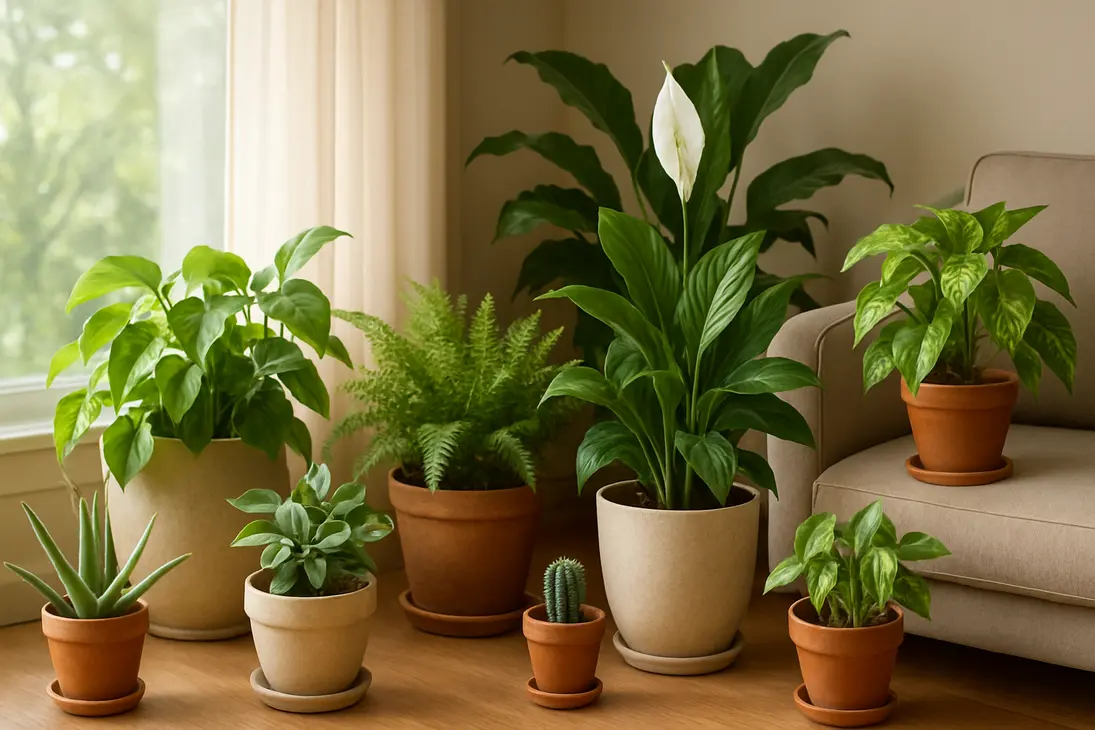
For most houseplants, the safest answer is: move them slightly back from harsh direct sun if your home gets hot, but do not move them into deep shade. Good houseplants window placement while you’re away is about balancing light, heat, and moisture.
A pothos baking against a west-facing window in July may be safer a few feet back in bright indirect light. But a cactus, jade plant, or aloe may suffer more from a week in a dim corner than from staying near the glass. The goal is to reduce stress while keeping conditions close to what the plant already tolerates.
How Window Placement Affects Houseplants While You’re Away
Window placement affects light intensity, heat, drying speed, and growth direction. Moving a plant away from a window changes all of these at once. That can help if the window is hot, but hurt if the plant depends on strong light.
A good pre-trip move is usually small and intentional: out of harsh direct sun, but still in bright natural light.
Light Intensity Drops Quickly Away From a Window
Indoor light drops much faster than it appears to human eyes. A spot that looks bright across the room may be far dimmer for a plant, especially if it is several feet from the glass, off to the side, behind curtains, or shaded outdoors.
This matters most for plants that need strong light:
- Cacti and many succulents
- Jade plants
- Aloe
- Citrus and other sun-loving indoor plants
- Plants currently flowering or setting buds
Moving these plants too far from a window for a week or two can cause stretching, leaning, yellowing, bud drop, or stalled growth.
Direct Sun Can Overheat or Dry Plants Faster
Direct sun through glass can overheat leaves, pots, and potting mix. South- and west-facing windows are the main concern, especially in summer or when cooling is reduced while you are away.
Small pots, terracotta pots, hanging baskets, and thin-leaved plants dry especially fast. A plant that normally needs water every five days may dry in two or three if it sits in hot afternoon sun in a closed room. In that case, moving it back is sensible.
Plants Grow Toward the Light Source
Houseplants lean toward the strongest light source. If you move a plant away from a window or turn it sharply before leaving, it may start angling back toward the light.
For most foliage plants, this is cosmetic. For plants with buds or flower spikes, direction changes can be more disruptive. Orchid growers, for example, often avoid turning a Phalaenopsis once a flower spike forms because the spike keeps bending toward the light.
When Moving Plants Away From Sunlight Before a Trip Makes Sense
Moving houseplants away from sunlight before a trip makes sense when their current spot is likely to become too hot, too dry, or too intense while you are gone.
The best move is usually from direct sun to bright indirect light, or from touching hot glass to a safer spot a few feet back. Do not move plants into darkness just to reduce watering needs.
Move Plants Back From Hot South- or West-Facing Windows
South- and west-facing windows often create the highest pre-trip risk because they provide strong, warm light for long periods.
Move plants back if:
- Leaves are close to hot glass.
- The plant gets several hours of direct afternoon sun.
- The pot dries much faster than usual.
- You are traveling during a heat wave.
- You will reduce cooling.
- Leaves already show crispy edges, bleached patches, or sun wilting.
For a short trip, moving plants 1–4 feet back from a hot window may be enough. If the plant still has a clear view of the sky and the room remains bright, it will usually handle the change better than direct heat.
Thin-leaved tropical plants such as calatheas, peace lilies, some ferns, and young philodendrons often prefer this filtered light.
Use Bright Indirect Light Instead of Deep Shade
“Out of direct sun” should usually mean bright indirect light, not a dark hallway.
Good temporary locations include:
- A few feet back from a sunny window
- Beside a bright window rather than directly in front of it
- Behind a sheer curtain
- Near an east-facing window with gentle morning sun
- In a bright room where the plant can still see the sky
Avoid rooms with closed curtains, tiny frosted windows, no natural light, or dark corners chosen only because they feel cool. If you need to reduce heat, use distance, sheer curtains, or tilted blinds instead of cutting off light completely.
Short Trips vs. Longer Trips
For one to three days, most healthy houseplants are best left where they already grow well. Water appropriately and avoid unnecessary changes.
For four to seven days, move plants out of hot direct sun if they are likely to dry too fast. Bright indirect light is safer than an overheating windowsill.
For one to two weeks, group plants in a bright room, keep sensitive plants away from hot glass, and avoid heat-trapping saucers.
For longer than two weeks, window placement alone may not be enough. Consider a plant sitter, self-watering setup, wicking system, or grouping strategy based on each plant’s needs.
When You Should Not Move Houseplants Too Far From the Window
Do not move plants far from the window just because you are leaving town. Low light slows water use, but it also reduces the plant’s ability to maintain itself.
A plant in dim conditions may stay wet too long after watering, stretch, drop older leaves, or pause growth. Some tolerate this briefly; others decline quickly.
Succulents, Cacti, and Jade Plants Need Strong Light
Cacti, succulents, jade plants, and aloe usually need the brightest indoor light you can provide. They also store water, so drying slightly during a short trip is often less risky than sitting wet in low light.
A better plan is:
- Keep them near a bright window.
- Move them back only if the glass gets extremely hot.
- Water only if the soil is dry and the plant is due.
- Do not place them in shade “just in case.”
Jade plants often lean toward windows. Rotation may help even growth, but it does not replace strong light.
Flowering Plants May Stall or Drop Buds
Plants in bud or bloom can be sensitive to sudden light changes. Moving them from bright light to dim light may cause stalled buds or bud drop. This can happen with orchids, holiday cactus, African violets, hibiscus, jasmine, and other flowering houseplants.
If a flowering plant is already safe in its window, avoid a major move right before leaving. If it is overheating or wilting in direct sun, move it to bright indirect light, ideally a day or two before departure so you can check its response.
Orchids and Flower Spikes Can React to Direction Changes
Phalaenopsis orchids often do well near an east window or in bright indirect light. Once a flower spike forms, it grows toward the light. If you rotate the pot repeatedly or turn it just before leaving, the spike may twist or bend.
This usually does not harm the orchid long term, but it can make the spike awkward or harder to stake. If your orchid is in spike or bud and already has suitable light, leave its orientation alone unless the window is too hot.
Best Window Placement for Common Houseplants
The best houseplants window placement depends on the plant and the window. A shaded south window may be gentler than an unobstructed west window; a north window in a bright apartment may be better than an east window blocked by trees.
| Plant group | Best pre-trip placement | Avoid |
|---|---|---|
| Cacti, succulents, jade, aloe | Very bright window; some direct sun if acclimated | Dim rooms, wet soil in low light |
| Orchids | Bright indirect light; gentle east light | Hot afternoon sun, repeated turning in spike |
| Pothos, philodendron, monstera | Bright indirect light near a window | Harsh sun, deep shade for long trips |
| Snake plant, ZZ plant, cast iron plant | Low to bright indirect light | Overwatering before placing in low light |
| Ferns, calatheas, peace lilies | Bright filtered light, away from hot glass | Strong direct sun, dry hot windowsills |
Bright Direct Light: Cacti, Succulents, Jade, Aloe
These plants usually do not need to move far from a window. If they are established in a sunny spot, leave them there unless heat is extreme.
For a summer trip, move a jade or aloe slightly back from a scorching west window while keeping it in the brightest part of the room. For a winter trip, staying close to the window is often better because light is weaker.
Bright Indirect Light: Orchids, Pothos, Philodendron, Monstera
Many tropical houseplants prefer bright indirect light: enough light to grow, without hours of harsh sun on leaves.
Good pre-trip placements include an east-facing window, a spot a few feet from a south or west window, a sheer-curtained window, or a bright room with no direct sun on foliage. Pothos and heartleaf philodendron tolerate lower light than monstera, but all perform better with useful brightness.
Lower Light: Snake Plant, ZZ Plant, Cast Iron Plant
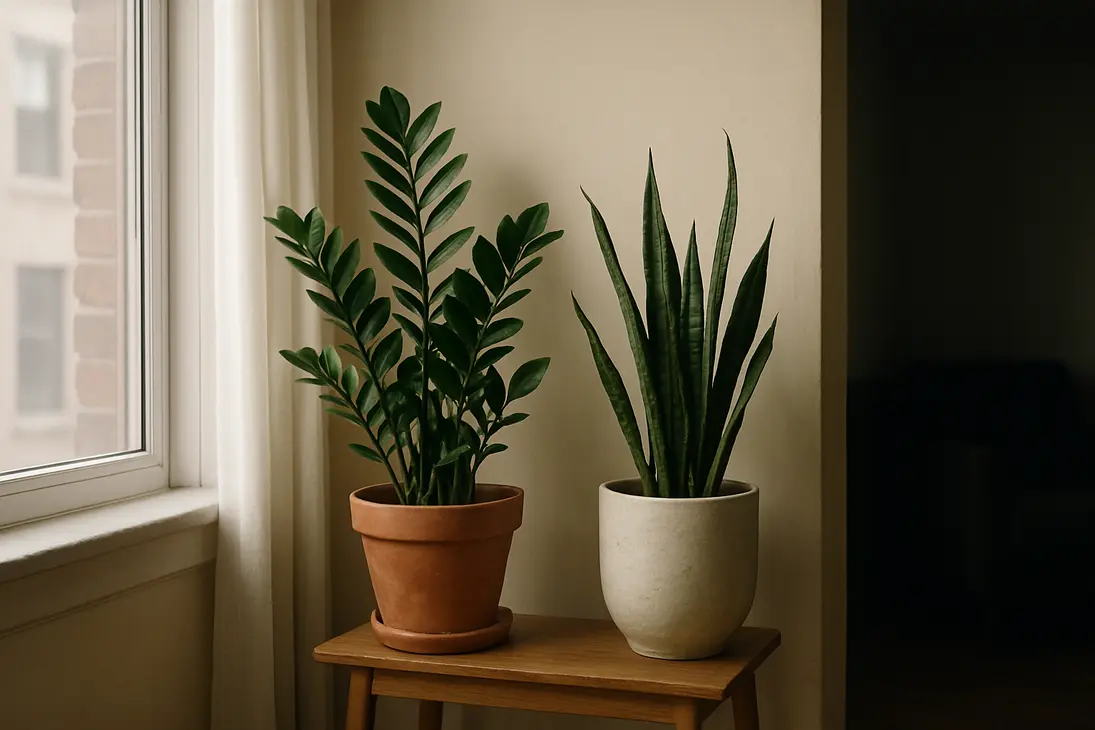
Snake plants, ZZ plants, and cast iron plants tolerate lower light better than many houseplants. That does not mean they prefer darkness.
They can be moved a little farther from the window if needed, but give them natural light if possible. Be careful with water: these plants use moisture slowly in low light, so soaking them before moving them to a dim corner can leave the mix wet too long.
East, West, South, and North Windows Compared
| Window direction | Typical light pattern | Pre-trip advice |
|---|---|---|
| East | Gentle morning sun, bright indirect light later | Usually safe for many houseplants |
| West | Strong afternoon sun, often hot | Move sensitive plants back or filter light |
| South | Brightest overall in many regions; can be hot | Good for sun plants; distance or filter tropicals |
| North | Lowest light, mostly indirect | Good for low-light plants; too dim for sun lovers |
These are general patterns. Season, climate, window size, outdoor shade, roof overhangs, and glass type all affect the result.
How to Prepare Houseplants Before Leaving
Pre-trip care should be steady and simple. Most problems come from dramatic last-minute changes: soaking every pot, fertilizing heavily, moving plants into darkness, or rearranging everything the night before.
Water Thoroughly, But Don’t Overwater
Water plants that actually need watering before you leave. Do not water every plant automatically.
For most tropical foliage plants, water thoroughly until excess drains, then empty saucers. For succulents and cacti, water only if the mix is dry and the plant is due.
Avoid adding “extra water for later.” Excess water fills air spaces roots need and can increase rot risk, especially if the plant is also moved to lower light.
Avoid Fertilizing Right Before You Leave
Do not fertilize right before a trip unless it is already part of a mild, regular routine and the plant is actively growing. Fertilizer is not emergency food and will not compensate for lower light or missed care.
Overfertilizing can damage roots and cause browning tips or stress. If you want to fertilize, wait until you return and can monitor the plant.
Rotate Only When It Helps the Plant
Rotation can help foliage plants grow evenly, but do not rotate every plant automatically before a trip.
- Rotate lightly if a pothos, philodendron, rubber plant, or jade is leaning and otherwise healthy.
- Avoid rotating orchids with flower spikes, plants with buds, or vines trained in a specific direction.
- Do not combine rotation with a major light change unless necessary.
If you rotate, do it a few days before leaving so you can catch any stress.
Check for Pests Before Moving Plants Around
Before grouping plants in a shared bright location, inspect them for pests. Check leaf undersides, stems, leaf joints, and new growth.
Watch for sticky residue, fine webbing, cottony white clusters, tiny moving dots, yellow stippling, or distorted new leaves. Spider mites often worsen in hot, dry windows. Aphids, mealybugs, and scale can spread when plants are crowded.
If you find pests, isolate that plant instead of adding it to a vacation grouping.
Conclusion
You do not need to move every houseplant away from the window before a trip. In many cases, leaving plants in their normal bright position is safer than making a sudden move to low light.
The best adjustment is modest: move plants slightly back from hot south- or west-facing windows, keep them in bright indirect light, and avoid deep shade. Sun-loving plants such as cacti, succulents, jade, and aloe should stay close to strong light unless the window gets dangerously hot. Tropical foliage plants often benefit from protection from harsh direct sun.
Good houseplants window placement while you are away is not about choosing sun or shade. It is about choosing the least stressful version of the plant’s normal conditions.
FAQ
Can houseplants survive a week away from the window?
Some can, but it depends on the plant and how far you move it. Snake plants, ZZ plants, and cast iron plants may tolerate a week in lower light. Succulents, cacti, jade plants, blooming plants, and many large tropicals are better kept in bright conditions.
For a one-week trip, bright indirect light is usually safer than a dark room.
Is it better to leave plants in direct sun or move them to shade while traveling?
Neither extreme is always best. Gentle morning sun may be fine. Hot afternoon sun from a west or south window may dry or scorch sensitive plants.
If direct sun is risky, move plants into bright indirect light, not deep shade.
Should I rotate my houseplants before I leave?
Only if it helps. Foliage plants that lean can often be turned slightly, but avoid rotating orchids with flower spikes, plants in bud, or plants trained toward a support.
If you rotate, do it a few days before your trip rather than at the last minute.
Why did my plant lean toward the window after I moved it?
It leaned because it was growing toward the strongest light source. This is normal.
Move it back to brighter indirect light and rotate gradually if it is a foliage plant. If it is flowering or growing a spike, avoid repeated turning until that growth cycle finishes.
Sources
- Quora discussion on Phalaenopsis orchid flower spikes and window direction: https://www.quora.com/Why-hasnt-my-Phalaenopsis-orchid-ever-bloomed-even-though-I-have-it-for-2-years
- Quora discussion on jade plants growing toward windows: https://www.quora.com/How-can-I-get-my-little-Jade-plant-to-branch-out-It-is-making-new-leaves-but-is-just-growing-straight-up-like-a-tower-Should-I-repot-it-or-pinch-it
You Might Also Like