What Is the Difference Between Permanent and Temporary Wilting?
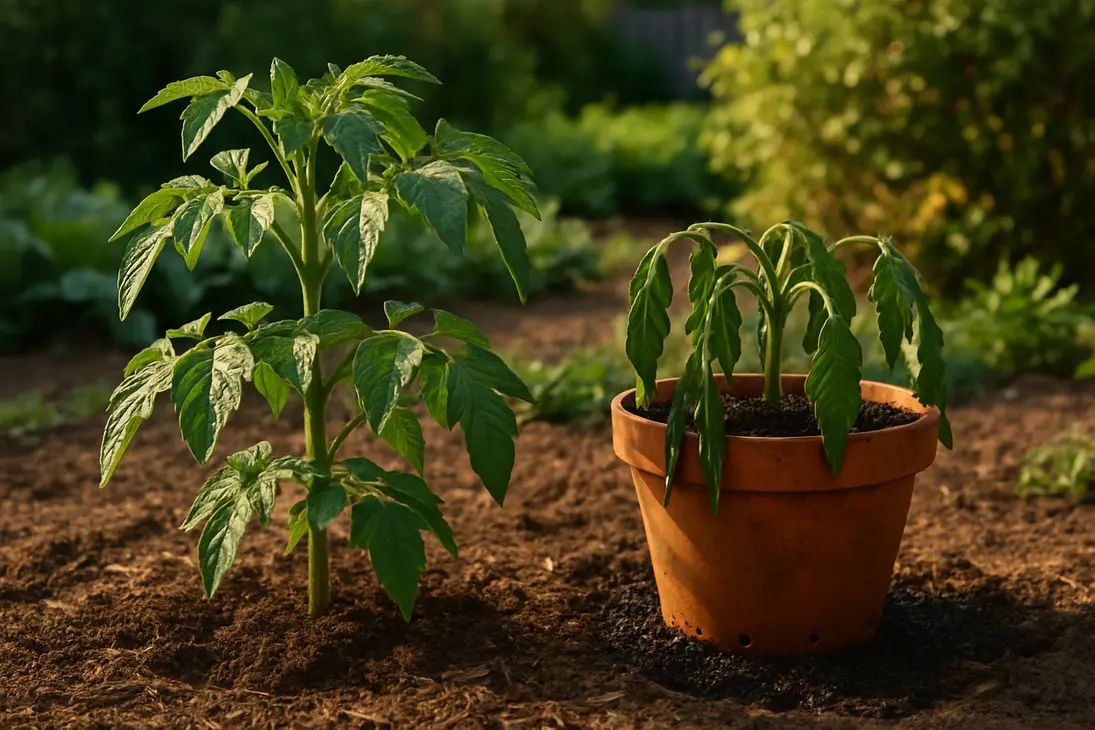
Wilting happens when a plant’s leaves lose the internal water pressure that keeps them firm and upright. The important distinction in permanent vs temporary wilting is whether the plant can restore that pressure once conditions improve.
Temporary wilting is commonly a short-lived response to intense sun, heat, wind, or dry air. Permanent wilting is more serious: the plant cannot recover on its own because available water is too limited or its roots are unable to take up water effectively.
Temporary vs. Permanent Wilting at a Glance
| Feature | Temporary Wilting | Permanent Wilting |
|---|---|---|
| Recovery | Leaves regain firmness as temperatures cool, humidity rises, or water becomes available | Leaves stay limp after cooler conditions or watering, or recover only partly |
| Typical timing | Often appears in the hottest, brightest part of the day | Persists through evening, overnight, and into the following morning |
| Soil moisture | May be adequately moist, especially during a heatwave | Often very dry, though soil can also be wet if roots are damaged or rotting |
| Plant condition | Leaves may look normal again by morning | Yellowing, browning, crisp edges, leaf drop, dead tips, and weak stems may develop |
| Likely outcome | Usually reversible with appropriate care | Can cause lasting damage or death if the cause is not corrected promptly |
Temporary Wilting
Temporary wilting occurs when a plant loses water through its leaves faster than its roots can replace it. Plants constantly release water vapor through tiny pores in their leaves in a process called transpiration. In hot, dry, sunny, or windy weather, that loss can accelerate sharply.
A tomato plant, hydrangea, pepper, squash plant, or newly planted shrub may look dramatically limp in midafternoon, even when its soil still contains usable moisture. The roots are working, but they cannot move water upward quickly enough to match the demand from the leaves.
When the temperature drops, direct sun fades, or humidity rises, transpiration slows. If the roots have access to enough water, the plant rebuilds pressure in its cells—called turgor pressure—and the leaves become firm again.
Temporary wilt is not always harmless. Repeated daily wilting can slow growth, reduce flowering or fruiting, and increase stress. Still, a plant that consistently perks up by evening or early morning is usually experiencing a water-demand problem rather than irreversible drought damage.
Permanent Wilting
Permanent wilting means the plant remains wilted because it cannot take up enough water to restore normal turgor. This most often happens after severe or prolonged drying, but drought is not the only cause.
Soil may be so dry that water is held tightly around soil particles and is no longer available to roots. Fine feeder roots can die during extended drought, leaving the plant unable to rehydrate quickly even after watering. In other cases, roots are injured by transplanting, disease, insects, compaction, salt buildup, or waterlogged conditions.
The word permanent can sound as though recovery is impossible, but a plant is not necessarily dead the moment it reaches this stage. Fast, correct intervention may save it if enough living root and stem tissue remains. However, leaves that have dried brown and crisp will not become green again, and dead growing tips will not restart.
Without correction, permanent wilting can lead to leaf scorch, yellowing, leaf drop, stunted growth, branch dieback, and eventual plant death.
Why Plants Wilt
Wilting is a water-balance problem. Leaves stay firm because water inside their cells presses outward against cell walls. When those cells lose more water than they receive, the pressure falls and foliage droops.
When Transpiration Outpaces Water Uptake
Heat, direct sun, low humidity, and wind all increase transpiration. A plant in a black nursery pot on a hot patio, for example, may experience far more stress than the same plant growing in a mulched garden bed. Its small root zone heats quickly and dries quickly, while the foliage continues losing water.
This is why afternoon wilting is common during summer heat. A healthy plant may be rooted in reasonably moist soil but still wilt for a few hours because its leaves are losing water faster than the roots can supply it.
Several situations make temporary wilt more likely:
- A sudden heatwave after mild weather
- Strong, drying wind
- Full afternoon sun on a moisture-loving plant
- Recently transplanted plants with limited root systems
- Fast-growing vegetables and flowering annuals
- Small containers, hanging baskets, and raised beds that dry rapidly
A plant should not be watered automatically every time it droops in the afternoon. If the root zone is already wet, additional watering can reduce oxygen around the roots and create a second problem.
When Roots Cannot Access or Absorb Water
Persistent wilt occurs when the root system cannot deliver enough water, even after the weather becomes less demanding.
Extremely dry soil is one cause. In sandy soil, water may drain away quickly. In clay-heavy soil, moisture may remain deeper down but be difficult for young or damaged roots to reach. Peat-based potting mixes can become water-repellent when they dry completely, causing water to run down the sides of a pot and out the drainage holes without wetting the root ball.
However, wilted foliage does not always mean underwatering. Roots need both moisture and oxygen. In saturated, poorly drained soil, roots can suffocate or rot, leaving the plant unable to absorb water even though the soil feels wet.
Other causes of persistent wilt include:
- Root rot caused by prolonged wet conditions
- Compacted soil that restricts root growth and air movement
- Root injury during planting, cultivation, or repotting
- Root-bound container plants with densely circling roots
- Root-feeding pests or stem damage
- Fertilizer-salt buildup in pots
- Disease affecting roots or water-conducting tissues
The key lesson is simple: a wilted plant needs diagnosis before it needs more water.
How to Tell Whether Wilting Is Temporary or Permanent
The most useful diagnosis comes from observing the plant over a full day and checking the root zone rather than relying on leaf appearance alone.
Check Whether the Plant Recovers Overnight
Look at the plant in the early morning, before direct sun and heat build up.
If leaves are firm in the morning but droop in the afternoon, temporary wilt is likely. Keep monitoring it, especially if the episodes are frequent or becoming more severe.
If the leaves are still limp the next morning, the issue is more serious. It may be severe drought stress, root damage, poor drainage, disease, or another problem that prevents water uptake.
A practical sequence is:
- Notice when the wilting begins.
- Check the plant again in the evening after temperatures fall.
- Check it once more early the next morning.
- Compare leaves, stems, and soil moisture before deciding what to do.
Do not judge recovery solely by one leaf. Older leaves may stay damaged while new growth remains healthy, particularly after a brief drought episode.
Test Soil Moisture Before Watering
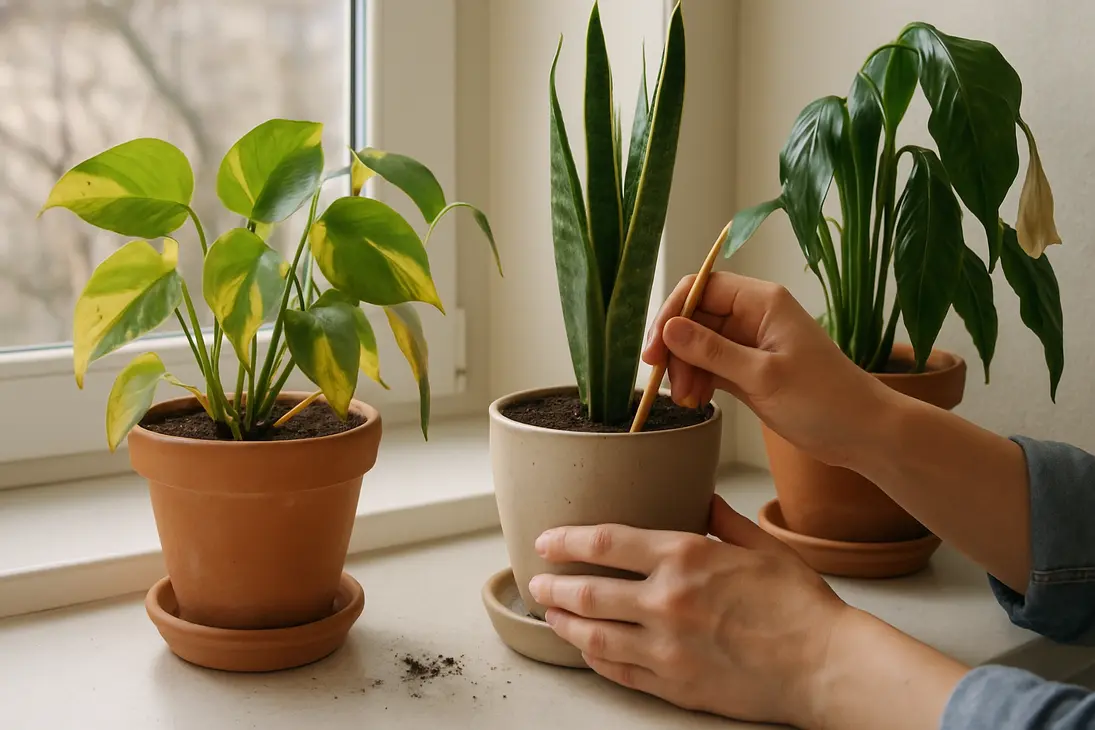
Push a finger, trowel, chopstick, or moisture probe several inches into the soil near the root zone. For established shrubs and larger plants, check more deeply where practical. The surface can look dry while the soil below remains moist; conversely, a damp top layer can hide a dry root ball beneath it.
For container plants, lift the pot if you can. A pot that feels unusually light is often dry throughout. You can also slide the root ball partly out of the pot to see whether the mix is evenly moist.
Use the result to guide your next step:
| What you find | Most likely concern | Sensible response |
|---|---|---|
| Soil is dry well below the surface | Drought stress | Water thoroughly and slowly around the root zone |
| Soil is damp but plant recovers by morning | Heat or temporary moisture stress | Mulch, provide shade if needed, and monitor |
| Soil is wet and plant remains wilted | Root damage, poor drainage, root rot, or disease | Stop routine watering and inspect drainage, roots, and stems |
| Water runs off very dry potting mix | Water-repellent root ball | Rehydrate gradually and ensure the entire root ball becomes moist |
A wilted plant in wet soil is one of the most common situations in which gardeners accidentally make matters worse by watering again. Check drainage holes in pots, saucers holding water, compacted ground, and any smell of sour or decaying soil.
Look for Signs of Lasting Damage
Temporary wilt generally leaves little evidence once the plant rehydrates. Permanent or prolonged stress often leaves marks.
Look for:
- Brown, crispy leaf margins or patches
- Bleached or scorched areas exposed to sun
- Yellowing leaves followed by premature drop
- Dry, brittle stems or dead shoot tips
- Buds, flowers, or small fruits dropping
- Stunted new growth
- Roots that are dark, mushy, sparse, or foul-smelling
- A stem base that is soft, discolored, or constricted
Drought-stressed leaves often feel dry or papery once damage is advanced. Overwatered plants can also look limp, but their leaves may feel softer, appear yellow, and be accompanied by persistently wet soil.
Check stems before giving up on a shrub or perennial. Scratch a very small area of outer bark with a clean fingernail. Green, moist tissue beneath the bark suggests that section is still alive; brown, dry tissue suggests dieback. Avoid repeatedly scratching multiple areas, especially on a small plant.
Preventing Wilting and Helping a Stressed Plant Recover
The goal is not to keep every plant continuously wet. Healthy roots need an appropriate cycle of moisture and air, suited to the plant, soil, season, and growing location.
Water Deeply and Consistently
Water the root zone thoroughly enough that moisture reaches the active roots. Frequent shallow sprinkling encourages roots to remain near the surface, where soil dries fastest.
Instead of watering by a rigid calendar, adjust according to:
- Recent heat, wind, and rainfall
- Soil texture and drainage
- Container size and material
- Plant size and stage of growth
- Whether the plant is newly planted or well established
- The species’ natural moisture needs
A newly planted tree, shrub, or perennial is especially vulnerable because its roots have not yet grown into surrounding soil. Keep its root zone evenly moist—not saturated—while it establishes.
For pots and hanging baskets, water slowly until the root ball is moistened and excess water drains from the bottom. Empty saucers after a short period so roots are not left standing in water.
Reduce Heat and Moisture Stress
A layer of organic mulch helps moderate soil temperature and slows moisture loss. Keep mulch a short distance away from stems and trunks rather than piling it directly against the plant.
During exceptional heat, temporary shade cloth, a patio umbrella, or moving containers to a location with afternoon shade can prevent repeated stress. This is particularly helpful for leafy vegetables, hydrangeas, newly transplanted plants, and plants in small pots.
Windbreaks can also help, but avoid enclosing plants so tightly that airflow becomes stagnant. Good air circulation reduces some disease risks; the aim is to soften harsh, drying wind rather than eliminate airflow entirely.
Improve Root and Soil Conditions
Healthy roots are the best defense against wilting. Use a potting mix appropriate for containers, choose pots with drainage holes, and avoid placing nursery pots inside decorative cachepots where water collects unseen.
In garden beds, avoid working soil when it is wet enough to smear or clump heavily. Repeated foot traffic and cultivation can compact soil, limiting the air spaces roots need. Add organic matter where suitable and use paths or stepping stones to keep planting areas from becoming compressed.
If wet soil and persistent wilt point to root trouble:
- Confirm that excess water can drain away.
- Remove standing water from pot saucers or cachepots.
- Inspect roots when repotting; trim only roots that are clearly dead or mushy with clean tools.
- Repot container plants that are severely root-bound into a slightly larger container with fresh mix.
- Flush excess fertilizer salts from containers with clean water only if drainage is working well.
- Check for root pests, stem damage, and signs of disease.
A plant affected by widespread root rot or vascular disease may not recover, even after drainage improves. In that case, removing the plant can be the most practical choice, especially if it could spread problems to nearby plants.
Act Quickly When Wilting Persists
When soil is extremely dry, do not assume one fast watering will solve the problem. Water-repellent soil may shed water rather than absorb it.
For a dry garden plant, water slowly at the base so moisture has time to soak in. For a container plant, water in stages, allowing a few minutes between applications. If the root ball is severely dry, placing the pot in a shallow container of water briefly can help it absorb moisture from below; remove it afterward and let it drain fully.
Then reduce stress while the plant recovers:
- Move container plants out of intense afternoon sun.
- Avoid fertilizing a severely stressed plant until it resumes growth.
- Do not prune off every wilted leaf immediately; leaves may still provide energy if they remain partly green.
- Remove only clearly dead, crisp, or diseased tissue after recovery has had time to begin.
If stems remain dry and brittle, roots are dead, or no recovery occurs after the underlying moisture or drainage issue has been corrected, replacement is usually more realistic than continued rescue attempts.
Conclusion
Temporary wilting is a short-term imbalance: leaves lose water faster than roots can replace it, usually during heat, sun, wind, or low humidity. A plant that becomes firm again by evening or morning is often experiencing temporary stress.
Permanent wilting means the plant cannot restore normal turgor because soil moisture is too depleted or roots are unable to function properly. Check soil below the surface, observe whether the plant recovers overnight, and look for signs of root or tissue damage. Quick action can sometimes save a severely stressed plant, but prevention through consistent watering, healthy soil, drainage, mulch, and sensible heat protection is far easier.
FAQ
Can a permanently wilted plant recover?
Sometimes, if the cause is corrected quickly and the roots and stems are still alive. A severely drought-stressed plant may recover after slow, thorough rehydration, while a plant with root rot may recover only if drainage and root conditions can be improved early enough.
Damaged leaves, scorched edges, and dead shoot tips will not repair themselves. Watch for firm stems and healthy new growth over the following days or weeks as better indicators of recovery.
What is the permanent wilting point in soil?
The permanent wilting point is the level of soil dryness at which a plant can no longer extract enough water to regain turgor, even under favorable conditions. It is a soil-science term rather than a single moisture reading that applies to every garden.
The exact point varies with soil texture, organic matter, plant species, root depth, and plant health. In practical gardening terms, it describes soil that has become too dry for the plant to use the water that remains.
Why is my plant wilted even though the soil is wet?
Wet soil can cause wilt because waterlogged roots lack oxygen and may rot. Damaged roots cannot absorb water effectively, so the leaves droop despite abundant moisture around them.
Also consider poor drainage, compacted soil, root-bound growth, fertilizer-salt buildup, root pests, stem injury, and disease. Check the roots and drainage before adding more water.
Is afternoon wilting always a sign that a plant needs water?
No. Afternoon wilting can be a temporary response to heat, sun, dry air, or wind, especially if the plant is firm again by evening or early morning. Check the soil beneath the surface before watering.
If the soil is dry at root depth, water deeply. If it is already moist and the plant recovers overnight, focus on reducing heat stress with mulch, temporary shade, or better protection from drying wind.
You Might Also Like