Can You Reuse an Avocado Seed After Planting?
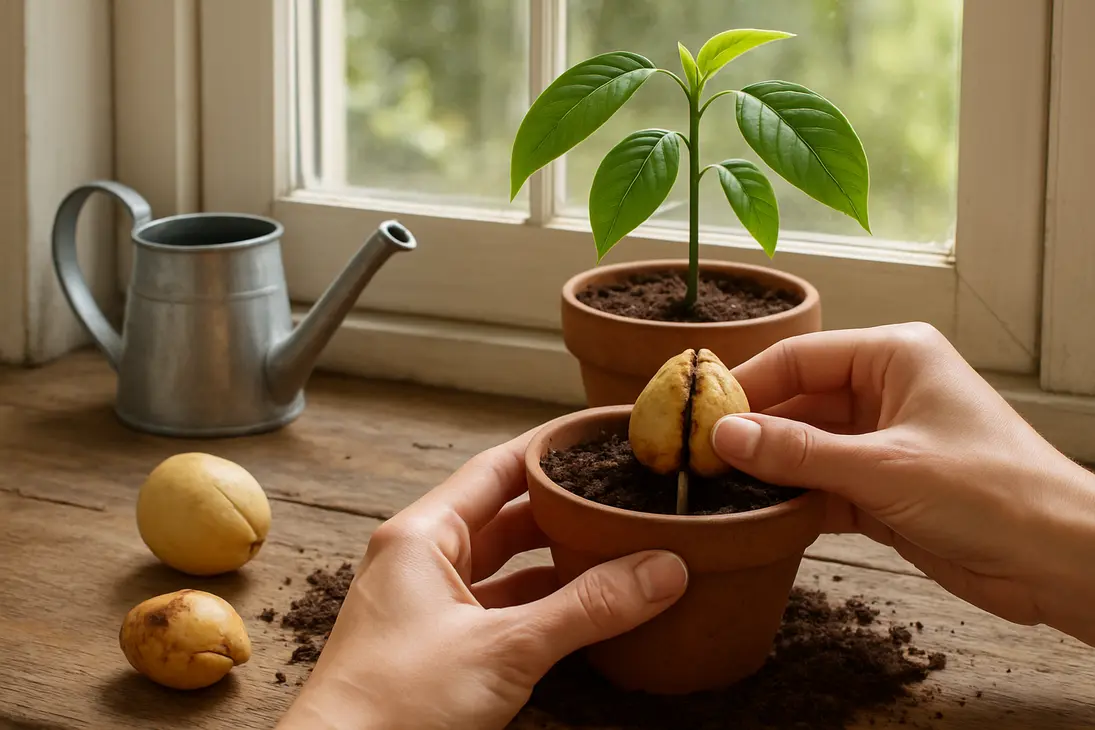
An avocado seed is not reusable in the way a pot, label, or seed-starting tray is. If your goal is to grow an avocado plant, the seed is usually a one-use living structure. Once it has sprouted, rooted, rotted, dried out, or been badly disturbed, it generally cannot be “reset” and started again.
The short answer: one avocado seed normally has one chance to grow one seedling. If that attempt fails because the seed rots, dries out, or is damaged, it is usually better to start with a fresh pit.
However, “reuse avocado seed” can mean different things. You might mean digging up a seed that has not sprouted, moving a sprouted pit from water into soil, or using a failed pit for compost or crafts. The right answer depends on the seed’s condition.
How Many Times Can an Avocado Seed Be Reused?
An avocado seed can usually be used once for growing. It contains one embryo and a stored food supply. During germination, that energy feeds the first root and shoot until the seedling begins supporting itself with leaves.
Once germination begins, the process is not reversible. A sprouted seed cannot become unsprouted again. A rotted seed cannot recover. A seed that has dried too much may no longer be viable. If a rooted seed is dug up and replanted, that is transplanting—not reusing.
| Seed condition | Can you reuse it to grow a plant? | Best action |
|---|---|---|
| Fresh, firm pit from a ripe avocado | Yes, for one attempt | Clean and start promptly |
| Cracked but firm, no bad smell | Possibly | Keep germinating if healthy |
| Sprouted with root or shoot | Not “reused,” but can be planted | Pot it carefully |
| Planted, then dug up before sprouting | Sometimes, if still firm | Replant promptly and gently |
| Soft, moldy, foul-smelling, collapsing | No | Compost or discard |
| Dried out for a long time | Unreliable | Start with a fresh seed |
If the Seed Has Already Sprouted
If the avocado seed has produced a root, stem, or both, it has already done its main job. You cannot reuse that same seed to grow a second separate plant.
At this stage, the pit is a food reserve for the young seedling. It may stay attached for a long time, but internally its stored energy is being used. Splitting it, restarting it, or trying to force another germination usually damages the plant.
Occasionally, an avocado seed may produce more than one shoot. Treat this as one seedling system. Separating shoots is risky because roots may be tangled or connected. If two shoots grow, you can let them develop for a while and later prune the weaker one if needed.
If the Seed Was Planted but Did Not Grow
If you planted an avocado seed and nothing happened, check its condition before deciding whether to try again.
A firm seed with no sour smell may simply be slow. Avocado pits can take several weeks to a few months to germinate, especially in cool conditions. Repeatedly digging it up is not ideal because a tiny emerging root can break easily. But if you already lifted it and it still looks healthy, replant it promptly.
A planted seed is worth another chance only if it is:
- Firm, not mushy
- Free of rotten smell
- Not covered in spreading mold
- Not shriveled from drying
- Not broken through the embryo area
- Clean and creamy inside if cracked
If it has been in cold, wet soil for weeks and is soft, dark, or smelly, start over with a fresh avocado pit.
If the Seed Has Started to Rot or Decompose
A rotting avocado seed cannot be reused for growing. Rot means fungi or bacteria have begun breaking down the seed tissue. Once the pit becomes soft, slimy, foul-smelling, or blackened inside, the embryo is usually dead or too damaged to grow.
A little surface staining or light mold is not always fatal if the seed underneath is firm. You can rinse it gently and continue. True decomposition is different: if the pit collapses when pressed, oozes, smells bad, or has a mushy base, it is done.
Most rot problems come from too much moisture and too little air. In water, only the lower portion of the seed should touch water. In soil, the mix should be evenly moist but never swampy.
What “Reusing” an Avocado Seed Can Mean
It helps to clarify what you mean by “reuse.” If you mean growing multiple trees from one pit, the answer is normally no. If you mean giving a firm, unsprouted seed another chance after a poor setup, sometimes yes. If you mean moving a sprouted seed into soil, that is not reuse—it is normal planting.
Replanting the Same Seed
Replanting the same seed can work if it is still alive and has not been badly damaged.
For example, if you planted a pit upside down and noticed after a week, you can dig it up and replant it correctly if it is still firm. That is correcting the first attempt, not giving the seed a new life cycle.
The broad, slightly flatter end is usually the bottom, where the root emerges. The narrower end is usually the top, where the shoot emerges. When planting in soil, place the broad end down and leave the upper portion slightly exposed or only lightly covered.
If the seed has already made a root, handle it as little as possible. Young avocado roots are brittle, and breaking the main root can kill the seedling.
Moving a Sprouted Seed From Water to Soil
Moving a sprouted avocado seed from water to soil is not reusing the seed. It is simply the next stage of growing.
Water can start germination, but it is not a long-term substitute for soil or potting mix. A water-grown seedling eventually needs a medium that supports roots, holds nutrients, and allows oxygen around the root system.
Move the seedling once it has a decent root and early top growth, but before it becomes tall, weak, and dependent on a mass of fragile water roots.
Using the Pit for Compost, Crafts, or Experiments
If the seed is no longer viable, you can still use it for non-growing purposes.
A failed avocado pit can be:
- Added to compost
- Used in a children’s germination or decomposition experiment
- Dried for craft projects
- Observed for seed anatomy
Avocado pits are dense and break down slowly in compost. Chopping or crushing them can help, but only do so if you can do it safely.
How to Give an Avocado Seed the Best Chance the First Time
Because an avocado seed has one main chance to grow, set it up well from the start.
Choose a seed from a ripe avocado. Remove the flesh gently, rinse it clean, and avoid cutting deeply into the pit. A shallow nick is usually not a problem, but a deep cut through the embryo area can ruin the seed.
You do not have to peel off the brown seed coat. Some growers remove it to reduce mold or see cracking more clearly; others leave it on. Either can work. Freshness, warmth, moisture, and drainage matter more.
Avocado seeds germinate best in warm conditions. A cool windowsill can slow them dramatically. Bright indirect light is helpful once the shoot appears, but warmth is more important before germination.
Starting an Avocado Seed in Water
The water method is popular because you can watch the root develop. The main risk is keeping the seed too wet.
To start an avocado seed in water:
- Rinse the pit and remove clinging fruit.
- Identify the bottom end, usually broader and flatter.
- Insert three or four toothpicks around the middle.
- Suspend the seed over a glass or jar.
- Keep only the lower portion in water.
- Place it somewhere warm with bright indirect light.
- Change the water regularly.
- Wait; cracking often comes before visible root growth.
The seed may crack before a root appears. That is normal. Do not pry it open. If the water smells bad, clean the container and rinse the seed gently. If the seed itself becomes mushy or foul-smelling, it has probably rotted.
Starting an Avocado Seed Directly in Soil
Starting directly in soil avoids the water-to-soil transition and can produce roots adapted to pot life from the beginning. The tradeoff is that you cannot see progress, so patience is important.
Use a pot with drainage holes and a loose potting mix. If your mix stays soggy, improve drainage with perlite, bark fines, or a similar material.
To plant directly in soil:
- Fill a pot with lightly moist potting mix.
- Set the seed broad end down.
- Leave the upper third to half exposed, or cover only lightly.
- Water gently to settle the mix.
- Keep the pot warm and evenly moist.
- Do not let it sit in standing water.
- Avoid digging it up repeatedly.
The soil should feel like a wrung-out sponge: moist, not saturated. Cold, heavy, wet soil encourages rot.
Common Reasons Avocado Seeds Fail to Sprout
Avocado pits fail for practical reasons more often than mysterious ones. Common problems include:
- The seed dried out too long before planting. Fresh pits perform best.
- The seed was kept too cold. Cool temperatures slow or prevent germination.
- The pit was submerged too deeply in water. Constant soaking encourages rot.
- The soil stayed waterlogged. Roots need oxygen as well as moisture.
- The seed was planted upside down. Some may still grow, but it makes germination harder.
- The pit was damaged during removal. Deep knife cuts can injure the embryo.
- The seed was handled too often. Tiny roots break easily.
- The seed was not viable. Not every store-bought avocado pit will grow.
If one seed fails, start two or three fresh pits to improve your odds, then keep the strongest seedling.
When to Transfer a Sprouted Avocado Seed to Soil
A water-grown avocado seed should be moved to soil once it has enough root and shoot growth to establish, but before it becomes overly adapted to water.
There is no exact height that applies to every seedling. A short, sturdy plant with healthy roots is better than a tall, weak one with one fragile root.
Signs It Is Ready to Pot
Your avocado seedling is usually ready for soil when it has:
- A main root several inches long
- Some small side roots beginning to form
- A shoot emerging from the top
- Early leaves opening, or at least a strong stem
- A firm seed that is not rotting
Do not wait until the plant is large. Long water roots can break during potting, and a tall stem may wilt if the root system struggles after transplanting.
If the seed has only a tiny root nub, give it more time. If it has a long root but no shoot yet, you can wait a little longer or pot it very carefully.
How to Plant It Without Damaging the Roots
Prepare the pot before removing the seedling from water. Use drainage holes and a loose, well-draining mix. Avoid an oversized pot, which can hold too much wet soil around the young roots.
To pot a sprouted avocado seed:
- Fill the pot partway with moist potting mix.
- Make a hole deep enough for the root.
- Hold the seed gently, not by the root.
- Lower the root into the hole without bending it sharply.
- Backfill and firm lightly.
- Keep the top half of the seed above the soil surface.
- Water gently.
- Place the plant in bright indirect light while it adjusts.
Do not bury the entire pit deeply. Wet soil around the seed and stem base increases the chance of rot.
After potting, mild drooping for a day or two is normal. Keep the mix lightly moist, not soggy, and avoid harsh direct sun until new growth resumes.
What to Expect After Planting an Avocado Seed
A seed-grown avocado can become an attractive houseplant with glossy leaves and an upright stem. It is a fun project, especially because the seed comes from something you might otherwise throw away.
But a seed-grown avocado is not the same as a grafted nursery tree. Seedlings are genetically variable, slow to mature, and often unlikely to fruit indoors.
Will a Seed-Grown Avocado Produce Fruit?
A seed-grown avocado may eventually produce fruit, but it is not guaranteed. Outdoors in a suitable climate, a seedling can take many years to mature—often several years to more than a decade. Indoors, fruiting is much less likely because the plant may not get enough light, space, pollination, or seasonal conditions.
Even if it does fruit, the avocados may not match the fruit the seed came from. Avocados do not come true from seed in a predictable way. Commercial avocado trees are usually grafted so growers know the fruit quality and tree characteristics.
If you want a houseplant, starting from seed is worthwhile. If you want reliable fruit, choose a grafted tree suited to your climate.
Why Avocado Seedlings Get Brown Leaves
Brown leaves are common after an avocado seed grows. Browning does not always mean the plant is dying, but it does show stress.
Common causes include:
- Inconsistent watering. Repeated drying and soaking can brown leaf tips.
- Waterlogged soil. Constantly wet roots may decline.
- Salt buildup. Minerals from tap water or fertilizer can cause brown tips.
- Low indoor humidity. Dry air can crisp edges.
- Too much direct sun too soon. Tender seedlings can scorch.
- Transplant shock. Moving from water to soil can stress roots temporarily.
- Cold drafts. Avocados prefer warmth.
Grow the plant in bright light, use a pot with drainage, water when the upper mix begins to dry, and do not leave the pot standing in water. Brown tips will not turn green again, so judge success by healthier new growth.
Conclusion
You generally cannot reuse avocado seed material to grow multiple plants. An avocado pit is a living seed with one main chance to germinate. Once it sprouts, its stored energy goes into that seedling. Once it rots, dries out, or is badly damaged, it usually cannot be revived.
If the seed was planted briefly and is still firm and healthy, you may be able to replant it and continue the same germination attempt. If it has already sprouted, focus on potting and caring for that seedling. If it has rotted, start fresh with a new pit.
The best strategy is to give each avocado seed the right conditions the first time: freshness, correct orientation, warmth, steady moisture, drainage, and patience.
FAQ
Can I dig up an avocado seed and plant it again?
Yes, sometimes. If the seed is still firm, healthy, and not rotting, you can replant it promptly. This is most reasonable if you planted it recently and need to correct its position or move it to a better mix.
If it has already produced a root, be very gentle. Breaking the main root can kill the seedling. If the seed is soft, smelly, blackened, or collapsing, start with a fresh pit.
Can one avocado seed grow more than one tree?
Normally, one avocado seed grows one seedling. Occasionally, a seed may produce more than one shoot, but that does not mean the seed can be reused repeatedly. Those shoots are part of the same germination event and may share roots.
For most home growers, treat one pit as one plant.
Can I reuse an avocado seed if it cracked but did not sprout?
A cracked avocado seed can still be alive. Cracking is often an early sign of germination. If the seed is firm, clean-smelling, and not mushy, keep it warm and moist and give it more time.
Do not pry the crack open. If the inside is dark, rotten, or slimy, the seed has likely failed.
Should I start another avocado seed if the first one rotted?
Yes. A rotted avocado seed will not recover. Compost or discard it and begin again with a fresh pit.
For the next attempt, avoid keeping the seed too wet. In water, submerge only the bottom portion. In soil, use a well-draining mix and keep it lightly moist rather than soggy. Starting two or three seeds at once can improve your chances of getting one strong seedling.
You Might Also Like