What Is the Purpose of Drainage in Plant Pots?
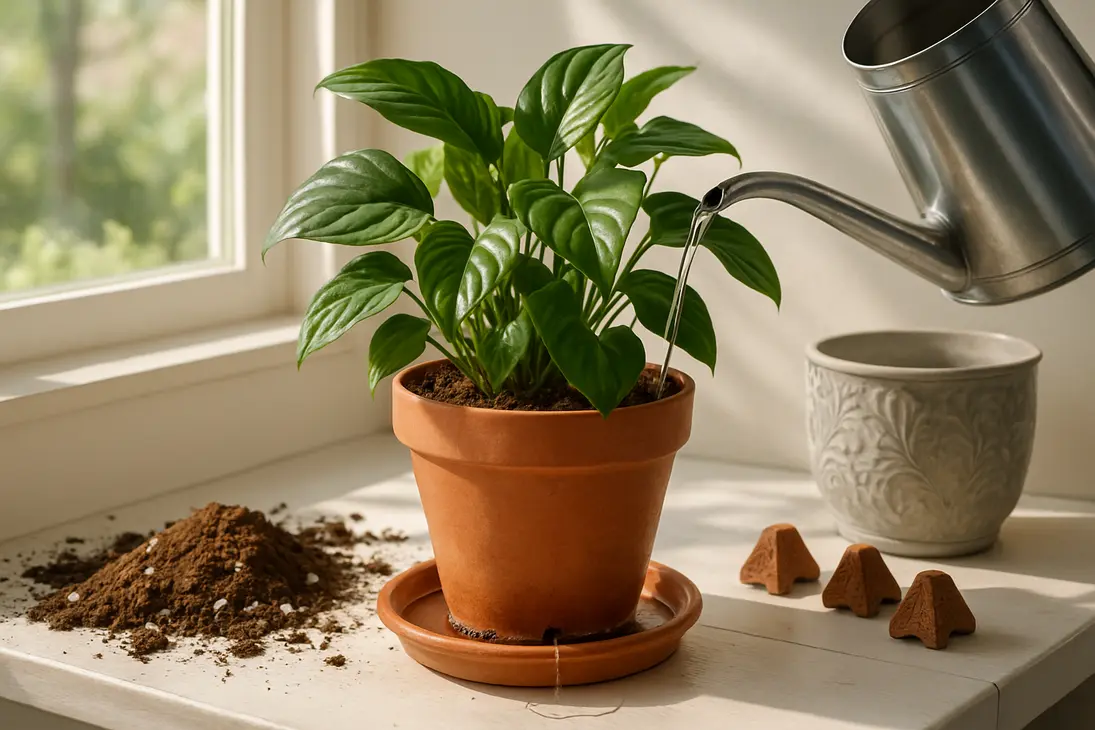
The purpose of drainage in plant pots is to let excess water leave the container after watering or rain. This keeps potting mix moist rather than swampy, so roots can access both water and oxygen.
Good drainage does not mean a pot dries out immediately. A healthy container still holds useful moisture while allowing surplus water to escape through drainage holes. This balance makes watering safer, especially indoors where water cannot move into surrounding ground soil.
Poor drainage is a common cause of potted plant decline. It can lead to soggy soil, yellow leaves, wilting despite wet mix, fungus gnats, sour smells, salt buildup, and root rot. Understanding drainage helps you choose better pots, fix problem containers, and avoid common mistakes such as relying on gravel at the bottom.
Why Pots Need Drainage
A plant in the ground has a broad soil profile where water can move downward and sideways. A plant in a pot has only the limited volume of mix inside the container. If excess water has nowhere to go, it stays around the roots.
Drainage holes give that water an exit. After watering, some moisture clings to the potting mix particles and remains available to the plant. The rest should drain away because roots need air as well as water.
Preventing water from sitting at the bottom of the pot
Without drainage, the bottom of a pot can become saturated. The top may feel only slightly damp while the lower mix remains wet for days.
This is especially risky in:
- Decorative pots without holes
- Large pots holding small plants
- Dense or old potting mix
- Indoor pots in low light
- Outdoor containers exposed to heavy rain
When water sits at the bottom, roots in that zone may be deprived of oxygen. Damaged roots absorb water poorly, so the plant may wilt even though the mix is wet. Drainage holes help prevent stagnant water around the roots.
Keeping roots oxygenated
Roots need oxygen for respiration. In a good potting mix, small air spaces remain between particles while moisture coats the mix. When those spaces stay filled with water for too long, fine feeder roots may die back.
Drainage holes remove excess water, while a suitable potting mix preserves air pockets. A pot can have holes and still drain poorly if the mix is too dense or compacted.
Helping reduce root rot, fungus, and sour-smelling soil
Wet, airless potting mix encourages problems. Root rot is not caused by water alone, but prolonged saturation weakens roots and favors pathogens. Once roots decay, the pot may smell sour, swampy, or rotten.
Poor drainage can also encourage fungus gnats, surface mold, and salt buildup. Good drainage shortens the time the mix stays saturated and allows occasional flushing of fertilizer salts or minerals from hard water.
What Happens When a Pot Does Not Drain Well
A poorly drained pot may look fine at first. Decline is often gradual, and drainage problems can be mistaken for underwatering, nutrient deficiency, or pests.
The confusing part is that overwatered plants can look thirsty. If damaged roots cannot absorb water, the plant may wilt even while the potting mix is wet.
Saturated potting mix and root damage
When potting mix remains saturated, oxygen levels drop. Fine roots may turn brown or black, soften, and die. Healthy roots are generally firm and light-colored, though color varies by plant and medium. Rotten roots often feel mushy or hollow and may smell bad.
Root damage can create a cycle:
- The pot stays wet too long.
- Roots lose oxygen and decline.
- The plant absorbs less water.
- The pot stays wet even longer.
- More roots die back.
If a pot has no drainage hole or the mix has collapsed into a dense mass, simply watering less may not solve the problem. Repotting into a better-draining setup may be necessary.
Yellowing leaves, wilting, and slowed growth
Poor drainage often shows above the soil first. Common signs include:
| Symptom | Possible meaning in a poorly drained pot | What to check |
|---|---|---|
| Yellowing lower leaves | Root stress or low oxygen | Is the mix wet for days? |
| Wilting despite wet soil | Damaged roots cannot absorb water | Check lower mix and roots |
| Slow growth | Roots are not functioning well | Review pot size, light, season, and drainage |
| Leaf drop | Stress from saturated roots | Look for wet mix or sour smell |
| Soft brown stems near soil | Possible rot at the base | Improve drainage quickly |
These symptoms can also come from low light, cold drafts, pests, nutrient issues, or natural leaf aging. But if the mix stays wet and the container drains poorly, drainage should be a top suspect.
A simple test is to lift the pot after watering, then again a few days later. If it still feels almost as heavy, the lower mix may be staying too wet. In larger pots, a wooden skewer can help check moisture below the surface.
Mold, fungus gnats, and salt buildup
A poorly drained pot often develops secondary issues. White or gray surface mold can appear in damp, low-airflow conditions. It is not always immediately dangerous, but it suggests the surface is staying wet.
Fungus gnats are another clue. Adult gnats are annoying, while larvae live in moist organic matter. Letting the surface dry to the level appropriate for the plant, improving the mix, and avoiding standing water can reduce them.
Salt buildup is also more likely when water cannot drain freely. Fertilizer minerals and dissolved salts from tap water may form a white crust on the mix, pot, or drainage area. In pots with holes, watering until runoff appears can help flush salts. In pots without holes, those salts remain trapped.
How Drainage Holes Work in Different Types of Pots
Drainage holes all let excess water leave, but their position and the way the pot sits affect how well they work.
Bottom drainage holes
Bottom holes are standard because gravity pulls water downward. When you water thoroughly, excess water moves through the mix and exits at the base.
The hole must stay open. If a pot sits flat on a saucer, tile, deck, or windowsill, the hole may be blocked. Pot feet, small risers, or saucers with ridges can create a gap.
Small pots may drain well with one open hole. Larger containers usually benefit from several holes spaced across the base.
Elevated or side drainage holes
Some pots have side holes or raised drainage openings. These can create a small reservoir below the hole level, which may be useful in some self-watering planters or hot outdoor conditions.
However, raised holes can leave a wet layer at the bottom. That may be risky for plants that prefer drier roots, such as many succulents, cacti, Mediterranean herbs, and low-light indoor plants.
Side-draining pots are not automatically bad, but they behave differently from pots with open bottom holes. Match the design to the plant, mix, and watering routine.
Pots on saucers, trays, grass, or soil
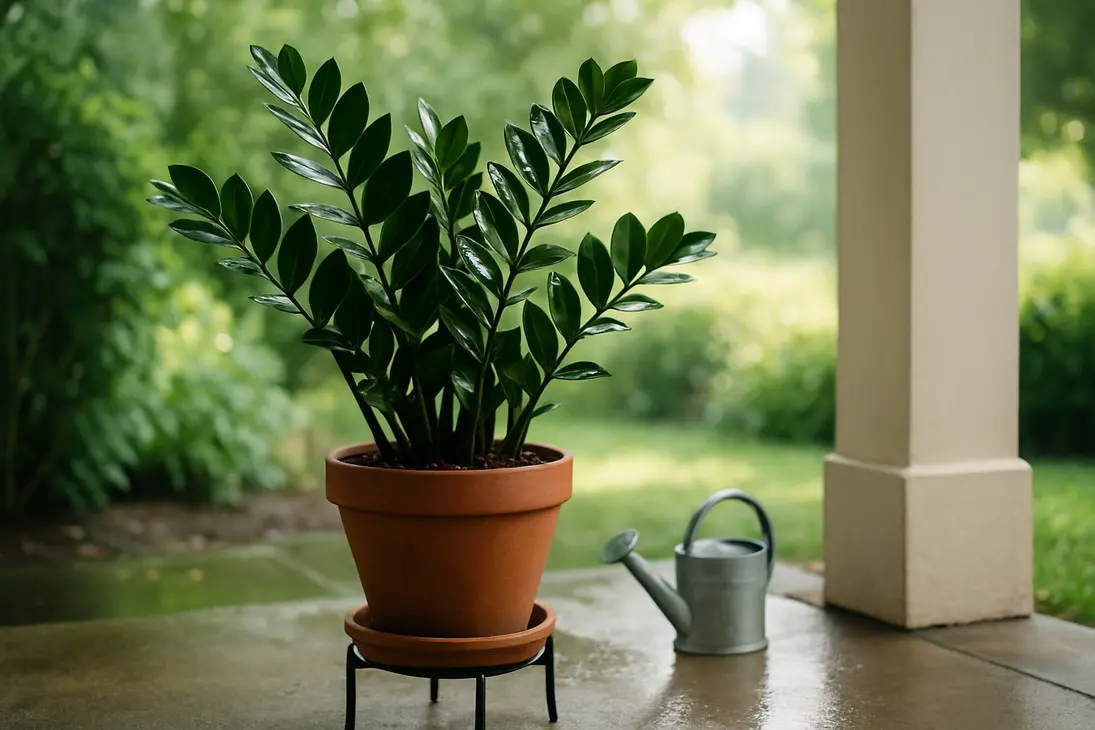
A saucer protects surfaces, but it should not become a permanent pond. After watering, let the pot drain and then empty the saucer, often after 10–30 minutes indoors.
Outdoors, drainage holes can be blocked if the pot sits flat on compacted soil, lawn, plastic sheeting, or a patio surface. Roots may also grow through holes into the ground.
For outdoor containers:
- Raise pots slightly with feet, bricks, or risers.
- Use a surface that does not seal the holes.
- Check holes for roots, mud, or debris.
- Remove or empty saucers during rainy periods.
In cold climates, raising pots can also reduce winter waterlogging, which can damage container plants.
How to Improve Drainage in a Pot
Improving drainage usually means adjusting the pot, the potting mix, and watering habits. One fix may not work if the others are still causing soggy conditions.
Use a well-draining potting mix
Container plants usually need potting mix, not garden soil. A good mix holds moisture while keeping enough air around the roots.
For many houseplants, standard indoor potting mix can be improved with perlite, pumice, orchid bark, or coarse coco chips. Succulents and cacti need a grittier, faster-draining mix. Thirstier plants still need drainage holes, but their mix can hold more moisture.
Examples:
- Succulents and cacti: gritty cactus mix, pumice, coarse sand, or perlite.
- Aroids such as monstera and philodendron: chunky mix with bark and perlite.
- Ferns and many tropicals: evenly moist mix that still drains.
- Mediterranean herbs such as rosemary and thyme: sharp-draining mix and strong light.
- Annual flowers and vegetables: quality container mix with moisture retention and drainage.
Old mix can compact and break down. If water pools on the surface, drains slowly, or the mix shrinks from the pot edges, repotting is often better than simply changing your watering schedule.
Add or enlarge drainage holes when possible
If a pot has no holes and the material allows it, adding drainage holes is often the best solution.
Plastic pots are usually easiest to drill. Ceramic, terracotta, concrete, and metal require the correct bit and more care. Wear eye protection, support the base, and drill slowly. Valuable glazed pots may be safer to use as cachepots instead of drilling.
When adding holes:
- Place them at the lowest practical point.
- Use several smaller holes for large pots.
- Make sure water can escape when the pot is set down.
- Smooth sharp edges if needed.
If water drains slowly despite open holes, the mix may be too dense. Bigger holes alone will not fix compacted potting mix.
Cover large holes without blocking water flow
Large holes can let mix wash out, especially after repotting. Cover them with something that holds mix in but still lets water pass.
Good options include:
- Mesh screen
- A coffee filter
- A curved piece of broken terracotta
- A small square of landscape fabric
- Coarse bark over the hole
Avoid sealing the hole with a flat stone or anything pressed tightly over the opening. Some soil loss after the first few waterings is normal and usually slows as the mix settles.
Use cachepots carefully for decorative containers without holes
A cachepot is a decorative outer pot that holds an inner pot with drainage holes. This is often the safest way to use a beautiful container that has no holes.
To use one well:
- Keep the plant in a nursery pot or liner pot with drainage holes.
- Place it inside the decorative cachepot.
- Remove the inner pot for watering, or check the outer pot afterward.
- Empty any water that collects in the bottom.
Do not assume water in a cachepot will evaporate quickly. Indoors, it can sit for days. If the inner pot stands in that water, the drainage holes no longer help much.
A spacer, inverted saucer, or layer of large pebbles can lift the inner pot slightly, but it is only a safety gap. It is not a substitute for emptying trapped water.
Drainage Mistakes to Avoid
Many drainage problems come from advice that sounds logical but does not work well in containers. The best setup is usually simple: a pot with open holes, suitable mix, thorough watering when needed, and no standing water afterward.
Don’t rely on gravel as a drainage fix
A thick layer of rocks, gravel, or pebbles at the bottom of a pot usually does not fix drainage. Water does not readily move from fine potting mix into a coarse gravel layer below. Instead, the mix above the gravel can remain saturated, and the gravel reduces usable root space.
A pebble over a hole or decorative topdressing is different. The mistake is using gravel to compensate for no drainage hole or poor potting mix.
Better options are:
- Use a pot with drainage holes.
- Improve the mix with coarse, stable ingredients.
- Repot into a suitable container size.
- Use a nursery pot inside a cachepot.
- Adjust watering to the plant’s needs.
Don’t let pots sit in standing water
Even a pot with drainage holes can become waterlogged if it sits in a full saucer. Once the bottom holes are submerged, the lower mix may stay saturated.
After watering indoor plants, empty saucers once runoff stops. If you bottom-water, remove the pot from the water after the mix has rehydrated. Outdoors, tip out saucers after heavy rain, especially for succulents, herbs, citrus, and plants in cool weather.
Don’t use garden soil in containers
Garden soil often compacts in pots, drains slowly, and leaves too little air around roots. It may also contain weed seeds, pests, or clay particles that behave poorly in a container.
Use potting mix designed for containers. For large outdoor planters, choose a product labeled for containers or planters rather than dense topsoil. If the mix feels heavy, sticky, or muddy when wet, it is likely to drain poorly.
Don’t assume every plant wants the same moisture level
Drainage is not about making every pot equally dry. Different plants prefer different moisture patterns.
A fern may suffer if it dries completely. A cactus may rot if kept constantly moist. Basil generally wants more consistent moisture than rosemary. A peace lily can tolerate more moisture than a snake plant, but even moisture-loving plants still need oxygen at the roots.
| Plant type | Preferred moisture pattern | Drainage priority |
|---|---|---|
| Cacti and many succulents | Dry significantly between waterings | Very fast drainage |
| Mediterranean herbs | Moist after watering, then dry down | Sharp drainage |
| Tropical foliage plants | Lightly to moderately moist | Airy, reliable drainage |
| Ferns | Even moisture | Moisture-retentive but draining |
| Annual flowers and vegetables | Consistent moisture in active growth | Drainage plus regular watering |
Season also matters. A plant may use water quickly in bright summer light but much less in winter, low light, or a cool room. Drainage holes help protect against mistakes, but you still need to check the mix.
Conclusion
The pot drainage purpose is to protect roots by removing excess water, preserving air spaces in the potting mix, and reducing stagnant, sour, disease-prone conditions. Drainage holes make watering more forgiving because they let you water thoroughly without trapping every extra drop in the container.
Good drainage depends on more than the hole itself. The pot must allow water to escape, the mix must stay open enough for air and water movement, and saucers or cachepots must be emptied.
For most container plants, the safest setup is a pot with open drainage holes, a suitable potting mix, and watering based on the plant’s needs rather than a fixed calendar.
FAQ
Do all plant pots need drainage holes?
Almost all plant pots used for long-term growing should have drainage holes, or the plant should sit in an inner pot with holes inside a decorative outer pot. Drainage holes let excess water escape and help keep roots oxygenated.
Exceptions include some aquatic plants, bog plants, terrariums, and properly designed self-watering containers. For ordinary houseplants, herbs, flowers, succulents, vegetables, and patio containers, drainage holes are strongly recommended.
Can plants survive in pots without drainage holes?
Yes, some plants can survive for a while in pots without drainage holes, but the margin for error is much smaller. Any extra water remains in the pot, and the top may seem dry while the bottom is still wet.
If you want to use a pot without holes, treat it as a cachepot. Keep the plant in an inner pot with drainage holes, place it inside the decorative container, and make sure no water is left pooled in the bottom after watering.
Should I put rocks or gravel at the bottom of a pot?
No, do not rely on rocks or gravel at the bottom of a pot to improve drainage. A thick gravel layer usually does not fix soggy mix and can reduce usable root space. The potting mix above it may still stay too wet.
Use a well-draining potting mix and a pot with drainage holes instead. If a hole is large, cover it with mesh, a coffee filter, a pot shard, or coarse bark so mix stays in while water drains out.
How many drainage holes should a plant pot have?
It depends on the size and design of the pot. A small pot may drain well with one open bottom hole. Medium and large pots usually benefit from several holes spaced across the base.
More important than the exact number is whether water can leave freely. Holes should not be blocked by the surface beneath the pot, compacted mix, roots, or a full saucer. If water drains slowly despite open holes, the mix may be too dense or broken down.
You Might Also Like