How to Cure Yellow Leaves on a Kaffir Lime Tree
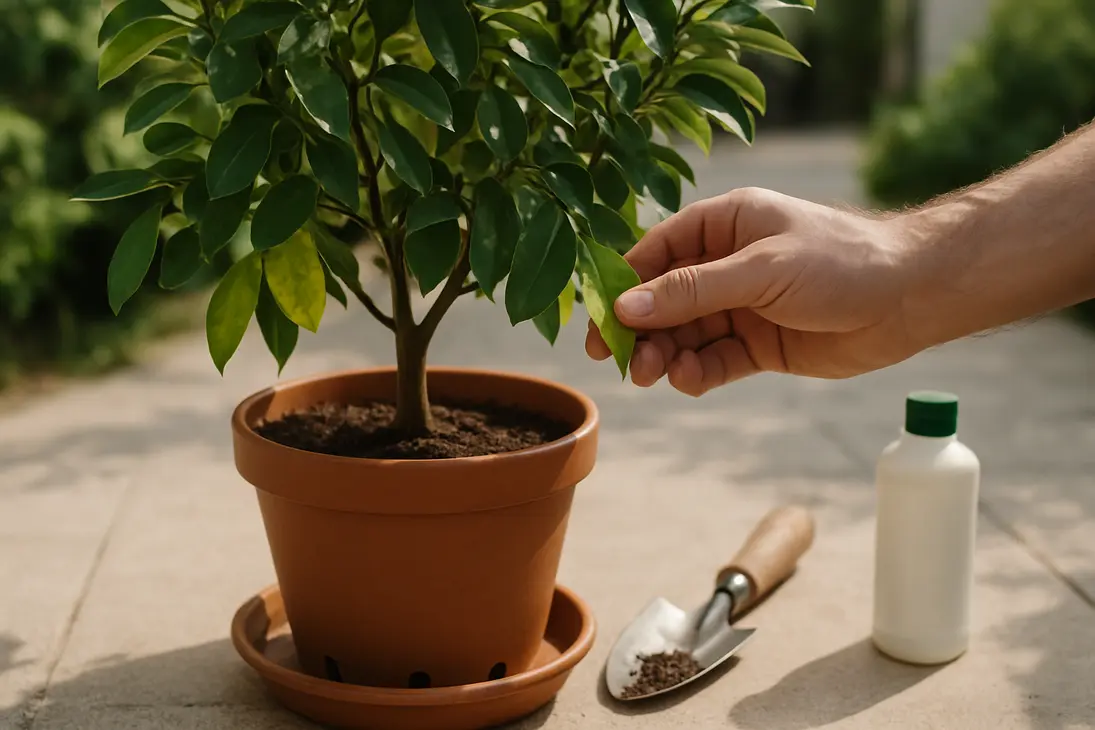
Curing yellow kaffir lime leaves starts with diagnosis. Yellowing is a symptom, not a disease. Kaffir lime, also called makrut lime, usually yellows because of watering stress, poor drainage, nutrient deficiency, pests, disease, cold, low light, or recent shock.
Before fertilizing or pruning, check which leaves are yellowing, how fast it happened, and what changed recently. Older leaves fading first often suggests nitrogen, magnesium, irregular watering, or normal aging. Pale new leaves point more toward iron, pH, root trouble, or cold soil. Sticky residue, speckling, webbing, or spots suggest pests or disease.
First, Diagnose What Kind of Yellowing You’re Seeing
Inspect old leaves, new shoots, leaf undersides, stems, soil moisture, drainage holes, and recent care changes. Ask:
- Did yellowing start after repotting, moving, fertilizing, cold, heat, or a light change?
- Are older leaves or new leaves affected first?
- Is the soil wet, dry, compacted, or sour-smelling?
- Are there pests, sticky residue, spots, or webbing?
- Is leaf drop sudden or gradual?
A few old yellow leaves are normal. Widespread yellowing, pale new growth, or rapid leaf drop needs action.
Older leaves turning yellow first
Older, lower, or shaded leaves yellowing first usually points to nitrogen deficiency, magnesium deficiency, normal aging, irregular watering, poor drainage, or a tight pot.
Nitrogen is mobile, so citrus moves it from older leaves to support new growth. If only a few old leaves yellow while new growth stays healthy, the tree may be fine. If many older leaves yellow at once, check watering, drainage, and feeding.
New growth turning pale or yellow
Pale new growth is more concerning because it often means roots cannot take up nutrients properly. Common causes include iron deficiency, high pH, waterlogged roots, cold soil, compacted mix, or root damage after repotting.
If new leaves emerge pale yellow or nearly white while older leaves remain greener, think “iron, pH, and roots,” not just “more fertilizer.”
Yellow leaves with green veins
Yellow tissue with green veins is chlorosis. Leaf age helps identify the likely cause.
| Pattern | Likely issue |
|---|---|
| Yellow young leaves with green veins | Iron deficiency or high pH |
| Yellow older leaves with green veins | Magnesium deficiency |
| Whole tree pale green to yellow | Nitrogen deficiency or root stress |
Iron may be present but unavailable if soil or water is alkaline, especially in old potting mix or soil amended with lime or wood ash.
Yellow leaves that drop quickly
Rapid yellowing followed by leaf drop usually means stress, not a slow nutrient shortage. Common triggers include overwatering, soil drying completely and then being soaked, moving the tree indoors, sudden low light, cold drafts, repotting shock, or severe pests.
If many leaves yellow and drop within days, stabilize moisture, light, and temperature first. Avoid fertilizing until roots are functioning normally.
Yellowing with spots, sticky residue, or webbing
Yellowing with visible marks often means pests or disease. Look for:
- Sticky residue: scale, aphids, or mealybugs
- Small bumps: scale insects
- Fine webbing and speckling: spider mites
- Cottony white clusters: mealybugs
- Yellow halos around dark spots: possible fungal or bacterial leaf spot
- Sour soil and wilting in wet soil: possible root rot
Check leaf undersides, leaf joints, and stems, where citrus pests often hide.
Fix the Most Common Cause: Watering and Drainage Problems
For potted kaffir lime trees, water and drainage problems are the most common cause of yellow leaves. Citrus roots need both moisture and oxygen. Soggy soil pushes air out of the root zone, causing weak roots, poor nutrient uptake, yellowing, and leaf drop.
Underwatering can also yellow leaves, especially if the tree repeatedly wilts. Aim to water deeply, then let the upper mix dry before watering again.
Check soil moisture before watering
Do not water by calendar. A tree outdoors in heat may need frequent water; the same tree indoors in winter may need far less.
Use one of these checks:
- Push your finger about 2 inches into the soil. Water if dry there.
- Lift the pot; dry pots feel much lighter.
- Insert a wooden skewer; if it comes out damp with soil stuck to it, wait.
- Use a moisture meter only as a rough guide.
When watering, soak thoroughly until water drains from the bottom. Avoid shallow sips, which leave dry pockets and weak surface roots.
Improve pot drainage and avoid standing water
A kaffir lime tree should never sit in water. Empty saucers after watering. If the pot has no drainage holes, repot into one that does.
Good drainage means the holes are open, water runs through the pot, and the mix does not stay soggy for days. Avoid oversized pots, which hold excess wet soil around small root systems. Move up only modestly when repotting.
Adjust watering for indoor, outdoor, and seasonal conditions
Kaffir lime water needs change with light, heat, wind, and growth.
Outdoors in warm weather: Check often, especially in terracotta pots, wind, or heatwaves.
Indoors in winter: Growth slows and evaporation drops, so overwatering becomes common.
After repotting: Fresh mix may hold water differently, so recheck moisture instead of following the old schedule.
During spring and summer growth: Water and nutrient demand increase. Yellow older leaves during active growth may mean feeding is too light or inconsistent.
When to repot into better-draining citrus soil
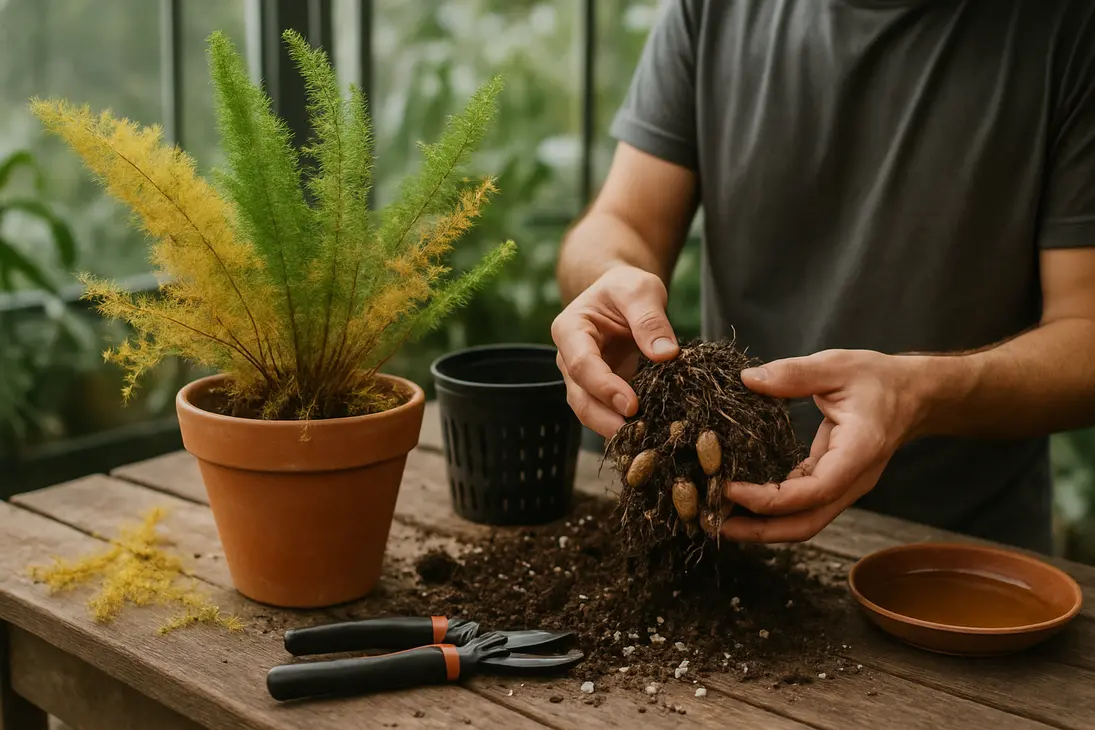
Repot if the soil is dense, muddy, sour-smelling, slow to dry, hardened, hydrophobic, or packed with circling roots.
Use a citrus or container mix with good aeration, such as bark, perlite, pumice, coarse sand, or similar drainage materials. Avoid heavy garden soil in pots.
When repotting:
- Use a pot with drainage holes.
- Move up only one pot size.
- Loosen circling roots gently.
- Trim only dead, black, mushy roots.
- Replant at the same depth.
- Water well and keep in bright, protected light.
Do not fertilize immediately after severe root pruning or root rot cleanup.
Correct Nutrient Deficiencies in Kaffir Lime Trees
Kaffir lime trees are citrus, and citrus feed heavily during active growth. Yellow leaves may appear when potting mix is depleted, pH blocks nutrient uptake, or damaged roots cannot absorb nutrients.
Use a balanced citrus fertilizer according to the label, then correct specific deficiencies only when the leaf pattern supports it.
Nitrogen deficiency
Nitrogen deficiency usually shows as older leaves turning evenly pale green, then yellow. Growth may slow and the canopy may thin.
Correct it with citrus or fruit-tree fertilizer during active growth, usually spring through summer. Follow the label rate, water dry soil before feeding, and do not fertilize a waterlogged or severely stressed tree.
If nitrogen was the issue, new growth should be greener within the following weeks. Old yellow leaves may not recover.
Iron deficiency and high soil pH
Iron deficiency often appears as yellow young leaves with green veins. It can happen even when iron exists in the soil if pH is too high.
To address suspected iron chlorosis:
- Fix waterlogged roots first.
- Use citrus fertilizer with micronutrients.
- Consider chelated iron labeled for plants if new growth remains chlorotic.
- Avoid lime and wood ash around citrus.
- For in-ground trees, consider a soil pH test before major corrections.
In pots, fresh citrus mix can help if the old medium is depleted or alkaline. Repeated iron applications will not solve the problem if drainage or pH remains wrong.
Magnesium deficiency
Magnesium deficiency usually affects older leaves first, often as yellowing between veins.
Epsom salts are often suggested, but they are not a cure-all. Too much magnesium can interfere with other nutrients. Start with a complete citrus fertilizer containing magnesium and micronutrients. If using a magnesium supplement, follow the label or local extension guidance and keep dry salts away from the trunk.
How and when to fertilize without burning roots
Fertilizer burn can worsen yellowing, especially when roots are dry, hot, damaged, or waterlogged.
Follow these rules:
- Fertilize only during active growth.
- Water first if soil is dry.
- Do not fertilize soggy soil.
- Use the label rate.
- Keep granules away from the trunk.
- Flush potted soil occasionally with plain water if drainage is good.
For container kaffir lime trees, small regular feedings are safer than rare heavy doses.
Check for Pests, Disease, and Environmental Stress
If watering and feeding seem reasonable, inspect for pests, disease, and environmental stress. Potted kaffir limes are often moved between indoor and outdoor conditions, which can trigger shock and pest flare-ups.
Common pests: scale, mites, aphids, and mealybugs
Sap-sucking pests weaken citrus and cause yellowing.
Scale looks like brown, tan, or gray bumps on stems or leaf veins. Sticky honeydew and black sooty mold may follow.
Spider mites cause fine speckling, dull leaves, and sometimes webbing, especially in dry indoor air.
Aphids cluster on tender growth and may curl leaves.
Mealybugs look like white cotton in leaf joints and along stems.
For light infestations, rinse foliage, wipe pests off by hand, prune badly infested small twigs if needed, and use insecticidal soap or horticultural oil labeled for citrus. Repeat as directed. Do not spray oils or soaps in hot sun or on drought-stressed plants.
Leaf spots, root rot, and when yellowing signals disease
Yellow leaves with spots may indicate fungal or bacterial leaf problems, especially in humid, crowded, or poorly ventilated conditions. Remove fallen leaves and avoid wetting foliage late in the day.
Suspect root rot if soil stays wet, leaves yellow and wilt despite damp soil, the pot smells sour, or roots are brown, black, mushy, or peeling.
If root rot is likely, remove the tree, trim dead roots, repot into fresh well-draining mix, and water less often. Severe cases may not survive, but drainage correction gives the best chance.
Cold, heat, low light, and sudden location changes
Kaffir lime trees prefer warmth and bright light.
Cold stress: Leaves may yellow, curl, or drop after chilly nights, cold drafts, or contact with cold windows. Container roots chill quickly, so protect pots early.
Low light: Indoors, yellowing and leaf drop often happen when the tree sits far from a bright window. Use the brightest available spot or a grow light.
Heat and sun stress: A tree moved suddenly from indoors to strong outdoor sun can scorch. Acclimate it gradually over one to two weeks.
Transplant shock: Some yellowing after repotting is normal. Keep moisture even, delay fertilizer if roots were disturbed, and provide bright but gentle light.
Pruning damaged leaves without over-stressing the tree
Pruning does not fix the cause of yellowing. Partly yellow leaves still photosynthesize, so do not strip the tree bare.
Remove fully yellow leaves that detach easily, dead twigs, pest-infested shoots that cannot be cleaned, and a few diseased leaves with spreading spots. Avoid heavy pruning while the tree is stressed.
How to Help the Tree Recover and Prevent Yellow Leaves Returning
Recovery shows in new growth. Fully yellow leaves usually will not turn deep green again. Your goal is to stop decline and encourage healthy new foliage.
A simple 2–4 week recovery checklist
Week 1: Stabilize
- Check soil before watering.
- Empty saucers.
- Confirm drainage.
- Inspect for pests.
- Move to bright, steady light.
- Avoid drafts, heaters, and temperature swings.
- Remove only dead or badly infested material.
Week 2: Correct the obvious issue
- Repot if soil is soggy or compacted.
- Treat pests if present.
- Rehydrate if the tree is dry and wilting.
- Improve light if conditions are dim.
Weeks 3–4: Feed carefully
- Fertilize only if roots are healthy and the tree is growing.
- Use citrus fertilizer with micronutrients.
- Watch new leaves for better color.
- Avoid multiple supplements at once.
If decline continues after drainage, pests, light, and feeding are corrected, inspect the roots again.
Best growing conditions for healthy kaffir lime foliage
Aim for:
- Light: Bright light, with direct sun if acclimated
- Water: Deep watering, then partial drying
- Soil: Fast-draining citrus or container mix
- Pot: Drainage holes and no standing water
- Temperature: Warm, stable conditions
- Feeding: Citrus fertilizer during active growth
- Airflow: Moderate humidity with good air movement
- Pest checks: Regular inspection of new growth and leaf undersides
Harvest leaves lightly from healthy trees. Do not strip branches, especially on a stressed plant.
What not to do when leaves turn yellow
Avoid panic fixes such as watering more without checking soil, heavy fertilizing, repotting, pruning, spraying, and feeding all at once, leaving the pot in water, moving the tree repeatedly, adding random supplements, or removing too many leaves.
Change one or two likely causes, then wait. Citrus may take weeks to show improvement.
Conclusion
Most yellow kaffir lime leaves can be cured by correcting water, drainage, nutrients, pests, or environmental stress. Start with the pattern: older leaves yellowing first often suggests nitrogen, magnesium, aging, or inconsistent care; pale new growth points toward iron, pH, or roots; sticky residue, webbing, spots, or sour soil suggests pests or disease.
For potted trees, fix drainage and watering first. Then feed with citrus fertilizer during active growth, address micronutrients only when symptoms fit, and keep the tree bright, warm, and stable. Old yellow leaves may drop, but healthy green new growth means your kaffir lime is recovering.
FAQ
Should I remove yellow leaves from my kaffir lime tree?
Remove fully yellow leaves if they detach easily, plus dead, diseased, or badly pest-infested leaves. Do not strip partly green leaves, because they still help feed the tree. Correct the cause first.
Can yellow kaffir lime leaves turn green again?
Slightly pale leaves may improve if corrected early, but fully yellow leaves usually do not turn dark green again. Look for healthy, glossy new growth as the main recovery sign.
How often should I water a kaffir lime tree with yellow leaves?
Water when the top couple of inches of soil feel dry, then water thoroughly until it drains. Do not follow a strict schedule. Outdoor summer trees may need frequent watering; indoor winter trees need much less. If soil is already wet, wait and improve drainage.
What is the best fertilizer for a kaffir lime tree with yellow leaves?
Use a citrus fertilizer with nitrogen, magnesium, iron, and micronutrients. Apply during active growth at the label rate. If new leaves are yellow with green veins, consider iron availability and pH rather than simply adding more fertilizer. Never fertilize heavily when the tree is drought-stressed, waterlogged, or recovering from root damage.
You Might Also Like