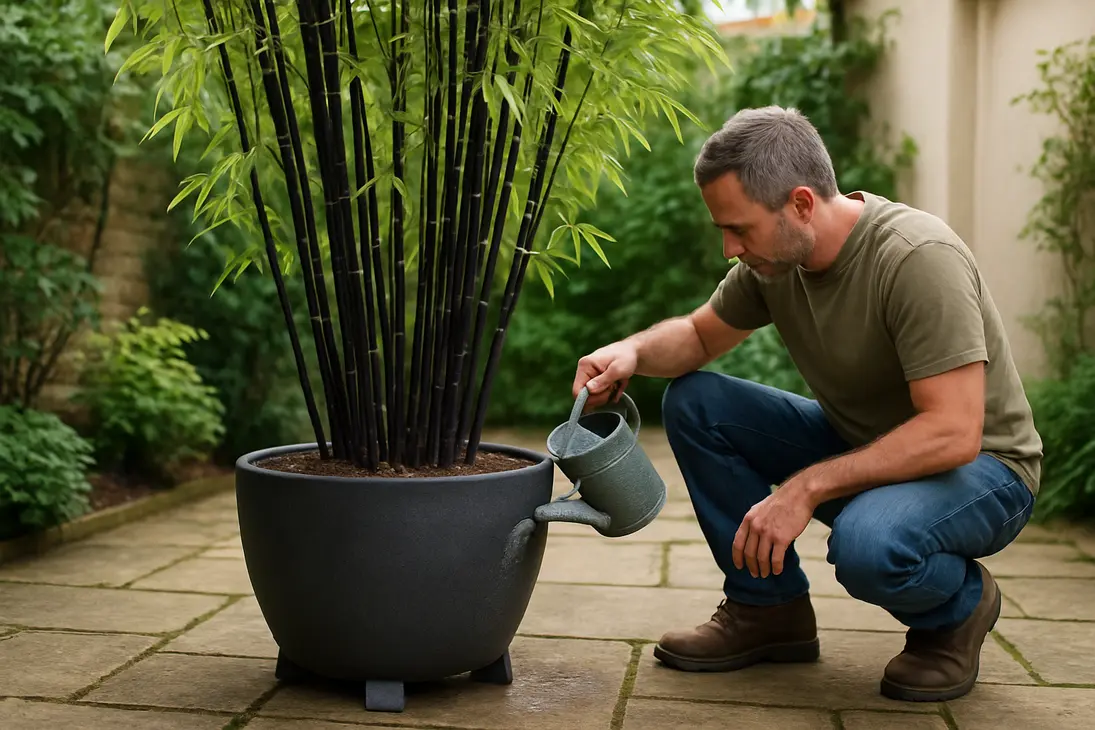
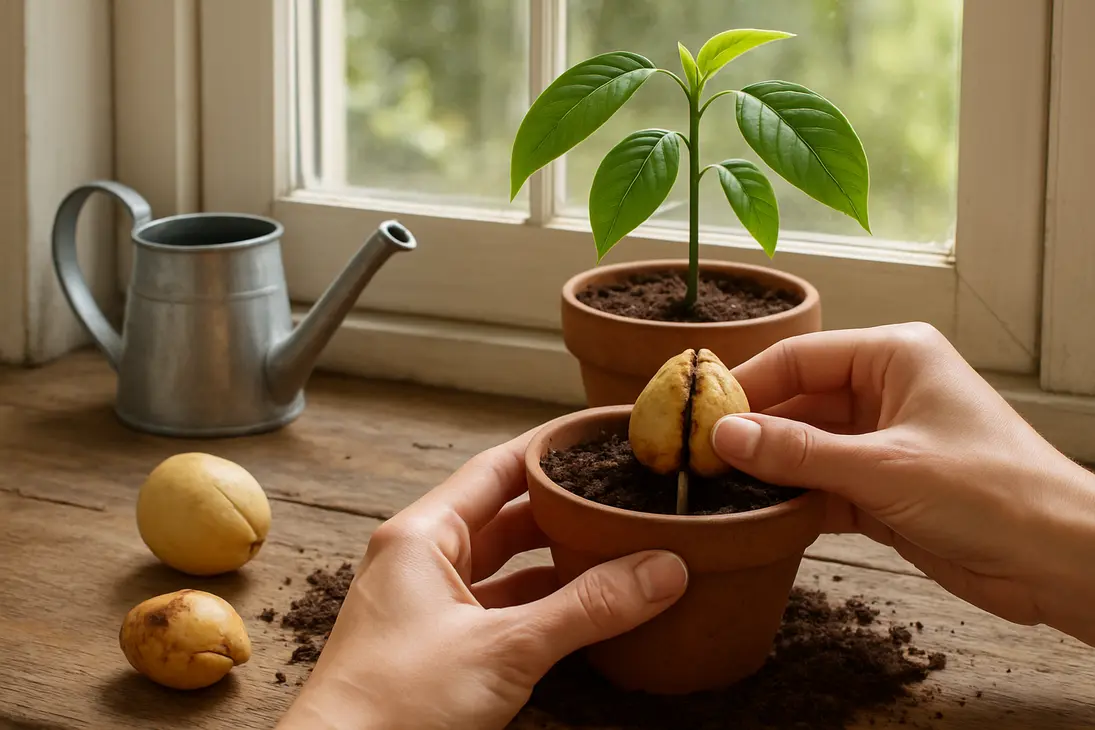
Growing Plants in Water vs. Soil: Which Is Better?
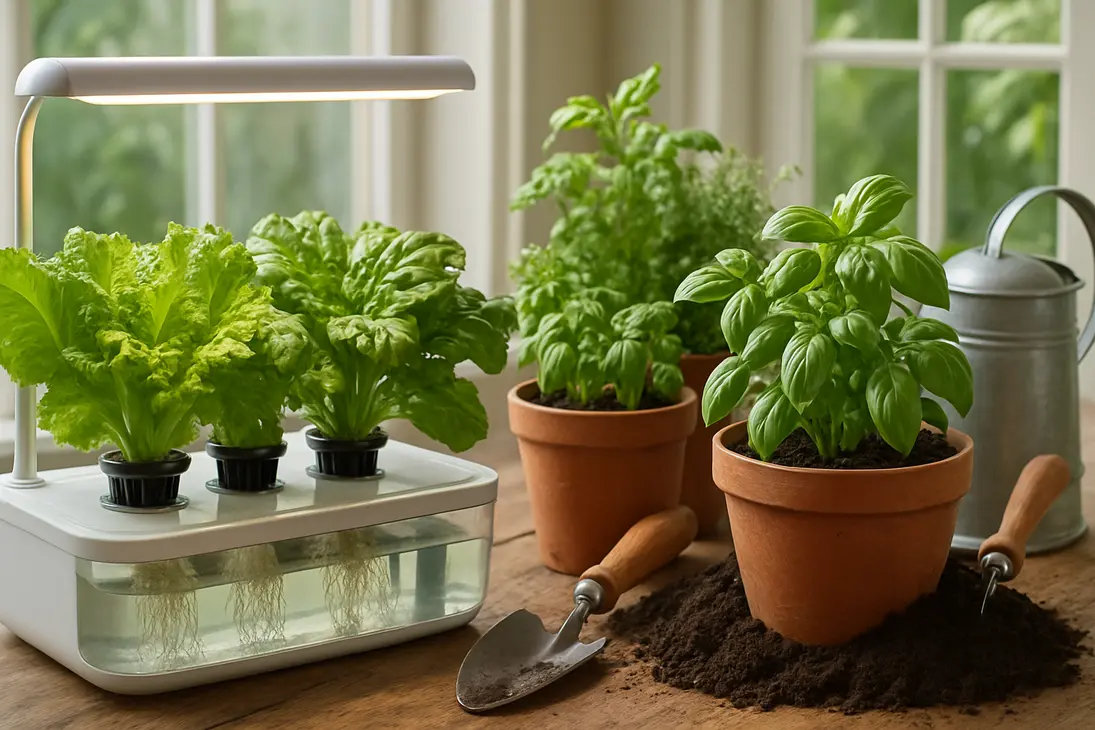
When comparing growing plants in water vs. soil, the honest answer is: neither method is automatically better for every gardener or every plant.
Hydroponics—growing plants in a nutrient-rich water solution instead of soil—can produce fast growth, strong yields, and excellent space efficiency when managed well. It is especially useful indoors, in small spaces, or for year-round herbs and greens.
Soil gardening is usually cheaper, simpler, and more forgiving. Soil buffers mistakes, supports beneficial microbes, and works well for outdoor beds, containers, landscape plants, and gardeners who do not want to monitor pH, nutrient strength, pumps, or reservoirs.
The best choice depends on your goals, budget, space, plants, and how much routine management you want to do.
Quick Comparison: Water Growing vs. Soil Growing
Hydroponics gives you more control. Soil gives you more forgiveness.
In hydroponics, you manage water, nutrients, oxygen, light, and the root environment more directly. In soil, the growing medium does much of that work for you, but with less precision.
Side-by-Side Comparison Table
| Factor | Growing in Water / Hydroponics | Growing in Soil |
|---|---|---|
| Growth speed | Often faster when light, nutrients, oxygen, and pH are correct | Often slower, especially in poor or compacted soil |
| Yield potential | High in small spaces; excellent for leafy greens, herbs, and some fruiting crops | High outdoors or in large beds, but usually needs more space |
| Water use | Very efficient because water is recirculated or contained | Can use more water due to evaporation, runoff, and soil absorption |
| Space requirements | Very space-efficient; works well vertically or indoors | Usually needs more horizontal space and root volume |
| Startup cost | Moderate to high depending on system size and equipment | Low to moderate; can start with containers, soil, seeds, and basic tools |
| Ongoing maintenance | Requires regular monitoring of pH, nutrients, water level, and cleanliness | Requires watering, feeding, weeding, mulching, and soil care |
| Nutrient management | Nutrients must be supplied in dissolved mineral form | Nutrients come from soil, compost, fertilizers, and microbial activity |
| Pest and disease pressure | Fewer soil-borne pests and weeds, but root diseases can spread quickly in water | More weeds and soil pests, but problems may develop more slowly |
| Beginner-friendliness | Manageable, but less forgiving if neglected | Usually easier and more forgiving for most new gardeners |
| Best use cases | Indoor greens, herbs, compact vegetables, controlled year-round growing | Outdoor gardens, containers, root crops, perennials, shrubs, trees, mixed plantings |
Bottom Line: Which Method Should You Choose?
Choose hydroponics if you want faster growth, efficient indoor production, tight-space gardening, fewer weeds, or a controlled growing environment. It is a strong option for lettuce, basil, spinach, kale, and compact indoor vegetable setups.
Choose soil if you want a lower-cost, flexible, natural, and more forgiving way to garden. Soil is usually better for beginners, outdoor beds, root vegetables, large plants, perennials, and anyone who prefers a less technical approach.
If you are curious about both, start with a few herbs or lettuce plants in a small hydroponic unit while keeping most of your garden in soil.
How Hydroponics and Soil Gardening Actually Work
The core difference is simple: soil acts as both the root support and the nutrient reservoir, while hydroponics replaces soil with water, dissolved nutrients, oxygen, and often an inert support medium.
Plants do not technically need soil to live. They need light, water, oxygen, carbon dioxide, nutrients, suitable temperatures, and physical support. Soil naturally provides several of those needs at once. Hydroponics can provide them too, but the gardener must manage more of the process.
What Plants Get From Soil
Good garden soil or potting mix provides:
- Physical root support, so plants can anchor themselves.
- Water retention and drainage, holding moisture while allowing excess water to move away.
- Nutrients from organic matter and minerals, including major and trace elements.
- Beneficial microbial life, which helps break down organic matter and make nutrients available.
- Buffering against pH and nutrient mistakes, so small errors do not always damage plants immediately.
This buffering is a major reason soil is beginner-friendly. If you slightly underfeed, overwater once, or miss a watering briefly, many plants can recover.
Still, soil is not foolproof. Poor drainage, compaction, depleted nutrients, unsuitable pH, or contaminated soil can all limit growth.
What Plants Get From Hydroponic Water
In hydroponics, roots grow in or near a water-based nutrient solution. Instead of searching through soil, roots absorb dissolved minerals directly from the water.
A hydroponic system must provide:
- Dissolved mineral nutrients in the right balance.
- Oxygen around the roots, because roots need oxygen as well as water.
- Controlled pH and nutrient strength, so nutrients remain available and not too concentrated.
- Support from net pots, coco coir, clay pebbles, rockwool, perlite, or other inert media.
Some systems keep roots in aerated water. Others drip nutrient solution through a medium or move it through shallow channels. The principle is the same: remove soil, then replace what soil normally provides.
Common Misconception: Hydroponic Plants Still Need Nutrients
A common beginner mistake is thinking plants grown in water can “live on water alone.” They cannot.
Plain water may keep a cutting alive for a while, and some houseplant cuttings can root in a glass. But long-term growth requires a balanced nutrient solution containing the essential elements plants normally obtain from soil.
Successful hydroponics depends on four basics:
- Strong enough light
- A suitable nutrient solution
- Oxygenated roots
- Correct pH and general cleanliness
If one fails, plants can decline quickly. Hydroponics can look effortless when it works, but frustrating when a hidden problem develops.
Advantages and Disadvantages of Hydroponics vs. Soil
A fair comparison has to look beyond “faster growth” or “more natural.” Both methods have real strengths and limitations.
Hydroponic Advantages
Hydroponics can be very productive because plants do not have to spend as much energy searching for water and nutrients. When conditions are dialed in, many crops grow quickly and evenly.
Key advantages include:
- Faster growth when conditions are right. Leafy greens and herbs respond especially well.
- Higher potential yields in small spaces. Systems can be stacked, arranged vertically, or kept on indoor shelves.
- Efficient water use. Many systems recirculate water, reducing waste.
- Year-round indoor growing. With lights and stable temperatures, you can grow herbs or greens in winter.
- Fewer soil-borne pests and weeds. No soil means fewer weed seeds and some soil diseases.
- Precise nutrient control. You can adjust feeding more directly than in soil.
Hydroponics is especially useful for apartment dwellers, urban gardeners, and people with poor native soil or limited outdoor space.
Hydroponic Disadvantages
The control hydroponics offers comes with responsibility. Because there is little natural buffering, mistakes show up faster.
Common disadvantages include:
- Higher setup cost. Even simple systems need containers, nutrients, supports, and testing supplies.
- Steeper learning curve. You need to understand pH, nutrient concentration, root oxygen, and cleanliness.
- Regular nutrient and pH management. Plants can struggle if the solution becomes too acidic, too alkaline, too weak, or too strong.
- Fast consequences from system failures. A failed pump, empty reservoir, clogged line, or power outage can stress plants quickly.
- More equipment. Pumps, lights, reservoirs, tubing, and electricity add cost and points of failure.
- Less forgiveness. Small problems can become serious before a beginner recognizes them.
Hydroponics is not necessarily difficult, but it rewards consistency. If you travel often or prefer a hands-off garden, soil may be less stressful.
Soil Gardening Advantages
Soil gardening remains popular because it works, scales easily, and fits many plants and climates.
Its main advantages include:
- Lower startup cost. You can begin with a pot, drainage holes, potting mix, and seeds or transplants.
- Easier for most beginners. The basics are familiar: water, light, soil, fertilizer, and space.
- Natural nutrient buffering. Organic matter, clay particles, and microbes help hold and release nutrients gradually.
- Supports microbial soil life. Healthy soil contains bacteria, fungi, and other organisms that contribute to plant health.
- Works well outdoors and in containers. Raised beds, in-ground gardens, grow bags, window boxes, and patio pots all use soil-based growing.
- Less dependent on equipment. A soil garden can continue through a power outage.
Soil is also more flexible for mixed plantings, including vegetables, herbs, flowers, shrubs, and perennials.
Soil Gardening Disadvantages
Soil has challenges, especially when the soil is poor or the site is not ideal.
Disadvantages include:
- Slower growth in many cases. Plants may spend more energy developing roots to find water and nutrients.
- More space needed for the same yield. Soil-grown crops usually require enough root volume and spacing.
- More weeds and soil-borne pests. Outdoor soil can contain weed seeds, grubs, fungal spores, and other problems.
- Less efficient water use. Water may evaporate, run off, or move below the root zone.
- Soil quality limits plant health. Heavy clay, sand, depleted potting mix, or compacted beds can reduce growth.
In containers, soil problems often come from overwatering, poor drainage, or reusing tired potting mix without adding nutrients back.
Which Plants Grow Better in Hydroponics vs. Soil?
The best method often depends on the plant. Fast-growing crops with relatively shallow roots are usually easiest in hydroponics. Large, woody, deep-rooted, or heavy crops are often more practical in soil.
Plants That Usually Thrive in Hydroponics
Many leafy greens and herbs are excellent hydroponic choices because they grow quickly, do not need heavy support, and respond well to steady moisture and nutrients.
Good hydroponic candidates include:
- Lettuce
- Spinach
- Basil and other herbs
- Kale and leafy greens
- Strawberries
- Tomatoes
- Peppers
- Cucumbers
For beginners, lettuce and basil are among the most forgiving hydroponic crops. Fruiting plants such as tomatoes, peppers, cucumbers, and strawberries can also do well, but they need stronger light, more space, pollination support indoors, and careful feeding.
Plants Often Easier or More Practical in Soil
Some plants can technically be grown hydroponically but are simpler, cheaper, or more sensible in soil.
Plants often better suited to soil include:
- Carrots, potatoes, and many root crops
- Large fruiting shrubs or trees
- Perennial ornamentals
- Outdoor landscape plants
- Crops that need deep root zones or heavy structural support
Root vegetables are a good example. Carrots need a loose, deep, obstruction-free root zone. Potatoes need space for tuber development and are easy to grow in soil, raised beds, or grow bags.
Large plants also create support challenges. In soil, the root mass and surrounding medium help anchor the plant. In hydroponics, you must provide trellises, clips, stakes, or frames.
Plant-Specific Notes
Tomatoes: Hydroponic tomatoes can grow quickly and produce impressive yields, but they are not the easiest beginner crop. They need strong light, stable nutrients, good root oxygen, and sturdy support. Indoors, they may also need hand pollination or airflow to help flowers set fruit.
Herbs: Basil, mint, parsley, cilantro, and many other herbs are strong candidates for small indoor hydroponic systems. Basil in particular responds well to consistent warmth, light, and nutrients.
Fruits: Strawberries are one of the more approachable hydroponic fruits. Larger fruiting crops are possible, but they require more space, light, support, and nutrient management.
Houseplants: Many houseplant cuttings can root in water, including pothos, philodendron, monstera cuttings, and lucky bamboo-like arrangements. But rooting in water is not the same as long-term hydroponic growing. A plant kept in water for months or years still needs nutrients, clean water, and suitable support.
Cost, Setup, and Maintenance: What Beginners Should Expect
Before choosing between growing plants in water vs. soil, be realistic about your budget and routine.
Hydroponics does not have to be expensive at a small scale, but it usually costs more than a basic pot of soil. Soil gardening can be very affordable, though costs rise with raised beds, large containers, compost, mulch, irrigation, and amendments.
Basic Hydroponic Setup Needs
A simple hydroponic setup may include:
- Reservoir
- Nutrient solution
- pH testing supplies
- Growing medium
- Net pots or plant supports
- Light source for indoor growing
- Pump or aeration, depending on the system
The simplest beginner systems are often small countertop units or passive containers for herbs and greens. More advanced systems may use pumps, air stones, timers, grow lights, tubing, and larger reservoirs.
Indoor growers should pay close attention to light. A sunny windowsill is often not enough for strong vegetable growth, especially in winter. Leafy greens tolerate lower light better than fruiting plants, but still need consistent brightness.
Maintenance usually includes checking water level, topping up the reservoir, monitoring pH, adding nutrients, watching roots, cleaning algae or residue, and replacing solution periodically. Hydroponics should not be treated as “set it and forget it.”
Basic Soil Gardening Setup Needs
A basic soil garden may require:
- Quality potting mix or garden soil
- Containers or garden beds
- Drainage
- Watering tools
- Compost or fertilizer
- Mulch, stakes, or supports as needed
For containers, use potting mix rather than heavy garden soil. Potting mix drains better and gives roots more air. For in-ground beds, focus on improving structure, avoiding compaction, adding organic matter, and choosing plants suited to your climate and season.
Soil maintenance is usually less technical than hydroponics, but plants still need consistent watering, appropriate feeding, enough light, and occasional troubleshooting. Outdoor gardens may also need weeding, mulching, pest monitoring, and seasonal cleanup.
Common Hydroponic Beginner Mistakes
Many hydroponic failures come from a few predictable mistakes:
- Thinking plain water is enough. Water alone does not supply complete nutrition.
- Ignoring pH. If pH drifts too far, plants may not absorb nutrients properly.
- Overfeeding or underfeeding nutrients. Too much can damage roots; too little causes pale, weak growth.
- Poor root oxygenation. Roots in stagnant water can suffocate or rot.
- Not cleaning the system. Algae, residue, and debris can create problems.
- Choosing plants too large for the setup. A countertop unit is better for basil and lettuce than full-size tomatoes.
A good beginner approach is to start with one or two easy crops, keep notes, and change only one variable at a time. If leaves yellow, growth stalls, or roots brown, check light, nutrients, pH, oxygen, and water conditions first.
Common Soil Gardening Beginner Mistakes
Soil gardening is more forgiving, but beginners still run into common problems:
- Overwatering. Constantly wet soil pushes air out of the root zone and can lead to root rot.
- Using containers without drainage. Decorative pots need drainage holes or an inner nursery pot that drains freely.
- Choosing the wrong soil mix. Garden soil in pots can become dense and poorly aerated.
- Planting in too little light. Most vegetables and herbs need more light than beginners expect.
- Not matching plants to climate, season, or space. Cool-season crops struggle in heat; sun-loving crops struggle in shade.
- Reusing depleted soil without replenishing nutrients. Old potting mix may need compost, fertilizer, or partial replacement.
The most useful soil habit is learning to check moisture before watering. Instead of watering on a strict calendar, feel the soil, lift the pot, or use a simple moisture meter.
Conclusion
There is no universal winner in the debate over growing plants in water vs. soil.
Hydroponics is better when your priority is controlled, space-efficient, high-yield growing—especially indoors or in small spaces. It can grow leafy greens and herbs quickly, use water efficiently, and avoid many soil-related problems. But it requires more monitoring, equipment, and precision.
Soil is better when your priority is simplicity, resilience, lower cost, and outdoor versatility. It is easier for most beginners, works for a wider range of plants, and gives you more margin for error. But growth can be limited by soil quality, pests, weeds, drainage, space, or water use.
If you want the easiest place to start, grow in soil. If you enjoy systems, measurements, and indoor production, try hydroponics with simple crops first. Both methods can grow healthy, productive plants when their basic needs are met.
FAQ
Do plants grow faster in water or soil?
Plants often grow faster in hydroponic systems than in soil when light, nutrients, oxygen, temperature, and pH are well managed. Roots have direct access to dissolved nutrients and water.
However, poorly managed hydroponics can perform worse than good soil. Plain water, weak light, stagnant roots, or incorrect pH will slow growth quickly. Soil may be slower, but it is usually more forgiving.
Is hydroponics better than soil gardening?
Hydroponics is better for faster growth, indoor growing, efficient water use, and high production in small spaces. Soil gardening is better for low cost, simplicity, outdoor beds, large plants, root crops, and beginners who want fewer technical tasks.
The better method depends on what you are growing and how much time you want to spend managing the system.
Can all plants grow in water instead of soil?
No. Many plants can grow in hydroponic systems, but not all are practical or easy to grow in water. Lettuce, herbs, spinach, kale, strawberries, tomatoes, peppers, and cucumbers are common hydroponic crops.
Root crops, large shrubs, trees, perennials, and many outdoor landscape plants are usually easier in soil. Some houseplant cuttings can root in water, but long-term water growing still requires nutrients and care.
Is hydroponic gardening good for beginners?
Hydroponic gardening can be good for beginners if they start small with easy crops like lettuce, basil, or other herbs. A simple system is much easier to learn than a large, complex setup.
That said, soil is usually more forgiving for first-time gardeners. Hydroponics requires attention to nutrient solution, pH, oxygen, cleanliness, and lighting. If you enjoy monitoring and adjusting, hydroponics can be rewarding. If you want the simplest path, start with soil.
You Might Also Like