How to Grow a ZZ Plant Taller Indoors
ZZ Plant Growth Basics
Understand How ZZ Plants Grow Indoors
ZZ plants do not climb, vine, or keep extending the same stem. They grow from thick underground rhizomes that store water and energy. When conditions are good, those rhizomes send up new shoots that harden into upright, glossy stems.
Growing a ZZ plant taller indoors is really about helping it produce stronger new stems over time. You cannot make an existing short stem become dramatically taller, and pruning will not make it stretch upward. The best results come from bright indirect light, careful watering, good drainage, warmth, and patience.
What “taller growth” really means for a ZZ plant
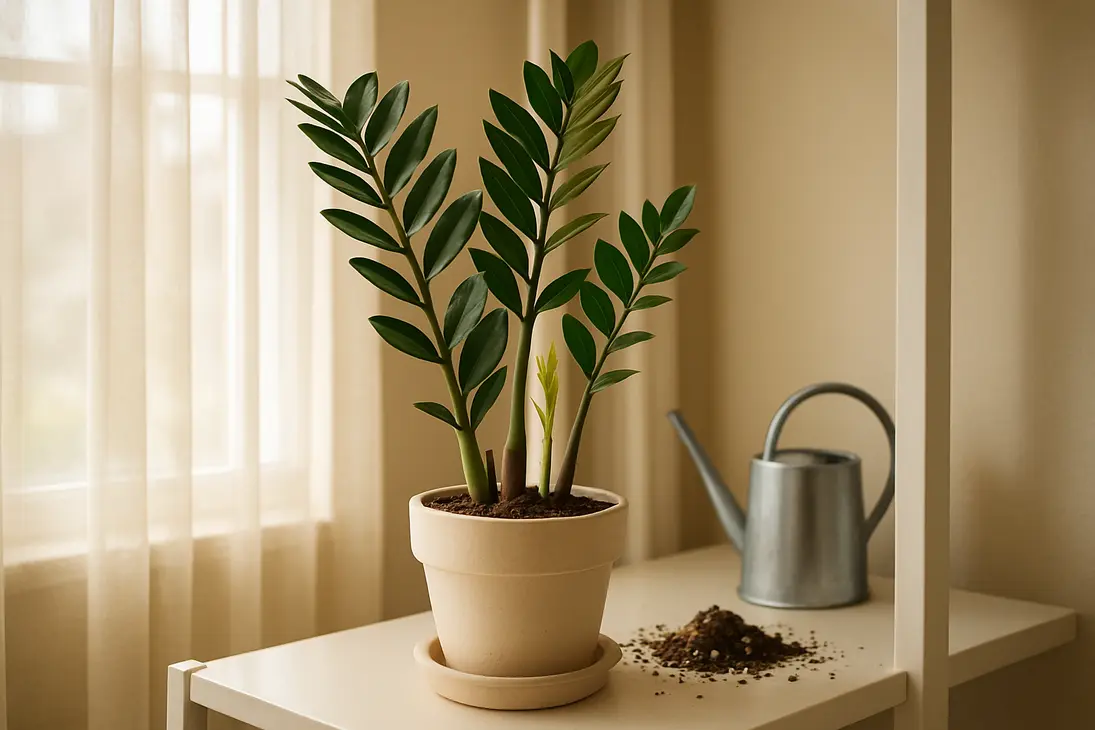
A ZZ plant gets taller when new stems emerge from the soil and grow upward. New shoots usually start pale green and soft, then darken and firm as the leaves expand. Once a stem matures, it will not keep lengthening year after year.
If your plant is healthy but short, focus on keeping the rhizomes healthy enough to push taller future stems. Standard green ZZ plants usually grow taller than compact or dwarf cultivars.
How fast ZZ plants typically grow indoors
ZZ plants are slow growers indoors. In a bright, warm room, you may see a few new stems in spring and summer. In low light, growth may pause for months.
If leaves are firm and green and stems are stable, slow growth alone is usually not an emergency. The plant may simply be resting or receiving enough light to survive but not enough to grow vigorously.
Why healthy roots and rhizomes matter first
Rhizomes fuel new growth. Firm, plump rhizomes support taller stems, while rotten or shriveled rhizomes force the plant to focus on survival.
Overwatering is the biggest threat because ZZ plants tolerate dry soil far better than soggy soil. A plant with damaged rhizomes may stop growing, yellow, or collapse.
Indoor Care for Taller ZZ Plant Growth
Give Your ZZ Plant Brighter Indirect Light
ZZ plants tolerate low light, but tolerance is not the same as strong growth. A plant in a dim corner may survive for years while producing few new stems. If you want height, bright indirect light is the most important improvement.
Best indoor light for taller ZZ plant growth
The best light is bright, indirect light for most of the day: a room bright enough to read in during daylight without harsh afternoon sun hitting the leaves.
In stronger indirect light, the plant stores more energy in its rhizomes and can produce sturdier shoots. Low light often causes slower growth, smaller stems, and long pauses between flushes.
Where to place a ZZ plant near windows
Good placement depends on window direction:
| Window location | How to place the ZZ plant |
|---|---|
| East-facing window | Usually ideal; close to gentle morning sun or bright indirect light. |
| North-facing window | Safe but sometimes weak; place close to the glass. |
| South-facing window | Use distance or a sheer curtain to filter direct sun. |
| West-facing window | Avoid hot afternoon rays; place off to the side or behind a curtain. |
If the plant has been in low light, move it gradually. Sudden bright sun can scorch leaves.
When to use a grow light
Use a grow light if the room is dim, windows are blocked, or winter light is weak. A full-spectrum light above or slightly in front of the plant can encourage more consistent growth.
Keep it bright but not hot or too close. Pale, bleached, or brown scorched patches can mean the light is too intense.
Signs your ZZ plant needs more light
Your ZZ plant may need more light if you see:
- No new stems for a year or more despite good care
- Thin, weak, or strongly leaning new stems
- Stretched-looking growth
- Soil staying wet for a long time
- Healthy leaves but no increase in size or fullness
Improve light before adding fertilizer or repotting. Many slow-growth problems start with poor placement.
Water Correctly to Avoid Root Rot and Stalled Growth
Because ZZ rhizomes store water, the soil should not stay consistently moist. Wet soil can damage roots, stall growth, and cause rot.
How often to water a ZZ plant indoors
There is no perfect schedule. Watering depends on light, pot size, temperature, soil, and season. Many indoor ZZ plants need water every two to four weeks, but some need less, especially in winter or low light.
Water thoroughly, then let the soil dry well before watering again. When you water, moisten the root zone, let excess drain out, and empty the saucer.
How to check if the soil is dry enough
Do not judge by the surface only. The top inch can be dry while the lower pot is still damp.
Use one or more checks:
- Push a finger several inches into the soil.
- Insert a wooden skewer; if damp soil sticks, wait.
- Learn the pot’s weight when wet versus dry.
- Use a moisture meter as a rough guide.
For ZZ plants, waiting a few extra days is usually safer than watering too early.
Signs of overwatering vs. underwatering
| Symptom | More likely overwatering | More likely underwatering |
|---|---|---|
| Leaves yellowing | Common, especially lower leaves | Possible after long drought |
| Stems | Soft or mushy | Usually firm |
| Soil smell | Sour, stale, or rotten | Usually none |
| Rhizomes | Soft, dark, collapsing | Wrinkled or shriveled |
| Leaf texture | Limp or translucent | Dry, curling, crispy edges |
| Soil condition | Wet for many days | Very dry, pulling from pot edges |
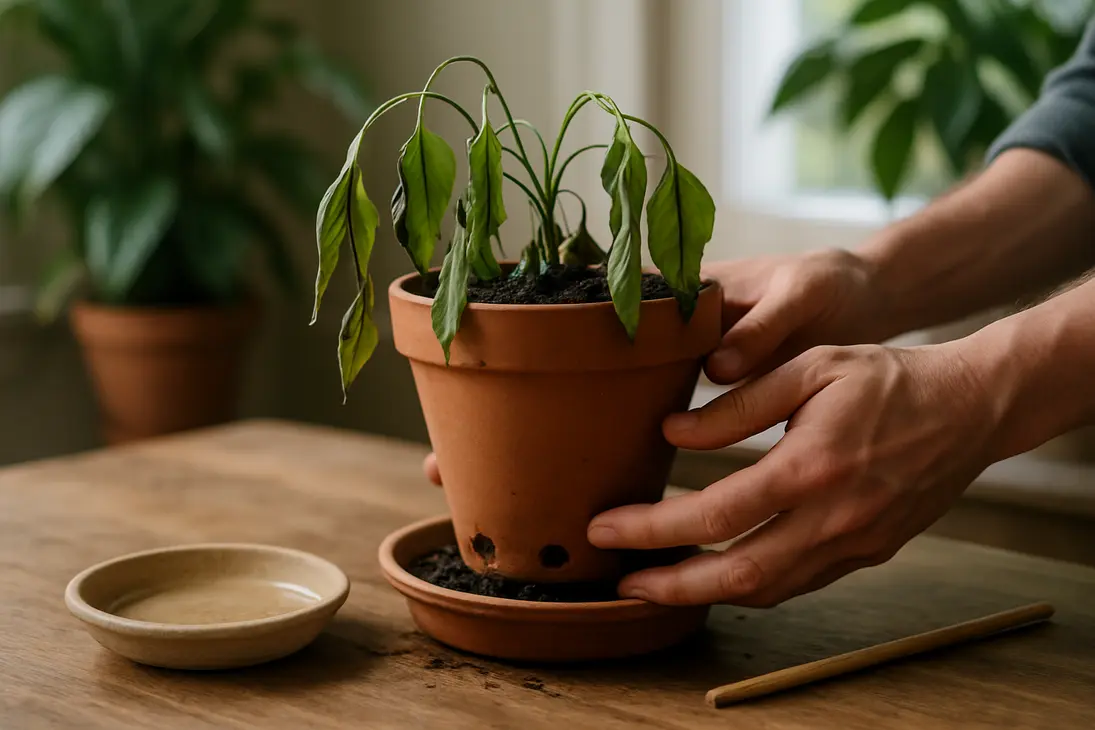
If stems are soft at the base, inspect the roots and rhizomes. Trim rotten material with clean tools and repot into fresh, dry, well-draining mix.
Use the Right Soil, Pot, and Repotting Routine
The right potting setup gives roots oxygen and lets excess water escape. Dense, wet soil may keep a ZZ plant alive, but it will not support its best growth.
Best soil mix for ZZ plants
ZZ plants do best in a loose, well-draining mix. Regular indoor potting soil can work if amended. A simple blend is:
- 2 parts indoor potting mix
- 1 part perlite or pumice
- 1 part cactus mix, succulent mix, orchid bark, or another chunky ingredient
The exact recipe is flexible. The mix should drain well and avoid staying heavy and soggy. Do not use garden soil indoors because it compacts in pots.
Choosing the right pot size
Choose a pot with drainage holes. Decorative cachepots are fine, but keep the plant in a draining nursery pot inside them and remove it to water.
ZZ plants often like a slightly snug pot, but they should not be severely root-bound. A pot that is too large holds excess wet soil around the roots. When repotting, move up only one size, usually 1 to 2 inches wider.
When to repot a ZZ plant
Repot only when needed. Signs include:
- Rhizomes pressing against or distorting the pot
- Dense circling roots
- Water running straight through a tight root ball
- Compacted soil
- The plant drying much faster than before
- No growth despite good care, combined with crowding
Spring or early summer is best. Avoid repotting a stressed, cold, or recently overwatered plant unless you need to check for rot.
How to repot without damaging rhizomes
ZZ rhizomes are firm but can be brittle.
- Water a few days before repotting if the soil is bone dry.
- Slide the plant out gently; do not yank stems.
- Loosen only the outer soil unless the mix is rotten or compacted.
- Inspect rhizomes. Healthy ones are firm; rotten ones are soft, dark, or foul-smelling.
- Trim rotten roots or rhizomes with clean tools.
- Replant at the same depth in fresh mix.
- Water lightly if roots are healthy, or wait briefly if rot was removed.
After repotting, provide bright indirect light and skip fertilizer until the plant settles.
Feed and Maintain Your ZZ Plant for Stronger New Stems
Fertilizer can support growth, but it cannot compensate for poor light, wet soil, or damaged roots. ZZ plants are not heavy feeders, and too much fertilizer can burn roots.
How often to fertilize a ZZ plant
Feed lightly in spring and summer. A balanced houseplant fertilizer diluted to a gentle strength is enough. For many indoor ZZ plants, once a month during active growth is plenty.
Do not fertilize a dry, stressed, recently repotted, or rotting plant. Fertilizer supports healthy growth; it does not rescue damaged roots.
Ideal indoor temperature and humidity
ZZ plants prefer warm indoor temperatures and should be kept away from cold drafts, exterior doors, air-conditioning blasts, and chilly windows. Cold slows growth and makes wet soil more risky because the plant uses water more slowly.
Average indoor humidity is fine. Misting is not needed to make a ZZ plant taller. Light, warmth, drainage, and correct watering matter far more.
Rotating and cleaning leaves for even growth
Rotate the pot every week or two so all sides receive light. This helps prevent new growth from leaning strongly in one direction.
Wipe dusty leaves with a soft damp cloth. Clean leaves capture light better. Avoid heavy leaf-shine products that leave residue.
Should you prune a ZZ plant to make it taller?
No. Pruning will not make a ZZ plant taller or cause a cut stem to branch upward. Height comes from new shoots emerging from the rhizomes.
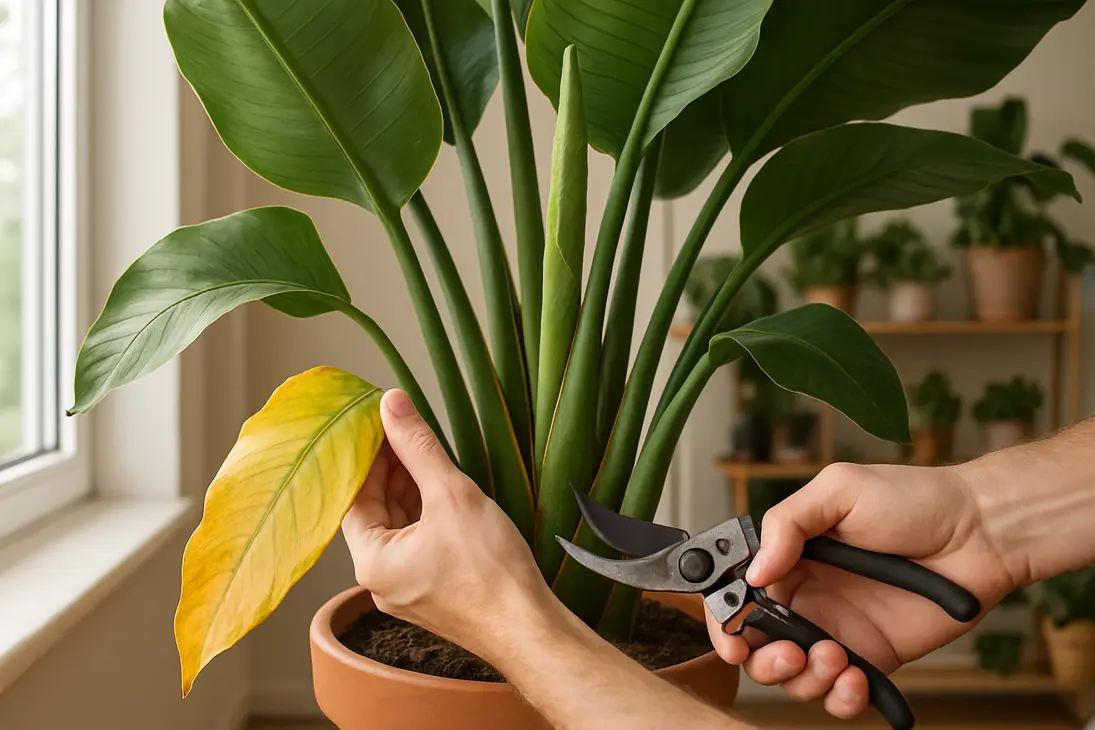
Prune only to remove yellow, damaged, weak, or dead stems. Cut close to the soil line with clean scissors or pruners.
Troubleshooting and Next Steps
Troubleshooting a ZZ Plant That Is Not Growing Taller
If your ZZ plant is not getting taller, review the whole setup before changing everything. The most common causes are low light, overwatering, poor drainage, root crowding, cold temperatures, or too much fertilizer.
No new stems
No new stems usually means the plant lacks energy or is not in active growth conditions. Start with light. A ZZ plant far from a window may look fine but stay almost the same size.
Then check watering and soil. If the pot stays wet for more than a week or two, roots may lack oxygen. If the soil is compacted, repot into a better-draining mix. If the plant is crowded, repot one size larger in spring.
Also consider season. In winter, no new stems can be normal.
Leggy, leaning, or weak stems
Leaning stems often indicate uneven or insufficient light. Move the plant closer to a brighter window or use a grow light, and rotate the pot regularly.
Weak stems can also result from overwatering. A firm stem leaning toward light is usually a placement issue; a soft stem collapsing at the base may mean rot. You can stake a healthy heavy stem for appearance, but staking will not fix poor light.
Yellow leaves or soft stems
Yellow leaves are often linked to overwatering, especially when soil is damp. A few older yellow leaves are normal, but widespread yellowing needs attention.
Soft stems are more serious and may indicate rot in the roots, rhizomes, or stem base. Remove the plant from the pot, trim rotten sections, discard wet compacted soil, and repot into fresh airy mix. Then water less often and increase light if the plant was in a dim spot.
If all rhizomes are mushy, recovery is unlikely. Firm remaining rhizomes may still resprout.
Brown spots or scorched leaves
Brown, dry patches can come from direct sun scorch, especially after moving a ZZ plant from low light to a bright window. Move it out of direct rays or filter the window with a sheer curtain. Damaged spots will not turn green again, but new growth should improve.
Brown tips or edges can also come from inconsistent watering, fertilizer buildup, or very dry roots. If you fertilize often, flush the soil well or repot if salts have accumulated.
Conclusion
Growing a ZZ plant taller indoors is less about forcing fast growth and more about creating conditions for strong new stems. Give it bright indirect light, water deeply but infrequently, use a well-draining mix, choose a pot with drainage, and feed lightly in the growing season.
Be patient. ZZ plants grow in flushes, not on command. If the rhizomes are healthy and the plant gets enough light, taller stems should come with time.
FAQ
Can a ZZ plant grow tall in low light?
A ZZ plant can survive in low light, but it usually will not grow tall quickly there. Low light often means slow growth, fewer new stems, and smaller shoots. For taller growth, move it to bright indirect light or use a grow light.
How can I make my ZZ plant grow faster indoors?
Increase bright indirect light, keep the plant warm, water only after the soil dries well, use a loose draining mix, and fertilize lightly in spring and summer. Avoid overwatering and oversized pots because root stress slows growth.
Do ZZ plants like small pots or big pots?
ZZ plants usually prefer a somewhat snug pot, not a very large one. Oversized pots hold extra wet soil and raise the risk of root rot. When repotting, choose a pot with drainage holes and move up only one size.
Why is my ZZ plant healthy but not producing new stems?
It may be growing slowly, especially in winter. It may also have enough light to survive but not enough to push new growth. Check light first, then watering, drainage, temperature, and rhizome crowding.
You Might Also Like