How to Repot Houseplants in Clay Pots Without Damaging the Roots
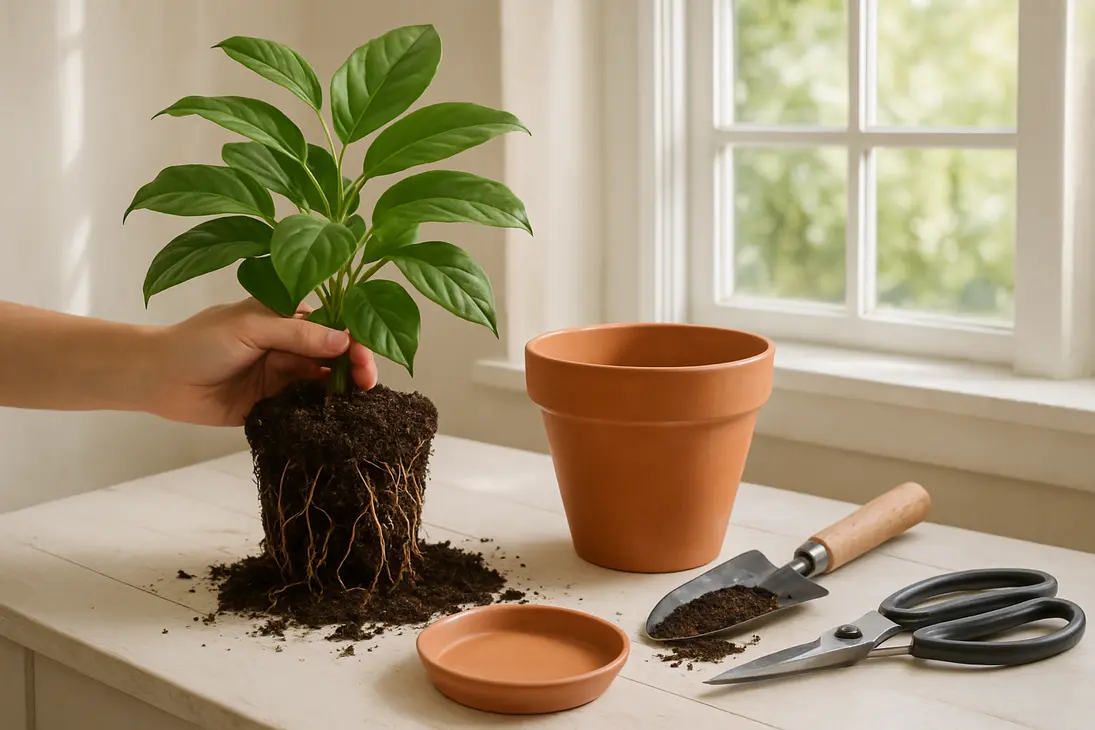
Repotting houseplants in clay pots is mostly about timing, pot size, drainage, and gentle handling. Clay and terracotta pots are sturdy, breathable, and attractive, but unglazed clay dries faster than plastic. That helps plants that dislike soggy roots, but it can stress moisture-loving plants.
Repot only when the plant needs more root space or fresher soil. Choose a clay pot only slightly larger than the old one, make sure it drains, and disturb the roots as little as possible.
When Your Houseplant Is Ready for Repotting
A houseplant is ready for repotting when the roots and soil can no longer support healthy growth. Common signs include:
- Roots circling the pot or growing through the drainage hole.
- Water running straight through because roots have displaced the soil.
- Potting mix drying much faster than before.
- Stalled growth during the normal growing season.
- A top-heavy plant that tips easily.
- Smaller new leaves despite good care.
- Frequent wilting even with regular watering.
To confirm, slide the plant partway out of its pot. A dense mat of roots around the outside of the root ball usually means it is time to move up a size. If you still see plenty of soil and only moderate roots, wait.
Best Time of Year to Repot
For most houseplants, repot in spring through early summer, when light is increasing and the plant is entering active growth. Plants recover faster when they have energy to make new roots and leaves.
Repot at other times only when necessary, such as for root rot, sour-smelling soil, pests in the mix, or a plant that dries out within a day. Avoid repotting during extreme heat or dark winter conditions unless there is a clear problem.
When to Wait Instead of Repotting
Do not repot simply because a plant looks imperfect. Yellow leaves, brown tips, or drooping can come from watering problems, low light, dry air, drafts, pests, or fertilizer issues.
Wait if:
- The plant was recently purchased and is still adjusting.
- It is flowering heavily and otherwise healthy.
- It is dormant or barely growing in winter.
- The soil already stays wet too long.
- The plant is stressed from pests, heat, cold, or pruning.
- The root ball is not crowded.
Some plants, including snake plants, hoyas, holiday cacti, and many succulents, often prefer being slightly snug. Repot them only when clearly crowded, unstable, or growing in broken-down soil.
Choosing and Preparing the Right Clay Pot
The right clay pot should match the plant’s moisture needs, not just your decor. Unglazed clay is porous and dries faster. Glazed clay holds moisture more like plastic.
Focus on size, drainage, porosity, and weight.
How Much Bigger Should the New Pot Be?
Move up only one pot size in most cases. For small and medium houseplants, choose a pot about 1–2 inches wider in diameter. For large floor plants, 2–4 inches wider is usually enough.
Oversized pots are risky because extra potting mix stays wet beyond the reach of the roots. Even in unglazed clay, too much soil can lead to root rot.
Use this simple guide:
| Current pot size | Sensible next size |
|---|---|
| 4-inch pot | 5- or 6-inch pot |
| 6-inch pot | 7- or 8-inch pot |
| 8-inch pot | 10-inch pot |
| 10-inch pot | 12-inch pot |
If the plant has a small root system, refresh the soil and return it to the same pot instead of sizing up.
Drainage Holes Are Non-Negotiable
A houseplant pot should have at least one drainage hole. Clay does not replace drainage. Without a hole, water collects at the bottom and rot becomes much more likely.
If you love a decorative clay cachepot without drainage, use it as an outer cover. Keep the plant in a nursery pot or smaller terracotta pot with drainage, remove it to water, and let it drain before putting it back. Do not rely on gravel at the bottom of a sealed pot; it does not create true drainage.
Glazed vs. Unglazed Clay Pots
Unglazed terracotta is porous, so moisture evaporates through the pot walls and the mix dries faster. It is often useful for:
- Succulents
- Cacti
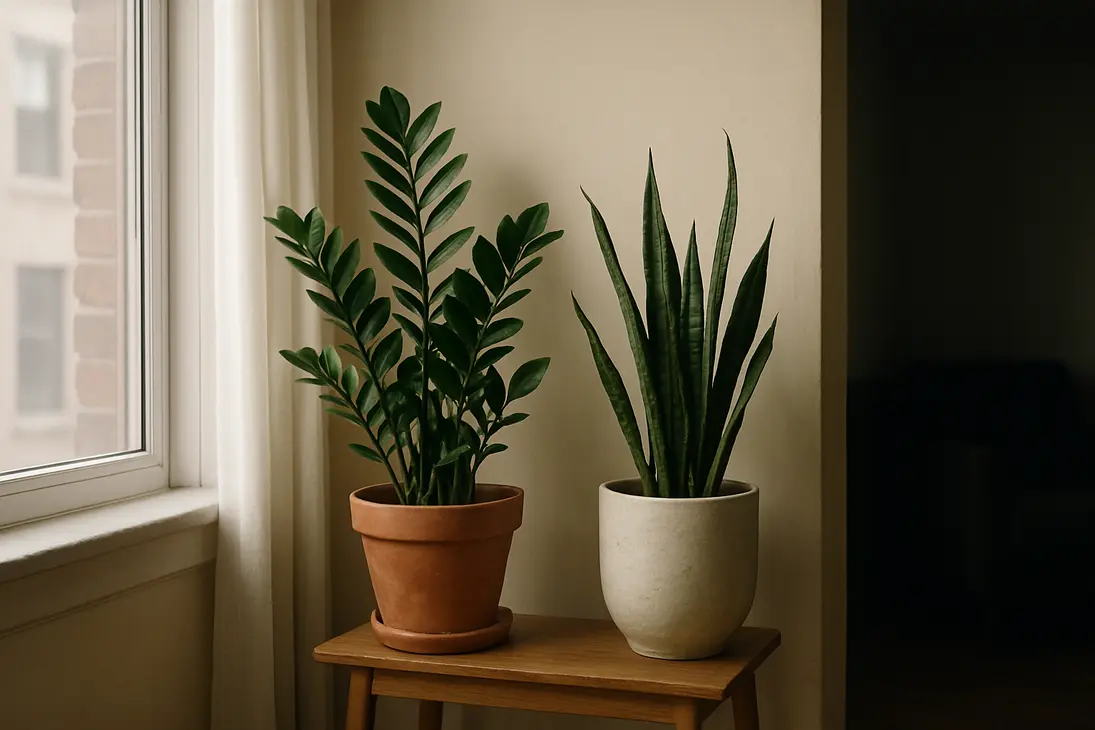
- Snake plants
- ZZ plants
- Jade plants
- Indoor herbs
- Plants prone to root rot
Glazed clay or ceramic holds moisture longer because the glaze reduces evaporation. It may suit:
- Peace lilies
- Ferns
- Calatheas
- Marantas
- Fittonias
- Other plants that dislike drying out completely
Both glazed and unglazed pots still need drainage holes.
Cost-Saving Options: Second-Hand and DIY Pots
Second-hand clay pots are fine if they are solid and have drainage. Check for cracks, flaking glaze, and heavy mineral buildup. Wash used pots with warm soapy water, scrub off old soil, and let them dry.
DIY containers can work, but only if they tolerate moisture and have drainage. Decorative bowls, oven-bake clay, and thrifted containers may soften, peel, or trap water unless properly prepared.
Potting Mix and Supplies to Use
Use fresh potting mix, not garden soil. Garden soil is too dense for containers, compacts easily, and may bring in pests or pathogens. Container roots need moisture, oxygen, and structure.
Gather:
- Clay pot with drainage
- Fresh potting mix
- Trowel or scoop
- Clean scissors or pruners
- Tray, tarp, or newspaper
- Watering can
- Optional perlite, pumice, orchid bark, or coco chips
Basic Houseplant Potting Mix
A basic indoor potting mix works for many common houseplants, including pothos, philodendrons, syngoniums, spider plants, and dracaenas. It should feel light and springy, not muddy or heavy.
A useful mix for many foliage plants is:
- 2 parts quality indoor potting mix
- 1 part perlite or pumice
- Optional: 1 part fine orchid bark
Use less added drainage material if your home is very dry. Add more perlite, pumice, or bark if plants tend to stay wet too long.
Extra Drainage for Clay Pots and Moisture-Sensitive Plants
Unglazed clay dries faster than plastic, but moisture-sensitive plants still need an open mix. Succulents, cacti, snake plants, and ZZ plants should not sit in dense, peat-heavy soil.
Use cactus or succulent mix and improve it if needed with pumice, perlite, coarse sand, or small lava rock. For aroids such as monstera, philodendron, and pothos, a chunkier mix with bark can provide oxygen while still holding some moisture.
When to Replace Old Soil Completely
You do not always need to remove all old soil. Stripping a healthy plant bare can damage fine feeder roots.
Replace old soil completely when:
- The plant had root rot.
- The soil smells sour or rotten.
- The mix is compacted and absorbs water unevenly.
- There are serious fungus gnats or soil pests.
- The soil has excessive salt crust.
- You are dividing tangled plants and need to see the roots.
If the plant is healthy, keep much of the root ball intact and add fresh mix around it.
Step-by-Step: How to Repot a Houseplant in a Clay Pot
Repotting should be controlled, not forceful. Fine feeder roots are easy to damage, so move the plant with the least disturbance needed.
1. Water the Plant Before Repotting
Water the plant a day before repotting if the soil is very dry. Slightly moist soil holds together better and roots are less brittle.
Do not pre-water if you suspect root rot. In that case, remove wet soil and inspect the roots clearly.
2. Remove the Plant Gently from Its Old Pot
Turn the plant on its side and support the base of the stems. Tap or squeeze a plastic pot. For a clay pot, tap the sides and loosen the edge with a blunt tool.
Do not pull hard by the stems. If roots are growing through the drainage hole, trim only the roots that prevent removal. If a plant is stuck in an inexpensive clay pot, breaking the pot may be safer than tearing the root system.
3. Check the Roots Before Moving Up a Pot Size
Healthy roots are usually white, cream, tan, or light brown and feel firm. Rotten roots are often dark, mushy, hollow, or foul-smelling.
If the roots fill the pot and look healthy, move up one size. If there are very few roots, do not use a much larger pot. Return the plant to the same size pot with fresh mix, or use a smaller pot if rot has reduced the root system.
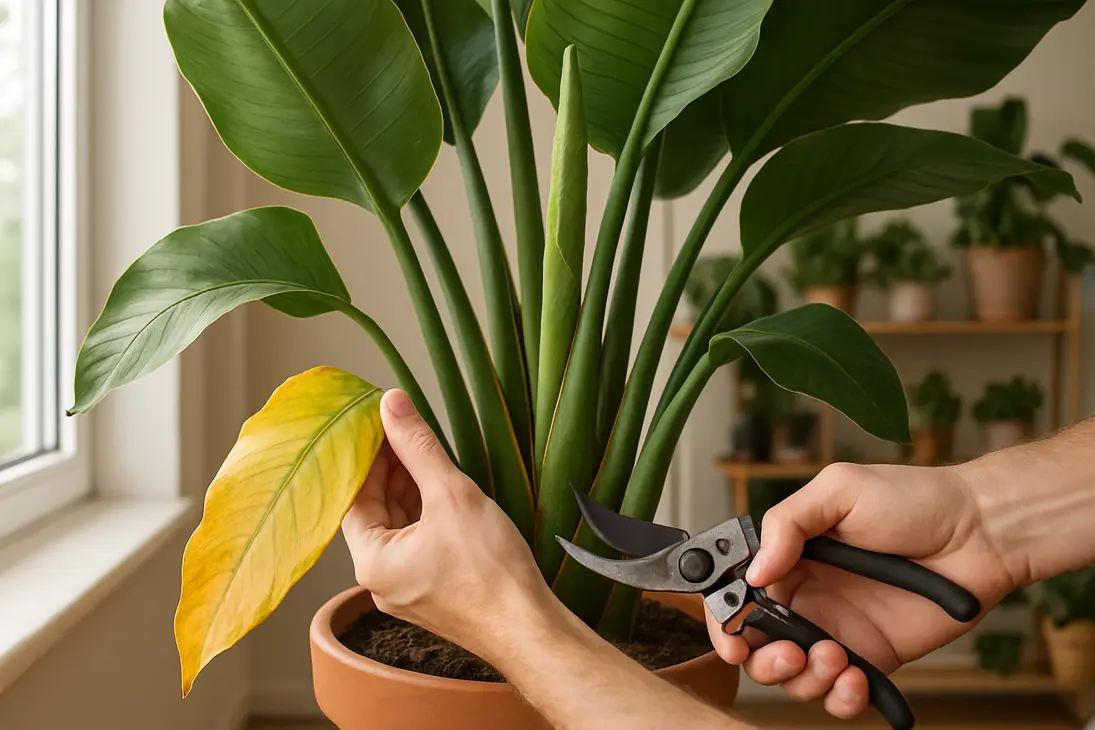
Trim only dead, mushy, or clearly damaged roots with clean scissors or pruners.
4. Tease Roots Only When Needed
Loosen roots only as much as necessary. If roots are lightly circling, gently loosen the outer layer. If the bottom is tightly matted, tease it apart slightly so roots can grow into the new mix.
Do not aggressively comb out every root or bare-root a healthy plant. Severe root disturbance often causes more stress than benefit unless there is rot, contaminated soil, or another clear reason.
5. Add Fresh Mix and Set the Plant at the Right Height
Place fresh mix in the bottom of the new clay pot. Set the plant in and check the height. The top of the root ball should sit about ½–1 inch below the rim so there is room to water.
Keep the plant at the same soil depth it had before. Burying stems too deeply can encourage rot. Fill around the sides with fresh mix and gently firm it, but do not pack it tightly.
6. Water Thoroughly and Let It Drain
After repotting, water until water runs from the drainage hole. This settles the mix and shows whether you need to add a little more soil.
Let the pot drain completely before placing it on a saucer or inside a decorative cover pot. Empty standing water. Clay can mark furniture, so protect surfaces with a saucer, cork mat, or plant stand.
Aftercare and Common Repotting Mistakes
Place the plant back in bright, indirect light or the same light it was used to. Avoid sudden direct sun right after repotting, especially if the plant was stressed. Keep temperatures steady and avoid cold drafts.
Do not fertilize right away. Fresh mix often contains nutrients, and newly disturbed roots can be sensitive. Wait several weeks, or until you see resumed growth, before returning to normal feeding.
How Often to Water After Repotting in Clay
There is no fixed watering schedule. Unglazed clay dries faster than plastic, but a larger volume of fresh mix may still stay moist longer than the old crowded pot.
Check moisture with your finger, a wooden skewer, or the weight of the pot. Water according to the plant:
- Succulents, cacti, snake plants, ZZ plants: let most or all of the mix dry.
- Pothos, philodendron, monstera, spider plant: let the top inch or two dry.
- Peace lilies, ferns, calatheas: keep lightly moist, not soggy.
Expect watering habits to change after repotting.
Signs of Normal Repotting Shock
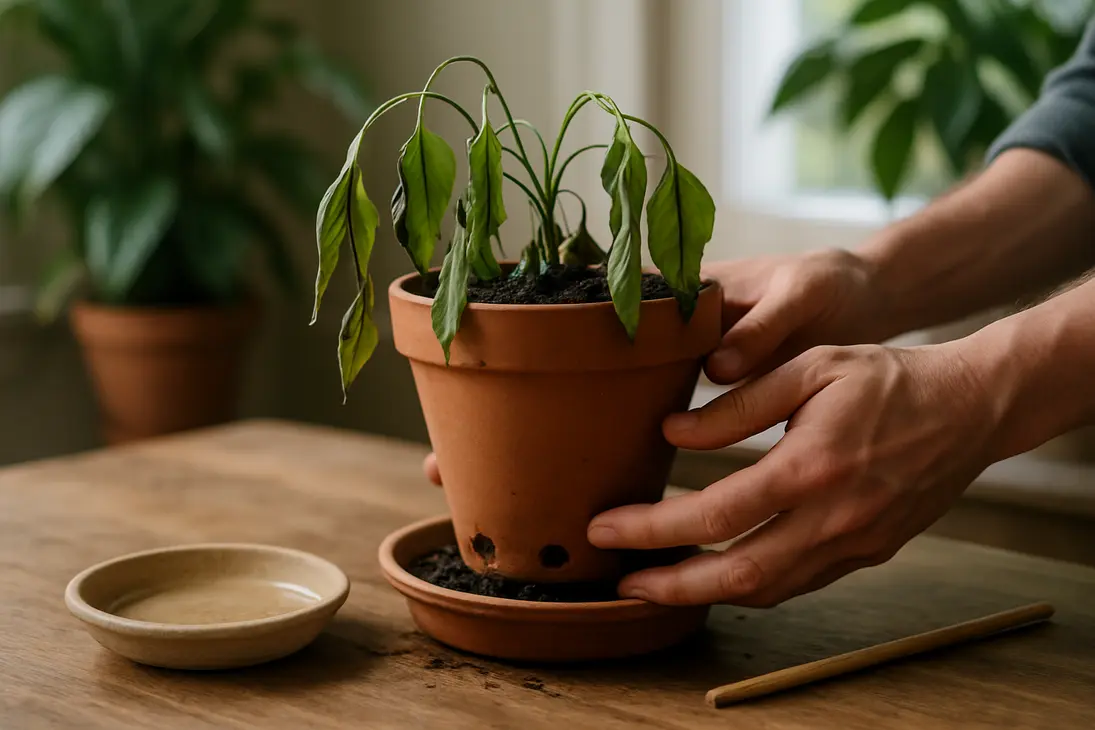
Mild stress after repotting is normal. You may see slight drooping, one or two yellow older leaves, slower growth, temporary leaf curling, or minor wilting while roots re-establish.
Keep care steady. Do not respond with repeated watering, fertilizer, or another repotting. Worsening collapse, black stems, a rotten smell, or soil that stays wet for many days can signal a real problem.
Mistakes That Can Damage Roots or Cause Rot
Avoid these common mistakes:
- Using a pot that is too large. Extra soil stays wet and can suffocate roots.
- Choosing a pot without drainage. Clay still needs a way to release water.
- Packing the mix too firmly. Compacted soil limits oxygen.
- Bare-rooting a healthy plant unnecessarily. This damages fine roots.
- Watering too often after repotting. The plant’s needs may change.
- Putting a recovering plant in direct sun. Strong light can increase stress.
- Fertilizing immediately. Disturbed roots do not need a nutrient push.
- Using garden soil indoors. It is too dense for containers.
- Ignoring plant type. A fern and a cactus need different care.
When in doubt, make the least drastic change that solves the problem.
Conclusion
Repotting houseplants in clay pots without damaging the roots comes down to choosing the right moment, the right pot, and the gentlest method. Repot only when the plant needs more room or better soil. Use a clay pot with drainage, usually just one size larger, and match glazed or unglazed clay to the plant’s moisture needs.
Handle the root ball carefully, trim only dead roots, loosen only crowded roots, water thoroughly, and give the plant steady conditions while it recovers.
FAQ
Should I soak a clay pot before repotting a houseplant?
You can soak an unglazed terracotta pot for 15–30 minutes before repotting, especially if it is brand new and very dry. This helps prevent the pot from immediately pulling moisture from the fresh mix.
It is optional. Glazed clay pots do not need soaking because the glaze reduces water absorption.
Should I break up the roots when repotting?
Only tease roots when they are circling, matted, or tightly bound. Gently loosen the outer roots so they can grow into the new mix.
If the root ball is healthy and not compacted, leave most of it intact. Aggressive root tearing can cause unnecessary shock.
Are clay pots better than plastic pots for houseplants?
Clay pots are better for some houseplants, but not all. Unglazed clay dries faster and allows more air movement, which helps succulents, snake plants, ZZ plants, and other plants that dislike wet roots.
Plastic holds moisture longer and is lighter, cheaper, and less breakable. It may be better for moisture-loving plants or for people who water less often.
Can I reuse soil when repotting houseplants?
You can reuse some old soil if the plant was healthy and the mix still has good texture, but refresh it with new potting mix. Do not reuse soil that smells sour, stayed waterlogged, had root rot, or contained pests.
For healthy plants, keeping part of the old root ball intact is fine. For diseased or rotted plants, remove as much contaminated soil as practical and repot into fresh mix.
You Might Also Like