Why Are My Heliconia Leaves Turning Brown, Crinkly, or Full of Holes?
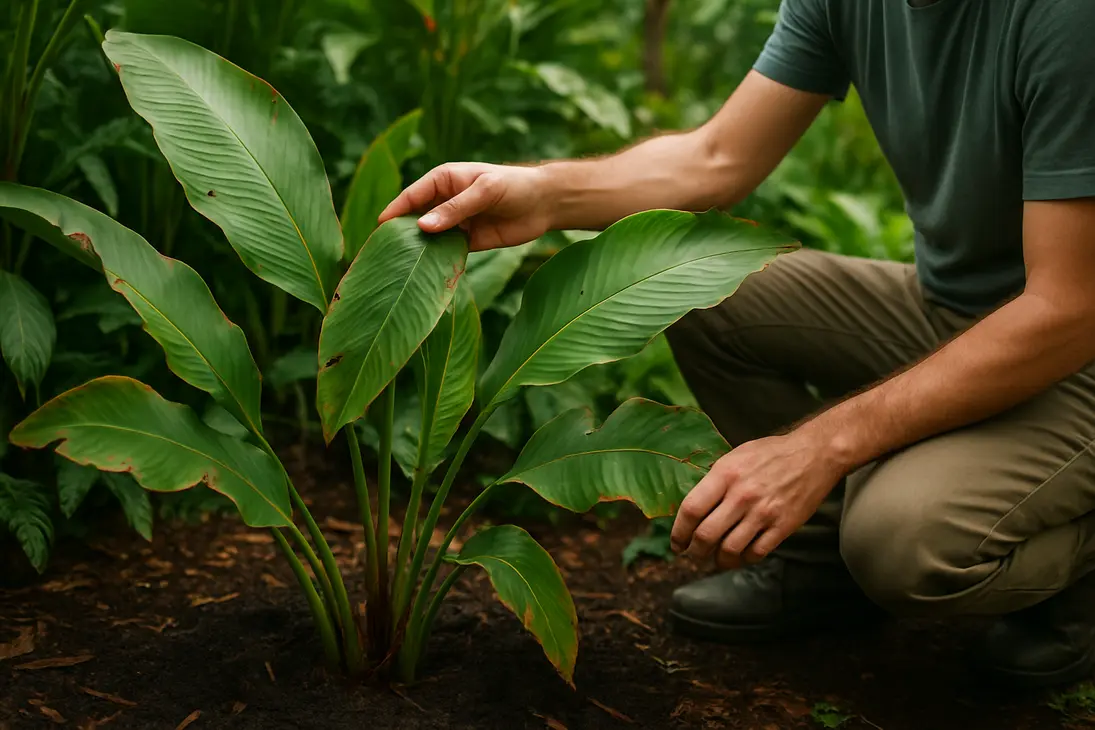
Heliconias are tough tropical plants when their basic needs are met, but their large, banana-like leaves show stress quickly. Brown tips, crinkled new leaves, yellow patches, holes, and ragged edges are often blamed on insects, but many Heliconia leaf problems start with light, water, humidity, temperature, drainage, or root stress.
The fastest way to diagnose the issue is to match the damage pattern to the likely cause, then watch the new growth. Old damaged leaves will not repair, but clean new leaves show the plant is recovering.
Start With the Symptom: What Your Heliconia Leaves Are Telling You
| Leaf symptom | Most likely causes | First thing to check |
|---|---|---|
| Brown tips or edges | Dry soil, low humidity, sun scorch, salts, wind | Soil moisture and sun exposure |
| Crispy, crinkly, curled leaves | Dryness, heat, low humidity, mites, cold stress | Leaf undersides and recent weather |
| Yellowing with brown patches | Overwatering, drainage problems, disease, nutrients | Drainage and roots |
| Holes or ragged edges | Caterpillars, beetles, slugs/snails, wind tearing | Night inspection and leaf undersides |
| Wilting despite watering | Root rot, heat stress, root crowding, transplant shock | Soil wetness below the surface |
Brown leaf edges or tips
Brown tips and dry margins usually point to water stress, low humidity, strong sun, wind, or fertilizer salt buildup. Heliconias lose moisture quickly through their broad leaves, especially in hot or dry weather.
Check the soil before watering again. Brown edges can also happen when roots are damaged by soggy soil. If the pot feels heavy, the soil smells sour, or the plant wilts while wet, poor root function may be the real issue.
Crispy, crinkly, or curled leaves
Crinkly leaves often form when a leaf is stressed while still rolled up. Dry spells, sudden heat, cold, transplant shock, or a quick move from shade to strong sun can cause puckering, curling, dry ridges, or brown streaks as the leaf unfurls.
If new growth is distorted, inspect for sap-sucking pests such as mites, aphids, mealybugs, or scale. These pests damage tender tissue before the leaf expands.
Yellowing leaves with brown patches
One lower leaf yellowing and dying can be normal aging. Widespread yellowing is more concerning and may indicate overwatering, compacted soil, poor drainage, cold stress, nutrient problems, or disease.
Brown spots with yellow halos can suggest fungal or bacterial leaf spots, especially after wet weather or overhead watering. Irregular brown patches on the sun-facing side are more likely scorch.
Holes, chewed edges, or “moth-ridden” leaves
Missing chunks, ragged edges, and holes usually mean chewing pests such as caterpillars, slugs, snails, beetles, or grasshoppers. Caterpillars may hide in rolled leaves or feed at night.
Long splits that follow the veins are often wind damage instead. Like banana leaves, heliconia leaves tear naturally in exposed sites.
Wilting or drooping despite watering
If a heliconia wilts even after watering, check the roots and soil. In waterlogged soil, roots may rot and stop taking up moisture, so the plant droops even though the soil is wet.
Wilting can also happen after transplanting, during extreme heat, or when a pot-bound plant has more roots than soil. In tight pots, water may run around the root ball instead of soaking it.
Environmental and Care Problems That Damage Heliconia Leaves
Heliconias are tropical plants, but they do not want harsh all-day sun, stagnant wet soil, cold drafts, or repeated drought. Most leaf problems start when the site does not match the plant’s needs.
Too much direct sun or heat scorch
Many heliconias prefer bright filtered light, morning sun, or part sun, depending on the species and climate. In hot regions, intense afternoon sun can scorch leaves, especially after a plant has been grown in shade.
Sun scorch appears as tan, bleached, or brown patches on exposed leaves, crispy edges on the sun-facing side, and damage soon after a move to brighter light. Aim for bright light with protection from the harshest afternoon sun; deep shade may reduce flowering.
Underwatering, dry soil, or low humidity
Heliconias like consistent moisture during active growth. Repeated drought causes curling, dull color, crispy edges, and brown tips.
Check soil below the surface rather than judging by appearance. Water container plants thoroughly until water drains out, then let the upper mix begin to dry before watering again. In the garden, deep watering is better than frequent shallow sprinkling.
Low humidity worsens leaf crisping. Indoor plants, patio plants in dry wind, and plants near air-conditioning vents often brown at the edges even with regular watering.
Overwatering and poor drainage
Overwatering means roots are staying wet without enough air. Heavy clay, compacted mix, pots without drainage holes, standing saucers, and low garden spots can all cause root stress.
Warning signs include yellowing lower leaves, limp growth, wilting in wet soil, spreading brown patches, sour-smelling soil, or black mushy roots. Heliconias appreciate moisture, but they resent stagnant conditions.
Cold stress, wind damage, or sudden temperature changes
Heliconias are sensitive to cold. Chilly nights, cold soil, drafts, or sudden indoor-outdoor moves can cause yellowing, browning, drooping, and distorted new leaves. Cold-damaged leaves may look water-soaked before turning brown or black.
Wind also causes ugly foliage. Broad leaves split along the veins and dry along the edges in exposed sites. Some tearing is normal, but constant shredding means the plant needs more shelter.
Root crowding or transplant shock
Crowded heliconias dry out quickly, make smaller leaves, and may develop brown tips despite regular care. In pots, roots may circle the container or grow through drainage holes. Old in-ground clumps can also become congested.
Transplant shock causes drooping, yellowing older leaves, and crispy edges. Keep soil evenly moist but not soggy, protect from harsh sun briefly, and avoid heavy fertilizer until new growth resumes.
Pests That Chew, Spot, or Distort Heliconia Leaves
Pests do attack heliconias, but identify the culprit before treating. Holes, speckling, sticky residue, and distorted growth point to different problems.
Caterpillars and moth larvae
Caterpillars are a common cause of “moth-ridden” heliconia leaves. They may chew holes, margins, or rolled new leaves.
Look for fresh droppings, hidden larvae, and damage that worsens overnight. Hand-pick caterpillars when possible and remove badly infested rolled leaf sections. Spraying without finding the pest can miss hidden larvae and harm beneficial insects.
Spider mites
Spider mites thrive in hot, dry, dusty conditions. They do not chew holes; they suck plant juices, leaving fine speckling, dullness, bronzing, or a dry faded look.
Check leaf undersides for tiny moving dots or fine webbing. Repeatedly spraying undersides with water can reduce mites. Improving humidity and reducing drought stress also helps.
Aphids, mealybugs, and scale
These sap-sucking pests cluster on new shoots, leaf bases, bracts, or undersides. They can distort new leaves and weaken growth.
Signs include sticky honeydew, sooty black mold, curled new growth, white cottony mealybugs, or small brown scale bumps. Aphids may wash off with water. Mealybugs and scale often need repeated wiping or careful treatment with labeled soap or oil. Test first, because stressed tropical leaves can burn.
Slugs, snails, and beetles
Slugs and snails make irregular holes and ragged edges, especially in damp shade. Slime trails are a strong clue, and night inspection is often best.
Beetles and grasshoppers also chew exposed leaves. Occasional damage is usually cosmetic if the plant is otherwise growing well.
How to inspect the plant before spraying
Use a quick inspection before treating:
- Check new leaves. Distortion suggests stress or sap-sucking pests.
- Look underneath leaves. Mites, aphids, eggs, and larvae hide there.
- Inspect rolled leaves and bases. Caterpillars and mealybugs prefer sheltered spots.
- Look for droppings or slime. These confirm chewing pests.
- Check at night. Slugs, snails, and some caterpillars feed after dark.
- Review recent changes. Heat, cold, repotting, relocation, or watering changes often explain sudden damage.
Treat only when you find active pests or repeated fresh damage.
Diseases and Nutrient Issues to Rule Out
Leaf spots, yellowing, and weak growth can come from disease or nutrition, but do not fertilize or spray before checking water, drainage, light, and pests.
Fungal leaf spots and blights
Fungal spots often appear as brown, black, or tan lesions that expand over time, sometimes with yellow halos. They are more common when foliage stays wet, airflow is poor, or infected debris remains around the plant.
Reduce pressure by removing badly spotted leaves, watering early, avoiding unnecessary overhead watering, spacing plants for airflow, and cleaning up fallen foliage. Fungicides are rarely the first step unless the disease is severe and correctly identified.
Bacterial leaf problems
Bacterial problems may cause water-soaked spots, streaks, soft tissue, or fast-spreading patches in warm, wet conditions. Avoid working among wet plants, clean cutting tools, and remove affected foliage.
If stems smell foul, become mushy, or collapse quickly, focus on sanitation, drainage, and preventing spread.
Nutrient deficiencies causing yellowing or weak growth
Heliconias are vigorous feeders in warm active growth. Nutrient issues may cause pale leaves, weak stems, slow growth, or yellowing between veins.
Still, fertilizer will not fix root rot, drought, cold damage, or pests. Heavy feeding can worsen stress, especially in containers where salts build up. Use balanced slow-release fertilizer or light regular feeding during the growing season, and avoid heavy feeding when the plant is cold-stressed, newly transplanted, or root-damaged.
When damaged leaves will not recover
Brown, crispy, torn, or hole-filled tissue will not turn green again. Stop the cause and judge success by new leaves. If fresh growth is clean, full-sized, and properly colored, the plant is improving.
How to Fix Heliconia Leaf Problems and Prevent New Damage
Once you narrow the cause, correct the basics first: root health, moisture, light, humidity, and pest pressure.
Remove badly damaged or diseased leaves
Cut off leaves that are mostly brown, badly torn, heavily spotted, or pest-infested. Use clean, sharp pruners and cut the leaf stalk near its base without damaging new shoots.
If disease is suspected, clean tools between cuts and discard infected leaves. Do not strip the plant bare; green leaves still feed the rhizome.
Adjust watering and improve drainage
For dry plants, water deeply and consistently. Mulch garden plants to conserve moisture, keeping mulch slightly away from stems. For containers, make sure the entire root ball is wetted.
For wet plants, empty saucers, confirm drainage holes are open, and repot if the mix is compacted or sour. In the ground, avoid sites where water stands after rain. Aim for soil that is moist, not stagnant.
Increase humidity and protect from harsh sun or wind
For crispy or curling leaves, reduce drying stress. Group tropical plants, mulch, block drying wind, and keep indoor heliconias away from vents, heaters, and drafts.
For scorch, move potted plants into brighter light gradually. In gardens, use temporary shade cloth or nearby planting to protect from extreme afternoon sun. For wind, use a fence, hedge, wall, or other windbreak while still allowing airflow.
Treat pests with the least aggressive method first
Start simple:
- Pick off caterpillars.
- Hose aphids and mites from leaf undersides.
- Wipe mealybugs and scale.
- Remove heavily infested leaves.
- Reduce weeds and debris.
- Use slug and snail barriers or traps where needed.
If using insecticidal soap, horticultural oil, or another labeled product, follow the label exactly. Avoid spraying in strong sun, high heat, or drought stress.
Feed correctly during the growing season
Feed only when heliconias are actively growing. Container plants usually need more regular feeding than in-ground plants because nutrients wash out, but they are also more prone to salt buildup.
If brown tips appear with crust on the soil surface, flush the pot with plain water and reduce fertilizer strength or frequency.
Monitor new growth to confirm the problem is solved
Watch the next one or two leaves. Ask whether new leaves are opening normally, brown edges are still spreading, chewing damage is fresh, soil is drying at a reasonable pace, pests are still visible, and upright growth has resumed.
Recovery can take weeks after cold, transplant shock, or root damage.
Conclusion
Heliconia leaf problems usually come from combined stress factors. Brown edges may mean dryness, sun, wind, salts, or damaged roots. Crinkly leaves often formed under stress before unfurling. Holes point to chewing pests or wind tearing. Yellowing with brown patches may involve overwatering, drainage, disease, or nutrients.
Diagnose before treating: check soil, light, humidity, recent weather, roots, and leaf undersides. Remove leaves that are no longer useful, correct the growing conditions, and use the least aggressive pest control that fits the problem. Old damaged leaves will not become perfect again, but healthy new growth means your heliconia is recovering.
FAQ
Should I cut off brown or torn Heliconia leaves?
Yes. Remove leaves that are mostly brown, badly torn, diseased, or unattractive. Use clean tools and cut the stalk near the base. Leave slightly damaged green leaves if the plant still needs foliage.
What causes Heliconia leaves to look crinkly or curled?
Crinkly or curled leaves usually formed under stress while still developing. Common causes include dry soil, low humidity, heat, sudden sun exposure, cold, root disturbance, or sap-sucking pests.
What is eating holes in my Heliconia leaves?
Caterpillars are common, especially if you find droppings or damage in rolled leaves. Slugs, snails, beetles, and grasshoppers can also chew foliage. Inspect at night and under leaves. Long splits along veins are often wind damage.
Can brown Heliconia leaves turn green again?
No. Brown, crispy, or torn tissue will not recover. Fix the cause and watch new leaves. If new growth looks normal, the plant is improving.
You Might Also Like