Why Is My Lemon Plant Drooping After Repotting?
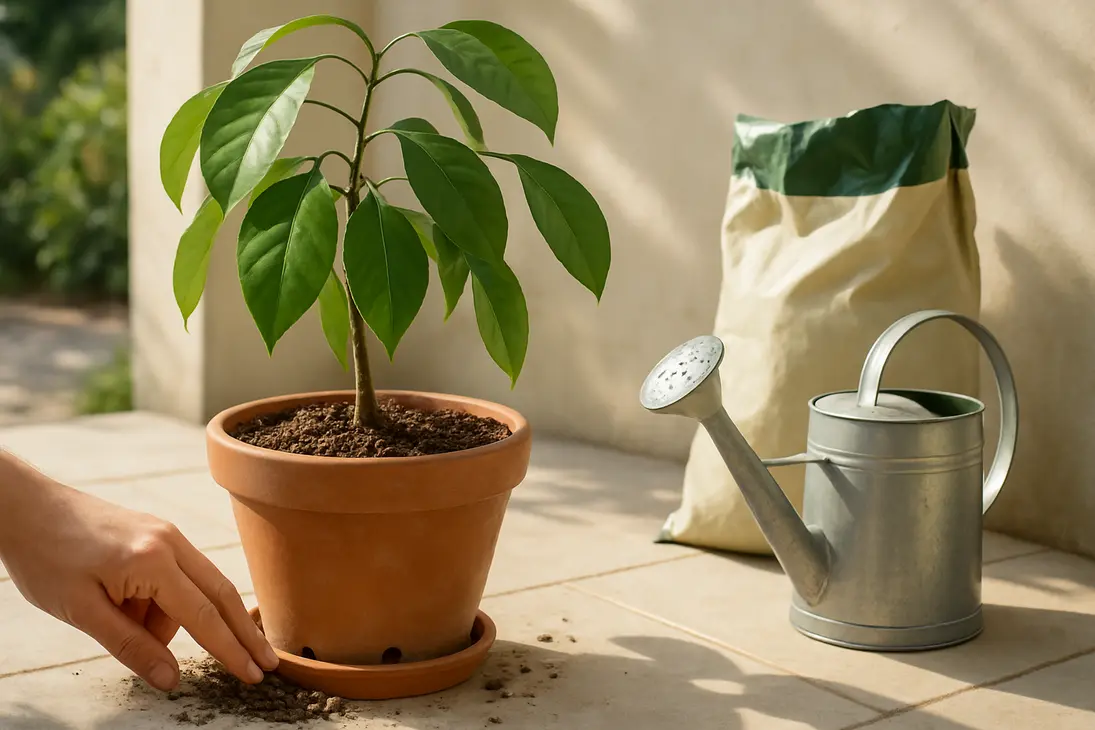
A lemon plant drooping after repotting is usually a sign of stress, not instant failure. Repotting disturbs roots, changes how water moves through the pot, and may expose the plant to different light or temperatures. Lemon plants, including Meyer lemons, often respond with limp leaves while their roots re-establish.
The key is deciding whether this is normal transplant shock or whether watering, drainage, root damage, pests, or environmental conditions are making it worse.
Is Drooping Normal After Repotting a Lemon Plant?
Some drooping is normal after repotting. Fine feeder roots can break during the process, and those roots absorb most of the plant’s water. Until they recover, leaves may lose moisture faster than roots can replace it.
Mild drooping may last a few days to about a week. If the root ball was heavily disturbed, the plant was already weak, or conditions changed suddenly, recovery can take a couple of weeks. During that time, keep care steady instead of repeatedly changing watering, light, fertilizer, and location.
Drooping is more concerning when it worsens daily, soil stays wet for many days, leaves yellow and drop heavily, stems shrivel, the soil smells sour, or roots look black and mushy.
Common signs of repotting stress
A lemon plant with transplant stress may show:
- Green leaves hanging downward
- Slight leaf curl during the hottest part of the day
- A few older yellow leaves
- Temporary pause in growth
- Flowers or small fruit dropping
- Mild wilting after a move to brighter light
Citrus plants often shed leaves, flowers, or small fruit when stressed. This can look alarming, but if stems remain green and flexible, recovery is still possible.
When to wait and observe vs. intervene
Wait and observe if the plant was repotted recently, leaves are mostly green, the soil is only lightly moist, and the pot drains well.
Intervene if you see these warning signs:
| What you see | Likely concern | What to do |
|---|---|---|
| Drooping with wet soil | Overwatering, poor drainage, heavy mix | Stop watering and check drainage |
| Drooping with very dry soil | Underwatering or dry root ball | Rehydrate slowly |
| Yellow lower leaves dropping | Stress, excess water, root trouble, low light | Check moisture and roots |
| Crispy edges | Dry air, missed watering, sun, wind | Reduce harsh exposure |
| Sticky leaves, webbing, bumps, speckling | Pests | Inspect and treat gently |
| Bad smell or mushy roots | Root rot risk | Remove dead roots and improve drainage |
Droop alone does not identify the problem. Soil moisture, roots, pot size, and recent care changes matter more.
Most Common Causes of Drooping Lemon Plant Leaves
Drooping after repotting usually comes from one or more of these causes.
Watering problems: too much or too little
Both overwatering and underwatering can make lemon leaves droop.
If the plant is too dry, leaves may hang limp, curl inward, and feel thin. The soil may be dry several inches down, pull away from the pot, or shed water without soaking in. This can happen when a peat- or coir-based mix becomes very dry and water-repellent.
If the plant is too wet, leaves may also droop, but the pot feels heavy and the soil stays damp. Older leaves may yellow and fall. This often happens after moving a lemon into a larger pot because the fresh soil holds more water than the reduced root system can use.
Lemon plants prefer consistent moisture, not soggy soil. Water deeply, then let the mix dry somewhat before watering again.
Poor drainage or heavy potting mix
Citrus roots need oxygen. Dense, compacted, slow-draining soil can suffocate roots even if you do not water often. Garden soil is usually a poor choice in containers because it can become heavy and poorly aerated.
A good container mix drains freely while holding some moisture. Quality potting mix amended with bark fines, perlite, or pumice often works well. Water should move through the pot, and the root zone should not stay swampy.
Also check the pot. Drainage holes must be open. A decorative outer pot or saucer that holds water can ruin an otherwise suitable mix.
Root disturbance or root damage
A lemon plant may droop simply because roots were disturbed. This is likely if you loosened a tight root ball, cut circling roots, removed old soil, or broke many fine roots.
Some root work is necessary when a plant is badly root-bound, but the more roots are disturbed, the longer recovery takes. The plant needs time to grow new feeder roots into the fresh mix.
Root damage can also predate repotting. A plant kept too dry, left sitting in water, exposed to cold, or bought already weak may decline after repotting because the stress exposes an existing root problem.
Sudden changes in light, temperature, or humidity
Repotting is often paired with a move: indoors to outdoors, shade to sun, greenhouse to windowsill, or store shelf to patio. Lemon plants like bright light, but sudden intense sun can overwhelm a newly disturbed root system.
Leaves may droop in afternoon sun, curl, bleach, or scorch. Wind worsens moisture loss. Indoors, hot vents, dry air, or cold drafts can have a similar effect.
Temperature matters too. Citrus roots dislike cold, wet conditions. A newly repotted lemon placed outside too early in spring may droop because the roots are cold and slow to function.
Pest pressure or disease stress
Pests often attack stressed plants. After repotting, check for aphids, spider mites, scale, mealybugs, and fungus gnats. They may not be the original cause, but they can slow recovery.
Look for fine webbing, pale speckling, sticky residue, cottony white patches, brown bumps on stems, soft insects on new growth, or small flies around wet soil.
Disease is more likely when soil stays wet and roots lack oxygen. Drooping with persistently wet soil is a warning sign for root decline.
How to Diagnose What Your Lemon Plant Needs
Before watering, fertilizing, pruning, or repotting again, inspect the plant calmly. Overcorrecting often causes more damage than the original shock.
Check the soil before watering again
Do not water just because the leaves droop. Check the soil a few inches down with your finger, a wooden skewer, or a moisture meter.
- If the upper few inches are dry and the pot feels light, water may be needed.
- If the soil is moist below the surface, wait.
- If the soil is wet, heavy, or sour-smelling, do not add water.
- If water runs out immediately, the root ball may be dry inside.
For a dry root ball, water gradually. Add water, pause, then water again so the mix can absorb moisture. If the pot is small enough, a short soak in a basin can help, but let it drain completely afterward.
Inspect the pot, drainage holes, and root ball
Make sure the pot has open drainage holes. If it sits inside a decorative cachepot, check for trapped water.
Also consider pot size. Moving a small lemon into a very large pot can keep the outer soil wet for too long. A modest size increase is usually safer.
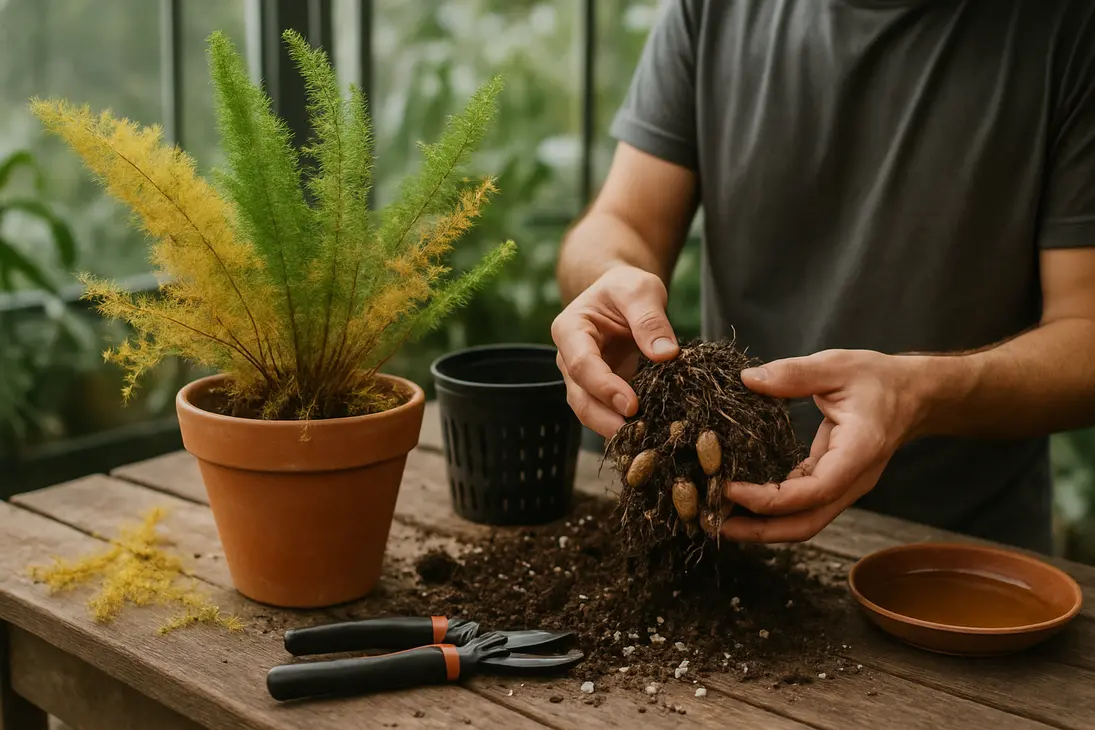
If the plant is declining and the soil remains wet, slide the root ball out for inspection. Healthy citrus roots are firm and light-colored to tan. Rotten roots are dark, mushy, hollow, or smelly. Trim only clearly dead roots with clean pruners and repot into a faster-draining mix if needed. If roots look healthy, avoid more disturbance.
Look for leaf drop, yellowing, curling, or wilting patterns
Leaf symptoms can guide your diagnosis:
- Green drooping leaves: transplant shock, underwatering, or heat stress
- Yellow lower leaves with wet soil: excess moisture or root stress
- Crispy brown edges: dry air, missed watering, wind, or harsh sun
- Leaves curling upward or inward: moisture stress, heat, or pests
- Sudden leaf drop after a move: light, temperature, or humidity change
- New growth wilting first: root trouble, pests, or severe water stress
A few dropped leaves are common. Rapid or heavy leaf drop needs closer inspection.
Check for pests under leaves and along stems
Inspect undersides of leaves, leaf joints, tender shoots, and woody stems. Use a flashlight if needed. Scale can look like bark, and spider mites are easy to miss.
If you find pests, start gently: rinse leaves, wipe off scale or mealybugs, and isolate indoor plants from others. Avoid harsh treatments unless the infestation is severe.
How to Help a Drooping Lemon Plant Recover
Recovery usually means correcting the main stress and then keeping conditions consistent. Lemon plants do not respond well to daily changes in care.
Adjust watering without overcorrecting
If the soil is wet, stop watering until it begins to dry. Empty saucers, improve airflow, and avoid cold, dark spots where evaporation is slow.
If the soil is dry, water thoroughly until water drains from the bottom, then let the pot drain fully. Do not give tiny daily sips; they can leave the root ball unevenly moist.
After repotting, water based on actual soil moisture, not a schedule. A stressed lemon with fewer active roots or fewer leaves may use water slowly. Water when the top few inches have dried and the pot feels lighter, but before the entire root ball becomes bone dry.
Move it to bright, stable conditions
Give the plant bright light without sudden harsh exposure. Indoors, place it near your brightest window. Outdoors, start in bright shade or morning sun for several days, then gradually increase direct sun.
Temporarily protect a drooping outdoor lemon from:
- Hot afternoon sun
- Strong wind
- Cold nights
- Reflected heat from pavement, patios, or walls
Do not keep citrus in deep shade for weeks unless conditions are extreme. The goal is bright but not punishing.
Hold off on fertilizer until new growth appears
Fertilizer does not fix transplant shock. If roots are stressed, fertilizer salts can make water uptake harder. Wait until the plant is stable and producing new growth.
Once new leaves appear, use a citrus-appropriate fertilizer according to the label. If the new potting mix already contains slow-release fertilizer, do not add more right away.
Remove damaged leaves only when necessary
Do not prune heavily because the plant is drooping. Green leaves, even imperfect ones, help the plant recover.
Remove only fully brown, diseased, heavily pest-infested, or clearly dead material. To check a twig, gently scratch the bark. Green tissue underneath means it is alive. Wait to shape or thin the plant until it is growing again.
Leaf Drop, Fruit, and Nutrient Concerns in Young Lemon Trees
Young lemon trees often flower or set fruit while still small. When they droop or drop leaves, it is natural to wonder whether fruit, nutrients, or stress is the main issue.
Can fruit make a young lemon tree drop leaves?
Fruit can stress a young lemon tree, especially after repotting or when light, roots, or watering are not ideal. Developing fruit uses water, carbohydrates, and nutrients. A strong established tree can handle this; a small stressed plant may struggle.
Fruit is rarely the only cause of sudden drooping. Usually another stress is involved, such as repotting, inconsistent watering, low light, heat, root damage, or poor mix. If stems are green and roots are healthy, the tree can grow new leaves once conditions improve.
Should you remove lemons or flowers from a stressed young plant?
If a young lemon is drooping, newly repotted, or losing leaves, removing fruit and flowers is often best. This lets the plant focus on roots and foliage.
If the tree has dropped most of its leaves, remove all fruit and flowers until it leafs out again. For mild stress, you can leave one fruit only if the plant has enough healthy leaves. If decline continues, remove it.
Nutrient deficiency vs. stress symptoms
Drooping immediately after repotting is more likely stress than nutrient deficiency. Deficiencies usually develop over time and show patterns such as pale new growth, yellowing between veins, or poor color during active growth.
Citrus does need regular nutrition once established, but fertilizer should come after watering, drainage, light, and root health are corrected.
| Symptom timing | More likely cause |
|---|---|
| Drooping within days of repotting | Transplant shock, watering issue, root disturbance, environmental change |
| Yellowing over weeks | Nutrition, pH, watering pattern, root health, low light |
| Drooping with wet soil | Drainage or root oxygen problem |
| Pale new leaves during growth | Possible nutrient availability issue |
| Leaf drop after moving | Light, temperature, humidity shift |
Do not treat every drooping lemon with fertilizer. Stressed roots need oxygen, proper moisture, and time first.
Conclusion
A lemon plant drooping after repotting is common, and mild drooping does not mean it is dying. The most likely cause is transplant shock, especially if leaves are still green and repotting was recent.
Start with soil moisture and drainage. Wet soil plus drooping points to overwatering, heavy mix, poor drainage, or root stress. Dry soil plus drooping points to underwatering or a root ball that did not rehydrate. Then check pot size, roots, light, temperature, and pests.
Once the main issue is corrected, keep care steady. Provide bright but gentle conditions, water only when the mix has dried appropriately, avoid fertilizer until new growth appears, and do not prune heavily. If stems remain green and roots are not rotting, the plant can recover.
FAQ
Why is my lemon plant drooping even though the soil is wet?
Drooping in wet soil often means roots are not getting enough oxygen. Causes include overwatering, poor drainage, heavy potting mix, or an oversized pot. Wet soil does not mean roots can use the water if they are stressed or rotting.
Stop watering until the soil begins to dry. Empty saucers or decorative pots. If the mix stays wet for many days or smells sour, inspect the roots and consider a faster-draining mix.
Should I water a drooping lemon plant immediately after repotting?
Usually, yes. Water thoroughly right after repotting to settle the mix around the roots. After that, do not keep watering just because leaves droop.
Check the soil first. If it is still moist, wait. If it is dry several inches down, water deeply and let excess drain away.
Will a lemon plant grow new leaves after dropping them?
Yes, if the stems and roots are still alive. Citrus plants can leaf out again when light, warmth, watering, and root health improve.
Scratch a branch gently. Green tissue underneath is a good sign. Be patient and avoid overwatering while the plant has few leaves because it will use less water.
Can too much sun cause a newly repotted lemon plant to droop?
Yes. Lemon plants like sun, but a newly repotted plant may droop in intense sun, heat, or wind before the roots recover.
Move it to bright shade or morning sun for a few days, then gradually increase direct sun. Avoid deep shade long-term because citrus needs strong light to regain strength.
You Might Also Like