What Makes Snake Plants Low Cost?
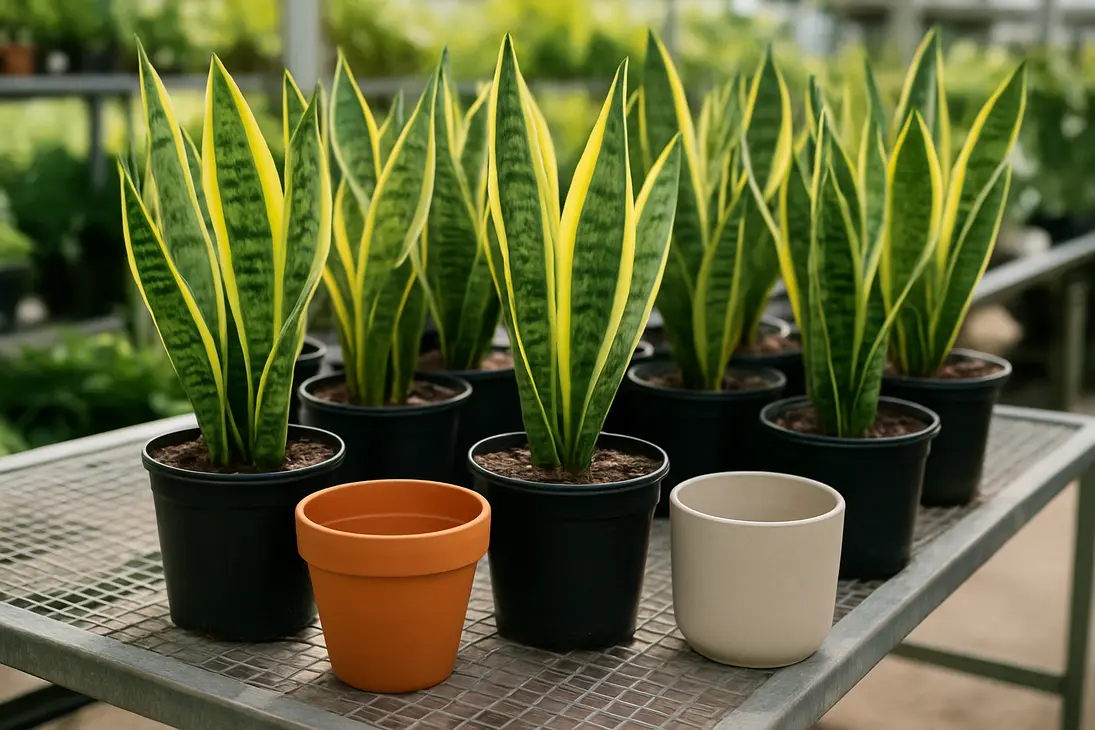
Snake plants are often considered budget-friendly houseplants because they are durable, widely available, easy to propagate, and tolerant of imperfect care. Still, “cheap” depends on what you are buying. A $6 starter plant, a $20 nursery plant, and an $80 floor specimen may all be fair prices depending on size, variety, pot, and condition.
If you are shopping for low cost snake plants, the best value is not always the lowest sticker price. It is a healthy plant in a practical pot that can survive, grow, and eventually provide divisions or cuttings for more plants.
What “Low Cost” Means for Snake Plants
A low-cost snake plant is usually one of these:
- A small starter plant in a plastic nursery pot
- A common variety, such as the classic green-and-yellow edged type
- A plant sold without a decorative ceramic pot
- A division, cutting, or locally shared plant
Prices vary by region, store, season, and plant quality, but the pattern is consistent.
| Type of snake plant | Typical value profile | Why it costs what it does |
|---|---|---|
| Small starter plant | Lowest upfront cost | Young plant, small root system, basic pot |
| 4–6 inch nursery pot | Often best value for beginners | Established but still affordable |
| Large mature specimen | Higher cost | Years of growth, larger pot, more handling |
| Decorative potted plant | Often much more expensive | Includes pot, styling, and retail markup |
For many buyers, the sweet spot is a healthy 4-inch or 6-inch plant in a plain nursery pot. It is established enough for normal home conditions but not so large that you are paying a premium for maturity or décor.
The Main Factors That Affect Snake Plant Pricing
Snake plant pricing mostly comes down to size, rarity, presentation, and condition. Two plants may look similar at first, but the price can change quickly depending on how long they took to grow, how common the cultivar is, and whether the seller added a decorative container.
Plant Size and Maturity
Size is one of the biggest price drivers. A small snake plant may have only a few upright leaves and a modest root system. A large one may have taken years to fill out, especially because snake plants grow slowly indoors.
When you buy a larger plant, you are paying for:
- More years of growth
- A fuller appearance right away
- A larger root system or multiple divisions
- Higher transport and handling costs
- Instant floor-plant impact
Small plants are cheaper because growers have invested less time, space, and labor in them. They are also easier to ship and stock in volume. If your priority is saving money, start smaller and let the plant size up over time. If you want an immediate architectural floor plant, a mature snake plant may be worth the higher price.
Variety or Cultivar
Common snake plants are usually inexpensive because they are produced in large numbers. The familiar upright types are durable, easy to multiply, and widely stocked.
Variegated, compact, silver-toned, highly patterned, or rare cultivars often cost more. Some are slower to grow or less widely available, while others carry a trend-based markup.
In general:
- Common green-and-yellow upright types are among the cheapest.
- Bird’s nest forms can be affordable, though certain cultivars cost more.
- Silver or highly patterned types are usually pricier than standard forms.
- Rare or newly popular cultivars may be expensive for their size.
If your main goal is a low-cost plant, choose a common snake plant instead of chasing a named cultivar. The care is similar, and common varieties are often among the most forgiving.
Pot Type and Presentation
A snake plant in a plain plastic grower pot is usually much cheaper than the same plant in a ceramic pot, basket, or designer planter. This is one of the easiest ways to save money.
Decorative plants cost more because the price may include the outer pot, saucer, top dressing, gift packaging, and retail display value. You may be paying as much for the container as for the plant.
A budget-friendly approach is to buy the plant in its nursery pot and place it inside a secondhand cachepot, simple terracotta pot, or basic plastic planter with drainage. You can upgrade the look later without paying full retail markup upfront.
Local Availability and Seasonality
Snake plants are common, but local availability still affects price. Where big-box stores, supermarkets, garden centers, and nurseries stock them regularly, prices tend to be lower. Where houseplants must be shipped long distances or are sold mainly through boutique shops, prices can rise.
Season can also matter. Discounts often appear after holidays, at the end of seasonal displays, in clearance sections, or when local sellers divide mature plants.
A seasonal bargain is only worthwhile if the plant is healthy enough to recover. A dusty or overgrown snake plant can be a great deal. A rotting one is not.
Plant Health and Overall Condition
A healthy snake plant is worth more than a sickly one, even if the sickly one is cheaper. A low sticker price becomes expensive if you need to replace the plant, treat pests, repot immediately, or discard rotted roots.
Healthy snake plants usually have:
- Firm, upright leaves
- No mushy bases
- No foul smell from the soil
- No obvious pests
- Soil that is not constantly soggy
- A pot with drainage, or a removable nursery pot inside a cover pot
Cosmetic damage is different from serious damage. Bent tips, scuffed leaves, or trimmed edges may not matter if the plant is firm and rooted. Yellowing, mushiness, collapsing leaves, and wet soil are bigger concerns.
Where to Find Affordable Snake Plants
The best place to buy low cost snake plants depends on how much risk you are willing to accept, whether you can inspect the plant, and whether you want instant results or the lowest possible price.
Big-Box Stores and Garden Centers
Big-box stores and general garden centers are often the easiest places to find affordable snake plants. They buy in volume, carry common varieties, and usually sell plants in simple nursery pots.
This option makes sense if you want:
- A predictable low price
- A common variety
- A plant you can inspect
- Easy returns if the store has a reasonable policy
The trade-off is inconsistent care. Snake plants in large retail stores may be overwatered by staff who water many plants on the same schedule. Look for firm leaves, soil that is dry to slightly moist rather than soaked, and no standing water. If an entire tray is wet and several plants have yellow leaves, wait for a better shipment.
Local Nurseries and Clearance Sections
Local nurseries may charge a little more than big-box stores, but they can still offer good value. Staff may know when shipments arrive, which varieties are easiest, and whether a clearance plant is simply messy or genuinely declining.
Clearance sections can be useful because snake plants tolerate neglect better than many houseplants. Good clearance buys include firm plants with messy presentation, overgrown plants that need dividing, plants discounted after displays change, and slightly damaged plants with no signs of rot or pests.
Avoid clearance plants with soft collapsing leaves, sour-smelling soil, fungus gnats in wet mix, or no drainage.
Plant Swaps, Community Groups, and Marketplace Listings
Snake plants spread by underground rhizomes and eventually produce offsets. People with mature plants often end up with extras, making plant swaps, neighborhood groups, and marketplace listings some of the cheapest sources.
Before accepting or buying a plant, ask:
- Is it rooted or an unrooted cutting?
- When was it last watered?
- Does the pot have drainage?
- Has it had pests recently?
- Is the exact plant in the photo the one being sold?
Marketplace plants are not automatically risky. A careful hobby grower may offer a healthier plant than a retail shelf. But a plant from a damp basement or drainage-free pot may bring problems home.
Cuttings, Divisions, and Plants from Friends
The cheapest way to get a snake plant is often from someone who already owns one. Divisions are usually more reliable than leaf cuttings because they already include roots or rhizome tissue.
A division is a separated piece of the plant with roots attached. If you can get one, it is the quickest low-cost path to a new plant. A leaf cutting can also work, but it takes longer, and variegated snake plants grown from leaf cuttings may not always keep the same yellow-edged pattern.
If a friend offers a piece, ask for a rooted offset if possible, a firm leaf section if taking a cutting, a small pot with drainage, and dry, well-draining potting mix. Let fresh cuts callus briefly before potting, especially if the leaf was just cut. Avoid wet, heavy soil; the most common failure is rot before roots form.
When a Cheap Snake Plant Is Not a Good Deal
A bargain snake plant is only a bargain if it has a reasonable chance of surviving. Snake plants are tough, but they can still suffer from rot, pests, and poor growing conditions. The main danger with cheap plants is overwatering, very low light, or decorative containers with no drainage.
Plant-care discussions often repeat the same beginner mistakes: placing snake plants in very low light, watering too often, and using pots without drainage. One YouTube plant-care source, for example, describes decline after a snake plant was moved to low light and notes overwatering and drainage problems as common issues.
Check the Leaves, Roots, and Soil
Before buying, inspect the plant. Leaves should feel firm, not limp or mushy. Wrinkles can mean underwatering or root stress, while yellowing near the base may point to overwatering. Brown tips are often cosmetic, but soft brown patches are more concerning.
If possible, slide the nursery pot out of the decorative cover and check the drainage holes. You do not need to disturb the root ball, but you can often see whether the pot is sitting in water or whether roots at the bottom look black and mushy.
Be cautious if you notice:
- Soft or translucent leaf bases
- A sour or rotten smell
- Soaked, compacted soil
- Small flying insects around the mix
- White cottony clusters in leaf crevices
- Leaves collapsing at soil level
One damaged leaf is not always a deal breaker. Multiple symptoms together are a warning.
Avoid Plants Sitting in Wet, Drainage-Free Pots
Snake plants store water in their thick leaves and do not need constantly moist soil. When they sit in wet soil for too long, roots can suffocate and rot. This is especially likely in decorative pots without drainage holes.
A common retail setup is a nursery pot tucked inside a ceramic cachepot. That can be fine if the nursery pot drains and excess water is emptied. The problem starts when water collects at the bottom and the root ball sits in it for days.
Avoid buying a cheap snake plant if:
- The pot has no drainage and the soil is wet
- Water is pooled inside the decorative container
- Leaves are yellowing from the base
- The plant feels loose because roots have rotted
If the plant is otherwise healthy but the container is poor, you can repot it after buying. If the plant is already mushy, the discount may not be worth it.
Be Careful With “Low Light” Claims
Snake plants are often sold as low-light plants. They can tolerate lower light better than many houseplants, but tolerance is not the same as thriving. In very dim rooms, they may stop growing, lean toward light, stretch, or slowly decline—especially if watered as though they are actively growing.
For best value, give your plant bright indirect light. A spot near an east-facing window, several feet back from a bright south or west window, or under a good grow light is usually better than a dark hallway. More light also helps soil dry at a safer pace.
How to Keep Snake Plant Costs Low After Buying
The cheapest snake plant is the one you do not have to replace. Most ongoing costs come from correcting preventable problems: rot from overwatering, poor drainage, unsuitable soil, or unnecessary repotting into expensive containers.
Use a Pot With Drainage
Drainage is one of the simplest ways to protect your plant. A pot with a drainage hole lets excess water leave the root zone instead of pooling around the roots.
If you love decorative pots, use the nursery pot inside a cachepot. Remove the inner pot to water, let it drain fully, and then return it to the decorative container. If you water in place, check afterward and dump out standing water.
Avoid moving a small snake plant into a much larger pot. Extra soil holds extra moisture, which can increase the risk of rot. When repotting is truly needed, choose a pot only slightly larger than the root ball.
Water Less Often Than Most Houseplants
Snake plants usually need less frequent watering than leafy tropical houseplants. Their thick leaves store moisture, and they prefer to dry out between waterings.
Instead of watering on a strict calendar, check the soil. Water when the mix is dry well down into the pot. In bright, warm conditions, that may be every couple of weeks. In cooler, darker rooms, it may be much less often.
When you water, water thoroughly until excess drains out, then let the pot drain completely. Signs you may be watering too often include:
- Yellowing lower leaves
- Soft leaf bases
- Soil that stays wet for many days
- Fungus gnats
- A loose, wobbly plant
When in doubt, wait a few more days. Snake plants are generally more forgiving of slight underwatering than repeated overwatering.
Choose Affordable, Well-Draining Soil
You do not need expensive specialty soil to grow a healthy snake plant. You do need a mix that drains well and does not stay soggy.
A practical budget mix can be made by combining regular indoor potting mix with a drainage-improving ingredient such as perlite, pumice, coarse sand, or cactus/succulent mix. The goal is a medium that holds some moisture but still allows air around the roots.
A simple approach:
- Use standard indoor potting mix as the base.
- Add perlite or pumice for airflow and drainage.
- Avoid dense garden soil, which can compact in pots.
- Avoid heavy mixes designed to stay consistently damp.
Snake plants are slow growers indoors, so they do not need heavy fertilizer. A light feeding during the active growing season is usually enough if the plant is healthy and receiving decent light.
Propagate Healthy Plants Over Time
One reason snake plants are low cost over the long term is that healthy plants can multiply. Mature plants often produce offsets that can be separated and potted individually.
The easiest method is division:
- Remove the plant from its pot when repotting is needed.
- Look for natural clusters or offsets with roots attached.
- Separate sections with clean hands or a clean blade.
- Pot each division in a small container with drainage.
- Keep the soil lightly dry while the plant settles.
Leaf cuttings are another option, but they are slower. Cut a healthy leaf into sections, let the cut ends dry briefly, and place them in a well-draining medium. Be patient, and remember that some variegated types may produce plain green pups from leaf cuttings.
Propagation is not instant décor, but it is excellent value. One healthy plant can eventually become several, making the original purchase much more economical.
Conclusion
Low cost snake plants are usually affordable because they are common varieties, sold at smaller sizes, grown in simple nursery pots, or available locally through stores, swaps, and divisions. The cheapest plant on the shelf is not always the best deal. A firm, healthy snake plant in a draining pot is worth more than a discounted plant already showing signs of rot.
For most beginners, the best value is a small to medium common snake plant, inspected carefully before purchase, then grown in bright indirect light, a drainage-friendly pot, and well-draining soil. Keep watering modest, avoid soggy containers, and the plant can stay inexpensive for years—especially once it grows enough to divide.
FAQ
Why are some snake plants so inexpensive?
Some snake plants are inexpensive because they are common, easy for growers to produce in quantity, and sold young in basic plastic pots. Standard varieties are widely available and do not require rare-plant pricing. Smaller plants also cost less because they take less time, space, and labor to grow.
What is the cheapest way to get a snake plant?
The cheapest way is usually to get a rooted division from a friend, neighbor, plant swap, or local community group. After that, small starter plants from big-box stores or garden center sales are often the lowest-cost retail option. Inspect for pests, mushy leaves, and wet soil before bringing one home.
Are small snake plants a better value than large ones?
Small snake plants are often better value if you are patient. They cost less, adapt well, and can grow into fuller plants over time. Large snake plants are better if you want an immediate statement plant and are willing to pay for maturity. For strict budget shopping, a healthy 4-inch or 6-inch plant is usually a smart middle ground.
Can cheap snake plants still be healthy?
Yes. Cheap snake plants can be very healthy, especially when they are common varieties sold in simple nursery pots. Low price does not automatically mean poor quality. Check for firm leaves, dry-to-moderately moist soil, no standing water, no pests, and a pot that allows drainage.
Sources
- YouTube: “Snake Plant Care Problems ❌ 5 Mistakes You MUST AVOID & How to Fix Them!” https://www.youtube.com/watch?v=bFEvSMICAWU
You Might Also Like