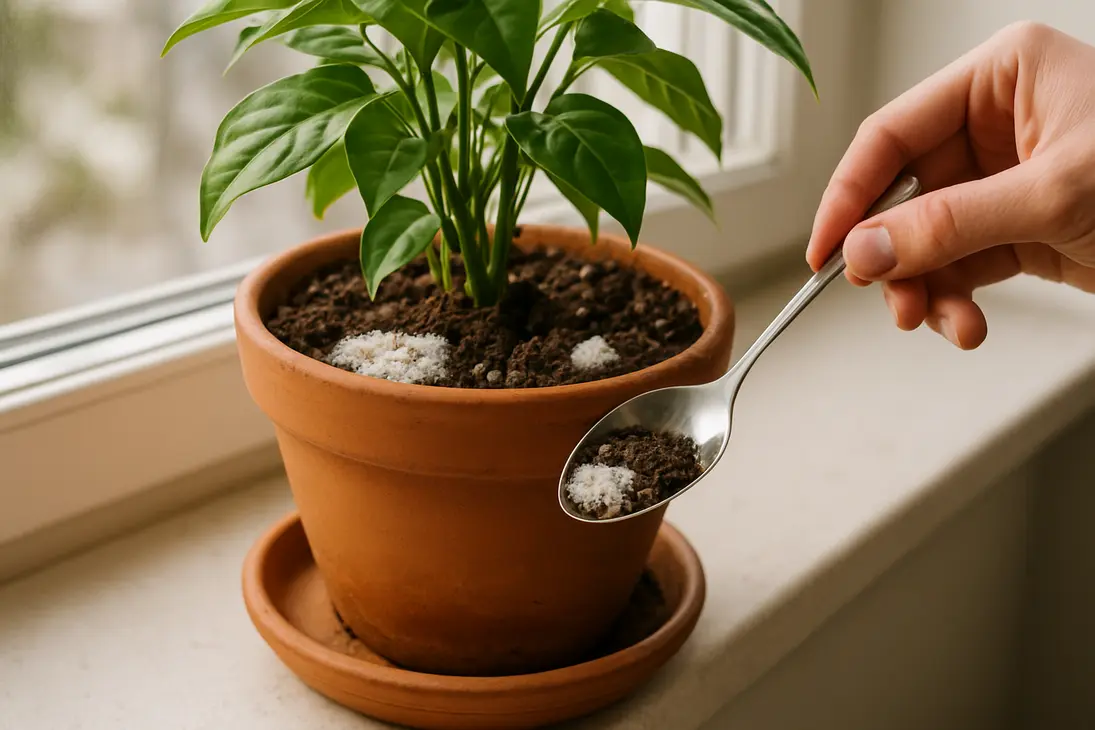
Why Is My Potted Plant Soil Turning White?
Learn whether white soil in potted plants is mold or mineral buildup, plus how to fix crusty residue, improve drainage, and prevent it returning.
· 12 min read
Learn whether white soil in potted plants is mold or mineral buildup, plus how to fix crusty residue, improve drainage, and prevent it returning.
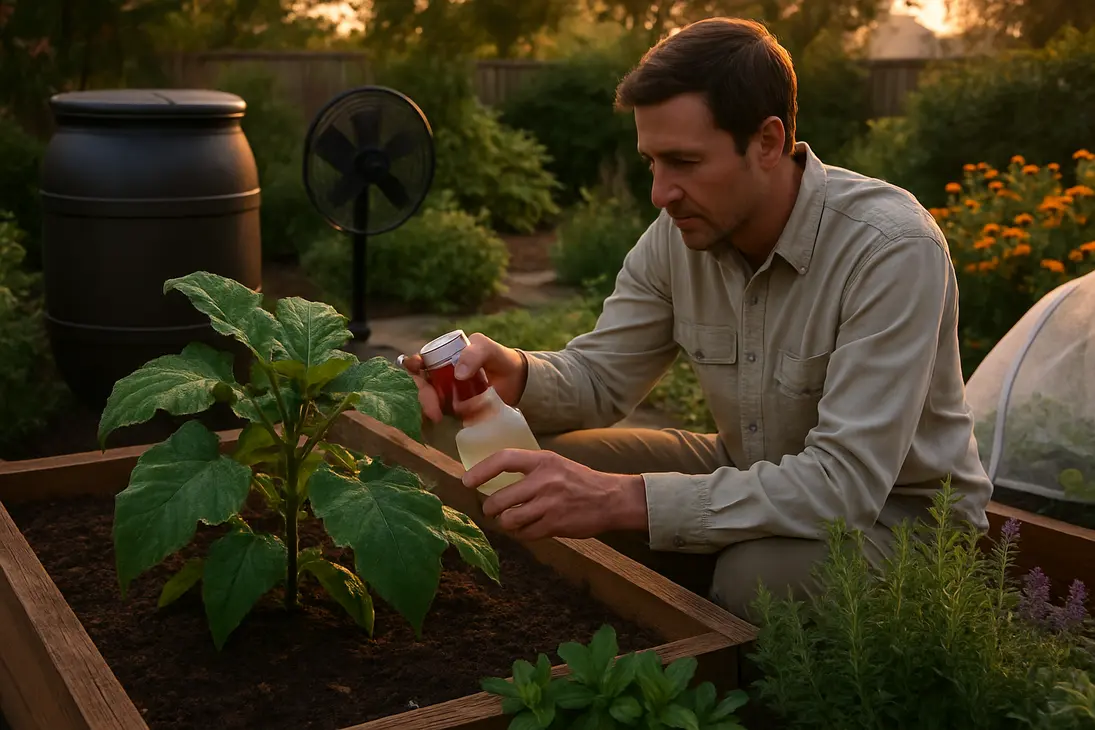
Learn when a pleasant DIY bug spray may help, when to use a registered repellent, and how to protect plants, pets, and pollinators.
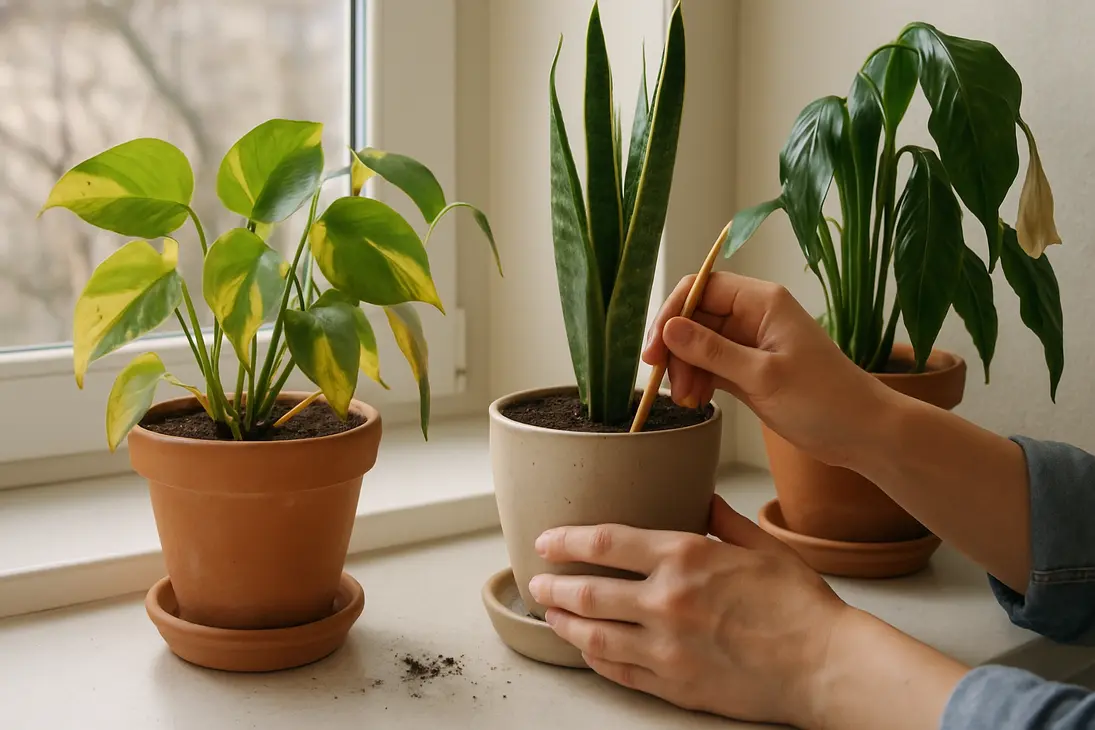
Learn the early signs a plant is struggling, from yellow leaves and wilting to pests, root rot, wet soil, and stalled growth.
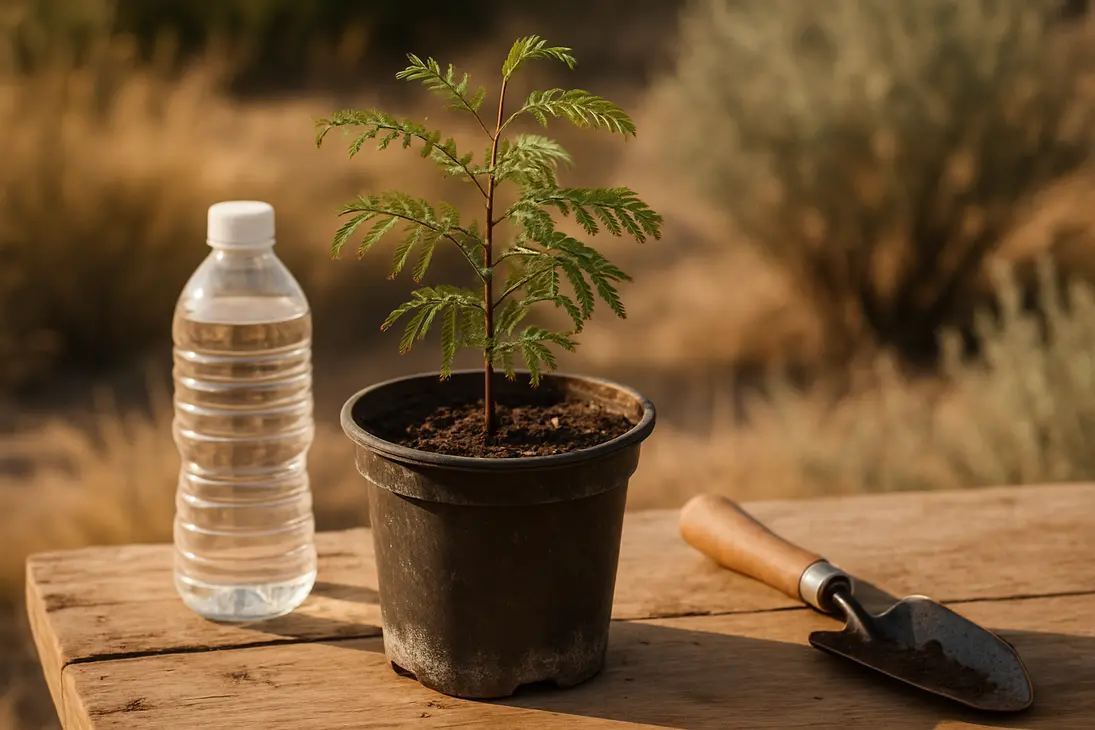
Learn the key signs of fertilizer burn in honey mesquite seedlings, from wilting in moist soil to browned leaf tips and salt crust.
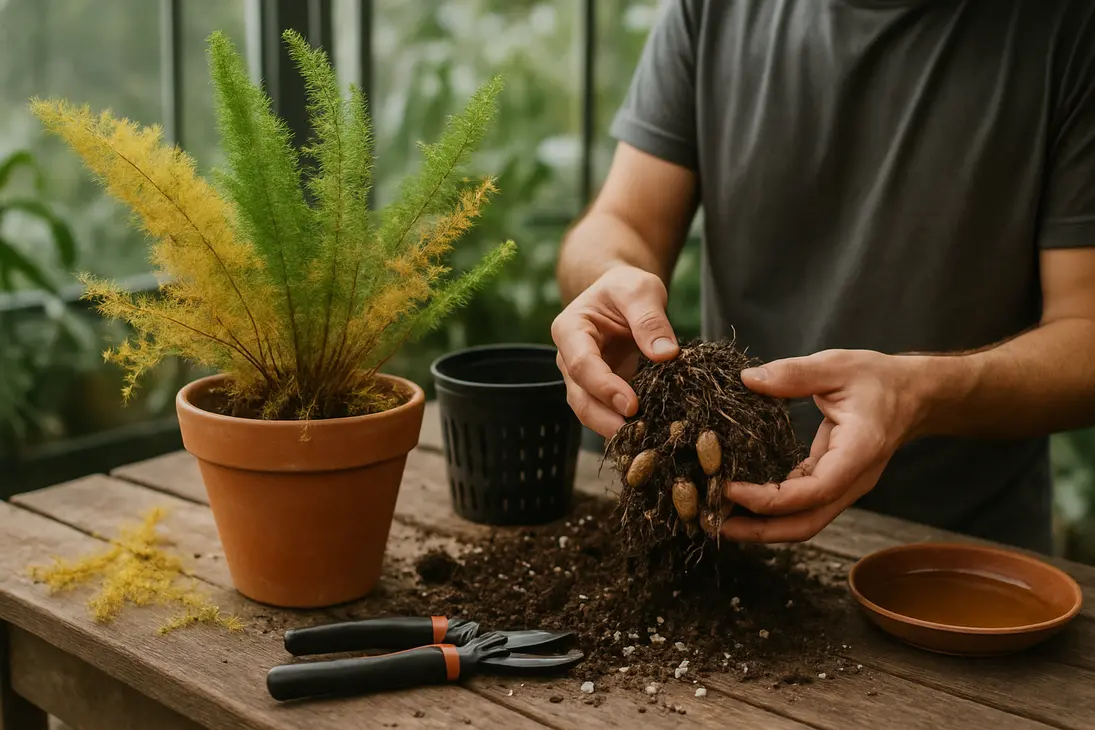
Learn how to save an overwatered foxtail fern by drying the soil, checking drainage, pruning rotten roots, and repotting in airy mix.
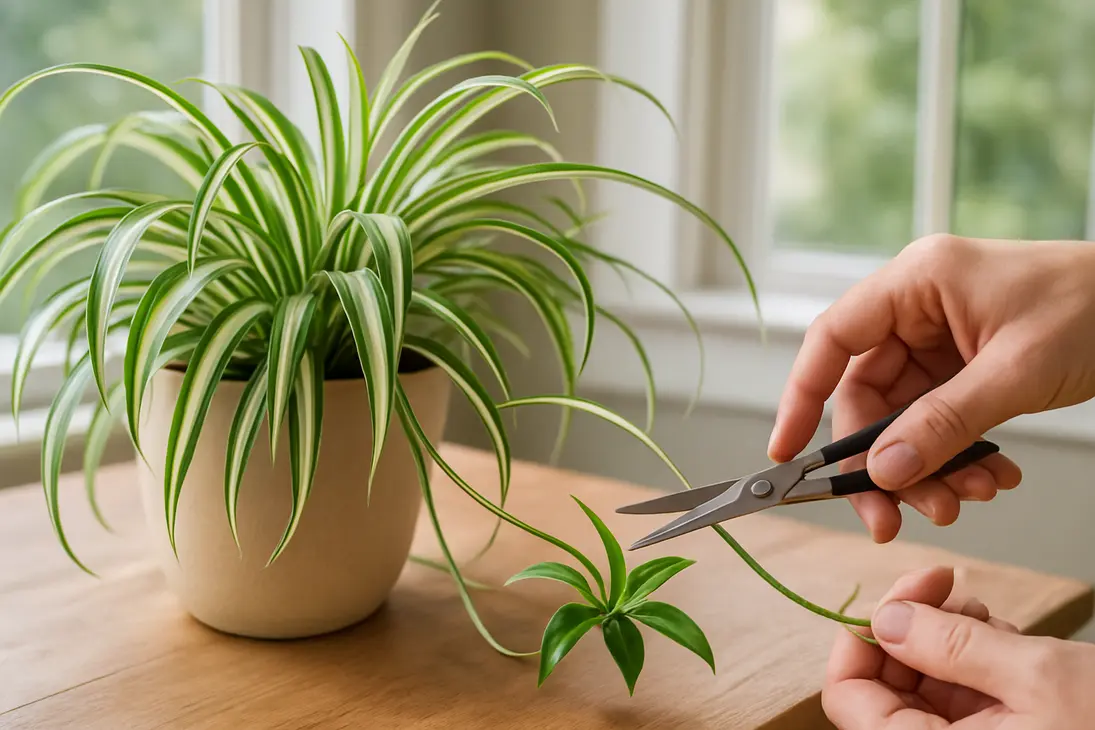
Spider plant color variation can produce all-green pups or crowns. Learn how to tell reversion from fading, scorch, yellowing, and brown tips.
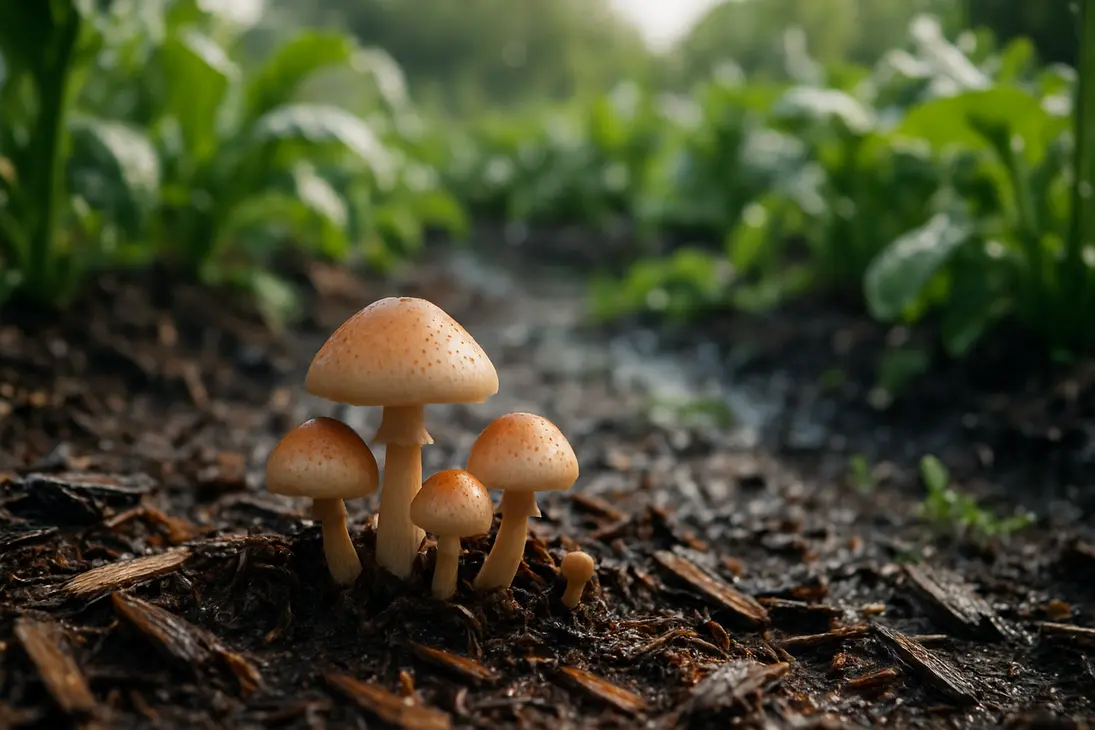
Mushrooms don’t have lungs, but they use oxygen and release carbon dioxide. Learn how fungal respiration differs from plants and why fresh air matters.
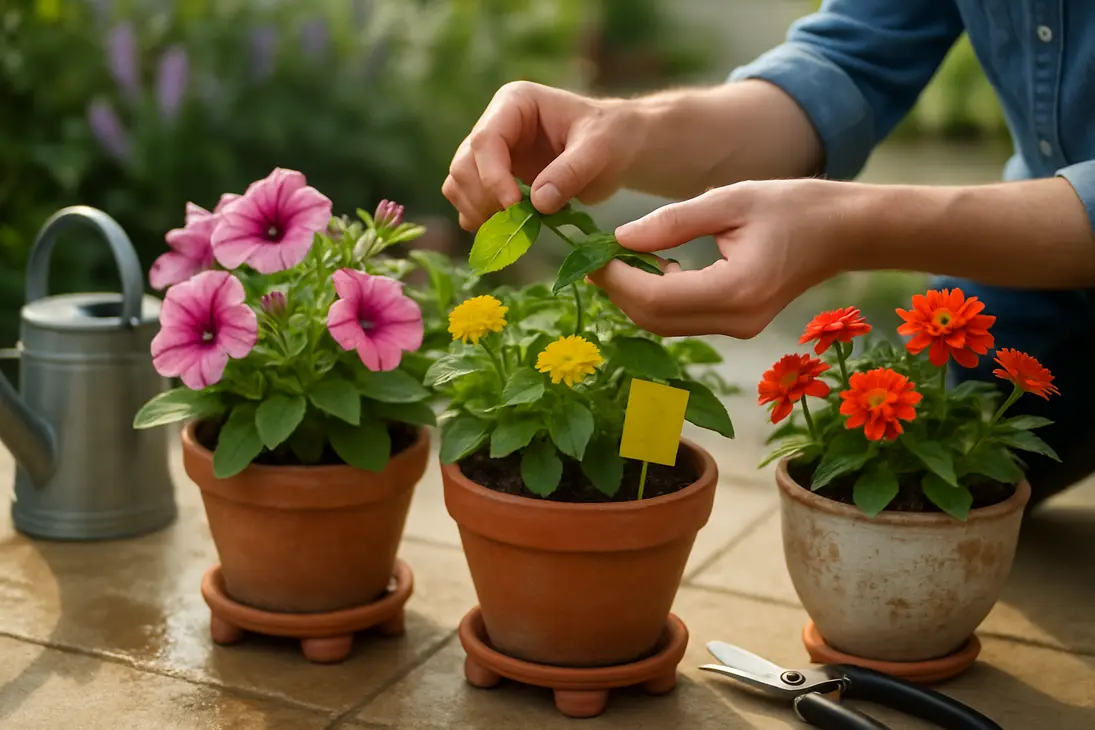
Learn how to identify potted flower pests, treat fungus gnats, aphids, mites, and slugs safely, and prevent repeat infestations.
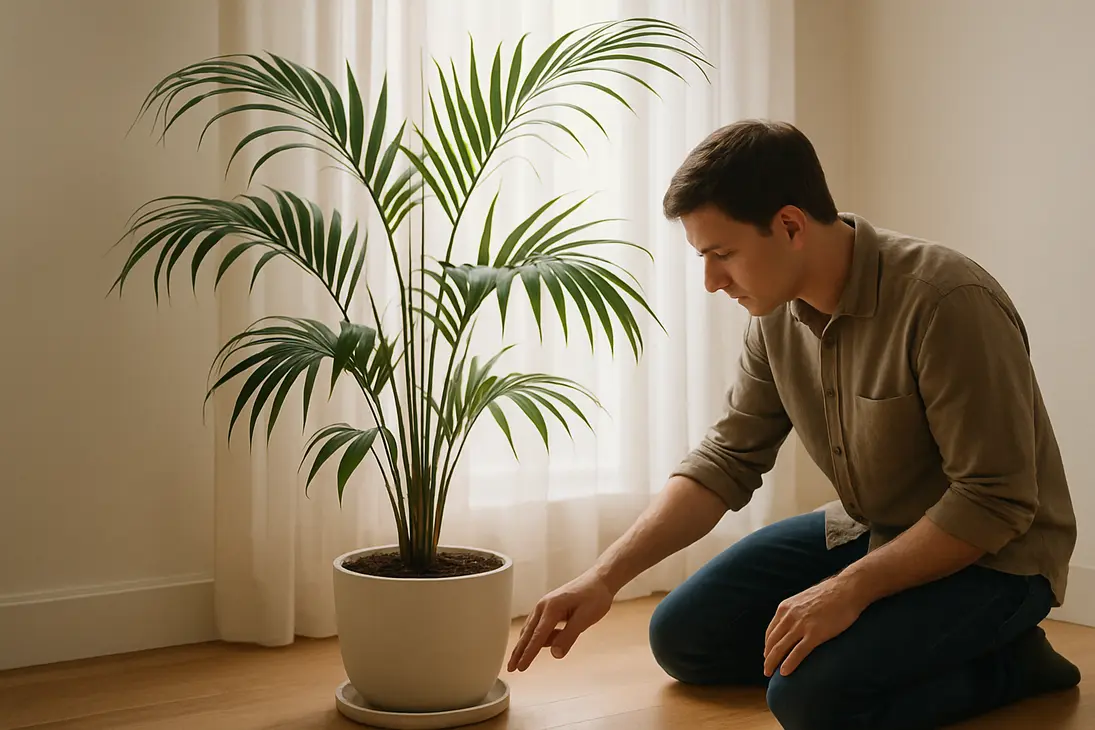
Kentia palm leaves curl from water stress, dry air, harsh light, drafts, root shock, or pests. Learn how to diagnose and fix it.
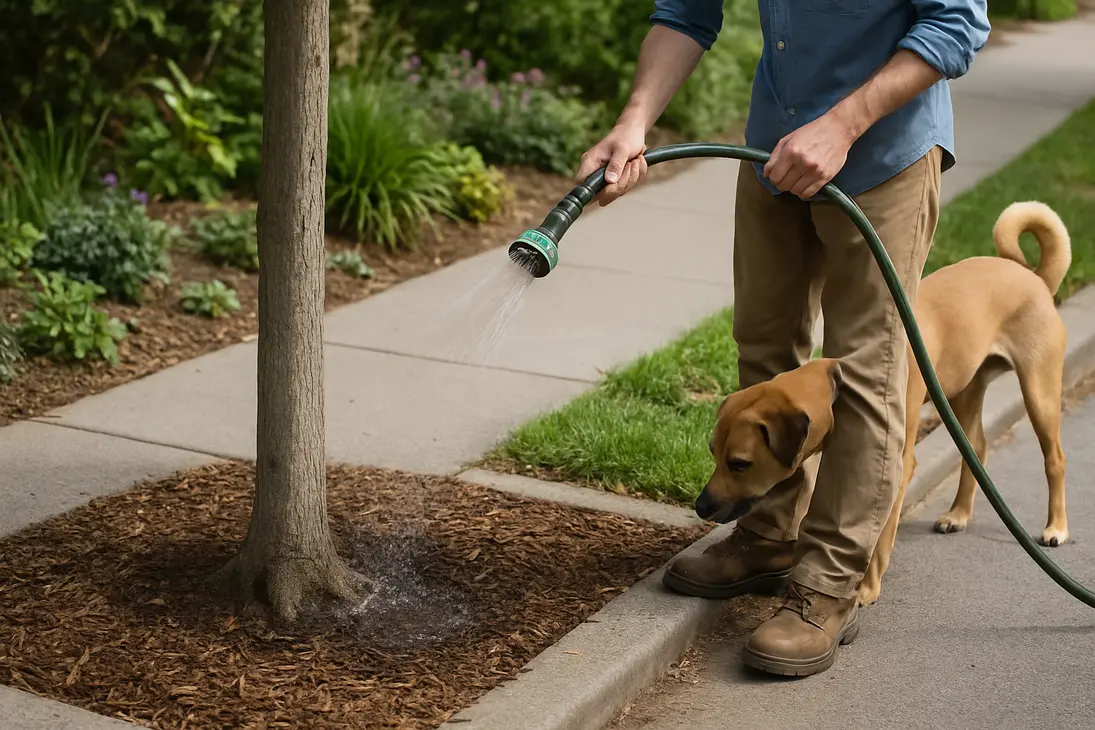
Dog urine rarely harms mature trees once, but repeated marking can stress young roots. Learn when to worry and how to dilute and protect soil.
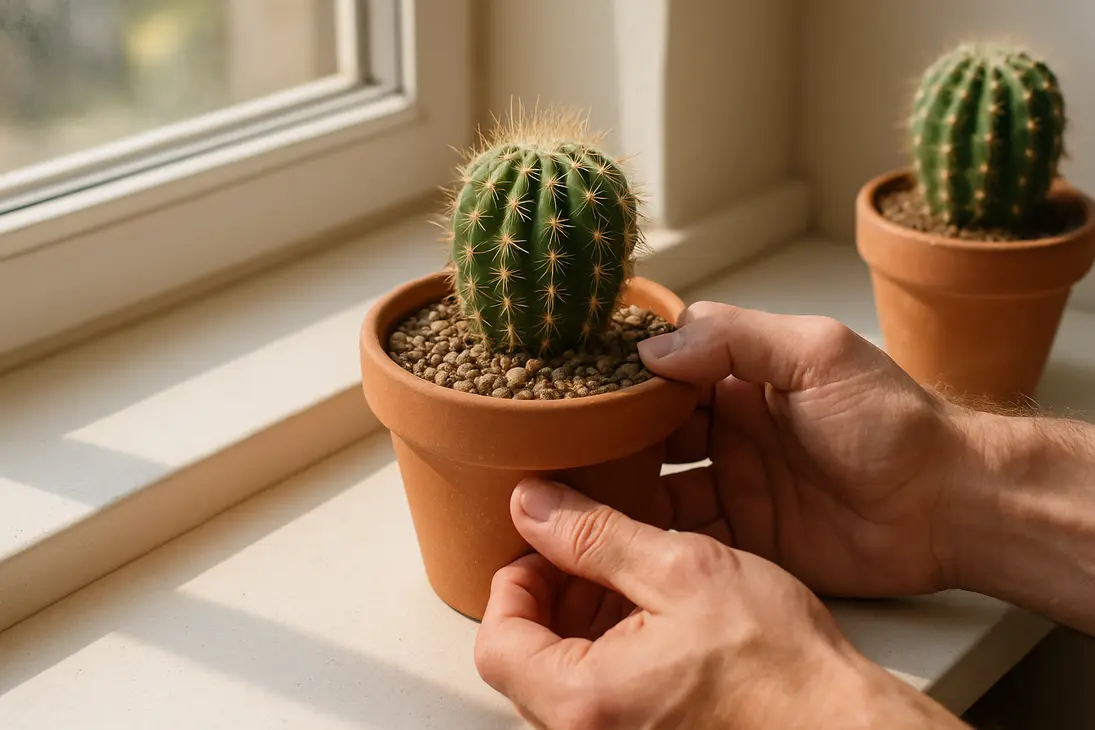
Cacti growth after purchase can pause for weeks or months. Learn when it is normal and how to check light, watering, soil, roots, and rot.
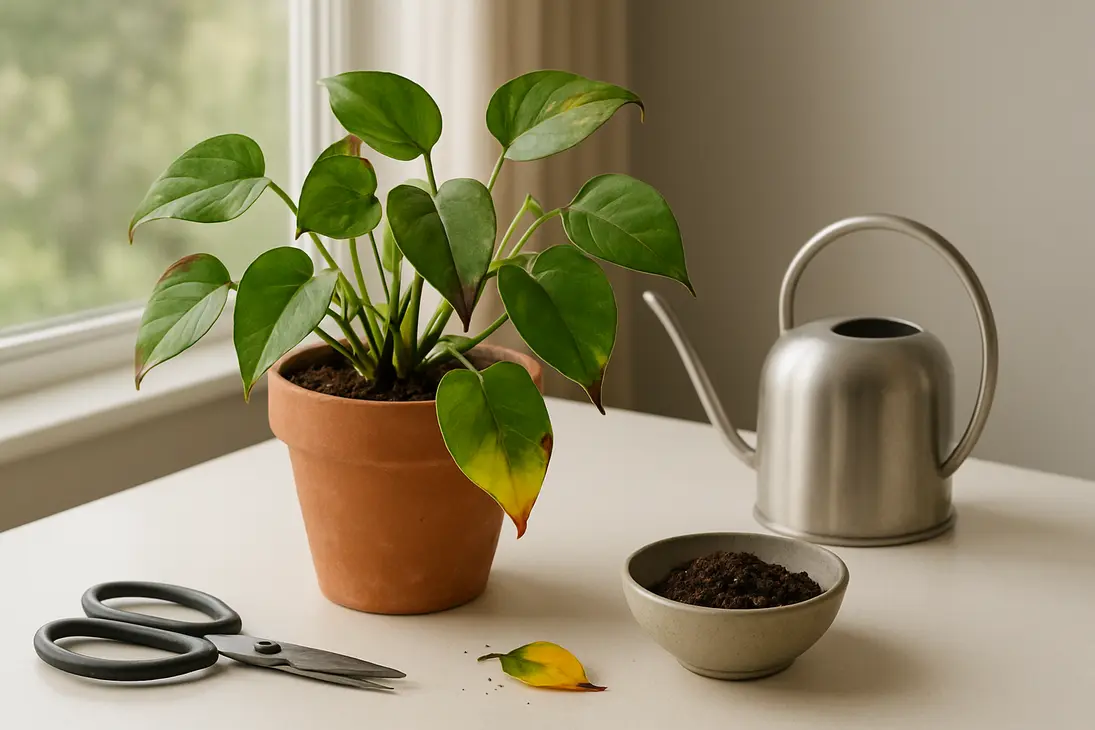
Brown leaves on pothos can come from watering stress, poor drainage, light, pests, or salt buildup. Learn the patterns and fixes.
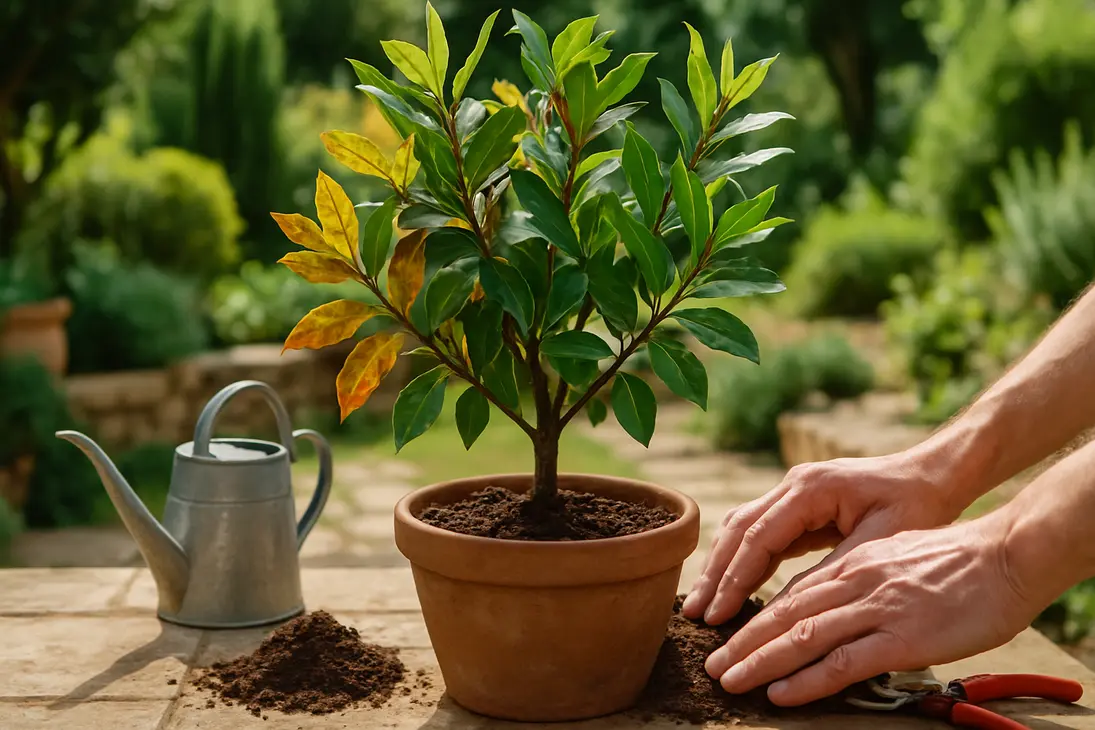
Learn why bay tree leaves turn yellow, brown, pale, or black, and how to fix watering, drainage, light, feeding, and pest problems.
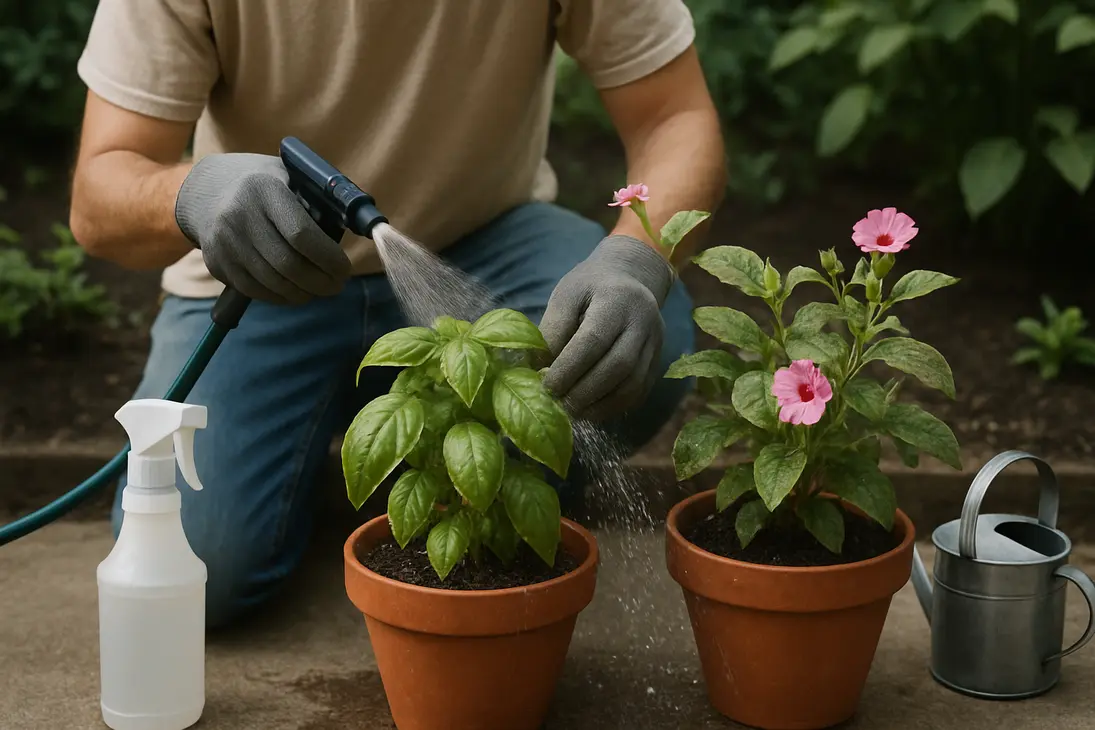
Soap water can burn leaves, stress roots, and build up in soil. Learn when it is risky, which plants are sensitive, and how to rinse or flush.
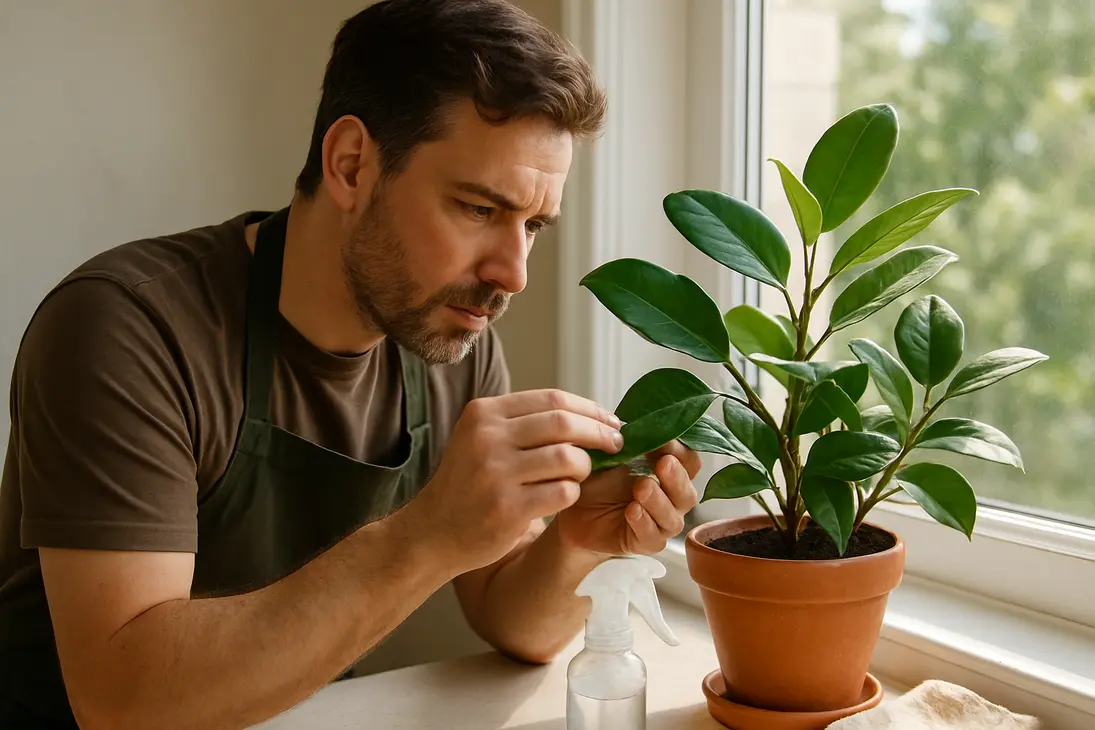
Use soap water only when indoor plants show pest signs like insects, sticky leaves, webbing, mealybugs, or speckled growth—not for general decline.
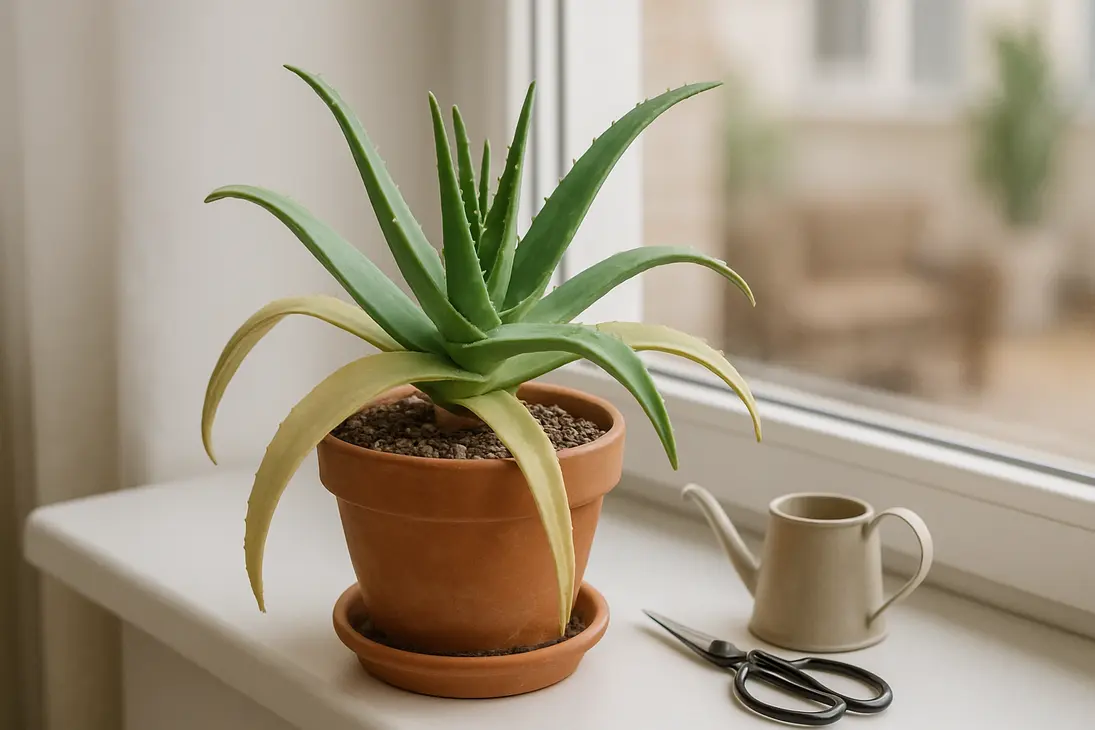
Learn why aloe vera leaves turn pale, floppy, thin, or mushy, and how to fix light, watering, drainage, pot, and root problems.
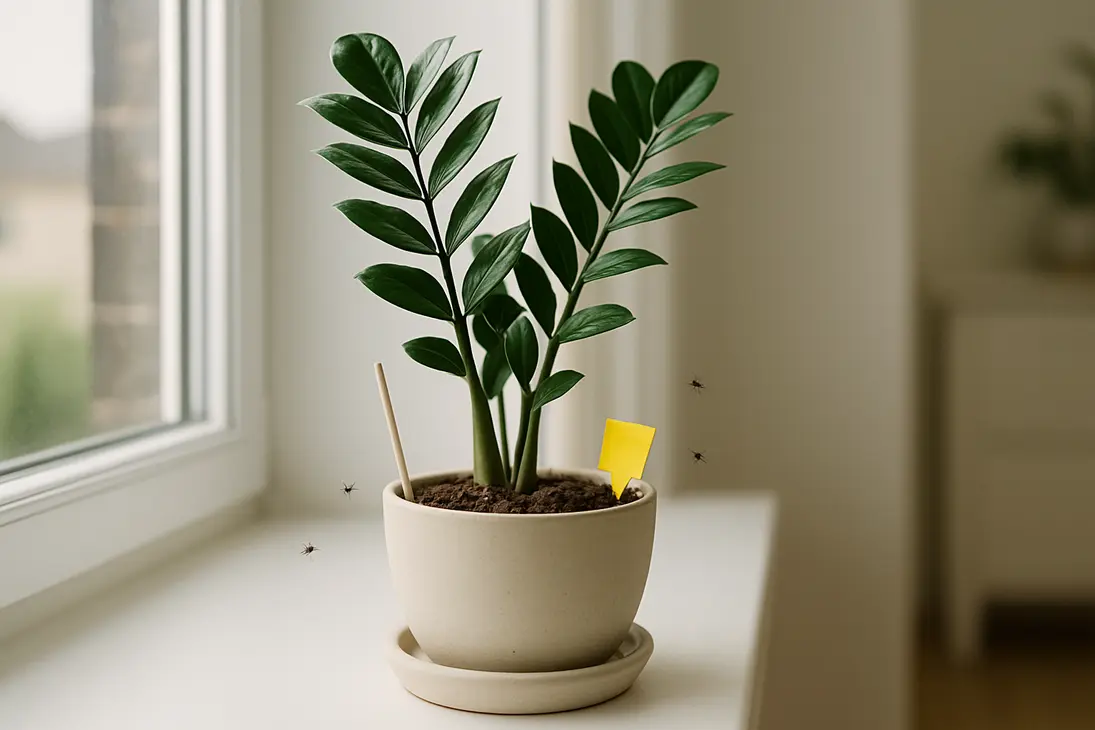
Gnats in ZZ plants usually mean wet soil. Learn how to confirm fungus gnats, dry the mix, treat larvae, and prevent them from coming back.
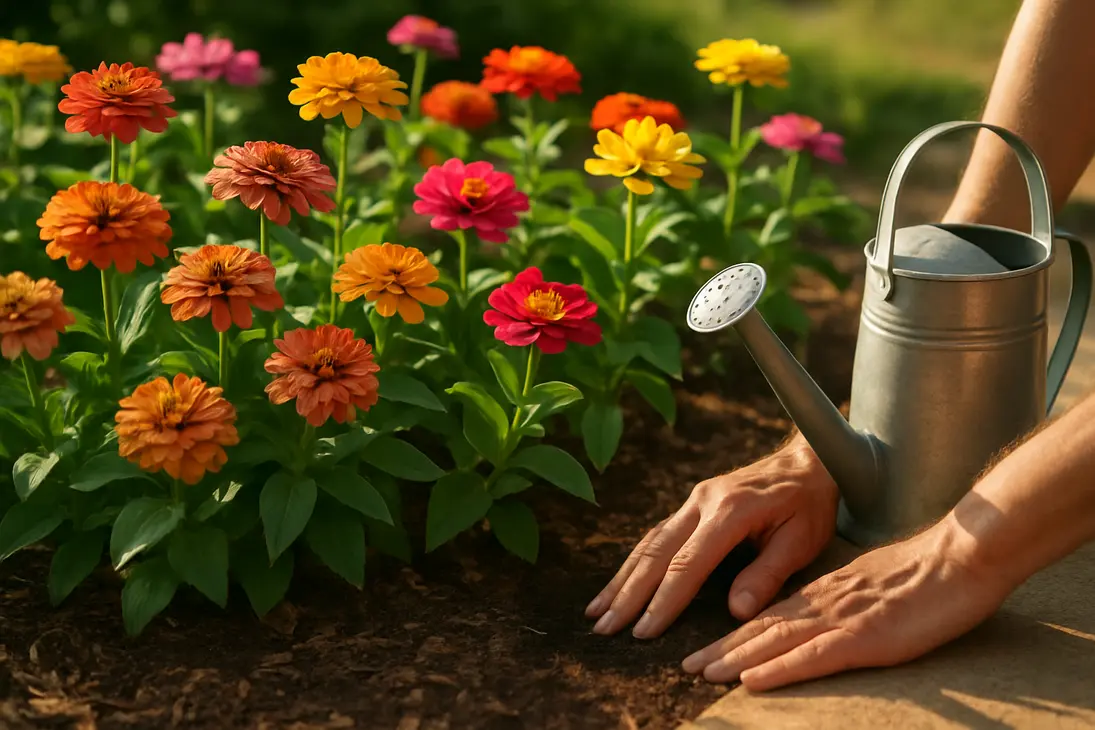
Curling zinnia petals usually point to heat, dry air, uneven watering, aging blooms, or pests. Learn how to spot the cause and help new flowers.
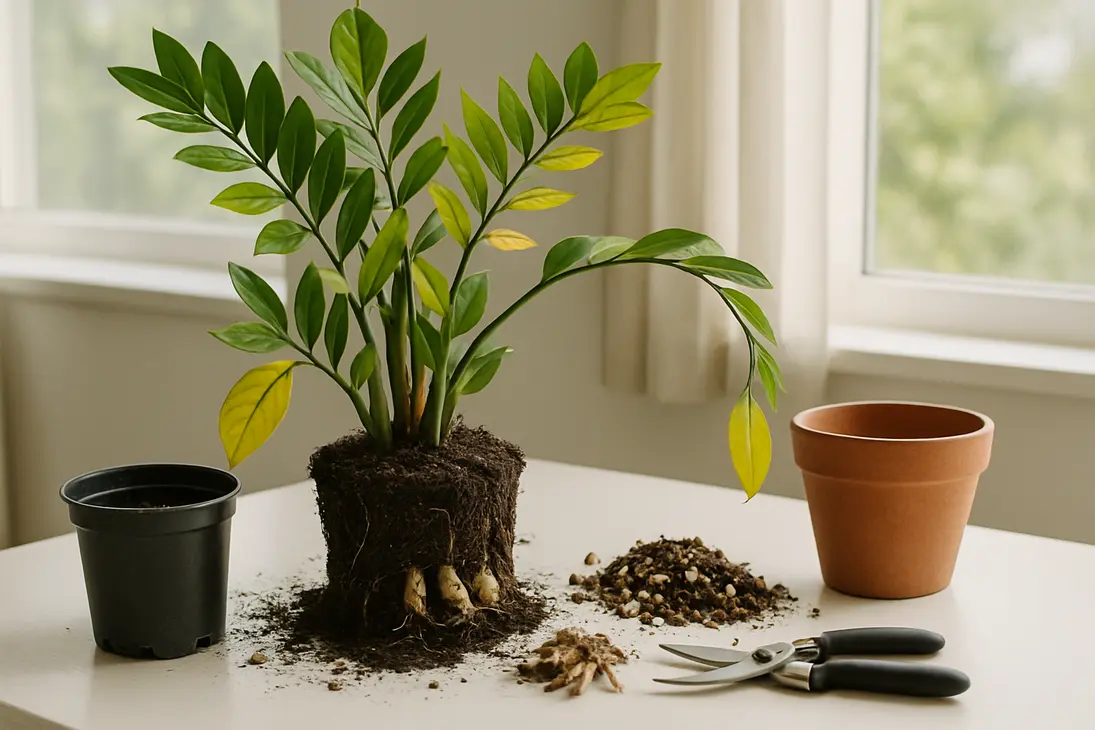
Learn the signs of an overwatered ZZ plant, how to check roots and soil, and what to do to stop rot and prevent future watering issues.
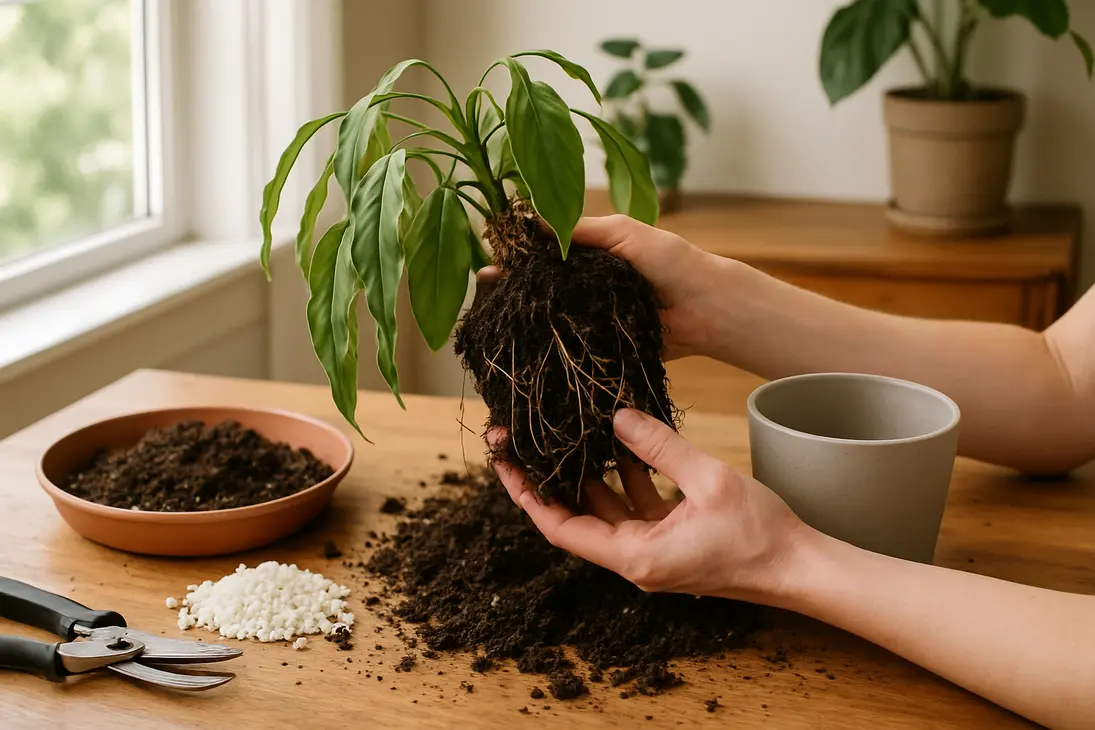
Learn how to spot overwatering, dry the soil safely, check roots for rot, repot in fresh mix, and adjust watering so houseplants recover.
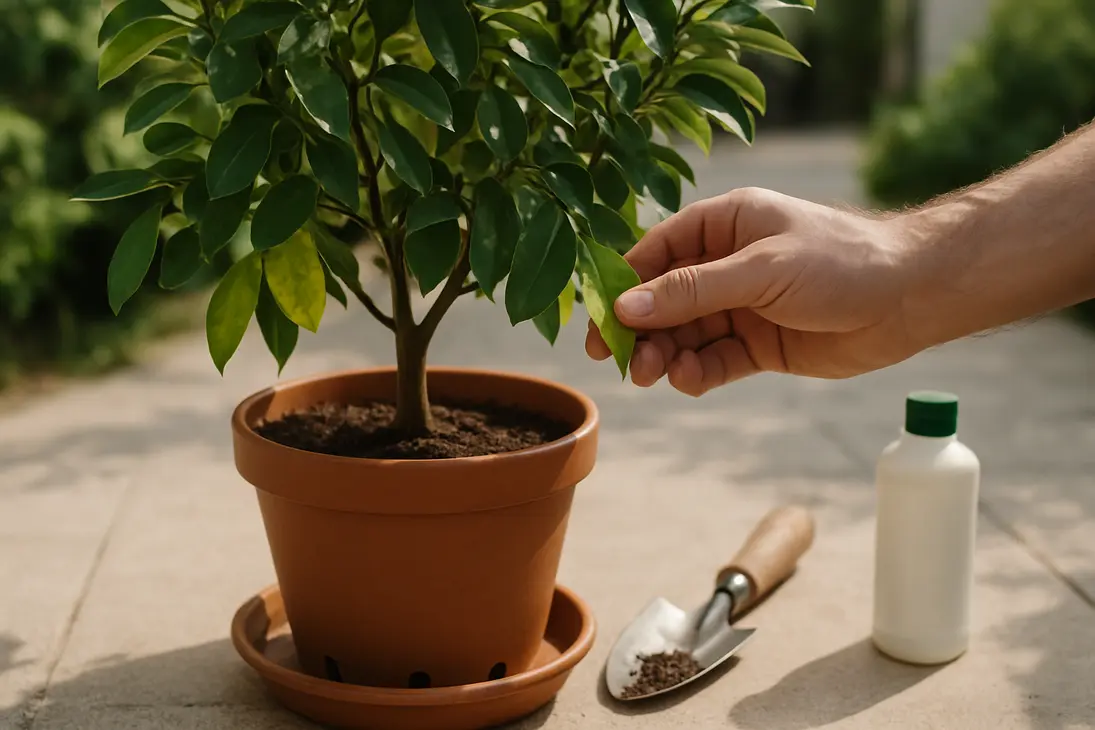
Diagnose yellow kaffir lime leaves by checking watering, drainage, nutrients, pests, light, cold stress, and root health before treating.
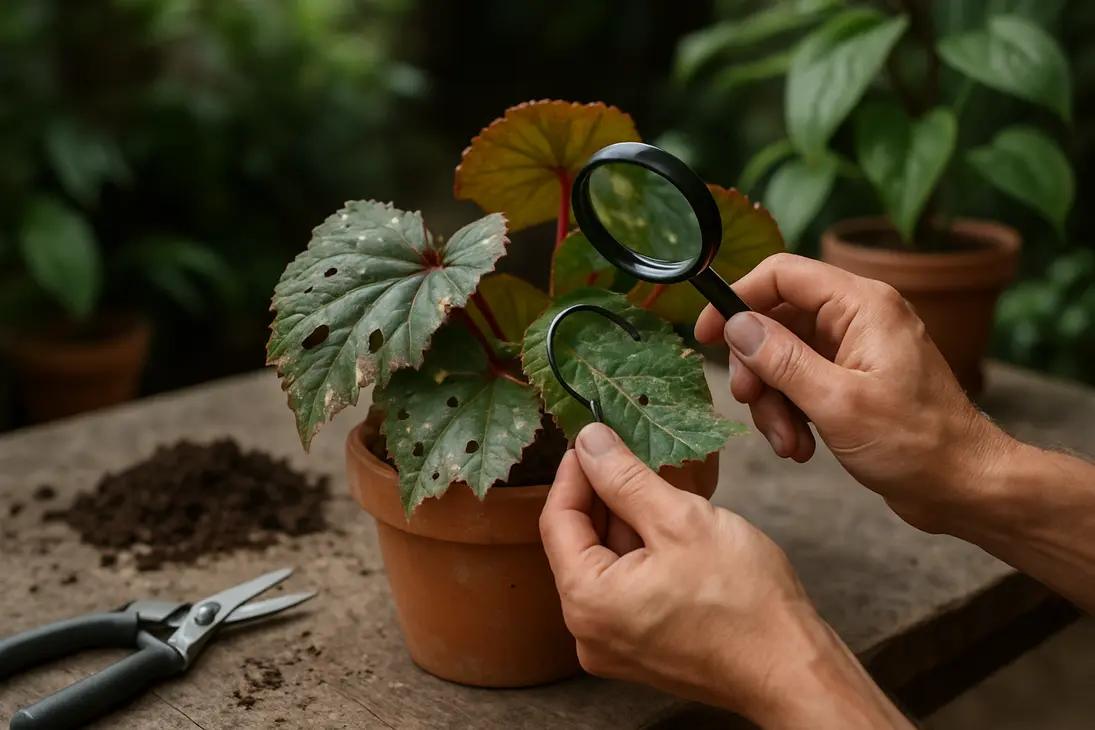
Learn how to identify pests eating begonias by leaf damage, from holes and silver streaks to webbing, sticky leaves, and root problems.
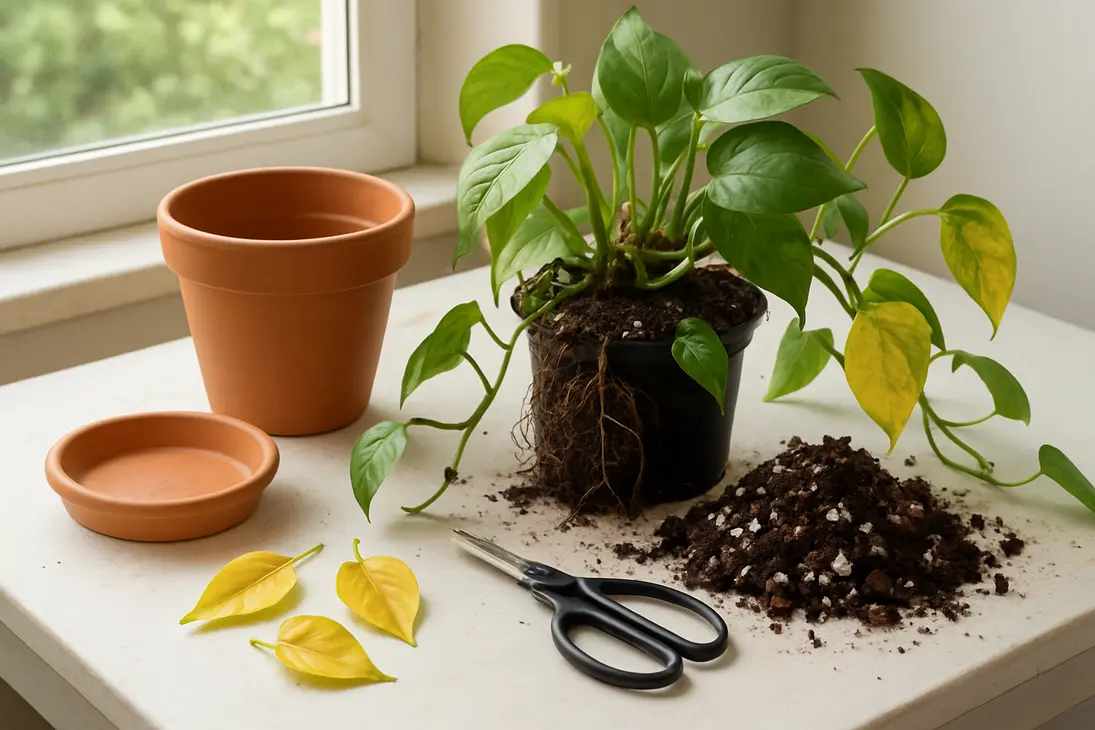
Learn how to spot overwatering in pothos, dry the soil, check for root rot, repot if needed, and water correctly after recovery.
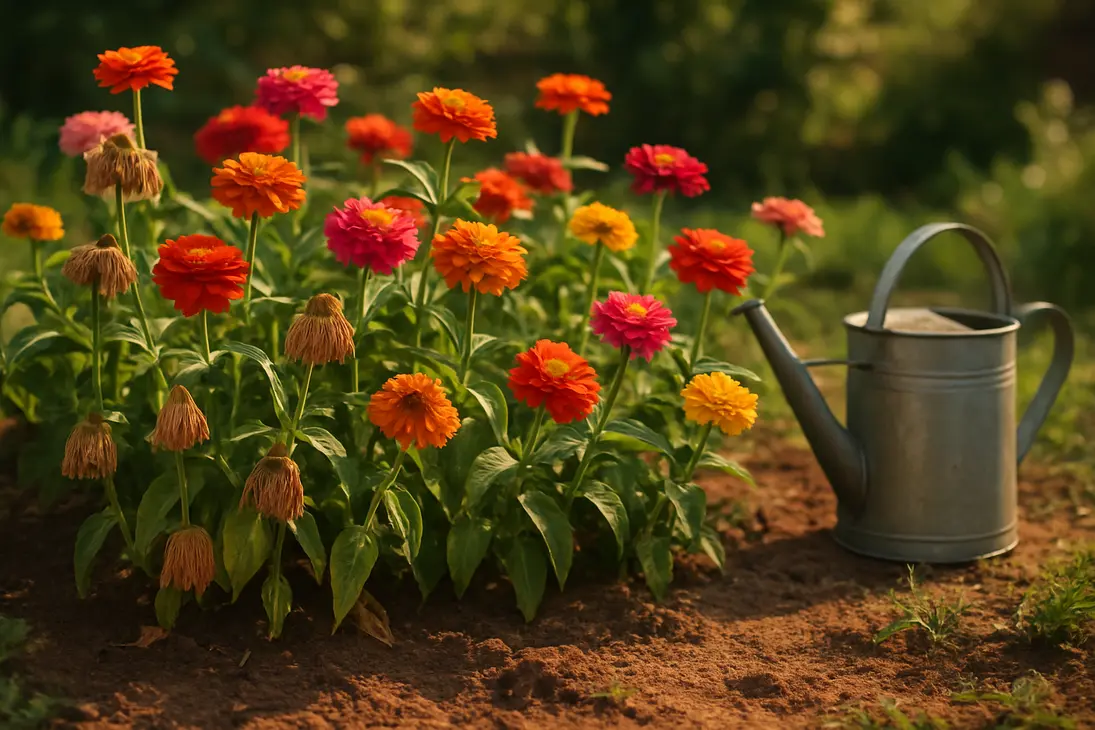
Zinnias droop or fade from heat, water stress, soggy soil, low sun, pests, disease, or aging blooms. Learn how to diagnose the cause.
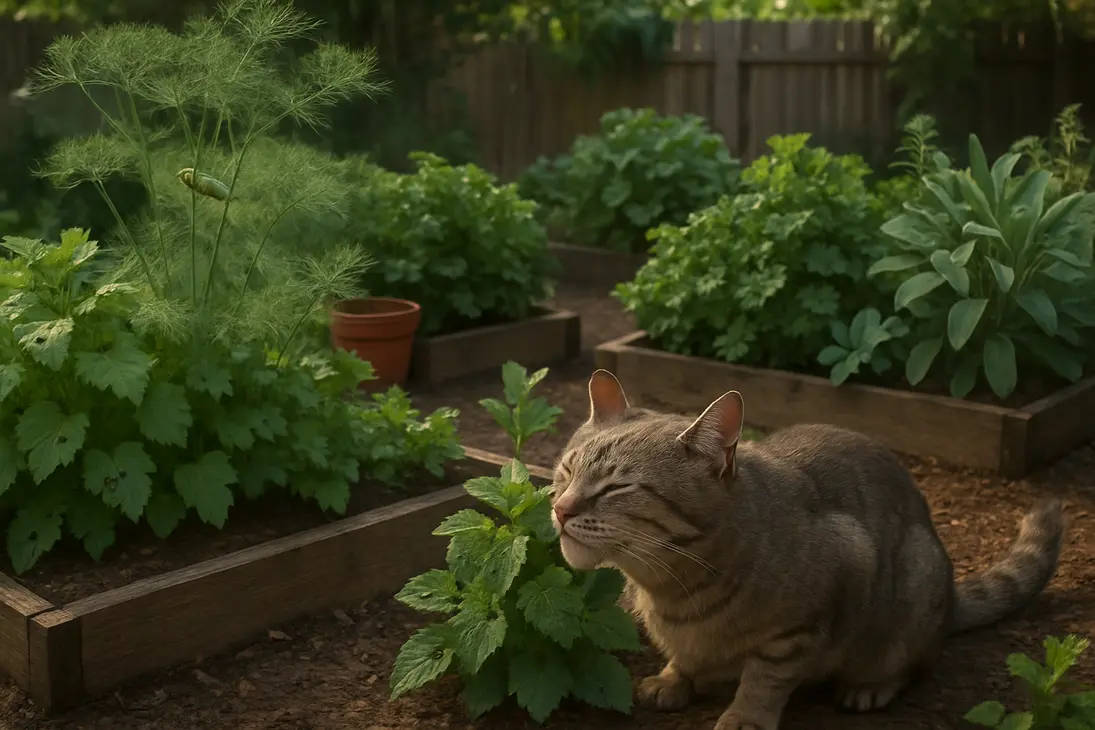
Animals may react to catnip, fermented fruit, or fungi, but chewed garden herbs usually mean insects, rabbits, deer, slugs, or pets.
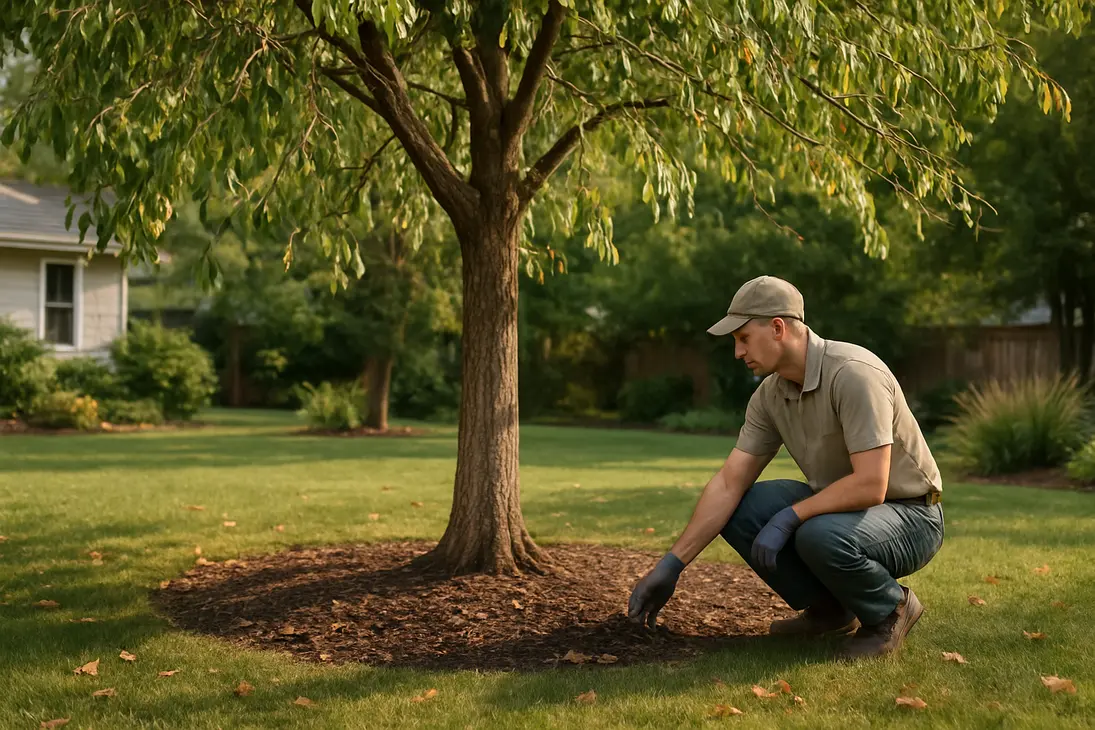
Trees don’t get tired like animals, but drought, root damage, pests, disease, and decay can make them look weak or unsafe.
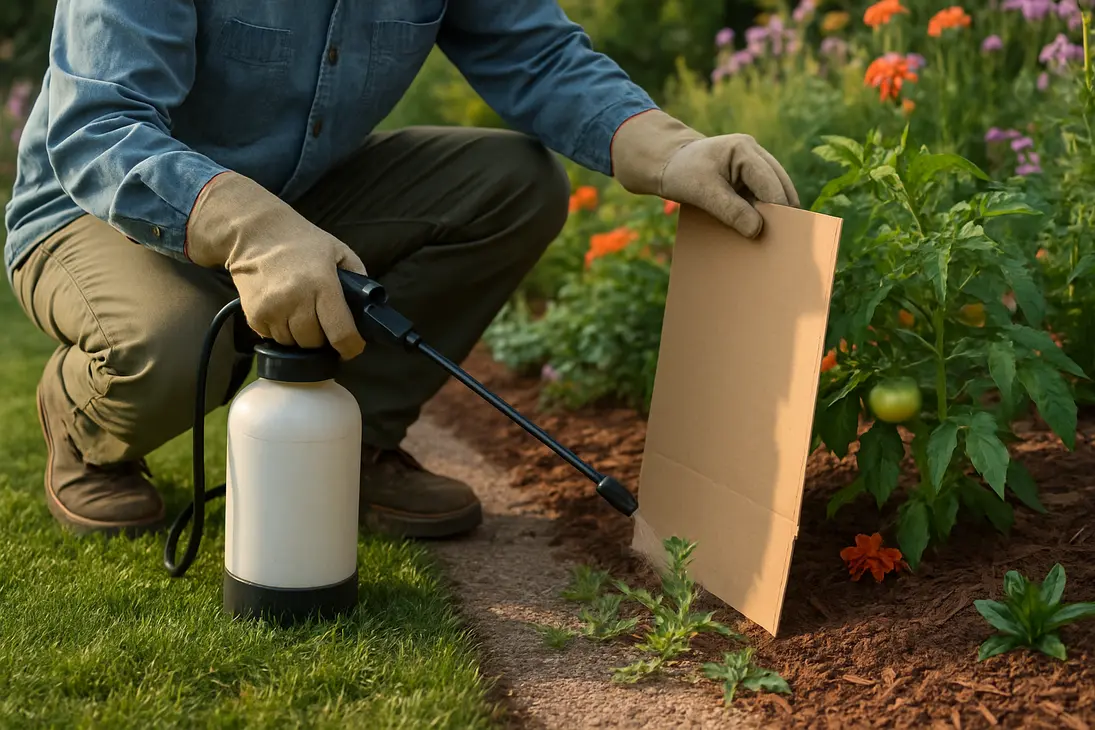
Learn common herbicide application mistakes, from wrong products and rates to bad weather, drift, unsafe handling, and weak weed prevention.
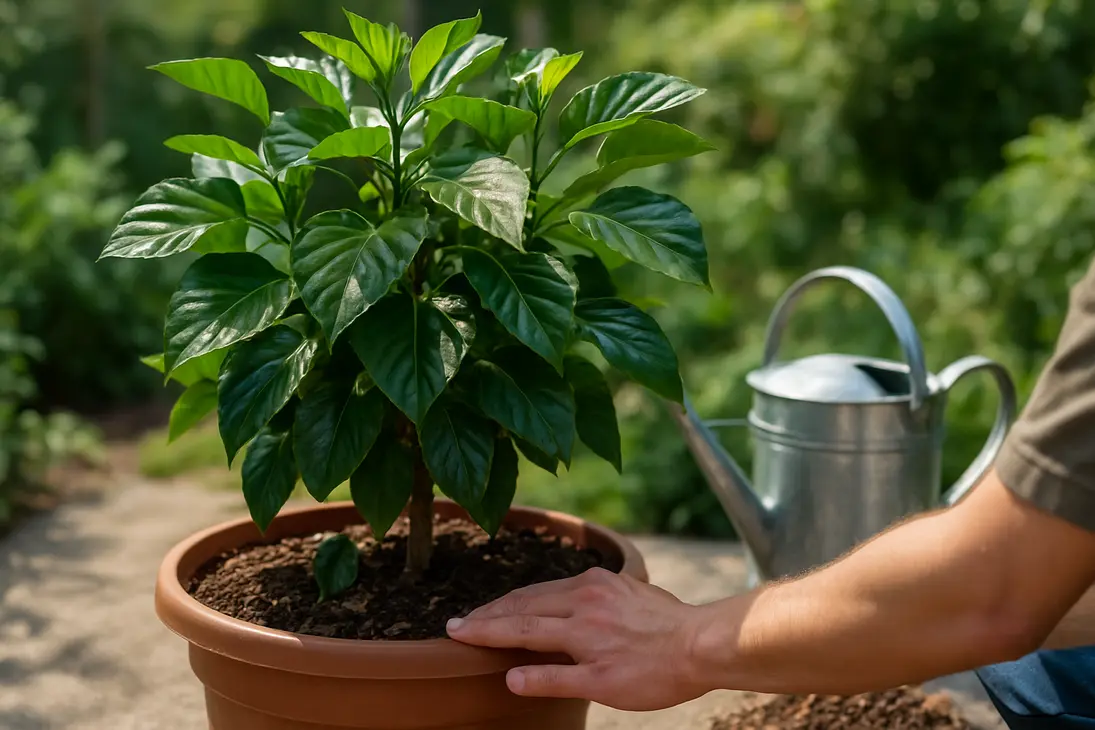
Learn why a hibiscus won’t bloom, from low sun and watering stress to fertilizer, roots, temperature, pests, and normal seasonal timing.
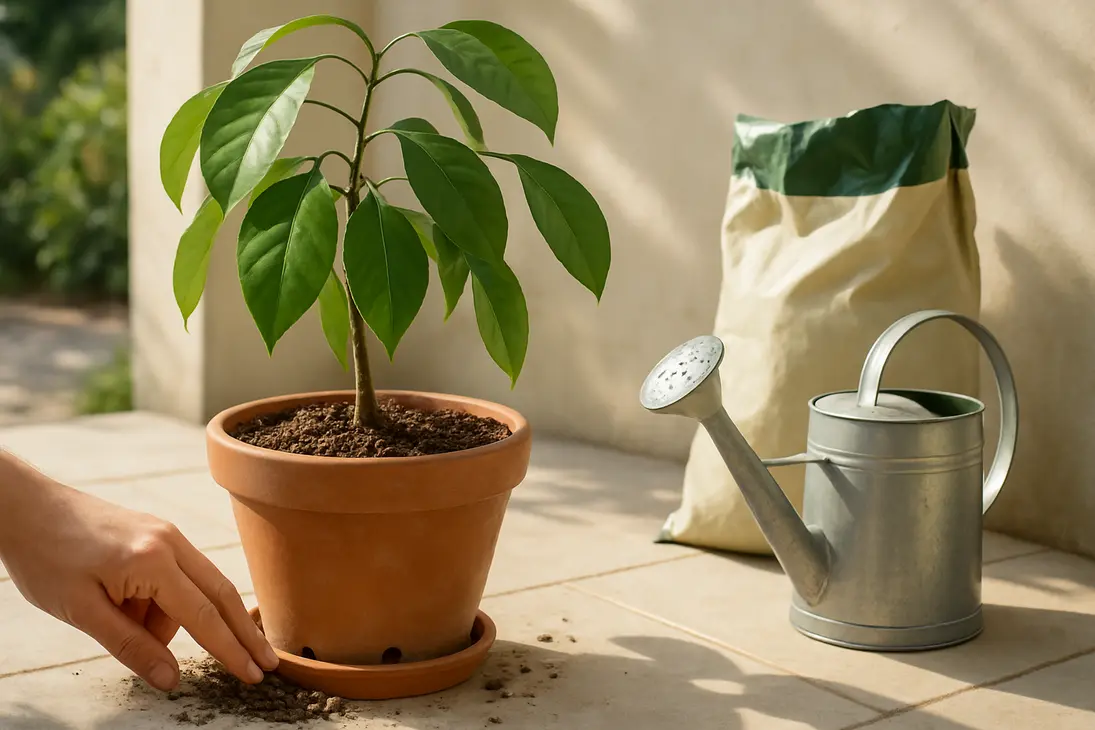
Learn why a lemon plant droops after repotting, how to check watering, drainage, roots, light, and pests, and when to wait or act.
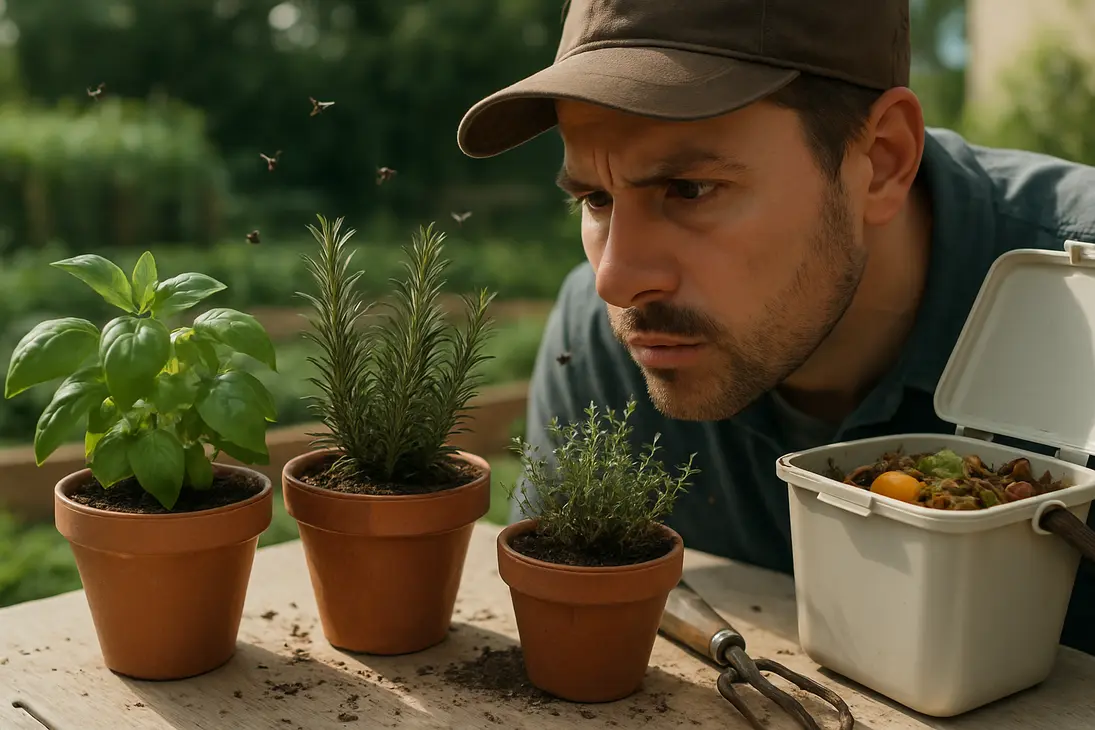
“Time flies” is not a recognized fly species. Learn what people may be seeing instead, from mayflies to fruit flies, gnats, and drain flies.
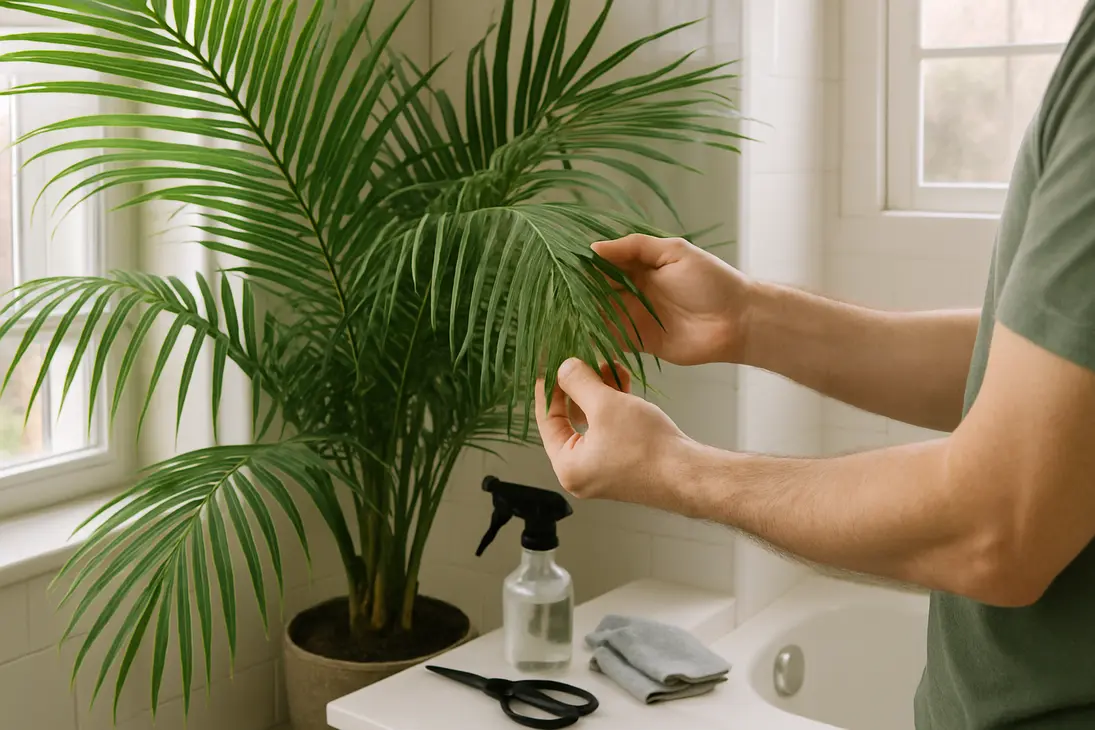
Learn the signs of mites on a majesty palm, how to inspect leaf undersides, and how to treat spider mites with rinsing, pruning, soap, or oil.
Learn how failing mitochondria reduce ATP, how chloroplast failure limits photosynthesis, and why both organelles matter for plant growth and food webs.
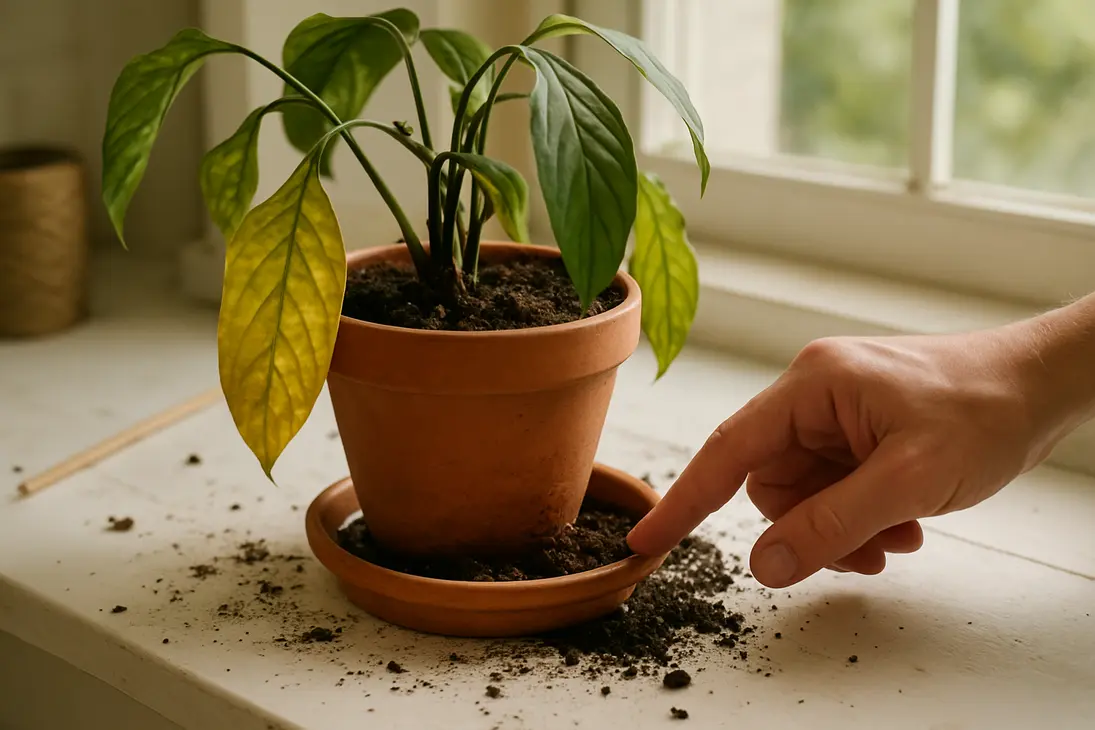
Learn the key overwatering signs in potted plants, how to check wet soil and drainage, and what to do before root rot sets in.
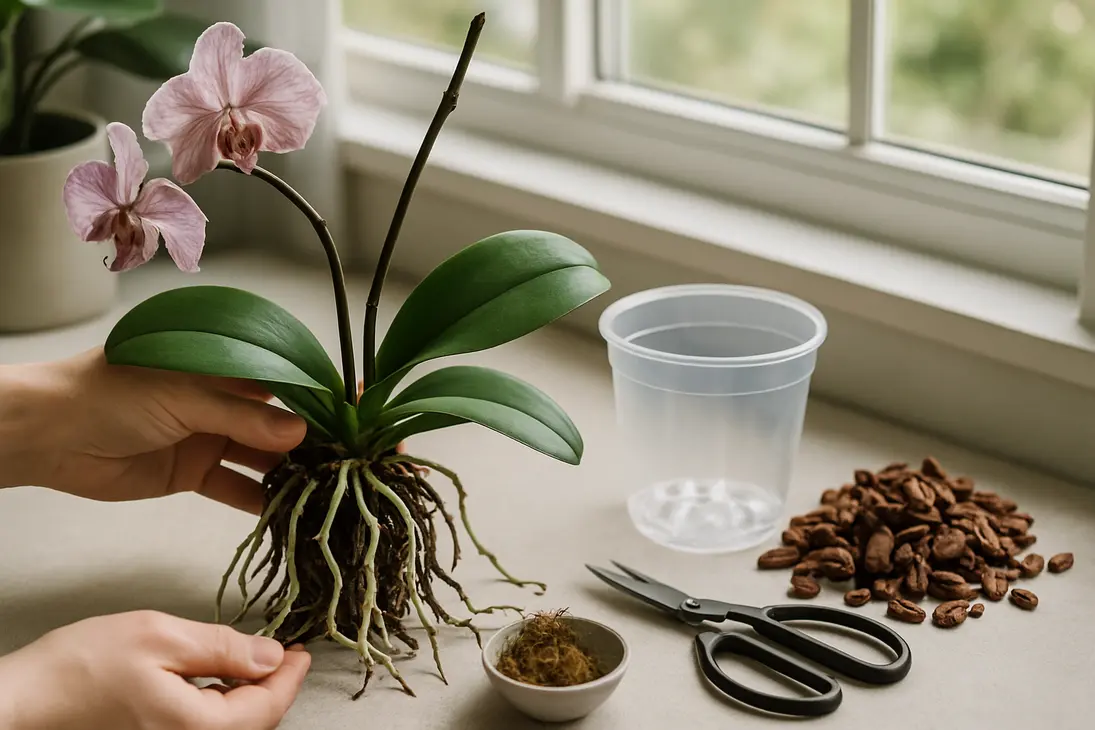
Learn whether your orchid is dying or resting, how to check roots and leaves, trim rot, repot in orchid mix, and water during recovery.
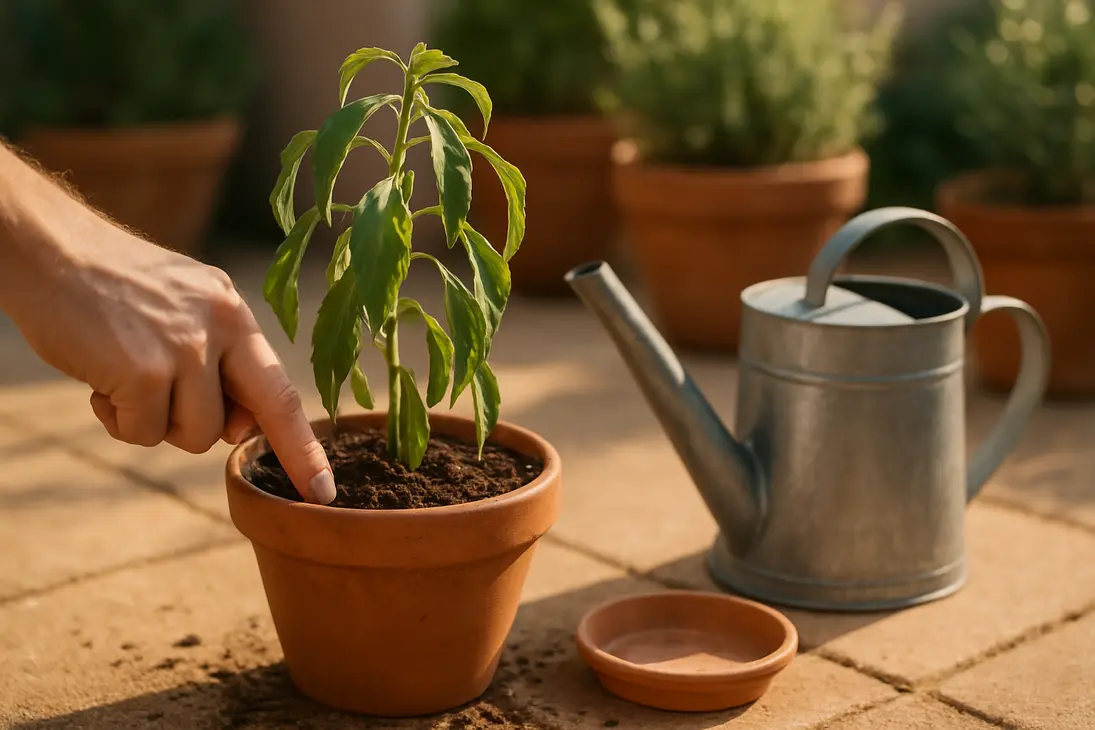
A watered stevia can wilt from soggy soil, dry root balls, heat stress, transplant shock, pests, or root rot. Learn how to diagnose it.
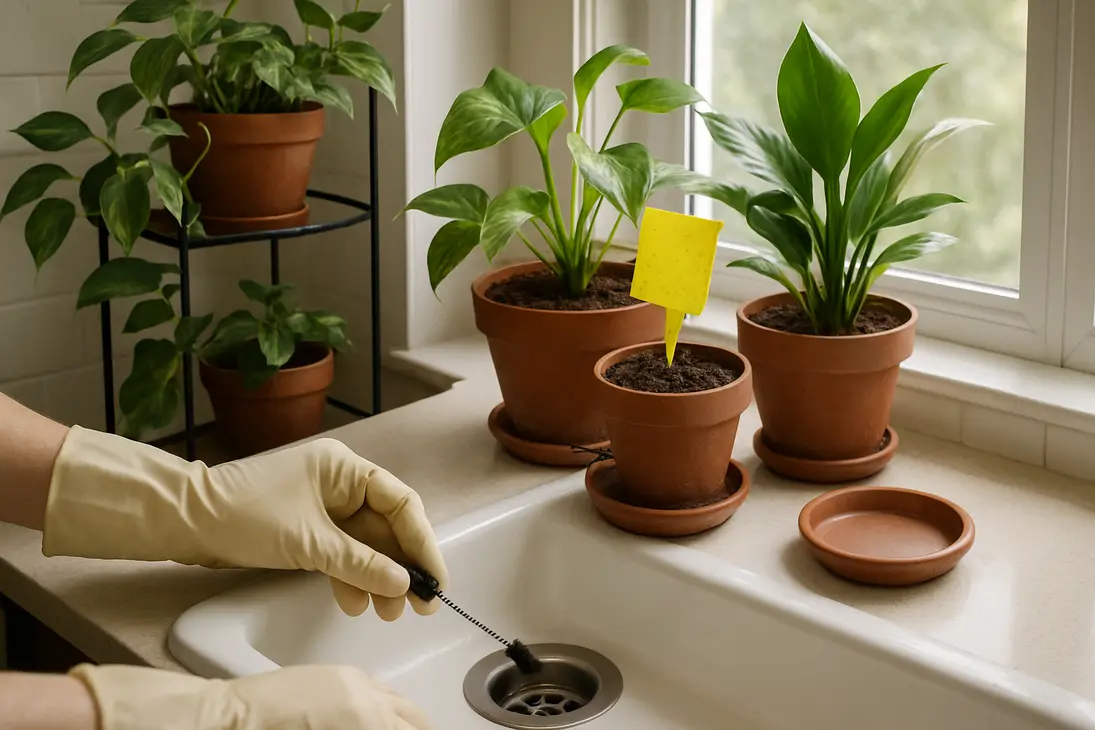
Identify whether small flies are drain flies or fungus gnats, then fix wet soil, clean drains, use sticky traps, and treat larvae safely.
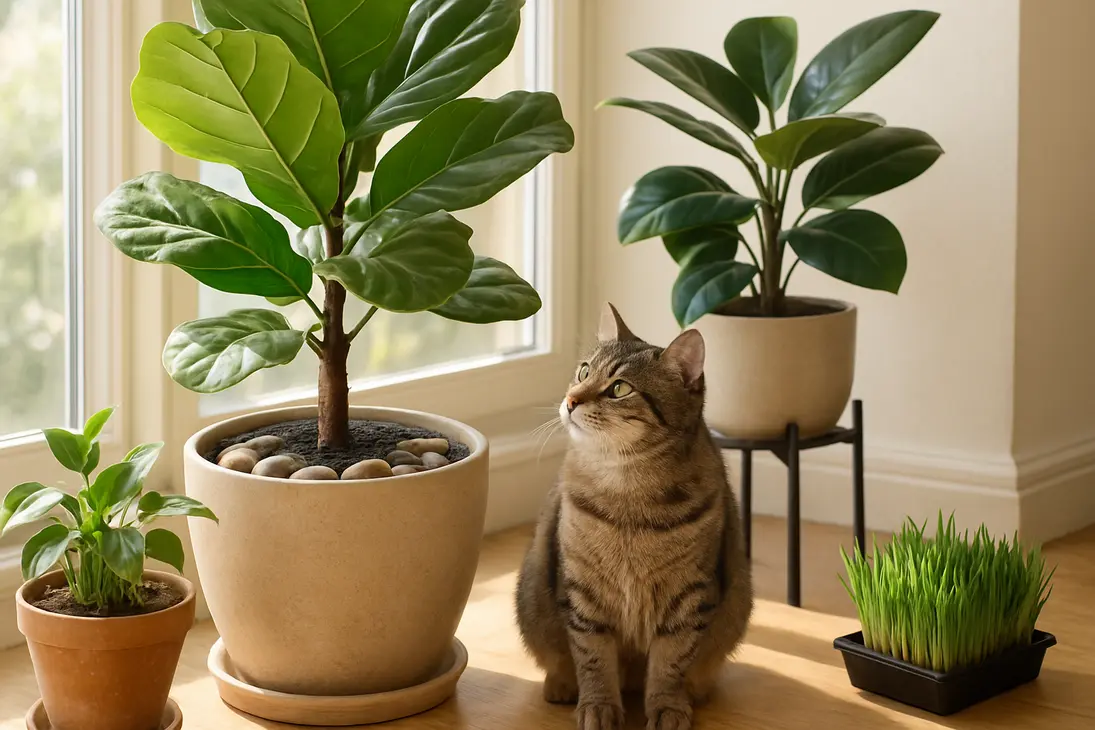
Stop cats digging, chewing, or sleeping in potted plants with soil covers, safer placement, cat grass, dig boxes, and humane barriers.
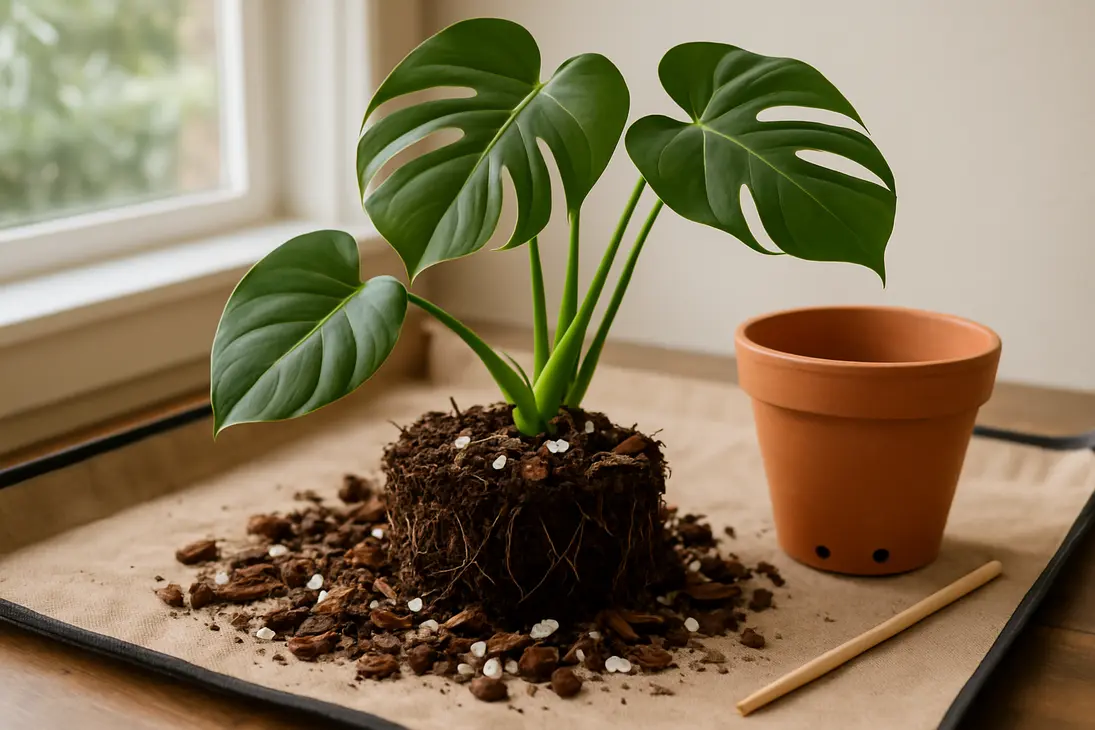
Learn why Monstera soil stays soggy after repotting, when to let it dry, and when wet mix, yellow leaves, or root rot mean repot again.
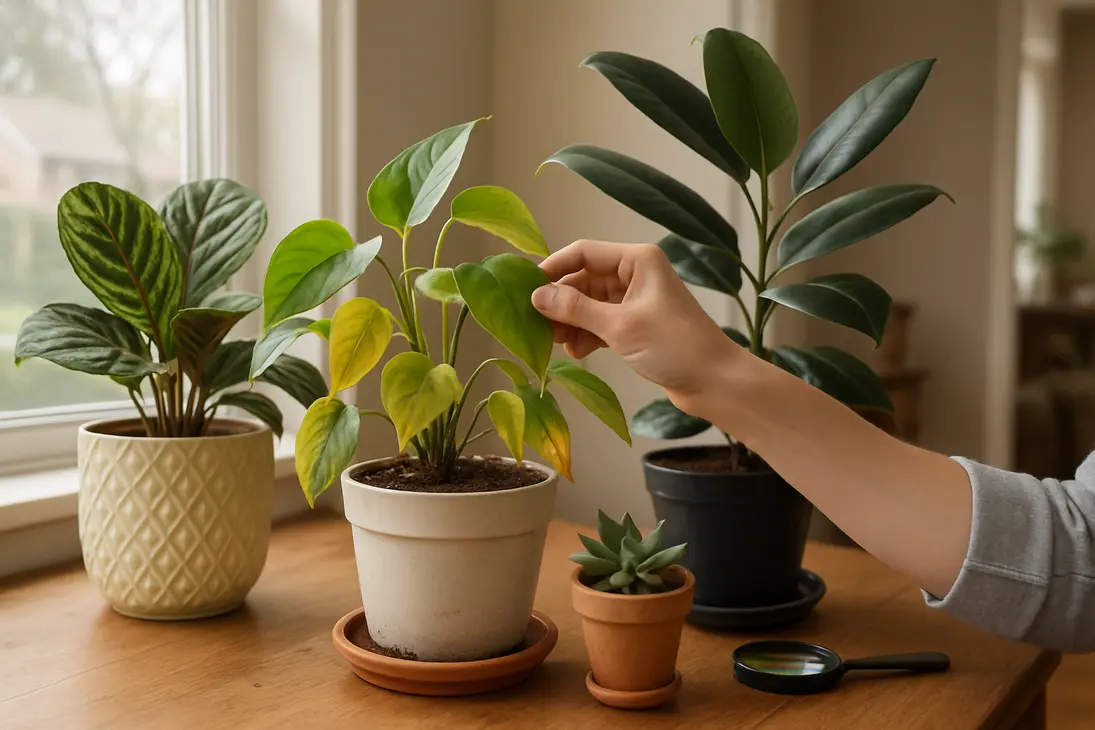
Learn how to spot overlooked houseplant problems that mimic watering issues, from low light and root stress to pests, drafts, and mineral buildup.
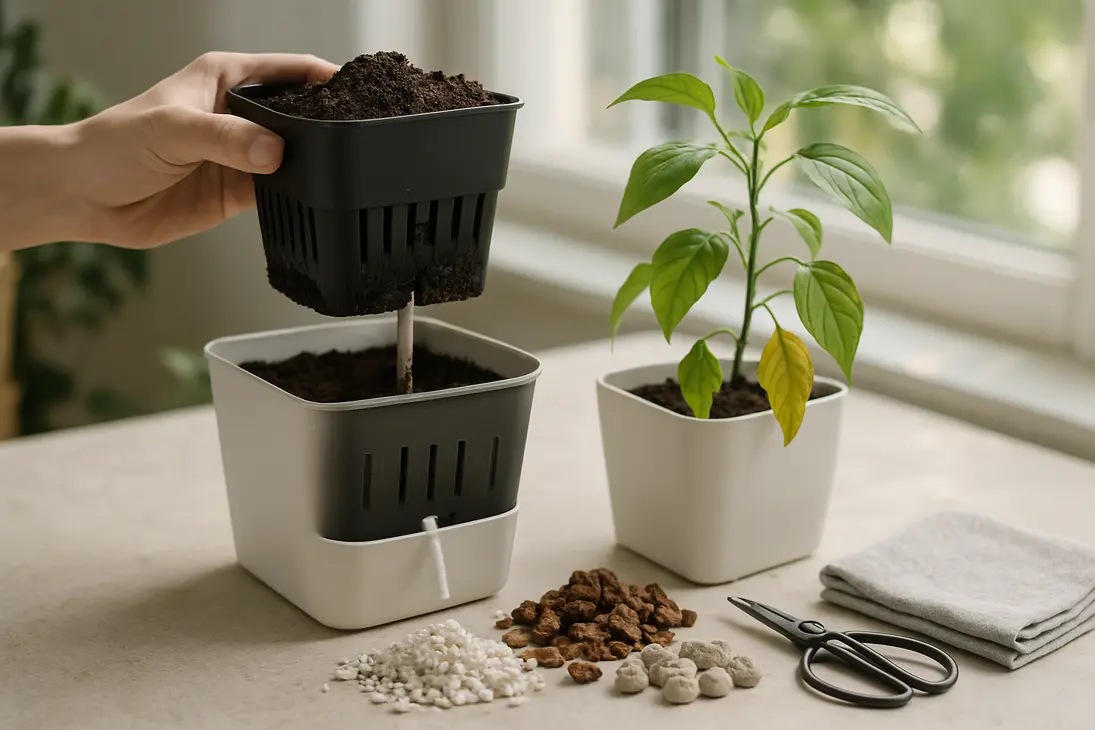
Self-watering pots can leave soil soggy when mix, light, wicks, or reservoirs are mismatched. Learn the common causes and fixes.
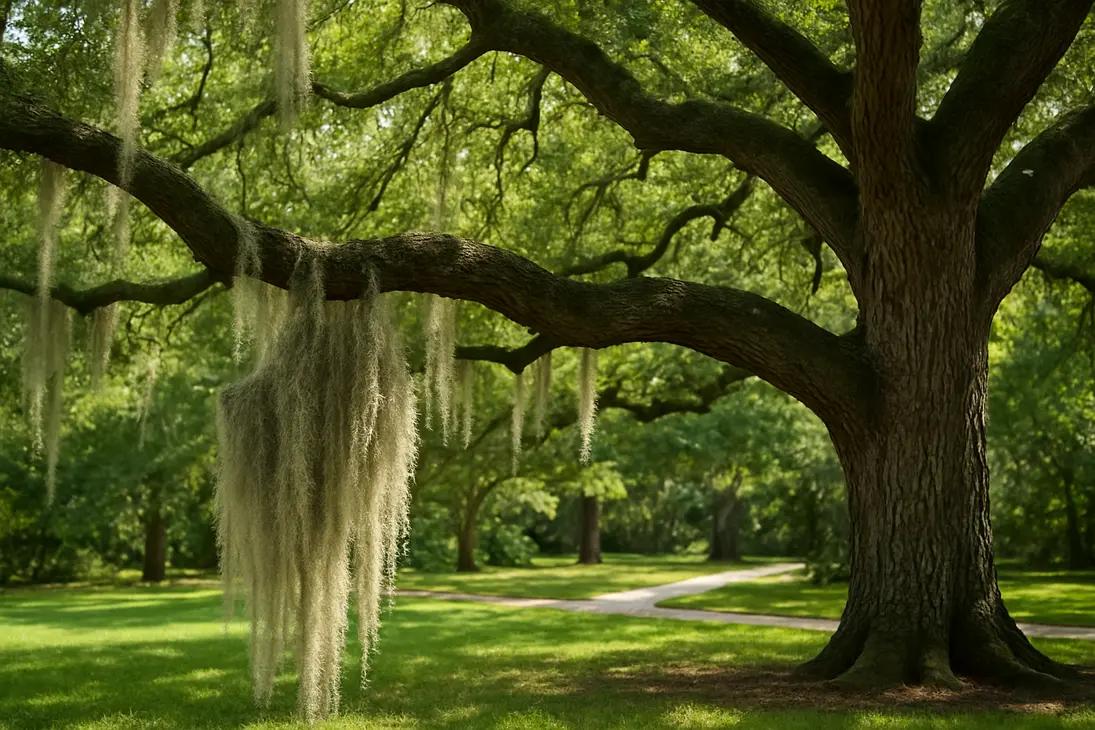
Spanish moss usually does not harm healthy oak trees, but heavy growth can add weight, shade leaves, or hide signs of decline.
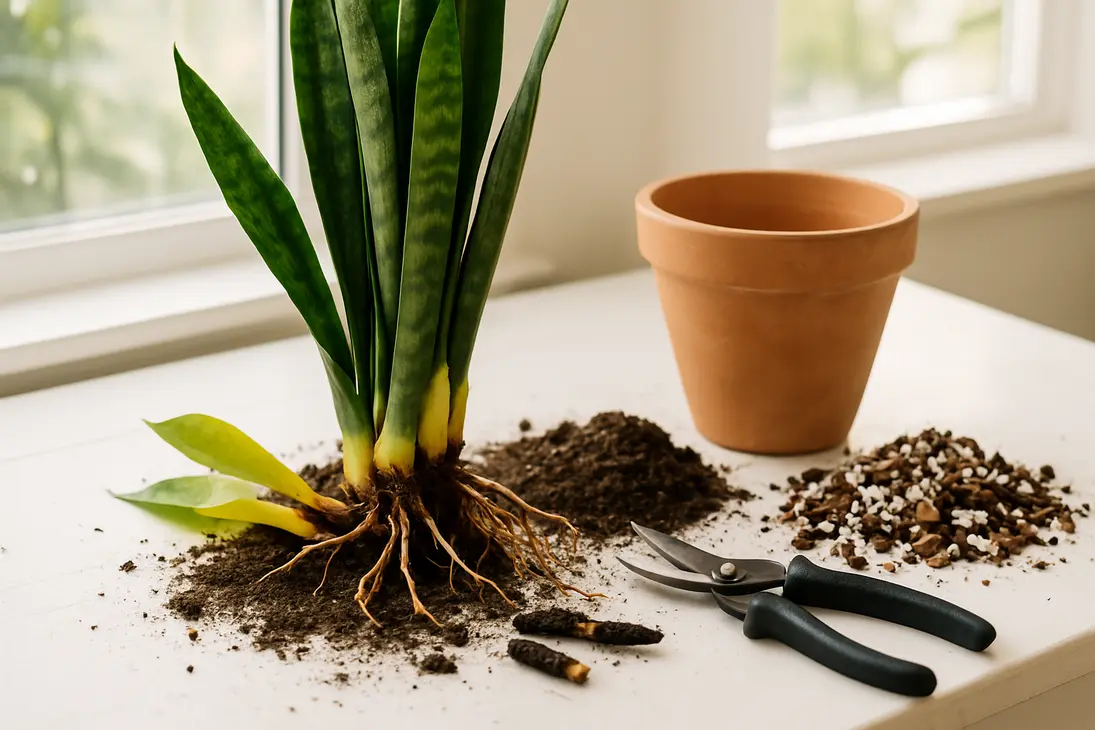
Learn the signs of root rot in snake plants, how to trim damaged roots, repot in fast-draining soil, and prevent soggy conditions.
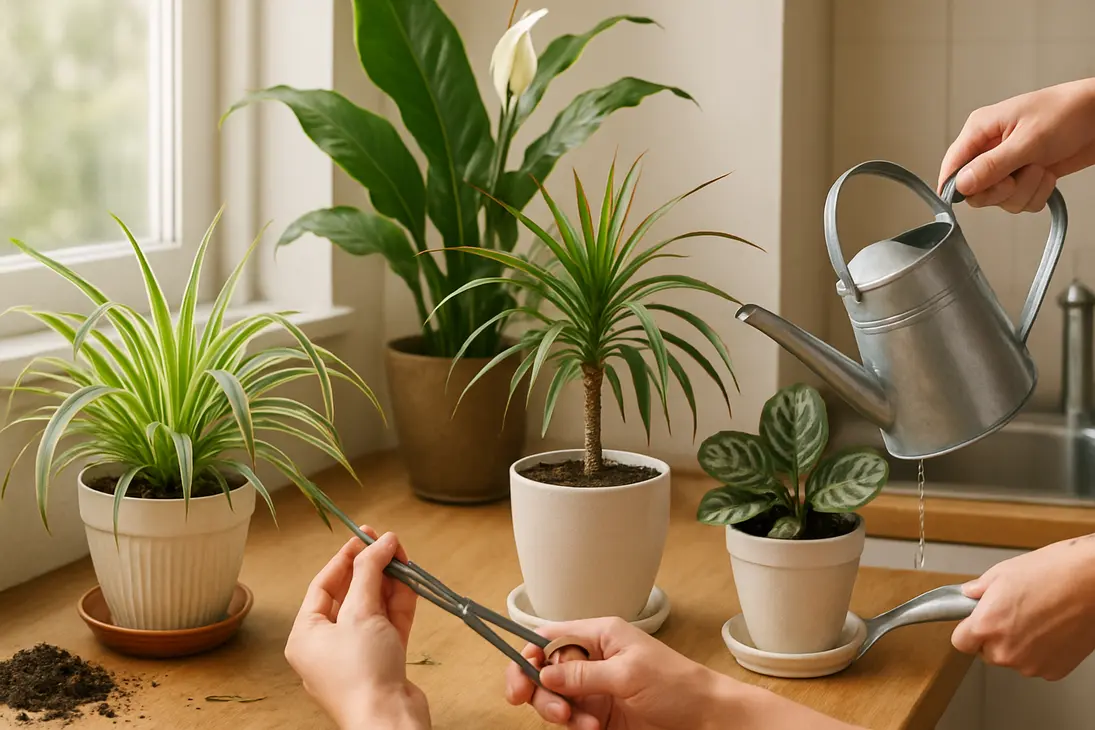
Brown tips on houseplants often point to fertilizer salts, dry soil, low humidity, hard water, or heat. Learn how to fix the stress and trim damage.
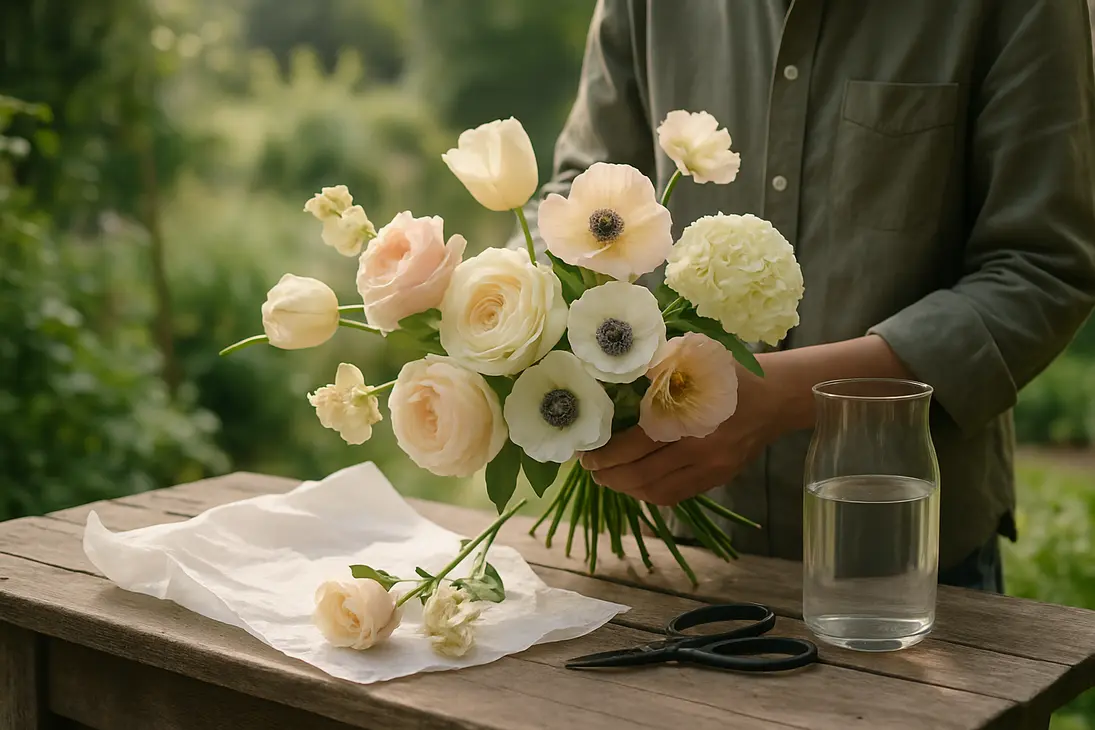
Delicate flowers bruise because thin, water-filled petals and soft stems collapse under pressure, heat, dehydration, or rough transport.
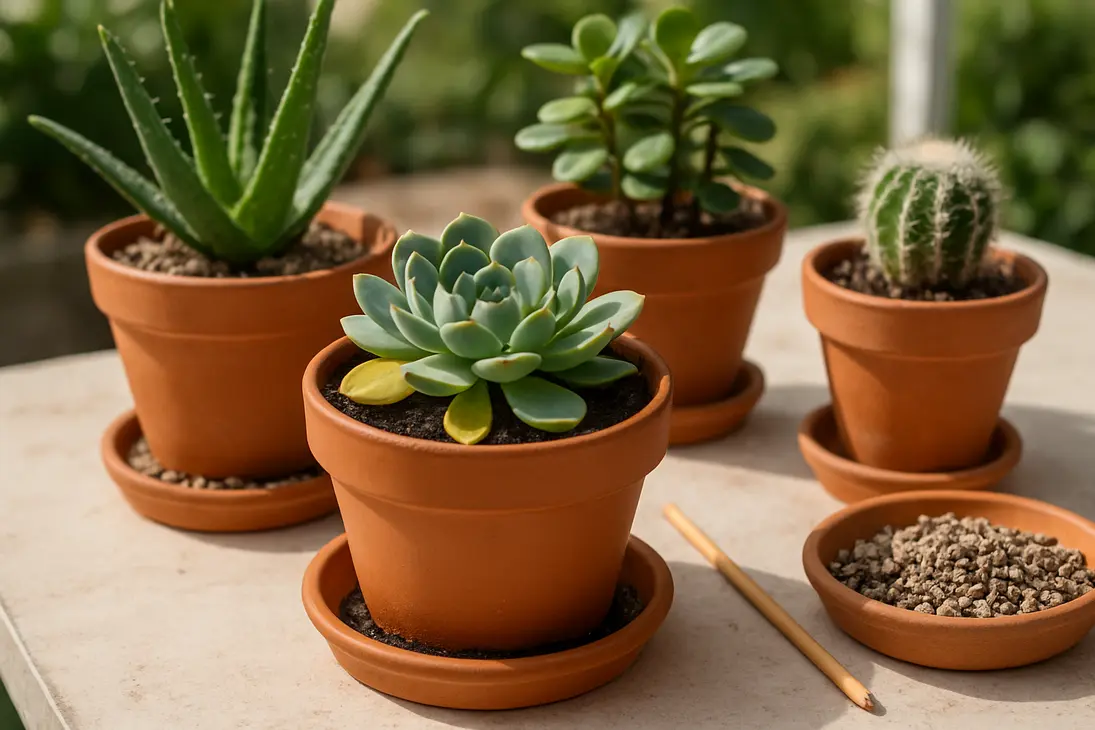
Overwatered desert succulents can develop soft leaves, yellowing, root rot, and collapse. Learn why it happens and how to prevent it.
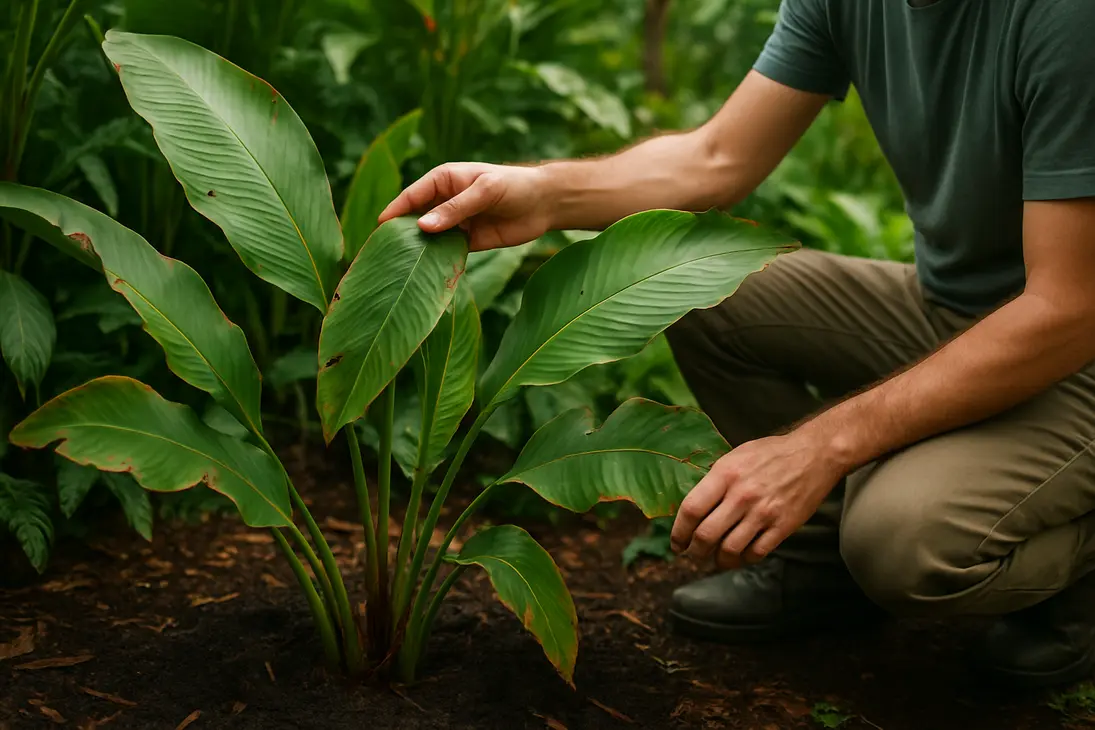
Diagnose brown tips, curled leaves, yellow patches, holes, and wilting on heliconias, from watering and sun stress to pests and disease.
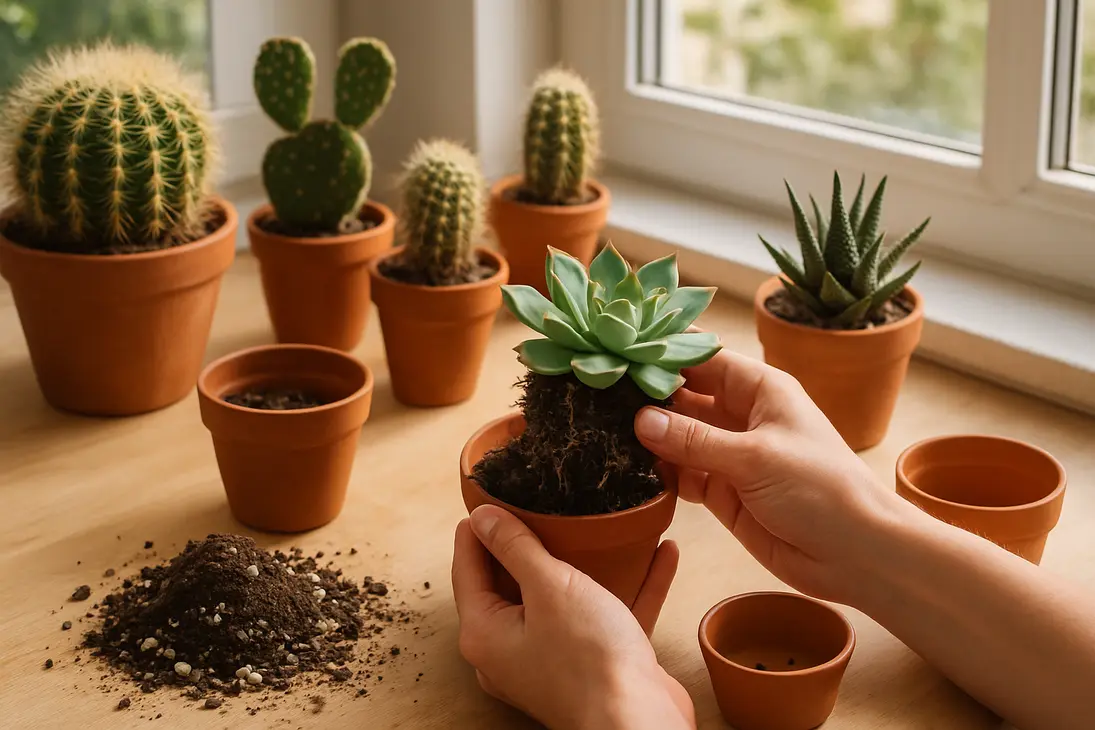
Learn why cacti and succulents get overwatered, how to spot rot and mushy leaves, and how to water, drain, and repot them safely.
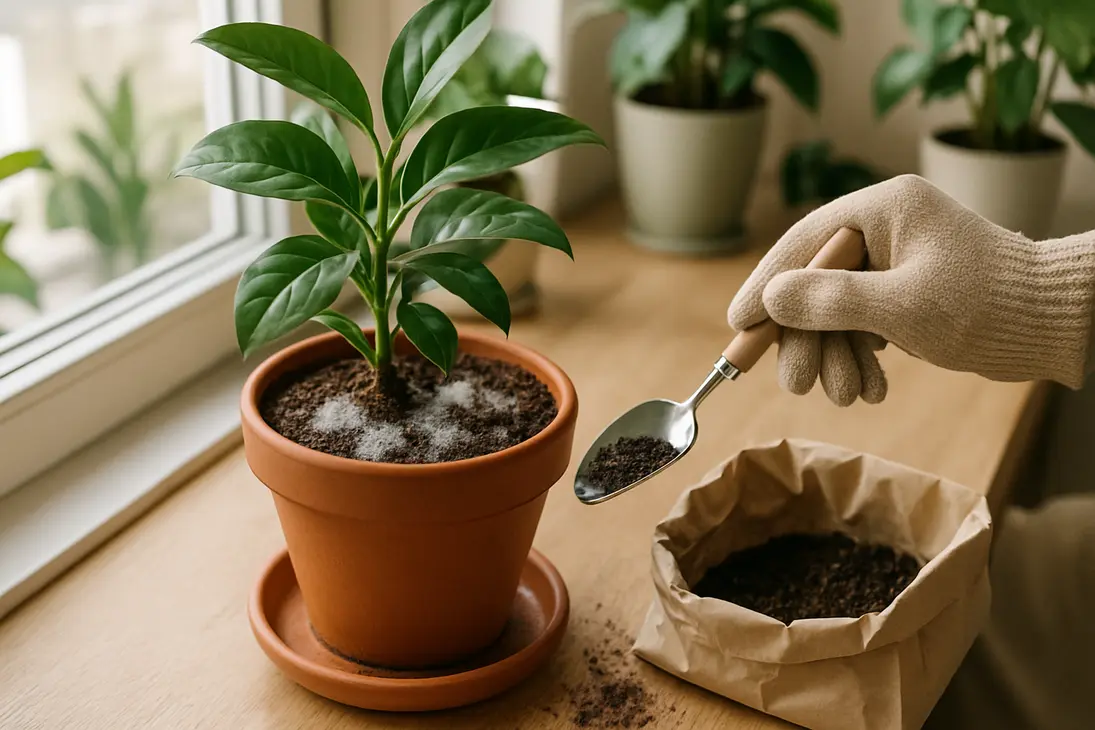
Mold on indoor plant soil usually means the mix is staying too wet. Learn how to remove it, improve drainage, and keep it from coming back.
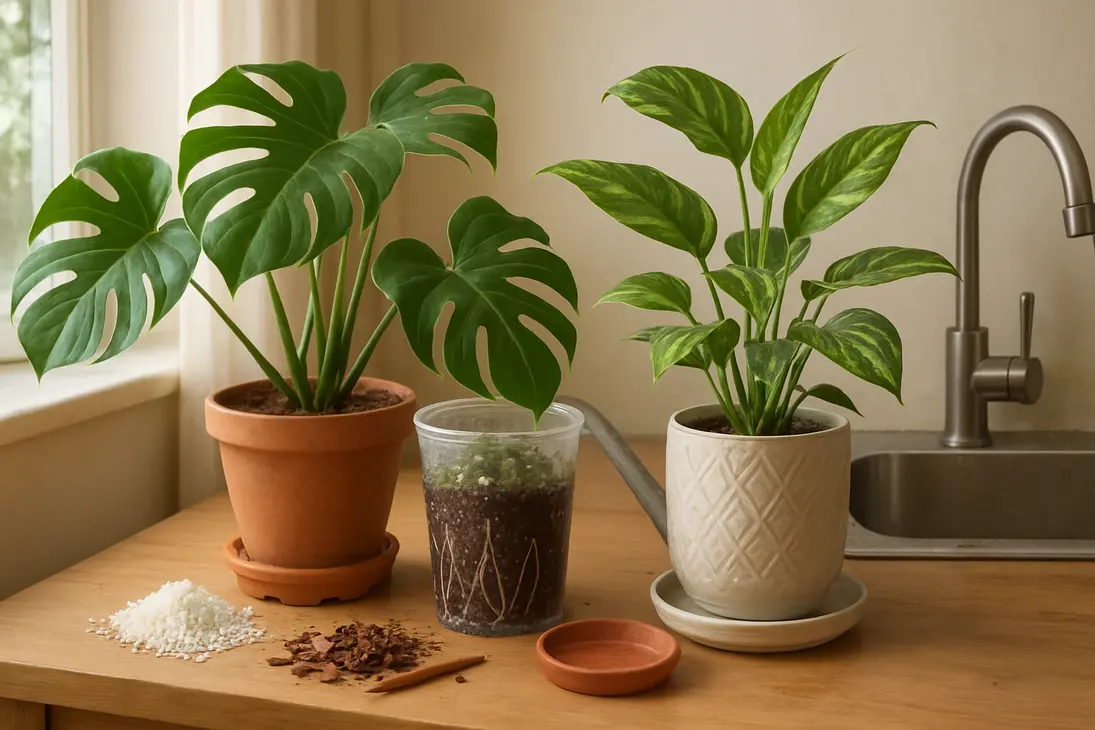
Learn how drainage holes, pot size, materials, saucers, and self-watering reservoirs affect root rot risk when watering potted plants.
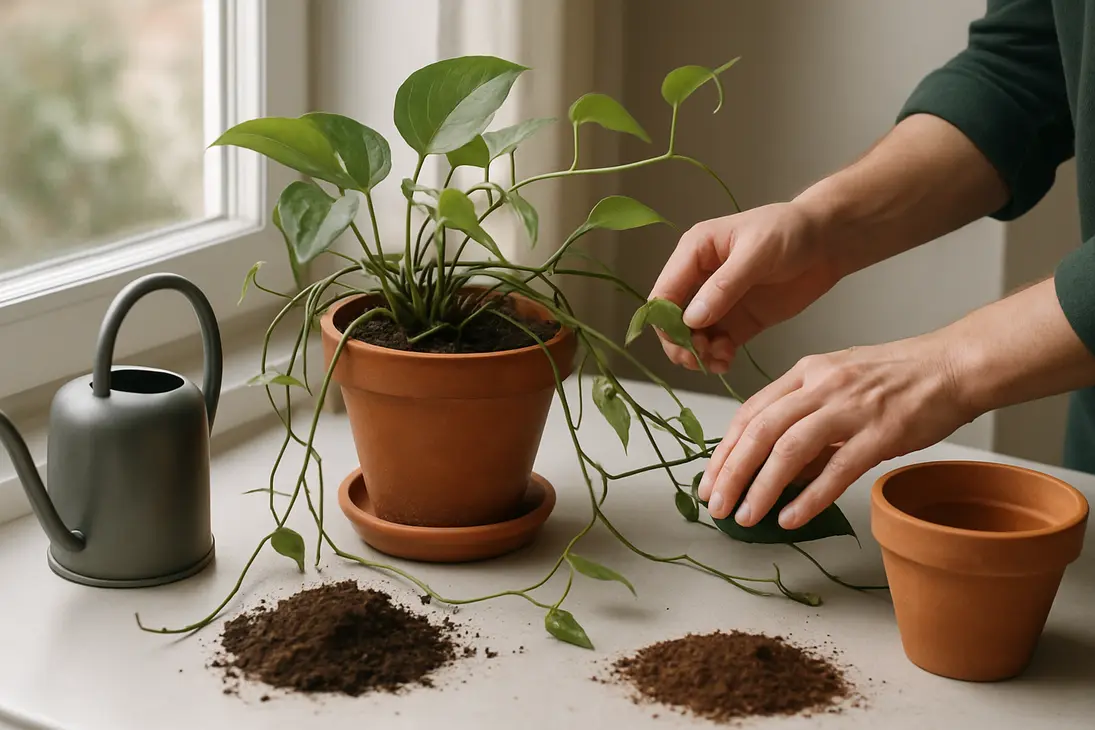
Thin, flimsy pothos leaves often point to low light, watering stress, root problems, or depleted soil. Learn how to diagnose and fix weak growth.
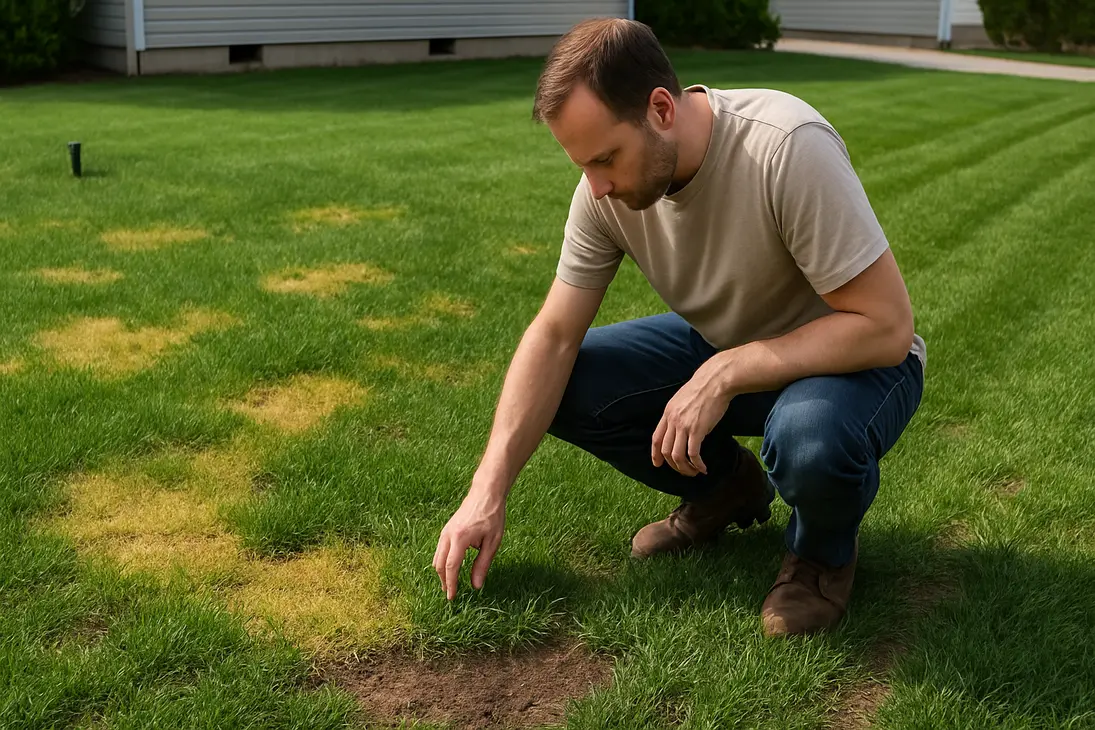
Yellow grass can come from drought, overwatering, fertilizer burn, mowing damage, pests, disease, or dormancy. Learn how to read the pattern.
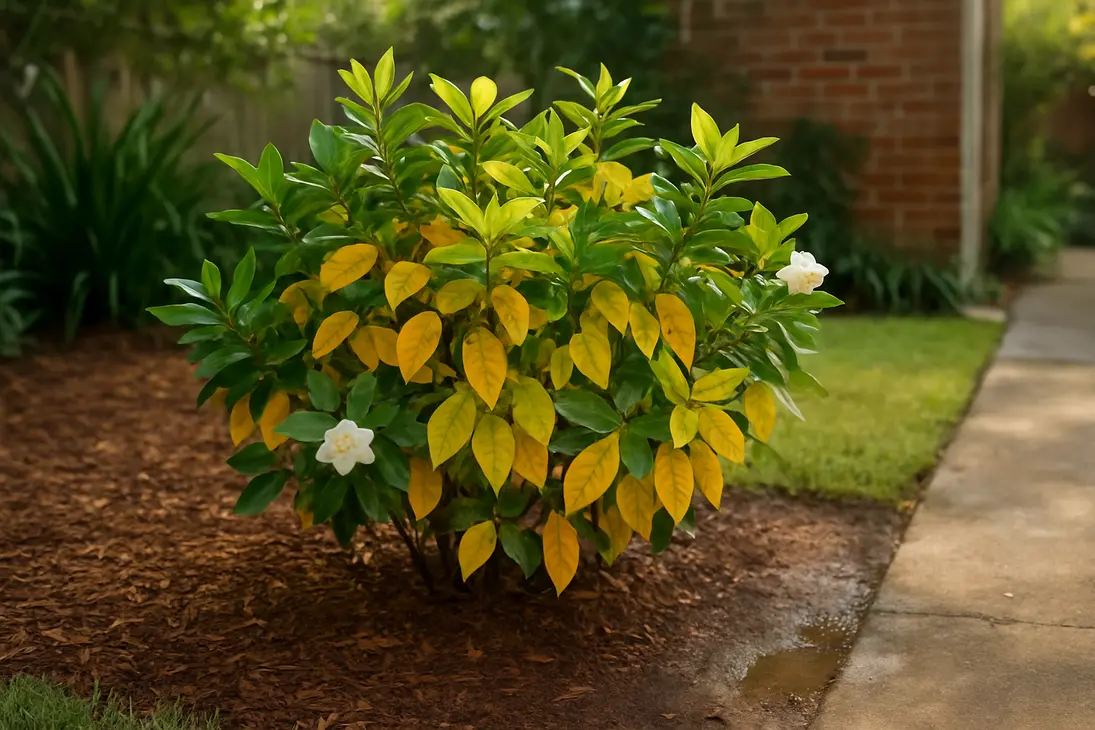
Learn why gardenia leaves turn yellow in Houston, from soggy clay soil and high pH to heat stress, pests, and watering issues.
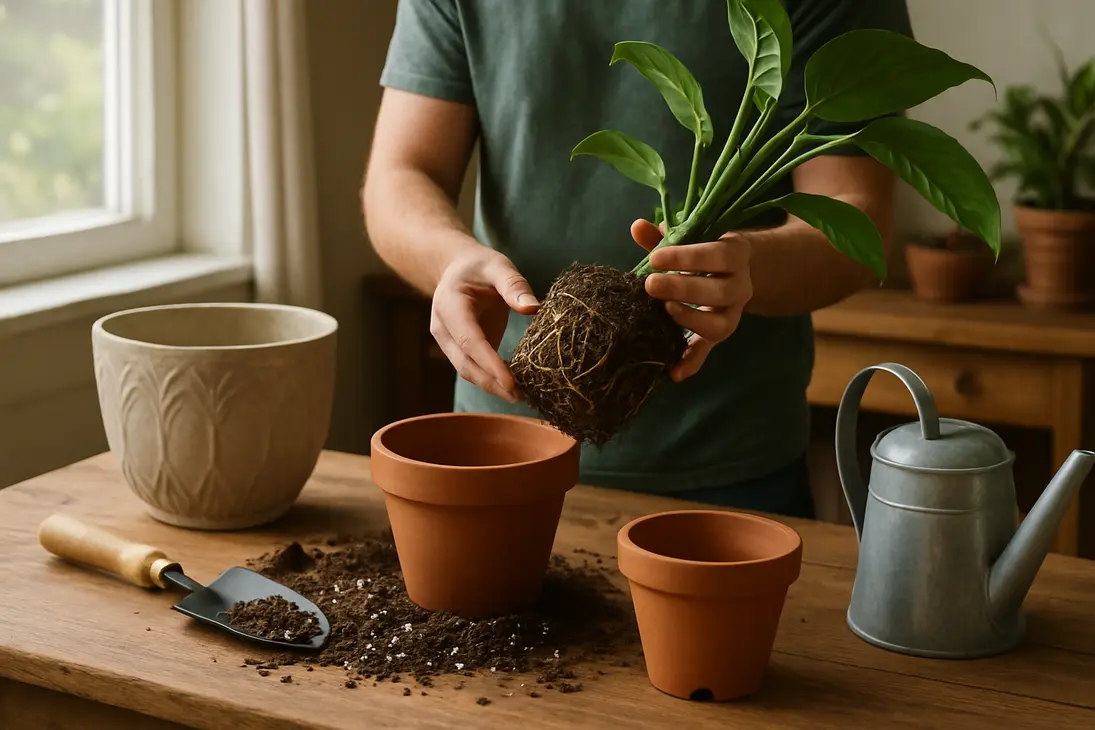
Learn which repotting plant mistakes can kill plants, from oversized pots and poor drainage to root damage, wrong soil, and overwatering.
Will neem oil kill fungus gnats? It depends on the product and life stage. Find out which neem products target larvae and why soil drenches can backfire.
What are fungus gnats and why do they keep coming back? Learn to identify them, find the breeding source, and break the life cycle with practical steps.
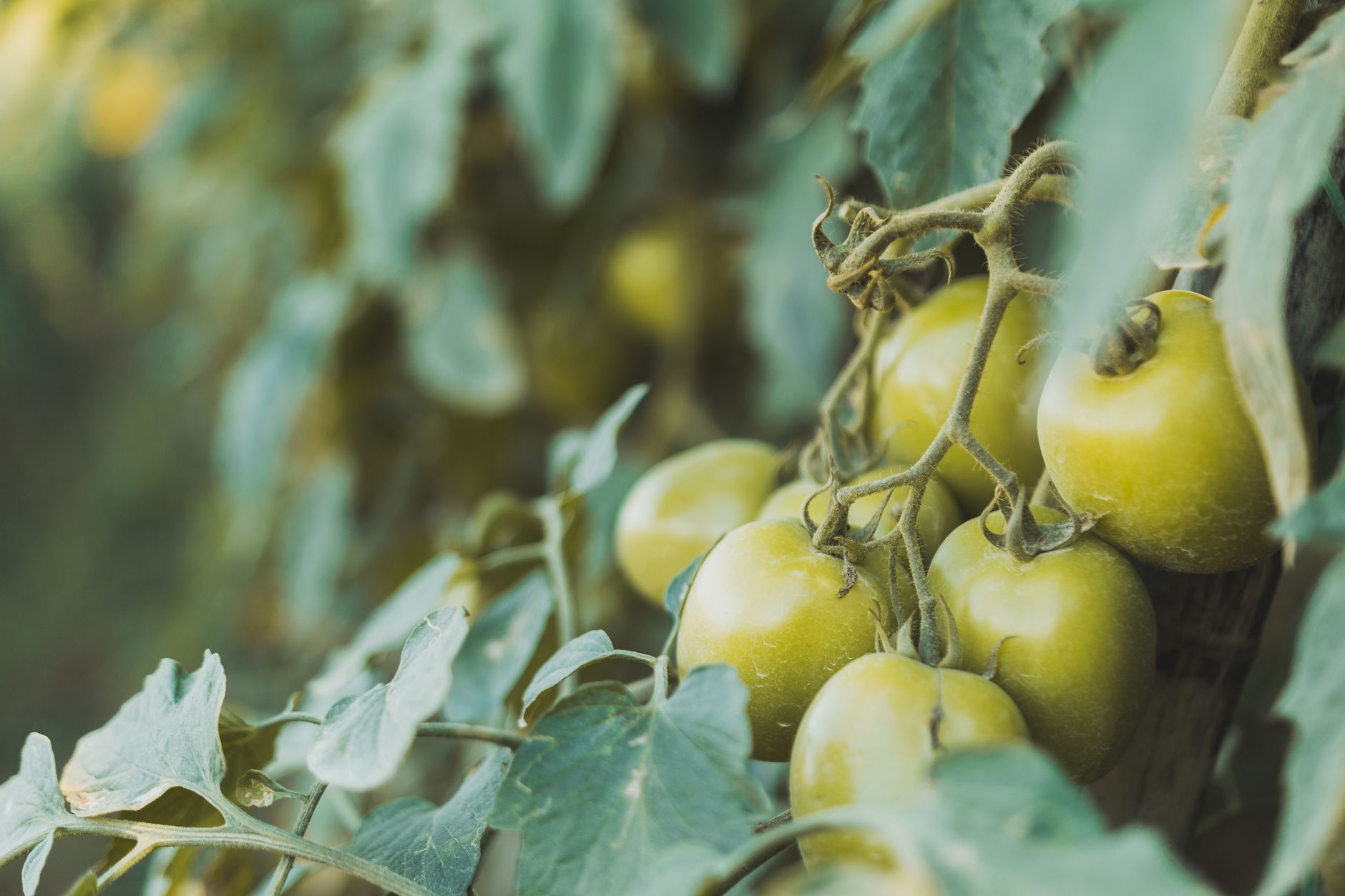
Your tomato plant has all leaves, no fruit? Find out why—excess nitrogen, heat, or poor pollination—and use simple fixes to start getting tomatoes growing.
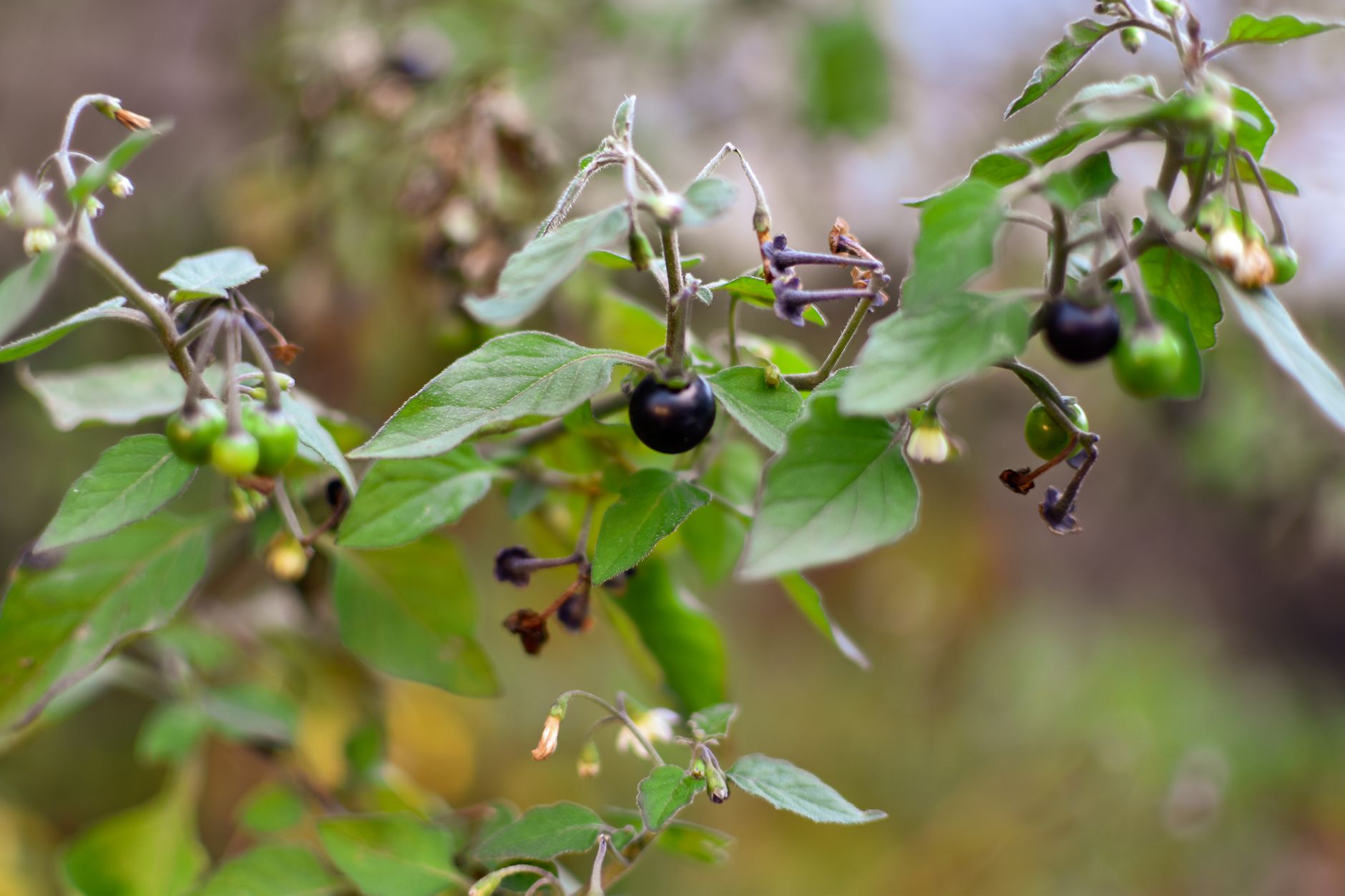
Is it legal to grow belladonna (deadly nightshade)? Learn U.S. laws, why toxicity isn't a crime, and what to check before planting this dangerous plant.

Does talking to plants help them grow? Get the evidence on sound vibration, CO₂ myths, and attentive care. Use our DIY experiment to test it yourself.
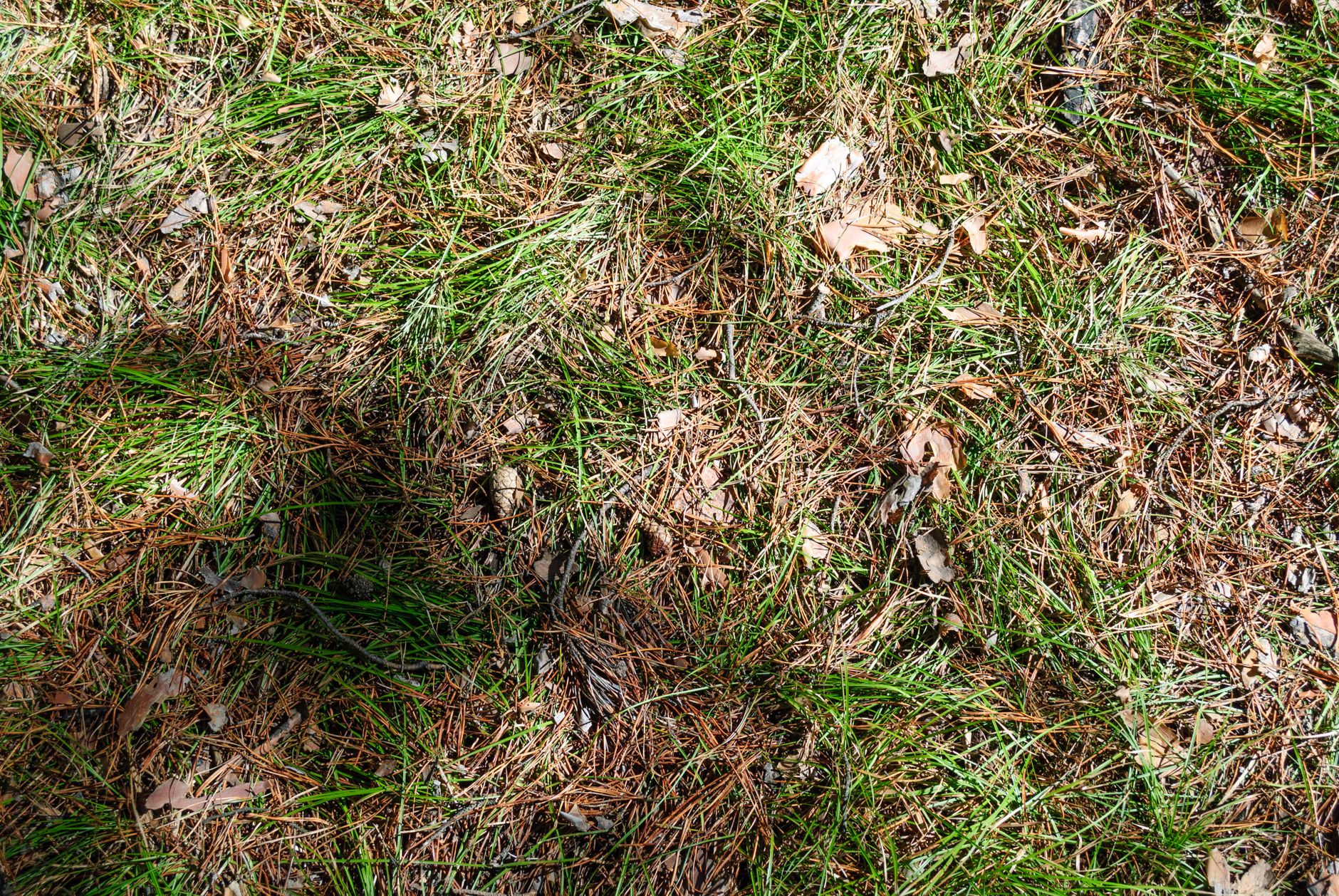
Burnt lawn from fertilizer? Learn to spot the signs, tell if your grass will recover, and use simple steps to fix burn damage. Find out what to do next.
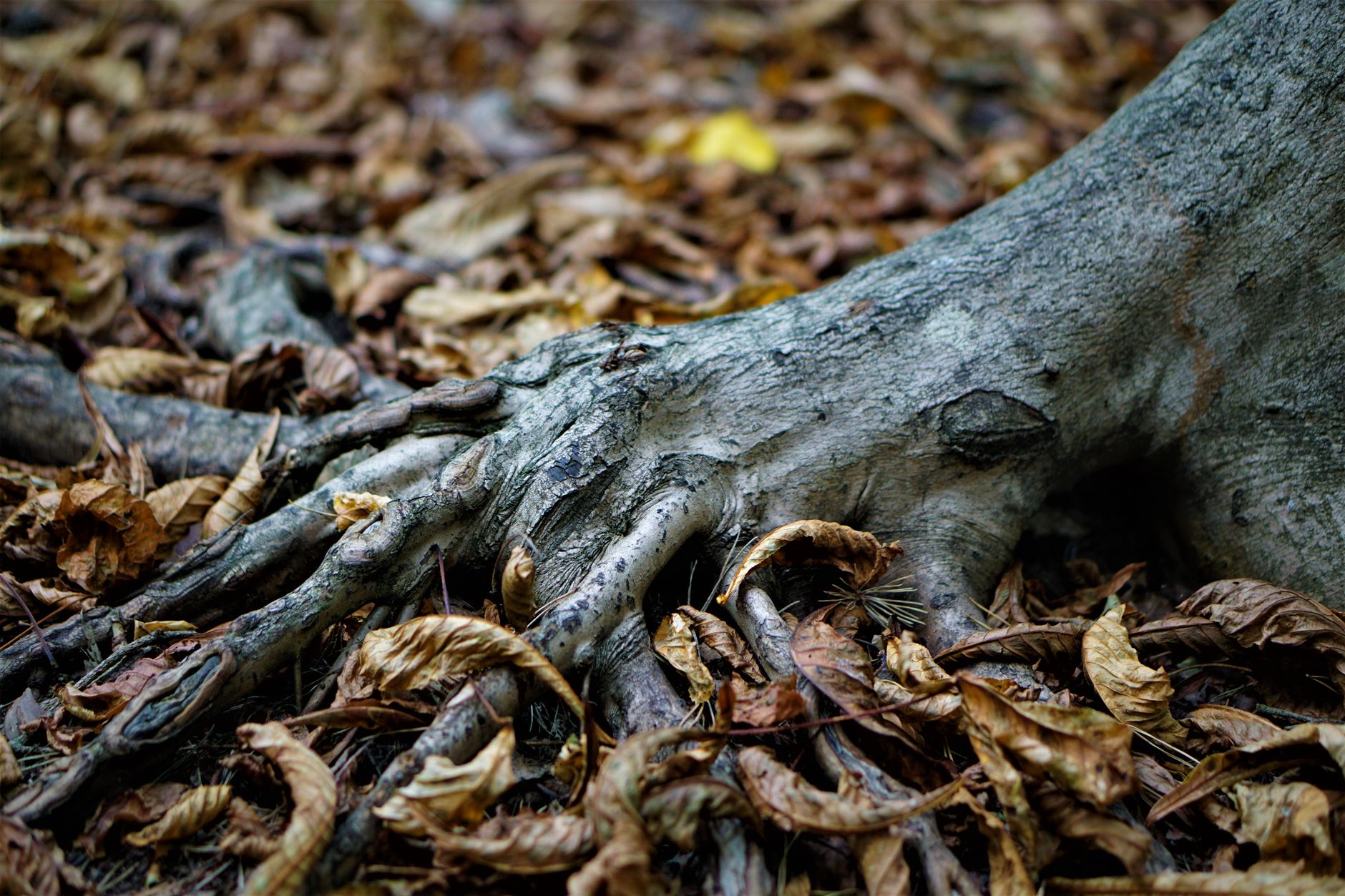
Discover how to avoid root rot in potted plants: spot early signs, fix watering mistakes, and follow rescue steps that give your plant a real chance to recover.
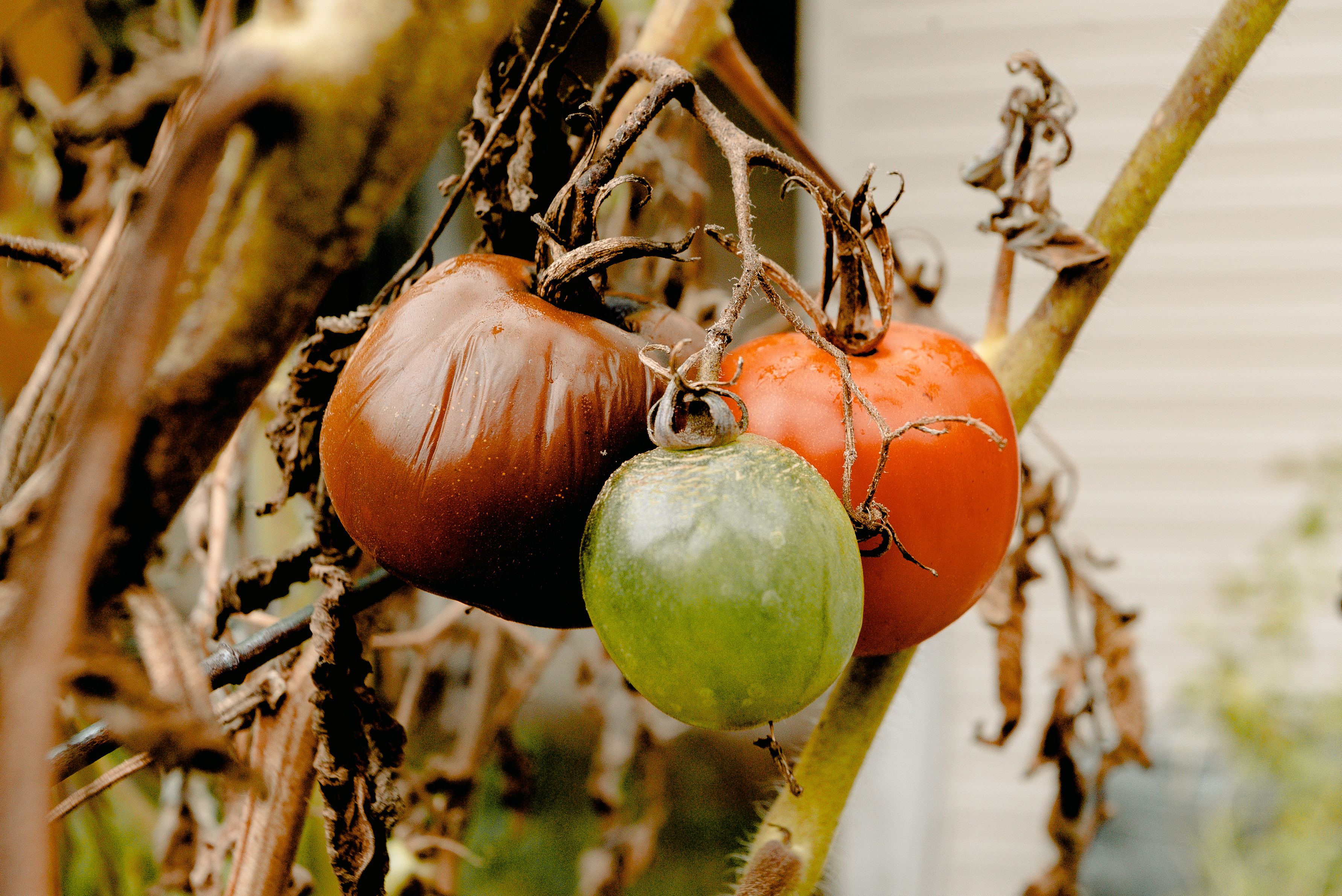
Spot disease in tomato plants early with this symptom guide. Learn to identify leaf spots, wilting, and blight, and when to pull. Find prevention steps.
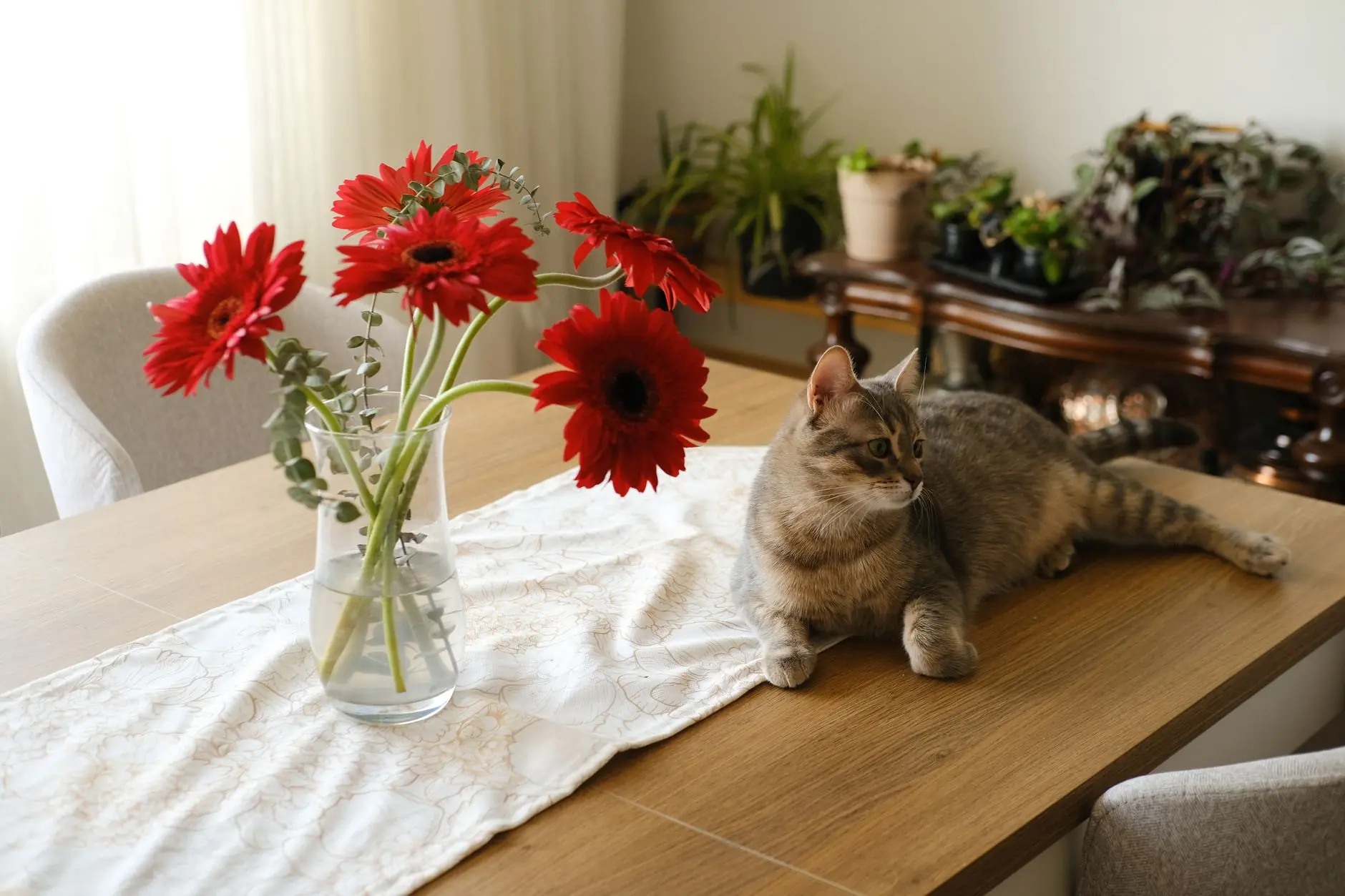
Are gerbera daisies toxic to cats? Learn why they are considered cat-safe, how to tell them from toxic daisies, and what to do if your cat chews on one.
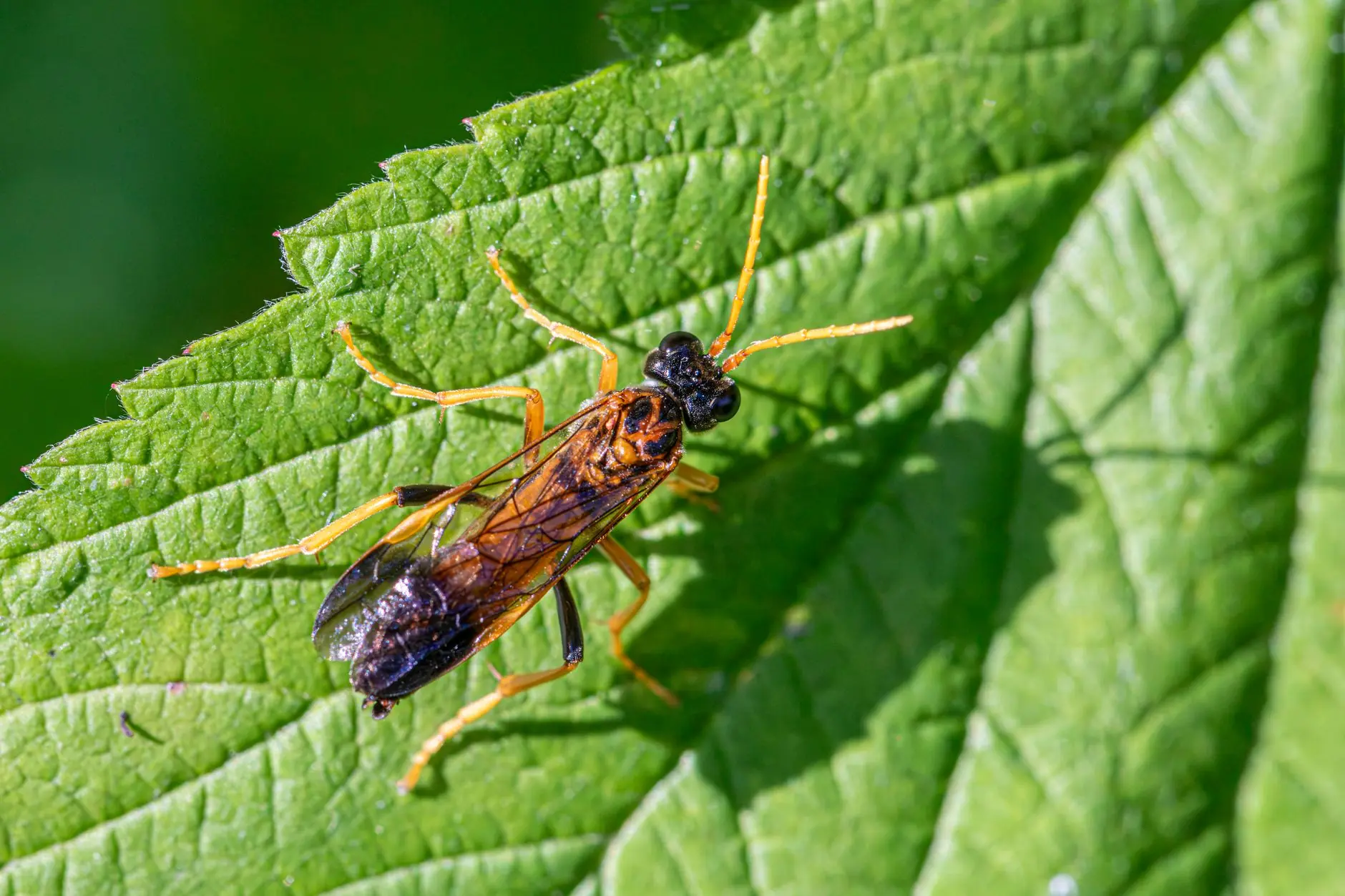
Sawfly larvae can strip leaves in days. Learn how to identify them, tell them from caterpillars, and use effective control methods when BT won't work.