Does Music or Talking to Plants Help Them Grow?
The Short Answer: It Can’t Replace Basic Plant Care
Music and talking to plants can be enjoyable parts of plant care, but they do not replace what plants actually need: suitable light, water, oxygen around the roots, nutrients, temperature, humidity, airflow, and protection from pests and disease.
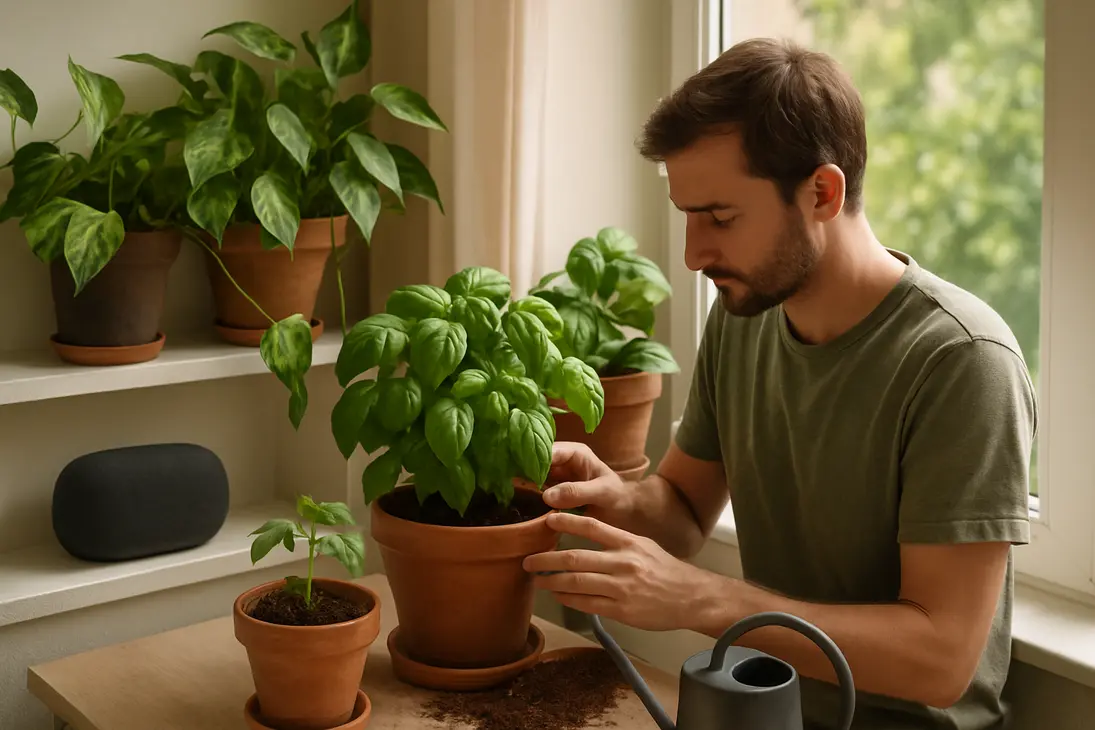
A basil plant in a dark corner will not thrive because you play classical music. A pothos in soggy soil will not recover from root rot because you speak kindly to it. A tomato plant covered in aphids needs pest control, feeding, and space more than a playlist.
The realistic answer is this: music and talking to plants may help indirectly, mostly because they encourage you to spend more time observing and caring for them. Gentle sound is unlikely to harm plants, and plants can respond to vibration and environmental cues. But the evidence that music itself reliably improves growth is not strong enough to treat it as a proven growing method.
Think of it as a care ritual, not a fertilizer.
What Science Suggests About Music, Sound, and Plant Growth
Plants are not passive objects. They sense light direction, gravity, touch, moisture, temperature changes, chemical signals, and sometimes vibration. Sound is vibration moving through air, water, or solid material, so the idea that plants might respond to sound is not absurd.
The problem is the leap from “plants can respond to vibration” to “plants grow better when you play music.” Research on sound and plant growth has produced mixed results. Some experiments report changes in germination, root growth, enzyme activity, or plant size under certain sound conditions. Others are narrow, hard to repeat, or difficult to apply to normal homes and gardens.
Music is also not one simple variable. A song involves volume, rhythm, frequency range, duration, speaker placement, and possible side effects such as equipment heat or airflow. In a home, those factors are rarely controlled.
The most careful conclusion is: plants may respond to sound or vibration under certain conditions, but music is not a dependable shortcut for faster growth.
Sound vs. Music: What Plants May Actually Detect
When people ask whether plants like music, they often imagine a plant appreciating a melody. Plants do not have ears, brains, or emotions in the human sense. They are not choosing between jazz, rock, or classical because they “prefer” one style.
What they may detect is physical vibration. A speaker creates vibrations in the air that may transfer into a shelf, pot, wall, greenhouse bench, or soil. Depending on the setup, a plant may experience vibration through stems, leaves, pots, or roots.
Plants already respond to physical forces such as wind, touch, and resistance in soil. Sound-related vibration may be another physical signal, but that does not mean every vibration is helpful.
This is why it helps to separate sound from music. A plant is more likely responding to intensity, frequency, duration, and vibration pattern than to whether the playlist sounds peaceful to us.
Why Results Vary Between Studies and Home Experiments
Home experiments with music and plants are fun, but they are difficult to interpret. If one spider plant grows faster than another while music is playing nearby, the music may not be the reason.
Common confounding factors include plant species, light differences, watering habits, soil quality, pot size, drainage, speaker distance, temperature, and ordinary human attention. A plant beside a speaker may get more vibration than one across the room. A plant near a brighter window may grow better regardless of sound.
Human attention is especially important. Gardeners who sing to or play music for plants often spend more time checking them. They may notice dry soil, pests, dust, crowding, or weak growth earlier than someone who barely looks at the plant.
If you want to test music at home, use several similar plants, keep light and watering as equal as possible, rotate positions, and compare them over weeks rather than days. Even then, treat the result as a personal observation, not a universal rule.
Does Talking to Plants Help?
Talking to plants is unlikely to magically speed growth. A plant does not understand encouragement, compliments, or apologies for forgotten watering.
But talking can still be useful. The main benefit is behavioral: when you talk to your plants, you are close enough to notice them. You may see a yellowing leaf, dry soil, sticky residue, a leaning stem, fungus gnats, or new growth. That attention often leads to better care.
There is also a possible tiny local carbon dioxide effect. Humans exhale carbon dioxide, and plants use CO2 in photosynthesis when light is available. However, in an ordinary room or garden, the extra CO2 from talking is brief and quickly diluted. It is not comparable to controlled greenhouse enrichment and will not compensate for poor light.
So the practical answer is: talking to plants may help because it makes you a more observant gardener, not because words act like plant food.
The Care Effect: Why Attentive Plant Owners Often See Better Results
Many “plant whisperer” results can be explained by the care effect. A person who talks to plants often does more than talk. They may also check soil moisture, notice pests, rotate pots, wipe dust off leaves, remove dead foliage, adjust watering after weather changes, repot crowded plants, or move plants away from drafts and heaters.
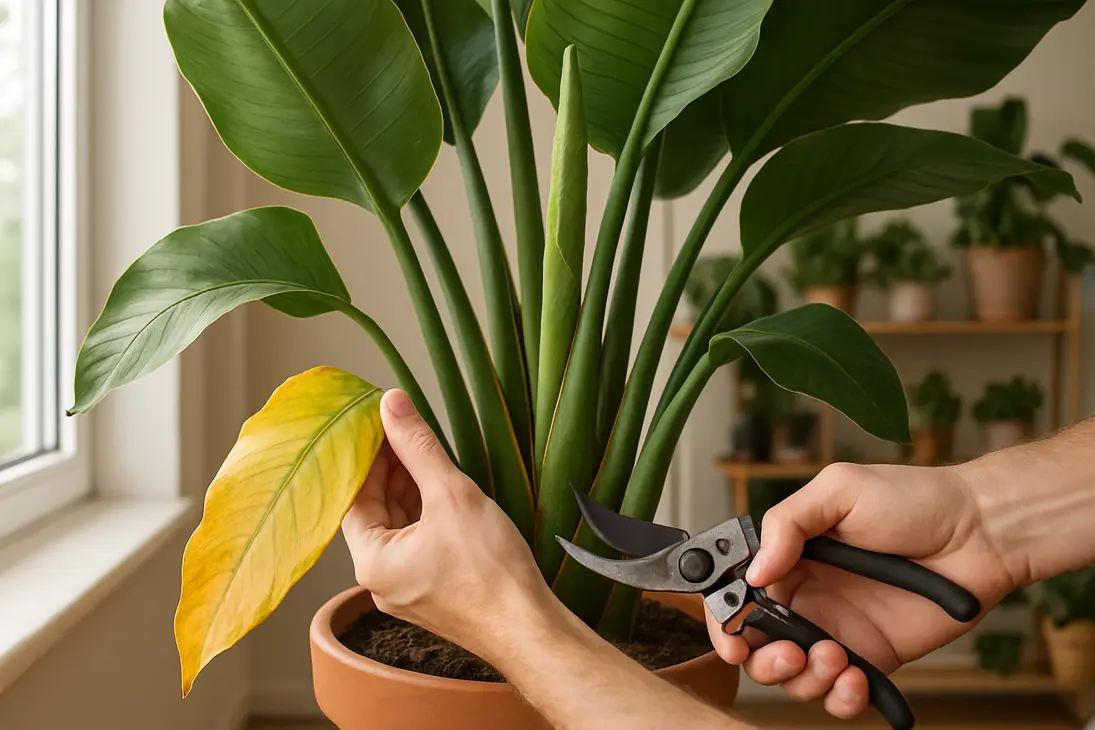
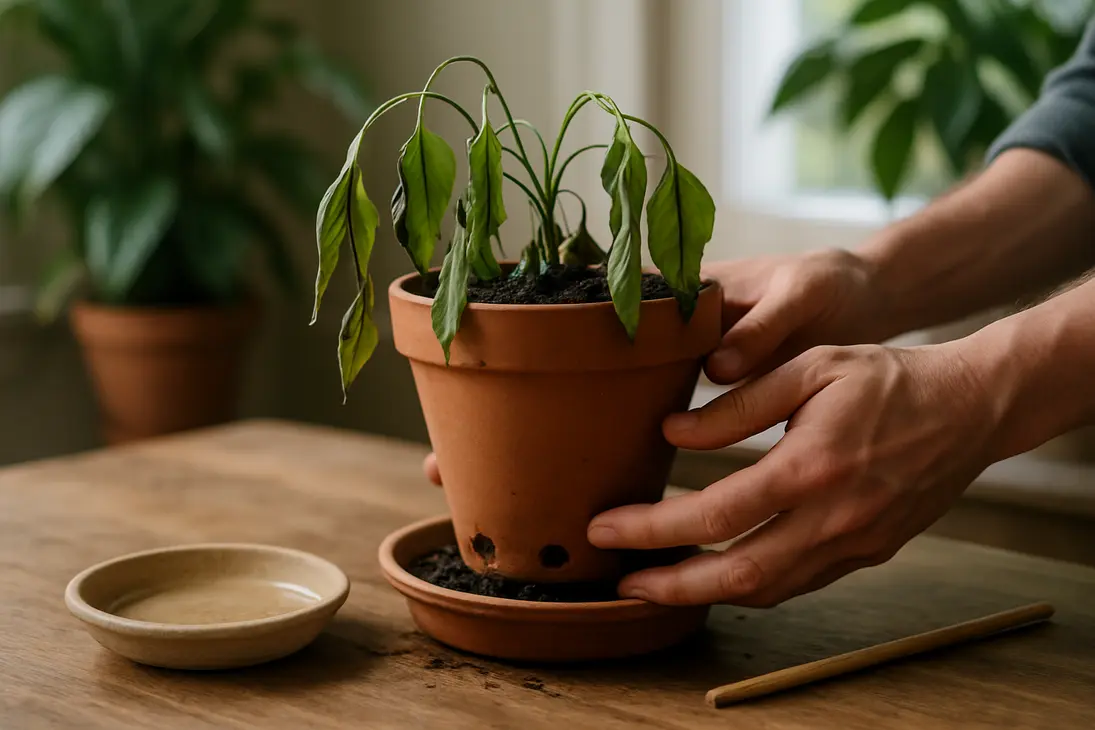
These small actions matter. Plants usually show warning signs before they collapse. Spider mites may cause faint speckling before webs appear. A thirsty peace lily may droop before leaves crisp. A succulent in too little light may stretch before it declines from overwatering.
Talking can also slow you down. Instead of rushing past your plants, you pause. That pause is often more valuable than the words. If speaking to your plants makes care more enjoyable, keep doing it. Enjoyment improves consistency, and consistency grows healthier plants.
Talking, Singing, and CO2: A Small Possible Factor
The carbon dioxide idea is partly plausible but often overstated.
Plants need CO2 for photosynthesis, but they also need adequate light, water, and healthy leaves to use it. When you speak or sing near a plant, you exhale air containing more CO2 than the surrounding atmosphere. In a still, enclosed space, that could create a short-lived increase near the plant.
In most homes, the effect is tiny. Air mixes quickly. Outdoors, the extra CO2 disperses almost immediately. Talking to a plant for a few minutes is not creating a greenhouse-level growing system.
Plants also use CO2 only when there is enough light. Talking to a plant at night, or in a dim room, does not give it the energy it needs to turn CO2 into growth.
Do Different Types of Music Matter?
People often ask whether classical music is better than rock, whether plants prefer calm sounds, or whether heavy bass helps roots grow. The evidence does not support a simple playlist rule.
Genre is a human category. A plant is not likely responding to “classical” or “rock” as cultural styles. If sound has an effect, it is more likely related to physical qualities such as volume, vibration, frequency range, rhythm, and exposure time.
A gentle piano piece played softly across the room and a loud orchestral piece played through a bass-heavy speaker beside the pot are very different experiences. Low-volume background music is not the same as constant, high-volume vibration from a nearby speaker.
For the gardener, music also matters. If soft music makes watering and pruning feel peaceful, it may improve your routine. If loud music irritates people or pets, any possible plant benefit is not worth it.
Volume and Duration Matter More Than Genre
If you play music around plants, keep it moderate. A practical rule is: if the sound is comfortable for you to sit near, it is probably a reasonable starting point for your plants. If it rattles shelves, vibrates pots strongly, or runs loudly all day and night, it is no longer a gentle experiment.
Potential problems with loud or constant noise include strong vibration around seedlings, unstable pots, added heat or airflow from equipment, stress for people and pets, and disruption of a calm care routine.
Duration matters too. Playing music while you water, inspect, or relax near plants is different from continuous sound twenty-four hours a day. Plants have day-night cycles, and constant disturbance is unnecessary.
For most indoor gardeners, normal room volume is enough. Keep speakers a little distance from pots, avoid placing plants directly on vibrating speakers, and use music during care time rather than nonstop.
Why “All Plants Like the Same Music” Is a Misconception
Different plants come from different environments. A cactus adapted to bright, dry conditions is not managed like a fern from a humid understory. A tomato grows quickly and needs strong light and regular feeding. A snake plant tolerates neglect but dislikes constantly wet soil. A seedling is more vulnerable than a mature shrub.
It would be surprising if all plants responded identically to the same sound. Even within one species, age and condition matter. A stressed plant with root damage may react differently from a vigorous plant in active growth. A plant in low light cannot take advantage of extra stimulation the way a plant in ideal light might. A dormant plant is not trying to produce fast new growth.
“Plants love classical music” or “plants hate rock” sounds simple, but plant health is rarely simple. The better question is not “What music do plants like?” but “Is this plant’s environment suitable, and does this sound routine help me care for it better?”
A Practical Way to Use Music or Talking in Plant Care
The best way to use music or talking is as a plant-care habit. Let it remind you to observe, slow down, and respond to what the plant is showing you.
You might play a short playlist while checking houseplants, talk to seedlings while inspecting soil moisture, or sing while watering patio pots. These habits are harmless when kept gentle, and they can make gardening more enjoyable.
But the plant-friendly environment comes first. If the basics are wrong, music and talking will not fix them.
Use It as a Reminder to Check Your Plants
Turn music or talking into a simple inspection routine. While you are near the plant, check:
- Soil moisture: Is the soil dry, damp, compacted, or sour-smelling?
- Light: Is the plant leaning, stretching, scorching, or losing color?
- Leaves: Are there yellow tips, brown edges, spots, holes, or sticky patches?
- New growth: Is it strong and normally colored, or weak and pale?
- Pests: Look under leaves and along stems.
- Pot and drainage: Is water draining freely? Are roots crowded?
- Airflow and temperature: Is the plant near a heater, cold window, air conditioner, or stagnant corner?
This is where talking to plants becomes genuinely useful. You are not feeding them with words; you are training yourself to notice.
For example, saying “You’re looking droopy today” may prompt you to check the soil instead of automatically watering. Drooping can mean dryness, but it can also mean root trouble from too much water.
Keep the Environment Plant-Friendly First
Before experimenting with music, make sure the plant’s real needs are being met.
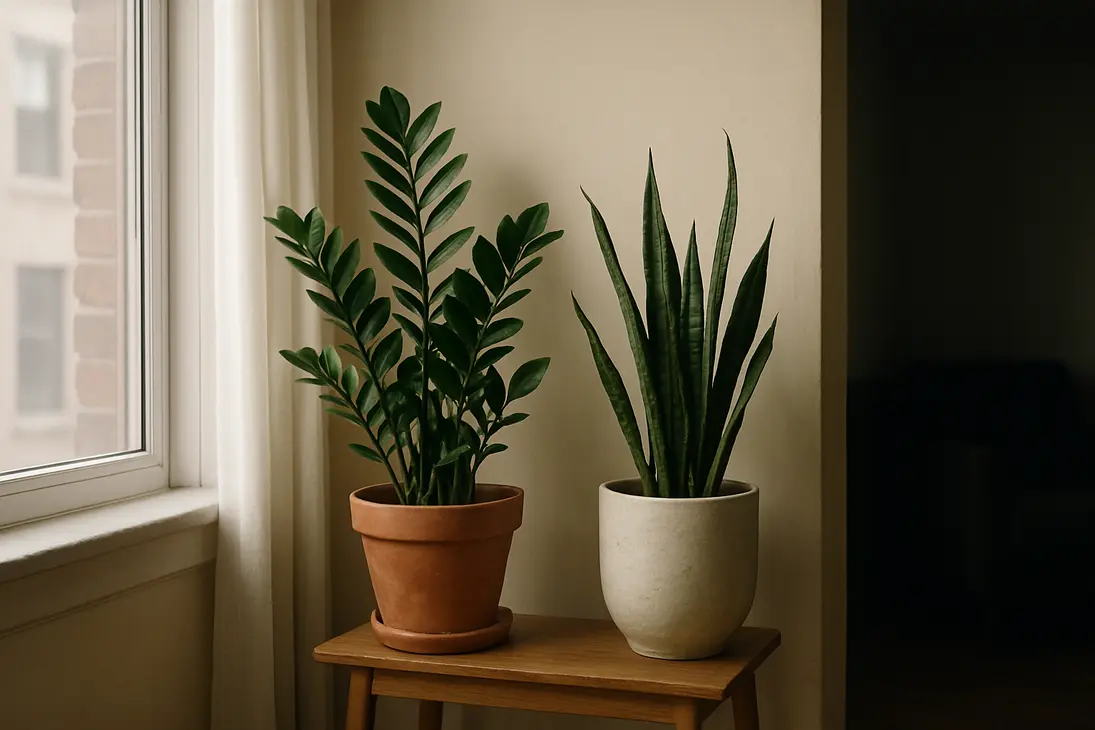
For indoor plants, that usually means matching the plant to the available light. Many houseplants tolerate lower light, but “tolerate” does not mean “thrive in darkness.” Flowering plants, herbs, succulents, and vegetables generally need much brighter conditions than foliage plants such as pothos or ZZ plant.
Watering should be based on the plant, potting mix, pot size, season, and light level—not a fixed calendar. A plant in bright light may dry quickly. The same plant in a cool, dim room may stay wet much longer. Overwatering often means watering too frequently, leaving roots without enough oxygen.
Soil and nutrients matter too. A fast-growing container plant eventually uses available nutrients and root space. Poor drainage can cause decline even if the leaves look fine at first. Outdoor plants also face soil structure, competition, weather, and pests.
Music can be part of the atmosphere. It is not the foundation.
Watch the Plant, Not the Myth
If you try music or talking, watch the plant’s actual condition rather than trying to prove the myth true.
Good signs include steady new growth, normal leaf color, firm stems, appropriate flowering or fruiting, and healthy roots when repotting. Warning signs include persistent wilting, yellowing, leaf drop, pale stretched growth, crispy edges, blackened stems, moldy soil, or pest buildup.
If a plant improves after you start playing music, ask what else changed. Did you move it to brighter light, water more carefully, check pests more often, fertilize, or clean the leaves? Any of those changes may explain the improvement.
If a plant declines while music is playing, do not assume it hates the song. Check light, water, drainage, temperature, roots, and pests first. The music may be irrelevant.
Conclusion
Music and talking to plants can be enjoyable, calming, and helpful as part of a care routine. Plants may respond to vibration and environmental cues, but the evidence that music reliably improves growth is mixed and limited. Talking is also unlikely to cause dramatic growth by itself, though it may encourage better observation and more consistent care.
Meet the plant’s real needs first: light, water, suitable soil, nutrients when needed, airflow, and pest control. Then, if music or conversation makes you more attentive and connected, use it.
Your plants do not need a perfect playlist. They need good growing conditions—and a gardener who notices them.
FAQ
Does playing music for plants really help them grow?
It might help in some situations, but it is not a proven universal method. Plants can respond to vibration and environmental signals, so sound may have effects under certain conditions. In homes, results are hard to separate from light, watering, temperature, and human attention.
Is talking to plants better than playing music?
Not necessarily. Talking may be better if it makes you inspect your plants closely and notice problems early. Music may be better if it helps you relax and keep a regular care routine. Neither matters more than correct light, watering, soil, and pest management.
Can music or talking replace watering, fertilizer, or sunlight?
No. Music and talking cannot replace basic plant needs. A plant still needs appropriate light for photosynthesis, water, nutrients, oxygen around the roots, and suitable temperatures.
What kind of music should I play for my plants?
Choose music that is gentle and comfortable for the space. Volume and duration matter more than genre. Avoid placing plants directly on vibrating speakers, and do not blast loud music for long periods. The best choice is music that helps you enjoy caring for them.
Sources
- Reddit gardening discussion on music, vibrations, and plant care experiences: https://www.reddit.com/r/gardening/comments/z3cnzh/anyone_here_belive_that_musiccertain_vibrations
You Might Also Like