Best Seeds for Pretty Flowers to Grow at Home
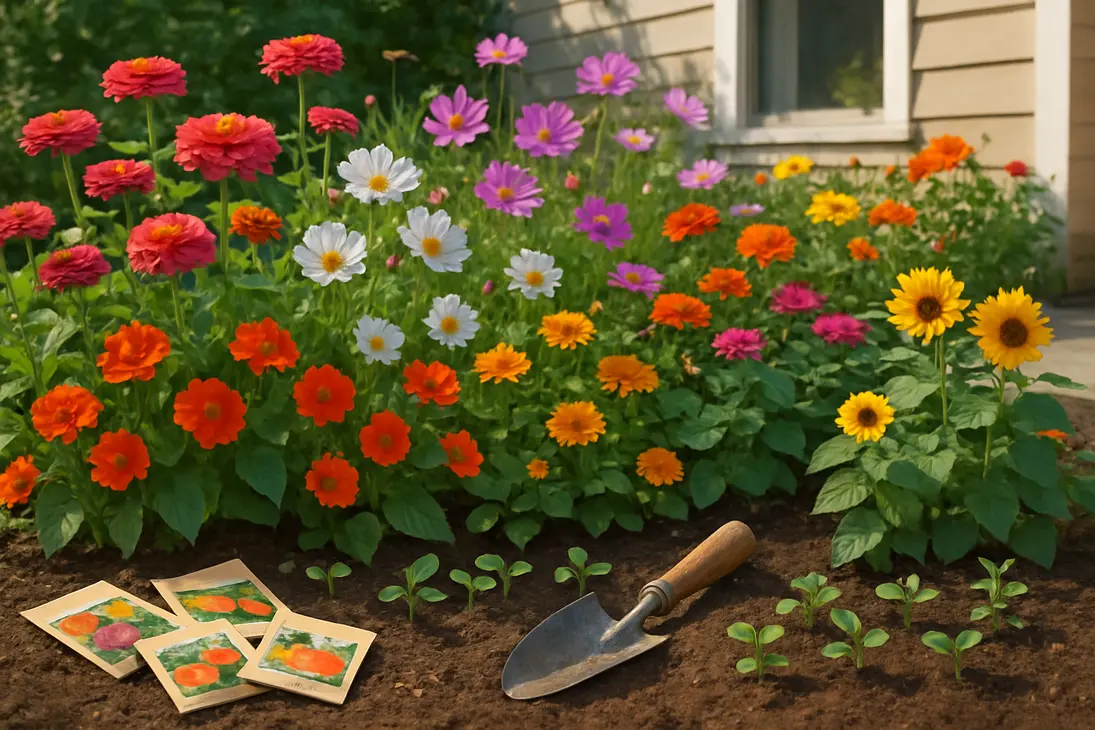
The best seeds for pretty flowers are the ones that match your light, climate, space, and patience level. For reliable color with minimal fuss, start with zinnias, cosmos, marigolds, nasturtiums, calendula, and sunflowers. For bouquets, add sweet peas, snapdragons, bachelor’s buttons, celosia, amaranth, and asters. For a softer meadow look, try poppies, coreopsis, black-eyed Susan, coneflower, lupine, and blanket flower.
Seeds are affordable and rewarding, but not all flowers are equally easy. Some can be direct-sown outdoors; others need an indoor start, cool weather, or a full season before they shine.
Best Flower Seeds for Beautiful Blooms
A beautiful seed-grown garden usually includes a mix of fast annuals, taller focal flowers, pollinator plants, and low edging blooms.
Easy Annual Flowers From Seed
These dependable annuals are excellent for beginners:
| Flower | Why grow it | Best conditions |
|---|---|---|
| Zinnias | Bright, long-lasting blooms; great cut flowers | Full sun, warm weather |
| Cosmos | Airy, daisy-like flowers | Full sun, average soil |
| Marigolds | Compact, cheerful, forgiving plants | Full sun, warm weather |
| Nasturtiums | Trailing or mounding edible flowers | Sun to part shade, modest soil |
| Calendula | Cool-season gold, orange, and apricot blooms | Sun to part shade |
| Sunflowers | Big impact from simple seeds | Full sun, room for roots |
Zinnias germinate quickly in warm soil and bloom heavily if cut or deadheaded. Compact types suit containers; tall types work best in beds and bouquets.
Cosmos create a loose, romantic look and tolerate average soil. Avoid overfeeding, which can produce leaves instead of flowers.
Marigolds are sturdy and easy. French marigolds are good for edging and pots; African marigolds grow taller with larger blooms.
Nasturtiums work in borders, baskets, and containers. They often flower better in modest soil than in rich soil.
Calendula prefers cooler weather and may bloom in fall, winter, or spring in mild climates. It often fades in summer heat.
Sunflowers are ideal for children and beginners. Choose dwarf types for pots and branching types for multiple cut flowers.
Pretty Flowers for Cutting Gardens
For vases, choose flowers with strong stems, good vase life, and repeat bloom.
Sweet peas are fragrant and delicate, but they prefer cool weather and usually need support. Sow in early spring in cold climates or fall in mild climates.
Snapdragons are slower from seed but excellent for vertical color. Start them indoors early or buy starter plants for an easier first season.
Bachelor’s buttons offer blue, pink, white, and burgundy cottage-garden flowers. They are easy to direct sow in cool weather and may self-seed.
Celosia adds bold plumes, crests, or flame-like blooms in vivid colors. It loves heat and sun, but seedlings are frost-tender.
Amaranth is dramatic, especially trailing love-lies-bleeding types and upright burgundy varieties. Give it warmth and space.
Asters, especially China asters, add late-season color and make good cut flowers. Provide airflow and avoid repeatedly planting them in the same spot.
Wildflower and Meadow-Style Seeds
Wildflower seeds can be beautiful in informal beds, sunny slopes, and pollinator areas, but they need prepared soil. Scattering seed over weeds or lawn rarely works. Clear the site first, then press seeds into good soil contact.
Poppies are best direct-sown where they will grow because many dislike transplanting. Some need light to germinate, so do not bury them deeply.
Coreopsis has sunny yellow, gold, red, or bicolor flowers and attracts pollinators. Some types are annuals; others are perennials.
Black-eyed Susan is a sturdy daisy-like flower with golden petals and dark centers. Perennial types often become stronger in the second year.
Coneflower is a good perennial seed for pollinator gardens. It may not give a full show the first year, but established plants are long-lived in suitable conditions.
Lupine produces colorful spikes and prefers cooler climates with well-drained soil. Choose species suited to your region.
Blanket flower is a tough red, orange, and yellow bloomer that handles heat and dry conditions once established.
Low-Growing or Ground-Cover Flower Seeds
Low-growing flowers soften bed edges, paths, containers, and gaps between taller plants.
Alyssum forms scented mounds of white, lavender, pink, or purple flowers. It does best in cool to mild weather and may slow down in high heat.
Creeping thyme is a flowering herb ground cover with tiny bee-friendly blooms. It needs full sun and excellent drainage.
Irish moss forms a dense green mat with tiny white flowers. It is often faster from plugs than seed and needs steady moisture without soggy soil.
Candytuft creates low cushions of white or pale pink flowers, usually in spring. It prefers sun and well-drained soil.
How to Choose the Right Flower Seeds for Your Garden
Pretty seed packets are tempting, but success starts with your actual growing conditions: heat, shade, soil, frost dates, and available space.
Match Seeds to Your Growing Zone
For annual flowers, your zone mainly indicates the length of your frost-free season. Warm-season flowers such as zinnias, cosmos, marigolds, celosia, sunflowers, and tithonia should not be planted outside too early.
For perennials, hardiness matters more. Coneflower, black-eyed Susan, coreopsis, blanket flower, bee balm, creeping thyme, and candytuft may return yearly if they are hardy in your area.
In very hot-summer climates, favor heat-tolerant seeds such as zinnias, celosia, tithonia, blanket flower, sunflowers, and some cosmos. Plant cool-season flowers like sweet peas, calendula, bachelor’s buttons, and snapdragons early enough to bloom before intense heat.
Pick Flowers for Sun or Shade
Most seed-grown flowers bloom best in strong light. With six or more hours of direct sun, you can grow zinnias, cosmos, sunflowers, marigolds, celosia, tithonia, coneflower, and black-eyed Susan.
Part shade is more limiting. In four to six hours of sun, try nasturtiums, calendula, alyssum, and some pansies or violas. Morning sun with afternoon shade is usually better than deep shade.
If a spot gets only weak light, most flower seedlings will stretch, flop, and bloom poorly. Shade-tolerant starter plants may be a better choice.
Consider Height, Spread, and Garden Style
Check mature height and spread before sowing. A pretty mix can become crowded if tall sunflowers shade low alyssum or trailing nasturtiums cover a path.
Use tall flowers such as sunflowers, amaranth, cosmos, hollyhocks, and tall zinnias at the back of borders or in the center of island beds. Use compact zinnias, marigolds, calendula, alyssum, and dwarf sunflowers for pots and edges.
For meadow-style planting, combine flowers with different bloom times. Poppies may bloom early, coreopsis and blanket flower can carry summer, and coneflower or black-eyed Susan can extend the season.
Watch for Self-Seeding or Invasive Behavior
Some pretty flowers spread freely by seed. This can create a relaxed cottage-garden effect, but it can also become messy.
Common self-seeders include calendula, bachelor’s buttons, poppies, cosmos, nasturtiums, alyssum, amaranth, and some wildflower species. Before planting meadow mixes or vigorous ground covers, check local invasive plant lists or ask a regional nursery.
To reduce spreading, deadhead before seeds mature, pull unwanted seedlings while small, and avoid dumping seed heads in wild areas.
Beginner Tips for Growing Pretty Flowers From Seed
Most seed failures come from sowing too early, planting too deeply, letting seedlings dry out, or failing to thin crowded plants.
Direct Sow vs. Start Indoors
Direct sowing means planting seeds straight into the garden or final container. It works well for flowers that germinate quickly or dislike root disturbance.
Good direct-sow flowers include cosmos, zinnias, poppies, nasturtiums, sunflowers, bachelor’s buttons, and calendula.
Starting indoors gives slow or tender flowers a head start, especially in short-season climates. Good indoor-start flowers include snapdragons, sweet peas, celosia, petunias, China asters, and some perennials, including coneflower and bee balm.
For beginners without grow lights, buying a few starter plants can be practical for snapdragons, petunias, and some perennials.
When to Plant Flower Seeds
Cool-season flowers tolerate chilly conditions and often dislike summer heat. Sow bachelor’s buttons, calendula, poppies, sweet peas, and snapdragons before or around your last frost, depending on the flower and climate.
Warm-season flowers should wait until frost danger has passed and soil has warmed. Zinnias, cosmos, marigolds, sunflowers, celosia, tithonia, and nasturtiums grow best when nights are no longer cold.
For longer bloom, use succession sowing. Plant small batches of zinnias or sunflowers every two to three weeks in late spring and early summer instead of sowing everything at once.
Simple Planting and Care Steps
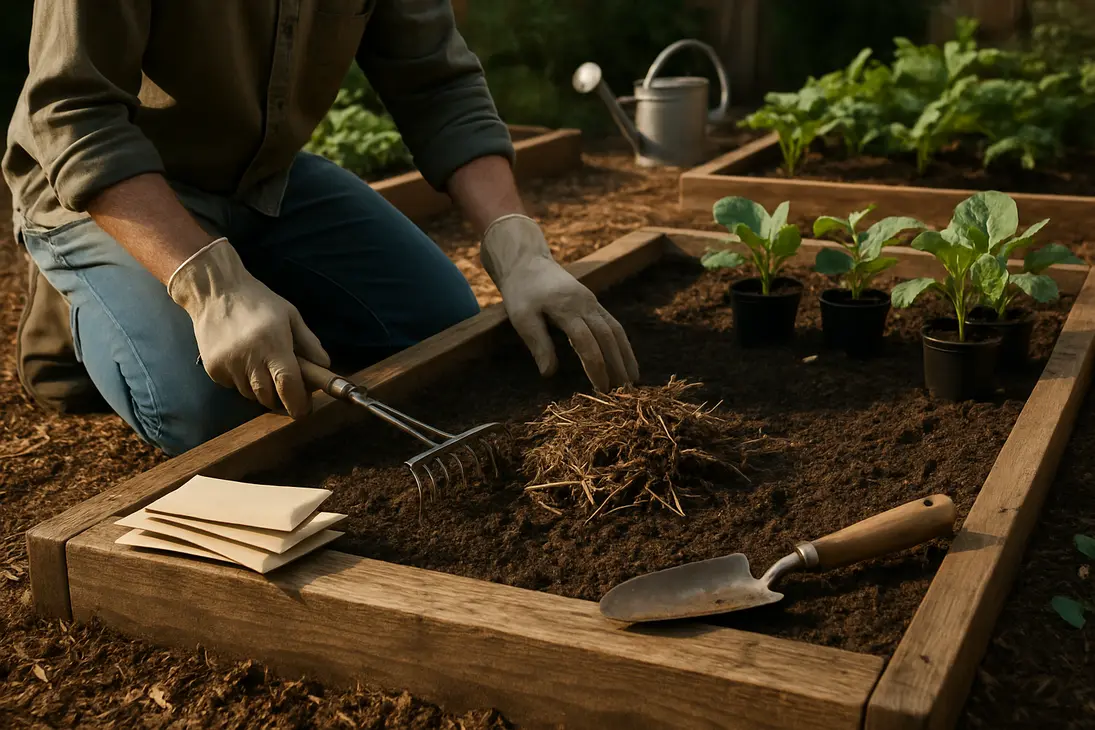
Start with loose, weed-free soil. Remove grass and weeds before sowing because tiny flower seedlings compete poorly. Rake smooth and water first if soil is dry.
Follow the packet for planting depth. Some seeds need darkness and should be covered; others need light and should barely be pressed into the surface.
Basic steps:
- Prepare the bed or container with good drainage.
- Sow at the recommended depth and spacing.
- Label the area.
- Keep soil evenly moist during germination.
- Thin seedlings once they have true leaves.
- Water deeply as plants grow.
- Deadhead spent flowers for more blooms.
Thinning feels wasteful, but crowded seedlings become weak and disease-prone. Fewer strong plants usually produce more flowers than many cramped ones.
Cost-Effective Ways to Buy and Use Flower Seeds
Seeds are usually cheaper than buying plants, especially for large beds. For a tiny container garden, starter plants may cost less than seed trays, lights, and potting mix.
Buying Flower Seeds Wisely
Choose reputable seed companies, local nurseries, or regional suppliers with clear labeling. Packets should list the flower name, variety, sowing instructions, and a packed-for or sell-by date.
Be cautious with suspiciously cheap rare-color seeds, especially flowers advertised in impossible shades such as blue roses or heavily edited “rainbow” blooms. If a color looks too good to be true, check whether reputable nurseries sell it.
Regional suppliers are useful because they often carry varieties suited to your climate.
Seed Packets, Bulk Seeds, and Wildflower Mixes
Seed packets are best for small gardens, containers, and trying new varieties. One packet of zinnias, cosmos, marigolds, or calendula may be enough for a generous home planting.
Bulk seeds are useful for large beds, cutting gardens, or meadow-style areas, but only if you can prepare and maintain the space.
Wildflower mixes can be beautiful, but read the species list. Avoid mixes that do not identify what is inside. A good mix should match your region, sun exposure, and soil, and should state whether it contains annuals, perennials, or both.
Saving Flower Seeds for Next Year
Seed saving makes a flower garden more affordable. It works best with open-pollinated or heirloom flowers. Hybrid flowers may produce seeds, but their offspring may not match the parent plant.
Good flowers for beginner seed saving include calendula, marigolds, zinnias, cosmos, nasturtiums, bachelor’s buttons, and sunflowers.
Let seed heads dry on the plant when possible. Collect on a dry day, remove chaff, label with name and year, and store in a cool, dry place.
Best Flower Seed Picks by Garden Goal
If you feel overwhelmed, choose seeds by purpose instead of trying to grow everything at once.
Best for Beginners
The best beginner seeds for pretty flowers are zinnias, marigolds, cosmos, nasturtiums, and sunflowers.
They germinate readily, grow quickly in the right season, and need little special care. For a first garden, choose three rather than ten. Zinnias, cosmos, and marigolds can create an abundant bed with minimal experience.
Best for Colorful Summer Blooms
For bold summer color, plant zinnias, celosia, cosmos, petunias, and tithonia.
Zinnias offer a wide color range and keep producing with deadheading. Celosia adds texture, cosmos softens the planting, and tithonia brings tall orange flowers for hot sunny spots. Petunias are beautiful from seed but slow, so beginners may prefer transplants.
Best for Pollinators
For bees, butterflies, and beneficial insects, try coneflower, black-eyed Susan, calendula, bee balm, coreopsis, and borage.
Single, open flowers are usually easier for pollinators to access than very doubled blooms. Include different bloom times so something flowers from spring through fall. Borage is bee-friendly and easy from seed, but it can self-seed.
Best for Containers
For pots, window boxes, and balconies, choose compact or trailing flowers such as nasturtiums, alyssum, calendula, dwarf sunflowers, and compact zinnias.
Use containers with drainage holes and fresh potting mix. Garden soil is usually too heavy for pots. Container flowers dry out faster than in-ground plants, so check moisture often in hot weather.
Conclusion
The best seeds for pretty flowers depend on your climate, light, space, and goal. For most home gardeners, the most reliable starting points are zinnias, cosmos, marigolds, nasturtiums, calendula, and sunflowers.
Match seeds to sun, season, and space before buying. Start with a few easy annuals, add more specialized flowers as you gain confidence, and save seeds from favorites when possible.
FAQ
What are the easiest pretty flowers to grow from seed?
Zinnias, marigolds, cosmos, nasturtiums, calendula, and sunflowers are among the easiest. They germinate well, grow quickly, and tolerate ordinary garden conditions with enough light and water.
Are flower seeds cheaper than buying plants?
Usually, yes, especially for large beds. One packet can produce dozens of plants. Starter plants may be more practical for a few containers or for slow flowers like petunias, snapdragons, and some perennials.
Can I plant expired flower seeds?
Yes, but germination may be lower. If seeds were stored cool and dry, many remain usable for years. Sow extra or test a few between damp paper towels before planting a large area.
What flower seeds bloom the fastest?
Fast flower seeds include zinnias, calendula, nasturtiums, bachelor’s buttons, alyssum, and cosmos. Warm soil, correct planting depth, and consistent moisture help them bloom as quickly as possible.
You Might Also Like