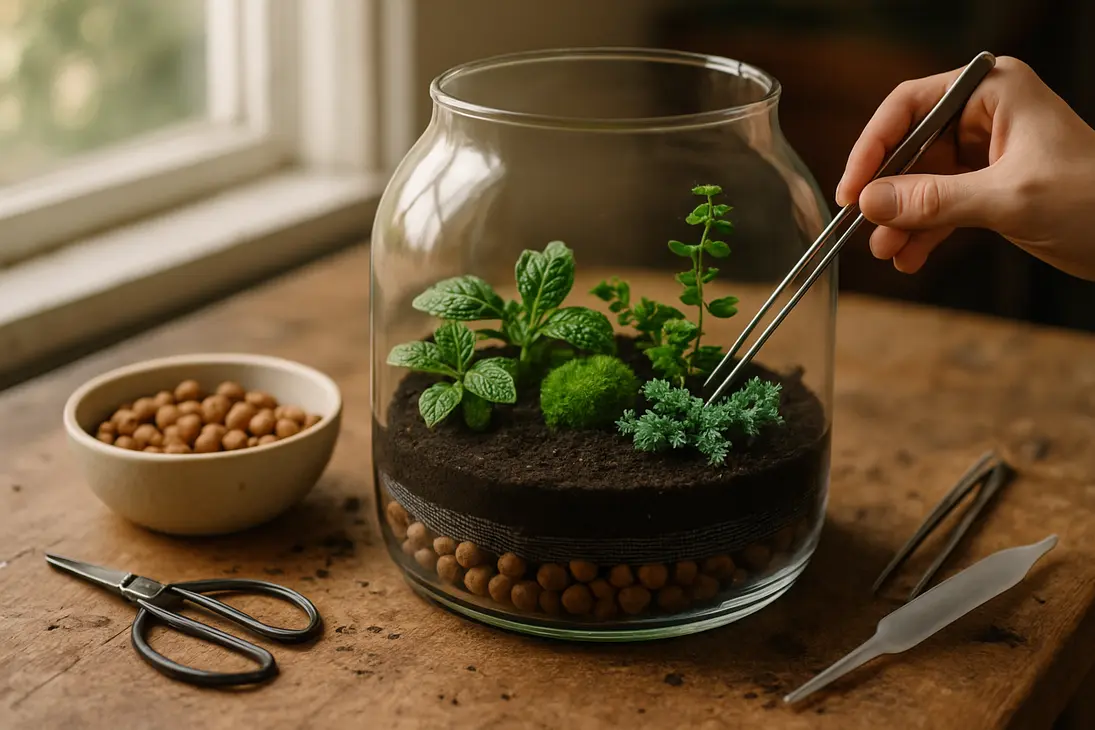
How to Create a False Bottom Terrarium
Learn how to build a false bottom terrarium with the right drainage layer, mesh barrier, substrate depth, and watering habits.
· 15 min read
Learn how to build a false bottom terrarium with the right drainage layer, mesh barrier, substrate depth, and watering habits.
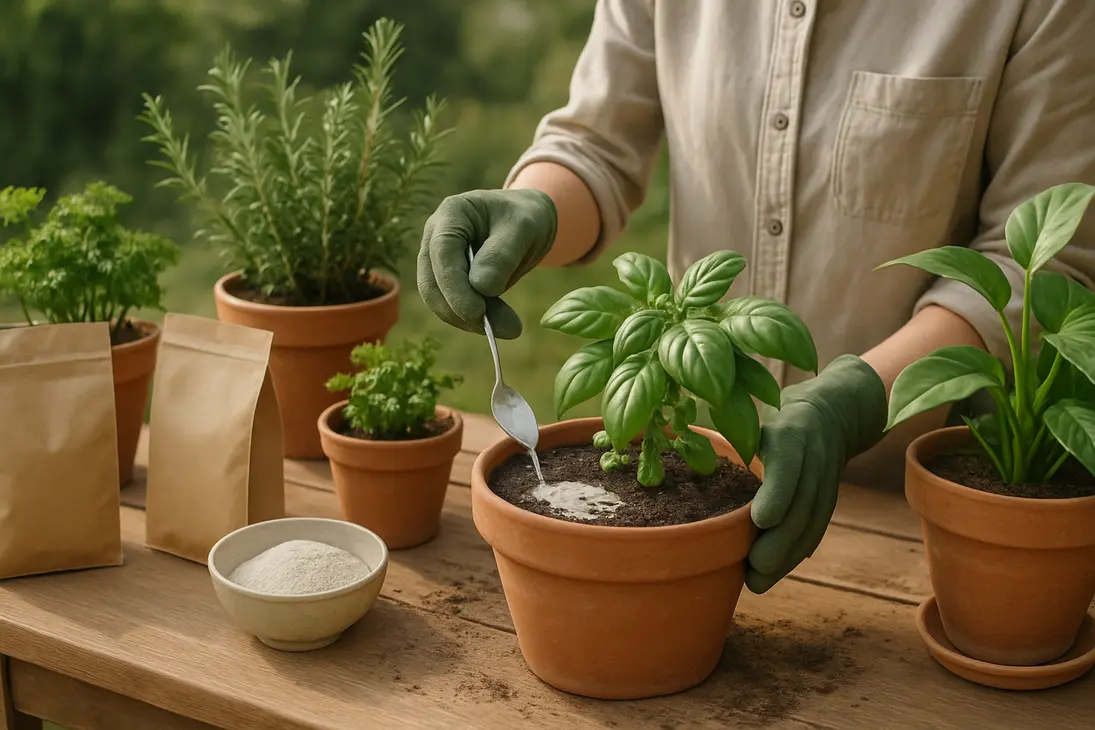
Celatom is usually a diatomaceous earth product name, while “datom” is often a typo. Learn which labels are safe for plant use.
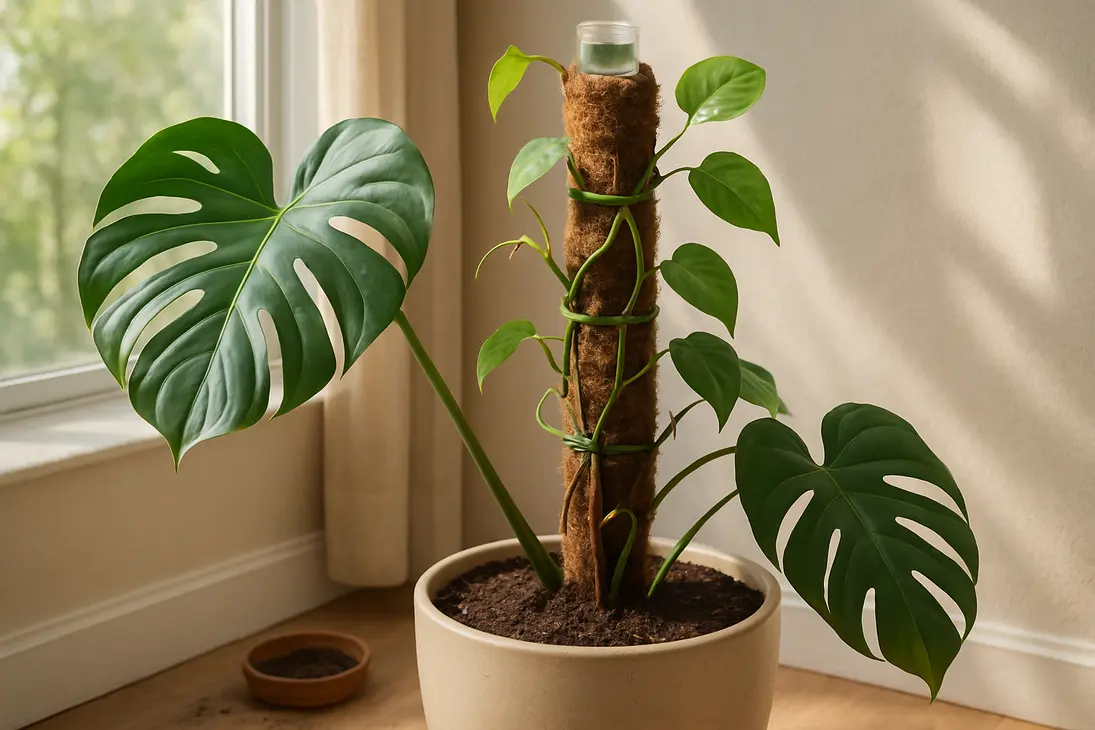
Learn how a self-watering moss pole helps monstera, pothos, philodendron, and other climbers attach aerial roots and grow upward.
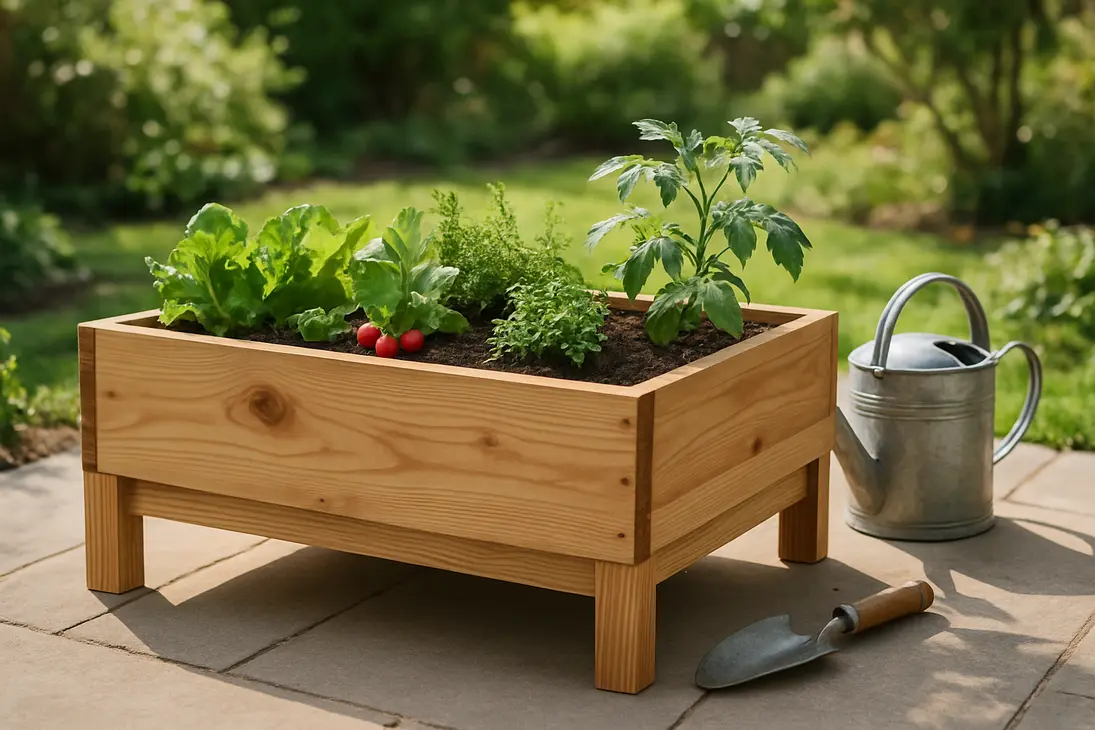
Untreated cedar boxes are generally safe for vegetables. Learn what wood to avoid, when to line a planter, and how drainage affects plant health.
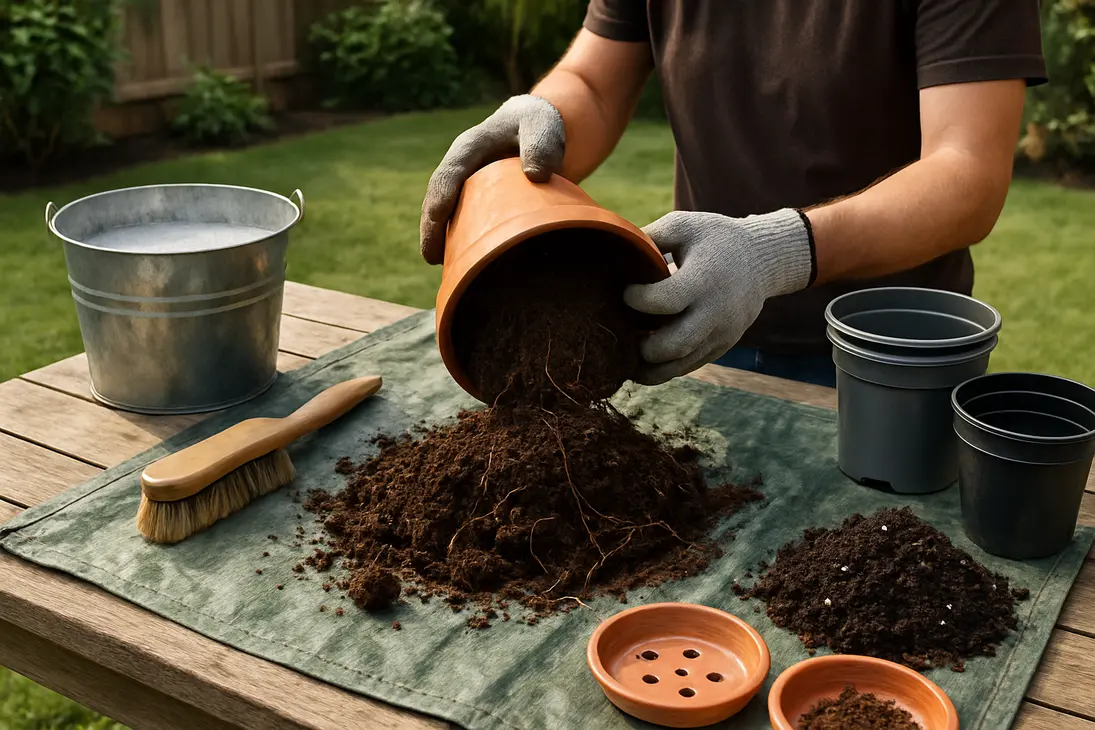
Learn when to wash, disinfect, reuse, refresh, or discard old potting soil so containers are clean and safe for new plants.
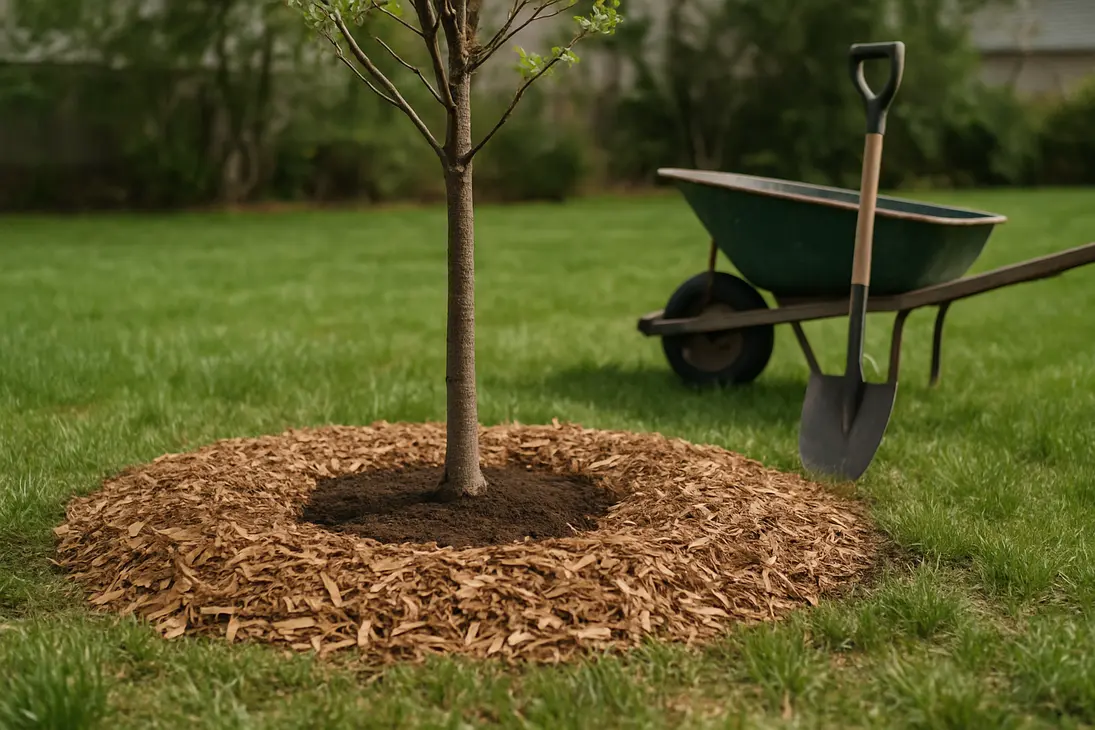
Use 2 to 4 inches of organic mulch in a wide donut-shaped ring, keeping it 3 to 6 inches from the trunk to protect new trees.
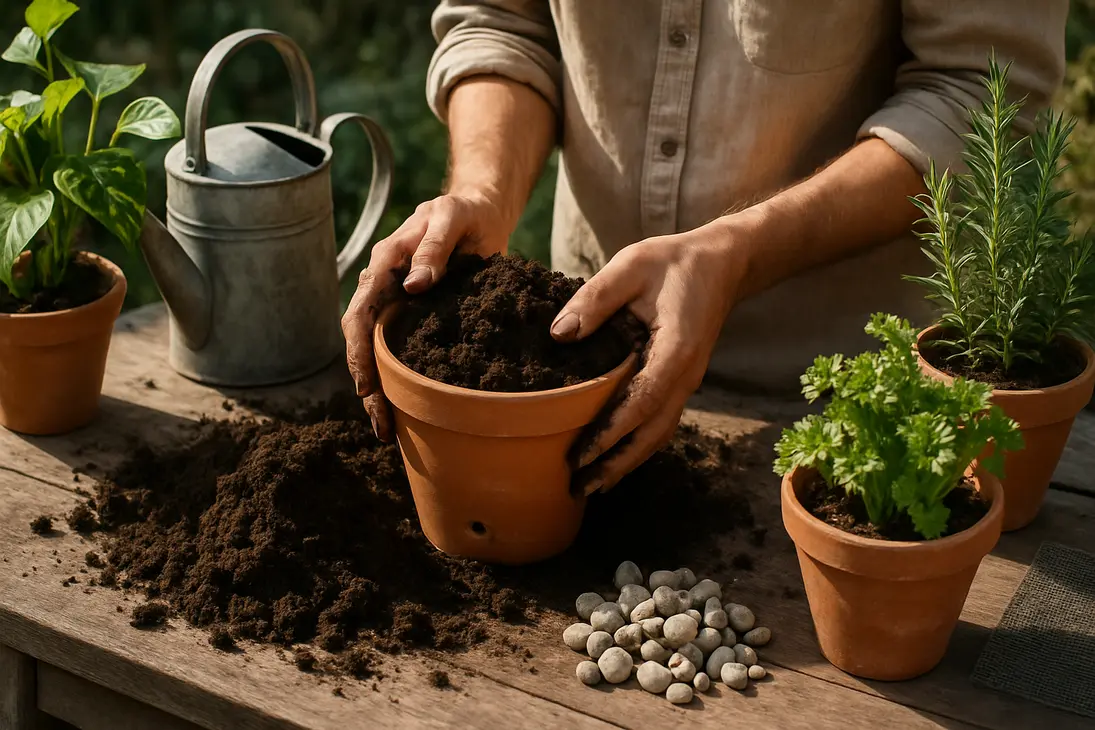
Skip the gravel layer in pots. Learn why it can keep roots wetter, what to use for drainage instead, and when pebbles are still useful.

See how a garden rain drum works in actual rainfall, where to place it for sound, and how to choose the right one. Use placement and care tips to test yours.
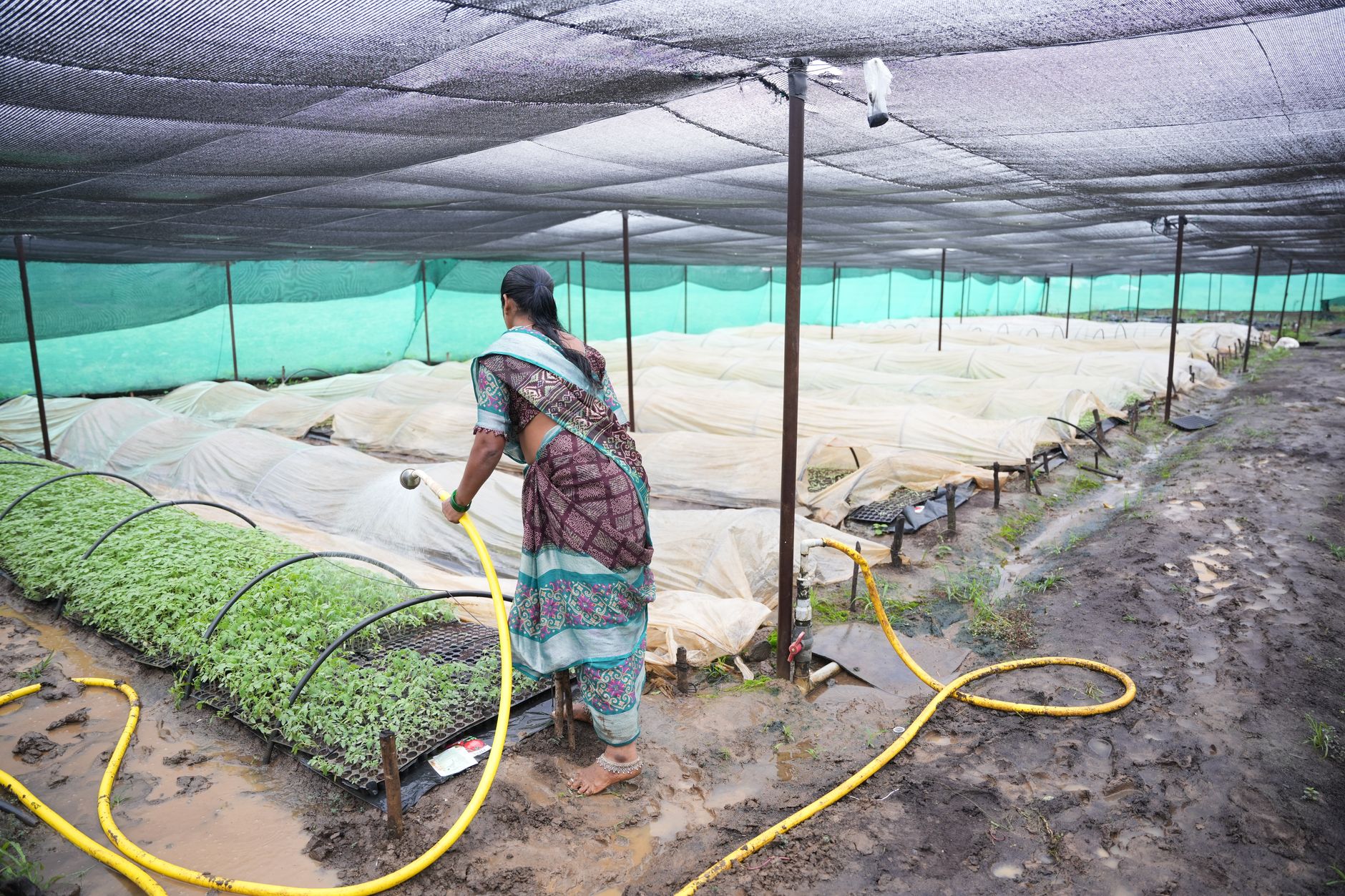
What percentage shade cloth for garden should you use? Find the right level for tomatoes, lettuce, and seedlings. Compare 30%, 50%, 70%, and 90% to pick yours.
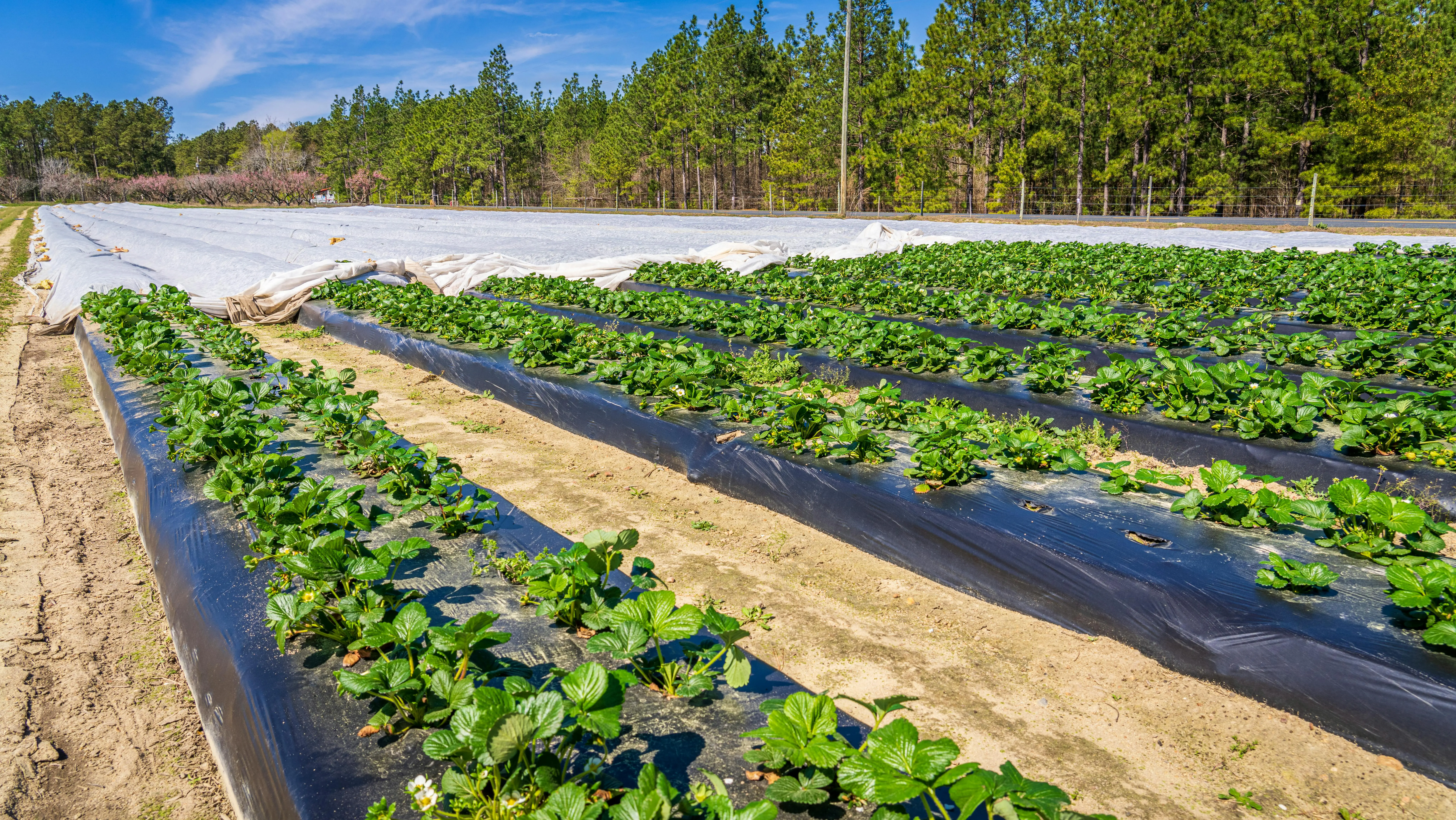
Installing landscape fabric around plants, gravel, or slopes? Learn proper soil preparation, fabric selection, and common mistakes to avoid.