Do Plants Have Feelings?
Short Answer: Plants React, but They Probably Don’t Feel Like Animals
Plants are alive, sensitive, and remarkably responsive. They bend toward light, close pores during drought, release chemicals when insects chew their leaves, and can change growth after repeated stress. In that everyday sense, plants “respond” to the world around them.
But if by feelings we mean pain, fear, happiness, pleasure, distress, or emotions as animals experience them, the best current answer is: probably not.
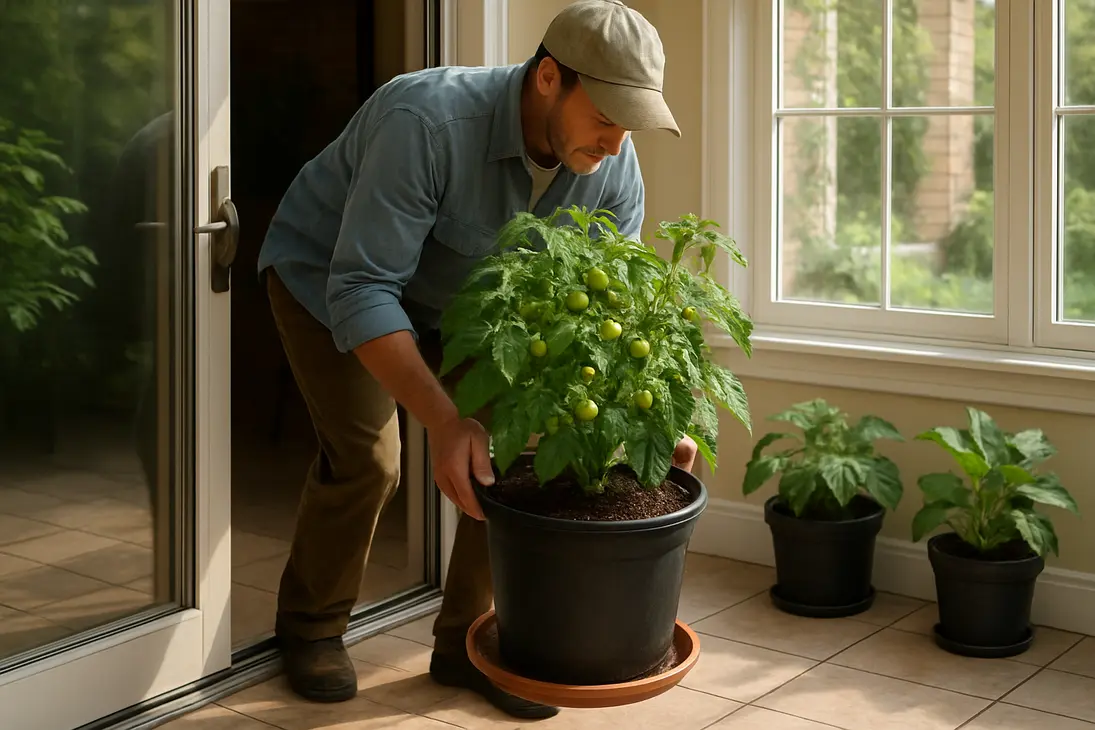
Plants do not have brains, nerves, spinal cords, pain receptors, or the known biological systems animals use to create conscious sensations. A tomato plant can react to being cut. A tree can seal a wound. A Venus flytrap can close around an insect. These are real responses, but a response is not the same thing as a subjective experience.
A thermostat responds to temperature, but it does not feel cold. Likewise, a plant responds to light, drought, touch, and injury, but current evidence does not show that it experiences those events as suffering or pleasure.
So the practical answer is: plants are not passive objects, but there is no strong evidence that plants have feelings in the animal sense.
What Plants Can Sense and Respond To
Plants cannot walk away from heat, shade, pests, drought, or poor soil. Instead, they survive by sensing conditions and adjusting their growth, chemistry, and timing.
A seedling leans toward a window. A houseplant droops when dry and perks up after watering. A mimosa folds its leaves when touched. These responses are impressive, but they come from plant physiology: hormones, electrical changes, water pressure, gene activity, and chemical signaling.
A helpful way to think about it is:
| What happens | What it means | What it does not prove |
|---|---|---|
| A plant bends toward light | It senses light direction and grows unevenly | It wants light consciously |
| A plant wilts in drought | It loses water pressure and closes stomata | It feels thirst like an animal |
| A plant releases chemicals after insect damage | It activates defense pathways | It feels pain or fear |
| A Venus flytrap closes | It detects touch and triggers movement | It enjoys catching prey |
Plants are sensitive organisms. Sensitivity, however, is not the same as sentience.
Light, Gravity, Water, and Temperature
Light is one of the most important signals in plant life. Plants sense light intensity, direction, color, and day length, which helps regulate growth, flowering, germination, and dormancy.
The familiar example is phototropism: stems often grow toward light. If you keep a seedling on a windowsill, it may lean toward the glass. That is not because the plant “likes” the light consciously. Light-sensitive systems affect growth hormones, causing one side of the stem to elongate more than the other.
Plants also sense gravity. Roots usually grow downward, while shoots grow upward, which is why a seed can sprout correctly even when it lands at an odd angle in the soil.
Water is another major cue. Roots can grow toward moister areas of soil, while leaves respond to drought by reducing water loss. When a plant wilts, its cells have lost turgor pressure—the internal water pressure that keeps leaves and stems firm.
Temperature also affects plant life. Some seeds need cold before germinating. Some trees require winter chilling before breaking dormancy. Many vegetables bolt in heat. These are responses to environmental signals, not evidence of comfort or discomfort as animals know it.
Touch, Pressure, and Physical Damage
Plants can sense touch and pressure. Climbing plants wrap tendrils around supports. Roots change direction when they meet stones or compacted soil. Some plants grow shorter and sturdier in windy places because repeated movement changes growth.
A few plants show fast movement. The sensitive plant, Mimosa pudica, folds its leaves when touched. Venus flytraps close when trigger hairs are stimulated in the right pattern. These reactions look intentional, but they are produced by electrical signals, water pressure changes, and specialized structures.
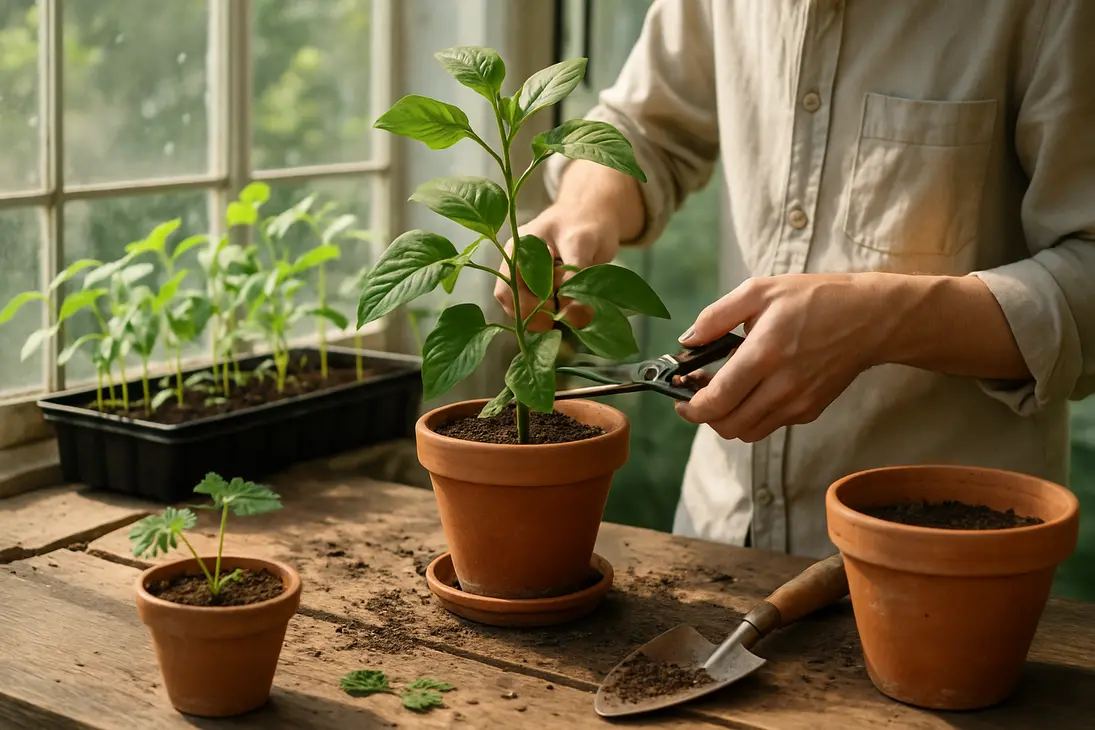
Physical damage also triggers responses. When a leaf is torn, chewed, pruned, or cut, plants may produce defensive chemicals, seal damaged tissue, or redirect energy to new growth. Woody plants can compartmentalize pruning wounds as they grow around damaged areas.
This is why good pruning matters. Even if plants do not feel pain, they are living organisms with limits. Clean cuts, correct timing, and avoiding unnecessary damage help plants recover better.
Chemicals, Pests, and Neighboring Plants
Plants live in a chemical world. They detect nutrients, toxins, moisture, soil conditions, pest attack, and cues from nearby organisms.
When insects feed on leaves, many plants activate defense pathways. Some produce bitter or toxic compounds. Some release volatile chemicals into the air. In certain cases, those chemicals may influence neighboring plants or attract predators of the pest insects.
Roots also interact chemically with soil microbes and neighboring roots. Plants release root exudates—substances that affect microbes, nutrients, and sometimes other plants. Gardeners see the results: some plants compete aggressively, some improve soil conditions, and some struggle when planted in the wrong place.
None of this requires consciousness. It does show that plants are active participants in their environment, not passive decorations waiting for water.
Do Plants Feel Pain or Pleasure When Cut, Pruned, or Touched?
This is the question many gardeners really mean when they ask, “Do plants have feelings?” It often comes up when pruning a beloved houseplant, harvesting lettuce, uprooting weeds, or cutting flowers.
The best answer is: plants respond to damage, but current evidence does not show that they feel pain or pleasure when cut, pruned, touched, or eaten.
Pain, as animals experience it, is more than damage detection. It involves specialized sensory cells, nervous system signaling, and central processing that creates an unpleasant subjective experience. Plants do not have those systems.
That does not make plant damage meaningless. A badly timed or ragged cut can invite disease, reduce flowering, weaken a plant, or slow recovery. But the reason to prune carefully is plant health, not because the plant is silently suffering.
Why Plant Stress Signals Are Not the Same as Pain
Plants send chemical and electrical signals after injury. These signals can travel through tissues and trigger defenses in other parts of the plant. In that narrow sense, plants have warning systems.
But warning systems are not automatically pain.
In animals, pain usually includes:
- Detection of harmful stimuli
- Transmission through nerves
- Processing by a nervous system
- A subjective unpleasant experience
- Behavioral responses shaped by that experience
Plants can detect and respond to damage, but they do not have nerves or a brain. Their electrical signals are not the same as animal nerve impulses, and their chemical defenses are not the same as fear, panic, or agony.
Language can also confuse the issue. Gardeners say a plant is “stressed,” “shocked,” or “happy” in a bright window. In plant science, “stress” usually means a condition that disrupts normal growth or function, such as drought, heat, salt, pests, disease, transplanting, or injury. It does not mean the plant is worried.
Likewise, a “happy” plant is usually one that is growing well because light, water, temperature, nutrients, and root space are suitable.
What Happens When You Prune, Uproot, or Eat a Plant
When you prune a plant, you remove tissue. The plant may respond by sealing the wound, redirecting hormones, and activating dormant buds. This is why pruning can make many plants bushier: removing a shoot tip often reduces apical dominance, allowing side shoots to grow.
When you uproot a plant, the damage is more severe. Roots absorb water and nutrients, anchor the plant, and interact with soil microbes. Uprooting breaks root hairs and disrupts water uptake. Some plants recover if replanted quickly and watered well. Others wilt and die, especially in heat or dry wind.
When you eat a plant, you consume living or recently living tissue. A lettuce leaf, carrot root, apple, basil shoot, or broccoli floret contains cells, water, sugars, fibers, minerals, and plant compounds. If harvested fresh, some cells may remain biologically active for a time. But there is no good evidence that the plant experiences being eaten as pain.
For gardeners, the practical takeaway is simple:
- Use clean, sharp tools for pruning.
- Prune at the right time for the plant.
- Avoid removing too much foliage at once unless the plant tolerates hard pruning.
- Water transplants well before and after moving them.
- Harvest leafy crops regularly to encourage new growth.
- Treat plants as living organisms worth caring for, without assuming they suffer like animals.
Respectful gardening does not require imagining that plants feel pain. It means understanding how they grow and reducing unnecessary stress so they can thrive.
Plant “Intelligence,” Communication, and Fungi
Words like “intelligence,” “memory,” and “communication” are often used in plant discussions, but they need care. Plants can solve biological problems in plant-like ways. They adjust growth, allocate resources, respond to repeated conditions, and exchange signals.
The risk is that human language can overreach. A plant may “choose” where to send roots, but that does not mean it weighs options consciously. A forest may be connected by fungal networks, but that does not mean trees are chatting in sentences. These metaphors can spark curiosity, but they should not be mistaken for proof of feelings.
Can Plants Communicate with Each Other?
Plants can influence one another through chemical signals, shading, root interactions, and shared relationships with microbes and fungi.
Above ground, damaged plants may release airborne chemicals. Nearby plants may respond by altering their own defenses. Below ground, plants release compounds from their roots that affect soil organisms and sometimes neighboring plants.
In a garden, you can see plant-to-plant interaction in several ways:
- Dense plantings compete for light and stretch upward.
- Large trees reduce water and nutrients available to shallow-rooted plants below.
- Some aromatic herbs attract beneficial insects that help nearby crops.
- Cover crops can improve soil structure and microbial activity for later plantings.
- Certain plants suppress others through shade, root competition, or chemical effects.
Calling this “communication” is reasonable if we mean signal and response. It becomes misleading if we mean conversation, intention, or empathy.
Plants do not appear to warn neighbors because they care about them. Their signals evolved as part of defense, growth, reproduction, and survival. Sometimes neighboring plants benefit; sometimes they are competitors.
Do Plants Have Memory or Awareness?
Plants can show memory-like responses. A plant exposed to drought may respond differently to later drought. Some seeds “remember” seasonal conditions through dormancy requirements. Plants may change flowering time based on day length or cold exposure. Repeated touch can alter growth patterns.
These are forms of biological information storage and response. They may involve hormones, gene expression, cell structure, or development. In ordinary language, people sometimes call this memory.
But plant memory is not the same as remembering your childhood garden or knowing you forgot to water the basil. There is no good evidence that plants have self-awareness, thoughts, or conscious perception.
Awareness is difficult to define even in animal science, so some humility is wise. Still, based on what is known about plant biology, plants lack the structures normally associated with conscious awareness. A plant can register light without seeing in the animal sense. It can respond to injury without feeling pain in the animal sense. It can adapt without thinking.
Do Fungi Have Feelings or Senses?
Fungi are not plants. Mushrooms, molds, yeasts, and underground fungal networks belong to their own kingdom of life. Like plants, fungi are responsive. They grow toward nutrients, interact chemically with their environment, and form threadlike networks called mycelium.
Some fungi partner with plant roots in mycorrhizal relationships. Fungi can help plants access water and nutrients, while plants provide sugars produced through photosynthesis. These underground networks are living biological networks shaped by exchange, competition, and environmental conditions—not evidence of shared consciousness.
Do fungi feel pain? Current evidence does not show that they do. Fungi do not have brains or nervous systems. They can detect and respond to surroundings, but there is no strong basis for saying they experience suffering, pleasure, or emotions.
That does not make fungi unimportant. Healthy soil depends heavily on fungal life. Compost, mulches, reduced unnecessary soil disturbance, and avoiding overuse of harsh treatments can support fungal communities and improve plant health. The reason is ecological, not because fungi are known to feel.
The Ethics Question: “Plants Have Feelings Too”
“Plants have feelings too” often comes up in conversations about veganism, vegetarianism, harvesting, or the morality of eating living things. It can be an honest question, and it can also be used as a debating shortcut.
The clearest way through is to separate two ideas: living and sentient.
Plants are living beings. They grow, metabolize, reproduce, respond, and die. But sentience usually means the capacity for subjective experience—especially the ability to feel pain, pleasure, or suffering. Most ethical arguments about animal welfare focus on sentience, not simply being alive.
A carrot is alive before harvest. A cow, chicken, fish, dog, or human is also alive. But the biological evidence for felt pain and suffering is much stronger in animals with nervous systems than in plants.
Are Plants Conscious Living Beings?
Plants are living beings, but there is no strong evidence that they are conscious beings.
They do not appear to have a central organ that integrates experience the way animal brains do. They do not have nerves carrying pain signals. They do not show the same kinds of behavior associated with conscious suffering in animals.
That said, it is reasonable to feel respect or affection for plants. Many gardeners do. People name houseplants, feel sad when a tree is cut down, or find comfort in caring for seedlings. Gardening can be emotionally meaningful for humans even if plants do not have emotions themselves.
This is not a contradiction. You can value a tree for its age, beauty, shade, habitat, and role in the landscape without believing it feels grief. You can care for a houseplant gently without believing it experiences love.
Does Eating Plants Cause Suffering?
Based on current evidence, eating plants does not cause suffering in the way eating or harming sentient animals can.
Harvesting a lettuce leaf triggers plant responses. Pulling a beetroot kills the plant. Cutting herbs changes their growth. These are biological effects, not demonstrated experiences of pain.
For people thinking about food ethics, the “plants suffer too” argument does not carry the same scientific weight as concern about animal suffering. Animals used for food generally have nervous systems and behaviors consistent with pain, fear, and distress. Plants do not have the known systems required for those experiences.
There is also a practical point: diets that rely heavily on animal agriculture require plants too, because animals must be fed. Even if someone were uncertain about plant sentience, eating plants directly generally involves fewer resources than feeding plants to animals and then eating the animals. The exact details vary by farming system, but the basic energy transfer is inefficient.
For gardeners, this ethical question can settle into something grounded:
- Grow food with care.
- Waste less of what you harvest.
- Compost scraps back into the soil.
- Support biodiversity where you can.
- Treat animals as sentient beings.
- Treat plants as living organisms with ecological value.
You do not need to believe plants suffer to garden respectfully.
Conclusion
So, do plants have feelings?
Plants are highly responsive living organisms. They sense light, gravity, water, temperature, touch, chemicals, pests, and damage. They send signals, adjust growth, defend themselves, interact with neighbors, and form relationships with fungi and microbes. The more you learn about plants, the less they seem passive.
But responsiveness is not the same as feeling.
Current evidence does not show that plants experience pain, pleasure, fear, happiness, or emotions like animals do. They lack brains, nerves, and the known biological machinery associated with conscious suffering. When a plant is pruned, touched, uprooted, or eaten, it may respond physiologically, but there is no strong reason to think it feels the event as pain.
For gardeners, this is a balanced view. Plants deserve attention, respect, and good care because they are alive and important—not because they are silently suffering in the flower bed. Understanding the difference helps us prune without guilt, harvest with gratitude, and appreciate plants for what they are: extraordinary living systems with senses very different from our own.
FAQ
Do plants have emotions?
There is no strong evidence that plants have emotions such as fear, happiness, sadness, anger, or love. Plants can respond to stress, light, touch, drought, pests, and damage, but those responses are physiological rather than emotional. When gardeners say a plant is “happy,” they usually mean it is growing well in suitable conditions.
Can plants feel pain when you cut them?
Plants react to cutting or injury by sending chemical and electrical stress signals, sealing wounds, and redirecting growth. However, they do not have nerves, brains, or known pain-processing systems. Current evidence does not show that plants feel pain in the animal sense.
Do plants know they are being eaten?
Plants can detect damage from chewing insects or grazing and may activate defenses in response. But “know” is too strong if it implies awareness. A plant may respond to being eaten, but there is no good evidence that it consciously knows or experiences the event.
Do fungi feel pain or have consciousness?
Fungi can sense and respond to their environment, grow toward nutrients, and interact with plants through underground networks. But fungi do not have brains or nervous systems, and there is no strong evidence that they feel pain or have consciousness. Their importance in soil and ecosystems is real, but it does not require feelings in the animal sense.
You Might Also Like