Is Morning or Afternoon the Best Pruning Time?
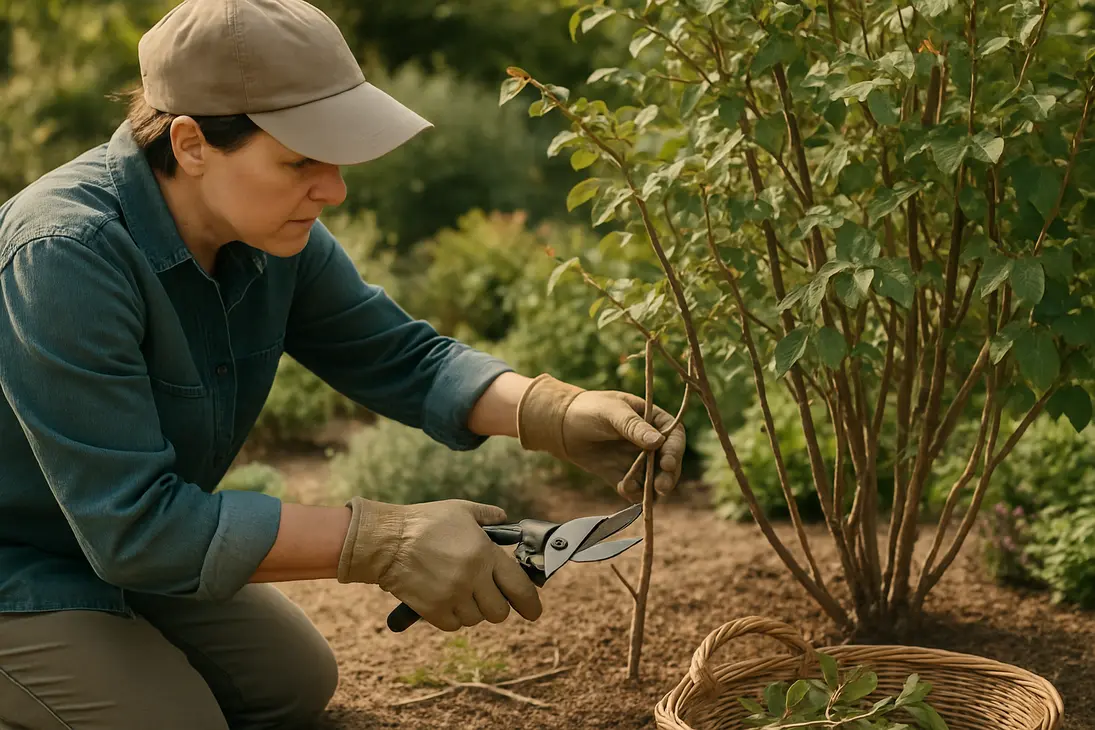
The best pruning time is usually a cool, dry part of the day. For many plants, that means mid-morning, after dew has dried but before the day becomes hot. Leaves and stems are dry, the plant is not heat-stressed, and fresh cuts have daylight to begin drying.
Afternoon pruning can also be fine on mild, dry days. The clock matters less than the plant’s condition. As a simple rule: prune when the plant is dry, the weather is settled, and the plant is not under stress.
Best Time of Day to Prune Plants
For routine pruning, the safest window is usually mid-morning. This avoids early dampness and hot midday stress. If mornings are not possible, late afternoon can work when temperatures are mild and cuts can dry before evening humidity settles.
Pruning creates wounds. Plants seal those wounds best when they are healthy, dry, and not wilted, frozen, or heat-stressed.
Why mid-morning is often best
Mid-morning often gives the best balance of conditions:
- Dew has usually dried. Wet foliage and fresh cuts can help fungal and bacterial problems spread.
- Temperatures are moderate. Plants are less likely to be wilted than in the hottest part of the day.
- Cuts have time to dry. A mid-morning cut can dry before cooler, damper evening air arrives.
This timing is especially useful for roses, fruiting plants, dense shrubs, and plants prone to leaf or stem diseases.
When afternoon pruning is acceptable
Afternoon pruning is acceptable when the weather is mild and the plant is not wilting. A dry, breezy afternoon in spring or autumn is suitable for light shaping, deadheading, removing broken stems, or making small corrective cuts.
Afternoon may even be better where dew lingers until late morning, such as shady gardens, cool valleys, or coastal areas. Waiting until plants are fully dry is more important than pruning early.
Be cautious with heavy afternoon pruning in summer. If leaves are drooping, soil is dry, or the plant is struggling, wait.
Times of day to avoid
Avoid pruning when fresh cuts will be combined with moisture, heat, or cold stress.
Avoid pruning:
- Very early in the morning when plants are wet with dew
- During rain or mist
- At midday in hot weather
- During dry, windy heat
- Late in the evening when cuts will stay damp overnight
- When frost is still on the plant
Evening pruning is not always disastrous, but it is less ideal. If necessary, keep it light and avoid wet or disease-prone plants.
Weather Conditions Matter More Than the Clock
A good pruning time depends more on conditions than the exact hour. Plants respond best when they are dry, hydrated, and not facing immediate temperature shock.
Before pruning, check the plant and forecast. If heavy rain, extreme heat, frost, or a hard freeze is expected soon, wait unless you need to remove a dangerous broken branch or obvious disease.
Avoid pruning wet plants
Wet plants are harder to prune cleanly, and moisture can help disease move from leaf to leaf or from tool to plant. This is why mid-morning is often better than dawn.
Avoid pruning when:
- Leaves are wet from rain, irrigation, or dew
- Dense shrubs are damp inside the canopy
- Soil is saturated and roots are stressed
- Disease symptoms are visible and humidity is high
This matters most for roses, fruit trees, tomatoes, grapes, and dense ornamental shrubs. If the garden is wet, inspect plants, mark cuts for later, sharpen tools, or clear debris instead.
Don’t prune during heat stress
During heat stress, plants are conserving water. Removing foliage can expose interior branches to sunscald, reduce shade, and force recovery when moisture is limited.
Signs of heat stress include wilting, curled or scorched leaves, dry soil, leaf drop, and soft new growth collapsing in sun.
Postpone major pruning in these conditions. Remove only broken, diseased, or hazardous wood, especially on broadleaf evergreens, young trees, newly planted shrubs, citrus, and container plants.
Be cautious before cold snaps
Pruning right before a hard freeze can increase cold injury, especially if it stimulates tender new growth. That soft growth is more likely to be damaged by frost.
In cold-winter climates, many dormant trees and shrubs are pruned in late winter, but avoid pruning immediately before the coldest weather. Wait until the worst freezes have passed but before strong spring growth begins.
For frost-tender plants, citrus, and tender ornamentals, do not rush to remove frost-damaged growth if more cold is likely. Damaged outer growth can temporarily protect inner stems. Once frost danger has passed, prune back to healthy tissue.
Seasonal Pruning Time by Plant Type
The right season usually matters more than whether you prune in the morning or afternoon. A perfect mid-morning cut can still remove flowers or fruit if it is done in the wrong season.
| Plant type | Best general season | Main caution |
|---|---|---|
| Deciduous trees | Dormant season, often late winter | Avoid severe cold, stress, and unsafe cuts |
| Spring-flowering shrubs | Soon after flowering | Late pruning may remove next year’s buds |
| Summer-flowering shrubs | Late winter to early spring | Avoid late tender growth |
| Fruit trees | Dormant season; light summer pruning if needed | Overpruning can reduce fruiting |
| Citrus and lemon trees | After frost risk, often after harvest | Avoid cold, heat, and heavy cuts |
| Roses | Late winter to early spring in many climates | Timing varies by rose type |
Trees and woody shrubs
Many deciduous trees and woody shrubs are best pruned during dormancy, often in late winter before new growth begins. Branch structure is easy to see, the plant is not supporting leaves, and cuts can begin closing as growth resumes.
Use this time to remove crossing branches, weak angles, dead wood, and crowded growth. However, some trees bleed sap heavily if pruned in late winter or early spring, and some have local disease or pest timing concerns.
For valuable mature trees or large limbs, check guidance for the species and region. If the work requires a ladder, chainsaw, or cutting over a roof, path, or utility line, hire a qualified arborist.
Flowering shrubs
Flowering shrubs are where bad timing often removes blooms. The key question is whether the shrub flowers on old wood or new wood.
Shrubs that bloom on old wood form flower buds during the previous growing season. If you prune them in late winter or early spring, you may cut off the buds. Many spring-flowering shrubs fall into this group, so prune them soon after flowering.
Examples include lilac, forsythia, some hydrangeas, azalea, rhododendron, and weigela.
Shrubs that bloom on new wood flower on the current season’s growth. These are often pruned in late winter or early spring before growth begins. Examples include butterfly bush in suitable climates, panicle hydrangea, smooth hydrangea, many shrub roses, and some summer-flowering spireas.
If unsure, prune lightly after flowering rather than cutting hard at the wrong time.
Fruit trees and citrus, including lemon trees
Fruiting plants need careful pruning because cuts affect structure and harvest. Good pruning improves light, airflow, branch strength, and access for picking.
Many deciduous fruit trees, such as apples and pears, are commonly pruned during dormancy. Late winter is often preferred because the coldest weather has passed, but the tree has not fully leafed out. Remove crossing limbs, crowded growth, dead wood, and poorly placed shoots.
Stone fruits, such as peaches, plums, apricots, and cherries, can be more disease-sensitive in some climates. In damp regions, timing may vary, and some gardeners prune certain stone fruits during dry weather closer to active growth.
Citrus, including lemon trees, is different. Lemon trees are evergreen and frost-sensitive, and they usually need less pruning than many people expect. The best pruning time for a lemon tree is often after the main harvest and after the risk of frost has passed, or just before strong spring growth begins in mild climates.
For lemon trees, remove dead, damaged, or diseased wood; cut out suckers from below the graft union; improve airflow; remove crossing branches; and keep size manageable without stripping the tree.
Avoid heavy pruning before winter cold, during extreme summer heat, or when the tree is flowering heavily. Severe pruning can reduce fruiting, expose branches to sunburn, and slow recovery.
Rose bushes
Rose pruning depends on rose type and climate, but many roses are pruned in late winter to early spring, just as buds begin to swell and the worst cold has passed.
For many hybrid teas, floribundas, and shrub roses, remove dead canes, weak twiggy growth, crossing stems, and canes growing toward the center. Open the plant for airflow.
Climbing roses are different. Many bloom best from side shoots on established canes, so avoid cutting the whole plant back hard each year. Once-blooming old-fashioned roses are often pruned after flowering because they may bloom on older wood.
For all roses, choose a dry pruning time, preferably mid-morning, and use sharp bypass pruners. Avoid pruning wet foliage, and clean tools when disease is present.
How Bad Timing Can Affect Growth, Flowers, and Fruit
Pruning at the wrong time does not always kill a plant. More often, it causes fewer flowers, delayed fruit, weak regrowth, or slower recovery. Repeated bad timing is more harmful, especially when heavy pruning is combined with drought, heat, disease, or cold.
Removing next season’s buds
The most common pruning-time mistake is cutting off flower buds before they open. This happens with shrubs that bloom on old wood.
If a spring-flowering shrub forms next year’s buds in summer and you prune it hard in winter, it may look healthy but produce few flowers. Fruiting plants can also be affected because flowers become fruit. Removing fruiting spurs or productive lateral growth can reduce the harvest.
If flowers or fruit are your priority, identify where the plant blooms before pruning hard. When in doubt, remove only dead, damaged, or clearly misplaced growth.
Encouraging weak new growth at the wrong time
Pruning can stimulate new growth. That is helpful in late winter or spring, but risky in late summer or autumn in cold climates. Tender new shoots may not harden before frost.
In hot climates, hard pruning during extreme heat can expose shaded bark and branches to intense sun. Citrus and thin-barked trees are especially vulnerable to sunburn after overpruning.
Light correction may be fine, but major shaping should wait for the correct seasonal window.
Increasing disease risk through fresh cuts
Every pruning cut is an opening the plant must seal. Fresh wounds are more vulnerable when cuts are made during wet, humid, or high-disease-pressure conditions.
Risk rises when you prune wet plants, use dull tools, move from diseased plants to healthy plants without cleaning tools, leave ragged stubs, or make large cuts during poor weather.
Clean cuts made in dry weather heal more predictably. For small stems, cut just above a healthy bud or branch junction. For larger branches, avoid long stubs and do not cut flush against the trunk; the branch collar helps the tree seal the wound.
Quick Pruning-Time Rules for Healthier Plants
If you are unsure whether now is the right pruning time, be conservative. Most plants tolerate light, thoughtful pruning better than hard, poorly timed pruning.
Prune dead, damaged, or diseased wood when needed
Dead, damaged, and diseased wood can usually be removed whenever you notice it. You do not need to wait for the perfect season if a branch is broken, rubbing, infected, or hazardous.
Remove dead stems, broken branches, diseased canes, rootstock suckers, and growth that blocks paths or creates safety problems.
For diseased growth, cut back into healthy tissue when possible. Bag or discard infected material if it may spread.
Save major shaping for the correct season
Major pruning includes reducing height, renovating an old shrub, opening a fruit tree canopy, or cutting roses back hard. These jobs should match the plant’s growth cycle.
Before major pruning, ask:
- Does this plant bloom on old wood or new wood?
- Is it dormant, growing, flowering, or fruiting?
- Is frost, heavy rain, or extreme heat forecast?
- Will pruning expose bark or inner branches to sun?
- Am I removing more than the plant can replace?
When unsure, prune less. Removing one problem branch cleanly is safer than reshaping the whole plant without knowing how it responds.
Clean tools between plants
Clean, sharp tools make pruning safer. Dull blades crush stems, and dirty blades can move disease from one plant to another.
Sharpen blades before major pruning, use bypass pruners for live stems, switch to loppers or a pruning saw for larger branches, and wipe tools between diseased and healthy plants. Use a household disinfectant according to the label or wipe blades with isopropyl alcohol. Let tools dry before storing.
Conclusion
Morning is usually better than afternoon for pruning, but the best answer is more specific: prune during a cool, dry part of the day when the plant is not stressed. For many gardens, mid-morning is safest because dew has dried, temperatures are moderate, and cuts can dry before night.
Afternoon pruning is fine on mild, dry days, especially for light trimming or removing damaged growth. Avoid pruning during rain, while plants are wet, in extreme heat, during frost, or right before a hard freeze.
Most importantly, match major pruning to the plant. Time of day helps reduce stress and disease risk, but the correct season protects flowers, fruit, and long-term plant health.
FAQ
Is it better to prune in the morning or afternoon?
Morning is usually better, especially mid-morning after dew has dried. Plants are generally less heat-stressed then, and fresh cuts have time to dry during the day. Afternoon pruning is acceptable if the weather is mild, dry, and the plant is not wilting.
Can I prune plants in the evening?
You can do light pruning in the evening if necessary, but it is not ideal. Cuts may stay damp overnight, especially in humid or cool conditions. Keep evening pruning light and save major work for a dry morning or mild afternoon.
What is the best time to prune a lemon tree?
The best time to prune a lemon tree is usually after the main harvest and after the risk of frost has passed, or just before strong spring growth in mild climates. Remove dead wood, suckers, crossing branches, and crowded growth. Avoid heavy pruning before cold weather, during extreme heat, or while the tree is stressed.
When should I prune rose bushes?
Many rose bushes are pruned in late winter to early spring, when the worst cold has passed and buds are beginning to swell. Remove dead, weak, crossing, or inward-growing canes. Climbing roses and once-blooming old garden roses may need different timing, often after flowering.
You Might Also Like