Why Can Fertile Soil Be Unproductive?
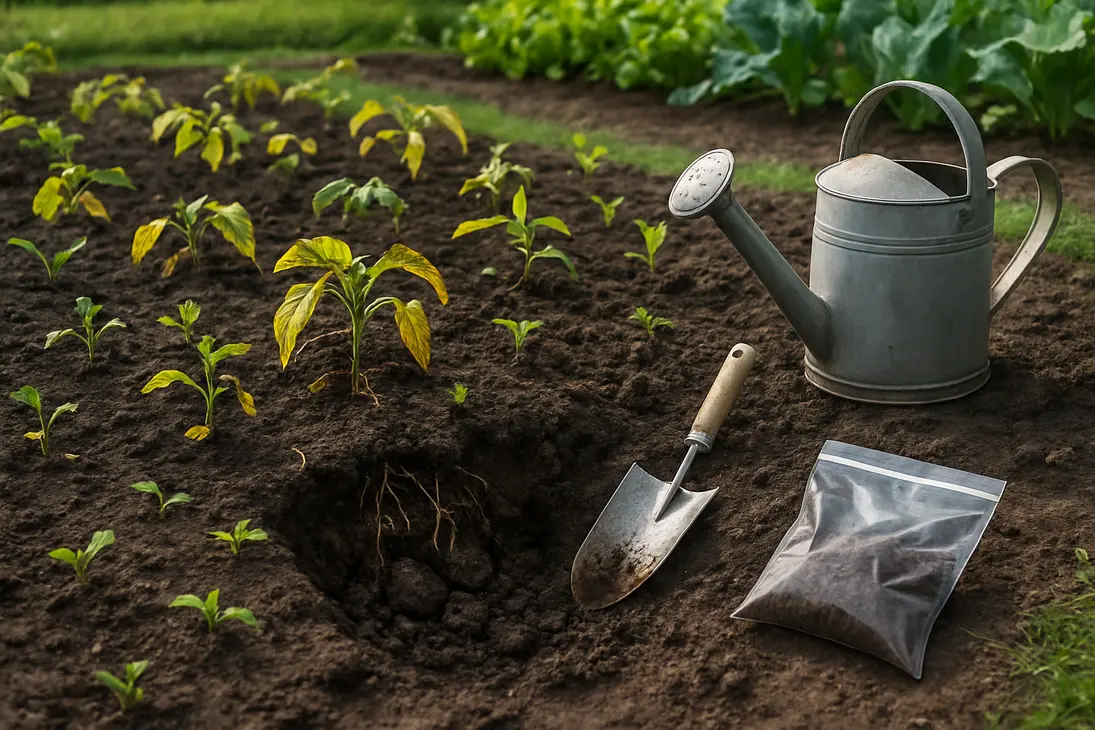
Fertile soil can be unproductive when nutrients are present but another factor limits plant growth. A soil may contain enough nitrogen, phosphorus, potassium, calcium, and trace elements, yet still produce weak crops because roots cannot breathe, water is unavailable, pH blocks uptake, salts injure roots, biology is inactive, or the crop does not fit the site.
Fertility is only one part of productivity. Productive soil must provide nutrients, air, water, biological activity, good structure, and suitable conditions for the crop throughout the growing season.
Understanding Fertile but Unproductive Soil
A good soil test does not guarantee strong growth. Plants respond to the whole root environment, not just nutrient levels. Dark color, high organic matter, or past fertilizer use may suggest fertility, but productivity depends on whether roots can access and use what the soil contains.
What “fertile soil” really means
Fertile soil contains essential plant nutrients in adequate amounts and in forms that can become available to roots. These include nitrogen, phosphorus, potassium, calcium, magnesium, sulfur, and micronutrients such as iron, manganese, zinc, copper, boron, and molybdenum.
A soil test may show nutrients in the sufficient or high range, but nutrients can still be unavailable because of pH, drought, waterlogging, compaction, salinity, or root disease.
What “productive soil” depends on
Productive soil supports healthy growth and reliable yields. It depends on balanced nutrients, crop-appropriate pH, good structure, adequate but not excessive water, active soil organisms, low salt or toxin risk, deep roots, and crops suited to the soil and climate.
Management matters too. Two soils with similar tests may perform differently if one is compacted, overwatered, left bare, or planted with the same crop repeatedly.
Why fertility alone is not enough
Plant growth is limited by the most stressful missing condition. If the limiting factor is compaction, fertilizer will not fix it. If pH is wrong, adding more nutrients may worsen imbalance. If drainage is poor, roots may fail even in rich soil.
Repeated fertilizing often disappoints because the problem is not “not enough food,” but poor access to air, water, roots, or biological function.
Common Reasons Fertile Soil Fails to Produce
Fertile soil can fail for physical, chemical, biological, or management reasons. Several causes often overlap, so diagnosis should go beyond nutrient levels.
Poor soil structure or compaction
Compaction reduces pore space, limiting air, water movement, and root growth. Nutrients may be present, but roots remain shallow and stressed.
Common causes include traffic on wet soil, heavy equipment, repeated tillage at the same depth, working clay when too wet, low organic inputs, and bare soil exposed to heavy rain. Signs include standing water, hard clods, shallow roots, stunted plants, and soil that is difficult to penetrate.
Drainage problems and waterlogging
Waterlogged soil lacks oxygen. When pores stay filled with water, roots weaken, nutrient uptake slows, and root diseases become more likely.
Heavy clay, compacted subsoil, low spots, poor grading, or raised beds over a compacted base can cause waterlogging. Symptoms include yellow leaves, slow growth, wilting in wet soil, rotting roots, and poor seedling establishment.
Too little water or poor irrigation timing
Dry soil can create a temporary nutrient shortage because nutrients move to roots through soil water. Even fertile soil becomes unproductive when water is unavailable during germination, flowering, fruit set, or rapid growth.
Light, frequent watering encourages shallow roots, while long dry gaps followed by heavy watering cause stress. Sandy soil dries quickly; clay may hold water tightly. Productivity depends on steady, usable moisture.
Incorrect soil pH
Soil pH affects nutrient availability and microbial activity. If pH is too low, aluminum or manganese may become toxic, while phosphorus, calcium, and magnesium become harder to access. If pH is too high, iron, manganese, zinc, and phosphorus may become unavailable.
A common symptom in alkaline soil is yellowing between leaf veins, especially on young leaves. General fertilizer may not help because the issue is availability, not total nutrient supply.
Nutrient imbalance despite high fertility
More fertility is not always better. Excess potassium can interfere with magnesium and calcium uptake. Too much phosphorus can contribute to micronutrient problems. Excess nitrogen may cause lush growth with poor fruiting or weaker plants.
Imbalance often develops when the same fertilizer, manure, or compost is applied year after year without testing.
Low soil biology and organic matter activity
Soil organisms decompose organic matter, cycle nutrients, build aggregates, and support root health. Their activity declines when soil is compacted, dry, waterlogged, frequently disturbed, low in fresh organic inputs, or exposed to extremes.
Organic matter improves structure, water behavior, and resilience, but it must be maintained through regular organic inputs, living roots, mulch, and reduced disturbance.
Salinity, contamination, or chemical buildup
Salts can build up from irrigation water, fertilizers, manure, deicing salts, poor drainage, or arid conditions. Salty soil makes it harder for roots to take up water, so plants may look drought-stressed even when soil is moist.
Symptoms include poor germination, leaf burn, stunting, and white crusting. Herbicide residues, contaminated compost, pollutants, or excessive amendments can also injure roots and soil life.
Wrong crop choice for the soil or climate
Sometimes the crop is the mismatch. Fertile clay may grow brassicas well but produce poor carrots if it is dense or stony. Blueberries may fail in fertile soil if pH is too high. Cool-season crops may bolt in heat even when soil is excellent.
Productivity is crop-specific. Soil that is productive for one plant may be unsuitable for another.
How to Diagnose the Problem
Do not guess or automatically fertilize. Pair soil testing with direct observation of roots, water movement, crop history, and site conditions.
Start with a soil test
A basic soil test can show pH, phosphorus, potassium, calcium, magnesium, organic matter, and sometimes micronutrients or cation exchange capacity. For problem sites, ask about salinity, soluble salts, or sodium.
Sample carefully by mixing several subsamples from the same management area. Keep vegetable beds, lawns, orchards, and problem patches separate if their histories differ. A test may show that fertility is already high and the real issue lies elsewhere.
Check pH, nutrient levels, and salinity
Review the soil test for three main questions: Is pH suitable for the crop? Are nutrients low, excessive, or imbalanced? Are salts high enough to stress roots?
Organic matter is also useful because it indicates some capacity for water retention, structure, and biological activity. Do not treat “high” nutrient readings as automatically good; they may mean additional fertilizer is unnecessary or harmful.
Examine drainage, compaction, and root growth
Dig near struggling plants and inspect the root zone. Look for roots stopping at a hard layer, shallow rooting, gray or sour-smelling soil, dense clods, few pores, perched water, or brown, black, mushy, or deformed roots.
Watch how water enters the soil after irrigation or rain. Long-lasting ponding suggests poor structure, compaction, or drainage limitations.
Look for signs of pest, disease, or microbial imbalance
Poor growth is not always chemical. Root insects, nematodes, fungal diseases, and damping-off can reduce yields in fertile soil.
Dig plants carefully and inspect roots for galls, pruning, rot, discoloration, or missing feeder roots. Notice whether poor growth appears in patches, low areas, paths, or places where the same crop family has been grown repeatedly.
Compare crop needs with local growing conditions
Before changing the soil, ask whether the crop fits the site. Consider pH preference, heat or cold tolerance, root depth needs, salt sensitivity, moisture needs, sunlight, and recent crop history.
No amendment will make a cool-season crop thrive in severe heat or an acid-loving plant perform well in alkaline soil without deliberate pH management.
How to Improve Fertile but Unproductive Soil
Once the limiting factor is clear, improvement becomes targeted. The goal is not simply richer soil, but a better balance of nutrients, air, water, roots, and biology.
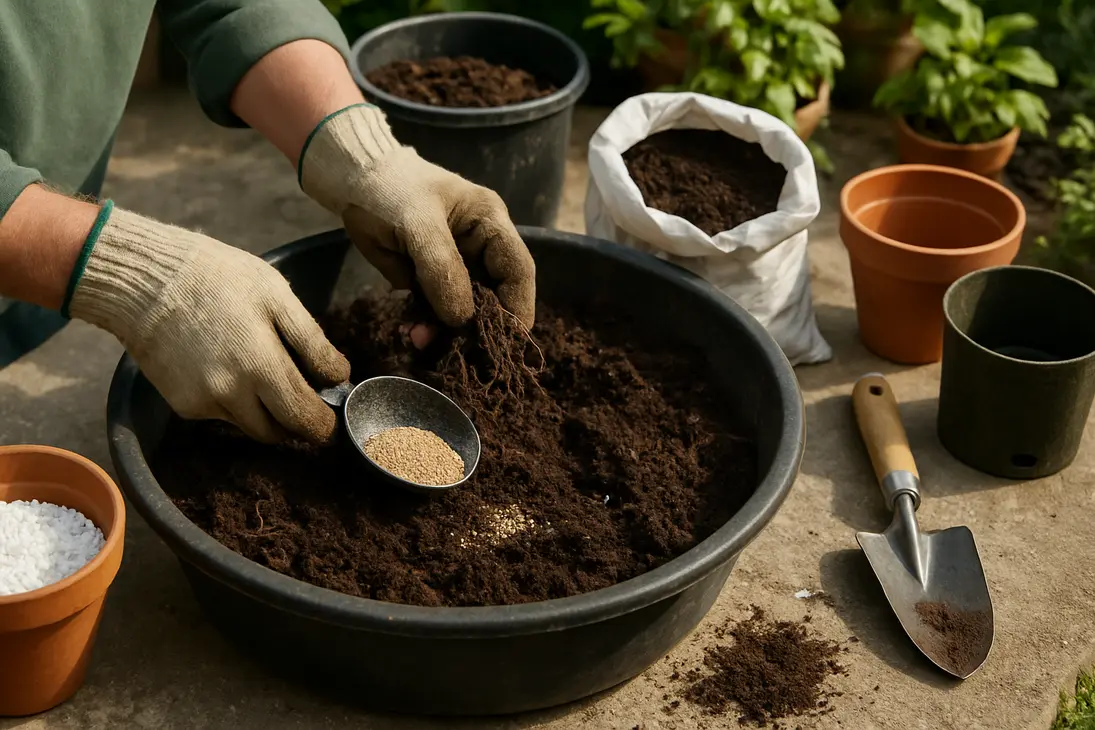
Improve soil structure with compost and organic matter
Mature compost improves structure and nutrient cycling. In clay, it helps create aggregates and pore space. In sand, it improves water and nutrient retention.
Use mature, clean materials. Apply compost lightly incorporated where appropriate, or as a topdress under mulch. Other helpful materials include leaf mold, aged manure, straw mulch, shredded leaves, and plant residues. Avoid repeated heavy manure use if phosphorus or salts are already high.
Use cover crops and crop rotation
Cover crops protect soil, feed organisms, improve structure, and reduce erosion. Legumes can add biologically fixed nitrogen when properly nodulated, grasses build root mass, and deep-rooted covers can help create channels in dense soil.
Crop rotation reduces repeated nutrient demand, pest buildup, and disease pressure. Rotate by plant family when possible, especially in vegetable gardens.
Correct pH with lime or sulfur when needed
Correct pH only according to soil test recommendations. Lime raises pH in acidic soil. Sulfur or acidifying amendments can lower pH, though lowering pH is usually slower and harder.
Do not add lime just because plants are struggling; it can worsen alkaline or neutral soils. Avoid casual sulfur use as well. Adjust gradually and retest later.
Balance nutrients instead of over-fertilizing
If nutrients are low, add what is missing. If levels are high, stop adding more and focus on structure, water, and balance.
Use fertilizers based on test results, not habit. Avoid complete fertilizers when only one nutrient is needed. Use compost moderately if phosphorus is high. Split nitrogen for crops that need steady feeding, and keep records of applications.
Improve drainage or irrigation practices
For wet soils, improve drainage before adding nutrients. Options include raised beds, grading, organic matter, drainage channels, and avoiding traffic when soil is wet. Severe sites may need subsurface drainage.
For dry soils, water deeply enough to reach the active root zone, then allow appropriate drying. Mulch reduces evaporation. Sandy soils may need smaller, more frequent watering; clay soils often need slower application.
Reduce tillage and protect soil organisms
Tillage can help with initial preparation or severe compaction, but repeated disturbance breaks down structure, disrupts soil organisms, accelerates organic matter loss, and may create hard layers.
Protect soil life by keeping soil covered, avoiding work when wet, using permanent paths, adding residues, minimizing deep disturbance, and avoiding unnecessary chemicals.
Choose crops suited to the soil conditions
Work with lasting soil traits where possible. Use raised beds for crops needing loose soil in heavy ground. In sandy soil, choose drought-tolerant crops or manage irrigation closely. In high-pH soil, avoid acid-loving plants unless you are prepared for ongoing pH correction. In saline areas, choose more tolerant species while addressing drainage and salt sources.
Best Practices for Long-Term Soil Fertility Management
Preventing fertile but unproductive soil requires managing soil as a physical, chemical, and biological system, not just a fertilizer container.
Test soil regularly
Test every few years in stable gardens, and more often when correcting problems or managing high-value crops. Testing at the same time of year makes results easier to compare.
Regular tests reveal trends such as rising phosphorus, falling pH, increasing salts, or declining organic matter before they become severe.
Avoid repeated use of the same fertilizer without testing
The same fertilizer used every season can create imbalance. This is especially true for manure, compost-heavy systems, and complete fertilizers that add nitrogen, phosphorus, and potassium together.
Base applications on crop needs, soil test results, and past amendments. Fertility management should change as the soil changes.
Maintain living roots and ground cover
Bare soil is vulnerable to crusting, erosion, overheating, and biological decline. Use cover crops, mulches, perennial plantings, or crop residues to protect the surface.
Living roots are especially valuable because they feed soil organisms and help maintain structure.
Prevent erosion and compaction
Erosion removes the most fertile surface layer. Compaction prevents that layer from functioning well.
Keep beds covered, use paths, avoid heavy traffic on wet soil, slow runoff with mulch or plant cover, add organic matter steadily, and avoid overworking fine-textured soils.
Match fertilizer, water, and crop management to actual field conditions
A wet clay garden needs different management than a dry sandy one. A cool climate needs different timing than a hot one. A high-organic-matter bed needs a different fertilizer plan than a new mineral-soil bed.
Observe where plants thrive, where water collects, where roots grow, and where crops fail. Good soil management is local and practical.
Conclusion
Fertile soil can still be unproductive when another factor limits plant growth. Nutrients may be present, but roots may not be able to use them because of compaction, poor drainage, drought, incorrect pH, salinity, nutrient imbalance, weak biology, disease pressure, or poor crop choice.
The solution is not automatically more fertilizer. Start with a soil test, inspect the root zone, check water movement, and compare crop needs with the site. Then address the true limiting factor with better structure, balanced nutrients, corrected pH, improved water management, organic matter, cover crops, rotation, or better crop selection.
A truly productive soil is fertile, breathable, biologically active, well-watered, and suited to the plants being grown.
FAQ
Can soil be fertile but still not grow crops well?
Yes. Soil can contain enough nutrients and still perform poorly if pH, compaction, drainage, water stress, salinity, disease, or crop mismatch prevents roots from working properly.
What is the first step to fixing fertile but unproductive soil?
Start with a soil test, then inspect the soil physically. Check pH, nutrient levels, salinity if relevant, drainage, compaction, and root health before adding amendments.
Should I add more fertilizer if my fertile soil is not productive?
Not until you know the limiting factor. If nutrients are already sufficient or high, more fertilizer may worsen imbalance, salt buildup, or excessive leafy growth.
What organic methods can improve unproductive soil?
Add mature compost, mulch, grow cover crops, rotate crops, reduce unnecessary tillage, keep living roots in the soil, and prevent compaction. These practices improve structure, biology, water behavior, and nutrient cycling over time.
You Might Also Like