How Do Indoor Plants Enhance Room Decor?
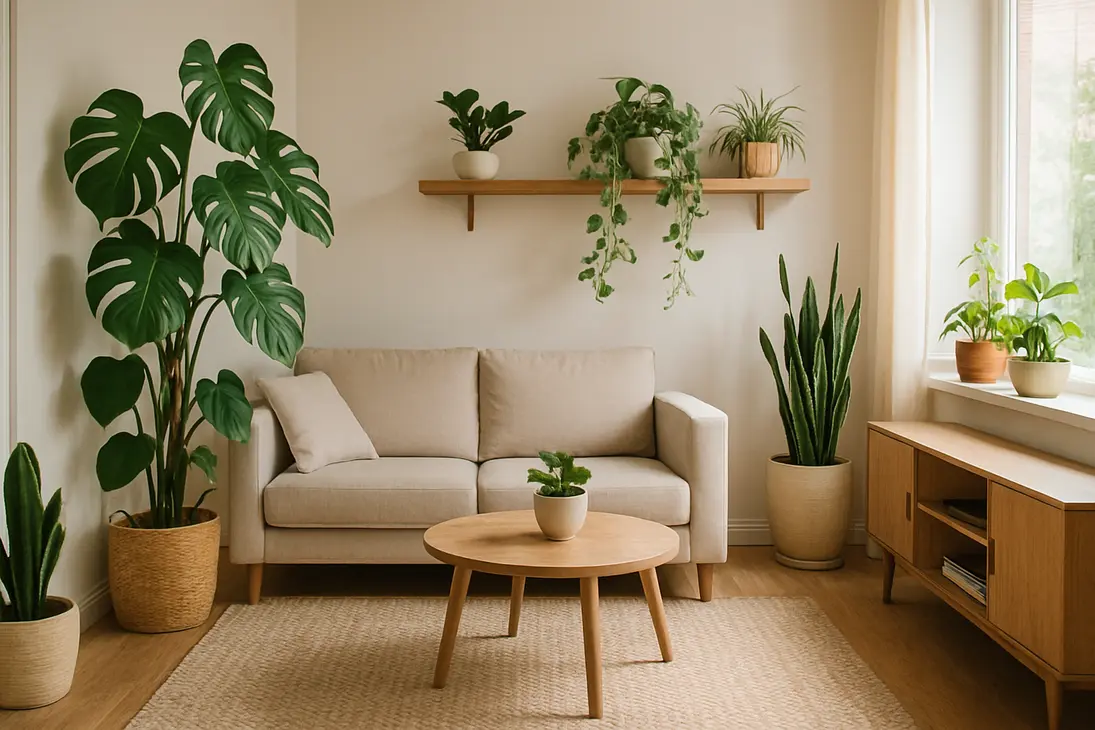
Indoor plants enhance room decor by adding life, color, texture, shape, and natural softness to spaces that feel flat or unfinished. A plant can brighten an empty corner, soften hard furniture lines, make shelves look styled, or give a neutral room a warmer feel without major decorating changes.
Their impact comes from movement and variety. Plants grow, trail, arch, cast shadows, and respond to light. The best results come from choosing plants that suit your light, space, and care habits, then styling them as intentionally as you would a lamp, artwork, or rug.
How Indoor Plants Improve Room Aesthetics
Plants solve several decorating problems at once. They add height where furniture sits low, introduce organic color, break up straight lines, and create natural focal points. Even one well-placed plant can make a room look more finished.
They Add Natural Color and Texture
Most interiors repeat materials such as wood, fabric, metal, glass, stone, and painted surfaces. Plants add a different layer: living texture.
Green is the obvious benefit, but foliage varies widely. Snake plants have upright, sword-like leaves. Pothos trails softly. ZZ plants look glossy and structured. Monstera adds large, sculptural leaves. Variegated plants can echo patterns in cushions, rugs, or artwork without adding more accessories.
Leaf texture also changes the mood. Smooth leaves feel clean and modern, fine arching leaves feel relaxed, and large leaves create a bold tropical effect.
They Make Rooms Feel Softer and More Lived-In
Rooms often contain many hard lines: tables, cabinets, televisions, shelves, windows, and rectangular art. Plants soften those shapes because leaves curve, stems lean, and vines trail.
A tall plant beside a sofa can ease the transition between furniture and wall. A trailing plant on a bookcase can break up a rigid shelf grid. A small plant on a bedside table can make a bedroom feel calmer and more personal.
Healthy plants also signal care, making a room feel used and tended rather than staged.
They Create Focal Points and Visual Balance
Plants can support an existing focal point or create one in a plain area. A large monstera, rubber plant, fiddle leaf fig, or palm-style plant can anchor an empty corner. Matching plants can frame a console table or doorway. A trailing pothos can draw the eye upward on a tall shelf.
They also help balance visual weight. If one side of a room feels heavy because of a sofa, media unit, or dark furniture, a plant on the opposite side can make the layout feel more settled.
Choosing Indoor Plants for Different Rooms
The best decorative plant is not simply the prettiest one. It is the plant that suits the room’s light, humidity, space, and your maintenance habits. A struggling plant eventually looks yellow, sparse, or tired, which works against the decor.
Before buying, check:
| Room condition | What to check | Why it matters |
|---|---|---|
| Light | Bright, filtered, low, or direct sun | Supports healthy shape and color |
| Space | Floor area, shelf depth, ceiling height, walkways | Prevents crowding |
| Humidity and temperature | Dry air, bathrooms, drafts | Helps match plant to room |
A plant should feel intentional, not like clutter.
Living Rooms: Statement Plants and Layered Greenery
Living rooms often suit larger plants because they usually have more floor space and better light. A statement plant can fill a bare corner, frame a window, or balance a sofa.
Good options include monstera, rubber plant, snake plant, ZZ plant, philodendron, and large pothos. Bright, indirect light gives you the most choices. In dimmer rooms, choose tougher plants such as ZZ plant or snake plant, remembering that “low light” usually means slower growth, not no light.
Layering works well: one tall floor plant, one medium plant on a stand or table, and one trailing plant on a shelf.
Bedrooms: Calm, Low-Maintenance Plants
Bedroom plants should support rest, not create extra work. Snake plant, ZZ plant, pothos, heartleaf philodendron, and peace lily can all work depending on the light.
A compact plant on a dresser, a trailing vine on a shelf, or an upright plant in an unused corner may be enough. Avoid crowding bedside tables that already hold lamps, books, chargers, or water glasses. If the room is dark most of the day, place plants near the brightest available indirect light.
Bathrooms: Humidity-Loving Plants
Bathrooms can suit plants that enjoy humidity, as long as there is enough light. Ferns, pothos, peace lilies, spider plants, and some philodendrons can make a bathroom feel more spa-like.
The main issue is light. A windowless bathroom is not suitable for most plants long term unless you use a grow light or rotate plants in and out. Humidity cannot replace light.
Keep plants away from soap, shampoo, and cleaning products. A shelf near a window, hanging planter, or stand away from shower spray is usually better than the tub edge.
Small Spaces: Shelves, Hanging Plants, and Compact Pots
Small rooms benefit from greenery, but scale matters. Instead of large floor plants, use shelves, wall-mounted planters, hanging baskets, narrow stands, and windowsills.
Pothos, spider plants, small philodendrons, peperomia, and compact snake plant varieties are useful choices. Use pots that fit the surface; oversized pots can crowd shelves and may hold too much wet soil.
In a studio, dorm, or small office, one trailing plant and one upright plant can make a noticeable difference.
Best Beginner-Friendly Indoor Plants for Decor
Many decorative indoor plants are forgiving if you match them to the right spot and avoid overwatering. These options offer strong style value without constant attention.
Snake Plant
Snake plant is easy to style because its upright leaves create clean vertical lines. It works well in corners, entryways, bedrooms, hallways, and modern interiors.
It adds height without spreading widely, so it can fit beside a sofa, cabinet, or narrow walkway. It tolerates low to bright indirect light, though it grows best in brighter conditions. Let the soil dry well between waterings.
Pothos
Pothos is ideal for shelves, bookcases, hanging baskets, and kitchen ledges because it trails beautifully. Its heart-shaped leaves soften hard surfaces and add movement.
You can let it cascade, train it along a wall, or prune it for a fuller tabletop plant. Golden pothos, marble queen pothos, and neon pothos offer different color effects. Pothos tolerates a range of indoor conditions but looks best in bright, indirect light.
ZZ Plant
ZZ plant has glossy, deep green leaves and a strong upright form. It looks polished in offices, bedrooms, hallways, and contemporary interiors.
It stores water in thick rhizomes, so it tolerates missed waterings. Too much water is more dangerous than too little. Use it where you want a clean, sculptural plant with low maintenance.
Peace Lily
Peace lily offers dark green leaves and occasional white blooms, making it useful for a calm, elegant look. It suits bedrooms, bright bathrooms, and living rooms.
It works well on tabletops or plant stands and pairs easily with neutral decor. Peace lilies prefer lightly moist soil, not soggy conditions. They are considered toxic to pets if chewed, so place them carefully around cats or dogs.
Spider Plant
Spider plant has arching, striped leaves and a casual shape that works in hanging baskets, on shelves, or on stands. Mature plants produce small offshoots that add charm.
It brings a light, airy texture and contrasts nicely with broad-leaf plants. Spider plants prefer bright, indirect light but tolerate moderate light. Keep soil lightly moist, not waterlogged.
Monstera or Philodendron
Monstera and philodendron create a lush, tropical look. Monstera deliciosa is known for large split leaves, while many philodendrons have heart-shaped or deeply lobed foliage.
Use monstera as a statement plant when you have space, since it can become wide and dramatic. Choose trailing or climbing philodendrons for shelves or smaller homes. Both generally prefer bright, indirect light.
Styling Indoor Plants as Part of Your Decor
A plant can be healthy and still look awkward if its pot, placement, or scale feels wrong. Styling helps it look like part of the room rather than an afterthought.
Think about the container, height, grouping, and nearby furniture. The plant should work with the room, not simply occupy an empty spot.
Choose Pots That Match the Room’s Style
The pot is part of the decor. A nursery pot placed inside a decorative cover pot is often the easiest setup because it offers style outside and drainage control inside.
Match pots to the room:
- Modern rooms: matte ceramic, concrete, black, white, or simple shapes.
- Rustic rooms: terracotta, baskets, clay, or textured ceramics.
- Traditional rooms: glazed ceramic, classic shapes, or muted colors.
- Bohemian rooms: baskets, patterned pots, handmade finishes, and mixed textures.
- Minimal rooms: one strong plant in a simple pot.
If a decorative pot has no drainage hole, keep the plant in its plastic nursery pot, remove it for watering, and let it drain fully before putting it back.
Use Plant Height to Fill Empty Corners
Empty corners are easy to improve with plants. A tall plant can make a room feel complete without adding bulky furniture.
Use vertical plants near low sofas, benches, and media consoles to draw the eye upward. Snake plant, rubber plant, dracaena, monstera, or a supported philodendron can all work.
If a plant is too short, use a stand. This improves scale and may help the plant reach better light. Avoid placing leaves where people brush past them constantly.
Group Plants in Odd Numbers for a Designed Look
Grouping plants can make a room feel intentionally styled. Odd numbers, especially groups of three, often look natural unless you want formal symmetry.
A balanced group might include one tall upright plant, one medium bushy plant, and one small or trailing plant. Keep something consistent, such as pot color, material, or stand style, so the group does not look chaotic.
Avoid covering every surface. Plants look better when they have breathing room.
Mix Leaf Shapes for More Visual Interest
Several plants in one room look better when the leaves vary. Mix upright, trailing, broad, narrow, glossy, and patterned foliage.
For example, a snake plant, pothos, and peace lily make a strong trio: vertical lines, trailing softness, and broad leaves with occasional blooms. Use variegated plants as accents, since too many patterned leaves can compete with rugs, curtains, and artwork.
Care Tips That Keep Decorative Plants Looking Good
The decorative value of plants depends on their health. Yellow leaves, dusty foliage, drooping stems, and crispy edges can make a room feel neglected. Most problems come from poor light, overwatering, or a mismatch between the plant and the room.
Match Plants to Available Light
Light is the first factor to get right. Many plant problems start when a plant is placed where it looks best for the room but not where it can actually grow.
Bright, indirect light near a window suits many popular houseplants. Direct hot sun can scorch some foliage plants, while very low light can cause slow growth, stretching, and leaf loss.
Low-light plants still need light. Snake plant and ZZ plant tolerate dimmer spots better than many others, but they usually grow more slowly there.
Avoid Overwatering
Overwatering is one of the most common beginner mistakes. It often happens when people water on a fixed schedule instead of checking the soil. Cover pots can worsen the problem if water collects at the bottom.
Feel the soil before watering. Many indoor plants prefer the top inch or two to dry first. Snake plants and ZZ plants should dry more thoroughly. Peace lilies and some ferns prefer more consistent moisture, but not soggy soil.
Possible signs of overwatering include yellow leaves, mushy stems, fungus gnats, sour-smelling soil, or a pot that stays heavy for days.
Rotate Plants for Even Growth
Plants grow toward light, which can make them lean or become fuller on one side. Rotate the pot a quarter turn every week or two to keep the shape balanced.
This is especially useful when plants are used as decor. A lopsided plant may look awkward on a shelf or beside furniture. Rotating also helps you notice pests, yellow leaves, dry soil, or crowding early.
Clean Leaves and Remove Damaged Foliage
Dust dulls leaves and reduces the fresh look that makes plants effective. Wipe broad leaves with a soft damp cloth every few weeks, especially on monstera, peace lily, rubber plant, and ZZ plant.
Remove yellow, brown, or damaged leaves with clean scissors. One yellow leaf is normal, especially on older growth. Worry more if yellowing is widespread, sudden, or paired with wet soil, wilting, or pests.
Conclusion
Indoor plants enhance decor by adding color, texture, softness, height, and natural balance. They can make a plain room feel warmer, a modern room feel less stark, and a small space feel more personal.
For the best results, choose plants that suit your actual conditions rather than forcing a trendy plant into the wrong spot. Start with low-maintenance options such as snake plant, pothos, ZZ plant, spider plant, peace lily, or an easy philodendron. A few healthy, well-placed plants usually do more for decor than many struggling ones.
FAQ
How do indoor plants enhance home decor?
Indoor plants enhance home decor by adding natural color, organic shapes, texture, and height. They soften hard lines, fill empty corners, create focal points, and make rooms feel more welcoming.
What are the best indoor plants for decoration?
Good decorative indoor plants for beginners include snake plant, pothos, ZZ plant, peace lily, spider plant, monstera, and philodendron. Snake plants and ZZ plants add structure, pothos and philodendrons trail well, peace lilies add soft blooms, and monstera creates a bold statement.
Can indoor plants improve air quality and aesthetics?
Indoor plants clearly improve aesthetics by adding life, color, and texture. They may contribute modestly to a fresher-feeling room, but they should not replace ventilation, filtration, or pollutant control.
Do indoor plants need a lot of sunlight to look good indoors?
Not all indoor plants need strong sunlight, but all plants need some light. Many popular houseplants prefer bright, indirect light. Snake plant and ZZ plant tolerate lower light better than many others, while pothos, peace lily, philodendron, and monstera usually look fuller in brighter indirect light.
You Might Also Like