Where Can Apartment Residents Legally Get Soil for Houseplants?
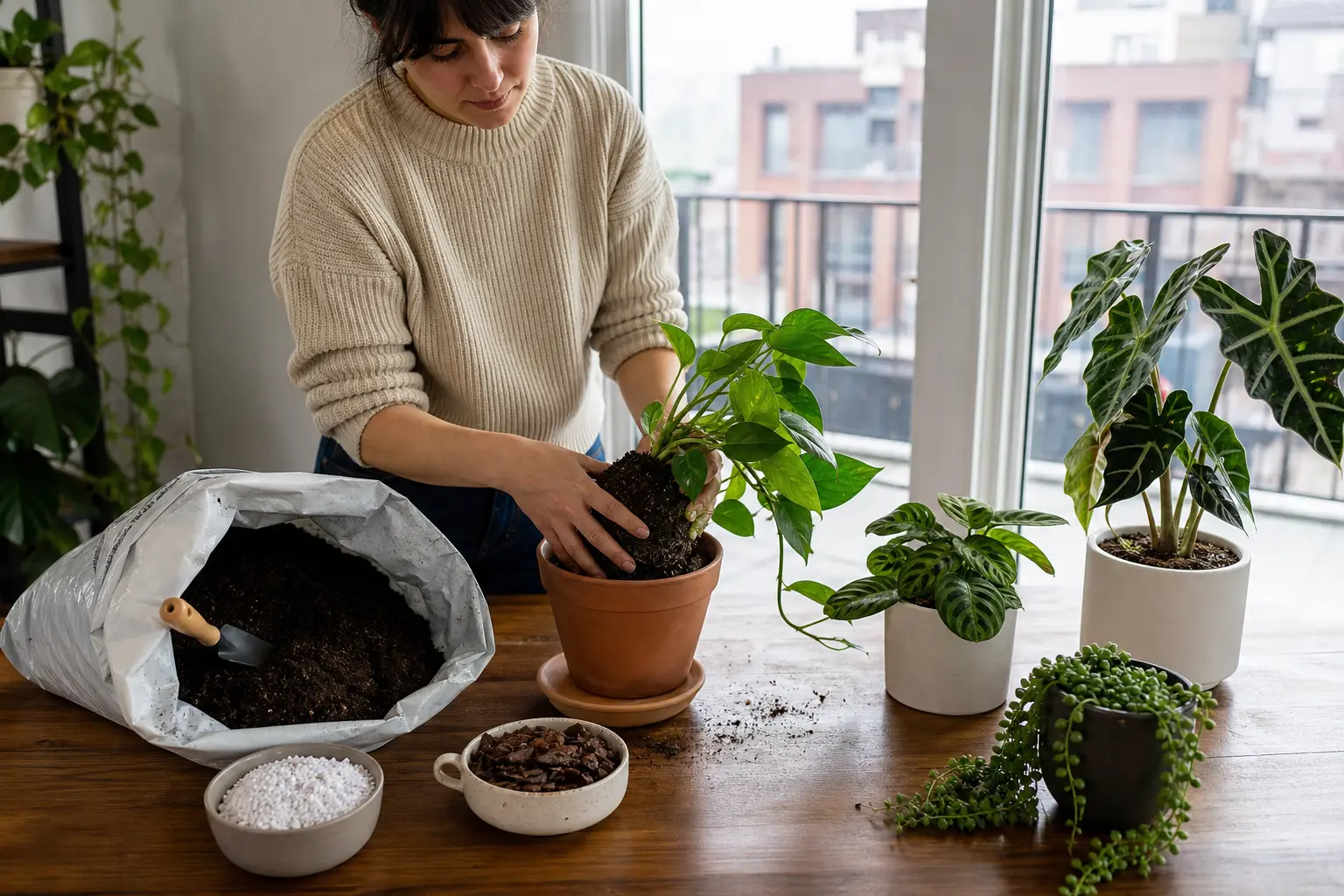
Apartment residents do not need a yard to grow healthy houseplants. The simplest option is usually bagged potting mix made for containers. It is legal to buy, easy to carry or have delivered, and designed to provide the drainage and air space indoor roots need.
Free or low-cost options can work, but permission matters. Do not remove soil from parks, shared landscaping, vacant lots, neighboring properties, or community gardens without clear approval from the owner or manager. Even a small amount may violate park rules, lease terms, or local ordinances.
Buy the Right Growing Medium for Indoor Containers
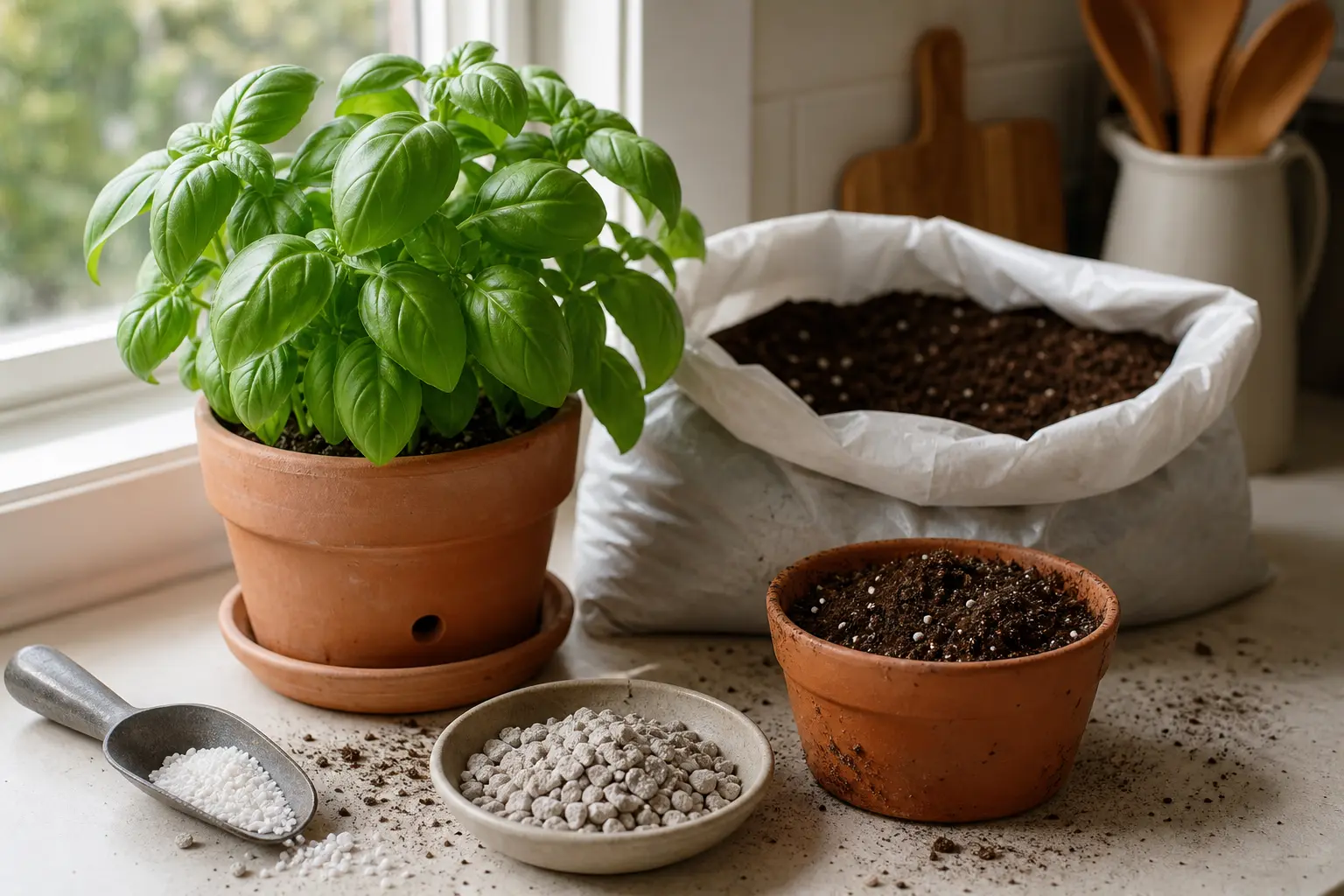
For most apartment plant owners, packaged potting mix is the most dependable choice. It is not simply dirt: a good container mix combines lightweight organic materials with ingredients that hold moisture while allowing air around roots.
Choose a product labeled for houseplants, indoor plants, containers, or potting. For succulents, cacti, orchids, African violets, or aroids, choose a specialty mix or add suitable amendments.
Garden centers, nurseries, and home-improvement stores
Independent nurseries and garden centers usually have the widest selection and may help you choose a mix for faster drainage, greater moisture retention, or chunkier root aeration.
Home-improvement stores commonly carry standard houseplant mixes, cactus mixes, orchid bark, perlite, and fertilizer. Smaller bags are useful for a few plants or limited storage space.
Look for labels such as:
- Potting mix or container mix
- Indoor plant mix
- Soilless mix
- Cactus and succulent mix
- Orchid mix or bark-based mix
- Seed-starting mix for germination rather than long-term growth
An all-purpose potting mix works for many pothos, philodendrons, spider plants, peace lilies, and dracaenas. Plants that dislike wet roots may benefit from added perlite, pumice, or orchid bark.
Grocery stores, discount retailers, and online delivery
Grocery stores, discount retailers, and hardware stores sometimes sell small bags of potting mix during the growing season. These can be adequate for one or two pots, although the selection may be limited.
Online delivery is useful if you cannot carry heavy bags upstairs or need a specialty substrate. Read descriptions carefully: garden soil, topsoil, and raised-bed soil are not the same as potting mix.
For a small collection, several smaller bags may be easier to store than one large opened bag. Keep leftovers dry, sealed, and protected from pests.
Ask for potting mix—not in-ground garden soil
When shopping, ask for potting mix for indoor containers, not garden soil.
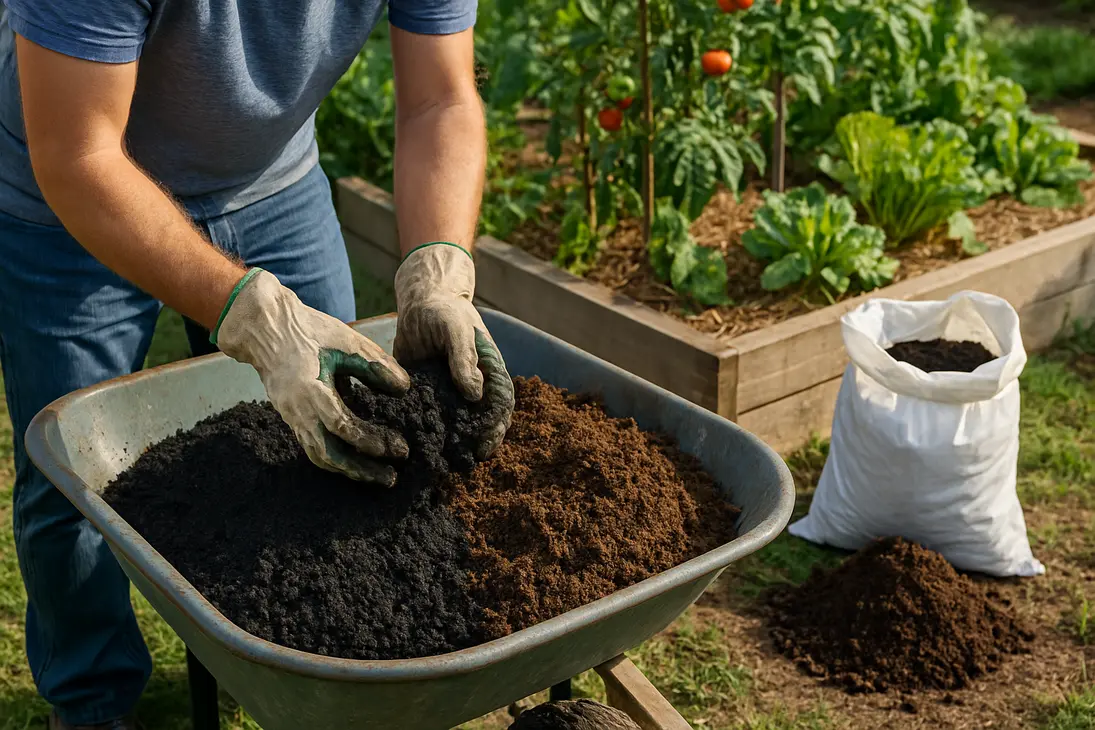
Garden soil is generally intended to be mixed into outdoor beds. It is often too fine and heavy to use alone in a pot. Topsoil is even more likely to become dense and muddy.
| Product | Best use | Usually suitable alone in houseplant pots? |
|---|---|---|
| Potting mix | Indoor and outdoor containers | Yes, for many plants |
| Cactus/succulent mix | Plants needing fast drainage | Yes, though some benefit from extra grit |
| Garden soil | Mixing into outdoor beds | Usually no |
| Topsoil | Improving outdoor ground areas | No |
| Compost | Amendment or partial mix ingredient | Not usually by itself |
If you accidentally buy garden soil, it may still be useful as one part of a homemade mix, but do not use it alone in an indoor container.
Find Free or Low-Cost Soil Sources With Permission
Free soil is not automatically a bargain. It can contain weed seeds, insects, fungal spores, debris, herbicide residue, or contaminants, and it may be too heavy for pots. Obtain materials only from a seller, a source openly offering them, or someone authorized to give them away.
Get permission from friends, family, or property owners with gardens
Friends or relatives may be willing to share finished compost, leaf mold, leftover potting mix, or garden soil. Ask first, even on family property, and make sure the person giving permission has authority over the garden.
Ask practical questions before accepting material:
- Has the area been treated with herbicides, pesticides, or lawn chemicals?
- Did the material come from a vegetable bed, lawn edge, or construction area?
- Does it contain roots, stones, weeds, insects, or mulch?
- Has the property had flooding, pet-waste, or contamination concerns?
- Is it unused potting mix or dense backyard soil?
Unused potting mix from a clean, dry bag is generally a better free option than soil dug from a garden bed. Finished compost can be useful in modest amounts when mixed with a lighter container medium.
Check community gardens, plant swaps, and neighborhood gardening groups
Community gardens, plant swaps, neighborhood gardening groups, and local “buy nothing” groups may offer partly used bags of potting mix, perlite, bark, compost, or pots. These are good legal options when supplies are clearly offered by the owner or group.
Do not assume a community garden plot, compost pile, or supply shed is communal property. Ask the coordinator before taking anything.
Inspect donated mix before bringing it home. Avoid material with a sour smell, obvious fungus gnat activity, standing water, or extensive visible mold.
Ask local nurseries or landscapers about leftover potting materials
Small nurseries may have opened bags, older stock, clean spilled potting mix, or empty nursery pots available at a discount or free. Ask politely rather than taking from display areas or piles.
Landscapers may have leftover compost, mulch, or soil, but this is less predictable for houseplants. Bulk materials can contain clay, sand, weed seeds, or debris and may have been stored outdoors. A partial bag of known potting mix is usually preferable to unknown fill dirt.
Confirm building, community-garden, and local collection rules before taking soil
Your lease or building policy may prohibit digging in landscaped beds, removing mulch, storing soil on balconies, or gardening in shared spaces.
Do not collect soil from:
- Parks, nature preserves, trails, beaches, or public landscaping
- Apartment flower beds or tree pits
- School, church, business, or vacant-property grounds
- Road verges, construction sites, or utility corridors
- A neighbor’s garden without direct permission
Public land is not free soil. If you are unsure, ask the park authority, city department, landlord, or garden coordinator.
Can Garden or Backyard Soil Be Used for Houseplants?
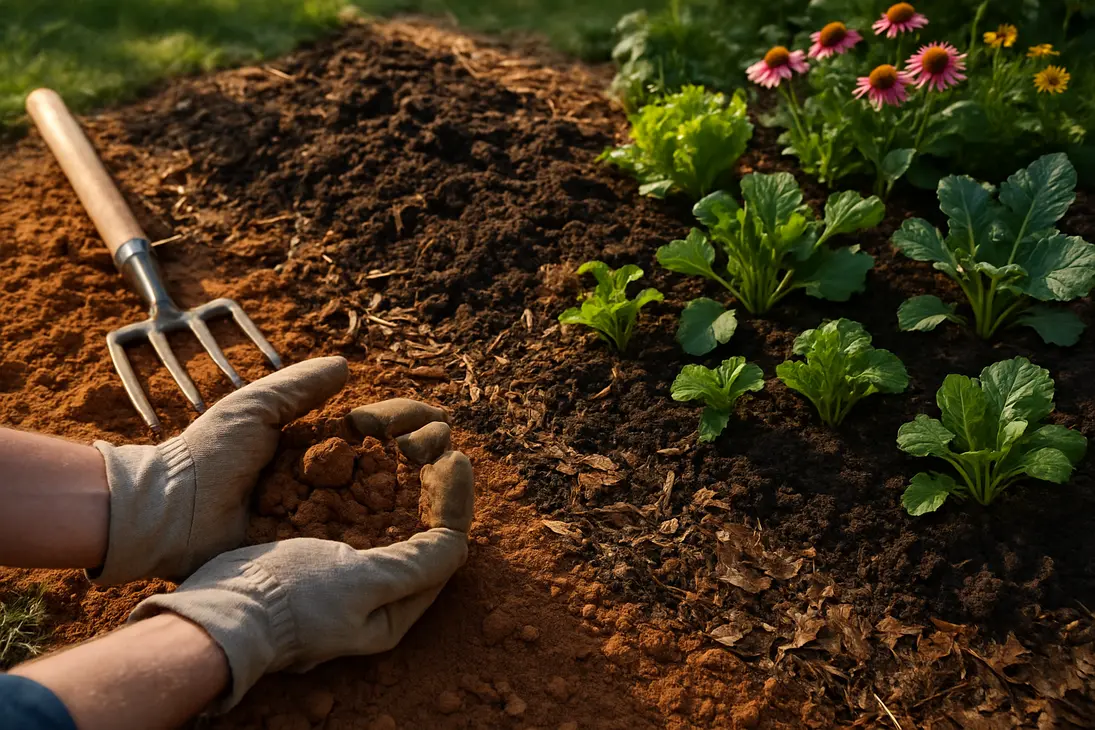
Garden soil can support plants outdoors because it has deep ground beneath it and natural drainage. A flowerpot is a shallow enclosed space with limited drainage, so backyard soil is rarely the easiest or safest choice for indoor plants.
Why garden soil can compact, drain poorly, and carry pests
Fine mineral particles settle together after repeated watering, creating a dense mass that holds too much water and leaves too little air around roots. This can lead to weak growth and root rot.
Outdoor soil may also introduce:
- Fungus gnat larvae and other insects
- Weed seeds and soil-borne diseases
- Stones, roots, and construction debris
- Fertilizer, lawn-treatment, or other chemical residues
- Unknown contaminants, especially near roads or older buildings
Bagged garden soil may be cleaner than yard soil but can still be too heavy when used alone in containers.
When collected soil may be usable after screening and amending
Collected soil is most reasonable when it comes from a known, untreated garden with permission and is used as only part of a mix.
Remove stones, roots, debris, and obvious weeds. Screen dry soil if possible. Do not bring it indoors if it smells foul, appears oily, contains glass or construction waste, or came from a potentially contaminated site.
Mix screened soil with materials that improve structure, such as perlite, pumice, coarse bark, coconut coir, leaf mold, or finished compost.
Sterilizing is not a complete solution. Heating soil may kill some pests and seeds, but it will not fix compaction, chemical residues, or contamination.
How to make a homemade potting mix from garden soil
A homemade mix can work for sturdy plants if you have safe ingredients and keep the blend airy. For many foliage plants, try this by volume:
- 1 part screened garden soil
- 1 part mature compost or coconut coir
- 1 part perlite, pumice, or another coarse aeration material
Mix thoroughly and moisten lightly before potting. The blend should feel loose rather than sticky, absorb water, and allow excess water to drain.
For succulents and cacti, use more gritty drainage material and less compost or coir. For tropical foliage plants, retain more moisture but include enough perlite or bark to avoid compaction.
Use pots with drainage holes. No mix can fully compensate for a container that traps water.
Do houseplants need fertilizer in addition to soil?
Eventually, yes. Potting mix and compost provide limited nutrients, and watering gradually leaches nutrients from the pot. During active growth, many houseplants benefit from fertilizer formulated for plants and used according to its label.
The schedule depends on the plant, light, season, pot size, and growing medium. Do not fertilize a stressed plant before checking light, watering, root health, pests, and soil condition. Avoid food scraps, drinks, or other household products that can sour, attract pests, or leave residues.
What to Do If You Already Planted in Garden Soil
If a plant is growing well in garden soil, there is no need to panic or repot immediately. Monitor how long the pot stays wet and whether new growth remains healthy.
If it struggles, dense soil may be contributing, especially if it hardens or stays wet for a long time.
Signs the soil is causing drainage or root problems
Look for repeated patterns, including:
- Water sits on the surface instead of soaking in
- The pot remains heavy and wet for many days
- The plant wilts even though soil is wet
- Lower leaves repeatedly yellow and fall
- New growth is small, pale, or slow
- The pot smells sour or swampy
- Roots are dark, mushy, or foul-smelling
These symptoms can also result from low light, overwatering, pests, or temperature stress.
When to repot into fresh potting mix
Repot when soil stays waterlogged, has compacted severely, contains pests or weeds, smells unpleasant, or is damaging roots. If root rot is present, fresh, airy mix is often more effective than trying to repair the old soil.
Choose a pot with drainage holes and usually keep the same pot size unless the plant is severely root-bound.
When repotting:
- Slide the plant out and loosen only soil that falls away easily.
- Trim clearly dead, black, mushy, or hollow roots with clean scissors.
- Place the plant in fresh potting mix at its previous depth.
- Water enough to settle the mix, then let it dry according to the plant’s needs.
- Wait to fertilize until growth resumes.
How to improve a mix temporarily with aeration and drainage materials
If you cannot repot yet, stop watering on a schedule. Check the mix below the surface and water only when the plant’s preferred drying level is reached. Provide brighter appropriate light if the plant tolerates it.
You can gently loosen the top inch or two of compacted soil, but a perlite top dressing will not fix dense soil deeper in the pot. Real improvement requires repotting with aeration materials mixed throughout the root zone.
Do not add rocks to the bottom of a pot as a drainage solution. They reduce root space and do not correct poorly draining soil.
Avoid household products that are not formulated as plant fertilizer
Milk, coffee drinks, broth, food scraps, sugary liquids, and infant formula are not reliable fertilizers for potted plants. They can promote mold, odors, fungus gnats, and salt buildup.
Use a houseplant fertilizer only after the plant has suitable soil, light, and watering. Fertilizer supports healthy growth; it does not cure poor drainage or damaged roots.
Conclusion
The most reliable legal source for apartment houseplant soil is purchased potting mix from a nursery, garden center, retailer, or reputable delivery service. It is designed for containers and avoids questions about land access and soil quality.
Free materials can help when they are offered with clear permission by a friend, property owner, community garden, nursery, or local gardener. Outdoor soil may be legal to receive but still unsuitable unless it is clean, screened, and blended for drainage and aeration.
For most indoor plants, potting mix is the lower-risk choice. Treat garden soil as an ingredient to evaluate carefully, not a direct replacement for container mix.
FAQ
Is it legal to take soil from a park or public land?
Usually, assume no unless the agency managing the land explicitly allows it. Parks, preserves, trails, beaches, and public landscaped areas may prohibit removing soil, plants, rocks, wood, or other natural materials.
Contact the relevant authority before collecting anything, and never remove soil from protected natural areas.
Can I use dirt from a friend’s backyard for houseplants?
You can use it with your friend’s or property owner’s permission, but it is not automatically a good houseplant medium. Backyard soil can compact in pots and may contain pests, weed seeds, or chemical residues.
For better results, screen it and use it as one portion of a mix with compost or coir plus perlite, pumice, or bark. If you do not know the site’s treatment history, use commercial potting mix instead.
What is the difference between garden soil and potting mix?
Garden soil is made for use in the ground, where it can blend with native soil and benefit from natural drainage. Potting mix is made for containers, where roots need a lightweight medium with air space and controlled moisture retention.
Garden soil is often denser and can become waterlogged in pots. Potting mix is generally better suited to houseplants.
Can I make potting soil without buying a commercial mix?
Yes, if you have clean, legal, permission-based ingredients. A basic homemade mix can include screened garden soil, mature compost or coconut coir, and an aeration material such as perlite or pumice.
However, commercial potting mix is usually simpler for apartment residents. It requires less storage, reduces uncertainty about pests and contaminants, and gives most houseplants a dependable starting medium.
You Might Also Like