Why Are Delicate Flowers So Fragile, Even When Handled Gently?
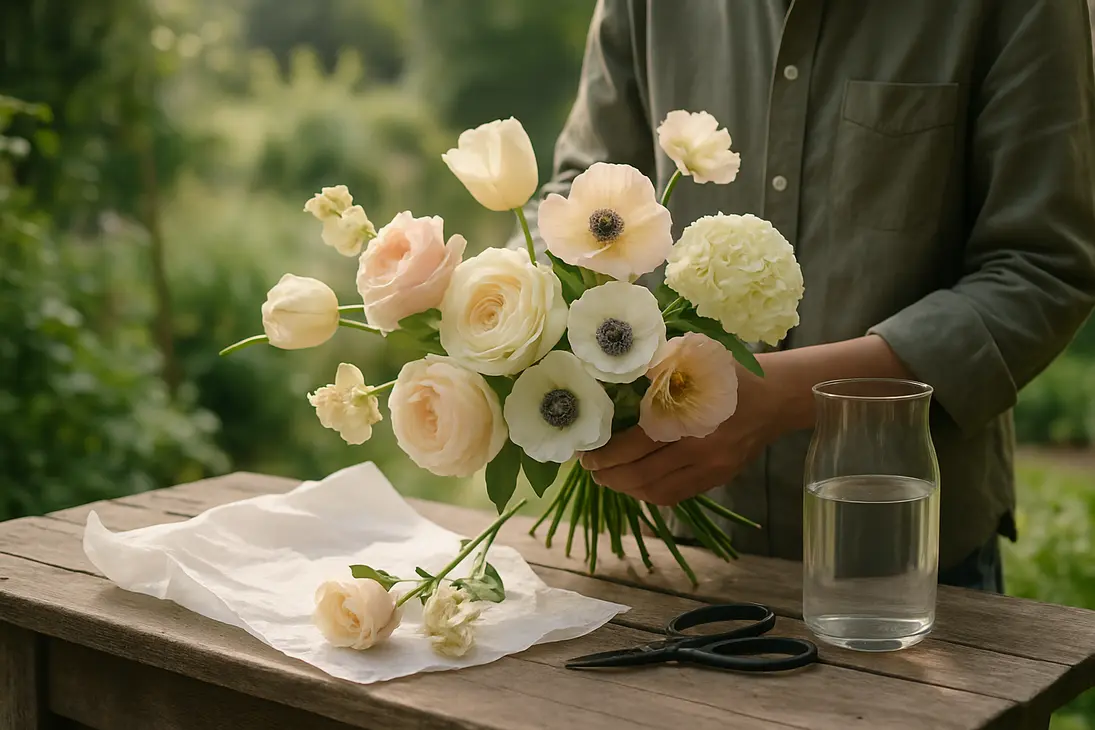
Delicate flowers look soft because they are soft. Many blooms are made from thin, water-filled tissues that are excellent for attracting pollinators but poor at resisting pressure, bending, heat, or impact.
So if a flower bruises after a light toss, careful transport, or gentle arranging, it does not always mean you were careless. With fragile blooms, “gentle” by human standards can still be rough by plant-tissue standards.
What Makes a Flower “Delicate”?
A delicate flower usually has thin petals, tender stems, high water needs, or tissues that bruise and collapse easily. Some are fragile on the plant; many become more fragile after cutting because they lose their direct water supply from the roots.
Delicacy is not a defect. Flowers are often temporary structures designed to open, attract pollinators, and fade—not to survive repeated handling.
Thin petals and soft plant tissue
Petals are modified leaves, but they are often much thinner and less reinforced than foliage. A rose, poppy, anemone, or sweet pea petal may be only a delicate layer of cells. Pressing, pinching, tossing, or rubbing it can rupture those cells without visibly tearing the surface.
That is why petals may bruise first and show damage later as brown, gray, translucent, dull, or watery patches. Soft stems can also crease easily, especially in tulips, gerberas, poppies, and fresh roses.
High water content and low structural support
Many flowers hold their shape through water pressure inside their cells, called turgor. When the cells are full, petals look open and stems stand upright. When water is lost or blocked, the tissue quickly becomes limp.
This means a flower may look sturdy only because it is well hydrated. If petals dry out or a stem bends enough to reduce water movement, the bloom can collapse. Large-headed flowers such as hydrangeas, peonies, and some roses are especially prone to drooping because the bloom is heavy compared with the stem.
Short bloom life and sensitivity after cutting
Flowers are short-lived organs. Cut flowers are even more vulnerable because they have been separated from the roots that supplied water and nutrients.
After cutting, delicate flowers are more sensitive to warm temperatures, dry air, dirty vase water, crushed stem ends, bacteria, tight wrapping, and rough transport. A bloom that tolerated wind in the garden may wilt after being harvested, dehydrated, wrapped, shipped, and arranged.
Why Gentle Throwing or Light Impact Can Still Damage Flowers
A gentle throw can still injure a flower because damage happens during acceleration, twisting, landing, and compression. A useful comparison is ripe berries or tender lettuce: they can bruise even when handled carefully.
Petals bruise before they visibly tear
When a flower lands, petals may flatten between the bloom and the surface. They may not rip, but the cells inside can be crushed. This is common with soft-petaled roses, orchids, poppies, sweet peas, and ranunculus.
Bruising is often delayed. A bloom may look fine at first, then develop brown edges, dark marks, or limp spots hours later. Damage is more likely if the flower lands face-down, is damp, is already dehydrated, hits a hard surface, or is pressed under other stems.
Stems can kink and block water uptake
The stem is the flower’s water line. Even if petals are unharmed, a sharp bend can crush the internal tubes that move water upward. Once water flow is blocked, the head may droop and petals may soften.
Tulips, gerberas, daffodils, poppies, and some roses are especially prone to this because their stems can be soft, hollow, or easily bruised. Sometimes the real injury is not the bloom but a crushed stem end, bent neck, or hidden kink.
Landing surface matters as much as throwing force
A soft toss onto tile, wood, concrete, or a table edge can cause more damage than a slightly firmer landing on a towel or open palm. Angle matters too: bloom-first landings bruise petals, while stems landing across an edge can kink.
Bouquets can also damage themselves. Flower heads knock together, heavier blooms crush smaller ones, and tight wrapping presses petals into awkward shapes.
Cut flowers are more vulnerable than flowers on the plant
A flower attached to the plant still has roots, natural support, and an ongoing water supply. If bumped, it may recover.
A cut flower may already be dehydrating. Its stem end may be drying or blocked, and it may have gone through harvesting, refrigeration, shipping, and arranging. Cut flowers should be treated as fresh, perishable plant material—not as objects that can be tossed or shaken.
Common Delicate Flowers and Why They Need Extra Care
Some flowers tolerate handling better than others. Carnations and chrysanthemums are usually sturdier than poppies or sweet peas. The most fragile flowers tend to have thin petals, soft stems, large blooms, or high water demand.
| Flower | Why it is fragile | Common damage |
|---|---|---|
| Roses | Soft petals, heavy heads | Bruised petals, bent necks |
| Tulips | Flexible stems, tender petals | Kinks, drooping |
| Poppies | Paper-thin petals | Petal drop, wilting |
| Anemones | Thin petals, slender stems | Bruising, bending |
| Orchids | Pressure-sensitive blooms | Dark marks, bruises |
| Hydrangeas | Large, water-hungry heads | Wilting, brown edges |
Roses with soft outer petals
Roses may seem sturdy because of their thorny stems, but the bloom can be fragile. The outer guard petals often show the first bruising, browning, or tearing.
Large or open roses also have heavy heads. If the neck below the bloom is weak, dehydrated, or bent, the rose may droop even when the lower stem looks healthy. Handle roses by the stem, and avoid gripping the flower head to push it into place.
Tulips and their easily bent stems
Tulips continue to move and stretch after cutting. Their soft, flexible stems are part of their charm, but they kink easily. A gentle curve is usually fine; a sharp fold can interrupt water flow.
Their petals also mark where they rub against wrapping, other stems, or a vase. Support tulips along their length when moving them, and give them room in the vase.
Poppies, anemones, and paper-thin petals
Poppies and anemones are fragile because their petals are thin, light, and easily creased. Open poppies may drop petals quickly even with careful handling, while anemones can bruise or bend if squeezed.
Handle them minimally. Cut with clean, sharp snips, place stems in water promptly, arrange them early, and avoid repeated adjustments.
Orchids and blooms that bruise from pressure
Orchids can last well, but individual blooms often bruise from pressure. A thumbprint, tight package, or bump against a hard surface can leave a dark, dull, translucent, or brownish mark, especially on pale flowers.
Touch the stem or support stake rather than the petals. When transporting a potted orchid, keep the flower spike from hitting windows, seats, or other plants.
Hydrangeas and flowers that wilt quickly without water
Hydrangeas are fragile mainly because they are large and water-hungry. Cut hydrangeas can wilt dramatically if left out of water or if uptake is blocked.
A wilted hydrangea may look crushed when it is actually dehydrated. Recut stems cleanly, place them in water quickly, remove leaves below the water line, and keep them away from heat and direct sun.
Other Reasons Delicate Flowers May Look Damaged
Not all damage comes from impact. Heat, dehydration, weather, fertilizer problems, packaging, and vase handling can all make flowers look bruised, limp, brown, or torn.
Dehydration and heat stress
Dehydration is one of the most common causes of collapse. Petals lose moisture quickly in warm rooms, direct sunlight, dry air, wind, or hot cars. Cut stems left out of water can also draw air into the stem end, making later hydration harder.
Signs include limp petals, drooping heads, wrinkled tissue, brown edges, curling leaves, and bending near the bloom. For cut flowers, recut stems and place them in clean water in a cool spot. For garden flowers, water deeply at soil level.
Heavy rain or wind damage
Rain can bruise petals, flatten blooms, splash soil, and weigh down open heads. Wind adds twisting and bending that can crease or snap stems.
Large blooms such as peonies, hydrangeas, dahlias, and full roses often suffer after storms because wet petals become heavy. Staking, sheltering containers, or cutting prized blooms before severe weather can prevent damage.
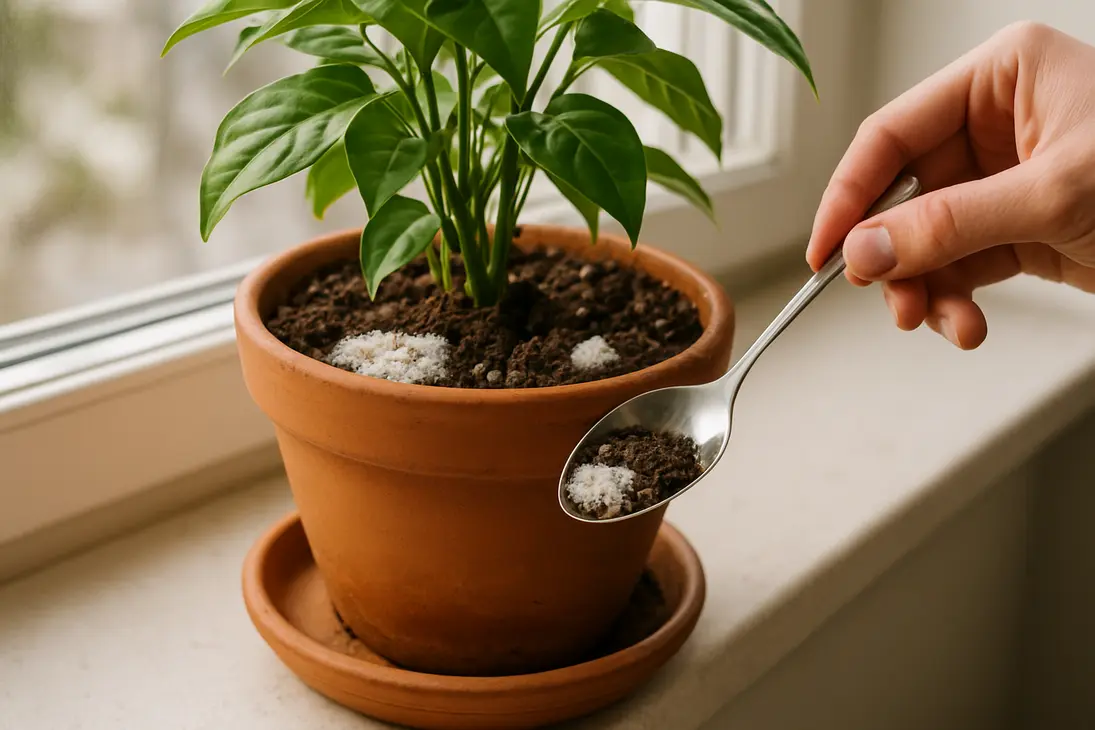
Too much fertilizer burning roots or foliage
Over-fertilizing can make flowers look damaged even when nothing touched them. Too much fertilizer may burn roots, cause salt buildup, brown leaf or petal edges, encourage weak growth, or make buds drop.
If you suspect fertilizer stress, stop feeding, water thoroughly if drainage is good, avoid adding more products, and give the plant time. Potted flowers especially need drainage so fertilizer salts and excess water do not collect around the roots.
Rough packaging, transport, or vase handling
Flowers are often damaged before they reach the vase. Tight sleeves, shopping bags, heat, delayed hydration, and pressure from heavier items can bruise petals or bend stems.
Arranging can also cause harm. Forcing stems into a narrow vase, pulling them in and out repeatedly, stripping leaves roughly, or crowding blooms too tightly can bruise tissue and reduce airflow.
How to Handle Delicate Flowers Without Ruining Them
You cannot make delicate flowers indestructible, but you can reduce avoidable damage. The key is to support the bloom, protect petals, keep stems hydrated, and avoid heat and pressure.
Support the stem and bloom together
Do not let heavy or open blooms swing freely. Support the stem with one hand and, if needed, support the head gently from below.
This helps with roses, peonies, hydrangeas, dahlias, tulips, poppies, and orchids. Carry bouquets upright or slightly angled, not loosely at your side where they can hit clothing, furniture, or doorways.
Avoid squeezing petals or flower heads
Petals are not handles. Even light fingertip pressure can bruise them. When arranging, hold flowers by the lower stem and guide blooms gently from underneath if necessary.
Avoid gripping rose heads, pressing orchid blooms, holding tulips by the flower, pulling petals apart, or packing blooms tightly. A damaged petal will not heal, though you can remove a badly bruised outer rose petal if needed.
Keep cut stems hydrated and cool
Cut flowers should spend as little time as possible out of water. For transport, use water tubes, damp wrapping around stem ends, or a bucket with a little water.
Keep delicate flowers away from direct sun, heating vents, hot windowsills, warm appliances, fans, and very warm rooms. Check vase water daily, and remove fallen leaves or petals before they decay and encourage bacteria.
Trim stems cleanly before placing in water
A clean cut helps water uptake. Use sharp, clean pruners, floral snips, or a knife. Dull scissors can crush soft stems.
Remove leaves below the water line, trim the stem end, place the flower in clean water promptly, and avoid forcing stems tightly together. If flowers droop, refresh the water and recut the stems.
Use soft wrapping for transport
Wrapping should protect flowers without crushing them. Soft paper, tissue, or a loose floral sleeve can prevent petals from catching and rubbing.
Keep flowers shaded and cool, prevent them from rolling or sliding, avoid placing anything on top, and do not leave them in a parked car. For bouquets, secure them upright or in a bucket so they do not tip over during transport.
Conclusion
Delicate flowers are fragile because they rely on soft, lightweight, water-filled tissues. Thin petals bruise before they tear. Soft stems kink and block water movement. Large blooms strain under their own weight. After cutting, flowers become even more vulnerable because they no longer have roots supplying steady moisture.
Even gentle throwing can damage them if they land on a hard surface, hit bloom-first, twist, or already have mild dehydration. The damage may appear hours later as browning, wilting, dark marks, or limp petals.
To keep delicate flowers fresh, support stems and blooms together, avoid squeezing petals, keep cut stems hydrated and cool, trim stems cleanly, and protect flowers from pressure, heat, wind, and rough transport.
FAQ
Why do flowers get damaged even when thrown softly?
Because petals and stems are made of delicate cells that bruise, bend, or collapse from light pressure. A soft throw can still make a flower land bloom-first, hit a hard surface, or kink the stem. Damage may show later as browning, wilting, or translucent patches.
Are some flowers naturally more delicate than others?
Yes. Flowers with thin petals, hollow or soft stems, large heads, or high water needs are usually more fragile. Tulips, poppies, anemones, orchids, hydrangeas, sweet peas, and many open roses need extra care. Carnations and chrysanthemums usually tolerate handling better.
Can a bent flower stem recover?
Sometimes. A gentle curve may not stop water flow, but a sharp kink can block it and cause wilting. For a cut flower, recut below the damaged area if there is enough stem left, then place it in clean water. A garden flower may need staking, but crushed tissue may not fully recover.
Can too much fertilizer make flowers more fragile?
Yes. Over-fertilizing can burn roots, stress plants, cause browning, and encourage weak growth. If you used too much, stop feeding, water appropriately, make sure pots drain well, and give the plant time to recover.
You Might Also Like