What Are the Best Tips for Taking Care of Plants?
The best tips for plant care are simple: learn what your specific plant needs, give it suitable light, water only when the soil and plant indicate it is time, use proper soil and drainage, and check for problems early. Most struggling plants are not “difficult” so much as mismatched with their conditions.
A cactus, basil plant, peace lily, tomato seedling, and fern cannot thrive on the same routine. Some prefer dry soil between waterings; others decline if they dry out completely. Some need direct sun; others scorch in it. Good plant care starts with observation, not a rigid schedule.
Start by Understanding What Your Plant Needs
Plant care depends on the plant’s natural preferences and where it is growing now. A houseplant in a plastic nursery pot behaves differently from the same plant outdoors in the ground. A balcony container dries faster than a shaded garden bed. A tropical plant indoors in winter may grow slowly, while a tomato outdoors in summer may need daily attention.
Before setting a routine, identify the plant and learn its basic needs. If it is already struggling, correct identification is often the fastest way to stop guessing.
Identify the plant before setting a routine
Use a plant label, nursery receipt, identification app, or local garden center to narrow down what you have. Similar symptoms can have different causes depending on the plant.
For example:
- A snake plant with dry soil is usually fine.
- A maidenhair fern with dry soil may collapse quickly.
- A succulent in heavy, wet potting mix is at risk of rot.
- Mint often tolerates more moisture than rosemary.
If you do not know the exact cultivar, identify the broad group: succulent, tropical foliage plant, herb, annual, perennial, shrub, vegetable, or tree. That gives you a much better starting point than treating every plant alike.
Check its preferred light, water, soil, and temperature needs
Once you know the plant, look up four basic requirements:
| Care factor | What to find out | Why it matters |
|---|---|---|
| Light | Direct sun, bright indirect light, part shade, or low light tolerance | Controls growth, flowering, and water use |
| Water | Dry between waterings, evenly moist, or consistently damp | Prevents drought stress and rot |
| Soil | Fast-draining, moisture-retentive, acidic, rich, sandy, or chunky | Roots need moisture and air |
| Temperature | Frost-hardy, heat-tolerant, tropical, or cool-season | Plants struggle outside their preferred range |
For outdoor plants, consider climate, wind, rainfall, and shelter. For indoor plants, watch for heating vents, air conditioning, cold windows, and dry winter air.
Avoid assuming all plants need the same care
Many beginners water all plants on the same day, place everything on one windowsill, or use the same potting mix for every container. That can work for similar plants, but it often causes problems as your collection grows.
Group plants by needs, not appearance. Basil and mint generally prefer more consistent moisture than rosemary, thyme, or sage. Succulents and cacti need a drier, sharper-draining setup than many tropical plants. Instead of asking, “How often should I water my plants?” ask, “What does this plant need in these conditions?”
Get Watering and Light Right
Water and light are the two areas where small changes make the biggest difference. They also interact. A plant in brighter light uses water faster. A plant in low light may stay wet much longer. A routine that works in July may cause root rot in December.
Water based on soil moisture, not a fixed schedule
A fixed schedule is convenient, but it is not always safe. “Water every Saturday” may be too often for a slow-growing plant in a cool room and not often enough for a tomato in a hot container.
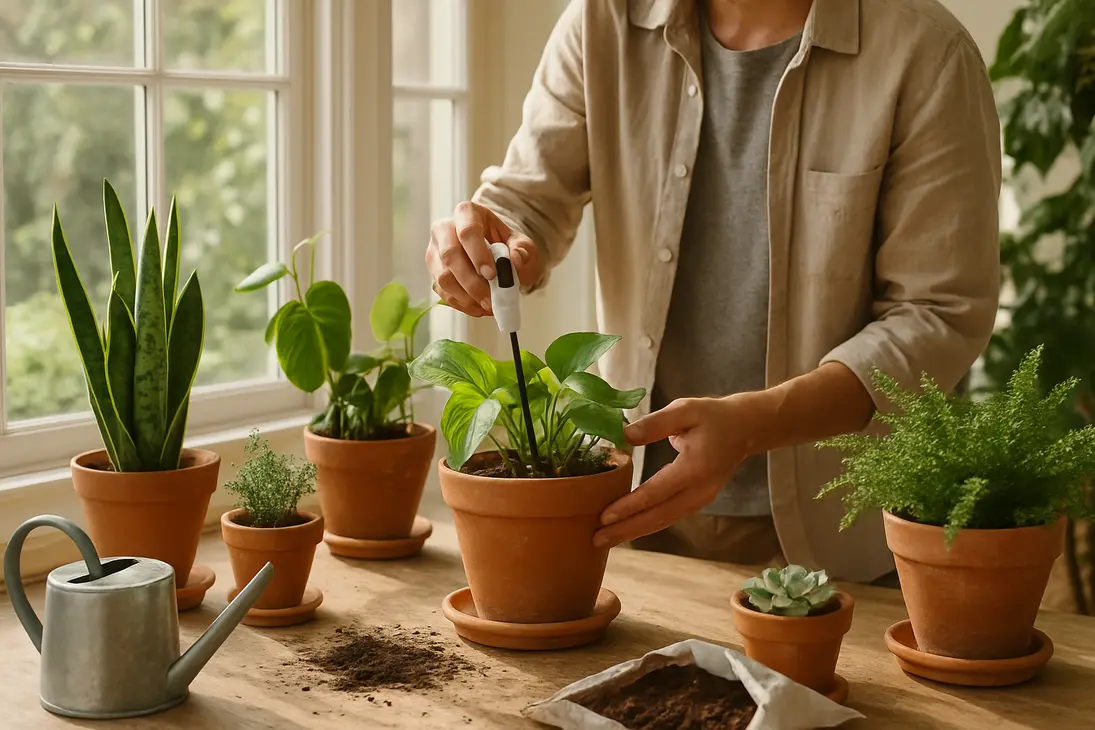
Check soil moisture first. For many houseplants, push your finger into the soil:
- If the top 1–2 inches feel dry, many tropical houseplants are ready for water.
- If the soil is still damp, wait.
- For succulents and cacti, let the mix dry much more thoroughly.
- For moisture-loving plants, avoid letting the whole root ball become bone dry.
When you water, water thoroughly enough to reach the root zone. For pots with drainage holes, water until a little drains from the bottom, then empty the saucer. Small daily sips often wet only the surface and encourage shallow roots.
Outdoor plants in the ground usually benefit from deeper, less frequent watering once established. Newly planted trees, shrubs, perennials, and seedlings need closer monitoring because their roots have not spread yet.
Use pots with drainage to prevent root rot
A drainage hole is essential for most potted plants. Roots need oxygen as well as water. If excess water cannot escape, potting mix can stay saturated, roots may suffocate, and rot can develop.
Decorative cachepots are fine if used correctly: keep the plant in a nursery pot with drainage, place it inside the decorative container, and remove it for watering or check that no water is pooling at the bottom.
Do not rely on rocks at the bottom of a pot as a substitute for drainage. They do not fix a pot without a hole and can reduce usable root space.
Match plants to bright, indirect, low, or direct light conditions
Light labels are easier to understand when translated into real locations.
| Light term | What it usually means indoors | Suitable examples |
|---|---|---|
| Direct light | Sun rays hit leaves for several hours | Many succulents, cacti, citrus, some herbs |
| Bright indirect light | Very bright room without prolonged direct sun on leaves | Many tropical houseplants, pothos, philodendron, peace lily |
| Medium light | Bright enough to read comfortably, farther from the window | Some tolerant foliage plants |
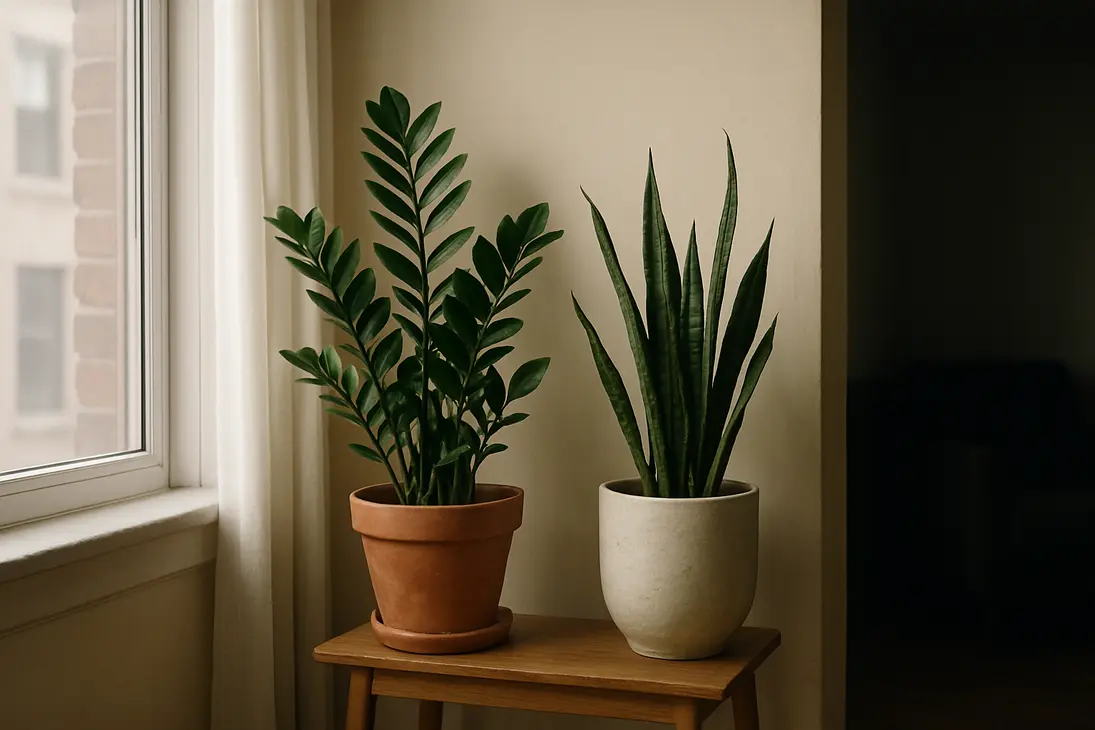
| Low light | Dim area where plants survive but grow slowly | ZZ plant, snake plant, some pothos varieties |
Outdoors, “full sun” generally means several hours of direct sun. “Part shade” often means morning sun and afternoon shade, especially in hot climates. “Full shade” still means outdoor brightness, not darkness.
Too much light can bleach, scorch, or crisp leaves. Too little light often causes slow growth, leaning, pale leaves, leaf drop, and long gaps between leaves.
Rotate indoor plants for even growth
Indoor plants grow toward the brightest side of the room. Rotating the pot a quarter turn every week or two helps keep growth balanced, especially for plants with large leaves or upright stems.
If a plant is leaning badly, rotate it gradually and consider whether it needs a brighter position.
Use the Right Soil, Pot, and Feeding Routine
Healthy leaves start with healthy roots. Soil, pot size, and fertilizer are less visible than watering and light, but they strongly affect long-term plant health.
Choose well-draining soil for the plant type
“Good soil” does not mean the same thing for every plant. Most container plants need potting mix, not heavy garden soil. Garden soil can compact in pots, drain poorly, and limit oxygen around roots.
Common choices include:
- Standard indoor potting mix: suitable for many tropical houseplants.
- Cactus and succulent mix: faster draining for plants that dislike wet roots.
- Seed-starting mix: light and fine for germinating seeds, but not always ideal long term.
- Outdoor container mix: designed to hold moisture while still draining.
- Raised bed or garden soil: intended for outdoor beds, not small indoor pots.
Perlite, pumice, orchid bark, or coarse material can improve air space and drainage. Compost can improve outdoor soil, but too much rich organic matter in a pot may hold excess moisture.
Repot when roots are crowded or soil breaks down
Repotting is not something to do constantly. Many plants tolerate being slightly root-bound, and some prefer it. But a plant may need repotting if:
- Roots circle densely around the pot.
- Roots grow out of drainage holes.
- Water runs straight through because the root ball is crowded.
- The plant dries out much faster than before.
- Growth stalls during the growing season despite good care.
- The potting mix has compacted, smells sour, or no longer absorbs water well.
Choose a new pot only one size larger in most cases. A much larger pot can hold too much wet soil around the roots. Repot during active growth when possible, usually spring or early summer for many plants.
Fertilize during active growth, but avoid overfeeding
Fertilizer supports growth; it does not fix poor light, rotten roots, or chronic underwatering. Correct conditions first.
Most plants benefit from feeding during active growth. For many indoor plants, that means spring through summer, with less or no fertilizer during darker months. Outdoor annual flowers and vegetables usually need more regular feeding than slow-growing houseplants. Succulents, cacti, and ZZ plants usually need lighter feeding.
Overfertilizing can damage roots, cause brown leaf tips, create weak growth, or leave salt buildup in the potting mix. Follow the product label, and when in doubt, use less.
Keep leaves clean so plants can photosynthesize properly
Dusty leaves receive less light. Wipe broad leaves with a damp cloth every few weeks or whenever dust is visible. Small-leaved plants can be rinsed gently in a sink or shower if the plant tolerates it and the pot drains well.
Avoid heavy oils or shine products. Plain water is enough for routine cleaning. While cleaning, inspect leaf undersides and stem joints for pests.
Make Plant Care Easier on a Busy Schedule
Plant care does not need to be daily for most plants. In fact, too much attention often leads to overwatering. The goal is to create a setup that fits your real schedule.
Choose low-maintenance plants if you are new or busy
If you travel, work long hours, or forget watering, start with forgiving plants. Good beginner-friendly indoor options often include:
- Snake plant
- ZZ plant
- Pothos
- Heartleaf philodendron
- Spider plant
- Rubber plant
- Some dracaenas
For outdoor gardens, choose plants suited to your climate and site. Native or well-adapted perennials, drought-tolerant herbs, and sturdy annuals often need less intervention once established.
Avoid fussy plants if you want low maintenance. Maidenhair ferns, calatheas, gardenias, and some orchids can be rewarding, but they are less forgiving of inconsistent watering, low humidity, or poor light.
Group plants with similar care needs together
Grouping plants by care needs saves time and reduces mistakes. Keep drought-tolerant plants in one area and moisture-loving plants in another. Place high-light plants closest to bright windows or sunny garden spots.
This makes watering easier because you learn which groups dry quickly and which need more time. For outdoor containers, grouping can also reduce wind exposure and create a slightly more humid microclimate. Leave enough space for airflow, especially around plants prone to fungal disease.
Set a weekly plant check-in routine
A weekly check-in catches problems early without encouraging daily fussing.
During your check-in:
- Feel the soil moisture.
- Lift small pots; dry pots feel lighter.
- Look for yellowing, browning, drooping, or new growth.
- Check undersides of leaves for pests.
- Remove dead leaves from the soil surface.
- Rotate indoor plants if needed.
Some plants need water between check-ins, especially seedlings, outdoor containers, and vegetables in hot weather. But many established houseplants do well with weekly observation and watering only as needed.
Use reminders, moisture meters, or self-watering tools carefully
Reminders are useful if they prompt you to check the plant, not automatically water it. Set a reminder that says “Check soil” rather than “Water all plants.”
Moisture meters can help beginners, but they are not perfect. Use them alongside finger testing, pot weight, and plant appearance.
Self-watering pots and watering globes can help some moisture-loving plants, but they are not ideal for every species. Succulents, cacti, and plants prone to root rot may stay too wet. Test any self-watering method before relying on it during travel.
Troubleshoot Common Plant Problems Early
Plants usually show stress before they die. The challenge is that one symptom can have several causes. Use the whole picture: soil moisture, light level, recent changes, season, pests, and the plant’s known preferences.
Yellow leaves
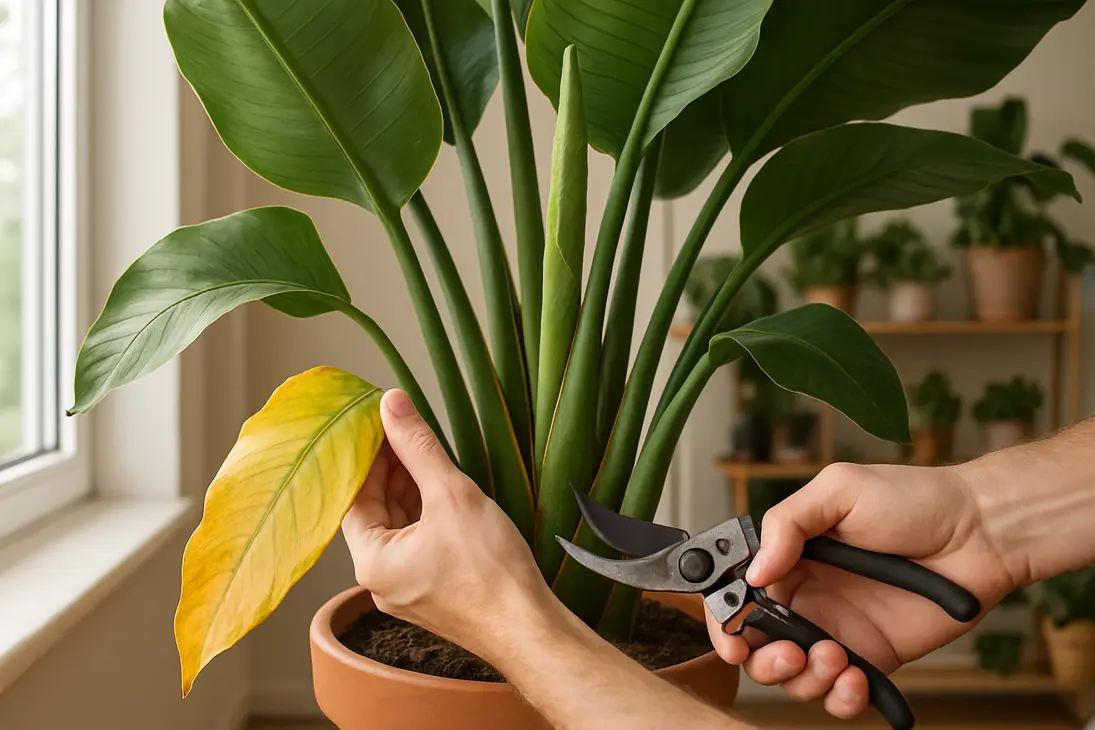
Yellow leaves can be normal if they are occasional older leaves. Repeated or widespread yellowing deserves attention.
Common causes include:
- Overwatering or poorly draining soil
- Underwatering followed by stress
- Too little light
- Nutrient deficiency during active growth
- Cold drafts or sudden temperature changes
- Natural aging of lower leaves
- Pest pressure
If the soil is wet and yellow leaves are soft or dropping, check drainage and reduce watering. If the soil is very dry and leaves have crispy edges, water more thoroughly and consistently. If the plant is in a dim corner, move it gradually to brighter suitable light.
Brown tips or crispy edges
Brown tips are common on indoor plants and do not turn green again. Trim them if you dislike the look, but focus on preventing more damage.
Likely causes include:
- Inconsistent watering
- Very dry air for humidity-loving plants
- Fertilizer buildup
- Minerals or chemicals in tap water for sensitive plants
- Too much direct sun
- Root stress from overwatering or compacted soil
If only the tips are brown, the plant may still be generally healthy. If entire edges are crisping, reassess watering, light intensity, and humidity.
Drooping or wilting
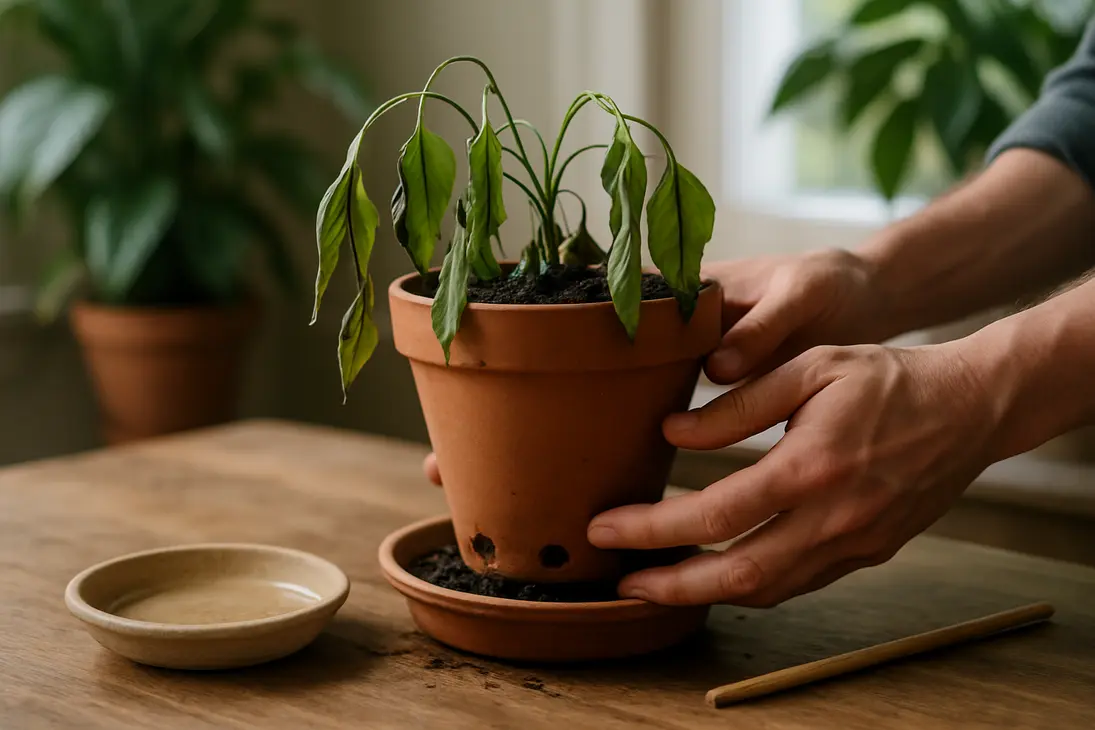
Drooping does not always mean “needs water.” Both dry roots and rotting roots can prevent water from reaching the leaves.
Check the soil before watering:
| Soil condition | Likely issue | What to do |
|---|---|---|
| Very dry, pot feels light | Underwatering | Water thoroughly and let excess drain |
| Wet or sour-smelling | Overwatering or root trouble | Stop watering, improve drainage, inspect roots if needed |
| Moist but plant droops in strong sun | Heat or light stress | Move to gentler light or provide afternoon shade |
| Recently repotted | Transplant shock | Keep conditions stable and avoid overcorrecting |
Some plants, such as peace lilies, droop dramatically when dry and recover after watering. Outdoor plants may wilt temporarily in midday heat even when soil moisture is adequate, then recover later.
Leggy, uneven, or weak growth
Leggy growth usually means the plant is reaching for more light. Stems stretch, leaves become smaller or more spaced out, and the plant may lean toward a window.
To correct it:
- Move the plant to brighter appropriate light.
- Rotate the pot regularly.
- Prune weak growth if the plant tolerates pruning.
- Avoid heavy fertilizing in low light.
- For seedlings, provide stronger light immediately.
Uneven growth is common indoors because light comes from one direction. Rotation helps, but if the plant keeps leaning, it likely needs a brighter spot.
Pests, sticky residue, or damaged leaves
Pests are easier to manage when caught early. Look for sticky residue, fine webbing, tiny moving dots, white cottony clumps, brown bumps on stems, distorted new growth, silvery streaks, or speckled leaves.
Common houseplant pests include aphids, spider mites, mealybugs, scale, fungus gnats, and thrips. Isolate the affected plant first. Remove visible pests with a damp cloth, a strong rinse of water, or an appropriate insecticidal soap or horticultural oil labeled for that plant and pest. Always follow the product label.
For fungus gnats, the underlying issue is often constantly moist potting mix. Letting the top layer dry more between waterings and improving drainage can reduce the problem.
Conclusion
The best plant care is specific, not complicated. Identify your plant, learn its preferred light and moisture, use a pot and soil that let roots breathe, and avoid watering by habit. A weekly check-in is usually more useful than daily tinkering.
When problems appear, look at the conditions before reaching for fertilizer or drastic fixes. Yellow leaves, brown tips, drooping, leggy growth, and pests are signals. With thoughtful watering, suitable light, good drainage, and regular observation, most plants become much easier to care for.
FAQ
How often should I water my plants?
Water when the plant and soil indicate it is time, not on a fixed schedule. Check the soil with your finger or by lifting the pot. Many houseplants like the top 1–2 inches to dry before watering, while succulents usually need to dry more thoroughly. Seedlings, outdoor containers, and vegetables may need more frequent watering in hot weather.
What is the most common plant care mistake?
Overwatering is one of the most common mistakes, especially indoors. It often happens when plants are watered on a schedule, kept in pots without drainage, or placed in low light where soil stays wet too long. Underwatering is also common, but overwatering is more likely to cause root rot.
How do I know if my plant is getting enough light?
A plant with enough light usually produces steady growth with normal leaf size and color. Too little light can cause leaning, long gaps between leaves, pale growth, slow growth, and leaf drop. Too much light can cause scorched patches, faded leaves, crispy edges, or wilting during the brightest part of the day.
What are the easiest plants to care for as a beginner?
Easy indoor plants for beginners include snake plant, ZZ plant, pothos, heartleaf philodendron, spider plant, rubber plant, and certain dracaenas. For outdoor gardening, the easiest choices are plants suited to your local climate, light, and soil. A “low-maintenance” plant still needs the right location to thrive.
You Might Also Like