How Long Can a ZZ Plant Stay Outside in Summer?
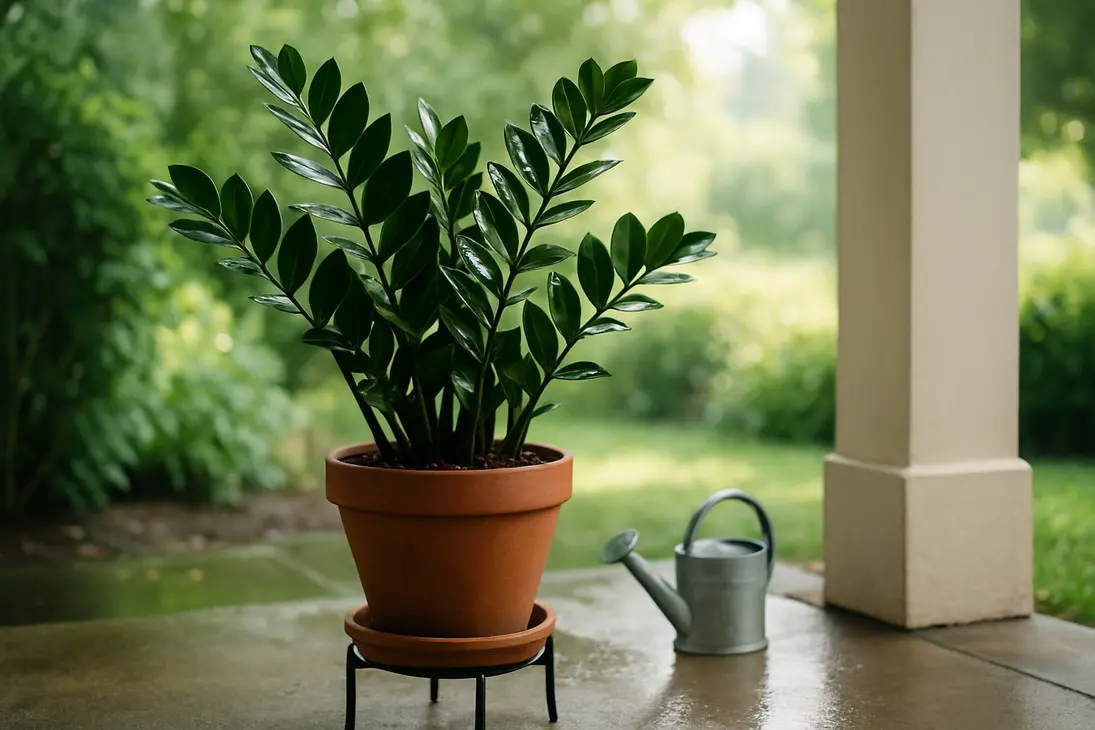
A ZZ plant can stay outside all summer if the conditions are right: warm temperatures, bright shade or filtered light, excellent drainage, and protection from heavy rain. In a mild, warm summer, it may spend several months outdoors. In a hot, stormy, very sunny, or cool-night climate, it may only tolerate short outdoor stays.
ZZ plants are tough houseplants, but they are not built for every outdoor condition. Their thick rhizomes store water, helping them handle dry spells, but those same rhizomes can rot in wet soil. Their glossy leaves tolerate low indoor light, but they can scorch quickly if moved straight into direct summer sun.
For most homes, the best approach is simple: move the ZZ plant outdoors after nights are consistently warm, keep it in shade, acclimate it gradually, and bring it back indoors before cool nights return.
Short Answer: A ZZ Plant Can Stay Outside All Summer in the Right Conditions
A ZZ plant can stay outdoors for weeks or the whole summer if the environment stays within its comfort zone. Treat it as a warm-weather porch plant, not a full-sun patio plant.
The safest setup is a pot with drainage holes, a fast-draining mix, and a bright shaded location such as a covered porch, shaded balcony, or filtered spot under a tree. Protect it from harsh afternoon sun, strong wind, and repeated heavy rain.
If your climate has cool nights, frequent downpours, or extreme heat with direct sun, keep outdoor time shorter and more supervised.
Safe summer temperature range
ZZ plants prefer warm, stable conditions. Outdoors in summer, aim for roughly:
| Condition | What it means for a ZZ plant |
|---|---|
| 65–85°F | Comfortable range |
| 85–95°F | Usually tolerable in shade |
| Above 95°F | Riskier, especially with sun or small pots |
| Below 60°F at night | Watch closely or bring indoors |
| Below 50–55°F | Too cold for regular outdoor exposure |
A single cool evening may not kill a ZZ plant, but repeated chilly nights can stress it. Cold, wet soil is especially risky because ZZ rhizomes dislike damp conditions when growth slows.
Use the overnight low, not just the daytime high, to decide whether the plant should stay outside.
When “all summer” is okay
Keeping a ZZ plant outside all summer is usually fine when:
- Night temperatures stay above about 60°F.
- The plant receives bright shade or gentle morning sun.
- The pot drains freely.
- The mix dries well between waterings.
- The plant is protected from storms and strong wind.
- You acclimate it gradually.
In warm climates, this may mean late spring through early fall. In cooler regions, “all summer” may mean only the reliably warm part of the season.
The plant does not need outdoor time to survive, but many ZZ plants respond well to brighter indirect light with stronger, more upright growth and occasional new shoots.
When outdoor time should be limited
Limit outdoor time if you cannot provide shade, if storms regularly soak the pot, or if temperatures swing from hot days to cool nights. A ZZ plant that has lived in a dim indoor corner is also more vulnerable to shock.
Be cautious if:
- The only outdoor spot gets direct afternoon sun.
- The pot has no drainage hole.
- A decorative outer pot collects water.
- The plant is weak, recently repotted, or recovering from rot.
- Night temperatures are unpredictable.
In these cases, a few shaded hours outside on warm days may be helpful, but leaving the plant outdoors full time could cause more problems than benefits.
Choose the Right Outdoor Spot for a ZZ Plant
Location matters more than the number of days outside. A ZZ plant in a protected shaded porch can stay out for months. The same plant on a hot south-facing patio may burn in one afternoon.
Check the light over the whole day. A spot that seems gentle in the morning may become harsh by midafternoon.
Best light outdoors: bright, indirect light
ZZ plants do best outdoors in bright, indirect light. Outdoor shade is often much brighter than indoor light, so direct sun is rarely necessary.
Good locations include:
- A covered porch.
- Filtered light under a tree.
- Morning sun followed by afternoon shade.
- A balcony with reflected light but no direct hot sun.
- A wall or fence that blocks the strongest sun.
If the plant has been indoors in low light, start with full shade. After it adjusts, it may handle a little early morning sun, but bright shade is usually enough.
A quick test: if you feel heat on your skin or need sunglasses, the spot may be too intense for an unacclimated ZZ plant. If the area is bright but the sun is not hitting the leaves directly, it is usually safer.
Why direct summer sun can burn ZZ leaves
Indoor-grown ZZ leaves develop under weaker light. If moved straight into direct summer sun, the leaf tissue can scorch.
Sunburn often appears as:
- Pale or bleached patches.
- Tan or brown dry spots.
- Crispy areas on the upper leaf surface.
- Damage mostly on the side facing the sun.
Sunburned tissue will not turn green again. Mild damage does not usually kill the plant, but marked leaves remain until removed or replaced by new growth.
The risk is highest with afternoon sun, reflected heat from pavement, and nearby brick, stucco, glass, or metal surfaces. Soft morning light may be tolerated after acclimation, but midday and afternoon sun are usually not worth the risk.
Patio, porch, balcony, and under-tree placement ideas
A covered porch is often ideal because it gives bright light without direct rain. Set the pot back from the edge so wind-driven rain does not repeatedly soak it.
On a patio, avoid hot concrete or pavers. Heat can radiate into the pot and stress the roots. Use a plant stand or shaded corner, and never let the pot sit in a saucer of water.
On a balcony, watch for wind. Tuck the plant behind a railing, larger plant, or outdoor furniture where it gets light but is not battered.
Under a tree can work if the canopy provides filtered light. Avoid spots where branches or rooflines drip heavily after rain.
How to Move a ZZ Plant Outdoors Without Shock
Move a ZZ plant outdoors gradually. Indoor plants are used to stable temperatures, still air, and lower light. Outdoors, they face brighter light, wind, rain, pests, and larger temperature swings.
A slow transition reduces the risk of scorched leaves, drooping stems, and sudden yellowing.
Start with short shaded sessions
Begin on a warm, calm day. Put the plant outside in full shade for one to two hours, then bring it back indoors. Do not start with direct sun.
Good starter spots include:
- A covered porch.
- A shaded patio table.
- A protected balcony corner.
- A spot under an awning.
Keep the pot out of heavy rain during this adjustment period. The goal is acclimation, not soggy soil.
Increase outdoor time over 7–10 days
Over the next week, increase outdoor exposure gradually:
| Day | Outdoor exposure |
|---|---|
| 1–2 | 1–2 hours in full shade |
| 3–4 | 3–4 hours in full shade |
| 5–6 | Half day in bright shade |
| 7–8 | Full day in bright shade; indoors at night if cool |
| 9–10 | Full time outdoors if nights are warm |
If you want to try morning sun, introduce it only after several days in shade. Start with 15–30 minutes of early sun, then return the plant to shade. Many ZZ plants do not need this step.
If leaves look pale, limp, scorched, or curled, slow down and move the plant to deeper shade.
Avoid sudden moves from low indoor light to strong sun
The most common mistake is taking a ZZ plant from a dim indoor room and placing it in bright outdoor sun. Even shade outdoors can be brighter than an indoor window.
A ZZ plant from an office, hallway, or low-light corner should be treated as a shade plant at first. The same applies after shipping, repotting, or dividing. A stressed plant should recover indoors or in a very protected outdoor spot before facing stronger light.
Summer Outdoor Care for ZZ Plants
Outdoor care is simple, but different from indoor care. Heat and air movement may dry the pot faster, while rain can keep it wet longer. ZZ plants tolerate drought better than soggy soil, so overwatering remains the biggest risk.
Watering outdoors without causing root rot
Water only when the potting mix has dried well. Outdoors in summer, that may mean every one to three weeks, but timing depends on pot size, weather, soil mix, and light.
Do not water by the calendar alone. Check the soil first:
- Push a finger or wooden skewer several inches into the mix.
- Lift the pot; a dry pot feels lighter.
- Look for soil pulling slightly from the pot edge.
- Check after rain to see whether the mix is wet below the surface.
When watering, soak the mix until water drains from the bottom, then let the pot drain completely. Empty any saucer or outer container.
Be especially cautious after rain. A plant under a porch may stay dry, while one near the roof edge may get drenched. Signs of too much water include yellow leaves, soft stems, mushy bases, and soil that smells sour or stays wet for days.
Use a pot with drainage and a fast-draining mix
A ZZ plant outdoors should be in a container with at least one drainage hole. This is especially important if rain can reach the pot.
If using a decorative outer pot, keep the ZZ plant in an inner pot with drainage. Remove it to water, let it drain fully, then return it to the cachepot.
A fast-draining mix also helps. Standard indoor potting mix may work if it does not stay soggy, but added perlite, pumice, orchid bark, or a cactus/succulent-style blend can improve airflow and drainage. The goal is a mix that drains quickly but does not become completely dusty or hydrophobic.
Avoid oversized pots. A large pot holds more moisture than the plant can use, increasing the chance of rot.
Fertilize lightly, if at all
ZZ plants are slow growers. Outdoors in bright shade, they may grow more actively, but they still do not need heavy feeding.
If the plant is healthy and producing new growth, use a balanced houseplant fertilizer at diluted strength during the warm growing season. Apply only to moist soil, and fertilize no more than about once a month during active growth.
Do not fertilize if the plant is sunburned, chilled, soggy, recently repotted, or recovering from root problems. Too much fertilizer can cause salt buildup, brown tips, or weak growth.
Check for pests before bringing the plant inside
Outdoor time can expose ZZ plants to pests such as scale, mealybugs, spider mites, aphids, and fungus gnats.
Check regularly, especially before bringing the plant indoors. Inspect:
- Leaf undersides.
- Leaf joints and stem bases.
- New shoots.
- The soil surface.
- The outside and bottom of the pot.
Wipe dusty leaves with a damp cloth so pests are easier to spot. If you find insects, isolate and treat the plant before placing it near other houseplants. Also check for ants, slugs, spiders, and other hitchhikers.
Signs Your ZZ Plant Should Come Back Indoors
A ZZ plant can stay outside only while conditions remain suitable. If you notice stress, move it to a more protected spot or bring it indoors.
Sunburned or bleached leaves
Bleached, tan, or crispy patches usually mean too much sun. Damage often appears on the leaves most exposed to light. Sunburn does not spread like disease, but it also does not heal.
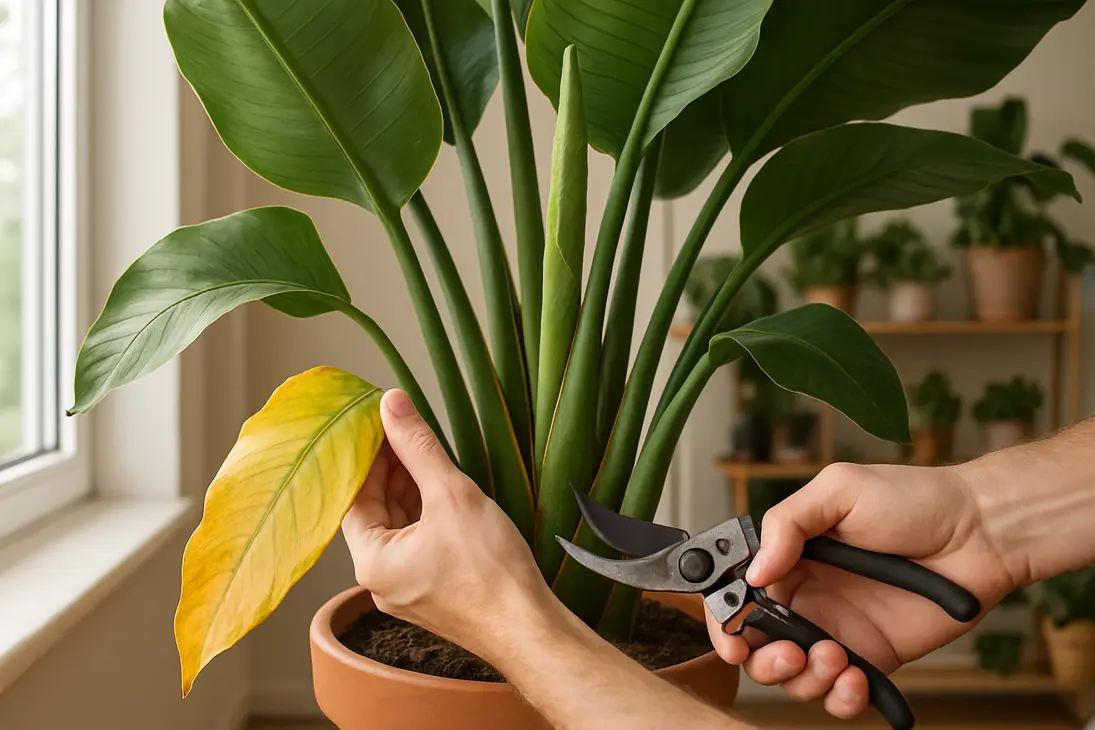
Move the plant to shade immediately. Do not remove every marked leaf at once if the plant still needs foliage for energy. Prune badly damaged leaves gradually if they decline or become unsightly.
Yellow leaves, mushy stems, or soggy soil
Yellow leaves can have several causes, but outdoors the first thing to check is moisture. Wet soil plus soft stems near the base suggests the plant may be staying too damp.
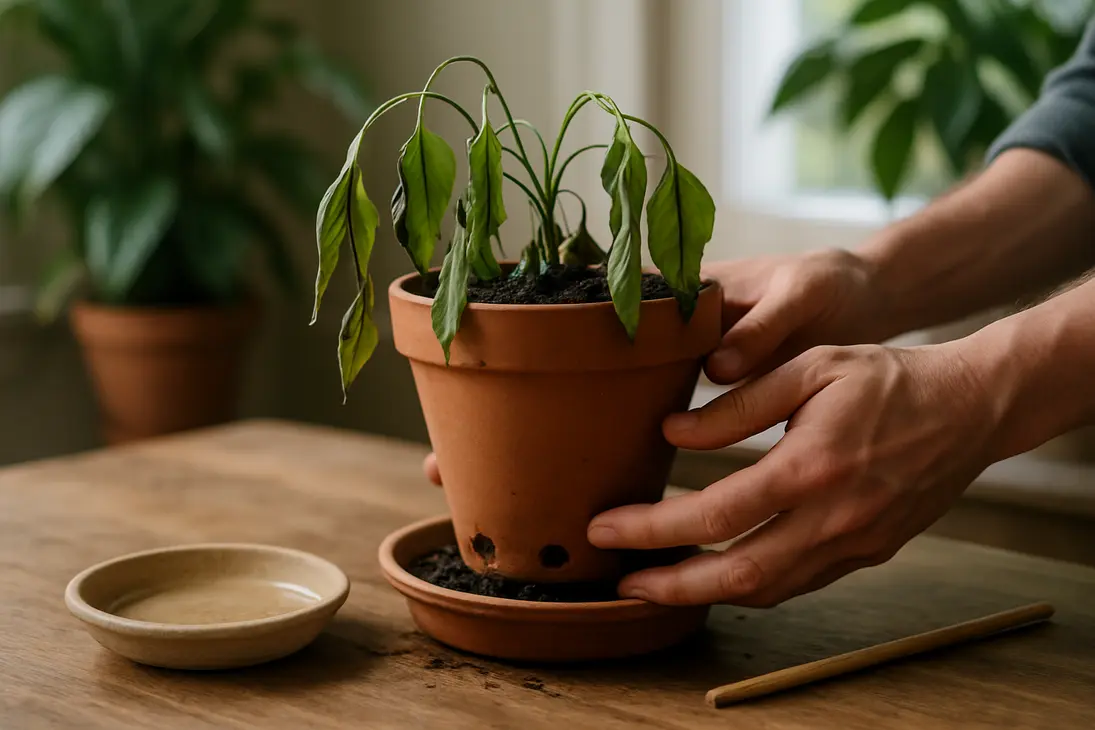
Move it under cover and stop watering until the mix dries. If the pot drains poorly, correct that right away. If yellowing continues or stems become mushy, unpot the plant and inspect the rhizomes. Healthy ZZ rhizomes are firm; rotten ones may be soft, dark, or foul-smelling.
Trim rotted material with clean tools, repot in fresh fast-draining mix, and keep the plant drier while it recovers.
Drooping stems from stress, underwatering, or light changes
ZZ stems may droop from sudden light changes, wind, underwatering, overwatering, cold nights, or top-heavy growth.
Check the basics:
- Is the soil bone dry and the pot very light?
- Is the soil wet and heavy?
- Did the plant recently move from low light to outdoor shade?
- Has it been exposed to wind or storms?
- Are the stems soft at the base?
If the soil is very dry, water thoroughly and let it drain. If the soil is wet and stems are soft, do not water; protect the plant from rain and check for rot. If stems lean toward light, rotate the pot occasionally.
Cool nights below the safe range
Cool nights are a clear reason to bring a ZZ plant indoors. Once nighttime temperatures regularly fall below about 60°F, prepare the plant for indoor life. If lows may drop below 50–55°F, bring it in.
Before moving it indoors:
- Inspect leaves, stems, soil, and pot for pests.
- Wipe dusty foliage.
- Remove dead leaves and debris.
- Avoid bringing in a soggy pot.
- Place it in bright indirect indoor light.
Do not wait for the first cold snap. The plant will transition better if moved before nights become sharply colder.
Conclusion
A ZZ plant can stay outside through summer if you treat it as a warm-weather shade plant. In the right conditions, it can remain outdoors for weeks or the entire season. The keys are warm nights, gradual acclimation, bright indirect light, a draining pot, and careful watering.
The main problems to avoid are direct afternoon sun, soggy soil, heavy rain, and cool nights. If you can protect the plant from those stresses, summer outdoors can be healthy. If your only outdoor option is hot, exposed, windy, or wet, shorter shaded visits are safer.
For most homes, the best routine is to move the ZZ plant out gradually after temperatures warm, keep it in bright shade, water only when the mix dries well, and bring it back inside before chilly nights arrive.
FAQ
Can a ZZ plant survive in direct sun outside?
A ZZ plant may survive brief, gentle morning sun after gradual acclimation, but direct summer sun is risky. Midday and afternoon sun can burn the leaves, leaving pale, tan, or crispy patches.
If your ZZ plant has been indoors, do not move it straight into direct sun. Start in full shade, then bright shade. If you experiment with sun, keep it early and brief.
How often should I water a ZZ plant outdoors in summer?
Water when the potting mix has dried well, not on a fixed schedule. Outdoors in summer, that might be every one to three weeks, but it depends on pot size, weather, soil mix, and rain.
Always check the soil before watering, and never let the pot sit in standing water.
Can a ZZ plant live outside year-round?
A ZZ plant can live outside year-round only in warm, frost-free climates, and even then it needs shade and excellent drainage. In most temperate climates, it should be treated as a houseplant that can spend summer outdoors.
If your area has cold nights, frost, or long wet winters, bring the plant indoors before temperatures drop.
Will putting a ZZ plant outside make it grow more leaves?
It can, if outdoor conditions are better than indoor conditions. Bright indirect light, warm temperatures, and good air circulation may encourage new shoots. However, ZZ plants are naturally slow growers, so do not expect instant results.
Outdoor time will not help if the plant is sunburned, overwatered, chilled, or stressed. For more leaves, focus on warmth, bright shade, drainage, and patient care.
You Might Also Like