What Plants Begin to Grow in September?
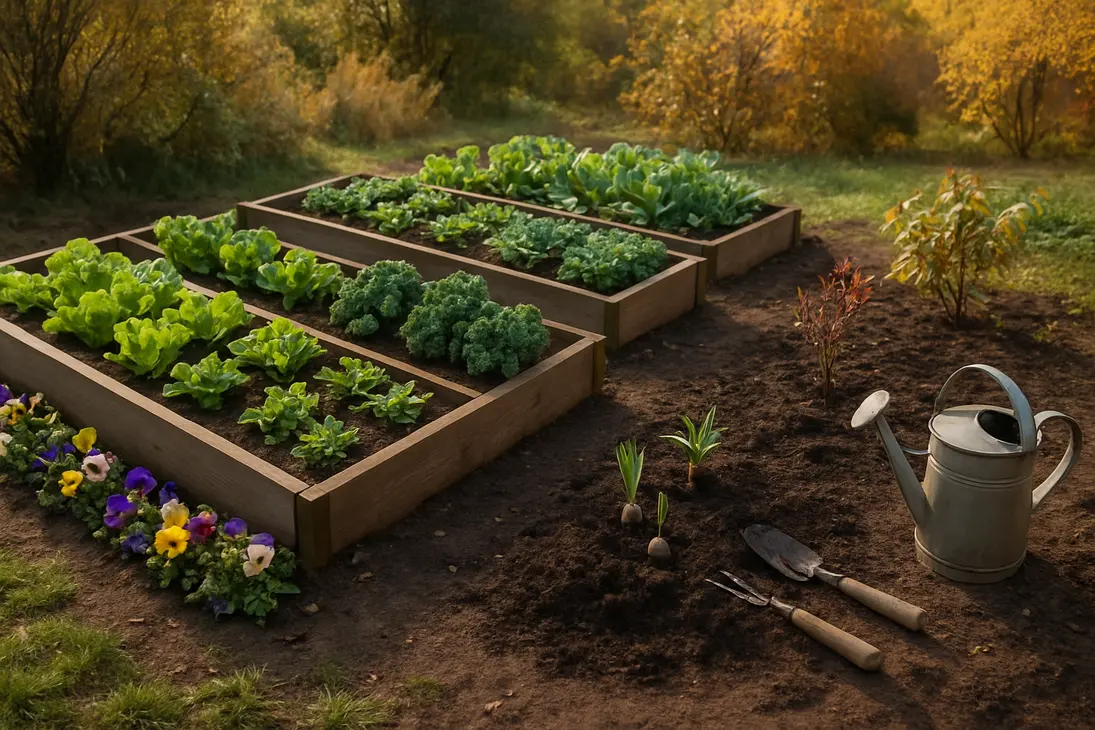
September can be a surprisingly active gardening month. Summer crops may be fading, but cool-season vegetables, herbs, flowers, grasses, weeds, bulbs, perennials, shrubs, and trees often begin new growth or build roots below the soil.
What grows in September depends on climate. In cold-winter regions, it may be a brief fall planting window. In mild climates, it can feel like a second spring. In the Southern Hemisphere, September is spring, so many warm-season plants begin active growth.
September Plant Life Depends on Your Climate
September planting depends more on local conditions than the calendar. Before planting, consider your hardiness zone, first frost date, day and night temperatures, soil temperature, rainfall, sun exposure, and whether you garden in beds or containers.
A northern gardener may focus on spinach, radishes, pansies, and bulbs. A mild coastal gardener may still plant peas, herbs, greens, and flowers. A gardener in Australia or New Zealand may be starting tomatoes, beans, basil, and other spring crops.
Cool-season growth in autumn regions
In Northern Hemisphere autumn regions, September favors plants that like mild days and cool nights. These include lettuce, spinach, kale, arugula, radishes, turnips, pansies, violas, cilantro, parsley, and cool-season lawn grasses.
Many perform better after summer heat fades. Lettuce is less likely to bolt, cilantro produces leaves longer, and kale may become sweeter after light cold exposure.
The main limitation is time. If frost is only a few weeks away, choose quick crops such as radishes, arugula, baby lettuce, and spinach instead of long-season vegetables.
Spring growth in warmer or Southern Hemisphere regions
In warm climates, frost-free areas, and the Southern Hemisphere, September often begins a broader growing season. As soil warms and light increases, beans, tomatoes, peppers, cucumbers, squash, basil, marigolds, zinnias, sunflowers, and warm-season grasses may start growing strongly.
Microclimates still matter. A cool coastal garden may warm slowly, while a sunny patio container may be ready earlier than a shaded clay bed.
Why soil temperature matters more than the calendar
Seeds respond to moisture, oxygen, light, and soil temperature—not dates. In September, air may feel cool while soil is still warm from summer, which can be ideal for fall germination. But if soil is cold and wet, seeds may rot or sprout unevenly.
| Plant group | September condition they prefer |
|---|---|
| Lettuce, spinach, arugula | Cool to mild soil, even moisture |
| Radishes, turnips, beets | Loose soil and steady water |
| Peas | Cool weather without freezing soil |
| Bulbs | Cool soil that encourages roots, not shoots |
| Perennials, shrubs, trees | Warm soil for root growth and cooler air |
| Warm-season crops | Warm soil and no frost risk |
If you are unsure, check your first frost date and soil conditions. Workable, moderately warm soil usually means roots are still active.
Plants That Commonly Start Growing in September
Plants that begin growing in September include cool-season vegetables, herbs, fall flowers, lawn grasses, weeds, bulbs, perennials, shrubs, and trees. Some show leaves quickly; others mainly grow roots until spring.
Cool-season vegetables
Cool-season vegetables are among the most common September plantings. Good choices include lettuce, spinach, kale, arugula, Swiss chard, radishes, turnips, carrots, beets, and peas in mild climates.
For fast harvests, plant arugula, radishes, baby lettuce, and spinach. Kale and Swiss chard are useful for longer leaf harvests. Carrots and beets can work if there is enough time before hard cold; otherwise, harvest them young or grow them for greens.
Peas are more climate-dependent. They can do well where fall is long and mild, but in cold regions they may not have time to flower and set pods.
| If you have… | Try planting… |
|---|---|
| 3–4 weeks before frost | Radishes, arugula, baby lettuce |
| 5–7 weeks before frost | Spinach, turnips, baby beets, kale transplants |
| 8+ weeks or mild winters | Peas, carrots, Swiss chard, full lettuce heads |
| Limited space | Containers of greens, herbs, and radishes |
Herbs that can grow well in September
Some herbs prefer September’s cooler conditions. Cilantro is a strong example: in summer it often bolts quickly, but in fall it can produce fuller leafy growth.
Good September herbs include cilantro, parsley, chives, dill, and mint in mild areas. Parsley is slow from seed, so transplants are often easier. Chives can be planted or divided in many regions. Dill works best where mild weather lasts long enough for it to size up.
Mint may continue growing in mild areas, but it spreads aggressively, so a pot is safest. Basil is different: it is a warm-season herb and often declines once nights turn cold.
Fall flowers and ornamentals
Many flowers grow well or bloom in September. Common choices include pansies, violas, chrysanthemums, asters, calendula, sweet alyssum, and snapdragons in mild climates.
Pansies and violas tolerate chilly nights and work well in containers, borders, and window boxes. Mums and asters are often bought already budded or blooming, but they are still actively growing. If you want chrysanthemums to return as perennials, plant them early enough for roots to establish and keep them watered.
Calendula and sweet alyssum suit mild fall conditions. Snapdragons are especially useful where winters are not severe.
Wild plants, weeds, and grasses
Not all September growth is intentional. Cooler temperatures and returning moisture can trigger cool-season lawn grasses, chickweed, henbit, clover, and other winter annual weeds.
Cool-season lawns often grow strongly in September because soil remains warm while air cools. This is why early fall is often a good time to seed or overseed suitable lawns.
Weeds use the same conditions. Chickweed, henbit, and other winter annuals often sprout in fall, stay small through winter, then surge in spring. Pulling them young is much easier than waiting until they flower and seed.
Bulbs, Perennials, Shrubs, and Trees Planted in September
Many September plantings are quiet above ground. Bulbs, perennials, shrubs, and trees may not look active, but their roots can grow well while soil remains warm.
Spring-flowering bulbs
Spring-flowering bulbs are planted in fall so they can root before winter and bloom the next year. Common bulbs include tulips, daffodils, crocus, hyacinths, and alliums.
In many regions, September begins bulb-planting season, though it is not always ideal for every bulb. Daffodils, crocus, hyacinths, and alliums can often be planted once soil cools. Tulips are often planted later in autumn where September soil is still warm.
The goal is root growth, not early leaves. Bulbs planted too early in warm, wet soil may sprout prematurely or rot. Use well-drained soil, raised beds, or containers if your garden stays soggy.
Perennials that establish well in September
September is often a good time to plant, divide, or move hardy perennials because cooler air reduces stress while warm soil encourages roots.
Good candidates include coneflowers, hostas, daylilies, sedum, black-eyed Susans, and ornamental grasses. Do not expect much top growth, especially in colder climates. The main job is root establishment.
Hostas and daylilies are often divided in early fall because they are tough. Sedum, coneflowers, and black-eyed Susans can also settle in well if planted before hard frost. Water new perennials consistently until roots spread into surrounding soil.
Shrubs and trees
September can be a good time to plant shrubs and young trees in many regions. Cooler weather reduces transplant stress, and roots can keep growing while soil is warm.
This can work well for deciduous shrubs, many evergreens, young trees, and established shrubs that need relocating. Moving an established shrub is more stressful than planting a nursery-grown plant, so dig a wide root ball, replant promptly, and water carefully afterward.
September is not automatically safe everywhere. In very cold climates, late planting may not allow enough root establishment. In hot regions, early September may still require extra watering and shade protection.
How to Start and Care for September Plantings
September planting is mostly about matching plants to the season, preparing soil well, and keeping moisture steady while seedlings or roots establish.
Check your first frost date
Your first frost date tells you how much growing time remains. For vegetables, compare that date with the crop’s days to maturity, then allow extra time because growth slows as daylight shortens.
A 25-day radish may take longer in cool, dim weather. A 60-day carrot may be unrealistic if frost is four weeks away. If time is short, use transplants and quick crops.
For bulbs, frost timing works differently. Plant while soil is cool, workable, and not frozen.
Prepare soil before planting
September plants grow best when they do not have to fight weeds, compaction, or dry crust.
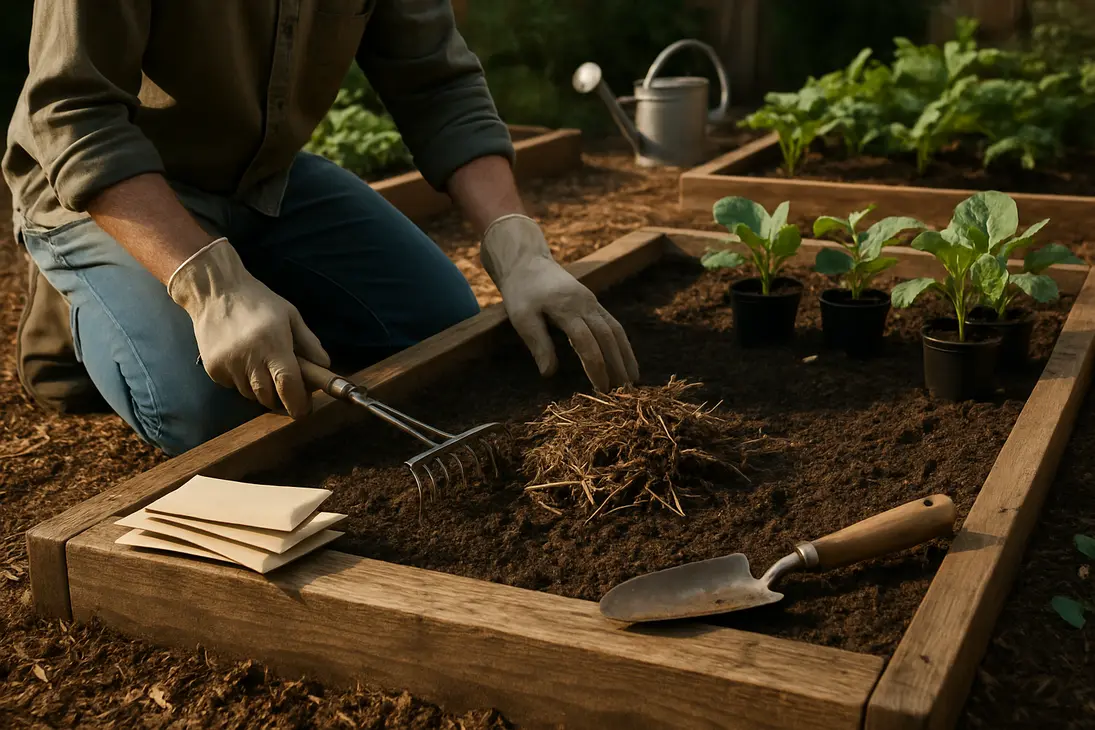
Before planting, remove weeds, loosen the top few inches of soil, add finished compost if the bed is depleted, rake smooth for small seeds, and water dry beds before sowing.
Root crops need loose soil. Leafy greens are more forgiving but still benefit from compost and even moisture. Avoid heavy late-season fertilizing, which can push soft growth that is more vulnerable to cold or pests.
Water consistently while roots establish
September air may feel cool, but soil can still dry quickly. Seeds need consistent surface moisture until germination. Transplants, perennials, shrubs, and trees need deeper watering so the root zone stays evenly moist.
Check with your finger: if the top inch is dry for seeds, water lightly. For transplants, check several inches down and water deeply when needed. Containers dry faster than beds, especially on sunny afternoons.
Use mulch to protect moisture and temperature
Mulch helps stabilize soil moisture and temperature. Around vegetables, use a light mulch after seedlings are established. Straw, shredded leaves, compost, or fine bark can work.
For perennials, shrubs, and trees, mulch reduces weeds and protects new roots. Keep it away from stems, crowns, and trunks because piled mulch can encourage rot.
Choose containers if garden space or soil is limited
Containers are useful if your beds are full, your soil is poor, or you garden on a balcony.
Good September container choices include lettuce, spinach, arugula, cilantro, parsley, chives, pansies, violas, radishes, and small bulbs.
Use potting mix rather than garden soil, and make sure containers drain well. Pots can be moved into sun, sheltered from frost, or placed near the kitchen for easier watering and harvesting.
Common September Planting Problems
September is often easier than midsummer, but problems still happen. Most come from cold timing, dry soil, transplant shock, or trying to keep warm-season crops going too long.
Seeds sprout slowly or not at all
Slow germination usually comes from dry soil, cold soil, planting too deep, or old seed.
| Problem | What to do |
|---|---|
| Soil too dry | Keep the seedbed evenly moist |
| Soil too cold | Switch to transplants or faster crops |
| Seeds too deep | Follow packet depth |
| Old seed | Resow with fresh seed |
Small seeds such as lettuce need extra attention because the soil surface dries quickly. In warm early September weather, light compost or temporary shade can help.
Plants droop after transplanting
Drooping after transplanting is common because roots have been disturbed. To reduce shock, plant in the evening or on a cloudy day, water before and after transplanting, keep the root ball intact, provide brief shade in hot weather, and avoid heavy fertilizer at planting.
A little first-day wilting is normal. If a plant stays limp in moist soil for several days, roots may be damaged, soil may be waterlogged, or the plant may not suit the season.
Warm-season crops stop producing
Tomatoes, cucumbers, peppers, eggplants, squash, and beans often slow down in September in autumn climates. Shorter days, cooler nights, and aging plants all reduce production.
You may extend harvest by picking ripe fruit, removing diseased leaves, watering evenly, giving plants maximum sun, and covering during light frost. Eventually, replacing tired summer crops with greens, radishes, or fall flowers is usually a better use of space.
Flowers or vegetables fail to set fruit
Warm-season crops may flower in September but fail to set fruit if nights are too cool, days are too short, pollinators are less active, or the plant is stressed.
This is common with tomatoes, peppers, cucumbers, and squash near the end of the season. In fall, leafy crops and root crops are usually more reliable than new fruiting crops.
Busy-gardener tips for low-maintenance success
If you have limited time, keep September planting simple:
- Use transplants when the season is short.
- Choose quick crops like radishes, arugula, and baby lettuce.
- Group pots near a door or hose.
- Mulch after seedlings establish.
- Use larger containers that dry more slowly.
- Plant bulbs, perennials, shrubs, or trees for future growth.
- Skip crops that need long warm weather.
A small, well-watered container of greens is better than an ambitious fall garden that becomes stressful.
Conclusion
September is not a dead month in the garden. In autumn regions, many cool-season vegetables, herbs, flowers, lawn grasses, weeds, bulbs, perennials, shrubs, and trees begin growing or rooting. In mild climates and the Southern Hemisphere, September can also support spring and warm-season growth.
For success, match plants to your climate, frost date, and soil temperature. Some September plantings give leaves or flowers within weeks. Others quietly grow roots now and reward you next year.
FAQ
What vegetables can I plant in September?
In many autumn climates, good September vegetables include lettuce, spinach, kale, arugula, Swiss chard, radishes, turnips, carrots, beets, and sometimes peas. If frost is close, choose fast crops such as radishes, arugula, baby lettuce, and spinach.
In Southern Hemisphere spring regions, September may also suit tomatoes, beans, cucumbers, squash, and peppers if soil is warm and frost risk is low.
Do flowers still grow in September?
Yes. Pansies, violas, chrysanthemums, asters, calendula, sweet alyssum, and snapdragons in mild climates can grow or bloom in September.
Mums and asters are often bought already blooming. Pansies and violas continue growing well in cool weather.
Is September too late to start a garden?
Not necessarily. It may be too late for many warm-season crops in cold regions, but it is not too late for cool-season greens, radishes, herbs, fall flowers, containers, bulbs, perennials, shrubs, or trees.
If frost is near, use transplants and quick crops. If winters are mild, September can be one of the best times to start a garden.
Can I plant tulip bulbs in September?
You can plant tulip bulbs in September in some cool regions, but in many areas it is better to wait until the soil cools more. Tulips should root before winter without being pushed into early top growth.
If September is still hot, store tulip bulbs in a cool, dry, ventilated place and plant later in autumn. Daffodils, crocus, hyacinths, and alliums are also fall-planted, with timing adjusted to local conditions.
You Might Also Like