Easiest Plants for Beginners to Grow Successfully
Starting a garden is much easier when your first plants are forgiving. The easiest plants for beginners sprout reliably, recover from small mistakes, show clear signs when they need help, and do not demand perfect soil, expert pruning, or constant attention.
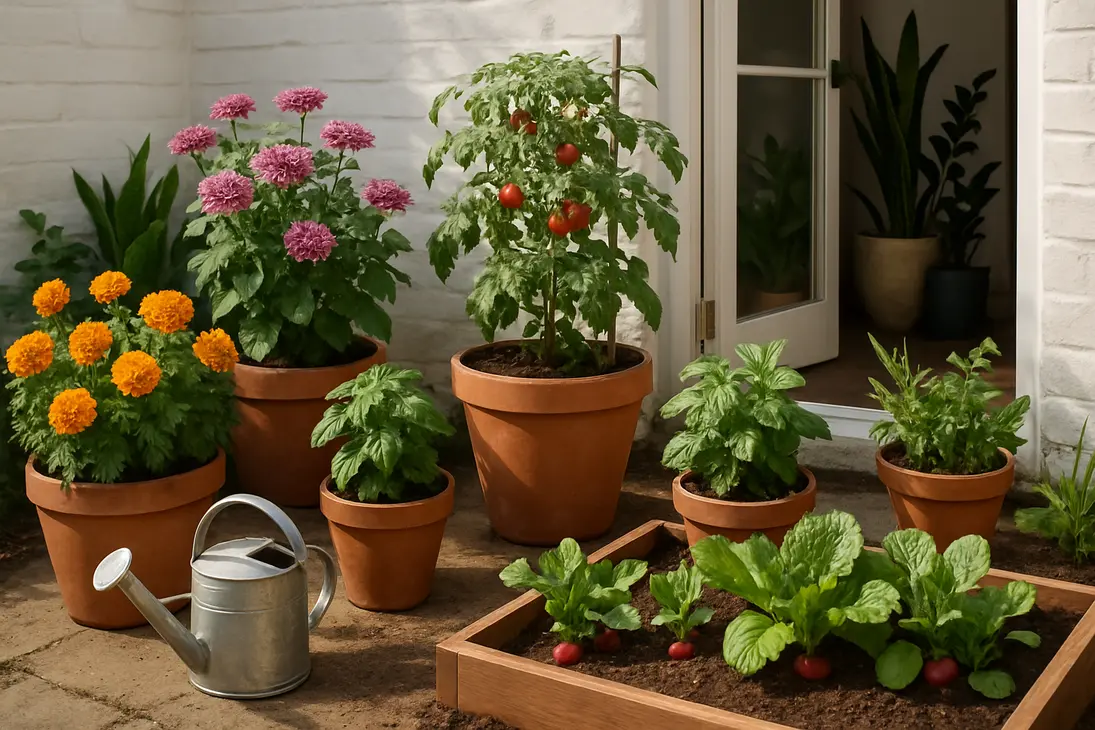
A beginner can grow flowers, herbs, vegetables, or houseplants successfully. The best choice depends on your space, sunlight, climate, and how much time you can realistically spend watering and checking plants. A sunny balcony may be perfect for basil, cherry tomatoes, marigolds, and nasturtiums. A shady apartment may be better suited to pothos, snake plant, or ZZ plant. A small backyard can handle sunflowers, zinnias, lettuce, beans, and radishes with little fuss.
What Makes a Plant Easy for Beginners?
Beginner-friendly plants share a few traits. They tolerate imperfect watering, grow in average soil or standard potting mix, and survive common mistakes long enough for you to correct them.
The easiest plants usually have low-maintenance watering needs. This does not mean they never need water. It means they can handle a little inconsistency. Marigolds, zinnias, pothos, snake plants, and mint are more forgiving than plants that wilt after one dry afternoon or rot quickly in damp soil.
They also give clear signs when something is wrong. Lettuce wilts when thirsty. Basil droops when dry and often perks up after watering. Snake plants can become mushy if overwatered. Pothos leaves may yellow if roots stay too wet. These signals help you learn cause and effect.
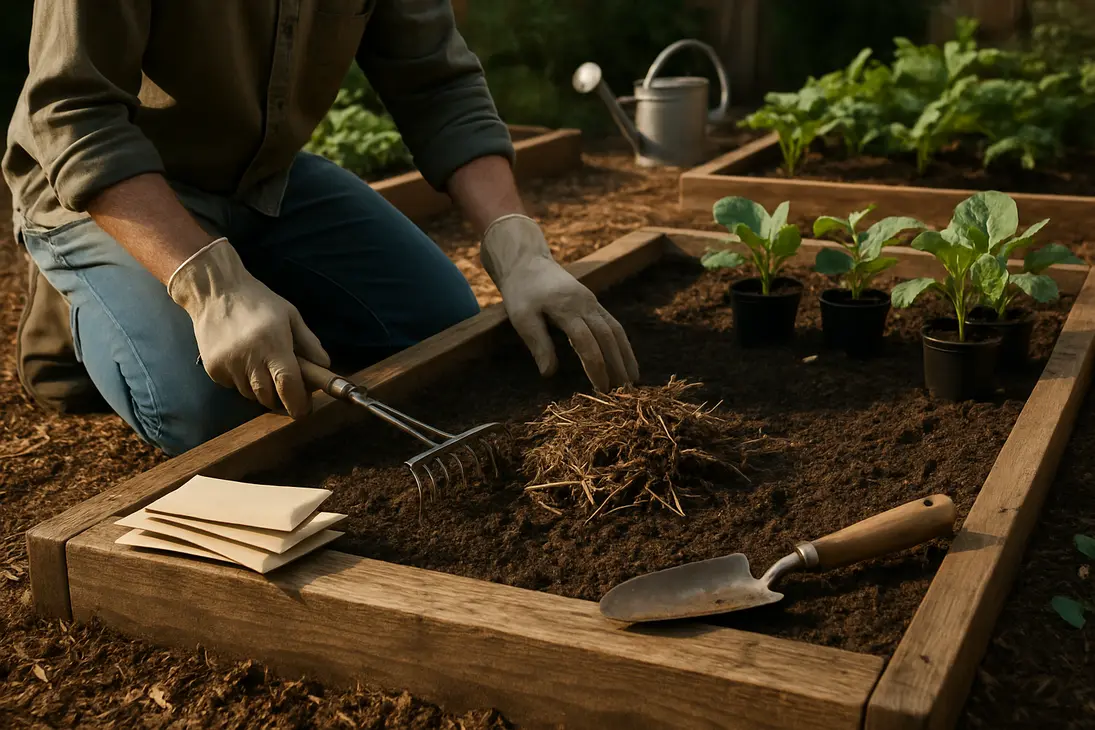
Easy plants should also fit your actual space. Many good beginner plants grow well in containers, window boxes, patio planters, raised beds, or small garden borders.
| If you have… | Good beginner choices |
|---|---|
| Sunny balcony or patio | Marigolds, nasturtiums, basil, cherry tomatoes, lettuce, mint in a pot |
| Small sunny garden bed | Zinnias, sunflowers, green beans, radishes, salad greens |
| Cooler spring or fall weather | Pansies, violas, lettuce, radishes |
| Low-light indoor space | Pothos, snake plant, ZZ plant |
| Bright indoor windowsill | Aloe vera, spider plant, herbs if light is strong enough |
Best Easy Flowers for First-Time Gardeners
Flowers are a rewarding starting point because you see results quickly. Many beginner annuals bloom generously with basic care. Most need at least six hours of sun per day, though pansies and violas prefer cooler, less intense conditions.
Marigolds
Marigolds are among the most reliable beginner flowers. They grow quickly, bloom in warm shades of yellow, orange, gold, and red, and are easy to find as seeds or starter plants.
Plant marigolds in full sun and average, well-drained soil. In containers, use a pot with drainage holes and water when the top inch of potting mix feels dry. They do not need rich soil or complicated care.
Marigolds are also useful near vegetable gardens because they attract pollinators and beneficial insects. They are not a guaranteed pest solution, but they are cheerful, practical companion plants. Remove faded flowers for tidier plants and more blooms, though they often keep flowering even if you forget.
Zinnias
Zinnias are excellent if you want fast color and cut flowers. They grow easily from seed, especially when sown directly into warm soil after frost danger has passed. Many varieties germinate quickly and bloom within a couple of months.
Give zinnias full sun, good air movement, and well-drained soil. Water at the base rather than constantly wetting the leaves, especially in humid areas, to reduce leaf disease.
Cutting flowers encourages more branching and blooming, so even a small patch can produce plenty of color. For containers, choose dwarf varieties; tall cutting types are better in garden beds or large pots with support.
Sunflowers
Sunflowers are simple, dramatic, and especially fun for children. Their seeds are large and easy to handle, making them less intimidating for first-time gardeners.
They need full sun and enough space. Check the seed packet for mature height before planting. Some varieties grow very tall, while dwarf types are better for containers.
Sow sunflower seeds directly where they will grow, because they do not always like transplanting. Keep soil evenly moist until seedlings establish. After that, they are fairly tough, though they perform best with regular water during dry spells.
Nasturtiums
Nasturtiums are colorful, forgiving, and useful in edible gardens. Their round leaves and bright flowers look good spilling from containers, edging beds, or trailing through garden spaces.
They thrive in poor-to-average soil and often bloom less in overly rich soil. That makes them ideal for beginners who do not want to fuss with fertilizer.
The flowers and leaves are edible and have a peppery flavor. Use only plants that have not been treated with pesticides or chemicals not intended for food crops. Nasturtiums prefer sun but may tolerate light shade, especially in hot climates.
Pansies or Violas
Pansies and violas are ideal beginner flowers for cool seasons. They are often planted in spring or fall, and in mild climates they may bloom through winter.
They work well in pots, window boxes, and small beds. Use containers with drainage holes and keep the soil lightly moist but not soggy. Removing faded flowers helps extend blooming.
These plants are a good reminder that “easy” depends on season. Pansies and violas are easy in cool weather; zinnias and marigolds are easier in warm weather.
Easiest Vegetables and Herbs to Grow
Edible plants are rewarding because you get something useful from them. The best beginner vegetables and herbs grow quickly, produce reliably, and do not require complicated pruning or pest management.
Lettuce and Salad Greens
Lettuce and salad greens are among the easiest edible plants because they grow quickly and do not need deep soil. Loose-leaf lettuce, arugula, spinach, and baby salad mixes are all good options.
Grow greens in garden beds, raised beds, window boxes, or shallow containers. They prefer cool to mild weather and can tolerate partial sun, especially in warm climates. In hot weather, many greens bolt, meaning they send up flower stalks and become bitter.
For a steady supply, harvest outer leaves while leaving the center to keep growing. You can also sow small amounts every couple of weeks during suitable weather. Keep soil consistently moist, because shallow roots dry out quickly.
Radishes
Radishes are classic confidence-builders. Many varieties are ready to harvest in about a month under good conditions. The seeds are easy to handle, germinate quickly, and can be sown directly into a garden bed or container.
Radishes prefer cool weather, loose soil, and consistent moisture. Thin seedlings according to the seed packet so the roots have room to form. If plants are crowded, they may grow leaves without good roots.
Harvest radishes when they are young and appropriately sized. If they dry out repeatedly, grow too slowly, or stay in the ground too long, they can become woody or overly spicy.
Cherry Tomatoes
Cherry tomatoes are often easier than large slicing tomatoes because they are productive, quick to ripen, and less disappointing if a few fruits split or get damaged.
They need full sun, regular watering, and support. Even compact plants benefit from a cage, stake, or trellis. For containers, choose patio, dwarf, or determinate varieties and use a large pot with drainage.
Tomatoes are not as effortless as radishes, but they are very rewarding. The main beginner mistakes are planting too early in cold weather, using too small a pot, watering irregularly, and not supporting the plant soon enough. Check container tomatoes often in hot weather and water at the base.
Green Beans
Green beans are easy from seed and productive in warm weather. Bush beans are the simplest for beginners because they usually do not need tall supports. Pole beans can produce over a longer period but need a trellis or poles.
Plant beans directly in warm soil after frost danger has passed. They dislike cold, wet soil, so patience matters. Once they sprout, they grow quickly with sun and regular water.
Harvest often when pods are tender. Picking encourages more production. Avoid working around bean plants when leaves are wet if possible, as this can spread disease.
Basil
Basil is one of the best beginner herbs because it is fragrant, useful, and happy in pots. It loves warmth, sun, and regular harvesting.
Wait until nights are warm before placing basil outdoors. Indoors, it needs very bright light; a dim kitchen counter is usually not enough for long-term growth.
Harvest by cutting stems just above a pair of leaves. This encourages branching and keeps the plant from becoming tall and sparse. Remove flower buds if you want continued leaf production. Keep basil evenly watered but not soggy.
Mint
Mint is extremely hardy and forgiving, but it comes with one important warning: it spreads aggressively by underground stems and can take over garden beds.
Grow mint in a container to keep it useful and controlled. Place it in sun to partial sun, water regularly, and trim it often for tea, sauces, desserts, and summer drinks.
Mint can recover from neglect better than many herbs. If it wilts from dryness, it often bounces back after watering unless severely damaged. The main rule is containment.
Easy Indoor Plants for Beginners
Indoor plants are a good starting point if you lack outdoor space. The biggest beginner mistake indoors is overwatering. Most houseplants suffer more from constantly wet roots than from being slightly dry for a short time.
Pothos
Pothos is one of the easiest houseplants. It tolerates lower light, grows in normal household conditions, and forgives imperfect watering.
Its trailing vines and heart-shaped leaves work well on shelves, desks, plant stands, or hanging baskets. In bright indirect light, it grows faster and may show stronger variegation. In lower light, it survives but grows more slowly.
Water pothos when the top portion of soil feels dry. Slight drooping often means thirst. Yellow leaves with wet soil may mean overwatering. Pothos is also easy to propagate from vine cuttings.
Snake Plant
Snake plant is ideal for busy beginners because it is very drought-tolerant. Its upright, sword-like leaves store water, so it does not need frequent attention.
It tolerates a range of indoor light, from bright indirect light to lower light. Growth is faster in brighter conditions, but it can stay attractive in offices, bedrooms, and apartments.
The main rule is to avoid overwatering. Let soil dry well between waterings and use a pot with drainage. Soft or mushy leaf bases usually mean the plant is staying too wet.
Spider Plant
Spider plant is adaptable and cheerful, with arching leaves that are often striped green and white. Mature plants produce dangling baby plants called plantlets.
It prefers bright indirect light but can tolerate some lower light. Water regularly, but do not let it sit in soggy soil.
Brown leaf tips are common and may come from inconsistent watering, dry air, mineral buildup, or general stress. They are not usually a disaster. Trim them if needed and keep care steady. Plantlets can be rooted to make new plants.
ZZ Plant
ZZ plant is one of the toughest indoor plants. It handles low light, infrequent watering, and neglect better than most common houseplants. Its glossy, upright leaves stay tidy with little effort.
It is a good choice for offices, apartments, hallways, or anyone who travels often. It grows slowly, so its strength is durability rather than speed.
Water ZZ plant only when the soil has dried well. Its thick rhizomes store water, so frequent watering can cause rot. Use a container with drainage holes.
Aloe Vera
Aloe vera is a useful succulent for bright indoor spaces. It needs bright light, well-draining soil, and little water. A sunny windowsill is usually better than a dim room.
Use cactus or succulent mix, or another well-draining potting mix, and choose a pot with drainage holes. Water thoroughly, then let the soil dry before watering again.
Aloe is more likely to suffer from overwatering than underwatering. Its key limitation is light: it is easy if you can provide brightness, but it may stretch or weaken in low light.
Beginner Plant Care Tips That Prevent Most Problems
Most beginner gardening problems come from a few predictable causes: too much water, too little light, poor drainage, overcrowding, or choosing a plant that does not match the space.
Start with 2–4 plants instead of too many at once. A small group lets you learn how often your containers dry out, how much sun your space gets, and which plants you enjoy caring for.
Match plants to your available sunlight. Full sun means roughly six or more hours of direct sun. Partial sun or partial shade means less. Indoor “bright indirect light” is not the same as a dark corner across the room.
Use containers with drainage holes. Without drainage, excess water can sit around roots and cause rot. Decorative cachepots are fine if the plant is in a nursery pot inside them and you empty extra water after watering.
Water deeply, then let soil dry as appropriate for the plant. For outdoor containers, water until excess runs from the drainage holes. Indoors, check soil before watering instead of following a strict calendar.
Read plant tags for spacing and mature size. Crowding reduces airflow, increases competition for water, and can invite disease. This matters for zinnias, tomatoes, beans, and container flowers.
Choose healthy starter plants if you are not growing from seed. Look for sturdy stems, fresh leaves, and roots that are not circling heavily around the pot. Avoid plants with yellowing leaves, mushy stems, obvious pests, or bone-dry root balls unless you are ready to rescue them.
A simple routine helps:
- Check outdoor containers often in hot weather.
- Check indoor plants weekly before watering.
- Harvest herbs regularly so they stay bushy.
- Remove dead flowers or damaged leaves when you notice them.
- Spend a few minutes observing plants rather than guessing.
Expect some trial and error. Every gardener loses plants. The goal is not perfection; it is learning what works in your space.
Conclusion
The easiest plants for beginners are forgiving, widely available, and suited to the conditions you can actually provide. For quick flowers, start with marigolds, zinnias, sunflowers, nasturtiums, or pansies. For edible success, try lettuce, radishes, cherry tomatoes, green beans, basil, or mint in a container. For indoor gardening, pothos, snake plant, spider plant, ZZ plant, and aloe vera are reliable choices.
Start small, choose plants that match your light, use containers with drainage, and check soil before watering. A few well-chosen plants will teach you more—and reward you more—than an overcrowded first garden.
FAQ
What is the easiest plant to grow for a complete beginner?
For outdoor growing, marigolds, radishes, lettuce, and mint are among the easiest. Marigolds provide fast flowers, radishes grow quickly from seed, lettuce is simple in cool weather, and mint is very resilient when grown in a pot.
For indoors, pothos, snake plant, and ZZ plant are excellent beginner choices. If you forget watering, choose snake plant or ZZ plant. If you want faster visible growth, choose pothos.
Are flowers, vegetables, herbs, or houseplants easiest to start with?
The easiest category is the one that fits your conditions. A sunny patio favors herbs, flowers, and cherry tomatoes. A cool spring garden favors lettuce and radishes. A low-light apartment favors pothos, snake plant, or ZZ plant.
Flowers like marigolds and zinnias are often easy outdoors because they bloom with basic care. Herbs are satisfying because you can use them in the kitchen. Vegetables vary: radishes and lettuce are very easy, while tomatoes need more attention.
What plants should beginners avoid at first?
Beginners may want to avoid plants with very specific humidity, pruning, soil, or pest-control needs. Fussy tropical houseplants, orchids, and demanding fruiting crops can wait until you have more experience.
Also be cautious with aggressive spreaders. Mint is easy, but it should be grown in a container. Some vines, groundcovers, and self-seeding plants can become more work than expected.
How many plants should a beginner start with?
Start with 2–4 plants. That is enough to learn watering, light, spacing, and basic care without becoming overwhelmed.
A good first combination might be one flower, one herb, one vegetable, and one houseplant—or just a few containers of the same easy plant if you prefer simplicity. Once you understand your routine, add more with confidence.
You Might Also Like