How to Revive an Overwatered Indoor Plant
Overwatering is one of the most common houseplant problems because it often looks like care: a plant droops, so we water again. But roots need oxygen as well as moisture. When potting mix stays wet too long, air spaces fill with water, roots weaken, and rot can begin.
Many overwatered indoor plants can recover if you act early. Mild cases may only need drying time, better light, and improved drainage. Plants with root rot need faster action: remove damaged roots, repot in fresh mix, and change your watering habits.
How to Tell If Your Plant Is Overwatered
An overwatered plant may look yellow, limp, brown, or generally stressed. Because these symptoms can also come from underwatering, pests, low light, or cold, check the leaves, stems, soil, pot, and recent watering together.
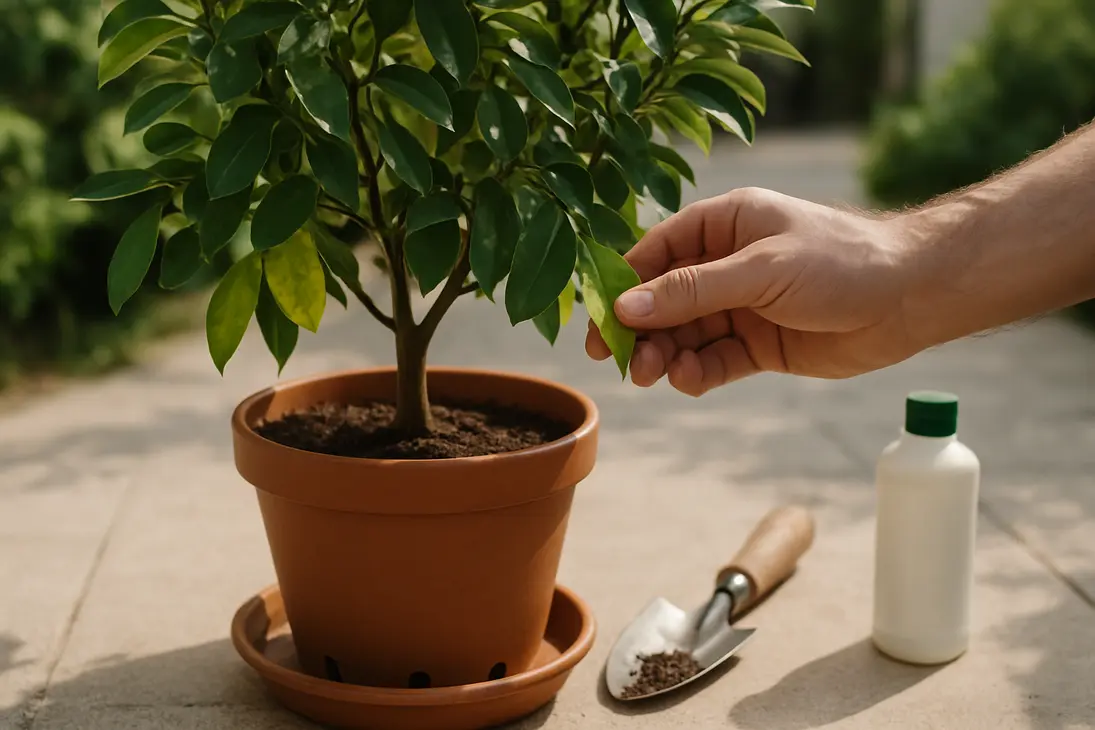
Yellowing, Drooping, or Browning Leaves
Common early signs include:
- Yellow lower leaves
- Drooping while the soil is still damp
- Brown tips or soft brown patches
- Leaves dropping early
- Weak, pale, or stunted new growth
The confusing part is that an overwatered plant can wilt in wet soil. Damaged roots cannot move water and nutrients properly, so leaves sag despite moisture around the roots.
One yellow leaf is not usually an emergency, especially if it is old growth. Several yellowing leaves plus consistently wet soil is more concerning. Soft, water-soaked browning points more toward overwatering than crispy dry edges, though symptoms can overlap.
Mushy Stems, Soft Leaves, or Rotting Plant Parts
Mushy tissue is a stronger warning sign than yellowing. If stems, crowns, bulbs, or leaf bases become soft, translucent, blackened, or collapse easily, rot may already be active.
Watch for:
- Soft stems near the soil line
- Limp, swollen leaves
- A dark, wet, or sunken crown
- Succulent leaves turning translucent or falling off
- A sour or rotten smell from the pot
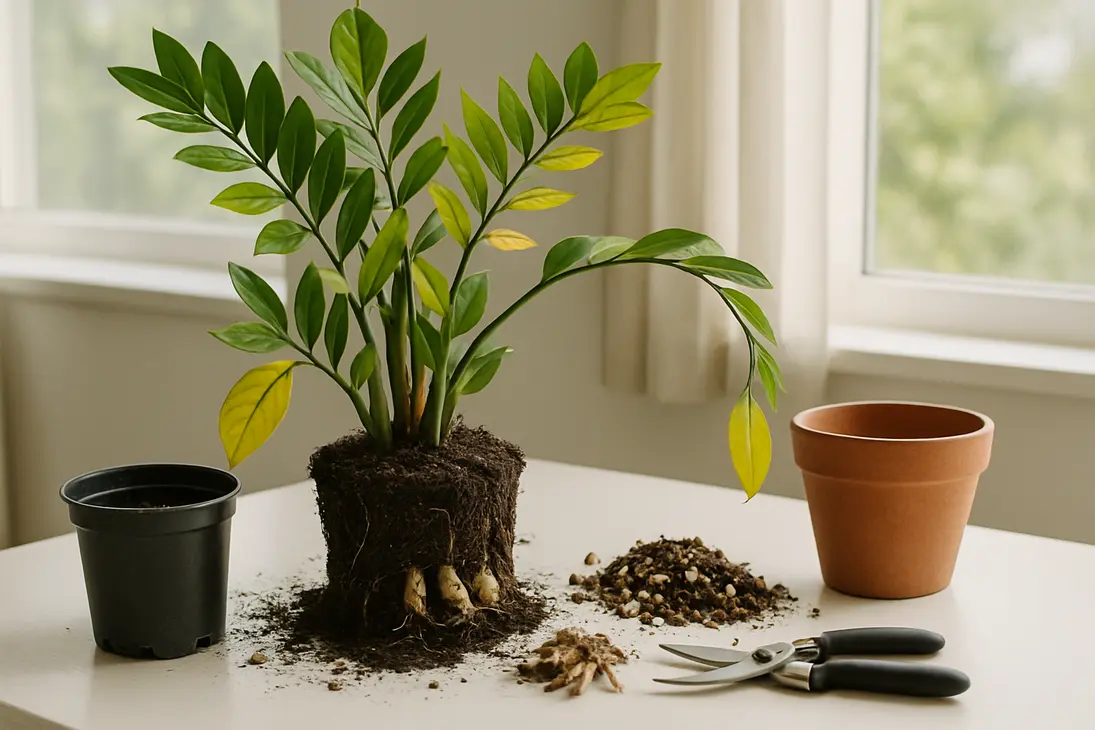
Snake plants, ZZ plants, jade plants, echeverias, aloe, cacti, and other water-storing plants are especially vulnerable because they are adapted to dry between waterings. If the lower stem is mushy all the way through, healthy cuttings may be the better option.
Wet Soil, Poor Drainage, Mold, or Fungus Growth
Overwatering is not just about how much water you pour in. It is about how long the mix stays wet.
Soil-level warning signs include:
- Soil that stays wet for many days
- A pot that remains heavy long after watering
- Water sitting in a saucer or cachepot
- No drainage holes or blocked holes
- White or gray mold on the soil surface
- Fungus gnats around the pot
- A musty smell from the mix
A little surface mold is not always fatal, but it means the surface is staying damp. Fungus gnats also thrive in moist organic mix. Dense, compacted, peat-heavy, or garden soil-based mixes can keep roots wet even if you water modestly.
Overwatering vs. Underwatering: How to Check the Difference
Do not diagnose by leaves alone. Check the soil and, if needed, the roots.
| What you check | More likely overwatered | More likely underwatered |
|---|---|---|
| Soil | Wet below the surface | Dry or pulling from pot edges |
| Pot weight | Heavy days after watering | Very light |
| Leaves | Soft, limp, yellowing | Limp, curled, crispy |
| Stem/base | Soft, dark, mushy | Usually firm |
| Smell | Musty or rotten | Dry soil smell |
| After watering | Does not improve, may worsen | Often perks up |
Use your finger, a wooden skewer, or a moisture meter as a guide. For many pots, check 1–2 inches down. For deeper pots, a skewer can show whether moisture remains lower in the mix. If wet soil and drooping happen together, do not “try one more watering.”
What to Do Immediately After Overwatering
Your first goal is to get oxygen back around the roots without adding more stress.
Stop Watering and Let the Soil Dry
Stop watering immediately. Do not fertilize, add “plant food,” or mist heavily. Fertilizer can stress damaged roots, and extra moisture slows drying.
Let the soil dry to the level appropriate for the plant. Many tropical houseplants can be watered when the top 1–2 inches dry. Succulents, cacti, snake plants, and ZZ plants should dry much more thoroughly.
To help the pot dry:
- Remove decorative stones or moss
- Take the nursery pot out of a closed cachepot
- Loosen a crusted soil surface gently
- Move the plant somewhere warmer and brighter
Do not place a stressed plant in harsh direct sun to dry it out. Sudden intense light can scorch leaves.
Move the Plant to Better Light and Airflow
Low light is a major reason indoor plants stay wet too long. In dim conditions, plants use water slowly, so a normal schedule can become excessive.
Move the plant to bright, indirect light if the species tolerates it, or use a grow light. Add gentle airflow if the room is stale, but do not blast the plant with a fan.
Avoid cold drafts, heater vents, hot direct sun, and humid corners while the mix is already wet. Warmth, light, and mild air movement help; environmental shock does not.
Check Drainage Holes and Empty Saucers
Most indoor plants need drainage holes. If excess water cannot leave the pot, roots may sit in stagnant water.
Check that holes are present and not blocked by compacted soil, roots, liners, or a tight saucer. Empty saucers after watering. If a nursery pot sits inside a decorative pot, lift it out and check for hidden water.
If the pot has no drainage, repot into one that does or use the decorative container only as an outer cachepot. A pebble layer at the bottom does not fix a no-drainage pot; water still collects inside.
When to Leave the Plant Alone vs. Repot It
Not every overwatered plant needs immediate repotting. Repotting helps when soil is sour, compacted, or rotten, but it also disturbs stressed roots.
Let the plant dry in place if:
- Stems are firm
- Soil is damp but not foul-smelling
- Yellowing is minor
- The pot drains
- Overwatering happened once or twice
Repot soon if:
- Soil smells rotten or swampy
- The pot has no drainage
- The mix is dense and stays wet
- Stems or leaves are mushy
- Mold, gnats, and wet soil keep returning
- The plant declines after conditions improve
If unsure, slide the root ball partly out and inspect. Firm, pale roots are reassuring. Black, mushy, smelly roots mean you need to treat root rot.
How to Save a Plant With Root Rot
Root rot happens when roots die and decay in wet, low-oxygen conditions. The rescue is straightforward: remove rotten tissue, improve the growing medium, and reduce stress while the plant regrows.
Remove the Plant From the Pot and Inspect the Roots
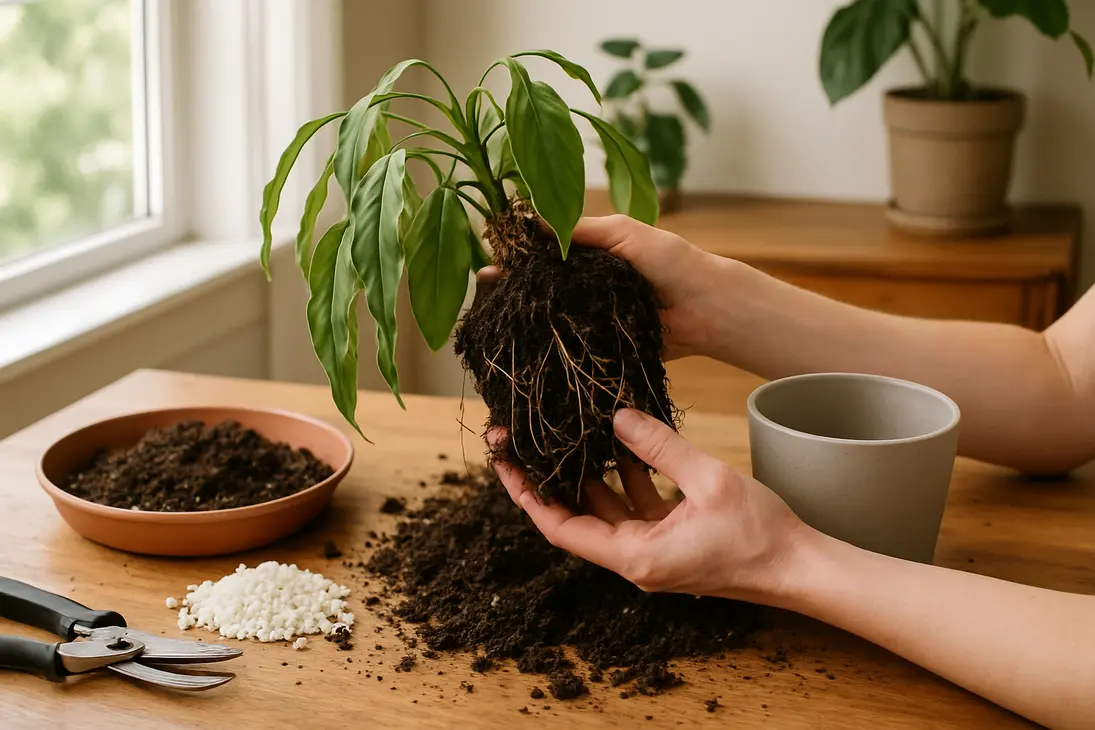
Prepare clean scissors or pruners, fresh potting mix, a pot with drainage, paper towels or newspaper, and rubbing alcohol or hot soapy water for cleaning tools.
Gently slide the plant out of its pot. Squeeze plastic pots or run a dull knife around rigid pots if needed. Do not yank on stems.
Healthy roots are usually firm and white, cream, tan, or light brown, though some plants naturally have darker roots. Rotten roots are mushy, slimy, black or dark brown, hollow, stringy, easy to pull apart, or bad-smelling.
Remove loose soggy soil with your fingers. If the old mix smells sour or clings wetly, remove as much as you can without shredding healthy roots.
Trim Away Mushy, Black, or Smelly Roots
Cut away rotten roots with clean tools, trimming back to firm tissue. Clean your tools if they touch rotted material so you do not spread decay.
Also remove fully dead leaves, mushy stems, collapsed growth, and any plant part that smells rotten. Do not remove every imperfect leaf; green leaves help the plant make energy during recovery.
If only a small portion of roots is damaged, the plant has a good chance. If most roots are gone, recovery is uncertain and propagation may be safer.
Repot in Fresh, Well-Draining Potting Mix
Repot in fresh mix. Do not reuse sour, soggy soil. Choose a pot with drainage holes and avoid sizing up too much. Extra unused soil stays wet longer. If many roots were removed, a slightly smaller pot may be better.
Use a mix that holds some moisture but still allows air around the roots. Depending on the plant, add perlite, pumice, orchid bark, or coarse coco chips.
General guidance:
- Aroids: potting mix with orchid bark and perlite
- Succulents and cacti: gritty mix with pumice or perlite
- Snake plants and ZZ plants: fast-draining mix
- Ferns and calatheas: moisture-retentive but airy mix
Set the plant at the same depth as before. Do not bury a wet or weak stem deeper for support. Firm the mix gently without compacting it.
After repotting, water only if appropriate. Leafy tropicals with healthy remaining roots may need a light watering to settle the mix. Succulents or plants with heavy root loss often benefit from waiting a few days so cuts can dry slightly.
Propagate Healthy Cuttings if the Roots Are Too Damaged
Sometimes you cannot save the original root system. If roots are mostly gone, the crown is mushy, or the stem base is black, take healthy cuttings as a backup.
Use only firm, clean tissue. Avoid anything soft, translucent, smelly, or discolored.
Common options include:
- Pothos, philodendron, monstera, tradescantia: stem cuttings with at least one node
- Snake plant: firm leaf sections
- Succulents: healthy leaves or stems, allowed to callus
- Basil or mint: healthy tip cuttings
Do not wait too long if rot is moving through the plant. It can spread quickly through soft stems and crowns.
How to Water Correctly After Recovery
After recovery begins, the goal is not to water as little as possible. It is to water at the right time for the plant, pot, mix, light, and season.
Check Soil Moisture Before Watering
A fixed weekly watering schedule causes many repeat problems. Plants use water at different speeds depending on light, temperature, humidity, season, pot size, and soil type.
Useful checks include:
- Finger test: Feel 1–2 inches down.
- Wooden skewer test: Damp soil will cling to the wood.
- Pot weight: Learn the difference between freshly watered and dry.
- Drainage hole check: Feel moisture near the bottom if possible.
- Moisture meter: Use as a guide, not the only authority.
Many leafy houseplants can be watered when the top portion dries. Drought-tolerant plants need a longer dry period.
Water Deeply, Then Let Excess Drain
Overwatering is usually caused by watering too often, poor drainage, or standing water — not by thoroughly moistening the root ball when the plant actually needs it.
When it is time, water until water runs from the drainage holes. Let the pot drain fully and empty the saucer. Avoid frequent tiny splashes, which keep the top layer damp for fungus gnats while leaving deeper roots dry.
If water runs straight through a very dry pot, the mix may have become hydrophobic. Water slowly in rounds or soak the pot briefly, then let it drain completely.
Match Watering to the Plant Type, Pot, Soil, and Season
The same plant can need very different watering in different conditions. A pothos in a small terracotta pot by a bright window may dry fast. One in a large plastic pot across the room may stay wet much longer.
Key factors:
- Plant type: Succulents store water; ferns prefer steadier moisture.
- Pot material: Terracotta dries faster than plastic or glazed ceramic.
- Pot size: Oversized pots hold extra wet soil.
- Soil mix: Chunky mixes dry faster than dense ones.
- Light: Brighter light usually increases water use.
- Season: Many houseplants need less water in winter.
- Temperature and humidity: Cool, humid rooms slow drying.
Check plants more often than you water them. Looking is helpful; watering automatically is the problem.
Plants Especially Sensitive to Overwatering
Be extra careful with:
- Snake plant
- ZZ plant
- Jade plant
- Echeveria and many rosette succulents
- Aloe
- Cacti
- String of pearls
- Peperomia
- Rubber plant
- Fiddle leaf fig
- Hoyas
- Orchids in dense or broken-down media
These plants often prefer to dry significantly between waterings and decline in heavy soil, oversized pots, or low light.
Moisture-loving plants such as some ferns, calatheas, and peace lilies still need oxygen around their roots. “Likes moisture” does not mean “likes soggy soil.”
Conclusion
Many overwatered indoor plants recover if you catch the problem early. Stop watering, improve light and airflow, check drainage, and let the soil dry. If you find a rotten smell, mushy stems, or black slimy roots, trim away rot and repot in fresh, well-draining mix.
After that, prevent a repeat by checking soil before watering. Plants need water, but their roots also need air.
FAQ
Can an overwatered plant recover on its own?
Yes, if the damage is mild. A plant with firm stems, no foul smell, and only slightly wet soil may recover once you stop watering, improve light, and let the mix dry.
If the pot has no drainage, the soil smells rotten, or stems and roots are mushy, it usually needs repotting and rot removal.
How long does it take an overwatered plant to recover?
Mild cases may improve within one to two weeks, though yellow leaves will not turn green again. If roots were damaged, recovery can take several weeks to a few months.
Warm, bright growing conditions usually speed recovery. Cold, low-light winter conditions slow it down.
Should I repot an overwatered plant right away?
Not always. If the plant is firm and the soil is only temporarily too wet, let it dry and correct any drainage or saucer issue first.
Repot right away if the pot has no drainage, the soil is sour or compacted, the plant is declining quickly, or you suspect root rot.
What does root rot look and smell like?
Root rot usually looks dark, mushy, slimy, or stringy. Rotten roots may fall apart when touched. Healthy roots are generally firm, though color varies by plant.
The smell is often the clearest clue: sour, swampy, musty, or like decaying vegetation. If a plant wilts in wet, bad-smelling soil, inspect the roots promptly.
You Might Also Like