What Are the Most Enjoyable Forest Trees to See?
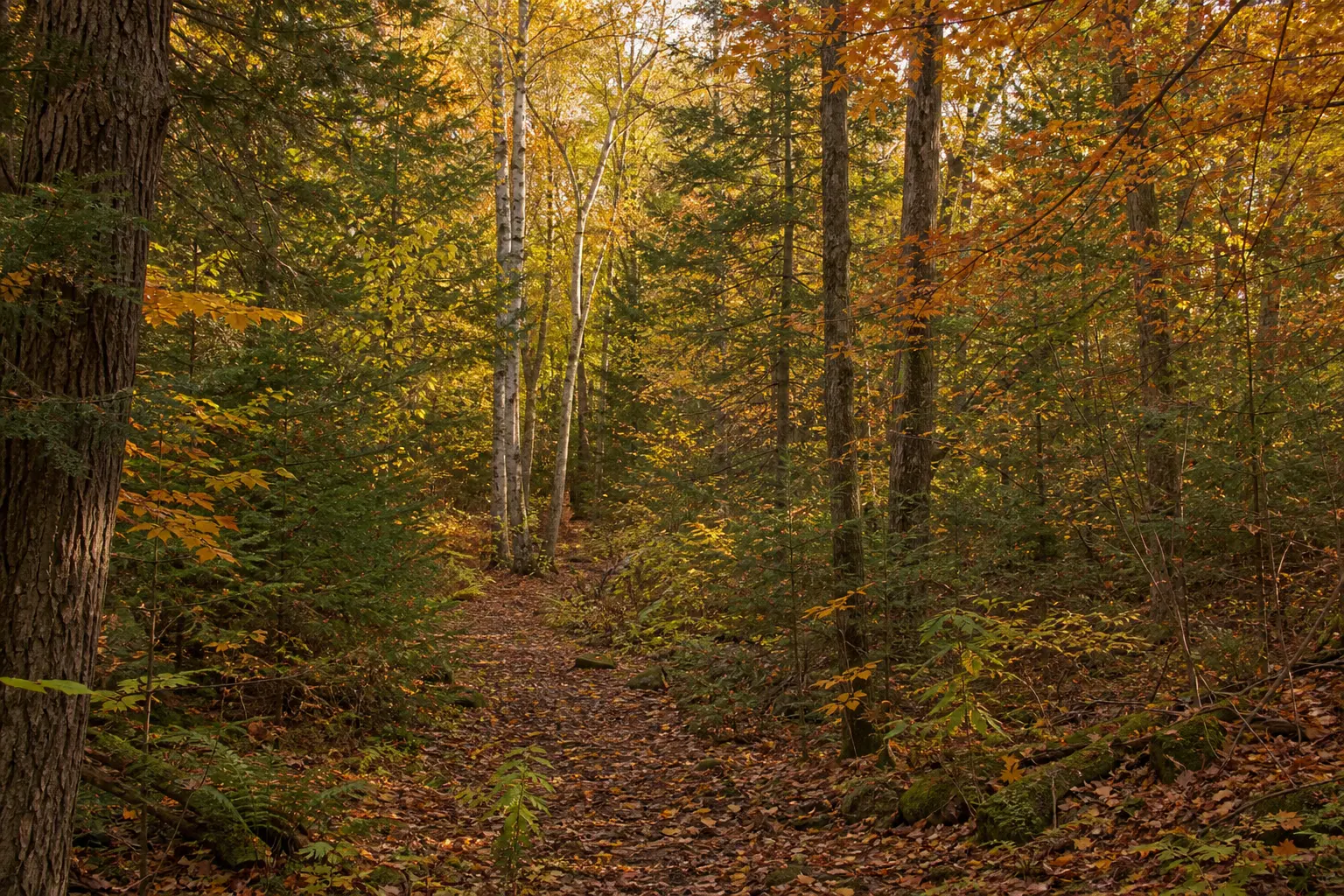
The most enjoyable forest trees to see are usually the ones with a strong presence: immense trunks, unusual bark, a distinctive silhouette, dramatic seasonal color, or a canopy that changes the feeling of the whole woodland. Giant redwoods can make visitors feel small; aspens brighten a hillside with pale trunks and trembling leaves; an old oak can seem to hold an entire community of birds, insects, and fungi.
There is no single “best” tree for every forest. The most memorable species are often the ones that belong naturally to the climate and habitat you are visiting. A towering spruce may be the highlight of a northern forest, while a spreading live oak or a stand of cypress may be more striking in a warmer, wetter landscape.
What Makes a Forest Tree Visually Enjoyable?
A tree becomes memorable through more than its height. Some trees are enjoyable because they are individually impressive, while others are most beautiful as part of a grove, a forest edge, or a changing seasonal landscape.
Features that make forest trees especially rewarding to observe include:
- Scale and form: Tall, straight trunks, broad crowns, narrow spires, and low spreading limbs all create different moods.
- Bark: Deeply furrowed oak bark, smooth gray beech bark, peeling birch bark, and fibrous redwood bark offer texture throughout the year.
- Foliage: Needle-like evergreen foliage, large lobed leaves, delicate leaflets, and glossy broad leaves each catch light differently.
- Seasonal change: Fresh spring leaves, summer shade, autumn color, and winter silhouettes make the same species worth revisiting.
- Scent: Pines, firs, cedars, and some cypresses can release a resinous or spicy scent, particularly on warm days or after rain.
- Wildlife activity: Acorns, seeds, cones, flowers, and bark crevices support birds, insects, mammals, and fungi. Watching a woodpecker work an old trunk or squirrels harvest cones can add as much interest as the tree itself.
- The atmosphere of the grove: A single tree can be remarkable, but a whole stand of birch, aspen, beech, or redwood creates a sense of place that is hard to replicate in a garden.
When looking at trees, slow down enough to notice the details: how the trunk meets the roots, whether the crown is rounded or pointed, what grows beneath it, and how light moves through the canopy.
Forest Trees That Are Especially Striking to See
The following groups include some of the most enjoyable forest trees to see in regions where they naturally grow. Species within each group vary widely, so it is worth learning the common native trees of the particular forest you plan to visit.
Giant Redwoods and Sequoias
Coast redwoods and giant sequoias are among the most awe-inspiring trees on Earth, though they grow naturally only in limited parts of California. Their appeal begins with sheer scale: exceptionally tall trunks, thick reddish-brown bark, and crowns that disappear high overhead.
Coast redwoods are known for height and often grow in cool, moist coastal forests. Giant sequoias are famous for their immense trunk volume and grow in groves at higher elevations in the Sierra Nevada. Both can create a cathedral-like experience, especially where closely spaced trunks rise from a dim, ferny forest floor.
Their bark is particularly enjoyable to examine from a respectful distance. It is fibrous, deeply textured, and often warm red to cinnamon brown. Fallen cones, thick leaf litter, and massive root flares make it easy to appreciate the scale even without looking straight up.
These trees are popular because few other woodland experiences combine height, age, scent, shade, and quiet so powerfully. Their popularity also means many groves receive heavy foot traffic, so staying on designated paths is important for protecting shallow feeder roots and fragile understory plants.
Pines, Firs, and Spruces
Pines, firs, and spruces give forests a strong evergreen character. They are often at their most dramatic in mountain, northern, and boreal landscapes, where their pointed crowns stand out against snow, cliffs, lakes, or open sky.
These conifers are enjoyable for several reasons:
- Their evergreen needles provide color even in winter.
- Their trunks can be strikingly straight and tall in dense forests.
- Their cones vary greatly in size, shape, and position on the branches.
- Resin and crushed needles often produce a clean, woodsy fragrance.
- Their pointed forms make a forest skyline look layered and architectural.
Pines often have more open crowns and long needles gathered in bundles, depending on species. Firs tend to have soft, flattened needles and a neat, narrow profile. Spruces usually have stiff, sharp needles and dense branching, with cones that hang down from the branches.
In a mixed forest, evergreens provide useful contrast beside broadleaf trees. They deepen the color of autumn foliage and remain visually important after deciduous trees have dropped their leaves.
Oaks
Oaks are not always the tallest forest trees, but mature specimens are among the most characterful. Many develop broad, spreading crowns, heavy limbs, thick bark, and a solid, grounded appearance that makes them feel ancient even when they are not.
Their bark may be plated, ridged, flaky, or deeply furrowed, depending on the species. Their lobed leaves are easy to recognize, and acorns provide a seasonal point of interest in late summer and autumn.
An old oak often supports noticeable wildlife activity. Birds may forage in the canopy, insects use the bark and leaves, and mammals feed on acorns. Looking up into a mature oak’s branching structure can be as rewarding as looking at its leaves.
Autumn color differs among oak species. Some turn gold, russet, or red, while others become brown and hold dry leaves into winter. Oaks are especially enjoyable in open woodland, where their full crowns have room to spread.
Maples
Maples are among the most visually celebrated forest trees in places with cool to temperate autumns. Their leaves are distinctive, often palm-shaped and lobed, and their fall color can range from clear yellow and orange to scarlet and deep red.
A maple forest is not always fiery every year. Leaf color depends on the species, local weather, moisture, and the timing of seasonal change. Even so, maples can provide some of the most reliable and varied autumn displays in forests where they are native.
In spring and early summer, maple leaves often emerge in soft green, bronze, or reddish tones before settling into a fuller summer canopy. Their winged seeds, commonly called samaras, are also fun to spot spinning down from branches.
For the best viewing, look for mixed hardwood forests rather than expecting every maple grove to turn the same color at once. The contrast between maples, oaks, beeches, and evergreens is often what makes an autumn walk memorable.
Birches and Aspens
Birches and aspens bring brightness and movement to a forest. Their pale bark stands out against dark soil, evergreens, wet weather, and snow. In sunlight, a grove can seem almost luminous.
Birch bark varies from white and papery to bronze, gray, or dark brown, but many species have a peeling or patterned surface that remains attractive after leaf drop. Aspen bark is often pale and smooth, marked with dark scars and lines.
Their leaves are another major attraction. Birch leaves can flicker rapidly in a breeze, while aspen leaves are famously mobile because of their flattened leaf stems. A light wind can make an entire stand shimmer and whisper.
Aspens are especially striking where they form broad groves. Many stems can arise from connected root systems, creating a unified patch of similar-looking trees that turns gold in autumn. Birches also look their best in groups, where slender trunks create a repeating pattern through the woodland.
Beeches
Beeches offer a quieter kind of beauty. Their smooth, pale gray bark can resemble elephant skin and is often visible from a distance in winter forests. Mature beeches may develop broad, dense crowns that cast deep shade beneath them.
Their leaves are oval, with straight side veins and small teeth along the edges. In autumn, they often turn golden yellow, tan, or copper. Young beeches may retain dry leaves through much of winter, adding warm color to an otherwise bare woodland.
A beech forest can feel enclosed and calm. The shade often limits dense understory growth, allowing visitors to notice trunk form, leaf litter, and the changing quality of light. Look closely at the forest floor, but avoid compacting soil around roots by staying on trails.
Cedars and Cypress Trees
Cedars and cypress trees are valued for their aromatic foliage and distinctive silhouettes. The names can refer to different groups of trees in different regions, but they often share scale-like or flattened foliage and a strong scent when naturally shed leaves or twigs are present on the ground.
True cedars may form broad, tiered, majestic crowns in suitable climates. Many cypress species have narrower, more columnar forms, while others develop broad, irregular shapes in wetland or coastal settings.
These trees can be especially enjoyable in:
- Coastal forests, where wind shapes their crowns.
- Wetlands and swamp forests, where trunks and roots may rise from saturated ground.
- Old-growth woodland, where mature forms become sculptural and irregular.
- Warm or Mediterranean climates, where their evergreen foliage contrasts with dry grasses and bright skies.
The scent of cedar or cypress can be part of the experience, but there is no need to break foliage to smell it. Fallen twigs and needles usually provide plenty of natural fragrance underfoot.
The Best Trees to Look for in Each Season
A forest changes constantly. Planning visits around seasonal features can make familiar trees feel new again.
Spring and Early Summer
Spring is ideal for seeing fresh foliage, flowering trees, and renewed wildlife activity. Leaves are often at their clearest green before summer heat and dust settle in. Deciduous forests may appear almost translucent as new leaves open.
Look for:
- Maples and birches unfolding new leaves.
- Flowering woodland trees, depending on your region.
- Bright green new growth at the tips of conifers.
- Birds nesting or foraging in the canopy.
- Pollinating insects around tree flowers and forest-edge shrubs.
Early summer brings fuller shade, stronger scents from warm conifer needles, and more obvious differences between tree species. It is a good season for identifying canopy shape and bark because leaves are fully developed.
Autumn
Autumn is the most popular season for tree viewing in many temperate forests. Maples often provide vivid reds and oranges; aspens and birches can turn clear yellow; beeches become gold or copper; and oaks add russet, bronze, or muted red tones.
The most satisfying autumn woods are often mixed forests rather than single-species stands. Evergreens make deciduous color appear brighter, while different tree species change at different rates.
Timing matters more than the calendar date. Higher elevations and northern areas usually change first, while sheltered lowlands may peak later. Strong wind, heavy rain, or an early frost can shorten the display, so it helps to treat autumn color as a seasonal window rather than a guaranteed single day.
Winter
Winter reveals a tree’s structure. Without leaves, hardwood forests become studies in branching, bark, buds, and silhouette. This is an especially good time to appreciate mature oaks, beeches, maples, and sycamore-like trees with patterned bark.
Evergreens become the focal point in winter landscapes. Pines, firs, spruces, cedars, and cypresses retain color and create shelter for wildlife. Cones may be easier to spot, and snow or frost can emphasize the arrangement of branches.
Choose daylight hours and established trails in winter. Short days, ice, snow-covered roots, and changing weather can make forest visits more demanding than they appear.
How to Enjoy Forest Trees Responsibly
Enjoying a forest should not come at the expense of the trees or the habitat around them. Old trees, seedlings, fungi, nesting sites, and shallow roots can all be damaged by repeated disturbance.
Choose Trails and Viewing Areas That Protect Sensitive Forests
Stay on marked paths, boardwalks, and designated viewing areas, especially around famous old-growth trees and wet forest soils. Repeated foot traffic can compact soil, damage small roots, and wear away groundcover that protects the forest floor.
Respect closures, temporary detours, and signs around restoration areas. These may protect nesting birds, rare plants, unstable trees, or recovering ground after storms and fire.
For photographs, step back rather than climbing onto roots, fallen logs, or barriers. A wider view often captures the scale of a tree better anyway.
Avoid Removing Bark, Branches, Cones, or Seedlings
Do not carve initials into bark, strip bark, break branches, or pull up seedlings. Bark damage can expose living tissue beneath it, and broken branches create wounds that trees must seal over time.
It is also best to leave cones, acorns, feathers, fungi, and fallen wood where they are unless the site specifically permits collection. These materials provide food, shelter, and future plant growth. A cone may look like a simple souvenir, but it can be part of a squirrel’s food supply or a child tree’s potential seed source.
This applies to discarded items as well. Do not leave garden waste or old Christmas trees in the woods. Introducing plant material can bring weed seeds, pests, or unwanted disease organisms into a natural area.
Keep Forest Visits Safe
Forest walks are usually straightforward when planned well, but conditions can change quickly. Wear shoes with grip, carry water, and check weather forecasts before heading out. Be alert for uneven ground, slippery leaves, exposed roots, and dead branches overhead.
Avoid standing beneath visibly dead or storm-damaged trees during high winds. Follow local guidance on wildlife, fire restrictions, hunting seasons, and trail access.
If possible, avoid isolated forest areas after dark. Tell someone where you are going, keep your phone charged, and turn back before daylight fades—particularly in unfamiliar terrain.
Conclusion
The most enjoyable forest trees to see are the ones that combine distinctive form, seasonal character, and a strong sense of atmosphere. Redwoods and sequoias impress through scale; conifers bring scent and year-round structure; oaks offer age and wildlife activity; and maples, birches, aspens, and beeches transform with the seasons.
Rather than searching only for the largest or rarest tree, take time to notice what the local forest does best. A pale birch grove in rain, a copper beech canopy in late autumn, or a wind-shaped pine on a winter ridge can be every bit as memorable as a famous giant.
FAQ
Which forest tree is the most impressive to see?
For sheer scale, giant sequoias and coast redwoods are often the most impressive trees to see. Their height, trunk size, reddish bark, and dense groves create an experience unlike most other forests.
However, the most impressive tree depends on the setting. A huge spreading oak, a golden aspen grove, or an ancient cypress in a wetland can be equally memorable because of its shape, age, and habitat.
What trees are best for autumn color in forests?
Maples are widely valued for red, orange, and yellow foliage. Aspens and birches often provide bright yellow, beeches turn gold to copper, and many oaks develop russet, bronze, or red-brown tones.
For the richest display, visit mixed deciduous forests that include several of these tree groups along with dark evergreens for contrast.
Why are redwood trees so popular with visitors?
Redwoods are popular because they are exceptionally tall, long-lived, and visually dramatic. Their thick reddish bark, towering trunks, cool shaded groves, and fern-filled surroundings create a powerful sense of scale and age.
They also offer an experience that cannot be recreated by seeing a single specimen in a city park or private garden. The effect comes from walking among an entire forest of very large trees.
Can I plant a forest tree such as a pine or redwood near my home?
Possibly, but the tree must suit your climate, soil, available space, and long-term maintenance capacity. Many forest trees become far larger than homeowners expect. A pine may eventually cast deep shade and drop cones or needles, while a redwood can be unsuitable for a typical small lot because of its eventual size and moisture needs.
Before planting, check the mature height and spread of the exact species, allow generous distance from buildings and overhead lines, and consider local native alternatives. If you are unsure about a large tree near structures, consult a qualified local arborist or nursery professional familiar with your area.
You Might Also Like