How Labor-Intensive Is a Horticulturalist Job?
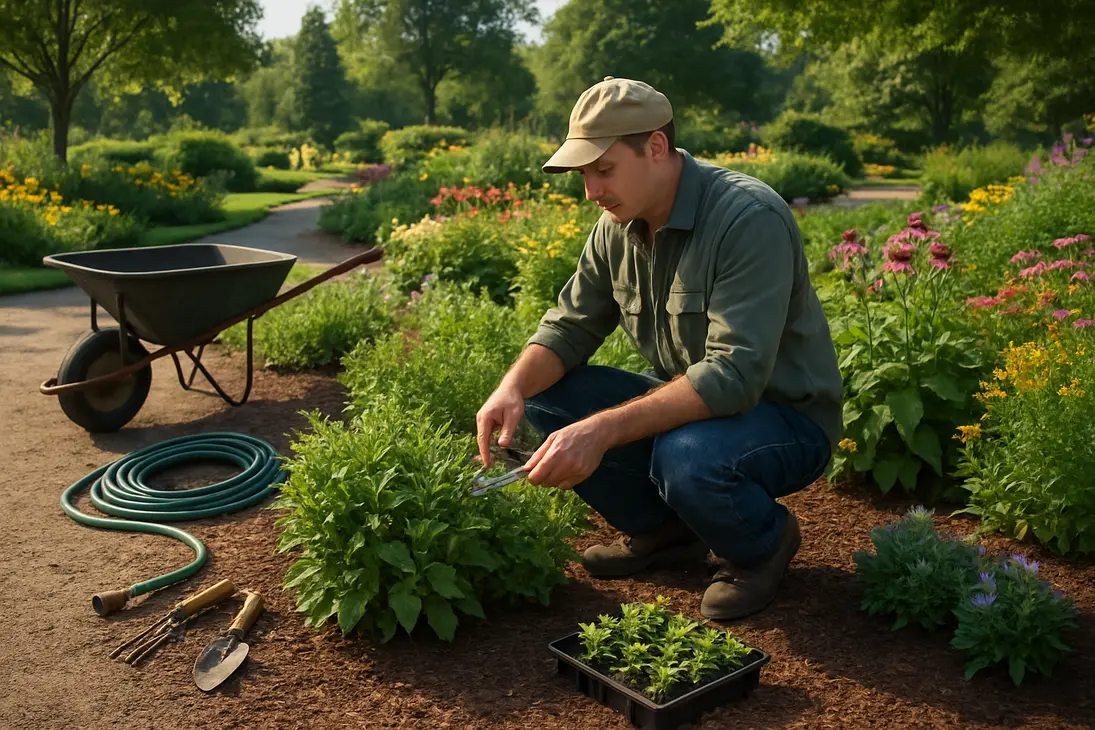
A horticulturalist job can be quite labor-intensive, but the workload depends on the setting. A greenhouse grower, public garden horticulturalist, orchard technician, landscape horticulturalist, and plant health consultant all work with plants, yet their days can look very different.
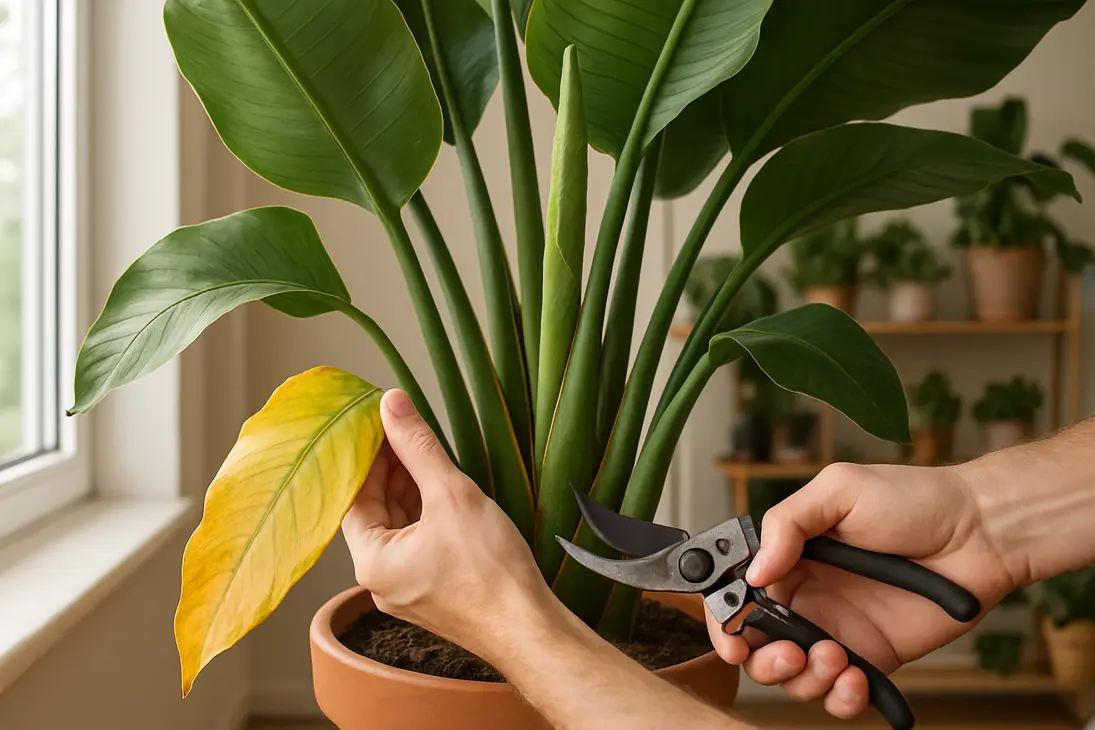
In general, horticulture combines physical labor with plant science and planning. You may lift containers, prune shrubs, move hoses, work in heat or cold, diagnose pests, adjust irrigation, record plant performance, order supplies, or plan seasonal displays.
So the short answer is: yes, horticulturalist job labor is often physically demanding, especially in production, landscape, farm, nursery, and public garden roles. But it is not only manual work. Good horticulturalists use knowledge, timing, observation, and systems to reduce wasted effort and keep plants healthy.
What Kind of Work Do Horticulturalists Do?
Horticulturalists work with cultivated plants, including ornamentals, fruits, vegetables, turf, nursery crops, greenhouse crops, trees, shrubs, vines, and sometimes native or ecological plantings. The role is broader than “gardening.” It involves understanding how plants grow, what they need, what stresses them, and how to manage them in real settings.
The labor ranges from hands-on fieldwork to technical planning and supervision. Entry-level jobs are often the most physically repetitive. Senior roles may still include fieldwork, but they usually add scheduling, training, documentation, purchasing, quality control, and decision-making.
Common Work Settings
The setting has a major effect on how hard the job feels.
Nurseries and greenhouses often involve potting, transplanting, watering, spacing plants, loading carts, moving flats, monitoring temperature and humidity, and preparing plants for sale. Spring can be especially fast-paced and repetitive.
Botanical gardens and public landscapes may involve maintaining display beds, pruning woody plants, managing plant collections, labeling specimens, improving soil, controlling weeds, and preparing for visitors or events.
Farms, orchards, and vineyards can involve planting, trellising, pruning, harvesting, thinning, irrigation checks, pest monitoring, and seasonal cleanup. These jobs often include long outdoor days and intense seasonal labor.
Landscaping companies may hire horticulturalists for plant installation, maintenance planning, garden renovations, pruning, plant health care, and client recommendations. This can be very physical when it includes digging, mulching, hauling, and planting large material.
Research, education, and consulting roles may be less physically demanding day to day, but they can still require field observation, sample collection, trials, demonstrations, or site visits.
Typical Daily Tasks
Common duties include:
- Planting annuals, perennials, shrubs, trees, vegetables, or nursery crops
- Pruning, deadheading, training, staking, and thinning plants
- Watering by hand, checking irrigation, or adjusting watering schedules
- Fertilizing, amending soil, and watching for nutrient issues
- Transplanting seedlings, liners, plugs, or container-grown plants
- Monitoring pests, diseases, weeds, and environmental stress
- Checking soil moisture, drainage, compaction, pH concerns, or mulch depth
- Using hand tools, carts, hoses, spreaders, sprayers, mowers, or small equipment
- Keeping plant records, labels, maps, crop notes, or maintenance schedules
Some days are simple repetition: water, weed, prune, clean up, repeat. Other days require judgment, such as deciding whether a plant is suffering from drought, root damage, disease, nutrient deficiency, poor placement, or several problems at once.
How Physically Demanding Is Horticultural Labor?
Horticultural labor can be moderately to highly physically demanding. Even simple tasks add up over a full day: bending, lifting, kneeling, walking, pulling hoses, carrying tools, pruning, and working outdoors.
The difficulty is often cumulative rather than dramatic. Lifting one pot may be easy; moving hundreds is tiring. Weeding for ten minutes is manageable; kneeling for hours can strain knees, hips, and back. A horticulturalist needs stamina, mobility, and body awareness to work safely and avoid repetitive-use injuries.
Common Physical Requirements
| Physical demand | What it looks like in the job |
|---|---|
| Standing and walking | Moving through greenhouses, gardens, fields, or landscapes |
| Kneeling and squatting | Weeding, planting, transplanting, inspecting low plants |
| Bending and reaching | Pruning, staking, harvesting, watering |
| Lifting and carrying | Soil bags, flats, containers, tools, hoses, mulch |
| Tool use | Pruners, loppers, shovels, rakes, carts, sprayers |
| Equipment operation | Mowers, trimmers, irrigation systems, tractors, carts |
Not every horticulturalist hauls mulch or moves large trees daily. A greenhouse worker may handle light plants but repeat the motion thousands of times. A public garden horticulturalist may spend hours weeding, edging, pruning, and planting. Large containers, balled-and-burlapped trees, bulk soil, and stone edging usually require teams or equipment.
Outdoor and Seasonal Conditions
Weather strongly affects horticulturalist job labor. Outdoor roles may involve hot, humid days; cold mornings; rain and mud; wind; strong sun; dust; pollen; insects; and plant debris.
Seasonality also changes the workload. Spring is often the busiest period in nurseries, greenhouses, garden centers, and landscape installation, with waves of potting, planting, unloading, watering, and customer demand. Summer brings irrigation, weeding, pest monitoring, mowing, pruning, harvesting, and heat stress. Fall may involve planting, dividing, cleanup, mulching, leaf removal, and winter preparation. Winter may be slower outdoors but can include pruning, planning, greenhouse production, equipment maintenance, ordering, training, and record review.
Some people enjoy this rhythm; others find the uneven pace difficult. In some climates, there is little off-season. In others, winter shifts work indoors or toward planning.
Mental and Technical Labor in Horticulture
Horticulture is not just visible manual work. Good horticultural work depends on judgment: what to do, when to do it, how much to do, and what to leave alone.
Poor plant placement, bad watering habits, overpruning, compacted soil, neglected weeds, and unsuitable plant choices all create extra labor later. Plants respond to weather, soil, pests, time, and human care, so a task that worked last week may not be right this week.
Plant Knowledge and Problem-Solving
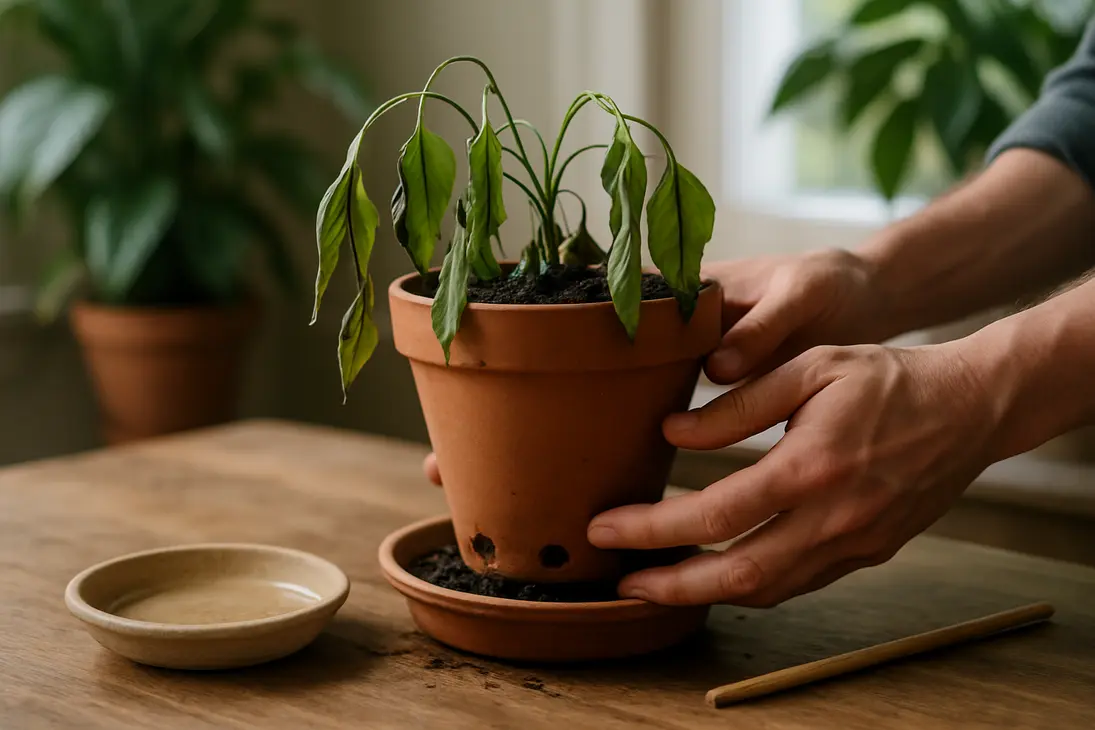
A horticulturalist must recognize plant needs and plant stress. A wilting plant may need water, but it could also have root rot, transplant shock, heat stress, girdling roots, herbicide injury, vole damage, or vascular disease. Watering more may help in one case and make another worse.
Important problem-solving areas include:
- Identifying pests, disease symptoms, and beneficial insects
- Recognizing nutrient deficiencies or excesses
- Understanding drainage, compaction, organic matter, and pH concerns
- Matching plants to sun, shade, reflected heat, wind, and microclimates
- Knowing mature plant size, spacing, hardiness, and maintenance needs
Poor placement is one of the most common sources of unnecessary labor. A sun-loving perennial in deep shade may stretch, bloom poorly, and become disease-prone. A shade plant in hot afternoon sun may scorch and need constant rescue watering. A large shrub planted too close to a walkway may require endless pruning.
This also frustrates home gardeners. In one Reddit gardening discussion, a user described inheriting a landscape where plants had been placed “willy nilly,” including sun plants in shade, overgrown shrubs, and weed problems. Professionals often see the same pattern: bad planning becomes future labor.
Planning and Organization
Horticulture rewards planning because timing matters. Watering, pruning, planting, fertilizing, pest control, and propagation all work best within certain windows.
A horticulturalist may need to decide when to water new versus established plants, which weeds must be removed before seeding, when to prune without sacrificing flowers, when greenhouse crops need spacing or feeding, when to scout for pests, when to order plants, and how to prioritize labor when there are more tasks than hours.
Good organization also reduces physical strain. Poorly placed tools, plants, water access, carts, and supplies waste energy. Unreliable irrigation creates extra hand-watering. Ignored weeds become a bigger job later. In horticulture, smart systems are one of the main ways to keep labor manageable.
Challenges and Common Mistakes in Horticultural Jobs
The biggest surprise for beginners is that professional horticulture can look easier than it feels. Plants are pleasant to be around, and gardening can be peaceful, but paid horticultural work is scheduled, repetitive, weather-dependent, and often physically tiring.
Another challenge is delayed feedback. A poorly planted shrub may decline months later. Bad pruning may affect next season’s flowers. Soil compaction may limit growth slowly. Inconsistent watering may weaken plants before pests or disease become obvious.
Underestimating the Workload
Many people picture horticulture as planting flowers, watering plants, and enjoying the outdoors. Those moments exist, but the workload can also include:
- Repetitive weeding in hot weather
- Moving containers, soil, tools, hoses, or debris
- Cleaning up neglected beds
- Watering large areas during dry periods
- Working quickly before a storm, frost, delivery, event, or opening day
- Repeating the same task for hundreds or thousands of plants
Neglected landscapes can be especially labor-intensive. Overgrown shrubs, invasive weeds, compacted soil, failing irrigation, and poorly placed plants may require weeks or months of correction. Small-scale growing is not automatically easy either; seedlings still need watering, spacing, inspection, labeling, and transplanting.
Knowledge Gaps That Create Extra Labor
One expensive mistake is acting before understanding the site or plant. Common examples include planting sun plants in shade, choosing high-maintenance plants without enough labor, ignoring mature size, letting weeds set seed, watering on a fixed schedule without checking soil moisture, pruning at the wrong time, failing to correct drainage, piling mulch against trunks or crowns, and not labeling plants in production or collection settings.
Beginners may also underestimate observation. A skilled horticulturalist notices early changes in leaf color, wilting patterns, insect activity, soil crusting, uneven irrigation, or uneven growth. Knowledge does not eliminate physical work, but it makes the work more effective and prevents repeat problems.
Is a Horticulturalist Job a Good Fit for You?
A horticulturalist job may fit you if you like active work, enjoy plants, and can handle changing conditions. It can be satisfying to see tangible results: a restored bed, a healthy crop, a well-pruned tree, a thriving greenhouse, or a landscape that improves over time.
But loving plants is not enough. The job requires stamina, patience, flexibility, and continual learning. If possible, try seasonal nursery work, public garden volunteering, landscape work, farm work, or greenhouse assistance before choosing a path.
Good Signs This Work May Suit You
You may enjoy horticulturalist job labor if:
- You like hands-on outdoor work and do not mind getting dirty
- You prefer active days over sitting at a desk
- You are patient with seasonal growth and delayed results
- You notice details such as leaf color, soil moisture, pests, and plant form
- You enjoy learning plant names, habits, care needs, and site preferences
- You can handle repetitive seasonal tasks and changing weather
- You like solving practical problems
- You can follow safety procedures for tools, equipment, fertilizers, and pest control products
- You take satisfaction in maintenance, not just new planting
Physical fitness helps, but technique and pacing matter too. Good horticulturalists use carts, lift properly, rotate tasks, sharpen tools, wear appropriate footwear, protect their knees, hydrate, and ask for help with loads that should not be handled alone.
Reasons It May Not Be a Fit
A horticulturalist job may not suit you if:
- You want mostly desk-based work
- You dislike sweating, bending, lifting, kneeling, or repetition
- You are very uncomfortable in heat, cold, rain, wind, or sun
- You need every day to follow the same routine
- You lose interest in maintenance after planting is done
- You do not want to study plant science, pests, soils, or seasonal timing
- You prefer work where results are immediate and fully controllable
That does not mean you must leave horticulture entirely. Less physically intense paths include plant records, horticultural writing, education, consulting, design support, plant sales, research coordination, greenhouse management, and administrative roles. Still, most horticulture careers benefit from hands-on experience.
If heavy labor is a concern, read job descriptions carefully and ask about lifting expectations, outdoor hours, peak season schedules, equipment, crew support, and whether the role is mostly maintenance, production, installation, research, or supervision.
Conclusion
A horticulturalist job is labor-intensive in both physical and mental ways. The physical side may include standing, walking, bending, kneeling, lifting, pruning, planting, watering, hauling, and working in difficult weather. The mental side includes plant identification, diagnosis, scheduling, planning, observation, and practical decision-making.
The exact workload depends on the setting. Nursery, greenhouse, farm, orchard, vineyard, landscaping, and public garden roles often involve substantial hands-on labor, especially during peak seasons. Consulting, education, research, and management roles may be less physically intense but require strong technical knowledge and communication skills.
For the right person, the labor is part of the appeal. Horticulture offers active work, visible results, seasonal variety, and lifelong learning. But it is not easy simply because it involves plants. A good horticulturalist succeeds by combining stamina with knowledge, planning, and careful observation.
FAQ
Is being a horticulturalist hard physical work?
Yes. Many horticulturalist jobs involve lifting plants and soil, pulling hoses, pruning, planting, weeding, standing, kneeling, bending, and working outdoors in heat, cold, rain, or sun.
The intensity varies. Landscape, nursery, and farm roles are often more physical, while consulting, education, plant records, and management may involve more technical or office-based work.
Do horticulturalists mostly work outside?
Many do, especially in gardens, landscapes, farms, orchards, vineyards, parks, and public grounds. Others split time between outdoor areas, greenhouses, offices, labs, classrooms, or client sites.
Greenhouse and nursery roles may be partly indoors but can still involve heat, humidity, water, lifting, and repetitive tasks.
Can you be a horticulturalist without heavy labor?
Yes, depending on the path. Consulting, education, research, plant records, design support, sales, management, writing, and technical advising can involve less heavy lifting than installation, nursery production, or farm work.
However, hands-on experience is still valuable. Direct plant care makes future advice and decisions more practical.
What skills make horticultural labor easier?
Useful skills include plant identification, pruning, soil and water management, pest and disease observation, safe tool use, irrigation basics, scheduling, and recordkeeping.
Physical work also becomes easier with good body mechanics, sharp tools, carts or wheelbarrows, proper footwear, gloves, knee protection, hydration, and realistic pacing.
Sources
- Reddit gardening discussion on inherited landscape challenges: https://www.reddit.com/r/gardening/comments/16owmwu/zone_5b_perennials/
You Might Also Like