What Size Pot for Tomatoes? Gallons, Inches, and Tomato Type Made Simple
Key Takeaways
-
Match pot size to tomato type: Use the chart to find minimum, better, and best sizes. Compact varieties work in 5 gallons; indeterminate and beefsteak tomatoes need 10 to 15 gallons or more for strong growth.
-
Check usable soil volume, not just pot diameter: Two pots with the same gallon rating can perform differently depending on shape. What matters is how much soil they actually hold and whether the depth is at least 12 to 18 inches.
-
Set up containers for success from the start: Use lightweight potting mix, stick to one plant per pot, and install cages or stakes at planting time. Plastic pots retain moisture well, while fabric bags dry out faster and need more frequent watering.
-
Recognize the signs of a too-small pot: Wilting after watering, needing water twice daily, stunted growth, and blossom end rot all point to root restriction. Add soil to underfilled pots by burying the stem, or plan to upgrade to a larger container next season.
-
Plan ahead for easier daily care: Larger pots dry out more slowly and need less frequent attention. If space allows, choose the “easiest” size from the chart for your tomato type to reduce watering stress and improve harvest potential.
Quick Answer: The Best Pot Size for Tomato Plants
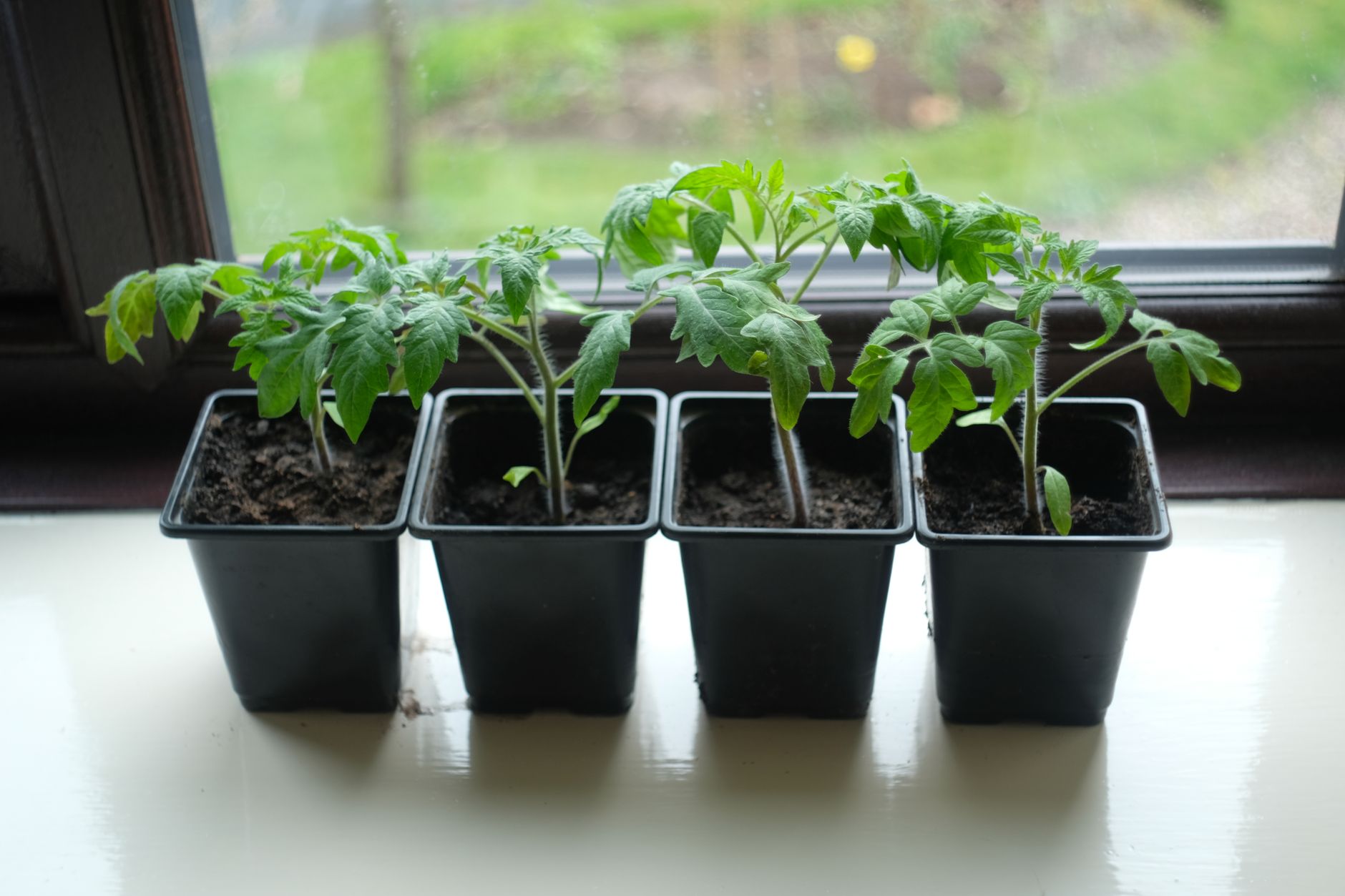
Larger containers support steadier moisture, stronger roots, and less daily stress. The exact size depends on the tomato type. The table gives minimum, better, and easiest sizes.
Tomato Pot Size Chart by Type: Cherry, Determinate, Roma, Indeterminate, and Beefsteak
| Tomato type | Minimum pot size | Better size | Best/easiest size | Notes |
|---|---|---|---|---|
| Micro-dwarf tomatoes | Small container, verify variety | Larger if indoors/heat | Depends on mature size | Good for windowsills and small patios |
| Dwarf or patio tomatoes | 3–5 gallons if compact | 5–7+ gallons | 7–10 gallons | Best choice for tight spaces |
| Determinate / bush tomatoes | 5 gallons | 7–10 gallons | 10+ gallons | Easier than large vining tomatoes |
| Cherry tomatoes | 5 gallons for compact types | 10 gallons | 10–15+ gallons for vigorous vines | Check if determinate or indeterminate |
| Roma / paste tomatoes | 5–10 gallons | 10+ gallons | 10–15 gallons | Depends on determinate vs indeterminate |
| Indeterminate slicers | 10 gallons minimum for many growers | 15+ gallons | 20 gallons where space allows | Needs strong support and frequent watering |
| Beefsteak tomatoes | 10–15 gallons minimum | 20 gallons | 20+ gallons | Large fruit and vines need root volume |
A tomato can survive in a smaller pot, but you will water more often and harvest less. These sizes are conservative; the “easiest” size gives more room for error. For example, a beefsteak in 10 gallons needs daily watering and careful feeding, while in 20+ gallons it can go two to three days between waterings and produce larger fruit. Adjust based on your climate, potting mix, and willingness to water.
Is a 5-Gallon Bucket Big Enough for Tomatoes?
It depends on the variety. A 5-gallon bucket works for compact, patio, dwarf, and determinate tomatoes. For indeterminate or beefsteak, it is almost always too small. Expect more frequent watering — sometimes twice a day in hot weather — and regular feeding because nutrients wash out quickly. Stick with one plant per bucket. In hot, dry regions, even compact tomatoes may struggle without daily attention. If you are new to container gardening, consider 7–10 gallons for determinates to reduce watering pressure.
10-Gallon vs. 20-Gallon Tomato Pots: What Changes?
A 10-gallon pot holds enough soil to buffer daily drying for determinate tomatoes, compact indeterminates, and many cherries. A 20-gallon pot provides a much larger moisture buffer: you may water every two to three days instead of daily. Indeterminate, cherry, and beefsteak varieties all benefit from extra root volume. The trade-off is cost and space — you need twice as much potting mix and more patio area. Larger pots also mean fewer watering trips. If using a 20-gallon fabric pot, be aware that fabric dries faster than plastic, so you may still water every other day in peak heat.
Gallons, Inches, Depth, and Width: How Tomato Pot Size Actually Works
What matters is usable soil volume and root depth, not just the label. A tall narrow pot may hold 10 gallons but limit root spread; a wide shallow bag may lack depth for stem burying. When shopping, measure the internal space you can actually fill with soil. A standard 5-gallon bucket has about 12 inches of depth and 11 inches of diameter — adequate for compact types. A “5-gallon” ceramic pot often has thick walls and a false bottom, reducing usable volume to 3–4 gallons. Check manufacturer specifications for actual soil capacity.
Do Tomatoes Prefer Deep or Wide Pots?
Tomatoes need both depth and width. Depth allows roots along buried stems and anchors the plant; width provides enough total soil volume for moisture and stability. The best container is at least 12 to 18 inches deep and wide enough to hold the recommended gallon volume. For indeterminate varieties, 18 inches of depth is ideal to permit stem burying. Wide pots (at least 12–14 inches in diameter) also help prevent toppling when heavy with fruit. If forced to choose, prioritize depth for indeterminates and width for determinates.
Gallons vs. Inches: Why Pot Labels Confuse Tomato Growers
Two pots with the same gallon rating can have very different shapes. A tall narrow pot might hold 10 gallons but have only a 10-inch diameter, while a wide squat pot holds the same volume with less depth. Shallow grow bags and decorative pots with false bottoms reduce usable soil. Always check actual filled volume and soil depth. A common mistake is buying a 10-inch diameter pot (often labeled 2–3 gallons) and expecting it to support a full-sized tomato. For simplicity, use the chart above and verify depth is at least 12 inches.
Usable Soil Depth: Fill Level, Drainage Layers, and Empty Space
Fill the container to within an inch or two of the rim. If underfilled, add more soil around the stem after removing lower leaves — tomatoes root from buried stems. Avoid a gravel layer at the bottom; it reduces soil volume without improving drainage. Use a mesh or coffee filter over the drainage hole instead. Avoid pots with narrow necks or inward-curving rims. A straight-sided container is easiest for managing soil depth.
Choosing the Right Tomato Pot Setup for Your Space
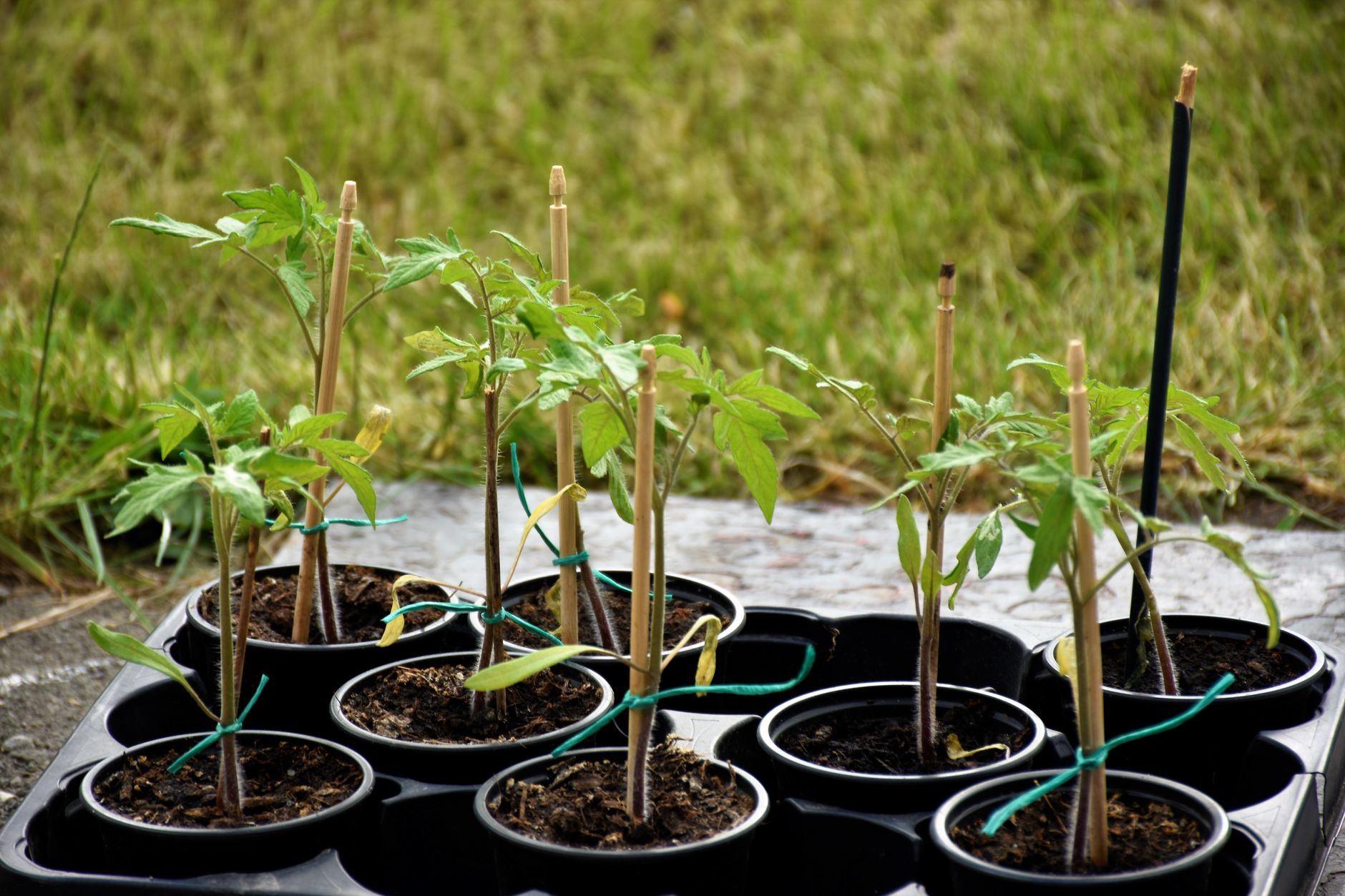
Pot size is only part of the equation. Material, drainage, support, and soil all affect daily care. Before planting, position the container in a spot with at least 6–8 hours of direct sun daily. Use a plant caddy with wheels for flexibility.
Plastic Pots, Fabric Grow Bags, Terracotta, and Self-Watering Containers
Plastic pots retain moisture well and are good for beginners and hot climates. Fabric bags dry out much faster, requiring more frequent watering. Terracotta dries quickly and is not ideal. Self-watering containers help stabilize moisture but still need monitoring. In very hot climates (90°F+), plastic or self-watering pots are often easier than fabric. If using fabric, water daily or every other day, and mulch the top to slow evaporation. Double-potting (fabric bag inside a plastic pot) combines aeration with moisture retention.
One Tomato Per Pot? Spacing and Support in Containers
One tomato per container is the rule for almost all home growers. Two plants compete for water, nutrients, and root space. In a very large container (20+ gallons) you might grow two determinates, but for indeterminates, stick with one. Install cages or stakes at planting time to avoid root damage later. Use heavy or wide pots to prevent tipping. For indeterminates, a sturdy cage (24–36 inches tall) or a single tall stake works. For determinates, a shorter cage is sufficient. Space pots at least 18–24 inches apart for air circulation.
Potting Mix, Mulch, and Fertilizer for Container Tomatoes
Always use lightweight potting mix, not garden soil. Garden soil compacts in containers, reducing drainage. Mulch the surface with straw or wood chips to reduce moisture swings — keep it away from the stem to prevent rot. Water flushes nutrients, so feed with a balanced, water-soluble fertilizer every one to two weeks. Avoid high-nitrogen formulas. For organic options, use fish emulsion or kelp meal every two weeks. Check soil moisture by sticking a finger 2 inches deep; water when that layer feels dry.
Signs Your Tomato Pot Is Too Small and What to Do Next
Recognizing the signs early helps you decide whether to repot or adjust care.
Signs Your Tomato Needs a Bigger Pot
| Symptom | What it may mean | What to check |
|---|---|---|
| Wilts every afternoon even after watering | Pot dries too fast or roots restricted | Pot size, heat, soil moisture, root mass |
| Needs watering more than once daily | Container too small or very hot weather | Soil volume and mulch |
| Plant is stunted but green | Root restriction or nutrient limits | Drainage, root ball, fertilizer |
| Blossom end rot keeps appearing | Moisture swings or root stress | Watering pattern and container size |
| Small fruit or low yield | Limited root volume, nutrients, heat, variety | Pot size and feeding |
| Roots circling or coming out of holes | Root-bound plant | Consider upsizing if season allows |
If multiple symptoms appear, rule out underwatering or extreme heat first. Lift the pot — if it is much lighter than expected after watering, the pot is too small.
Can You Add More Soil Without Repotting?
Yes, if the container was underfilled. Remove lower leaves and add fresh potting mix up to just below the remaining leaves. The buried stem will develop roots. If the pot is already full and the plant is root-bound, adding soil has limited benefit; repot or adjust care. This technique is especially useful for indeterminate tomatoes, giving the plant a second root system.
When to Repot, When to Keep Going, and When to Start Over
If the plant is still small and not heavy with fruit, repotting is worth it. Gently remove the plant, loosen circling roots, and transplant into a larger container. Water well and expect a few days of slowed growth. If the plant is large and heavily fruiting, focus on stabilizing watering, adding mulch, and feeding. Remove a few small fruit if needed. For a variety too large for its pot, note the lesson for next season — you can still get a reasonable harvest with careful care. In extreme cases, consider cutting losses and starting a fresh determinate in a larger pot for a fall crop. Repotting after fruit set can shock the plant, so only attempt early in the season.
Conclusion
Choosing the right pot size is one of the most important decisions for container tomatoes. Use the chart to match your tomato type, pay attention to usable soil depth and volume, and avoid common mistakes like underfilling or crowding. With the right setup, you can enjoy a productive harvest from even a small patio. Larger pots simplify daily care and lead to healthier plants, so if you have space, go a size up from your initial guess. Happy growing.
FAQ
Is a 2-gallon pot big enough for a tomato plant?
A 2-gallon pot is too small for most full-sized tomatoes. It may work only for micro-dwarf or very compact varieties, but always verify the plant’s mature size. Even then, expect more frequent watering and smaller yields compared to a 5-gallon container.
Is a 5-gallon bucket big enough for tomatoes?
Yes for many compact, patio, dwarf, or determinate tomatoes. Larger containers are easier for vigorous cherry, indeterminate, and beefsteak tomatoes, but a 5-gallon bucket can still produce a good harvest if you water and feed frequently. In hot climates, consider upgrading to 7–10 gallons for determinate varieties.
Is a 10-inch pot big enough for tomatoes?
A 10-inch pot is usually too small for standard tomatoes. It typically holds only 2 to 5 gallons of soil, which is not enough for most types. Always check soil volume rather than just diameter. For a 10-inch pot, only micro-dwarf tomatoes are viable.
Do tomatoes prefer deep or wide pots?
Tomatoes need both depth and width. Depth supports root development along buried stems and stable root zones. Width provides enough total soil volume for moisture, nutrients, and root spread. A container that is both deep and wide is ideal — at least 12 inches deep and 12 inches wide for most types.
You Might Also Like