How to Care for a Dwarf Snake Plant
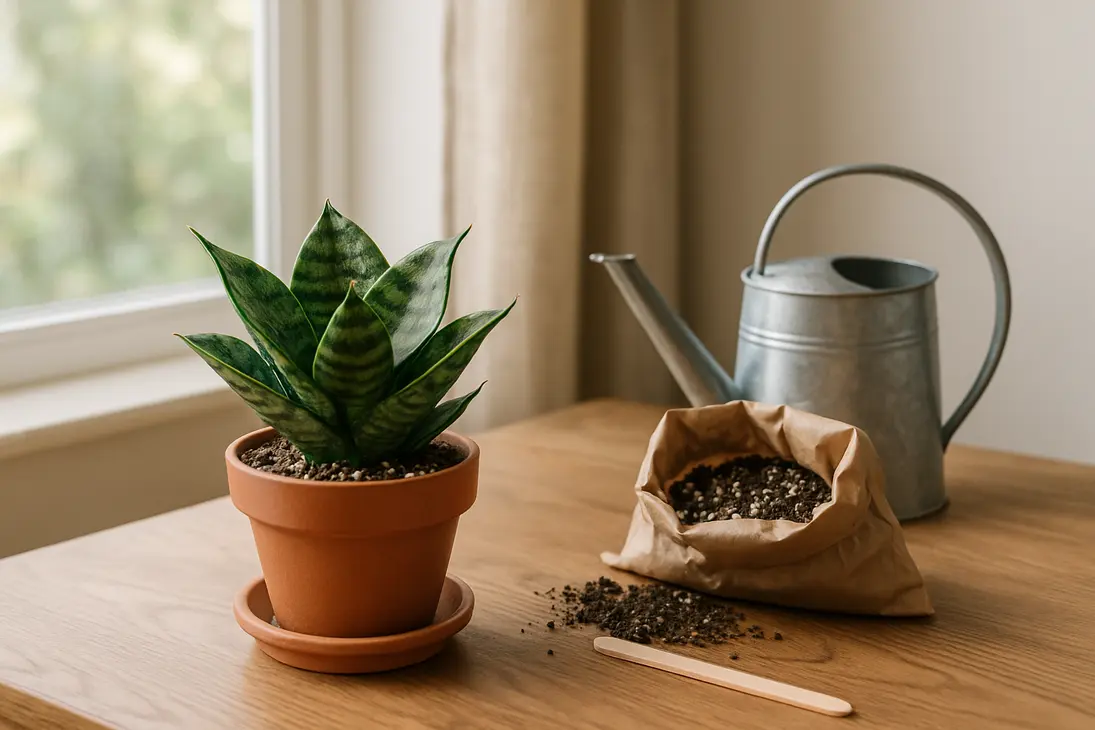
Dwarf snake plants are easy, compact houseplants, but they do best with a hands-off routine. Give them bright indirect light, fast-draining soil, a pot with drainage, and water only after the mix has dried well.
Most dwarf snake plants are compact forms of the familiar snake plant, including bird’s nest types such as Sansevieria hahnii—now often classified under Dracaena, though many growers still use Sansevieria. Their thick leaves store water, which makes them drought-tolerant but prone to rot in wet soil.
Dwarf Snake Plant Care Basics
Dwarf snake plants need the same basic care as larger snake plants: moderate to bright light, infrequent watering, warmth, and excellent drainage. Because they are small, they have less soil and fewer roots, so soggy soil or an oversized pot can cause problems quickly.
What Is a Dwarf Snake Plant?
A dwarf snake plant is a compact snake plant variety that stays much shorter than the tall, sword-like types often sold as mother-in-law’s tongue. Many grow in a low rosette rather than producing tall upright leaves.
Common dwarf types include:
- Bird’s nest snake plant (Sansevieria/Dracaena trifasciata ‘Hahnii’): compact green rosettes, often under 12 inches tall.
- Golden Hahnii: yellow-edged leaves in a small rosette.
- Silver Hahnii: pale silvery-green foliage.
- Other miniature snake plants: small species or cultivars sold as dwarf types.
They behave much like succulents because their fleshy leaves store water.
Best Indoor Placement
Place a dwarf snake plant in bright, indirect light for the healthiest growth. Good spots include an east-facing window, a shelf near a bright window, a desk with natural light, or a position a few feet back from a south or west window.
Avoid cold drafts, winter glass, and decorative outer pots where water can collect unnoticed. If the room is very dim, use a grow light. If you have pets that chew plants, keep snake plants out of reach because they can cause stomach upset if eaten.
How Dwarf Varieties Differ From Taller Snake Plants
Dwarf snake plants are not harder to grow, but their small size changes how you manage them. They usually need smaller pots, less water at a time, and less frequent repotting than taller snake plants.
A snug pot is usually best. Too much extra soil around a small root system stays wet too long and raises the risk of root rot. Dwarf types also grow slowly, so they rarely need heavy feeding or frequent upgrades. Most problems come from overwatering, dense soil, or trying to “help” too often.
Light, Water, and Temperature Needs
Light and water are the most important parts of dwarf snake plant care. A plant in brighter light grows more actively and uses water faster. A plant in low light may survive, but it dries much more slowly and is easier to overwater.
Best Light for Healthy Growth
Dwarf snake plants tolerate low light, but they grow best in bright indirect light. In good light, the rosette stays firmer, colors look stronger, and pups are more likely.
They can handle:
- Bright indirect light: best for growth and color
- Medium light: fine for maintenance
- Low light: survivable, but slow
- Gentle morning sun: usually acceptable
- Harsh afternoon sun: may scorch leaves
Variegated types such as Golden Hahnii usually need brighter light to keep good color. In very dim corners, growth may pause and variegation can look duller.
Rotate the pot every few weeks if the plant leans toward the window. Move it back if leaves look bleached, crispy, or sunken where sunlight hits.
How Often to Water a Dwarf Snake Plant
Water only after the soil has dried out thoroughly. In many homes, this means about every 2 to 4 weeks in spring and summer and every 4 to 6 weeks or longer in winter. Treat those as rough guidelines, not a fixed schedule.
To water safely:
- Check deep into the pot with a finger or wooden skewer.
- Water only when the mix is dry most of the way down.
- Water evenly until a little drains from the bottom.
- Empty the saucer or cachepot.
Wait longer in low light, cool rooms, plastic pots, or dense soil. Water may be needed sooner in bright light, warm rooms, or small terracotta pots.
Avoid pouring water into the center of the rosette. Water trapped between tight leaves can encourage rot, especially in cool conditions.
Signs It Needs Water vs. Signs It’s Overwatered
Dwarf snake plants do not wilt dramatically, so check both the leaves and soil before watering.
Signs it likely needs water:
- Soil is completely dry
- Pot feels very light
- Leaves are slightly wrinkled, curling inward, or less firm
Signs it is likely overwatered:
- Soil is damp and leaves are yellowing
- Leaf bases are soft or mushy
- Soil smells sour or rotten
- Leaves collapse near the crown
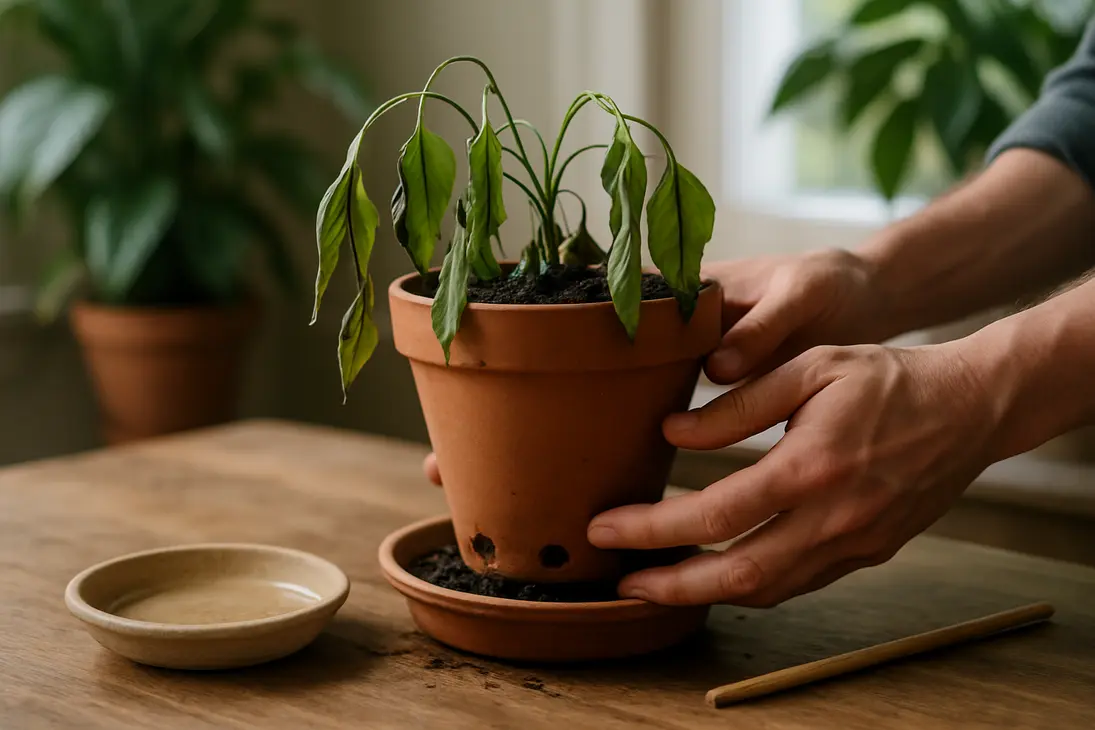
A thirsty plant usually improves slowly after watering. An overwatered plant often worsens even though the soil is wet. If you suspect rot, stop watering and inspect the roots.
Temperature and Humidity Requirements
Dwarf snake plants prefer normal warm indoor temperatures, roughly 65°F to 85°F. They can tolerate slightly cooler conditions briefly, but cold, wet soil is dangerous.
Avoid cold windowsills, exterior door drafts, air-conditioning vents, and frost. Average household humidity is fine, and misting is unnecessary. In fact, misting can be harmful if water collects in the rosette. To clean dusty leaves, wipe them gently with a barely damp cloth.
Soil, Potting, and Drainage
Drainage is essential. Dwarf snake plant roots need oxygen, and dense soil can stay wet below the surface even when the top looks dry. Use an airy mix and a pot that allows water to escape.
Best Soil Mix for Dwarf Snake Plants
Use a light, fast-draining mix. A cactus or succulent mix is a good base, but many bagged mixes work better with extra mineral material.
A simple mix:
- 2 parts cactus/succulent potting mix
- 1 part perlite, pumice, or coarse horticultural grit
In cool, humid, or low-light homes, add even more perlite or pumice. If using regular indoor potting mix, amend it heavily rather than using it straight. Avoid garden soil indoors because it compacts and holds too much moisture.
Choosing the Right Pot
Choose a pot with at least one drainage hole. Terracotta can help because it dries faster, but plastic is fine if the mix is airy and you water carefully.
For dwarf snake plants, select a pot only 1 to 2 inches wider than the root ball. Oversized pots hold wet soil around roots and increase rot risk.
If you want to use a decorative pot without drainage, treat it as a cachepot. Keep the plant in a nursery pot, remove it to water, let it drain completely, then return it to the outer container.
When and How to Repot
Dwarf snake plants grow slowly and prefer being slightly snug. Repot only when needed, usually every 2 to 3 years, or when roots are tightly circling, pups crowd the pot, soil stays wet too long, or the plant is pushing against the container.
Spring or early summer is the best time to repot.
To repot:
- Let the soil dry for several days.
- Slide the plant out gently.
- Inspect the roots.
- Trim black, mushy, or foul-smelling roots.
- Move to a pot only slightly larger.
- Refill with fresh fast-draining mix.
- Wait a few days before watering if roots were damaged.
Keep the base of the rosette just above the soil line.
Fertilizing Without Overdoing It
Dwarf snake plants are light feeders. Too much fertilizer can stress roots or cause weak growth.
Feed only in spring and summer. A balanced houseplant fertilizer diluted to half strength once or twice during the growing season is usually enough. A cactus/succulent fertilizer can also work if used mildly.
Do not fertilize in winter, when the soil is very dry, right after repotting into fresh fertilized mix, or when the plant is stressed or rotting. When in doubt, skip fertilizer; light and drainage matter more.
Common Dwarf Snake Plant Problems and Mistakes
Most problems come from excess moisture, poor drainage, or unsuitable light. Dwarf snake plants are forgiving, but they cannot thrive in wet soil, pots without drainage, or very dark rooms with frequent watering.
Overwatering and Root Rot
Overwatering is the most common reason dwarf snake plants fail. It can mean watering too often, but it can also mean the soil stays wet because of low light, dense mix, or a pot without drainage.
Signs of root rot include:
- Mushy leaf bases
- Yellow, soft leaves
- Sour or rotten soil smell
- Black or brown mushy roots
- Leaves collapsing from the crown
To try to save the plant:
- Remove it from the pot.
- Shake away wet soil.
- Cut off mushy roots and leaves with clean tools.
- Let healthy sections dry briefly in shade.
- Repot in fresh dry, fast-draining mix.
- Wait several days before watering.
If the whole crown is mushy, it may not recover, but firm pups or healthy leaf sections may still be usable.
Yellow, Soft, or Wilting Leaves
Yellow leaves can have several causes, but yellow and soft usually means excess moisture. Yellow with dry, crispy patches may come from sun stress, age, mineral buildup, or inconsistent watering.
Use texture as a clue:
- Yellow and mushy: too wet, possible rot
- Wrinkled but firm: likely thirsty
- Soft and bending: root trouble or severe drought
- Pale or bleached: too much direct sun
- Dry brown tips: stress or inconsistent care
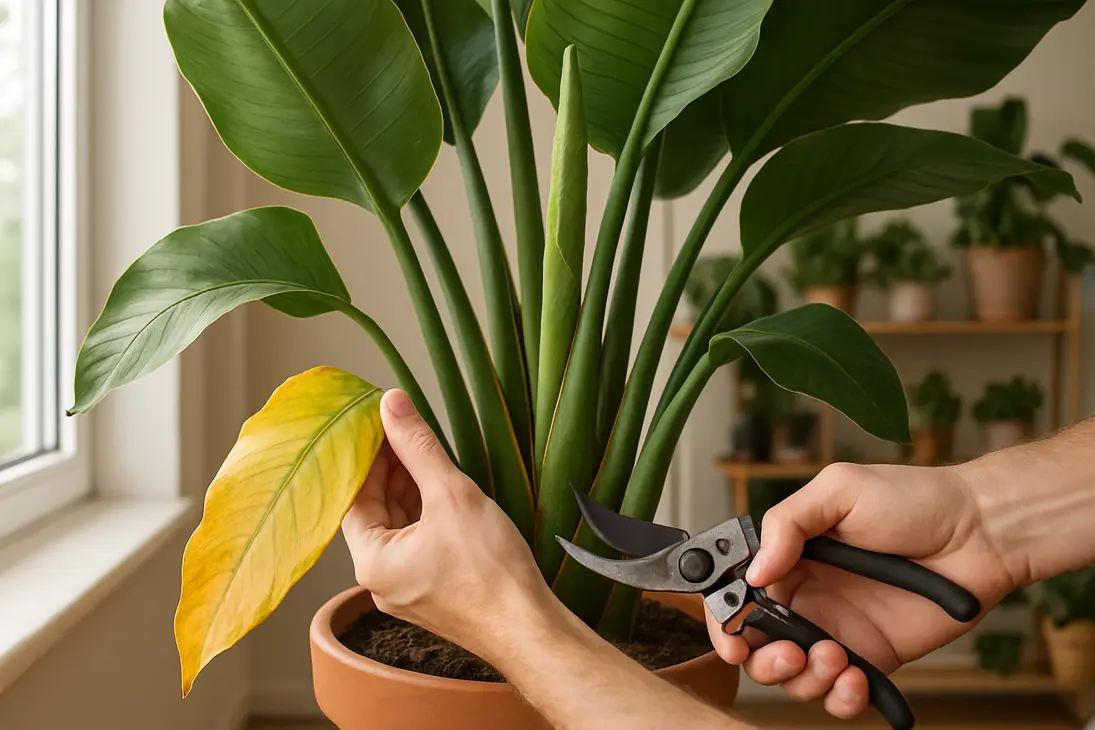
Remove badly damaged leaves at the base. They will not turn green again, and mushy tissue can spread rot.
Slow Growth or No New Growth
Slow growth is normal. Indoors, a dwarf snake plant may produce only a few new leaves or pups in a season. In winter, it may appear inactive.
If leaves are firm and roots are healthy, slow growth is not a problem. For better growth, check whether the plant has enough light, whether the soil stays wet too long, whether the pot is oversized, or whether the plant has been in depleted soil for years.
Move it to brighter indirect light before adding fertilizer. More suitable light is usually the safest way to encourage growth.
Poor Drainage and Heavy Soil
A dwarf snake plant in heavy soil may look fine for months before declining because the leaves store water and hide root stress.
Poor drainage often comes from:
- Pots without holes
- Decorative containers that trap runoff
- Regular potting soil used without amendments
- Soil packed tightly around roots
- Oversized pots
- Frequent small sips of water
If the mix is dense, simply watering less may not solve the issue. The lower root zone can remain soggy even when the surface feels dry.
Too Much Direct Sun or Too Little Light
Dwarf snake plants are adaptable, but extremes cause stress.
Too much direct sun can cause faded color, tan scorch marks, crispy edges, or leaves that feel hot near glass. Too little light can cause very slow growth, looser rosettes, wet soil that lingers, greater rot risk, and reduced variegation.
If moving the plant into brighter light, do it gradually over a week or two. A plant used to shade can scorch if suddenly placed in strong sun.
Propagating a Dwarf Snake Plant
Dwarf snake plants can be propagated by division, pups, or leaf cuttings. Division is the most reliable method and is best if you want the new plant to look like the parent. Leaf cuttings are slower and less predictable.
Propagation by Division or Pups
Division is the easiest method. Mature dwarf snake plants often produce offsets, or pups, around the base.
To divide pups:
- Remove the plant when the soil is dry.
- Look for a pup with roots of its own.
- Separate it gently or cut the connecting rhizome with a clean knife.
- Let fresh cuts dry for a day if needed.
- Pot the pup in a small container with fast-draining mix.
- Wait a few days before watering lightly.
Do not remove very tiny pups too early. They establish better once they have several leaves and some roots. Division also preserves variegation, making it the best option for yellow-edged or silver types.
Propagation From Leaf Cuttings
Leaf cuttings can work, but they require patience. They are also not ideal for variegated plants because new growth may revert to plain green.
To propagate from a leaf cutting:
- Choose a healthy, firm leaf.
- Cut it into sections a few inches long.
- Keep track of the bottom end.
- Let cut ends callus for a day or two.
- Insert the bottom end into lightly moist, fast-draining mix.
- Keep warm in bright indirect light.
- Water sparingly after the mix dries.
Roots may take weeks or months, and shoots take longer. The biggest risk is rot from keeping the cutting too wet. Water rooting is possible, but soil propagation avoids a difficult transition later.
Why Propagation Sometimes Fails
Propagation failures are common, especially with leaf cuttings. Common causes include using a stressed leaf, planting the section upside down, keeping soil too wet, placing cuttings in a cold room, skipping the callus period, or giving too little light.
Propagate in spring or summer when warmth and active growth improve the odds. Be patient; snake plant cuttings can be slow even when they are healthy.
Conclusion
To care for a dwarf snake plant, keep the routine simple: bright indirect light, a small pot with drainage, gritty fast-draining soil, and water only after the soil dries well. Avoid misting, oversized pots, dense soil, and frequent “just in case” watering.
If the leaves are firm, the soil dries between waterings, and the plant has enough light to grow slowly, you are doing it right.
FAQ
How often should I water a dwarf snake plant?
Water when the soil has dried thoroughly. In many homes, that is about every 2 to 4 weeks in spring and summer and every 4 to 6 weeks or longer in winter. Always check the soil instead of following a strict schedule.
Can a dwarf snake plant grow in low light?
Yes, it can tolerate low light, but growth will be slower and the soil will dry more slowly. Bright indirect light is better for stronger color, healthier growth, and producing pups. In low light, be extra careful not to overwater.
What soil is best for a dwarf snake plant?
Use a fast-draining cactus or succulent mix amended with perlite, pumice, or coarse grit. The goal is soil that drains quickly and does not stay wet around the roots. Avoid dense indoor potting soil on its own.
Why are my dwarf snake plant’s leaves turning mushy?
Mushy leaves usually mean the plant is too wet and may have root or crown rot. Check for damp soil, poor drainage, and black or foul-smelling roots. Remove damaged tissue, repot healthy sections into dry fast-draining mix, and water much less often.
You Might Also Like