When Should You Cut Asparagus Ferns?
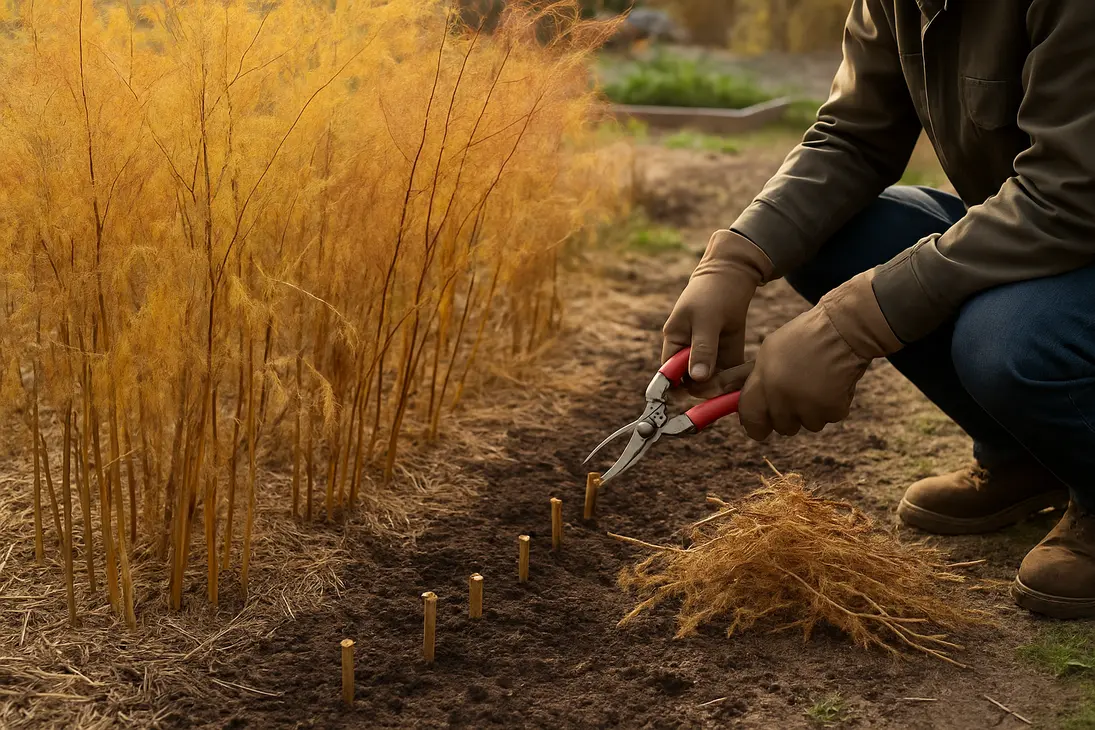
Cut asparagus ferns after the foliage has naturally turned yellow, tan, or brown—not while it is still green and actively growing. For many gardeners, that means cutting them down in late fall after a hard frost. In milder climates, it may be winter once the tops finally die back. If you leave them standing through winter, cut them in very early spring before new asparagus spears begin to emerge.
The key is patience. Those tall, feathery ferns are not wasted growth. They are the plant’s food-making system, and they help build the energy reserves that produce next year’s spears. Cutting asparagus ferns too early can weaken the crowns and reduce future harvests.
When to Cut Asparagus Ferns
The best signal for cutting asparagus ferns is not a calendar date. It is the color and condition of the foliage.
Wait until the ferns have mostly or fully turned:
- Yellow
- Tan
- Straw-colored
- Brown
- Dry and brittle
At that point, the asparagus plant has largely finished moving energy from the ferny top growth back into the crown and roots. The foliage is no longer doing much useful photosynthesis, so cutting it back will not take away an important food source.
For most established asparagus beds, timing falls into one of three windows.
| Climate or situation | Best time to cut asparagus ferns | What to look for |
|---|---|---|
| Cold-winter areas | Late fall after the first hard frost | Ferns collapse, yellow, or brown after freezing weather |
| Mild-winter areas | Winter, once foliage naturally declines | Ferns turn yellow or brown even without a strong frost |
| Beds left standing over winter | Very early spring | Cut before any new spears appear |
In cold climates, a hard frost usually makes the timing obvious. The once-green ferns may turn limp, yellow, or brown within days. Once that happens, you can cut them back.
In mild climates, asparagus may stay green much longer. If the plants are still green and healthy in late fall, do not rush. Wait until they naturally yellow or brown. If they remain partly green into winter, give them as much time as practical, then cut only once the foliage has clearly slowed down and begun to die back.
Very early spring cutting is also acceptable, especially if you prefer to leave the dead stems in place over winter. The important detail is “very early.” Cut before the new spears break through the soil or while they are still easy to avoid. Once spears are emerging, old stems become harder to remove without damaging the new crop.
Avoid cutting asparagus ferns in summer or early fall simply because the bed looks messy. After the harvest season ends, the ferns need time to grow tall, green, and full. That growth is part of the crop cycle.
Why Timing Matters for Next Year’s Asparagus Crop
Asparagus is a perennial vegetable. Unlike annual crops that complete their life cycle in one season, asparagus depends on the long-term health of its underground crowns. The spears you harvest in spring are produced from stored energy in those crowns.
After you stop harvesting spears, the remaining shoots grow into tall, fern-like foliage. These ferns photosynthesize through summer and fall. In simple terms, they use sunlight to make carbohydrates, which the plant stores underground. Those stored reserves fuel next spring’s spear production.
That is why the harvest season should not continue indefinitely, and it is also why the ferns should be left standing while they are green. The plant needs a recovery period.
Cutting asparagus ferns too early can reduce the amount of energy stored in the crown. One early cut may not ruin a mature, healthy bed, but repeated early cutting can weaken plants over time. The effects often show up gradually rather than immediately.
Possible results include:
- Thinner spears the following spring
- Fewer spears per crown
- Shorter harvest windows
- Weaker fern growth after harvest
- Slower recovery from drought, pests, or disease
- Declining productivity in an older bed
A productive asparagus planting is built over years. Healthy fern growth in summer and fall is one of the main reasons an asparagus bed can remain productive for a long time. The ferns may look airy and ornamental, but they are doing serious work.
It also helps to understand the difference between edible asparagus and ornamental “asparagus fern” houseplants. In the vegetable garden, “asparagus ferns” usually refers to the mature leafy growth of edible asparagus plants. That is the growth you cut down after it dies back. Ornamental asparagus ferns grown as houseplants or landscape plants are managed differently and are not part of the spring spear harvest cycle.
How to Cut Back Asparagus Ferns Properly
Once the ferns have died back, cutting asparagus ferns is straightforward. The goal is to remove the old top growth without damaging the crowns or any emerging spears.
Use clean, sharp tools. Good choices include:
- Hand pruners for a small bed
- Hedge shears for a medium planting
- Loppers for thick, woody stems
- A string trimmer for a larger bed, used carefully
For a small home asparagus patch, hand pruners or hedge shears usually give the best control. A string trimmer can save time in a large bed, but keep the cutting head high enough that you do not scalp the soil or strike crowns near the surface.
Cut the dead ferns close to the ground, leaving about 1 to 2 inches of stem. You do not need to shave the bed perfectly flat. Leaving short stubs is fine, and it can help you see the rows until spring growth begins.
A simple process works well:
- Wait until the ferns are yellow, tan, or brown.
- Choose a dry day if possible, so the debris is easier to handle.
- Cut stems to about 1 to 2 inches above soil level.
- Gather the old fern material from the bed.
- Remove weeds, fallen berries, and obvious pest-harboring debris.
- Compost only clean, healthy material.
- Dispose of diseased or pest-infested foliage away from the bed.
Cleanup matters. Old asparagus foliage can shelter pests and disease organisms, especially if the bed had problems during the growing season. Asparagus beetles, for example, may use plant debris as overwintering cover. Removing old ferns will not solve every pest issue, but it reduces hiding places and makes spring monitoring easier.
If the ferns were healthy, dry, and free of visible disease, they can usually go into a compost pile. Chop or break them up if they are long and woody, as they will decompose more slowly than soft green material.
If you saw rust-like spotting, severe dieback, beetle larvae, heavy beetle activity, or other disease symptoms, do not compost the foliage unless your composting system reliably heats and breaks down material thoroughly. For many home gardeners, the safer choice is to bag and discard the debris or dispose of it according to local yard-waste rules. Burning is allowed in some rural areas and prohibited in others, so follow local regulations.
Avoid pulling the dead stems by hand if they resist. Pulling can disturb the crown or loosen soil around it. Cutting is safer than yanking.
Fall vs. Spring Cutting: Which Is Better?
Both fall and spring cutting can work. The better choice depends on your climate, pest pressure, garden style, and how reliably you can get into the bed before spring growth starts.
Cutting in Fall or Early Winter
Cutting asparagus ferns in fall or early winter is the most common approach in many gardens. Once frost has killed the tops and the foliage has turned brown, the bed can be cleaned up for the dormant season.
Fall cutting has several advantages.
It keeps the bed tidy. Dead asparagus ferns can flop over paths, catch leaves, and make the garden look neglected. Removing them after dieback makes the area easier to mulch and inspect.
It also removes pest habitat. If asparagus beetles or other pests were active, old stems and plant litter give them more places to hide. Cleaning up in fall reduces that shelter before winter.
Fall cutting also helps you start spring with a clean bed. When the first spears emerge, you can see them clearly and begin harvesting without working around old, brittle stems.
The trade-off is exposure. In very cold, windy areas, removing all top growth and leaving bare soil can expose crowns to freeze-thaw cycles, especially if the bed is not mulched. This is usually manageable with a light mulch after cleanup, but it is one reason some gardeners prefer to wait.
Fall cutting is best when:
- The ferns have fully died back
- You had asparagus beetles or disease issues
- You want a clean bed before winter
- You can add mulch if winter protection is needed
- The soil is not so wet that working in the bed causes compaction
Do not cut in fall just because the calendar says so. If the foliage is still green, wait.
Waiting Until Spring
Waiting until spring can also be a good choice, especially in colder areas where standing dead foliage helps catch leaves or snow over the bed. That extra cover can provide a small amount of insulation and reduce direct exposure of the soil surface.
Spring cutting also avoids opening the bed too early in climates with harsh winter weather. The dead ferns can act like a loose natural mulch, though they are not a substitute for proper soil care.
The main risk is timing. Asparagus spears can emerge quickly once soil warms. If you wait too long, you may find tender new spears pushing up through last year’s stems. Cleaning the bed at that stage becomes awkward, and you may accidentally snap off early spears.
Spring cutting is best when:
- You garden in a very cold or windy region
- You want the old stems to catch snow or leaves
- Pest and disease pressure was low
- You are confident you can cut the bed before spears emerge
- The bed is easy to access in late winter or very early spring
If your springs are busy or unpredictable, fall cleanup is usually safer. Many gardeners intend to cut asparagus ferns before growth starts, then miss the window. If that happens, work slowly and use hand pruners rather than a trimmer. Protect any visible spears.
There is no single right answer for every garden. The non-negotiable part is that the ferns should be dead or nearly dead before cutting, and old growth should be removed before it interferes with the new harvest.
Aftercare for a Healthy Asparagus Bed
After cutting asparagus ferns, take a few minutes to improve the bed for the next season. Asparagus is long-lived, so small annual care habits add up.
Start by removing old fern debris and weeds. Weeds compete with asparagus crowns for moisture, nutrients, and space. They are also much easier to remove when the asparagus tops are gone and before spring spears emerge. Hand-pull shallow weeds or carefully hoe the surface, staying mindful that asparagus crowns and roots can be damaged by deep cultivation.
Add compost or well-rotted organic matter after cleanup. A thin layer spread over the bed helps improve soil structure and supports steady fertility. Asparagus prefers fertile, well-drained soil, but it does not benefit from harsh quick fixes. Use mature compost, not fresh manure directly against the crowns.
Mulch lightly after cutting, especially in cold climates or where weeds are a recurring problem. Good mulch options include:
- Shredded leaves
- Straw
- Pine needles
- Fine wood chips around, but not heavily piled over, crowns
- Finished compost as a light topdressing
Keep mulch moderate. A very thick, heavy layer can delay soil warming in spring and may make it harder for spears to emerge cleanly. If you mulch heavily for winter protection, pull some of it back in early spring so the soil can warm.
Avoid using salt in asparagus beds. Older gardening advice sometimes suggested salting asparagus because asparagus tolerates some salt better than many weeds. That does not make salt a good soil-management tool. Salt can damage soil structure, harm soil life, move into nearby planting areas, and create long-term problems that are difficult to reverse. It is especially risky in raised beds, small gardens, and areas with limited rainfall to flush salts through the soil.
Also avoid harsh treatments meant to “sterilize” the bed or kill pests in the soil. A productive asparagus planting depends on healthy soil. If you have a pest or disease problem, identify it first, remove infested debris, improve airflow, reduce weeds, and use targeted controls only when needed.
After cutting, inspect the old foliage before disposal. Look for signs such as:
- Small beetles or larvae
- Chewed fern growth from the previous season
- Rusty orange or brown spotting
- Blackened or collapsed stems beyond normal frost damage
- Dense debris where pests could overwinter
In spring, keep watching. Asparagus beetles are easier to manage when caught early. Check new spears regularly, especially on warm days. Removing old ferns is only one part of pest prevention, but it makes scouting much simpler.
If your asparagus bed produced weak fern growth during the previous summer, think beyond cutting time. Thin ferns can be caused by overharvesting, drought, poor soil fertility, crowding, young crowns, or pest pressure. In that case, cutting correctly helps, but the bed may also need a shorter harvest period next spring, compost, irrigation during dry spells, and better weed control.
For young asparagus plantings, be especially conservative. Newly planted crowns need time to establish. Letting ferns grow fully and cutting only after dieback is important while the bed is building strength. Avoid long harvests from young plants, and do not treat the fern stage as optional.
Conclusion
Cut asparagus ferns only after they have naturally died back and turned yellow, tan, or brown. In many gardens, that means late fall after a hard frost. In mild climates, it may be winter. If you leave the ferns standing, cut them in very early spring before new spears emerge.
The main mistake is cutting while the ferns are still green. Green asparagus ferns are feeding the crowns and building the reserves that produce next year’s crop. Let them finish their job, then cut them back to about 1 to 2 inches, remove the debris, and give the bed simple aftercare with compost, light mulch, and good weed control.
Good timing when cutting asparagus ferns protects both the current bed and future harvests.
FAQ
Can I cut asparagus ferns while they are still green?
It is best not to cut asparagus ferns while they are still green. Green ferns are photosynthesizing and sending energy back into the crowns. That stored energy supports next spring’s spears.
If a stem is broken, diseased, or badly infested with pests, you can remove that specific stem. But do not cut the whole bed down until the foliage has naturally yellowed or browned.
Should asparagus ferns be cut to the ground?
Cut them close to the ground, but not necessarily flush with the soil. Leaving about 1 to 2 inches of stem is ideal. This removes the old fern growth while reducing the risk of damaging crowns near the soil surface.
Avoid pulling stems out by hand, especially if they are still firmly attached. Cutting is safer.
What happens if I forget to cut asparagus ferns in fall?
Forgetting to cut them in fall is usually not a disaster. You can cut the dead ferns in very early spring before new spears emerge.
The main concern is waiting too long. Once spears start coming up, cleanup becomes harder, and you may accidentally break tender new growth. If spring spears are already visible, use hand pruners and work carefully.
Can I leave asparagus ferns standing all winter?
Yes, you can leave asparagus ferns standing all winter, especially if they have already died back and your area has cold weather where extra cover may help protect the bed. Standing stems can catch leaves or snow and provide some winter insulation.
However, old ferns can also shelter pests and disease. If you had asparagus beetles, rust, or other problems, fall cleanup is usually the better choice. If you leave the ferns through winter, make sure to cut and remove them before new spears emerge in spring.
You Might Also Like