Can You Use Miracle-Gro on an Indoor Money Plant?
Yes—But Use Miracle-Gro Lightly on Money Plants
Yes, you can use Miracle-Gro for money plant care indoors, but use it lightly, dilute it well, and feed only when the plant is actively growing. Most indoor money plants need modest nutrition, not frequent strong fertilizer.
“Money plant” can refer to different houseplants, including:
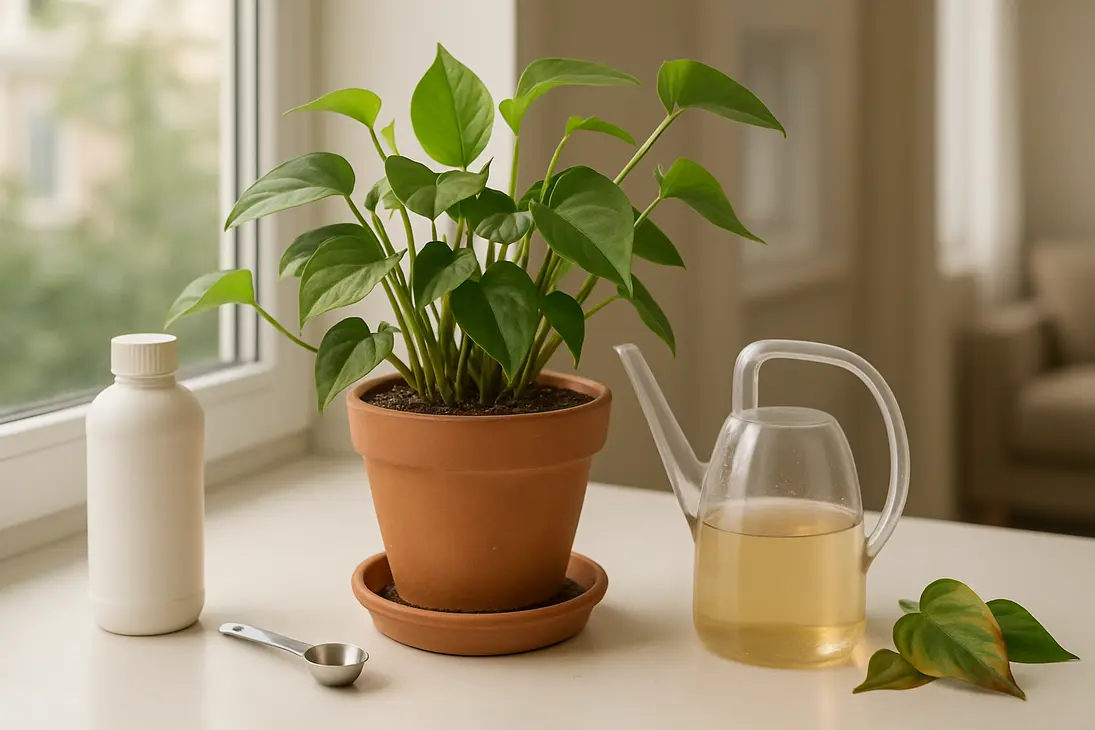
- Pothos or devil’s ivy (Epipremnum aureum)
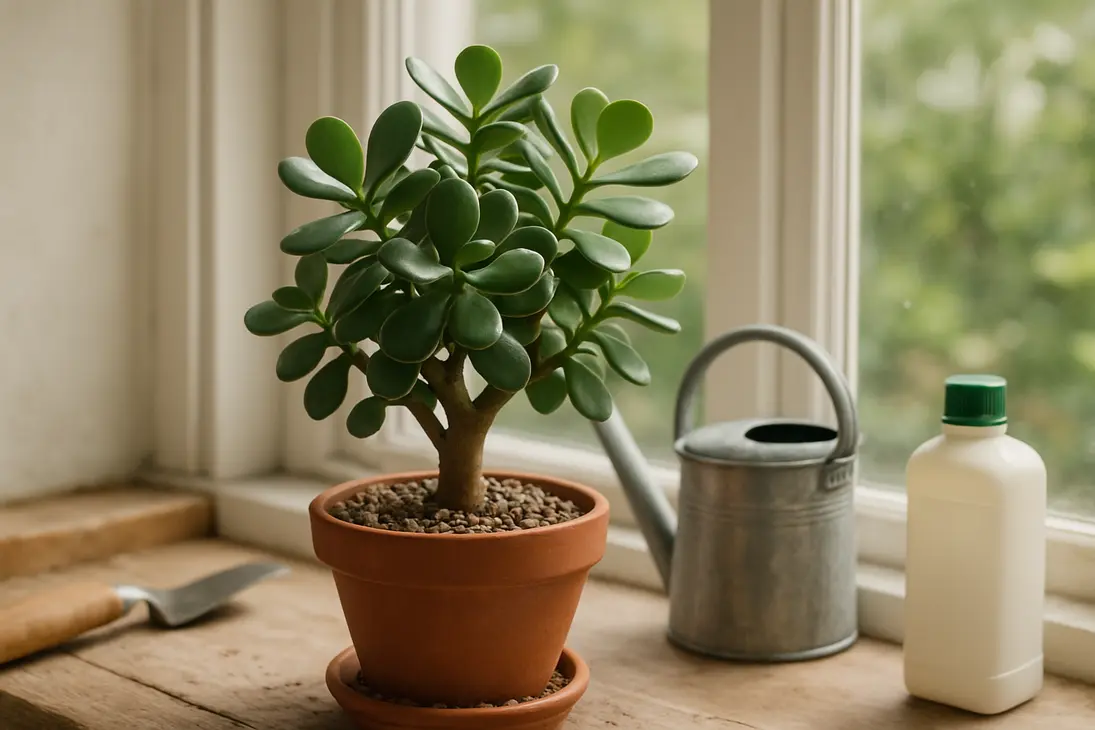
- Jade plant (Crassula ovata)
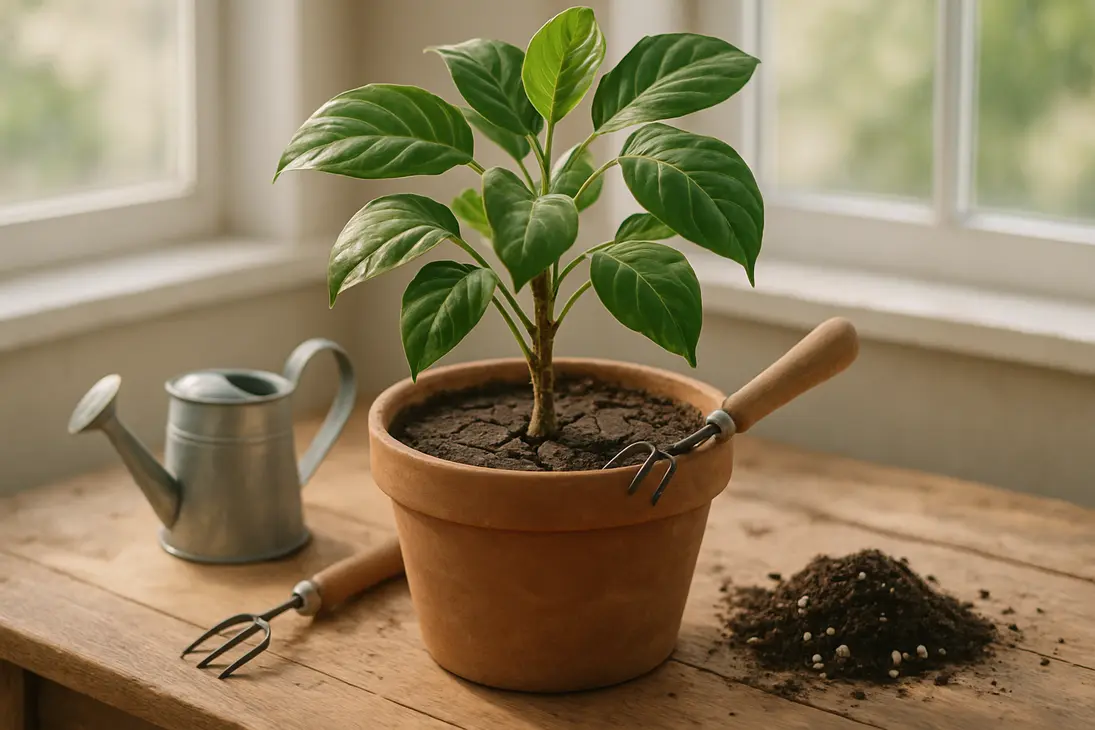
- Money tree (Pachira aquatica)
These plants have different needs, but one rule applies to all of them indoors: underfeeding is usually safer than overfeeding. Pothos and money tree can handle occasional diluted fertilizer during active growth. Jade plants need less because they are succulents and grow more slowly indoors.
Miracle-Gro is not automatically harmful. Problems usually come from using too much, feeding too often, applying it to dry roots, or fertilizing a plant already stressed by poor light, root rot, pests, cold damage, or recent repotting. Fertilizer supports growth; it does not fix bad growing conditions.
If your money plant is healthy, producing new leaves, and growing in a pot with drainage, Miracle-Gro can help. If it is yellowing, wilting, dropping leaves, sitting in soggy soil, or newly repotted, wait until it stabilizes before feeding.
Which Miracle-Gro Product Is Best for a Money Plant?
For most indoor money plants, the safest choice is a mild houseplant fertilizer used at label strength or weaker. Indoor formulas are usually easier to control in small pots than stronger garden products.
| Miracle-Gro product type | Best use for money plants | Main caution |
|---|---|---|
| Indoor Plant Food | Best general choice for pothos and money tree | Can still be overused |
| All Purpose Plant Food | Acceptable if diluted carefully | Often stronger than needed indoors |
| Spikes or slow-release products | Convenient for large, healthy pots | Can create concentrated fertilizer pockets |
Miracle-Gro Indoor Plant Food
Miracle-Gro Indoor Plant Food is usually the easiest option for indoor money plants because it is designed for houseplants and containers. It can work well for pothos-type money plants and money trees during spring and summer when they are actively growing.
Use more caution with jade plants. Jade is a succulent and does not need the same feeding schedule as a leafy tropical houseplant. If you use Indoor Plant Food on jade, apply it less often and consider diluting it more than the label suggests unless the product specifically includes succulents.
The main benefit of an indoor formula is control. Indoor pots hold limited soil, so fertilizer salts can build up faster than they would outdoors.
Miracle-Gro All Purpose Plant Food
Miracle-Gro All Purpose Plant Food can be used on a money plant, but it is often stronger than necessary for a small indoor container. If you already have it, use it conservatively:
- Mix it according to the label, or weaker.
- Start at half strength for indoor money plants.
- Use even less for jade plants or plants in low light.
- Do not use it every time you water.
A small measuring error can matter in a small pot. Many houseplant problems blamed on “lack of fertilizer” are actually caused by low light, poor drainage, compacted soil, or seasonal slow growth.
Avoid strong outdoor feeding routines indoors. A plant growing under indoor light uses nutrients more slowly than a plant growing outside in warm sun.
Miracle-Gro Spikes or Slow-Release Products
Fertilizer spikes and slow-release granules are convenient, but they give you less control. Spikes can also concentrate nutrients in one area of the pot, which may burn nearby roots.
Use spikes or slow-release products only when:
- The pot is large enough to distribute nutrients safely.
- The plant is healthy and actively growing.
- You can place the product away from the main stem.
- You are not also using liquid fertilizer.
Do not combine spikes with regular liquid Miracle-Gro unless the label specifically says to do so. Doubling up is a common cause of fertilizer burn.
How Often to Feed a Money Plant with Miracle-Gro
Feeding frequency depends on plant type, season, light, pot size, and growth rate. A money plant in bright indirect light may use nutrients faster than one in dim light.
When unsure, feed less often than the most aggressive schedule on the package. Label directions matter, but your plant’s conditions matter too.
During Spring and Summer
Spring and summer are the main feeding seasons for indoor money plants. This is when pothos, money trees, and jade plants are most likely to produce new growth.
| Plant commonly called money plant | Spring/summer feeding approach with Miracle-Gro |
|---|---|
| Pothos / money plant | Every 4–6 weeks at half strength, or label rate if growth is strong |
| Money tree | Every 4–6 weeks at half strength during active growth |
| Jade plant | Every 6–8 weeks at weak strength, or less often |
Some Miracle-Gro products suggest weekly or 7–14 day feeding. That may suit fast-growing plants in ideal conditions, but many indoor money plants do better with a lighter schedule.
If the plant is growing rapidly, has firm leaves, good color, no brown tips, and no crusty soil, you can follow the label more closely. If it is in average indoor light, stay conservative.
During Fall and Winter
In fall and winter, most indoor money plants slow down because light is weaker. Even in a warm home, the plant may not use nutrients quickly.
For most homes:
- Pothos/money plant: feed rarely, if at all
- Money tree: pause or feed very lightly only if still growing
- Jade plant: usually avoid fertilizer
Do not fertilize just because leaves yellow in winter. Yellowing can come from overwatering, low light, cold drafts, natural aging, or root stress. Fertilizer will not fix those problems and may make them worse.
After Repotting or Pruning
Do not feed immediately after repotting unless the potting mix and fertilizer label call for it. Fresh mix may already contain nutrients, and disturbed roots are more sensitive to fertilizer salts.
A safe waiting period is usually 4–6 weeks after repotting, especially if roots were trimmed or the plant moved to a much larger pot.
After pruning, wait until you see new growth before feeding. Also avoid fertilizing a plant that is:
- Wilting from dry soil
- Sitting in soggy soil
- Recovering from root rot
- Infested with pests
- Dropping leaves after a move
- Recently moved from low light to brighter light
Fertilizer is best used on a stable, healthy plant—not as emergency treatment.
How to Apply Miracle-Gro Safely
Safe application matters as much as product choice. Indoor containers have less buffering capacity than garden soil, so measuring and watering carefully are important.
The goal is to deliver a mild nutrient solution evenly through the root zone without burning roots or leaving excess salts behind.
Dilution and Measuring Tips
Always read the label of the exact Miracle-Gro product you are using. Different formulas have different instructions.
For indoor money plants:
- Use a measuring spoon or cap, not a random pour.
- Mix fertilizer thoroughly into water before applying.
- Start at half strength for small, slow-growing, or low-light plants.
- Do not assume “a little extra” will help.
- Make a fresh diluted solution rather than storing mixed fertilizer long term.
If using pump-style indoor plant food, apply only as directed for the pot size. More pumps do not mean faster growth. For jade plants, err on the weak side.
Watering Before and After Feeding
If the soil is very dry, water lightly first and let the root ball rehydrate before applying fertilizer. Fertilizer on bone-dry roots can increase the risk of root burn.
A safe method:
- Make sure the pot has drainage holes.
- If the soil is extremely dry, water with plain water first.
- Mix Miracle-Gro according to the label, preferably half strength for the first feeding.
- Apply evenly to the soil surface, not the leaves.
- Let excess water drain fully.
- Empty the saucer.
Occasionally water thoroughly with plain water until it drains from the bottom. This helps rinse out accumulated salts, especially if you use liquid fertilizer regularly or see white crust on the soil or pot rim.
Mistakes to Avoid
Avoid these common Miracle-Gro mistakes:
- Feeding every time you water
- Using outdoor-strength fertilizer on a small indoor pot
- Fertilizing a sick plant before diagnosing the problem
- Applying fertilizer to dry, stressed roots
- Combining spikes, granules, and liquid fertilizer
- Feeding heavily in winter
- Assuming yellow leaves always mean nutrient deficiency
- Letting the pot sit in fertilizer runoff
Repeated applications can damage plants quickly, especially in containers. If you recently fertilized and the plant begins browning, wilting, or dropping leaves, stop feeding and check the roots and soil conditions.
Signs You Used Too Much Miracle-Gro—and How to Fix It
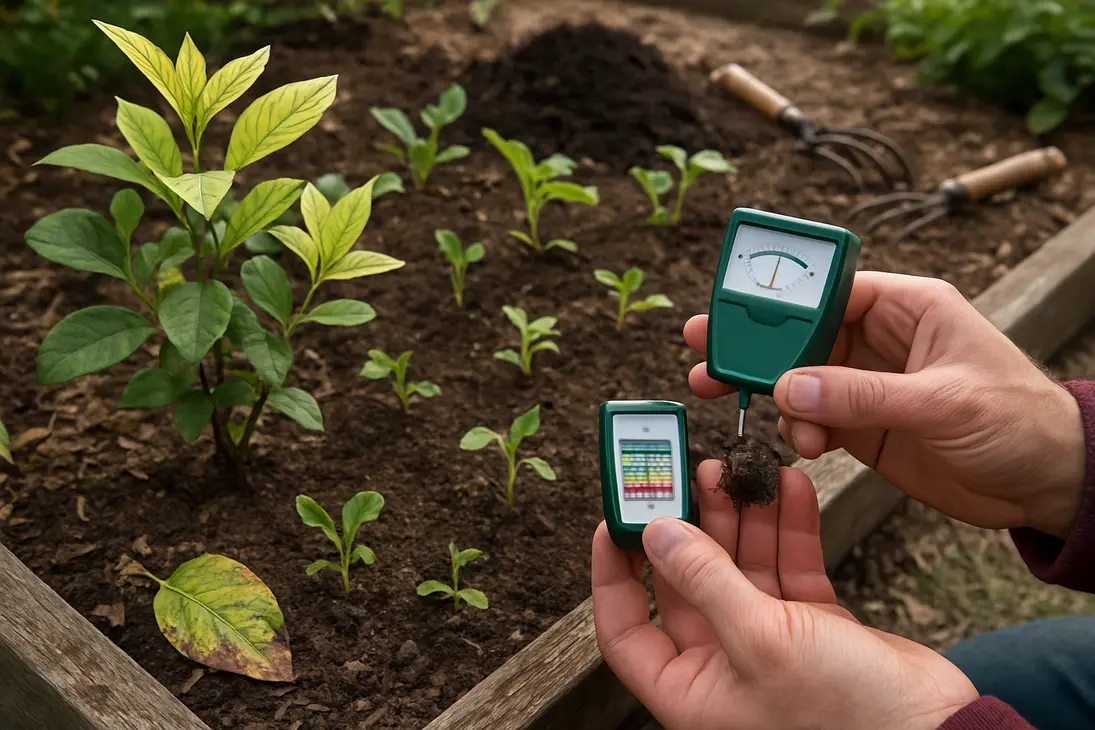
Too much Miracle-Gro can create a high concentration of soluble salts around the roots. This can make water uptake harder and damage tender root tissue.
| Symptom | What it may look like | What to do first |
|---|---|---|
| Brown leaf tips or edges | Crispy tips, scorched margins | Stop feeding and flush soil |
| Yellowing leaves | Leaves fading | Check watering and roots |
| Wilting despite moist soil | Drooping in wet soil | Inspect for root stress or rot |
| White crust on soil | Mineral buildup | Flush with plain water |
| Slowed or distorted growth | Weak new leaves, stalled vines | Pause fertilizer |
| Leaf drop | Sudden shedding after feeding | Stop feeding and assess roots |
These signs can also come from overwatering or poor drainage. But if they appear soon after fertilizing, assume fertilizer stress is possible.
To fix an overfed money plant:
- Stop fertilizing immediately.
- Remove visible spikes or granules if possible.
- Flush the soil with plain room-temperature water, allowing it to drain freely.
- Empty the saucer completely.
- Move the plant to bright indirect light while it recovers.
- Trim only fully dead or badly damaged leaves.
- Wait and observe. New healthy growth is the best sign of recovery.
If the soil smells sour, stays wet too long, or the plant keeps wilting, slide it out of the pot and inspect the roots. Healthy roots are usually firm and light-colored. Rotten roots are mushy, dark, and may smell unpleasant.
If root damage is severe, repot into fresh, well-draining mix. Use quality indoor potting mix for pothos and money tree. Use cactus/succulent mix or another sharply draining blend for jade. After repotting, do not fertilize again until the plant shows new growth.
Damaged leaves may not turn green again, but the plant can recover if the roots and stems remain healthy.
Conclusion
Miracle-Gro is safe for an indoor money plant when used sparingly, diluted correctly, and applied only during healthy active growth. A houseplant formula is usually the best choice. All Purpose Plant Food can work if diluted carefully. Spikes and slow-release products are convenient but offer less control.
A pothos-type money plant may handle occasional feeding well. A money tree appreciates light fertilizer during active growth. A jade plant needs much less.
If unsure, use half strength, feed less often, and watch the plant’s response. A healthy money plant can grow well with modest nutrition; it does not need constant fertilizer indoors.
FAQ
Can Miracle-Gro kill a money plant?
Yes. Miracle-Gro can kill or seriously damage a money plant if used too strongly, too often, or on a stressed plant. The usual problem is fertilizer burn from excess soluble salts around the roots.
Used correctly, Miracle-Gro should not kill a healthy money plant. Follow the label, dilute cautiously, and avoid feeding during winter slowdown or root problems.
Should I use Miracle-Gro every time I water my money plant?
No. Do not use Miracle-Gro every time you water unless the specific product label clearly says to and the plant is growing strongly. Most indoor money plants do better with occasional feeding.
For many homes, every 4–6 weeks in spring and summer is enough for pothos and money tree. Jade plants usually need even less. In fall and winter, reduce feeding or stop.
Is Miracle-Gro better than organic fertilizer for money plants?
Not necessarily. Miracle-Gro is fast-acting and easy to measure. Organic fertilizers may release nutrients more slowly, but they can be harder to manage indoors if they smell, attract fungus gnats, or rely on active soil biology.
Neither is automatically better. For a small indoor money plant, dose and timing matter more than whether the fertilizer is synthetic or organic.
Can I use Miracle-Gro on a money plant growing in water?
Be careful. A money plant growing in water, such as pothos cuttings in a jar, has no potting mix to buffer fertilizer. Regular soil fertilizer can become too concentrated quickly.
If you feed a money plant growing in water, use a very dilute solution and change the water regularly. A hydroponic or water-culture fertilizer is usually more appropriate than standard houseplant fertilizer. If the water becomes cloudy, smells bad, or roots turn brown and mushy, stop feeding and refresh with clean water.
You Might Also Like