How Do Fertilizers Affect Soil Health?
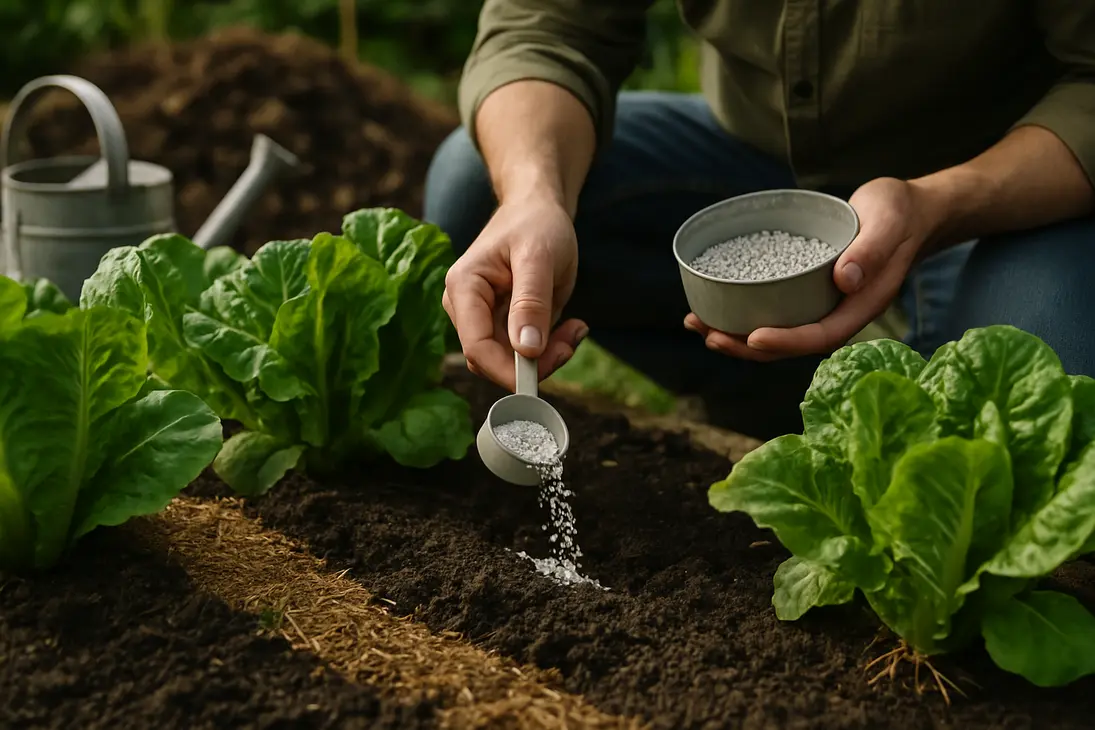
Fertilizers can improve soil fertility and plant growth, but they can also damage soil health when overused, poorly timed, or applied without knowing what the soil needs. Fertilizer supplies nutrients. Healthy soil also depends on organic matter, microbes, structure, air, water movement, drainage, and pH balance.
Used carefully, fertilizer replaces nutrients removed by vegetables, lawns, flowers, rain, irrigation, and harvesting. Used carelessly, it can cause salt buildup, nutrient imbalances, fertilizer burn, pH problems, weaker soil biology, and pollution from runoff or leaching.
What Soil Health Means and Where Fertilizers Fit
Soil health is the soil’s ability to support plants, cycle nutrients, absorb and drain water, resist erosion, and sustain soil life over time. Healthy soil usually has balanced nutrients, crumbly structure, organic matter, active soil organisms, suitable pH, good drainage, and room for roots to grow.
Fertilizers mainly affect the nutrient side of soil health. They can supply nitrogen, phosphorus, potassium, calcium, magnesium, sulfur, iron, and other nutrients. But they do not automatically improve structure, increase organic matter, fix compaction, or create a diverse soil food web.
This is why a fertilized plant can still struggle. If soil is compacted, waterlogged, sandy, low in organic matter, or outside the right pH range, more fertilizer may not help. It may make problems worse because the plant cannot use the nutrients efficiently.
How Fertilizers Can Support Healthy Soil and Plant Growth
Correct fertilizer use is valuable in soils that are naturally low in nutrients or heavily used. Vegetable gardens, lawns, containers, fruiting crops, and flowering annuals often remove nutrients quickly. Harvesting crops, grass clippings, or cut flowers takes nutrients out of the system, and fertilizer can replace some of them.
Fertilizers are most useful when correcting a known deficiency. A soil test may show low potassium in a vegetable bed, or a plant may show iron chlorosis because pH makes iron unavailable. In these cases, the right fertilizer or amendment can restore balance.
In lawns, fertilizer can improve color, density, and recovery from wear when applied at the right rate and season. In food gardens, it can improve yield when paired with compost, mulch, crop rotation, and good watering. In containers, fertilizer is often essential because potting mixes contain limited nutrients and frequent watering washes nutrients out.
The healthiest fertilizer use is targeted, not automatic. Before feeding, ask what the plant needs, what the soil already contains, whether pH is suitable, and whether stress from water, heat, pests, compaction, or root damage is the real issue.
How Fertilizers Can Harm Soil When Overused or Misapplied
The main risk is not fertilizer itself, but using too much, using the wrong kind, applying it at the wrong time, or fertilizing repeatedly without testing. “More fertilizer” does not mean “healthier soil.”
Plants can use nutrients only within limits. Extra fertilizer can disrupt soil chemistry, stress roots, reduce biological activity, and move into waterways. Plants may look lush briefly while the soil moves out of balance.
Nutrient Imbalances and Salt Buildup
Many fertilizers contain soluble mineral salts. In proper amounts, they dissolve in soil water and provide nutrients. In excess, they can accumulate around roots, especially in containers, dry soils, greenhouses, raised beds with poor drainage, or repeatedly fertilized gardens.
Salt buildup makes it harder for roots to absorb water. Symptoms can resemble drought stress even when soil is moist: wilting, brown leaf edges, yellowing, or slowed growth.
Overfertilizing can also create nutrient competition. Excess phosphorus can reduce availability of micronutrients such as iron and zinc. Excess potassium can affect magnesium uptake. Too much nitrogen can produce leafy growth at the expense of flowers, fruit, roots, or winter hardiness.
Soil pH Changes and Nutrient Lockout
Soil pH controls which nutrients are available to plants. Nutrients may be present but unavailable if the pH is too acidic or too alkaline.
Some fertilizers gradually shift pH with repeated use. Certain nitrogen fertilizers can acidify soil over time, while other amendments may raise pH. A single careful application is usually not a problem, but repeated use without monitoring can move soil outside the preferred range.
When pH drifts too far, nutrient lockout can occur. Gardeners may respond by adding more fertilizer, but that can deepen the imbalance. Yellow leaves, for example, may point to pH, drainage, or a specific nutrient issue rather than a general lack of fertilizer.
Reduced Microbial Activity and Soil Life
Healthy soil contains bacteria, fungi, protozoa, nematodes, arthropods, earthworms, and other organisms that break down organic matter, release nutrients, improve structure, and support roots.
Moderate fertilizer use can support plant growth, and healthy plants feed soil organisms through roots and residues. But repeated heavy applications, especially without organic matter, can make soil less favorable for some beneficial organisms. High salt levels can stress microbes and roots, and very high nutrient inputs may reduce some plant partnerships with organisms such as mycorrhizal fungi.
The problem is usually not one fertilizer application. It is a pattern of feeding plants while neglecting the soil habitat. Soil life needs organic matter, mulch, roots, and limited disturbance. Fertilizer alone does not provide that.
Plant Stress, Browning, and Fertilizer Burn
Fertilizer burn is a visible sign of overapplication. It may appear as brown leaf tips or edges, scorched lawn patches, wilting, yellowing, or sudden decline after fertilizing. Containers are especially vulnerable because salts concentrate in a small root zone.
Fertilizer burn can happen when fertilizer is applied too heavily, mixed too strong, left on leaves or stems, applied to dry soil, used during heat or drought, or spread unevenly on lawns.
If you overfertilize, stop feeding. Remove visible granules if possible. For potted plants with good drainage, flush the potting mix thoroughly with water. For beds and lawns, deep watering may help move salts downward, but avoid runoff or leaching.
Runoff, Leaching, and Water Pollution
Fertilizer that plants do not use can leave the soil. Nitrogen can leach downward, especially in sandy soils or after heavy rain and overwatering. Phosphorus often moves with eroded soil particles or surface runoff. Both can contribute to water pollution.
Runoff risk increases when fertilizer is applied before heavy rain, spread onto sidewalks or driveways, used on compacted soil, or applied to dormant plants. Sloped lawns, bare beds, and poorly mulched soil are especially vulnerable.
Good soil structure, organic matter, mulch, and living plant cover help water soak in instead of running off. Careful fertilizer use protects both the garden and nearby waterways.
Chemical vs. Organic Fertilizers: Effects on Soil Health
The difference between chemical and organic fertilizers is often oversimplified. Synthetic fertilizers are not automatically harmful, and organic fertilizers are not automatically safe. Both can help or harm soil health depending on product, rate, timing, soil conditions, and plant needs.
| Fertilizer type | Main benefit | Main risk | Soil health note |
|---|---|---|---|
| Fast-release synthetic | Quick nutrient correction | Burn, leaching, salt buildup | Feeds plants quickly but adds little organic matter |
| Slow-release or controlled-release | Gradual feeding | Still possible to overapply | Useful for containers, lawns, and steady feeders |
| Compost | Adds organic matter and nutrients | Nutrient levels vary | Supports structure and soil biology |
| Manure | Adds nutrients and organic matter | Can be salty or too strong | Best well-aged and matched to soil needs |
| Plant-based amendments | Gentle nutrient release | May be slow | Good for long-term soil building |
Fast-Release Synthetic Fertilizers
Fast-release synthetic fertilizers provide nutrients in forms plants can use quickly. They can help correct short-term deficiencies, especially in actively growing crops or containers.
Their strength is also their weakness. Because nutrients are readily soluble, they can burn roots, leach, or run off if overapplied or used at the wrong time. They also do little for organic matter or soil structure.
Use them with restraint: follow the label, apply at the proper time, avoid heat and drought stress, and do not treat them as a substitute for compost and soil care.
Slow-Release and Controlled-Release Fertilizers
Slow-release and controlled-release fertilizers feed plants over a longer period. Some are coated to release nutrients gradually with moisture and temperature; others depend on natural breakdown. They can reduce sudden nutrient surges, especially in containers, lawns, and ornamental beds.
They are not risk-free. Too much can still create excess nutrients, and warm, wet conditions may release nutrients faster than expected. Many controlled-release products add nutrients but little organic matter. They are useful when plants need steady nutrition and frequent feeding is impractical.
Compost, Manure, and Organic Amendments
Compost, well-aged manure, worm castings, leaf mold, cover crop residues, seed meals, and similar amendments often support soil health more broadly than nutrient-only fertilizers. They can add organic matter, improve water holding, encourage soil organisms, and release nutrients gradually.
But organic does not mean unlimited. Manure can be high in salts or nutrients. Compost varies widely, and repeated heavy use can raise phosphorus or potassium beyond plant needs. Poorly sourced materials may contain weed seeds, pathogens, herbicide residues, or contaminants.
Kitchen scraps and potato peels are better composted before being added to beds. Fresh scraps can attract pests, rot, and temporarily tie up nitrogen as microbes break them down. Once composted, they become a more stable amendment.
How to Use Fertilizers Without Damaging Soil
The safest approach is to fertilize based on need, not habit. Soil health improves when nutrients are balanced, organic matter is replenished, roots are protected, and excess fertilizer is avoided.
Start With a Soil Test
A soil test is the best starting point for lawns, vegetable gardens, orchards, and long-term beds. It can show nutrient levels, pH, organic matter, and amendment recommendations. Without testing, it is easy to add nutrients that are already abundant while missing the real problem.
Soil testing is especially useful when plants grow poorly despite fertilizing, leaves yellow for unclear reasons, you are starting a new bed, you have used compost or manure heavily, or you suspect pH issues.
For containers, formal testing is less common, but the idea still applies: know your potting mix, plant needs, and fertilizer history. Browning tips or crusty white buildup may indicate salt buildup rather than deficiency.
Match Fertilizer Type to the Plant and Soil Need
Different plants need different feeding strategies. Leafy vegetables often need more nitrogen than root crops. Tomatoes and peppers need balanced nutrition but may produce excessive foliage if overfed with nitrogen. Lawns need different timing than vegetable beds. Native or drought-adapted plants may need little fertilizer once established.
Read the fertilizer analysis on the label. The three main numbers represent nitrogen, phosphorus, and potassium. A high-nitrogen product may suit turf or leafy growth, but not every plant. A high-phosphorus “bloom booster” is not useful if soil already contains plenty of phosphorus.
Soil texture also matters. Sandy soils lose nutrients faster and may need smaller, more frequent applications plus organic matter. Clay soils may hold nutrients but suffer from compaction or drainage problems fertilizer will not fix.
Avoid Overfertilizing Lawns, Gardens, and Potted Plants
Overfertilizing is common because damage may not appear immediately. A lawn may green up quickly, or a plant may surge with leafy growth, before later showing burn, weak stems, poor flowering, pest pressure, or salt stress.
To reduce risk:
- Follow the label rate.
- Measure the area or container before applying.
- Do not fertilize heat- or drought-stressed plants.
- Water granular fertilizer in as directed.
- Sweep fertilizer off hard surfaces.
- Avoid applying before heavy rain.
- Do not combine fertilizers unless you know the total nutrient load.
- Reduce feeding when plants are dormant or slow-growing.
- Watch containers for white crust, brown tips, or repeated wilting.
If plants look stressed, check water, roots, pests, drainage, and pH before adding more fertilizer.
Support Soil Biology With Compost, Mulch, and Reduced Disturbance
Fertilizer is most soil-friendly when used with practices that support the whole soil system. Compost, shredded leaves, straw, wood chips around perennials, cover crops, and appropriate grass clippings feed soil organisms and improve structure over time.
Mulch protects the surface from crusting, erosion, temperature extremes, and moisture loss. Living roots keep soil biology active between main crops and reduce nutrient loss. Reduced disturbance helps preserve aggregates and fungal networks.
A healthy routine is simple: test the soil, add compost as needed, mulch the surface, fertilize only for known plant needs, water properly, and adjust from season to season.
Conclusion
Fertilizers are not inherently bad for soil health. They can replace depleted nutrients, correct deficiencies, improve crop yields, support lawns, and help plants grow when fertility is low. But they do not build healthy soil by themselves.
Problems begin with misuse. Too much fertilizer can cause salt buildup, nutrient imbalance, fertilizer burn, pH shifts, weaker soil biology, and runoff or leaching. Organic fertilizers and homemade amendments can also cause problems if overapplied or poorly managed.
The healthiest approach is balance: test the soil, choose the right product, apply only what is needed, and build organic matter with compost, mulch, cover crops, and thoughtful soil care. Fertilizer should support the soil system, not replace it.
FAQ
Can too much fertilizer damage soil and plants?
Yes. Too much fertilizer can cause salt buildup, root stress, fertilizer burn, brown leaf tips, wilting, yellowing, and nutrient imbalances. Excess fertilizer can also move off-site and contribute to water pollution.
Are organic fertilizers always better for soil health?
Not always. Organic fertilizers often support soil health because they can add organic matter and feed soil life. But too much compost or manure can raise nutrients or salts beyond what plants need, and poor sources may contain contaminants.
Can fertilizers make plants more prone to pests?
They can when nitrogen is overapplied. Excess nitrogen encourages soft, rapid leafy growth that may attract some sap-feeding insects. Balanced nutrition usually supports stronger plants.
What are good alternatives to chemical fertilizers?
Good alternatives include compost, well-aged manure, mulch, cover crops, worm castings, leaf mold, and plant-based amendments. These can improve organic matter and soil biology while adding nutrients gradually.
You Might Also Like