What Does Plant Maintenance Mean in Plant Care?
Plant Maintenance: Definition and Purpose
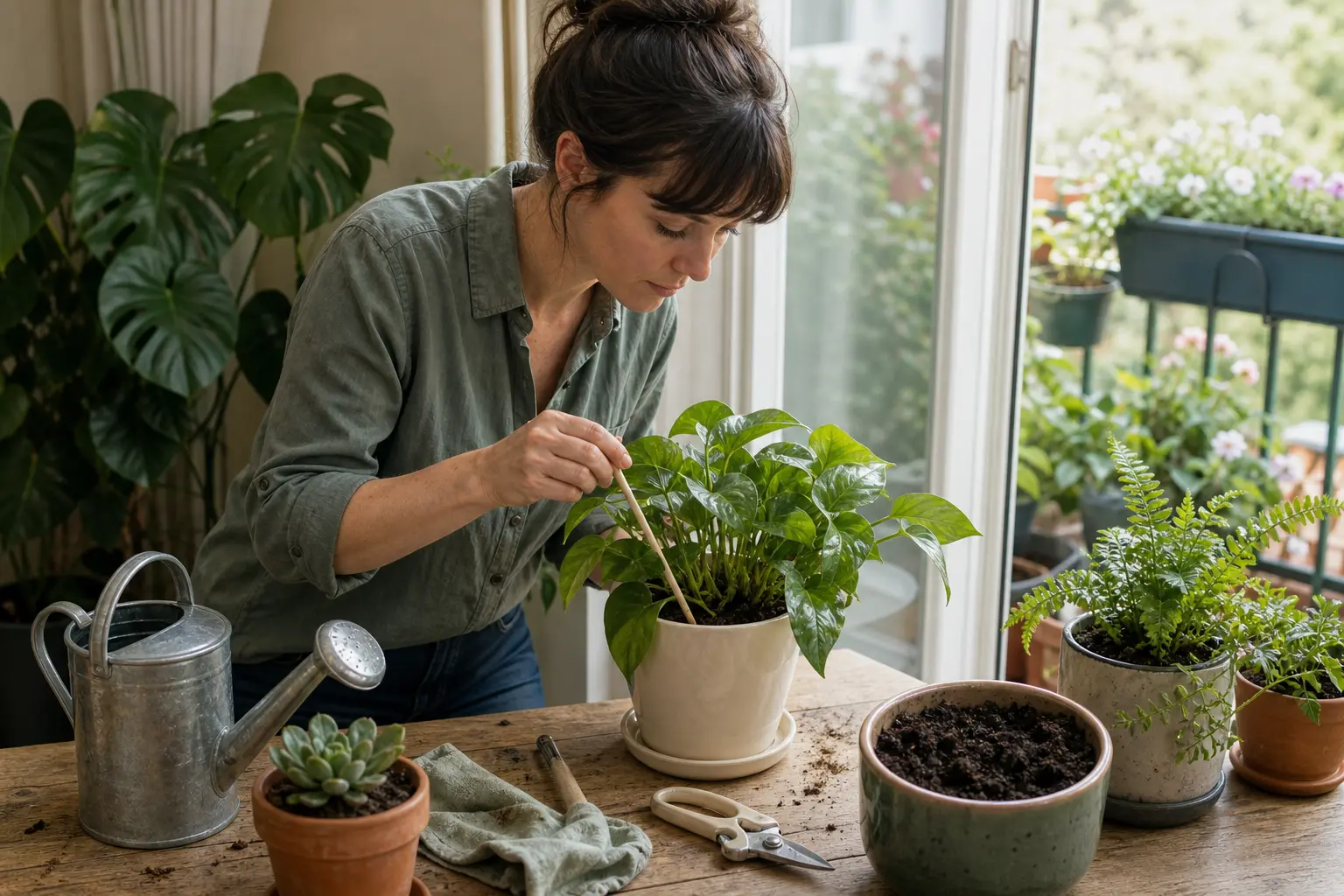
Plant maintenance means the regular, practical care that keeps a plant healthy over time. It includes observing the plant, meeting its basic needs, and making small adjustments before minor stress becomes a serious problem.
Rather than being a single task, plant maintenance is an ongoing cycle of checking soil moisture, light, temperature, growth, leaves, roots, pests, and the condition of the pot or garden bed. The aim is not to force constant growth. Healthy plants naturally slow down during cooler, darker, or stressful periods. Good maintenance helps them grow when conditions are favorable and recover more easily from normal changes such as pruning, repotting, heat, or a move indoors.
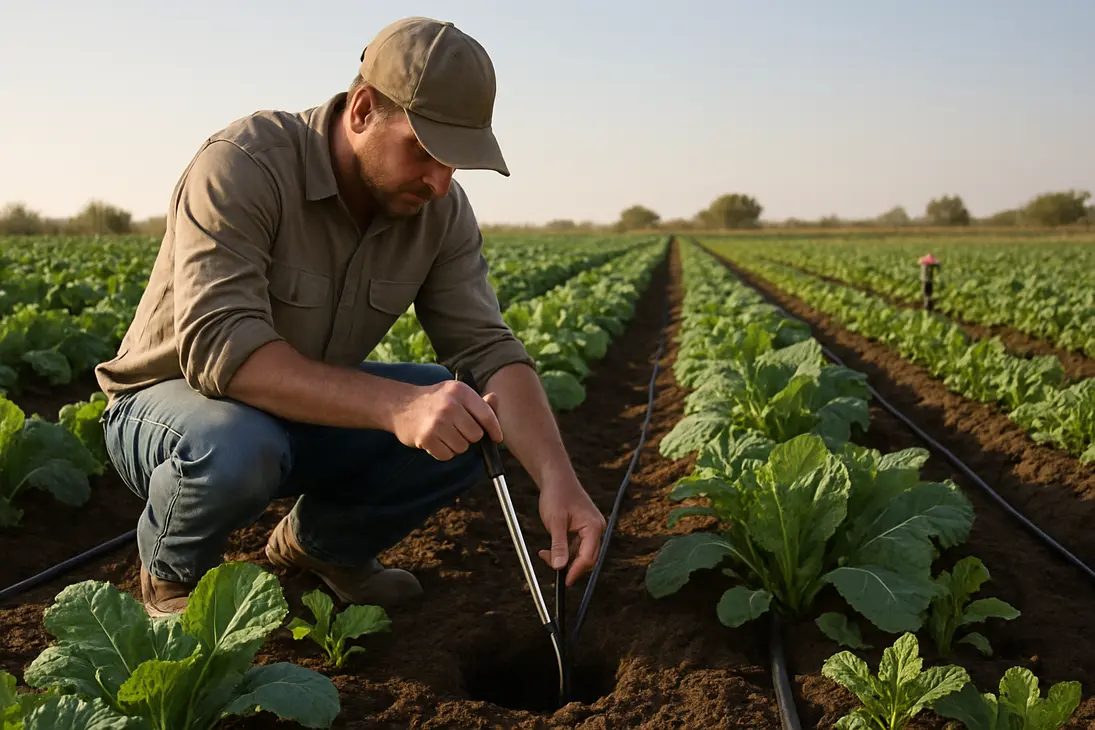
The right routine depends on the plant and its conditions. A drought-tolerant succulent in a sunny windowsill needs very different attention from a fern in a humid bathroom, a tomato in a balcony pot, or a shrub growing in the ground. Plant maintenance is therefore condition-based, not a fixed schedule.
Core Plant Maintenance Tasks
Most plant care falls into a few repeating tasks. Doing these consistently is more useful than making frequent dramatic changes, such as repotting too soon or adding fertilizer whenever growth slows.
Watering and Monitoring Soil Moisture
Watering is often the most important—and most misunderstood—part of plant maintenance. Plants need moisture around their roots, but roots also need air. Soil that stays saturated for too long can limit oxygen around the roots and encourage root problems.
Check the soil before watering rather than watering automatically on the same day every week. For many houseplants, insert a finger a short distance into the potting mix. If the mix feels dry at that depth, watering may be appropriate. If it is still cool and damp, wait and check again later.
The correct moisture level varies:
- Cacti and many succulents prefer their potting mix to dry substantially between waterings.
- Leafy tropical houseplants often prefer evenly moist but not waterlogged mix.
- Seedlings need more consistent moisture because their roots are small and shallow.
- Outdoor containers can dry quickly in wind, heat, and direct sun.
- Established garden plants usually benefit from deeper, less frequent watering than frequent light sprinkling.
Water thoroughly enough for the root zone to receive moisture, then let excess water drain from containers. Do not leave most houseplants standing in a saucer of water for extended periods.
Providing Appropriate Light and Temperature
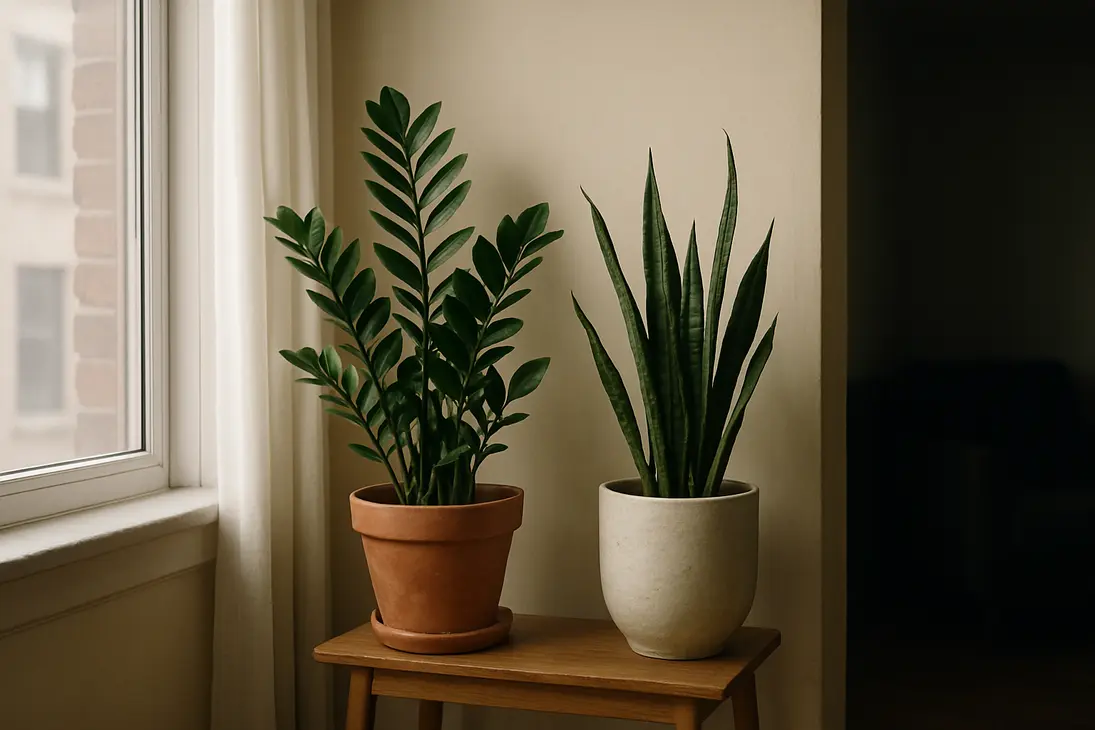
Light determines how much energy a plant can make. A plant kept in insufficient light may survive, but it can become sparse, stretch toward the window, lose lower leaves, or stop producing new growth.
Match the plant to the available location. “Bright indirect light” generally means a bright place near a window without harsh, prolonged sun directly striking the leaves. Full-sun outdoor plants usually need several hours of direct sun, while shade plants may scorch in an exposed south- or west-facing position.
Temperature matters too. Most common indoor plants prefer stable household temperatures and may struggle near cold glass, radiators, heating vents, or air-conditioning units. Outdoor plants need to be suited to the local season. A sudden cold night, heatwave, or move from shade into strong sun can cause leaf drop or scorch even when watering is correct.
When changing a plant’s position, do so gradually where possible. Acclimating a plant over several days helps reduce shock.
Feeding Plants and Managing Fertilizer
Fertilizer supplies nutrients that may become limited in containers or intensively planted garden beds. It is not a cure for poor light, damaged roots, compacted soil, or overwatering.
Feed actively growing plants only when they are otherwise healthy and receiving enough light. A plant in a dim corner cannot use extra fertilizer efficiently. Likewise, avoid fertilizing a recently repotted, severely stressed, wilted, or pest-damaged plant until it is stable.
For container plants, use a fertilizer suited to the plant type and follow the product label. More fertilizer is not better: excess salts can accumulate in potting mix and damage roots.
Organic and synthetic fertilizers can both work well:
| Fertilizer type | Strengths | Considerations |
|---|---|---|
| Organic fertilizers | Often release nutrients more gradually and can support soil life in outdoor beds | Nutrient levels may be less immediately available and may vary by product |
| Synthetic fertilizers | Provide nutrients in a readily available form and are convenient for many container plants | Easy to overapply; regular flushing or repotting may be needed if salts build up |
For balcony gardens, either option can be appropriate. Choose based on the crops you grow, how often you can maintain them, and whether you want fast correction or slower, steady feeding.
Pruning, Cleaning, and Removing Dead Growth
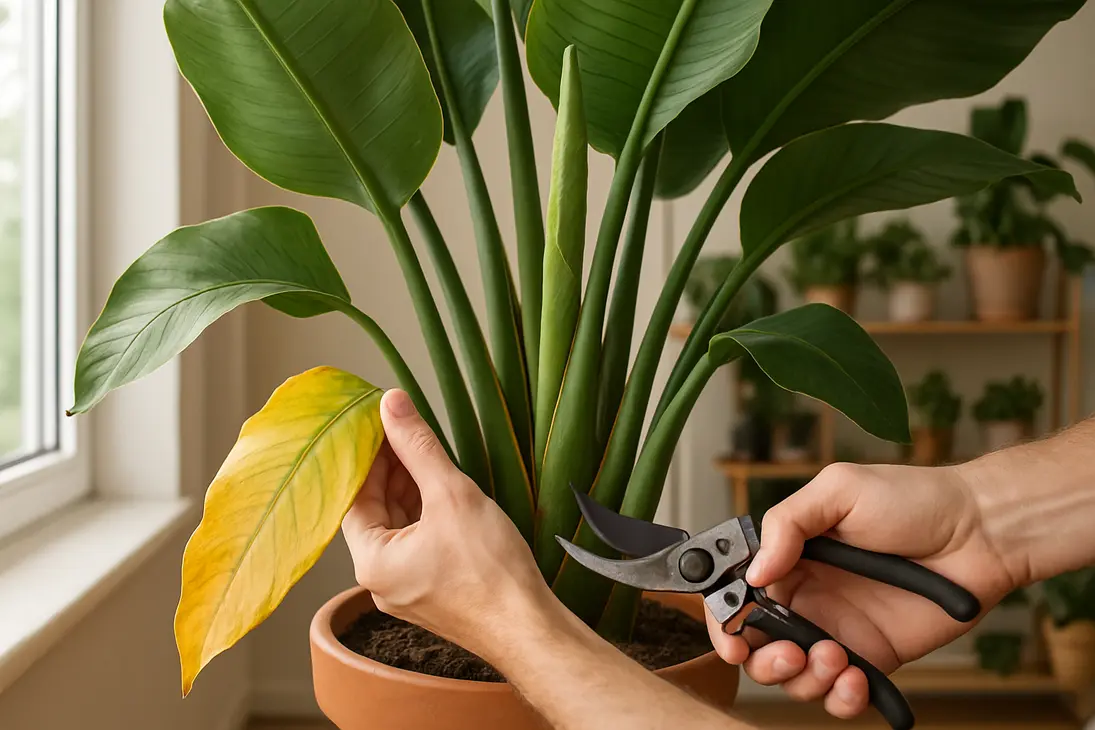
Pruning is maintenance, not punishment. Remove dead, damaged, yellowing, or diseased leaves so you can see the plant’s condition clearly and reduce places where pests may hide. Use clean, sharp scissors or pruners, especially when working on several plants.
Pruning can also improve shape, encourage branching in suitable plants, and prevent crowded stems from rubbing together. However, avoid removing large amounts of healthy foliage at once unless the plant requires renovation pruning. Leaves produce energy, so heavy pruning can slow recovery.
Indoor plants also benefit from occasional leaf cleaning. Dust blocks light and can hide pests such as spider mites. Wipe broad leaves gently with a damp cloth, supporting the leaf from beneath. Avoid adding leaf-shine products unless they are specifically appropriate for the plant.
Checking for Pests and Disease
Regular inspection catches problems early. Look at both sides of leaves, where stems meet leaves, the soil surface, and the drainage holes of pots.
Common warning signs include:
- Sticky residue, webbing, or small insects on leaves
- Pale speckling, curled leaves, or distorted new growth
- Soft stems, mushy roots, or a sour smell from the potting mix
- Spots that expand rapidly or appear on many leaves
- Sudden leaf drop after watering or environmental changes
Isolate a plant with suspected pests from nearby plants while you assess it. Remove heavily damaged material, improve the growing conditions that may be contributing to stress, and identify the problem before choosing a treatment. Not every spot or yellow leaf indicates disease; older leaves naturally age, and temporary stress can cause cosmetic damage.
Soil, Pots, and Repotting Maintenance
A plant’s root system depends on its growing medium as much as its visible leaves depend on light. In containers, potting mix gradually breaks down, compacts, loses nutrients, or becomes difficult to rewet. Pots can also become too small for growing roots.
Choosing a Potting Mix for Containers
Use a potting mix designed for containers rather than assuming all soil is interchangeable. A good container mix should hold enough moisture for roots while still allowing air movement and drainage.
Choose a mix that suits the plant:
- General houseplant mix: suitable for many foliage plants.
- Cactus and succulent mix: usually drains faster and is less likely to stay wet for long periods.
- Seed-starting mix: finer textured for small seeds and delicate roots.
- Vegetable or flowering container mix: often formulated to support heavier feeding and sustained growth.
You can improve drainage for plants that need it by choosing a naturally free-draining mix or adding an appropriate mineral amendment. Do not rely on a layer of stones at the bottom of a pot; this does not replace a well-draining mix or a drainage hole.
Why Garden Soil Is Usually Unsuitable for Pots
Garden soil is useful in the garden, but it is usually a poor choice for indoor and container pots. In a container, ordinary soil can become dense and compacted, hold too much water, and leave too little air around roots. It may also contain weed seeds, insects, or disease organisms.
Pots create a very different environment from open ground. Roots cannot spread outward to find better conditions, rain cannot drain away as freely, and the small volume of soil changes temperature and moisture quickly. A purpose-made potting mix is usually more reliable.
If you make your own mix, use clean components appropriate for container growing and test it with a few plants before using it widely. Homemade blends can work, but consistency is important.
When and How to Repot a Plant
Repot when there is a clear reason, not simply because the plant has been in the same pot for a year. Signs include roots circling densely inside the pot, roots emerging from drainage holes, water running straight through without wetting the mix, a plant that dries unusually fast, or a pot that has become unstable relative to the plant’s size.
Choose a new pot only modestly larger than the old one. An oversized pot holds more wet mix around a small root system, which can increase the risk of overwatering.
To repot:
- Water the plant lightly beforehand if the mix is extremely dry and crumbly.
- Slide the root ball out and inspect the roots.
- Remove clearly dead, black, soft, or rotten roots with clean tools.
- Loosen only the outermost circling roots if they are tightly wound.
- Place the plant at the same depth it was growing before.
- Fill around it with fresh potting mix and firm it gently.
- Water enough to settle the mix, then allow excess water to drain.
Some plants pause growth after repotting. This does not always mean the repotting failed. Roots may be adjusting, especially if the plant was moved, pruned, or exposed to different light at the same time.
Handling Soil From Diseased Plants
Do not automatically reuse soil from a plant that had clear root rot, a serious soil-borne disease, or an unexplained rapid decline. The old mix may contain pathogens, pest eggs, or decomposed roots that can affect the next plant.
If the issue was clearly unrelated to the soil—such as a temporary cold draft or sun scorch—the mix may be reusable after removing old roots and refreshing it with new components. When the cause is uncertain, discarding the old mix is usually the simpler and lower-risk choice for houseplants and small containers.
Wash pots before reuse, paying attention to rims, drainage holes, and saucers. A clean pot and fresh mix give the replacement plant a better starting point.
Creating a Plant Maintenance Routine
A useful routine is regular enough to catch changes but flexible enough to respond to weather, seasons, and the plant itself.
Daily and Weekly Plant Checks
You do not need to water or fertilize every plant every day. A short daily glance is often enough to notice wilting, fallen leaves, storm damage, or pests. Once or twice a week, check plants more closely.
A practical weekly routine includes:
- Feel the potting mix before watering.
- Check leaves for pests, spots, and new growth.
- Empty standing water from saucers.
- Turn indoor plants slightly if they lean strongly toward the light.
- Remove dead leaves and spent flowers.
- Check outdoor containers after hot, windy, or rainy weather.
Keep plants with similar needs together when possible. This makes maintenance easier and reduces the chance of watering a drought-tolerant plant as often as a moisture-loving one.
Monthly and Seasonal Maintenance Tasks
Monthly tasks may include wiping leaves, checking drainage holes, inspecting root growth, and reviewing whether fertilizer is needed during the growing season. Outdoor maintenance can include weeding, mulching, tying in tall plants, and checking supports.
Seasonal changes matter more than calendar dates. In winter, indoor plants often use less water because light levels are lower and growth slows. In summer, a sunny balcony container may need checking every day. Outdoor plants may need protection, extra water, or shade during extreme heat.
Adjusting Care for Indoor, Balcony, and Outdoor Plants
| Location | Main maintenance concern | Practical adjustment |
|---|---|---|
| Indoors | Lower light, slower drying, dry air near heating | Water less often in low light; keep plants away from drafts and vents |
| Balcony | Wind, reflected heat, rapid drying, limited root space | Check moisture frequently; secure pots and use larger containers where suitable |
| Outdoor garden | Rainfall changes, weeds, pests, seasonal temperatures | Water deeply during dry spells, mulch where appropriate, and inspect after weather events |
The plant’s location can change its needs even when the species is the same. A basil plant in a sheltered kitchen window and one in a windy balcony box will not dry at the same rate.
Troubleshooting Poor or Stalled Plant Growth
Slow growth is not always a maintenance failure. Plants grow at different rates, and many pause after being moved, repotted, or exposed to seasonal changes. Before making several changes at once, work through the likely causes.
Check Moisture Before Watering Again
Wilting can mean too little water, but it can also mean roots are stressed by soil that is staying too wet. Feel below the surface and assess the pot’s weight. Dry, light pots may need water; heavy, damp pots generally need more time to dry.
If soil remains wet for a long time, check drainage holes, pot size, light levels, and the density of the mix. Adding more water or fertilizer will not fix waterlogged roots.
Review Light, Temperature, and Recent Moves
A plant that stops growing after repotting and moving indoors may be responding more to the new light level than to the fresh potting mix. This is common with plants moved from bright outdoor conditions to a dimmer room.
Look for changes in:
- Window exposure or seasonal daylight
- Temperature near the plant
- Airflow from heating or cooling
- Sudden exposure to strong sun
- A recent move, pruning session, or repotting
Give the plant stable conditions before judging its recovery. Constantly moving it from place to place can extend the adjustment period.
Look for Root, Soil, Pest, or Nutrient Problems
If conditions seem suitable but growth remains poor, inspect more closely. Gently slide the plant from its pot if root trouble is likely. Healthy roots are usually firm; rotten roots are often soft, dark, and may smell unpleasant. Extremely compacted or exhausted potting mix can also limit growth.
Check for pests on new leaves and stems. Pests often target tender growth, which can make a plant appear stalled even if the roots are healthy.
Nutrient deficiency is possible, especially in long-used container mix, but do not assume it is the first cause. Correct light, moisture, and root conditions first. Then feed moderately during active growth if the plant needs it.
Set Realistic Expectations for Seedlings and Newly Repotted Plants
Seedlings may appear to “do nothing” for a while because they are developing roots before producing larger leaves. They can also stall if temperatures are too low, light is weak, or the mix is too wet.
Newly repotted plants may need several weeks to settle, particularly if roots were disturbed. Focus on stable light, careful watering, and moderate temperatures rather than trying to stimulate growth with repeated fertilizer applications.
Conclusion
Plant maintenance is the regular attention that helps plants stay healthy through everyday changes. It includes watering based on soil moisture, providing suitable light and temperature, feeding carefully, removing damaged growth, monitoring for pests, and maintaining healthy soil and root space.
The most effective routine is not rigid. It is a habit of observing each plant, responding to its condition, and making small adjustments before a problem becomes difficult to reverse.
FAQ
What is included in plant maintenance?
Plant maintenance includes watering, checking soil moisture, providing suitable light and temperature, fertilizing when appropriate, pruning dead or damaged growth, cleaning leaves, monitoring for pests and disease, and repotting when the soil or container no longer supports healthy roots. Outdoor maintenance may also include weeding, mulching, staking, and weather protection.
How often should plants be maintained?
Plants should be observed regularly, but not every task needs to happen on the same schedule. A quick visual check can be daily or every few days, while soil moisture checks may be weekly or more often for fast-drying containers. Fertilizing, pruning, and repotting are less frequent and should be based on the plant’s growth and condition.
Is organic or synthetic fertilizer better for container plants?
Neither is automatically better. Organic fertilizers can provide slower, steadier nutrition, while synthetic fertilizers are often more immediately available and convenient. For container plants, the most important factors are using a suitable product, applying it according to the label, and not fertilizing a stressed plant simply because it has stopped growing.
Can a plant recover if it stops growing after repotting?
Yes. Many plants temporarily slow down after repotting because roots have been disturbed or conditions have changed. Keep the plant in appropriate light, avoid overwatering, and allow time for it to establish. If it continues declining, inspect for root rot, compacted mix, pests, insufficient light, or temperature stress.
You Might Also Like