Do Mushrooms Need Air and Water to Survive?
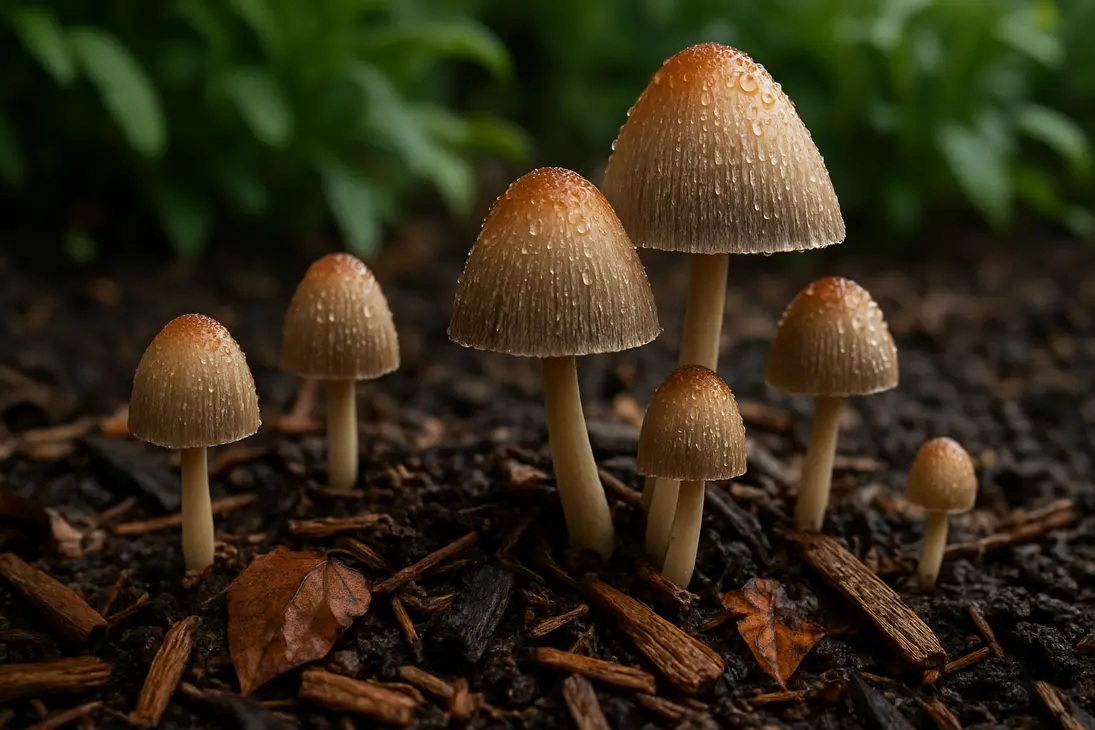
Yes. Living mushrooms need both air and water to grow, fruit, and complete their life cycle. They do not use them exactly like plants do, which is why the question can be confusing.
Mushrooms are fungi, not plants. The visible mushroom is usually only the fruiting body of a larger organism. Most of the fungus lives as mycelium: fine, threadlike growth running through soil, compost, wood, straw, mulch, or another food source. That mycelium needs moisture, oxygen, and organic material. When conditions are right, it produces mushrooms to release spores.
The short answer is: mushrooms need air and water in balance. Too little air limits growth and fruiting. Too little moisture can stop growth. Too much water, especially stagnant water, can cause rot, bacterial problems, and contamination.
Do Mushrooms Need Air?
Mushrooms do need air. More specifically, actively growing fungi need oxygen for respiration and release carbon dioxide as they break down food from their substrate.
This is different from plants. Plants use carbon dioxide, water, and sunlight to make sugars through photosynthesis. Mushrooms do not photosynthesize. Instead, fungi break down organic material such as dead wood, compost, straw, manure-based substrate, leaf litter, or mulch. To do this well, the mycelium and developing mushrooms need gas exchange.
A mushroom growing in a forest, lawn, raised bed, or log usually gets enough air naturally because soil and wood contain pore spaces and the surrounding environment is open. In cultivation, especially indoors or in bags, tubs, jars, or fruiting chambers, fresh air exchange becomes more important.
Why fresh air exchange matters
Fresh air exchange means replacing stale, carbon dioxide-rich air with oxygen-containing air. It does not mean blasting mushrooms with a fan until they dry out. It means providing gentle, regular air movement while keeping humidity high enough for mushrooms to stay moist.
Good air exchange helps:
- Support respiration in mycelium and fruiting bodies
- Prevent excessive carbon dioxide buildup
- Encourage normal mushroom shape in many cultivated species
- Reduce stagnant, overly wet conditions that favor bacteria and molds
- Allow surface moisture to evaporate instead of lingering too long
The right amount depends on the mushroom species and growing method. Oyster mushrooms, for example, need generous fresh air during fruiting. In stale air, they often produce long stems and small caps. Other mushrooms have different preferences, but all need some oxygen exchange while actively growing.
In a garden bed, you usually do not need to ventilate mushrooms directly. Good soil structure, loose organic matter, and drainage allow air to move through the growing area. Compacted, waterlogged soil has fewer air spaces, which can limit fungal activity.
What happens when mushrooms do not get enough air
When mushrooms do not get enough air, carbon dioxide can accumulate and oxygen becomes limited. Common signs include:
| Air problem | What you may notice | Why it happens |
|---|---|---|
| Too little fresh air | Long, thin stems and small caps | Mushrooms stretch in high CO₂ conditions |
| Stale, enclosed space | Slow or stalled fruiting | Respiration is limited |
| Wet, stagnant air | Slimy surfaces, sour smells, contamination | Moisture lingers and microbes thrive |
| Poor soil aeration | Weak fungal activity or plant root issues | Waterlogged spaces contain less oxygen |
A lack of air does not always kill the fungus immediately. Mycelium may survive in a slowed or dormant state, and spores can persist under harsh conditions. But visible mushrooms will not develop well without adequate oxygen and gas exchange.
Do Mushrooms Need Water?
Mushrooms also need water, but they do not drink through roots like plants. Fungi do not have roots, stems, or leaves. Water is absorbed through the mycelium and from the surrounding substrate.
Moisture is essential for fungal metabolism, nutrient movement, cell expansion, and fruiting. The visible mushroom itself is largely water, which is why mushrooms can appear quickly after rain and dry out quickly in hot, dry weather.
If the substrate dries too much, mycelium growth slows or stops. If the air is too dry during fruiting, young mushrooms may crack, abort, or fail to expand. But if the substrate is soaked and airless, the fungus may struggle and contaminants may thrive.
Moisture vs. standing water
Mushrooms need moisture, not drowning conditions. This is one of the most common mistakes in both gardens and mushroom cultivation.
Moist substrate should feel damp, not swampy. In a grow container, water should not pool at the bottom unless the method is designed for it. In a garden bed, repeated puddling can indicate poor drainage, compacted soil, or too much irrigation.
| Condition | Good for mushrooms? | Notes |
|---|---|---|
| Evenly moist substrate | Yes | Supports mycelium growth and fruiting |
| High humidity around fruiting bodies | Often yes | Helps mushrooms expand without drying |
| Brief wetting from rain | Usually yes | Often triggers outdoor mushrooms |
| Standing water or soggy substrate | Usually no | Limits oxygen and encourages rot |
| Bone-dry substrate | No for active growth | Mycelium may go dormant or die |
For cultivated mushrooms, moisture control usually means hydrating the substrate properly before inoculation and maintaining humidity during fruiting. For garden mushrooms, moisture comes from rain, irrigation, mulch, shade, and decomposing organic matter.
If unwanted mushrooms keep appearing in a lawn, bed, or pot, water is often part of the reason—but not the only reason. There also has to be a food source, such as buried wood, old roots, compost, bark mulch, or rich organic soil.
Why mushrooms release water when cooked
Mushrooms release water when cooked because their tissues contain a lot of moisture. Heat damages cell walls and drives water into the pan. This is normal and does not mean the mushrooms were recently “watered” like a plant.
In the kitchen, mushrooms often steam before they brown. If the pan is crowded or the heat is too low, released moisture sits in the pan and prevents browning. With enough heat and space, the water evaporates and the mushrooms brown more effectively.
The Main Conditions Mushrooms Need to Grow
Air and water are essential, but mushrooms need several conditions at the same time: moisture, oxygen, a food source, suitable temperature, humidity, and the right light conditions for the species.
A mushroom may fail to appear even if soil is moist and airy because the temperature is wrong. Mycelium may also live in wood chips for months before fruiting after a rainy spell. Fungi often wait until conditions are favorable before producing visible mushrooms.
The main requirements are:
- Moisture: Needed for mycelium growth and mushroom development
- Oxygen: Needed for respiration and healthy fruiting
- Substrate or food source: Dead organic matter or another suitable material
- Temperature: Species-specific; too hot or too cold can stop growth
- Humidity: Especially important while mushrooms are forming
- Light conditions: Usually indirect light or low light cues, not sunlight for food
Substrate as the mushroom’s food source
The substrate is what the fungus grows through and feeds on. It is not just “soil” in the garden sense. For mushrooms, the substrate is the food source.
Different mushrooms prefer different substrates:
- Oyster mushrooms: Straw, sawdust, paper-based material, or agricultural byproducts
- Shiitake: Hardwood logs or hardwood sawdust blocks
- Button mushrooms: Composted manure-based substrate
- Wine cap mushrooms: Wood chips or woody mulch
- Many garden mushrooms: Buried wood, decomposing roots, mulch, compost, or leaf litter
This is why mushrooms often appear in mulched beds, raised beds with woody compost, lawns with old tree roots, or pots containing bark-rich mixes. In many cases, the fungus is not eating your garden plants. It is decomposing organic matter already present in the growing medium.
Some fungi are plant pathogens, but the mere presence of mushrooms does not automatically mean disease. Many are decomposers that help break down organic material and recycle nutrients.
Temperature and humidity needs
Temperature and humidity affect whether mushrooms grow slowly, quickly, or not at all. Each species has its own preferred range. Cool-weather mushrooms may fruit in spring or fall. Warm-weather species may appear in summer after rain. Indoor cultivated mushrooms often need one temperature range for colonization and another for fruiting.
In general:
- Too cold, and growth slows or pauses.
- Too hot, and mycelium may weaken or die, depending on the species.
- Too dry, and pins or young mushrooms may abort.
- Too wet and stagnant, and contamination becomes more likely.
Humidity is especially important once fruiting begins. Young mushrooms can dry out quickly, which is why cultivated mushrooms are often fruited in humid chambers, bags with openings, shaded outdoor beds, or other protected environments.
Light: helpful for growth direction, not food production
Mushrooms do not need sunlight like plants because they do not photosynthesize. Their energy comes from breaking down organic matter in their substrate.
However, light can still matter. Many mushrooms use light as an environmental signal. Indirect light can help guide normal fruiting, orientation, and cap development in some species. Mushrooms grown in total darkness may form oddly, while mushrooms grown with gentle ambient light often develop more normally.
That does not mean mushrooms need strong direct sun. Direct sun can dry them out quickly. For many cultivated and garden mushrooms, indirect light, dappled shade, or low ambient light is enough.
Air and Water Problems in Mushroom Cultivation
Most mushroom-growing problems come back to imbalance. Too much water without air causes one set of problems. Too much air without humidity causes another. A sealed container may stay moist but become stale. An open container may have plenty of oxygen but dry out before mushrooms mature.
For beginners, the goal is not to maximize one condition. It is to balance them.
Too much moisture and contamination
Excess moisture is one of the fastest ways to create trouble in mushroom cultivation. A substrate that is too wet has fewer air spaces, which limits oxygen. It can also favor bacteria, molds, and unpleasant odors.
Possible signs of too much moisture include:
- Sour, rotten, or fermented smells
- Slimy patches
- Mushrooms that become mushy before maturing
- Pooling water in bags, tubs, trays, or pots
- Mold spreading rapidly across exposed surfaces
- Weak, patchy, or stalled mycelium
Practical ways to reduce excess moisture include:
- Hydrate substrate carefully rather than guessing.
- Let excess water drain before packing substrate into containers.
- Avoid compacting substrate so tightly that air spaces disappear.
- Use containers with appropriate drainage or filtered air exchange.
- Remove obviously contaminated material rather than trying to save it in place.
- Keep fruiting areas humid, but avoid constantly wet, stagnant surfaces.
For outdoor mushroom beds, wet weather is harder to control. The best prevention is choosing a well-drained site and using coarse organic materials that do not collapse into a soggy mat.
Poor airflow and carbon dioxide buildup
Poor airflow is common in indoor growing setups. A sealed plastic tub, closed bag, or unvented cabinet can hold humidity well, but it can also trap carbon dioxide.
Common signs of poor airflow include:
- Tall, skinny mushrooms
- Small or underdeveloped caps
- Fuzzy growth at the base of stems
- Clusters leaning toward openings or cracks
- Slow development despite good moisture
- Stale or musty air inside the growing chamber
Improving airflow does not always mean adding a fan. Strong direct airflow can dry mushrooms out and cause cracking or aborted pins. Instead, growers often adjust ventilation holes, open containers briefly, use filtered patches, or increase passive air exchange.
A simple rule: if mushrooms are drying out, humidity is too low or airflow is too harsh. If mushrooms are stretching, slimy, or forming poorly in a wet enclosed space, fresh air is likely too limited.
Managing drainage in gardens or grow containers
Drainage matters because fungi need both moisture and oxygen. Waterlogged soil or substrate holds less air, affecting fungi as well as plant roots.
In garden beds, improve drainage by:
- Loosening compacted soil carefully
- Adding compost to improve structure without creating soggy layers
- Redirecting runoff away from low spots
- Using raised beds in areas that stay wet
- Avoiding frequent watering when soil is already damp
- Keeping mulch at a reasonable depth
In pots and containers:
- Use containers with drainage holes.
- Avoid letting pots sit in saucers full of water.
- Use a potting mix that drains well for the plants you are growing.
- Remove decaying plant debris from the soil surface.
For mushroom grow containers, drainage depends on the method. Some fruiting blocks are designed to hold moisture internally while releasing excess water. Outdoor beds need contact with the ground but should not sit in puddles.
Are Mushrooms in Your Garden a Problem?
Mushrooms in the garden are usually not a problem. In many cases, they are a sign that fungi are breaking down organic matter. That can be beneficial because decomposition helps recycle nutrients and improve soil over time.
Mushrooms often appear after rain, heavy irrigation, humid weather, or the addition of mulch or compost. They may pop up in raised beds, lawns, containers, around tree stumps, or along buried roots. The visible mushrooms may last only a day or two, while the mycelium remains hidden.
The main concern is often safety, not plant health. Never eat wild mushrooms from your garden unless they have been identified with certainty by a qualified person. Many mushrooms are difficult to identify, and some toxic species resemble edible ones.
When garden mushrooms are harmless
Garden mushrooms are often harmless when:
- Plants look healthy and grow normally.
- Mushrooms appear after rain and disappear quickly.
- They are growing from mulch, compost, old roots, or decaying wood.
- There are no signs of plant disease, such as wilting, cankers, root rot, or collapsing stems.
- The soil drains well and does not smell sour or rotten.
In these cases, mushrooms are usually just the fruiting bodies of decomposer fungi. They may even indicate biologically active soil.
In lawns, mushrooms may be feeding on buried organic matter such as old roots, thatch, or wood debris. In houseplant pots, small mushrooms often appear when potting mix stays consistently moist and contains bark or other organic material.
When to remove mushrooms
You may want to remove mushrooms when:
- Children or pets use the area.
- They are in a vegetable bed and make harvesting unpleasant.
- They are growing in indoor pots where spores or appearance are a concern.
- They are part of a larger moisture problem.
- They appear with foul smells, slimy soil, or plant decline.
- You simply do not want them in a visible area.
Removal is simple: wear gloves, pick or rake them out, and dispose of them in the trash if safety is a concern. Removing mushrooms does not remove the entire fungus, because the mycelium remains in the soil or substrate. However, it can reduce accidental contact and may reduce spore release from those fruiting bodies.
Avoid using fungicides casually just because mushrooms appear. Fungicides may not solve the underlying issue and can affect other fungi. It is usually better to correct moisture, drainage, and organic matter conditions.
How to reduce unwanted mushroom growth
To reduce unwanted mushrooms, focus on the conditions that allow them to fruit. You may not eliminate the fungus completely, but you can make the area less inviting.
Useful steps include:
- Water less often if the soil is staying wet.
- Water in the morning so surfaces dry during the day.
- Improve drainage in low or compacted areas.
- Remove rotting wood, old roots, or buried lumber where practical.
- Rake up thick thatch in lawns.
- Keep mulch to a moderate depth.
- Increase spacing or pruning where dense foliage traps humidity.
- Replace chronically soggy potting mix in containers.
- Empty saucers under pots after watering.
If mushrooms appear after every rain in a mulched bed but your plants are healthy, you may not need to do anything. If they appear alongside water buildup, sour soil, fungus gnats, root problems, or plant decline, treat them as a clue that moisture and air balance need attention.
Conclusion
Mushrooms need air and water to survive and grow, but they need both in the right amounts. Active mycelium and fruiting bodies require oxygen and release carbon dioxide. They also need moisture, absorbed through the mycelium and surrounding substrate, rather than through roots like plants.
Healthy mushroom growth depends on a balanced environment: moist but not waterlogged substrate, fresh air without drying winds, a suitable food source, species-appropriate temperature, adequate humidity, and usually indirect light rather than direct sun.
In gardens, mushrooms are often normal signs of decomposition and moisture. In cultivation, air and water balance becomes more precise. Too little air leads to carbon dioxide buildup and poor fruiting. Too much water leads to stagnant, low-oxygen conditions and contamination. The best results come from managing both together.
FAQ
Can mushrooms survive without air?
Actively growing mushrooms cannot survive well without air. Fungi need oxygen for respiration and release carbon dioxide. In sealed or stagnant conditions, mushrooms may grow poorly, deform, stall, or die. Spores or dormant mycelium may persist under harsher conditions, but active growth needs gas exchange.
Can mushrooms grow without water?
Mushrooms cannot actively grow or fruit without moisture. Mycelium needs water to metabolize food and expand, and the fruiting body is moisture-rich. In dry conditions, growth slows, stops, or goes dormant. Prolonged dryness can kill sensitive mycelium, depending on the species and substrate.
Do mushrooms need sunlight like plants?
No. Mushrooms do not need sunlight for photosynthesis because they are fungi, not plants. They get energy by breaking down organic material in their substrate. However, many mushrooms benefit from indirect light as a signal for normal fruiting and growth direction. Strong direct sun can dry them out.
Why do mushrooms appear after rain?
Mushrooms often appear after rain because moisture and humidity trigger fruiting. The mycelium may already be living in soil, mulch, compost, wood, or old roots. After rain, conditions become damp enough for the fungus to produce visible mushrooms. They may disappear quickly once the weather dries.
You Might Also Like