Why Is My Potting Soil Cracking After Watering?
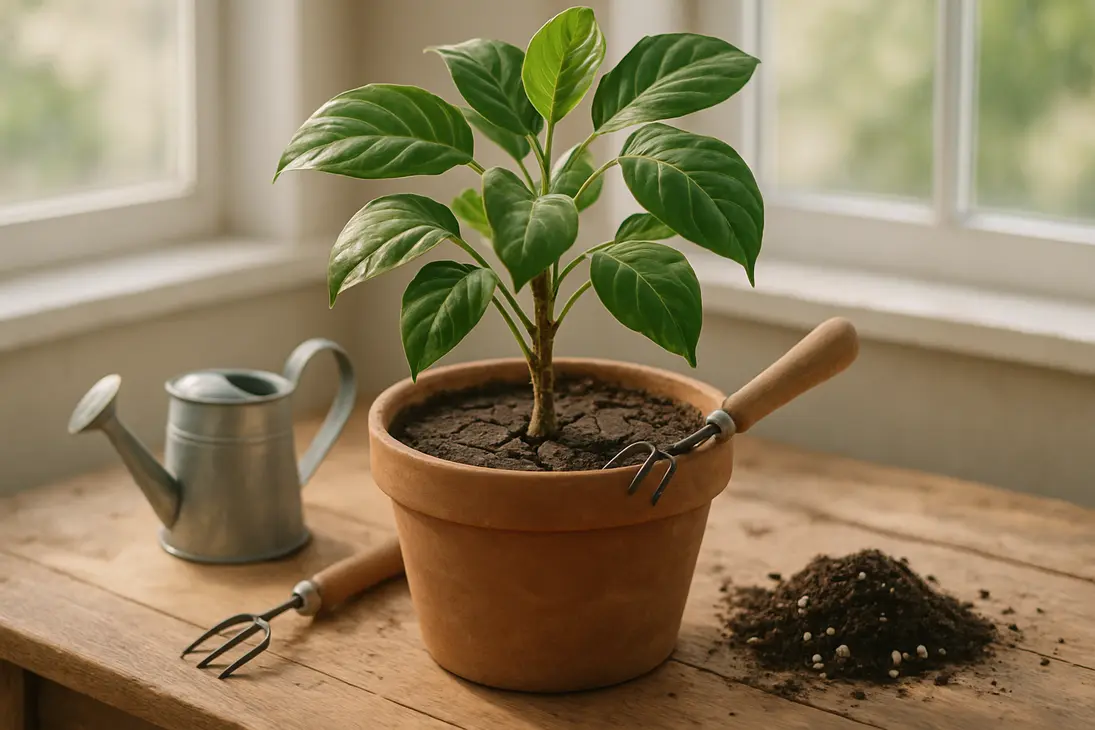
Potting soil cracking usually means the mix has dried too far, shrunk, compacted, or stopped absorbing water evenly. It can look alarming, especially when cracks appear after watering, but the problem is often fixable.
In containers, cracks commonly form when organic ingredients such as peat, compost, bark fines, or coir lose moisture and shrink. If the mix is old, dense, clay-like, or rootbound, the shrinkage is more obvious. Water may then run through cracks instead of soaking the root zone, so the pot looks watered while the plant remains thirsty.
Here’s how to identify the cause, fix the problem, and prevent it from returning.
Why Potting Soil Cracks After Watering
A healthy potting mix contains air pockets, organic material, mineral particles, and sometimes perlite, vermiculite, bark, sand, or compost. When the structure works well, water moves evenly through the mix: some moisture is held for roots, and excess drains away.
Cracking happens when that structure dries unevenly or breaks down. The usual pattern is:
- The potting mix dries.
- The dry material shrinks.
- Gaps open on the surface or around the pot edge.
- Water follows those gaps.
- Parts of the root ball stay dry even after watering.
That is why cracks can look worse after you water.
Cracking vs. normal drying
Some drying is normal. The top half-inch or inch of mix may look lighter, feel dry, or pull very slightly from the pot edge. Many houseplants, herbs, and container vegetables tolerate that.
Cracking is more concerning when you see:
- Deep lines across the soil surface
- Gaps between the mix and container wall
- A hard crust on top
- Water pooling briefly, then disappearing down cracks
- Soil that still feels dry below the surface after watering
Small surface cracks may be cosmetic. Wide or repeated cracks suggest the mix is drying too much, compacting, or no longer absorbing water well.
Why cracks may appear even after you water
Watering can make existing shrinkage more visible. When very dry potting mix is watered from above, the first water may not soak in evenly. It wets some areas, runs along cracks, and drains through the pot while dry sections remain shrunken.
This is especially common in peat-heavy mixes. Peat moss holds moisture well when evenly moist, but once it becomes bone dry, it can resist rewetting. The surface may darken while the interior remains dry.
How water can run through cracks without soaking the root zone
Water takes the easiest path. In a cracked pot, that path may be down a side gap or through a deep channel.
That creates a cycle:
- You water.
- Water drains quickly from the bottom.
- The pot seems watered.
- The root ball remains partly dry.
- The plant wilts or declines.
- More cracking appears as dry areas shrink further.
“Water came out the drainage holes” does not always mean the roots received enough water. Fast drainage is only helpful when water has passed through an absorbent, evenly moist mix.
Common Causes of Cracked Potting Soil
Several problems can cause or worsen cracking, and more than one may be involved.
| Cause | What it looks like | Why it happens | Best first fix |
|---|---|---|---|
| Mix dried out too much | Cracks, pale soil, light pot | Organic materials shrink | Slow rehydration or bottom watering |
| Peat-heavy mix became hydrophobic | Water beads or runs off | Dry peat resists water | Soak gradually |
| Old mix broke down | Dense, crusted surface | Organic particles collapse | Refresh or repot |
| Garden soil or clay in pot | Hard slab-like surface | Fine soil compacts | Replace with potting mix |
| Small pot, heat, or rootbound plant | Soil dries within a day | Not enough mix holds moisture | Repot or adjust watering |
The mix dried out too much between waterings
This is the most common cause. As potting mix dries, it shrinks. If it becomes bone dry, the shrinkage can create deep cracks.
This often happens with:
- Vacation gaps in watering
- Sunny windows
- Outdoor containers in summer
- Small pots with large plants
- Hanging baskets exposed to wind
- Terra-cotta pots, which lose moisture through their sides
The goal is not simply to water more often, but to water before the entire root ball becomes hard and dry. Many plants like the top inch or two to dry, but fewer tolerate the whole pot becoming dust-dry.
Peat-heavy soil became hydrophobic
Many commercial mixes contain peat moss because it is light and moisture-retentive when hydrated. The drawback is that very dry peat can become hydrophobic, meaning it resists water.
Signs include:
- Water sits on top before soaking in
- Water runs down the inner wall of the pot
- The pot drains quickly but still feels light
- The surface darkens while lower mix stays dry
- Soil pulls away from the pot edge in one firm mass
The mix is not always ruined. It may just need slow, thorough rehydration. If the issue keeps returning, the mix may not suit your watering habits or growing conditions.
Old potting mix is compacted or broken down
Potting mix ages. Over time, bark, peat, compost, and other organic ingredients break into smaller particles. Those particles settle into air spaces, making the mix denser.
Old compacted soil may crack on top, drain unevenly, form a hard crust, smell sour, or stay wet at the bottom while dry on top. This is common in houseplants that have not been repotted for several years.
Garden soil or clay was used in a container
Garden soil usually does not perform well in pots. In the ground, it is part of a larger system with natural drainage and soil life. In a container, it can become dense and poorly aerated.
Clay-heavy soil is especially prone to cracking. When wet, it can be sticky and slow-draining. When dry, it can shrink into a hard mass. If you used garden soil in a pot and it is cracking, the long-term fix is usually repotting into a proper potting mix.
Heat, sun, small pots, and rootbound plants speed up drying
Sometimes the mix is acceptable, but the container dries too fast.
Common drying accelerators include:
- Direct afternoon sun on the pot
- Black or dark containers
- Windy balconies or patios
- Small pots
- Fast-growing annuals, tomatoes, peppers, herbs, or hanging baskets
- Rootbound plants
- Unglazed terra-cotta pots
- Indoor heating vents or dry rooms
Rootbound plants are especially likely to crack. When roots fill the pot, there is less mix left to hold moisture, and water may run down the sides instead of soaking in.
Is Cracked Potting Soil Bad for Plants?
Cracked potting soil is not always an emergency. If the plant looks healthy, cracks are shallow, and water still soaks in, you may only need to adjust watering.
It becomes a problem when cracking prevents moisture from reaching the roots.
Water bypasses roots instead of soaking in
The biggest risk is uneven watering. If water travels through cracks, the plant may have wet spots and dry pockets in the same pot.
That can cause confusing symptoms: wilting after watering, yellowing leaves, weak new growth, flower drop, or poor production in vegetables.
Before watering again, check below the surface with your finger, a wooden skewer, or by lifting the pot. If the top looks wet but the pot still feels unusually light, water likely did not soak in.
Roots can dry out or become stressed
Roots need both moisture and oxygen. Repeated dry spells can damage fine feeder roots, making it harder for the plant to absorb water later.
You may see:
- Wilted leaves that do not perk up quickly
- Crispy leaf edges
- Leaf drop
- Slow growth
- Bud or flower drop
- Soil repeatedly pulling away from the pot
Drought-tolerant plants such as succulents, snake plants, and some cacti handle dry periods better than basil, ferns, peace lilies, calatheas, tomatoes, and many annual flowers.
Cracking may point to poor drainage, compaction, or a tired mix
Cracking can also mean the potting mix has lost structure. A compacted mix can create both drought stress and overwatering problems: the surface may repel water while the bottom stays soggy.
Repot sooner if you notice:
- Sour, rotten, or stagnant smell
- Mushy roots
- Fungus gnats with wet lower soil
- A hard, brick-like root ball
- White salt crust plus poor water absorption
- Water running around the edges every time
- Plant decline despite reasonable care
How to Fix Cracked Potting Soil Now
The immediate goal is to rehydrate the whole root ball, not just wet the surface. Work gently, especially with stressed plants, because dry roots can be brittle.
Rehydrate the pot slowly and thoroughly
For mild to moderate cracking, water in stages:
- Move the pot out of harsh sun if possible.
- Water the surface lightly and wait a few minutes.
- Water again across the whole surface.
- Repeat until the pot feels noticeably heavier.
- Let excess water drain fully.
- Check the soil again after 20–30 minutes.
The pauses matter. Dry mix often needs time to accept water. Pouring a large amount at once may just send water through the cracks and out the drainage holes.
If the plant sits inside a decorative cachepot with no drainage, remove the inner pot before watering. Do not leave the plant sitting in drained water unless you are bottom-watering briefly.
Loosen the top layer and fill surface gaps
If the surface is crusted, gently loosen the top half-inch or inch with a chopstick, fork, or small tool. Stay shallow to avoid damaging roots.
Then fill visible cracks with fresh potting mix. This helps water spread across the surface instead of dropping straight into channels.
For gaps around the pot edge, press fresh mix lightly into the space. Do not pack it hard; the goal is contact, not compaction. If the whole root ball has shrunk into a hard mass, this is only a temporary repair.
Bottom-water severely dry containers
Bottom watering helps hydrophobic mix absorb moisture more evenly.
To bottom-water:
- Set the pot in a basin, sink, bucket, or tray.
- Add several inches of room-temperature water.
- Let the pot sit until the top feels slightly moist or the pot feels heavier.
- Remove the pot and let it drain completely.
- Do not leave it sitting in water for hours after rehydration.
Small pots may take 20–45 minutes; larger containers may take longer. If the pot has no drainage holes, bottom watering is not appropriate. Repotting into a container with drainage is safer.
Repot if the soil is compacted, sour, or rootbound
Repot if the mix is old, dense, sour-smelling, or packed with roots.
A practical process:
- Water lightly first if the root ball is extremely dry.
- Slide the plant out of the pot.
- Inspect the roots. Healthy roots are usually firm; rotten roots are mushy, dark, and foul-smelling.
- Loosen circling outer roots gently.
- Remove loose, exhausted, or sour-smelling mix without stripping every root bare.
- Repot into fresh mix suited to the plant.
- Water thoroughly and let the pot drain.
Choose a pot only slightly larger unless the plant truly needs more space. Too much extra wet mix around a small root system can increase rot risk.
How to Prevent Potting Soil from Cracking Again
Prevention comes down to consistent moisture and a mix that holds structure in a container.
Use a quality potting mix, not garden soil
For most container plants, use a true potting mix. It should feel light and springy, not heavy like field soil. Good mixes balance moisture retention and air space with ingredients such as peat or coir, bark fines, perlite, pumice, composted material, or similar components.
Match the mix to the plant:
- Houseplants: general indoor mix, often improved with perlite or bark.
- Succulents and cacti: gritty, fast-draining mix.
- Vegetables and annuals: moisture-retentive but well-drained mix in large enough containers.
- Orchids and epiphytes: bark-based specialty mixes.
- Ferns and moisture-loving plants: moisture-holding mix that still drains freely.
Avoid dense garden soil, especially clay, in containers.
Water before the mix becomes bone dry
You do not need to keep every plant constantly moist. Many plants suffer if watered too often. The key is avoiding extreme drying for plants and mixes that do not recover well from it.
Use more than one cue:
- Touch the soil below the surface.
- Lift the pot to judge weight.
- Watch the plant’s normal wilt-and-recover pattern.
- Use a wooden skewer for deeper pots.
- Check outdoor containers more often during heat and wind.
For many houseplants, water when the top inch or two has dried, then water thoroughly. Succulents can dry more. Ferns, seedlings, basil, and many flowering annuals may suffer if the whole pot dries out.
Add amendments that balance moisture and drainage
If your mix repeatedly cracks, amendments can help when chosen appropriately.
Useful options include:
- Perlite or pumice: improves air space and drainage.
- Fine bark or orchid bark: adds structure and reduces compaction.
- Coir: holds moisture and can be easier to rewet than very dry peat.
- Compost: adds organic matter, but too much can make pots heavy and soggy.
- Vermiculite: holds moisture; useful for seedlings and moisture-loving plants.
Avoid adding too much compost, clay, or garden soil. Containers need pore space for healthy roots.
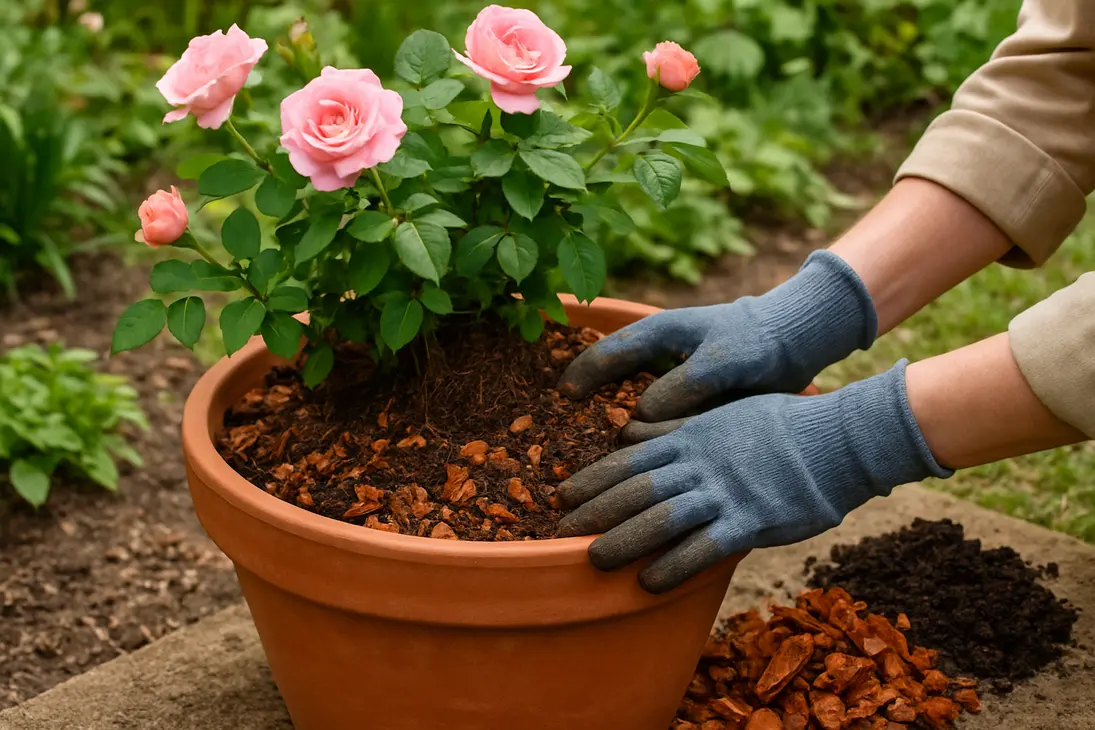
Top-dress or mulch container soil
A thin top-dressing reduces surface drying and crusting, especially outdoors.
Good container mulches include:
- Fine bark
- Shredded leaves
- Straw for vegetable containers
- Light compost top-dress
- Decorative gravel for drought-tolerant plants, if the mix below drains well
Keep mulch slightly away from stems or crowns to reduce rot risk. In small indoor pots, use a light layer so you can still judge moisture.
Refresh or replace old potting soil when needed
Even good potting mix ages. Outdoor annual containers are often refreshed each season. Long-term houseplants may need repotting every one to three years, depending on growth, pot size, and mix quality.
You do not always need to discard everything. If old mix is crumbly, odor-free, and came from a healthy plant, it can often be refreshed with new potting mix, perlite, bark, compost, or fertilizer as appropriate. If it is compacted into a hard mass, contaminated by disease, or associated with root rot, replace most or all of it.
Conclusion
Potting soil cracking after watering usually means the mix has dried, shrunk, compacted, or become water-repellent enough that moisture is not spreading evenly. The surface may look wet while water runs through cracks and misses the roots.
For a quick fix, rehydrate slowly, loosen the crusted surface, fill gaps with fresh mix, or bottom-water a severely dry pot. If the soil is old, sour, dense, or rootbound, repotting is the better solution.
To prevent cracking, use a proper potting mix, water before the root ball becomes bone dry, choose containers large enough for the plant, and refresh old soil before its structure breaks down.
FAQ
Why does my potting soil crack right after I water it?
Cracks often appear right after watering because the mix was already too dry and shrunken. Water darkens some areas while dry sections remain contracted, making cracks more visible. In hydrophobic or compacted soil, water may run through channels instead of soaking into the root ball.
Water slowly in several rounds, or bottom-water if the pot is severely dry. If the problem returns quickly, the mix may be old, peat-heavy, compacted, or rootbound.
Can I reuse potting soil that has cracked?
Yes, if it came from a healthy plant and does not smell sour, contain rotted roots, or look badly broken down. Rehydrate it, break up hard clumps, and refresh it with new potting mix or amendments such as perlite, pumice, bark, or coir.
If it has become fine, dense, and hard, do not rely on it by itself for a demanding container plant. Reuse it only in small amounts as part of a refreshed blend, or add it to compost.
Should I throw out potting soil after a plant dies or gets root rot?
If the plant died from underwatering, neglect, or age, the soil may be reusable after inspection and refreshing. If the plant had root rot, a foul smell, pests, or suspected disease, it is safer not to reuse that mix for another potted plant.
Discard it, hot-compost it if appropriate, or use it only in a low-risk outdoor area. Wash the pot before reusing it, especially after root rot.
What type of potting soil is least likely to crack?
The least crack-prone mix is a fresh, container-grade blend that holds moisture evenly while maintaining air space. For many plants, that means organic material plus structure-builders such as bark, perlite, pumice, or coir.
Avoid dense garden soil, heavy clay, and old broken-down mixes. Also avoid letting peat-heavy mixes become bone dry, because they can be difficult to rewet. Choose the mix based on the plant: moisture-loving plants need more water retention, while succulents and cacti need a grittier, faster-draining blend.
You Might Also Like