Why Is My Cactus Not Growing After Purchase?
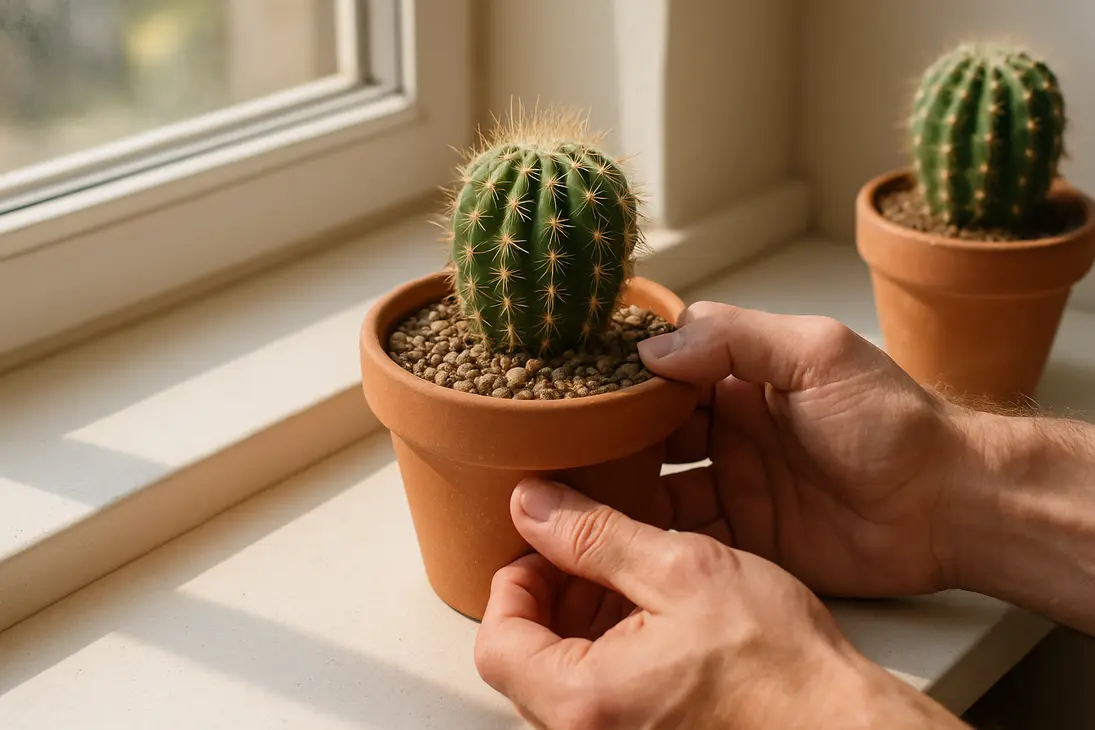
A cactus that does nothing after you buy it is usually not failing. In many cases, it is simply adjusting.
Cacti are naturally slow plants, and visible growth can be hard to spot indoors. After purchase, they may also be recovering from transport, nursery handling, repotting, dry or wet soil, or the shift from greenhouse conditions to a windowsill. For many owners, cacti growth after purchase is less about immediate height and more about whether the plant stays firm, well-colored, and rot-free while it settles in.
If your cactus looks stable but has not grown, patience is often the right first move. If it is soft, yellowing, shrinking rapidly, leaning, or sitting in wet soil, then it is time to troubleshoot.
Why Cacti Often Pause Growth After You Bring Them Home
Cacti do not usually respond to a new home by growing right away. A recently purchased cactus may pause while adapting to new light, temperature, airflow, watering, and humidity. It may also be recovering from root disturbance or resting in its normal dormant season.
This pause can last a few weeks or several months. The important question is not only “Is it growing?” but “Is it staying healthy?”
Acclimation to a New Environment
Most shop cacti have already been through several changes before reaching your home. They may have been grown in a bright greenhouse, shipped in boxes, displayed under weak retail lighting, then moved to your window or patio.
Each move changes how much light, water, and warmth the plant receives. A cactus moved suddenly from a dim shelf into intense direct sun can burn before it grows. Indoor conditions are also usually lower in light, airflow, and warmth than greenhouse conditions.
During acclimation, the cactus may look unchanged while it adjusts water storage, repairs minor root damage, and adapts to the new light level.
Root Disturbance and Repotting Shock
Repotting right after purchase can help if the cactus is in soggy soil or a pot without drainage, but it also disturbs roots. Cactus roots are often fine and easily damaged.
After repotting, the plant may spend weeks repairing roots before producing top growth. The pause can last longer if the cactus was placed in dense soil, watered heavily right away, moved into an oversized pot, or repotted repeatedly.
A cactus needs a healthy root system before it can grow well above the soil line.
Dormancy vs. Active Growth Season
A cactus bought in autumn or winter may not grow because it is dormant. Many desert and semi-desert cacti slow down when days are shorter, light is weaker, and temperatures are cooler, even indoors.
During dormancy, the plant uses much less water and may show little visible growth. Trying to force growth with frequent watering is a common cause of root rot.
Most common indoor cacti grow most actively in spring and summer. Some species have different rhythms, and tropical forest cacti such as holiday cactus behave differently from desert types.
Typical Cactus Growth Timeline After Purchase
Cactus growth after purchase is slow compared with leafy houseplants. Even when growth begins, it may appear as a lighter green growing point, new spines, a small offset, a widening pad, or a slight increase in height.
| Time after purchase | What is normal | What to watch for |
|---|---|---|
| First 1–2 weeks | No visible growth while the plant settles | Soft spots, sunburn, soil staying wet |
| First month | Roots adjust; top growth may be absent | Yellowing, black tissue, worsening shriveling |
| 2–6 months | Subtle growth if light and roots are good | Stretching, leaning, pests |
| Long term | Growth depends on species, season, and light | Rot, collapse, or repeated decline |
First 1–2 Weeks: Settling In
In the first week or two, do not expect much. Your main job is to avoid adding stress.
Place the cactus somewhere bright, but do not immediately put a store-bought plant into all-day direct sun unless it was already grown that way. A bright window with gentle morning sun is often safer than harsh afternoon sun.
Check the soil before watering. If it is still damp from the shop, wait. If it is bone dry, that is not automatically an emergency. Avoid fertilizing during this stage; fertilizer does not fix acclimation stress, poor light, or root damage.
First Month: Root Adjustment Before Top Growth
During the first month, the cactus may be active below the surface even if the top looks unchanged. Roots may be healing, growing into the mix, or adjusting to your watering pattern.
If you repotted and damaged roots, many growers wait several days to a week before watering so small wounds can dry and callus. If you did not repot, use this time to evaluate the nursery setup:
- Does the pot have a drainage hole?
- Does the soil dry within a reasonable time?
- Is the plant firm, stable, and upright?
- Is the cactus getting enough light?
If the cactus is firm and well-colored, lack of top growth in the first month is usually not a concern.
2–6 Months: Slow Visible Growth, If Conditions Are Right
Many cacti show subtle growth within a few months if they are in active season and have enough light. Signs may include:
- Fresh-looking growth at the top
- New spines
- Small offsets or pups
- A pad becoming larger
- Slight height gain on a columnar cactus
- Flower buds on mature plants
Indoor growth is often slow because window light is weaker than it looks to human eyes. A cactus several feet from a window may be surviving rather than growing.
Long-Term Growth: Species and Season Matter
Not all cacti grow at the same pace. Some small globular cacti stay nearly the same size for years, especially indoors. Others, such as prickly pears or some columnar cacti, can grow more noticeably with strong light and warmth.
Young plants often grow faster than old specimens. Winter purchases may not grow until spring or early summer. Compare the cactus with its own condition over time rather than expecting it to behave like a leafy houseplant.
What Cacti Need Before They Start Growing Again
A cactus will not grow well simply because it is watered more. Healthy growth depends on light, drainage, soil, temperature, and stability. If one of these is badly wrong, growth often pauses.
Bright Light Without Sudden Sunburn
Light is the most common limiting factor for indoor cacti. A cactus may look fine in low light for a while, but it will not grow strongly. If it does grow, the new growth may be pale, thin, stretched, or leaning.
Most desert cacti prefer very bright light, often with several hours of direct sun once acclimated. Indoors, the best spot is usually a very bright window. In the Northern Hemisphere, south- or west-facing windows are often strongest; in the Southern Hemisphere, north- or west-facing windows are often strongest.
Introduce stronger light gradually:
- Start with bright indirect light or gentle morning sun.
- Increase direct sun over one to two weeks.
- Watch for bleaching, tan patches, or crispy areas.
- If sunburn appears, move the plant back and acclimate more slowly.
Sunburn damage does not turn green again, so increase light carefully.
Watering Deeply but Infrequently
Cacti should not be watered by tiny sips every few days. In a suitable pot and mix, water thoroughly until water runs from the drainage hole, then let the mix dry well before watering again.
The interval depends on pot size, soil, season, light, temperature, and species. A small cactus in a gritty terracotta pot may dry quickly. A cactus in a large plastic pot with peat-heavy soil may stay wet too long.
A practical rule is:
- During active growth, water when the mix is fully or nearly fully dry.
- During cool, low-light dormancy, water much less often.
- After repotting, wait briefly if roots were disturbed.
Let the soil, not the calendar, decide.
Fast-Draining Soil and Pots With Drainage Holes
Drainage is essential for most potted cacti. A pot without a drainage hole traps water at the bottom, even if the surface looks dry. This creates low-oxygen conditions and raises the risk of rot.
A good cactus setup has:
- At least one drainage hole
- A pot only slightly larger than the root ball
- A gritty, airy mix
- No standing water in a saucer
- Enough stability to support the plant
Many commercial cactus mixes are still quite organic and may need added pumice, perlite, coarse sand, or fine gravel. Avoid using a gravel layer as a substitute for drainage; it does not fix a pot with no hole.
Warmth, Airflow, and Stable Conditions
Cacti generally grow best when they are warm, bright, and not sitting in stagnant damp air. A plant near cold glass, drafty doors, or air-conditioning vents may slow down even with decent light.
Stability also helps. Moving a cactus every few days between a windowsill, table, and patio forces it to keep readjusting. If you move it outdoors for summer, acclimate it gradually because outdoor sun is much stronger than light through glass.
Common Mistakes That Delay Cactus Growth
Most stalled cactus growth after purchase comes down to too much water, too little light, poor drainage, repeated repotting, or unrealistic expectations.
Watering Too Often
Overwatering usually means watering again before the roots have enough air and the mix has dried. When soil stays wet too long, roots can die and rot can move into the base.
Signs of overwatering include:
- Soil staying damp for many days
- Yellowing near the base
- A soft or translucent lower stem
- Fungus gnats or mushrooms
- A sour smell from the soil
A cactus with failing roots may stop growing. Watering more will make it worse.
Keeping the Cactus in Dense Nursery Soil
Nursery soil is not always ideal for long-term indoor cactus care. Some store-bought cacti are in peat-heavy mixes that stay wet too long or become hard to rewet evenly once dry.
Dense soil delays growth because roots cannot breathe well. The top may look dry while the lower root zone remains wet.
If the cactus is healthy and the soil dries quickly, you may not need to repot immediately. Repot if the soil stays wet, smells bad, forms a hard block, or sits in a pot without drainage.
Moving or Repotting It Repeatedly
It is tempting to keep changing things when a cactus is not growing. But repeated repotting, repositioning, watering experiments, and fertilizer applications often create more stress.
After correcting major issues, give the plant time. Choose a bright spot, use a proper pot and mix, water only when dry, and observe.
Repot only when there is a clear reason, such as no drainage, soggy soil, root rot, severe rootbinding, instability, or planting too deeply.
Confusing “No Growth” With “Unhealthy”
A cactus can be healthy and not visibly growing, especially during winter, after purchase, after repotting, or in moderate indoor light.
Before changing care, ask:
- Is the cactus firm?
- Is the color stable?
- Is the base solid?
- Is the soil drying properly?
- Are there pests?
- Is it the active growing season?
If the answers are reassuring, patience may be better than intervention.
Signs Your Cactus Is Healthy vs. Struggling
Because cacti grow slowly, judge health by more than size. Firmness, color, roots, and the soil environment tell you more than week-to-week growth.
Healthy Signs During a Growth Pause
A cactus that is not growing may still be healthy if it has:
- A firm body with no mushy areas
- Stable natural color
- No spreading black or brown soft patches
- No foul smell from the soil
- Potting mix that dries between waterings
- No cottony pests, webbing, or sticky residue
- An upright, anchored position
Some wrinkling can be normal, especially during a dry winter rest. The key is whether it is mild and stable or worsening despite appropriate care.
Warning Signs to Check For
A struggling cactus often shows symptoms beyond no growth.
| Symptom | Possible cause | What to do |
|---|---|---|
| Soft, mushy base | Root or stem rot | Stop watering; inspect roots and base |
| Yellowing from the bottom | Overwatering or poor drainage | Check soil and pot drainage |
| Severe shriveling | Dehydration, dead roots, or drought | Check roots before adding more water |
| Pale, stretched growth | Too little light | Increase light gradually |
| Tan or white patches | Sunburn | Reduce sun and acclimate slowly |
| Cottony white clusters | Mealybugs | Isolate and treat promptly |
| Fine webbing or speckling | Mites or pests | Inspect closely |
| Black spreading spots | Rot or disease | Keep dry and improve airflow |
A cactus with rotted roots may look thirsty because it cannot take up water. If you keep watering, the rot worsens.
When to Unpot and Inspect the Roots
Do not unpot a cactus every time you worry, but inspect the roots when symptoms suggest trouble.
Unpot and inspect if:
- The base is soft
- Soil has stayed wet for a long time
- The pot smells bad
- The cactus shrivels after watering
- The pot has no drainage
- The plant wobbles as if roots are gone
Healthy roots are usually pale to tan, firm, and not slimy. Rotten roots may be black, brown, mushy, hollow, or foul-smelling.
If roots are rotting, remove wet soil, trim dead roots with clean tools, let damaged areas dry and callus, then repot into dry, fast-draining mix. Do not water immediately after heavy root trimming. If the cactus stem itself is rotting, saving it may require cutting above the rot and rooting the healthy top.
Conclusion
A cactus that is not growing after purchase is usually reacting normally to change. Transport, store conditions, repotting, root disturbance, lower indoor light, and seasonal dormancy can all pause visible growth.
Focus first on health, not speed. A firm cactus in bright light, a draining pot, and airy soil is often just taking its time. Avoid the urge to water more, fertilize heavily, or repot repeatedly. Provide strong but gradual light, water deeply only when the mix has dried, use fast-draining soil, and keep the plant in a stable warm position.
With cacti, slow progress is still progress. If the plant stays firm and well-colored, it may simply be preparing roots before it shows growth above the soil.
FAQ
How long does it take a cactus to grow after purchase?
A healthy cactus may take a few weeks to several months to show visible growth after purchase. If it was bought in winter, recently repotted, or moved from low light to a new location, it may not grow noticeably until the active growing season.
Visible growth can be subtle. Look for new spines, a fresh growing point, small offsets, or slight widening rather than dramatic height.
Should I repot a cactus right after buying it?
Not always. If the cactus is in a draining pot, the soil dries well, and the plant looks healthy, let it acclimate first.
Repot sooner if the pot has no drainage hole, the soil stays wet too long, the mix is dense and soggy, or there are signs of root problems. Use a fast-draining cactus mix and avoid watering immediately if roots were damaged.
Why is my cactus not growing even though it looks healthy?
If it is firm, stable, and well-colored, it may be dormant, acclimating, growing roots, or growing too slowly to notice. Low indoor light is another common reason for healthy-looking but inactive cacti.
Check the season, light level, drainage, and soil drying time. If those are appropriate, patience is usually better than changing care repeatedly.
Do all cacti grow slowly?
Most cacti grow slowly compared with leafy houseplants, but growth rates vary. Some columnar and prickly pear types can grow noticeably in strong light and warmth, while many small globular cacti stay compact for years.
Indoor cacti usually grow more slowly than outdoor or greenhouse plants because they receive less light. Species, age, root health, pot size, and season all affect the pace.
You Might Also Like